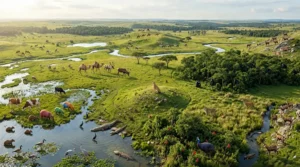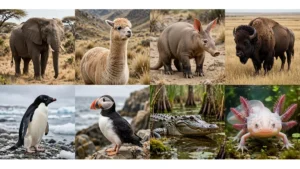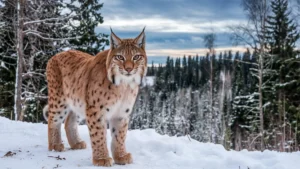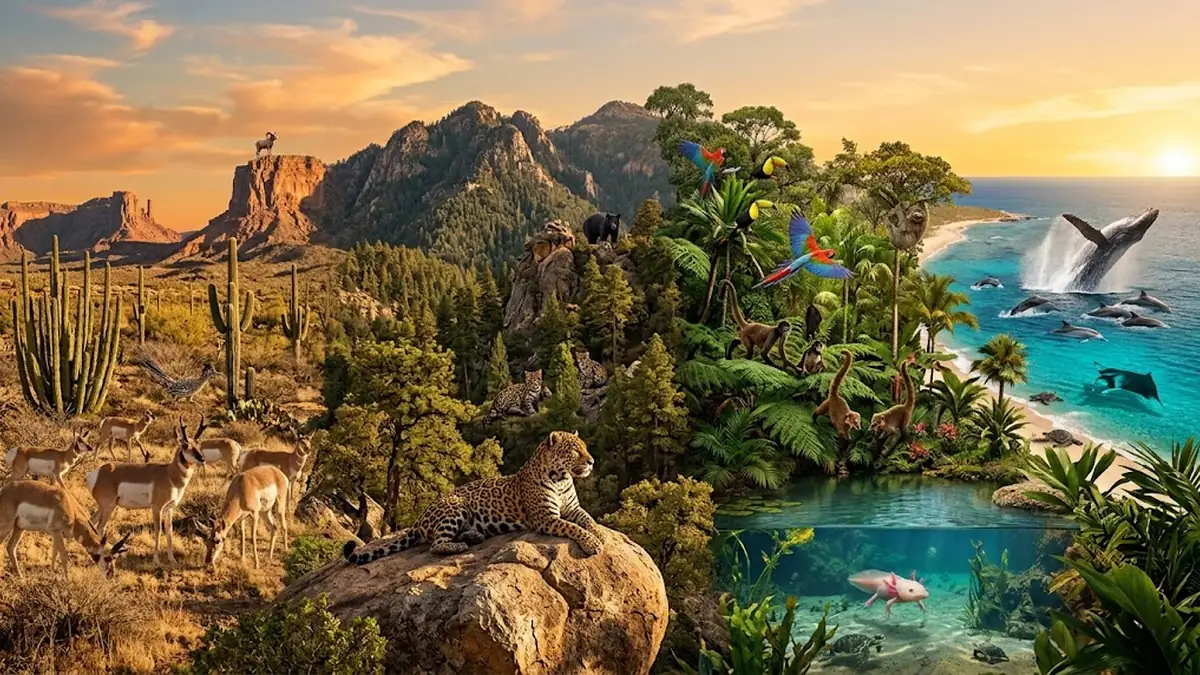
Mexico is home to an extraordinary range of wildlife, from jaguars moving silently through tropical forests to desert foxes crossing arid landscapes and whales traveling along its Pacific coastline. Few countries offer such a striking combination of ecosystems, and that variety creates opportunities for an equally remarkable range of animal life.
Stretching from the deserts of the north to the tropical rainforests of the south, Mexico contains mountains, grasslands, wetlands, mangroves, freshwater lakes, and extensive marine environments. Each habitat supports different species, including animals found nowhere else in the world.
The country’s wildlife includes powerful predators, colorful birds, unusual reptiles, marine mammals, and small creatures that are easy to overlook. Some are widespread, while others survive only in limited areas and face serious conservation challenges.
This guide explores 30 fascinating animals of Mexico, where they live, how they survive, and what makes them important to the country’s natural heritage.
What Makes Mexico’s Wildlife So Diverse?
Mexico sits where the Nearctic region of North America meets the Neotropical region farther south. This geographic position helps explain why the country supports both northern wildlife, such as pronghorns and black bears, and tropical species, including jaguars, spider monkeys, and scarlet macaws.
Its landscapes add another layer of diversity. The deserts of Sonora and Chihuahua support animals adapted to heat and limited water. Mountain forests provide habitat for specialized mammals and birds, while southern rainforests shelter species that depend on warm, humid conditions.
Mexico is also exceptionally important for endemic wildlife. An endemic species is naturally restricted to a particular geographic area. The country’s isolated islands, mountain ranges, caves, lakes, and other specialized habitats have allowed many animals to evolve independently.
The result is a wildlife community shaped by geography, climate, migration, and millions of years of evolution.
30 Fascinating Animals of Mexico
1. Jaguar
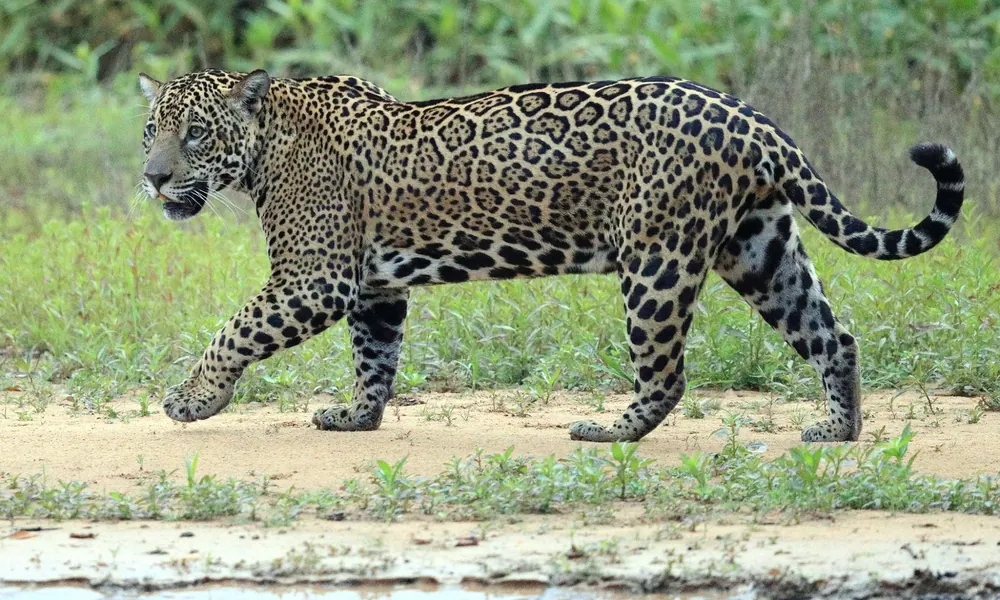
The jaguar (Panthera onca) is the largest wild cat in the Americas and one of Mexico’s most important predators.
Its muscular body, powerful jaws, and distinctive coat of golden fur covered in dark rosettes make it easy to recognize. Unlike many cats, jaguars are comfortable around water and can hunt in rivers, wetlands, and forested landscapes.
In Mexico, jaguars are associated with habitats in the south and southeast, including parts of the Yucatán Peninsula. They prey on a wide range of animals, from deer and peccaries to smaller mammals and reptiles.
As apex predators, jaguars help regulate prey populations. Habitat fragmentation, illegal killing, and conflicts with livestock owners remain important challenges for their conservation.
2. Mexican Wolf
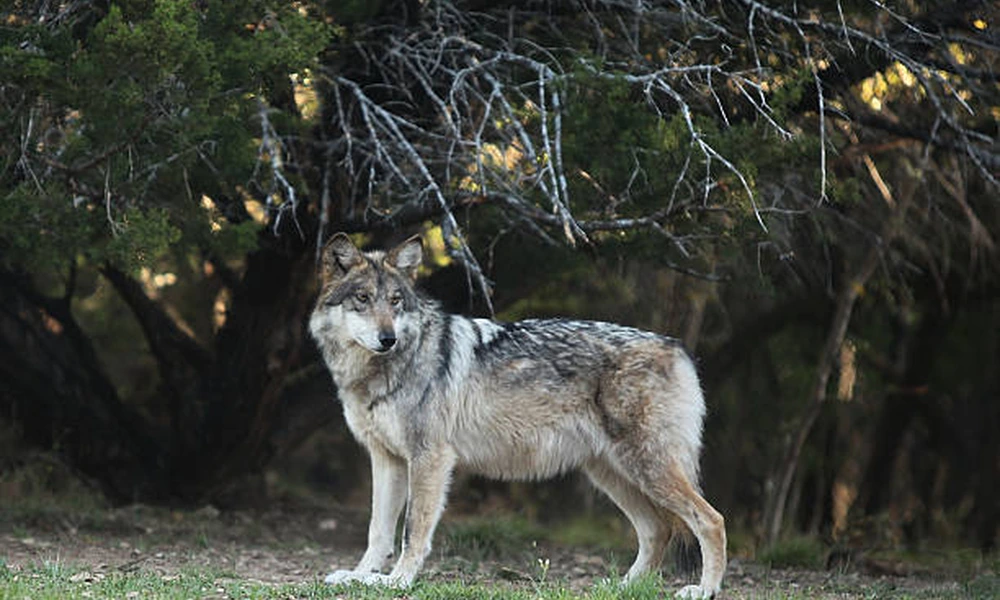
The Mexican wolf (Canis lupus baileyi) is a small, rare subspecies of gray wolf native historically to parts of the southwestern United States and Mexico.
It has a relatively compact build, long legs, and a coat that may contain gray, brown, black, and cream-colored fur. Like other wolves, it relies on social cooperation, communication, and coordinated hunting.
Its historic range included mountainous forests and grasslands in northern Mexico. Persecution and habitat changes caused dramatic population declines, but captive breeding and reintroduction programs have helped restore small wild populations.
The Mexican wolf remains an important example of how recovery programs can help wildlife return to landscapes where it once disappeared.
3. Coyote

The coyote (Canis latrans) is one of North America’s most adaptable wild mammals. It occurs in many parts of Mexico, from deserts and open country to agricultural landscapes and areas near cities.
Coyotes have pointed ears, narrow muzzles, bushy tails, and coats that blend into their surroundings. Their diet includes rodents, rabbits, insects, fruit, and other available food.
This flexibility allows them to survive in environments where more specialized predators struggle. Coyotes can also change their activity patterns in response to human disturbance, often becoming more active at night near developed areas.
Although adaptable, they still depend on functioning ecosystems and can experience conflict with people when livestock or food waste attracts them.
4. Black Bear

The American black bear (Ursus americanus) occurs in parts of northern Mexico, especially in mountainous and forested regions.
Despite its name, its coat is not always black; brown and cinnamon-colored individuals also occur. Black bears are strong climbers and have an excellent sense of smell, which helps them locate fruit, nuts, insects, and other food.
Their diet changes with the seasons, allowing them to take advantage of different resources throughout the year. They may also consume small animals or carrion when opportunities arise.
Habitat loss, roads, and encounters with people can create problems for local populations. Keeping food waste secured and maintaining natural habitat corridors can help reduce conflict.
5. Ocelot
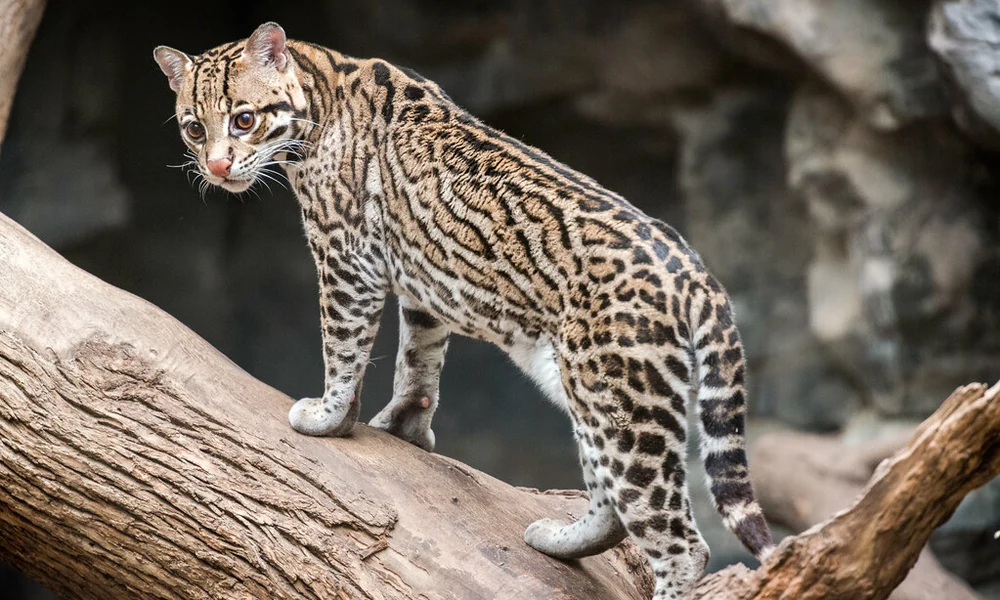
The ocelot (Leopardus pardalis) is a medium-sized wild cat with a beautifully patterned coat of dark spots, stripes, and elongated rosettes.
It is primarily nocturnal and uses dense vegetation to approach prey without being detected. Small mammals form a major part of its diet, although birds, reptiles, and other animals may also be eaten.
Ocelots inhabit parts of southern and eastern Mexico, including tropical forests and other areas with adequate cover. Their spotted coats provide camouflage among shadows and vegetation.
Road mortality, habitat fragmentation, and illegal wildlife trade threaten populations in some areas. Protecting connected forest habitat is particularly important for this secretive predator.
6. Jaguarundi
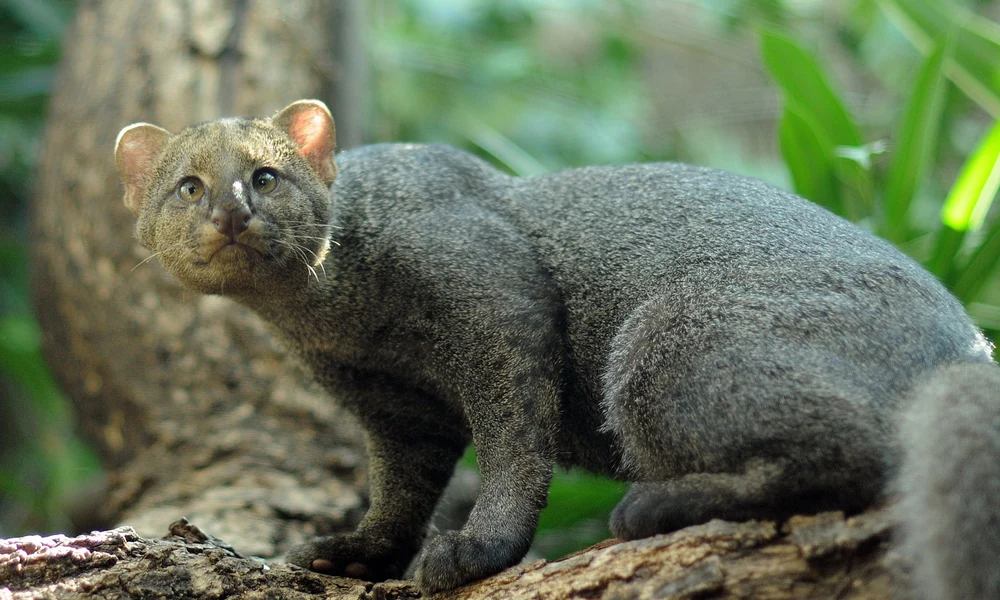
The jaguarundi (Herpailurus yagouaroundi) is a distinctive wild cat with an elongated body, short legs, small rounded ears, and a long tail.
Unlike the jaguar or ocelot, it has a relatively uniform coat that may be reddish-brown, gray, or dark brown. Its slender shape gives it a somewhat weasel-like appearance.
Jaguarundis occupy a range of habitats, including scrubland, forest edges, and areas with dense vegetation. They hunt small mammals, birds, reptiles, and other prey, often moving close to the ground.
Their quiet habits make them difficult to observe in the wild. Habitat conversion and road deaths are among the pressures affecting the species.
7. Baird’s Tapir
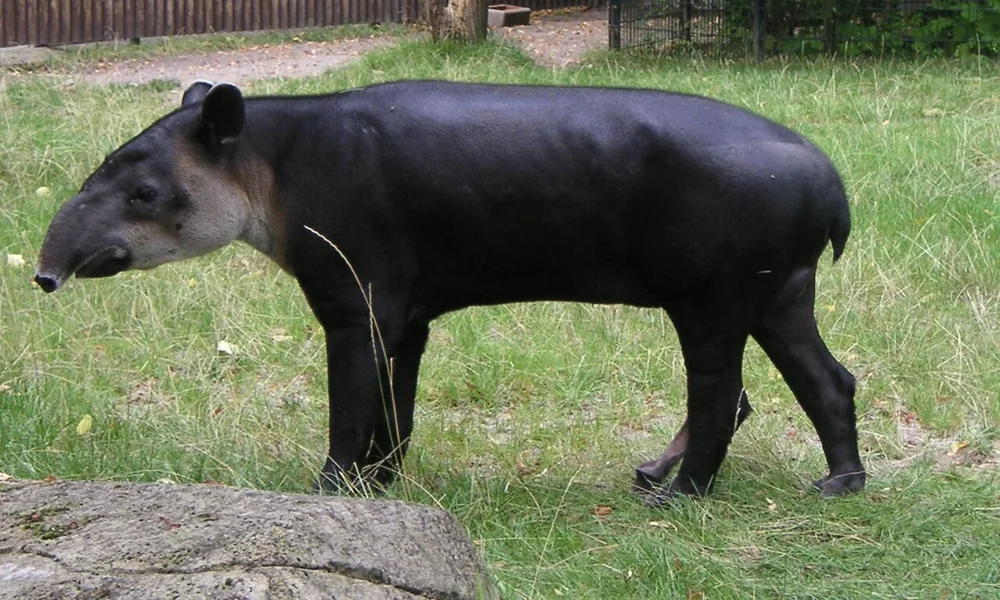
Baird’s tapir (Tapirus bairdii) is a large, plant-eating mammal found in parts of southern Mexico and Central America.
Its most recognizable feature is its short, flexible snout, which helps it grasp leaves, shoots, and fruit. Tapirs have heavy bodies, sturdy legs, and a surprisingly agile ability to move through dense vegetation.
They are often associated with tropical forests and wetlands, where water provides opportunities to cool down and escape danger. By consuming fruit and dispersing seeds, tapirs contribute to forest regeneration.
Habitat destruction, hunting, and human development threaten their survival. Because tapirs need extensive areas of suitable habitat, protecting large connected landscapes is especially valuable.
8. Collared Peccary
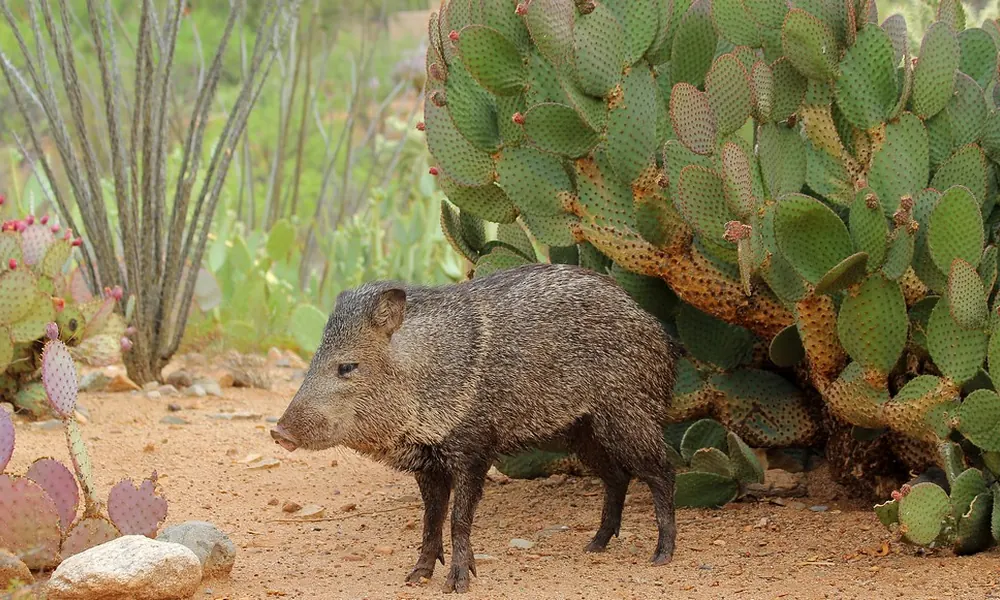
The collared peccary (Dicotyles tajacu) is a pig-like mammal found across much of Mexico.
It has a compact body, short legs, and coarse fur with a pale band around the neck and shoulders. Peccaries often travel in groups and communicate through sounds and scent markings.
Their diet includes roots, fruits, seeds, cactus pads, and other plant material. In dry environments, their ability to use cactus and other drought-tolerant plants can be especially useful.
Peccaries occupy a wide range of habitats, from deserts and scrublands to tropical forests. They play a role in seed dispersal and the movement of organic material through their environments.
9. Pronghorn

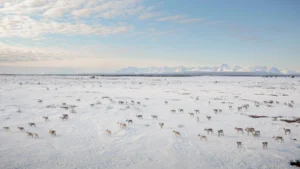
The pronghorn (Antilocapra americana) is an exceptionally fast mammal native to North America. Small populations occur in northern Mexico, where open grasslands and arid plains provide suitable habitat.
It has long, slender legs, a pale underside, and distinctive horns with a prong-like branch. Unlike the horns of deer, its horn sheaths are shed and regrown.
Pronghorns are adapted to open landscapes, where speed helps them escape predators. They feed on grasses, shrubs, and other vegetation according to local conditions.
Fences, habitat fragmentation, and changes to traditional migration routes can limit their movements. Maintaining connected open landscapes is important for the survival of remaining Mexican populations.
10. Mexican Prairie Dog
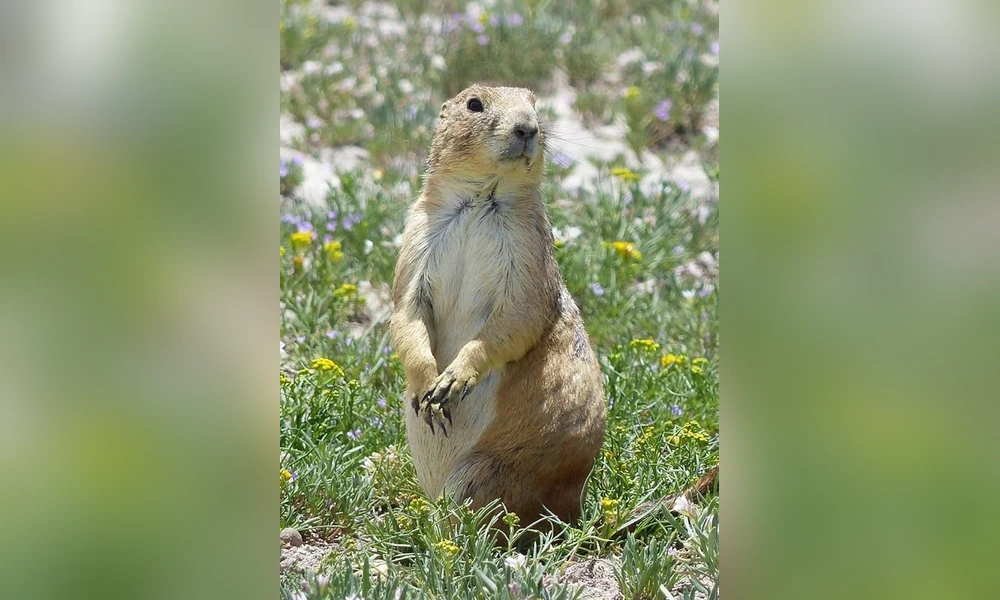
The Mexican prairie dog (Cynomys mexicanus) is an endemic mammal found in restricted grassland areas of northeastern Mexico.
Despite its common name, it is a ground squirrel rather than a dog. It lives in colonies and excavates underground burrows that provide shelter from predators and extreme weather.
Prairie dogs feed mainly on grasses and other vegetation. Their grazing and burrowing can influence soil conditions and create habitat opportunities for other animals.
Because the species occupies a limited range, the conversion of grasslands to agriculture can have serious consequences. Protecting native grassland ecosystems is essential to its continued survival.
11. Axolotl

The axolotl (Ambystoma mexicanum) is one of Mexico’s best-known amphibians. Native to the Xochimilco lake-and-canal system in Mexico City, it has become famous for retaining its feathery external gills into adulthood.
Most amphibians undergo a transformation from an aquatic larval stage to a more terrestrial adult form. Axolotls are unusual because they generally retain many juvenile characteristics throughout their lives.
They can regenerate certain body structures, including parts of their limbs and other tissues, which has made them important subjects of scientific research.
Wild axolotls face severe threats from water pollution, habitat alteration, and introduced fish. Their future depends on improving water quality and restoring suitable aquatic habitat.
12. Vaquita

The vaquita (Phocoena sinus) is a tiny porpoise found only in the northern Gulf of California, Mexico.
It has a compact body, a rounded head, and dark markings around its eyes and mouth. Unlike dolphins that frequently leap or approach boats, vaquitas are elusive and difficult to observe.
They feed on fish and squid in shallow marine waters. Their extremely restricted range makes them especially vulnerable to threats occurring within that small area.
The greatest documented danger has been entanglement in illegal gillnets, particularly nets used to catch other species. The vaquita is one of the world’s most endangered marine mammals, and preventing harmful net use in its habitat is essential to its survival.
13. Cozumel Raccoon
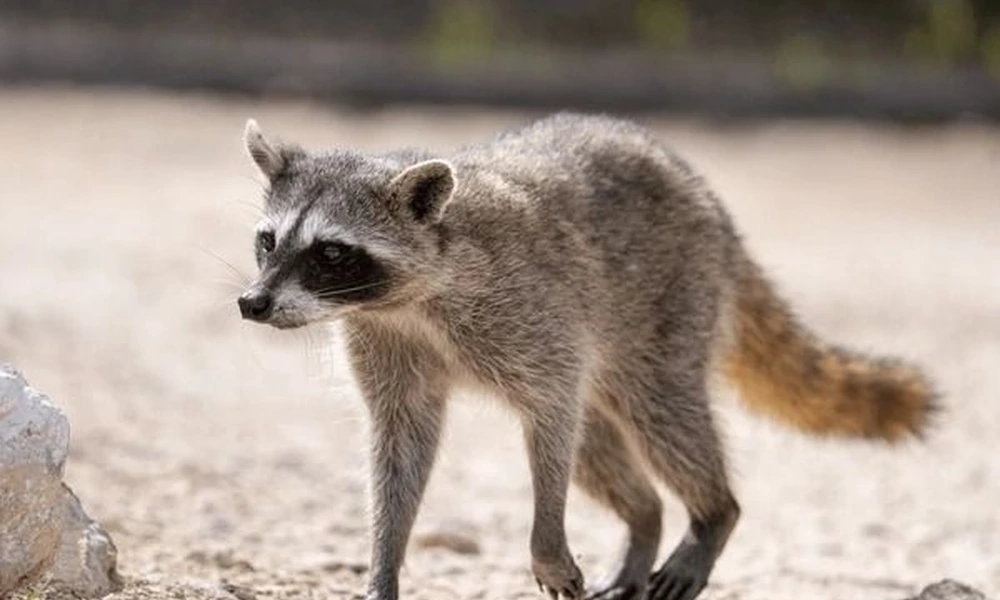
The Cozumel raccoon (Procyon pygmaeus) is a small raccoon native to Cozumel Island off Mexico’s Yucatán Peninsula.
It resembles the more widespread common raccoon but has a restricted island distribution. Its masked face, dexterous front paws, and varied diet are characteristic of raccoons.
Island species can evolve distinctive traits after becoming geographically isolated from mainland populations. However, limited ranges also make them vulnerable to habitat loss, introduced predators, and other environmental changes.
Conservation on Cozumel requires protecting natural habitat while managing the effects of development and human activity.
14. Mexican Long-Nosed Bat

The Mexican long-nosed bat (Leptonycteris nivalis) is a nectar-feeding bat associated with parts of Mexico and the southwestern United States.
Its elongated snout and long tongue help it reach nectar deep inside flowers. As it feeds, pollen can attach to its fur and be carried to other flowers, making it an important pollinator.
The species uses caves and mines as roosting sites and travels between feeding areas as plants bloom. Its movements connect different habitats and plant communities.
Loss or disturbance of roosting sites, changes to flowering resources, and habitat degradation can affect its populations. Protecting feeding landscapes and important roosts helps support both bats and the plants that depend on them.
15. Mexican Gray Squirrel
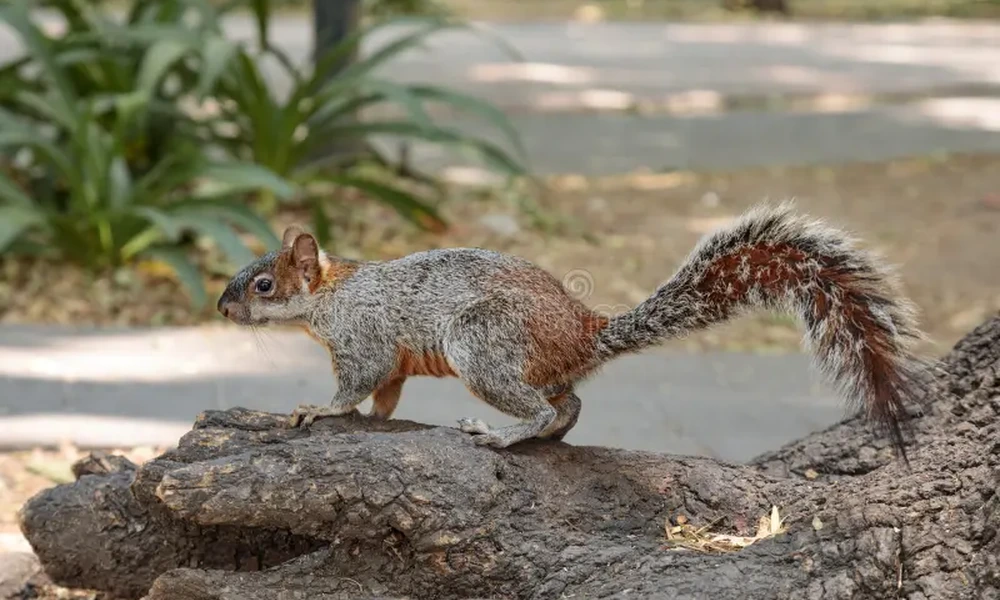
The Mexican gray squirrel (Sciurus aureogaster) is a tree squirrel found in Mexico and parts of neighboring regions.
Its coat can vary from gray to dark or reddish tones, and some individuals have striking contrasting patches. It spends much of its time climbing, feeding, and moving through trees.
Its diet includes nuts, seeds, fruits, and other plant material. By burying seeds and leaving some uneaten, squirrels can contribute to the regeneration of vegetation.
The species uses forests, wooded landscapes, and some urban green spaces. Mature trees and connected vegetation provide valuable food and shelter.
16. Golden Eagle
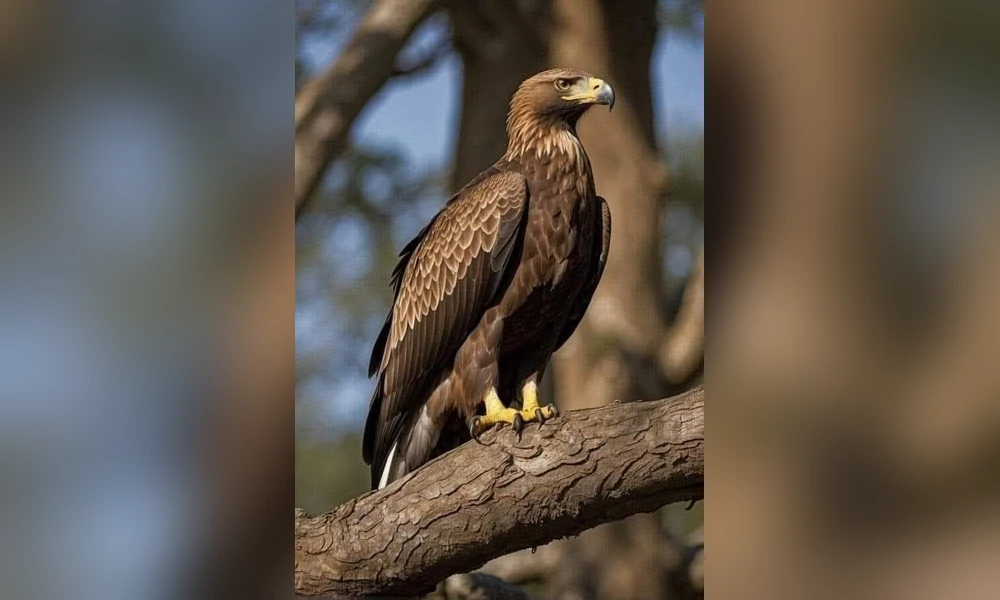
The golden eagle (Aquila chrysaetos) is a powerful raptor found in parts of northern and central Mexico.
Adults have dark brown plumage with golden feathers around the back of the head and neck. Their broad wings allow them to soar over open landscapes while searching for prey.
Golden eagles hunt mammals and birds, often taking advantage of rocky terrain and elevated nesting sites. They have cultural significance in Mexico and appear at the center of the country’s national emblem.
Threats include disturbance near nests, habitat changes, poisoning, and collisions with infrastructure. Protecting nesting areas and reducing harmful interactions with human activities can benefit local populations.
17. Scarlet Macaw
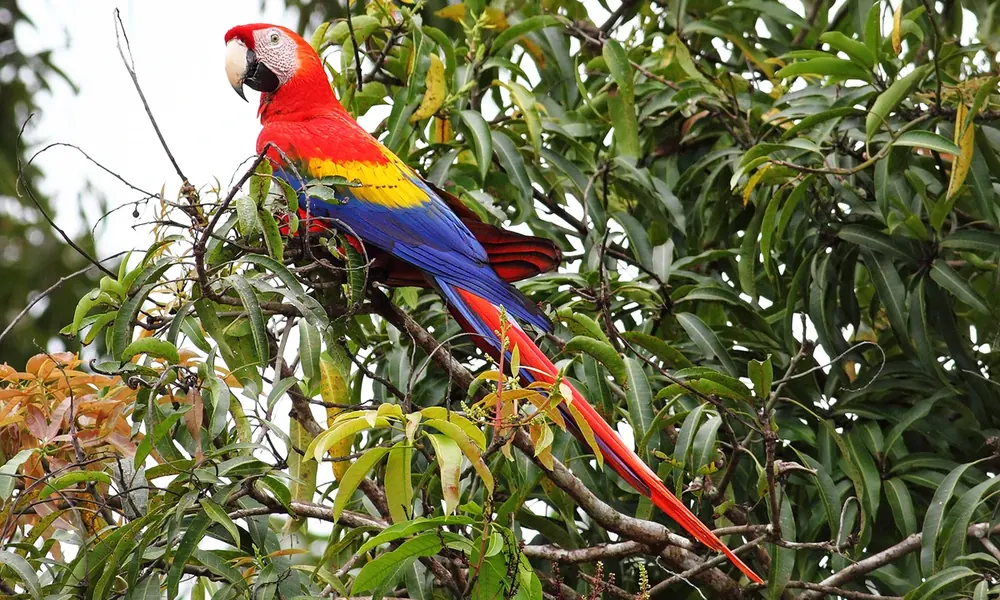
The scarlet macaw (Ara macao) is a large, brightly colored parrot with red, yellow, and blue plumage.
In Mexico, it is associated with tropical forests in the south, where it feeds on fruit, seeds, and nuts. Its strong curved bill helps it open tough food items, while its loud calls allow flock members to communicate through dense vegetation.
Scarlet macaws are socially active birds that often travel in pairs or groups. Their movements can help disperse seeds and connect different parts of the forest ecosystem.
Habitat loss and illegal capture for the wildlife trade have contributed to declines in parts of their range. Protecting remaining rainforest and discouraging the purchase of wild-caught birds are important conservation measures.
18. Resplendent Quetzal

The resplendent quetzal (Pharomachrus mocinno) is a striking forest bird known for the male’s iridescent green plumage and exceptionally long tail feathers.
It inhabits humid montane forests, where fruit is an important part of its diet. Its movements between fruiting trees help it navigate the canopy and forage efficiently.
In Mexico, the species is associated with suitable highland forests in the southeast. Its dependence on particular forest conditions makes it sensitive to habitat fragmentation.
The quetzal has long held cultural importance in Mesoamerican history. Today, forest conservation remains essential for maintaining the habitats where it can feed, nest, and reproduce.
19. Keel-Billed Toucan
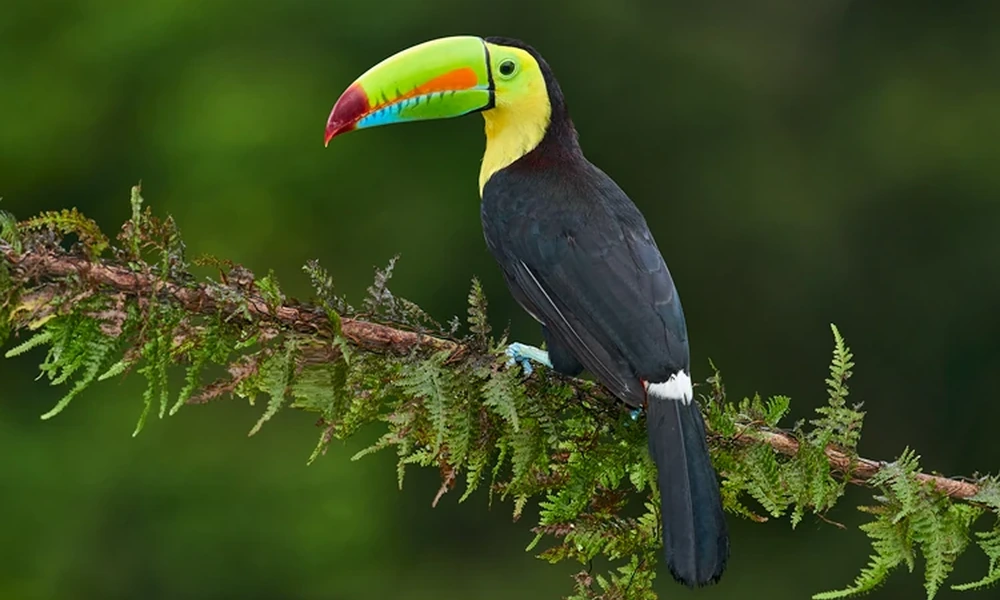
The keel-billed toucan (Ramphastos sulfuratus) is recognizable by its oversized, multicolored bill, which combines bright shades of green, orange, red, and blue.
Despite its size, the bill is relatively lightweight. It helps the bird reach fruit and may also play a role in social displays.
The species inhabits tropical forests in southeastern Mexico, where it feeds largely on fruit but may also consume insects, eggs, and small animals.
Toucans are important seed dispersers, helping move seeds away from the parent plant. Forest clearance can reduce food availability and nesting opportunities, placing pressure on populations in affected landscapes.
20. Yucatán Jay
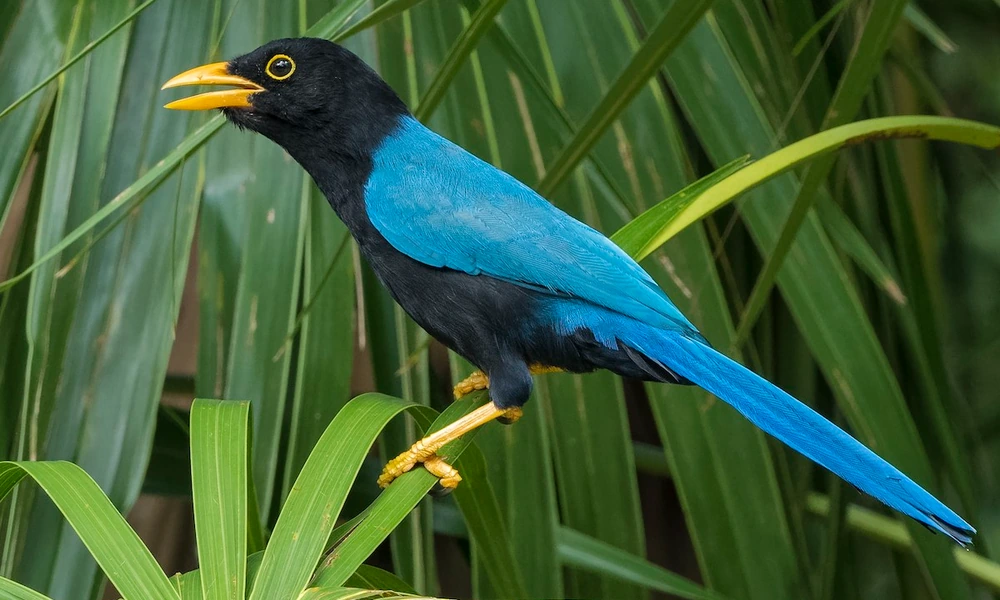
The Yucatán jay (Cyanocorax yucatanicus) is a social bird native to the Yucatán Peninsula and neighboring parts of southeastern Mexico and nearby Central America.
Adults have dark plumage, a blue-black appearance in many lighting conditions, and distinctive pale or yellow facial features. Younger birds display different facial coloration, making age an important clue when identifying them.
Yucatán jays forage for insects, fruit, seeds, and other food. They often communicate loudly and may travel in groups through woodland and forest-edge habitats.
Their distribution reflects the ecological character of the Yucatán region, where seasonal forests and scrub support a distinctive community of wildlife.
21. Morelet’s Crocodile
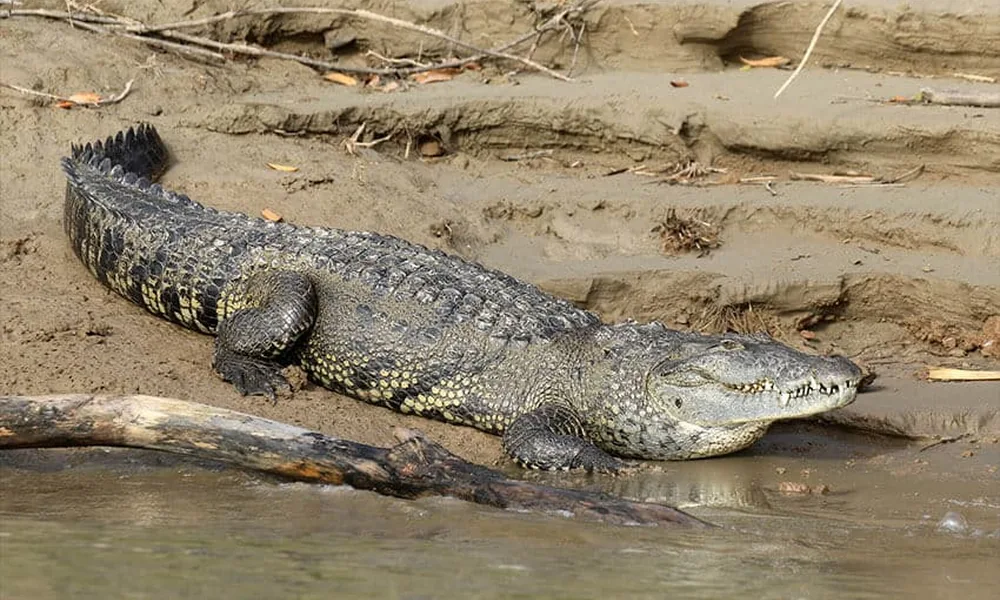
Morelet’s crocodile (Crocodylus moreletii) inhabits freshwater wetlands, rivers, lakes, and marshes in parts of Mexico and neighboring Central America.
It has a broad snout, armored skin, and powerful jaws. As an ambush predator, it often remains nearly motionless in the water before striking at prey that comes within range.
Its diet changes with age and body size, but may include fish, crustaceans, birds, and mammals. Crocodiles also occupy an important position in wetland food webs.
Although conservation measures have helped some populations, habitat destruction, illegal killing, and conflict with people remain concerns. Responsible wetland management benefits crocodiles and many other species that share their environment.
22. Mexican Beaded Lizard
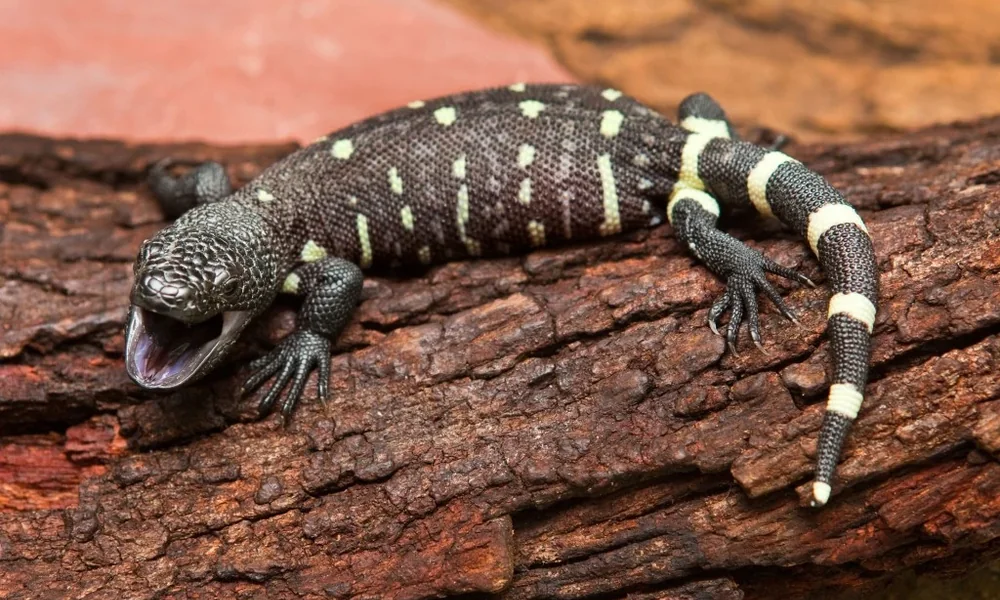
The Mexican beaded lizard (Heloderma horridum) is a large, venomous lizard native to parts of Mexico and neighboring Guatemala.
Its heavy body is covered in beadlike scales, often with dark and pale markings. It moves relatively slowly and spends much of its time searching for food or shelter.
Its diet can include eggs, small vertebrates, and other prey. Venom is delivered through grooves in its lower teeth during biting, so this animal should never be handled or provoked.
Habitat conversion and persecution can threaten local populations. Protecting natural vegetation and educating communities about the species can reduce unnecessary killing.
23. Mexican Burrowing Toad
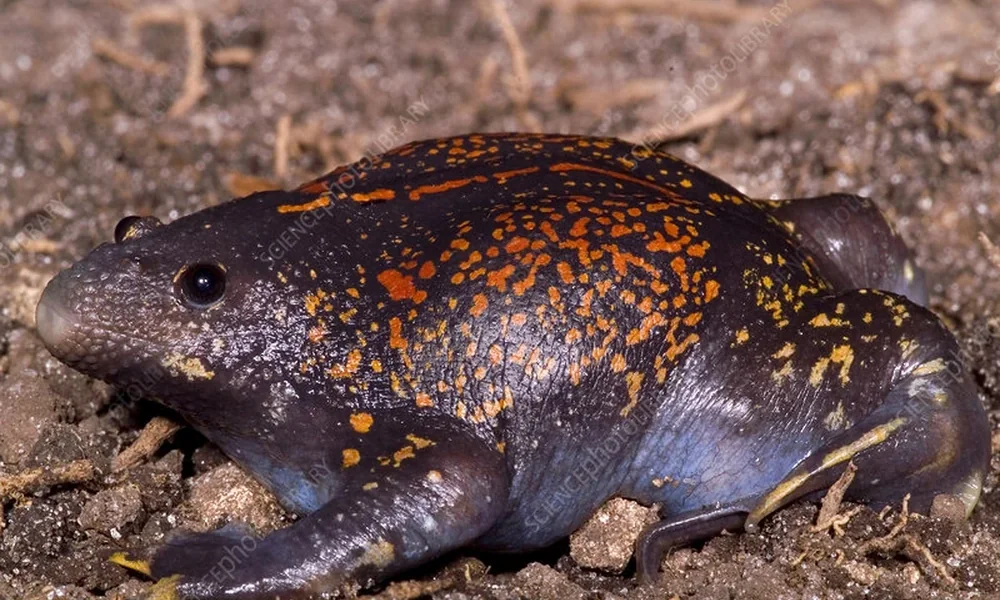
The Mexican burrowing toad (Rhinophrynus dorsalis) is an unusual amphibian found in parts of Mexico and Central America.
Its rounded body, small head, short limbs, and shovel-like feet make it well suited to digging. It spends much of the year underground, emerging under favorable conditions to feed and reproduce.
The species is especially associated with seasonal rainfall. Temporary pools can provide important breeding habitat, and large numbers may become active after heavy rains.
Because it spends so much time hidden beneath the ground, people may rarely encounter it even where it occurs. Protecting seasonal wetlands and surrounding soil habitats helps maintain the conditions it needs.
24. Baja California Pronghorn
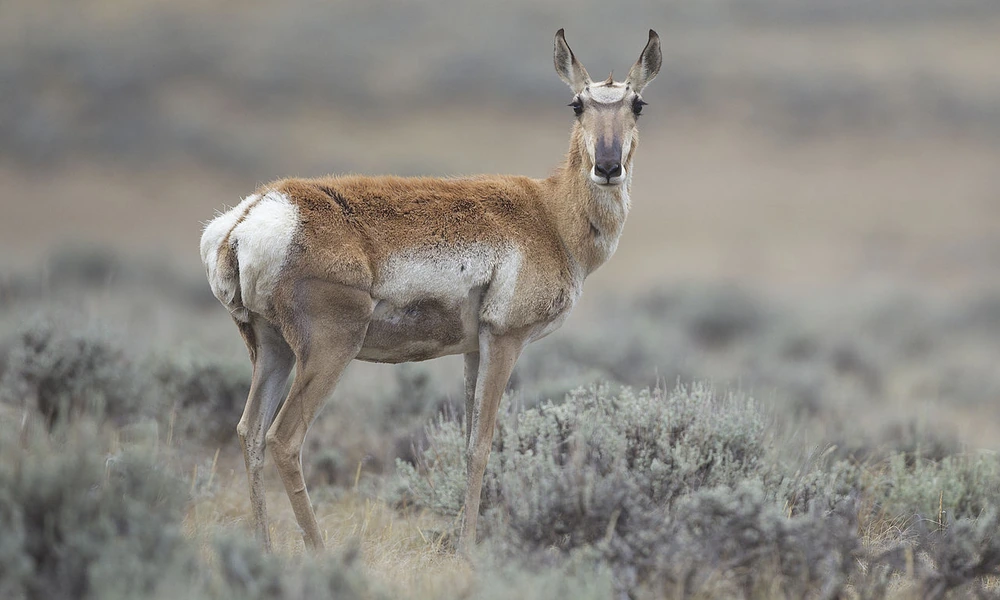
The Baja California pronghorn (Antilocapra americana peninsularis) is a highly threatened subspecies of pronghorn associated with the Baja California Peninsula.
It is adapted to open, dry landscapes and can travel rapidly across broad areas in search of food. Like other pronghorns, it has long legs and distinctive horns.
The subspecies has suffered major declines and survives in a limited area. Habitat degradation, barriers to movement, and limited access to resources can make recovery difficult.
Conservation efforts require suitable habitat, careful population monitoring, and management that supports movement through the arid landscape.
25. Volcano Rabbit
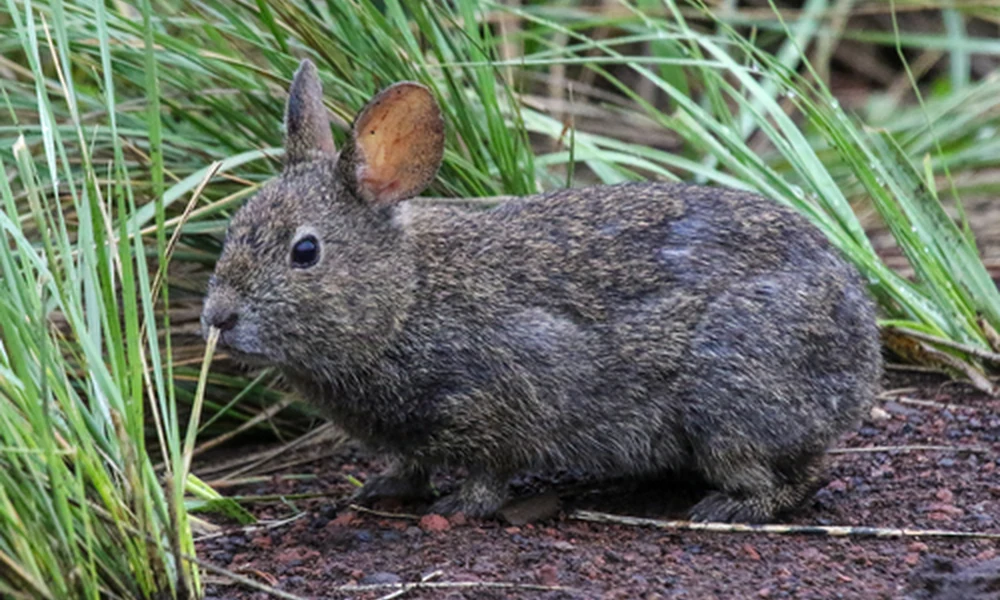
The volcano rabbit (Romerolagus diazi) is a small rabbit found in restricted high-elevation areas of central Mexico.
It has short ears, compact limbs, and a small body adapted to life in cool mountain environments. It is closely associated with bunchgrass and other vegetation in highland habitats.
Unlike many familiar rabbits, it has a very limited geographic range. This makes it particularly vulnerable to the loss of suitable grassland, fires, grazing pressure, and development.
Protecting high-elevation grasslands and the vegetation structure they support is essential to maintaining viable populations.
26. Mexican Plateau Horned Lizard
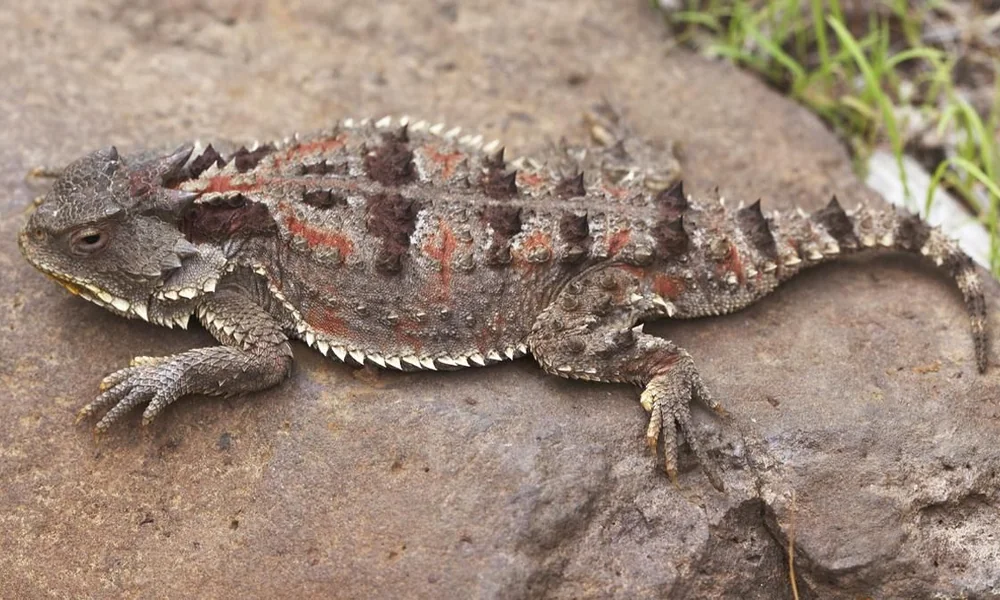
The Texas horned lizard (Phrynosoma cornutum) occurs in parts of northern Mexico and neighboring regions. Several other horned lizard species also inhabit Mexico, each with its own range and ecological preferences.
Horned lizards have flattened bodies, spiny scales, and colors that often blend with soil and rock. These features help them avoid detection in open, dry environments.
Many feed heavily on ants, although their diets vary by species. Their survival depends on the availability of prey and suitable ground cover.
Habitat changes, road mortality, and the decline of insect prey can affect local populations. Correct identification matters because not every horned lizard found in Mexico belongs to the same species.
27. Mexican Axolotl’s Wild Relatives: Tiger Salamander

The barred tiger salamander (Ambystoma mavortium) and related tiger salamander populations occur in parts of North America, including areas associated with Mexico’s northern landscapes.
These salamanders have robust bodies and irregular dark markings against lighter backgrounds. They use a combination of aquatic breeding sites and terrestrial habitat, depending on the population and stage of life.
Their larvae develop in water, where they feed on small aquatic organisms. Adults may spend considerable time underground or in sheltered places when conditions are dry.
Temporary wetlands and breeding ponds are especially important. Drainage, pollution, and changes to seasonal water availability can affect their reproduction.
28. Mexican Red-Kneed Tarantula
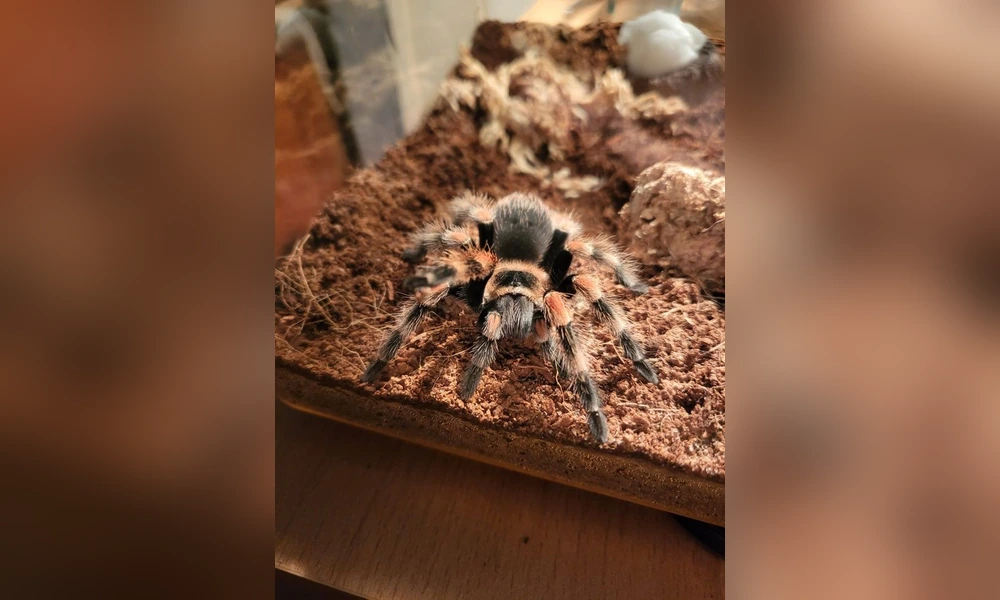
The Mexican red-kneed tarantula (Brachypelma hamorii) is a large spider known for its dark body and vivid orange-red bands on the legs.
It is native to a restricted region of western Mexico. It lives in burrows or sheltered spaces and uses its sensitive hairs and legs to detect movement around it.
The species feeds on insects and other small animals. Its slow movements and striking coloration have made it well known among wildlife enthusiasts, but wild collection can put pressure on local populations.
Habitat protection and responsible, legal captive-breeding practices can help reduce demand for animals taken from the wild.
29. Mexican Free-Tailed Bat
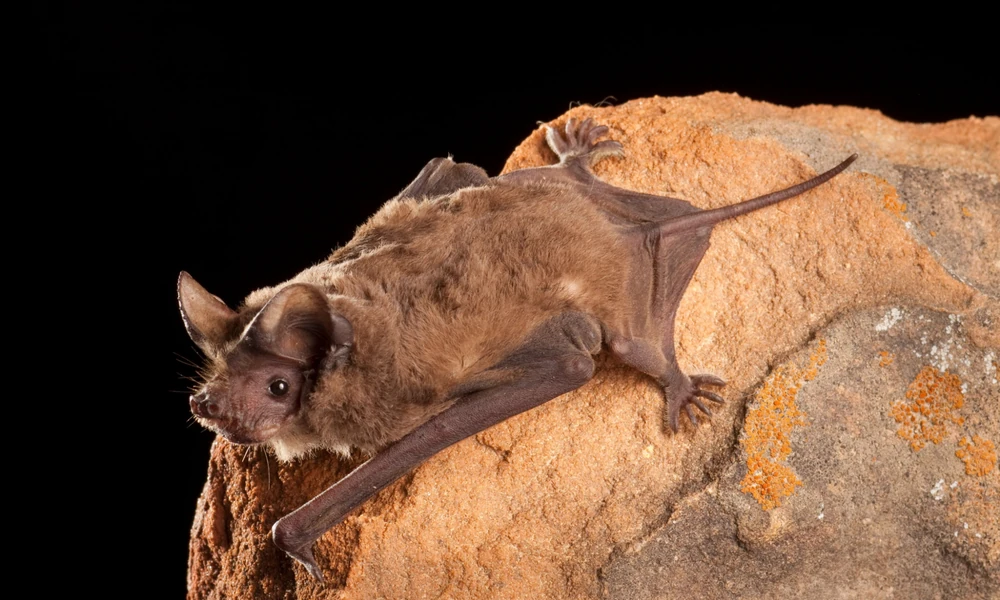
The Mexican free-tailed bat (Tadarida brasiliensis) is a fast-flying mammal found across much of Mexico and beyond.
Its long, narrow wings allow sustained flight, while its tail extends beyond the tail membrane, giving the species its common name. Large colonies may gather in caves, tunnels, and other sheltered roosts.
These bats feed on flying insects, including agricultural pests. Their nightly foraging can provide valuable ecosystem services.
Disturbing roosts can disrupt colonies, particularly when bats are raising young. Protecting important roosting sites and educating the public about their ecological role helps support their populations.
30. Humpback Whale
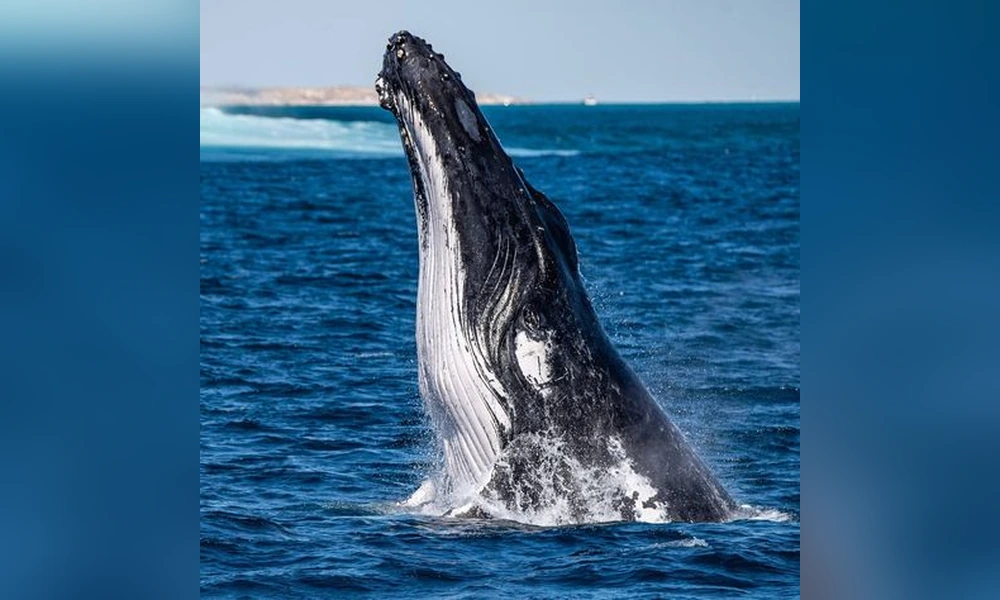
The humpback whale (Megaptera novaeangliae) is a large marine mammal that migrates through Mexican waters.
It is known for its long pectoral fins, powerful tail flukes, and spectacular surface behaviors, including breaching. Humpbacks feed mainly on small fish and krill, using feeding strategies that vary among populations.
Mexican coastal waters, including areas around the Baja California Peninsula and the Pacific coast, are important for seasonal breeding and calving by some populations.
Boat disturbance, entanglement in fishing gear, underwater noise, and collisions can affect whales. Responsible whale-watching practices help reduce pressure while allowing people to observe these animals safely.
Where to Find Wildlife in Mexico
Mexico’s wildlife is distributed across a wide range of landscapes. Understanding these habitats makes it easier to appreciate why certain animals occur in one region but not another.
Northern Mexico: Deserts and Grasslands
The Sonoran and Chihuahuan deserts support animals adapted to heat, limited water, and large daily temperature changes. Coyotes, horned lizards, pronghorns, and many specialized reptiles inhabit these arid landscapes.
Open grasslands and scrub are also important for species such as the Mexican prairie dog and the Mexican wolf.
Central Mexico: Mountains and Highland Forests
The mountains and highlands of central Mexico support unique communities of mammals, amphibians, and birds. The volcano rabbit is associated with high-elevation grasslands, while the axolotl is linked to the threatened aquatic habitats of the Valley of Mexico.
Changes in land use can have particularly strong effects in these regions because suitable habitat may occur only in specific elevation bands.
Southern Mexico: Tropical Forests
The forests of Chiapas, the Yucatán Peninsula, and other southern regions support jaguars, ocelots, tapirs, macaws, and many other tropical animals.
These ecosystems provide food, cover, nesting sites, and connections between populations. Forest fragmentation can make it harder for large mammals to move between suitable areas.
Baja California: Desert and Coastal Habitats
The Baja California Peninsula contains arid landscapes, rocky mountains, coastal wetlands, and productive marine environments.
The Baja California pronghorn is associated with the peninsula’s dry interior, while the vaquita lives in the northern Gulf of California. These examples show how wildlife conservation may require protecting both terrestrial and marine habitats.
Mexican Coasts and Marine Waters
Mexico’s long coastlines support dolphins, whales, sea turtles, seabirds, and many other marine animals.
Mangroves, estuaries, reefs, and offshore waters perform different ecological functions. Healthy coastal ecosystems support breeding, feeding, migration, and shelter for wildlife both above and below the water.
Which Animals Are Endemic to Mexico?
Not every animal living in Mexico is unique to the country. Many species, including coyotes, jaguars, ocelots, and humpback whales, occur naturally in other countries as well.
Endemic species have a more restricted natural distribution. Mexico’s notable examples include:
- Axolotl: Native to the Xochimilco aquatic system in Mexico City.
- Vaquita: Restricted to the northern Gulf of California.
- Mexican prairie dog: Native to a limited area of northeastern Mexico.
- Volcano rabbit: Restricted to high-elevation habitats in central Mexico.
- Cozumel raccoon: Native to Cozumel Island.
- Mexican wolf: A subspecies of gray wolf with a historic range extending across northern Mexico and the southwestern United States.
Mexico’s endemic wildlife is particularly diverse among reptiles and amphibians. National biodiversity resources report high levels of endemism in these groups, although exact totals vary as scientific knowledge and classification change.
Why Is Mexico’s Wildlife Under Threat?
Mexico’s animals face different pressures depending on their habitats and geographic ranges, but several threats affect many species.
Habitat Loss and Fragmentation
Forests are cleared for agriculture, infrastructure, and development. Grasslands and wetlands are also altered, reducing the amount of suitable habitat available to native animals.
Fragmentation can be especially damaging to large mammals that need extensive areas to find food and mates.
Illegal Wildlife Trade
Some reptiles, birds, and other animals are captured for the pet trade. This can be particularly harmful to species that reproduce slowly or occur naturally in small areas.
Reducing demand for illegally sourced wildlife and enforcing relevant laws are important parts of conservation.
Pollution and Freshwater Degradation
Water pollution and habitat modification threaten aquatic species, including the axolotl. Wetland drainage and changes in water quality can also affect amphibians, fish, birds, and other animals.
Restoring freshwater habitats benefits entire ecological communities rather than a single species.
Fishing Pressure and Marine Bycatch
Marine animals may become entangled in fishing gear intended for other species. For the vaquita, gillnet entanglement has been an especially severe threat.
Effective fisheries management, enforcement, and safer fishing practices are important for protecting vulnerable marine wildlife.
Human-Wildlife Conflict
Predators may be killed when they threaten livestock, while other animals are harmed because they are considered pests or dangerous. Better livestock protection, education, and practical coexistence measures can help reduce these conflicts.
How Can Mexico’s Animals Be Protected?
Conservation is most effective when it addresses the causes of wildlife decline rather than focusing only on individual animals.
- Protect and restore forests, grasslands, deserts, wetlands, and marine habitats.
- Maintain wildlife corridors that allow animals to move between suitable areas.
- Prevent illegal hunting and wildlife trafficking.
- Reduce pollution and restore degraded freshwater ecosystems.
- Support sustainable fisheries and measures that reduce accidental capture.
- Encourage responsible wildlife tourism that minimizes disturbance.
- Involve local communities in conservation planning and long-term habitat management.
Protecting Mexico’s wildlife also means recognizing the importance of less famous species. Small amphibians, bats, native rodents, and invertebrates contribute to food webs and ecological processes just as larger, more recognizable animals do.
Frequently Asked Questions
What is the most famous animal in Mexico?
The jaguar is one of Mexico’s best-known wild animals. The golden eagle is another nationally important species, appearing in Mexico’s national emblem.
How many animal species live in Mexico?
Mexico supports a very large diversity of mammals, birds, reptiles, amphibians, fish, and invertebrates. The total depends on the taxonomic groups included and the latest scientific classifications, so there is no single number that captures every animal species in the country.
What animals are found only in Mexico?
Examples of endemic Mexican wildlife include the axolotl, vaquita, Mexican prairie dog, volcano rabbit, and Cozumel raccoon. Each has a naturally restricted distribution, although some endemic species occupy regions smaller than the country as a whole.
Does Mexico have jaguars?
Yes. Jaguars occur in parts of Mexico, particularly in southern and southeastern habitats. They use forests and other landscapes with sufficient prey and cover.
What is Mexico’s most endangered animal?
The vaquita is among Mexico’s most critically threatened animals and is widely recognized as one of the world’s most endangered marine mammals. Its survival depends heavily on preventing entanglement in harmful fishing gear.
Are there bears in Mexico?
Yes. American black bears occur in parts of northern Mexico, particularly in suitable mountain and forest habitats.
What marine animals can be found in Mexico?
Mexico’s waters support whales, dolphins, porpoises, sea turtles, sharks, rays, and many other marine species. The vaquita is restricted to the northern Gulf of California, while humpback whales migrate through several Mexican coastal regions.
Why is Mexico important for biodiversity?
Mexico lies between major biogeographic regions and contains a wide variety of climates and habitats. Its mountains, deserts, forests, wetlands, islands, and coastlines support both widespread wildlife and many species found nowhere else.
Final Thoughts
Mexico’s wildlife reflects the country’s remarkable geographic variety. Jaguars move through tropical forests, pronghorns cross open landscapes, axolotls survive in fragile freshwater habitats, and whales travel through coastal waters.
Some species are adaptable and occur across broad regions, while others depend on a single lake system, island, or specialized habitat. These differences matter because conservation strategies must match the needs of individual animals and the environments that sustain them.
Protecting Mexico’s wildlife requires healthy ecosystems, responsible land and water management, effective enforcement, and cooperation with local communities. From the smallest amphibian to the largest marine mammal, every species contributes to the natural systems that make Mexico one of the world’s most fascinating places for wildlife.
Desclaimer: This information is provided for general educational purposes. Species distributions, population estimates, conservation status, and taxonomic classifications can change as new scientific research becomes available.