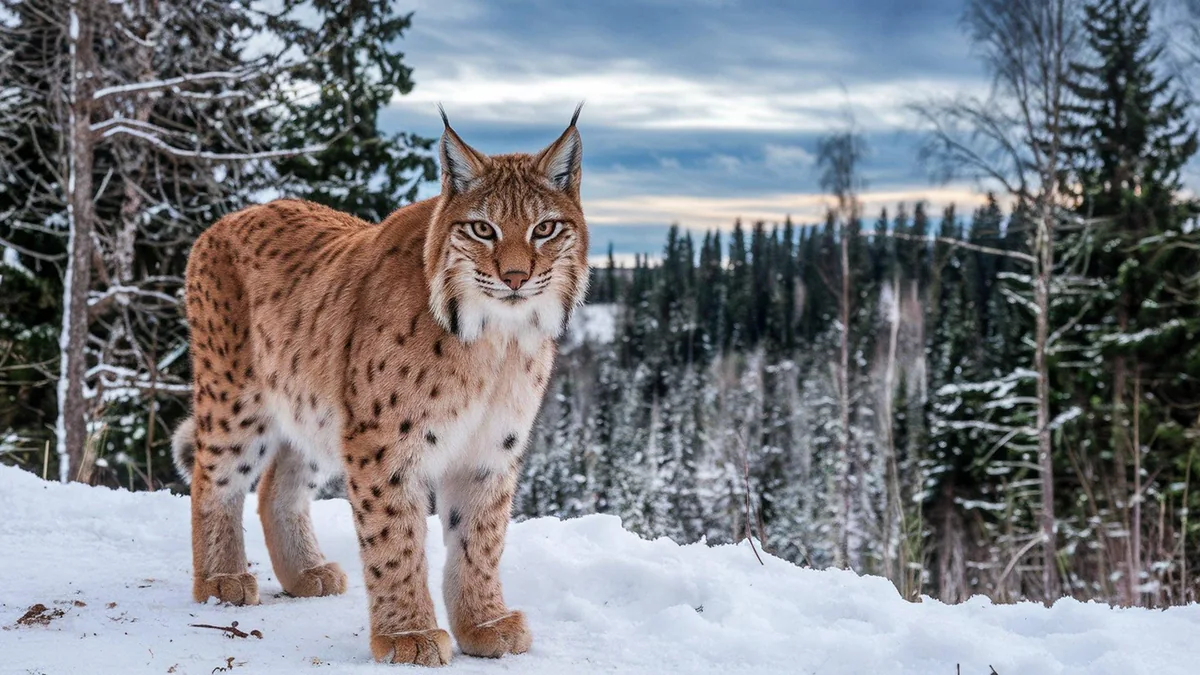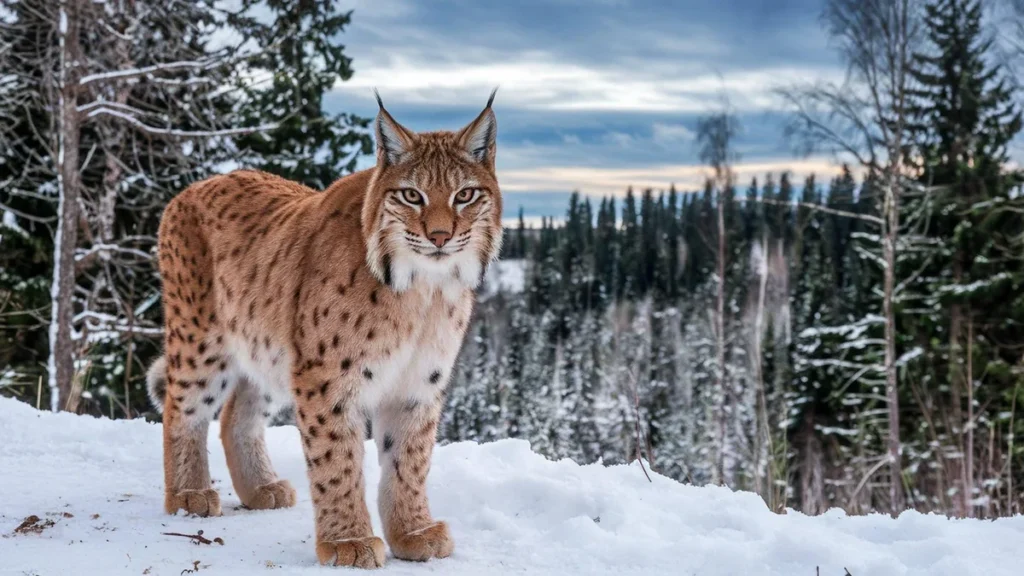
In a snow-covered forest, the smallest movement can reveal the difference between survival and hunger. A hare pauses beneath the branches of a spruce tree, listening for danger. Above the snow, a pair of dark ear tufts appears between the shadows. The lynx has been following the sounds of movement, using its extraordinary hearing and broad, fur-covered paws to cross the winter landscape almost silently.
The lynx is a wild cat adapted to life in forests, mountains, and, in some regions, cold northern landscapes. Recognizable by its short tail, tufted ears, long legs, and thick fur, this elusive predator belongs to a group of four living species: the Canada lynx, Eurasian lynx, Iberian lynx, and bobcat.
Lynx are solitary hunters that rely on stealth, sharp senses, and an intimate understanding of their surroundings. Some species depend heavily on a particular prey animal, while others hunt a wider variety of mammals and birds.
Although several lynx species have recovered through conservation efforts, habitat fragmentation, road collisions, illegal killing, and changing environmental conditions remain important concerns. Their story demonstrates how specialized adaptations can make a wild animal exceptionally successful in one environment while leaving it vulnerable when that environment changes.
What Is a Lynx?
A lynx is a medium-sized wild cat belonging to the genus Lynx in the family Felidae. The name can refer to any of the four recognized living species, each with its own distribution, appearance, and ecological needs.
The four species are:
- Canada lynx (Lynx canadensis): A northern North American cat particularly associated with snowy forests and snowshoe hares.
- Eurasian lynx (Lynx lynx): A widespread species found across parts of Europe and Asia, known for its ability to hunt deer and other mammals.
- Iberian lynx (Lynx pardinus): A specialized predator native to the Iberian Peninsula, especially dependent on European rabbits.
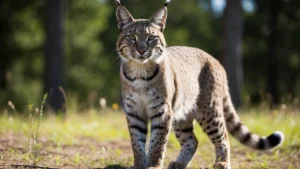
- Bobcat (Lynx rufus): A highly adaptable North American wild cat that occupies forests, deserts, wetlands, and other habitats.
Although bobcats are members of the lynx genus, they differ from the other species in size, appearance, and habitat preferences.
Lynx are carnivores. They hunt their prey rather than relying on plant material for nutrition. Their hunting methods generally involve moving quietly, listening carefully, and attacking at close range.
What Does a Lynx Look Like?
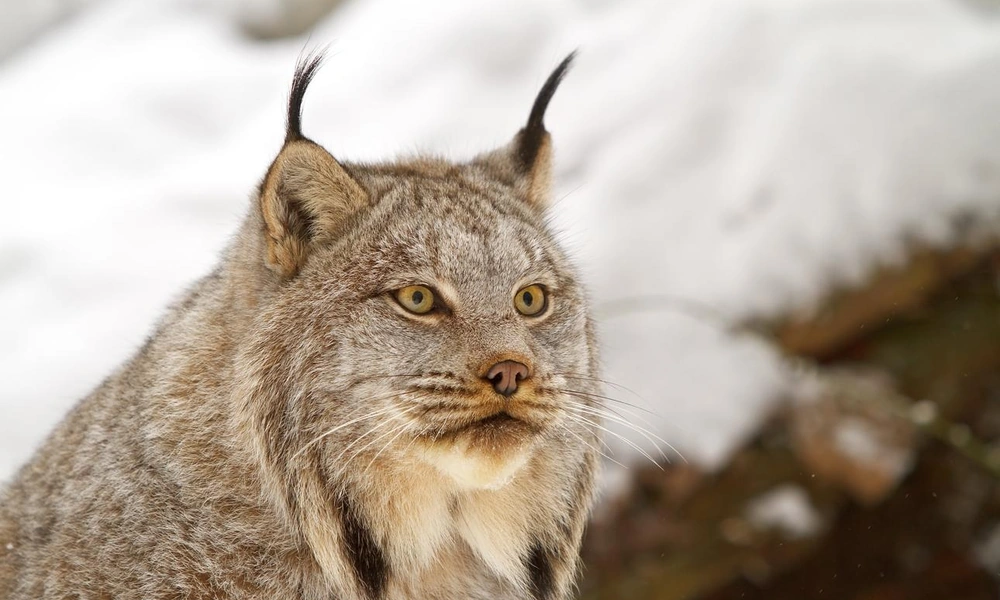
A lynx has a compact but powerful body, relatively long legs, large paws, a short tail, and pointed ears topped with dark tufts of hair.
Its coat can range from pale gray and silver-brown to reddish-brown, depending on the species, season, and individual. Some lynx have prominent dark spots, while others appear more evenly colored.
The fur is usually thick, particularly in species living in cold environments. Around the face, longer hair forms a noticeable ruff that gives the animal a broad, framed appearance.
Why Do Lynx Have Tufted Ears?
The black tufts at the tips of a lynx’s ears are among its most distinctive features. Their precise function is not completely settled, but the tufts contribute to the animal’s characteristic appearance.
Lynx also have excellent hearing, which is crucial for locating prey that may be hidden beneath snow, leaves, or dense vegetation.
Their ears can help them identify the direction of faint sounds. Combined with their low-light vision and sensitive whiskers, this makes them effective hunters even when visibility is limited.
Why Is a Lynx’s Tail So Short?
Lynx have short tails compared with many other cats. The tail is typically dark at the tip, although the pattern differs somewhat among species.
The Canada lynx, Eurasian lynx, and Iberian lynx generally have a conspicuous dark tail tip, while the bobcat often has a distinctive black-and-white pattern on the underside.
The short tail is a useful identification feature, but it is not enough by itself to distinguish every lynx species from every other wild cat.
How Big Is a Lynx?
Size varies by species. Canada lynx are medium-sized cats with relatively long legs and large paws, while Eurasian lynx can be considerably heavier and more muscular.
Adult Eurasian lynx commonly weigh around 15 to 30 kilograms, with some individuals outside this range. Canada lynx are generally lighter, while the size of bobcats varies substantially across North America.
Males are usually larger than females.
Their proportions reflect different ecological demands. The large feet of the Canada lynx, for example, help distribute its weight on soft snow, while the larger Eurasian lynx is capable of hunting substantial prey, including deer.
Where Do Lynx Live?
Lynx inhabit parts of North America, Europe, and Asia. Their distribution depends on the species, and each occupies habitats that provide sufficient prey, shelter, and opportunities to move through the landscape.
Northern Forests
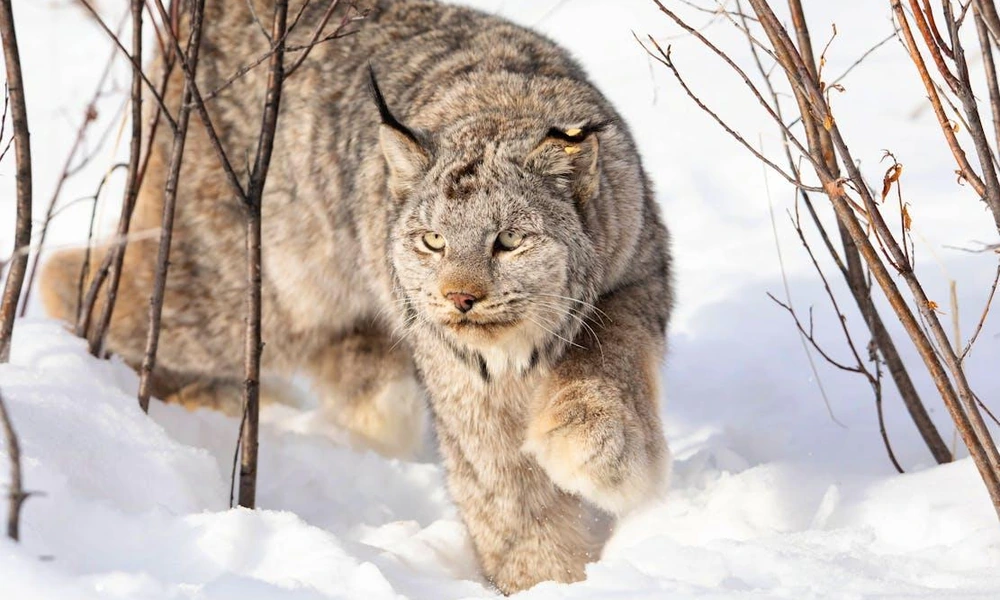
Canada lynx are strongly associated with boreal forests across northern North America. These forests contain coniferous trees, mixed woodland, and dense understory vegetation that supports snowshoe hares.
The amount and structure of young forest growth can influence hare abundance, which in turn affects the availability of food for lynx.
European and Asian Woodlands
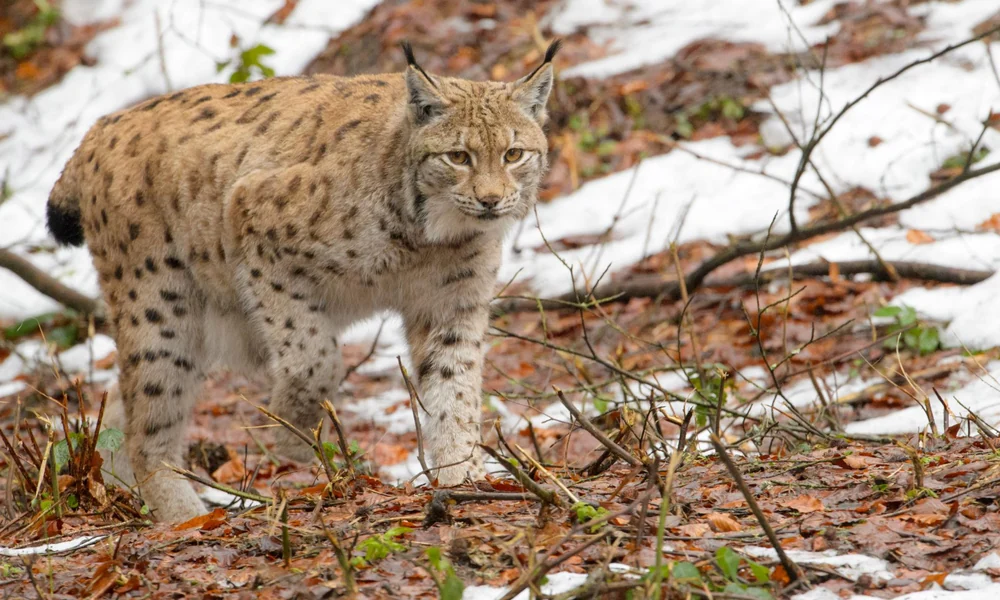
Eurasian lynx occupy a broad range that extends across parts of Europe and Asia. They are often associated with forested landscapes, although they can also use mountainous areas and some more open environments.
Suitable cover helps them approach prey without being detected. Large areas of connected habitat allow individuals to establish territories and locate mates.
Mediterranean Landscapes
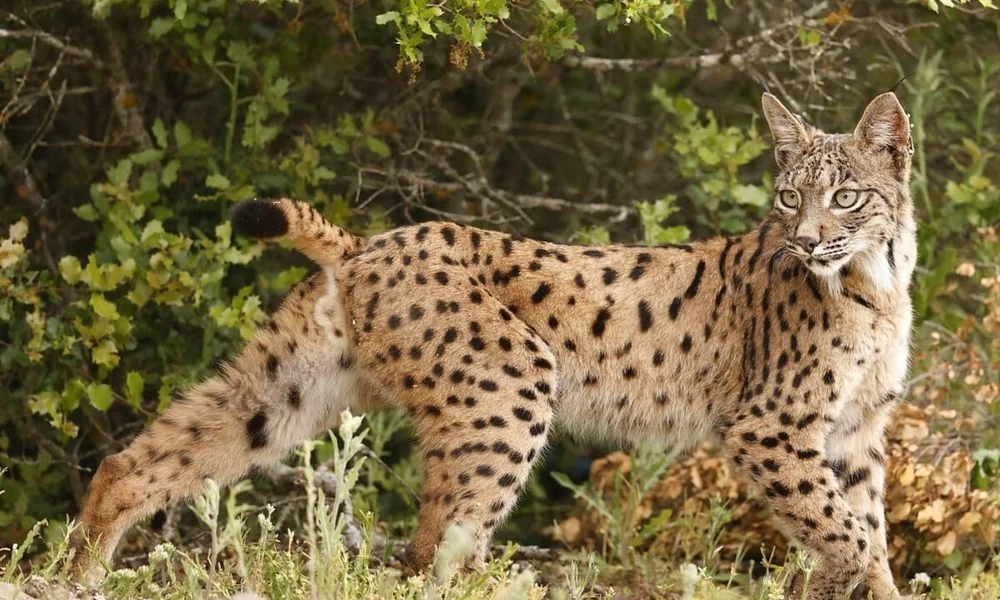
The Iberian lynx lives in parts of Spain and Portugal. It is closely associated with Mediterranean woodland and scrub habitats where European rabbits are available.
Because rabbits make up a major part of its diet, changes in rabbit populations can strongly affect Iberian lynx survival and reproduction.
Mountains and Snowy Terrain
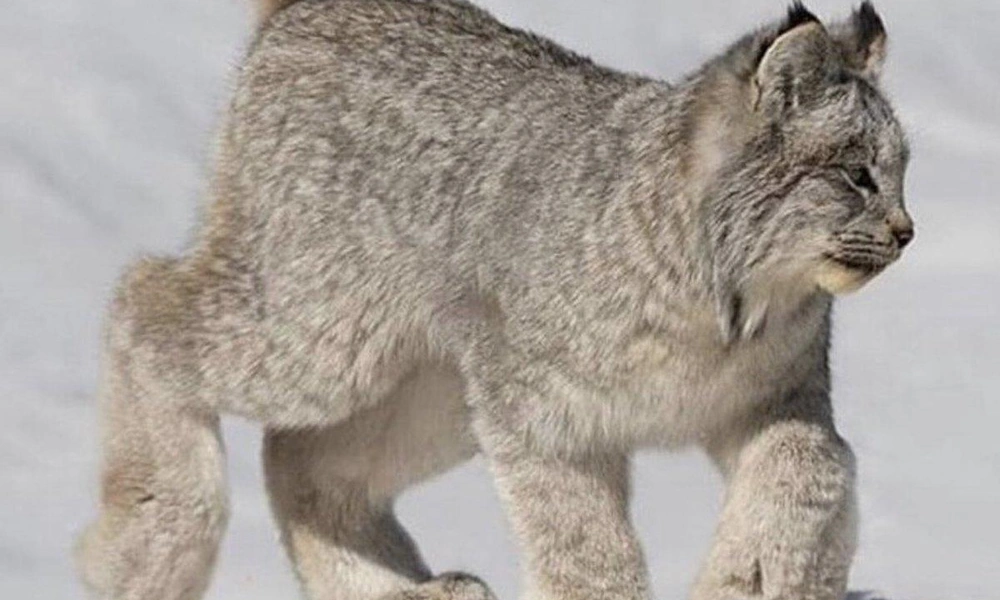
Some lynx use mountainous environments where rocky slopes, woodland patches, and sheltered areas provide cover.
The Canada lynx is particularly well adapted to deep snow. Its long legs and large, furry paws help it travel across snowy ground where other predators may struggle.
What Do Lynx Eat?
Lynx are strict carnivores, but their preferred prey differs among species.
Canada lynx depend heavily on snowshoe hares. Eurasian lynx often hunt roe deer and other small or medium-sized ungulates, while Iberian lynx rely heavily on European rabbits. Bobcats have a more varied diet that includes rabbits, hares, rodents, birds, and occasionally young deer.
Other prey may include squirrels, mice, grouse, foxes, and additional mammals, depending on local conditions.
How Lynx Hunt
Lynx are ambush predators. They use vegetation, terrain, and natural cover to approach prey quietly before launching a short attack.
Their excellent hearing helps them locate animals hidden from view. Their eyesight is also well suited to dim conditions, allowing them to hunt around dawn, dusk, and at night.
When close enough, a lynx can pounce rapidly, using its strong forelimbs and sharp claws to grasp prey. It usually kills with a targeted bite.
Although lynx are powerful hunters, they do not succeed with every attack. A failed hunt can mean additional travel and energy expenditure before the next meal.
Why Snowshoe Hares Matter to Canada Lynx
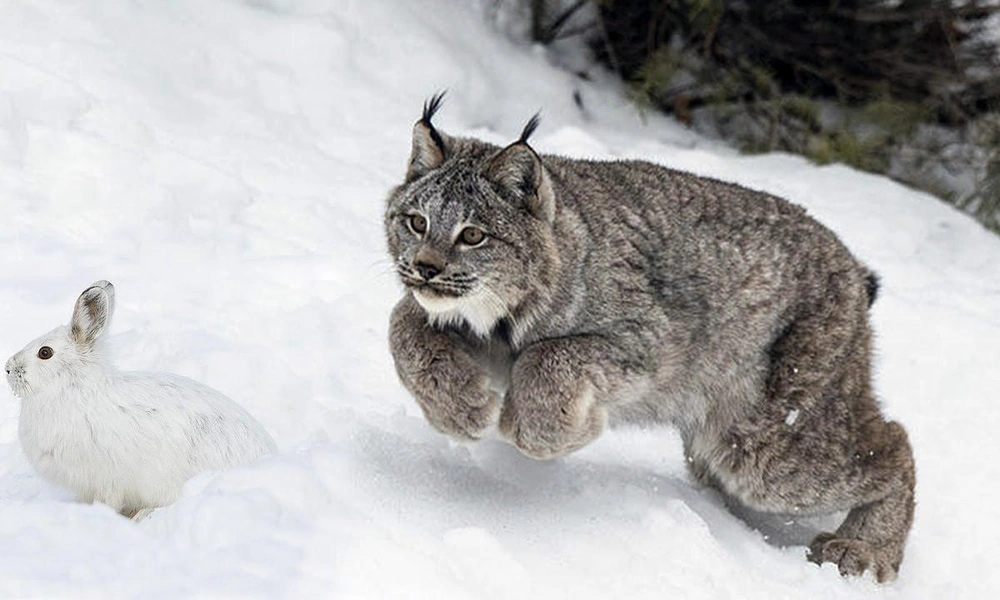
The relationship between Canada lynx and snowshoe hares is one of the best-known examples of a predator-prey cycle.
Snowshoe hare populations rise and fall over several years. When hares are abundant, Canada lynx often have more food available and may produce more surviving kittens. As hare populations decline, lynx may struggle to find enough prey, and their numbers can fall as well.
Lynx can switch to other animals, including rodents and birds, but these alternatives may not fully replace hares when the primary prey becomes scarce.
This close relationship means that protecting Canada lynx requires attention not only to the cats themselves but also to the forest conditions that support snowshoe hares.
Lynx Behavior and Daily Life
Lynx are generally solitary and territorial. Adults usually travel alone except during the breeding season or when females are raising young.
Their secretive behavior makes them difficult to observe. Even in areas where lynx are established, people may encounter tracks or other signs without ever seeing the animal.
Are Lynx Nocturnal?
Lynx are often most active around dawn and dusk, although they may hunt at night or during daylight. Their activity patterns vary with species, prey behavior, temperature, and human disturbance.
In snowy northern forests, a Canada lynx may follow the movements of hares through the night and rest during quieter periods.
Eurasian lynx often adjust their hunting activity to the movements of deer and other prey. This flexibility allows them to use available opportunities rather than follow one strict schedule.
How Do Lynx Communicate?
Lynx communicate through scent marking, body language, and vocal sounds.
They may use urine, feces, and scent glands to leave information about their presence and territory. These signals help individuals identify areas used by other lynx without needing to meet directly.
Their vocalizations can include growls, yowls, barks, and cries. Sounds may become more frequent during the breeding season or when a mother communicates with her kittens.
Most of the time, however, a lynx remains quiet and difficult to detect.
Can Lynx Climb Trees?
Yes. Lynx can climb trees, although they spend much of their time hunting and traveling on the ground.
Climbing can help them move through difficult terrain or escape some threats. They are also capable swimmers, although swimming is not usually central to their daily behavior.
Lynx Reproduction and Kittens
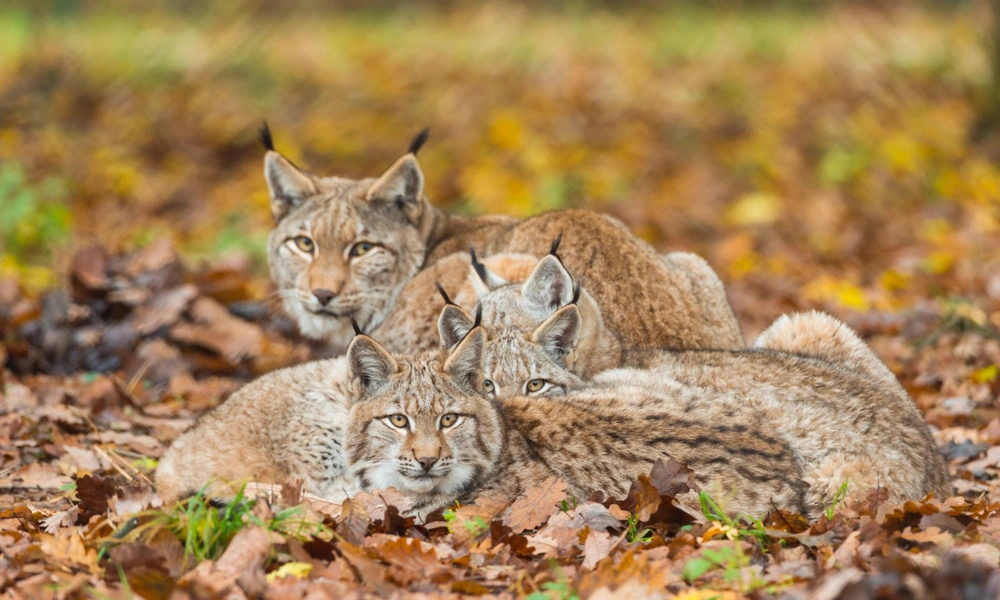
Lynx generally breed during late winter or early spring, although the timing varies among species and regions. During this period, adults use vocalizations and scent marking to locate potential mates.
After mating, the male usually leaves. The female raises the kittens alone, providing food and protection until they are ready to become independent.
Pregnancy and Birth
The gestation period for lynx species is generally around two months, with variation between species and individual animals.
Females typically give birth to a litter of one to four kittens, although litter size can vary with age, health, prey abundance, and environmental conditions.
A mother selects a sheltered den, which may be located beneath fallen trees, among dense vegetation, or in a rocky recess. The den provides protection during the kittens’ earliest weeks.
Newborn kittens are small and dependent on their mother. Their eyes open as they develop, and their strength and coordination improve over time.
How Lynx Kittens Learn to Hunt
As kittens grow, their mother gradually introduces them to the environment beyond the den. They begin exploring, playing, and practicing the movements needed to pursue prey.
Play is more than simple activity. Chasing, pouncing, and wrestling help young lynx develop coordination and timing.
The mother brings food to the growing kittens and later allows them to accompany her on hunts. They learn by watching her approach prey, choose a position, and launch an attack.
Eventually, the young animals separate from their mother and search for territories of their own. Their survival depends on finding sufficient prey and suitable habitat without encountering too many competing predators or human-made barriers.
Natural Predators and Threats to Lynx
Adult lynx are capable predators themselves, and healthy adults have relatively few natural enemies. However, young kittens can be vulnerable to larger carnivores, including wolves, coyotes, and mountain lions in areas where their ranges overlap.
For lynx populations, human-related threats are often more significant.
Habitat Fragmentation
Roads, settlements, farmland, and other developments can divide suitable habitat into smaller sections. Lynx may struggle to cross these barriers safely while searching for mates or establishing new territories.
Even when forest remains, it may no longer form a connected landscape that allows individuals to move freely.
Declining Prey Populations
Because lynx depend on specific prey in some regions, changes in prey abundance can have a substantial effect.
Canada lynx are particularly affected by fluctuations in snowshoe hare populations. Iberian lynx depend heavily on rabbits, making rabbit disease and habitat changes important conservation concerns.
Illegal Killing and Road Collisions
Illegal killing, accidental mortality, and vehicle collisions can reduce local populations, particularly where numbers are already low.
A small population may struggle to recover if adults are killed before reproducing or if young animals cannot safely disperse to new territories.
Climate Change
Changing temperatures and snowfall patterns may alter northern forest ecosystems. For Canada lynx, reduced or less reliable snow cover can change how effectively they travel and hunt relative to competing predators.
The effects differ by region, but climate change adds another challenge to long-term conservation.
Are Lynx Endangered?
The conservation status varies significantly among the four lynx species.
The Canada lynx and Eurasian lynx remain widespread in parts of their ranges, although some local populations face habitat loss, fragmentation, and other threats. The Iberian lynx has historically faced much more severe pressure and has required intensive conservation action.
Conservation programs may include habitat protection, restoring prey populations, reducing illegal killing, improving road safety, and maintaining corridors between isolated groups.
The recovery of Iberian lynx demonstrates how targeted conservation can help a species rebound when habitat, prey availability, and breeding opportunities improve. Nevertheless, a species’ recovery does not remove the need for continued monitoring and protection.
The key is to protect functioning ecosystems, not just individual animals. Lynx need sufficient prey, safe places to raise young, and the ability to move through their natural range.
Lynx vs. Bobcat: What Is the Difference?
The bobcat is one of the four lynx species, but it is often compared with the Canada lynx because their ranges overlap in parts of North America.
Canada lynx generally have longer legs, larger paws, and thicker fur around their feet. These features help them move across deep snow.
Bobcats usually have smaller feet, shorter legs relative to their body, and more obvious spots or bars. They are also more flexible in their habitat use and can live in warmer regions, including deserts and swamps.
Their tails provide another clue. The Canada lynx typically has a black tip across the end of its tail, while the bobcat’s tail commonly has a dark upper surface and a pale underside with a dark marking.
Although these differences are useful, individual variation and viewing conditions can make identification difficult.
Interesting Facts About Lynx
- There are four living lynx species. They are the Canada lynx, Eurasian lynx, Iberian lynx, and bobcat.
- Their ears have distinctive tufts. These dark tips are one of the group’s most recognizable features.
- Their tails are short. A dark tail tip helps distinguish many lynx from other wild cats.
- Canada lynx have large, furry paws. These help distribute weight over soft snow.
- They are skilled ambush hunters. Lynx depend on stealth and a rapid attack rather than long-distance pursuit.
- They are mostly solitary. Adults usually live alone except during breeding and the period when females raise kittens.
- Their diet varies by species. Snowshoe hares are crucial for Canada lynx, rabbits for Iberian lynx, and deer for many Eurasian lynx populations.
- Kittens learn by observing their mother. Hunting skills develop gradually through practice and experience.
- They can be difficult to spot. Their camouflage, quiet movements, and preference for cover help them remain hidden.
- Conservation success is possible. Habitat restoration and species-focused management have helped some lynx populations recover.
Frequently Asked Questions About Lynx
What is a lynx?
A lynx is a medium-sized wild cat in the genus Lynx. The group includes the Canada lynx, Eurasian lynx, Iberian lynx, and bobcat.
What do lynx eat?
Lynx are carnivores. Their diet includes hares, rabbits, rodents, birds, and, for some species, deer and other ungulates. Preferred prey depends on the species and location.
Where do lynx live?
Lynx occur in parts of North America, Europe, and Asia. They inhabit forests, mountainous areas, and other landscapes that provide sufficient prey and cover.
Are lynx dangerous to humans?
Lynx are generally secretive and avoid people. Encounters are uncommon, but they remain wild predators and should never be approached, fed, or cornered.
Why do Canada lynx have large paws?
Their broad, furry paws help spread their weight over snow, making it easier to travel through winter habitats while searching for prey.
How many kittens does a lynx have?
A female generally gives birth to one to four kittens, although litter size varies. She raises the kittens alone and teaches them the skills required for independent survival.
What is the difference between a lynx and a bobcat?
A bobcat is one of the lynx species. Compared with a Canada lynx, it generally has smaller feet, shorter legs, and more noticeable coat markings, and it occupies a broader range of habitats.
Are lynx endangered?
It depends on the species and population. Some lynx remain widespread, while others, particularly the Iberian lynx historically, have required intensive conservation efforts. Local threats and conservation needs vary.
Can lynx survive without snow?
Yes. Not all lynx species depend on snowy habitats. However, snow conditions are especially important for Canada lynx, which are adapted to northern forests and snowshoe hare hunting.
The Lynx: A Quiet Specialist of the Wild
The lynx is a reminder that survival often depends on matching an animal’s abilities to its environment. Its broad paws, sensitive hearing, short tail, and patient hunting style are not random features; they are part of a way of life shaped by the landscapes and prey that sustain it.
Different lynx species have developed different relationships with their environments. Some depend on snowy forests and fluctuating hare populations, while others hunt rabbits or deer across woodland and mountain landscapes.
Their future depends on maintaining those relationships. Protecting lynx means conserving habitat, keeping wildlife corridors connected, safeguarding prey populations, and reducing avoidable human-caused deaths.
When a lynx crosses a forest trail without being seen, it leaves behind more than tracks in the soil or snow. It represents a functioning ecosystem in which a specialized predator can continue to live, hunt, reproduce, and remain part of the natural world.
Disclaimer: This article is provided for general informational and educational purposes only and is not intended as professional wildlife, veterinary, or conservation advice. Information may change as research advances, and no guarantee is made as to its completeness or accuracy.