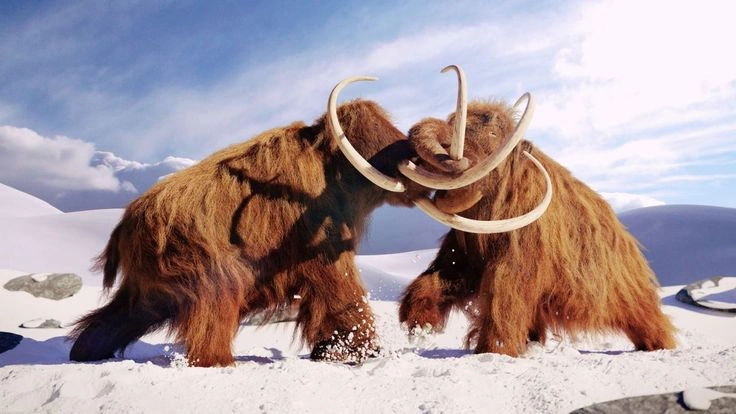
Animal Adaptations: A snowshoe hare disappears against winter snow. A gecko clings to a wall as if gravity has suddenly stopped applying to it. A camel walks across a dry landscape where water can be difficult to find. A polar bear moves across frozen ground wrapped in layers of insulation.
A fish slips through dark water using senses we can barely imagine. None of these animals was designed overnight for the place where it lives. Their remarkable abilities are the result of adaptation — changes that have developed over generations and helped animals survive in particular environments.
Nature is full of these solutions. Some are obvious. Others are so subtle that you can watch an animal for years without realizing how perfectly its body and behavior fit its surroundings. And sometimes the strangest-looking features turn out to be incredibly useful.
What Is an Animal Adaptation?
An adaptation is an inherited characteristic that helps an organism survive and reproduce in its environment.
Adaptations can involve:
- Body structure
- Color
- Shape
- Behavior
- Physiology
- Feeding
- Movement
- Reproduction
- Communication
The key idea is that an adaptation develops across generations. It isn’t something an individual animal simply decides to acquire. A polar bear cannot choose to grow thicker fur because winter is coming. Instead, populations change over very long periods as inherited characteristics that improve survival and reproduction become more common. Adaptation is one of the reasons life on Earth is so wonderfully diverse.
Structural Adaptations
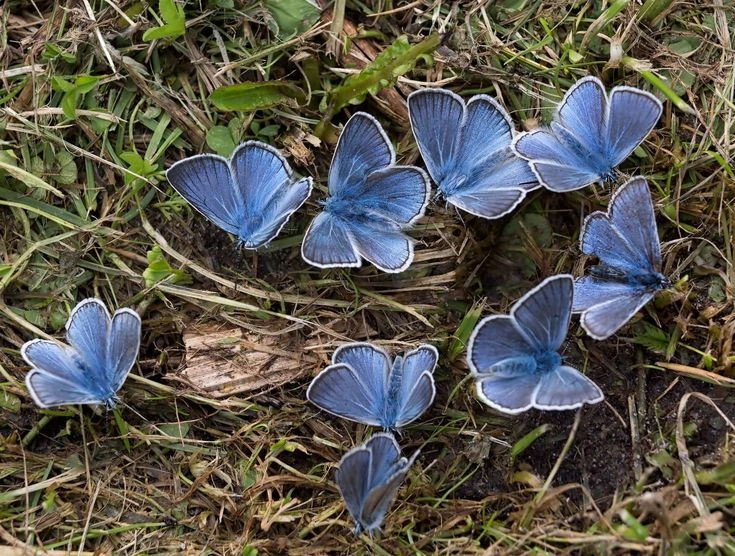
Some adaptations are built directly into an animal’s body. These are called structural adaptations. Think about a duck. Its feet are webbed. That isn’t just a strange shape. The webbing helps push against water. A duck’s body is therefore equipped for a lifestyle that includes swimming.
Or consider a woodpecker. Its beak is specially suited for interacting with wood and extracting food. A giraffe’s long neck allows it to reach vegetation that many other animals cannot easily access. A camel has physical characteristics that help it cope with hot, dry environments. These features are part of the animal’s physical design.
Behavioral Adaptations
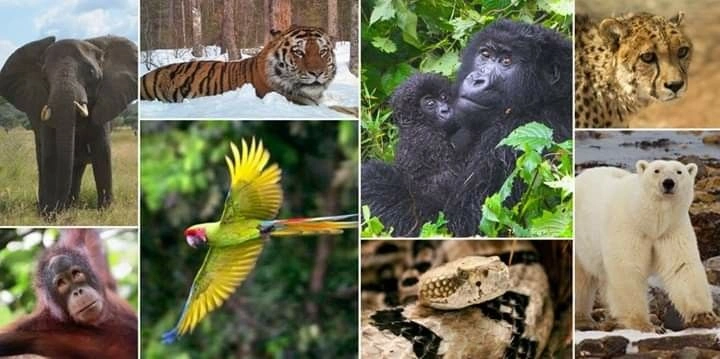
Not every adaptation involves body shape. Sometimes the most useful adaptation is something an animal does.
- Birds migrate.
- Bears in some regions enter winter dormancy.
- Nocturnal animals become active after dark.
- Some animals live in groups for protection.
Others hide when predators approach. Beavers build dams. Spiders construct webs. These behaviors can improve an animal’s chances of finding food, avoiding predators, surviving harsh conditions, or raising offspring. A behavioral adaptation can be just as important as a physical one.
Physiological Adaptations
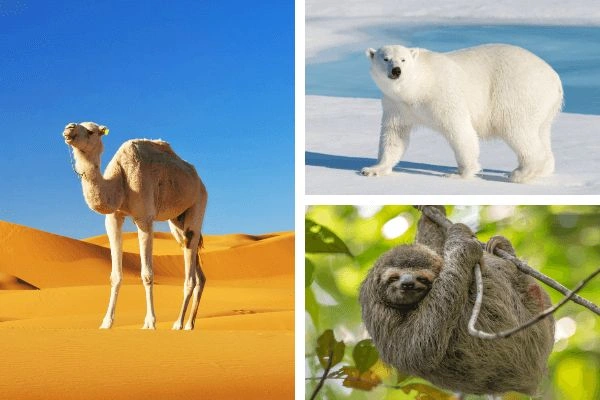
Some adaptations happen inside an animal’s body. These are called physiological adaptations.
For example, some desert animals are highly efficient at conserving water.
Certain marine animals can regulate salt and water balance in challenging environments. Some animals can tolerate extreme temperatures. Others produce specialized chemicals for defense or digestion. These adaptations aren’t always visible from the outside. An animal may look perfectly ordinary while its internal biology is doing extraordinary work.
Camouflage
Imagine trying to find a green insect on a green leaf. You know it is there. You look directly at the plant. Still nothing. Then the insect moves. Suddenly you see it. Camouflage works by making an animal harder to detect. Some animals match their surroundings.
Others break up their body outline. Some change color depending on the environment. A stick insect may resemble a twig. A snowshoe hare can develop a lighter winter coat. A flounder can blend into the seafloor. Camouflage can help predators approach prey. It can also help prey avoid predators. The same basic trick can serve completely different purposes.
Mimicry
Camouflage isn’t the only way animals avoid being noticed. Some animals look like other organisms. This is called mimicry. A harmless species may resemble a dangerous or unpleasant one.
For example, some flies resemble bees or wasps.
The resemblance can discourage predators that have learned to avoid stinging insects. Other animals mimic leaves, sticks, or even parts of their surroundings. Mimicry is essentially a visual deception. The animal doesn’t need to be dangerous if it can convince a predator that it might be.
Warning Colors
Sometimes hiding isn’t the goal. Sometimes an animal wants to be noticed. Bright colors can serve as warnings. Certain frogs, insects, and other animals have striking patterns that signal danger, toxicity, or an unpleasant taste. A predator sees the bright colors and may remember a previous bad experience. In nature, a flashy appearance can therefore mean:
Stay away.
It is an interesting reversal. Camouflage says, “Don’t see me.” Warning coloration says, “You can see me, but don’t try anything.”
Thick Fur and Insulation
Cold environments create an obvious problem. Animals lose heat. To survive, some species have evolved excellent insulation. Thick fur traps layers of air close to the body. Body fat can provide additional insulation.
Feathers can trap warm air. Some animals also reduce exposed body surfaces or alter their behavior to conserve heat. An Arctic fox, for example, has physical adaptations that help it deal with cold conditions. A seal relies heavily on body fat for insulation in cold water.
Penguins have dense feathers and other adaptations for life in chilly environments. The cold may be brutal. But these animals are built for it.
Dealing With Heat
Surviving extreme heat requires a different strategy. Some animals are active at night. Others rest during the hottest part of the day. Some seek shade. Some burrow underground. Others have bodies that help release heat. Elephants use their large ears to help dissipate heat.
Many desert animals limit activity during the hottest hours. Some reptiles bask in the morning but retreat when temperatures become too high. The lesson is simple: Sometimes surviving an extreme environment means knowing when not to be active.
Desert Adaptations
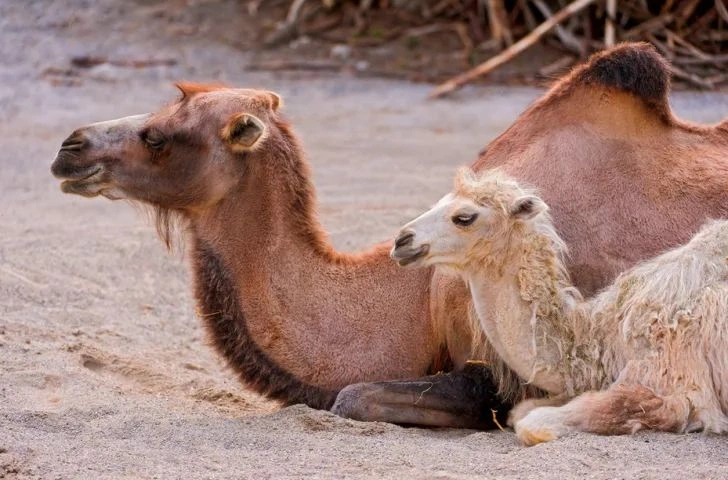
Deserts are challenging because water can be scarce and temperatures can change dramatically. Animals living there have evolved numerous strategies. Camels are famous for desert survival, but they are not the only animals adapted to dry environments.
Many desert rodents obtain much of their water from food and produce highly concentrated urine. Some reptiles have highly water-efficient bodies. Some insects obtain moisture from their food or from the environment during cooler periods.
Many desert animals are nocturnal. During the day, they may remain inside burrows or shaded shelters. When night arrives, the desert becomes cooler. That is when life begins moving.
Water Conservation
Water is essential to life. But animals don’t all have equal access to it. Some adaptations reduce water loss. Specialized kidneys can help conserve water. Protective skin can reduce evaporation. Behavior can reduce exposure to heat.
Some animals produce very dry waste. Others obtain moisture directly from food. The ability to conserve water can mean the difference between survival and death in an arid environment.
Aquatic Adaptations
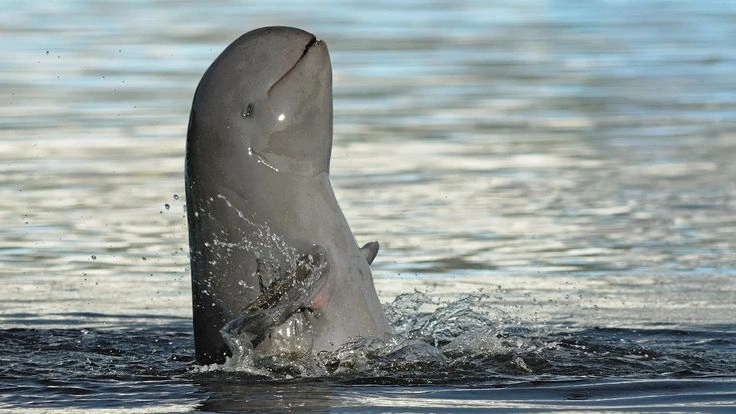
Life underwater creates an entirely different set of problems. Animals have to move through dense water. They need oxygen. They must deal with pressure, temperature, salinity, and currents.
- Fish have streamlined bodies that can reduce resistance as they swim.
- Fins provide control.
- Gills extract oxygen from water.
- Marine mammals have lungs but can hold their breath for extended periods.
Some aquatic animals have developed specialized sensory systems that allow them to detect movement or pressure changes in the water. The underwater world is physically different from ours. So animals living there need different solutions.
How Fish Are Built for Water
Watch a fish move through water. The motion looks effortless. Its body bends. Its fins adjust. Its tail provides propulsion. Its streamlined shape helps it move efficiently. This is not accidental.
The fish’s body has been shaped by generations of natural selection. Even the placement of fins matters. Different fins can contribute to movement, balance, steering, and stability. A fish doesn’t need wheels. It has something better suited to its environment.
Flight Adaptations
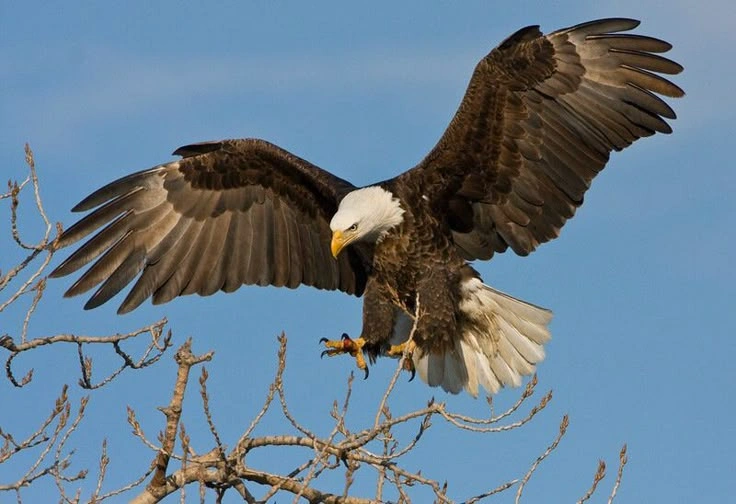
Birds have taken movement in another direction entirely. Instead of pushing through water or walking across land, they move through air. Flying requires enormous amounts of energy. Birds have therefore evolved a collection of specialized features.
Wings provide lift. Flight muscles provide power. Feathers contribute to both flight and insulation. Many flying birds have lightweight skeletons. Their bodies are carefully shaped around the demands of aerial movement. And different birds have different flight styles.
- A hummingbird can hover.
- An eagle can soar.
- A duck can take off from water.
- A falcon can dive at remarkable speeds.
There is no single version of bird flight. Each species has its own solution.
Adaptations for Running
On land, speed can mean survival.
- A rabbit needs to escape predators.
- A cheetah needs to catch prey.
- A horse needs to travel efficiently across open ground.
Different animals have developed different approaches to movement. Long limbs can increase stride length. Powerful muscles can produce acceleration.
Flexible spines can contribute to running mechanics. Hooves can provide traction. Strong claws can help with grip. The body becomes a machine shaped around the terrain.
Climbing Adaptations
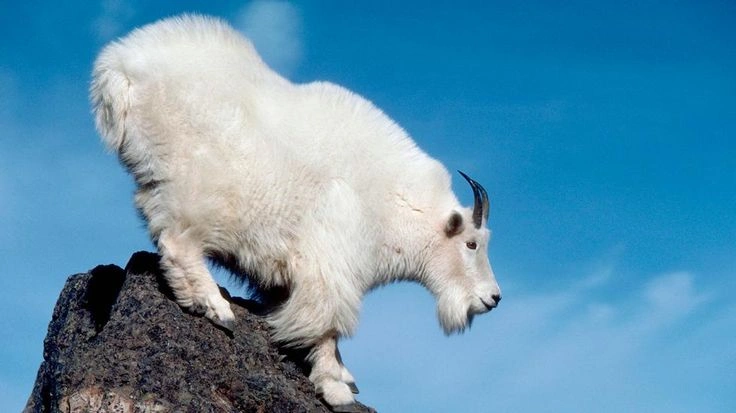
Trees create an entirely different environment from the ground. Animals living among branches need ways to grip, balance, and move through vertical spaces.
- Squirrels use sharp claws.
- Woodpeckers have specialized feet and tail feathers that help them cling to tree trunks.
- Geckos can adhere to surfaces using microscopic structures on their feet.
Primates often have flexible hands and feet suited to gripping branches. A tree is not just a tall plant. For an arboreal animal, it is a highway, shelter, feeding ground, and escape route all at once.
Burrowing
Going underground solves several problems. A burrow can provide protection from predators.
- It can reduce exposure to extreme temperatures.
- It can provide a place to raise young.
- It can offer shelter during storms or dangerous conditions.
Rabbits, foxes, rodents, reptiles, insects, and countless other animals use underground spaces. Some dig their own burrows. Others take advantage of existing tunnels.
Some animals even create complex underground communities. The surface may look quiet. Beneath it, an entirely different world can exist.
Nocturnal Adaptations
The night is a very different environment from the day. Light disappears. Temperatures may fall. Different predators become active. Different prey emerge. Nocturnal animals have evolved ways to function in darkness.
Owls have excellent hearing and specialized vision. Bats can use echolocation. Many nocturnal mammals have sensitive noses and whiskers. Some insects navigate using environmental cues that humans barely notice. For these animals, darkness isn’t an obstacle. It is part of their normal world.
Adaptations for Finding Food
Every animal needs energy. But food isn’t always easy to obtain. Predators have claws, teeth, speed, venom, camouflage, or specialized hunting strategies. Herbivores have teeth and digestive systems suited to plant material. Filter feeders process enormous amounts of water to collect tiny organisms.
Woodpeckers search inside trees. Anteaters have long tongues suited to feeding on ants and termites. Hummingbirds have specialized beaks and tongues that help them access nectar.
A body often tells a story about what an animal eats. Look closely at the teeth, beak, claws, or mouthparts and you can sometimes make an educated guess about the animal’s lifestyle.
Predator Adaptations
Predators have evolved extraordinary hunting abilities.
- Cats have sharp claws and teeth.
- Eagles have powerful talons and excellent eyesight.
- Sharks detect chemical and physical signals in water.
- Spiders use silk to capture prey.
- Snakes may use venom or constriction.
Orcas can coordinate hunting behavior within groups. Predators don’t all hunt in the same way because prey doesn’t all live in the same way. A predator’s body and behavior are shaped by the challenges of finding its particular food.
Prey Adaptations
Being hunted creates its own evolutionary pressure. Prey animals may become fast. They may become difficult to see. They may develop armor, shells, spines, toxins, or warning colors. Some travel in groups.
Others remain solitary. Some freeze when threatened. Others flee immediately. A gazelle and a tortoise have almost nothing in common physically. But both are solving the same basic problem:
How do I survive long enough to reproduce?
Group Living
Sometimes the best defense is not a physical feature.
- It is other animals.
- Fish form schools.
- Birds flock.
- Wolves can hunt cooperatively.
- Meerkats live in social groups.
- Ants and termites form enormous colonies.
- Living together can provide advantages.
More eyes can watch for predators. Groups can defend territory. Some animals cooperate when raising young. Others hunt together. But group living also has costs. Food must be shared. Disease can spread. Competition can increase. Social life is another trade-off shaped by evolution.
Migration
- Some animals survive seasonal changes by moving.
- Birds may travel thousands of kilometers.
- Whales move between feeding and breeding grounds.
- Salmon travel between ocean and freshwater systems.
- Caribou undertake long seasonal movements.
Migration allows animals to follow resources or reach environments suitable for reproduction. The journey can be dangerous. Yet the benefits can outweigh the risks. An animal may spend months preparing for a journey that takes days or weeks. Migration is one of the most dramatic examples of behavior shaped by environmental conditions.
Hibernation and Dormancy
When conditions become difficult, some animals reduce their activity dramatically. Hibernation is one example. During periods of cold or limited food, certain animals can enter states of greatly reduced metabolic activity. Other animals use forms of dormancy or torpor.
These strategies conserve energy when resources are scarce. Instead of fighting an impossible environment, the animal slows down and waits. Sometimes survival means doing less.
Reproduction as an Adaptation
Survival is not only about staying alive. Animals also need to produce offspring. This has led to countless reproductive strategies. Some species produce enormous numbers of eggs. Others produce only a few young and invest heavily in each one.
- Birds build nests.
- Fish may scatter eggs.
- Some reptiles bury eggs.
- Mammals often care for young for extended periods.
Different environments favor different strategies. A species living where young are highly vulnerable may invest heavily in parental care. Another species may produce many offspring because only a small percentage are expected to survive. Nature doesn’t use one parenting strategy. It uses thousands.
Adaptation Is Not Perfection
There is an important misunderstanding about evolution. Adaptations do not make animals perfect. They make them suited to particular conditions. Every adaptation has trade-offs. Large antlers can help males compete, but they require energy to grow.
Thick fur provides insulation, but can be difficult to tolerate in warmer conditions. Speed can help an animal escape predators, but maintaining powerful muscles requires energy. A specialized diet can be efficient, but it can also make a species dependent on particular food sources.
Evolution is not building the perfect animal. It is shaping organisms that can survive and reproduce under particular circumstances.
What Happens When the Environment Changes?
This is where adaptation becomes especially important. An animal may be extremely well suited to its environment. But if that environment changes rapidly, the animal may struggle. A species adapted to cold conditions may face difficulty if temperatures rise significantly.
An animal dependent on a particular food source may suffer if that food disappears. A bird that nests in old trees may struggle when mature forests are removed. Evolution can adapt, but it generally operates across generations. It cannot guarantee that species will adjust quickly enough to every environmental change.
Adaptation vs. Acclimation
These terms are easy to confuse. Adaptation refers to inherited characteristics shaped across generations. Acclimation usually refers to changes an individual organism makes in response to environmental conditions.
For example, an animal may adjust physiologically when exposed to a different temperature. That is different from a population evolving inherited traits over many generations. One happens within an individual’s lifetime. The other is an evolutionary process affecting populations across generations.
Why Adaptations Matter
Animal adaptations tell us something profound about life They show that organisms are connected to their environments. A beak is connected to feeding. A claw is connected to movement or defense. Fur is connected to temperature.
Camouflage is connected to visibility. Migration is connected to seasons. A burrow is connected to shelter. Nothing exists in isolation. The animal and its environment are constantly interacting.
Final Thought
The next time you see an animal, look beyond its appearance. A rabbit’s ears are not just cute. A bird’s feathers are not just beautiful. A snake’s long body is not simply unusual. A camel’s shape is not random. A frog’s moist skin is not accidental. Each feature has a story. Some stories are about heat. Some are about cold. Some are about hunger. Some are about predators. Some are about finding a mate. Some are about raising young. And some are simply about surviving another day.
Nature has spent millions of years experimenting with ways to keep life going. The result is all around us. A body becomes a solution. A behavior becomes a strategy. A strange feature becomes useful. And an animal becomes perfectly imperfect for the world it calls home.
