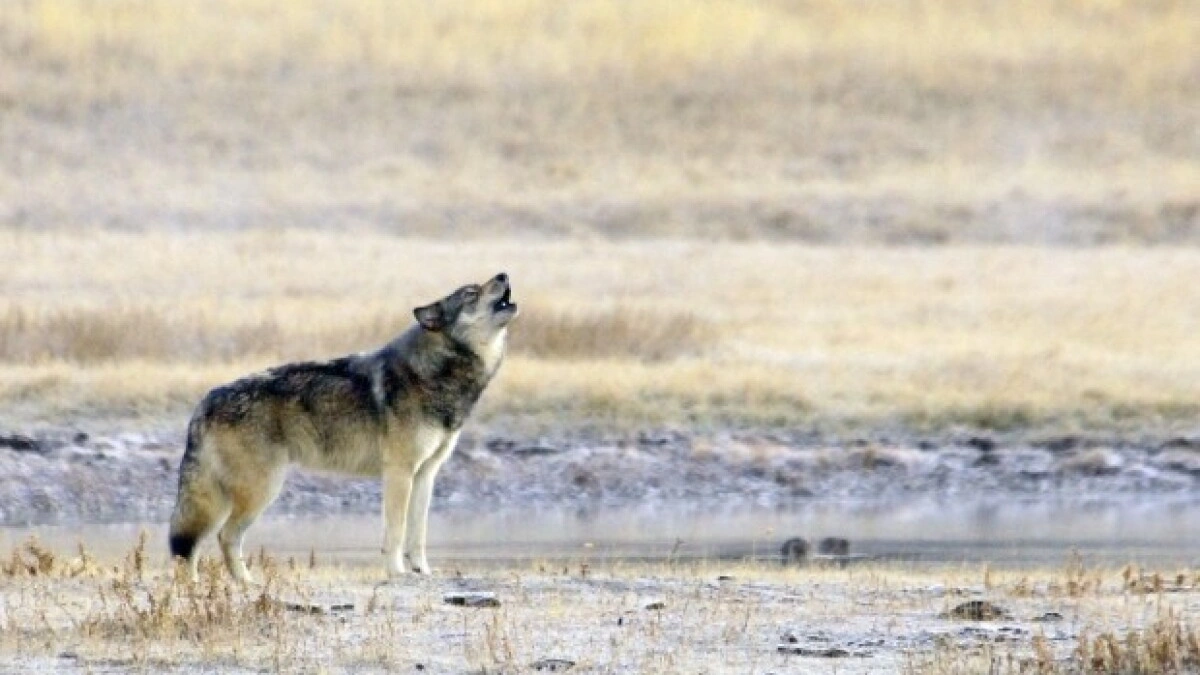
Few animals in the Scandinavian wilderness evoke as intense a psychological response as the wolf. Mentioning a potential wolf encounter in Norway often summons vivid images of danger, but historical records and biological monitoring reveal a striking divide between public anxiety and actual physical risk. According to long-term data compiled by the Norwegian Institute for Nature Research (NINA), human physical safety is virtually never threatened by wild wolves in Scandinavia. Navigating a wolf encounter in Norway requires understanding that human safety is rarely the primary issue; rather, real operational tensions revolve around domestic hunting dogs and grazing livestock. Rather than focusing solely on personal self-defense, practical field safety focuses primarily on protecting domestic animals, understanding regional wildlife management, and knowing how to respond calmly during a rare wolf encounter.
What the Record Actually Shows?
To evaluate risk objectively, one must first look at the monitoring figures provided by Rovdata, the national agency responsible for tracking large carnivores in Norway. In their recent national monitoring reports, Rovdata registered approximately 55 to 60 wolves fully or partially resident in Norway, with the majority concentrated in the strictly managed wolf zone along the eastern border in Innlandet and Østfold.
Across the entire 20th and 21st centuries, there has not been a single documented fatal attack or serious predatory aggression by a wild wolf against a human in Norway. The last verified fatal incident involving wild wolves in the region occurred in Sweden in 1821, involving a habituated wolf raised in captivity. Monitoring reports consistently show that wild Scandinavian wolves display pronounced avoidance behavior toward humans, actively utilizing dense forest cover and keen olfactory senses to steer clear of human presence long before a hiker ever becomes aware of them. The physical risk to a person experiencing a unexpected wolf encounter while walking through the Norwegian forest is, by any statistical measure, near zero.
Why the Fear Is Higher Than the Risk?
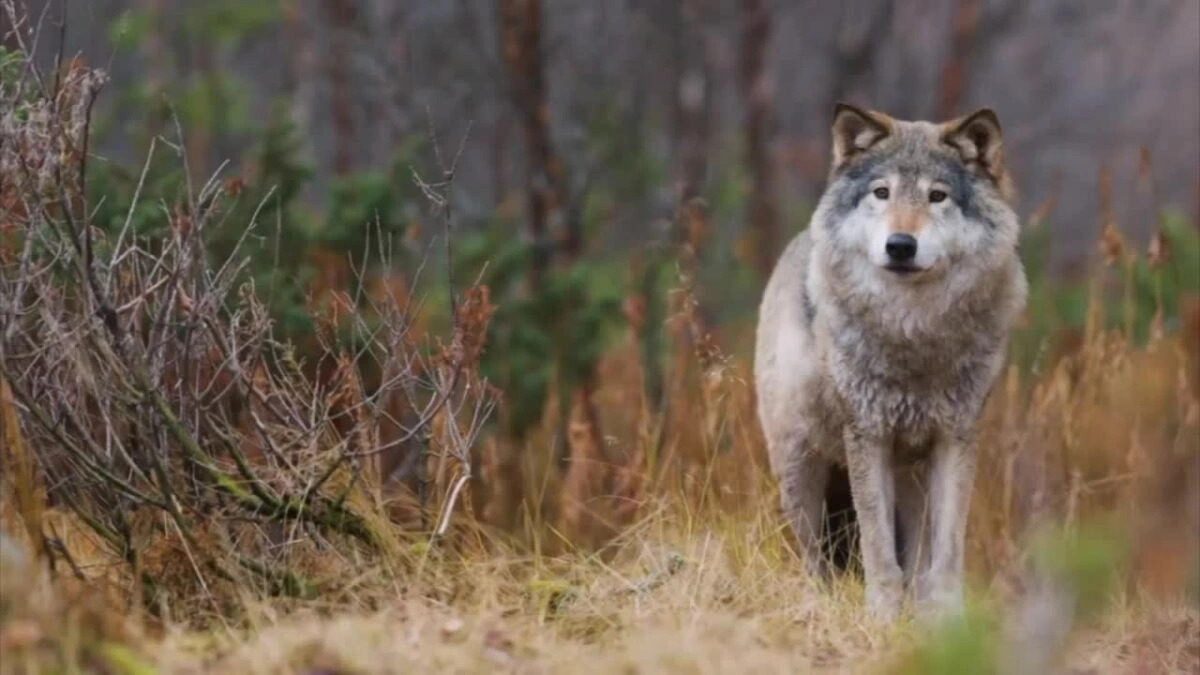
If the statistical risk to human life is negligible, why does the emotional intensity around a wolf encounter remain so acute? The answer lies in the deep cultural, economic, and social changes experienced by rural communities. The re-establishment of wolves in eastern Norway altered a landscape where livestock owners and hunters had enjoyed decades of unhindered outdoor use without large carnivores.
When wolves take sheep or attack hunting dogs near rural properties, the sense of security within a home terrain naturally shifts. Seeing wolf tracks on a familiar forest track or knowing a pack is active near a local bus route creates understandable stress, making the prospect of a wolf encounter feel daunting even if the biological threat to people remains non-existent. Public information portals like Rovbase and regional governor updates strive to provide transparent tracking data to help rural residents track local pack movements, but bridge-building between rural realities and urban wildlife conservation remains a complex effort across Scandinavia.
If You See One
Because wolves naturally fear and avoid humans, encountering one in the wild, a scenario locally known as a møte ulv, is brief and uneventful. Official safety guidance published by the Norwegian Environment Agency confirms that a wild wolf will almost always turn and retreat the moment it senses a human presence.
If you happen to experience a close-range wolf encounter, the standard instructions from official Norwegian guidance are straightforward. First, stand tall and stay calm without running, as running can trigger an instinctive chase response in any large canid. Second, make yourself recognized during the wolf encounter by speaking in a firm, natural human voice and raising your arms or waving a jacket to ensure the animal identifies you as a human. Third, back away slowly while giving the animal a clear, unobstructed escape route, without attempting to approach or crowd it for photos.
Because wolves do not possess the defensive aggression or food-guarding behaviors typical of brown bears, complex defensive protocols during a wolf encounter like carrying bear spray or playing dead are entirely unnecessary.
Dogs, Which Is the Actual Issue?
While humans face negligible danger during a wolf encounter, domestic dogs represent the single largest practical conflict point. Wolves are highly territorial canids; they perceive free-ranging domestic dogs not as prey, but as territorial intruders or competing rivals within their established pack home ranges.
Hunters using unleashed loose-tracking dogs during autumn moose and hare seasons face genuine operational risk. In areas with established wolf packs, an unleashed dog tracking game can easily lead to a hostile wolf encounter, resulting in aggressive territorial defense that is frequently fatal for the dog.
To mitigate risk during a potential wolf encounter, dog handlers in wolf regions rely on specific tactical measures:
-
Reviewing recent tracking updates on Rovbase and consulting local hunting boards before releasing a dog.
-
Equipping working dogs with protective Kevlar vests fitted with steel spikes designed to deter throat bites during an unexpected wolf encounter.
-
Monitoring real-time GPS telemetry to intervene immediately if a dog stops moving or remains motionless in pack territory.
Strict observance of national dog leash rules is mandatory under Norwegian law. From April 1 to August 20, all dogs must be kept on a leash to protect nesting wildlife and grazing livestock, a statutory requirement detailed in our guide on Allemannsretten and Outdoor Regulations. In wolf zones, keeping non-working companion dogs leashed year-round remains the most effective protection against a dangerous wolf encounter.
Livestock, Briefly
Grazing livestock, particularly unattended sheep on mountain pastures, represent another significant carnivore conflict area. While seasonal carnivore policy and population quota debates are handled separately under regional wildlife management plans, livestock owners facing an active wolf encounter or immediate predation must follow established national protocol.
When sheep or goats are injured or killed during a wolf encounter, farmers should immediately notify the State Nature Inspectorate to document the kill site for state compensation claims. Preventive measures, including predator-proof electric fencing and early gathering of stock, are coordinated through municipal agricultural offices.
What the Law Allows?
Norwegian wildlife legislation strictly regulates when a protected carnivore may be targeted or harmed during a wolf encounter. Under Section 17 of the Norwegian Wildlife Act, an individual has the legal right to kill a wolf in direct self-defense of a person or to stop an ongoing attack on domestic animals.
However, the legal threshold for defense of animals during a wolf encounter is precise and narrow:
-
Active attack required: You may only fire if a wolf is in the direct, physical act of attacking or injuring a dog or livestock. You cannot shoot a wolf simply because a casual wolf encounter occurs near a leash line or in the same forest compartment.
-
Proportional response: The intervention must be immediate and necessary to stop the harm.
Legal discharge of a firearm during a wolf encounter demands exceptional marksmanship under high-stress conditions. Hunters are expected to maintain verified shooting proficiency and full operational control of their firearm. Attempting a shot near a struggling dog carries extreme risk of striking the pet. Note that this summary provides general information on Norwegian wildlife regulations and does not constitute formal legal advice.
If Something Happens
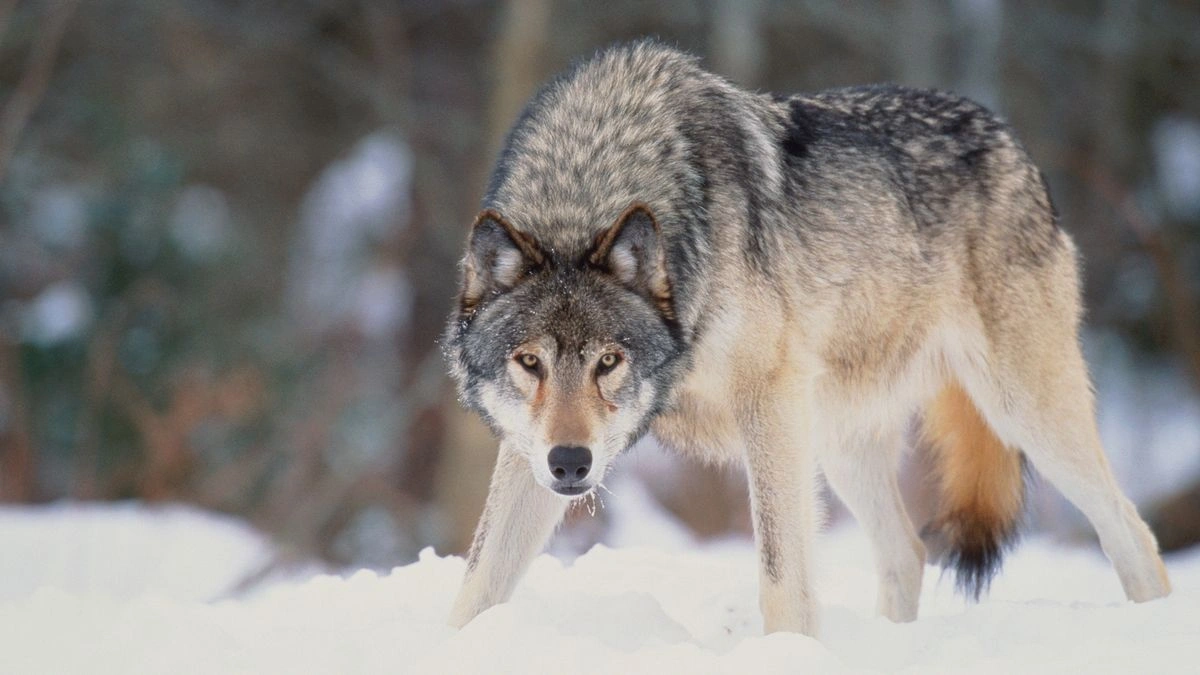
In the rare event that a critical wolf encounter involves livestock damage, a dog attack, or a habituated wolf exhibiting unusual proximity to human habitations, swift reporting is essential.
First, report the wolf encounter directly to the local representative of the State Nature Inspectorate. Inspectors conduct formal field investigations to verify tracks, hair, and kill characteristics following a reported wolf encounter. Second, preserve the site by avoiding disturbing foot tracks, blood patterns, or scat, and cover physical evidence with a tarp or bucket if weather threatens to erase it. Third, document thoroughly by taking clear, scaled photographs of tracks and injuries using a recognized object like a pocket knife or coin for size comparison. Fourth, if a companion dog survives a physical wolf encounter, render swift field first aid by applying pressure to puncture wounds with clean dressings before transporting the animal immediately to a veterinary clinic.
The Read
Understanding the wolf in Norway requires looking past dramatic headlines to examine the real statistics. While public fear remains elevated due to historical and cultural factors, the risk of personal physical harm during a wild wolf encounter is practically non-existent.
By keeping companion animals leashed, remaining informed on pack movements, and respecting wildlife regulations, outdoor enthusiasts can navigate Norwegian forests with calm confidence. Current local information on pack locations and recent sightings following a wolf encounter can be accessed anytime through the national Rovbase tracking portal.
Frequently Asked Questions
Are wolves dangerous to people in Norway?
No, wolves are not considered dangerous to people in Norway. Statistical data and historical records compiled by national wildlife monitoring bodies show zero fatal or serious attacks by wild wolves on humans in Norway during the past two centuries. Wild Scandinavian wolves naturally fear humans and actively avoid a wolf encounter.
How many wolves are there in Norway?
According to official monitoring data from Rovdata, there are approximately 55 to 60 wolves registered as fully or partially resident in Norway. Most of these animals are concentrated in the designated wolf zone along the eastern border regions of Innlandet and Østfold.
What should you do if you see a wolf during a wolf encounter in Norway?
If you experience a wolf encounter in Norway, stand your ground calmly and do not run. Speak in a firm, natural human voice, raise your arms to make yourself look larger, and slowly back away while leaving the animal a clear path to escape.
Are dogs at risk during a wolf encounter in Norwegian forests?
Yes, hunting dogs and unleashed pets face a genuine risk during an unexpected wolf encounter in wolf territory. Because wolves are fiercely territorial, they view free-ranging dogs as intruding rivals. Keeping companion dogs on a leash and utilizing protective Kevlar vests or GPS tracking for hunting dogs are essential precautions.
Can you shoot a wolf during a wolf encounter if it attacks your dog under Norwegian law?
Under Section 17 of the Norwegian Wildlife Act, you are legally permitted to shoot a wolf during a wolf encounter only if it is in the direct, active process of attacking a domestic animal or human. You cannot shoot a wolf simply because a wolf encounter occurs nearby. Any such incident must be reported immediately to the State Nature Inspectorate.
