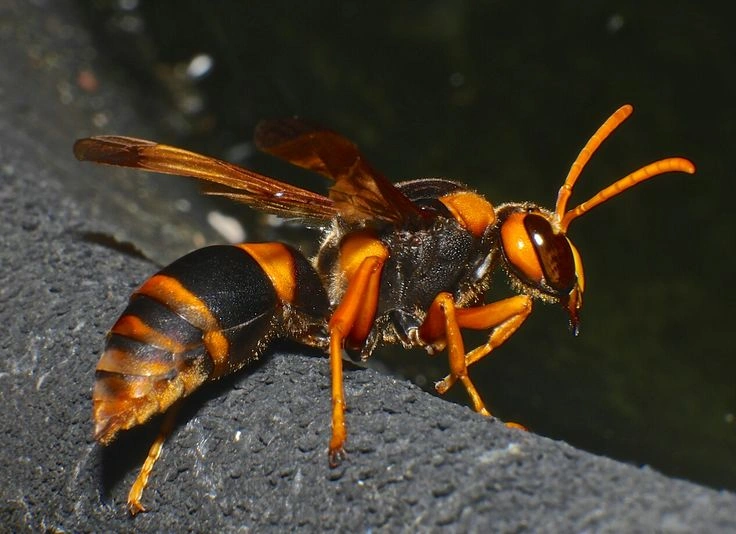
Hornets look dramatic, but their real story is more interesting than their scary reputation. These large social wasps build organized colonies, hunt other insects, feed on sugary foods, and defend their nests when they feel threatened. Learning the basics makes it much easier to tell a hornet from another wasp and understand when it is actually a concern.
For Viltnemnda, this guide brings together practical Hornet Facts in a simple way, covering common types, nesting habits, diet, behavior, and sting risk without turning every sighting into a danger story.
Quick Hornet Facts
Hornets are social wasps in the family Vespidae, and true hornets belong mainly to the genus Vespa. They live in colonies led by a queen and usually build a new nest each year. Workers spend their time gathering food, caring for young, and defending the colony.
Not every large wasp called a “hornet” is a true hornet. In North America, for example, the bald-faced hornet is actually a type of aerial yellowjacket. Appearance, nesting behavior, and range can vary widely between species.
Types of Hornets You May Hear About
European Hornet
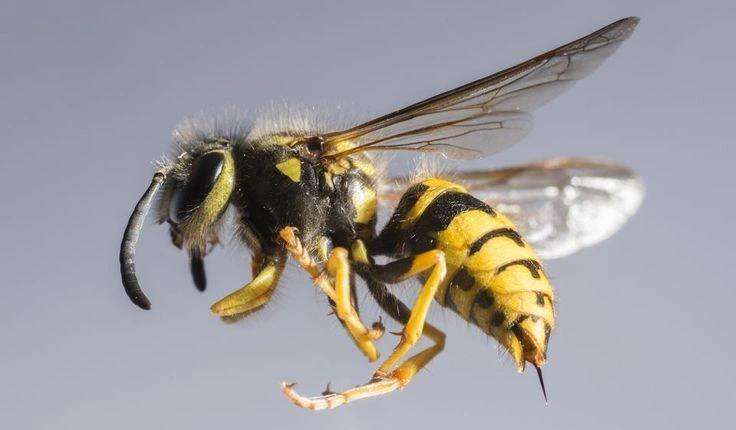
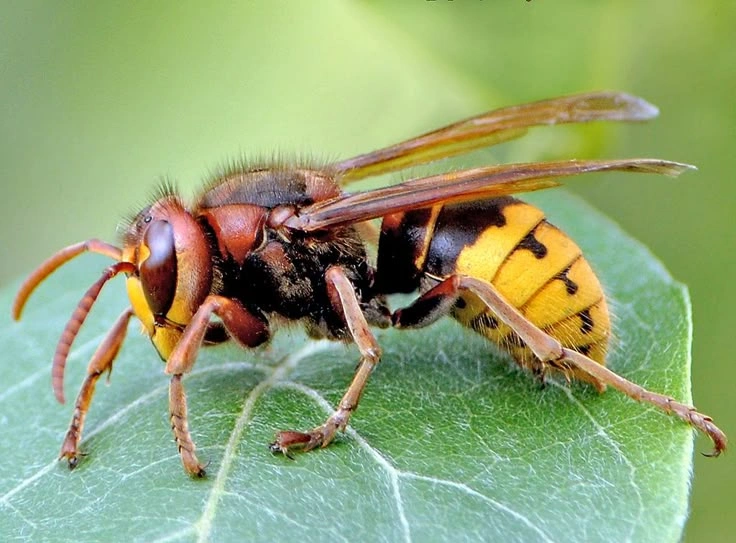
The European hornet (Vespa crabro) is one of the best-known true hornets. Adults can reach around 1 to 1.5 inches long, with brown, reddish, and yellow markings. It often nests in protected cavities such as hollow trees, wall voids, attics, and other sheltered spaces.
European hornets mainly hunt insects, including flies, grasshoppers, and other wasps. They also use sugary foods and plant sap, especially later in the season. Unlike many people expect, they are not simply searching for humans to sting.
Yellow-Legged Hornet
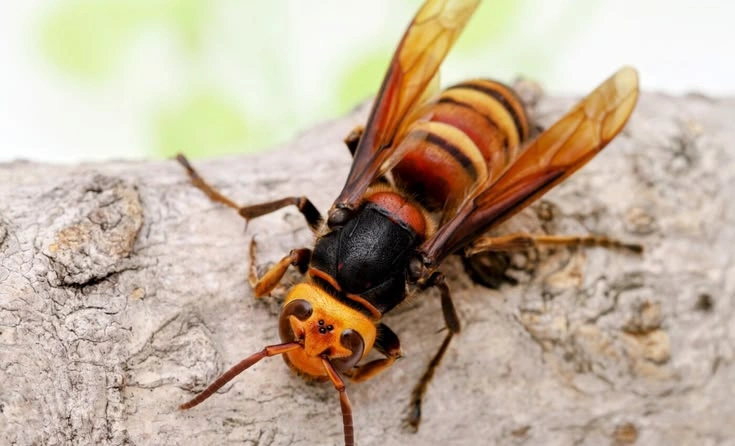
The yellow-legged hornet (Vespa velutina) is smaller than the northern giant hornet and is recognized by its darker body and noticeably yellow legs. It can build large paper nests above ground, including high in trees and around buildings.
This species has become a major concern in areas where it is invasive because it hunts insects and can prey heavily on honey bees. USDA APHIS reported in August 2026 that yellow-legged hornets had been detected in parts of the southeastern United States, with surveillance and eradication work continuing.
Northern Giant Hornet
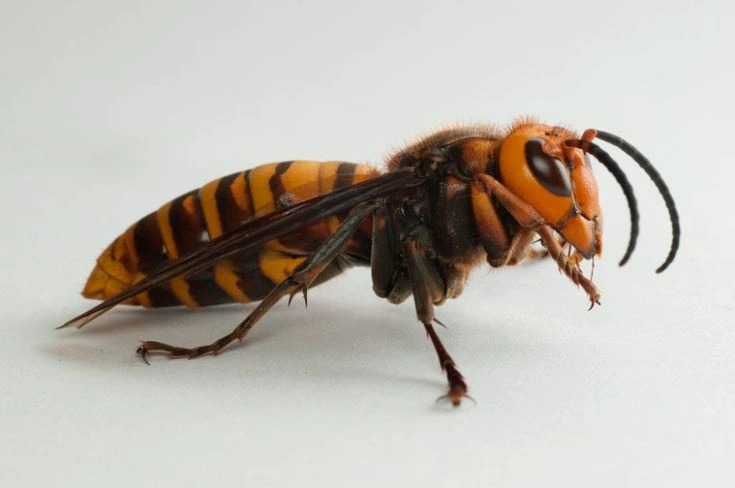
The northern giant hornet (Vespa mandarinia), formerly widely called the Asian giant hornet, is the world’s largest hornet and can reach about 2 inches long. Its large orange or yellow head and dark body with orange-yellow bands make it distinctive.
USDA notes that the species was eradicated from the United States, although monitoring continues for possible future detections.
Bald-Faced Hornet: A Common Name Trap
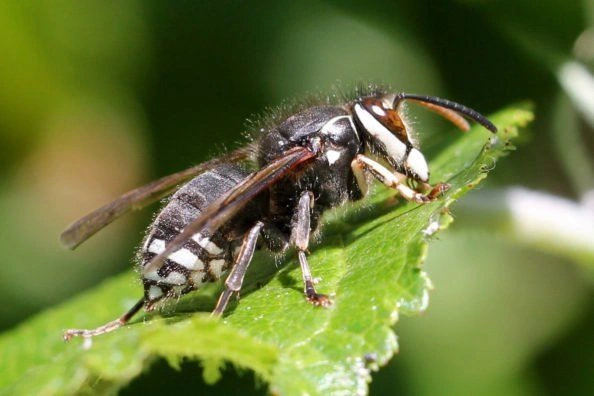
The bald-faced hornet (Dolichovespula maculata) is not a true Vespa hornet. It is an aerial yellowjacket, but its common name often confuses. It is mostly black with white markings and builds enclosed paper nests, often in trees or around buildings.
Where Do Hornets Build Their Nests?
Hornet nesting habits depend on the species. Some prefer enclosed spaces such as tree cavities, wall voids, attics, sheds, or other protected areas. Others build large paper nests in trees, on structures, or beneath sheltered overhangs.
The nest begins with a fertilized queen. After surviving winter, she searches for a suitable location and starts the colony herself. She lays eggs and cares for the first workers. Once enough workers develop, they take over foraging, nest expansion, and care of the young while the queen focuses mainly on reproduction.
Hornet colonies are usually seasonal. In many species, workers and the old queen die as cold weather arrives, while newly produced queens survive winter and begin the next generation.
Hornet Colony Life Cycle
The annual colony cycle is one of the most useful Hornet Facts to understand. In spring, a surviving queen chooses a nesting site and raises the first workers. As worker numbers increase, they handle foraging, nest expansion, and care of young. In late summer and early fall, mature colonies may produce males and new queens. New queens leave, mate, and seek protected places for winter. This explains why a nest can grow quickly and why the same nest is occupied year after year.
True hornets usually have a broad body, but identification depends on species and region. Never rely on size alone; color pattern, nest design, and behavior are clues.
How Big Can a Hornet Nest Get?
Nest size varies greatly by species and conditions. European hornet nests commonly contain hundreds of workers, while some species can form much larger colonies. Yellow-legged hornet nests may eventually become extremely large, with USDA reporting that mature nests can contain up to 6,000 workers.
More workers mean more defenders, and disturbing the nest can trigger defensive behavior.
What Do Hornets Eat?
Hornets are flexible feeders, and their diet changes with their role in the colony and the time of year. Adult hornets commonly consume sugary liquids such as nectar, fruit juices, and plant sap. These provide energy for activity.
Their larvae need protein, so workers hunt other insects and carry prey back to the nest. Flies, grasshoppers, caterpillars, and other wasps can become food. Some hornet species also target honey bees.
This diet gives hornets an important role as predators. They can help limit populations of other insects, even though their presence near people can become troublesome.
Why Are Hornets Attracted to Homes?
A hornet may appear around a house because it has found food, water, shelter, or a good nesting location. Fallen fruit, sugary drinks, flowering plants, exposed garbage, and outdoor food can attract foraging insects.
Repeated activity around one opening or visible nest is more meaningful.
Hornet Sting Risk: What You Should Know
Hornets can sting, and unlike honey bees, wasps and hornets generally can sting more than once. A sting can cause immediate pain, redness, swelling, and irritation.
The bigger concern is an allergic reaction. Hornet and other wasp stings can trigger anaphylaxis, a serious reaction that may cause difficulty breathing, swelling of the face or throat, dizziness, hives, or other severe symptoms.
If someone develops signs of anaphylaxis after a hornet sting, emergency medical help is needed immediately. Anyone with a known severe insect-sting allergy should follow their prescribed emergency plan.
Are Hornets Aggressive?
Calling every hornet “aggressive” is misleading. Hornets usually have little reason to chase people when they are simply foraging. Defensive behavior becomes much more likely when a person gets too close to, hits, blocks, or disturbs the nest.
If you spot a hornet nest, avoid touching it, throwing objects at it, or trying to remove it yourself. A professional can assess a nest near a home or high-traffic area.
How to Reduce Hornet Encounters
You can make your property less attractive to wildlife by keeping food and sweet drinks covered outdoors, cleaning up fallen fruit, securing garbage containers, and reducing easy access to other food sources. These simple steps can help limit unwanted wildlife visits around homes and other properties. For more information about wildlife behaviour and food-related encounters, you can also read this guide to the Sun Bear. If several hornets appear from the same location, watch from a safe distance and avoid disturbing the area.
E-E-A-T Note
This article is based on information from established entomology and health sources, including USDA Animal and Plant Health Inspection Service, USDA Agricultural Research Service, Pennsylvania State University Extension, University of Minnesota Extension, and Mayo Clinic. Species names, nesting details, behavior, and sting-risk information have been checked against these sources so readers can distinguish practical facts from common hornet myths.
Frequently Asked Questions
Are hornets dangerous to humans?
Hornets can deliver painful stings, but they generally do not attack people without a reason. The risk increases when a nest is disturbed. People with venom allergies can experience a severe reaction, so breathing problems, throat swelling, faintness, or widespread hives after a sting require emergency medical attention.
Do hornets sting more than once?
Yes. Hornets and other wasps can generally sting repeatedly because their stingers are not designed to remain embedded in skin like a honey bee’s stinger typically does.
What do hornets eat?
Adult hornets often feed on sugary liquids such as nectar, fruit juices, and plant sap. Workers also capture insects and other protein-rich prey to feed developing larvae.
Where do hornets build nests?
Depending on the species, hornets may build nests inside tree cavities, wall voids, attics, sheds, trees, or other sheltered locations. Some species create large paper nests high above the ground.
Should I remove a hornet nest myself?
It is safer not to disturb an active nest. If it is close to a home, doorway, workplace, or other frequently used area, contact a qualified pest professional for assessment and removal.
Are all insects called hornets actually hornets?
No. Common names can be confusing. The bald-faced hornet, for example, is actually an aerial yellowjacket rather than a true hornet in the genus Vespa.
