A deer moves quietly through a forest clearing. Somewhere beyond the trees, a large cat watches without making a sound. Its tawny coat blends into the dry grass, its rounded ears remain alert, and its long tail rests close to the ground. The deer may never realize it is being followed until the predator makes its move.
This is the mountain lion, one of the most elusive and adaptable predators in the Americas. Known scientifically as Puma concolor, this powerful wild cat is also called a cougar, puma, panther, catamount, or mountain lion, depending on the region.
Despite its name, the mountain lion does not always live in mountains. It inhabits forests, deserts, grasslands, scrublands, wetlands, and rugged foothills. Its survival depends on stealth, strength, patience, and an ability to adapt to changing landscapes.
Mountain lions play an important ecological role by hunting deer and other animals, helping shape predator-prey relationships across their habitats. Yet their need for extensive territories increasingly brings them into contact with roads, farms, livestock, pets, and expanding human communities.
Understanding this remarkable cat reveals how a largely solitary predator can survive across an enormous range while remaining almost invisible to the people who share its environment.
What Is a Mountain Lion?
The mountain lion is a large member of the cat family, Felidae. It belongs to the genus Puma and is closely related to other small-headed, long-bodied cats rather than to the roaring lions of Africa.
It is among the largest wild cats in the Americas, although its size varies considerably across its geographic range. Adult males are generally larger and heavier than females.
Unlike lions, mountain lions do not live in prides. They are predominantly solitary animals, with adults maintaining individual home ranges. The main exceptions occur when females raise kittens or when adults come together to mate.
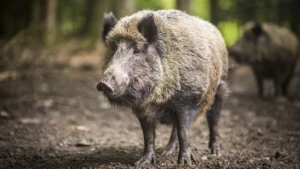
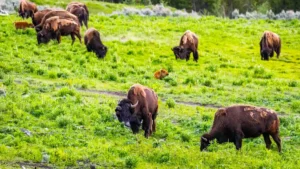
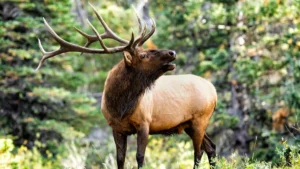
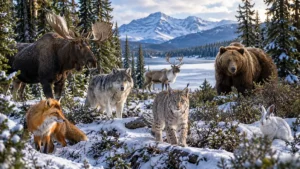
Mountain lions are carnivores and primarily hunt mammals. Deer are a major food source in many populations, but these cats can also prey on elk, rabbits, rodents, wild pigs, and other animals depending on local conditions.
Their ability to use many habitats and prey species has helped them persist in regions where other large predators have declined.
What Does a Mountain Lion Look Like?
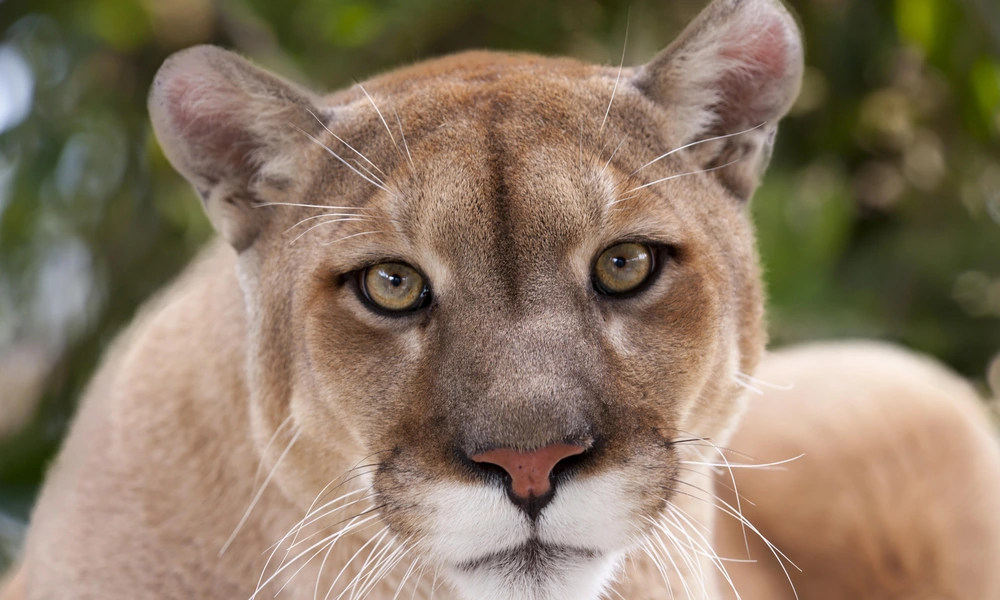
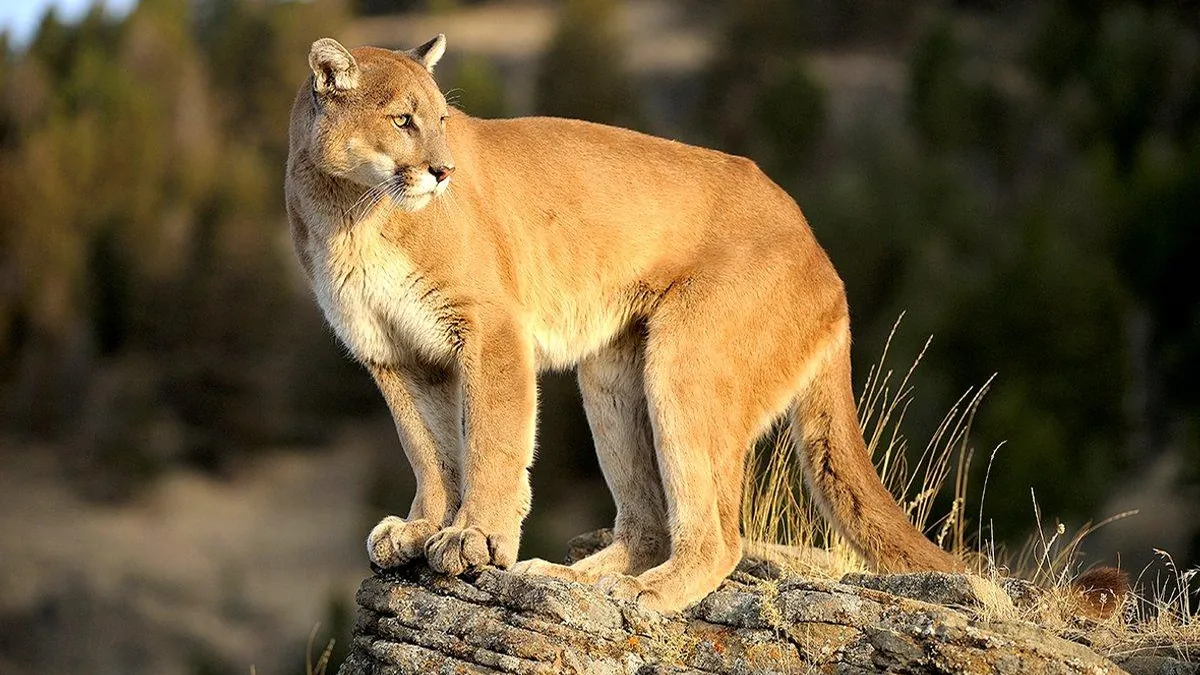
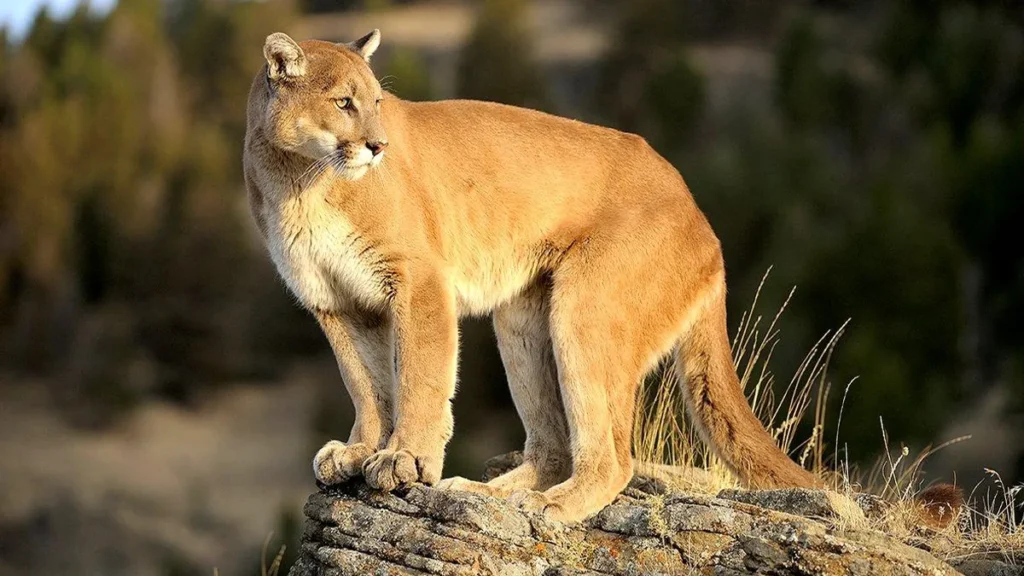
A mountain lion has a sleek, muscular body, a relatively small head, rounded ears, and a long, heavy tail. Its overall appearance is designed for stealth and powerful movement rather than the bulky build of some other large cats.
The coat is usually tawny, sandy brown, reddish-brown, or grayish-brown, with a lighter underside. The coloration helps the animal blend into dry grass, rocky slopes, woodland shadows, and other natural surroundings.
The muzzle and chest are often pale, while the backs of the ears and the tip of the tail are darker. The tail is especially distinctive, helping distinguish a mountain lion from other animals that might be mistaken for it at a distance.
How Big Is a Mountain Lion?
Adult mountain lions commonly weigh around 30 to 80 kilograms, although some individuals fall outside this range. Males are generally heavier than females, and body size varies by region and available prey.
Their total length, including the tail, can exceed two meters in large individuals. At the shoulder, an adult may stand roughly 60 to 75 centimeters tall.
Mountain lions are strong climbers and capable jumpers. Their muscular hind legs allow them to make powerful leaps, while their flexible bodies help them maneuver across rocky terrain, fallen trees, and uneven ground.
Do Mountain Lions Have Spots?
Adult mountain lions generally have plain coats rather than the conspicuous spots found on leopards or jaguars.
Young kittens, however, are born with dark spots and ringed tails. These markings gradually fade as they mature, helping explain why a young mountain lion may look quite different from its parents.
Are There Black Mountain Lions?
Stories about black mountain lions appear in folklore and wildlife reports, but a verified melanistic mountain lion has not been established as a recognized natural color form.
Very dark sightings can result from poor lighting, distance, confusion with other animals, or misidentification. Mountain lions generally have coats ranging from tawny to grayish or reddish-brown.
Where Do Mountain Lions Live?
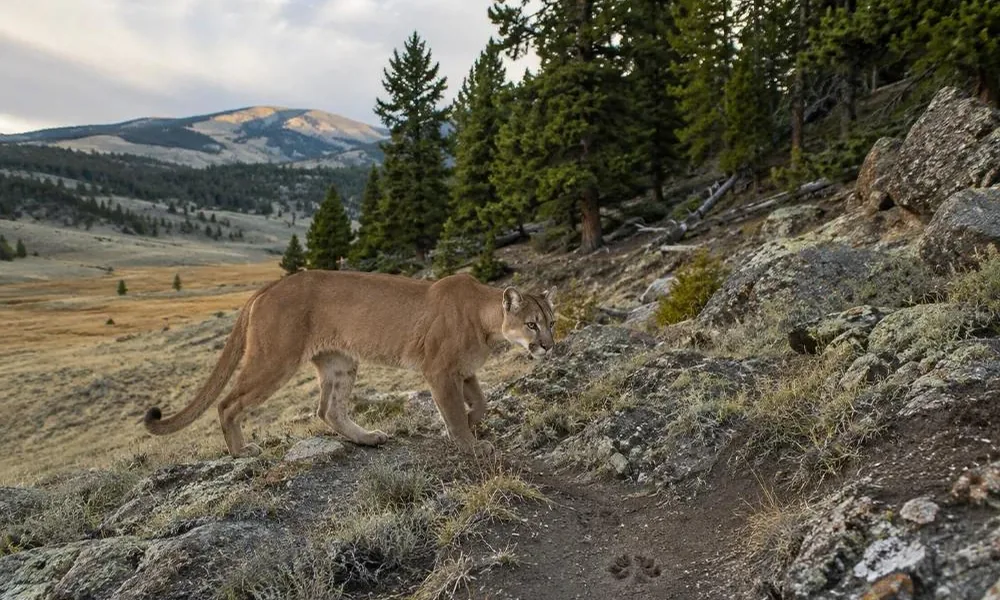
Mountain lions have one of the widest geographic distributions of any wild cat. Their range extends from western Canada through much of the western United States and Mexico, across Central America, and into South America.
Historically, they occupied much of North America, including areas where they are now absent or extremely rare. Habitat loss, hunting, persecution, and the expansion of human settlement eliminated or reduced populations in many eastern regions of the United States.
A small population survives in southern Florida, where the animal is commonly known as the Florida panther and receives special conservation attention.
Mountains and Rocky Terrain
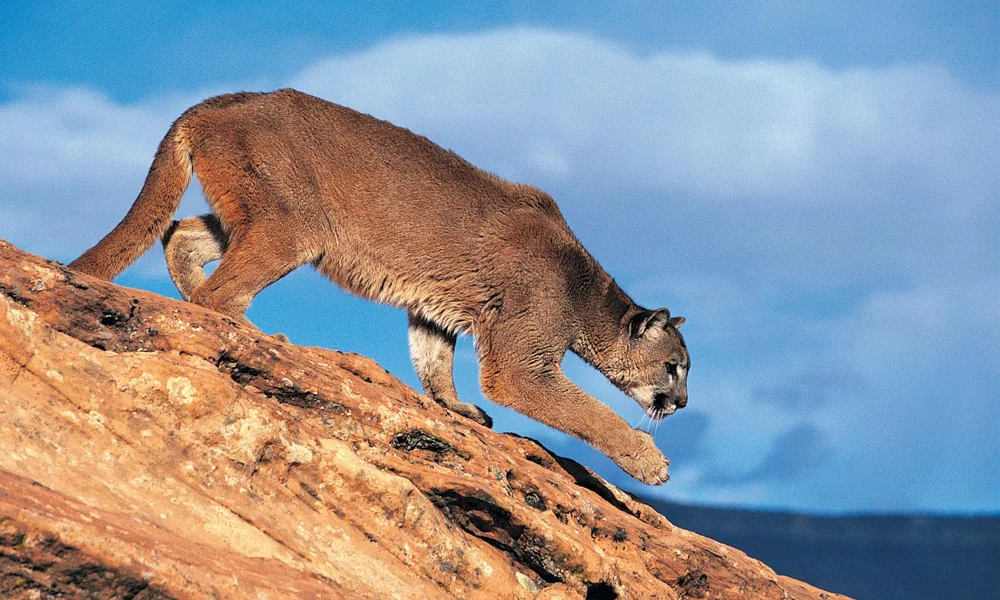
Mountainous regions provide steep slopes, rocky outcrops, and sheltered areas that help mountain lions stalk prey and avoid disturbance.
Rugged landscapes can also offer denning sites and routes through difficult terrain. The cat’s powerful legs and flexible body make it well suited to moving across steep ground.
Forests and Woodlands
Forests provide cover for stalking prey and resting during daylight hours. Mountain lions use a variety of woodland types, from temperate forests to more open, dry forests.
They may follow deer along forest edges, stream corridors, and trails where prey regularly travels.
Deserts and Scrublands
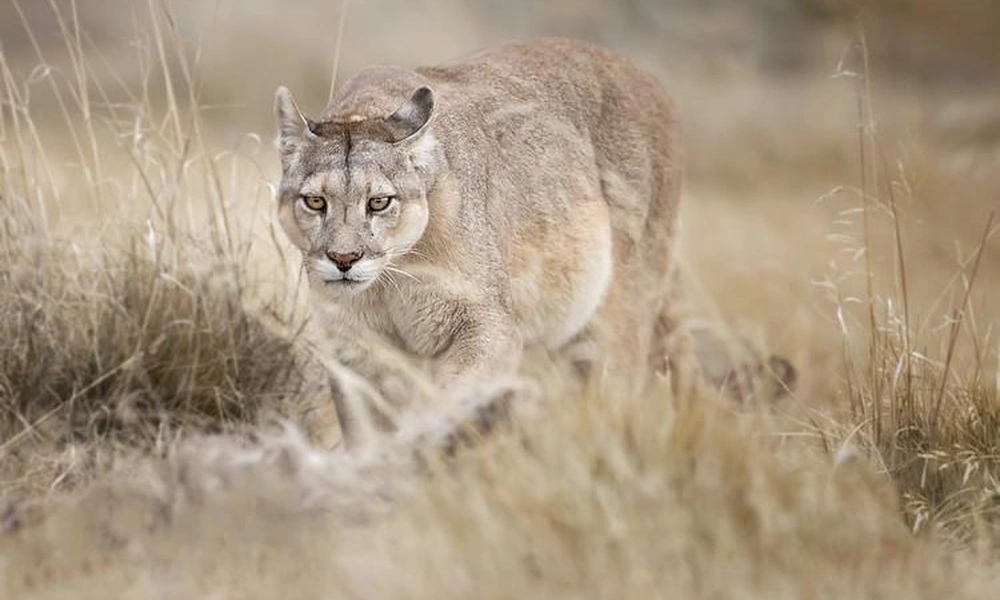
Mountain lions can survive in dry environments where sufficient prey and shelter remain available. They may use rocky canyons, shrublands, and areas near watercourses.
In these habitats, the availability of prey and suitable cover often matters more than the presence of dense forest.
Can Mountain Lions Live Near Cities?
Yes. Some mountain lions move through rural areas, suburbs, and the edges of cities, particularly where open space, vegetation corridors, and prey populations remain connected.
A greenbelt, canyon, or river corridor may allow a cat to travel between larger natural habitats without crossing heavily developed areas at every point.
Seeing a mountain lion near a community does not automatically mean it is behaving abnormally. However, encounters can become dangerous when animals lose access to natural prey, become habituated to people, or approach livestock and pets.
What Do Mountain Lions Eat?
Mountain lions are strict carnivores, relying on animal prey for their nutrition. Their diet changes according to location, season, prey abundance, and the size of the individual cat.
Deer are a primary food source across much of their range. Depending on the region, mountain lions may also hunt elk, bighorn sheep, pronghorn, wild pigs, rabbits, hares, porcupines, raccoons, coyotes, and smaller mammals.
Occasionally, they kill livestock or pets, especially in areas where human settlements overlap with suitable mountain lion habitat.
How Mountain Lions Hunt
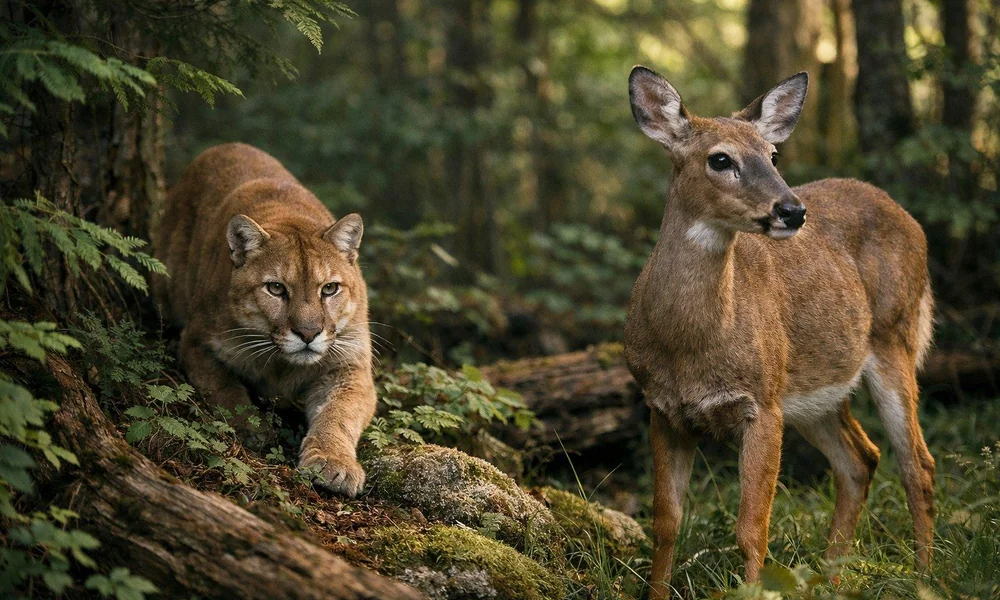
Mountain lions are ambush predators. Rather than chasing prey over long distances, they typically use cover to approach quietly before attacking at close range.
A cat may follow a trail, wait beside a game path, or move through vegetation until an opportunity appears. When close enough, it launches a rapid attack, using its powerful forelimbs, claws, and jaws to subdue the prey.
The element of surprise is crucial. Large prey can injure a predator during a prolonged struggle, so mountain lions generally benefit from ending an attack quickly.
What Happens After a Kill?
After catching a large animal, a mountain lion often drags the carcass to a secluded location and covers some of it with leaves, grass, soil, snow, or other material.
This behavior, known as caching, helps conceal the food and may reduce interference from scavengers. The cat can return to feed over several days, depending on the size of the kill and other conditions.
A cached carcass can also become a food source for other wildlife. Bears, birds, and smaller scavengers may feed on the remains when they gain access.
How Often Does a Mountain Lion Eat?
Feeding patterns depend on the size of the prey, the cat’s age, and the success of its hunting. After consuming a substantial meal, a mountain lion may rest for an extended period before hunting again.
When prey is difficult to find, it may need to travel farther or hunt smaller animals more frequently. A large home range helps the cat respond to these changing conditions.
Mountain Lion Behavior and Daily Life
Mountain lions are secretive, territorial, and generally solitary. They can spend much of their lives moving through large areas without being seen by people.
Their behavior reflects a need to balance hunting, resting, avoiding other predators, finding mates, and protecting young.
Are Mountain Lions Nocturnal?
Mountain lions can be active during the day, but they often move and hunt around dusk, nighttime, and dawn. In areas with substantial human activity, they may shift their behavior to reduce encounters with people.
During daylight hours, a mountain lion may rest in dense vegetation, rocky cover, or a sheltered area with a good view of its surroundings.
Activity patterns are flexible rather than fixed. Weather, prey movement, breeding, and local disturbance can all affect when a cat becomes active.
Do Mountain Lions Roar?
Mountain lions cannot produce the deep, sustained roar associated with African lions and tigers.
Instead, they make a range of sounds, including growls, hisses, snarls, chirps, and yowls. Some calls can be surprisingly loud, especially during breeding interactions.
Their quieter and more varied vocalizations are suited to a mostly solitary lifestyle in which scent and movement also play important roles.
How Large Is a Mountain Lion’s Territory?
Mountain lions need substantial areas to find prey and avoid competition. The size of a home range varies with sex, habitat, prey abundance, and the density of other mountain lions.
Males generally use larger areas than females, and a male’s range may overlap with the ranges of several females. Adult males are less tolerant of other adult males within their core territories.
Females may share parts of their ranges with other females, although mothers with young often use more distinct areas.
These extensive space requirements make connected habitats especially important. Roads, urban development, and other barriers can restrict movement and separate populations that would otherwise exchange genes.
Mountain Lion Reproduction and Kittens
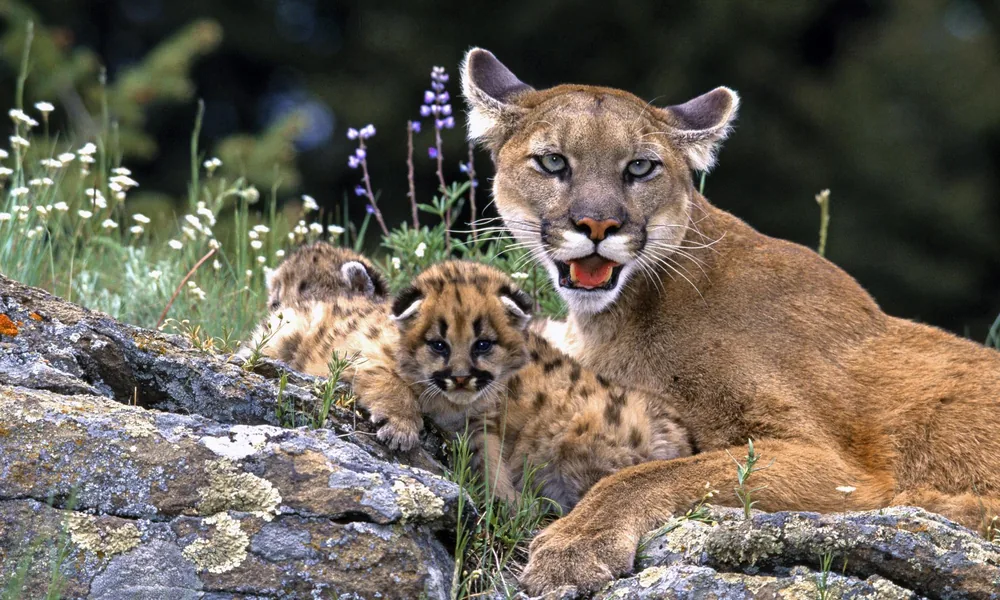
Mountain lions can breed during different times of the year, although seasonal patterns vary among regions. Males and females may locate one another through scent marking and other signals.
After mating, the male generally does not remain to help raise the offspring. The female carries the full responsibility for giving birth, nursing, protecting, and teaching her kittens.
Pregnancy and Birth
A female mountain lion is typically pregnant for about three months. She commonly gives birth to two or three kittens, although litter size can vary.
Before birth, she chooses a sheltered den, such as a rocky recess or a protected area beneath dense vegetation. The location provides cover from weather and reduces the chance of disturbance.
Newborn kittens are small and vulnerable. Their eyes open after birth, and they depend on their mother for milk, warmth, and protection.
How Kittens Learn to Survive
Young mountain lions are born with spotted coats and dark markings that help them blend into their surroundings. As they grow, the spots gradually fade.
The mother may move her kittens between den sites during their early development. As they become stronger, she begins taking them along on movements through her home range.
They learn by observing their mother, practicing stalking behavior, and gradually becoming familiar with the environment. Hunting is a complex skill, and young cats require time to develop the strength, timing, and judgment needed to catch prey independently.
Kittens often remain with their mother for roughly 12 to 24 months, depending on the population and individual circumstances. Eventually, they separate and establish their own territories.
How Long Do Mountain Lions Live?
Mountain lion lifespan varies considerably. Many wild individuals die before reaching old age because of injury, disease, starvation, conflict with other mountain lions, vehicle collisions, or human-caused mortality.
Animals that survive these risks can live well into their teens, with some living longer under favorable conditions.
The Mountain Lion’s Role in Nature
Mountain lions help shape ecosystems by influencing the numbers, behavior, and distribution of their prey. Their role extends beyond the animals they directly kill.
Helping Regulate Prey Populations
By hunting deer and other herbivores, mountain lions contribute to predator-prey relationships. The overall effect depends on the local ecosystem, the number of predators, prey abundance, and the presence of other carnivores.
Predation is only one factor controlling prey populations, but it can influence where animals feed, how they move, and when they use particular habitats.
Supporting Scavengers
A mountain lion’s kill may feed other animals long after the predator has moved away. Scavengers can use the remains as an important source of food, particularly during periods when other resources are limited.
In this way, the effects of a single hunt can spread through the local food web.
Why Connected Habitat Matters
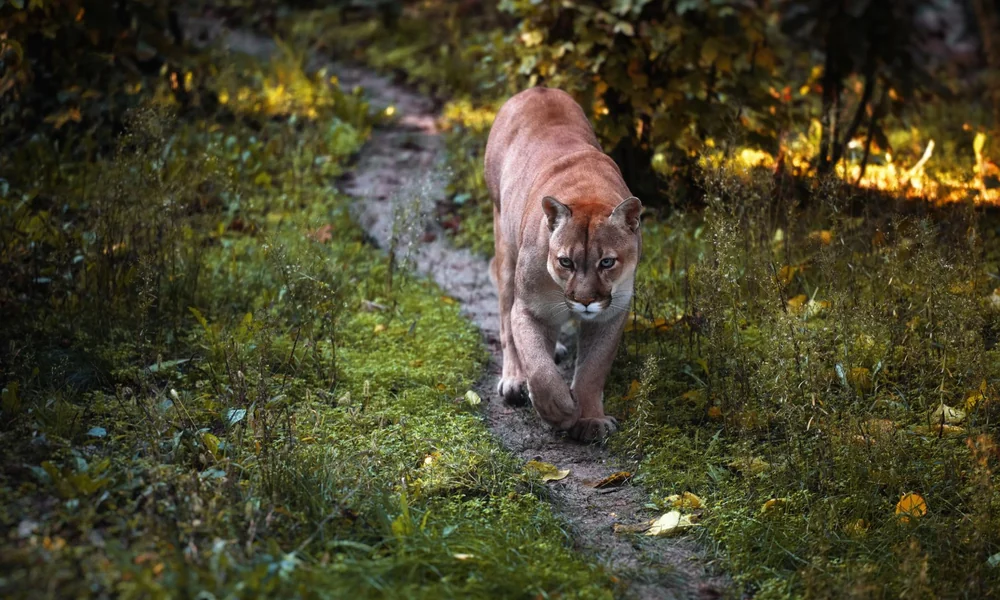
Mountain lions need room to hunt, reproduce, and move between suitable habitats. Protecting corridors between natural areas can help maintain population connectivity and reduce the isolation of small groups.
Wildlife crossings, careful road planning, and the protection of undeveloped land can support movement across landscapes increasingly divided by human infrastructure.
Are Mountain Lions Endangered?
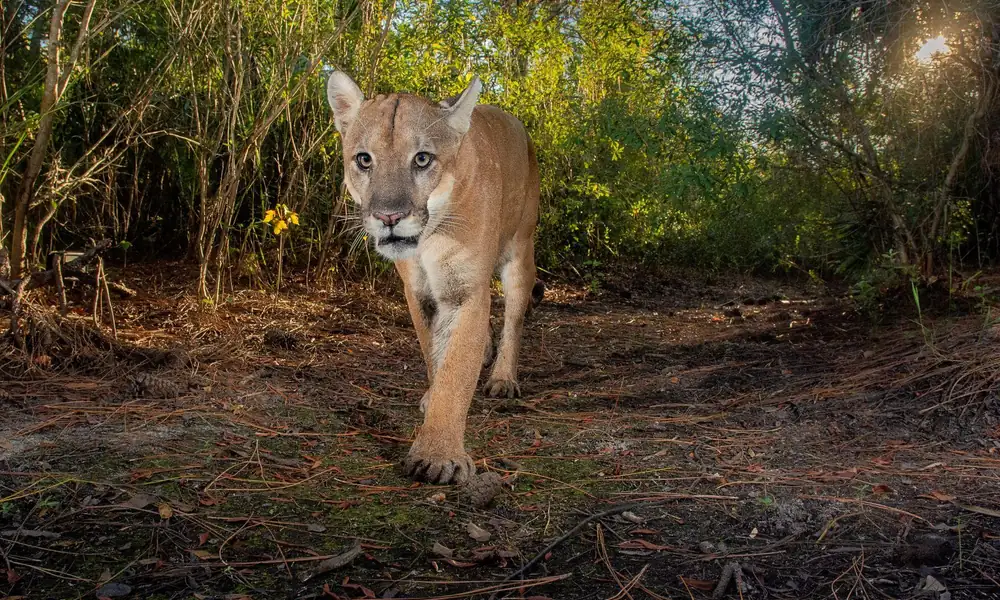
The conservation status of mountain lions depends on the population and region being considered. The species remains widespread across much of the Americas, but some local populations face serious threats.
The Florida panther is a particularly important example of a regional population requiring intensive conservation efforts.
Major challenges for mountain lions include:
- Habitat fragmentation: Roads and development can divide territories and isolate populations.
- Vehicle collisions: Cats crossing highways may be killed or injured.
- Human conflict: Livestock losses and concerns about pets can lead to retaliatory killing.
- Reduced prey availability: Changes in habitat or prey populations can make survival more difficult.
- Genetic isolation: Small, separated populations may lose genetic diversity over time.
- Direct persecution: Hunting and other forms of human-caused mortality can affect local population stability.
Conservation strategies include protecting habitat, maintaining wildlife corridors, reducing conflict with livestock, monitoring populations, and improving road-crossing opportunities.
Because mountain lions occupy such large areas, their conservation often requires cooperation among landowners, wildlife agencies, Indigenous communities, transportation authorities, and conservation organizations.
Mountain Lion vs. Bobcat: What Is the Difference?
Mountain lions and bobcats are both wild cats found in North America, but they differ noticeably in size and appearance.
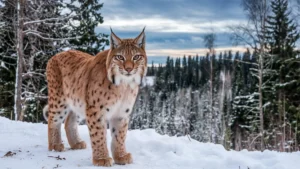
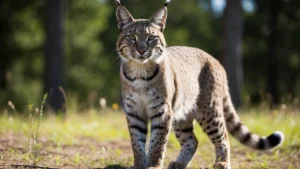
Mountain lions are much larger, with long bodies, plain tawny coats, and long tails that usually have a dark tip. Bobcats are smaller and more compact, with spotted or mottled coats, short tails, and distinctive ear tufts.
Their habitats can overlap, and both may hunt rabbits and other small animals. However, mountain lions are much more capable of regularly taking large prey such as adult deer and elk.
Their tracks can also differ in size. Both cats usually leave paw prints without obvious claw marks because their claws retract, but mountain lion tracks are generally much larger than bobcat tracks.
Mountain Lion vs. African Lion
Despite sharing the word “lion,” mountain lions and African lions are very different cats.
African lions are members of the genus Panthera and are famous for their social prides, powerful roars, and the mane commonly found on adult males. They inhabit parts of Africa, with a small population of Asiatic lions surviving in India.
Mountain lions belong to the genus Puma. They do not have manes, cannot roar like African lions, and generally live alone rather than in prides.
African lions typically hunt in open savannas and other habitats where large grazing animals are abundant. Mountain lions occupy a broader range of environments, including forests, mountains, scrublands, and deserts across the Americas.
Both are important predators, but each has evolved a different approach to hunting and survival.
What Should You Do if You Encounter a Mountain Lion?
Mountain lion attacks on people are uncommon, but an encounter should always be taken seriously. The safest response is to remain alert, give the animal space, and avoid triggering a chase response.
If you see a mountain lion:
- Do not run. Running may encourage the animal to chase.
- Stay facing the animal. Keep it in view while you assess the situation.
- Make yourself appear larger. Stand upright, raise your arms, and open your jacket if appropriate.
- Speak firmly and calmly. Do not approach the cat or crouch down.
- Give it an escape route. Do not corner it or move closer for a photograph.
- Protect children and pets. Keep children close and pick up small children if you can do so without bending toward the animal.
- Fight back if attacked. Use available objects to defend yourself and target the animal’s face and eyes.
Never approach kittens, a carcass, or an animal that appears injured. If you encounter a mountain lion near a home or public area, follow local wildlife agency instructions and report concerning behavior to the appropriate authorities.
Interesting Facts About Mountain Lions
- They have many names. Cougar, puma, panther, catamount, and mountain lion can refer to the same species.
- They are powerful jumpers. Their muscular hind legs allow impressive leaps across obstacles.
- Their tails are unusually long. The tail helps maintain balance during rapid turns and movement across uneven ground.
- They are ambush hunters. Stealth and close-range attacks are central to their hunting strategy.
- They can live in deserts. Mountain lions are not limited to cold, high-altitude environments.
- Kittens are born spotted. Their markings fade as they mature.
- They usually live alone. The most common family group consists of a mother and her growing kittens.
- They cache prey. A cat may cover a carcass and return to it over several days.
- They are rarely seen, even where they live. Their secretive behavior and ability to use cover make them difficult to observe.
Frequently Asked Questions About Mountain Lions
What is a mountain lion?
A mountain lion is a large wild cat native to the Americas. Its scientific name is Puma concolor, and it is also known as a cougar or puma.
What do mountain lions eat?
They mainly eat deer and other mammals, including elk, rabbits, rodents, and wild pigs. Their diet depends on the prey available in their habitat.
Are mountain lions dangerous to humans?
They can be dangerous, but attacks are uncommon. People should never approach or feed one and should follow established wildlife safety guidance during an encounter.
Where do mountain lions live?
They inhabit parts of North America, Central America, and South America. Their habitats include mountains, forests, grasslands, deserts, scrublands, and some areas near human development.
Can mountain lions climb trees?
Yes. Mountain lions are capable climbers and may use trees to escape danger, rest, or move through their environment.
Do mountain lions roar?
No. They cannot produce the characteristic roar of African lions. Instead, they may growl, hiss, snarl, chirp, and make loud yowling calls.
How many kittens does a mountain lion have?
A female commonly gives birth to two or three kittens, although litter sizes vary. She raises them alone and teaches them the skills they need to survive.
Are mountain lions endangered?
The species remains widespread across much of the Americas, but some regional populations are threatened by habitat loss, roads, human conflict, and limited genetic diversity. Conservation needs differ by location.
What is the difference between a cougar and a mountain lion?
There is no species-level difference. Cougar and mountain lion are two common names for the same animal, Puma concolor.
The Mountain Lion: A Master of Stealth
The mountain lion survives not through constant confrontation, but through patience, adaptability, and an extraordinary ability to remain unseen. It can travel through rugged mountains, cross dry scrublands, hunt large prey, and raise its young in sheltered corners of an enormous territory.
Its existence also reminds us that healthy ecosystems need space. When roads and development divide natural landscapes, a predator that requires extensive territory can struggle to move, find mates, and maintain a stable population.
Protecting mountain lions therefore means more than protecting a single species. It means preserving connected habitats, reducing unnecessary conflict, and recognizing the important relationships between predators, prey, and the landscapes they share.
Disclaimer: This article is provided for general informational and educational purposes only and is not intended as professional wildlife, veterinary, or conservation advice. Information may change as research advances, and no guarantee is made as to its completeness or accuracy.