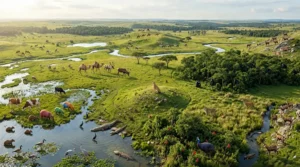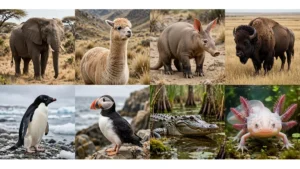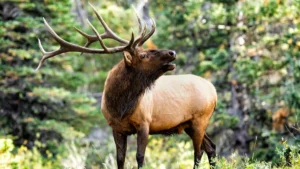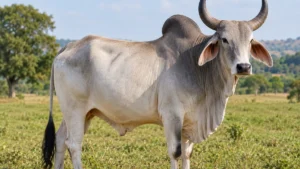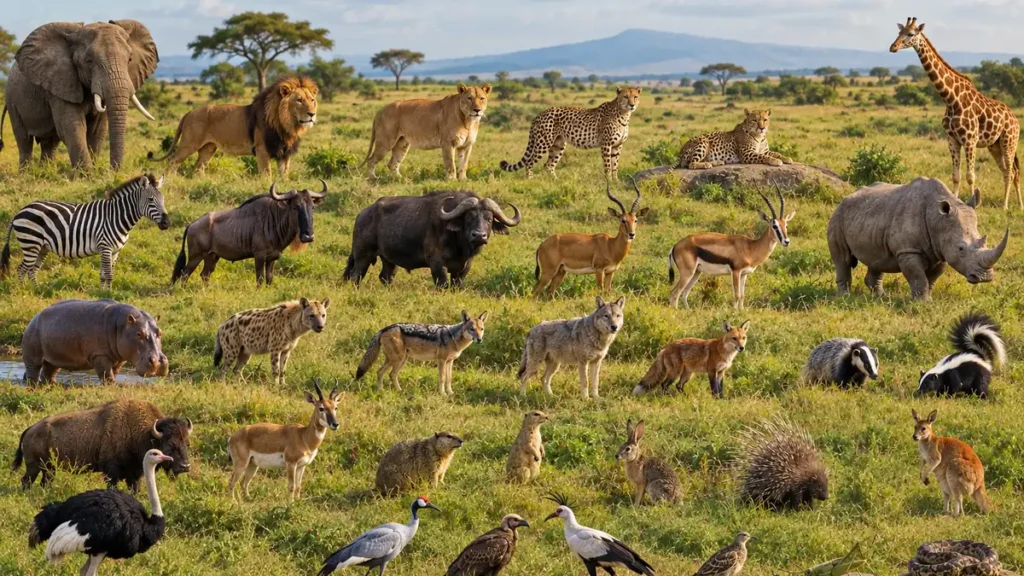
Grasslands may look like endless stretches of grass, but beneath their open skies lies a world full of wildlife. From powerful lions stalking prey across African savannas to enormous bison grazing on North American plains, these habitats support some of the planet’s most fascinating animals.
Grassland animals have adapted to life in places where trees are relatively scarce and grasses dominate the landscape. Some run at remarkable speeds to escape predators, others burrow underground for shelter, and many depend on herds for protection.
Here are 30 grassland animals, including mammals, birds, reptiles, and insects, along with the places they live and the roles they play in their ecosystems.
What Are Grassland Animals?
Grassland animals are species that live in, or regularly use, ecosystems dominated by grasses and other low-growing vegetation. These habitats include tropical savannas, temperate prairies, steppes, and pampas.
Some grasslands have warm temperatures and seasonal rainfall, while others experience cold winters and hot summers. The animals found in each region depend on its climate, vegetation, water supply, and predators.
Many grassland species feed on grasses and seeds. Others hunt herbivores, eat insects, or scavenge remains left by predators.
30 Animals That Live in Grasslands
1. Lion
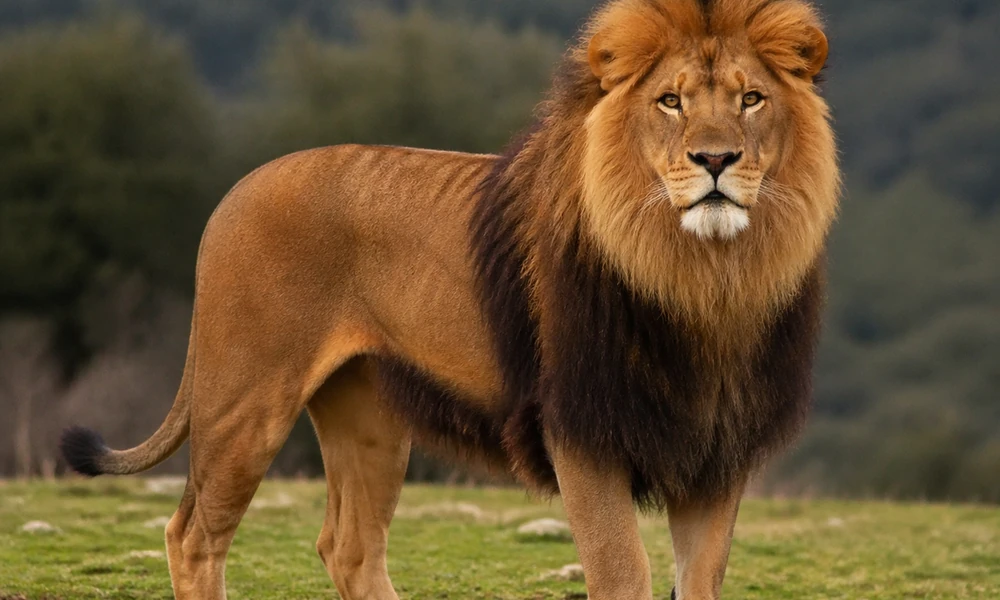
Lions are among the most recognizable predators of the African savanna. They often live in social groups called prides and hunt animals such as zebras, wildebeest, and antelope.
Grasslands provide lions with open hunting grounds, while taller grasses can help them approach prey without being easily noticed.
2. African Elephant
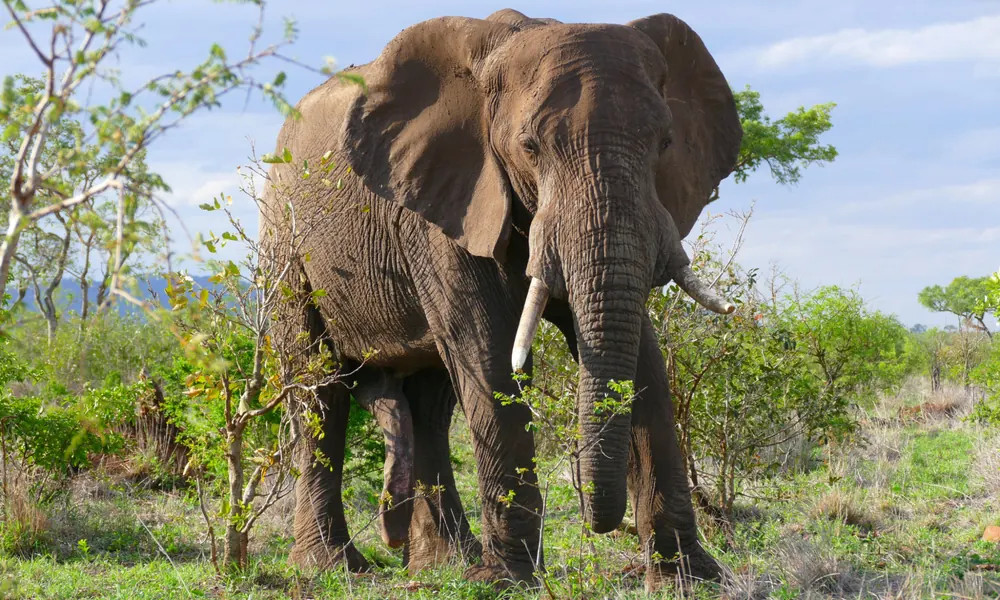
African elephants inhabit a variety of environments, including savannas, woodlands, and grasslands. They eat grasses, leaves, bark, roots, and other plant material.
As they feed and move across the landscape, elephants can influence vegetation, disperse seeds, and create pathways used by other animals.
3. Zebra
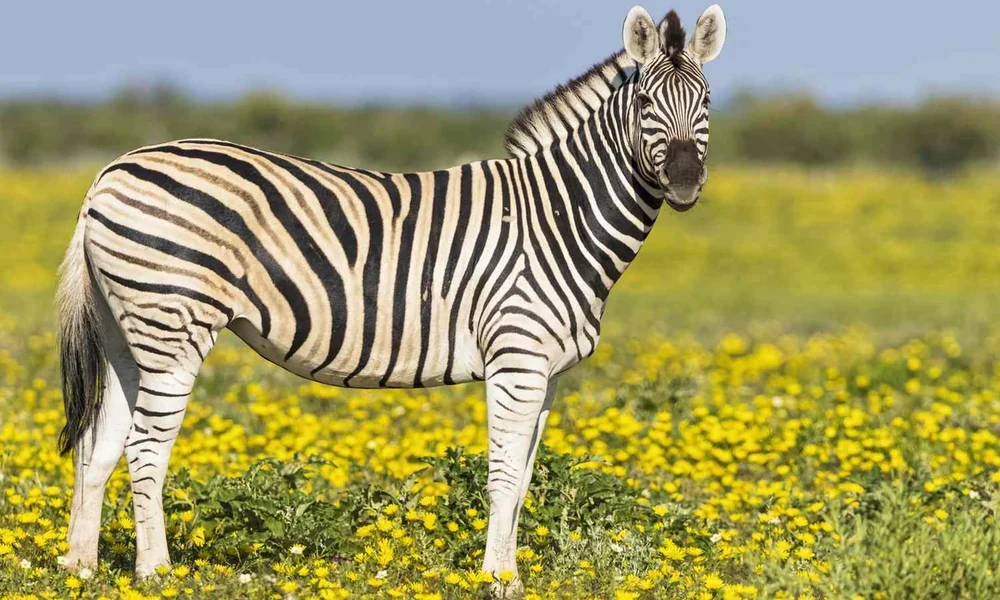
Zebras are grass-eating mammals known for their distinctive black-and-white stripes. Several zebra species live in African grasslands and savannas.
They often travel in groups, which can help individuals detect danger. Zebras are also an important prey species for large carnivores, including lions and spotted hyenas.
4. Giraffe
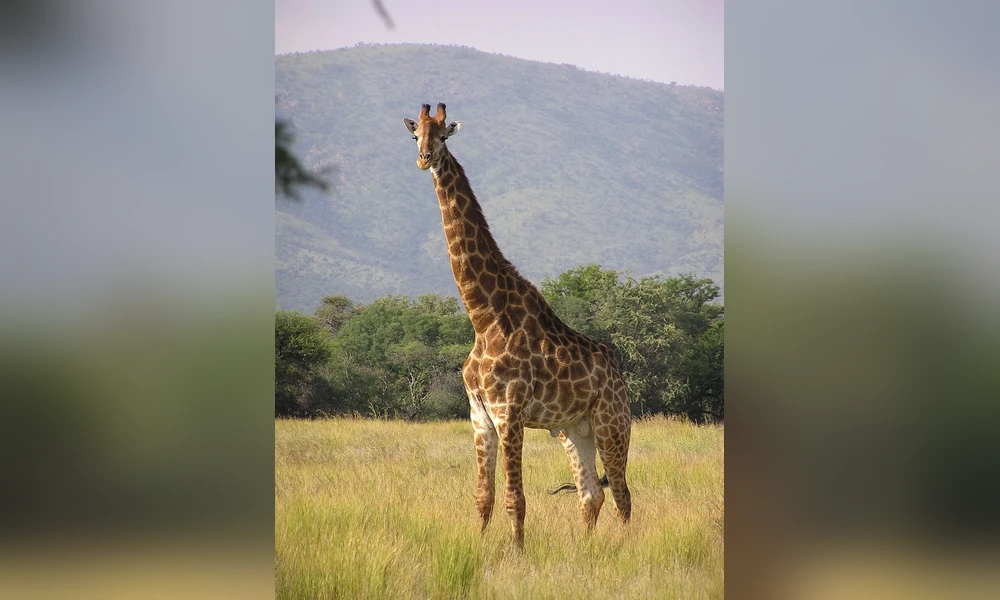
Giraffes are best known for their long necks and legs. Although they often feed on leaves from trees and shrubs, they also inhabit savanna landscapes where open grasslands mix with scattered trees.
Their height allows them to reach foliage that many other herbivores cannot easily access.
5. Cheetah
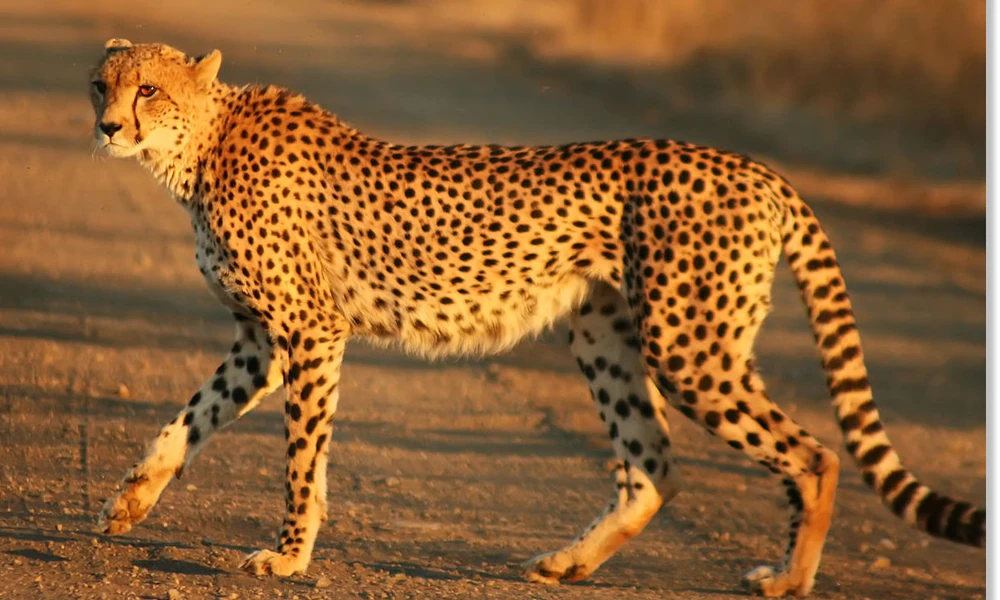
The cheetah is the world’s fastest land animal over short distances. It uses acceleration and speed to catch prey, including gazelles and other small-to-medium-sized ungulates.
Open grasslands and savannas can provide the visibility and running space that cheetahs need to hunt successfully.
6. African Buffalo
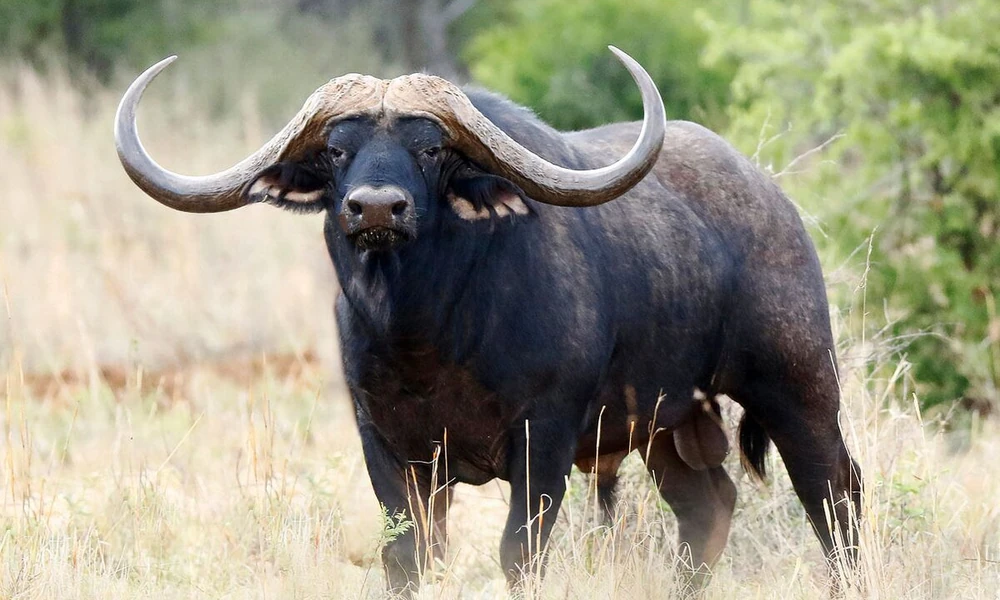
African buffalo are powerful herd-living herbivores found in savannas, grasslands, and other habitats across sub-Saharan Africa.
They graze on grasses and often remain near water. Their size and group behavior provide some protection from predators, although young or isolated individuals may be vulnerable.
7. Wildebeest
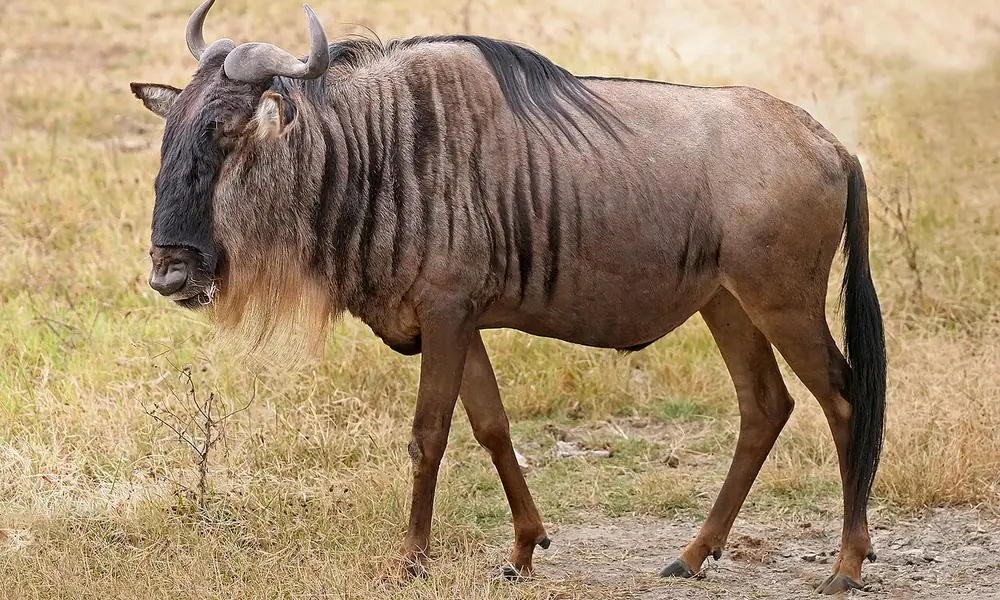
Wildebeest, also called gnus, are large antelopes famous for their seasonal movements across East African grasslands.
In parts of the Serengeti and Maasai Mara ecosystem, enormous herds migrate in response to rainfall and fresh grazing. Their movements are a major feature of the region’s wildlife cycle.
8. Gazelle
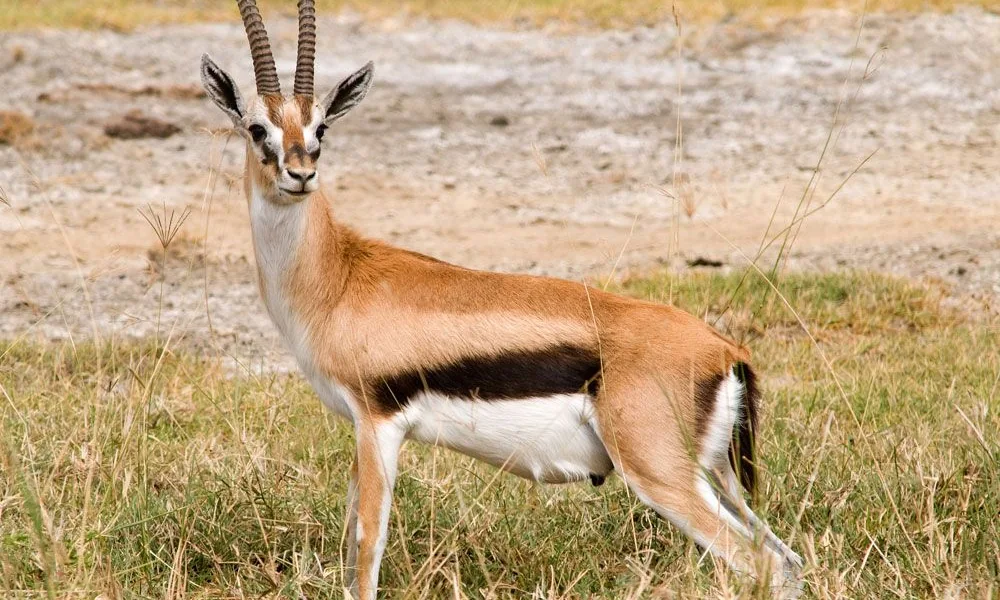
Gazelles are slender antelopes found in African and Asian grasslands, savannas, and dry open habitats.
Their speed and agility help them escape predators. Many species feed on grasses, leaves, and shoots, adjusting their diets to the vegetation available.
9. Spotted Hyena
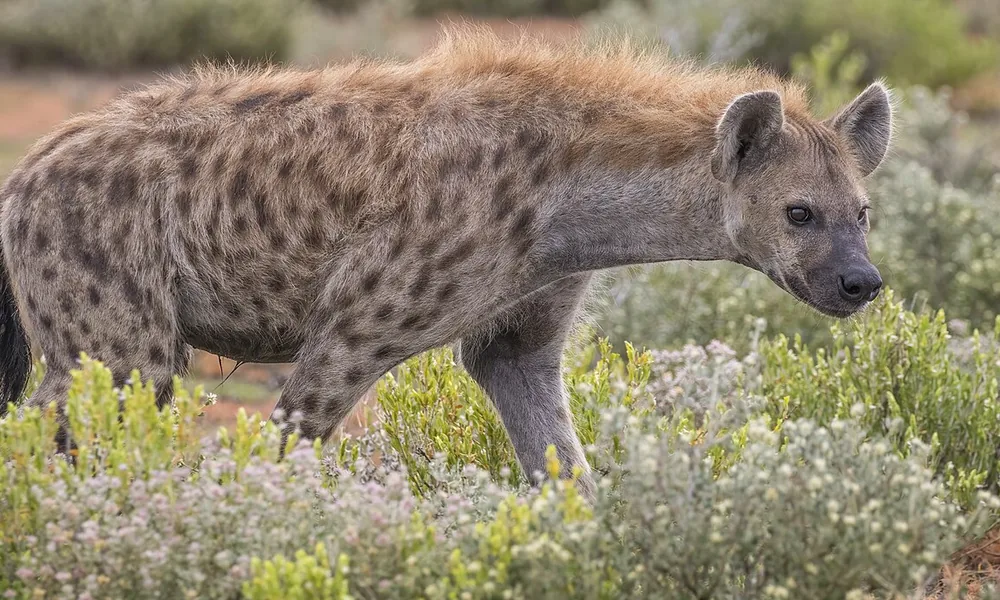
Spotted hyenas live in many African ecosystems, including savannas and grasslands. They are skilled hunters as well as scavengers, and they often live in complex social groups.
Their powerful jaws help them consume parts of carcasses that many other predators leave behind, making them important participants in the ecosystem.
10. Ostrich
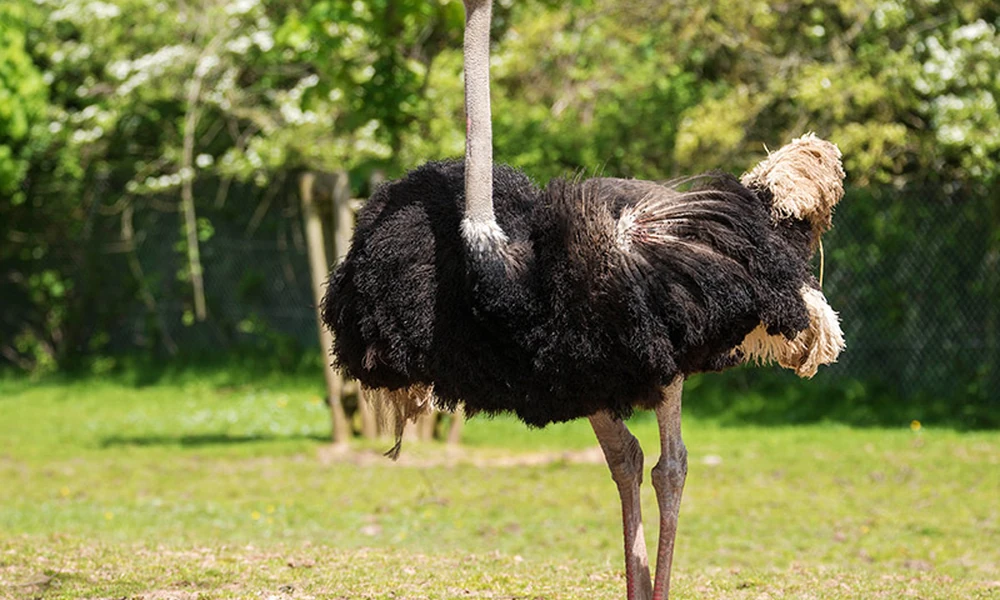
The ostrich is the world’s largest living bird. It lives in open landscapes across parts of Africa, including savannas and semi-arid grasslands.
Ostriches eat a varied diet that includes plant material, seeds, and insects. Their long legs help them run quickly across open ground when threatened.
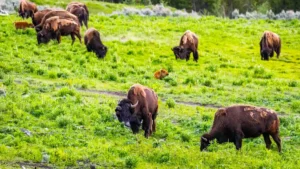
11. American Bison
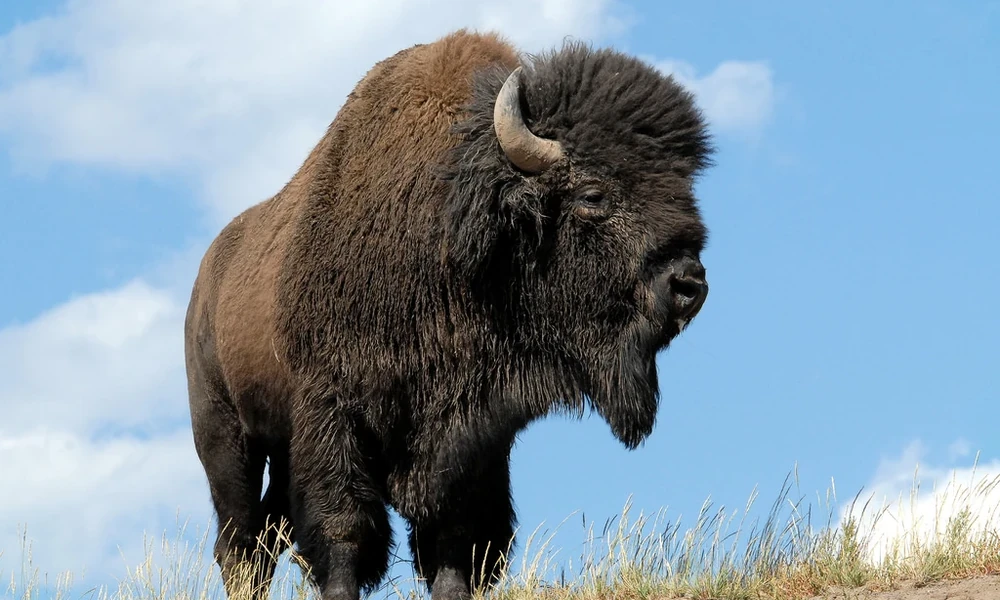
American bison once roamed the Great Plains in enormous numbers. Today, they live in protected areas, parks, ranches, and other parts of their historic range.
They graze on grasses and other vegetation. Their feeding behavior can influence grassland plant communities and help maintain the ecological processes of prairie habitats.
12. Prairie Dog
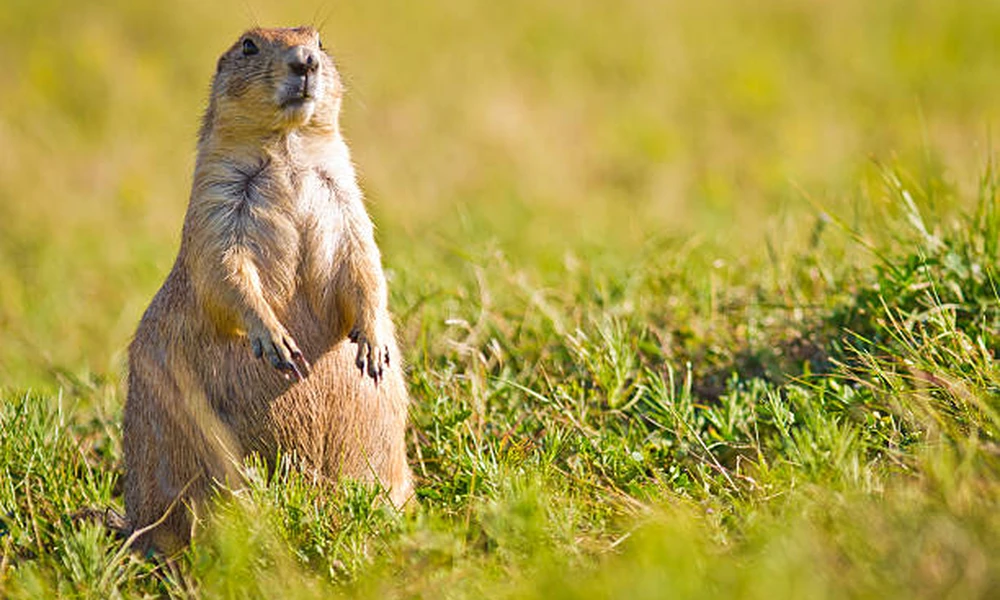
Prairie dogs are small, burrowing rodents native to North American grasslands. They live in underground tunnel systems, often in large colonies.
Their burrows provide shelter and can create habitat opportunities for other wildlife. Prairie dogs also serve as prey for predators such as hawks, coyotes, and badgers.
13. American Pronghorn

The pronghorn is a North American mammal known for its remarkable running ability. Although it is often called an antelope, it belongs to a different family from true African and Asian antelopes.
Pronghorns thrive in open plains and shrub-steppe habitats, where their speed and wide field of vision help them detect and escape danger.
14. Coyote
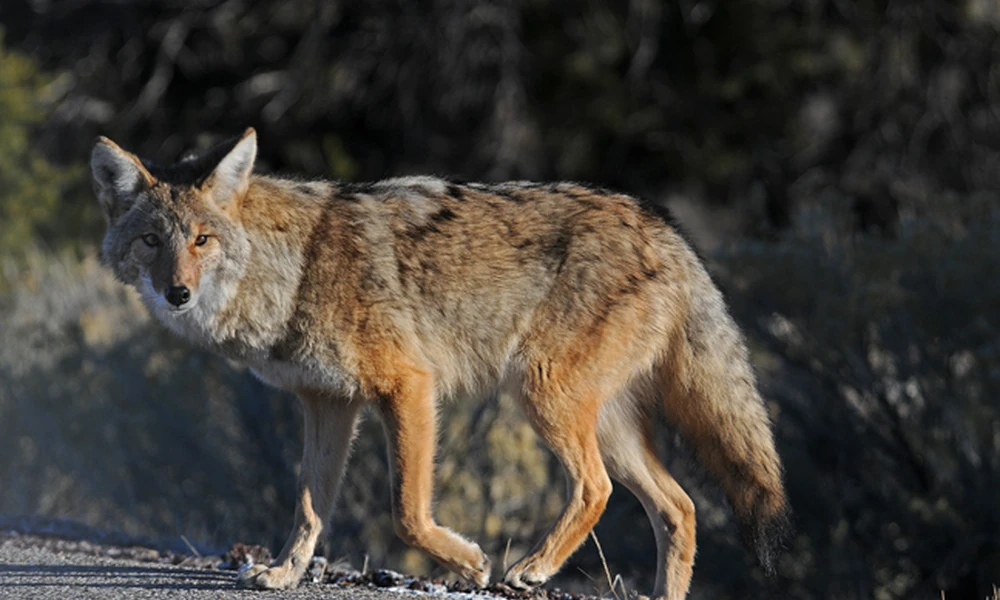
Coyotes are adaptable predators found across much of North America, including prairies and open grasslands.
They eat small mammals, rabbits, insects, fruit, and occasionally larger prey. Their flexible diet helps them survive in landscapes that vary greatly in food availability.
15. Black-Tailed Jackrabbit

The black-tailed jackrabbit is a large hare found in western North America, including grasslands and dry open habitats.
Its long ears help release body heat, while its powerful hind legs allow it to make rapid escapes. It feeds on grasses, herbs, and shrubs, depending on the season.
16. Greater Roadrunner
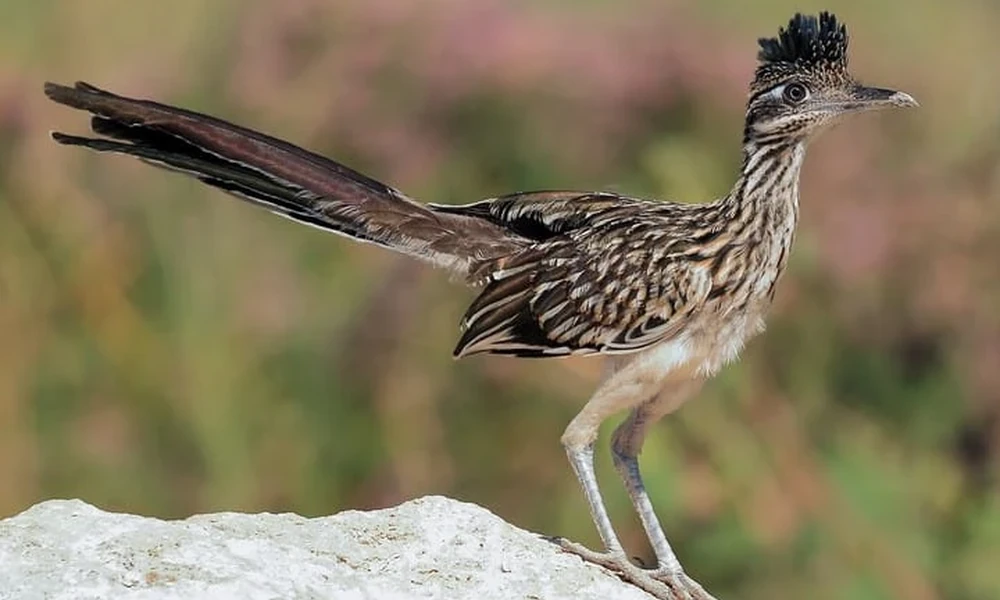
The greater roadrunner is a ground-dwelling bird found in open, dry habitats of the southwestern United States and Mexico.
It can run quickly while hunting insects, lizards, snakes, and small mammals. Although capable of flight, it often prefers moving along the ground.
17. Red Fox
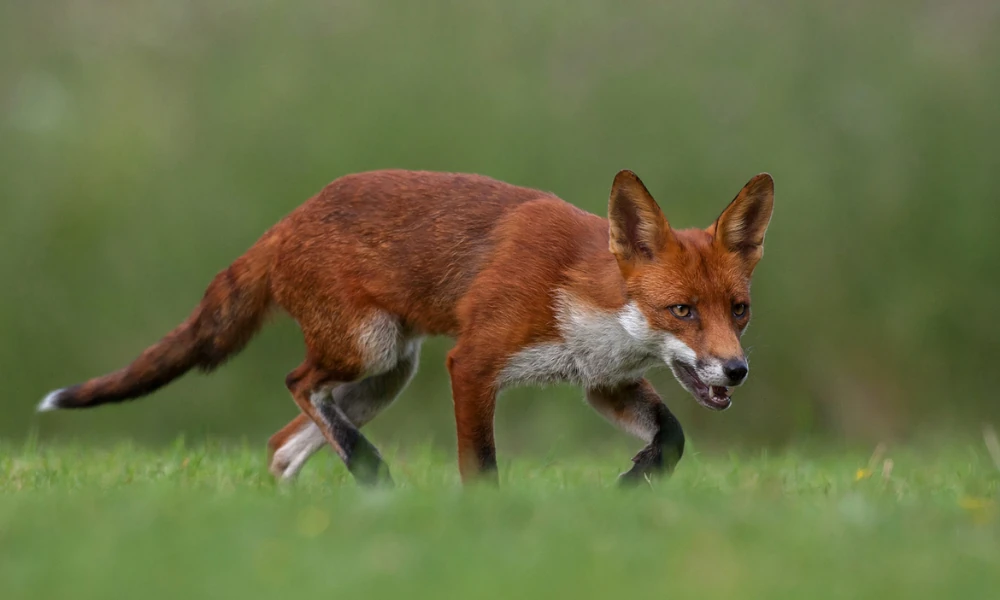
Red foxes occupy a wide variety of habitats, including meadows, agricultural fields, and grasslands.
They hunt rodents, rabbits, insects, and birds, and may also eat fruit. Their keen hearing helps them locate small prey moving through grass or beneath snow.
18. Bobolink
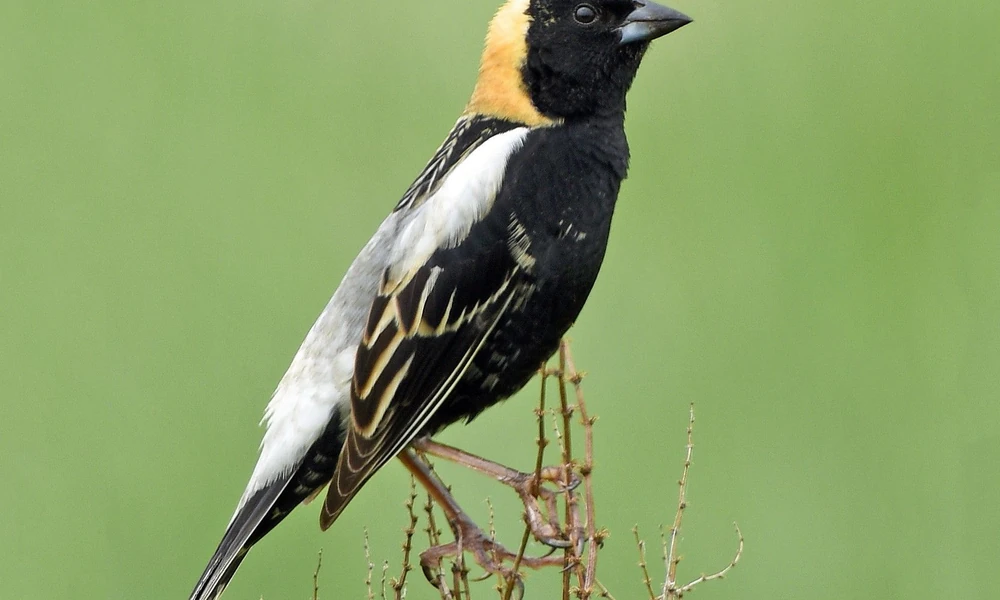
The bobolink is a migratory songbird associated with North American grasslands and hayfields during its breeding season.
It nests on the ground among grasses, where suitable vegetation provides concealment. Habitat loss and changes in grassland management have affected many populations.
19. Burrowing Owl
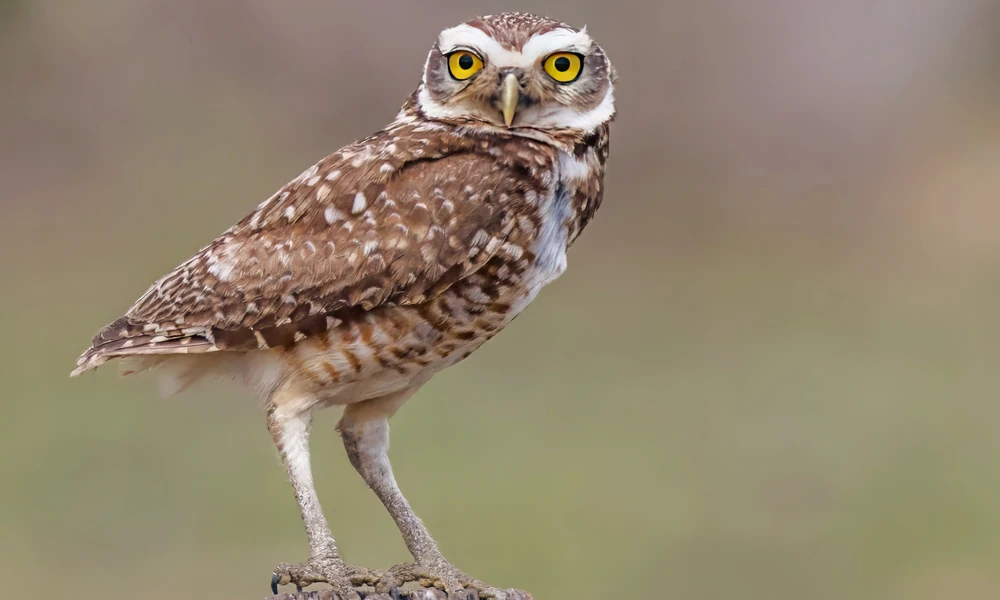
Burrowing owls are small owls that live in open landscapes, including grasslands and prairies. Unlike many owls, they often nest in underground burrows, sometimes using abandoned burrows made by other animals.
They feed on insects and small vertebrates and are frequently active during the day as well as at night.
20. Greater Prairie-Chicken

The greater prairie-chicken is a ground-dwelling bird native to North American grasslands.
During breeding season, males gather at traditional display sites and perform distinctive courtship displays. The species depends on suitable grassland habitat for feeding, nesting, and raising chicks.
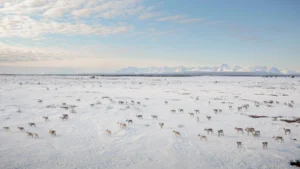
21. Saiga Antelope
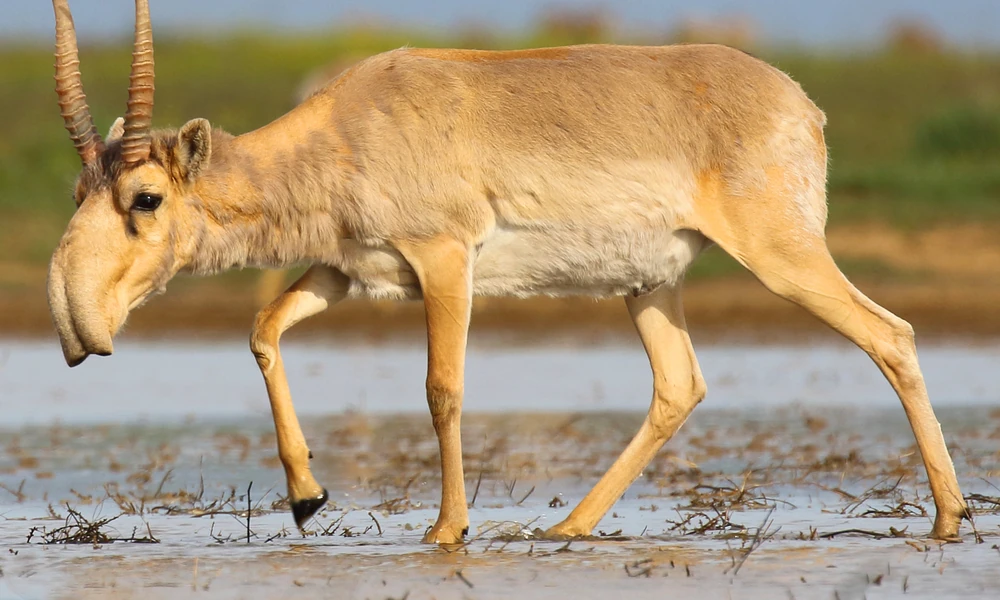
The saiga antelope lives in the open steppes and semi-desert regions of Central Asia. Its unusual, enlarged nose is one of its most distinctive features.
Saigas graze on grasses and other low-growing plants. They are adapted to environments with seasonal temperature extremes and can travel long distances in search of suitable food.
22. Mongolian Gazelle
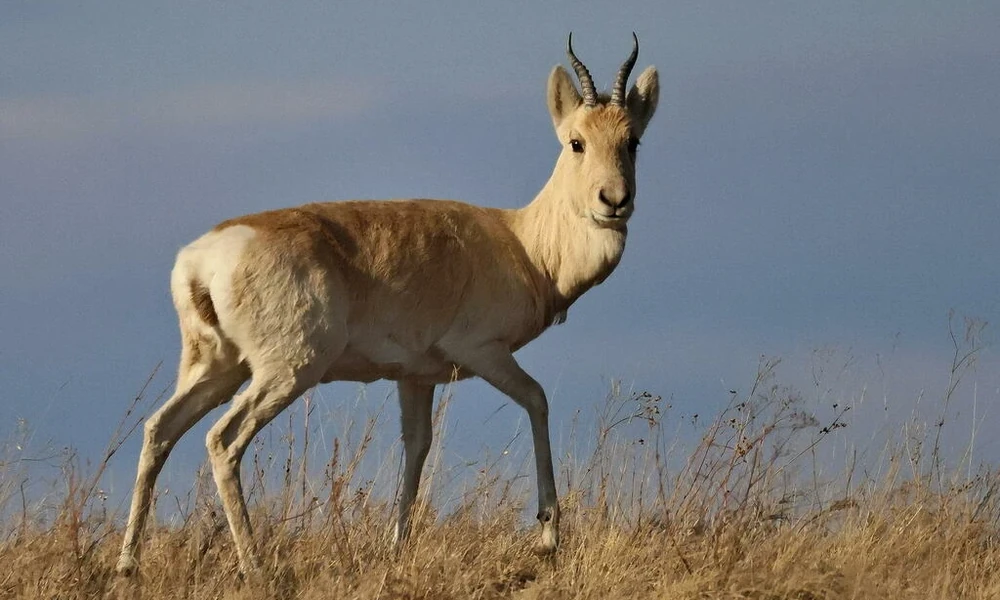
Mongolian gazelles inhabit the vast open steppes of Mongolia and surrounding regions.
They feed primarily on grasses and other vegetation and may form large herds. Their ability to travel across open terrain helps them respond to changing food and weather conditions.
23. Przewalski’s Horse
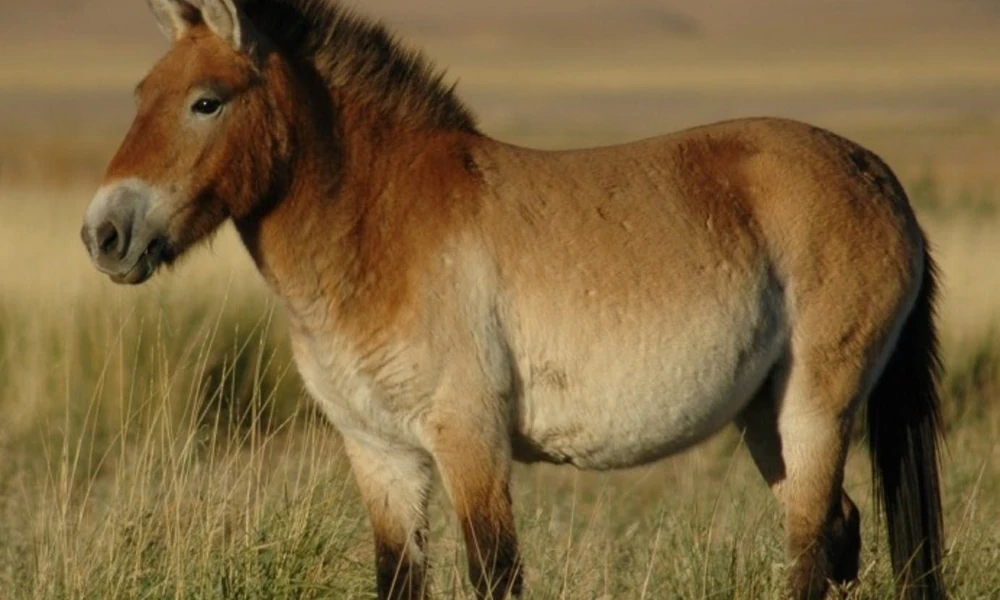
Przewalski’s horse is a wild horse native to the grasslands and dry steppe landscapes of Central Asia. It is considered the only surviving wild horse species that has never been domesticated.
Conservation programs have helped restore populations in parts of its former range. These horses graze on grasses and other vegetation, often moving in social groups.
24. European Hare
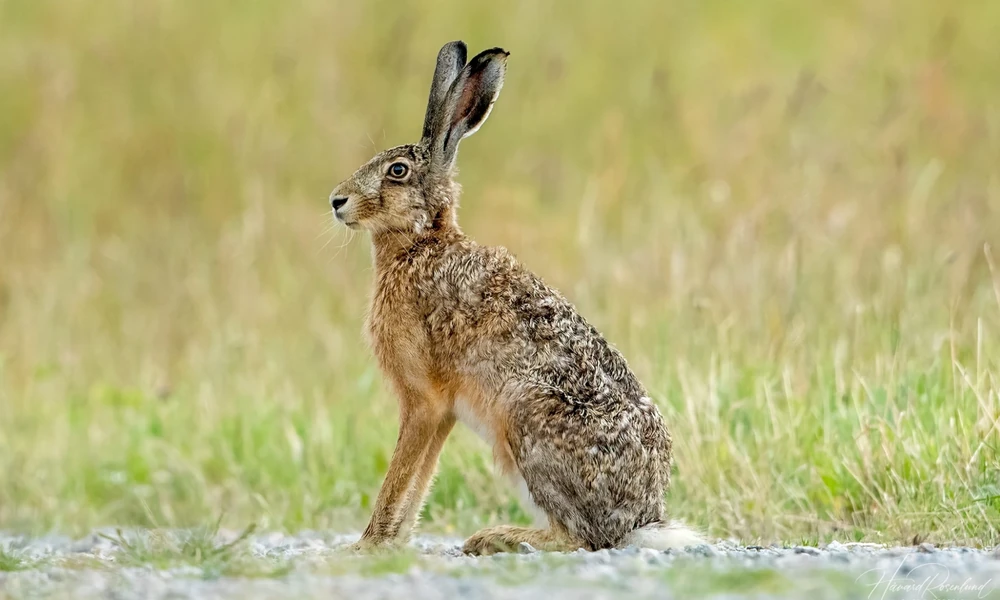
The European hare lives in open countryside, including grasslands, meadows, and farmland across much of Europe and parts of Asia.
Its long legs support fast running, while its large eyes provide a broad field of vision. It feeds on grasses and herbs, with its diet changing according to seasonal conditions.
25. Emu
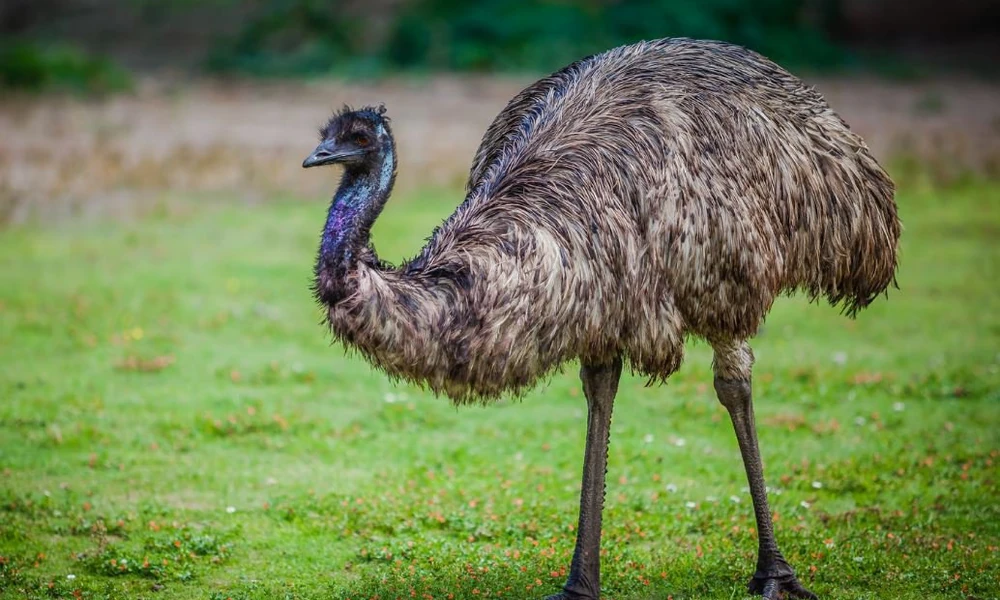
The emu is a large, flightless bird native to Australia. It inhabits several environments, including grasslands, open woodland, and shrublands.
Emus eat seeds, plants, fruits, and insects. They can travel long distances in search of food and water, particularly when conditions become dry.
26. Kangaroo
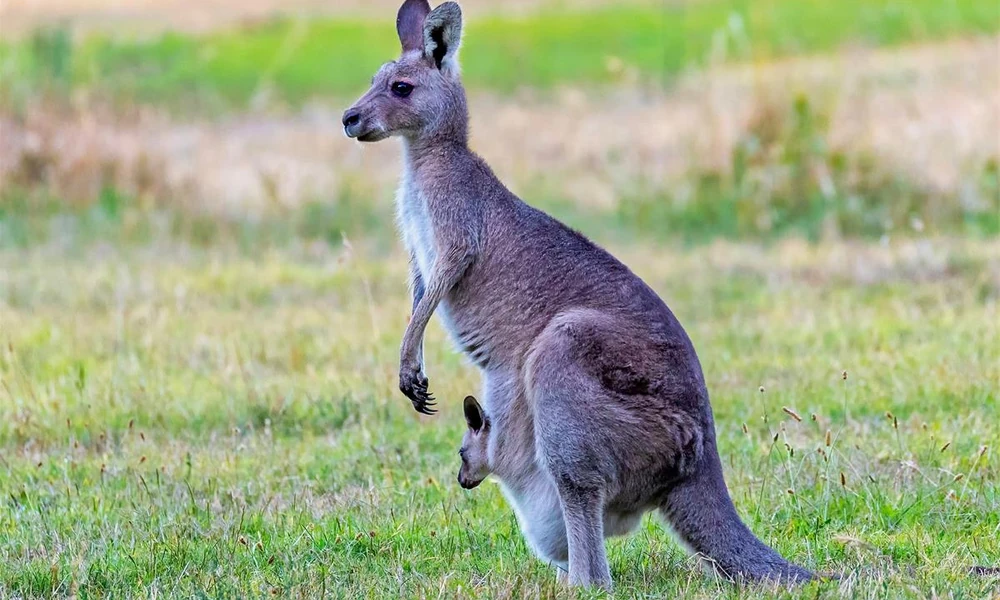
Several kangaroo species inhabit Australia’s grasslands and open woodland landscapes. They feed mainly on grasses and other vegetation.
Their powerful hind legs allow them to cover long distances efficiently. Some species form groups called mobs, particularly in areas where food and water are available.
27. Wombat

Wombats are burrowing marsupials found in Australia. Although they also occupy woodlands and other habitats, some species use open grasslands and grassy areas for feeding.
They are herbivores that eat grasses, roots, and other plant material. Their strong claws help them dig burrows that provide shelter from predators and harsh weather.
28. Grass Snake
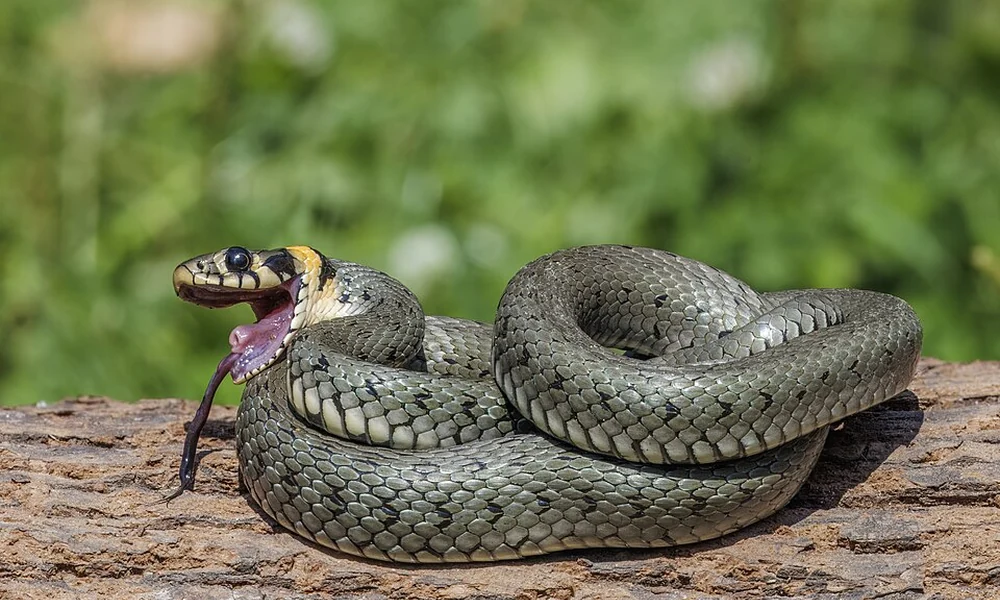
Grass snakes are found in parts of Europe and western Asia, often near wetlands, ponds, and other damp environments. They may also occur in grasslands and meadows.
They feed mainly on amphibians and other small animals, depending on the species and location. Their presence reflects the importance of maintaining varied habitats within broader grassland landscapes.
29. Grasshopper
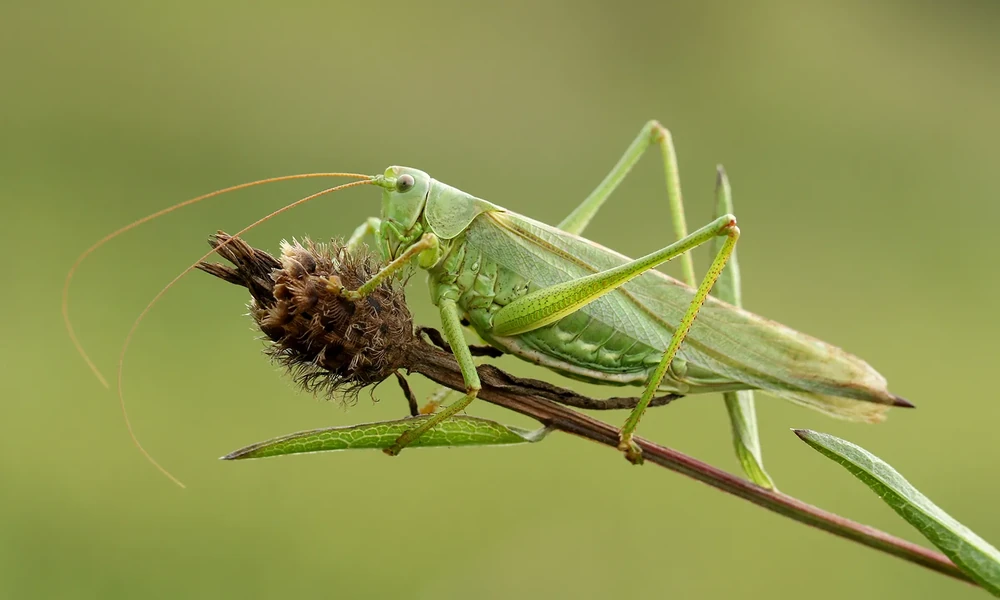
Grasshoppers are common insects in many grassland ecosystems. They feed on grasses and other plants, and their numbers can fluctuate significantly with weather and vegetation conditions.
They are an important food source for birds, reptiles, and small mammals. Some species can become agricultural pests when populations grow unusually large.
30. Dung Beetle
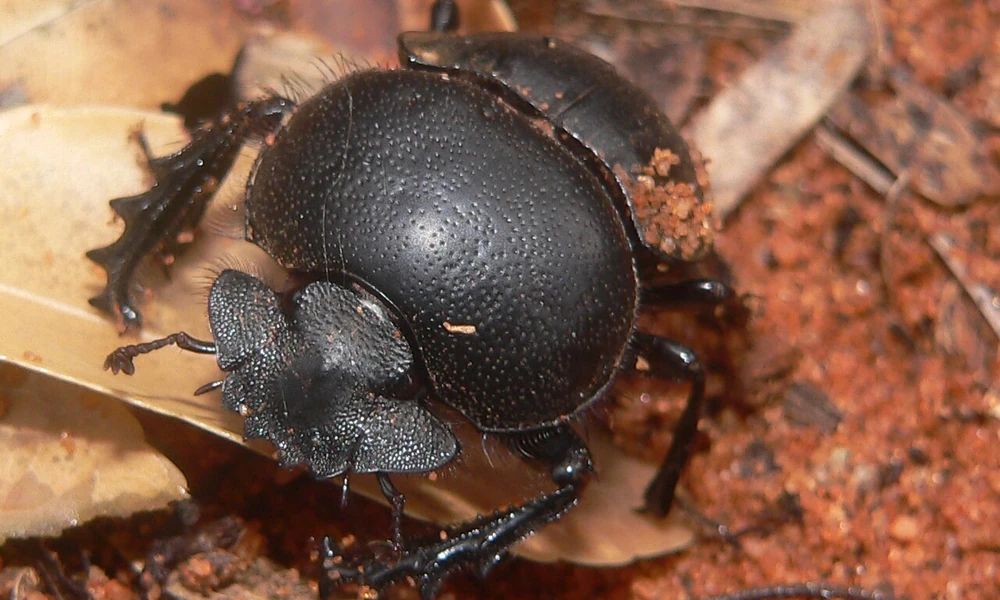
Dung beetles occur in many grasslands around the world. Many species feed on or use the dung of herbivores, rolling it into balls or burying it in the soil.
Their activity helps recycle nutrients, improve soil processes, and move organic material through the ecosystem. Despite their small size, they contribute to the health of grassland environments.
Types of Grasslands and Their Animals
Grasslands differ around the world, and each type supports a distinct wildlife community.
African Savannas
African savannas feature warm temperatures, seasonal rainfall, grasses, and scattered trees. Lions, zebras, giraffes, elephants, wildebeest, and cheetahs are among their best-known animals.
North American Prairies
Prairies are temperate grasslands with grasses and relatively few trees. American bison, prairie dogs, pronghorns, coyotes, and grassland birds are characteristic wildlife.
Asian Steppes
The steppes of Central Asia are vast open landscapes that experience cold winters and warm or hot summers. Saiga antelopes, Mongolian gazelles, and Przewalski’s horses are examples of animals adapted to these conditions.
Australian Grasslands
Australian grasslands and grassy open woodlands support animals such as kangaroos, emus, and many reptiles and insects. Species vary by region, rainfall, and vegetation.
South American Pampas
The Pampas are temperate grasslands found mainly in Argentina, Uruguay, and parts of Brazil. They support grazing mammals, foxes, armadillos, rhea birds, and a wide range of grassland birds.
How Do Grassland Animals Survive?
Grassland animals have developed different adaptations to survive in open environments.
Speed and agility: Gazelles, pronghorns, and zebras can run quickly to escape predators.
Camouflage: Many animals have coats, feathers, or scales that blend into dry grass, soil, or surrounding vegetation.
Burrowing: Prairie dogs and burrowing owls use underground shelters to escape extreme temperatures and reduce exposure to predators.
Herd behavior: Zebras, wildebeest, and many other grazing mammals gather in groups, increasing the chance that danger will be detected.
Specialized diets: Grazers feed on grasses, predators hunt other animals, and scavengers or dung beetles help recycle organic material.
These adaptations allow wildlife to make use of grasslands that may experience drought, seasonal changes, and limited shelter.
Why Are Grassland Animals Important?
Grassland animals help keep their ecosystems functioning. Grazing mammals influence plant growth, predators affect prey populations, and burrowing species change soil structure and create shelter for other wildlife.
Birds and mammals can disperse seeds, while insects help recycle nutrients and provide food for larger animals. These connections form food webs that support the health of grassland habitats.
Grasslands also face threats from agricultural expansion, urban development, habitat fragmentation, invasive species, and climate change. Protecting natural grasslands and managing grazing sustainably can help conserve the animals that depend on them.
Frequently Asked Questions
What is the most common grassland animal?
There is no single most common grassland animal worldwide. The species found most frequently depend on the region, habitat conditions, and human land use. Grasshoppers, rodents, and grazing mammals are important in many grassland ecosystems.
Are lions grassland animals?
Yes. Lions commonly inhabit African savannas, which include extensive grasslands mixed with scattered trees and shrubs.
What animals live in grasslands besides mammals?
Grasslands support birds, reptiles, amphibians, insects, spiders, and many other small organisms. Examples include ostriches, burrowing owls, grass snakes, grasshoppers, and dung beetles.
What do grassland animals eat?
Their diets vary by species. Herbivores eat grasses and other plants, carnivores hunt animals, omnivores consume both plant and animal matter, and scavengers feed on remains.
Why do some grassland animals live underground?
Burrows provide protection from predators, extreme temperatures, and other environmental pressures. They can also offer safe places to rest, raise young, and store food.
Final Thoughts
Grassland animals show how wildlife can thrive in landscapes that may appear simple at first glance. From enormous elephants and bison to tiny grasshoppers and dung beetles, each species plays a part in the larger ecosystem.
Learning about these animals also highlights why grasslands deserve protection. Healthy grasslands support wildlife, maintain soil processes, store carbon, and provide important resources for people around the world.
Disclaimer: This content is for informational and entertainment purposes only and reflects our personal opinions and experiences. We just love to write and share what we observe along the way.