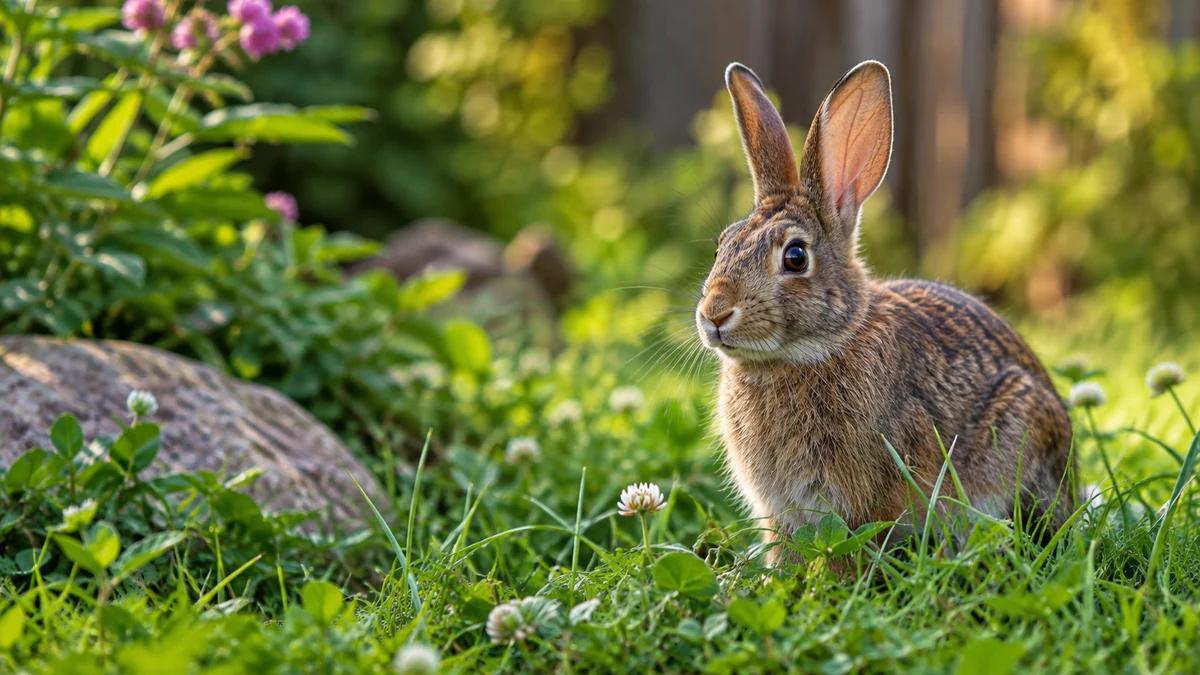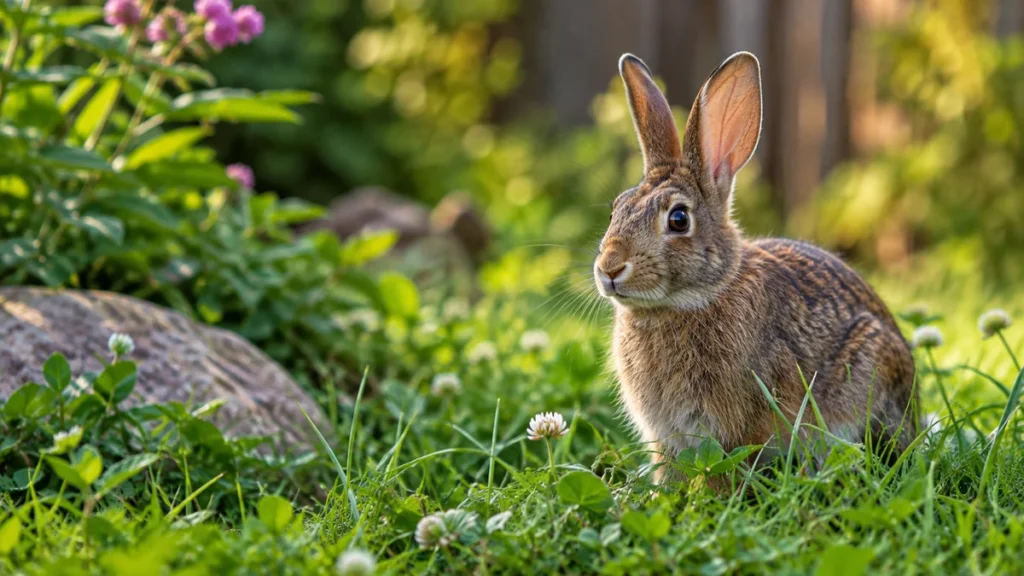
A rabbit can turn an ordinary backyard into a small wildlife story. One moment, the grass moves in the breeze. Then two long ears rise above the clover, a pair of dark eyes scans the garden, and a small brown animal sits perfectly still as if it has become part of the landscape. Stay quiet, and you may see it nibbling leaves. Make one sudden movement, and it can disappear in a flash, bounding toward the nearest patch of cover.
Rabbits are among the most recognizable small mammals, but their lives are more complicated than their gentle appearance suggests. They have powerful hind legs, sensitive hearing, complex social behaviors, and a remarkable ability to reproduce when conditions are favorable.
So what do rabbits eat, where do wild rabbits live, how can you distinguish them from hares, and what should you do if you find a baby rabbit alone in your yard?
What Is a Rabbit?
Rabbits are small mammals belonging to the family Leporidae, which they share with hares. They are herbivores and feed primarily on grasses, leaves, shoots, and other plant material.
Several rabbit species live around the world, occupying habitats that range from meadows and forests to deserts and wetlands. In the United States, the eastern cottontail is one of the most familiar wild rabbits, particularly across the eastern and central regions.
Despite their similar appearance, rabbits are not rodents. They belong to the order Lagomorpha, a separate group of mammals that also includes hares and pikas.
Rabbits have continuously growing incisors, strong hind legs, and digestive systems adapted to extracting nutrients from vegetation. Their small size makes them vulnerable to predators, so survival depends on detecting danger early, finding shelter, and reproducing successfully.
What Does a Rabbit Look Like?
Wild rabbits vary in color and size depending on their species and environment, but several features are easy to recognize.
Long ears and alert eyes
Most rabbits have prominent ears that help them detect sounds from different directions. Ear length varies considerably between species.
Their eyes sit toward the sides of the head, providing a wide field of view. This helps rabbits notice potential predators approaching from different directions, although their vision has limitations, particularly for judging nearby objects directly in front of their noses.
Powerful hind legs
A rabbit’s hind legs are much stronger than its front legs. This allows it to accelerate quickly and make sudden changes in direction when escaping danger.
When startled, a rabbit may sprint toward shrubs, a burrow, or another sheltered area. Some species zigzag as they flee, making it harder for a predator to catch them.
A small, fluffy tail
Many rabbits have a short, rounded tail with a pale underside. In cottontails, the white tail becomes especially noticeable when the animal runs away.
This is one reason eastern cottontails are easy to recognize in gardens and open grassy areas.
Fur that blends into the landscape
Wild rabbits often have brown, gray, tan, or reddish fur. These colors help them blend into soil, dead leaves, grass, and brush.
Camouflage is especially important when a rabbit is resting. Rather than immediately running from every possible threat, it may remain motionless and rely on its coat to avoid detection.
What Types of Wild Rabbits Live in the United States?
Several rabbit species live in the United States, and their habitats can overlap with those of other small mammals.
Eastern cottontail
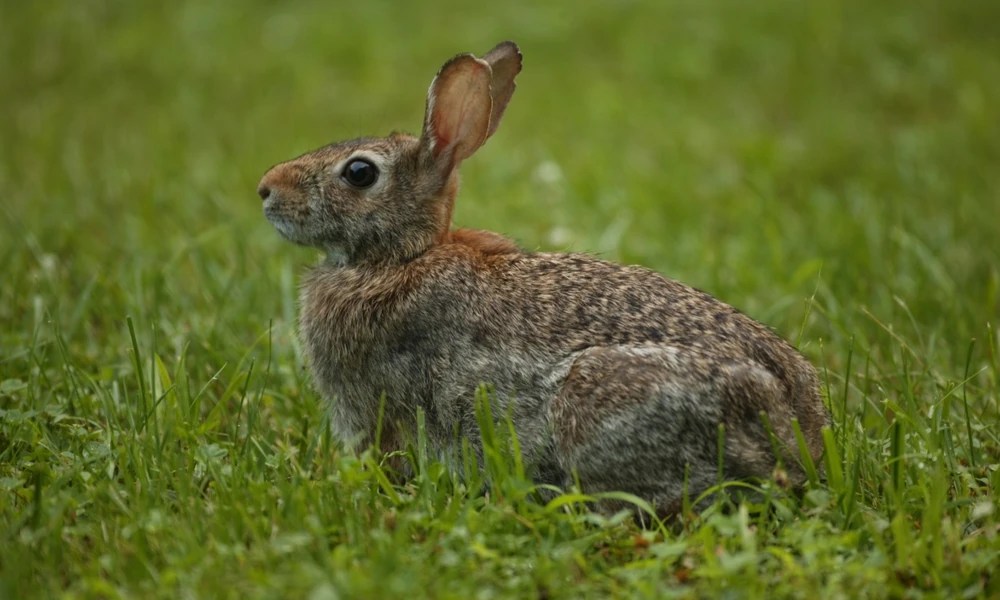
The eastern cottontail (Sylvilagus floridanus) is widespread across much of the eastern and central United States and occurs in other parts of North America as well.
It usually has brown or grayish fur, large ears, and a distinctive white tail. Eastern cottontails prefer areas with a mixture of open ground and protective vegetation, such as meadows, field edges, gardens, and brushy areas.
They do not generally depend on deep underground burrows. Instead, they often rest in shallow depressions hidden among grass or shrubs.
Desert cottontail
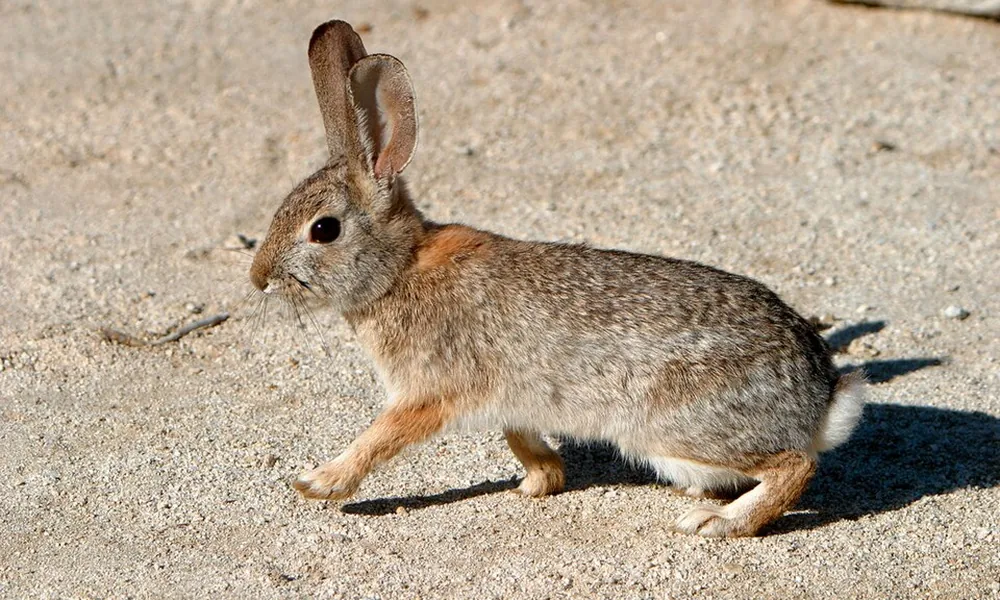
The desert cottontail (Sylvilagus audubonii) inhabits dry regions of the western United States and parts of Mexico.
Its pale brown or gray coat helps it blend into arid surroundings. It commonly uses shrubs and other vegetation for shelter and feeds on grasses and desert plants.
Unlike animals that depend on permanent water sources, desert cottontails can obtain much of the moisture they need from their food, although their needs vary with conditions.
New England cottontail
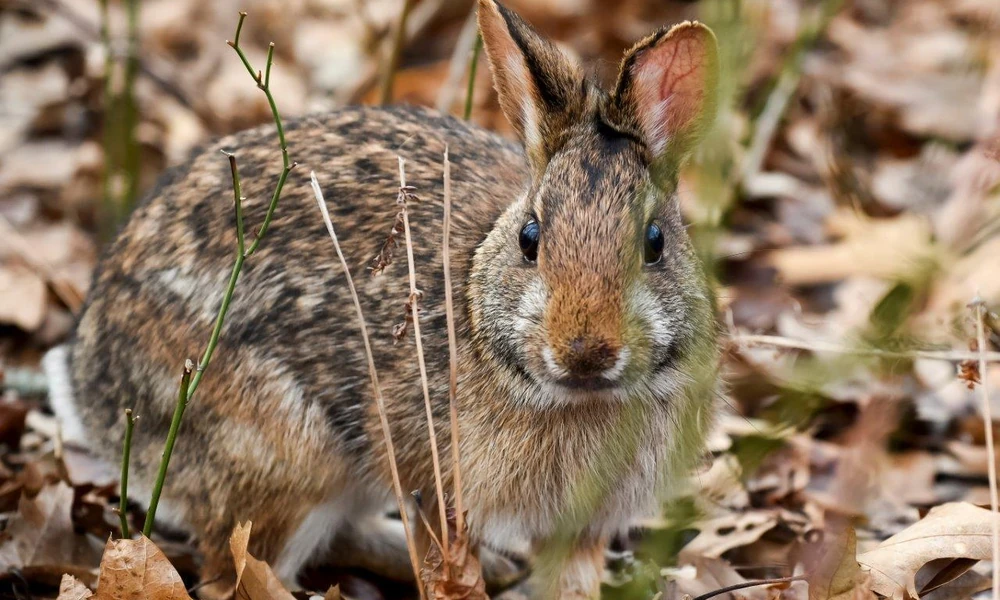
The New England cottontail (Sylvilagus transitionalis) is native to parts of the northeastern United States.
It depends heavily on dense, young forest growth and thick shrub cover. Habitat loss and fragmentation have contributed to its decline, making conservation and habitat restoration important for its survival.
It can be difficult to distinguish from the eastern cottontail by appearance alone. Geographic location and habitat are useful clues, but careful identification may require expert assessment.
Swamp rabbit
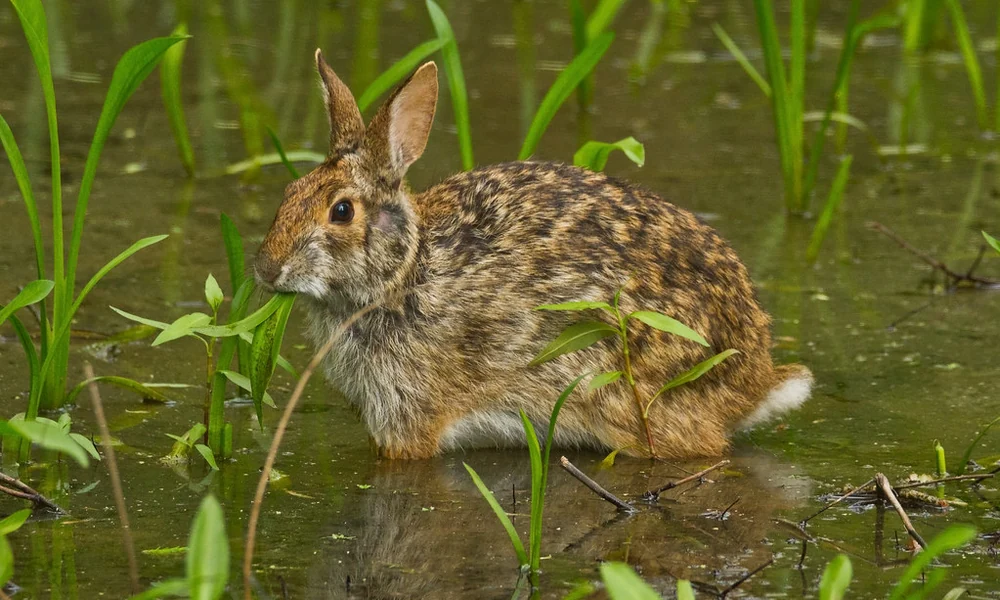
The swamp rabbit (Sylvilagus aquaticus) is a large cottontail species found in parts of the southeastern United States.
It is associated with wetlands, swamps, floodplains, and dense vegetation near water. It can swim when necessary, an ability that helps it navigate its wetland habitat and escape some threats.
These species show why identifying a rabbit involves more than looking at its ears or fur color. Habitat, geographic range, and behavior can be just as important.
Where Do Rabbits Live?
Wild rabbits occupy a wide range of environments, including:
- Meadows and grasslands
- Forest edges and woodland clearings
- Shrublands and brush piles
- Deserts and dry scrub
- Wetlands and riverbanks
- Farms, parks, and residential gardens
Many rabbits prefer places where food is close to protective cover. An open lawn beside a dense hedge, for example, offers fresh vegetation and a nearby hiding place.
Different species use shelter in different ways. Some rabbits dig burrows or use underground tunnel systems, while many North American cottontails rely on shallow resting spots hidden in vegetation.
A rabbit’s home range is often relatively small when food and shelter are readily available. However, its movements may change with the seasons, breeding activity, predators, and habitat conditions.
Urban and suburban landscapes can provide plenty of food, but they also expose rabbits to roads, domestic pets, lawn equipment, and other hazards.
What Do Rabbits Eat?
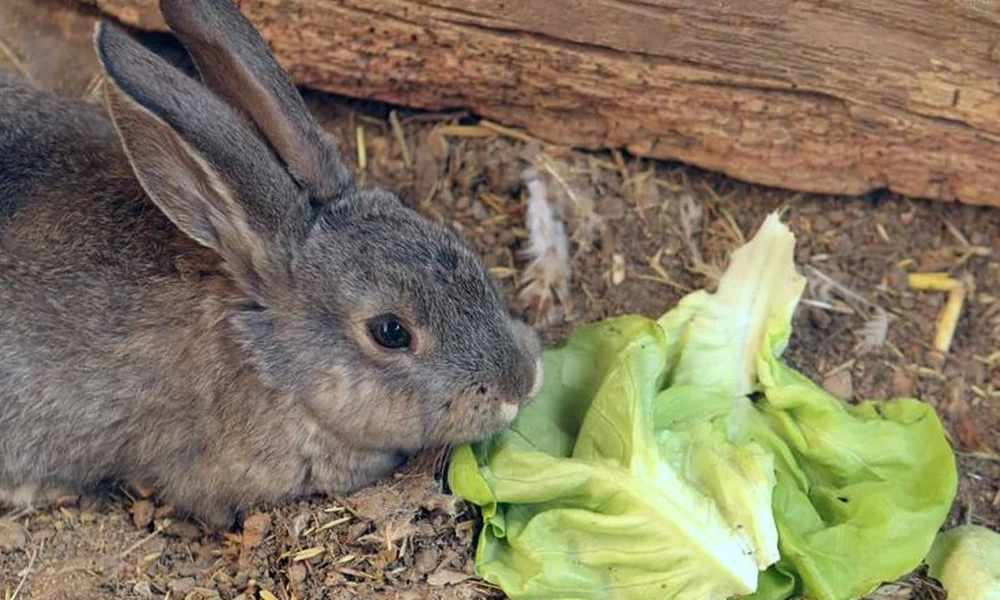
Rabbits are herbivores, and their diets are built around plant material. What they eat depends on the species, season, and vegetation available in their habitat.
Wild rabbits commonly feed on:
- Grasses
- Clover and other leafy plants
- Dandelion leaves
- Young shoots and stems
- Leaves from shrubs
- Buds and herbs
- Garden vegetables when accessible
- Twigs and bark during periods when other food is scarce
In spring and summer, tender green vegetation may be abundant. During winter, rabbits often rely more heavily on woody plants, bark, and other available vegetation.
Do rabbits eat carrots?
Yes, rabbits can eat carrots, but carrots are not the main food wild rabbits naturally depend on. They generally eat more grasses, leaves, and other fibrous plants than sweet root vegetables.
The familiar image of a rabbit eating a whole carrot comes largely from popular culture. In reality, a carrot is only one possible food, and sugary vegetables should not replace a suitable high-fiber diet for domestic rabbits.
Why do rabbits chew so much?
A rabbit’s incisors grow continuously throughout its life. Regular chewing helps maintain appropriate tooth length and allows the animal to process fibrous vegetation.
Its digestive system is also specialized for extracting nutrients from plant material that many other mammals cannot digest efficiently.
Rabbits practice a process called cecotrophy, in which they consume special nutrient-rich droppings called cecotropes. These soft droppings contain nutrients and microorganisms produced during digestion. Reingesting them allows rabbits to absorb nutrients that would otherwise be lost.
This behavior is a normal part of rabbit digestion, not a sign that the animal is sick.
Why Do Rabbits Freeze When They Sense Danger?
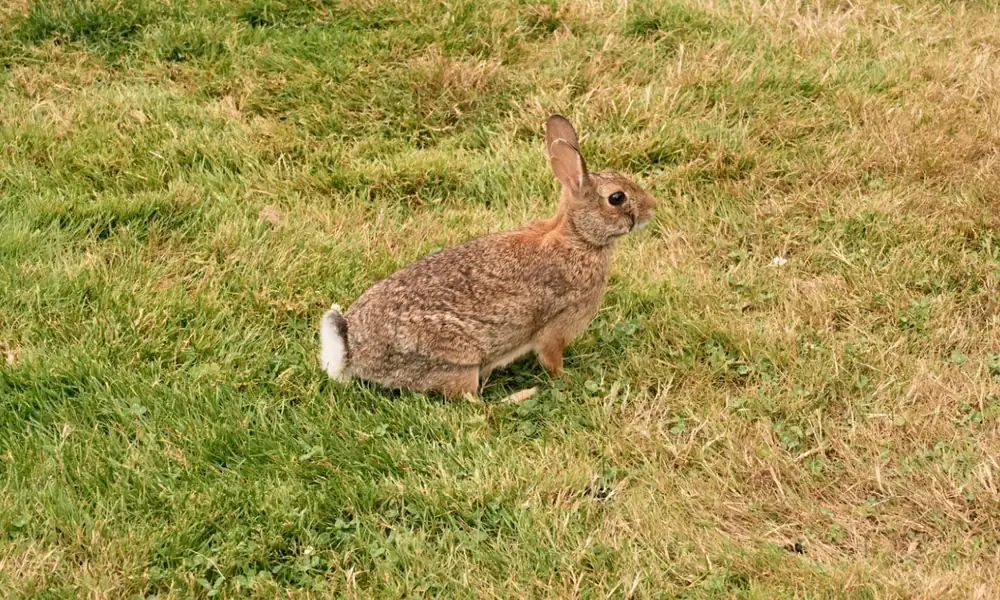
A rabbit’s first response to danger is not always to run. Sometimes it freezes, pressing its body close to the ground while its ears and eyes remain alert.
This behavior can make the rabbit harder for a predator to detect. If the threat comes closer, the rabbit may suddenly sprint toward cover.
Rabbits rely on several ways to avoid predators:
- Remaining still when movement might attract attention
- Using camouflage to blend into vegetation
- Listening for unusual sounds
- Escaping with quick bursts of speed
- Hiding beneath shrubs or inside sheltered spaces
A rabbit that appears motionless in a garden may simply be resting or monitoring its surroundings. If it is not visibly injured or trapped, watching from a distance is usually the best response.
Are Rabbits Dangerous to Humans?
Wild rabbits are generally not dangerous to people. They are small, cautious animals that usually flee rather than confront a human.
However, they are still wild mammals and should not be handled unnecessarily. A frightened rabbit may bite or scratch if someone tries to catch it.
Wild rabbits can also carry parasites and infectious diseases. The risk varies by location and species, so avoid touching sick or dead rabbits with bare hands.
If you encounter a rabbit outdoors, let it move away naturally. Keep domestic dogs from chasing it, and avoid trying to turn a wild rabbit into a pet.
If a rabbit appears injured or seriously ill, contact a licensed wildlife rehabilitator or local wildlife authority for advice.
Why Do Rabbits Have So Many Babies?

Rabbits are known for reproducing quickly, and there is a biological reason for this. They are prey animals with many natural predators, so producing multiple offspring can help populations persist.
Depending on the species and environmental conditions, a female may produce several litters during a breeding season. Litter sizes vary, but a litter often contains multiple young.
Newborn rabbits are particularly vulnerable. In many cottontail species, babies are born in a shallow nest lined with grass and fur. They are initially blind, nearly hairless, and dependent on their mother.
The young develop quickly and begin leaving the nest at a relatively early age. This rapid growth helps them reach independence before long.
Reproduction is influenced by food availability, climate, habitat quality, and other local conditions. Not every litter survives, and rabbit populations naturally rise and fall over time.
What Should You Do If You Find a Baby Rabbit?
Finding a nest of baby rabbits can make people worry that the mother has abandoned them. Often, however, the mother is nearby and deliberately staying away.
Female cottontails typically visit their nests only briefly to nurse their young, often around dusk and dawn. Staying away for much of the day can reduce the chance that predators will follow her directly to the nest.
The babies may remain quiet and still, making them look abandoned when they are actually being cared for.
If you find a nest:
- Keep children and pets away.
- Do not pick up the babies unless there is an immediate safety concern.
- Avoid repeatedly checking or disturbing the nest.
- If the nest has been disturbed, gently restore its natural covering when safe to do so.
- Contact a wildlife rehabilitator if the babies are visibly injured, cold, or clearly in distress.
A baby rabbit found alone is not necessarily orphaned. If you are unsure, seek guidance from a qualified wildlife professional before intervening.
Rabbit vs. Hare: What’s the Difference?
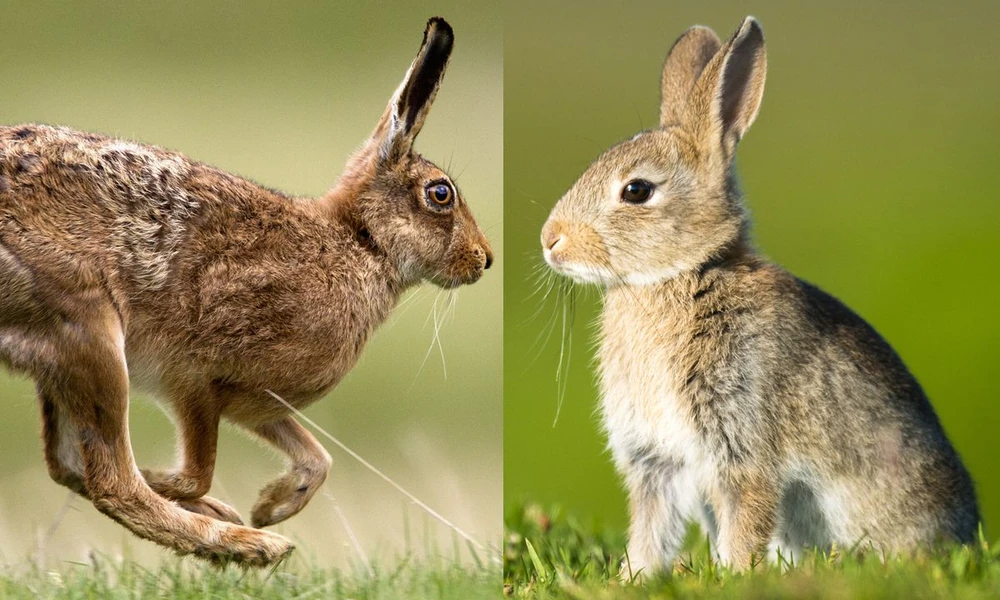
Rabbits and hares are closely related, but they are not the same animals. Both belong to the family Leporidae, yet they differ in appearance, development, and typical behavior.
| Feature | Rabbits | Hares |
| Newborn young | Usually born blind or with closed eyes and little fur | Usually born with fur and open eyes |
| Shelter | Many species use burrows, nests, or dense cover | Often rest in shallow depressions above ground |
| Build | Often smaller, with relatively shorter ears and legs | Often larger, with longer ears and powerful hind legs |
| Escape strategy | Often dash toward nearby cover | Many rely on speed across open ground |
| Examples | Eastern cottontail, European rabbit | Snowshoe hare, black-tailed jackrabbit |
These are general patterns rather than absolute rules. Some rabbits do not dig burrows, and the common name jackrabbit refers to hares rather than true rabbits.
If you see a long-legged animal with very large ears sprinting across open ground, it may be a hare. A smaller animal with a rounded body and a white cottontail disappearing into shrubs is more likely to be a cottontail rabbit.
Why Do Rabbits Visit Gardens?
A garden can provide rabbits with nearly everything they need: fresh plants to eat, shelter from predators, and places to hide when disturbed.
Vegetable beds, young seedlings, ornamental flowers, and leafy shrubs can all attract browsing rabbits. The risk is often greatest when natural food is limited or when a garden provides particularly tender vegetation.
If rabbits are damaging plants, consider physical barriers such as suitable garden fencing or protective mesh around vulnerable seedlings. Keep in mind that rabbits can squeeze through surprisingly small openings, and the effectiveness of a barrier depends on its design and installation.
Avoid using poison or harmful traps. These methods can injure pets and other wildlife, and they do not address the reasons rabbits are attracted to the area.
A garden can support wildlife without becoming a free buffet. Thoughtful planting, protected beds, and healthy habitat boundaries can help people and rabbits share the same space.
Do Rabbits Have Predators?
Yes. Wild rabbits are important prey animals in many ecosystems.
Their predators can include:
The exact predators depend on the rabbit species and where it lives. A rabbit in an open grassland may face different threats from one living in a dense forest or wetland.
Rabbits help support food webs by converting plant material into animal biomass that predators can use. Their populations can also influence vegetation, especially where rabbits are numerous.
This ecological role is one reason healthy rabbit populations matter. They are not merely garden visitors; they are part of a much larger network of relationships among plants, herbivores, and predators.
Frequently Asked Questions
Are rabbits rodents?
No. Rabbits belong to the order Lagomorpha, while mice, rats, and squirrels belong to the order Rodentia.
What is the most common wild rabbit in the United States?
The eastern cottontail is widespread across much of the eastern and central United States and is frequently seen in gardens, fields, and parks.
Do rabbits sleep at night?
Rabbits rest at different times throughout the day and night. Many are most active around dawn and dusk, although activity varies with species, predators, and human disturbance.
Can wild rabbits eat lettuce?
Wild rabbits may eat leafy greens when available, but their natural diet includes a broad range of grasses, leaves, and other plants. Feeding wild rabbits is generally unnecessary.
Why does a rabbit thump its back feet?
A rabbit may thump to signal alarm or communicate that it senses danger. The sound can warn other rabbits nearby.
How long do wild rabbits live?
Lifespans vary by species and conditions. Many wild rabbits live only a few years on average because of predation, disease, weather, and other hazards, although some individuals live longer.
Should I rescue a baby rabbit alone?
Not automatically. Its mother may be away feeding and return briefly to nurse it. Keep your distance and contact a wildlife rehabilitator if the baby is injured or clearly in distress.
A Small Animal With a Remarkable Survival Strategy
The rabbit’s gentle appearance can make it easy to forget how carefully it must navigate the world. Every rustle in the grass may matter. Every patch of cover can offer protection. Every feeding opportunity helps it build the energy needed to escape the next threat.
Its success is not simply about speed or reproduction. It comes from a combination of alert senses, efficient digestion, camouflage, and the ability to make use of many different habitats.
The next time a rabbit appears in your garden, take a moment to watch from a distance. Notice its ears turning toward distant sounds, the way it pauses before feeding, and how quickly it can vanish into cover.
What looks like an ordinary backyard visitor is, in fact, a finely adapted wild mammal carrying out one of nature’s oldest balancing acts: finding enough food to live while staying one step ahead of danger.