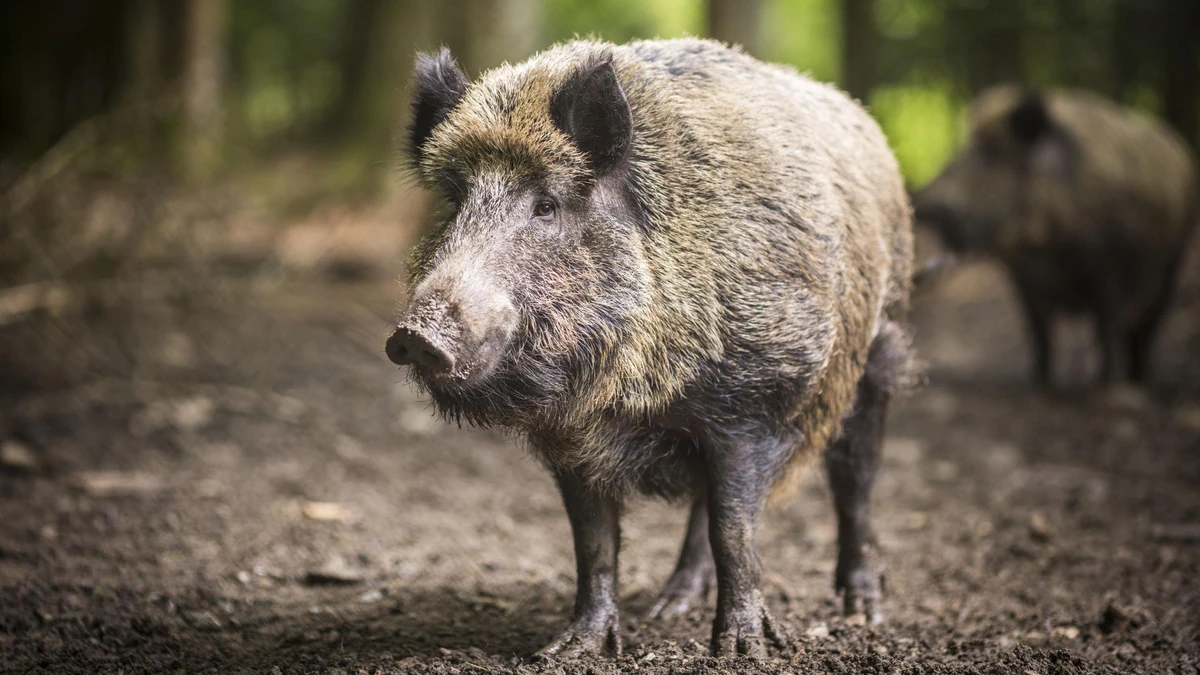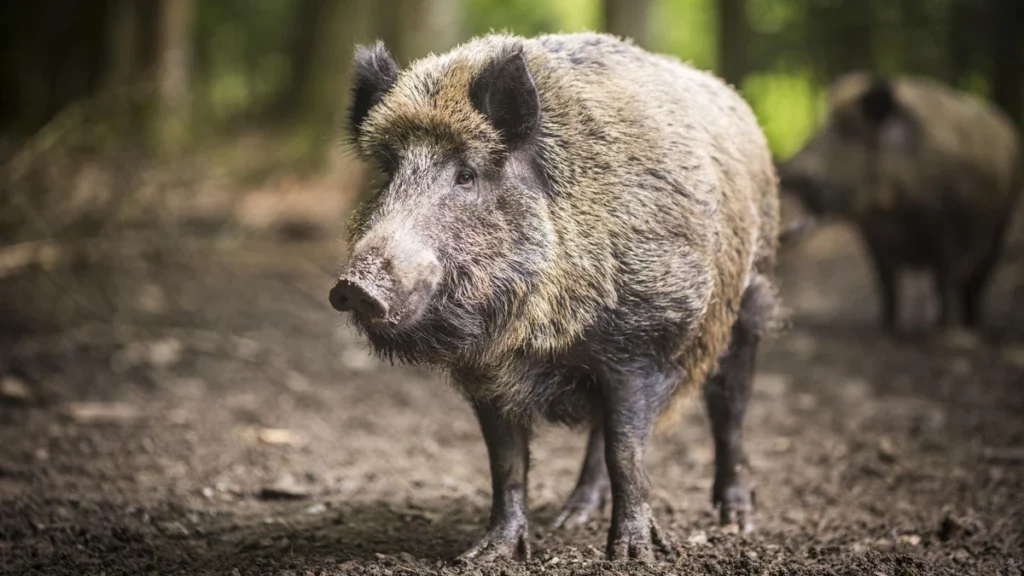
At the edge of a forest, where fallen leaves cover the ground and tangled roots disappear beneath the soil, a wild boar can find an entire meal without ever looking up. With its powerful snout, sharp senses, and sturdy body, this adaptable mammal turns over the earth in search of roots, insects, seeds, and anything else that helps it survive.
The wild boar (Sus scrofa) is a highly adaptable, hoofed mammal native to parts of Europe, Asia, and North Africa. It belongs to the pig family, Suidae, and is recognized by its bristly coat, elongated snout, strong legs, and curved tusks. Unlike animals that depend on a narrow range of foods, wild boars are omnivores, meaning they eat both plant and animal matter.
Wild boars inhabit forests, grasslands, wetlands, scrublands, and agricultural landscapes. Their intelligence, flexible diet, and ability to reproduce successfully have helped them thrive in many environments. In some regions, however, introduced populations have become invasive, damaging crops, disturbing native habitats, and creating conflicts with people.
Understanding wild boars means looking beyond their reputation as troublesome or dangerous animals. They are resourceful survivors whose ecological influence can be beneficial in some circumstances and harmful in others.
What Is a Wild Boar?
The wild boar is a member of the pig family and one of the wild ancestors of the domestic pig. Humans domesticated wild boars thousands of years ago, and domestic pigs and wild boars remain closely related.
Wild boars belong to the species Sus scrofa. Their appearance varies considerably across their extensive range. Animals living in colder regions may develop thicker coats, while those in warmer environments can have shorter, less dense hair.
Although wild boars resemble domestic pigs, they often have a more muscular appearance, longer legs, narrower bodies, and a more elongated head. Their tusks are particularly noticeable in mature males, although females also develop smaller tusks.
Wild boars are not simply domestic pigs that have escaped from farms. They have their own natural behaviors, survival strategies, social structures, and adaptations to life outside human care.
What Does a Wild Boar Look Like?
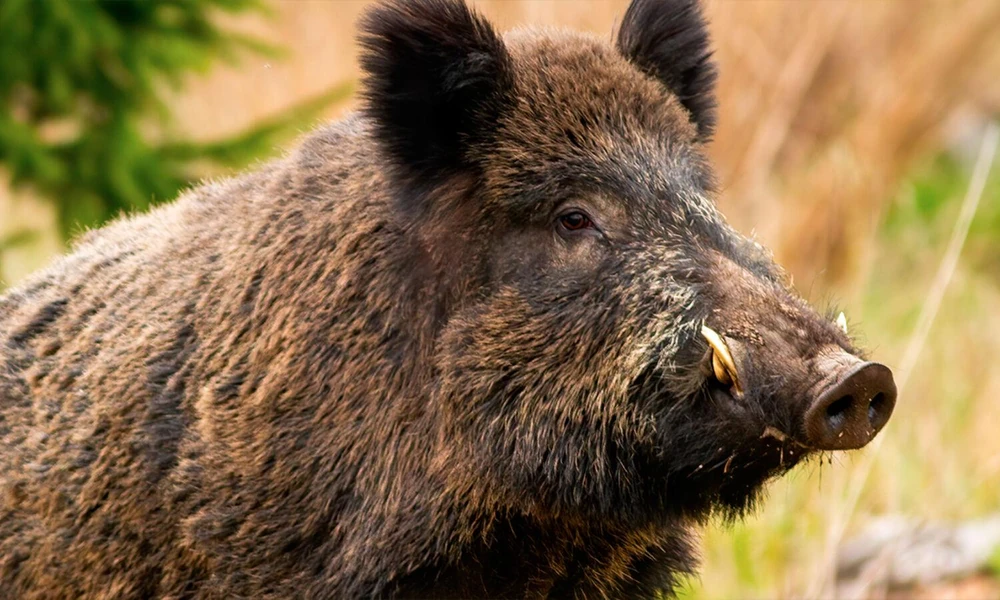
A wild boar has a compact, powerful body designed for moving through dense vegetation and digging into the ground. Its head is relatively large, and its long, flexible snout is one of its most important tools.
The snout is supported by strong structures and contains sensitive tissues that help the animal investigate soil, locate food, and detect scents. Its sense of smell is especially valuable when food is hidden underground or concealed beneath fallen leaves.
Wild boars usually have coarse brown, gray, black, or reddish-brown hair. Individual animals can vary in color depending on age, genetics, and location. Many have a mane of longer bristles along the back and neck that becomes more noticeable when they are excited or threatened.
Their legs are relatively short compared with their heavy bodies, but they are strong enough to support fast movement through woodland and uneven terrain.
Wild Boar Tusks
Tusks are among the most recognizable features of a mature wild boar. They are enlarged canine teeth that continue growing throughout much of the animal’s life.
In males, the tusks can become substantial and curve outward and upward. They are used in competition with other males and can inflict serious injuries during confrontations. Females also possess tusks, although theirs are generally smaller.
Tusks are not merely decorative. Combined with the animal’s strength, they are effective defensive tools that make close encounters dangerous.
How Big Is a Wild Boar?
Wild boar size depends on geography, food availability, age, and local environmental conditions. Many adults weigh several dozen kilograms, while large individuals in favorable habitats can exceed 100 kilograms. Some populations produce exceptionally large animals.
Males are generally heavier than females. Boars from colder or more productive regions may grow substantially larger than individuals living in areas with limited food.
Their size should never be used as the only indicator of danger. Even a smaller wild boar can charge, bite, or cause serious injury if it feels cornered.
Where Do Wild Boars Live?
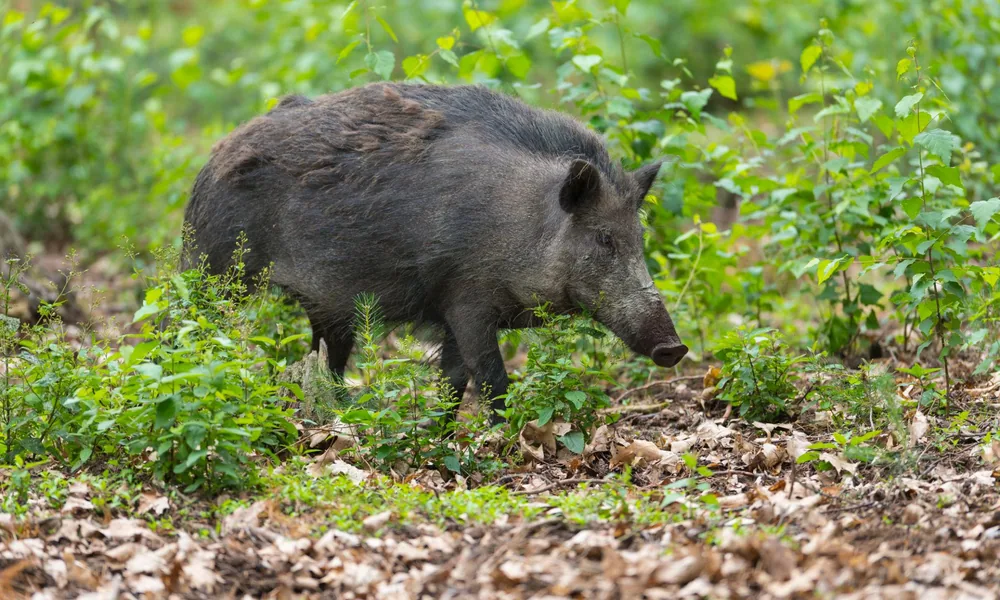
Wild boars have one of the broadest natural distributions among wild terrestrial mammals. Their native range includes much of Europe and Asia, along with parts of North Africa. They have also been introduced to many other regions, where some populations have expanded rapidly.
Their adaptability allows them to occupy a variety of habitats, provided that food, water, and suitable cover are available.
Forests and Woodlands
Forests offer wild boars shelter, feeding opportunities, and protection from extreme weather. Fallen leaves, decaying wood, tree roots, and rich soil provide opportunities to find insects, fungi, seeds, and underground plant parts.
Dense vegetation also provides cover for females raising young. During the day, boars may rest in sheltered areas before becoming more active when human disturbance decreases.
Grasslands and Scrublands
Open landscapes can provide grasses, seeds, roots, and other food. Wild boars often use grasslands near woodland edges, where they can feed in open areas and retreat quickly into cover.
Scrublands provide similar advantages, particularly when thick vegetation creates safe resting places.
Wetlands and River Valleys
Wetlands can offer abundant plant material, invertebrates, and other food resources. Moist soil is also relatively easy to dig through.
Wild boars may wallow in mud or shallow water, particularly in warm weather. Wallowing helps them cool down and may reduce irritation from biting insects.
Farms and Human Settlements
In some regions, wild boars regularly visit agricultural land, gardens, orchards, and the edges of towns. Crops, fallen fruit, household waste, and other human-associated food sources can attract them.
This behavior creates opportunities for conflict. Boars may destroy crops, damage lawns, overturn rubbish containers, and become accustomed to areas where food is readily available.
Feeding wild boars intentionally can encourage repeated visits and increase the risk of dangerous encounters.
What Do Wild Boars Eat?
Wild boars are omnivores with a flexible diet. Plant material often makes up a large portion of their food, but they also eat animal matter when it is available.
Their diet changes with the seasons and varies among habitats. This flexibility is one of the main reasons they can survive in so many different environments.
Common foods include:
- Roots, tubers, and underground stems
- Acorns, nuts, seeds, and grains
- Grass, leaves, and other green vegetation
- Fallen fruit, berries, and agricultural crops
- Earthworms, insects, and their larvae
- Eggs and small animals when opportunities arise
- Carrion and other accessible animal matter
Wild boars are opportunistic feeders. They do not need to rely on one specific food source, which gives them an advantage when seasonal changes or environmental disturbances reduce the availability of their preferred foods.
Why Wild Boars Dig in the Ground
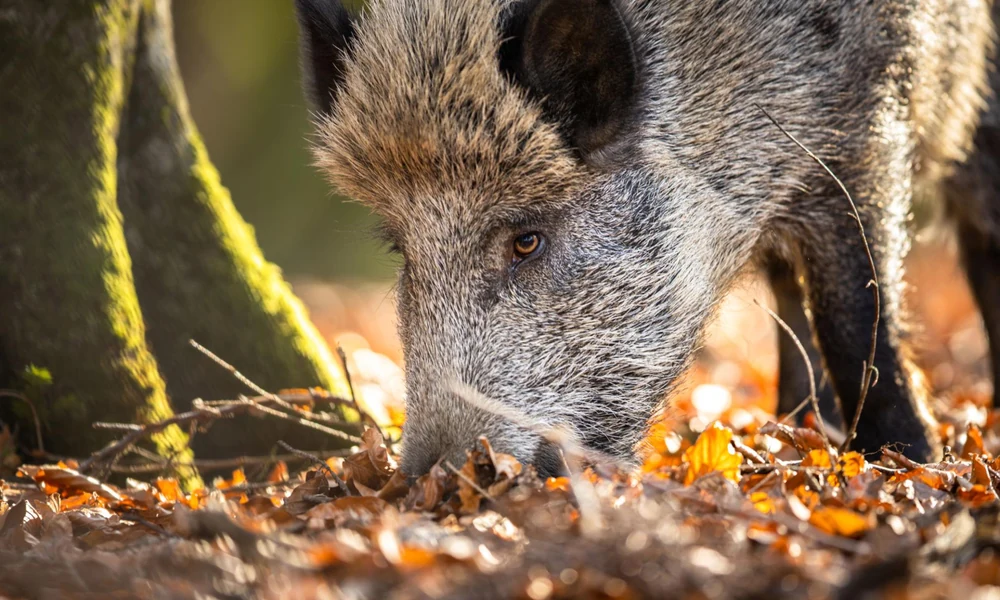
Digging, often called rooting, is a central part of wild boar feeding behavior. The animal pushes its snout into the soil and uses its strength to uncover hidden food.
Rooting can expose roots, bulbs, grubs, worms, fungi, and other organisms that would otherwise remain inaccessible. It may also leave patches of disturbed earth scattered across the forest floor.
This behavior can have mixed ecological effects. Limited disturbance may create germination sites for certain plants and expose food for other animals. Extensive rooting, however, can damage vegetation, disturb soil, and affect sensitive habitats.
The impact depends on how many boars are present, how often they use an area, and how vulnerable the local ecosystem is to disturbance.
Wild Boar Behavior and Intelligence
Wild boars are alert, adaptable animals with well-developed senses. Their behavior reflects a constant balance between finding food, avoiding danger, protecting offspring, and conserving energy.
They can learn from experience, recognize familiar surroundings, and adjust their movements in response to changing conditions.
Are Wild Boars Nocturnal?
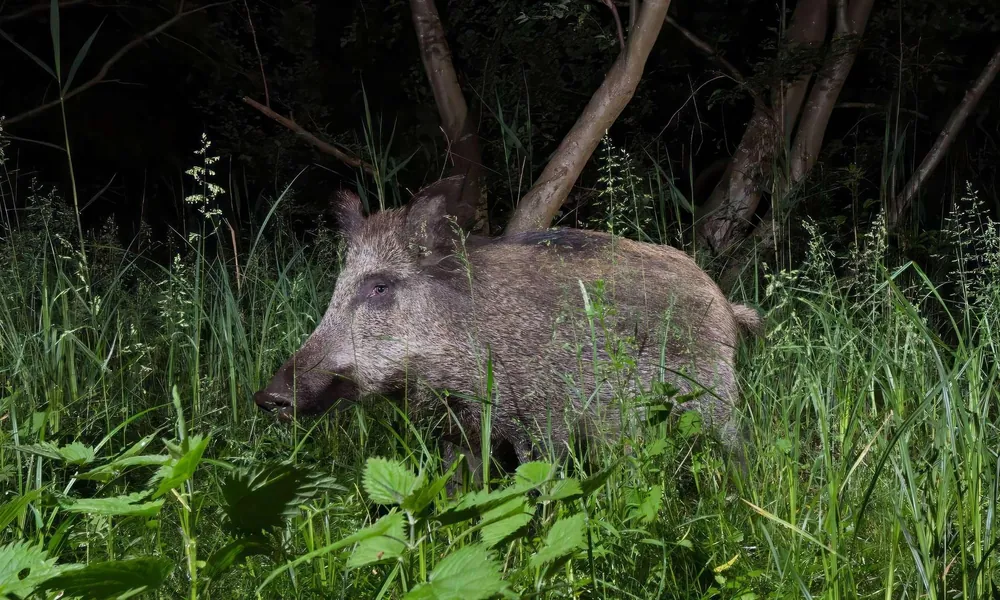
Wild boars can be active during both daylight and darkness, but many populations become more active at night or around dawn and dusk.
Their activity patterns depend on temperature, food availability, hunting pressure, and human disturbance. In places where people are common during the day, boars may shift more of their feeding and movement to nighttime hours.
During hot weather, they often rest in shaded cover and become more active when temperatures fall.
How Wild Boars Communicate
Wild boars use sounds, body movements, and scent to communicate. They may grunt, squeal, bark, or produce other vocalizations depending on the situation.
Females and piglets use sounds to maintain contact, particularly when moving through dense vegetation. Distressed young animals may squeal loudly, while adults can make warning sounds when alarmed.
Scent is another important part of their communication. Wild boars investigate odors, leave scent information in their environment, and use smell to identify food, other animals, and potential threats.
Can Wild Boars Swim?
Yes. Wild boars can swim and may cross rivers or other bodies of water when necessary. Water can also provide access to feeding areas or cooler places during warm weather.
However, swimming ability does not mean every crossing is safe. Strong currents, steep banks, and other hazards can put animals at risk.
Wild Boar Social Structure
Wild boars do not always live alone. Their social behavior changes according to age, sex, and the time of year.
Females commonly form groups with their young. These groups are often called sounders. A sounder may include several related females and piglets, although group composition varies.
Living together can help females protect their young and locate food. Piglets remain close to their mothers, especially during their early weeks, when they are most vulnerable.
Adult males are often more solitary outside the breeding season. During the mating period, they seek females and may compete with other males for access to mates.
Why Wild Boars Roll in Mud
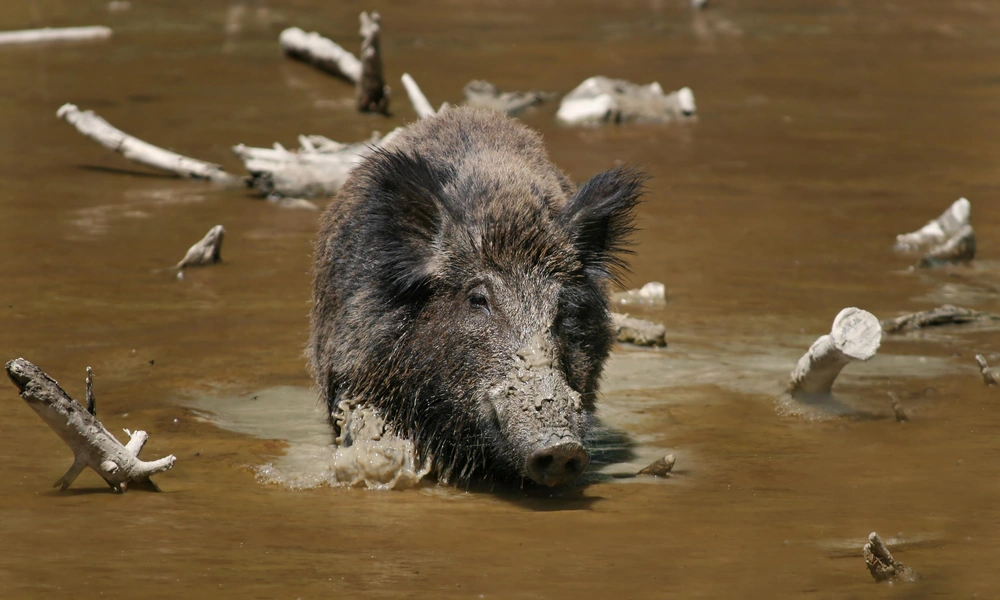
Wallowing is a familiar wild boar behavior. An animal may lower itself into wet soil or mud, roll around, and then rub against nearby trees or other surfaces.
Mud can help cool the body and may reduce irritation from insects and parasites. Wallowing areas can also become places where boars repeatedly visit and leave scent information.
After wallowing, dried mud may remain attached to the animal’s coat, sometimes giving it a rough, earthy appearance.
Wild Boar Reproduction and Piglets
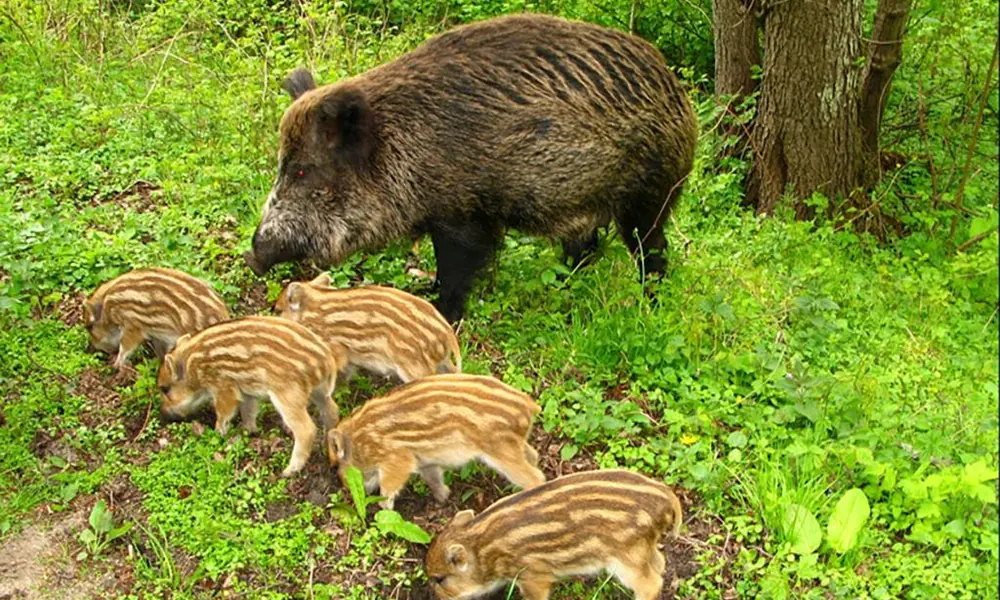
Wild boars can reproduce successfully when food and habitat conditions are favorable. Their breeding patterns vary geographically, and the availability of food can influence when females become ready to breed.
In many populations, mating activity increases during autumn or winter, although the timing is not the same everywhere.
Pregnancy and Birth
A female wild boar is called a sow. Her pregnancy lasts approximately 115 days, often remembered as three months, three weeks, and three days.
She typically gives birth to a litter rather than a single offspring. Litter size varies with the mother’s age, health, habitat, and food supply, but several piglets may be born at once.
Before giving birth, a sow may prepare a sheltered nest using grass, leaves, branches, and other available vegetation. The nest helps protect newborn piglets from cold, wet weather, and disturbance.
What Do Wild Boar Piglets Look Like?
Young wild boars are often born with pale stripes running along their bodies. These stripes help break up their outline against the patterned light and shadows of woodland vegetation.
As piglets grow, the stripes gradually fade and their coats become more uniform in color.
The mother stays close to her young and nurses them while they develop strength and begin exploring their surroundings. Piglets gradually add solid food to their diet and learn to forage by following the sow and observing other group members.
Although they may look small and harmless, piglets should never be approached. A mother can become highly defensive if she believes her offspring are threatened.
How Long Do Wild Boars Live?
Wild boars can live for many years, but their actual lifespan varies considerably. Predation, disease, hunting, road collisions, food shortages, and other environmental pressures can shorten their lives.
Young animals are particularly vulnerable, while adults may face risks during breeding-season confrontations or when moving through human-dominated landscapes.
Wild Boars and Their Natural Predators
Wild boars are strong animals with tusks, sharp senses, and the ability to move quickly through thick cover. These traits help protect them from many predators.
Nevertheless, young boars and vulnerable adults can be prey for large carnivores.
Depending on the region, predators may include wolves, bears, leopards, tigers, and other large carnivorous mammals. The particular predator species depends on which animals share the same habitat.
Piglets are generally more vulnerable than mature adults. Females may defend their young, while groups can benefit from having several alert animals nearby.
Humans are also a major source of mortality through hunting, wildlife management, traffic collisions, and other interactions.
Are Wild Boars Dangerous to Humans?
Wild boars can be dangerous, especially when they feel trapped, are injured, or are protecting their young. They are not necessarily aggressive toward people in every encounter, but their size, speed, and tusks make it unsafe to approach them.
A startled boar may charge, and a defensive encounter can happen quickly. Dense vegetation can also make it difficult to judge an animal’s distance or direction of movement.
What Should You Do if You See a Wild Boar?
If you encounter a wild boar, give it space and avoid actions that could make it feel cornered.
- Keep a substantial distance and do not approach for photographs.
- Never attempt to touch, feed, chase, or corner the animal.
- Do not move between a sow and her piglets.
- Avoid blocking its route to cover or escape.
- If it appears agitated, back away calmly and seek a safe barrier or sheltered location when possible.
- Follow local wildlife authority guidance if the animal is injured, behaving unusually, or entering a populated area.
If you encounter piglets alone, do not assume they have been abandoned. The sow may be nearby and could return.
Wild Boars as Invasive Animals
Wild boars are native to some parts of the world but have been introduced elsewhere through human activity. In certain introduced ranges, their populations have grown rapidly, leading to serious ecological and agricultural problems.
Their flexible diet, reproductive capacity, and ability to exploit human-associated food sources make population management difficult.
Damage to Crops and Property
Wild boars may feed on corn, grain, vegetables, fruit, and other crops. Their rooting can damage fields, while their movements may break fences, disturb gardens, and tear up lawns.
Farmers can experience financial losses when boars repeatedly enter agricultural land. Damage may be especially severe where animals have access to abundant food and few natural population controls.
Effects on Native Wildlife
In some ecosystems, introduced wild boars consume eggs, small animals, and other organisms that native wildlife depends on. Their rooting can disturb nesting areas, alter plant communities, and damage sensitive soils.
They may also compete with native species for food. The scale of these effects varies by location and should be assessed in the context of the local ecosystem.
Disease Risks
Wild boars can carry pathogens and parasites that affect wildlife, livestock, and sometimes people. Their contact with domestic pigs and other animals can complicate disease management.
Handling wild boar carcasses or raw meat without appropriate precautions can also create health risks. People should follow local food-safety and wildlife-handling recommendations.
Why Population Control Is Complicated
Managing wild boar populations is challenging because the animals reproduce effectively, move across large areas, and can exploit a wide range of food sources.
Successful management may involve monitoring populations, reducing access to human food waste, protecting crops, preventing further introductions, and using locally appropriate wildlife-control methods.
The best approach depends on the species’ status in the region. Conservation of native populations and control of invasive populations are different objectives and should not be confused.
Wild Boar vs. Domestic Pig: What Is the Difference?
Wild boars and domestic pigs belong to the same species, Sus scrofa, but generations of domestication have produced differences in appearance and behavior.
Wild boars generally have longer legs, narrower bodies, more elongated heads, and coarse coats. Their tusks are often more prominent, particularly in adult males.
Domestic pigs show a much wider range of body shapes, coat colors, and sizes because of selective breeding. Many domestic breeds have been developed for particular traits, such as rapid growth or meat production.
The distinction is not always clear-cut. Domestic pigs that escape and establish feral populations may develop more wild-looking features over generations, and wild boars can interbreed with domestic pigs.
Their behavior is also shaped by experience. Wild boars must locate their own food, avoid predators and people, and respond to environmental threats without human care.
Interesting Facts About Wild Boars
- They have an extraordinary sense of smell. Their sensitive snouts help them find food hidden beneath soil and vegetation.
- They are omnivores. Their diet can include everything from roots and nuts to insects and carrion.
- They are the wild ancestors of domestic pigs. Their relationship with humans stretches back thousands of years.
- Females can have several piglets in one litter. Reproductive success helps explain why some populations expand rapidly.
- Their piglets often have striped coats. The markings fade as the young animals mature.
- They can become active at night. In human-dominated landscapes, nocturnal activity may help them avoid people.
- Their tusks grow continuously. These teeth play a role in competition and defense.
- They can alter their surroundings. Rooting changes soil and vegetation, with effects that range from beneficial disturbance to serious habitat damage.
- They are excellent at adapting. Wild boars can survive in many habitats because they eat a wide variety of foods and adjust their behavior to local conditions.
Frequently Asked Questions About Wild Boars
What is a wild boar?
A wild boar is an omnivorous mammal in the pig family. Its scientific name is Sus scrofa, and it is native to parts of Europe, Asia, and North Africa. Introduced populations also live in many other regions.
What do wild boars eat?
Wild boars eat roots, tubers, grasses, seeds, nuts, fruit, crops, insects, worms, eggs, and other available animal matter. Their diet changes with the season and local food supply.
Are wild boars aggressive?
Wild boars may avoid people when they have an escape route, but they can become dangerous if startled, injured, cornered, or defending their young. Their tusks and powerful bodies can cause severe injuries.
Where do wild boars sleep?
Wild boars commonly rest in sheltered places such as dense vegetation, woodland cover, or nests made from leaves and other plant material. They often rest during periods of greater human activity and forage when conditions are quieter.
How fast can a wild boar run?
Wild boars can run rapidly over short distances and move effectively through rough terrain. Exact speeds vary, so people should never assume they can outrun one or safely approach it.
How many piglets does a wild boar have?
Litter size varies, but a sow commonly gives birth to several piglets at once. The number depends on factors such as age, health, and food availability.
Are wild boars endangered?
Wild boars are widespread and are not globally endangered as a species. However, their conservation and management needs vary by region. Native populations may be managed differently from introduced populations that damage ecosystems.
Why do wild boars dig up the ground?
Wild boars root through soil to find roots, bulbs, worms, insects, and other food. This behavior can create small habitat disturbances, but heavy rooting may damage crops, vegetation, and sensitive ecosystems.
Can wild boars be domesticated?
Wild boars are the ancestors of domestic pigs, but an individual wild boar should not be treated as a domestic animal. Their strength, unpredictable reactions, and tusks can make them dangerous, even if they appear accustomed to people.
The Wild Boar: A Survivor of Changing Landscapes
The wild boar is a remarkable example of adaptability in the animal kingdom. Its sensitive snout, varied diet, social behavior, and reproductive ability allow it to survive in environments ranging from remote forests to landscapes shaped by people.
Yet the same qualities that make wild boars successful can also create serious problems when populations expand beyond ecological limits or enter agricultural and residential areas. Their effects depend on the environment, the number of animals, and how people manage the land around them.
Understanding wild boars requires a balanced perspective. They are neither simply destructive pests nor harmless woodland animals. They are intelligent, powerful mammals whose place in an ecosystem depends on where they live and how they interact with other species.
Protecting native wildlife, reducing conflict, and managing introduced populations responsibly can help communities respond to wild boars while recognizing the important role that natural habitats play in their survival.
Disclaimer: This article is provided for general informational and educational purposes only and is not intended as professional wildlife, veterinary, or conservation advice. Information may change as research advances, and no guarantee is made as to its completeness or accuracy.