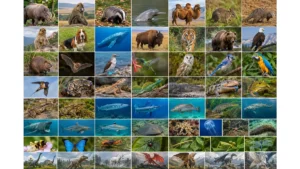
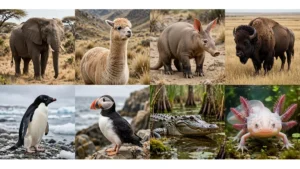
Animals that start with the letter C include some of the most famous creatures on Earth: the cat, cheetah, chimpanzee, crocodile, camel and capybara. They also include stranger stars, such as the colossal squid, the cassowary and the Chinese giant salamander. This guide covers well-known C animals, sorted into mammals, birds, reptiles, amphibians, fish, invertebrates, insects, prehistoric animals and mythical creatures.
Each entry gives the scientific name, family, habitat, range, size, diet, lifespan and conservation status. A short key fact follows. If you are working through the alphabet, you can also read our guides to animals that start with A and animals that start with B.
A name is a small human invention, but it opens a door. Follow the letter C and you travel from Arctic tundra to coral reefs, and from living rainforests to Jurassic floodplains.
Mammals That Start With C
Camel
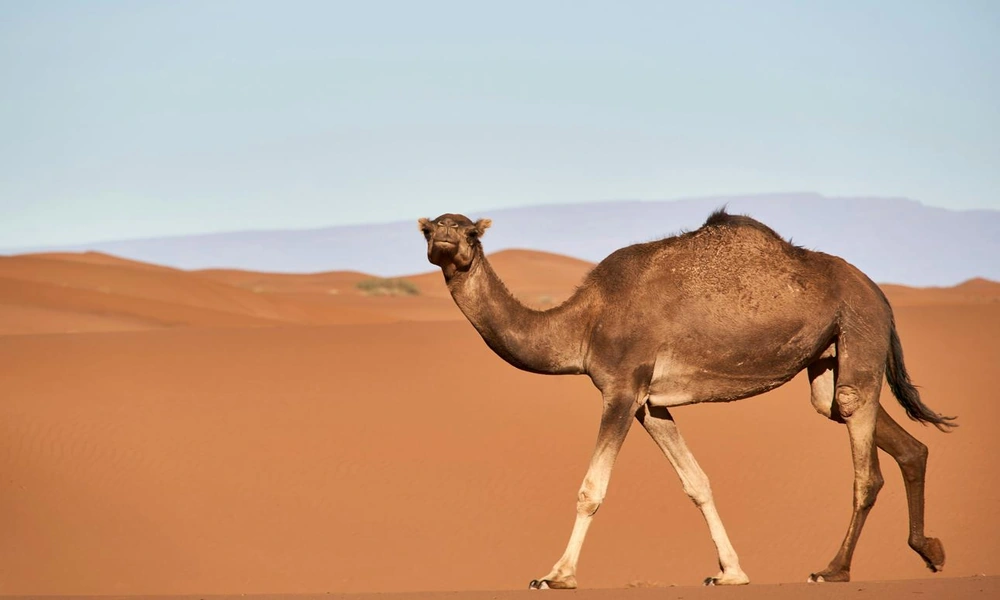
- Scientific Name: Camelus spp.
- Family: Camelidae
- Habitat: Deserts, dry grasslands, and semi-arid regions
- Range: North Africa, the Middle East, Central Asia, and parts of Australia, depending on species
- Size and Weight: Varies by species; generally about 1.7–2.3 m tall and 300–1,000 kg
- Diet: Grasses, leaves, shrubs, and other vegetation
- Lifespan: About 40–50 years
- Conservation Status: Varies by species; the wild Bactrian camel is Critically Endangered
- Key Fact: Camels are specially adapted to survive in hot, dry environments and can go for long periods with limited access to water.
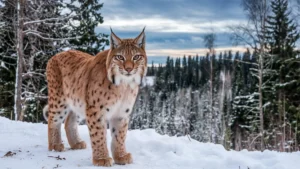
Canadian Lynx
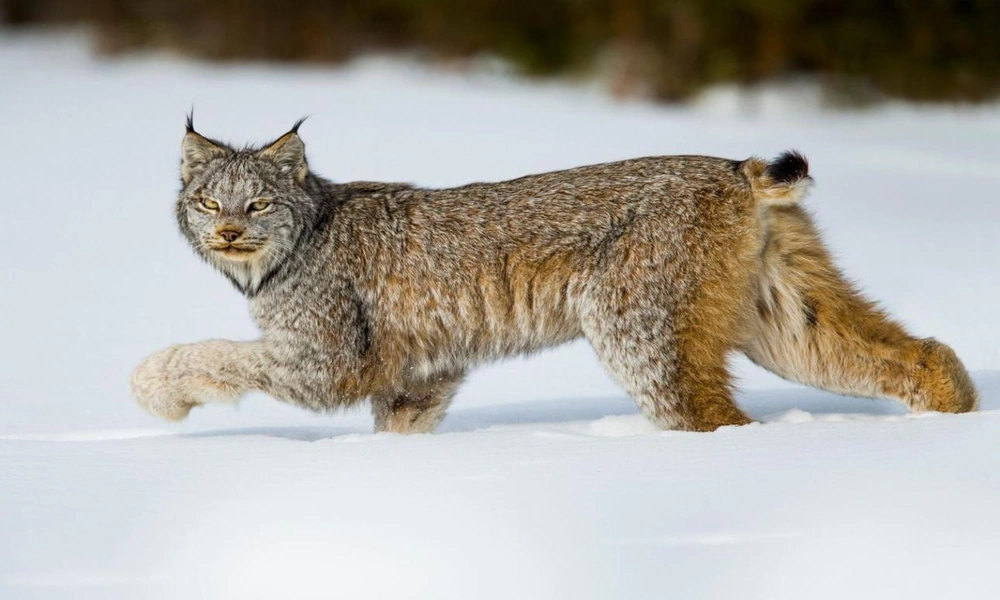
- Scientific Name: Lynx canadensis
- Family: Felidae
- Habitat: Boreal forests, rocky areas, and tundra
- Range: Canada, Alaska, and parts of the northern United States
- Size and Weight: About 67–107 cm long; 8–17 kg
- Diet: Mainly snowshoe hares, birds, rodents, and occasionally larger prey
- Lifespan: About 10–15 years in the wild
- Conservation Status: Least Concern
- Key Fact: The Canadian lynx has large, furry paws that act like snowshoes, helping it move across deep snow.
Capybara
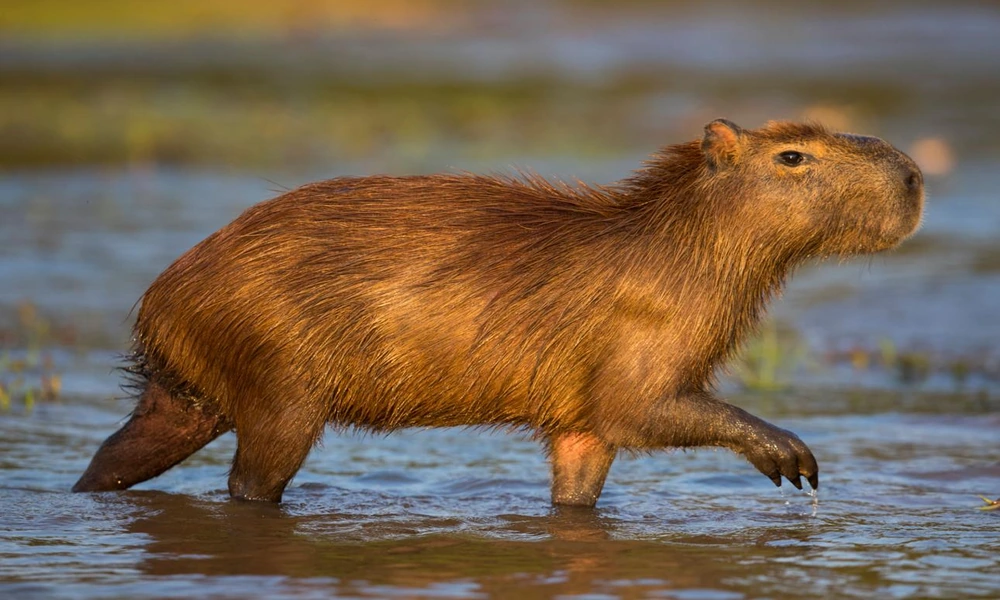
- Scientific Name: Hydrochoerus hydrochaeris
- Family: Caviidae
- Habitat: Wetlands, grasslands, forests, and areas near rivers and lakes
- Range: Much of South America
- Size and Weight: About 1–1.3 m long; up to about 66 kg
- Diet: Grass, aquatic plants, fruit, and other vegetation
- Lifespan: About 6–10 years in the wild
- Conservation Status: Least Concern
- Key Fact: The capybara is the largest living rodent in the world.
Caracal
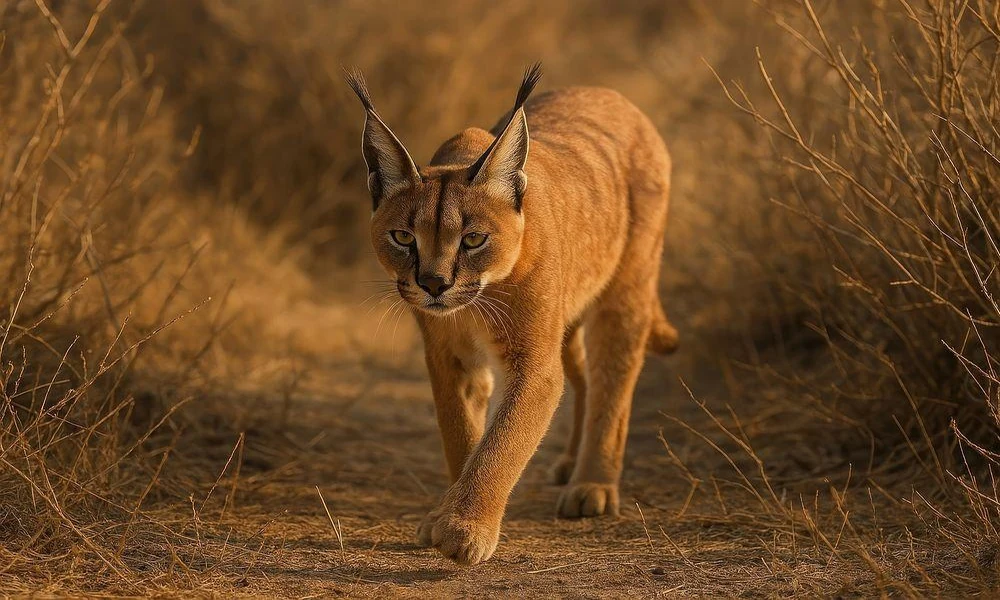
- Scientific Name: Caracal caracal
- Family: Felidae
- Habitat: Savanna, scrubland, dry woodland, and semi-desert
- Range: Africa, the Middle East, and parts of Central and South Asia
- Size and Weight: About 60–90 cm long; 8–19 kg
- Diet: Birds, rodents, hares, small antelope, and other small animals
- Lifespan: About 12 years in the wild; up to 20 years in captivity
- Conservation Status: Least Concern
- Key Fact: Caracals can leap about 3 meters into the air to catch birds.
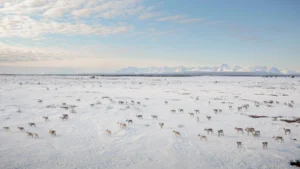
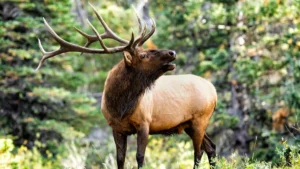
Caribou
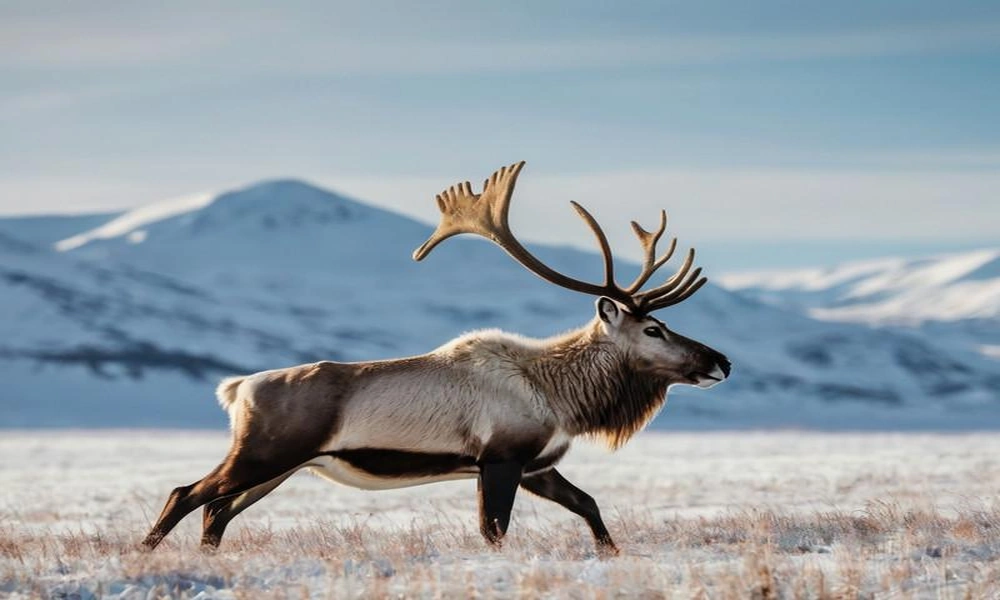
- Scientific Name: Rangifer tarandus
- Family: Cervidae
- Habitat: Arctic and subarctic tundra, boreal forests, and mountain regions
- Range: Northern North America, Greenland, and Eurasia
- Size and Weight: About 1.2–2.2 m long; roughly 60–180 kg
- Diet: Lichens, grasses, leaves, and other vegetation
- Lifespan: About 10–15 years in the wild
- Conservation Status: Vulnerable
- Key Fact: Caribou are unusual among deer because both males and females can grow antlers.
Cat
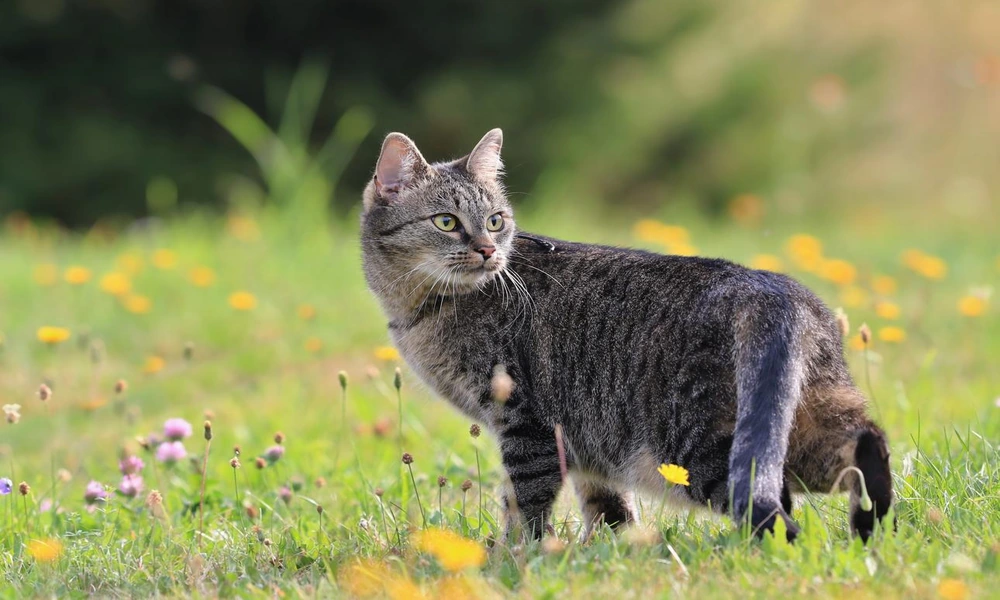
- Scientific Name: Felis catus
- Family: Felidae
- Habitat: Human homes, farms, cities, and many other environments
- Range: Worldwide
- Size and Weight: Typically about 46–51 cm long; 2.5–7 kg
- Diet: Primarily meat and other animal-based foods
- Lifespan: About 12–18 years, with some living longer
- Conservation Status: Not assessed by the IUCN as a domestic species
- Key Fact: Domestic cats retain strong hunting instincts and can detect movement and sounds that are difficult for humans to notice.
Chamois
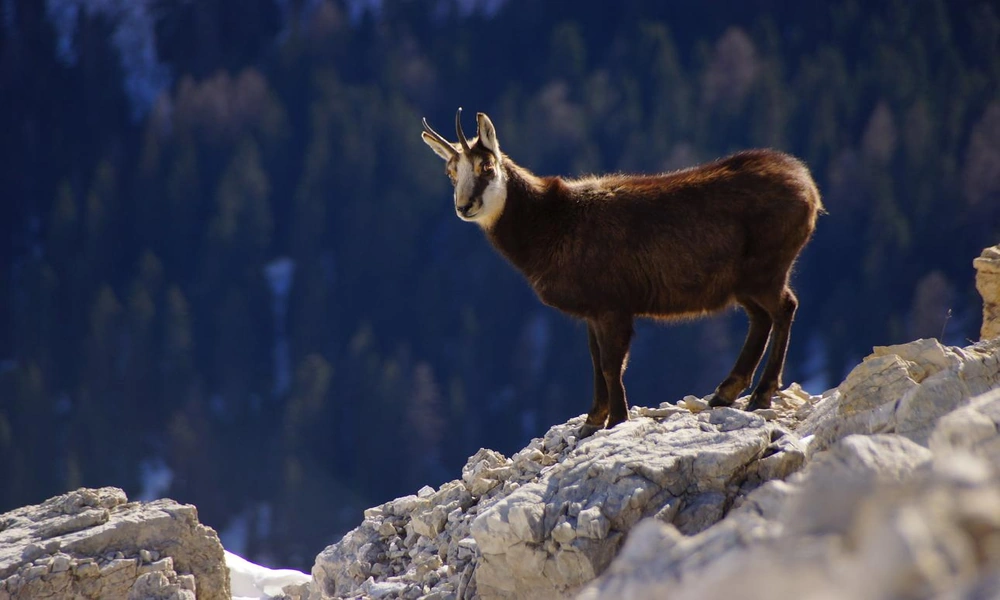
- Scientific Name: Rupicapra rupicapra
- Family: Bovidae
- Habitat: Mountain slopes, alpine meadows, rocky cliffs, and forests
- Range: Mountain regions of Europe and parts of western Asia
- Size and Weight: About 90–140 cm long; 25–60 kg
- Diet: Grasses, herbs, leaves, shoots, and shrubs
- Lifespan: About 15–20 years
- Conservation Status: Least Concern
- Key Fact: Chamois are excellent climbers and can move rapidly across steep, rocky mountain terrain.
Cheetah
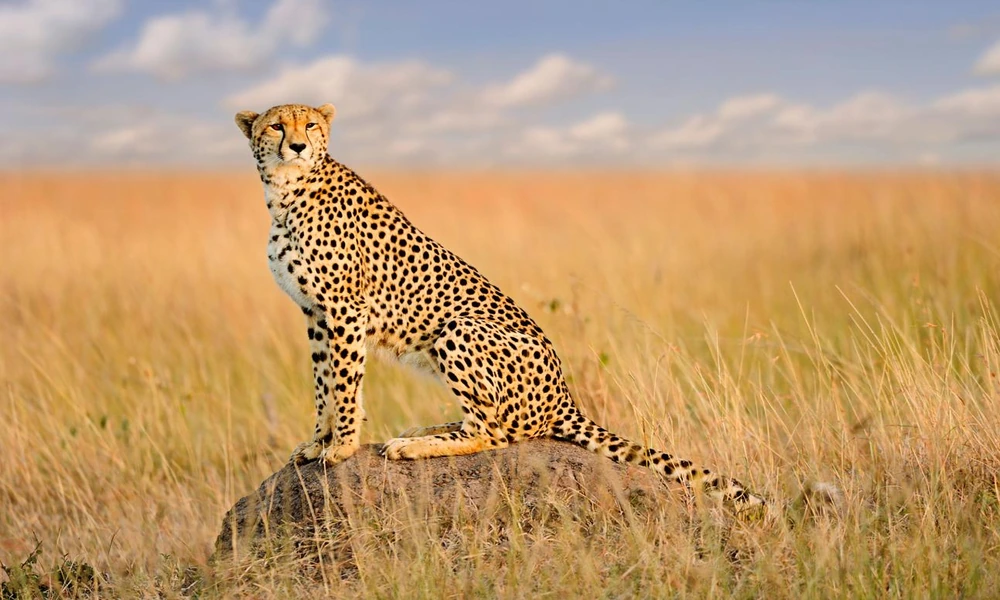
- Scientific Name: Acinonyx jubatus
- Family: Felidae
- Habitat: Open grasslands, savannas, and dry woodland
- Range: Mainly sub-Saharan Africa, with a small population in Iran
- Size and Weight: About 1.1–1.4 m long; 21–72 kg
- Diet: Gazelles, hares, birds, and other small to medium-sized animals
- Lifespan: About 10–12 years in the wild
- Conservation Status: Vulnerable
- Key Fact: The cheetah is the fastest land animal, with reliably recorded speeds of about 93–98 km/h.
Chimpanzee
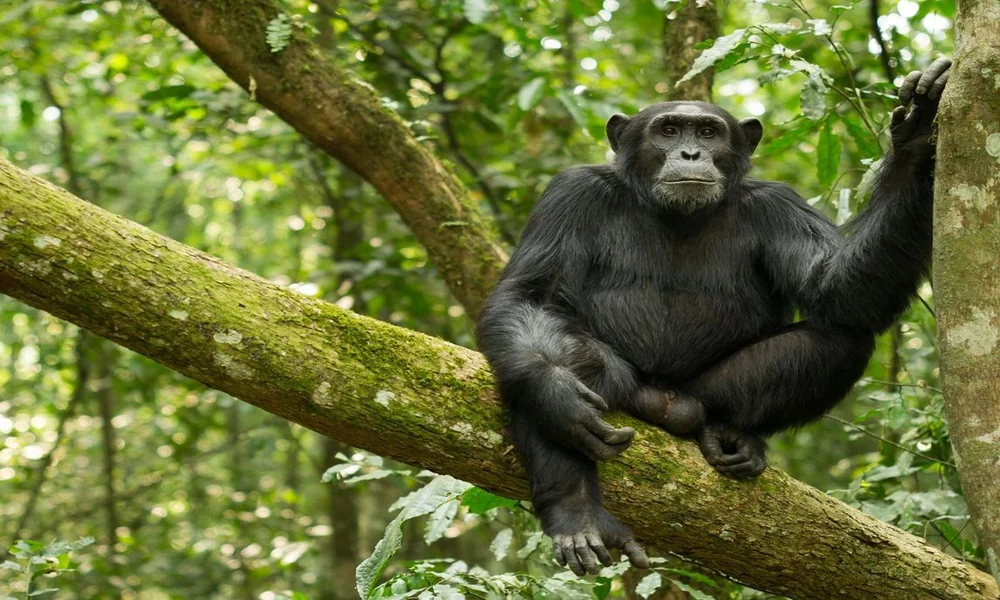
- Scientific Name: Pan troglodytes
- Family: Hominidae
- Habitat: Tropical forests, woodland, and savanna mosaics
- Range: Central and West Africa
- Size and Weight: About 1–1.7 m tall; 30–70 kg
- Diet: Fruit, leaves, seeds, insects, and occasionally meat
- Lifespan: About 33 years in the wild; longer in captivity
- Conservation Status: Endangered
- Key Fact: Chimpanzees use tools, communicate socially, and can modify objects to help obtain food.
Chinchilla
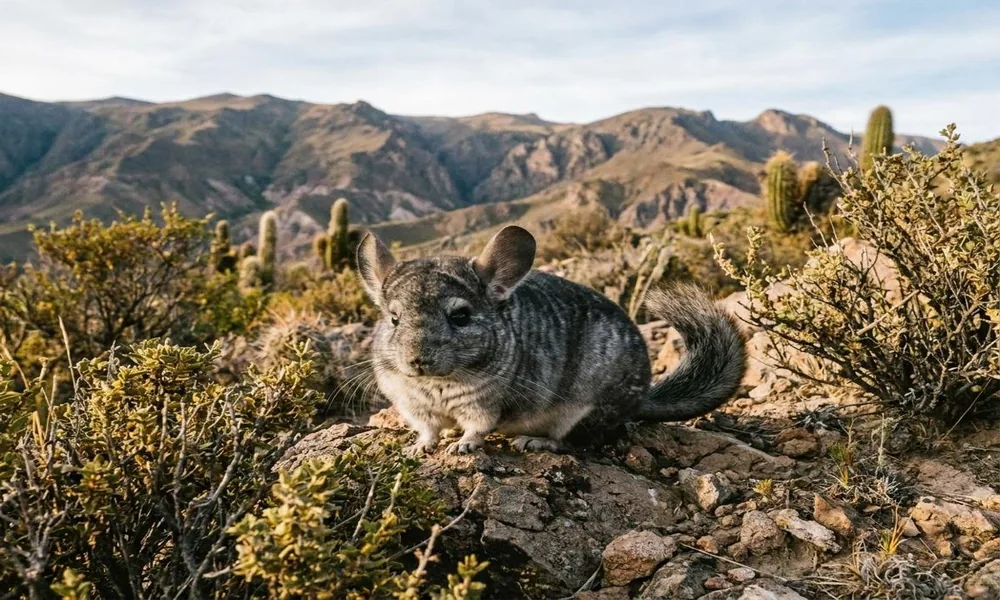
- Scientific Name: Chinchilla spp.
- Family: Chinchillidae
- Habitat: Rocky, mountainous regions
- Range: Native to the Andes of Chile and neighboring areas
- Size and Weight: About 22–38 cm long; 400–800 g
- Diet: Grasses, seeds, roots, and other plant material
- Lifespan: About 10 years in the wild; up to 20 years or more in captivity
- Conservation Status: Endangered, depending on species
- Key Fact: Chinchillas have exceptionally dense fur, with dozens of hairs growing from each follicle.
Chipmunk
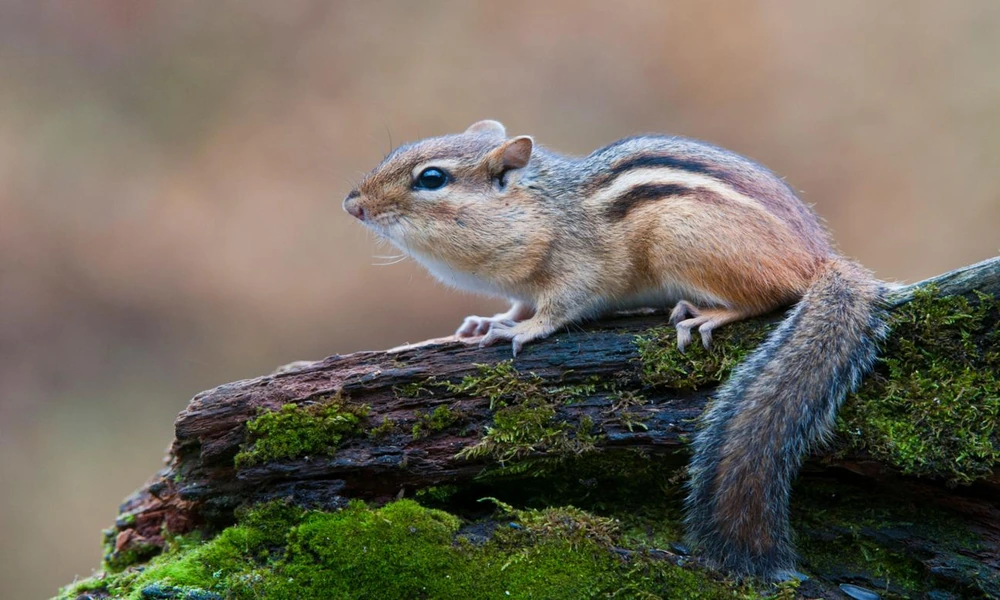
- Scientific Name: Tamias striatus (eastern chipmunk example)
- Family: Sciuridae
- Habitat: Forests, woodland edges, parks, and rocky areas
- Range: Eastern North America
- Size and Weight: About 20–30 cm long including the tail; 70–140 g
- Diet: Seeds, nuts, fruit, fungi, insects, and other small foods
- Lifespan: About 2–3 years in the wild
- Conservation Status: Least Concern
- Key Fact: Chipmunks store food in underground burrows to use during periods when food is scarce.
Civet
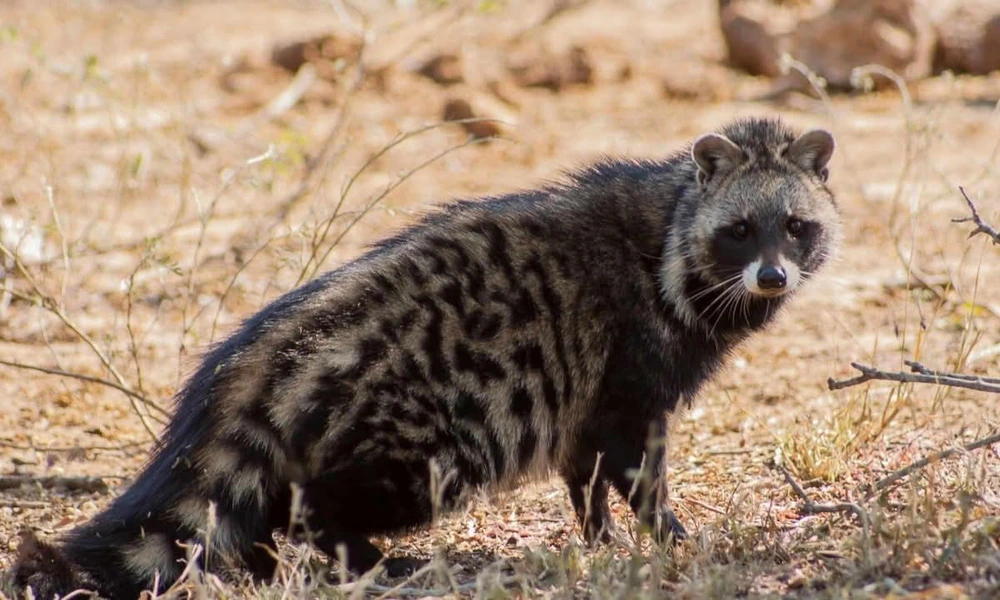
- Scientific Name: Civettictis civetta (African civet example)
- Family: Viverridae
- Habitat: Forests, grasslands, savannas, and other habitats
- Range: Sub-Saharan Africa for the African civet
- Size and Weight: About 67–89 cm long; 7–20 kg
- Diet: Fruit, insects, small vertebrates, eggs, and other foods
- Lifespan: About 15–20 years in captivity
- Conservation Status: Least Concern
- Key Fact: Civets are mostly nocturnal and have scent glands that they use for marking territory and communication.
Clouded Leopard
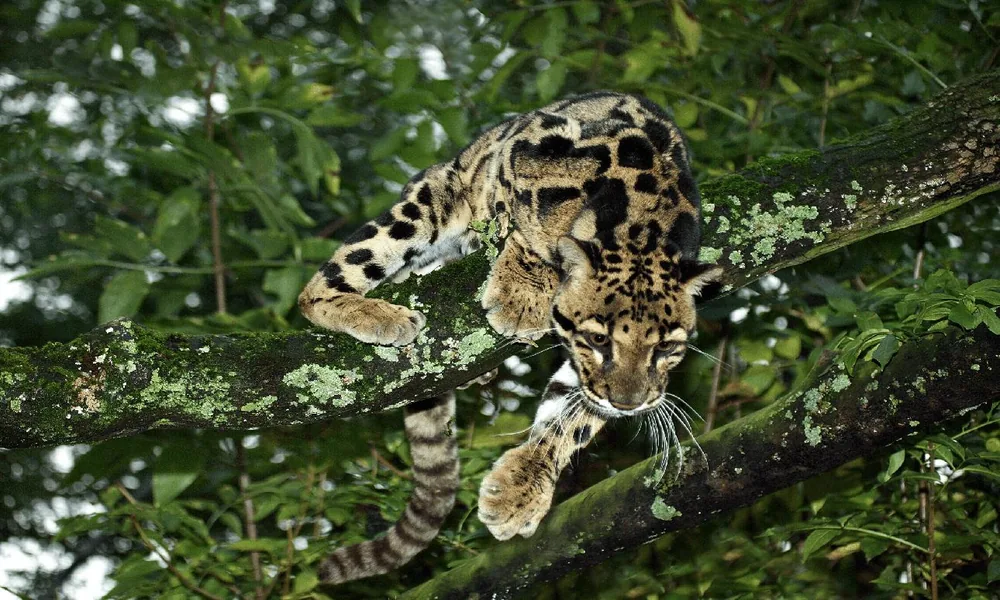
- Scientific Name: Neofelis nebulosa
- Family: Felidae
- Habitat: Tropical forests and dense woodland
- Range: South and Southeast Asia
- Size and Weight: About 60–110 cm long; 11–23 kg
- Diet: Monkeys, deer, birds, rodents, and other animals
- Lifespan: About 11 years in the wild; longer in captivity
- Conservation Status: Vulnerable
- Key Fact: The clouded leopard has exceptionally large canine teeth relative to its skull and is an excellent climber.
Coati
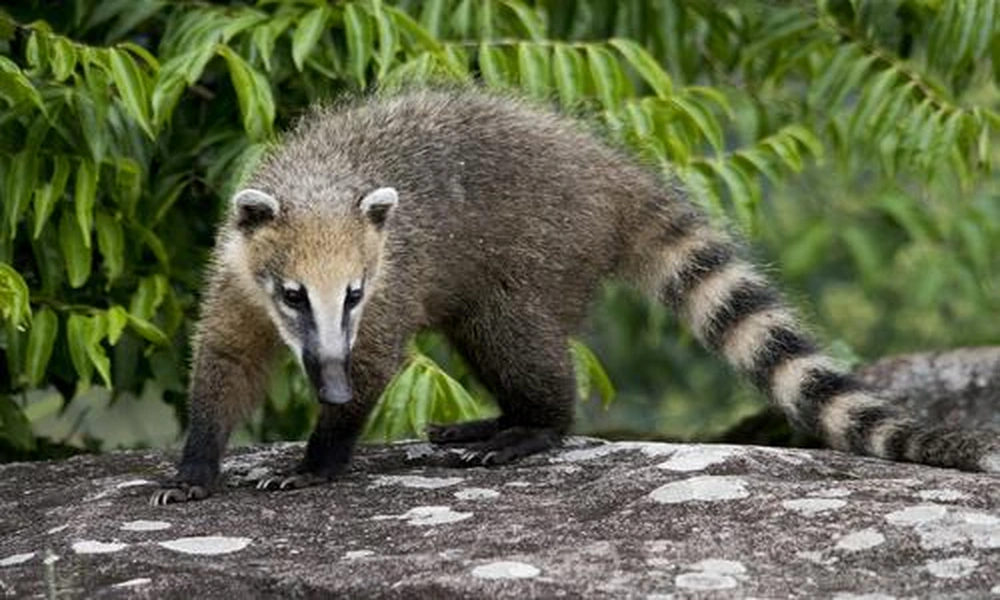
- Scientific Name: Nasua nasua (South American coati example)
- Family: Procyonidae
- Habitat: Tropical and subtropical forests, woodland, and grassland
- Range: Central and South America
- Size and Weight: About 40–70 cm long, excluding the tail; 2–7 kg
- Diet: Fruit, insects, eggs, small vertebrates, and other foods
- Lifespan: About 7–14 years
- Conservation Status: Least Concern
- Key Fact: Coatis use their long, flexible noses to search through soil, leaves, and other debris for food.
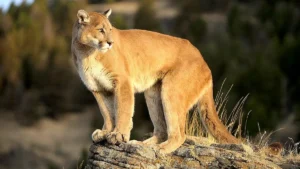
Cougar
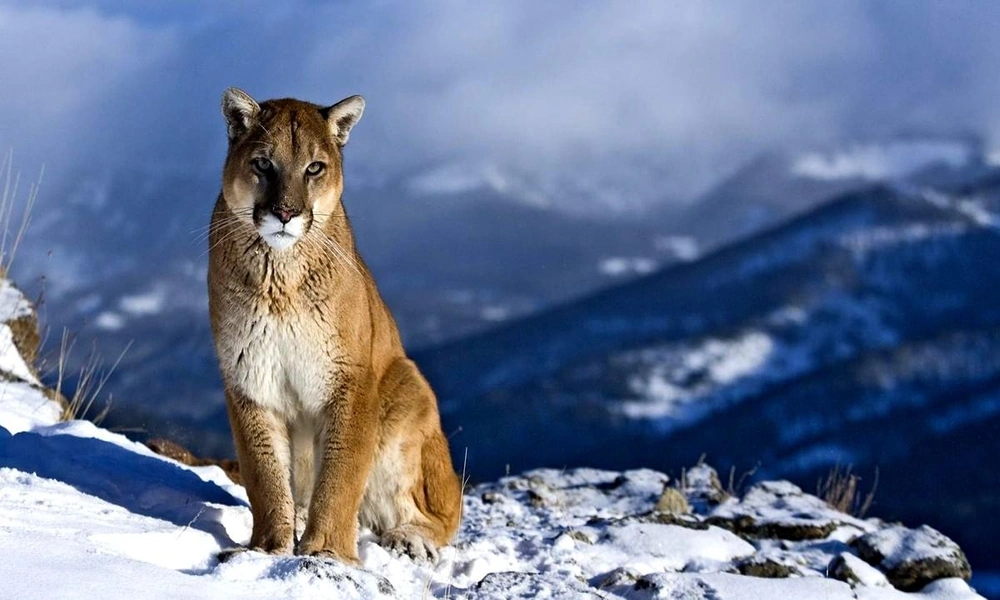
- Scientific Name: Puma concolor
- Family: Felidae
- Habitat: Forests, mountains, deserts, grasslands, and wetlands
- Range: From the Yukon and western Canada through the United States to southern Chile and Argentina
- Size and Weight: About 1–2 m long; 30–100 kg
- Diet: Deer, elk, smaller mammals, and other prey
- Lifespan: About 8–13 years in the wild
- Conservation Status: Least Concern
- Key Fact: The cougar is one of the most widespread large wild land mammals in the Western Hemisphere.
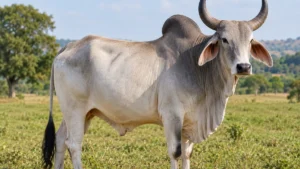
Cow
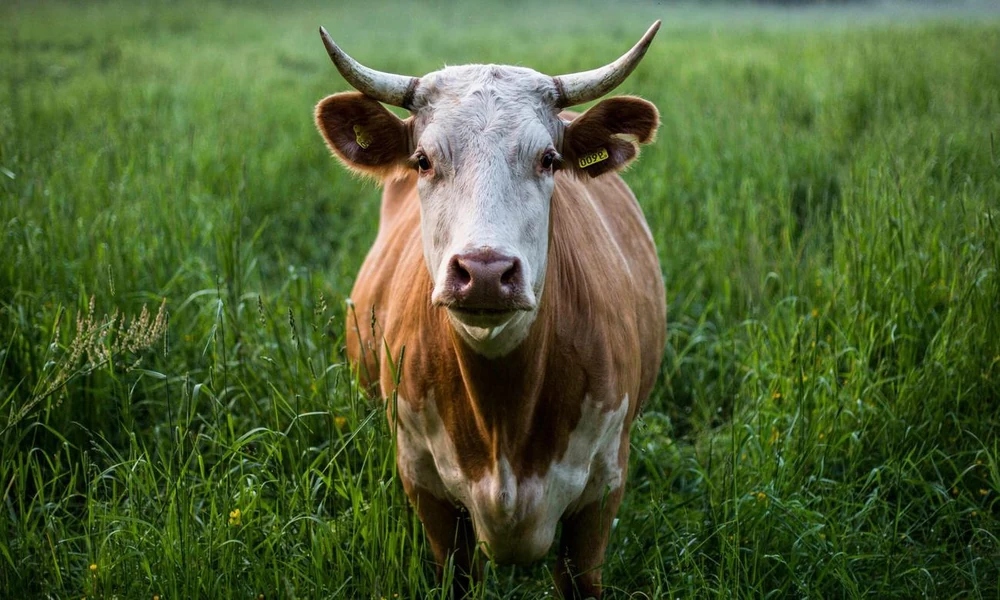
- Scientific Name: Bos taurus and Bos indicus
- Family: Bovidae
- Habitat: Grasslands, farms, pastures, and agricultural areas
- Range: Worldwide as a domesticated animal
- Size and Weight: Varies greatly by breed; often 400–1,000 kg
- Diet: Grass, hay, forage, and other plant material
- Lifespan: About 15–20 years
- Conservation Status: Domesticated; not assessed as a wild species
- Key Fact: Cows are ruminants with a specialized digestive system that allows them to extract nutrients from tough plant material.
Coyote
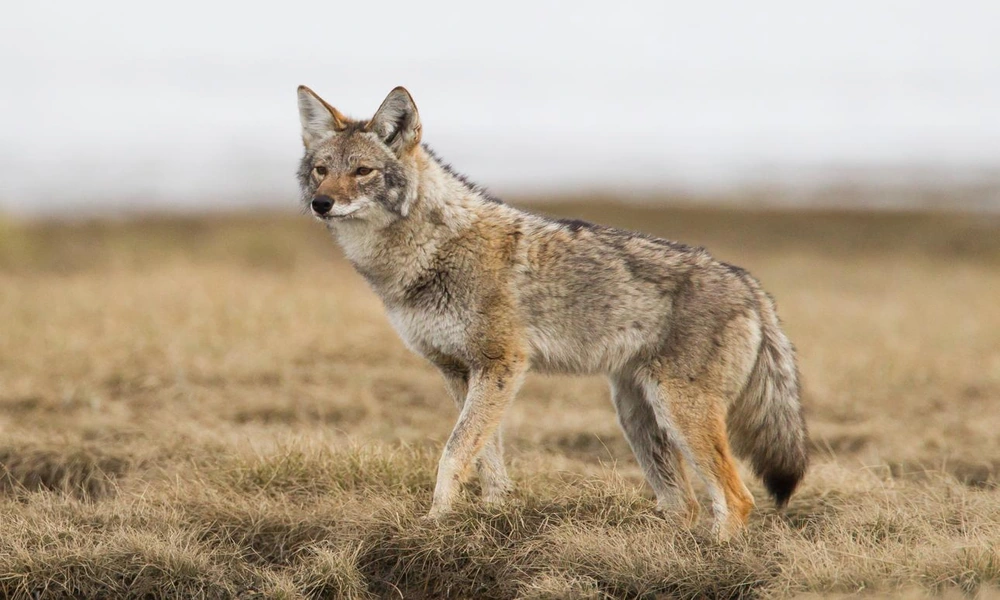
- Scientific Name: Canis latrans
- Family: Canidae
- Habitat: Grasslands, deserts, forests, mountains, farmland, and urban areas
- Range: North and Central America
- Size and Weight: About 1–1.4 m long; 9–20 kg
- Diet: Small mammals, birds, reptiles, insects, fruit, and carrion
- Lifespan: About 10–14 years in the wild
- Conservation Status: Least Concern
- Key Fact: Coyotes have expanded their range dramatically and can survive in highly developed landscapes.
Coypu
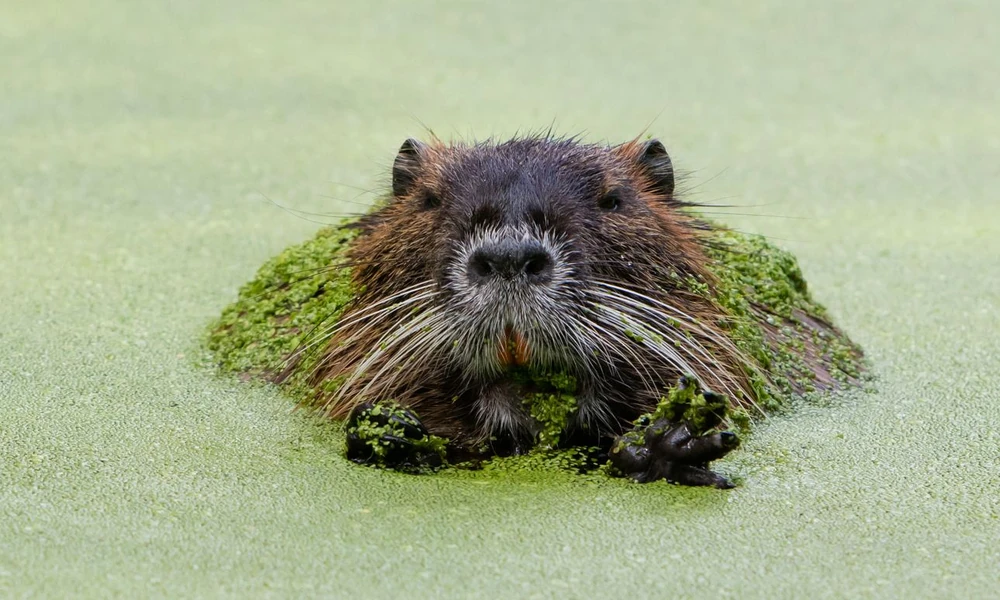
- Scientific Name: Myocastor coypus
- Family: Myocastoridae
- Habitat: Rivers, lakes, marshes, wetlands, and other freshwater environments
- Range: Native to South America; introduced populations occur in parts of North America, Europe, Asia, and Africa
- Size and Weight: About 40–65 cm long; 4–9 kg
- Diet: Aquatic plants, grasses, roots, and other vegetation
- Lifespan: About 6–8 years in the wild
- Conservation Status: Least Concern
- Key Fact: Coypu are excellent swimmers and can become invasive when introduced outside their native range.
Birds That Start With C
Canada Goose
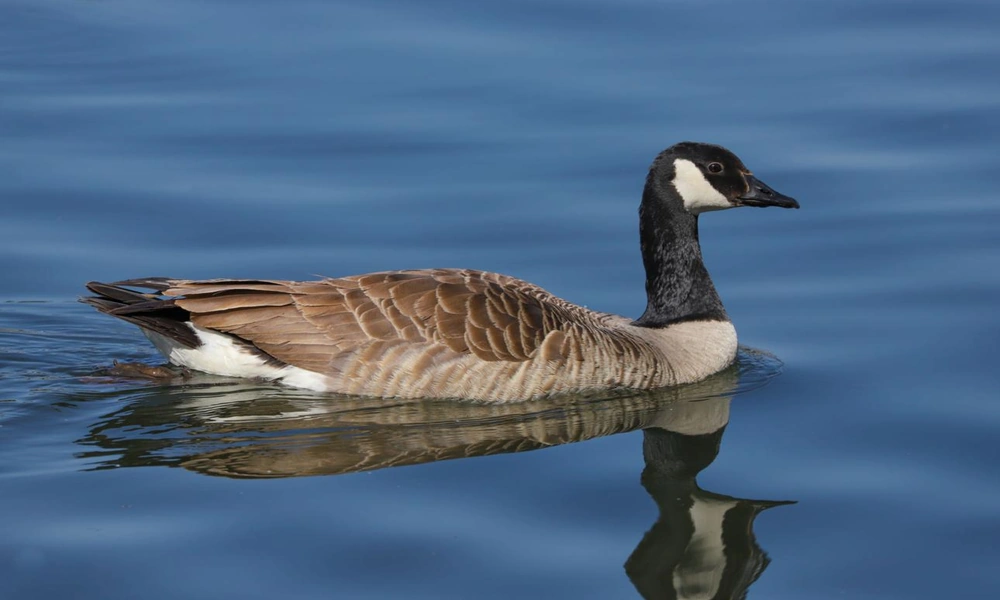
- Scientific Name: Branta canadensis
- Family: Anatidae
- Habitat: Lakes, rivers, wetlands, grasslands, and urban parks
- Range: North America, with introduced populations in parts of Europe and New Zealand
- Size and Weight: About 75–110 cm long; 2.5–6.5 kg
- Diet: Grasses, aquatic plants, grains, seeds, and other vegetation
- Lifespan: About 10–20 years in the wild
- Conservation Status: Least Concern
- Key Fact: Canada geese often fly in a distinctive V formation, which helps reduce aerodynamic drag during long flights.
Canary
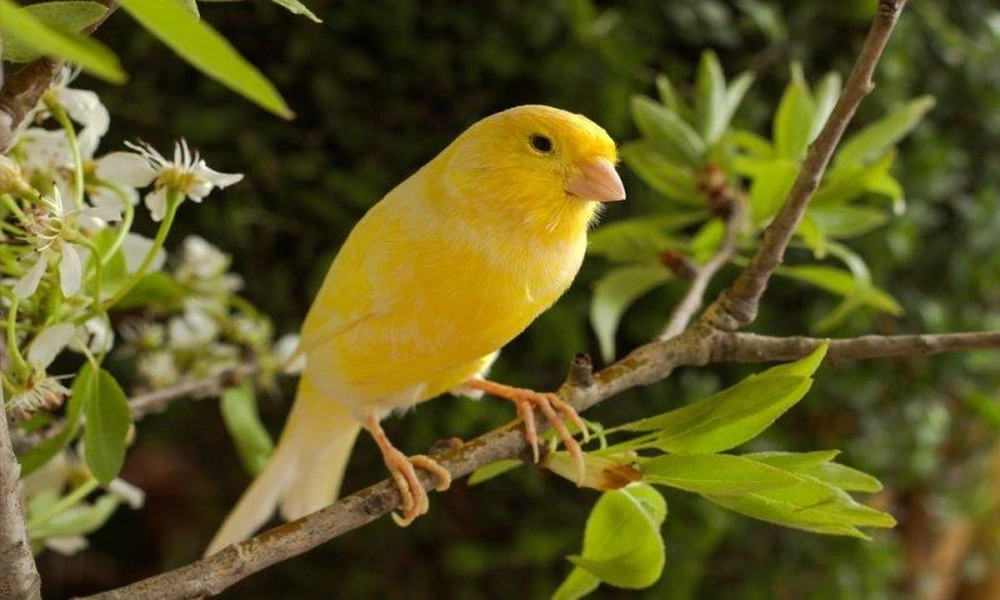
- Scientific Name: Serinus canaria
- Family: Fringillidae
- Habitat: Woodlands, scrub, grasslands, and coastal areas
- Range: Canary Islands, Azores, and Madeira
- Size and Weight: About 12–13 cm long; 15–25 g
- Diet: Seeds, grains, fruits, and small insects
- Lifespan: About 10 years in captivity
- Conservation Status: Least Concern
- Key Fact: Male canaries are famous for their elaborate songs, and their singing ability has made them popular as cage birds for centuries.
Cardinal
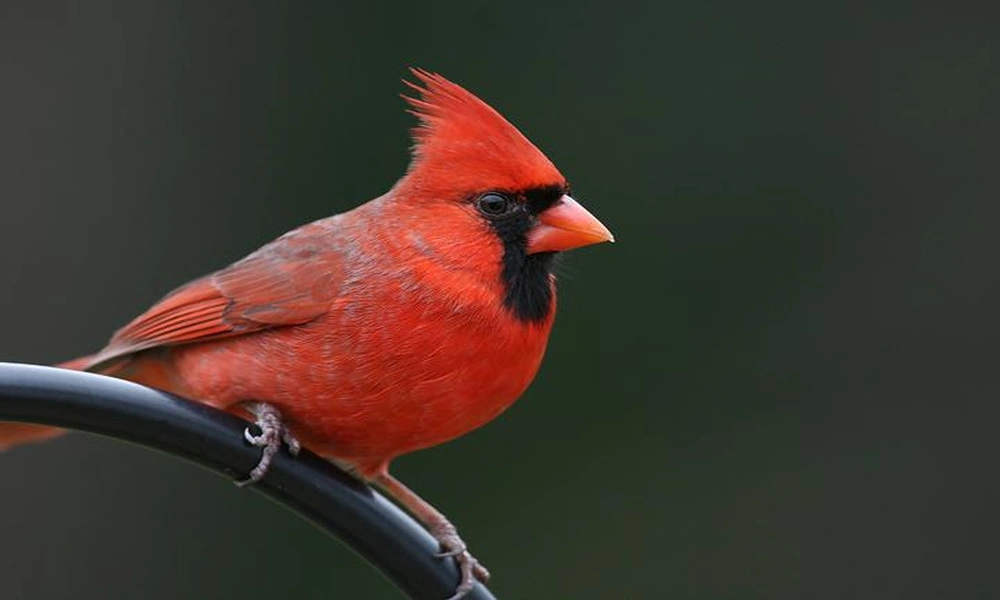
- Scientific Name: Cardinalis cardinalis
- Family: Cardinalidae
- Habitat: Woodlands, forest edges, shrublands, gardens, and suburban areas
- Range: Eastern and central North America, extending into parts of Mexico
- Size and Weight: About 21–23 cm long; 33–65 g
- Diet: Seeds, grains, fruit, and insects
- Lifespan: About 3 years on average in the wild; some live much longer
- Conservation Status: Least Concern
- Key Fact: Female northern cardinals can also sing, which is unusual among female songbirds.
Cassowary
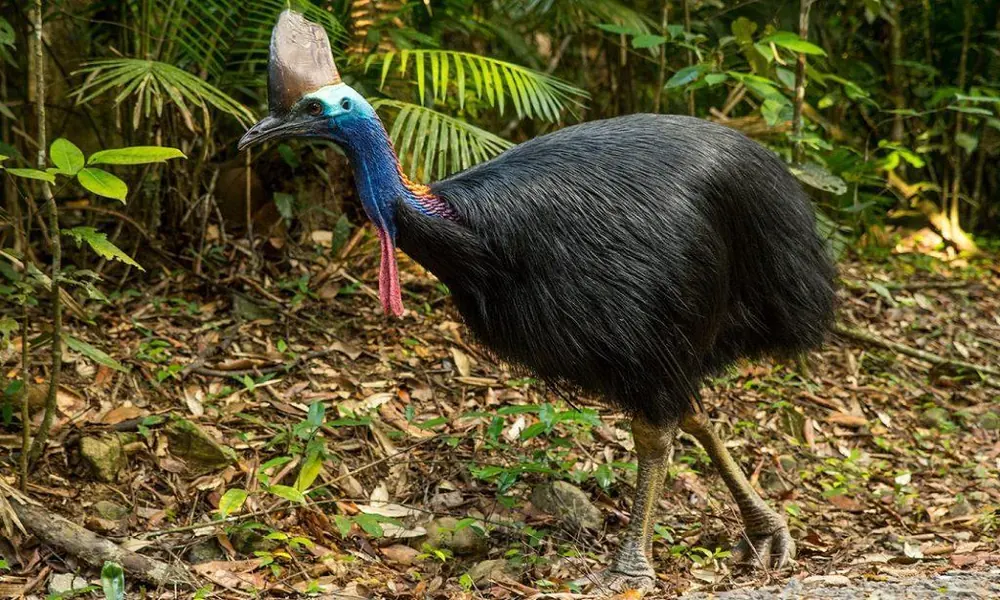
- Scientific Name: Casuarius casuarius (southern cassowary example)
- Family: Casuariidae
- Habitat: Tropical rainforests, swamps, and dense woodland
- Range: Northeastern Australia, New Guinea, and nearby islands
- Size and Weight: About 1.5–1.8 m tall; 30–85 kg
- Diet: Mainly fruit, along with fungi, insects, small vertebrates, and other plant material
- Lifespan: About 12–19 years in the wild
- Conservation Status: Least Concern
- Key Fact: Cassowaries have a large claw on the inner toe that can reach about 12 cm and can cause serious injuries.
Chickadee
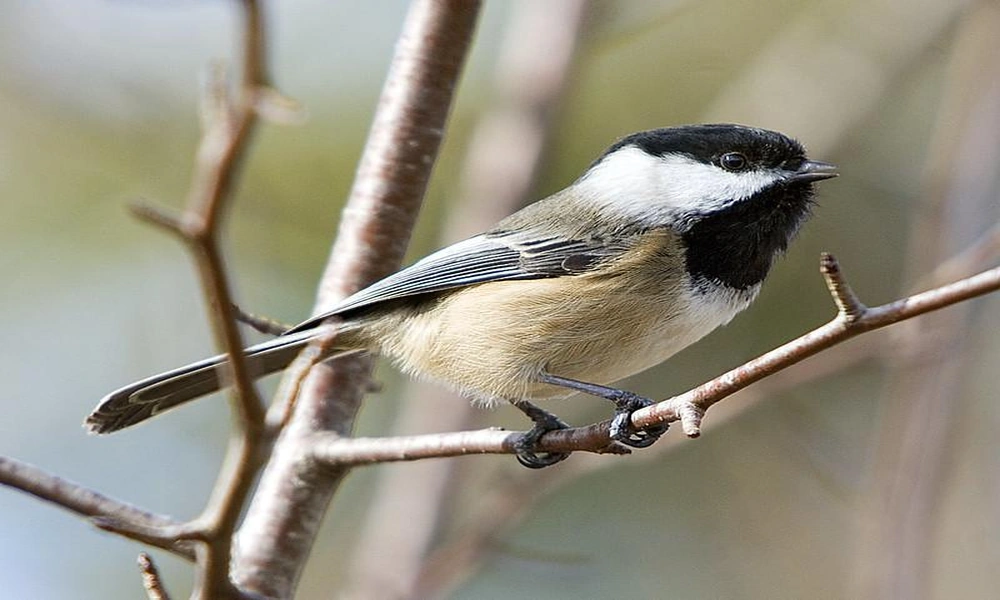
- Scientific Name: Poecile atricapillus (black-capped chickadee example)
- Family: Paridae
- Habitat: Deciduous and mixed forests, woodland edges, parks, and gardens
- Range: Canada, Alaska, and much of the northern and eastern United States
- Size and Weight: About 12–15 cm long; 9–14 g
- Diet: Seeds, insects, berries, and other small foods
- Lifespan: Usually 2–3 years in the wild; some individuals live much longer
- Conservation Status: Least Concern
- Key Fact: Chickadees hide food in many locations and can remember thousands of food caches.
Chicken
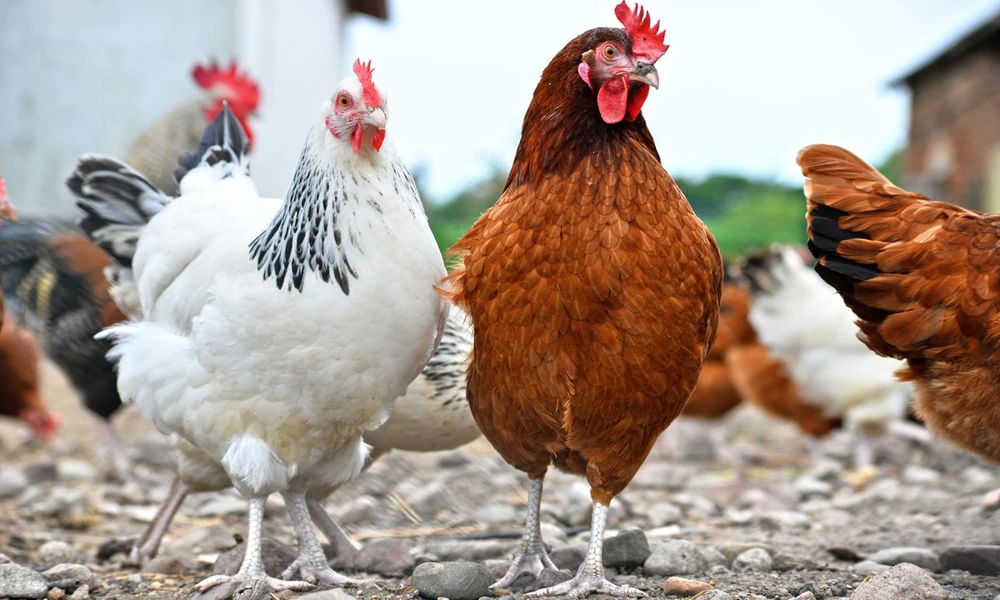
- Scientific Name: Gallus gallus domesticus
- Family: Phasianidae
- Habitat: Farms, grasslands, woodland edges, and human settlements
- Range: Worldwide as a domesticated bird
- Size and Weight: Varies greatly by breed; commonly about 1.5–5 kg
- Diet: Seeds, grains, plants, insects, and other small foods
- Lifespan: About 5–10 years, depending on breed and conditions
- Conservation Status: Domesticated; not assessed as a wild species
- Key Fact: Chickens are descended from the red junglefowl and are among the most numerous domesticated birds in the world.
Cockatiel

- Scientific Name: Nymphicus hollandicus
- Family: Cacatuidae
- Habitat: Open woodland, grassland, scrub, and areas near water
- Range: Australia
- Size and Weight: About 30–35 cm long; 80–120 g
- Diet: Seeds, grasses, grains, fruits, and other plant material
- Lifespan: About 15–20 years in captivity
- Conservation Status: Least Concern
- Key Fact: The cockatiel is the smallest member of the cockatoo family and is widely kept as a companion bird.
Cockatoo
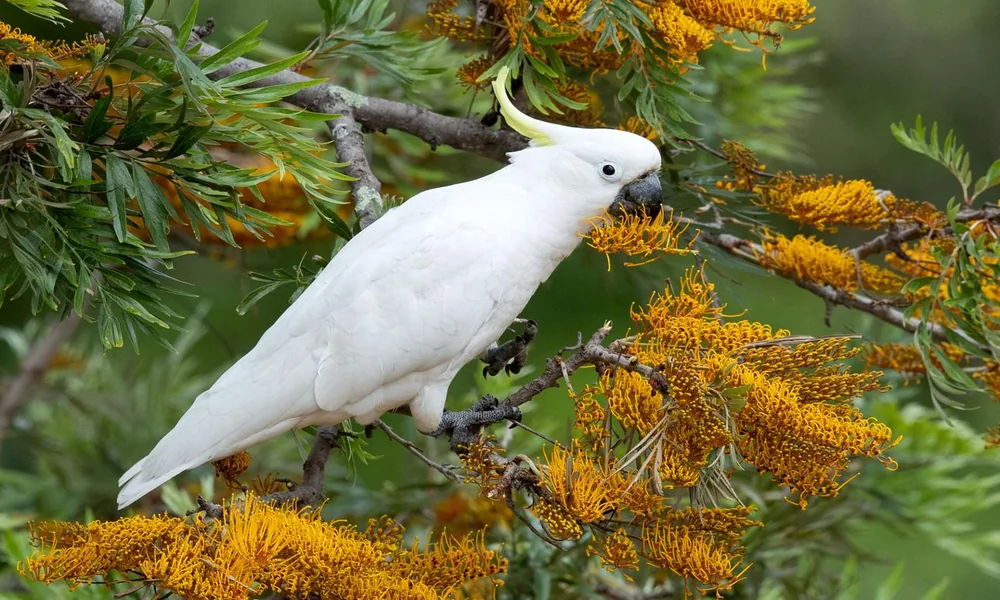
- Scientific Name: Cacatuidae
- Family: Cacatuidae
- Habitat: Forests, woodland, savanna, grassland, and urban areas
- Range: Australia, New Guinea, Indonesia, and nearby islands
- Size and Weight: Varies by species; about 30–70 cm long
- Diet: Seeds, nuts, fruit, roots, insects, and other plant material
- Lifespan: Often 20–60 years, with some species living even longer
- Conservation Status: Varies by species
- Key Fact: Cockatoos are highly intelligent birds and can use their strong beaks to manipulate objects, open containers, and solve problems.
Condor
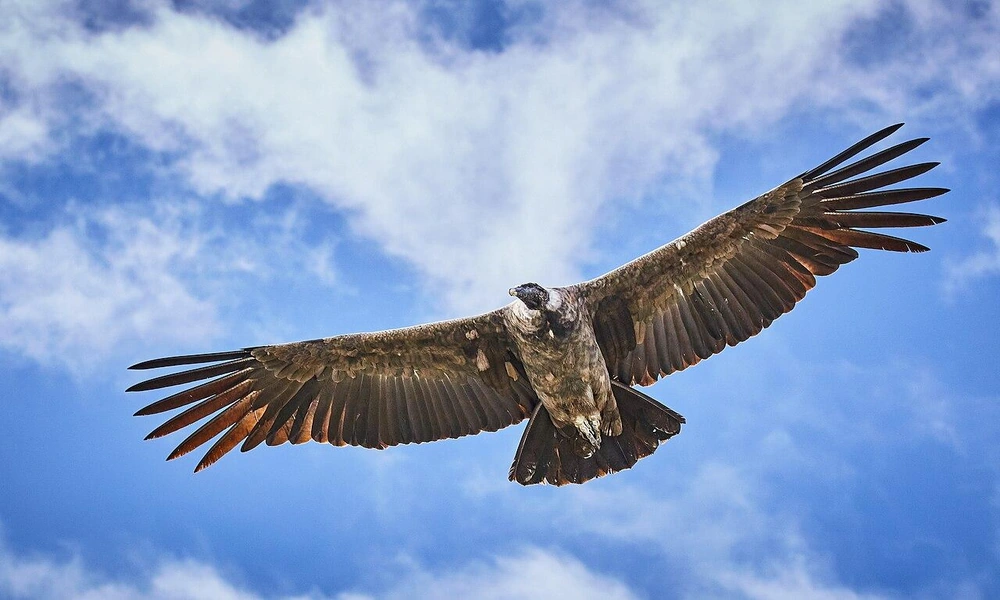
- Scientific Name: Vultur gryphus (Andean condor example)
- Family: Cathartidae
- Habitat: Mountains, grasslands, coastal cliffs, and open landscapes
- Range: Andes of South America
- Size and Weight: About 1–1.3 m long; 8–15 kg; wingspan about 3–3.3 m
- Diet: Mainly carrion
- Lifespan: More than 50 years in some individuals
- Conservation Status: Vulnerable
- Key Fact: The Andean condor has one of the largest wingspans of any flying land bird.
Conure
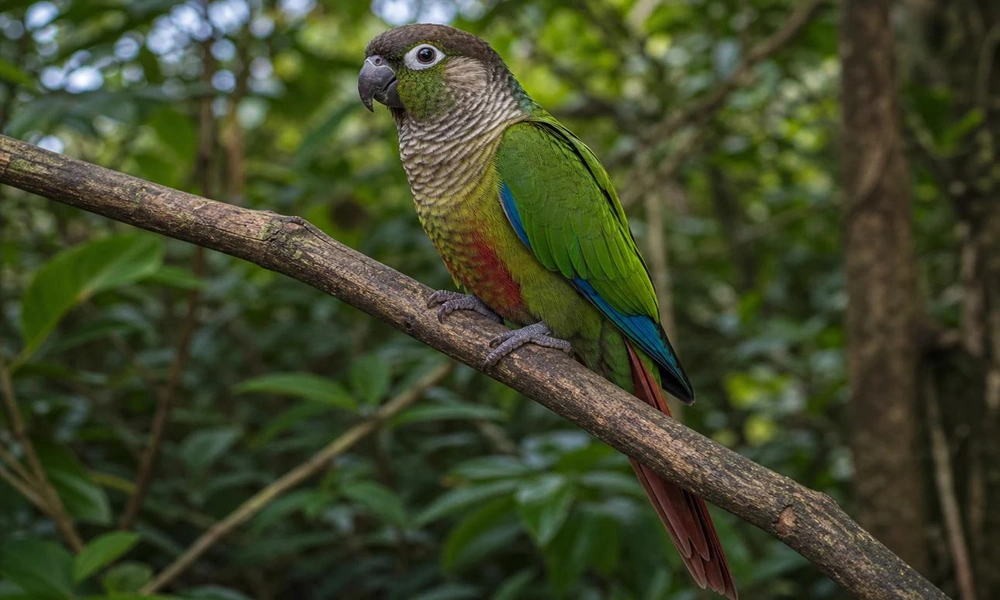
- Scientific Name: Pyrrhura molinae (green-cheeked conure example)
- Family: Psittacidae
- Habitat: Forests, woodland, savanna, and agricultural areas
- Range: South America
- Size and Weight: About 25–30 cm long; 60–80 g
- Diet: Seeds, fruit, flowers, leaves, and other plant material
- Lifespan: About 20–30 years in captivity
- Conservation Status: Varies by species
- Key Fact: Conure is a general name for several groups of small to medium-sized parrots rather than a single species.
Corella
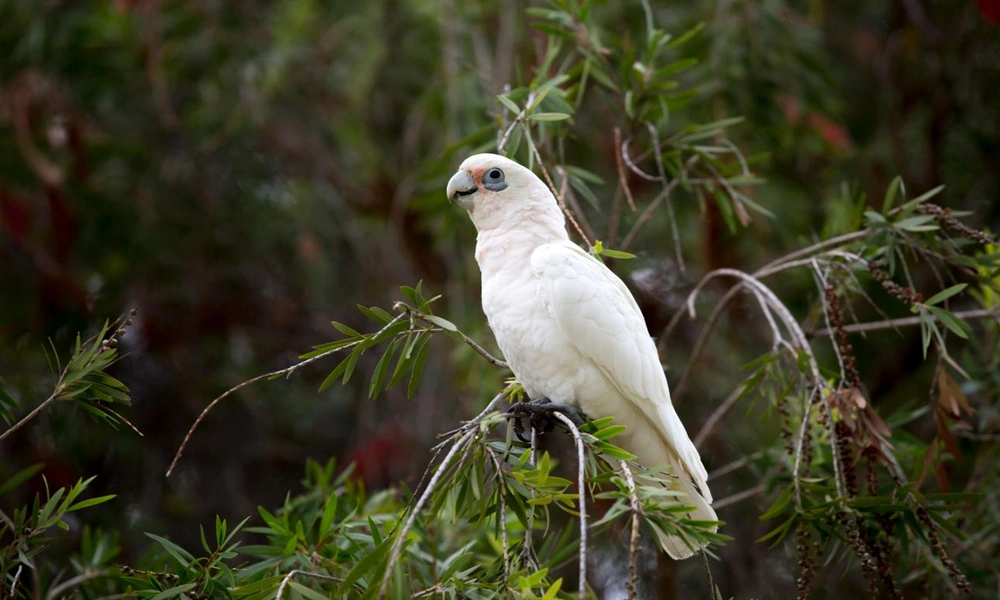
- Scientific Name: Cacatua sanguinea
- Family: Cacatuidae
- Habitat: Open woodland, grassland, farmland, and urban areas
- Range: Australia
- Size and Weight: About 35–40 cm long; 500–650 g
- Diet: Seeds, grains, roots, bulbs, fruit, and other vegetation
- Lifespan: About 20–40 years
- Conservation Status: Least Concern
- Key Fact: Corellas can form extremely large and noisy flocks, sometimes gathering in the thousands.
Cormorant
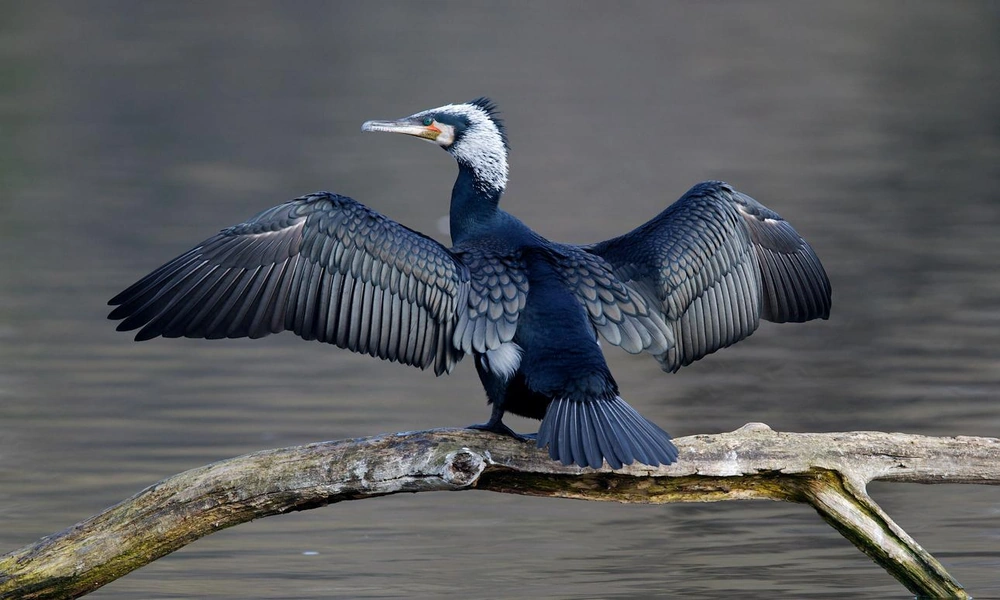
- Scientific Name: Phalacrocorax carbo (great cormorant example)
- Family: Phalacrocoracidae
- Habitat: Coasts, rivers, lakes, estuaries, and wetlands
- Range: Europe, Asia, Africa, Australia, and parts of North America
- Size and Weight: About 80–100 cm long; 2–3.7 kg
- Diet: Mainly fish, along with crustaceans and other aquatic animals
- Lifespan: About 10–20 years
- Conservation Status: Least Concern
- Key Fact: Cormorants are excellent underwater hunters and are often seen spreading their wings to dry after diving.
Crane
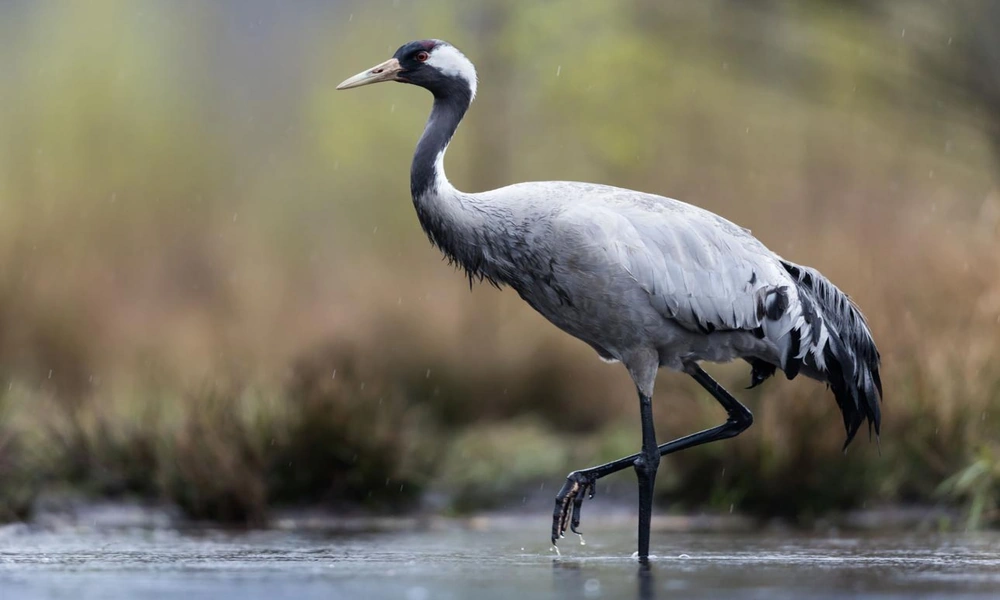
- Scientific Name: Gruidae
- Family: Gruidae
- Habitat: Wetlands, grasslands, marshes, agricultural fields, and open woodland
- Range: Worldwide except Antarctica and South America, depending on species
- Size and Weight: Varies by species; about 90–175 cm tall
- Diet: Seeds, grains, roots, insects, amphibians, reptiles, and small animals
- Lifespan: About 20–30 years in the wild
- Conservation Status: Varies by species
- Key Fact: There are 15 recognized crane species, and many are known for their elaborate courtship dances.
Crow
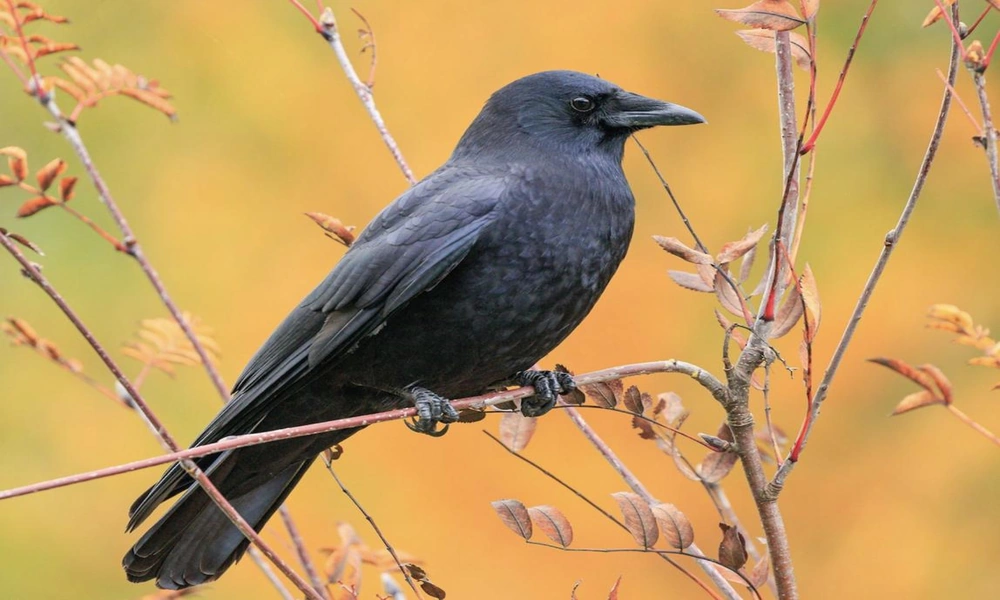
- Scientific Name: Corvus brachyrhynchos (American crow example)
- Family: Corvidae
- Habitat: Forests, farmland, grasslands, cities, and suburbs
- Range: North America
- Size and Weight: About 40–50 cm long; 300–600 g
- Diet: Seeds, fruit, insects, carrion, eggs, and human food
- Lifespan: About 7–8 years on average in the wild; some live much longer
- Conservation Status: Least Concern
- Key Fact: Crows are highly intelligent and can recognize individual human faces and remember people who have threatened them.
Cuckoo
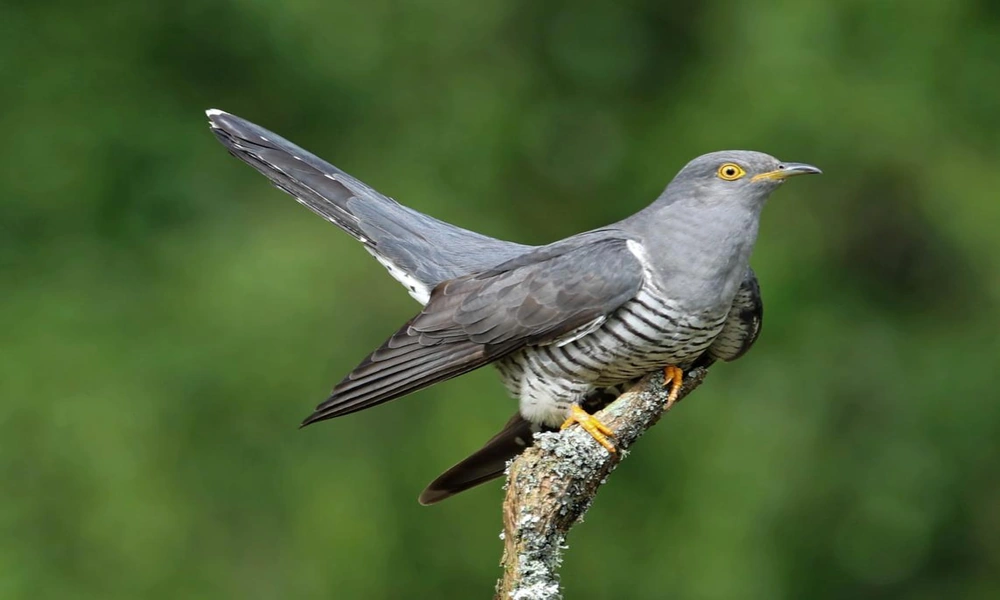
- Scientific Name: Cuculus canorus (common cuckoo example)
- Family: Cuculidae
- Habitat: Woodlands, grasslands, wetlands, and farmland
- Range: Europe, Asia, and Africa depending on season
- Size and Weight: About 32–36 cm long; 100–150 g
- Diet: Mainly insects and caterpillars, along with other small prey
- Lifespan: About 5–10 years in the wild
- Conservation Status: Least Concern
- Key Fact: The common cuckoo is a brood parasite that lays its eggs in the nests of other bird species, leaving the host parents to raise its chick.
Reptiles That Start With C
Caiman
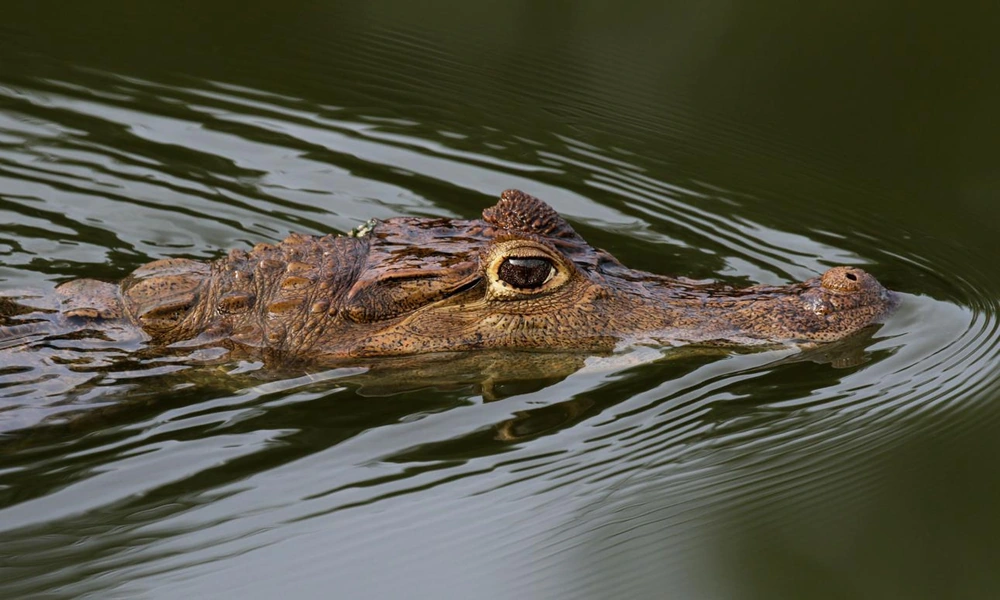
- Scientific Name: Caiman crocodilus
- Family: Alligatoridae
- Habitat: Rivers, lakes, wetlands, swamps, and slow-moving waterways
- Range: Central and South America
- Size and Weight: About 1.5–2.5 m long; 7–40 kg
- Diet: Fish, amphibians, reptiles, birds, and small mammals
- Lifespan: About 30–40 years
- Conservation Status: Least Concern
- Key Fact: Caimans are crocodilian reptiles that spend much of their time in or near freshwater.
Chameleon
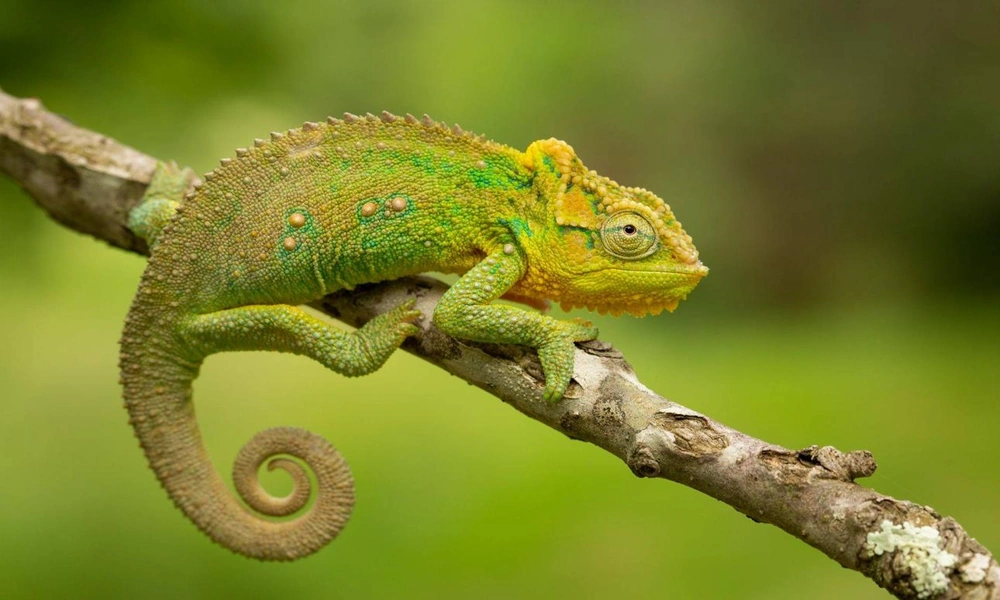
- Scientific Name: Chamaeleonidae
- Family: Chamaeleonidae
- Habitat: Forests, woodlands, scrublands, and savannas
- Range: Africa, Madagascar, southern Europe, the Middle East, and parts of Asia
- Size and Weight: Varies greatly by species; about 3–70 cm long
- Diet: Insects, spiders, and other small animals; some species also eat plant material
- Lifespan: Varies by species; some live only about 1 year while others live several years
- Conservation Status: Varies by species
- Key Fact: Chameleons can move their eyes independently and use long, rapidly projected tongues to capture prey.
Cobra
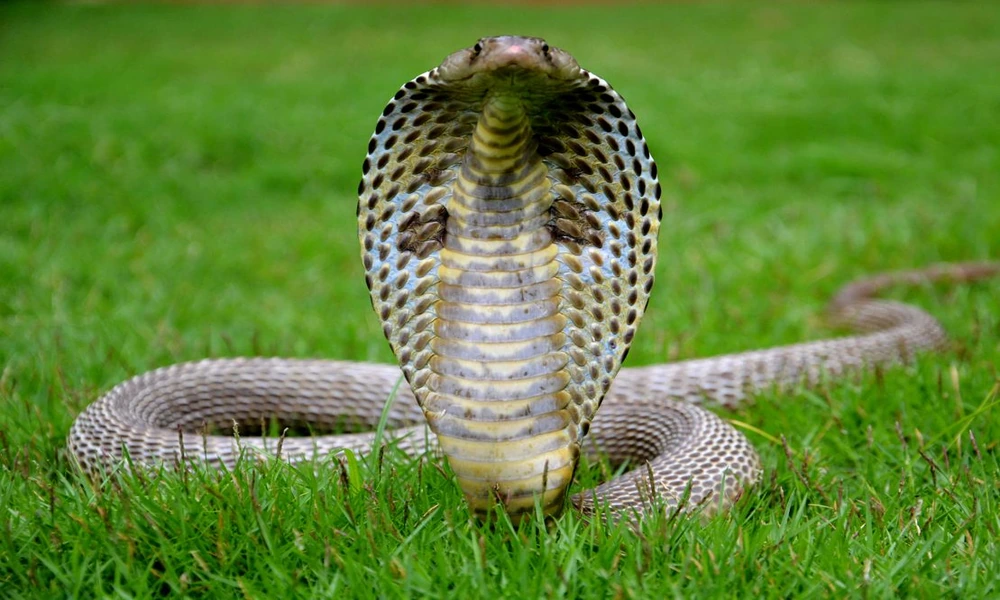
- Scientific Name: Naja spp.
- Family: Elapidae
- Habitat: Forests, grasslands, savannas, farmland, and human settlements
- Range: Africa and Asia, depending on species
- Size and Weight: About 1–2.5 m long, depending on species
- Diet: Rodents, frogs, lizards, birds, eggs, and other small animals
- Lifespan: About 15–20 years in captivity, depending on species
- Conservation Status: Varies by species
- Key Fact: Many cobras spread their neck ribs to form a distinctive hood when threatened.
Copperhead
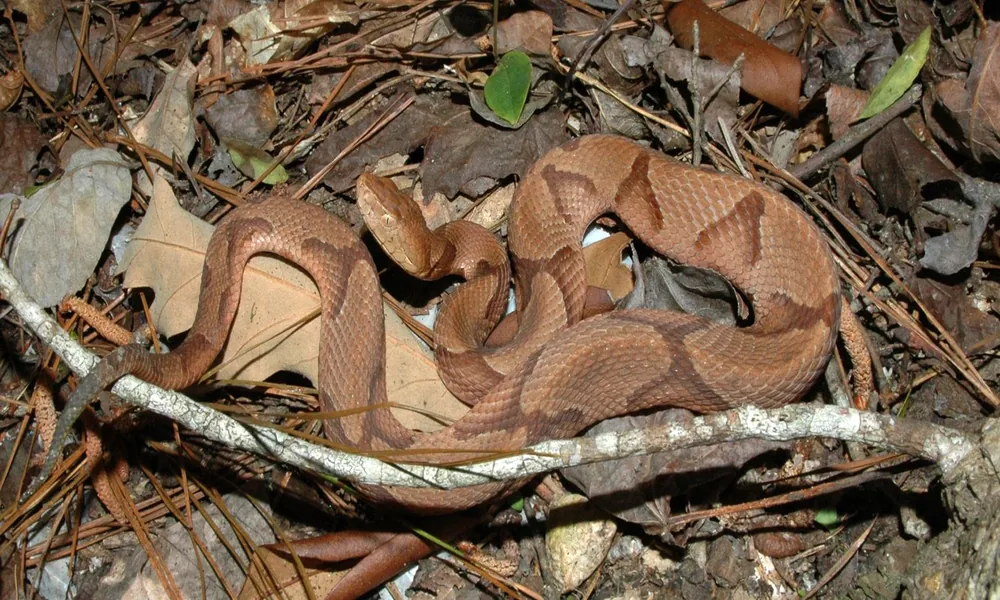
- Scientific Name: Agkistrodon contortrix
- Family: Viperidae
- Habitat: Forests, rocky hillsides, wetlands, fields, and woodland edges
- Range: Eastern and central United States
- Size and Weight: About 60–90 cm long; generally 100–350 g
- Diet: Rodents, frogs, insects, lizards, and other small animals
- Lifespan: About 15–20 years
- Conservation Status: Least Concern
- Key Fact: Copperheads are venomous pit vipers that use heat-sensing pits between their eyes and nostrils to detect prey.
Coral Snake
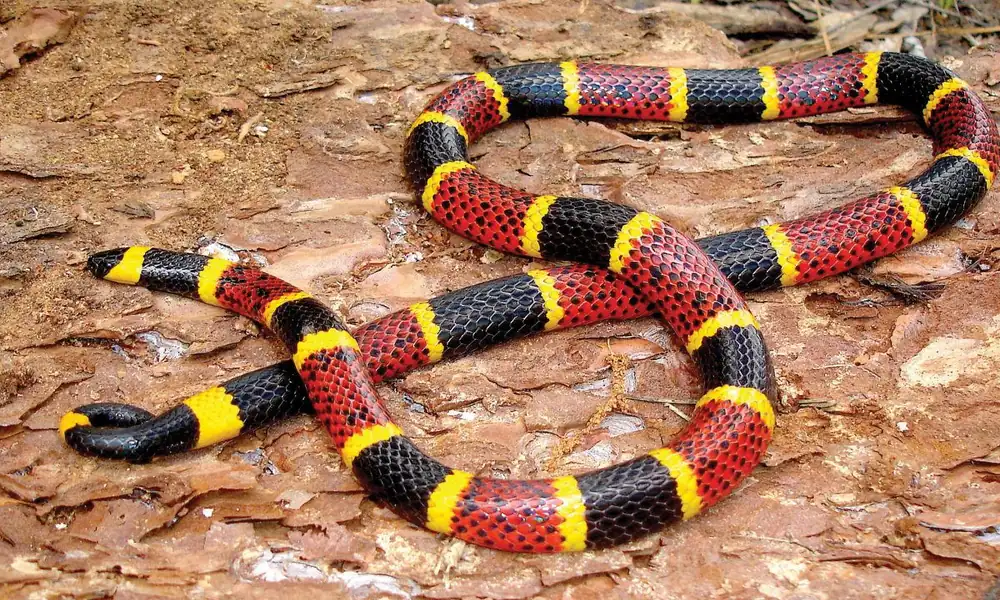
- Scientific Name: Micrurus spp.
- Family: Elapidae
- Habitat: Forests, grasslands, woodland, and areas with loose soil or leaf litter
- Range: North, Central, and South America, depending on species
- Size and Weight: Commonly about 45–75 cm long
- Diet: Small snakes, lizards, amphibians, and other small animals
- Lifespan: Varies by species; often more than 10 years
- Conservation Status: Varies by species
- Key Fact: Coral snakes are venomous and often have brightly colored bands of red, yellow, and black, but color patterns vary by species.
Corn Snake
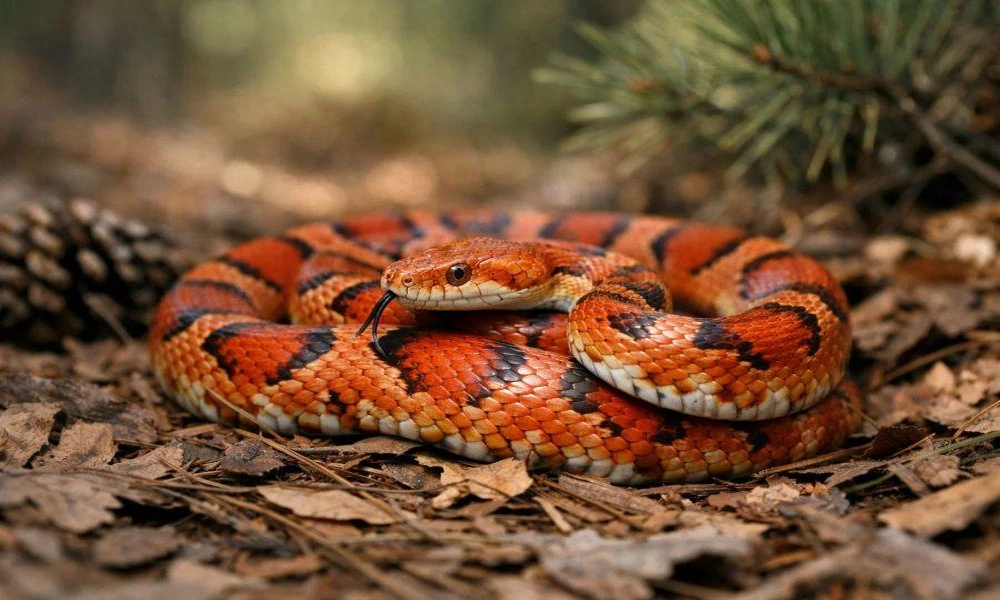
- Scientific Name: Pantherophis guttatus
- Family: Colubridae
- Habitat: Forests, fields, woodland edges, farms, and abandoned buildings
- Range: Southeastern and eastern United States
- Size and Weight: About 60–120 cm long; usually 250–900 g
- Diet: Rodents, birds, eggs, amphibians, and small reptiles
- Lifespan: About 6–8 years in the wild; often 15–20 years in captivity
- Conservation Status: Least Concern
- Key Fact: Corn snakes are nonvenomous constrictors and are popular pets because they are generally docile and easy to care for.
Crocodile
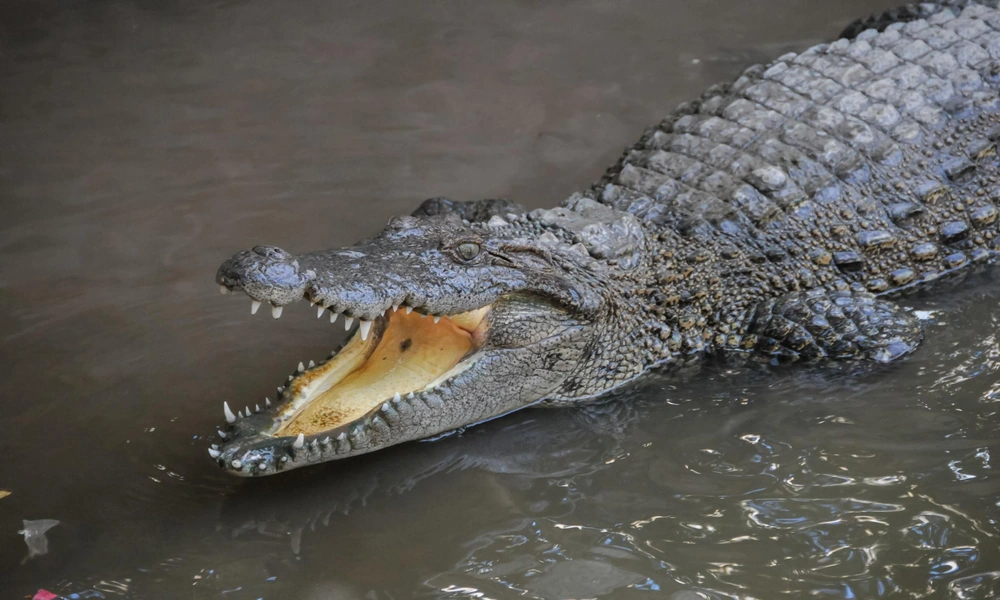
- Scientific Name: Crocodylus spp.
- Family: Crocodylidae
- Habitat: Rivers, lakes, wetlands, swamps, estuaries, and coastal areas
- Range: Africa, Asia, Australia, and the Americas, depending on species
- Size and Weight: Varies greatly by species; about 1.5–7 m long
- Diet: Fish, reptiles, birds, mammals, and other animals
- Lifespan: Often 50–70 years, with some individuals living longer
- Conservation Status: Varies by species
- Key Fact: Unlike alligators, crocodiles generally have a visible lower tooth when their mouths are closed.
Amphibians That Start With C
Cane Toad
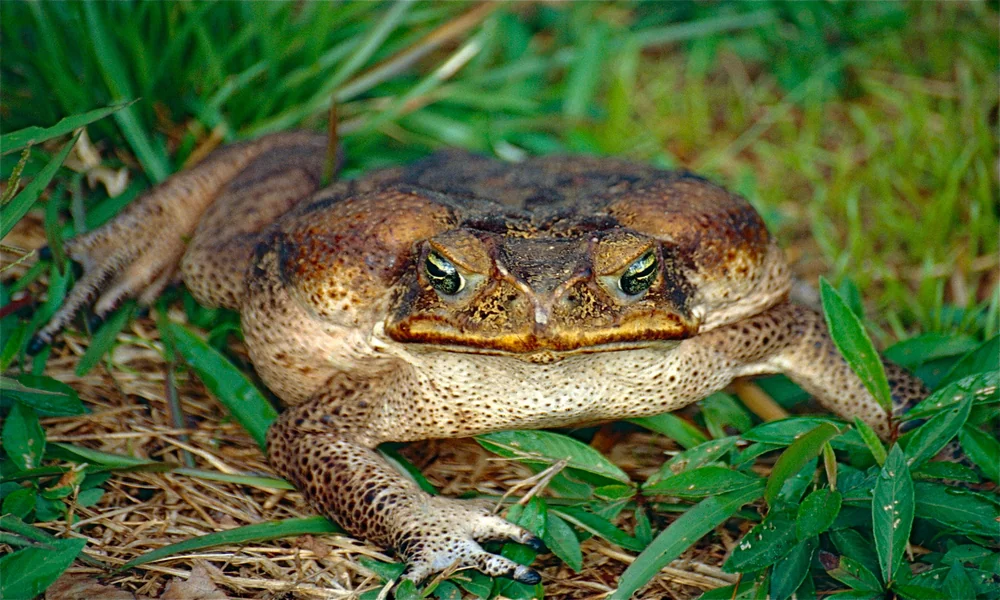
- Scientific Name: Rhinella marina
- Family: Bufonidae
- Habitat: Tropical forests, grasslands, wetlands, agricultural areas, and urban environments
- Range: Native to Central and South America; introduced to many other regions
- Size and Weight: About 10–24 cm long; females can weigh more than 1 kg
- Diet: Insects, small vertebrates, carrion, and other small animals
- Lifespan: About 10–15 years
- Conservation Status: Least Concern
- Key Fact: Cane toads have been introduced to many regions and can become highly invasive because of their toxic skin secretions.
Chinese Giant Salamander
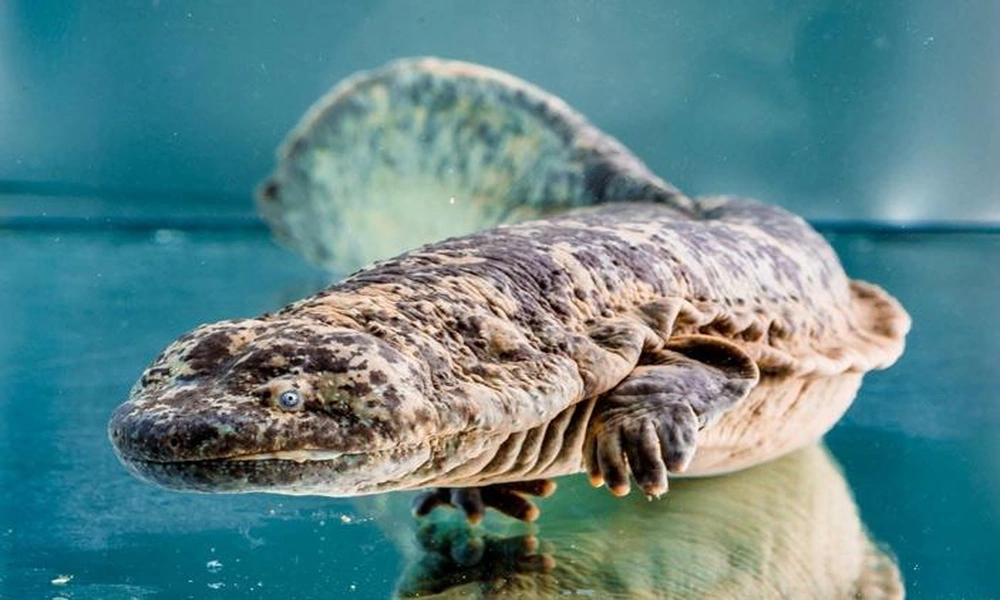
- Scientific Name: Andrias davidianus
- Family: Cryptobranchidae
- Habitat: Mountain streams, rivers, and freshwater pools
- Range: China
- Size and Weight: Can reach about 1.8 m long and more than 50 kg
- Diet: Fish, amphibians, crustaceans, insects, and other aquatic animals
- Lifespan: More than 50 years in some individuals
- Conservation Status: Critically Endangered
- Key Fact: The Chinese giant salamander is the largest living amphibian in the world.
Colorado River Toad
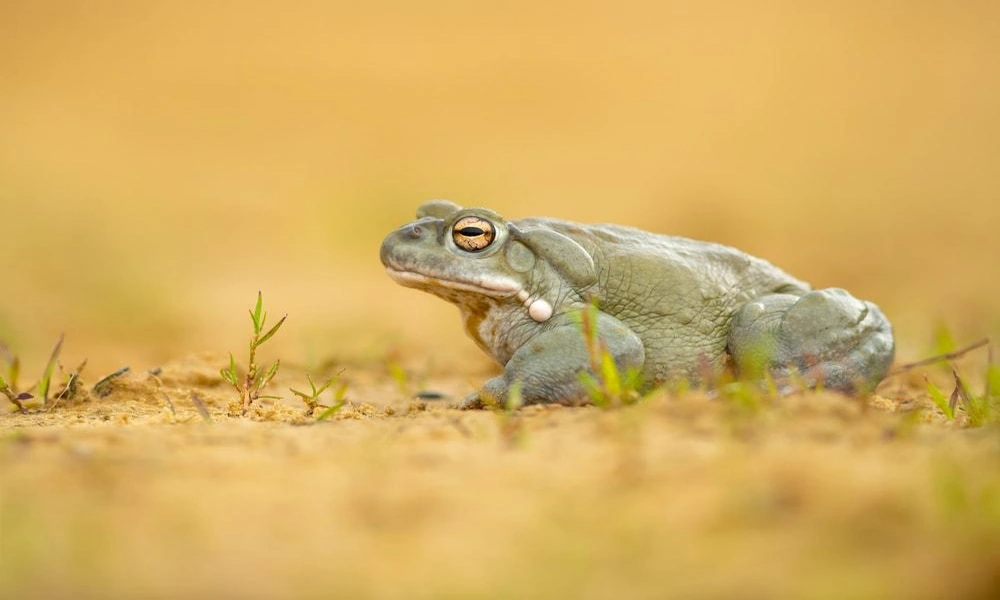
- Scientific Name: Incilius alvarius
- Family: Bufonidae
- Habitat: Desert areas, grasslands, river valleys, and seasonal wetlands
- Range: Southwestern United States and northern Mexico
- Size and Weight: About 18–20 cm long
- Diet: Insects, spiders, small mammals, reptiles, and other prey
- Lifespan: About 10–15 years
- Conservation Status: Least Concern
- Key Fact: The Colorado River toad produces potent skin secretions that can be harmful to predators and pets.
Fish That Start With C
Carp
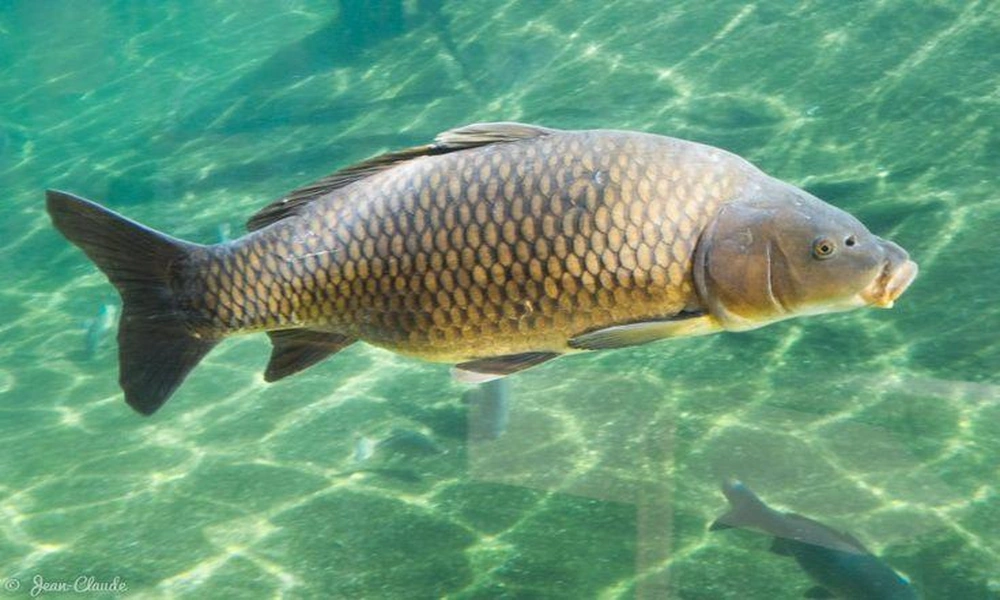
- Scientific Name: Cyprinus carpio
- Family: Cyprinidae
- Habitat: Lakes, rivers, ponds, canals, and other freshwater environments
- Range: Native to Eurasia; introduced populations occur worldwide
- Size and Weight: Commonly 40–80 cm long; can exceed 20 kg
- Diet: Aquatic plants, insects, crustaceans, seeds, and other food
- Lifespan: About 15–20 years; some can live much longer
- Conservation Status: Vulnerable in some wild assessments; widely introduced and domesticated
- Key Fact: Koi are domesticated varieties of common carp and have been selectively bred for their striking colors and patterns.
Catfish
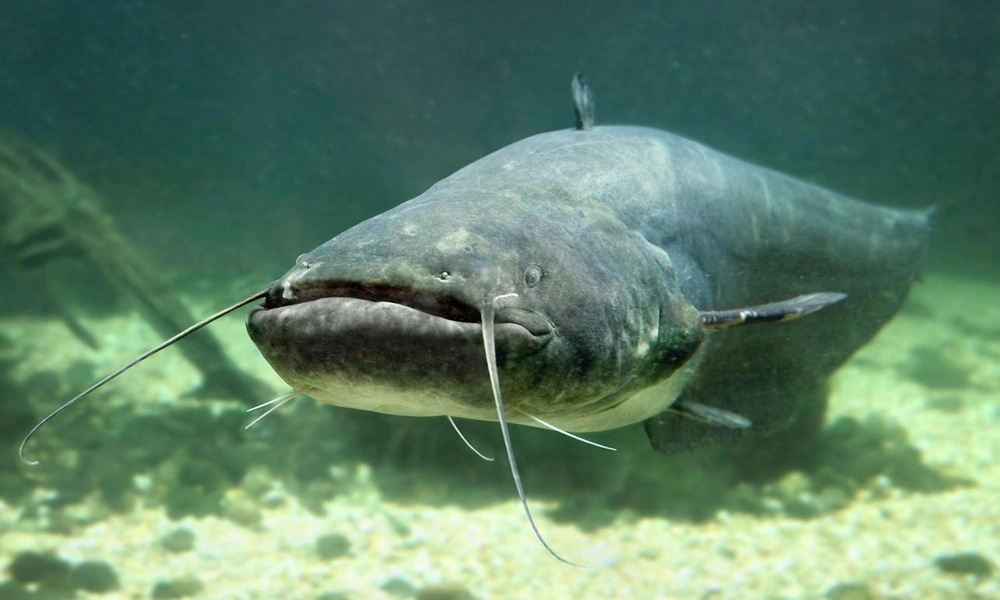
- Scientific Name: Siluriformes
- Family: Varies by species
- Habitat: Rivers, lakes, ponds, wetlands, and coastal waters
- Range: Worldwide except Antarctica
- Size and Weight: Varies greatly by species, from a few centimeters to more than 2 m
- Diet: Insects, crustaceans, fish, plants, and other food
- Lifespan: Varies by species
- Conservation Status: Varies by species
- Key Fact: Catfish are named for the whisker-like barbels around their mouths, which help them locate food.
Clownfish
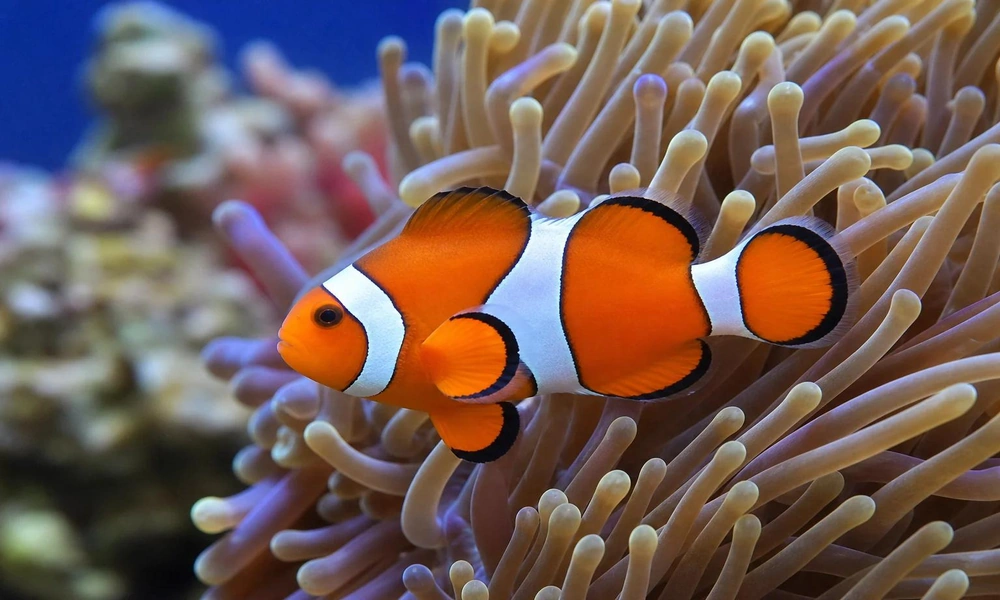
- Scientific Name: Amphiprion ocellaris
- Family: Pomacentridae
- Habitat: Tropical coral reefs and sea anemones
- Range: Tropical waters of the western Pacific Ocean
- Size and Weight: About 8–11 cm long
- Diet: Algae, plankton, small crustaceans, and food scraps from their host anemone
- Lifespan: About 6–10 years in the wild
- Conservation Status: Least Concern
- Key Fact: Clownfish live in close partnership with sea anemones and can change sex, with the dominant individual becoming female.
Cod
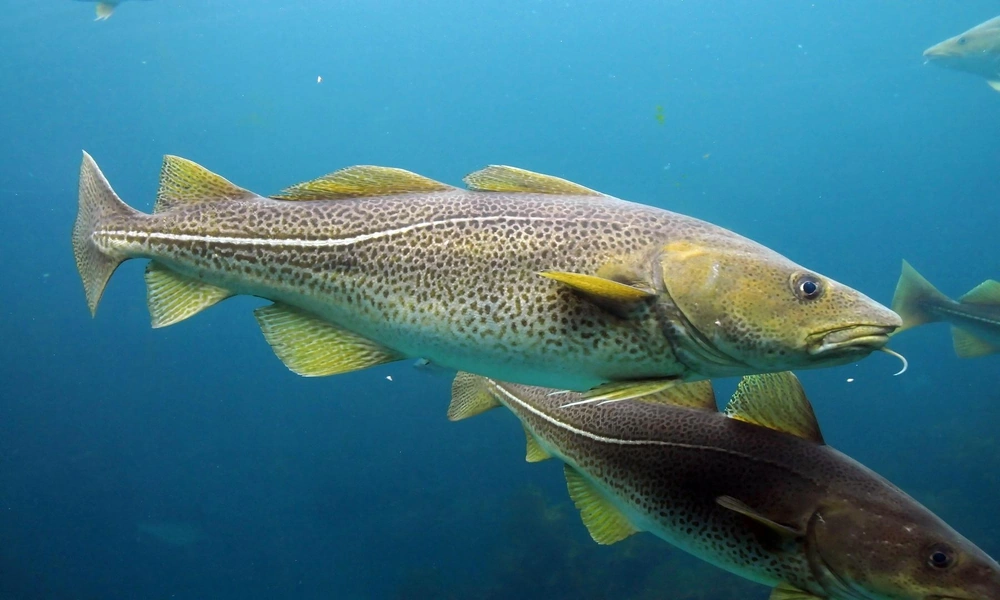
- Scientific Name: Gadus morhua
- Family: Gadidae
- Habitat: Cold marine waters, continental shelves, and deeper coastal waters
- Range: North Atlantic Ocean
- Size and Weight: Commonly about 60–130 cm long; can exceed 40 kg
- Diet: Fish, squid, crustaceans, and other marine animals
- Lifespan: Up to about 25 years
- Conservation Status: Vulnerable
- Key Fact: Atlantic cod has been one of the world’s most commercially important fish, but many populations have been heavily affected by overfishing.
Sea and Freshwater Invertebrates That Start With C
Cleaner Shrimp
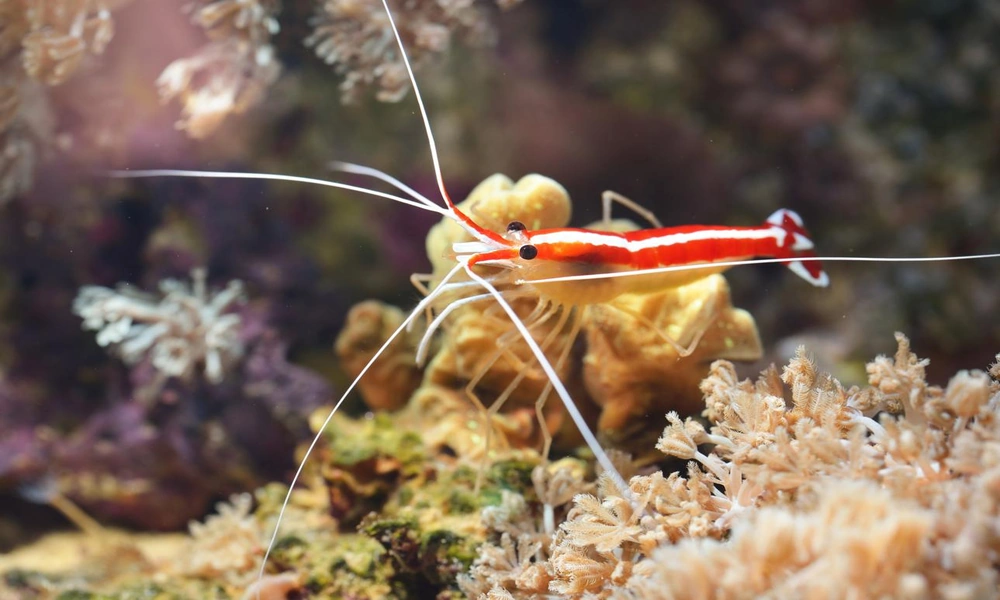
- Scientific Name: Lysmata amboinensis
- Family: Hippolytidae
- Habitat: Tropical coral reefs, rocky surfaces, and reef crevices
- Range: Tropical and subtropical waters of the Indo-Pacific
- Size and Weight: About 5–6 cm long
- Diet: Parasites, dead tissue, mucus, and food particles from fish
- Lifespan: About 2–3 years
- Conservation Status: Not assessed
- Key Fact: Cleaner shrimp establish cleaning stations where fish visit to have parasites and dead tissue removed from their bodies.
Clam
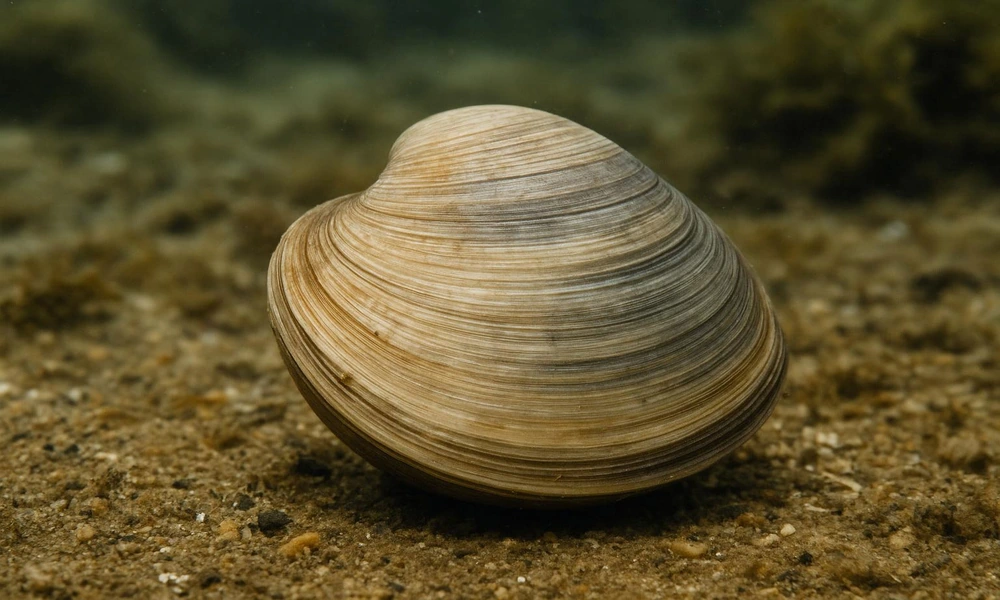
- Scientific Name: Bivalvia
- Family: Varies by species
- Habitat: Marine and freshwater environments, including sandy bottoms, mudflats, and rocky substrates
- Range: Worldwide
- Size and Weight: Varies greatly by species
- Diet: Mostly microscopic algae and organic particles filtered from water
- Lifespan: Varies greatly; some species can live for centuries
- Conservation Status: Varies by species
- Key Fact: Some clams are exceptionally long-lived; an ocean quahog named Ming was estimated to have lived for about 507 years.
Colossal Squid
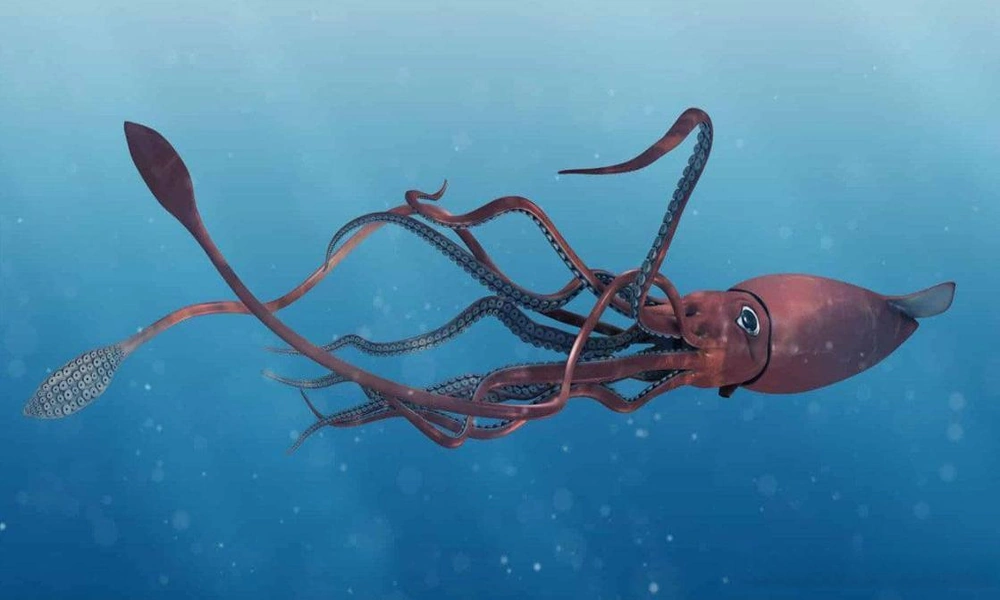
- Scientific Name: Mesonychoteuthis hamiltoni
- Family: Cranchiidae
- Habitat: Deep waters of the Southern Ocean
- Range: Southern Ocean around Antarctica
- Size and Weight: Estimated to reach several meters in length; the heaviest recorded specimen weighed about 495 kg
- Diet: Fish and other squid
- Lifespan: Believed to be several years, although its exact lifespan is uncertain
- Conservation Status: Not assessed
- Key Fact: The colossal squid is considered the heaviest known squid, and it has enormous eyes adapted for seeing in the deep ocean.
Coral
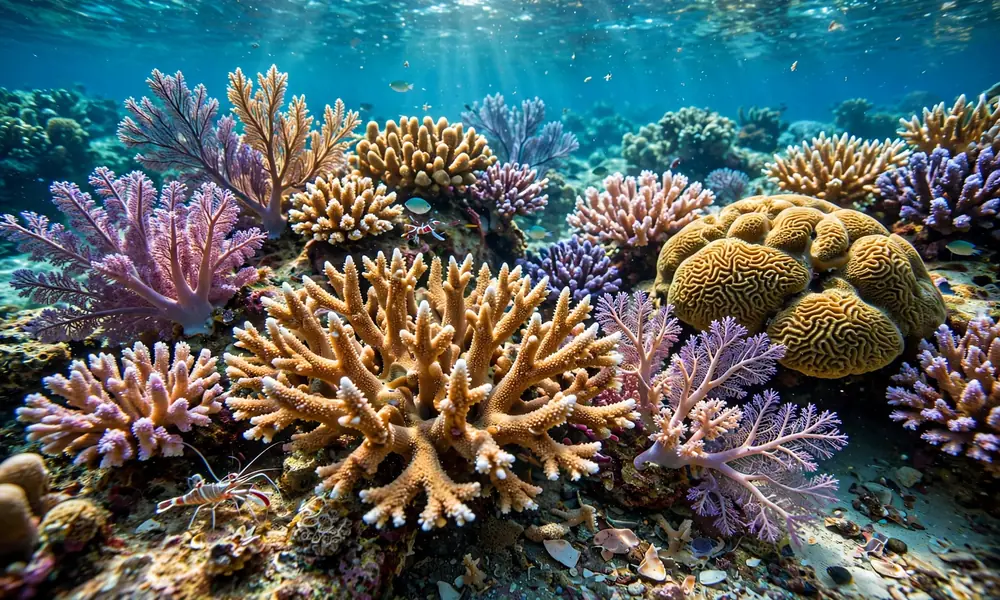
- Scientific Name: Anthozoa
- Family: Varies by species
- Habitat: Marine environments, especially tropical and subtropical seas
- Range: Oceans worldwide
- Size and Weight: Varies greatly by species and colony
- Diet: Tiny plankton and organic particles; many reef-building corals also receive energy from symbiotic algae
- Lifespan: Individual coral colonies can live for decades, centuries, or longer
- Conservation Status: Varies by species; many coral species face serious threats
- Key Fact: Corals are animals, not plants or rocks, and reef-building corals create habitats that support thousands of other marine species.
Crab
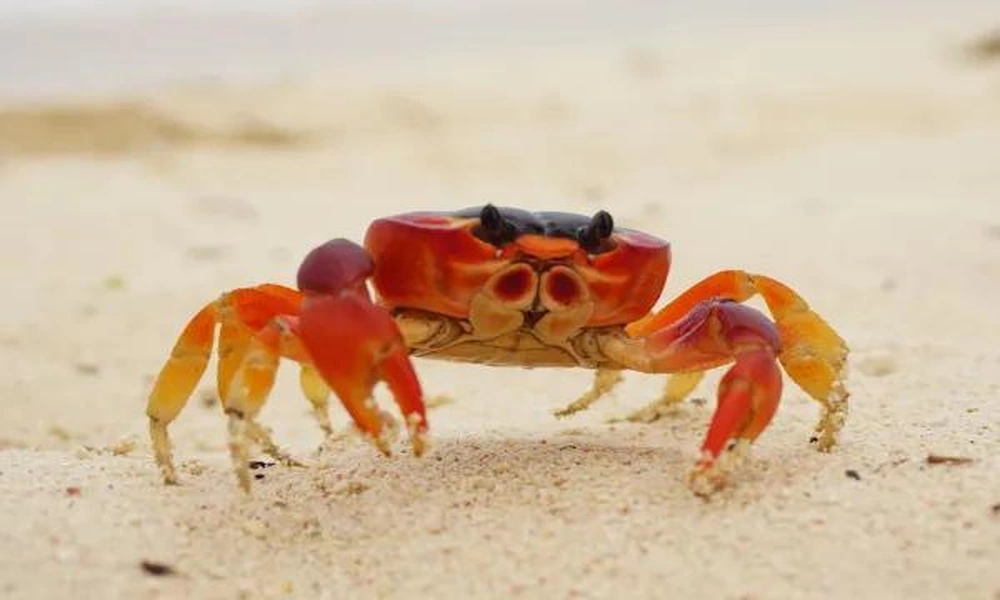
- Scientific Name: Brachyura
- Family: Varies by species
- Habitat: Oceans, beaches, estuaries, freshwater habitats, and land
- Range: Worldwide
- Size and Weight: Varies greatly by species
- Diet: Algae, plants, mollusks, worms, carrion, and other animals
- Lifespan: Varies greatly by species
- Conservation Status: Varies by species
- Key Fact: Most crabs move sideways because of the structure and movement of their jointed legs.
Crayfish
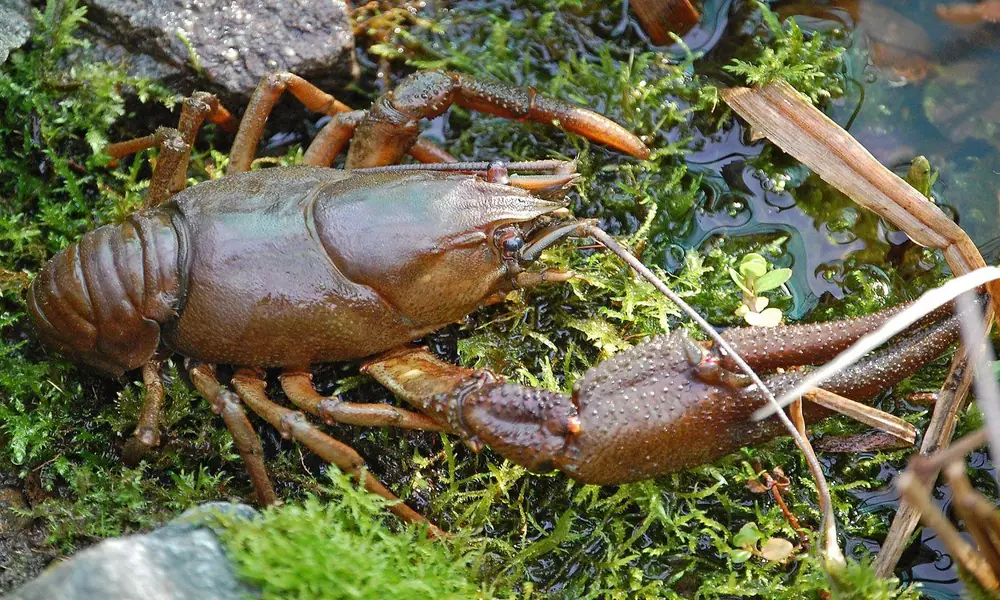
- Scientific Name: Astacoidea and Parastacoidea
- Family: Varies by species
- Habitat: Freshwater streams, rivers, lakes, ponds, and wetlands
- Range: North America, Europe, Australia, and other regions depending on species
- Size and Weight: Usually about 5–20 cm long, although some species are larger
- Diet: Plants, algae, insects, worms, carrion, and other organic material
- Lifespan: About 2–8 years, depending on species
- Conservation Status: Varies by species
- Key Fact: Crayfish resemble small freshwater lobsters and use their claws for feeding, defense, and handling objects.
Cuttlefish
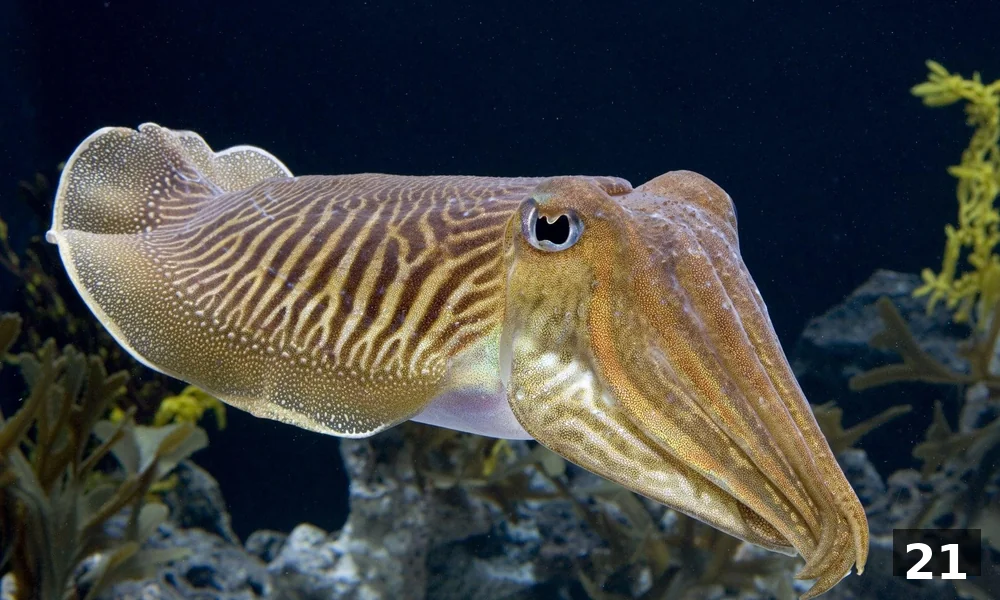
- Scientific Name: Sepia officinalis (common cuttlefish example)
- Family: Sepiidae
- Habitat: Coastal marine waters, sandy bottoms, seagrass beds, and rocky areas
- Range: Atlantic Ocean and Mediterranean Sea for the common cuttlefish
- Size and Weight: Up to about 45 cm long and several kilograms, depending on species
- Diet: Fish, crabs, shrimp, and other small marine animals
- Lifespan: About 1–2 years for many species
- Conservation Status: Varies by species
- Key Fact: Cuttlefish have three hearts and can rapidly change their skin color and pattern to communicate, camouflage themselves, or confuse predators.
Insects and Creepy Crawlies That Start With C
Carpenter Ant
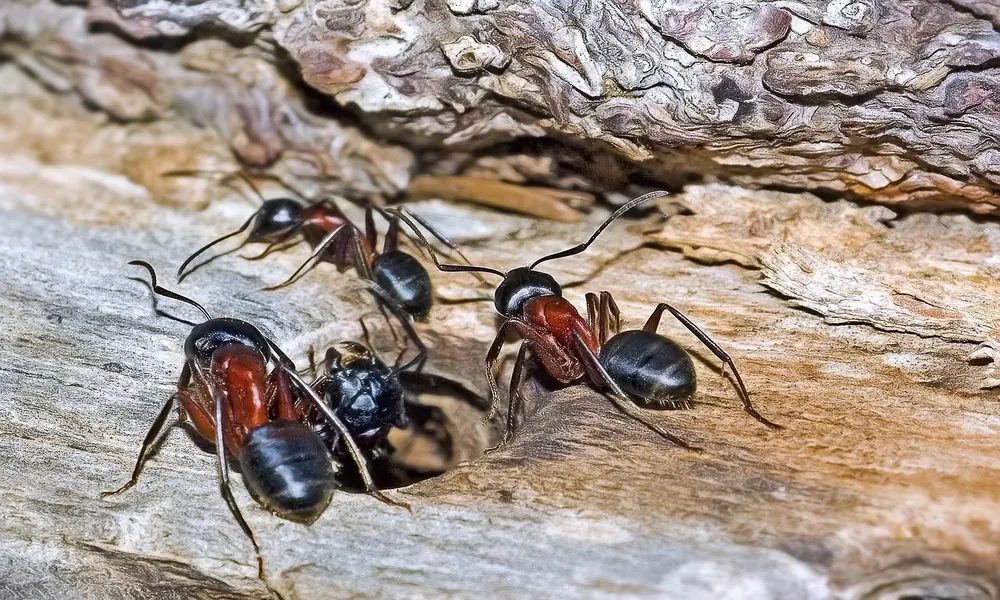
- Scientific Name: Camponotus spp.
- Family: Formicidae
- Habitat: Forests, woodland, gardens, and areas around buildings
- Range: Worldwide, depending on species
- Size and Weight: About 0.6–2.5 cm long, depending on species and caste
- Diet: Insects, honeydew, fruit, nectar, and other sugary foods
- Lifespan: Workers may live for several years; queens can live much longer
- Conservation Status: Varies by species
- Key Fact: Carpenter ants excavate galleries in wood for nesting, but they do not eat the wood.
Caterpillar
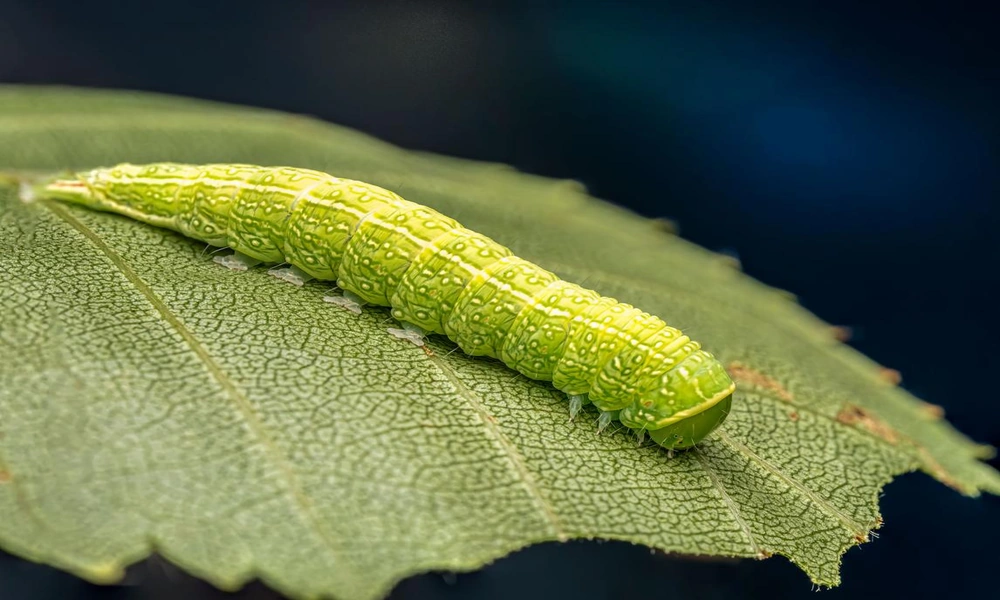
- Scientific Name: Lepidoptera larvae
- Family: Varies by species
- Habitat: Plants, trees, shrubs, forests, grasslands, and gardens
- Range: Worldwide
- Size and Weight: Varies greatly by species; commonly a few millimeters to several centimeters long
- Diet: Mostly leaves and other plant material
- Lifespan: Usually several weeks to a few months before becoming a pupa
- Conservation Status: Varies by species
- Key Fact: A caterpillar is the larval stage of a butterfly or moth and can grow dramatically before transforming into an adult.
Centipede
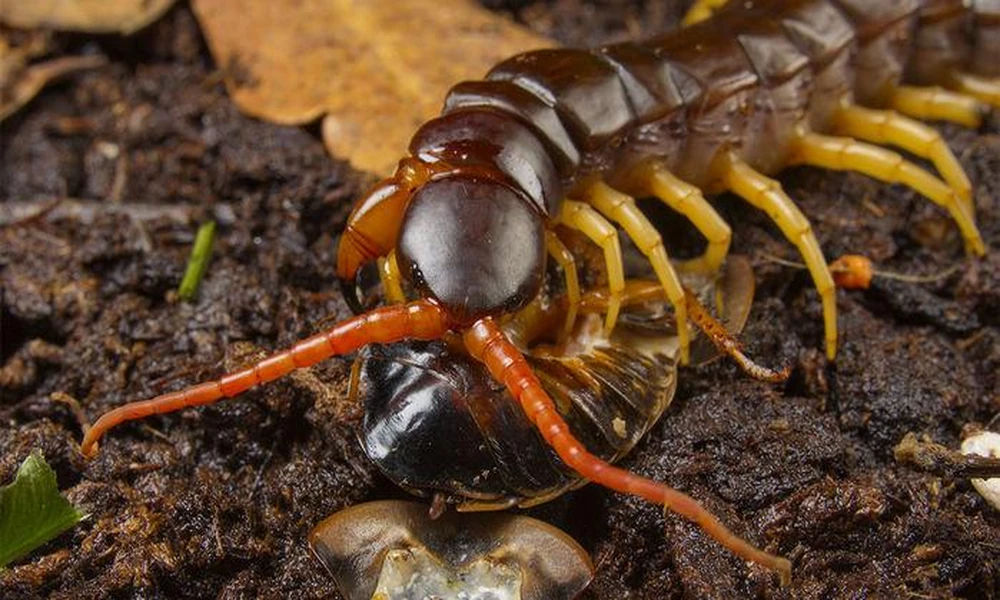
- Scientific Name: Chilopoda
- Family: Varies by species
- Habitat: Soil, leaf litter, forests, caves, deserts, and other moist environments
- Range: Worldwide except Antarctica
- Size and Weight: Usually a few centimeters long; some species can exceed 30 cm
- Diet: Insects, spiders, worms, and other small animals
- Lifespan: Varies by species; often several years
- Conservation Status: Varies by species
- Key Fact: Despite their name, centipedes do not have exactly 100 legs; their number of leg pairs varies by species.
Cicada
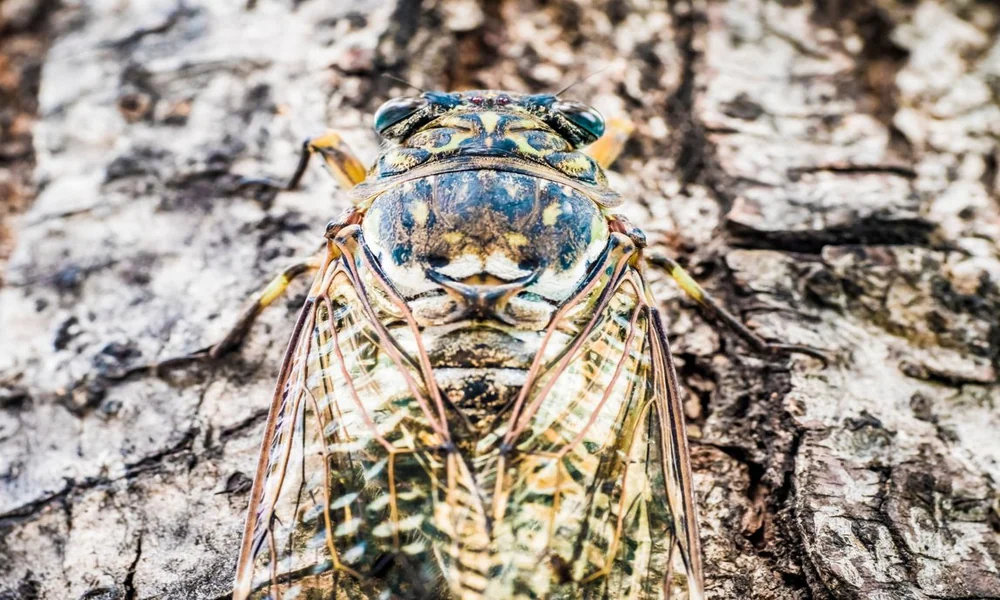
- Scientific Name: Cicadidae
- Family: Cicadidae
- Habitat: Forests, woodland, grasslands, and urban areas
- Range: Worldwide except Antarctica
- Size and Weight: About 1.5–5 cm long, depending on species
- Diet: Plant fluids, mainly from trees and other plants
- Lifespan: Several years underground for many species; adults usually live only a few weeks
- Conservation Status: Varies by species
- Key Fact: Male cicadas produce loud calls using specialized organs called tymbals, and some periodical cicadas emerge in enormous synchronized broods.
Cockroach
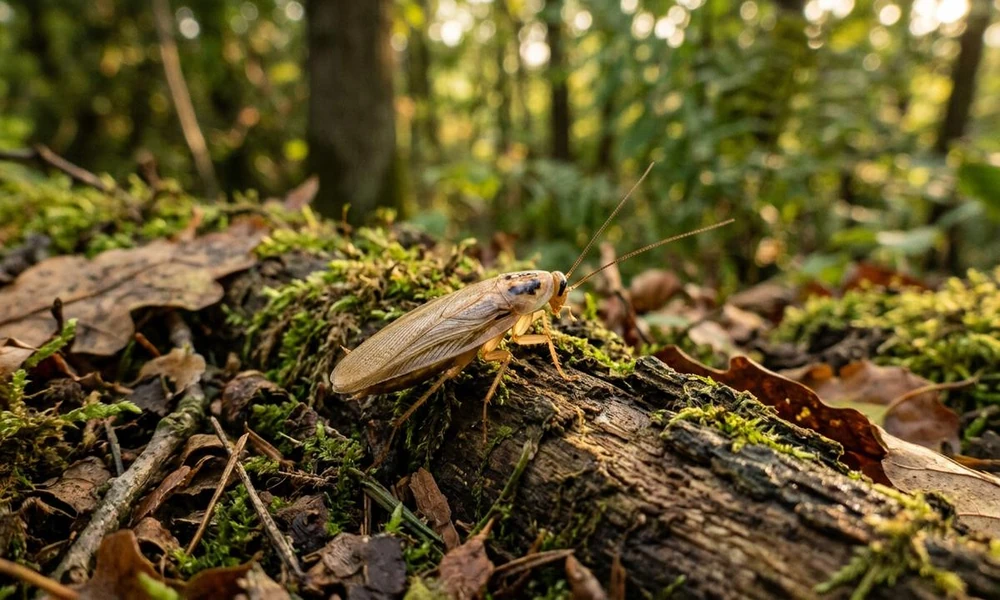
- Scientific Name: Blattodea
- Family: Varies by species
- Habitat: Forests, caves, grasslands, buildings, sewers, and many other environments
- Range: Worldwide
- Size and Weight: Usually about 1–8 cm long, depending on species
- Diet: Plant material, decaying organic matter, insects, and many other foods
- Lifespan: Several months to more than a year, depending on species
- Conservation Status: Varies by species
- Key Fact: There are roughly 4,500 known cockroach species, but only a small number are common household pests.
Cricket
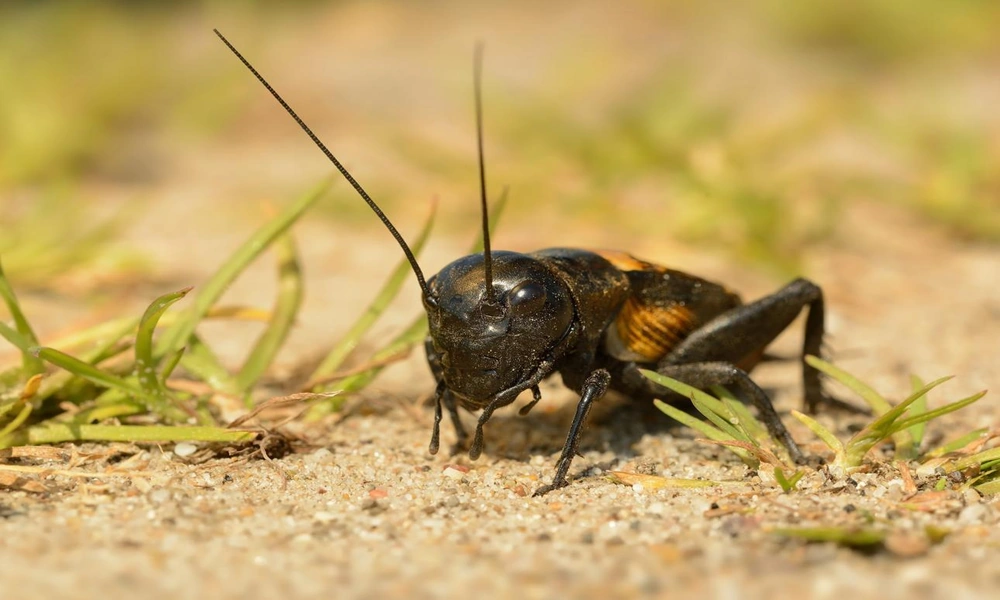
- Scientific Name: Gryllidae
- Family: Gryllidae
- Habitat: Grasslands, forests, fields, caves, gardens, and urban areas
- Range: Worldwide except Antarctica
- Size and Weight: About 1–5 cm long, depending on species
- Diet: Plants, seeds, fungi, insects, and decaying organic matter
- Lifespan: Usually a few months to about a year
- Conservation Status: Varies by species
- Key Fact: Male crickets produce their familiar chirping sound by rubbing their wings together, and warmer temperatures generally make their calls faster.
Prehistoric Animals That Start With C
Carnotaurus
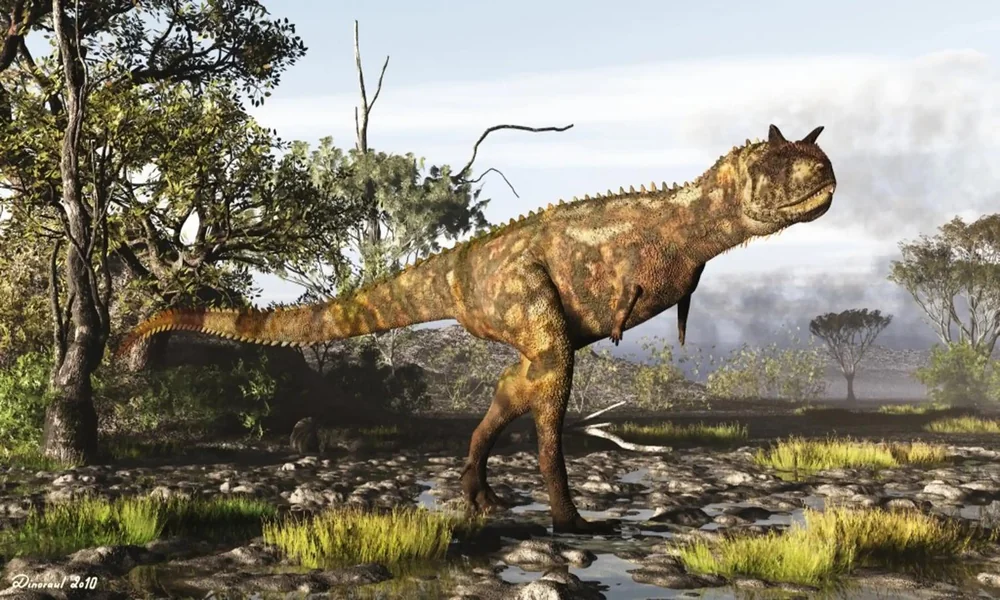
- Scientific Name: Carnotaurus sastrei
- Family: Abelisauridae
- Habitat: Woodlands and floodplain environments of Late Cretaceous South America
- Range: Present-day Argentina
- Size and Weight: About 7.5–9 m long; estimated at roughly 1.3–2.1 tonnes
- Diet: Meat
- Lifespan: Unknown
- Conservation Status: Extinct
- Key Fact: Carnotaurus had two distinctive horns above its eyes, extremely short arms, and a body covered partly or largely in scales.
Ceratosaurus
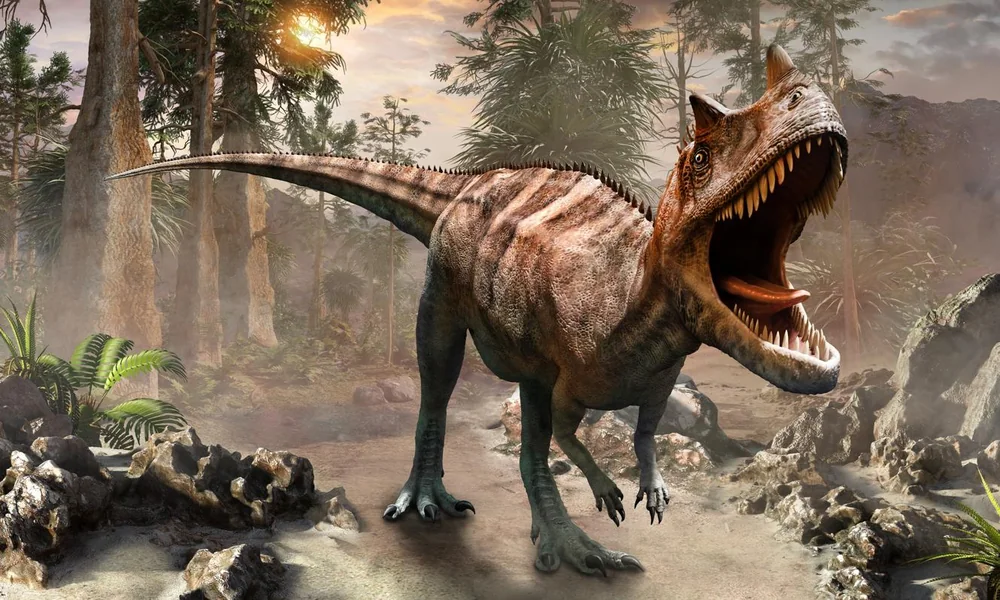
- Scientific Name: Ceratosaurus nasicornis
- Family: Ceratosauridae
- Habitat: Rivers, floodplains, forests, and other Jurassic environments
- Range: North America and possibly other parts of the world
- Size and Weight: About 5–7 m long
- Diet: Meat
- Lifespan: Unknown
- Conservation Status: Extinct
- Key Fact: Ceratosaurus had a prominent horn on its snout and rows of bony plates running along its back.
Coelophysis
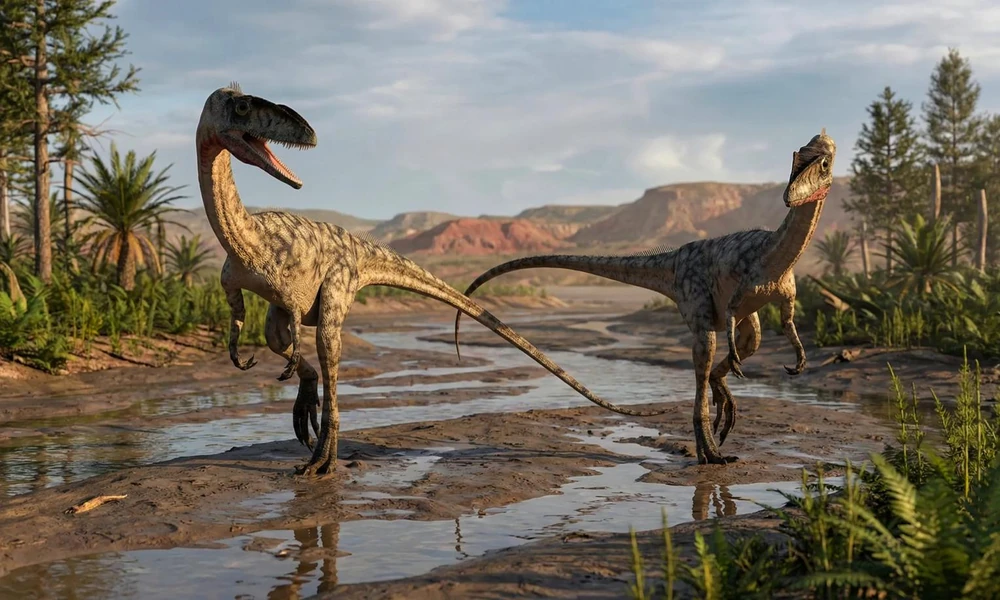
- Scientific Name: Coelophysis bauri
- Family: Coelophysidae
- Habitat: Floodplains, forests, and semi-arid environments
- Range: North America
- Size and Weight: About 2–3 m long; roughly 15–20 kg
- Diet: Small animals and possibly insects
- Lifespan: Unknown
- Conservation Status: Extinct
- Key Fact: Thousands of Coelophysis fossils were discovered at Ghost Ranch in New Mexico, making it one of the best-known early dinosaurs.
Mythical Animals That Start With C
Centaur

- Scientific Name: None; mythological creature
- Family: None; Greek mythology
- Habitat: Mythological mountains, forests, and wilderness
- Range: Ancient Greek mythology
- Size and Weight: Typically depicted as human-sized in the upper body with the body of a horse
- Diet: Varies by story
- Lifespan: Varies by mythology
- Conservation Status: Mythical; extinct as a real-world creature
- Key Fact: A centaur is traditionally depicted with the upper body of a human and the lower body of a horse.
Cerberus
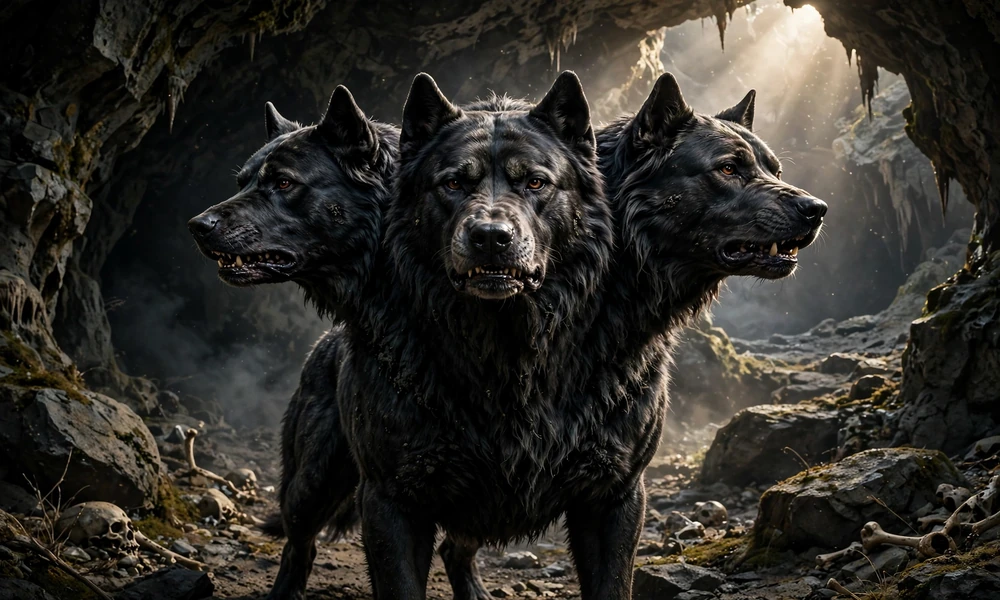
- Scientific Name: None; mythological creature
- Family: None; Greek mythology
- Habitat: The Underworld in Greek mythology
- Range: Ancient Greek mythology
- Size and Weight: Varies by artistic and literary depiction
- Diet: Varies by story
- Lifespan: Mythological
- Conservation Status: Mythical; not a real animal
- Key Fact: Cerberus is traditionally described as a multi-headed dog, most commonly with three heads, guarding the entrance to the Underworld.
Chimera
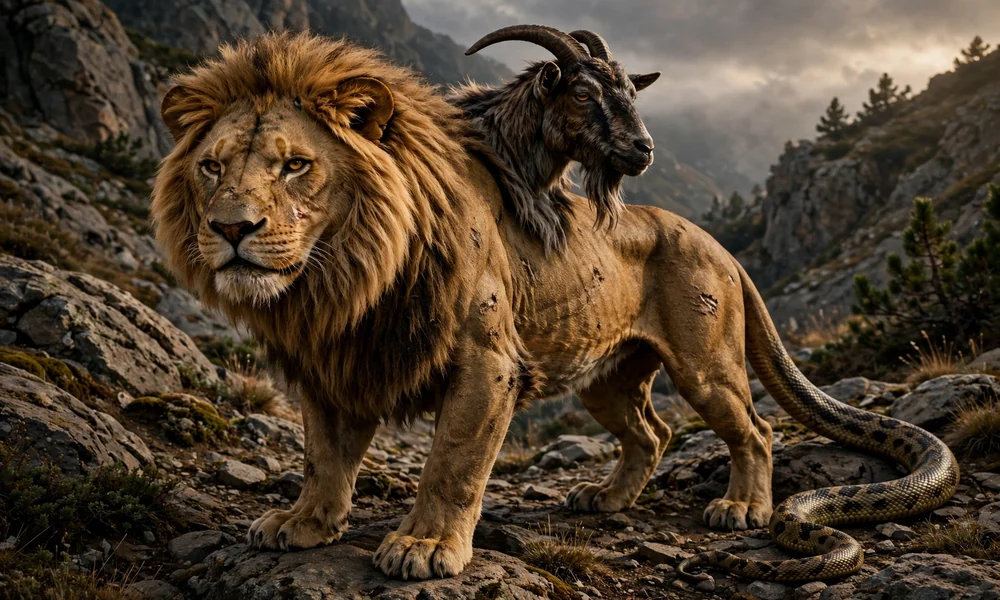
- Scientific Name: None; mythological creature
- Family: None; Greek mythology
- Habitat: Mythological landscapes and Mount Chimaera
- Range: Ancient Greek mythology
- Size and Weight: Varies by depiction
- Diet: Varies by story
- Lifespan: Mythological
- Conservation Status: Mythical; not a real animal
- Key Fact: The Chimera was traditionally described as a creature combining features of a lion, goat, and serpent, while the word “chimera” is also used in biology for an organism made from genetically different cells.
Cockatrice
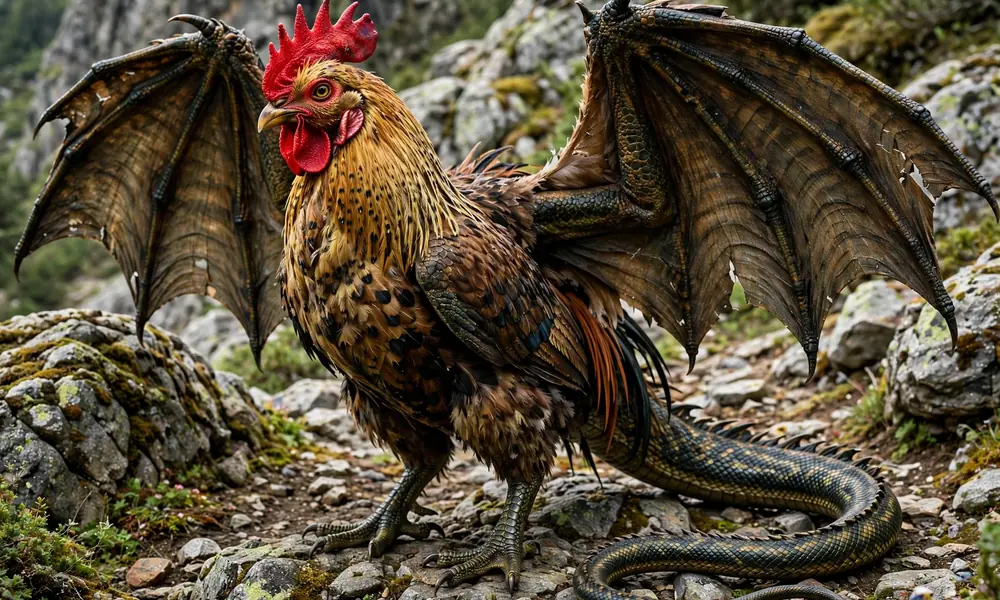
- Scientific Name: None; medieval legendary creature
- Family: None; European folklore
- Habitat: Medieval European legends
- Range: European folklore
- Size and Weight: Varies by depiction
- Diet: Varies by story
- Lifespan: Mythological
- Conservation Status: Mythical; not a real animal
- Key Fact: The cockatrice was traditionally described as a creature with the head of a rooster and the body of a serpent, and it was often associated with a deadly gaze.
Frequently Asked Questions
How many animals start with the letter C?
There is no single fixed number. Large species databases list thousands of animals with C names, depending on whether common names or scientific names are counted. This guide focuses on well-known ones.
Why is the camel missing from some lists of C animals?
“Camel” is a group name, not a species name. The three camel species are the dromedary, the Bactrian camel and the wild Bactrian camel, and none of those full names starts with C. Lists that count only full species names leave camels out. Lists that use everyday names include them.
What is the fastest animal that starts with C?
The cheetah is the fastest land animal. The best reliably recorded speeds are about 93 and 98 km/h (58–61 mph), reached in short bursts.
Which C animals are endangered?
The chimpanzee, chinchilla and wild Bactrian camel are on the endangered side of the scale, and the Chinese giant salamander is Critically Endangered. The cheetah, clouded leopard, caribou and Andean condor are Vulnerable. The California condor is Critically Endangered, though it is slowly recovering.
Which C animals have names that mislead?
Several do. A cuttlefish is not a fish; it is a cephalopod related to squid and octopus. A crayfish is a crustacean, not a fish. Coral is an animal, not a plant or rock. A centipede does not have exactly 100 legs.
Which C animal lives the longest?
Among the animals in this guide, the ocean quahog clam holds the record. One individual nicknamed Ming was estimated to be about 507 years old. Some deep-sea corals have been dated to thousands of years, but those are colonies, not single animals.
Which C animals are commonly kept as pets?
Cats, cockatiels, corn snakes and chinchillas are commonly kept, but each needs research, proper space and the right care. Wild animals such as coyotes, cougars, caracals and capybaras are not suitable pets. Keeping many species is also restricted by local law, so check the rules where you live.