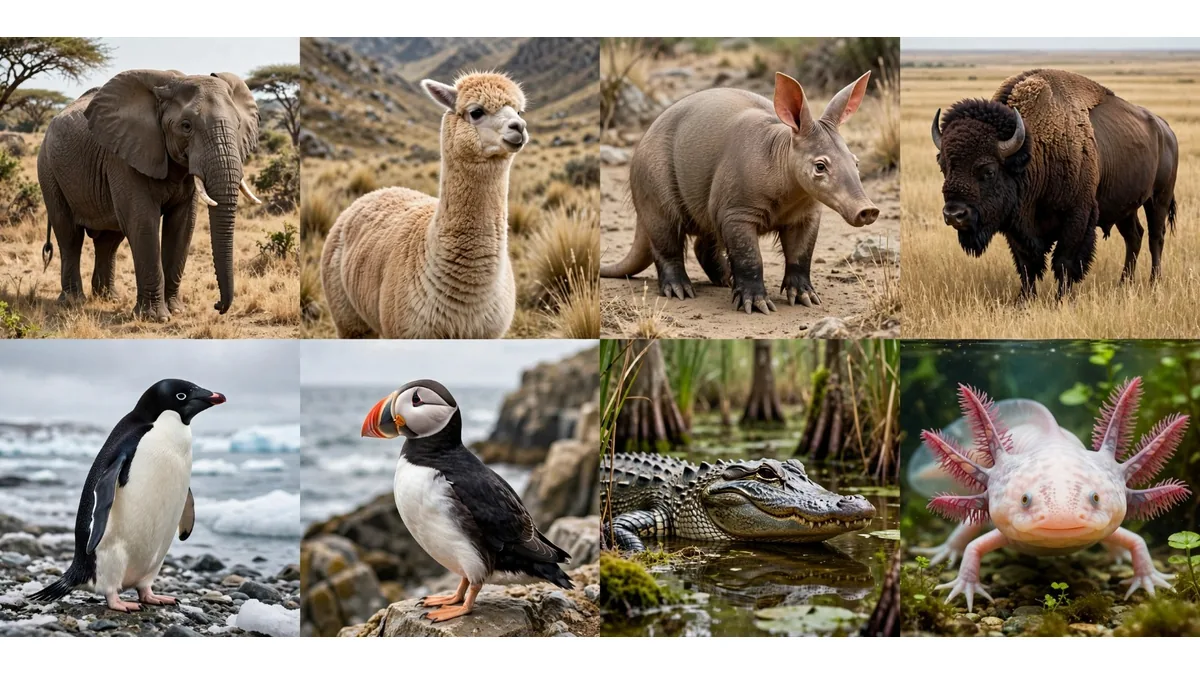
The animal kingdom contains hundreds of names beginning with the letter A, ranging from familiar mammals such as the aardvark and alpaca to birds, reptiles, amphibians, fish, insects, and prehistoric animals. Some A animals are widespread, while others have extremely restricted ranges.
This guide organizes animals that start with the letter A into categories so you can quickly find mammals, birds, reptiles, amphibians, fish, marine animals, insects, prehistoric animals, and mythical creatures.
Mammals
Aardvark
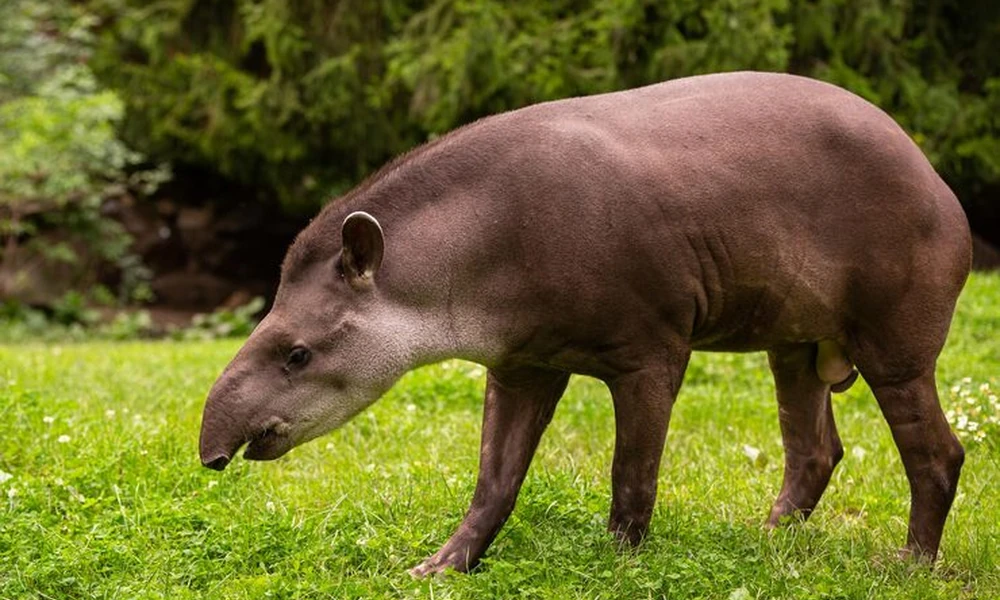
Scientific name: Orycteropus afer
Type: Mammal
Habitat: Grasslands, savannas, woodlands, and other parts of sub-Saharan Africa.
Diet: Mainly ants and termites.
Key fact: The aardvark is a nocturnal burrowing mammal with a long snout and powerful claws adapted for digging.
Aardwolf
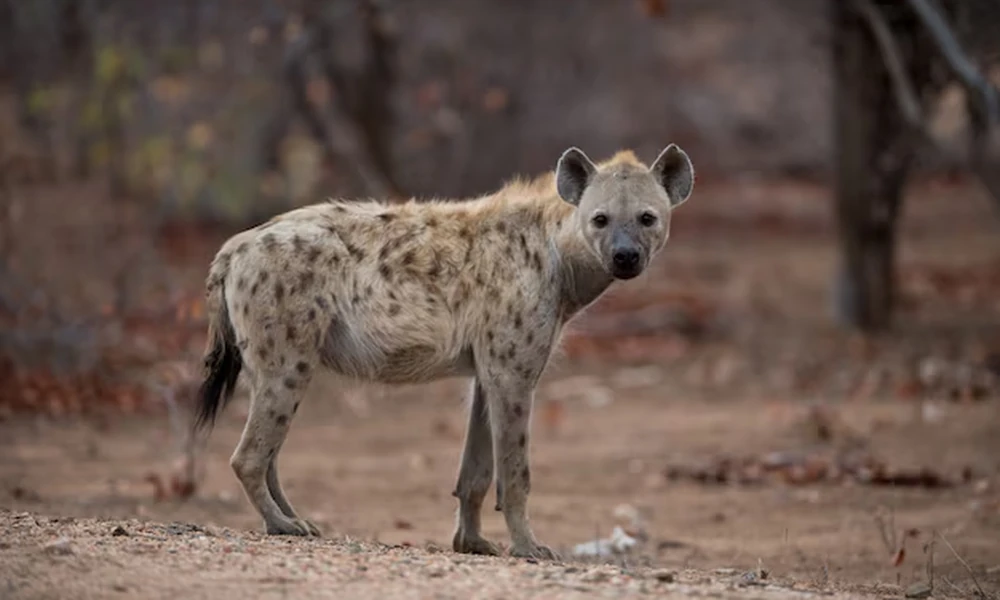
Scientific name: Proteles cristata
Type: Mammal
Habitat: Open grasslands and shrublands of eastern and southern Africa.
Diet: Primarily termites.
Key fact: Although it belongs to the hyena family, the aardwolf is mainly an insect eater rather than a hunter of large prey.
Addax
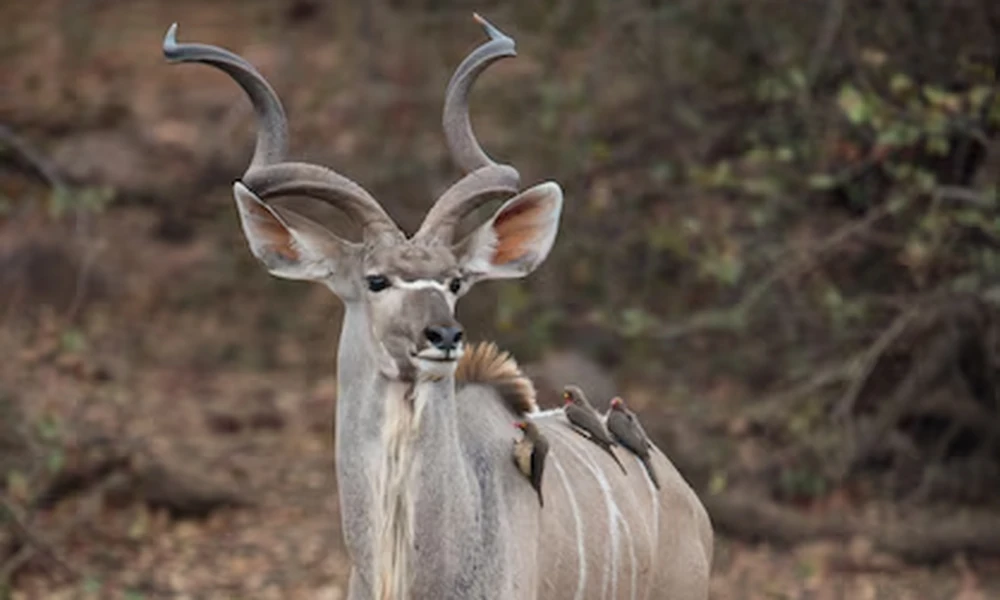
Scientific name: Addax nasomaculatus
Type: Mammal
Habitat: Desert and semi-desert regions of North Africa.
Diet: Grasses and other desert vegetation.
Key fact: The addax is highly adapted to arid environments and can survive for long periods with very little free water.
Alpaca
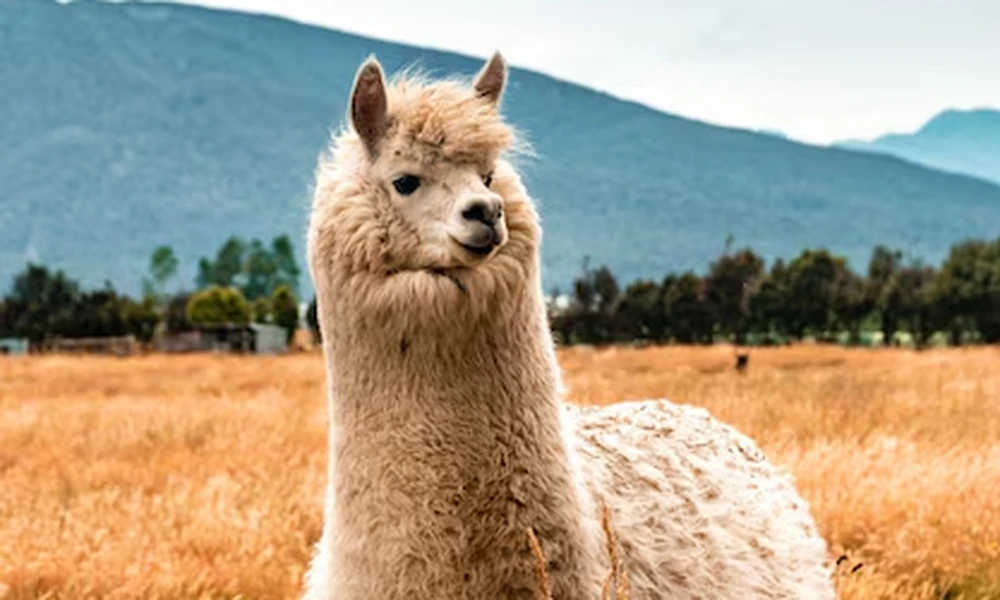
Scientific name: Vicugna pacos
Type: Mammal
Habitat: Mainly highland areas of the Andes in South America, especially Peru, Bolivia, Ecuador, and Chile.
Diet: Grasses and other vegetation.
Key fact: Alpacas are domesticated camelids closely related to vicuñas and are raised mainly for their soft fiber.
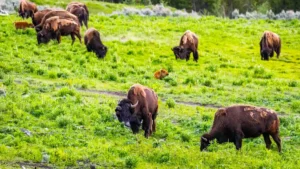
American Bison
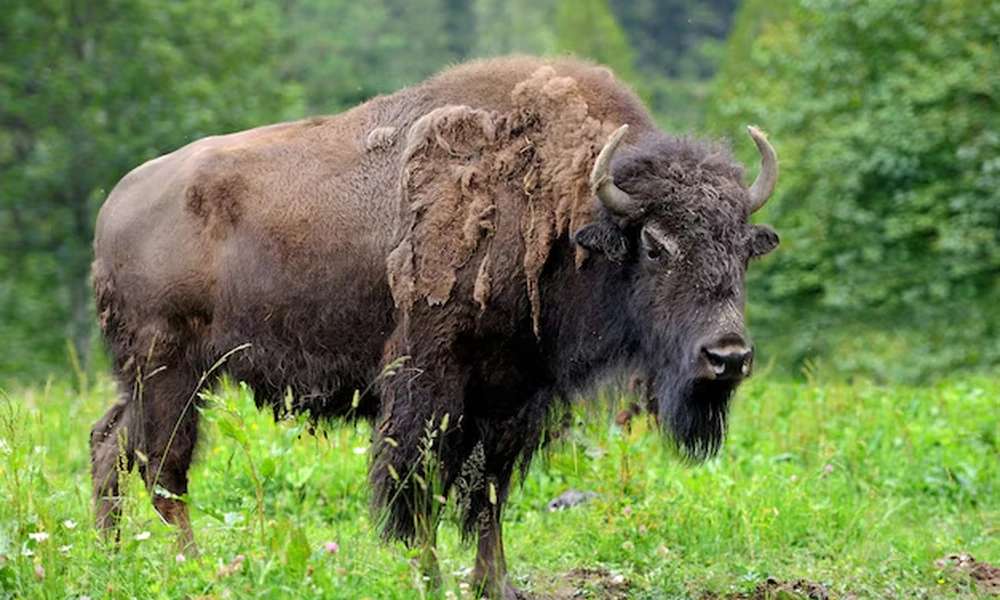
Scientific name: Bison bison
Type: Mammal
Habitat: Grasslands, prairies, and other open areas of North America.
Diet: Mainly grasses and other vegetation.
Key fact: The American bison is North America’s largest terrestrial mammal and is commonly, though incorrectly, called a buffalo.
American Black Bear
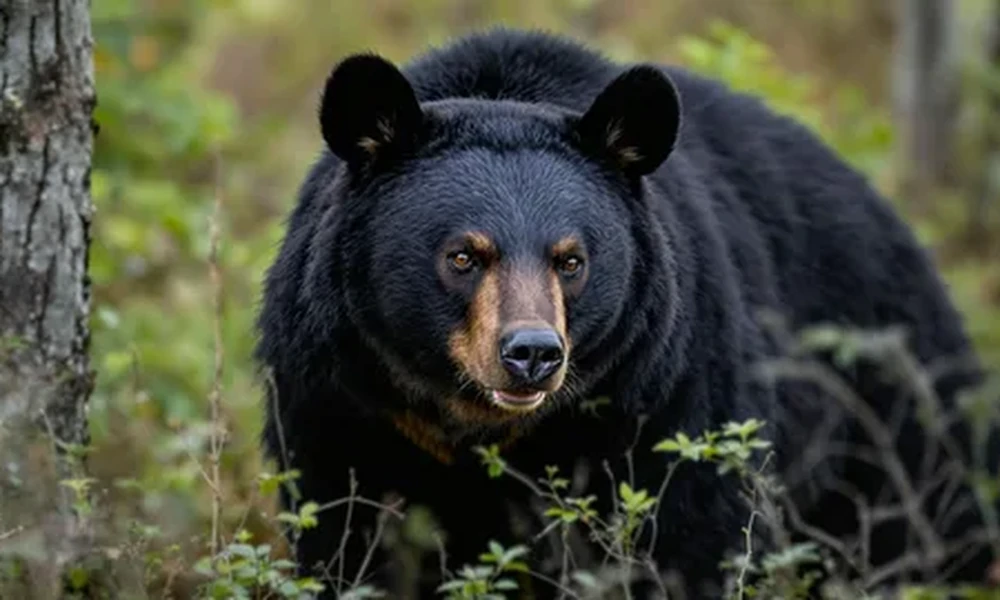
Scientific name: Ursus americanus
Type: Mammal
Habitat: Forests, mountains, swamps, and other habitats across much of North America.
Diet: Omnivorous, including plants, fruits, insects, fish, and other foods.
Key fact: Despite its name, the American black bear can have brown, cinnamon, or even blondish fur.
African Wild Dog
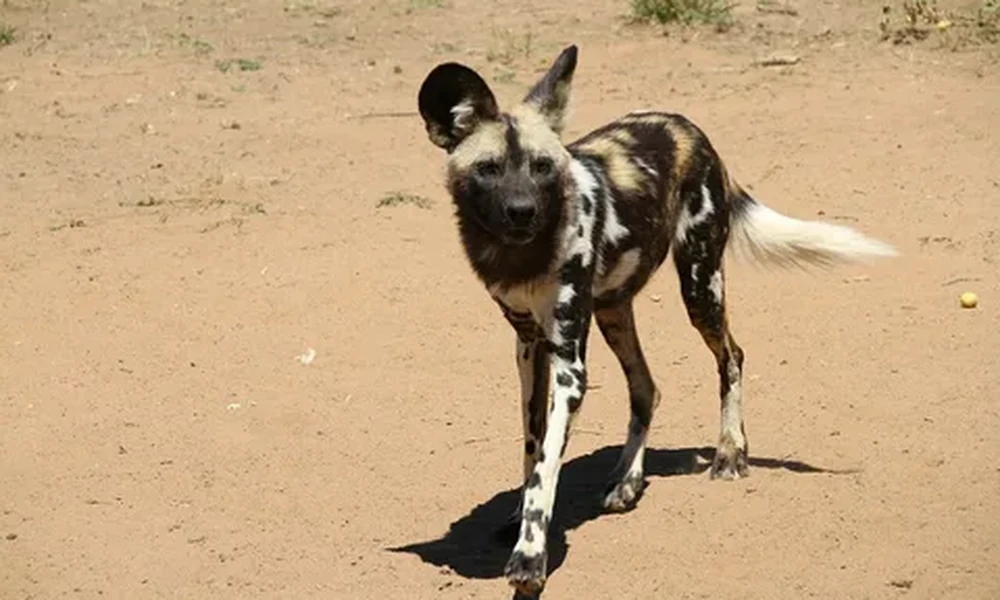
Scientific name: Lycaon pictus
Type: Mammal
Habitat: Savannas, grasslands, woodland, and other areas of sub-Saharan Africa.
Diet: Mainly medium-sized hoofed mammals.
Key fact: African wild dogs are highly social pack hunters recognized by their unique coat patterns.
African Buffalo
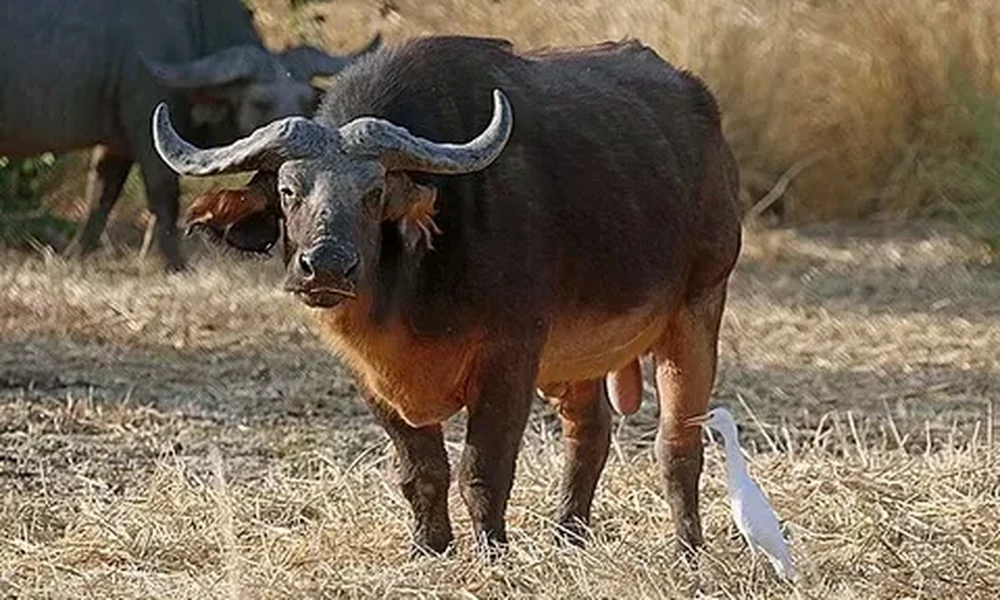
Scientific name: Syncerus caffer
Type: Mammal
Habitat: Savannas, forests, grasslands, and wetlands across sub-Saharan Africa.
Diet: Mainly grasses and other vegetation.
Key fact: Its large curved horns and powerful build make it one of Africa’s most formidable wild bovines.
African Bush Elephant
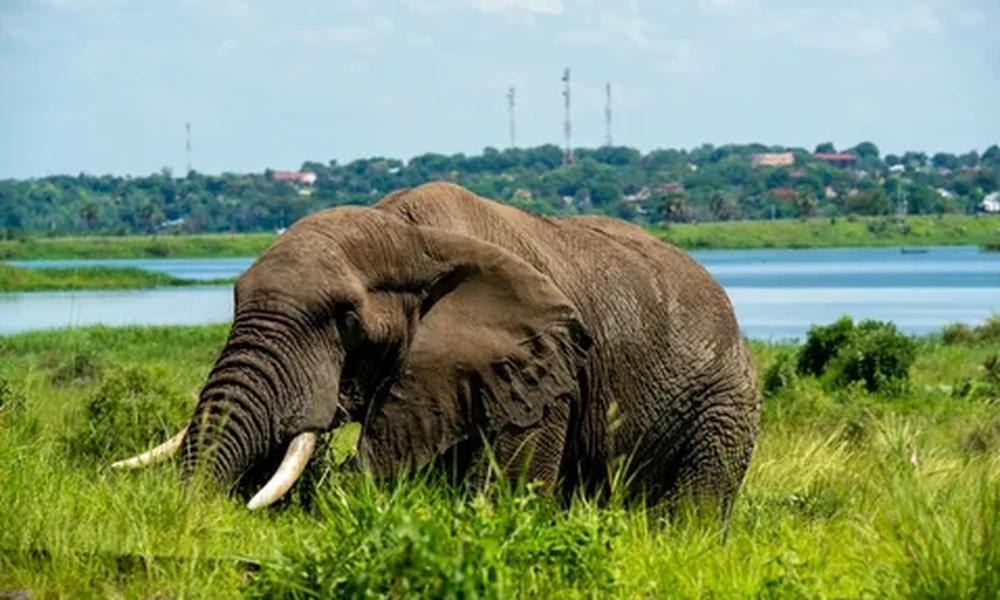
Scientific name: Loxodonta africana
Type: Mammal
Habitat: Savannas, woodlands, forests, and other African habitats.
Diet: Grasses, leaves, bark, roots, fruit, and other vegetation.
Key fact: The African bush elephant is the largest living land animal.
Aye-Aye
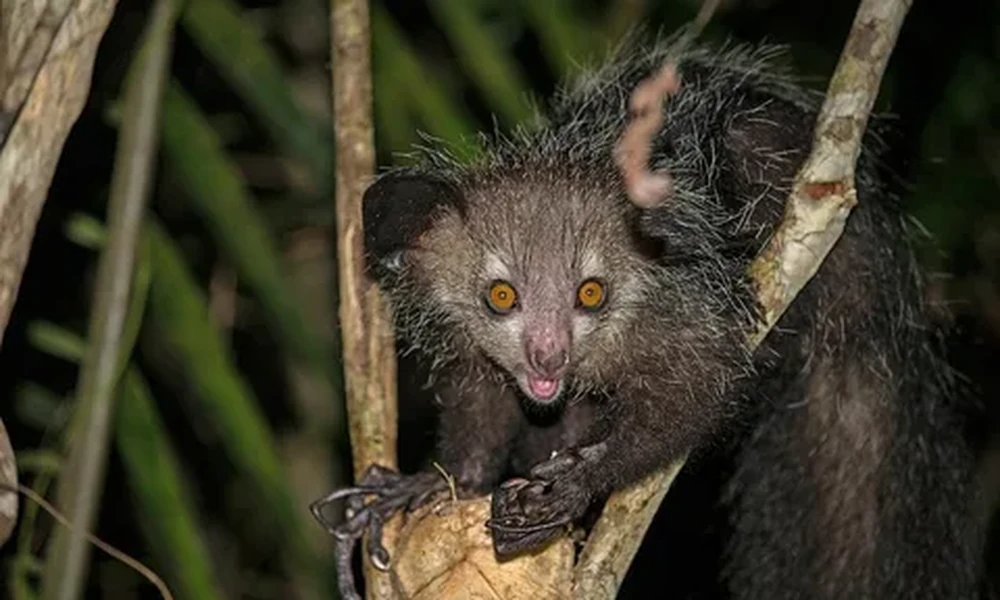
Scientific name: Daubentonia madagascariensis
Type: Mammal
Habitat: Forests of Madagascar.
Diet: Insects, fruit, seeds, nectar, and other foods.
Key fact: This unusual nocturnal lemur uses its extremely long middle finger to extract food from trees.
Birds
Adélie Penguin
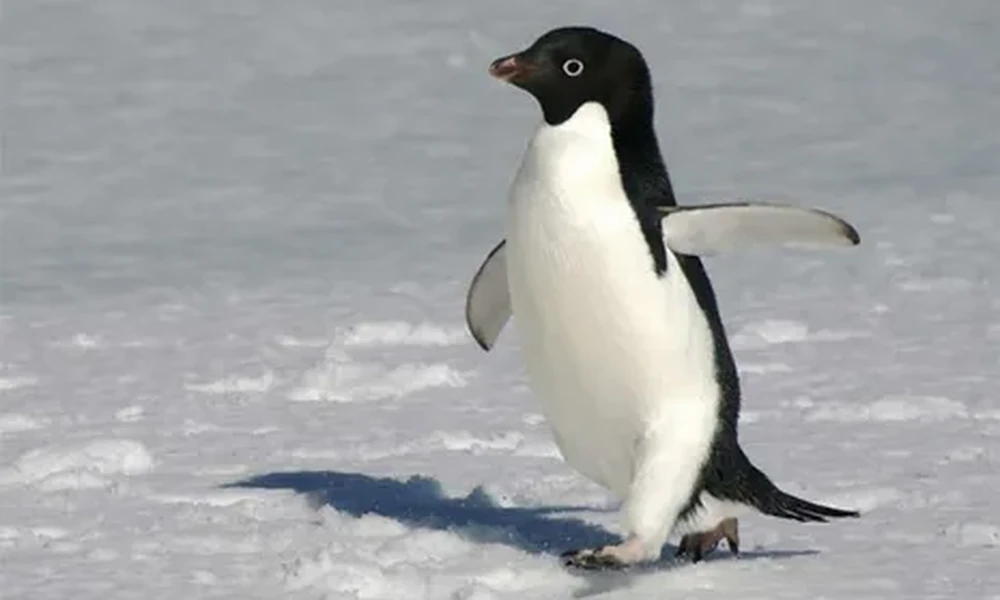
Scientific name: Pygoscelis adeliae
Type: Bird
Habitat: Antarctic coastal regions and nearby islands.
Diet: Mainly krill and other marine prey.
Key fact: The Adélie penguin is one of the penguin species naturally found around Antarctica.
African Fish Eagle
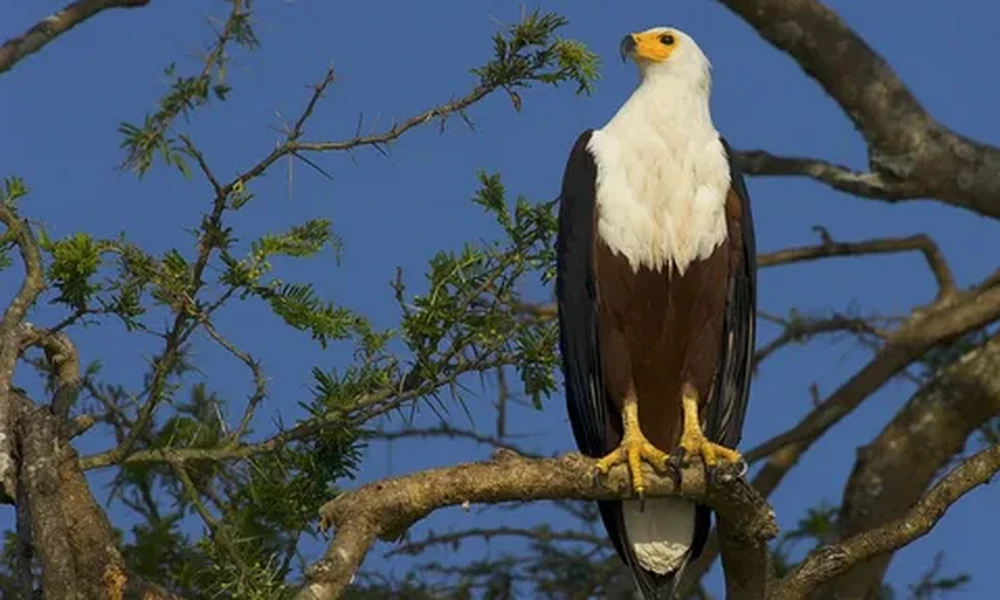
Scientific name: Haliaeetus vocifer
Type: Bird of prey
Habitat: Near lakes, rivers, and other freshwater habitats in sub-Saharan Africa.
Diet: Mainly fish, although it can take other prey.
Key fact: Its distinctive call and dark-and-white plumage make it one of Africa’s best-known eagles.
Albatross
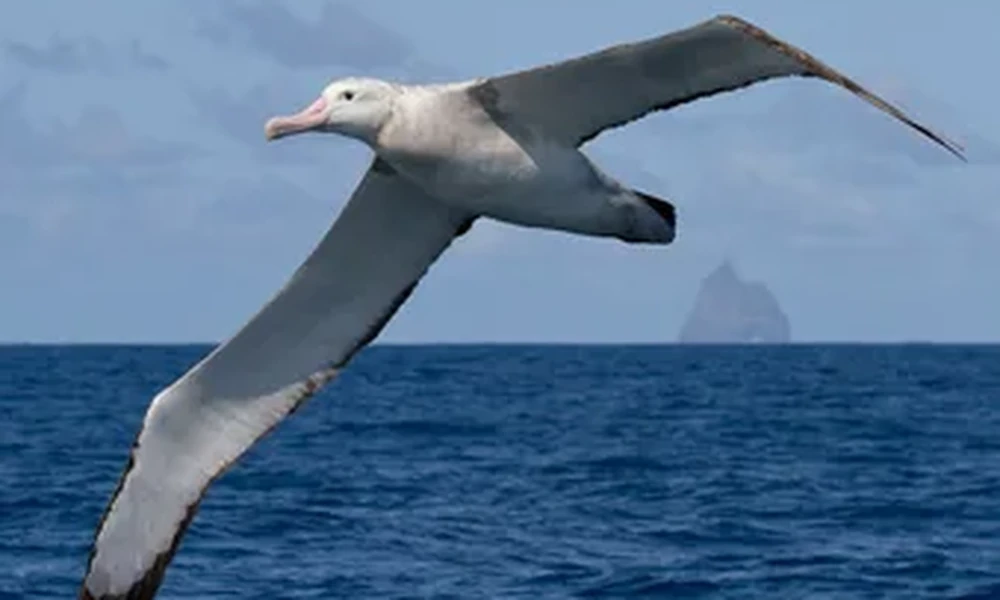
Scientific group: Family Diomedeidae
Type: Seabird
Habitat: Open oceans, especially in the Southern Hemisphere and North Pacific.
Diet: Fish, squid, krill, and other marine food.
Key fact: Albatrosses are exceptional ocean fliers and can travel enormous distances using dynamic soaring.
American Crow
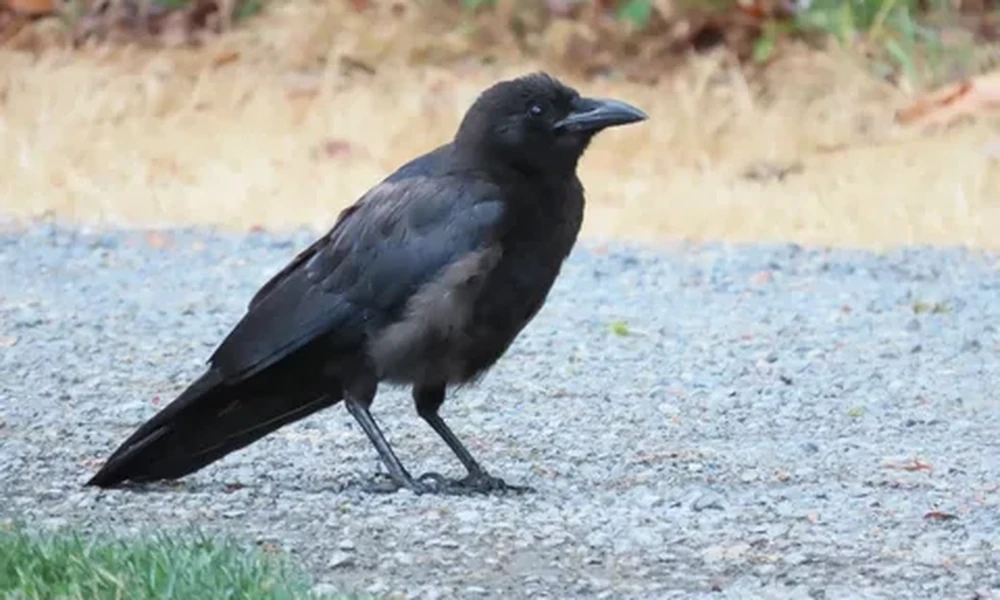
Scientific name: Corvus brachyrhynchos
Type: Bird
Habitat: Forests, farmland, cities, suburbs, and other environments across much of North America.
Diet: Omnivorous.
Key fact: American crows are highly intelligent birds capable of solving problems and adapting to human-dominated environments.
American Goldfinch
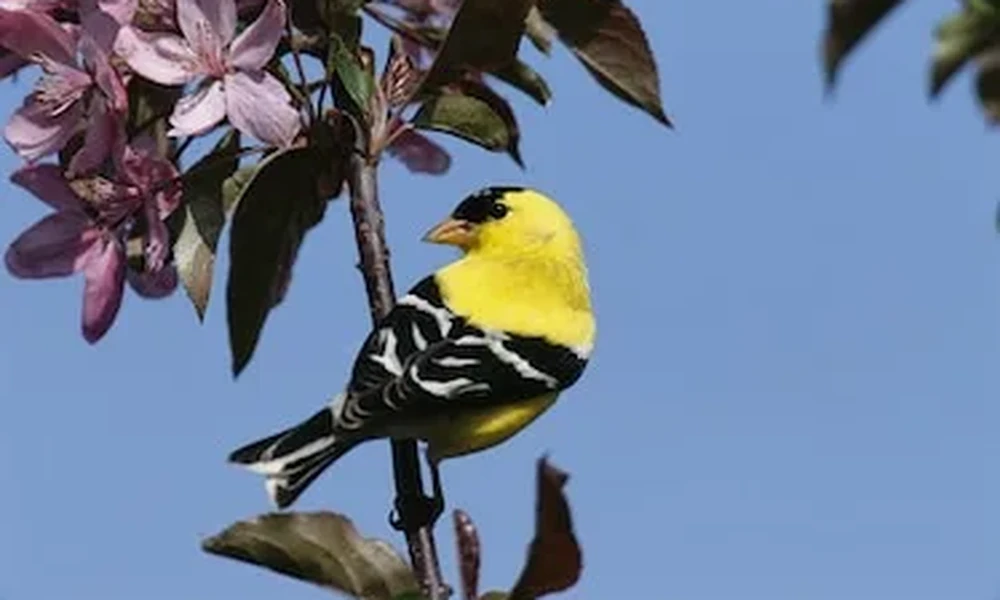
Scientific name: Spinus tristis
Type: Bird
Habitat: Open woodland, fields, gardens, and other areas across North America.
Diet: Mainly seeds.
Key fact: Breeding males develop bright yellow plumage that makes them particularly easy to recognize.
Andean Condor
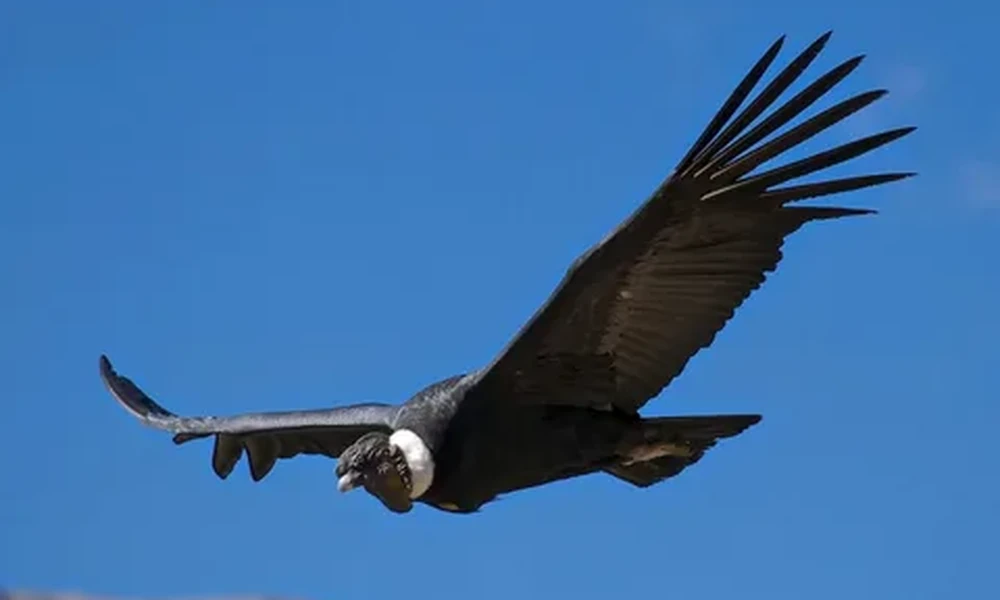
Scientific name: Vultur gryphus
Type: Bird of prey
Habitat: Mountains, grasslands, and coastal regions of western South America.
Diet: Mainly carrion.
Key fact: The Andean condor is one of the world’s largest flying birds by weight and wingspan.
American Kestrel
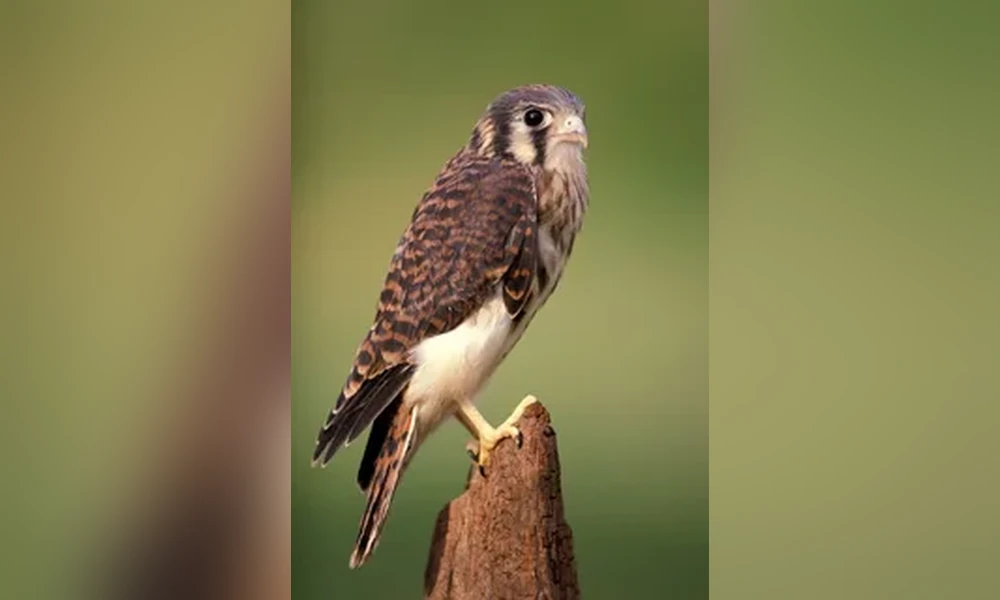
Scientific name: Falco sparverius
Type: Falcon
Habitat: Open habitats throughout much of the Americas.
Diet: Insects, small mammals, reptiles, and birds.
Key fact: It is the smallest and one of the most widespread falcons in North America.
American Robin
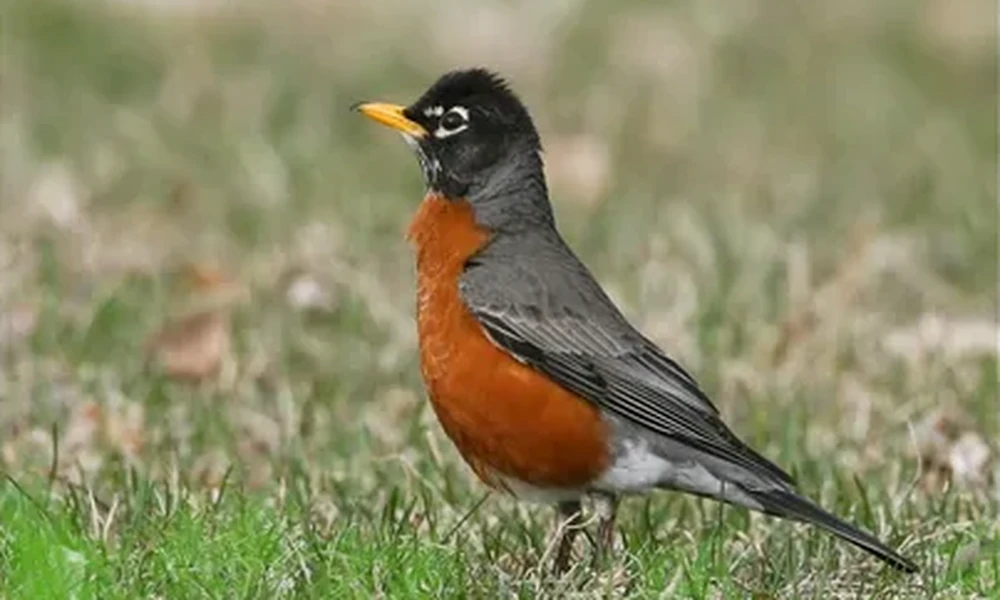
Scientific name: Turdus migratorius
Type: Songbird
Habitat: Woodlands, gardens, parks, and urban areas of North America.
Diet: Insects, earthworms, fruit, and other foods.
Key fact: Its orange-red breast makes the American robin one of the most recognizable birds in North America.
Arctic Tern

Scientific name: Sterna paradisaea
Type: Seabird
Habitat: Arctic and sub-Arctic breeding regions, with migration toward Antarctic waters.
Diet: Fish and other marine prey.
Key fact: The Arctic tern is famous for one of the longest regular migrations in the animal kingdom.
Atlantic Puffin

Scientific name: Fratercula arctica
Type: Seabird
Habitat: Northern Atlantic coasts and islands.
Diet: Mainly small fish and other marine animals.
Key fact: Its colorful breeding-season bill has made the Atlantic puffin one of the world’s most recognizable seabirds.
Reptiles
American Alligator
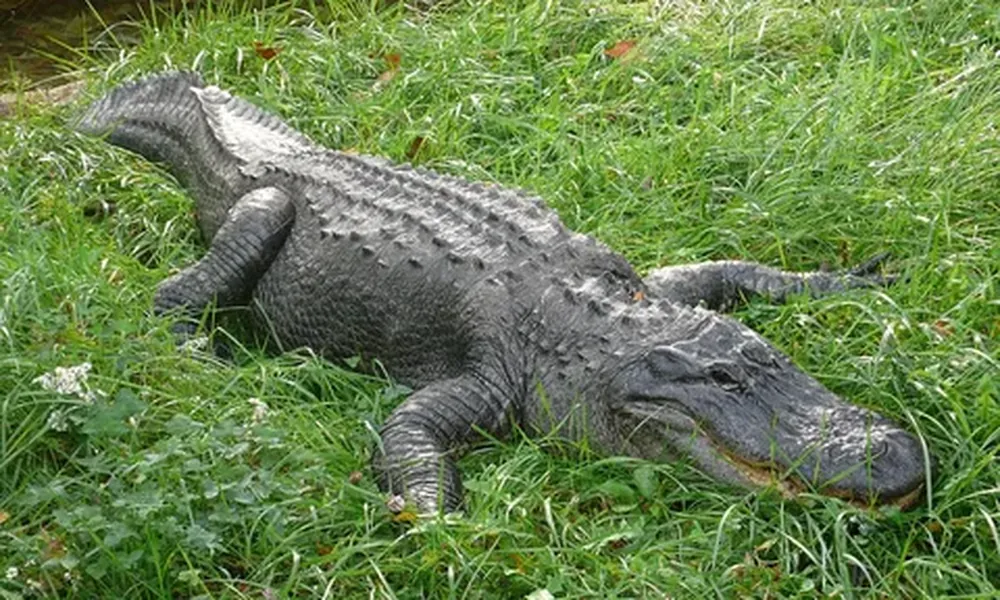
Scientific name: Alligator mississippiensis
Type: Reptile
Habitat: Freshwater wetlands, marshes, lakes, rivers, and swamps of the southeastern United States.
Diet: Fish, turtles, birds, mammals, and other animals.
Key fact: The American alligator is a large crocodilian with a broad, rounded snout.
American Crocodile
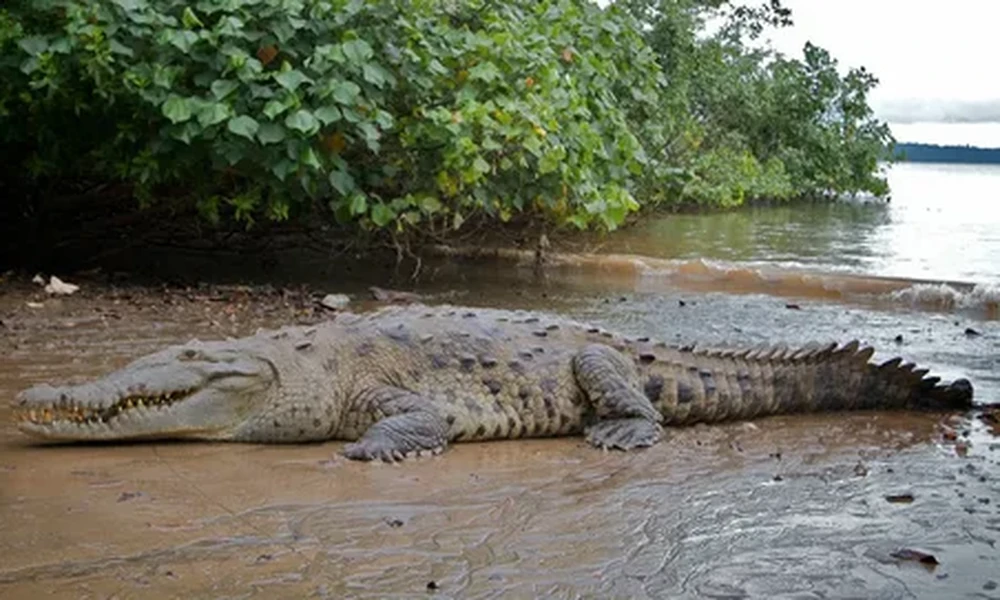
Scientific name: Crocodylus acutus
Type: Reptile
Habitat: Coastal wetlands, rivers, lagoons, and other warm-water habitats of the Americas.
Diet: Fish, crustaceans, birds, and other animals.
Key fact: It is one of the largest crocodile species found in the Americas.
Anaconda
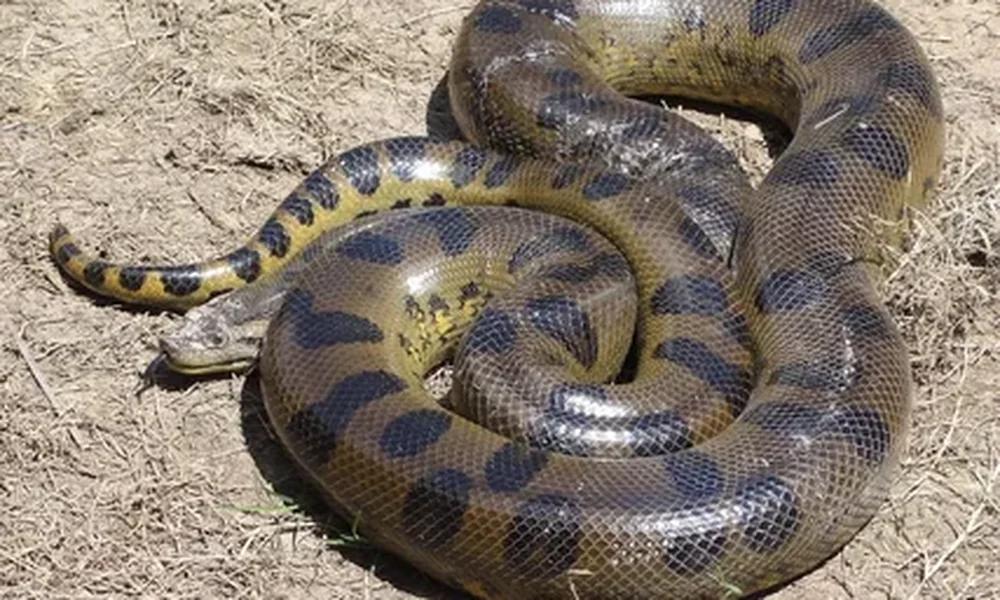
Scientific group: Eunectes
Type: Snake
Habitat: Wetlands, rivers, swamps, and forests of South America.
Diet: Fish, birds, reptiles, and mammals, depending on species and size.
Key fact: Anacondas are large constricting snakes and excellent swimmers.
Axolotl
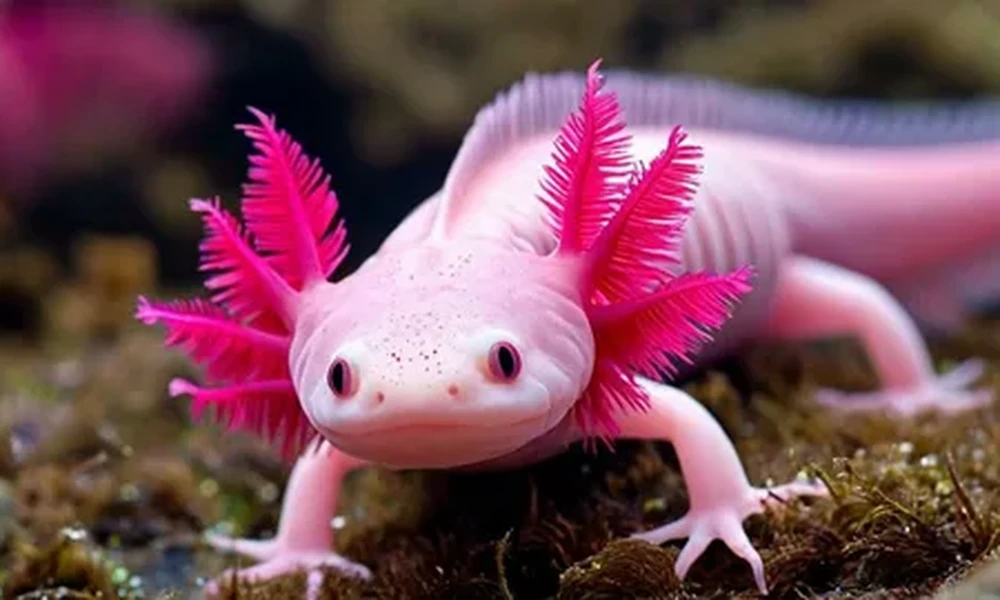
Scientific name: Ambystoma mexicanum
Type: Amphibian
Habitat: Historically associated with the freshwater canals and lakes of the Valley of Mexico.
Diet: Small aquatic animals and other food.
Key fact: The axolotl normally retains its juvenile body form into adulthood and has an extraordinary ability to regenerate body tissues.
Aldabra Giant Tortoise
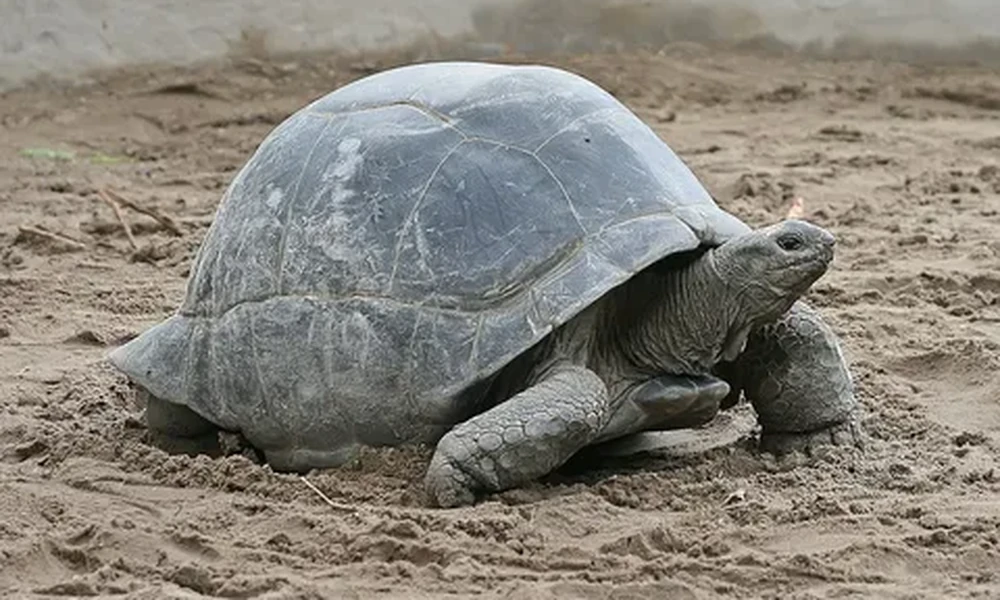
Scientific name: Aldabrachelys gigantea
Type: Reptile
Habitat: The Aldabra Atoll in the Seychelles.
Diet: Mainly grasses, leaves, and other vegetation.
Key fact: It is one of the world’s largest tortoises.
Amphibians
African Clawed Frog
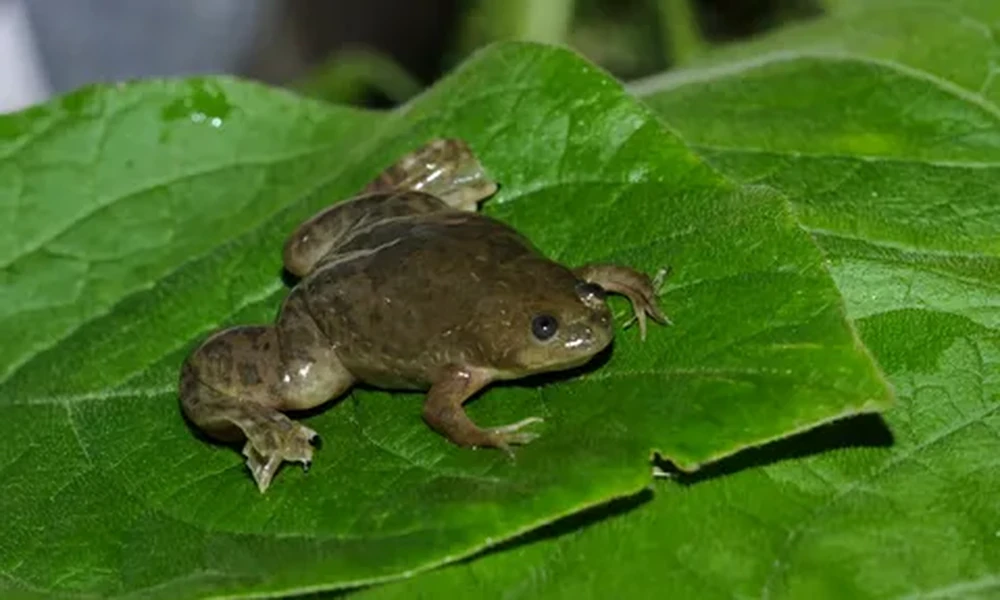
Scientific name: Xenopus laevis
Type: Amphibian
Habitat: Freshwater environments in sub-Saharan Africa.
Diet: Aquatic invertebrates and other food.
Key fact: Unlike many frogs, it is highly aquatic and has claw-like structures on its hind feet.
Amazon Milk Frog
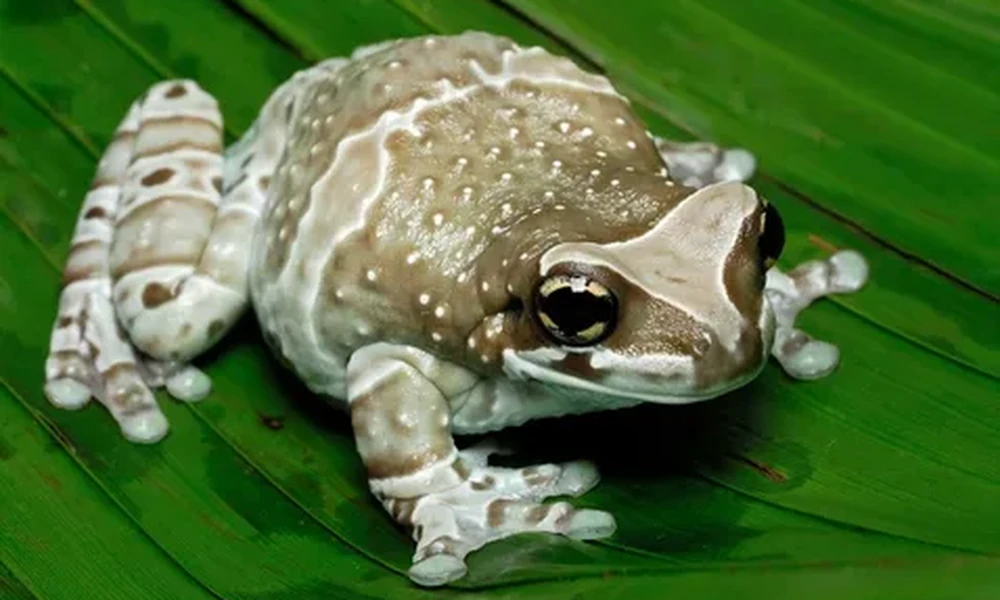
Scientific name: Trachycephalus resinifictrix
Type: Frog
Habitat: Tropical forests of the Amazon Basin.
Diet: Insects and other small prey.
Key fact: It is an arboreal frog that spends much of its life in trees.
American Bullfrog
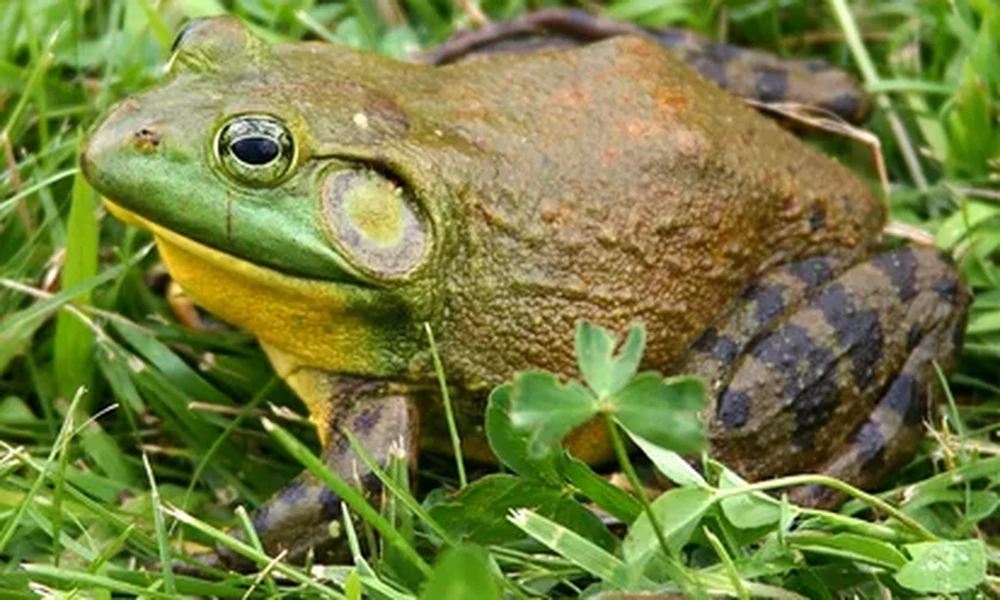
Scientific name: Lithobates catesbeianus
Type: Amphibian
Habitat: Ponds, lakes, marshes, and other permanent freshwater habitats.
Diet: Insects, fish, frogs, small mammals, and other prey.
Key fact: The American bullfrog is one of the largest true frogs in North America.
Fish
Alligator Gar
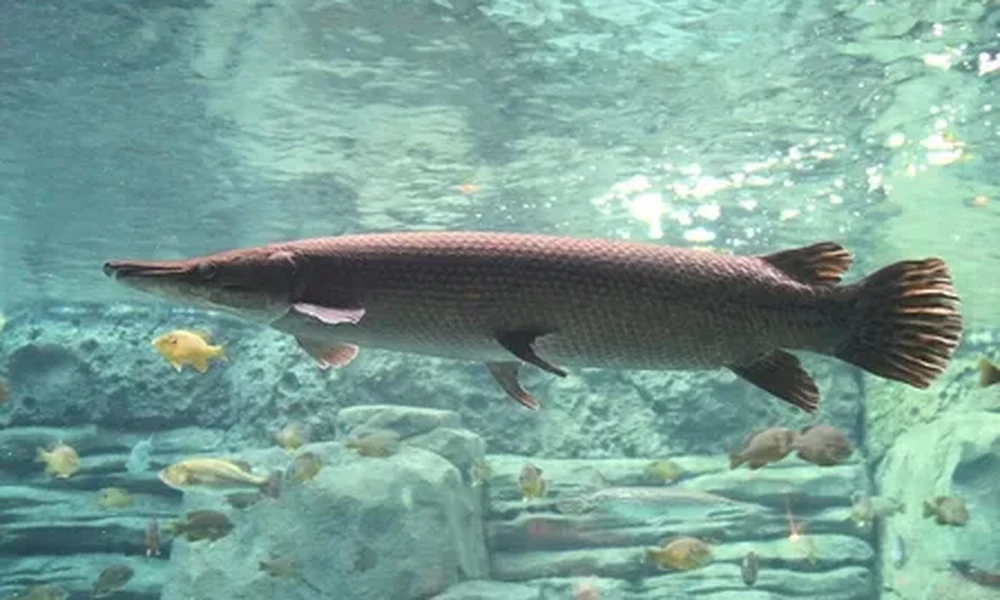
Scientific name: Atractosteus spatula
Type: Freshwater fish
Habitat: Rivers, lakes, reservoirs, and wetlands of the southern United States and Mexico.
Diet: Fish and other aquatic animals.
Key fact: Its long snout and rows of sharp teeth give the alligator gar its distinctive appearance.
Anglerfish

Scientific group: Order Lophiiformes
Type: Marine fish
Habitat: Marine environments, including deep ocean habitats.
Diet: Other fish and marine animals.
Key fact: Some deep-sea anglerfish use a bioluminescent lure to attract prey.
Arapaima
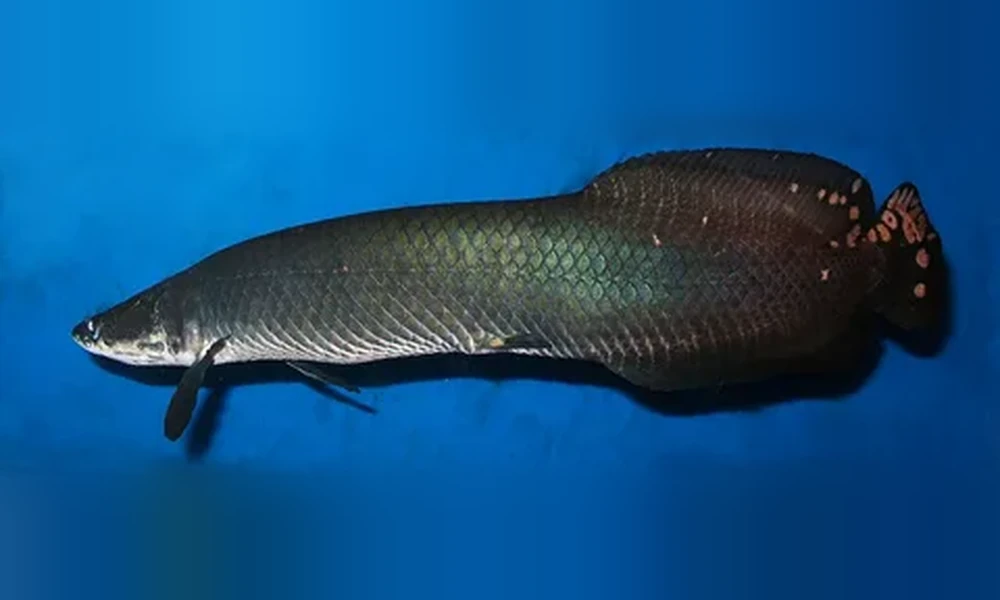
Scientific group: Arapaima
Type: Freshwater fish
Habitat: Rivers, lakes, and floodplain waters of the Amazon and nearby South American basins.
Diet: Fish and other aquatic animals.
Key fact: Arapaima are among the world’s largest freshwater fish.
Archerfish
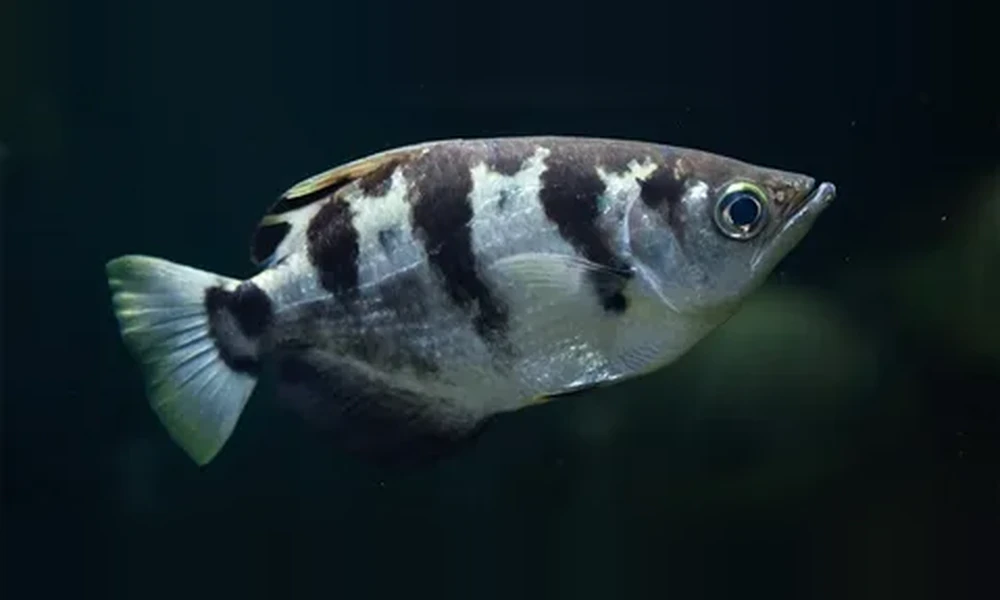
Scientific group: Family Toxotidae
Type: Fish
Habitat: Fresh and brackish waters of South and Southeast Asia and northern Australia.
Diet: Insects and other small animals.
Key fact: Archerfish can shoot jets of water toward insects above the surface.
Atlantic Bluefin Tuna
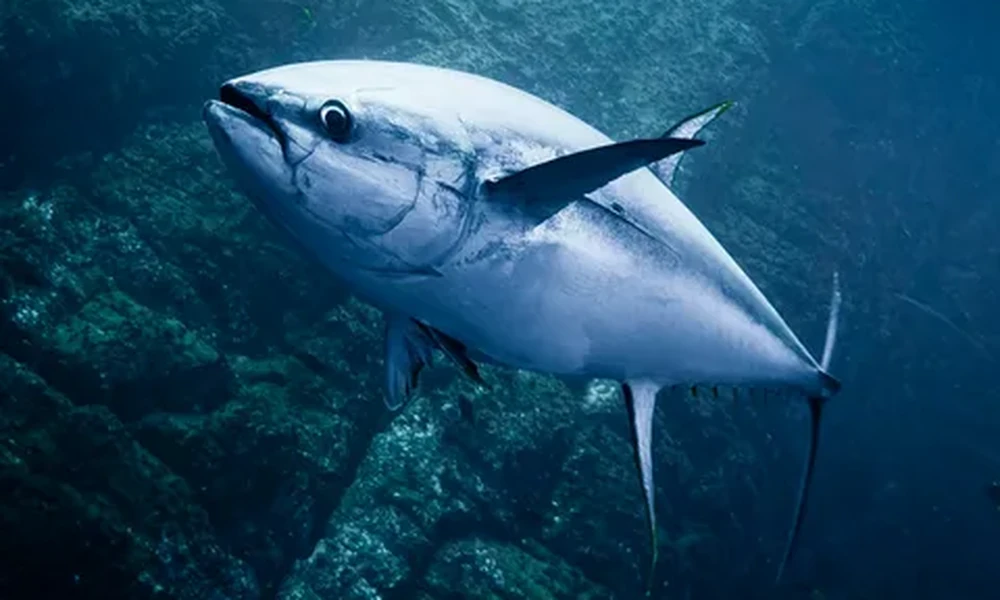
Scientific name: Thunnus thynnus
Type: Marine fish
Habitat: Temperate and subtropical waters of the Atlantic Ocean and Mediterranean Sea.
Diet: Fish, squid, and other marine animals.
Key fact: Atlantic bluefin tuna are powerful, fast-swimming fish capable of long migrations.
Sharks, Rays, and Marine Invertebrates
Angel Shark
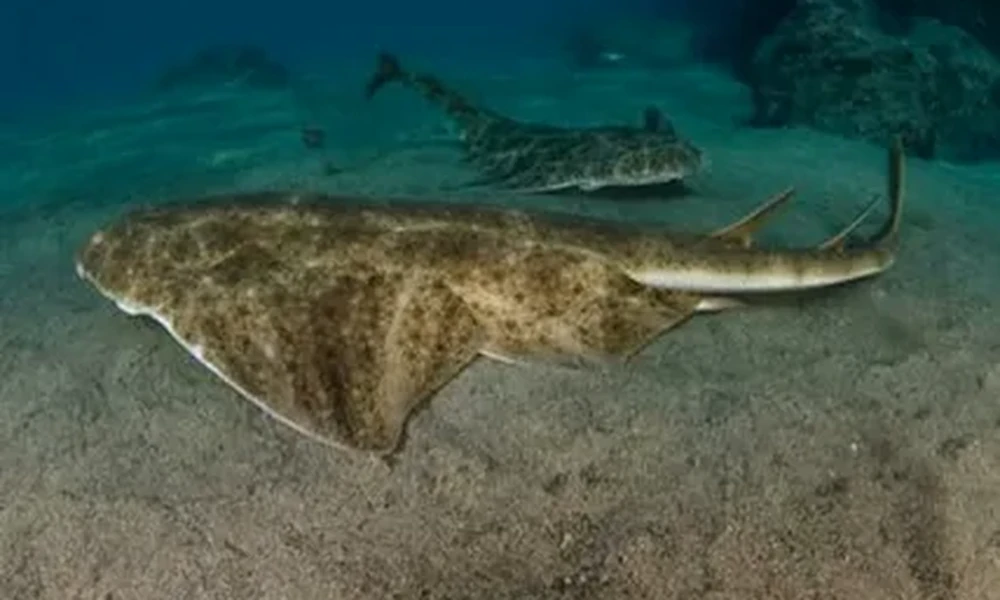
Scientific group: Squatina
Type: Shark-like cartilaginous fish
Habitat: Marine environments, usually close to the seafloor.
Diet: Fish and other marine animals.
Key fact: Its flattened body gives it a ray-like appearance and helps it hide on the seabed.
Abalone
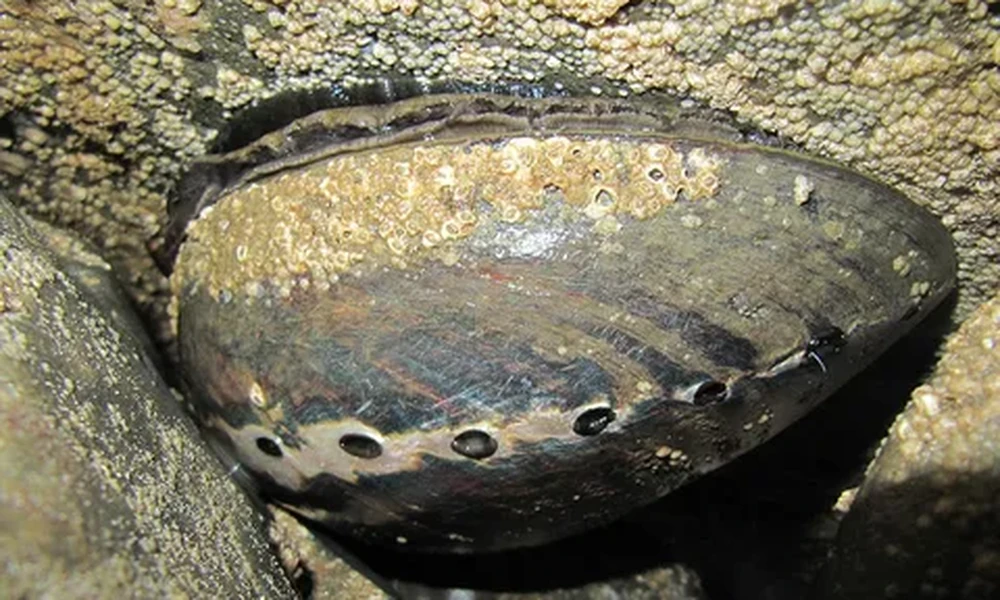
Scientific group: Family Haliotidae
Type: Marine mollusk
Habitat: Rocky coastal waters.
Diet: Mainly algae.
Key fact: Abalone have distinctive ear-shaped shells with rows of respiratory openings.
Anemone

Scientific group: Order Actiniaria
Type: Marine invertebrate
Habitat: Oceans and coastal marine habitats.
Diet: Small fish, crustaceans, and other food.
Key fact: Sea anemones use stinging cells in their tentacles to capture prey.
Insects and Arachnids
Ant
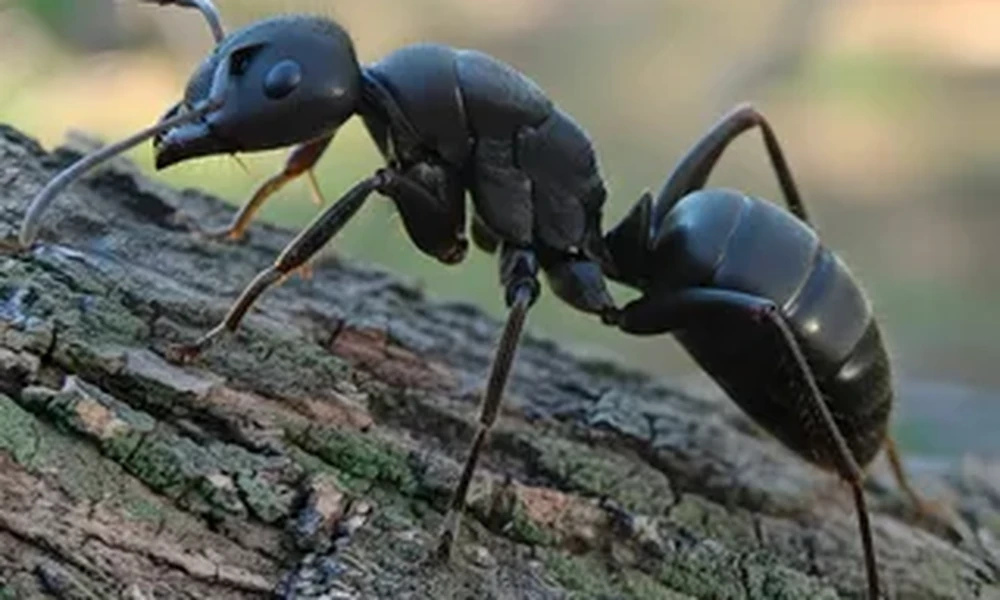
Scientific group: Family Formicidae
Type: Insect
Habitat: Almost every major terrestrial environment.
Diet: Varies widely among species.
Key fact: Most ants are social insects that live in organized colonies.
Aphid

Scientific group: Superfamily Aphidoidea
Type: Insect
Habitat: Plants in forests, gardens, grasslands, and agricultural areas.
Diet: Plant sap.
Key fact: Aphids are important food for many predators, including ladybirds and lacewings.
Antlion

Scientific group: Family Myrmeleontidae
Type: Insect
Habitat: Often sandy or dry environments.
Diet: Small insects, especially during the larval stage.
Key fact: Some antlion larvae create cone-shaped pits in sand to trap ants and other insects.
Atlas Moth
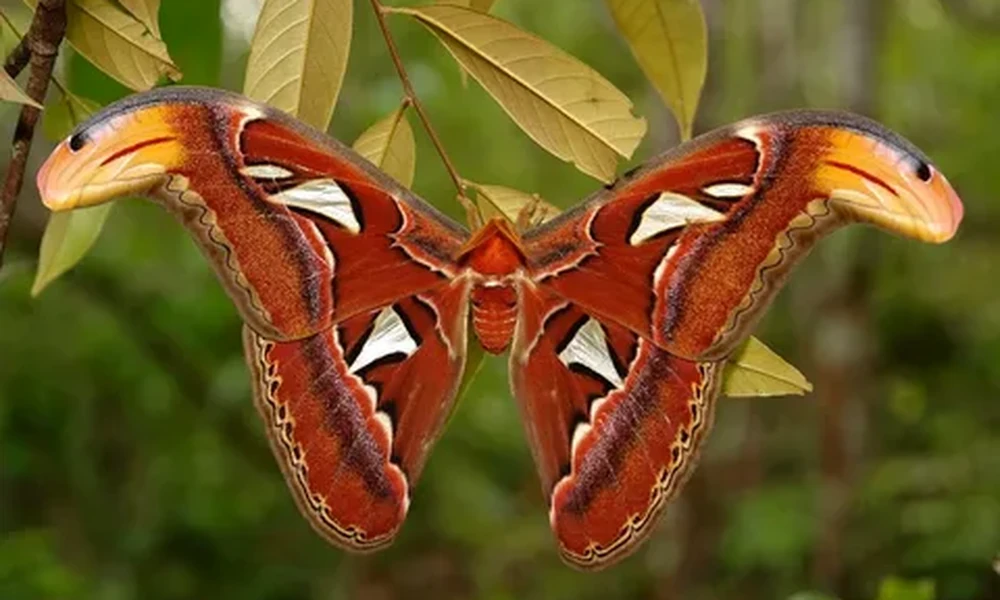
Scientific name: Attacus atlas
Type: Moth
Habitat: Tropical and subtropical forests of South and Southeast Asia.
Diet: Caterpillars feed on plant leaves.
Key fact: The Atlas moth is famous for its enormous wings and distinctive patterns.
Arizona Bark Scorpion
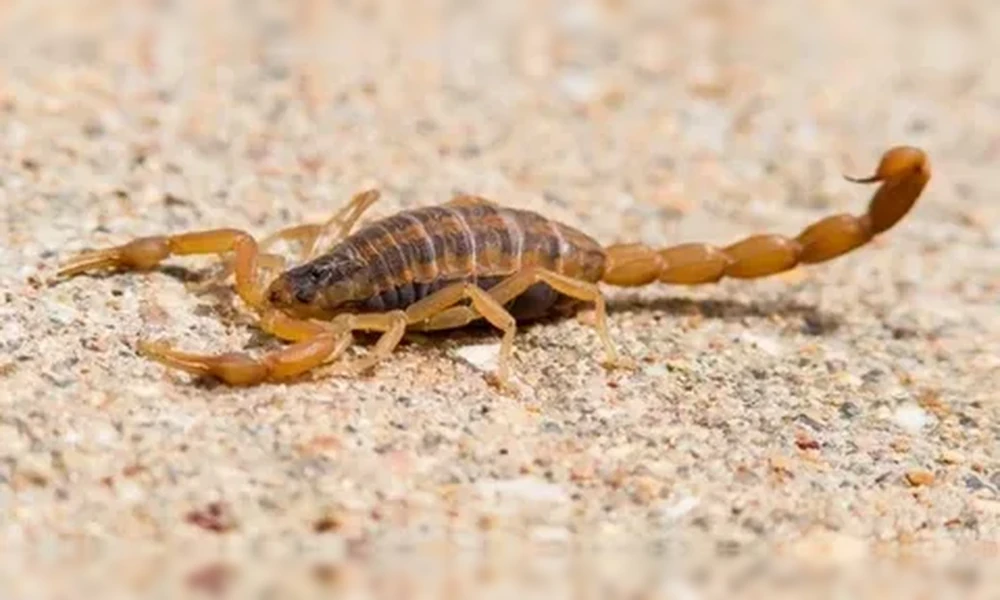
Scientific name: Centruroides sculpturatus
Type: Scorpion
Habitat: Rocky and desert environments of the southwestern United States and northern Mexico.
Diet: Insects and other small animals.
Key fact: It is a small scorpion with a potent venom and is particularly associated with Arizona and surrounding regions.
Prehistoric Animals
Allosaurus

Scientific name: Allosaurus
Type: Theropod dinosaur
Period: Late Jurassic
Diet: Carnivorous.
Key fact: Allosaurus was a large predatory dinosaur with powerful jaws and numerous sharp teeth.
Ankylosaurus

Scientific name: Ankylosaurus magniventris
Type: Herbivorous dinosaur
Period: Late Cretaceous
Diet: Plants.
Key fact: Ankylosaurus had heavy body armor and a large tail club that could be used for defense.
Apatosaurus
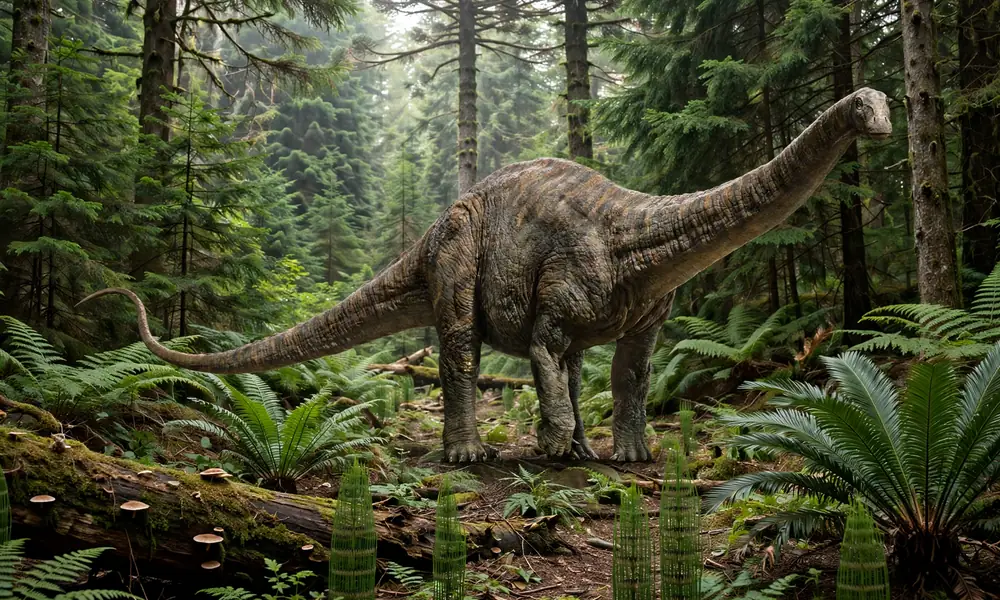
Scientific name: Apatosaurus
Type: Sauropod dinosaur
Period: Late Jurassic
Diet: Herbivorous.
Key fact: Apatosaurus was a huge long-necked dinosaur with a long tail.
Archaeopteryx
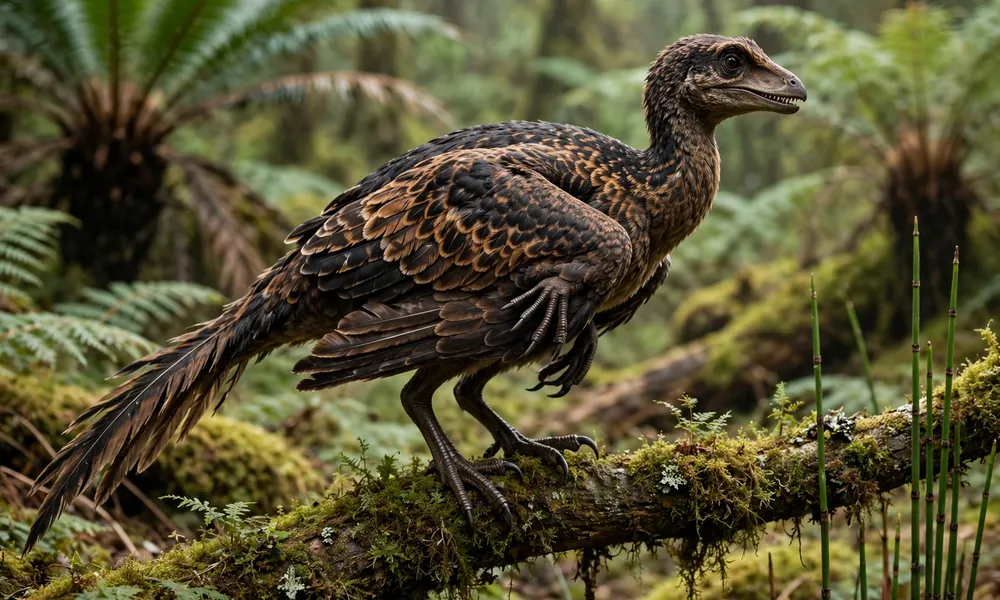
Scientific name: Archaeopteryx
Type: Early bird-like dinosaur
Period: Late Jurassic
Diet: Probably included small animals and other foods.
Key fact: Archaeopteryx is important to scientists because it combines several dinosaur-like and bird-like characteristics.
Mythical Animals
Alicorn
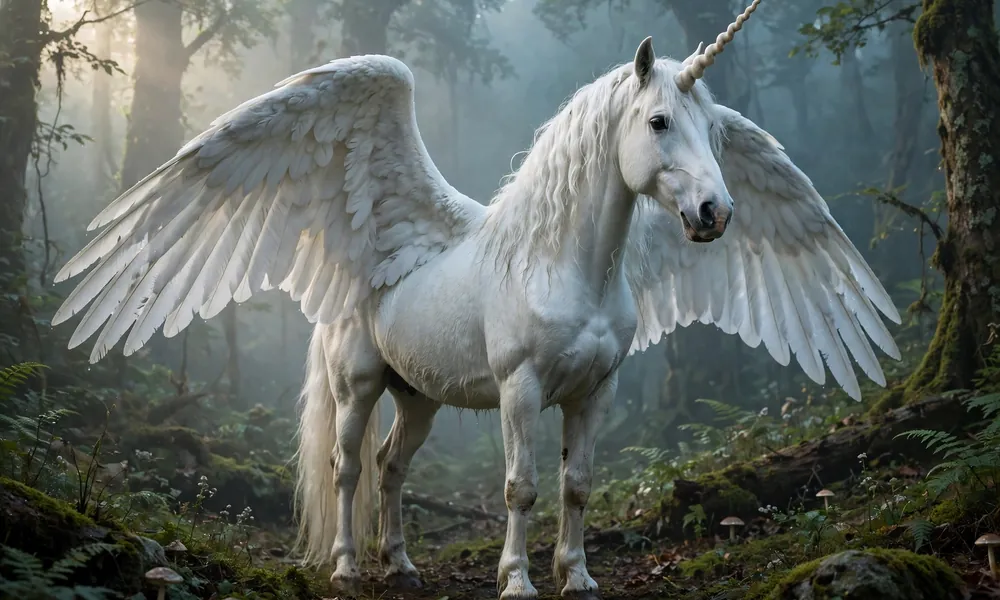
Type: Mythical creature
Description: An alicorn is generally imagined as a winged unicorn in modern fantasy.
Origin: The concept combines traditional unicorn imagery with winged-horse mythology.
Key fact: Unlike the other animals in this guide, an alicorn is not a scientifically recognized animal.
Amphisbaena
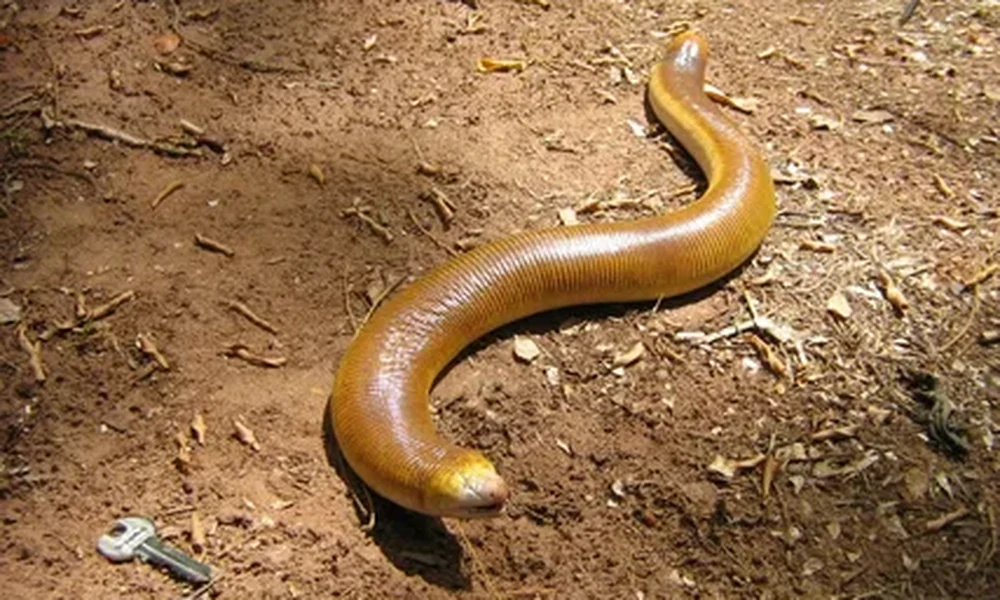
Type: Mythical serpent
Origin: Ancient Greek and Roman mythology.
Description: Traditional accounts describe the amphisbaena as a serpent-like creature associated with having a head at each end.
Key fact: It belongs to mythology rather than real-world zoology.
Frequently Asked Questions About Animals That Start With A
What is the most famous animal that starts with A?
There is no official “most famous” A animal, but alligator, aardvark, alpaca, anaconda, and African elephant are among the best-known names.
What is the largest animal that starts with A?
The African bush elephant is the largest living land animal beginning with A. Among marine A animals, some whales are considerably larger.
What is the smallest animal that starts with A?
There is no single answer because A includes many insect species of different sizes. Some ants and aphids are only a few millimeters long.
Which A animal is famous for regeneration?
The axolotl is especially famous for its ability to regenerate limbs and several other body tissues.
Which A animal is known for using water as a weapon?
The archerfish can shoot a stream of water at insects and other small prey above the water’s surface.
Which A animal has the longest migration?
The Arctic tern is famous for its extraordinary annual migration between its Arctic breeding grounds and Antarctic-region waters.
Which A animals live in the Arctic?
Examples include the Arctic fox, Arctic hare, Arctic wolf, and Arctic tern.
Which A animals are nocturnal?
Examples include the aardvark, aardwolf, aye-aye, and some bush babies. Their nighttime activity helps them find food or avoid environmental conditions and predators.
Which A animals are endangered?
Conservation status varies by species and can change as assessments are updated. Examples of threatened A animals include the axolotl and Amur leopard. Conservation status should always be checked against the latest assessment rather than relying on an old list.
Are there any prehistoric animals that start with the letter A?
Yes. Allosaurus, Ankylosaurus, Apatosaurus, and Archaeopteryx are famous prehistoric animals beginning with A.
Are there mythical animals that start with that letter A?
Yes. Alicorn and amphisbaena are examples of mythical creatures beginning with A, although they are not real zoological species.