The zebu is a distinctive type of domestic cattle recognized by its shoulder hump, loose skin, and impressive ability to adapt to hot climates. Common across South Asia and parts of Africa, this cattle type has played an important role in farming, transportation, and rural life for centuries.
Although zebus may look different from many European cattle breeds, they belong to the same domestic cattle family. Their heat tolerance and adaptability make them particularly valuable in regions where high temperatures and challenging environmental conditions affect livestock.
What Is a Zebu Animal?
A zebu is domestic cattle belonging primarily to the Bos indicus group. It is believed to have originated in South Asia, where people domesticated and developed different types over thousands of years.
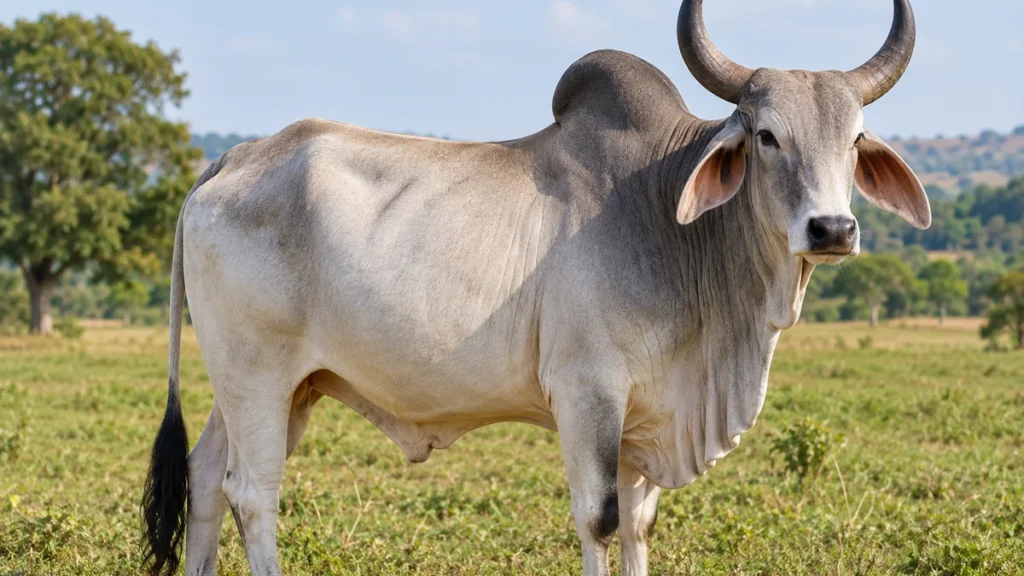
The most recognizable feature of a zebu is its muscular hump above the shoulders. Many zebus also have loose skin beneath the neck, long ears, and a noticeable dewlap.
Zebus vary considerably in size, color, and body shape. Some are raised mainly for milk, others for meat, and certain breeds have traditionally been used for pulling carts and working in fields.
What Does a Zebu Look Like?

Zebus have several physical characteristics that distinguish them from many other types of cattle.
- Shoulder hump: A prominent hump sits above the shoulders and contains specialized muscle and connective tissue.
- Loose skin: A large dewlap hangs beneath the neck and may extend toward the chest.
- Long ears: Many breeds have large, drooping ears, although ear shape varies.
- Coat color: Zebus can be white, gray, red, brown, black, or a combination of colors.
- Body size: Size depends on the breed, age, sex, nutrition, and management.
- Horns: Some zebus have horns, while others are naturally polled or have been bred to be hornless.
These features give the zebu its distinctive appearance, making it easy to recognize in many South Asian farming communities.
Where Do Zebu Animals Live?
Zebus are strongly associated with South Asia, especially India, Pakistan, Bangladesh, and neighboring regions. They are also widely raised in parts of Africa and other tropical and subtropical areas.
Their ability to tolerate heat makes them suitable for environments where some other cattle types struggle. They can be found on small family farms, open grazing land, and larger livestock operations.
In Pakistan, zebu cattle and zebu-influenced breeds are important in the agricultural economy. Breeds such as Sahiwal and Red Sindhi are particularly known for their value in dairy production.
What Do Zebus Eat?
Zebus are herbivores, meaning they eat plant material rather than meat. Their diet usually consists of grasses, leaves, and other vegetation.
On farms, their feed may include:
- Fresh pasture and grazing grasses
- Hay and dried fodder
- Crop residues, such as straw
- Suitable silage and forage crops
- Balanced supplementary feed when needed
They also require clean drinking water, especially during hot weather. Proper nutrition helps support growth, reproduction, milk production, and overall health.
Like other cattle, zebus are ruminants. They have a specialized digestive system that allows them to ferment fibrous plant material and obtain nutrients from it.
Why Are Zebus Adapted to Hot Climates?
One of the zebu’s most important advantages is its ability to cope with heat. Several physical and biological traits contribute to this adaptation.
Their coat, skin characteristics, and physiological responses can help them manage warm conditions. Certain zebu populations also show greater resistance to some tropical parasites than many cattle breeds originating in cooler climates.
However, heat tolerance does not mean zebus are immune to heat stress. They still need adequate water, shade, nutrition, and appropriate veterinary care, particularly during extreme temperatures.
Popular Zebu Breeds
Different zebu breeds have developed over generations to suit local environments and farming needs.
Sahiwal
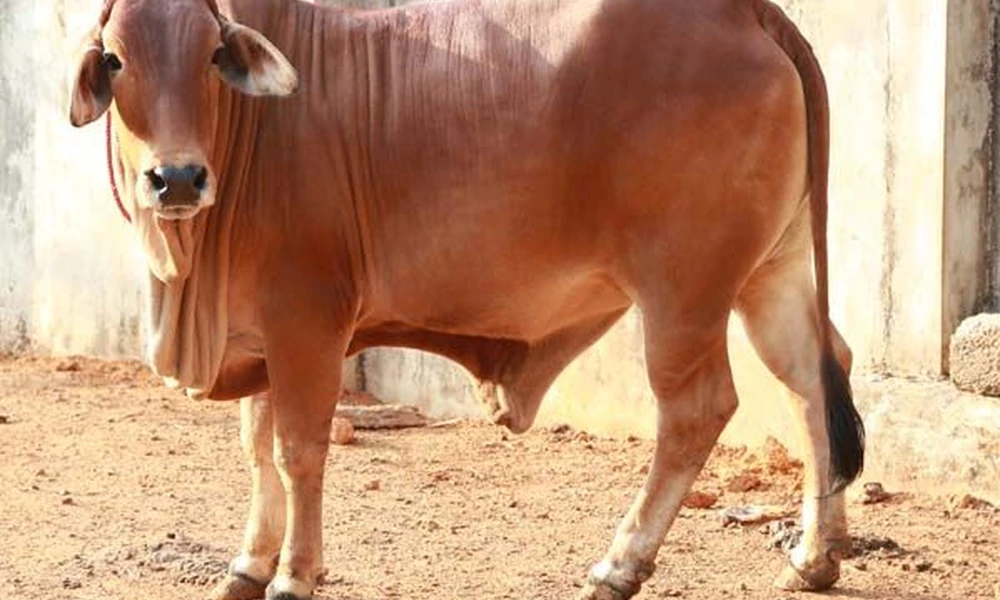
The Sahiwal is a well-known dairy breed originating from the Punjab region of the Indian subcontinent. It is valued for its milk production and ability to perform under hot conditions.
Red Sindhi
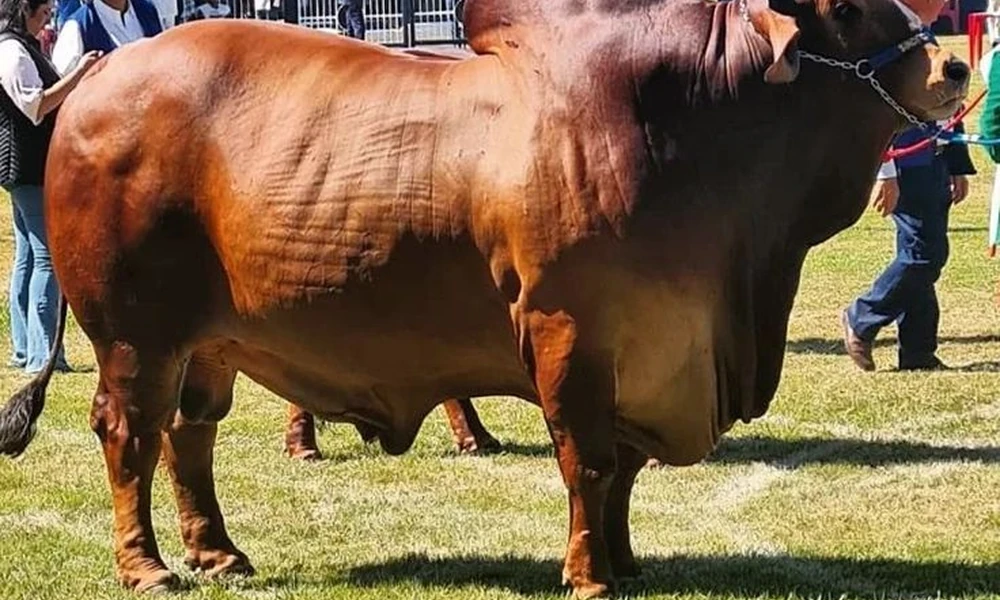
The Red Sindhi is recognized by its reddish coat and importance in dairy farming. It originated in the Sindh region and has also been used in breeding programs in other countries.
Gir
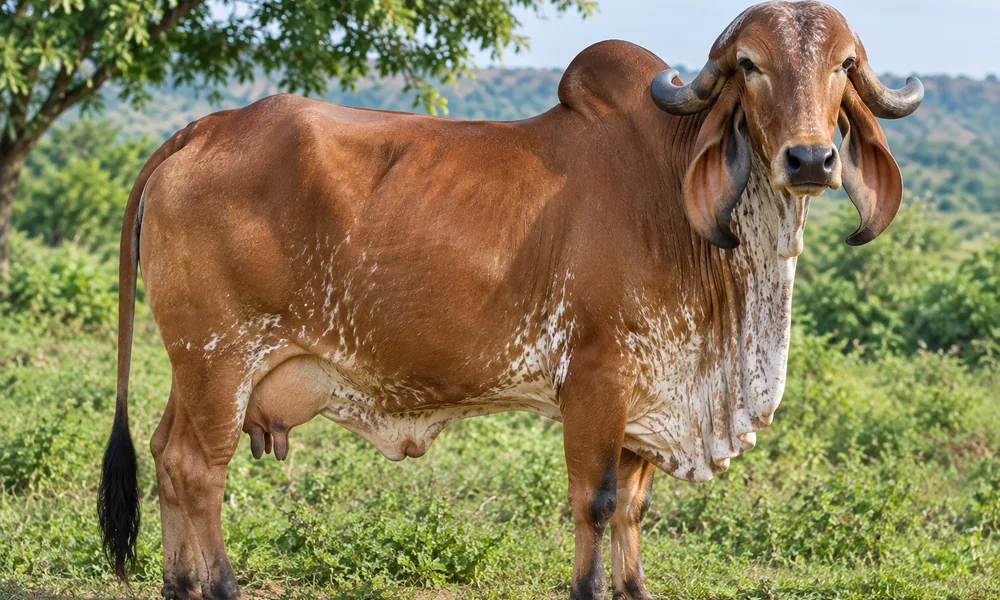
The Gir breed originated in western India and is known for its distinctive curved horns, broad forehead, and often pendulous ears. It is valued particularly for dairy production.
Brahman
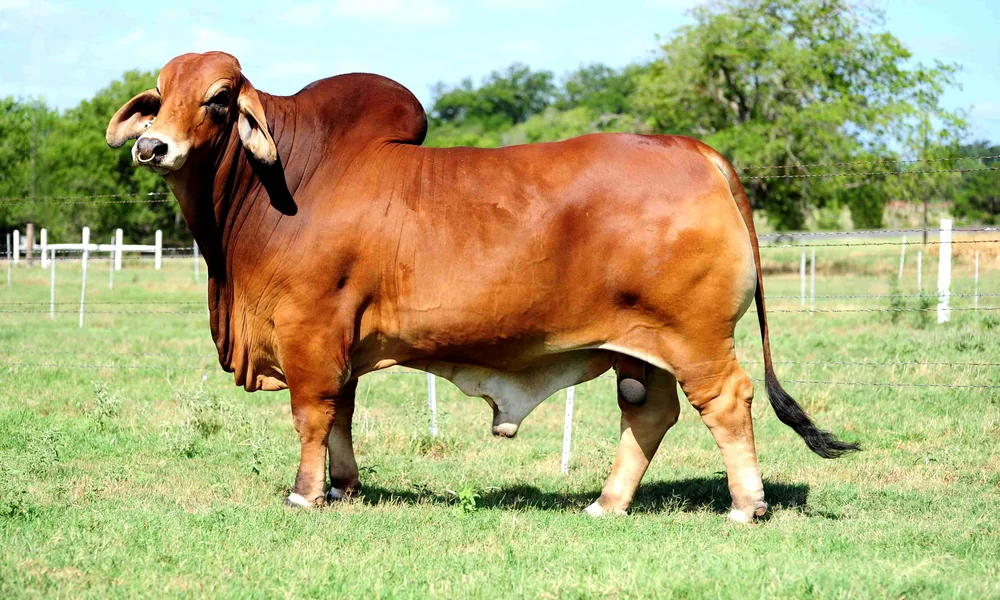
The Brahman breed was developed in the United States using cattle of South Asian zebu ancestry. It is widely recognized for its heat tolerance and has been used in crossbreeding programs for beef production.
What Are Zebus Used For?
Zebus have several agricultural and economic uses, depending on their breed and the needs of the community raising them.
Milk production: Dairy breeds such as Sahiwal and Red Sindhi provide milk for household consumption and commercial dairy farming.
Meat production: Some zebu breeds and crossbreeds are raised for beef, with productivity depending on genetics, feed, and management.
Farm work: In some regions, cattle are used for pulling carts and carrying out agricultural tasks, although machinery has replaced much of this work in many areas.
Crossbreeding: Zebu genetics are used to develop cattle that combine heat tolerance with other desirable traits, including milk production, growth, or meat quality.
Is a Zebu the Same as a Buffalo?
No. Zebus and buffaloes are different animals.
A zebu is domestic cattle, while domestic water buffalo belong to a different group of bovines. Zebus typically have a shoulder hump, whereas water buffalo generally have different horn shapes and body features.
Both animals are important in agriculture, particularly in parts of Asia, but they differ in their ancestry, physical characteristics, and farming uses.
Frequently Asked Questions
Is a zebu a cow or a bull?
Zebu refers to a type of domestic cattle. A female is a cow, an adult male is a bull, and a young animal is a calf.
Is the zebu animal found in Pakistan?
Yes. Zebu cattle and related breeds are important in Pakistan, especially in dairy and livestock farming. Sahiwal and Red Sindhi are two well-known examples.
Why does a zebu have a hump?
The hump is a distinctive anatomical feature associated with zebu cattle. Its size and shape vary by breed and individual animal.
Can zebus live in cold climates?
Zebus can live in a range of environments when properly managed, but they are particularly well adapted to hot climates. In colder regions, suitable shelter, feeding, and protection from severe weather may be necessary.
Are zebus aggressive?
Temperament varies between individual animals. Some are calm around people, while others may become defensive, especially bulls or mothers protecting calves. They should always be handled with appropriate caution.
Final Thoughts
The zebu is much more than a distinctive-looking cow. Its heat tolerance, adaptability, and agricultural value have made it an important part of livestock farming across South Asia and other warm regions.
From the dairy farms of Pakistan to cattle operations in Africa and the Americas, zebus continue to demonstrate how domestic animals can adapt to different environments and serve a wide range of human needs.
Disclaimer: This content is for informational and entertainment purposes only and reflects our personal opinions and experiences. We just love to write and share what we observe along the way.