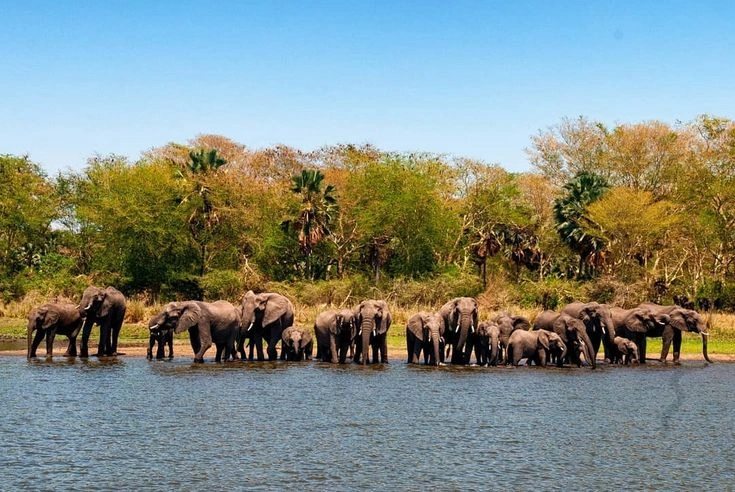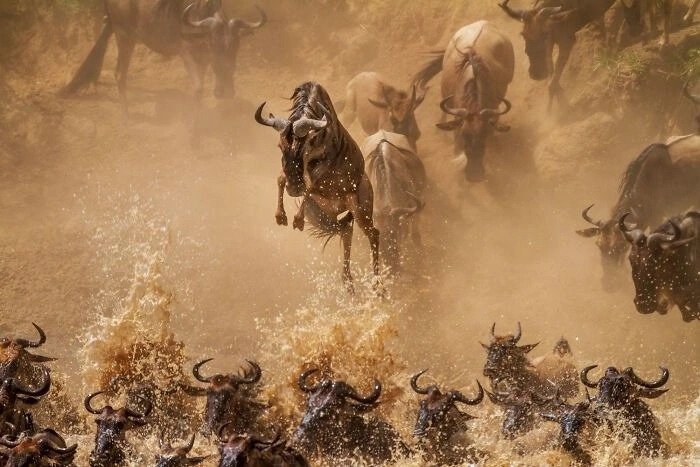
Key Takeaways
- Animal migration is the regular seasonal movement of wildlife.
- Animals migrate mainly to find food, breed, and avoid harsh weather.
- Birds, whales, fish, sea turtles, butterflies, and caribou are famous migratory species.
- Many animals navigate using Earth’s magnetic field, the Sun, stars, landmarks, and scent.
- Habitat loss and climate change are among the biggest threats to migration.
- Protecting migration routes supports biodiversity and healthy ecosystems.
Quick Answer
Animal migration is the regular movement of animals from one place to another, usually during different seasons. Animals migrate to find food, escape harsh weather, breed in safer locations, or raise their young where survival is more likely. Different species use natural signs such as the Sun, stars, Earth’s magnetic field, rivers, mountains, and even smell to navigate long distances.
Every year, millions of animals leave familiar places and begin incredible journeys across land, sea, and sky. Some travel a few miles, while others cross entire continents or oceans in search of food, warmer weather, or safe places to raise their young.
This natural movement is called animal migration, and it is one of the most fascinating behaviours in the wildlife world. From tiny butterflies to giant whales, many species depend on migration to survive. Although these journeys can be dangerous, they have helped animals adapt to changing seasons for thousands of years.
Understanding why animals migrate also helps us appreciate the delicate balance of nature. It shows how weather, food supplies, breeding cycles, and changing habitats are closely connected.
What Is Animal Migration?
Animal migration is the seasonal movement of wildlife between different locations. Unlike random wandering, migration follows predictable routes that animals often repeat every year.
Some migrations happen over short distances, while others cover thousands of miles. For example, birds may fly from cold northern regions to warmer southern areas during winter. Likewise, whales travel between feeding grounds in colder oceans and breeding waters closer to the equator.
Migration is not limited to one group of animals. Birds, mammals, fish, reptiles, insects, and even some amphibians migrate as part of their life cycle.
Migration vs Daily Movement
Many animals move around every day to search for food or avoid predators. However, these short trips are not considered migration because they do not follow regular seasonal patterns.
Migration is different because it happens repeatedly at certain times of the year and usually has a clear purpose linked to survival or reproduction.
| Daily Movement | Animal Migration |
|---|---|
| Short distance | Often hundreds or thousands of miles |
| Happens every day | Happens seasonally |
| Food or shelter nearby | Food, breeding, or climate changes |
| No fixed route | Predictable migration routes |
Why Do Animals Migrate?
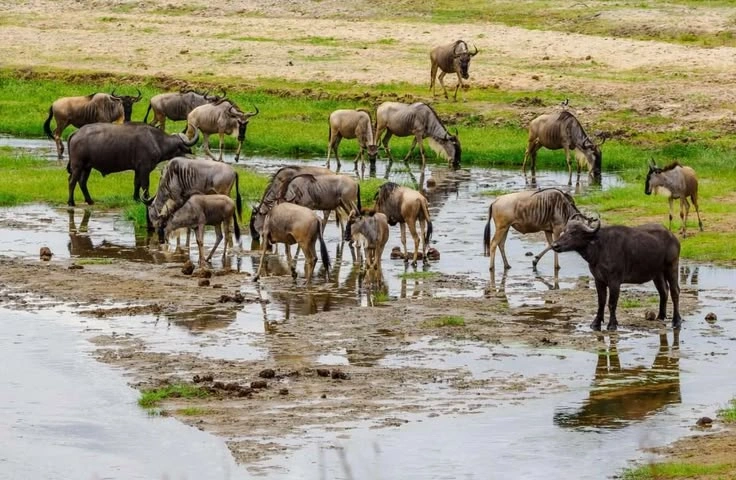
Animals migrate because staying in one place throughout the year is often not the best way to survive. As seasons change, food becomes scarce, temperatures drop or rise, and breeding conditions may worsen. Migration allows wildlife to move where conditions are more favourable.
Although each species has its own reasons, most migrations are driven by a combination of environmental changes and natural instincts.
To Find More Food
Food is one of the biggest reasons behind seasonal migration. Many animals move when local food supplies become limited or disappear altogether.
For example, many bird species fly south during winter because insects, seeds, and fruits become harder to find in colder climates. Similarly, large herbivores travel to fresh grasslands after seasonal rains.
To Breed Safely
Many animals migrate to special breeding areas where their young have a better chance of surviving.
Sea turtles return to the same beaches where they were born to lay eggs. Likewise, salmon swim upstream into freshwater rivers to reproduce before completing their life cycle.
To Escape Extreme Weather
Cold winters, dry seasons, and intense heat can make survival difficult. As a result, many species move to places with milder conditions.
Bird migration is one of the best-known examples. Instead of facing freezing temperatures, many birds spend winter in warmer regions before returning when spring arrives.
To Protect Their Young
Young animals often need safe habitats with plenty of food and fewer predators.
Many whale species migrate to warm tropical waters where newborn calves can grow without facing extremely cold ocean temperatures.
The Main Types of Animal Migration
Not every migration looks the same. Different species have developed unique movement patterns depending on where they live and what they need to survive.
Seasonal Migration
This is the most common type of migration. Animals travel between summer and winter habitats as the seasons change.
Many birds, deer, whales, and caribou follow seasonal migration every year.
Altitudinal Migration
Instead of travelling across countries, some animals move up and down mountains.
During warmer months, they live at higher elevations where food is plentiful. As winter approaches, they return to lower areas with less snow and easier access to food.
Reproductive Migration
Some species migrate mainly to reproduce.
Salmon leave the ocean and swim into rivers to spawn. Sea turtles travel back to nesting beaches, often returning to the exact location where they hatched years earlier.
Nomadic Migration
Unlike seasonal migration, nomadic migration has no fixed schedule.
Animals move whenever food or water becomes available. This behaviour is common in dry regions where rainfall is unpredictable.
How Animals Know Where to Go
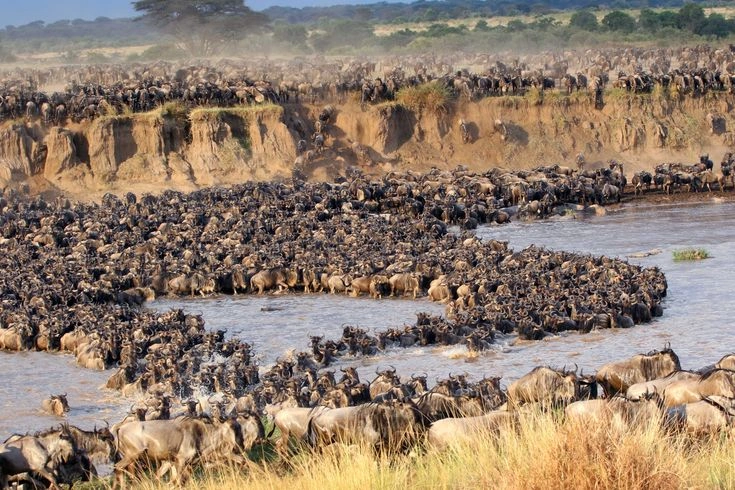
One of the greatest mysteries of animal behaviour is navigation. Scientists continue to study how wildlife finds its way across such enormous distances with remarkable accuracy.
Earth’s Magnetic Field
Many migratory animals can sense Earth’s magnetic field. This natural ability acts like an invisible compass that helps them stay on course during long journeys.
Researchers believe birds, sea turtles, and some fish rely on this internal navigation system.
The Sun and Stars
Many birds use the position of the Sun during the day and stars at night to guide their flights.
Young birds may also learn routes by travelling alongside experienced adults during their first migration.
Landmarks and Smell
Some animals recognise rivers, coastlines, mountain ranges, forests, and even specific scents.
Salmon are famous for using their sense of smell to return to the exact river where they were born, even after spending years in the ocean.
Famous Animal Migration Examples
Wildlife migrations occur on every continent and in every major ocean. Some journeys are so long and challenging that they continue to amaze scientists and nature lovers alike.
Bird Migration
Bird migration is perhaps the most familiar example of seasonal movement.
Species such as geese, swallows, cranes, and Arctic terns travel enormous distances each year between breeding and wintering grounds. These migrations help birds find enough food while avoiding harsh weather.
Whale Migration
Many whale species migrate between cold feeding areas and warm breeding waters.
Humpback whales, for example, spend summers feeding in nutrient-rich polar regions before travelling to tropical waters where calves are born and raised.
Caribou Migration
Caribou perform one of the longest land migrations on Earth.
Large herds move across northern forests and tundra in search of fresh plants while avoiding deep snow and areas with limited food. Their migration also helps newborn calves grow in open landscapes where predators are easier to spot.
Animal Migration Comparison Table
| Animal | Main Reason for Migration | Habitat | Typical Route |
|---|---|---|---|
| Arctic tern | Food and breeding | Air | Arctic to Antarctic |
| Humpback whale | Feeding and breeding | Ocean | Polar waters to tropical seas |
| Caribou | Fresh grazing | Land | Arctic tundra and forests |
| Salmon | Reproduction | Rivers and oceans | Ocean to freshwater rivers |
| Sea turtle | Nesting | Ocean | Feeding grounds to nesting beaches |