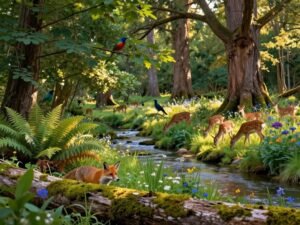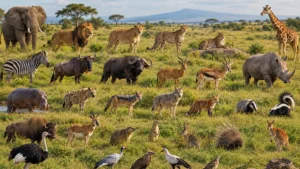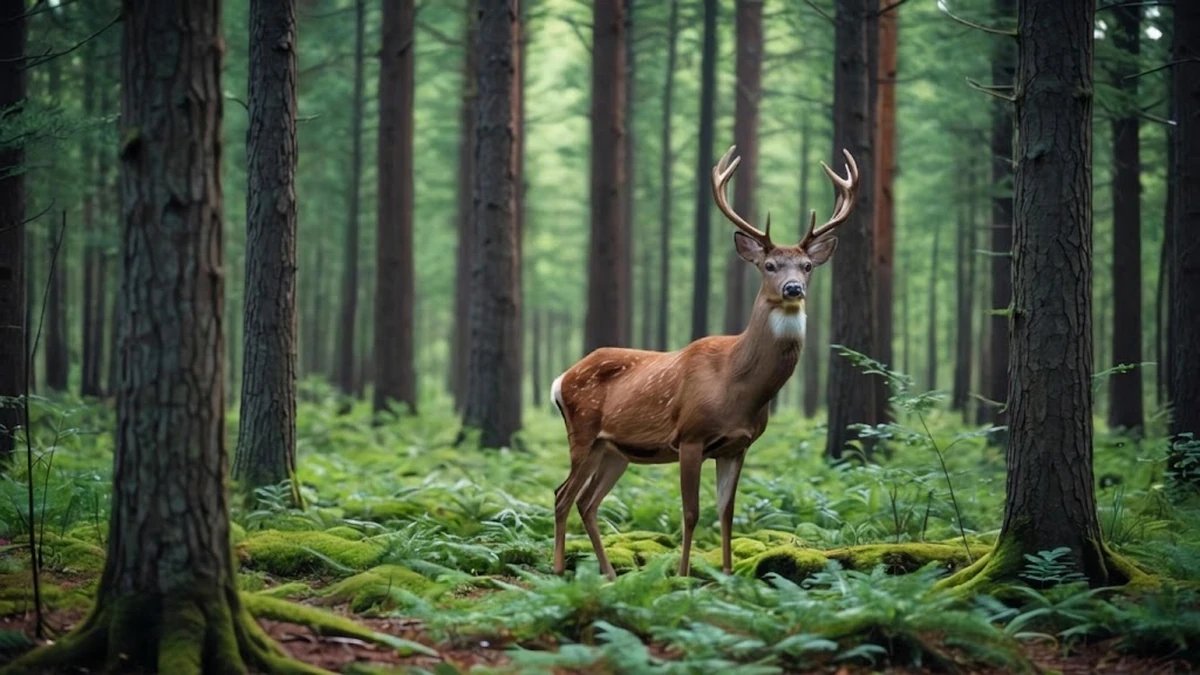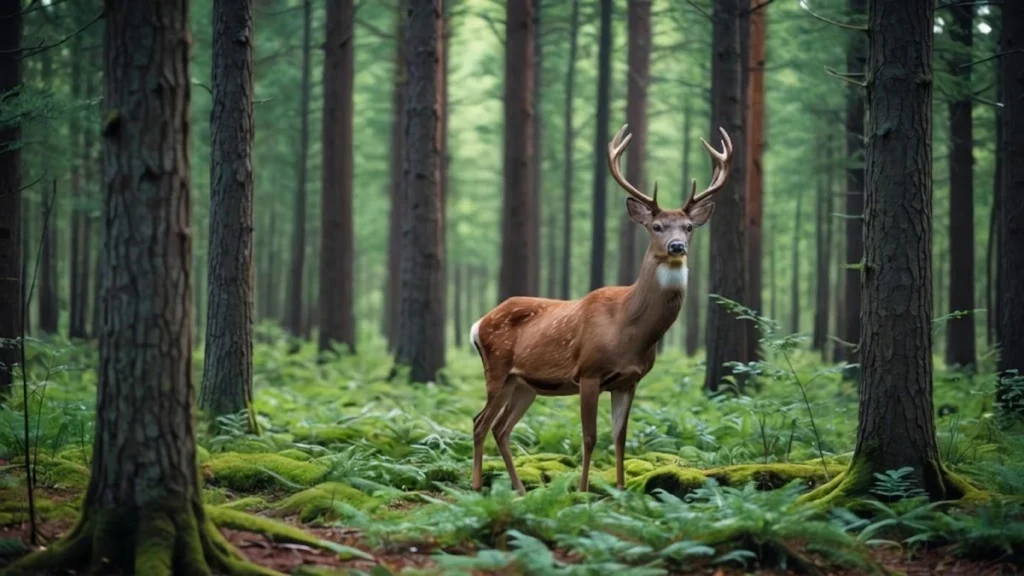
A deer can appear at the edge of a forest so quietly that you might not notice it until its ears turn toward you. One moment, the trees seem empty. The next, a pair of dark eyes watches from the shadows, ready to disappear at the slightest movement.
Deer are among North America’s most familiar wild mammals, yet there is much more to them than their graceful appearance. They communicate through scent, hear sounds humans may miss, grow and shed antlers, and adapt to landscapes ranging from remote forests to suburban gardens.
But what do deer eat? How can you tell different types apart? And what should you do if a deer suddenly appears in your yard or crosses the road in front of your car?
What Is a Deer?
Deer are hoofed mammals belonging to the family Cervidae. They are herbivores, meaning their diet consists primarily of plants, and many species are known for the antlers grown by males.
Deer live across much of the world, with species adapted to forests, grasslands, mountains, wetlands, and even cold northern environments. In the United States, the white-tailed deer is the species many people are most likely to encounter.
Most deer have long legs, cloven hooves, sensitive ears, and eyes positioned toward the sides of the head. These features help them detect danger and move quickly through their surroundings.
Although deer often appear calm, they are prey animals. Their survival depends on recognizing threats early and escaping before a predator gets too close.
What Do Deer Look Like?
Deer vary considerably in size and appearance, but several features help identify them.
Long legs and split hooves
A deer’s long, slender legs help it move efficiently across uneven ground. Its hooves are divided into two main toes, leaving the familiar paired hoofprints often seen in mud or soft soil.
Some species also have small dewclaws that may leave marks when they move through particularly soft ground.
Large ears and wide-set eyes
Deer rely heavily on their senses. Their large ears can turn toward sounds from different directions, while their wide-set eyes provide a broad field of view.
Their vision is particularly useful for detecting movement. A sudden gesture may cause a deer to bolt even if the person making it is standing far away.
A coat that changes with the seasons
Many deer grow thicker coats for colder weather. Their coloring can also vary with the season, age, and species.
White-tailed deer often have reddish-brown coats in warmer months and grayer coats in winter. Their names come from the white underside of the tail, which becomes especially noticeable when the animal raises it while fleeing.
Antlers that grow and fall
Antlers are among the most recognizable deer features, but not every deer has them year-round.
In most deer species, males grow antlers annually and shed them after the breeding season. Antlers develop beneath a covering called velvet, which contains blood vessels that supply the growing bone. Once growth is complete, the velvet dries and is rubbed away.
Antlers are different from horns. Horns generally have a permanent bony core covered by keratin and are not normally shed every year in the way deer antlers are.
Types of Deer Found in North America
Several deer species live in North America, and each has its own appearance, range, and preferred habitat.
White-tailed deer

The white-tailed deer (Odocoileus virginianus) is widespread across much of the United States, southern Canada, and parts of Central America.
It is recognized by the white underside of its tail, which it often raises when alarmed. White-tailed deer occupy forests, brushlands, farmland, and suburban areas.
They are highly adaptable and may visit gardens or landscaped neighborhoods when food is easy to find.
Mule deer
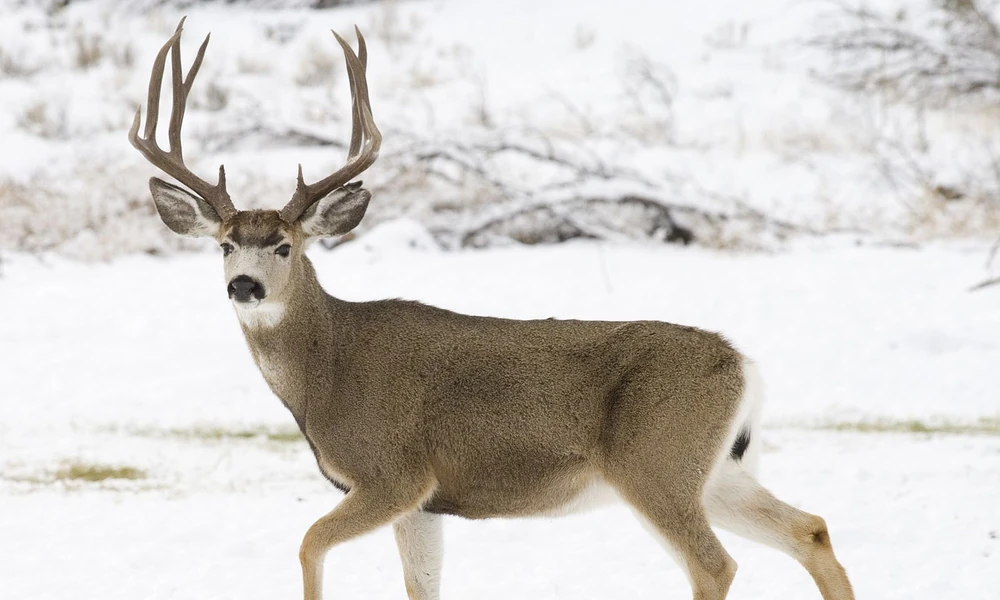
Mule deer (Odocoileus hemionus) are found mainly in western North America.
They are named for their large ears, which resemble those of a mule. Their antlers often branch in a distinctive forked pattern rather than forming the typical branching structure associated with white-tailed deer.
Mule deer inhabit deserts, shrublands, forests, and mountainous regions. Some populations migrate seasonally between summer and winter ranges.
Elk
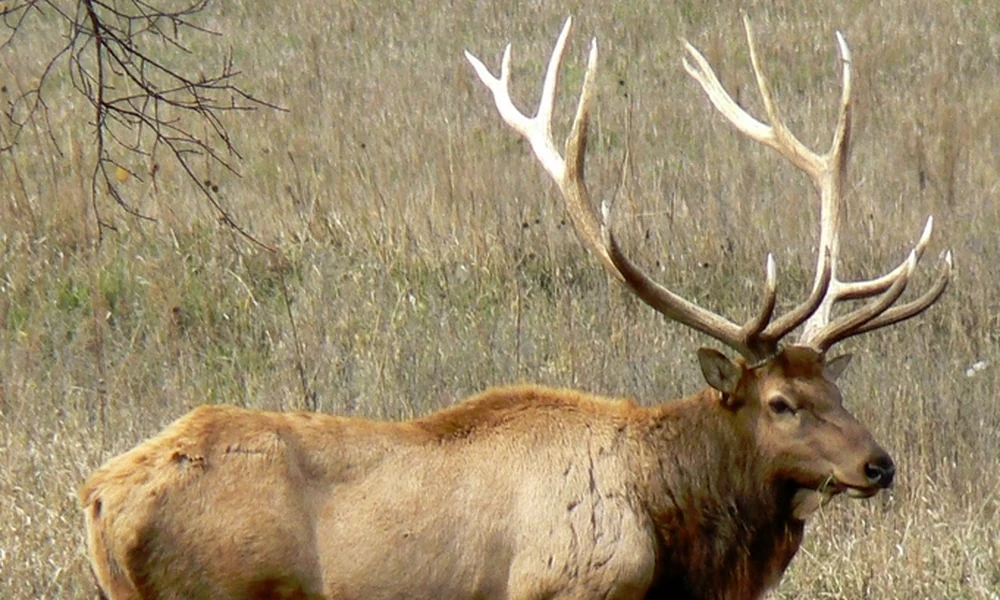
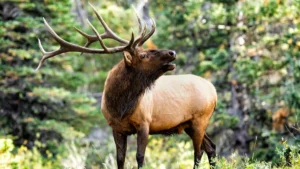
Elk (Cervus canadensis) are much larger than most deer people encounter in suburban settings. Also known as wapiti, they live in parts of western North America and other regions where they have been introduced or re-established.
Adult males grow large antlers and produce a distinctive bugling call during the breeding season. Despite their size, elk are members of the deer family rather than a separate group of animals.
Moose
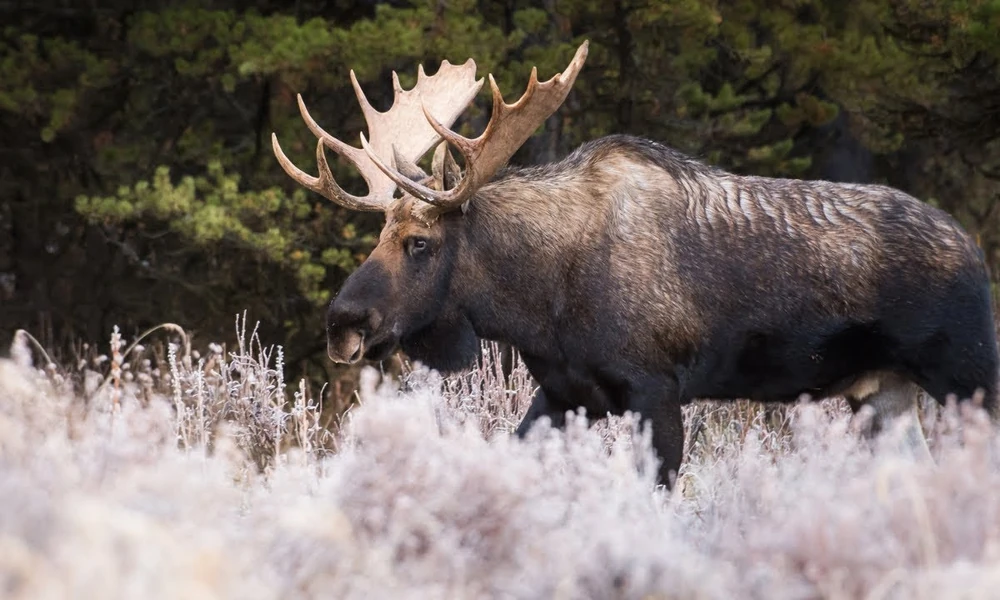
Moose (Alces alces) are the largest living members of the deer family. They inhabit northern forests and wetlands across parts of Canada, Alaska, and the northern United States.
They have long legs, a prominent muzzle, and broad, flattened antlers in mature males. Moose are powerful animals and should never be approached, especially when a female is protecting her calves.
Caribou
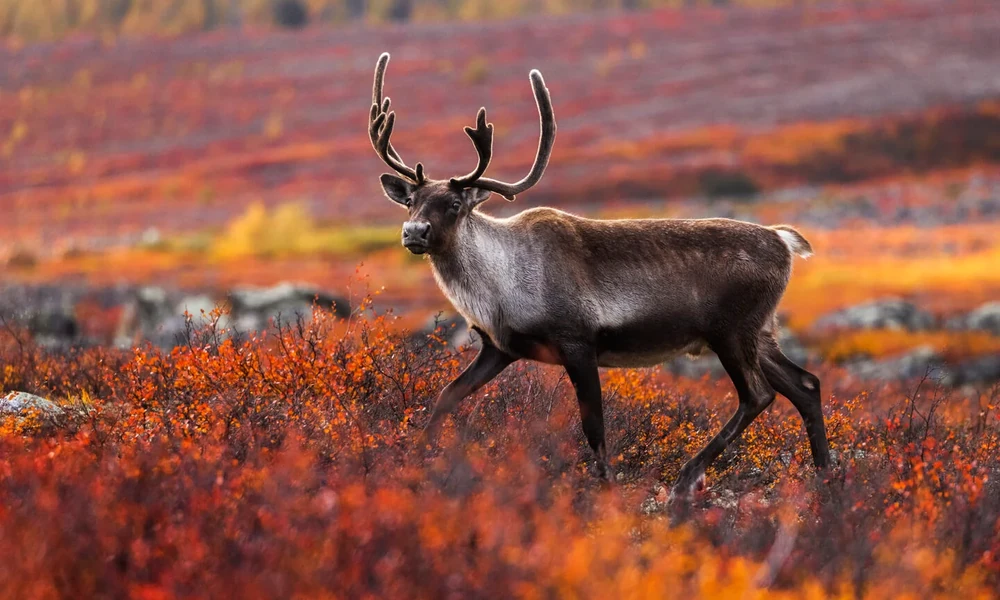
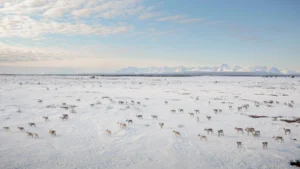
Caribou (Rangifer tarandus), known as reindeer in many parts of the world, inhabit northern regions. They are adapted to cold environments and can travel long distances during seasonal movements.
Unlike most deer species, both males and females in many caribou populations can grow antlers, although antler size and shedding schedules vary.
These species illustrate how diverse the deer family is. A small white-tailed deer in a suburban garden and a massive moose in a northern wetland share the same family but live very different lives.
Where Do Deer Live?
Deer occupy an enormous range of habitats, including:
- Deciduous and coniferous forests
- Grasslands and open plains
- Shrublands and deserts
- Mountain slopes
- Wetlands and river valleys
- Farmland and woodland edges
- Suburban parks and residential neighborhoods
Many deer prefer areas that combine food, cover, and easy escape routes. A forest edge next to a field, for example, can provide vegetation to eat and nearby trees or brush for shelter.
Some species and populations migrate between seasonal habitats. Others remain within relatively small home ranges when food and shelter are available throughout the year.
Human development has changed deer habitat in many regions. Roads and buildings can fragment natural landscapes, while gardens, crops, and ornamental plants may provide additional food. These changes can bring deer into closer contact with people, increasing the risk of vehicle collisions and other conflicts.
What Do Deer Eat?
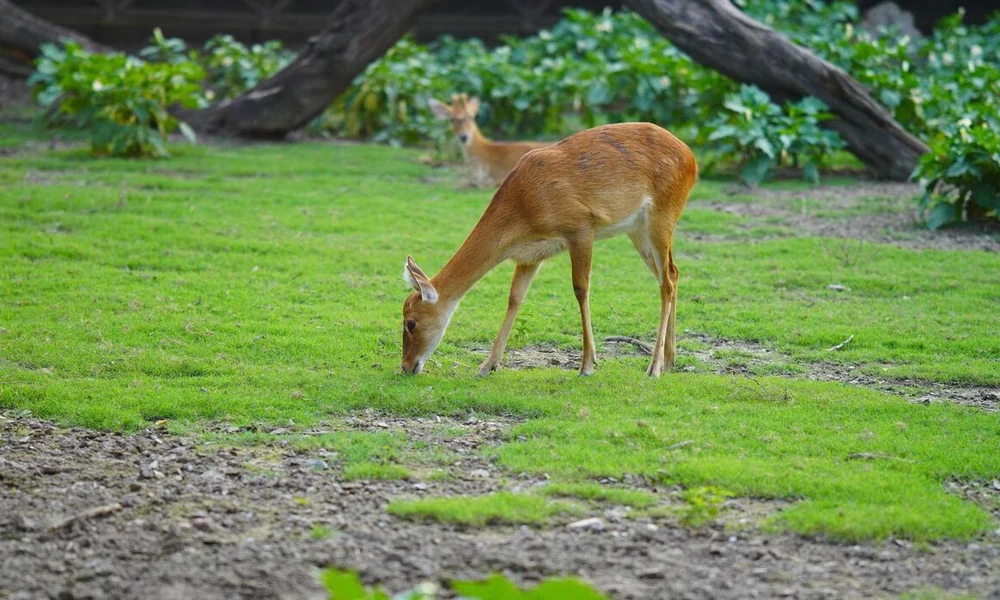
Deer are herbivores, but their diets are more varied than simply eating grass.
Depending on the species, season, and location, deer may eat:
- Leaves and young shoots
- Grasses and herbaceous plants
- Shrubs and woody stems
- Acorns and other nuts
- Fruits and berries
- Buds and twigs
- Agricultural crops
- Garden plants and ornamental shrubs
White-tailed deer often browse on leaves, shoots, and woody plants, particularly when preferred foods are available. They may consume more grasses and other vegetation at certain times of the year.
In winter, when green plants become scarce, deer may rely more heavily on twigs, buds, evergreen vegetation, and other foods they can reach.
Do deer eat meat?
Deer are classified as herbivores and normally eat plant material. Rare observations of deer consuming animal matter have been reported, but this is not their typical diet.
Their digestive systems are adapted to processing vegetation, which often contains tough plant fibers that many other mammals cannot digest efficiently.
Should you feed deer?
Feeding wild deer is generally discouraged. Human-provided food can attract large numbers of animals to one place, increase the spread of disease, and make deer less cautious around people.
Sudden changes in diet can also cause digestive problems. Foods that seem harmless to humans may be inappropriate for deer, especially in winter when their digestive systems are adapted to seasonal forage.
In some areas, feeding deer is restricted or prohibited by local regulations. The safest approach is to let them forage naturally.
Why Do Deer Freeze When They See People?
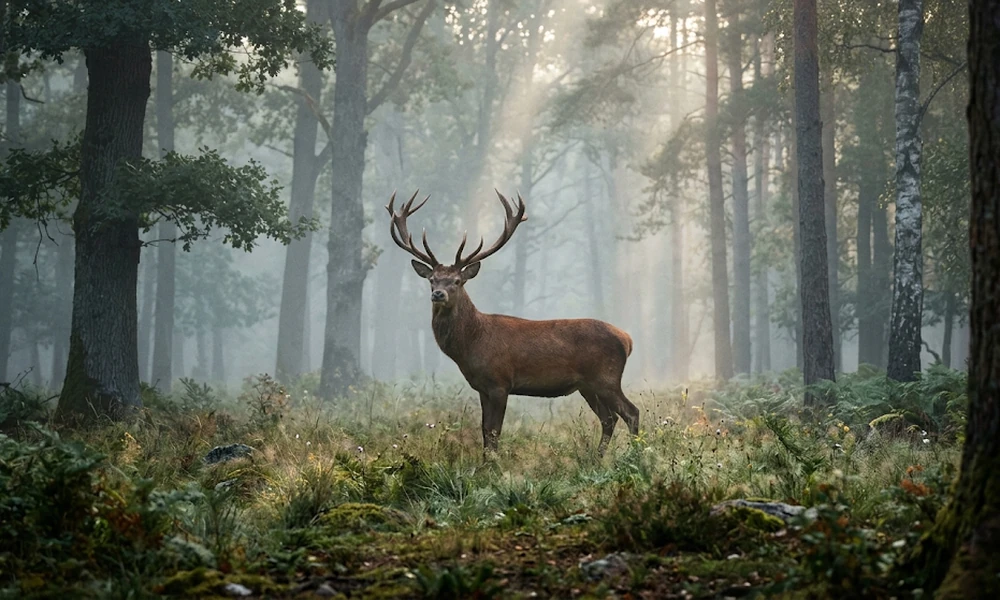
A deer that suddenly stops moving may look as if it has forgotten how to escape. In reality, freezing is one of its defensive responses.
When a deer detects a possible threat, it may pause to assess the situation. Remaining still can help it avoid attracting attention, particularly when its coat blends into surrounding vegetation.
If the animal decides that danger is too close, it may flee rapidly. White-tailed deer often raise their tails while running, revealing the white underside.
Deer can also use scent, body posture, and vocalizations to communicate. A snort or alarm call may warn nearby animals that something unusual is happening.
Freezing does not mean a deer is tame or comfortable. If you encounter one, avoid approaching it, blocking its escape route, or trying to touch it.
Are Deer Dangerous to Humans?
Deer are not predators and generally avoid people. However, they are strong wild animals that can injure someone if they feel threatened.
The main risks include:
- Defensive behavior: A deer may kick or charge if cornered or frightened.
- Antlers: Males with antlers can cause serious injuries, particularly during the breeding season.
- Protective mothers: A doe may react defensively if she believes her fawn is threatened.
- Vehicle collisions: Deer crossing roads are a major safety concern in many regions.
Never approach a deer to take a photograph, pet it, or feed it. If one enters a yard, give it room to leave.
If a deer is injured or trapped, contact local wildlife authorities rather than attempting to restrain it yourself.
What Should You Do If You Find a Baby Deer?
A young deer lying quietly in grass or under shrubs may appear abandoned, but this is often normal behavior.
For the first weeks of life, a doe may leave her fawn hidden while she feeds elsewhere. The fawn’s spotted coat and tendency to remain still help it avoid detection by predators.
The mother typically returns periodically to nurse it. Her absence does not automatically mean the fawn needs rescuing.
If you find a fawn:
- Keep people and pets away.
- Do not touch it or move it unless there is an immediate danger.
- Leave the area so the mother can return without disturbance.
- Contact a licensed wildlife rehabilitator if the fawn is visibly injured, has been attacked, or is in a clearly dangerous situation.
Never take a healthy fawn home. Human interference can separate it from its mother and may violate wildlife laws.
Why Do Deer Cross Roads So Often?
Roads frequently cut through deer habitat, creating dangerous crossings between feeding and resting areas. Deer may move at dawn, dusk, or night, when visibility for drivers is reduced.
Seasonal movements and the breeding season can increase movement in some areas. Young deer dispersing to find their own territory may also cross roads.
If you see a deer near the roadside, slow down and watch for others. Deer sometimes travel in groups, so a second animal may follow the first.
Avoid swerving suddenly to miss a deer if doing so would put you at greater risk of a crash. Follow local driving-safety guidance, maintain control of your vehicle, and report a collision when required.
Roadside warning signs often mark areas where wildlife crossings are common, but deer can appear almost anywhere suitable habitat meets a road.
Why Do Deer Shed Their Antlers?
Deer antlers are made of bone and are among the fastest-growing tissues found in mammals during their development.
In many species, antler growth is influenced by hormones and seasonal changes in daylight. As antlers develop, they are covered in velvet, which supplies nutrients and blood to the growing bone.
After growth is complete, the velvet dries and is rubbed off. Once the breeding season passes and hormone levels change, the connection between the antler and the skull weakens. The antler eventually falls off, and a new one begins growing during the next cycle.
Shed antlers are often found in forests, fields, and along wildlife trails. They are a natural part of a deer’s life cycle, not evidence that the animal has been injured.
Antler size varies with species, age, nutrition, and genetics. Larger antlers do not always mean an animal is healthier in every respect, and antlers are not a reliable measure of overall population health on their own.
Deer vs. Antelope: What’s the Difference?

Deer and antelope may look similar because both include hoofed, plant-eating mammals. However, they belong to different branches of the mammal family tree.
| Feature | Deer | Antelope |
| Animal family | Cervidae | Most commonly members of Bovidae |
| Head structures | Most males grow antlers that are shed annually | Many species have horns that are usually permanent |
| Horn or antler growth | Antlers are made of bone and regrow each year | Horns generally have a bony core covered by keratin |
| Geographic distribution | Found across much of the world, except Antarctica and some isolated regions | Mainly Africa and parts of Asia, with some related bovids elsewhere |
| Examples | White-tailed deer, moose, elk | Impala, springbok, gazelle |
The word antelope is a broad common name rather than a single scientific family, so there are exceptions and complexities. Still, antlers versus permanent horns is a useful starting point when identifying these animals.
Frequently Asked Questions
What is the most common deer in the United States?
The white-tailed deer is widespread across much of the United States and is one of the most commonly encountered deer species.
What do deer eat in winter?
They often browse on twigs, buds, evergreen plants, and other vegetation available when fresh growth is limited.
Can deer see in the dark?
Deer are well adapted to low-light conditions and are often active around dawn and dusk. They cannot see in complete darkness, but their eyes help them detect movement when light levels are low.
Do all deer have antlers?
No. In most deer species, antlers are grown by males. Caribou are a notable exception because females in many populations also grow antlers.
Are deer afraid of humans?
Deer generally avoid people, especially where they have been hunted or frequently disturbed. In areas with little human pressure, some individuals may appear less wary.
Why do deer visit gardens?
Gardens can offer nutritious leaves, flowers, shrubs, and other easy-to-reach food. Deer may also use nearby cover to move between resting and feeding areas.
How long do deer live?
Lifespan varies by species and conditions. Many wild deer live several years, but predation, disease, hunting, vehicle collisions, and food availability affect survival.
Understanding Deer Means Giving Them Space
Deer can seem almost magical when they appear quietly at the edge of a forest. Their stillness, quick movements, and ability to vanish into vegetation make them fascinating to watch. But they are not woodland pets. They are wild animals with their own routines, seasonal needs, and ways of responding to danger.
You can help deer by protecting natural habitat, avoiding feeding them, driving carefully through wildlife areas, and leaving fawns where you find them unless professional help is clearly needed. Sometimes the best wildlife encounter is the simplest one: watching a deer from a respectful distance as it lowers its head to feed, lifts its ears at a distant sound, and slips quietly back into the trees.
Disclaimer: This article is intended for informational purposes only