Key Takeaways
Top ecosystem preservation strategies in 2026 are becoming more connected, measurable, and practical.
First, protecting remaining natural habitats is still essential. Second, degraded ecosystems need effective restoration. Third, nature based solutions can connect biodiversity protection with climate resilience and human needs.
Furthermore, better monitoring is becoming critical as governments work toward the Global Biodiversity Framework’s 2030 targets.
Finally, conservation cannot depend on environmental organizations alone. Governments, businesses, researchers, communities, and Indigenous peoples all have important roles to play.
Quick Answer
The leading ecosystem preservation strategies to watch in 2026 include protecting important habitats, restoring damaged ecosystems, expanding nature-based solutions, improving biodiversity monitoring, supporting sustainable agriculture, using satellite and geospatial technology, increasing conservation finance, and giving local and Indigenous communities a stronger role.
Most importantly, preservation works best when these strategies are connected rather than treated as separate projects.
What Is Ecosystem Preservation?

Ecosystem preservation means protecting the health, structure, biodiversity, and natural functions of ecosystems so they can continue supporting wildlife and people.
This can include forests, grasslands, wetlands, rivers, lakes, oceans, coastal areas, agricultural landscapes, and urban green spaces.
However, preservation does not always mean leaving an ecosystem completely untouched. In damaged environments, restoration may be necessary to recover ecological functions and improve biodiversity.
The Society for Ecological Restoration’s third edition of its international standards, released in 2026, places stronger emphasis on native ecosystems, Indigenous Knowledge, and Free, Prior, and Informed Consent.
Top Ecosystem Preservation Strategies in 2026
1. Protecting and Connecting Natural Habitats
Protecting high-value habitats remains one of the most important conservation strategies.
Nevertheless, isolated protected areas can struggle when wildlife cannot move between them. Therefore, ecological corridors and connected landscapes are becoming increasingly important.
Connected habitats can help species move, find food, reproduce, and respond to changing environmental conditions.
The Kunming-Montreal Global Biodiversity Framework specifically emphasizes ecosystem integrity, connectivity, and resilience as part of its long-term biodiversity goals.
2. Restoring Degraded Ecosystems
Protection alone cannot repair ecosystems that have already been heavily damaged.
Consequently, restoration is becoming a major part of global conservation planning. Restoration can involve natural regeneration, native planting, wetland recovery, soil improvement, river restoration, mangrove recovery, or better management of degraded land.
In 2026, this work is increasingly tied to measurable international targets. The CBD’s Target 2 Road Map is designed to accelerate and monitor progress toward restoring 30% of degraded ecosystems by 2030.
3. Expanding Nature-Based Solutions
Nature-based solutions use or protect natural processes to address environmental and social challenges.
For example, restored wetlands can support biodiversity while helping manage water. Mangroves can provide coastal habitat and help communities deal with coastal risks. Trees and vegetation can also contribute to healthier landscapes.
Furthermore, IUCN’s 2026 to 2029 programme identifies nature-based solutions and ecosystem resilience as important tools for addressing biodiversity and wider global change.
4. Improving Biodiversity Monitoring
Conservation decisions are only as good as the information behind them.
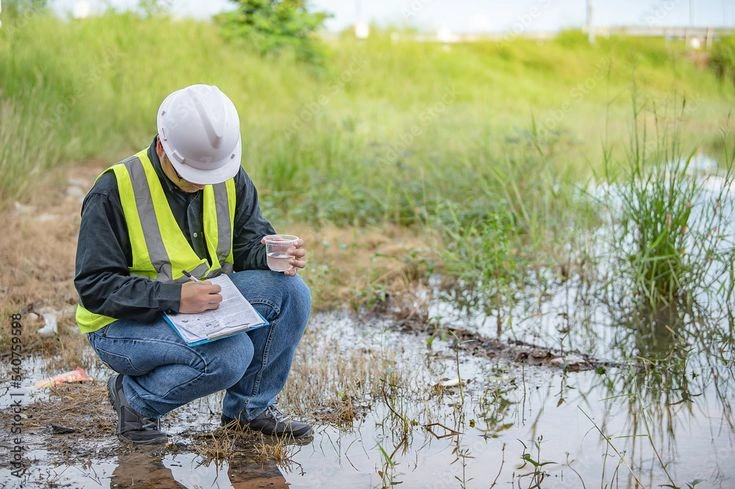
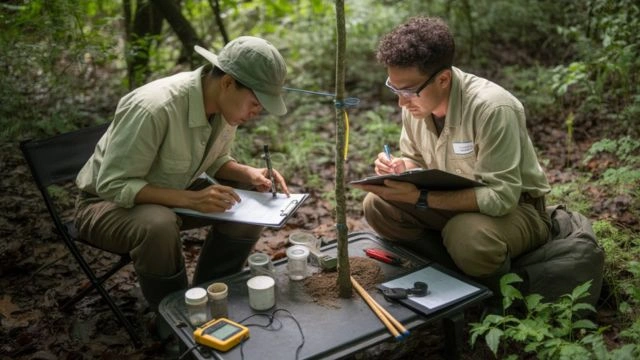
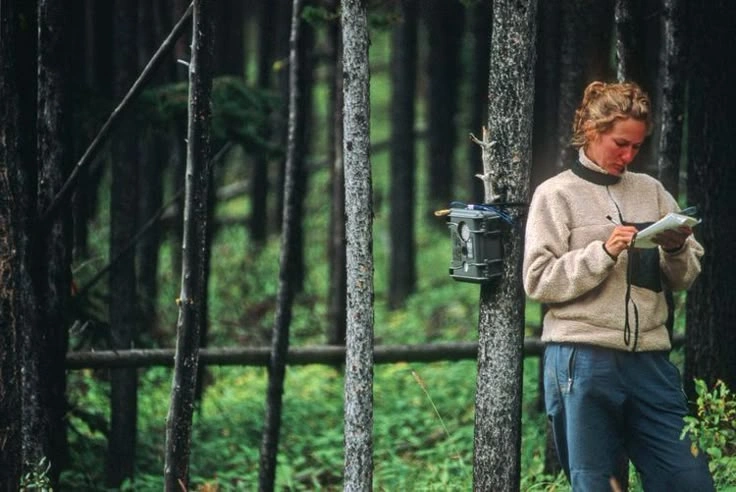
Therefore, monitoring is becoming one of the most important ecosystem preservation strategies in 2026. Scientists and governments increasingly need reliable information about where restoration is happening, how ecosystems are changing, and whether projects are producing meaningful results.
FAO’s Framework for Ecosystem Restoration Monitoring, or FERM, provides standardized approaches and data tools for tracking restoration. Its platform also supports reporting connected with the Global Biodiversity Framework’s Target 2.
5. Protecting Wetlands, Forests, and Coastal Ecosystems
Different ecosystems require different conservation approaches.
For instance, wetlands need protection from drainage, pollution, and inappropriate development. Forest conservation can involve preventing habitat loss while supporting sustainable land management. Coastal ecosystems may require protection of mangroves, seagrass, reefs, and other habitats.
Meanwhile, IUCN highlights land, freshwater, and ocean ecosystems as major areas of conservation action.
6. Supporting Sustainable Agriculture and Land Management
Agriculture can either increase pressure on ecosystems or become part of the preservation solution.
As a result, sustainable farming practices, agroecology, soil protection, agroforestry, and better water management are receiving greater attention.
The Global Biodiversity Framework calls for agriculture, aquaculture, fisheries, and forestry to be managed sustainably while increasing biodiversity friendly practices.
In practice, the goal is not simply to produce food. Instead, landscapes should support food production while maintaining soil health, water quality, habitats, and ecological functions.
7. Using Technology for Conservation
Technology is changing how conservation teams understand ecosystems.
Satellite imagery, geographic information systems, remote sensing, environmental databases, and other digital tools can help identify ecosystem changes across large areas.
For example, FAO’s restoration monitoring work combines geospatial information with standardized restoration data. AIM4NatuRe is also designed to strengthen countries’ capacity to monitor and report restoration progress using technology and improved data systems.
However, technology should support field knowledge rather than replace it.
8. Increasing Nature Finance
Conservation requires money, and financing remains one of the biggest challenges.
UNEP’s State of Finance for Nature 2026 reports that global investment remains heavily misaligned with nature goals. Its analysis found that US$7.3 trillion flowed into nature negative activities in 2023, compared with US$220 billion for nature based solutions.
Therefore, one major strategy is to redirect financial flows toward ecosystem protection and restoration.
This can involve public funding, private investment, sustainable finance, restoration projects, and changes to policies that currently support environmentally damaging activities.
9. Putting Local and Indigenous Communities at the Center
Conservation projects are more likely to work when the people living in and around ecosystems have a meaningful role.
Local communities often have practical knowledge about seasons, wildlife, water, land use, and ecosystem changes. Likewise, Indigenous Knowledge can provide valuable ecological understanding.
The updated 2026 SER restoration standards strengthen attention to Indigenous Knowledge data sovereignty and Free, Prior, and Informed Consent.
Therefore, successful preservation should involve communities in planning, decision making, monitoring, and benefit sharing.
10. Making Conservation More Climate Resilient
Climate change can alter habitats, water availability, species ranges, fire patterns, and ecosystem conditions.
Consequently, conservation strategies need to prepare ecosystems for changing conditions rather than assuming that today’s environment will remain unchanged.
The Global Biodiversity Framework’s Target 8 calls for actions that increase biodiversity resilience while addressing climate change and disaster risks through approaches including nature based solutions.
Ecosystem Preservation Strategy Comparison
| Strategy | Main Goal | Best Use |
|---|---|---|
| Habitat protection | Prevent ecosystem loss | Healthy natural areas |
| Ecological restoration | Repair damaged ecosystems | Degraded landscapes |
| Nature based solutions | Work with natural processes | Climate and community challenges |
| Biodiversity monitoring | Measure ecosystem change | Conservation planning |
| Sustainable agriculture | Reduce pressure on nature | Farming landscapes |
| Conservation technology | Improve data and decisions | Large or difficult areas |
| Nature finance | Fund conservation | Large scale programmes |
| Community participation | Improve local ownership | Community based projects |
| Climate resilience | Prepare ecosystems for change | Climate exposed regions |
Why Ecosystem Preservation Is Changing in 2026
The major shift is from isolated conservation projects toward integrated ecosystem management.
Previously, a project might focus mainly on planting trees or protecting a particular animal. Today, effective conservation increasingly considers habitat quality, connectivity, biodiversity, climate resilience, livelihoods, financing, and long term monitoring together.
Moreover, international frameworks are placing greater emphasis on measurable implementation.
The CBD’s 2026 global review process is assessing collective progress toward the Kunming Montreal Global Biodiversity Framework, making reliable national reporting and monitoring increasingly important.
Common Mistakes to Avoid
Focusing Only on Tree Planting
Planting trees can be useful, but it is not automatically ecosystem restoration.
The wrong species, unsuitable locations, or poorly planned projects can fail to deliver the desired ecological benefits. Restoration should begin with an understanding of the ecosystem and its degradation.
Measuring Only the Number of Hectares
Area matters, but hectares alone cannot explain ecosystem health.
Species recovery, ecological function, connectivity, habitat quality, and long term outcomes also matter. FAO emphasizes the importance of transparent data and robust monitoring frameworks for understanding restoration results.
Ignoring Local People
A conservation plan that ignores the people who depend on an ecosystem may create conflict or fail over time.
Instead, communities should have meaningful opportunities to participate in planning and implementation.
Treating Climate Change as a Separate Issue
Climate and biodiversity are closely connected.
Therefore, ecosystem preservation should consider heat, drought, flooding, wildfire, changing rainfall, sea level rise, and other relevant risks when designing long term strategies.
Practical Ecosystem Preservation Checklist
-
Identify important habitats and ecological risks
-
Protect remaining healthy ecosystems
-
Map important ecological connections
-
Assess degraded areas before restoration
-
Prioritize native species and appropriate ecological methods
-
Include local and Indigenous knowledge
-
Use reliable biodiversity and ecosystem indicators
-
Monitor results over time
-
Consider climate risks
-
Secure long term funding
-
Share results transparently
-
Adapt the strategy when monitoring shows problems
FAQs
What is the best strategy for preserving ecosystems?
There is no single strategy that works everywhere. A strong approach normally combines habitat protection, restoration, sustainable resource management, monitoring, community participation, and climate resilience.
Why is ecosystem restoration important in 2026?
Restoration is important because many ecosystems have already been degraded. Global biodiversity commitments now place restoration at the center of efforts to recover ecosystem functions and biodiversity.
What is the 30% ecosystem restoration target?
Target 2 of the Kunming Montreal Global Biodiversity Framework calls for at least 30% of degraded terrestrial, inland water, coastal, and marine ecosystems to be under effective restoration by 2030.
How does technology help ecosystem preservation?
Technology can help map habitats, monitor land cover, track restoration, analyze environmental changes, and improve reporting. Nevertheless, field observations and local knowledge remain important.
What are nature based solutions?
Nature based solutions use ecosystems or natural processes to help address environmental and societal challenges while providing benefits for people and biodiversity.
Why is biodiversity monitoring important?
Monitoring helps determine whether conservation and restoration activities are actually improving ecosystem condition. It also provides evidence for better decisions and reporting.
Can businesses help preserve ecosystems?
Yes. Businesses can reduce environmental impacts, improve supply chains, support restoration, invest in nature positive activities, and incorporate biodiversity risks into decision making.
Conclusion
Ecosystem preservation in 2026 is no longer simply about putting protected areas on a map. Instead, it is about keeping ecosystems connected, restoring places that have been damaged, measuring real progress, and making conservation strong enough to withstand future pressures.
At the same time, the growing focus on restoration, nature based solutions, monitoring, sustainable land use, community participation, and nature finance shows that conservation is becoming a broader part of environmental and economic planning.
The direction is supported by major international efforts, including the Kunming Montreal Global Biodiversity Framework, the UN Decade on Ecosystem Restoration, and new 2026 restoration standards and monitoring initiatives.
For readers exploring practical environmental protection and responsible relationships with nature, resources such as Viltnemnda can also fit naturally into the wider conversation about wildlife, ecosystems, and sustainable stewardship.
Ultimately, the strongest ecosystem preservation strategy is not one single action. Rather, it is a long term system that protects what remains, restores what has been damaged, learns from reliable evidence, and includes the people who depend on nature.
