Key Takeaways
- Wildlife corridors reconnect habitats separated by roads, cities, farms, and other development.
- Habitat fragmentation can isolate animals and limit access to food, water, shelter, and breeding areas.
- Ecological connectivity allows wildlife to move safely between important habitats.
- Green bridges, wildlife underpasses, and canopy crossings can reduce risks from roads and other infrastructure.
- Corridors can support animal migration, genetic exchange, and climate adaptation.
- Effective corridors should be designed around real wildlife movement patterns and local habitat needs.
- Habitat restoration and protected areas should work alongside corridors for better long-term results.
- GPS tracking, GIS remote sensing, and field monitoring can help identify and evaluate important wildlife routes.
- Community involvement is important for protecting corridors and reducing human-wildlife conflict.
- Wildlife corridors are not a standalone solution but an important part of a wider habitat conservation strategy.
Quick Answer
Wildlife corridors are connected areas of suitable habitat that help animals move between separated habitat patches. They can reduce the effects of habitat fragmentation by supporting movement, migration, genetic exchange, access to food and water, and adaptation to environmental change.
Common solutions include protected habitat strips, restored forests, river corridors, underpasses, overpasses, green bridges, canopy crossings, and wildlife-friendly fencing.
What Is a Wildlife Corridor?
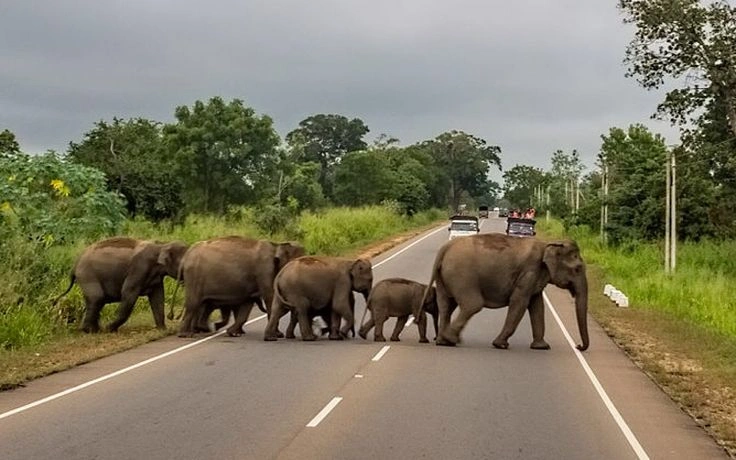
A wildlife corridor is an area that connects two or more habitats that have become separated by roads, farms, cities, industrial development, or other barriers.
For example, two forest patches may still contain suitable habitat, but an animal may struggle to travel safely between them. A protected strip of vegetation between those patches can provide a safer route.
Importantly, corridors do not always look like long, narrow strips of forest. They can include riverbanks, grasslands, wetlands, mountain passes, restored landscapes, or networks of connected natural areas.
The main goal is simple: make movement possible again.
What Is Habitat Fragmentation?
Habitat fragmentation happens when a large, continuous habitat is divided into smaller and more isolated areas.
Roads are a major cause, but they are not the only one. Agriculture, urban growth, railways, dams, fences, mining, and other infrastructure can also break natural landscapes apart. IUCN notes that linear infrastructure can disrupt ecological connectivity and create direct and indirect impacts on wildlife.
Why Fragmentation Is Dangerous
Fragmentation can create several problems:
| Problem | Effect on Wildlife |
|---|---|
| Habitat isolation | Populations become separated |
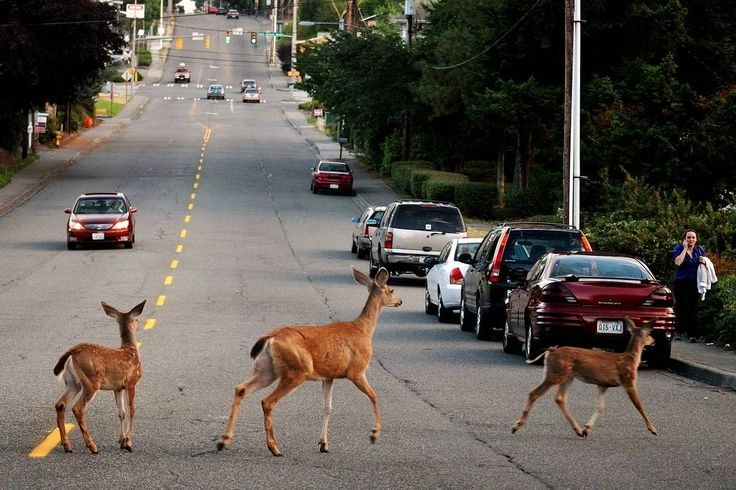
| Roads | Increase collision risk |
| Smaller habitats | Reduce available food and shelter |
| Barriers | Restrict natural movement |
| Population isolation | Can reduce genetic exchange |
| Development | Removes or degrades habitat |
| Climate change | Moves to suitable areas more important |
Consequently, an animal may technically still have habitat available but lack a safe way to reach the resources it needs.
How Wildlife Corridors Restore Ecological Connectivity
Ecological connectivity describes how easily animals, plants, genes, and natural ecological processes can move across a landscape.
A connected landscape gives wildlife more options. For instance, an animal can leave one habitat patch, travel through a corridor, and reach another suitable area.
Furthermore, connectivity can support migration, pollination, seed dispersal, nutrient cycling, and other ecological functions. IUCN identifies connectivity as an important part of healthy ecosystems and long-term conservation.
In addition, connected habitats can help species respond to changing temperatures, rainfall patterns, fires, and other environmental pressures.
Types of Wildlife Corridors
Wildlife corridors can be natural, restored, or specially constructed.
Natural Corridors
Rivers, valleys, forest belts, wetlands, and mountain routes can naturally guide animal movement.
These areas are especially valuable because they may provide food, shelter, water, and travel space at the same time.
Restored Habitat Corridors
Sometimes the connection has already been damaged. In that situation, conservation teams can restore native vegetation, wetlands, grasslands, or forests to rebuild the route.
Wildlife Crossings
When a road or railway cannot be removed, wildlife crossings can provide a safer alternative.
These include underpasses, overpasses, tunnels, canopy bridges, and other structures designed around local species. WWF describes crossings as tools that can maintain connectivity while reducing wildlife-vehicle collisions.
Why Animal Migration Paths Matter
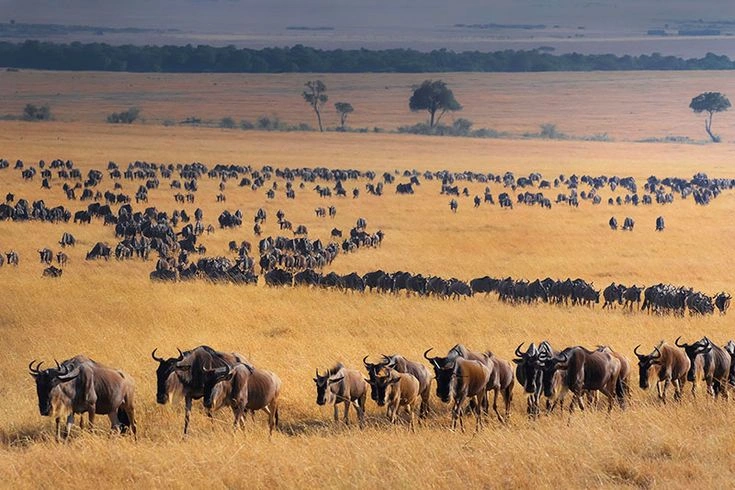
Many animals move seasonally rather than remaining in one location throughout the year.
They may travel to find water, food, breeding areas, shelter, or more suitable temperatures. Some species also follow traditional routes across large landscapes.
Therefore, protecting only the destination is not always enough. The route itself can be just as important.
African Wildlife Foundation, for example, emphasizes that wildlife often moves beyond protected areas while following migration routes between different landscapes.
The State of the World’s Migratory Species report also highlights the serious conservation pressures facing migratory wildlife and the need for evidence-based action.
Green Bridges and Wildlife Crossings
One of the most visible corridor solutions is the green bridge, also called a wildlife overpass or ecoduct.
Instead of forcing animals to cross a busy road, a green bridge creates a vegetated route above it. Native plants, natural materials, fencing, and suitable habitat features can make the structure more attractive to local wildlife.
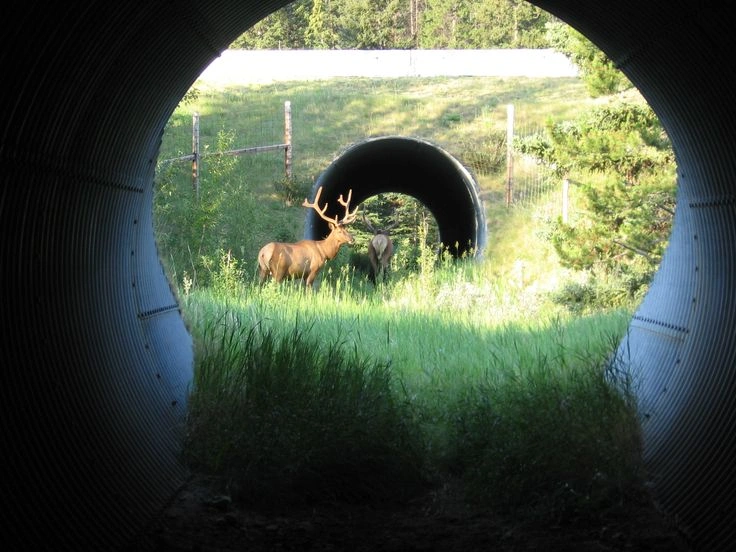
Underpasses can be equally important, particularly for species that prefer covered routes.
Overpass vs Underpass
| Feature | Green Overpass | Wildlife Underpass |
| Location | Above road or railway | Below road or railway |
| Best suited for | Larger mammals and varied species | Mammals, reptiles, amphibians and other species |
| Main advantage | Creates a natural-looking route | Can work where an overpass is impractical |
| Vegetation | Often included | Can include natural habitat features |
| Design priority | Width, vegetation and quiet conditions | Size, drainage, lighting and species needs |
However, simply building a crossing does not guarantee success. Location, design, fencing, surrounding habitat, animal behavior, and long-term monitoring all matter.
Benefits of Wildlife Corridors
1. They Connect Isolated Habitats
First, corridors reconnect habitat patches that have been separated by development.
This gives animals more space to move and increases access to resources.
2. They Support Genetic Diversity
When individuals can move between populations, genetic exchange becomes possible.
As a result, isolated groups may have better opportunities to maintain genetic diversity and avoid some risks associated with long-term isolation.
3. They Support Migration
Seasonal migration becomes safer when important routes remain connected.
This is particularly important for species that depend on predictable movement between feeding and breeding areas.
4. They Can Reduce Road Mortality
Wildlife crossings can guide animals away from dangerous roads.
When crossings are combined with appropriate fencing, they can create a safer movement system rather than simply adding another structure to the landscape.
5. They Improve Climate Resilience
As environmental conditions change, animals may need to shift their ranges.
Connected landscapes give species more opportunities to reach suitable conditions instead of becoming trapped in isolated habitat patches.
6. They Benefit People Too
Wildlife corridors are not only about animals.
Safer road crossings can reduce collisions, while healthy connected ecosystems can support water regulation, pollination, soil health, and other benefits that people depend on.
Limitations and Challenges
Wildlife corridors are powerful, but calling them the only solution would be misleading.
A corridor cannot replace the protection of large, high-quality habitats. If the areas at either end are destroyed, the connection loses much of its value.
Moreover, corridors can face land ownership disputes, development pressure, invasive species, poor design, insufficient funding, and human-wildlife conflict.
For that reason, successful conservation usually combines several approaches instead of relying on one intervention.
How Wildlife Corridors Are Designed
Good corridor planning begins with evidence.
Step 1: Identify Important Habitat
Scientists first identify important habitat patches, protected areas, breeding sites, feeding areas, water sources, and migration routes.
Step 2: Study Animal Movement
Camera traps, field surveys, GPS collars, satellite data, remote sensing, and local knowledge can help identify where animals actually move.
Recent work in world has also explored combining GPS collar information, forestry data, remote sensing, and GIS modelling for wildlife corridor planning.
Step 3: Find Barriers
Next, planners identify roads, railways, settlements, fences, agricultural land, and other obstacles.
Step 4: Select the Right Solution
The answer might be habitat restoration, land protection, a wildlife underpass, green bridge, canopy crossing, fencing, or a combination of measures.
Step 5: Monitor the Result
Finally, conservation teams need to check whether animals actually use the corridor.
Monitoring can reveal whether the design is working and whether changes are necessary.
IUCN’s guidance similarly emphasizes connectivity planning and practical approaches across different stages of infrastructure development.
How to Protect and Restore Wildlife Corridors
There is no single method that works everywhere.
Instead, conservation planners should:
- Protect existing migration routes before they are developed.
- Restore damaged habitat using native species.
- Design roads with wildlife movement in mind.
- Use crossings where roads divide important habitats.
- Install fencing carefully so animals are guided toward safe crossings.
- Maintain rivers, wetlands, forests, and other natural connections.
- Include local communities in planning and management.
- Monitor animal movement after projects are completed.
- Update corridor plans when land use or climate conditions change.
- Connect protected areas rather than treating each one as an isolated island.
The global policy direction is also becoming clearer. The Kunming-Montreal Global Biodiversity Framework calls for restoration that improves ecological integrity and connectivity and for protected areas to be ecologically representative, well connected, and integrated into wider landscapes.
Common Mistakes to Avoid
Building a Corridor Without Studying Wildlife
A beautiful green strip is not automatically a useful corridor.
The route should match the movement patterns and habitat requirements of the species involved.
Ignoring the Landscape Around the Corridor
A corridor surrounded by intensive development may provide little real protection.
Connectivity must be considered at the landscape level.
Focusing Only on Construction
A wildlife bridge needs maintenance and monitoring after construction.
Vegetation, fencing, drainage, human access, and animal behavior can all affect performance.
Treating Every Species the Same
A tiger, turtle, monkey, bird, and amphibian do not necessarily need the same crossing.
Good designs are species-specific or designed to accommodate a suitable group of species.
Wildlife Corridor Checklist
Before approving a corridor project, planners should ask:
- Does it connect important habitat?
- Is there evidence that wildlife uses this route?
- Are migration paths protected?
- Are roads or railways creating barriers?
- Is the crossing suitable for target species?
- Is fencing needed?
- Is native vegetation available?
- Have local communities been involved?
- Is long term funding available?
- Will wildlife use be monitored after completion?
If several answers are no, the project may need stronger planning before construction begins.
FAQs
What is the main purpose of a wildlife corridor?
The main purpose is to connect separated habitats so animals can move between them safely and access food, water, shelter, breeding areas, and other resources.
How do wildlife corridors reduce habitat fragmentation?
They reconnect habitat patches that have become isolated. Consequently, animals have more opportunities to move across the wider landscape.
Are green bridges effective?
Green bridges can be effective when they are placed in suitable locations and designed around local wildlife. Fencing and surrounding habitat can also be important parts of the system.
What is the difference between a wildlife corridor and a wildlife crossing?
A wildlife corridor is a broader connected habitat route. A wildlife crossing is usually a specific structure that helps animals pass a barrier such as a road or railway.
Can wildlife corridors help with climate change?
Yes. Connected landscapes can give species greater opportunities to move toward areas with more suitable environmental conditions as climates change.
Are wildlife corridors only useful for large animals?
No. Different corridor designs can support mammals, birds, reptiles, amphibians, insects, and other organisms.
Key Takeaways
- Wildlife corridors reconnect habitats divided by human development.
- Habitat fragmentation can restrict movement and isolate wildlife populations.
- Ecological connectivity supports migration and broader ecosystem functions.
- Green bridges, underpasses, and canopy crossings can help animals cross infrastructure safely.
- Corridors work best when combined with habitat protection and restoration.
- Scientific monitoring helps identify effective routes and improve designs.
- Local communities are important partners in long term corridor conservation.
- world can use tools such as GPS tracking, GIS, remote sensing, and field surveys to strengthen corridor planning.
- International biodiversity policy increasingly recognizes ecological connectivity as an important conservation goal.
Conclusion
Wildlife corridors are one of the strongest tools available for tackling habitat fragmentation because they address a problem that protected areas alone cannot always solve: isolation.
When forests, wetlands, grasslands, and other habitats are connected, animals have greater freedom to move, migrate, find resources, and respond to environmental change. At the same time, wildlife crossings can make roads and other infrastructure safer for both animals and people.
Still, corridors should not be viewed as a replacement for protecting natural habitats. Instead, they should form part of a wider conservation strategy supported by organizations such as Viltnemnda, including habitat restoration, responsible development, safer infrastructure, scientific monitoring, and community participation.
Ultimately, the goal is not simply to build more green bridges. It is to create landscapes where wildlife can move through connected habitats instead of being trapped by fragmented ones. That broader approach is what makes ecological connectivity such an important part of modern conservation.
