Key Takeaways
- Human-wildlife conflicts can often be prevented through early planning.
- Predator-proof fencing remains one of the most reliable livestock protection methods.
- Guardian animals provide continuous defense against many predators.
- Wildlife deterrence techniques work best when several methods are combined.
- Secure livestock shelters significantly reduce nighttime attacks.
- Community cooperation strengthens long-term conflict management.
- Healthy wildlife habitats reduce pressure on farms.
- Non-lethal predator management supports biodiversity and sustainable agriculture.
- Regular monitoring helps identify problems before they become severe.
- A balanced approach benefits farmers, wildlife, and future generations.
Quick Answer
The most effective human-wildlife conflict resolution methods combine prevention, education, and responsible wildlife management. Farmers can protect livestock with predator-proof fencing, guardian dogs, secure night shelters, and regular monitoring. Wildlife deterrence techniques such as flashing lights, noise devices, and scent barriers help reduce unwanted animal visits. Long-term success depends on communities working together while protecting local ecosystems.
Understanding Human-Wildlife Conflict
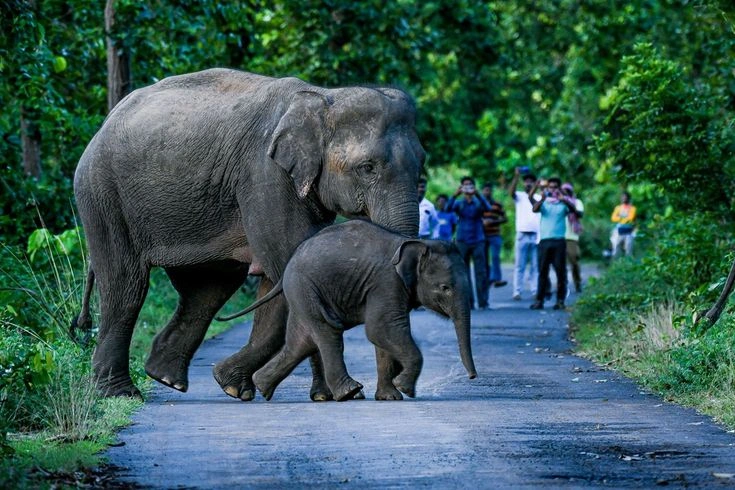
Human-wildlife conflict happens when the needs of people and wild animals overlap. This usually occurs in rural areas where farms, forests, and grazing lands exist close together. As wildlife searches for food, water, or shelter, it may enter villages or farmland.
These interactions can lead to damaged crops, injured livestock, financial losses, and concerns about human safety. At the same time, animals may also suffer from habitat loss, road accidents, or retaliation from people.
The goal is not to remove wildlife completely. Instead, successful conflict management focuses on reducing risks while allowing both people and animals to share the landscape.
Why Human-Wildlife Conflicts Are Increasing
Several factors have made encounters between people and wildlife more common in recent years.
Habitat Loss
Growing towns, expanding farms, and new roads reduce natural habitats. Animals are forced to search for food in areas where people live and work.
Climate Change
Changing weather patterns affect food and water availability. During droughts or harsh seasons, wildlife may move closer to farms in search of resources.
Growing Human Population
As rural communities expand, farms often reach areas that were once natural wildlife habitats. This increases the chances of encounters.
Easy Food Sources
Unprotected livestock, open garbage, stored animal feed, and crops attract many wild animals. Once animals discover an easy food source, they may continue returning.
Common Types of Human-Wildlife Conflicts
Different regions face different challenges depending on local wildlife.
| Conflict | Common Wildlife | Impact |
|---|---|---|
| Livestock attacks | Wolves, foxes, coyotes, leopards | Animal losses and financial damage |
| Crop damage | Deer, wild boar, elephants, monkeys | Reduced harvests |
| Property damage | Bears, wild pigs | Broken fences and damaged buildings |
| Human safety concerns | Large carnivores and aggressive herbivores | Injuries and fear in communities |
Understanding which animals are involved helps communities choose the most effective solution.
Protecting Livestock from Predators
Livestock losses are one of the biggest causes of conflict between farmers and wildlife. Fortunately, several preventive measures have proven successful.
Predator-Proof Fencing
Strong fencing creates a physical barrier that prevents predators from reaching livestock.
A well-designed fence should be tall enough to stop jumping animals and secure enough to prevent digging underneath. Electric fencing can provide additional protection in areas with persistent predator activity when installed and maintained correctly.
Regular inspections are just as important as installation. Even small gaps can allow predators to enter.
Benefits
- Reduces livestock losses
- Protects animals throughout the year
- Lowers long-term farming costs
- Decreases the need for harmful predator control
Livestock Guardian Animals
Guardian animals have protected livestock for centuries.
Specially trained guardian dogs stay with sheep, goats, and cattle to discourage predators before attacks occur. In some regions, donkeys and llamas are also used because they naturally react to unfamiliar animals.
Unlike hunting dogs, guardian animals remain calm around livestock and focus on preventing threats rather than chasing wildlife.
Best Practices
- Introduce guardian animals while livestock are young.
- Provide proper training and healthcare.
- Match the guardian animal to the type of livestock and local predators.
- Monitor their behavior regularly.
Night Shelters and Secure Pens
Many predator attacks happen after sunset when visibility is low.
Bringing livestock into secure shelters during the night significantly lowers the risk of attacks. Pens should be built with strong gates, durable fencing, and roofs where climbing predators are present.
Motion-activated lighting around shelters can provide an additional layer of protection without disturbing livestock.
Small improvements to housing often prevent major financial losses over time.
Wildlife Deterrence Techniques
Wildlife deterrence techniques aim to encourage animals to avoid farms without causing unnecessary harm.
No single method works everywhere, but combining different approaches usually provides the best results.
Visual Deterrents
Animals often avoid unfamiliar movement or reflective objects.
Farmers commonly use:
- Reflective tape
- Predator-shaped decoys
- Rotating mirrors
- Bright warning flags
- Moving scare devices
These methods work best when moved regularly. Wildlife can become accustomed to stationary deterrents if they remain in the same place for long periods.
Sound-Based Deterrents
Unexpected sounds can temporarily discourage wildlife from entering farmland.
Common options include:
- Motion-activated alarms
- Compressed air devices
- Recorded predator calls
- Bells attached near grazing areas
Sound deterrents should be rotated with other methods because many animals eventually learn that repeated noises do not pose a real threat.
Light Deterrent Systems
Modern flashing light systems imitate human activity or predator presence during nighttime.
These systems are especially useful for protecting livestock from nocturnal predators. Solar-powered models require little maintenance and can operate throughout the year.
Although lighting helps reduce nighttime visits, it works best when combined with fencing and secure livestock housing rather than used as a standalone solution.
Choosing the Right Conflict Resolution Method
Every rural area faces different wildlife challenges, so there is no universal solution.
The table below compares some of the most common approaches.
| Method | Best For | Advantages | Limitations |
|---|---|---|---|
| Predator-proof fencing | Livestock protection | Reliable long-term security | Higher installation cost |
| Guardian animals | Grazing livestock | Continuous protection | Training and care required |
| Secure night shelters | Small and medium farms | Reduces nighttime attacks | Daily management needed |
| Visual deterrents | Crop protection | Affordable and simple | Wildlife may adapt |
| Sound deterrents | Temporary wildlife control | Easy to install | Less effective over time |
| Light deterrents | Nighttime predator prevention | Low maintenance | Best when combined with other methods |
Well-planned prevention is almost always more effective than reacting after wildlife damage has already occurred.
Coexistence Strategies That Benefit People and Wildlife
Preventing conflict is only part of the solution. Long-term success comes from helping people and wildlife live alongside each other safely. Coexistence does not mean accepting constant damage. Instead, it means using practical strategies that reduce risks while protecting biodiversity.
Communities that invest in prevention, education, and cooperation often experience fewer conflicts over time. These efforts also support healthier ecosystems and more sustainable farming.
Community-Based Wildlife Management
Local communities play an important role in reducing wildlife conflicts. Farmers, wildlife experts, and local authorities can work together to identify common problems and develop solutions that fit the area.
For example, neighbors can share information about wildlife sightings, coordinate grazing schedules, and report damaged fences before they become serious issues. Community meetings also help people learn which methods are working and which need improvement.
Protecting Natural Habitats
Healthy ecosystems naturally reduce many conflicts.
When forests, grasslands, and water sources remain available, wildlife is less likely to enter farms in search of food or shelter. Restoring damaged habitats and protecting wildlife corridors also allows animals to move safely without crossing villages or farmland.
Conservation efforts benefit both wildlife and rural communities in the long run.
Better Farm Management Practices
Simple changes in daily farm routines can make a noticeable difference.
Farmers can:
- Remove livestock carcasses quickly.
- Store animal feed in secure containers.
- Keep garbage covered.
- Rotate grazing areas.
- Avoid leaving young livestock unattended during high-risk periods.
These practices reduce attractions that encourage predators to return.
Predator Management Solutions
Predator management should always begin with non-lethal methods. Removing predators without addressing the cause often leads to new animals entering the same area.
Non-Lethal Management
Modern wildlife management focuses on prevention instead of punishment.
Effective options include:
- Predator-proof fencing
- Guardian dogs
- Night enclosures
- Motion-activated lights
- Noise deterrents
- Regular livestock monitoring
These methods protect livestock while allowing predators to continue their ecological role.
When Professional Intervention Is Needed
In rare cases, individual animals may repeatedly threaten livestock despite preventive measures.
Wildlife authorities may relocate problem animals or apply management measures that follow local laws and conservation guidelines. These decisions should be based on expert assessments rather than immediate reactions.
Comparing Popular Wildlife Deterrence Methods
| Method | Cost | Maintenance | Best For | Overall Effectiveness |
|---|---|---|---|---|
| Predator-proof fencing | High | Low to Moderate | Livestock | Excellent |
| Guardian dogs | Moderate | Moderate | Grazing animals | Excellent |
| Flashing lights | Low | Low | Night predators | Good |
| Motion alarms | Moderate | Low | Farms and fields | Good |
| Reflective tape | Low | Low | Birds and small animals | Moderate |
| Secure night shelters | Moderate | Low | Sheep, goats, calves | Excellent |
Using two or more methods together usually provides better protection than relying on one solution alone.
Benefits and Challenges of Human-Wildlife Conflict Resolution
| Benefits | Challenges |
|---|---|
| Reduces livestock losses | Initial installation costs |
| Protects crops | Requires regular maintenance |
| Improves community safety | Wildlife may adapt to some deterrents |
| Supports biodiversity | Solutions vary by region |
| Encourages sustainable farming | Community cooperation is essential |
Although some preventive measures require investment, they often cost less than repeated livestock or crop losses.
Real-Life Example
Imagine a sheep farmer who regularly loses animals to predators.
Instead of relying on one solution, the farmer installs predator-proof fencing, introduces trained guardian dogs, and moves the flock into secure shelters every evening.
Within months, livestock losses decrease significantly. Nearby farmers adopt similar practices, and the entire community experiences fewer predator incidents.
This example highlights why combining several prevention methods often delivers the best results.
Expert Tips for Long-Term Success
- Inspect fences every week for damage.
- Rotate visual and sound deterrents to prevent wildlife from becoming familiar with them.
- Keep livestock together instead of allowing animals to graze alone.
- Record wildlife sightings to identify seasonal patterns.
- Work with neighboring farms to create larger protected areas.
- Learn about local wildlife behavior before choosing deterrence methods.
- Report unusual wildlife activity to local conservation authorities.
Common Mistakes to Avoid
Many conflict prevention efforts fail because of simple but avoidable mistakes.
- Depending on a single deterrent method.
- Ignoring small fence damage.
- Leaving livestock outside overnight without protection.
- Allowing garbage or animal feed to remain uncovered.
- Responding emotionally instead of using evidence-based solutions.
- Waiting until repeated attacks occur before taking preventive action.
Avoiding these mistakes improves both safety and long-term effectiveness.
Human-Wildlife Conflict Prevention Checklist
Use this checklist to evaluate your current protection measures.
| Task | Status |
|---|---|
| Predator-proof fencing installed | ☐ |
| Livestock secured at night | ☐ |
| Guardian animals properly trained | ☐ |
| Animal feed stored securely | ☐ |
| Garbage kept in wildlife-resistant containers | ☐ |
| Motion lights or alarms installed | ☐ |
| Wildlife sightings recorded | ☐ |
| Community members informed about local wildlife activity | ☐ |
| Fences inspected regularly | ☐ |
| Emergency contact for wildlife authorities available | ☐ |
Completing most of these tasks greatly reduces the likelihood of recurring conflicts.
Frequently Asked Questions
What is the most effective human-wildlife conflict resolution method?
There is no single solution for every situation. A combination of predator-proof fencing, guardian animals, secure shelters, and wildlife deterrence techniques usually provides the best results.
How can farmers protect livestock from predators?
Farmers can install strong fencing, use trained guardian dogs, bring livestock into secure night shelters, and remove food sources that attract predators.
Are wildlife deterrents harmful to animals?
Most modern wildlife deterrence techniques are designed to discourage animals without causing injury. Non-lethal methods are generally preferred because they protect both people and wildlife.
Why do predators attack livestock?
Predators may target livestock when natural prey becomes scarce, habitats shrink, or domestic animals are easier to access than wild prey.
Can communities reduce wildlife conflicts together?
Yes. Sharing information, coordinating grazing schedules, maintaining fences, and participating in conservation programs often produce better results than individual efforts.
Conclusion
Human-wildlife conflicts are a growing challenge for many rural communities, but they are not impossible to manage. Practical prevention methods, responsible farm management, and cooperation between communities and wildlife experts can greatly reduce risks.
Protecting livestock from predators, using effective wildlife deterrence techniques, and improving habitat conservation create safer environments for both people and animals. Rather than relying on a single solution, combining several proven strategies offers the most reliable and sustainable results.
As knowledge, technology, and community participation continue to improve, rural areas can move closer to a future where farming and wildlife conservation support one another instead of competing.
