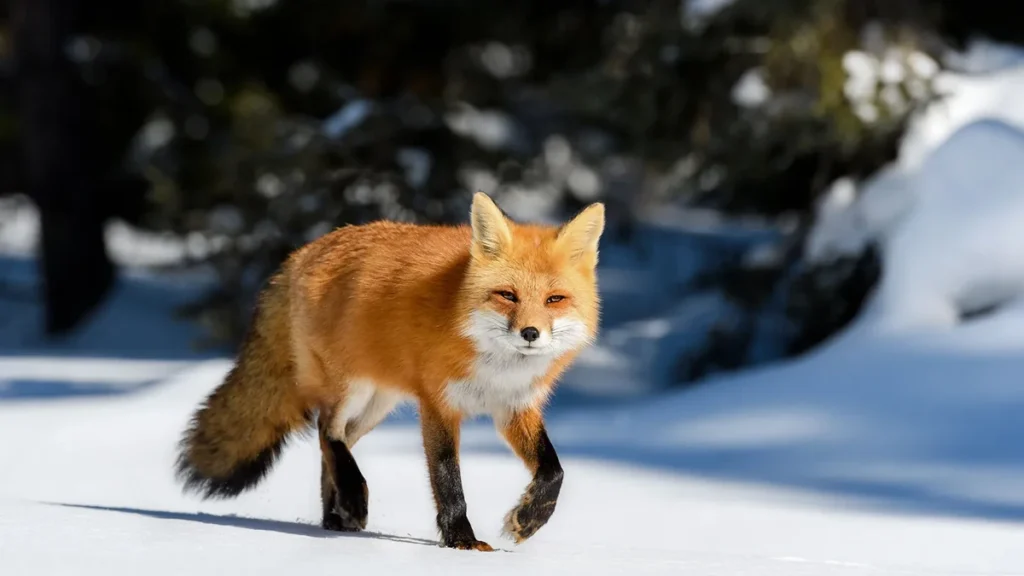
The forest is quiet, the grass is silver with dew, and the first light of morning spreads across an open field. Suddenly, a flash of rusty orange moves along the hedgerow. A red fox pauses, lifts its pointed ears, and listens. Somewhere beneath the grass, a small animal is moving. The fox lowers its body, takes a few careful steps, and springs.
In seconds, an ordinary morning becomes a demonstration of one of nature’s most skillful small predators.
The red fox is famous for its bright coat, bushy tail, and reputation for cleverness. Yet there is much more to this animal than its familiar appearance. It can survive in forests, grasslands, mountains, farmland, and busy urban neighborhoods. It eats an astonishing variety of foods, raises its young in underground dens, and uses sharp senses to find prey that other animals might never notice.
The red fox is one of the most widespread and adaptable members of the dog family. Its story is a lesson in patience, intelligence, and survival.
What Is a Red Fox?
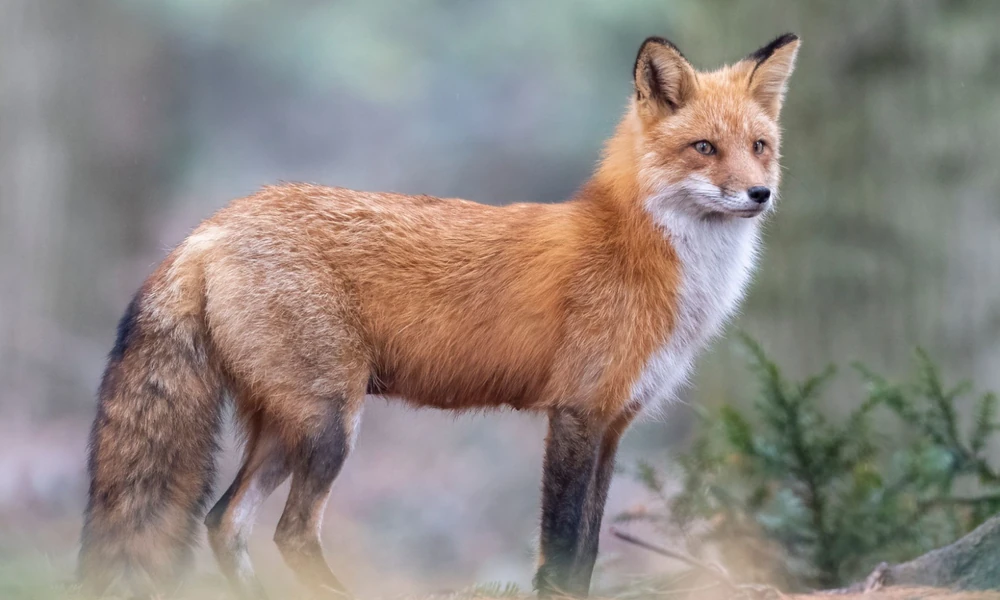
The red fox, scientifically known as Vulpes vulpes, is a mammal belonging to the family Canidae, which includes wolves, coyotes, jackals, and domestic dogs.
It is native across much of the Northern Hemisphere, including large parts of Europe, Asia, and North America. Red foxes have also been introduced to some regions beyond their native range, where their presence can affect local wildlife.
Although its name suggests a single shade, the red fox displays considerable variation in coat color. Some individuals are bright orange-red, while others have golden, brown, dark chestnut, grayish, or nearly black fur. These variations are natural and do not necessarily indicate different species.
Red foxes are generally solitary foragers. They often hunt alone, but breeding pairs may cooperate in raising their offspring. Their flexible diet, excellent senses, and ability to use different habitats have helped them thrive in environments ranging from remote countryside to city parks.
What Does a Red Fox Look Like?
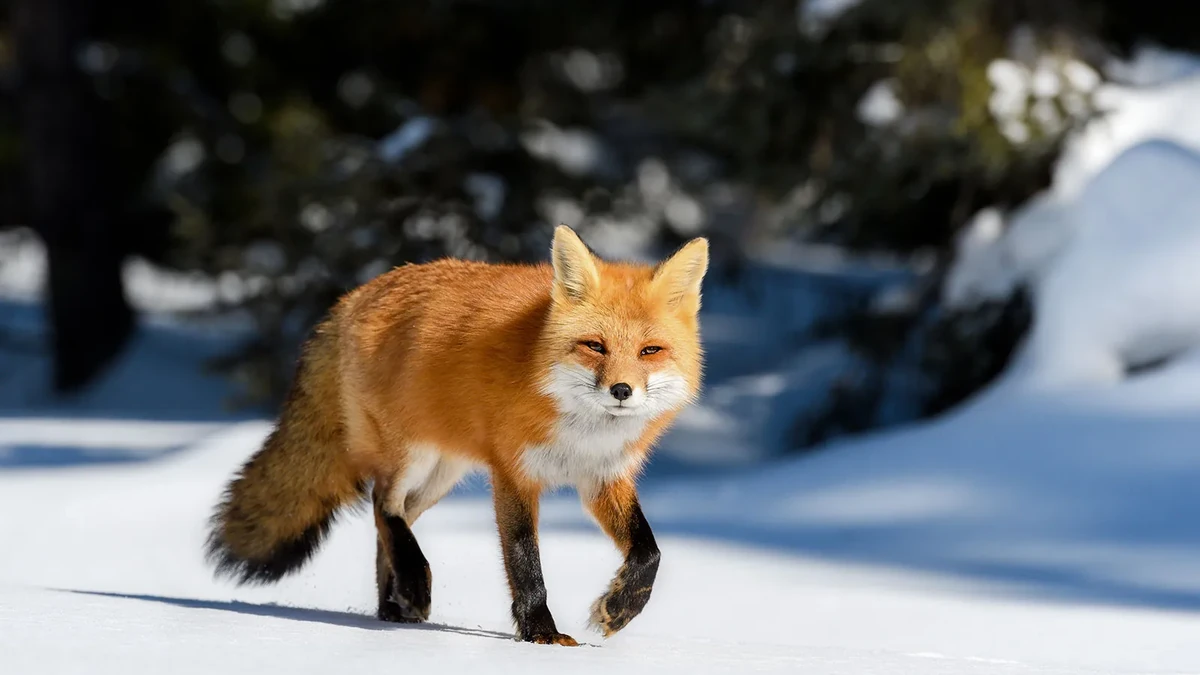
The red fox has a slender body, narrow muzzle, pointed ears, and long, bushy tail. Its appearance is distinctive, although coat color and body size vary between individuals and regions.
Most red foxes have rusty-red or orange fur across their back and sides, a pale underside, and darker markings on their legs and ears. The tail often has a white tip, which is a useful identifying feature, although markings can vary.
Adult red foxes commonly weigh around 7 to 15 pounds, with some individuals smaller or larger. Their body measures roughly two feet long, while the tail adds another foot or more. Males are often somewhat larger than females.
Several features make the red fox easy to recognize:
- Rusty coat: The classic red-orange color can range from pale gold to deep reddish brown.
- Pointed ears: Large, upright ears help the fox detect faint sounds.
- Narrow muzzle: Its long face is suited to locating and capturing small prey.
- Bushy tail: The tail helps with balance, communication, and warmth during cold weather.
- Dark legs: Many red foxes have black or dark brown markings on their lower legs and feet.
- Light tail tip: A white tip is common, although not every individual has an equally noticeable marking.
The fox’s thick fur can make it appear larger than its actual body size, especially during winter. Beneath that coat is a lightweight, agile animal capable of turning quickly and moving almost silently through vegetation.
Where Do Red Foxes Live?
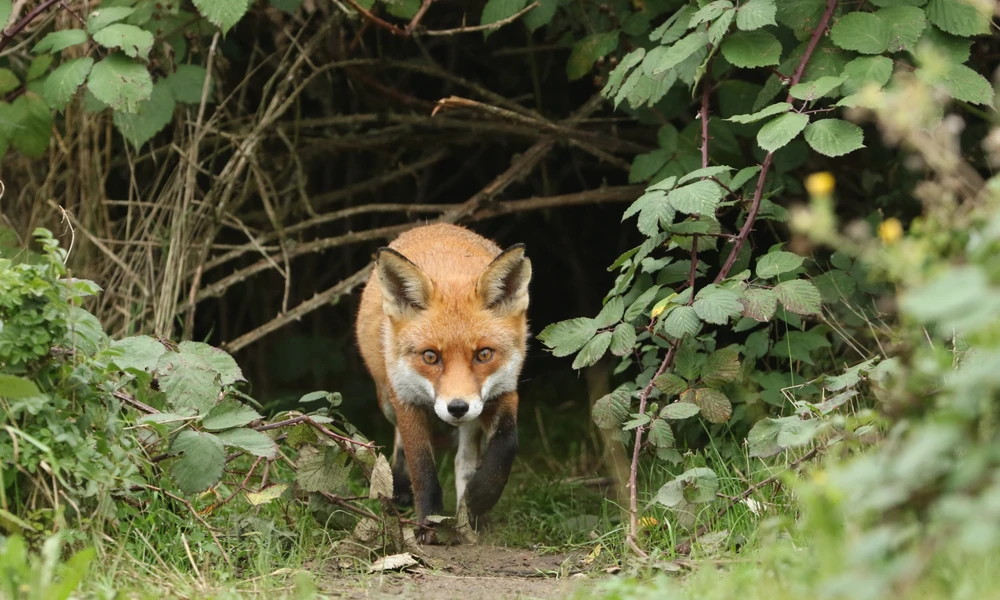
Red foxes occupy a remarkable variety of habitats. They are found across much of Europe, Asia, and North America, and introduced populations occur in places such as Australia.
They are especially successful in landscapes that combine food, cover, and open ground. Instead of depending on one particular environment, red foxes adjust their behavior to whatever habitat they occupy.
Forests and Woodland Edges
Woodland edges provide a useful combination of shelter and hunting opportunities. Foxes can rest in thick vegetation, travel beneath tree cover, and search nearby clearings for mice, voles, rabbits, and birds.
They are often associated with the places where forests meet fields, hedgerows, meadows, or wetlands. These transition zones can offer more varied food sources than dense forest alone.
Grasslands and Open Countryside
Open fields and grasslands are excellent hunting grounds for red foxes. Small mammals often move through grasses, burrows, and patches of low vegetation, giving a fox plenty of opportunities to listen and stalk.
A fox may cross a meadow slowly, pausing frequently to detect movement. When it identifies prey, it can leap forward and attempt to catch the animal beneath the grass.
Hedgerows, ditches, and brushy boundaries offer shelter between hunting trips.
Farms and Agricultural Areas
Farmland can support red foxes because it often contains rodents, rabbits, insects, fruit, and other potential food sources.
Barns, sheds, abandoned burrows, and thick hedges may provide resting places or denning opportunities. Foxes can benefit from agricultural landscapes, but they may also cause conflict when they prey on poultry or other vulnerable animals.
Secure enclosures are important wherever domestic birds or small livestock are kept.
Mountains and Coastal Regions
Red foxes also inhabit mountainous areas and coastal landscapes. Their diet changes with the environment: a coastal fox may consume crabs, birds, eggs, or carrion, while a fox in a mountainous region may depend more heavily on small mammals and whatever food is seasonally available.
This ability to change feeding habits allows the species to occupy places with very different climates and food supplies.
Cities and Suburbs
Red foxes are increasingly familiar in many urban and suburban environments. Parks, railway corridors, gardens, cemeteries, and green spaces can provide routes through developed landscapes.
Cities may offer rodents, fallen fruit, insects, and discarded food. Foxes can also find sheltered spaces beneath sheds, decks, or other structures.
Urban foxes often become more active at night when people are less visible. Nevertheless, seeing one during daylight is not automatically a sign that it is sick or dangerous.
What Do Red Foxes Eat?
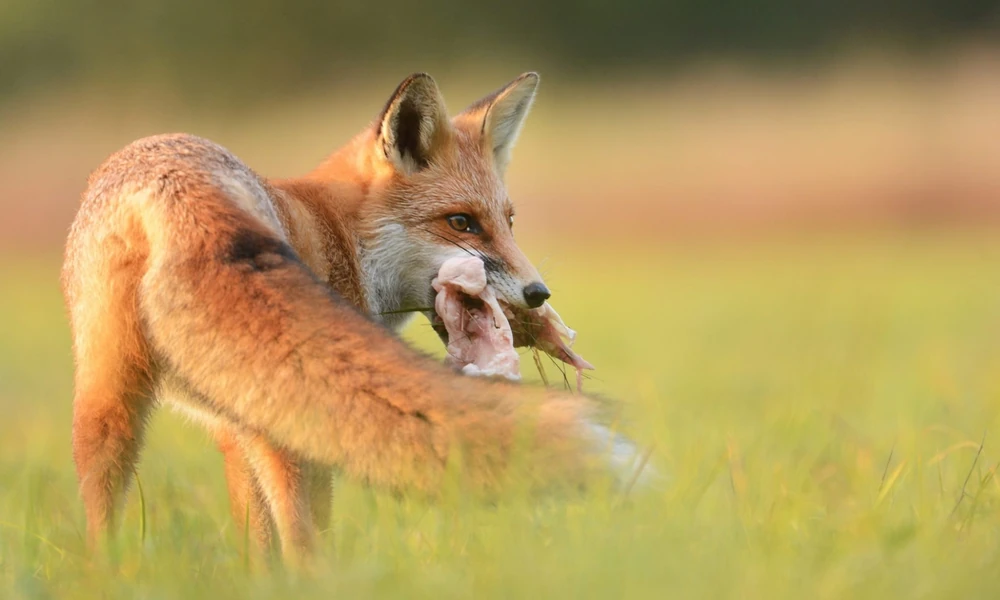
Red foxes are omnivores and opportunistic feeders. This means they eat both animal and plant material, choosing foods according to availability, season, and location.
Their diet is usually dominated by small mammals where these animals are abundant, but foxes can switch to other foods when conditions change.
Mice, Voles, and Other Small Mammals
Small mammals are among the most important foods for red foxes. Mice, voles, rats, squirrels, and other small animals provide protein and energy.
A fox’s hearing is especially valuable during these hunts. It can detect faint rustling or movement beneath vegetation and sometimes locate prey that cannot be seen.
Once the fox has pinpointed a target, it may lower its head, adjust its position, and spring down onto the animal.
Rabbits and Hares
Rabbits can provide a substantial meal, although catching them may require patience and a short chase. Foxes often hunt around burrows, brushy cover, and field edges where rabbits feed or move between hiding places.
Young or vulnerable hares may also be taken when the opportunity arises.
Birds and Eggs
Red foxes may hunt ground-feeding birds and take eggs from accessible nests. They are particularly effective at searching areas where birds feed or nest close to the ground.
This behavior can create conflict with conservation efforts when foxes encounter vulnerable populations of ground-nesting birds. The impact depends on local circumstances, prey availability, and the number of predators present.
Insects, Worms, and Other Small Creatures
Beetles, grasshoppers, earthworms, and other invertebrates can supplement the fox’s diet. These foods may become particularly useful during warmer months when insects are plentiful.
Foxes are practical feeders. They do not need every meal to be large, and small food items can help sustain them when larger prey is difficult to find.
Fruit and Plant Foods
Berries, apples, other fruits, and some plant material may be eaten when available. Fruit can become a meaningful part of the diet during certain seasons.
This plant-eating behavior is one reason the red fox is better described as an omnivore than as a strict carnivore.
Carrion and Human Food Waste
Foxes sometimes feed on animals that have already died. Scavenging allows them to obtain food without the energy required to chase and capture live prey.
In residential areas, they may also consume food scraps, unsecured garbage, pet food, or other human-associated food sources. These resources can encourage foxes to return repeatedly to the same properties.
The best way to discourage unwanted visits is to remove easy food sources rather than trying to feed or approach the animal.
How Does a Red Fox Hunt?
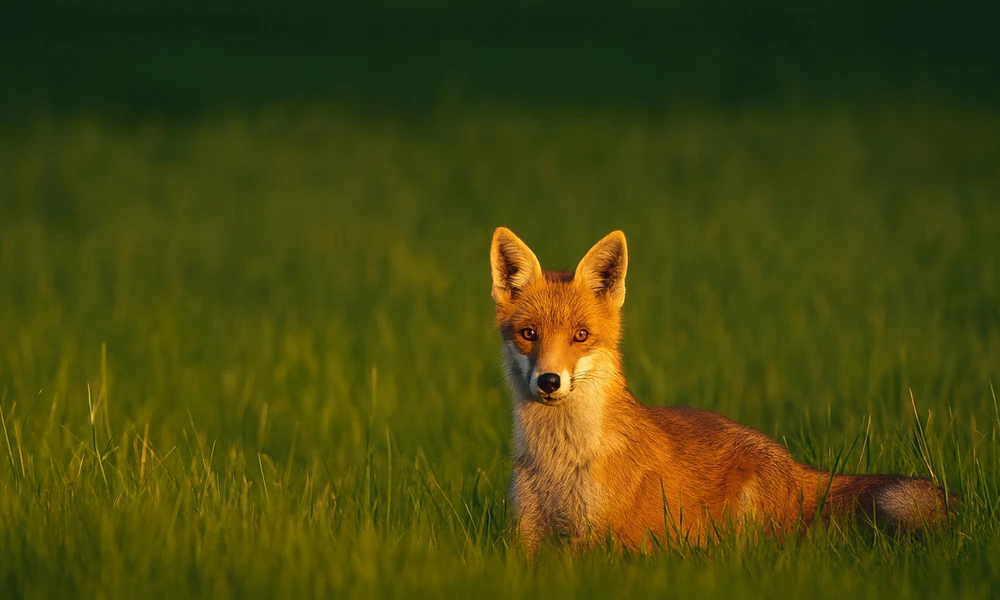
A red fox relies on patience, hearing, smell, vision, and precise movement. It does not simply run after everything it sees. Instead, it often uses a careful approach that minimizes unnecessary energy expenditure.
Imagine a fox moving through a winter field. The ground is covered with snow, and small rodents are hidden beneath it. The fox stops, turns its head, and listens. After locating movement, it adjusts its position and launches into a sudden pounce.
This hunting technique allows it to strike at prey that is concealed by grass, leaves, or snow.
Foxes also stalk birds, chase rabbits, search burrows, and investigate places where prey regularly gathers. Their methods vary with the target and the surroundings.
The Famous Fox Pounce
One of the red fox’s most recognizable hunting behaviors is its high, downward pounce. The fox may leap into the air and land nose-first or front-paws-first at the point where it believes prey is hiding.
The technique is particularly useful against small mammals beneath snow or vegetation. It is not guaranteed to succeed every time, but it can help the fox reach prey that would otherwise remain hidden.
Storing Food for Later
When food is plentiful, a red fox may bury surplus food in small caches. It can return later to recover the stored meal.
These caches are usually concealed in soil, leaves, or other suitable ground cover. A fox may even relocate stored food when circumstances change.
Food caching is especially useful for an animal whose meals can be unpredictable. A successful hunt today may provide something to eat when hunting is less productive tomorrow.
Red Fox Behavior and Social Life
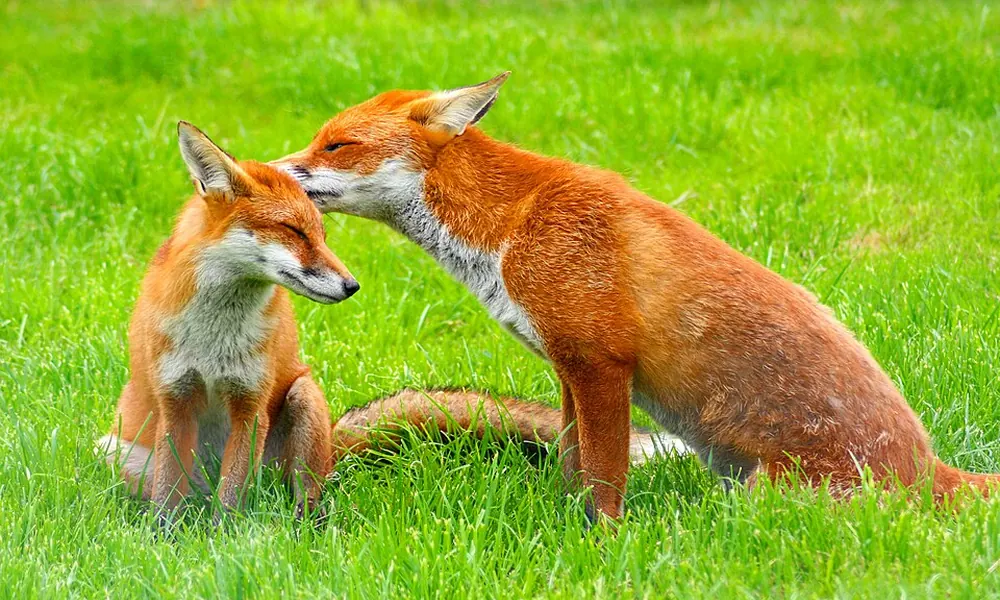
Red foxes are often solitary outside the breeding and family-rearing periods. However, solitary does not mean socially disconnected.
Adults communicate through scent marking, vocalizations, body language, and interactions with neighboring foxes. They may defend territories, avoid competitors, and maintain relationships with mates and offspring.
Are Red Foxes Territorial?
Yes. Red foxes commonly occupy home ranges and may defend important areas against other foxes.
Scent marking helps communicate that a fox has been present. Urine and other scent signals can provide information to neighboring animals and reduce the need for constant direct encounters.
Territory size varies according to food availability, habitat, population density, and other local conditions. A fox living in a food-rich urban area may use a different-sized range from one living in a landscape where meals are scattered.
Are Red Foxes Nocturnal?
Red foxes are often most active around dusk, during the night, and near dawn. These periods can offer cooler temperatures, reduced human activity, and favorable hunting conditions.
However, they are not strictly nocturnal. Foxes may be active during daylight, especially when they are feeding young or taking advantage of an available food source.
Daytime activity alone is not enough to conclude that a fox is ill.
How Do Red Foxes Communicate?
Foxes use a varied collection of sounds, including barks, whines, growls, and sharp calls. Some vocalizations are associated with social encounters or the breeding season.
They also rely heavily on scent. Marking familiar paths and territory boundaries helps foxes exchange information without needing to see one another.
Body posture and tail position can provide additional signals during close encounters.
Red Fox Reproduction: From Mating to Kits
The red fox’s breeding season usually occurs during winter, although the exact timing varies by region. After mating, the female prepares a sheltered den where she can give birth and care for her young.
The gestation period is approximately 51 to 53 days. A typical litter contains around four to six kits, but litter sizes vary and can be smaller or considerably larger.
Choosing a Den
A fox den may be dug into suitable soil or adapted from an abandoned burrow made by another animal. Natural cavities, brushy areas, and sheltered spaces beneath structures can also be used.
The den provides protection for newborn kits, which are highly dependent on adult care. Foxes may maintain more than one suitable den site and sometimes move their young if the original location becomes unsafe or disturbed.
What Are Baby Foxes Called?
Baby foxes are commonly called kits or cubs. Newborn red fox kits are small, helpless, and unable to see clearly. Their early survival depends on warmth, milk, and protection.
Their eyes open after the first days of life, and they gradually become more active as they grow.
How Do Fox Parents Raise Their Young?
The female, known as a vixen, spends much of the early period caring for the kits. Her mate may bring food to the den and help support the family.
As the kits grow, they begin exploring outside the den entrance. They play, chase one another, and investigate their surroundings. These activities help develop the coordination and social skills they will need later.
Adults bring food to the growing kits and help them transition from milk to solid food. The young eventually accompany adults on outings and learn through observation and experience.
By late summer or autumn, many young foxes begin dispersing to establish their own ranges. Some travel considerable distances in search of suitable habitat and a breeding opportunity.
How Long Do Red Foxes Live?
Red fox lifespan depends heavily on habitat, food availability, disease, traffic, and other dangers.
Wild foxes may die young because of road collisions, starvation, disease, predation, or human activity. Individuals that survive these hazards can live for several years, and some live considerably longer.
Foxes in captivity may have longer lifespans because they receive reliable food, shelter, and veterinary care.
A fox’s life is full of challenges. It must find food, avoid larger predators and people, defend access to resources, and successfully raise its young. Its adaptability helps, but survival is never guaranteed.
Red Fox vs. Gray Fox: What Is the Difference?
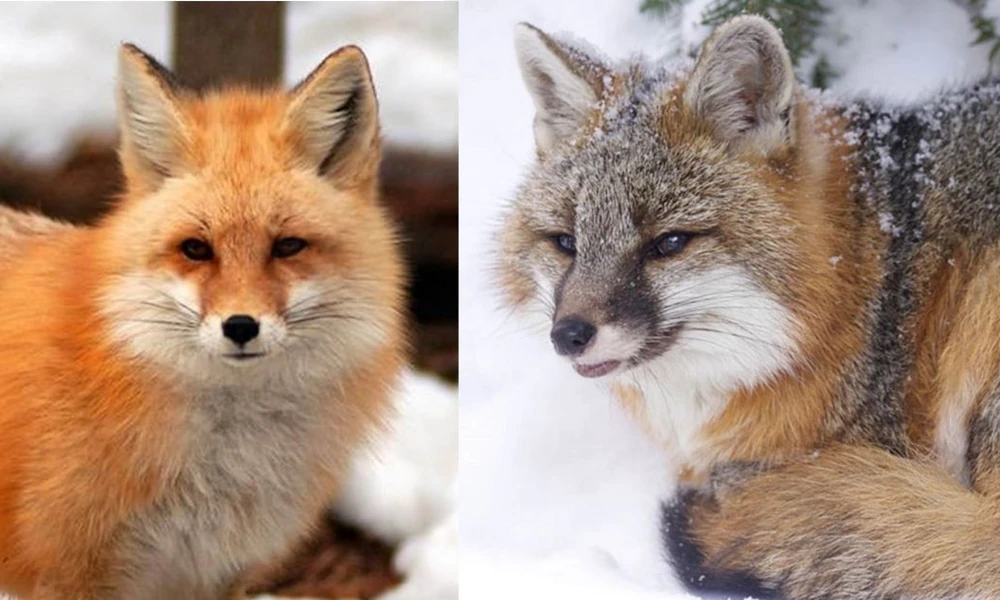
The red fox and gray fox are different species, even though their appearances can overlap.
The red fox (Vulpes vulpes) often has a reddish coat, dark lower legs, pointed ears, and a bushy tail with a pale tip. The gray fox (Urocyon cinereoargenteus) usually has a grizzled gray appearance, a black stripe along the back of the tail, and a black-tipped tail.
Their habitat preferences can differ. Red foxes often use open country and woodland edges, while gray foxes are commonly associated with more wooded or brushy habitats in parts of their range.
One striking difference is climbing ability. Gray foxes are skilled climbers and can use trees to escape danger or find shelter. Red foxes are not known for the same level of tree-climbing ability.
Both species are omnivores, hunt small animals, and adapt to human-modified landscapes, but their physical traits and behavior help distinguish them.
Are Red Foxes Dangerous to Humans?
Red foxes generally avoid direct contact with people. They are not domesticated animals, however, and should never be approached or handled.
Most foxes seen at a distance will move away when they feel threatened or notice a person coming closer. Problems can arise when a fox becomes accustomed to human food, is cornered, or is protecting its young.
Foxes may occasionally prey on poultry, rabbits, or other small domestic animals. Very small pets can also face risks when left unattended outdoors.
If you encounter a fox, give it space and allow it to leave. Do not attempt to touch, capture, or feed it. Keep pets supervised, particularly at night, and secure outdoor food sources.
A fox that appears severely disoriented, has difficulty moving, shows unexplained aggression, or behaves in a markedly unusual way should be reported to local animal-control or wildlife authorities. Avoid making a diagnosis based on a single behavior, since fox activity can naturally vary.
How to Keep Foxes Away From Your Property
Foxes sometimes visit gardens, sheds, poultry enclosures, and residential areas because these places offer shelter or easy food.
If you prefer not to attract them, the most useful approach is to remove attractants and protect vulnerable animals.
- Keep garbage containers closed and secure.
- Avoid leaving pet food outdoors overnight.
- Pick up fallen fruit when practical.
- Store animal feed in secure containers.
- Use sturdy, well-maintained enclosures for poultry and rabbits.
- Supervise small pets outdoors.
- Avoid feeding foxes or encouraging them to approach people.
- Seal access to sheds or spaces beneath structures only after confirming that no animals are trapped inside.
Foxes may still pass through an area even when these measures are followed. The goal is to make a property less attractive as a feeding or denning site while allowing wildlife to move through naturally.
The Ecological Importance of Red Foxes
Red foxes play a useful role in many ecosystems. Their effects vary by habitat, but they contribute to food webs through predation, scavenging, and interactions with other animals.
Helping Regulate Small Mammal Populations
Foxes consume mice, voles, rats, and other small mammals. Their hunting can influence prey populations, although the overall effect depends on local conditions and the presence of other predators.
For farmers and land managers, fox predation on some rodents can be beneficial. However, foxes may also affect vulnerable birds and other species, so their ecological role is not always simple.
Recycling Nutrients
When foxes feed on carrion, they help consume dead animals and return nutrients to the food web. Scavenging is an important ecological process shared by many mammals, birds, and invertebrates.
Connecting Different Food Sources
Because red foxes eat both animal and plant foods, they connect several parts of an ecosystem. They may consume insects, hunt rodents, eat fruit, and scavenge carcasses within the same home range.
This flexibility allows them to keep functioning as food availability changes throughout the year.
Interacting With Other Predators
Red foxes compete with other carnivores for food and space. Larger predators can affect where foxes travel and how they use their habitat.
These interactions vary from one region to another. Red foxes should not be viewed as either universally beneficial or universally harmful; their effects depend on the wider ecological community.
What Threats Do Red Foxes Face?
Despite their adaptability, red foxes face numerous hazards.
Road traffic is a major danger in areas where roads divide habitats or cross regular travel routes. Disease, parasites, starvation, and conflicts with other animals can also affect survival.
Human activities create additional pressures. Foxes have historically been trapped and hunted in many regions, and some populations are controlled because of concerns about livestock or vulnerable wildlife.
In places where red foxes have been introduced, they can threaten native species that evolved without this predator. Australia is one example where introduced red foxes have contributed to serious pressures on some native animals.
Conservation and management therefore depend on location. In some areas, the priority is protecting fox populations and reducing unnecessary conflict. In others, controlling introduced foxes may be important for safeguarding native wildlife.
Fascinating Facts About Red Foxes
- The red fox’s scientific name is Vulpes vulpes.
- Red foxes belong to the dog family, Canidae.
- Their coat color can range from bright orange-red to brown, grayish, and nearly black.
- Their diet includes both animals and plant foods.
- Foxes can use their hearing to locate small prey hidden beneath vegetation or snow.
- A red fox may bury surplus food and return to it later.
- Baby foxes are called kits or cubs.
- Both parents may help provide food and care for the young.
- Red foxes do not hibernate and remain active throughout the year.
- Foxes can thrive in cities as well as in remote countryside.
- A red fox may use an abandoned burrow rather than digging a completely new den.
- The gray fox, a different species, is a notably skilled tree climber.
Frequently Asked Questions About Red Foxes
What is a red fox?
A red fox is a small-to-medium-sized wild canine known for its reddish coat, pointed ears, and bushy tail. It is one of the most widely distributed wild carnivores in the Northern Hemisphere.
Where do red foxes live?
Red foxes live in many parts of Europe, Asia, and North America. They inhabit forests, grasslands, farms, mountains, coastal regions, suburbs, and cities. Introduced populations also exist in some other parts of the world.
What do red foxes eat?
Red foxes eat mice, voles, rabbits, birds, eggs, insects, worms, fruit, and carrion. They may also consume garbage or pet food when these are easily accessible.
Are red foxes nocturnal?
Red foxes are often most active around dusk, at night, and near dawn. However, they can also hunt during the day, and daytime sightings are not automatically a sign of illness.
How big is a red fox?
Many adult red foxes weigh approximately 7 to 15 pounds. Their body is generally around two feet long, with a long, bushy tail adding substantial length. Size varies by region and individual.
How long do red foxes live?
Wild red foxes face many hazards, so their lifespan varies considerably. Some survive only a short time, while others live for several years. Captive foxes may live longer under managed care.
How many babies do red foxes have?
A typical litter contains around four to six kits, although litter size can vary widely. The kits are usually born in spring after a gestation period of approximately 51 to 53 days.
Do red foxes mate for life?
Many red foxes form breeding pairs that cooperate in raising young, but their social relationships vary. It is more accurate to describe their pair-bonding behavior as common rather than assume every fox follows the same lifelong arrangement.
Are red foxes dangerous to pets?
Foxes generally avoid people, but they may prey on poultry, rabbits, and other small animals. Very small pets can also be at risk if left unattended outdoors. Secure enclosures and supervision can reduce the chance of conflict.
Can red foxes climb trees?
Red foxes are not known for the climbing ability of gray foxes. Gray foxes can climb trees using their strong limbs and claws, while red foxes generally rely on ground-based movement.
Do red foxes help farmers?
They can. By eating mice, voles, and other small mammals, red foxes may help limit some rodent populations. However, they can also prey on poultry or other vulnerable animals, so their effects depend on local circumstances.
Should you feed a wild red fox?
No. Feeding wild foxes can encourage them to approach homes and people, increasing the risk of conflict. Keep food waste secured and allow foxes to forage naturally.
Final Thoughts: A Small Predator With an Extraordinary Range
The red fox survives through a combination of careful hunting, sharp senses, flexible feeding habits, and an ability to adapt to changing surroundings.
It can move through a quiet woodland, hunt beneath winter snow, search a farm field for rodents, or slip along a city park after dark. Its success is not based on strength alone, but on recognizing opportunities and using them efficiently.
Although the red fox has long been associated with cunning, its real advantage is its versatility. It can change its diet, adjust its activity, use different den sites, and take advantage of a wide range of habitats.
Understanding this animal helps us appreciate the wildlife that shares our landscapes. With secure food storage, protected pets, and respectful distance, people can reduce conflict while allowing red foxes to continue their lives in the wild.
Disclaimer: This article is intended for general educational and wildlife-awareness purposes. Red fox behavior and management recommendations vary by region. Do not attempt to handle a wild fox; contact local wildlife or animal-control authorities if an animal appears seriously injured or displays persistently abnormal behavior.