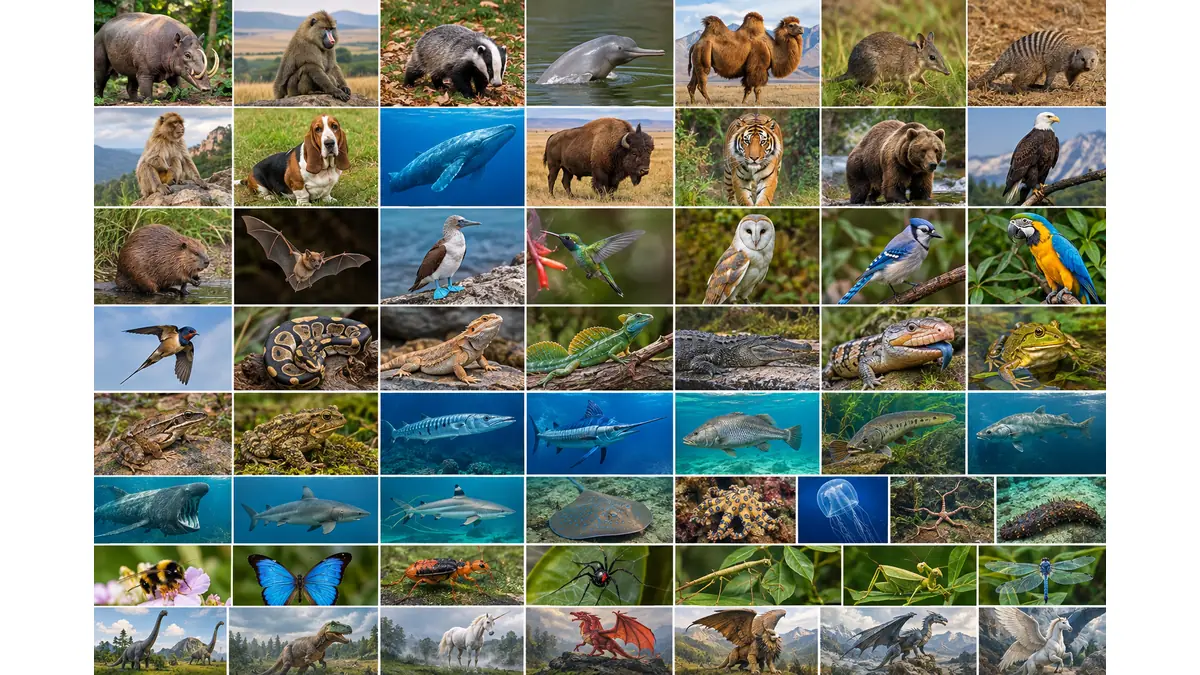
There are many fascinating animals that start with the letter B, from enormous blue whales and bison to tiny bee hummingbirds and bumblebees. This list includes mammals, birds, reptiles, amphibians, fish, sharks and rays, marine invertebrates, insects and arachnids, prehistoric animals, and mythical creatures.
Each animal is presented with its scientific name, family, habitat, range, size and weight, diet, lifespan, conservation status, and one key fact, so the information is easy to understand and compare.
Animals with backbones belong to the major vertebrate groups: mammals, birds, reptiles, amphibians, and fish. Many of the unusual body features described below are examples of animal adaptations, such as camouflage, specialized teeth, venom, flight, or swimming abilities.
A note on the data: conservation statuses follow the IUCN Red List and can change when species are reassessed. Where a name covers a group, a breed, or several species, the entry says so, and the figures given are typical ranges.
Mammals That Start With B
Babirusa
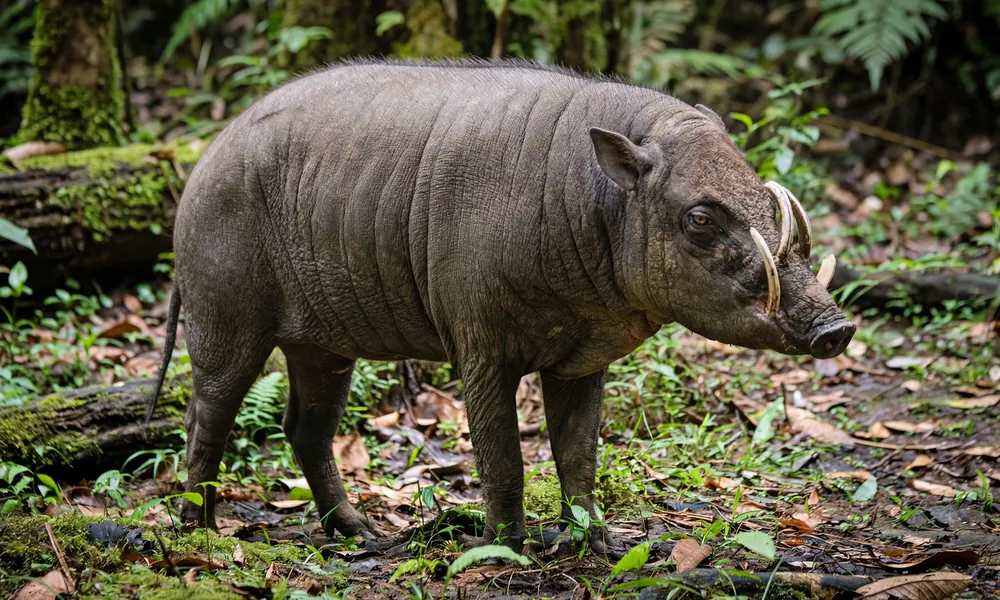
- Scientific Name: Babyrousa spp. (four species)
- Family: Suidae
- Habitat: Tropical rainforest, swamps, and riverbanks
- Range: Sulawesi, Togian, Sula, and Buru islands (Indonesia)
- Size and Weight: About 85–110 cm long; 40–100 kg
- Diet: Fruit, leaves, roots, and some animal matter
- Lifespan: Up to about 24 years in captivity
- Conservation Status: Vulnerable to Endangered, depending on species
- Key Fact: The upper canines of males grow upward through the skin of the snout.
Baboon
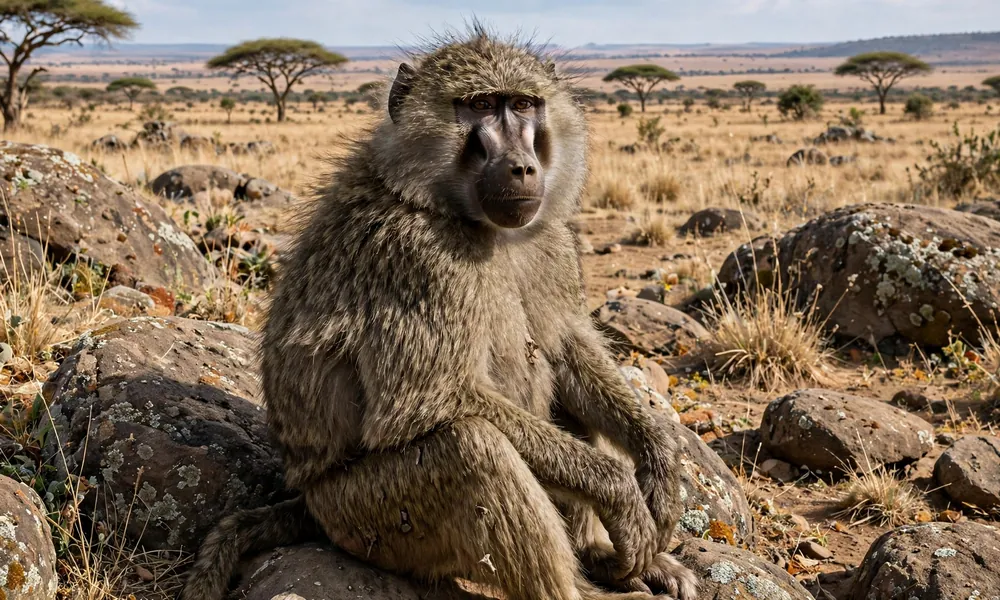
- Scientific Name: Papio spp. (six species)
- Family: Cercopithecidae
- Habitat: Savanna, open woodland, and rocky hills
- Range: Africa and southwestern Arabia
- Size and Weight: 50–110 cm long; 11–40 kg
- Diet: Grass, seeds, fruit, insects, and small animals
- Lifespan: 20–30 years in the wild; over 40 in captivity
- Conservation Status: Mostly Least Concern; Guinea baboon is Near Threatened
- Key Fact: Baboons live in large social groups called troops.
Badger
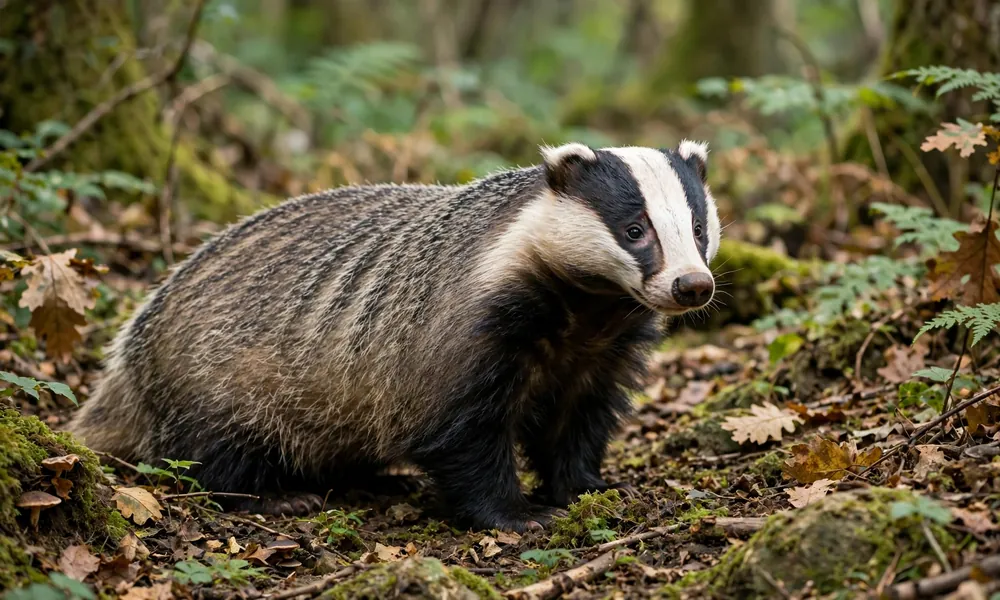
- Scientific Name: Meles meles (European), Taxidea taxus (American), Mellivora capensis (honey badger), and others
- Family: Mustelidae
- Habitat: Woodland, grassland, farmland, and scrub
- Range: Europe, Asia, Africa, and North America
- Size and Weight: European badger 60–90 cm long; 7–14 kg
- Diet: Earthworms, insects, small mammals, eggs, and fruit
- Lifespan: About 6–10 years in the wild
- Conservation Status: Least Concern (European, American, and honey badgers)
- Key Fact: Badgers dig large underground burrow systems called setts.
Baiji
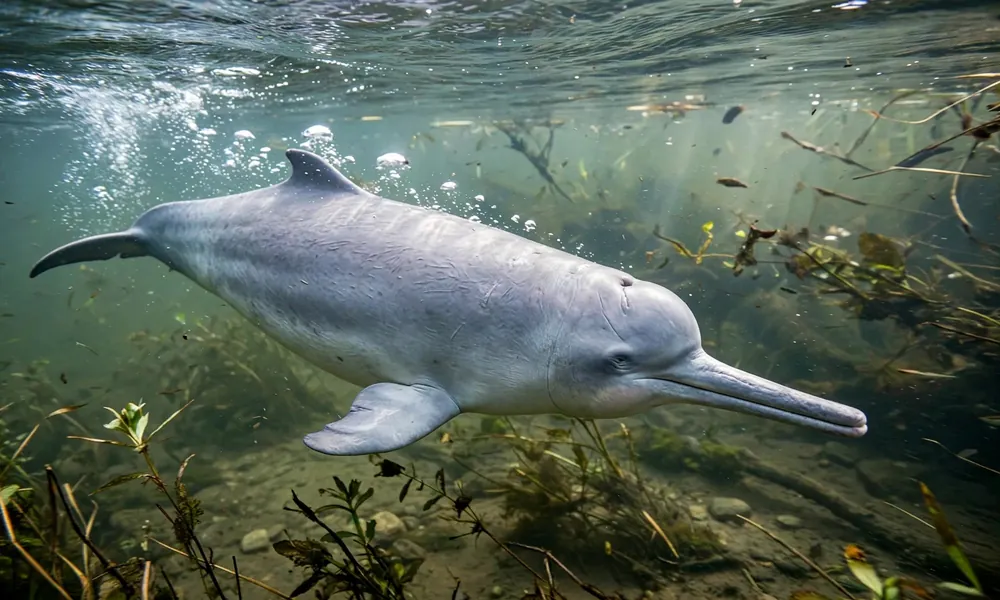
- Scientific Name: Lipotes vexillifer
- Family: Lipotidae
- Habitat: Large freshwater river
- Range: Yangtze River, China
- Size and Weight: 2.0–2.5 m long; 100–135 kg
- Diet: Freshwater fish
- Lifespan: Probably around 24 years
- Conservation Status: Critically Endangered (Possibly Extinct); likely functionally extinct
- Key Fact: It was the first dolphin species thought to be driven to extinction by humans.
Bactrian Camel
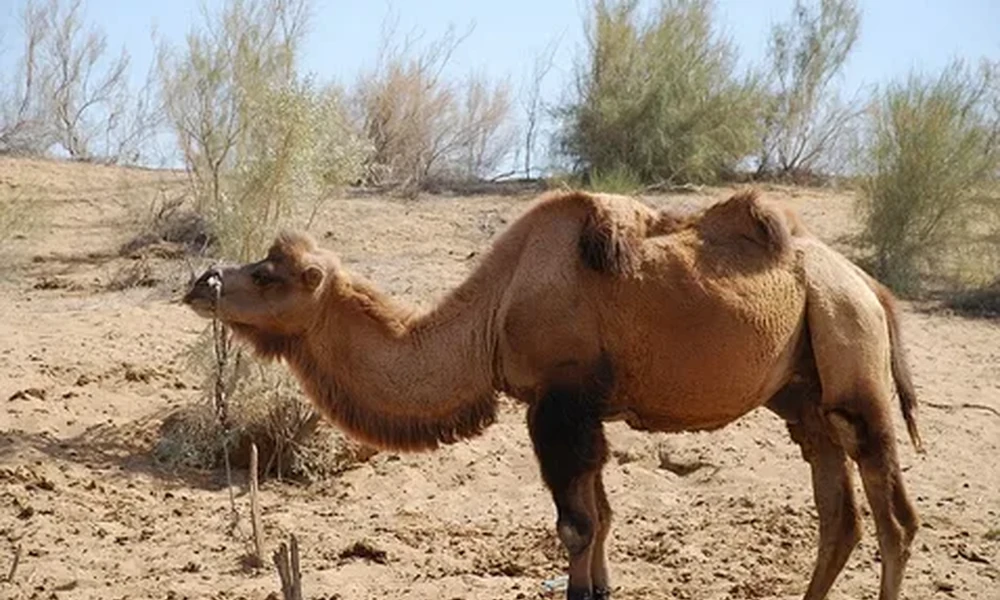
- Scientific Name: Camelus bactrianus (domestic); Camelus ferus (wild)
- Family: Camelidae
- Habitat: Deserts, steppes, and rocky plains
- Range: Central Asia, including Mongolia and China
- Size and Weight: About 1.8 m at the shoulder; 450–700 kg
- Diet: Grasses, shrubs, and thorny plants
- Lifespan: 30–35 years; up to 50 in captivity
- Conservation Status: Wild camel (C. ferus) Critically Endangered; domestic form not assessed
- Key Fact: It has two humps that store fat, not water.
Bandicoot
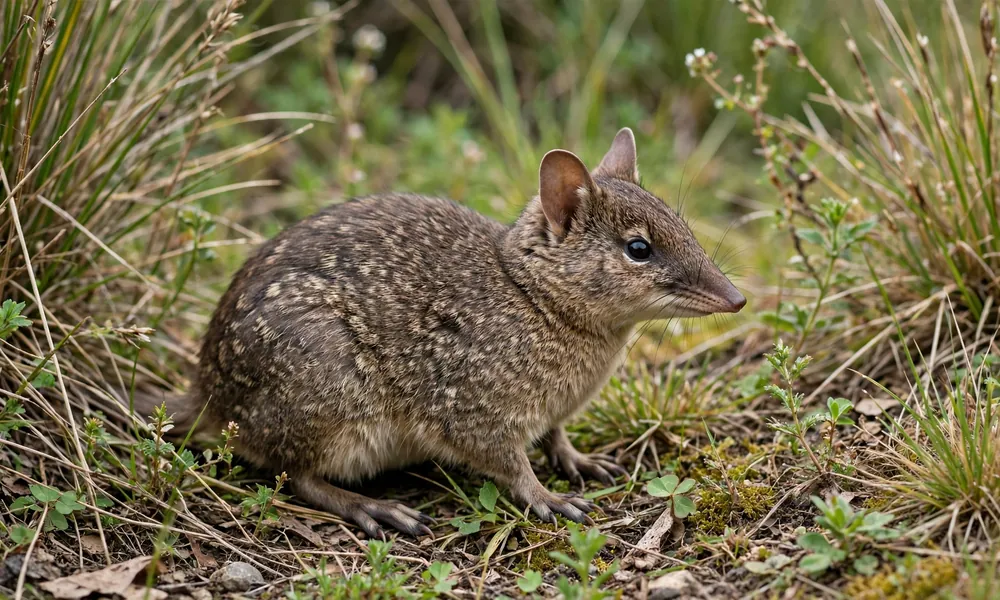
- Scientific Name: Order Peramelemorphia (family Peramelidae and related families)
- Family: Peramelidae
- Habitat: Forest, woodland, grassland, and scrub
- Range: Australia and New Guinea
- Size and Weight: About 20–50 cm long; 0.2–2 kg depending on species
- Diet: Insects, worms, fungi, roots, and fruit
- Lifespan: Roughly 2–4 years in the wild
- Conservation Status: Varies; several species are threatened
- Key Fact: Bandicoots are marsupials with a rear-opening pouch.
Banded Mongoose

- Scientific Name: Mungos mungo
- Family: Herpestidae
- Habitat: Savanna, grassland, and open woodland
- Range: Sub-Saharan Africa
- Size and Weight: 30–45 cm long; 1–2 kg
- Diet: Insects, small reptiles, eggs, and fruit
- Lifespan: About 6–10 years
- Conservation Status: Least Concern
- Key Fact: Groups raise their young cooperatively.
Barbary Macaque
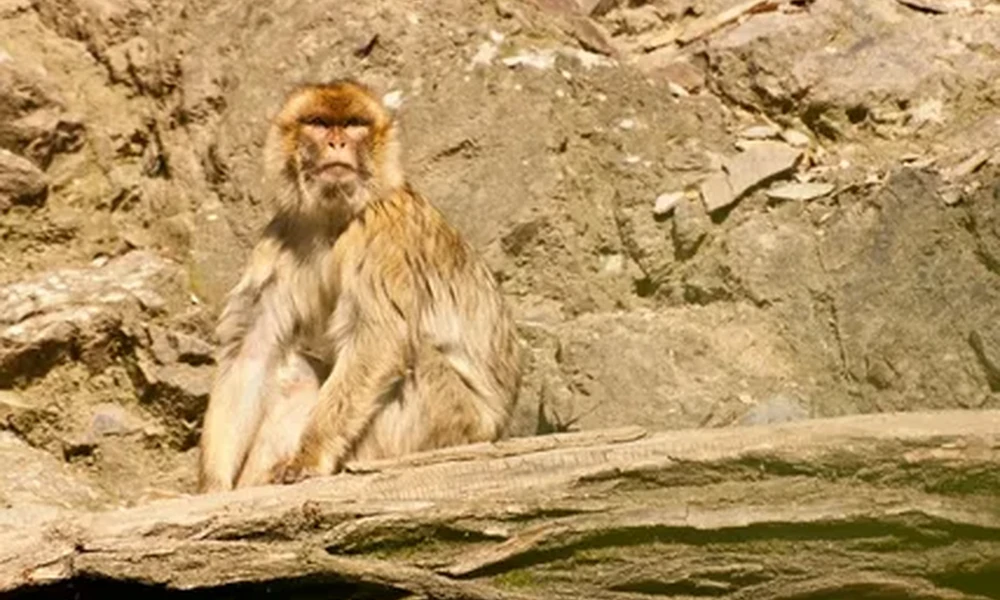
- Scientific Name: Macaca sylvanus
- Family: Cercopithecidae
- Habitat: Cedar and oak forest, and rocky scrub
- Range: Morocco and Algeria; introduced population in Gibraltar
- Size and Weight: 45–63 cm long; 6–16 kg
- Diet: Seeds, leaves, fruit, roots, and insects
- Lifespan: 15–22 years in the wild; up to about 30 in captivity
- Conservation Status: Endangered
- Key Fact: It is the only macaque found in Africa and the only wild monkey in Europe (Gibraltar).
Basset Hound
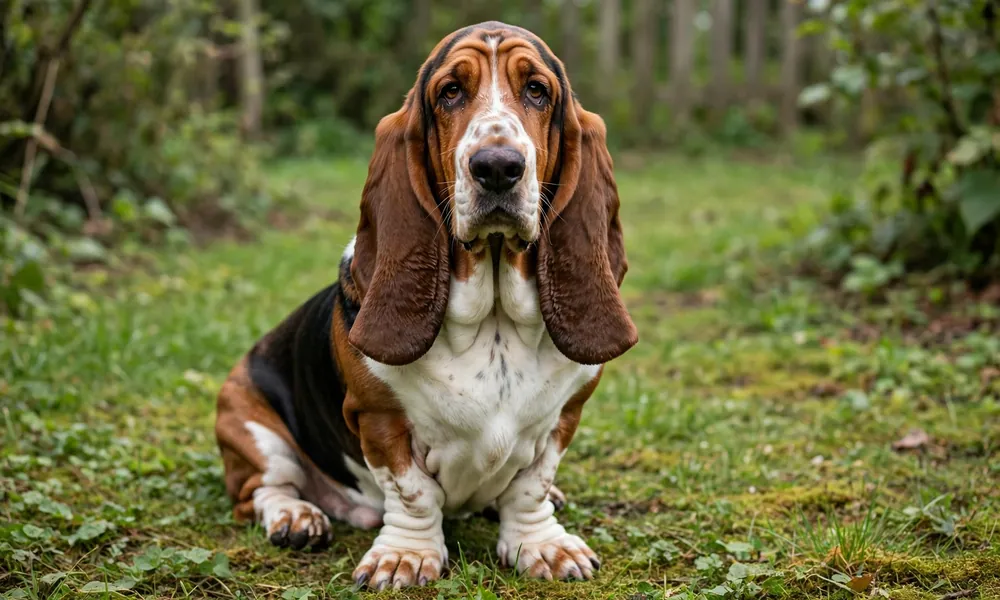
- Scientific Name: Canis lupus familiaris
- Family: Canidae
- Habitat: Domestic; human homes
- Range: Worldwide (breed developed in France)
- Size and Weight: 33–38 cm at the shoulder; 20–29 kg
- Diet: Omnivore; commercial dog food
- Lifespan: 10–12 years
- Conservation Status: Domestic breed; not assessed by the IUCN
- Key Fact: Its long ears help sweep scent toward its nose while it tracks.
Bat
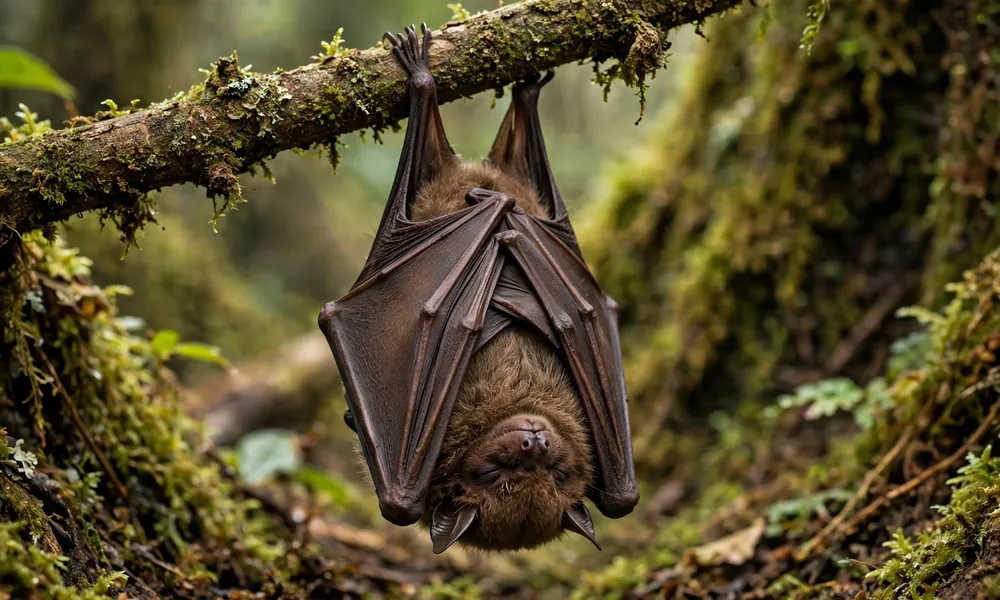
- Scientific Name: Order Chiroptera (about 1,400 species)
- Family: Order with about 21 families
- Habitat: Caves, forests, deserts, farmland, and cities
- Range: Every continent except Antarctica
- Size and Weight: From about 4 cm and 2 g to a 1.7 m wingspan and 1.6 kg
- Diet: Insects, fruit, nectar, fish, or blood, depending on species
- Lifespan: 5–30 years; some exceed 40
- Conservation Status: Varies; many species are threatened
- Key Fact: Bats are the only mammals capable of true, sustained flight.
Bat-Eared Fox
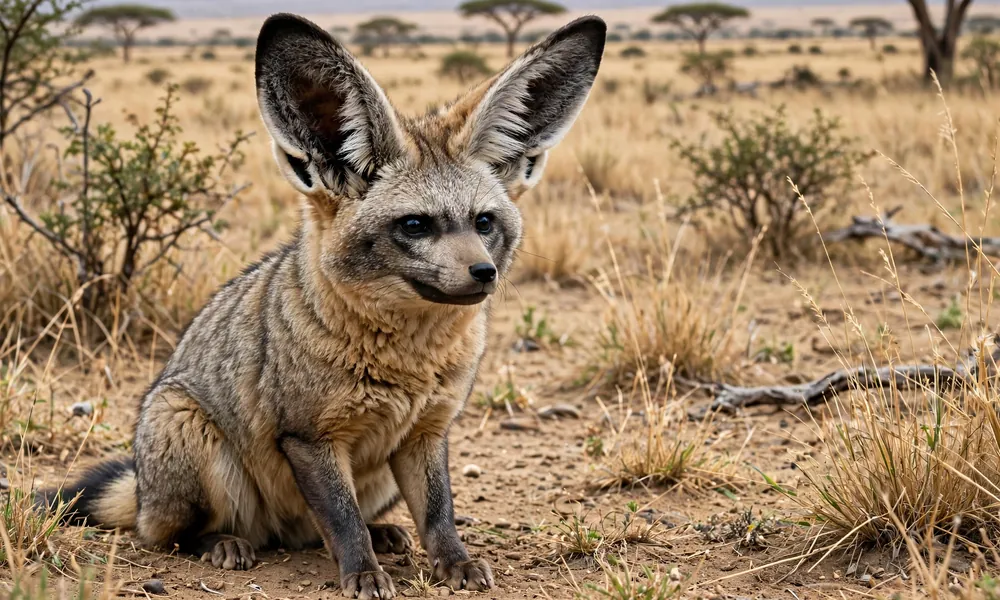
- Scientific Name: Otocyon megalotis
- Family: Canidae
- Habitat: Open savanna and dry grassland
- Range: Eastern and southern Africa (two separate populations)
- Size and Weight: 46–66 cm long; 3–5 kg
- Diet: Mainly termites and other insects
- Lifespan: About 6–13 years
- Conservation Status: Least Concern
- Key Fact: Its large ears (up to about 13 cm) detect underground insects and shed heat.
Beagle
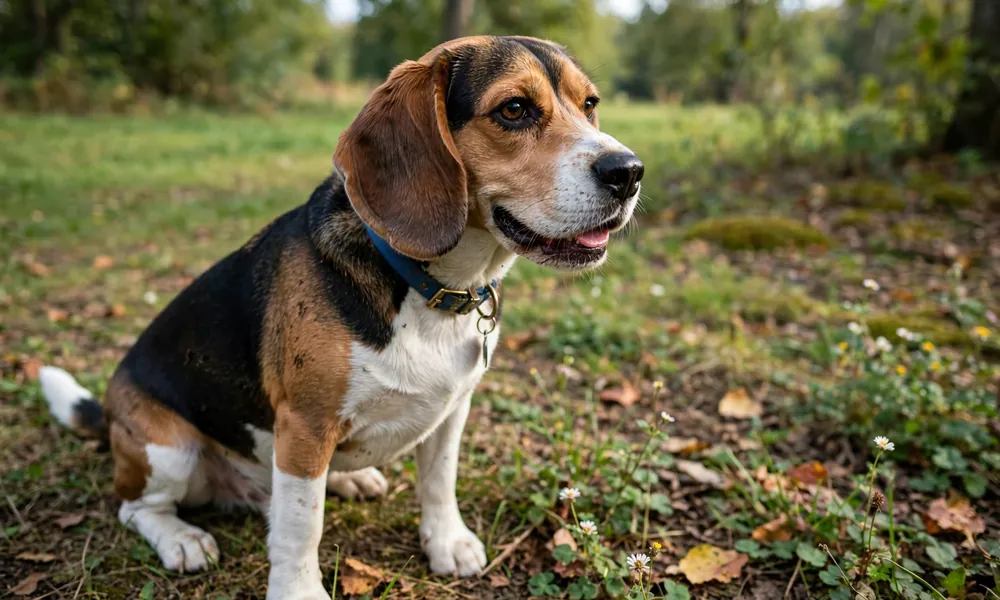
- Scientific Name: Canis lupus familiaris
- Family: Canidae
- Habitat: Domestic; human homes
- Range: Worldwide (breed developed in England)
- Size and Weight: 33–41 cm at the shoulder; 9–14 kg
- Diet: Omnivore; commercial dog food
- Lifespan: 12–15 years
- Conservation Status: Domestic breed; not assessed by the IUCN
- Key Fact: Beagles are scent hounds with an excellent sense of smell.
Bear
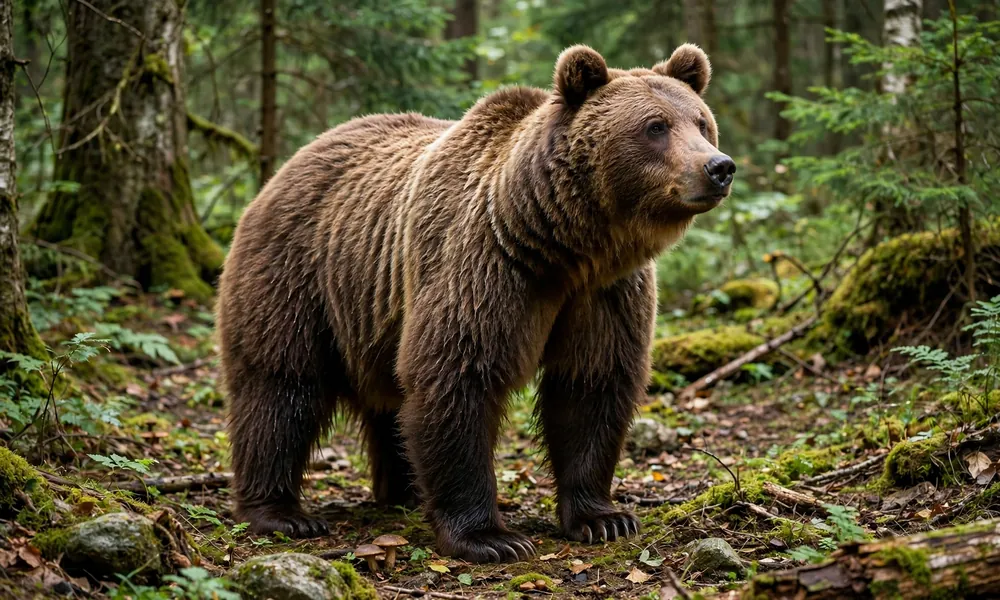
- Scientific Name: Family Ursidae (eight species)
- Family: Ursidae
- Habitat: Forest, mountains, tundra, and Arctic sea ice
- Range: North America, Europe, Asia, and northwestern South America
- Size and Weight: From about 1.2 m and 30 kg (sun bear) to about 3 m and 1,000 kg (polar bear)
- Diet: Varies from plants and insects to fish and seals
- Lifespan: About 20–30 years
- Conservation Status: Varies; polar, sloth, sun, spectacled, Asiatic black bears and giant pandas are Vulnerable
- Key Fact: Many bears hibernate or spend long periods dormant in winter.
Bearded Pig
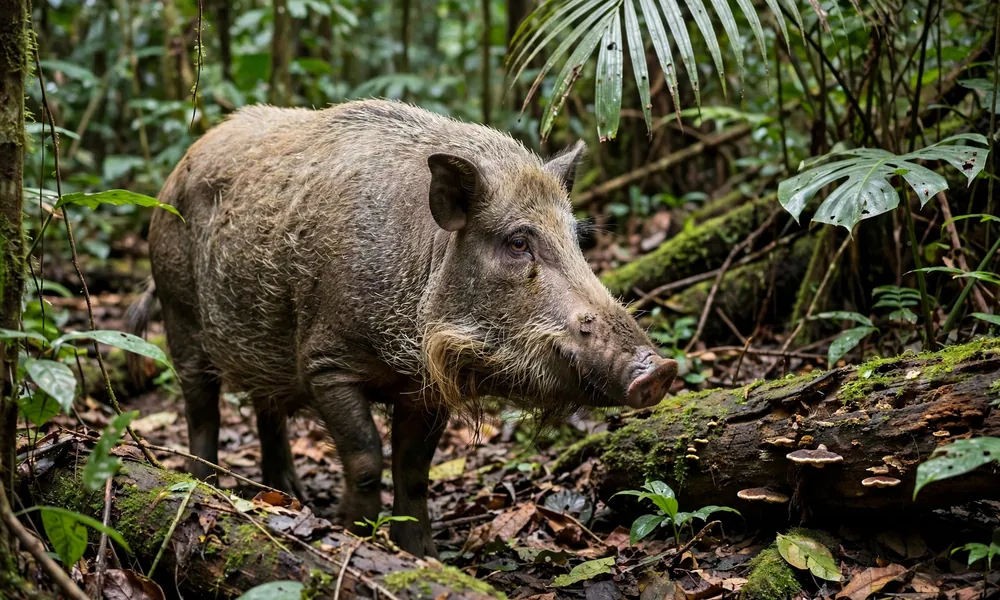
- Scientific Name: Sus barbatus
- Family: Suidae
- Habitat: Rainforest, mangrove, and peat swamp
- Range: Malay Peninsula, Sumatra, Borneo, and nearby islands
- Size and Weight: Up to about 1.5 m long; roughly 40–150 kg
- Diet: Fruit, seeds, roots, and invertebrates
- Lifespan: About 10–12 years in captivity
- Conservation Status: Vulnerable
- Key Fact: It follows fruiting trees and migrates in large groups in Borneo.
Beaver
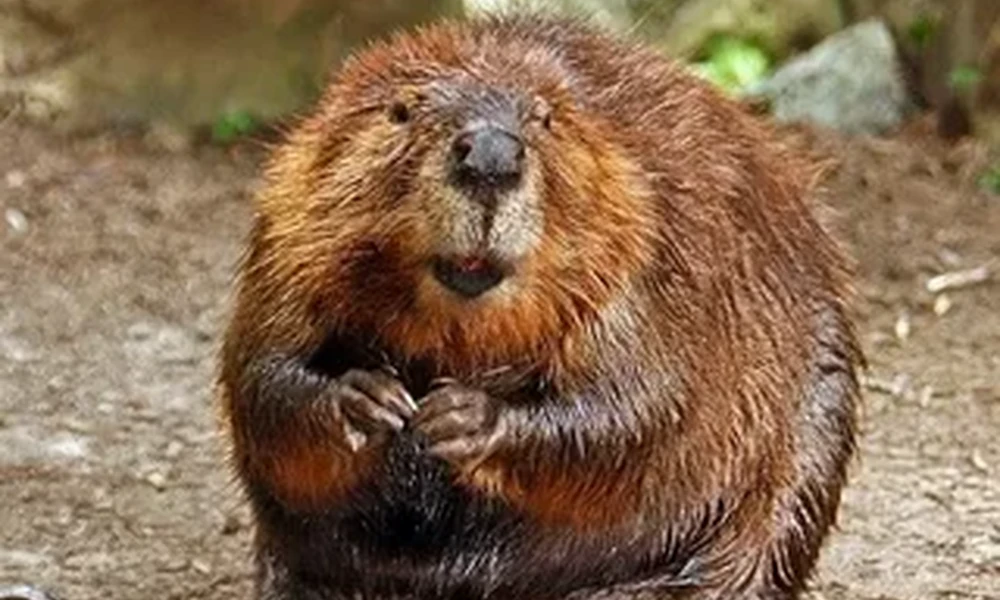
- Scientific Name: Castor canadensis (North American) and Castor fiber (Eurasian)
- Family: Castoridae
- Habitat: Rivers, streams, ponds, and wetlands
- Range: North America and Eurasia
- Size and Weight: 70–100 cm long plus a 25–35 cm tail; 11–30 kg
- Diet: Bark, leaves, twigs, and aquatic plants
- Lifespan: 10–12 years in the wild
- Conservation Status: Least Concern
- Key Fact: Beaver dams create ponds and wetlands that support many other species.
Belgian Draft Horse
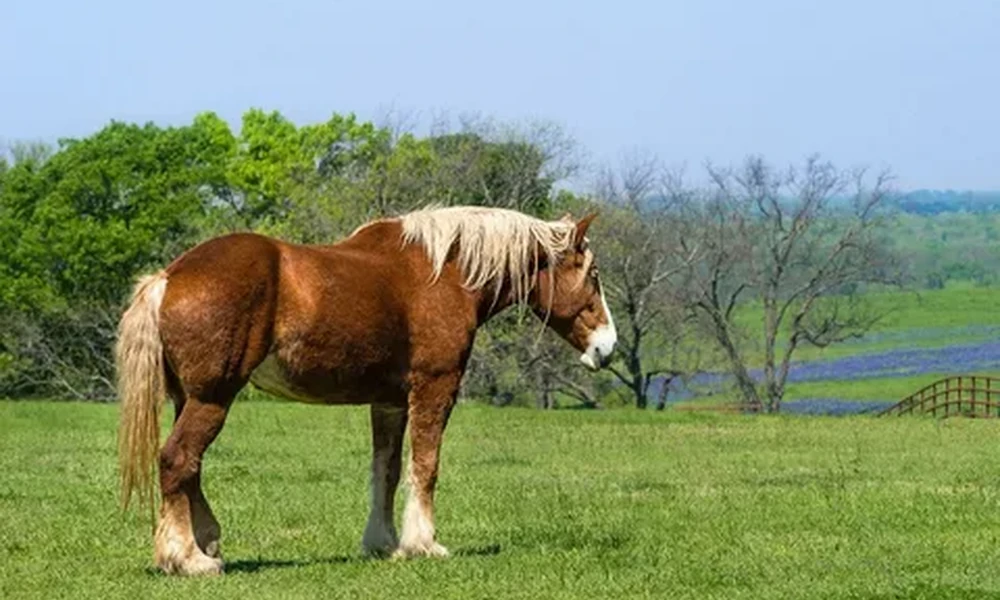
- Scientific Name: Equus ferus caballus
- Family: Equidae
- Habitat: Farms and stables
- Range: Worldwide (breed developed in Belgium)
- Size and Weight: About 160–170 cm at the withers; 750–1,000 kg
- Diet: Herbivore; grass, hay, and grain
- Lifespan: 25–30 years
- Conservation Status: Domestic breed; not assessed by the IUCN
- Key Fact: It is one of the strongest and heaviest draft horse breeds.
Belgian Malinois
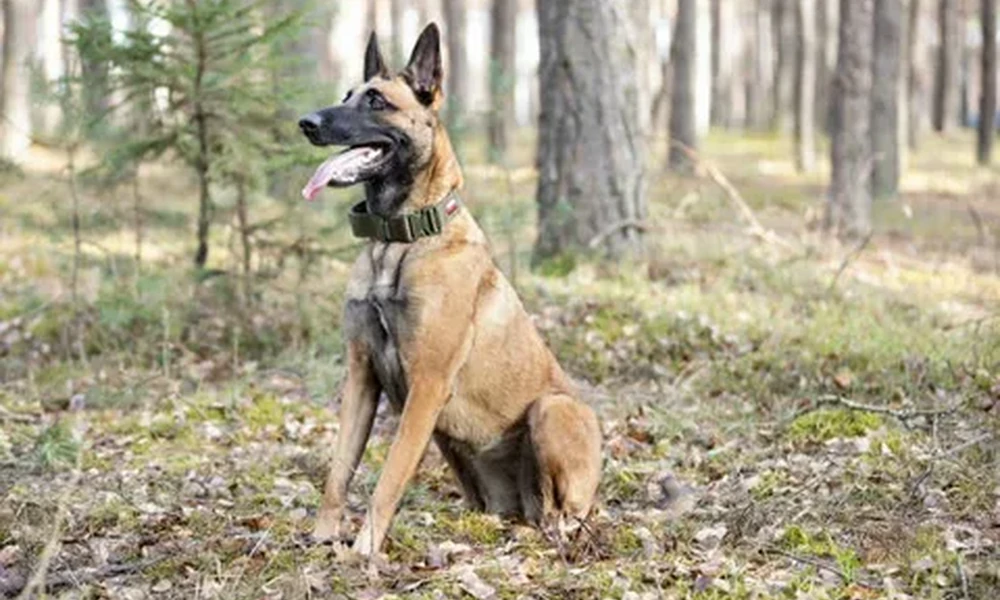
- Scientific Name: Canis lupus familiaris
- Family: Canidae
- Habitat: Domestic; homes and working environments
- Range: Worldwide (breed developed in Belgium)
- Size and Weight: 56–66 cm at the shoulder; 20–30 kg
- Diet: Omnivore; commercial dog food
- Lifespan: 14–16 years
- Conservation Status: Domestic breed; not assessed by the IUCN
- Key Fact: It is widely used as a police, military, and search dog.
Beluga Whale
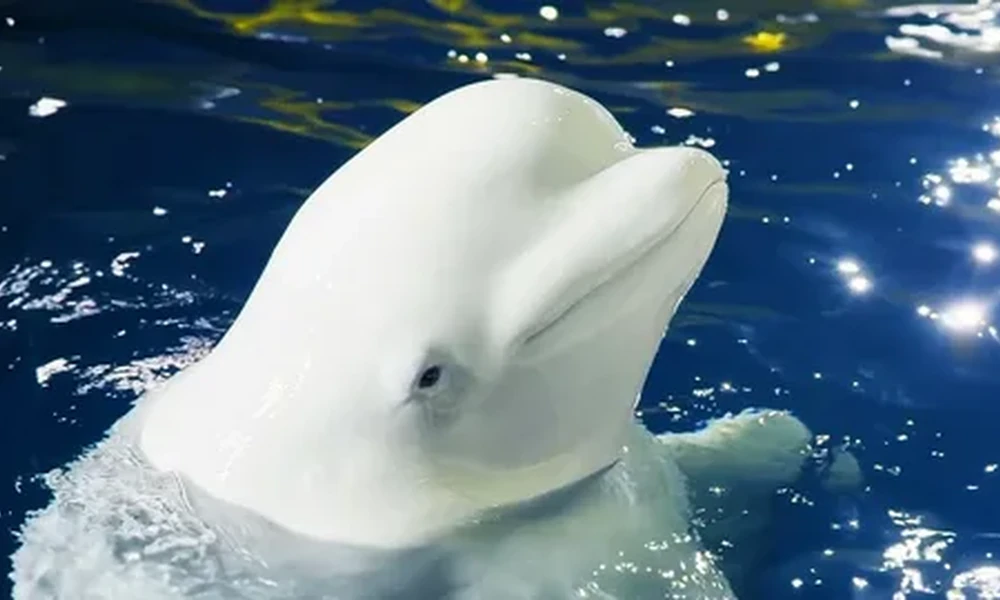
- Scientific Name: Delphinapterus leucas
- Family: Monodontidae
- Habitat: Arctic and sub-Arctic coastal waters and estuaries
- Range: Circumpolar Arctic
- Size and Weight: 3.5–5.5 m long; 1,000–1,600 kg
- Diet: Fish, squid, crustaceans, and worms
- Lifespan: 35–50 years
- Conservation Status: Least Concern overall; Cook Inlet population Endangered
- Key Fact: Adults are white and have no dorsal fin.
Bengal Cat
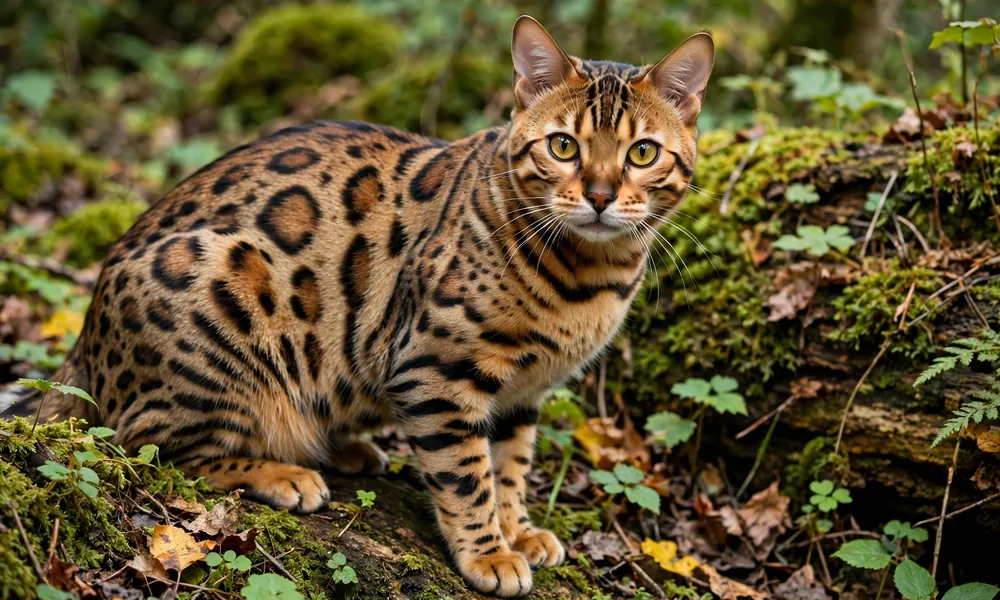
- Scientific Name: Felis catus
- Family: Felidae
- Habitat: Domestic; human homes
- Range: Worldwide (breed developed in the United States)
- Size and Weight: Medium; 3.5–7 kg
- Diet: Carnivore; commercial cat food
- Lifespan: 12–16 years
- Conservation Status: Domestic breed; not assessed by the IUCN
- Key Fact: The breed came from crosses between domestic cats and the wild Asian leopard cat.
Bengal Tiger
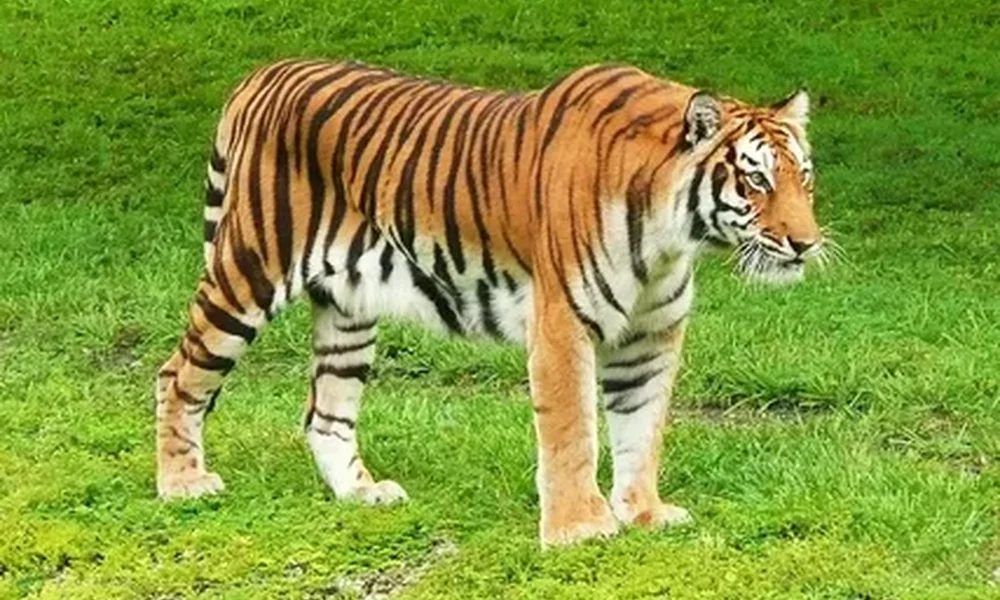
- Scientific Name: Panthera tigris tigris
- Family: Felidae
- Habitat: Tropical forest, grassland, mangrove, and wetland
- Range: India, Bangladesh, Nepal, and Bhutan
- Size and Weight: Males up to about 3 m long including the tail; 180–260 kg
- Diet: Deer, wild pigs, buffalo, and other large prey
- Lifespan: 10–15 years in the wild; over 20 in captivity
- Conservation Status: Endangered
- Key Fact: The Sundarbans mangrove forest is home to tigers that regularly swim.
Bernese Mountain Dog

- Scientific Name: Canis lupus familiaris
- Family: Canidae
- Habitat: Domestic; homes and farms
- Range: Worldwide (breed developed in Switzerland)
- Size and Weight: 58–70 cm at the shoulder; 32–54 kg
- Diet: Omnivore; commercial dog food
- Lifespan: 7–10 years
- Conservation Status: Domestic breed; not assessed by the IUCN
- Key Fact: It was bred for farm work, including pulling carts.
Bettong
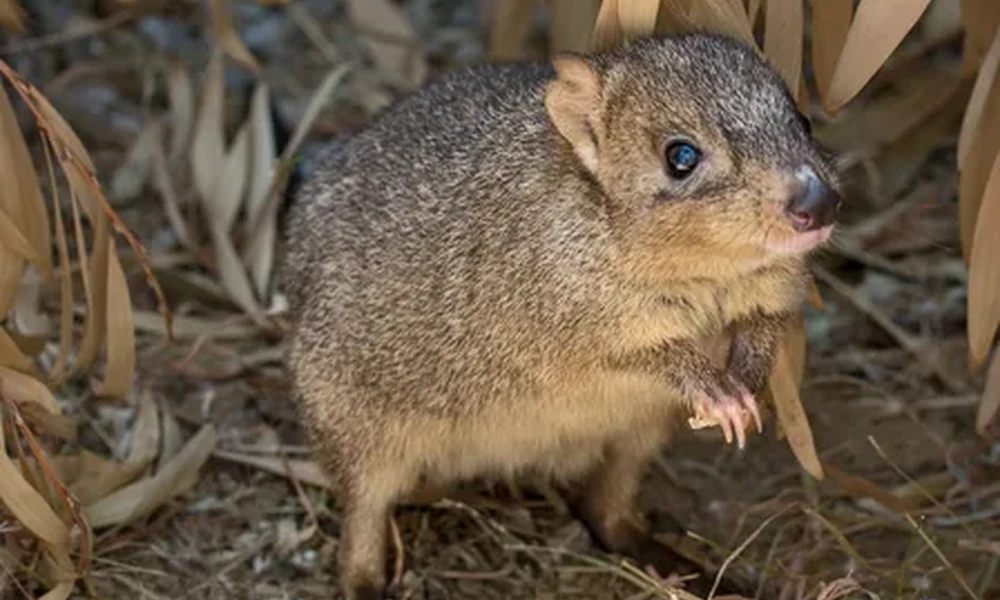
- Scientific Name: Bettongia spp.
- Family: Potoroidae
- Habitat: Woodland, grassland, and shrubland
- Range: Australia
- Size and Weight: 30–40 cm long; 1–3 kg
- Diet: Fungi (especially truffles), roots, seeds, and insects
- Lifespan: About 4–6 years in the wild
- Conservation Status: Varies; woylie Critically Endangered
- Key Fact: Bettongs spread fungal spores and turn over soil as they dig.
Bichon Frise

- Scientific Name: Canis lupus familiaris
- Family: Canidae
- Habitat: Domestic; human homes
- Range: Worldwide (breed developed in the Mediterranean region)
- Size and Weight: 23–30 cm at the shoulder; 5–8 kg
- Diet: Omnivore; commercial dog food
- Lifespan: 14–15 years
- Conservation Status: Domestic breed; not assessed by the IUCN
- Key Fact: It has a soft, curly white coat that needs regular grooming.
Bighorn Sheep
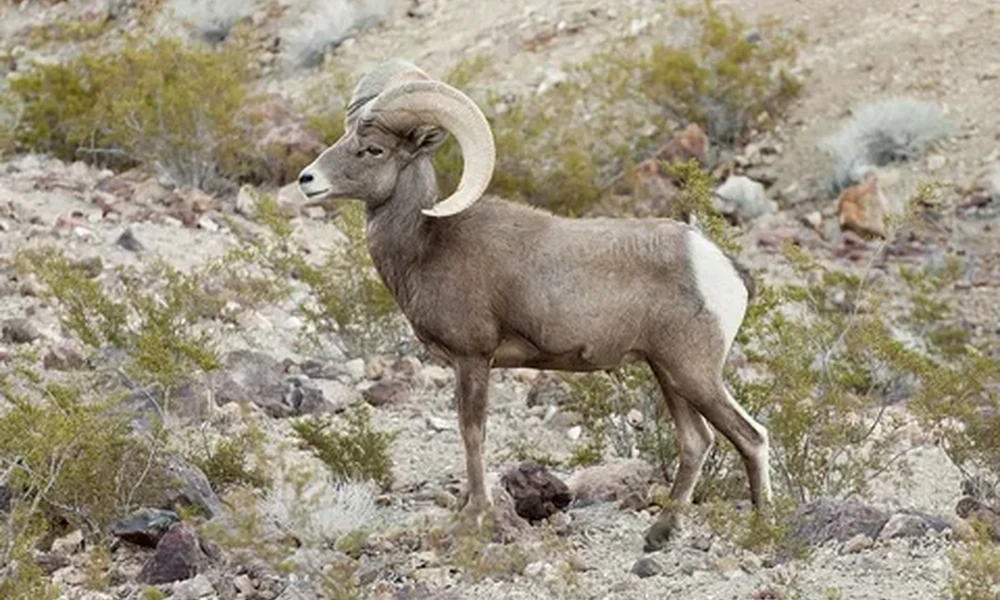
- Scientific Name: Ovis canadensis
- Family: Bovidae
- Habitat: Mountain slopes, cliffs, and desert canyons
- Range: Western North America
- Size and Weight: Males 58–144 kg; females 34–91 kg
- Diet: Grasses, sedges, and shrubs
- Lifespan: 9–14 years
- Conservation Status: Least Concern; some subspecies Endangered
- Key Fact: Rams clash head-on, and their horns can weigh up to about 14 kg.
Bilby

- Scientific Name: Macrotis lagotis
- Family: Thylacomyidae
- Habitat: Arid grassland and desert scrub
- Range: Central and western Australia
- Size and Weight: 30–55 cm long; 0.8–2.5 kg
- Diet: Insects, seeds, bulbs, and fungi
- Lifespan: Up to about 7 years
- Conservation Status: Vulnerable
- Key Fact: Bilbies dig spiral burrows and are nocturnal.
Binturong
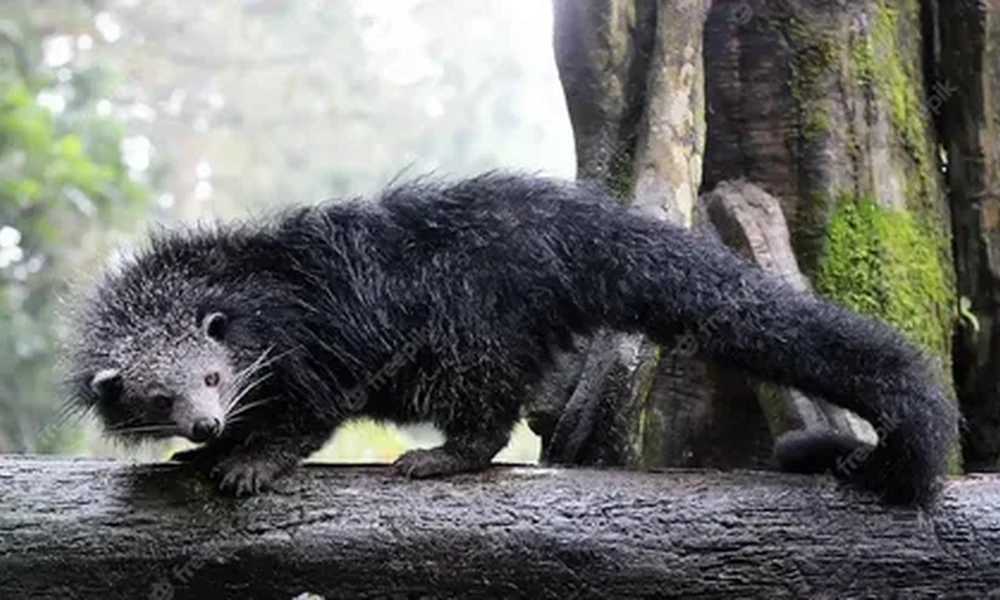
- Scientific Name: Arctictis binturong
- Family: Viverridae
- Habitat: Tropical rainforest canopy
- Range: South and Southeast Asia
- Size and Weight: 60–97 cm long plus a tail of similar length; 9–20 kg
- Diet: Fruit, small animals, and eggs
- Lifespan: Over 20 years in captivity
- Conservation Status: Vulnerable
- Key Fact: Its musky scent is often compared to buttered popcorn.
Birman Cat

- Scientific Name: Felis catus
- Family: Felidae
- Habitat: Domestic; human homes
- Range: Worldwide (breed developed in France)
- Size and Weight: Medium to large; 3–6 kg
- Diet: Carnivore; commercial cat food
- Lifespan: 12–16 years
- Conservation Status: Domestic breed; not assessed by the IUCN
- Key Fact: It has color-pointed fur and white feet that look like gloves.
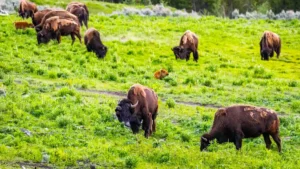
Bison
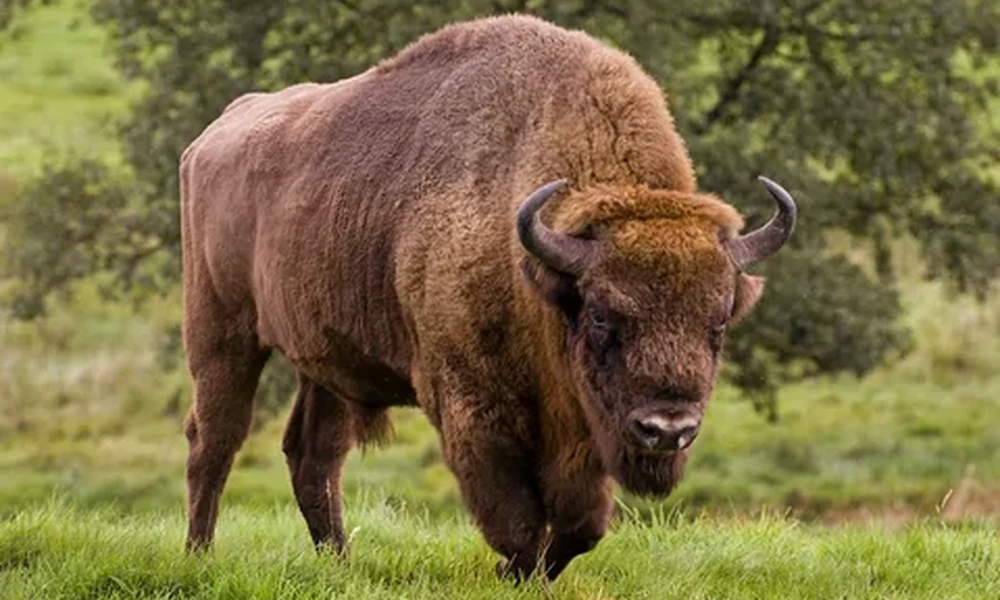
- Scientific Name: Bison bison (American) and Bison bonasus (European)
- Family: Bovidae
- Habitat: Prairie, plains, meadows, and open forest
- Range: North America and central Europe
- Size and Weight: 2–3.8 m long; males about 460–900 kg, occasionally up to 1,000 kg
- Diet: Grasses and sedges
- Lifespan: 15–20 years
- Conservation Status: Both species Near Threatened
- Key Fact: Bison are the largest land mammals in North America and Europe.
Black Howler Monkey
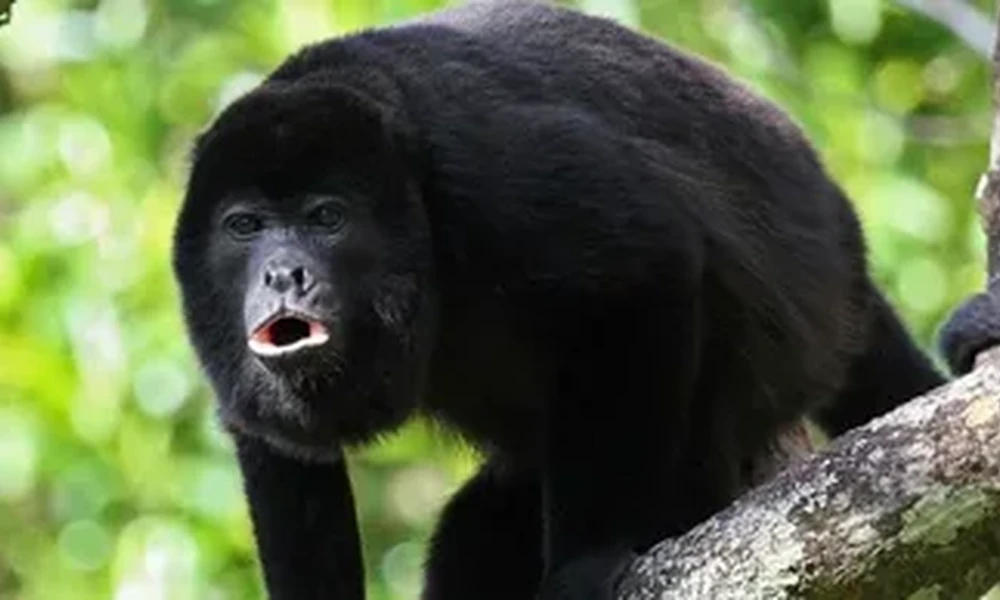
- Scientific Name: Alouatta caraya
- Family: Atelidae
- Habitat: Subtropical forest and woodland
- Range: Brazil, Bolivia, Paraguay, and northern Argentina
- Size and Weight: 45–65 cm long plus a tail of similar length; 4–8 kg
- Diet: Leaves, fruit, and flowers
- Lifespan: About 15–20 years
- Conservation Status: Near Threatened
- Key Fact: Its roar can carry for several kilometers through forest.
Black Rat
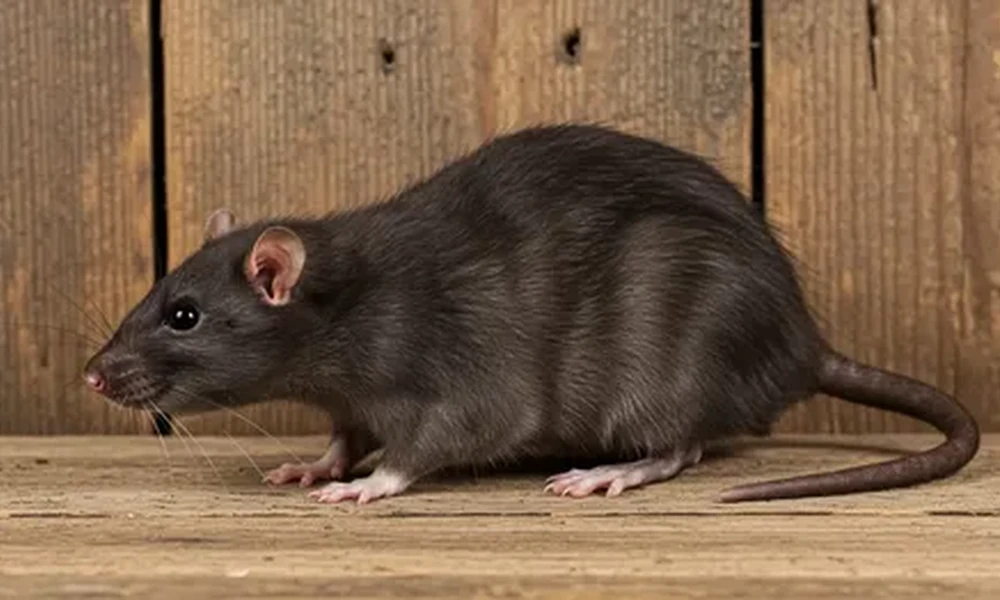
- Scientific Name: Rattus rattus
- Family: Muridae
- Habitat: Forests, farms, ports, and buildings
- Range: Worldwide (originally South Asia)
- Size and Weight: 16–24 cm long plus a longer tail; 75–230 g
- Diet: Seeds, fruit, grain, and insects
- Lifespan: About 1–2 years in the wild
- Conservation Status: Least Concern
- Key Fact: It is an agile climber that often nests in roofs and trees.
Black Rhinoceros
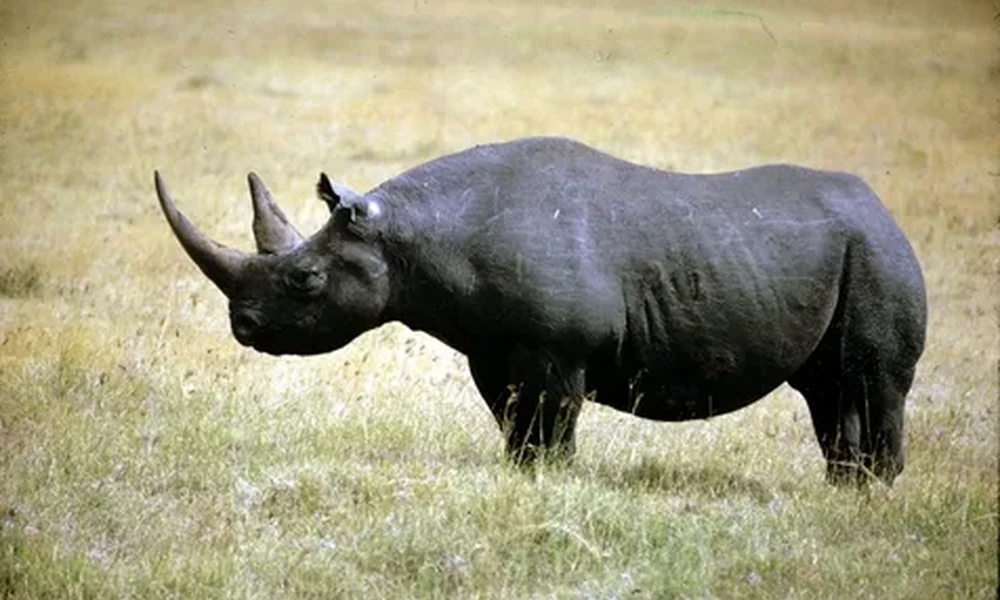
- Scientific Name: Diceros bicornis
- Family: Rhinocerotidae
- Habitat: Savanna, shrubland, and dry woodland
- Range: Eastern and southern Africa
- Size and Weight: 3–3.8 m long; 800–1,400 kg
- Diet: Leaves, twigs, and shoots
- Lifespan: 35–50 years
- Conservation Status: Critically Endangered
- Key Fact: It has a hooked upper lip for grasping browse, and it is gray rather than black.
Black Wildebeest
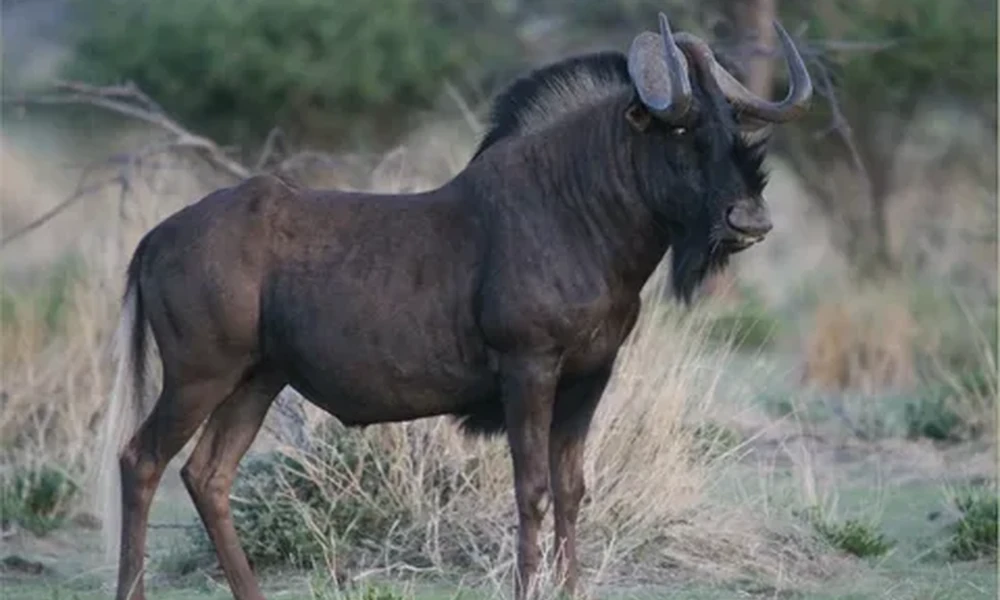
- Scientific Name: Connochaetes gnou
- Family: Bovidae
- Habitat: Open grassland and Karoo scrub
- Range: South Africa, Lesotho, and Eswatini; introduced in Namibia
- Size and Weight: About 1.2 m at the shoulder; 110–180 kg
- Diet: Mainly grasses
- Lifespan: About 20 years
- Conservation Status: Least Concern
- Key Fact: It nearly went extinct in the 1800s and recovered through protection on private farms.
Black-Footed Cat
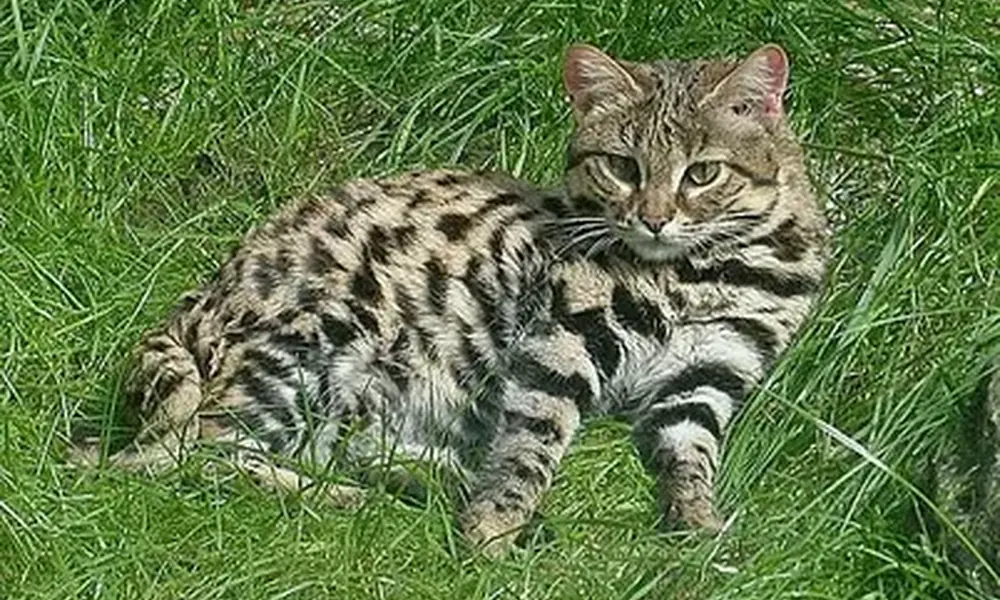
- Scientific Name: Felis nigripes
- Family: Felidae
- Habitat: Dry grassland and semi-desert
- Range: Southern Africa (Namibia, Botswana, South Africa, and Zimbabwe)
- Size and Weight: 35–52 cm long plus a 15–20 cm tail; 1–2.5 kg
- Diet: Rodents, small birds, and insects
- Lifespan: About 8 years in the wild; up to 13 in captivity
- Conservation Status: Vulnerable
- Key Fact: It is among the smallest wild cats and hunts mostly at night.
Black-Footed Ferret
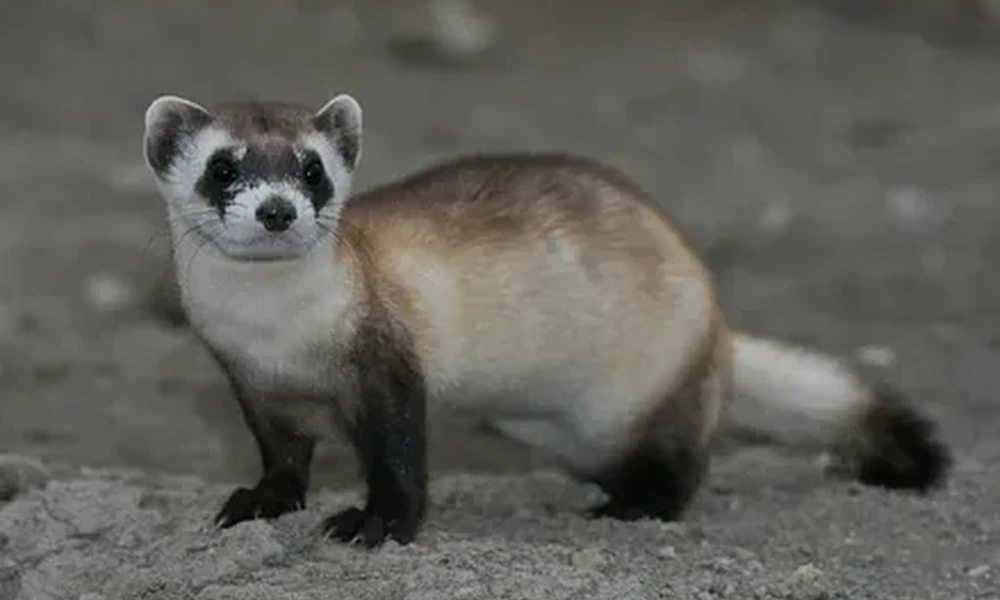
- Scientific Name: Mustela nigripes
- Family: Mustelidae
- Habitat: Prairie and grassland, living in prairie dog burrows
- Range: Great Plains of North America (reintroduced at sites in the United States, Canada, and Mexico)
- Size and Weight: 38–50 cm long including the tail; 0.65–1.1 kg
- Diet: Mainly prairie dogs
- Lifespan: 3–5 years in the wild; up to 9 in captivity
- Conservation Status: Endangered
- Key Fact: It is the only ferret native to North America, and it was once thought extinct before a small population was found in 1981.
Blackbuck

- Scientific Name: Antilope cervicapra
- Family: Bovidae
- Habitat: Open grassland and light scrub
- Range: India, Nepal, and Pakistan; introduced in Texas and Argentina
- Size and Weight: 74–84 cm at the shoulder; 20–57 kg
- Diet: Grasses and other low plants
- Lifespan: 10–15 years
- Conservation Status: Least Concern
- Key Fact: Males have spiral horns that can reach about 70 cm.
Blesbok
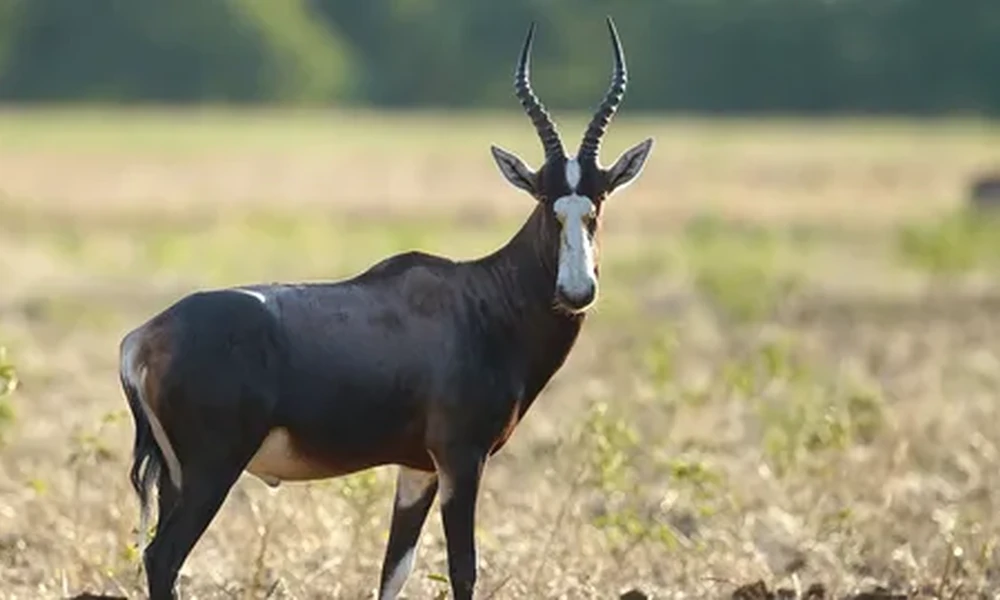
- Scientific Name: Damaliscus pygargus phillipsi
- Family: Bovidae
- Habitat: Open grassland and plains
- Range: South Africa, Lesotho, and Eswatini
- Size and Weight: About 85–100 cm at the shoulder; 55–85 kg
- Diet: Short grasses
- Lifespan: About 15–17 years
- Conservation Status: Least Concern
- Key Fact: A white blaze runs down its face, and it is a subspecies of bontebok.
Bloodhound

- Scientific Name: Canis lupus familiaris
- Family: Canidae
- Habitat: Domestic; homes and working environments
- Range: Worldwide (breed developed in Belgium and France)
- Size and Weight: 58–69 cm at the shoulder; 36–50 kg
- Diet: Omnivore; commercial dog food
- Lifespan: 7–10 years
- Conservation Status: Domestic breed; not assessed by the IUCN
- Key Fact: Its sense of smell is so reliable that its tracking results are accepted as evidence in some courts.
Blue Whale
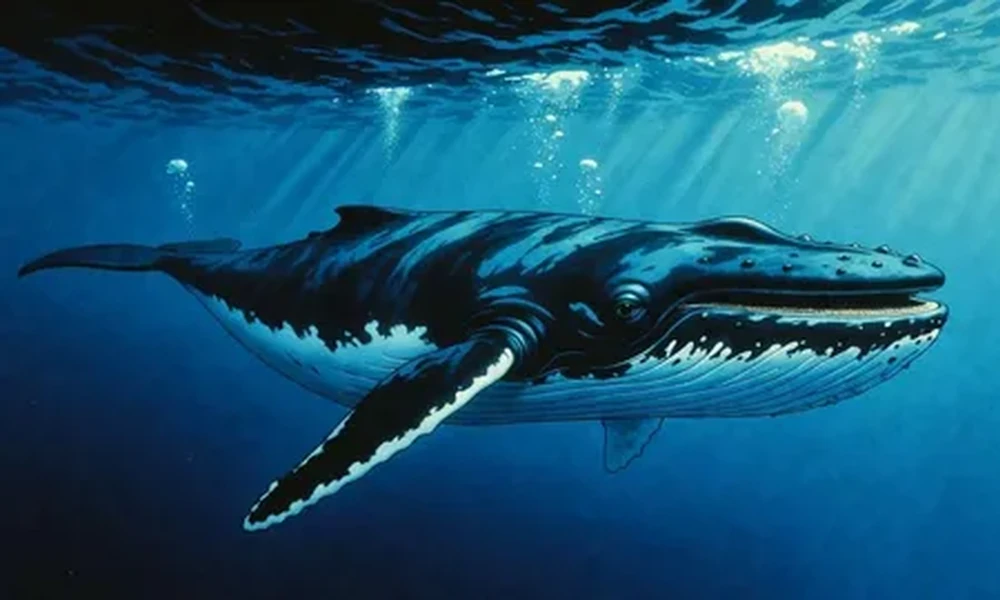
- Scientific Name: Balaenoptera musculus
- Family: Balaenopteridae
- Habitat: Open ocean
- Range: All oceans except the Arctic’s ice-covered areas
- Size and Weight: 24–30 m long; about 100–150 tonnes
- Diet: Almost entirely krill
- Lifespan: 80–90 years
- Conservation Status: Endangered
- Key Fact: It is the largest animal known to have ever lived.
Blue Wildebeest
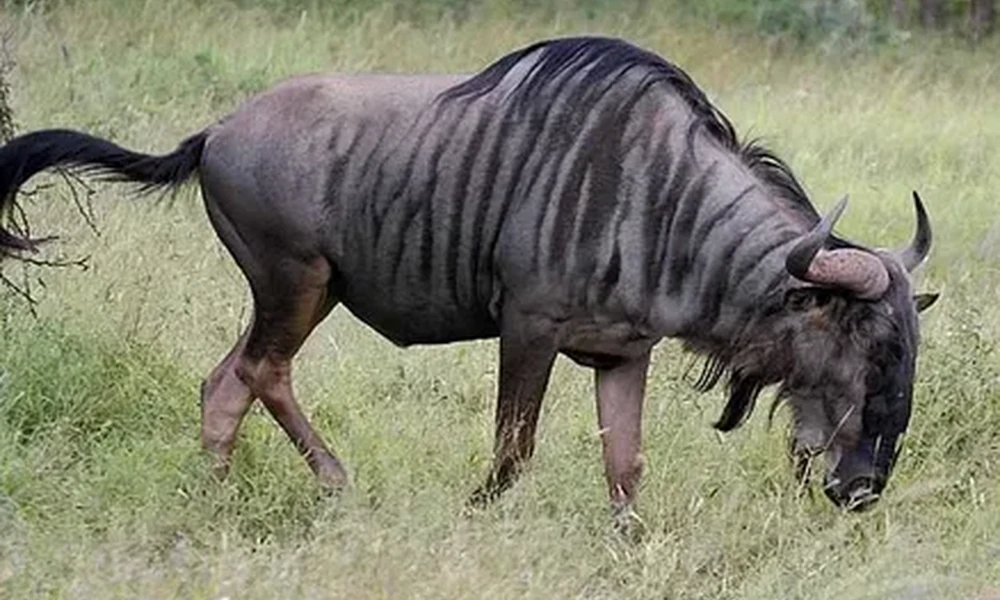
- Scientific Name: Connochaetes taurinus
- Family: Bovidae
- Habitat: Savanna and open woodland
- Range: Eastern and southern Africa
- Size and Weight: 1.15–1.5 m at the shoulder; 140–290 kg
- Diet: Short grasses
- Lifespan: About 20 years
- Conservation Status: Least Concern
- Key Fact: More than a million animals take part in the Serengeti-Mara migration.
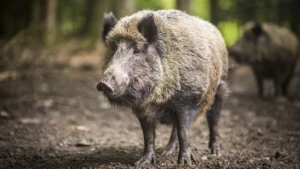
Boar

- Scientific Name: Sus scrofa
- Family: Suidae
- Habitat: Forest, grassland, wetland, and farmland
- Range: Eurasia and North Africa; introduced in the Americas and Australia
- Size and Weight: 0.9–1.8 m long; 50–200 kg, with large males heavier
- Diet: Roots, fruit, seeds, insects, small animals, and carrion
- Lifespan: 4–8 years in the wild
- Conservation Status: Least Concern
- Key Fact: It is the wild ancestor of the domestic pig.
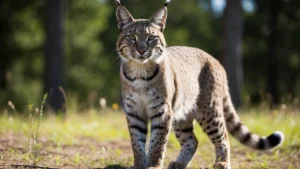
Bobcat
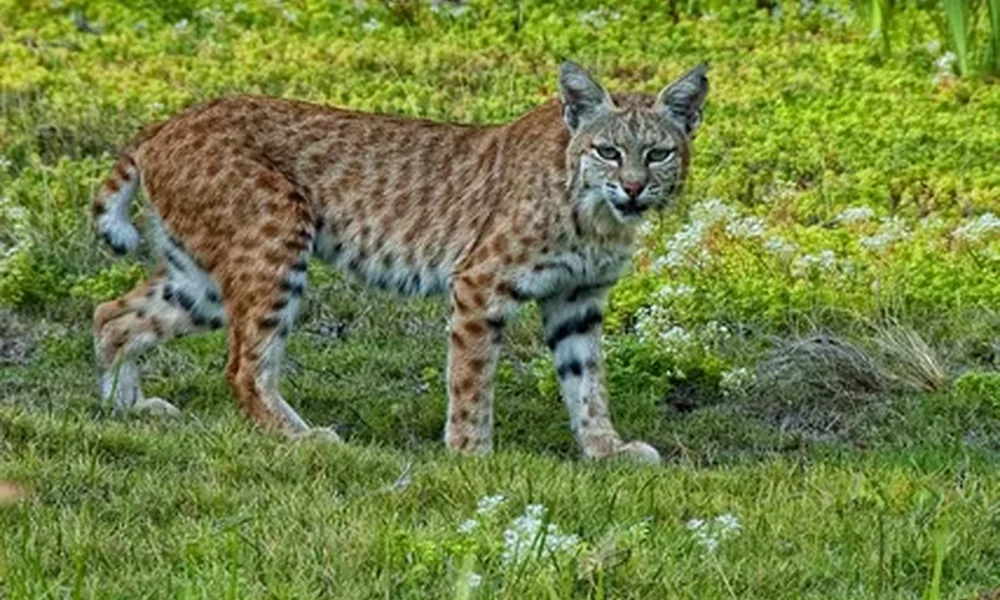
- Scientific Name: Lynx rufus
- Family: Felidae
- Habitat: Forest, desert, swamp, and mountains
- Range: Southern Canada, the United States, and northern Mexico
- Size and Weight: 65–105 cm long; 4–18 kg
- Diet: Rabbits, rodents, birds, and small deer
- Lifespan: 7–10 years in the wild; up to about 30 in captivity
- Conservation Status: Least Concern
- Key Fact: Its short “bobbed” tail has a black tip on top and a white underside.
Bongo
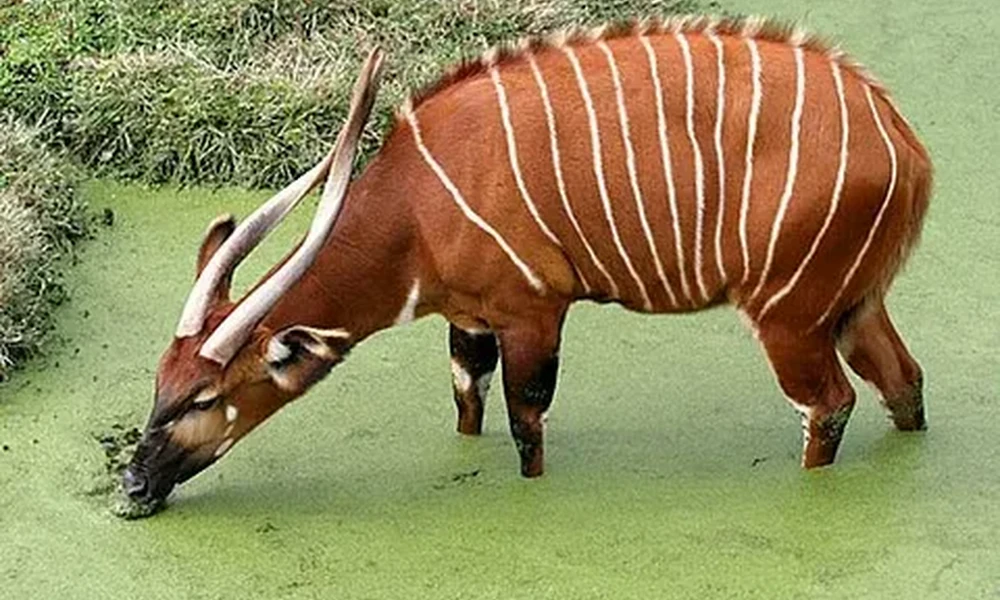
- Scientific Name: Tragelaphus eurycerus
- Family: Bovidae
- Habitat: Dense lowland and mountain forest
- Range: Central and West Africa; a mountain population in Kenya
- Size and Weight: 1.7–2.5 m long; 150–405 kg
- Diet: Leaves, shoots, bark, and grasses
- Lifespan: About 19–20 years
- Conservation Status: Near Threatened (the mountain bongo is Critically Endangered)
- Key Fact: It is the largest forest antelope and has 10–15 white stripes on a chestnut coat.
Bonnet Macaque
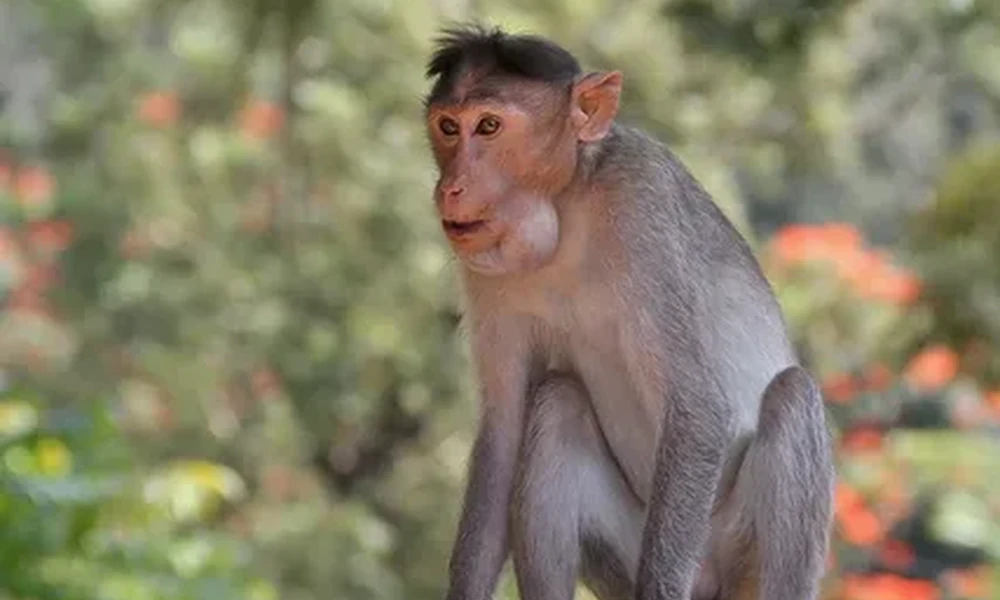
- Scientific Name: Macaca radiata
- Family: Cercopithecidae
- Habitat: Forest, scrub, farmland, and towns
- Range: Southern India
- Size and Weight: 35–60 cm long; 3–9 kg
- Diet: Fruit, seeds, leaves, and insects
- Lifespan: About 20–30 years
- Conservation Status: Vulnerable
- Key Fact: The hair radiating from its crown looks like a bonnet.
Bonobo
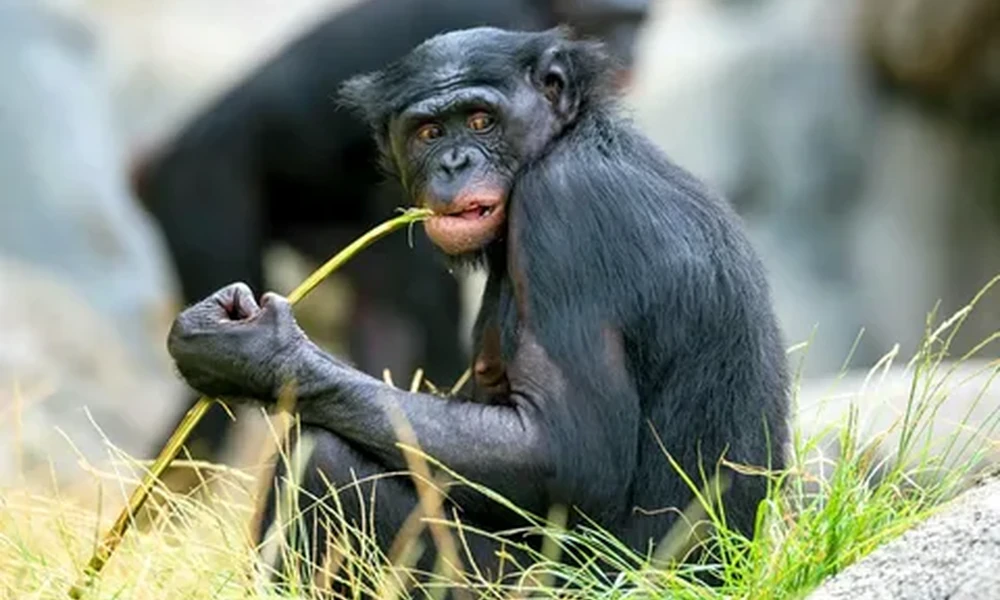
- Scientific Name: Pan paniscus
- Family: Hominidae
- Habitat: Lowland tropical rainforest
- Range: Democratic Republic of the Congo, south of the Congo River
- Size and Weight: 70–83 cm tall; 25–45 kg
- Diet: Fruit, leaves, seeds, and small animals
- Lifespan: About 40 years in the wild; up to about 60 in captivity
- Conservation Status: Endangered
- Key Fact: It shares about 98.7% of its DNA with humans, as does the chimpanzee.
Bontebok
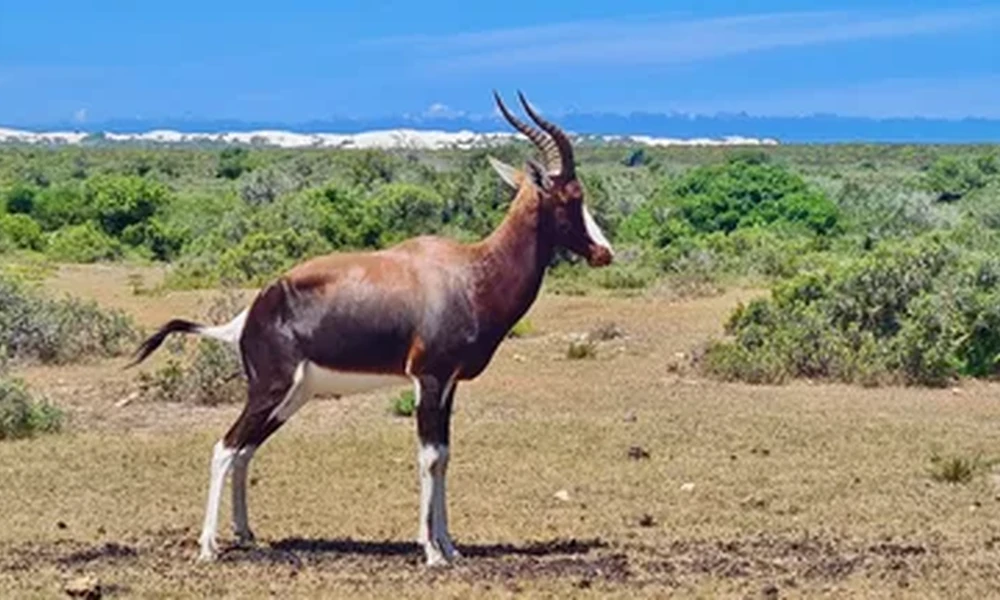
- Scientific Name: Damaliscus pygargus pygargus
- Family: Bovidae
- Habitat: Coastal fynbos grassland
- Range: Western Cape, South Africa
- Size and Weight: About 85–100 cm at the shoulder; 55–85 kg
- Diet: Short grasses
- Lifespan: 12–17 years
- Conservation Status: Least Concern
- Key Fact: Its population dropped to under 20 animals in the 1800s before conservation work brought it back.
Border Collie
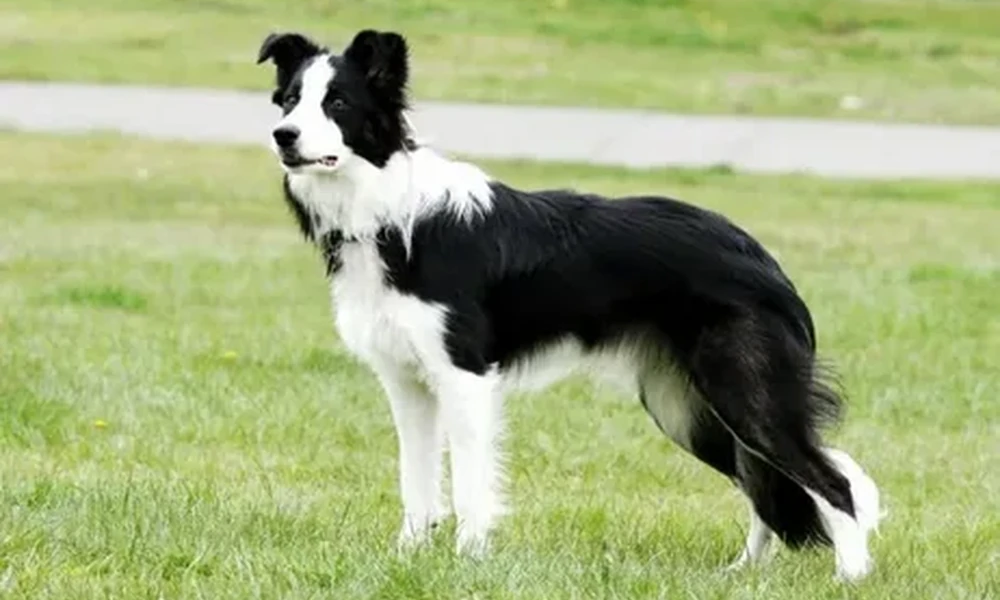
- Scientific Name: Canis lupus familiaris
- Family: Canidae
- Habitat: Domestic; farms and homes
- Range: Worldwide (breed developed on the Scottish-English border)
- Size and Weight: Border Collieis 46–56 cm at the shoulder; 14–20 kg
- Diet: Omnivore; commercial dog food
- Lifespan: 12–15 years
- Conservation Status: Domestic breed; not assessed by the IUCN
- Key Fact: It is widely ranked among the most trainable dog breeds.
Bornean Orangutan
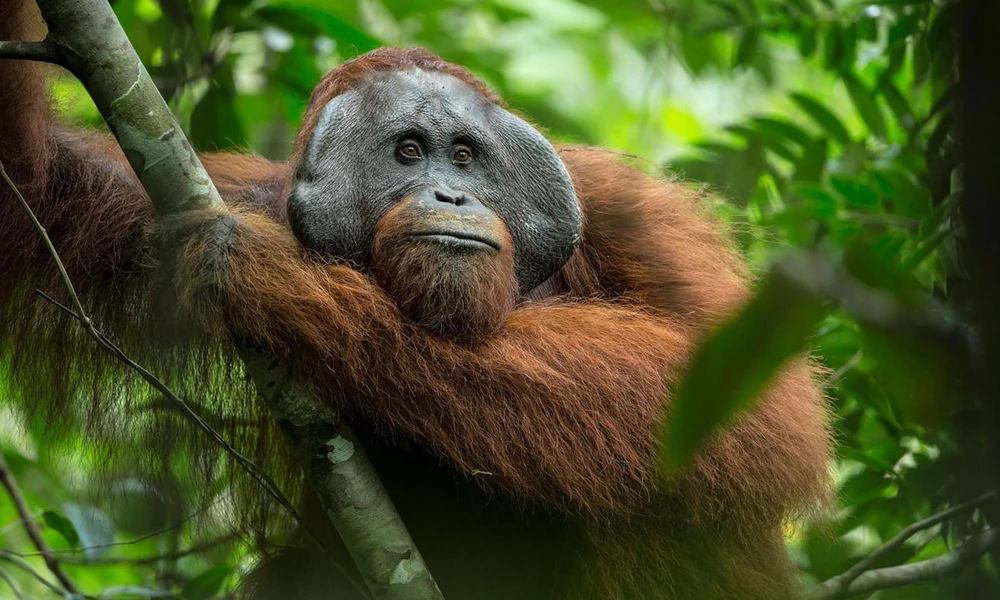
- Scientific Name: Pongo pygmaeus
- Family: Hominidae
- Habitat: Lowland rainforest and peat-swamp forest
- Range: Borneo
- Size and Weight: 1.2–1.5 m tall; males 50–100 kg, females 30–50 kg
- Diet: Fruit, leaves, bark, and insects
- Lifespan: 35–40 years in the wild; up to about 60 in captivity
- Conservation Status: Critically Endangered
- Key Fact: It builds a fresh sleeping nest of branches in the trees almost every night.
Boston Terrier
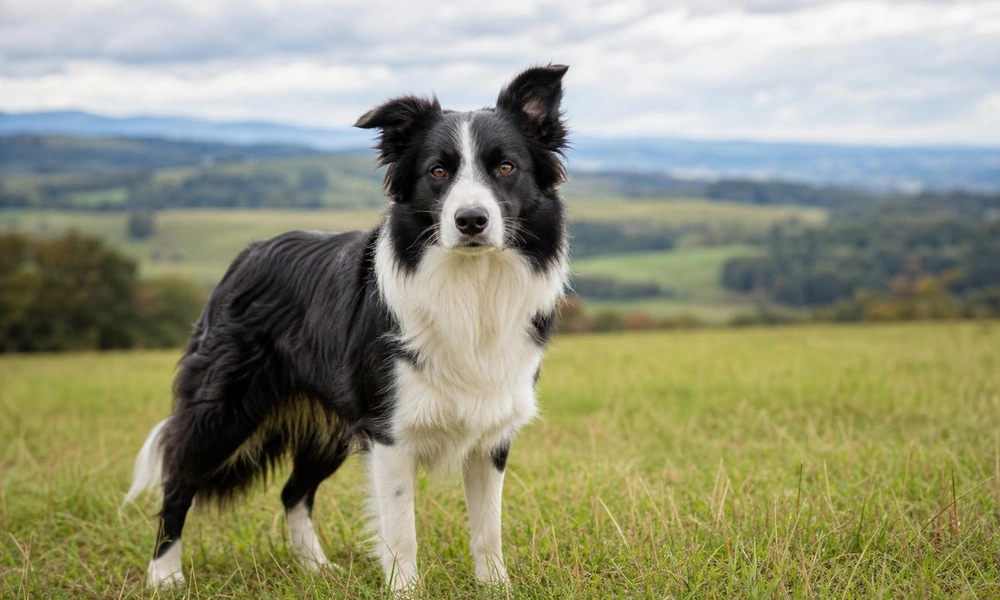
- Scientific Name: Canis lupus familiaris
- Family: Canidae
- Habitat: Domestic; human homes
- Range: Worldwide (breed developed in the United States)
- Size and Weight: 38–43 cm at the shoulder; 4.5–11 kg
- Diet: Omnivore; commercial dog food
- Lifespan: 11–13 years
- Conservation Status: Domestic breed; not assessed by the IUCN
- Key Fact: Its tuxedo-like markings earned it the nickname “the American Gentleman.”
Bottlenose Dolphin
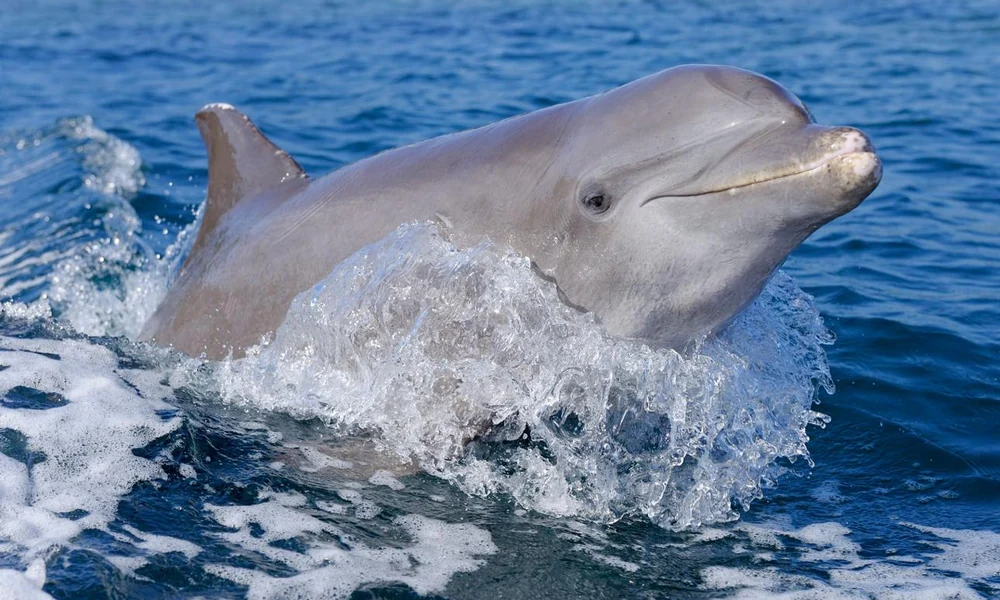
- Scientific Name: Tursiops truncatus (common bottlenose dolphin) and Tursiops aduncus
- Family: Delphinidae
- Habitat: Coastal and offshore waters
- Range: Temperate and tropical oceans worldwide
- Size and Weight: 2–4 m long; 150–650 kg
- Diet: Fish, squid, and crustaceans
- Lifespan: 40–50 years; some females reach 60
- Conservation Status: Least Concern
- Key Fact: Each dolphin has a signature whistle that works like a name.
Bowhead Whale
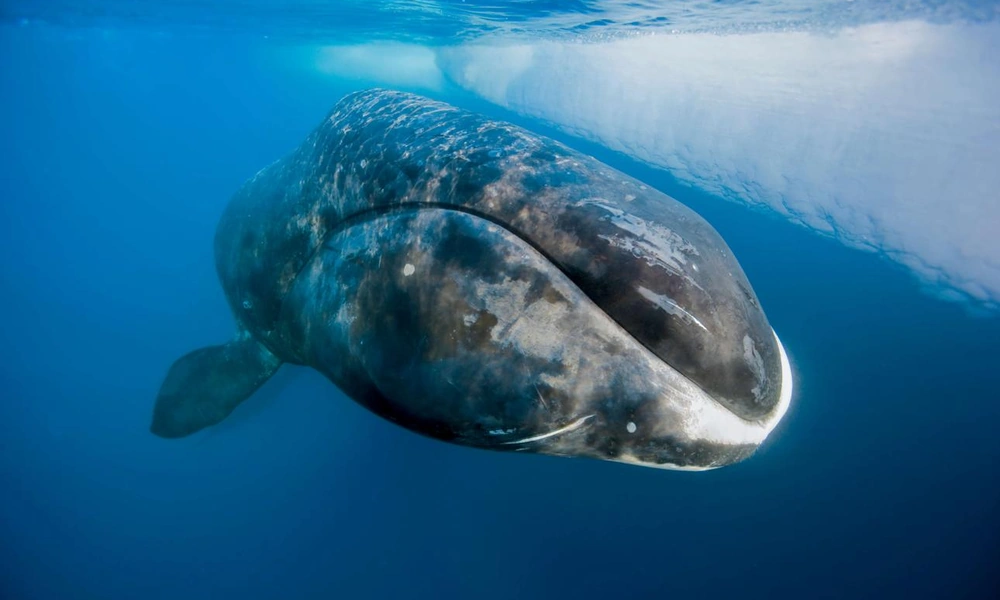
- Scientific Name: Balaena mysticetus
- Family: Balaenidae
- Habitat: Arctic and sub-Arctic waters, often near sea ice
- Range: Circumpolar Arctic
- Size and Weight: 14–18 m long; 75–100 tonnes
- Diet: Copepods, krill, and other small crustaceans
- Lifespan: Over 200 years
- Conservation Status: Least Concern
- Key Fact: It is thought to be the longest-lived mammal, and its blubber can be up to about 50 cm thick.
Boxer
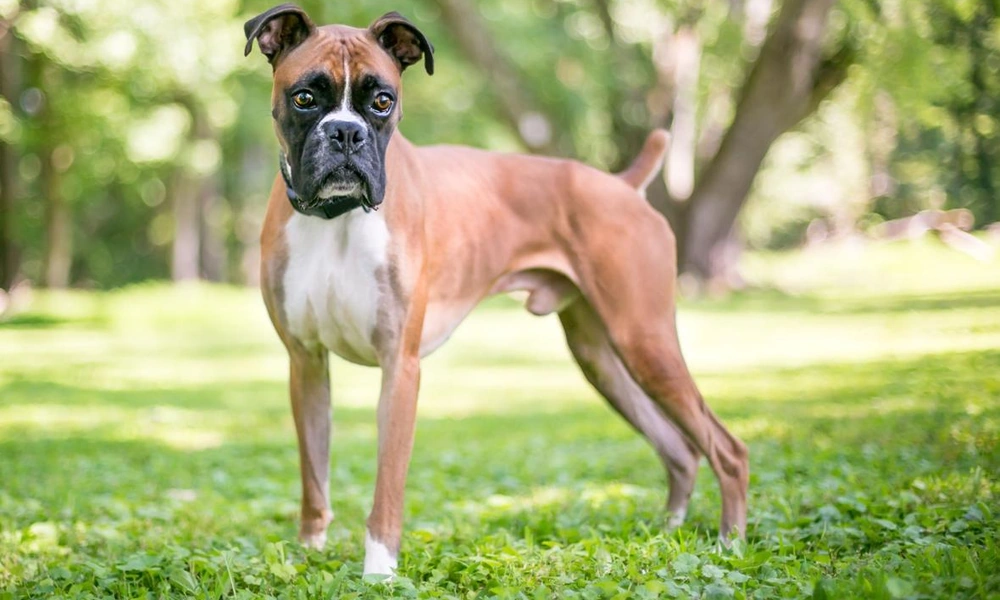
- Scientific Name: Canis lupus familiaris
- Family: Canidae
- Habitat: Domestic; human homes
- Range: Worldwide (breed developed in Germany)
- Size and Weight: 53–63 cm at the shoulder; 25–32 kg
- Diet: Omnivore; commercial dog food
- Lifespan: 10–12 years
- Conservation Status: Domestic breed; not assessed by the IUCN
- Key Fact: It is playful and energetic, and it often keeps its paws up when it plays.
British Shorthair
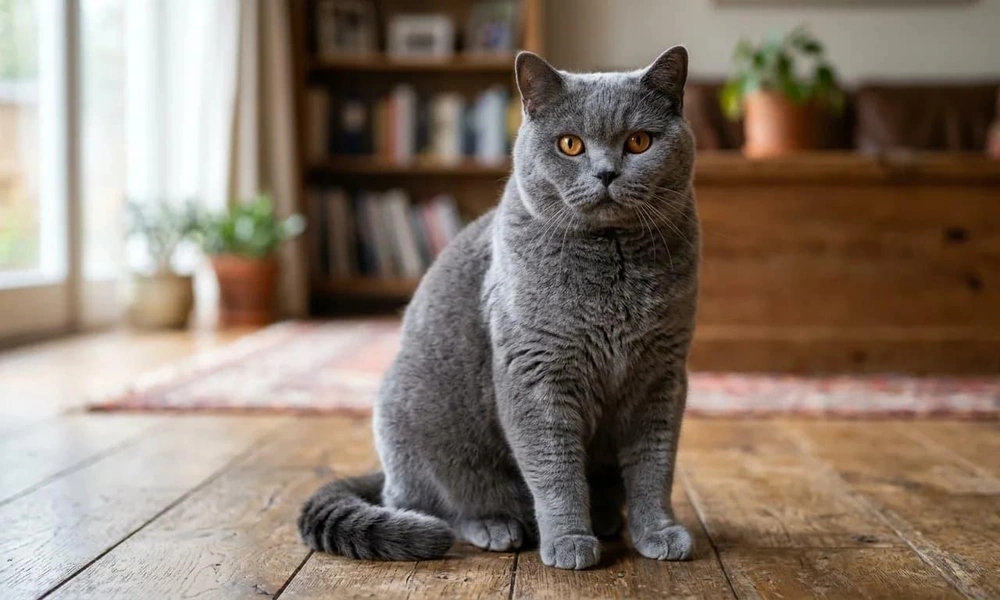
- Scientific Name: Felis catus
- Family: Felidae
- Habitat: Domestic; human homes
- Range: Worldwide (breed developed in the United Kingdom)
- Size and Weight: Medium to large; 4–8 kg
- Diet: Carnivore; commercial cat food
- Lifespan: 12–20 years
- Conservation Status: Domestic breed; not assessed by the IUCN
- Key Fact: Its blue-gray coat is the best-known color, and the breed is calm and easygoing.
Brown Bear
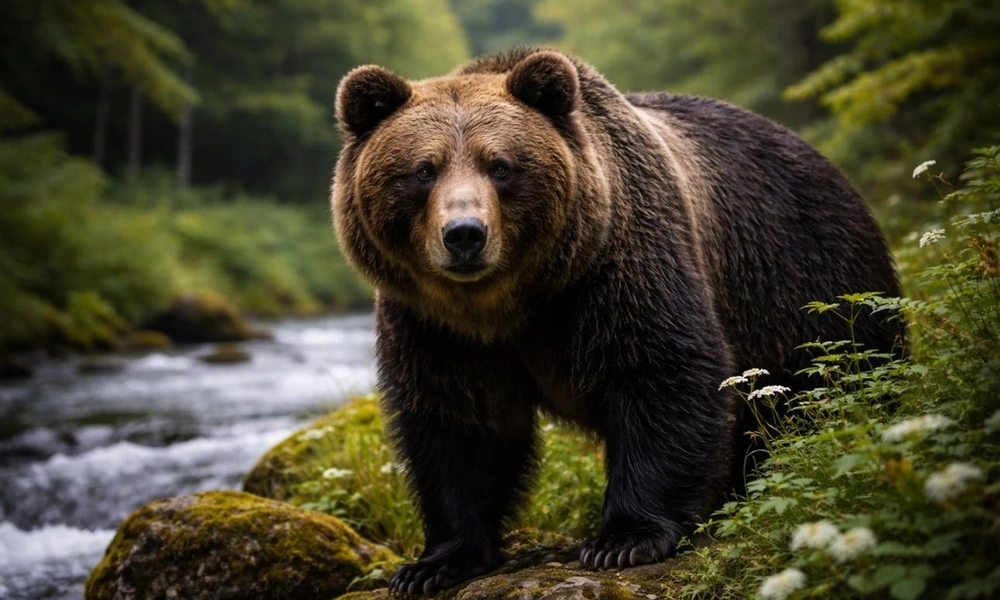
- Scientific Name: Ursus arctos
- Family: Ursidae
- Habitat: Forest, mountains, tundra, and coasts
- Range: North America, Europe, and Asia
- Size and Weight: 1.4–2.8 m long; 80–600 kg (Kodiak bears up to about 680 kg)
- Diet: Plants, berries, roots, insects, fish, and mammals
- Lifespan: 20–30 years
- Conservation Status: Least Concern
- Key Fact: Grizzly bears and Kodiak bears are subspecies of the brown bear.
Brown Hyena
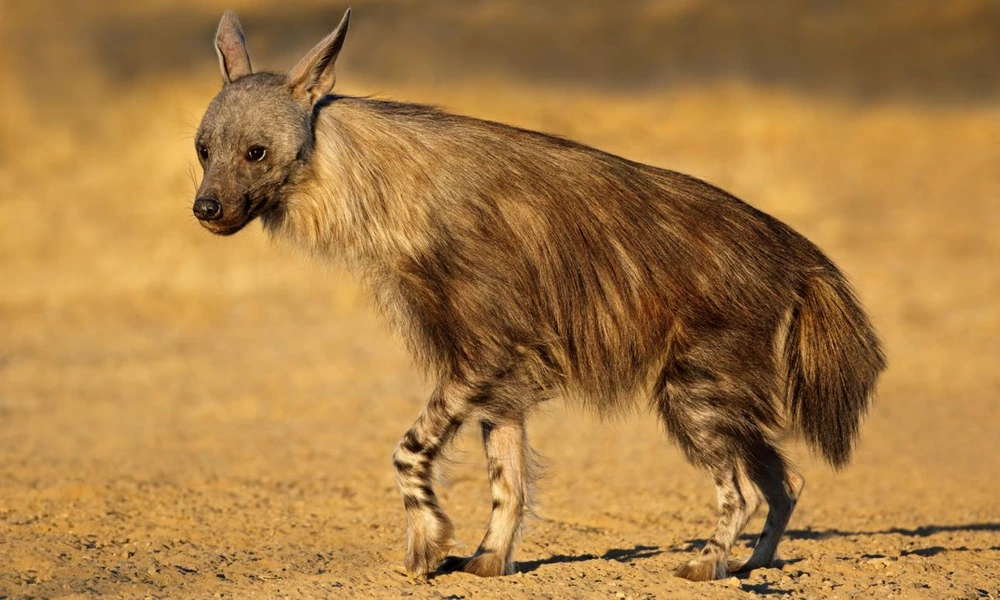
- Scientific Name: Parahyaena brunnea
- Family: Hyaenidae
- Habitat: Desert, dry savanna, and scrub
- Range: Southern Africa (Namibia, Botswana, South Africa, Zimbabwe, and Angola)
- Size and Weight: 110–136 cm long; 28–47 kg
- Diet: Carrion, insects, fruit, and small animals
- Lifespan: 12–14 years in the wild; up to about 25 in captivity
- Conservation Status: Near Threatened
- Key Fact: It forages alone at night and carries food back to a communal den.
Brown Rat
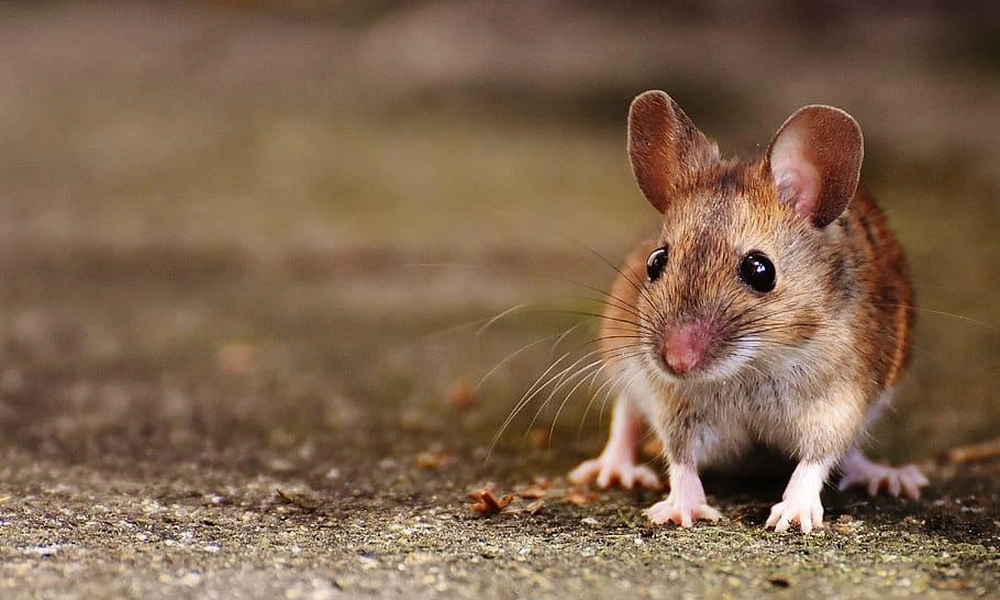
- Scientific Name: Rattus norvegicus
- Family: Muridae
- Habitat: Cities, farms, sewers, and riverbanks
- Range: Worldwide except polar regions (originally northern China)
- Size and Weight: 19–28 cm long plus a 16–23 cm tail; 140–500 g
- Diet: Omnivore; grain, fruit, meat, and scraps
- Lifespan: 1–3 years
- Conservation Status: Least Concern
- Key Fact: It is the ancestor of laboratory and pet rats.
Brushtail Possum
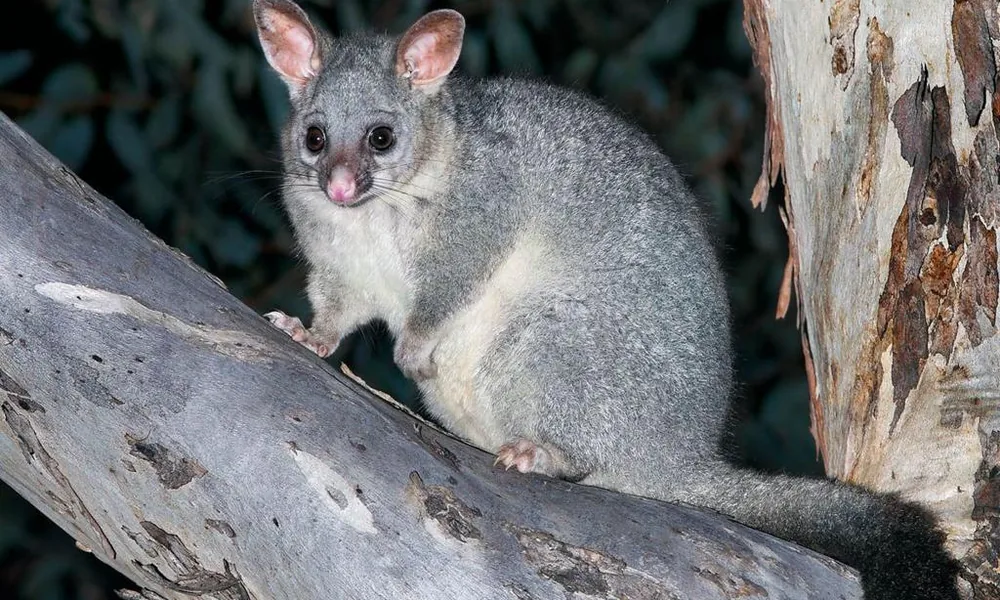
- Scientific Name: Trichosurus vulpecula
- Family: Phalangeridae
- Habitat: Forest, woodland, farmland, and cities
- Range: Australia; introduced in New Zealand
- Size and Weight: 35–58 cm long plus a 25–40 cm tail; 1.2–4.5 kg
- Diet: Leaves, flowers, fruit, and bark
- Lifespan: 6–13 years in the wild
- Conservation Status: Least Concern
- Key Fact: It is a serious pest in New Zealand, where it has no natural predators.
Buffalo
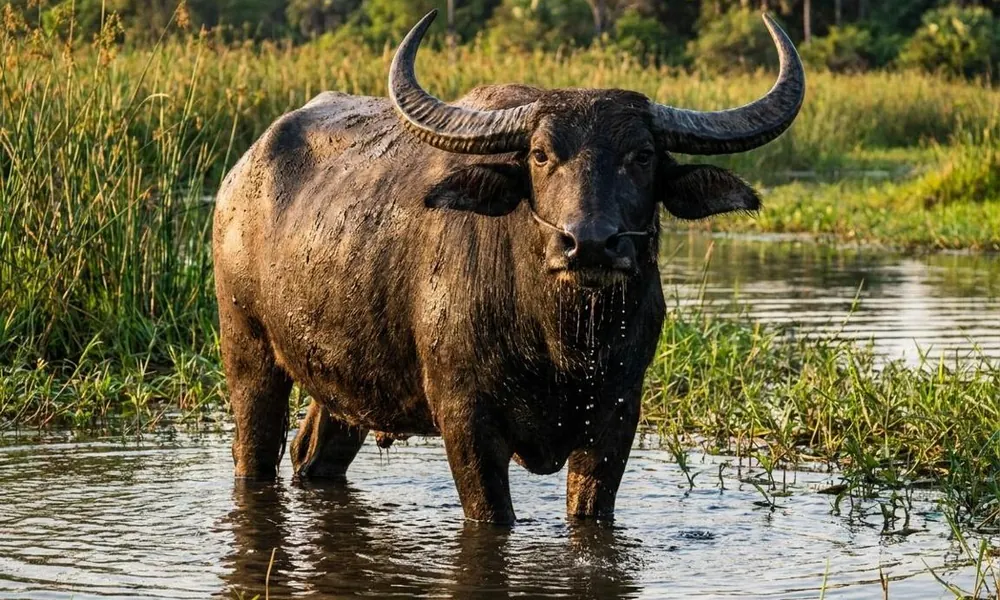
- Scientific Name: Bubalus bubalis (water buffalo); Syncerus caffer (African buffalo)
- Family: Bovidae
- Habitat: Wetland, grassland, and farmland
- Range: South and Southeast Asia (water buffalo, now farmed worldwide); sub-Saharan Africa (African buffalo)
- Size and Weight: 2.4–3 m long; about 400–900 kg
- Diet: Grasses and other vegetation
- Lifespan: 20–25 years
- Conservation Status: Wild water buffalo Endangered; African buffalo Near Threatened
- Key Fact: “Buffalo” refers to several different species rather than one animal.
Bull
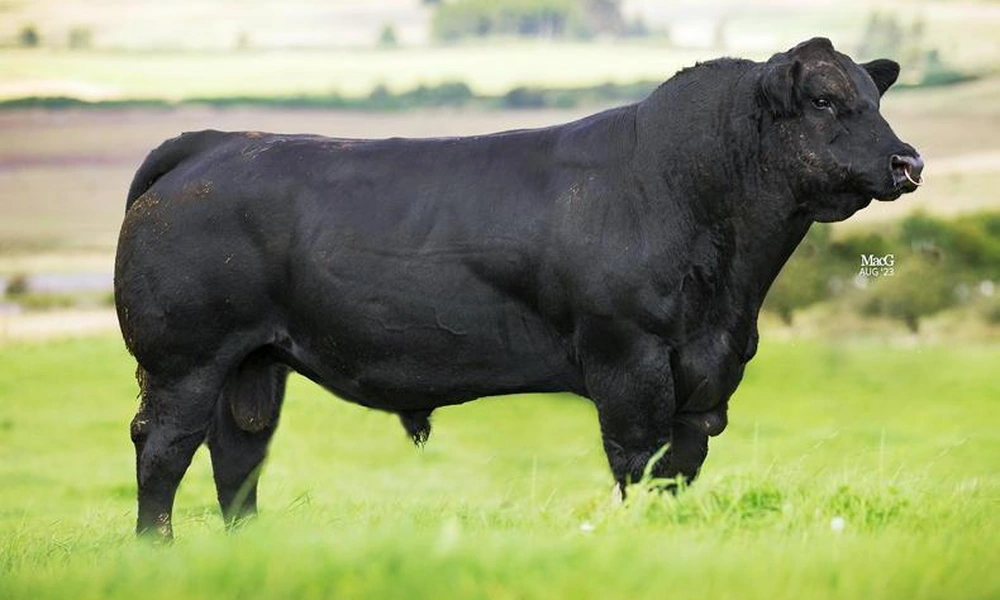
- Scientific Name: Bos taurus
- Family: Bovidae
- Habitat: Farms and grassland
- Range: Worldwide
- Size and Weight: 1.4–1.6 m at the shoulder; 600–1,200 kg
- Diet: Grass, hay, and silage
- Lifespan: 15–20 years
- Conservation Status: Domestic; not assessed by the IUCN
- Key Fact: A bull is an adult male of domestic cattle.
Bulldog

- Scientific Name: Canis lupus familiaris
- Family: Canidae
- Habitat: Domestic; human homes
- Range: Worldwide (breed developed in England)
- Size and Weight: 31–40 cm at the shoulder; 18–25 kg
- Diet: Omnivore; commercial dog food
- Lifespan: 8–10 years
- Conservation Status: Domestic breed; not assessed by the IUCN
- Key Fact: Its broad head and short muzzle can cause breathing problems.
Bumblebee Bat
- Scientific Name: Craseonycteris thonglongyai
- Family: Craseonycteridae
- Habitat: Limestone caves and nearby forest
- Range: Western Thailand and southeastern Myanmar
- Size and Weight: 29–33 mm long; about 2 g
- Diet: Small insects
- Lifespan: Not well known
- Conservation Status: Near Threatened
- Key Fact: It is also called Kitti’s hog-nosed bat and is among the smallest mammals on Earth.
Burmese Cat
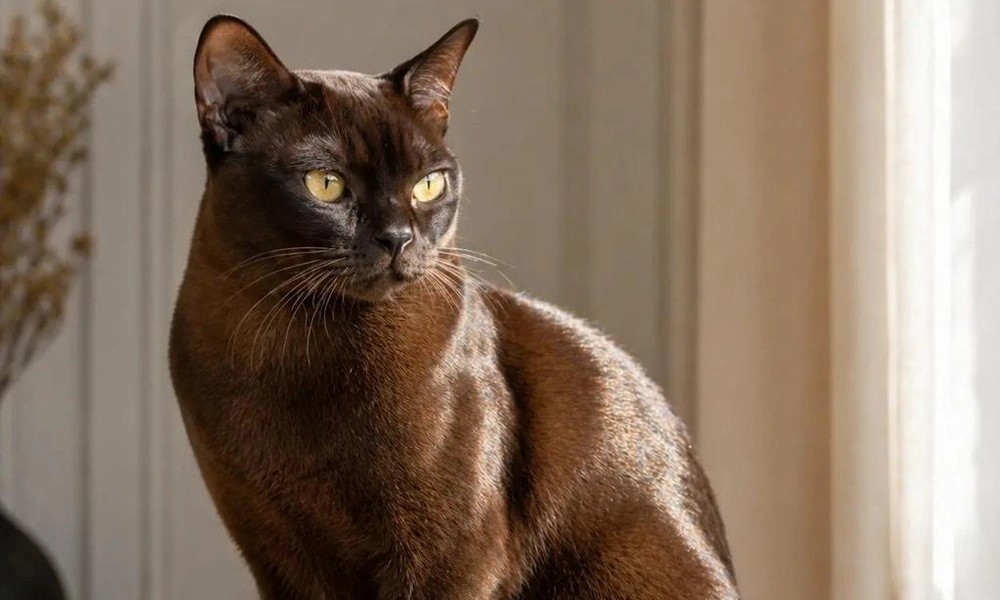
- Scientific Name: Felis catus
- Family: Felidae
- Habitat: Domestic; human homes
- Range: Worldwide (breed developed from cats brought from Burma)
- Size and Weight: Medium; 3.5–6 kg
- Diet: Carnivore; commercial cat food
- Lifespan: 10–16 years
- Conservation Status: Domestic breed; not assessed by the IUCN
- Key Fact: It has a sleek, short coat and a muscular body that feels heavier than it looks.
Bush Baby
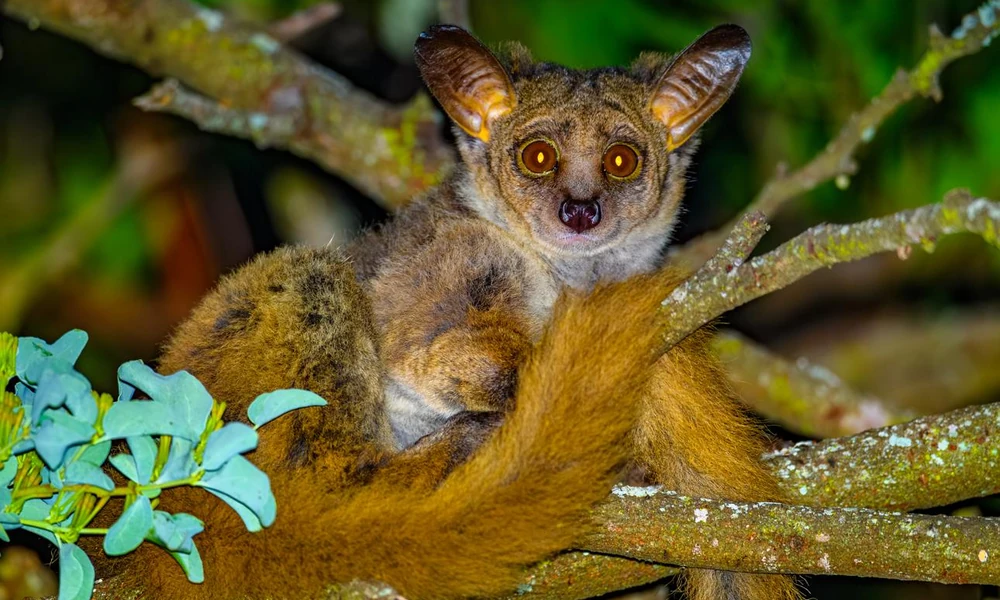
- Scientific Name: Family Galagidae (about 20 species)
- Family: Galagidae
- Habitat: Forest, woodland, and savanna
- Range: Sub-Saharan Africa
- Size and Weight: 12–45 cm long; 60 g–1.2 kg
- Diet: Insects, fruit, and tree gum
- Lifespan: 12–16 years
- Conservation Status: Varies; most species are Least Concern
- Key Fact: Its strong hind legs let it leap several meters between branches.
Bush Dog
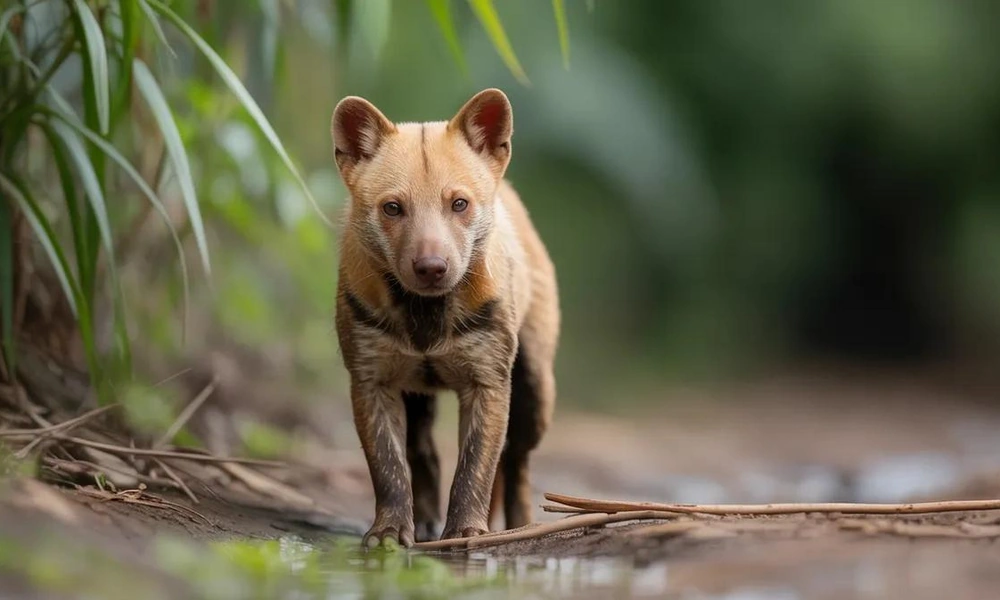
- Scientific Name: Speothos venaticus
- Family: Canidae
- Habitat: Lowland forest, savanna, and wetland
- Range: Central and South America
- Size and Weight: 57–75 cm long; 5–8 kg
- Diet: Paca, agouti, and other medium-sized prey
- Lifespan: About 10 years
- Conservation Status: Near Threatened
- Key Fact: It has webbed toes and is a strong swimmer.
Bush Rat
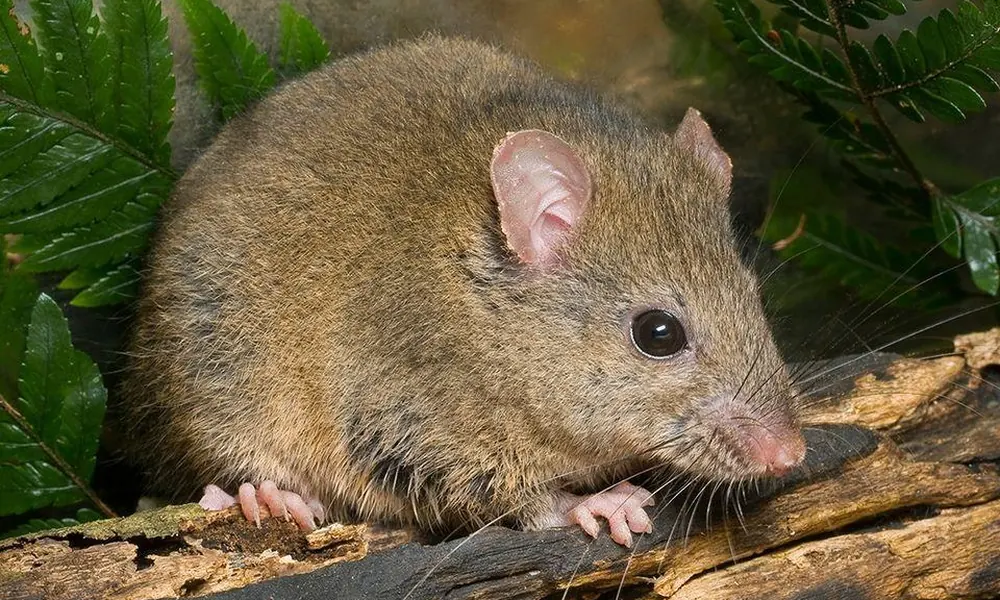
- Scientific Name: Rattus fuscipes
- Family: Muridae
- Habitat: Forest, heath, and dense scrub
- Range: Southeastern and southwestern Australia
- Size and Weight: 12–20 cm long plus a tail; 50–225 g
- Diet: Seeds, fungi, fruit, and insects
- Lifespan: 1–2 years
- Conservation Status: Least Concern
- Key Fact: It is a native rodent, and it is not a marsupial.
Bushbuck
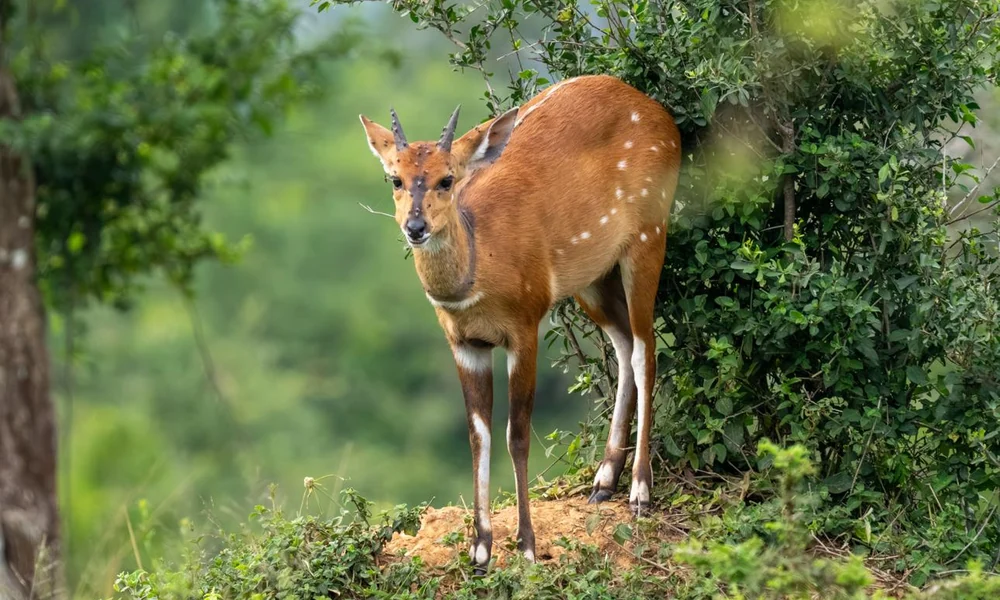
- Scientific Name: Tragelaphus scriptus
- Family: Bovidae
- Habitat: Forest edge, woodland, and dense thicket
- Range: Sub-Saharan Africa
- Size and Weight: 1–1.5 m long; 24–80 kg
- Diet: Leaves, shoots, and fruit
- Lifespan: About 12 years
- Conservation Status: Least Concern
- Key Fact: It hides in thick cover and freezes when it senses danger.
Bushpig
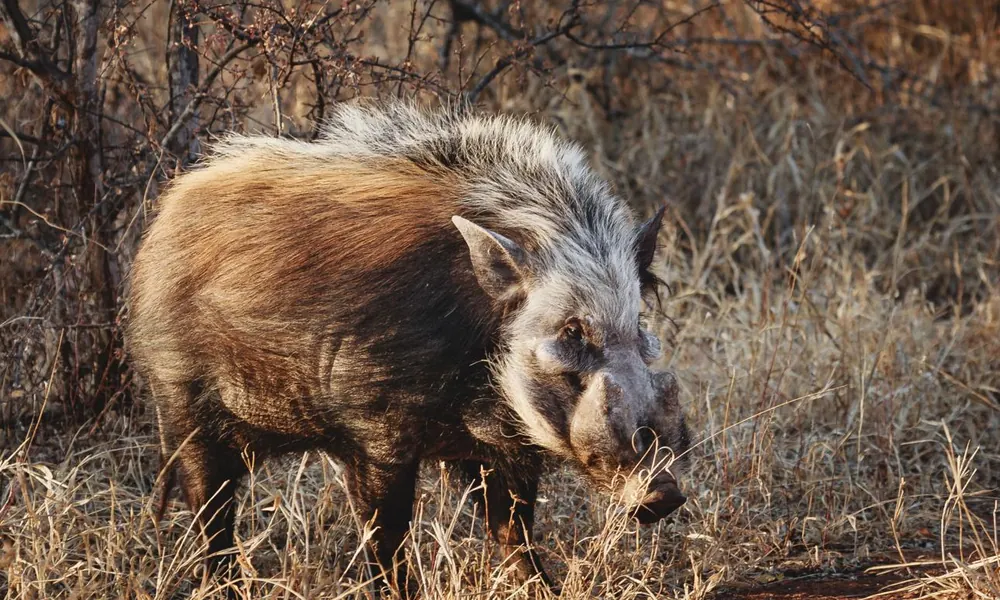
- Scientific Name: Potamochoerus larvatus
- Family: Suidae
- Habitat: Forest, thicket, and wooded wetland
- Range: Eastern and southern Africa, and Madagascar
- Size and Weight: 100–150 cm long; 55–150 kg
- Diet: Roots, tubers, fruit, and crops
- Lifespan: About 10–15 years
- Conservation Status: Least Concern
- Key Fact: It lives in groups called sounders and feeds mostly at night.
Birds That Start With B
Bald Eagle
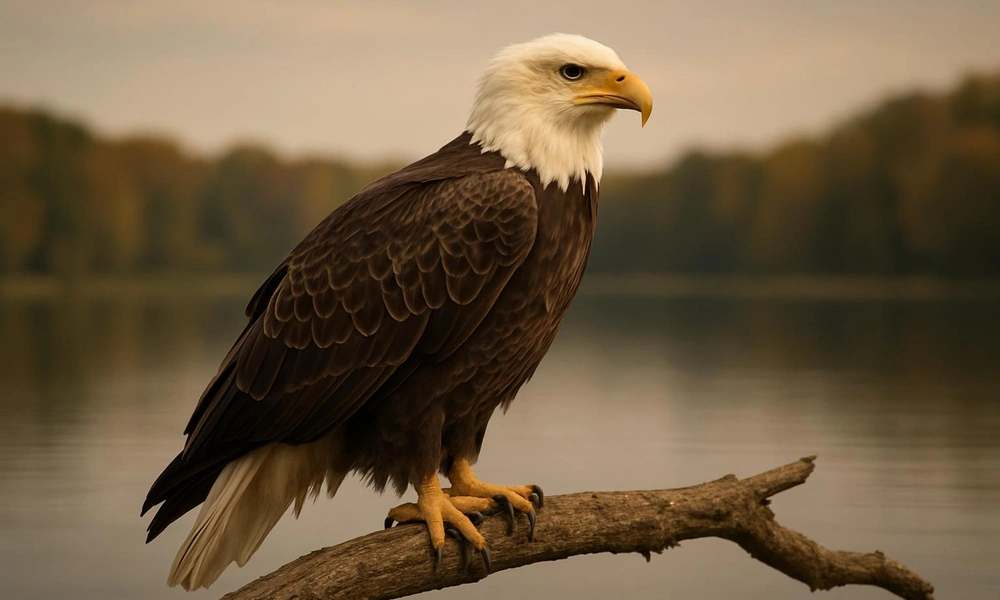
- Scientific Name: Haliaeetus leucocephalus
- Family: Accipitridae
- Habitat: Coasts, lakes, and large rivers with tall trees
- Range: North America
- Size and Weight: 70–102 cm long; wingspan 1.8–2.3 m; 3–6.3 kg
- Diet: Fish, waterbirds, and carrion
- Lifespan: About 20 years in the wild
- Conservation Status: Least Concern
- Key Fact: It is the national bird of the United States and builds some of the largest nests of any bird.
Baltimore Oriole
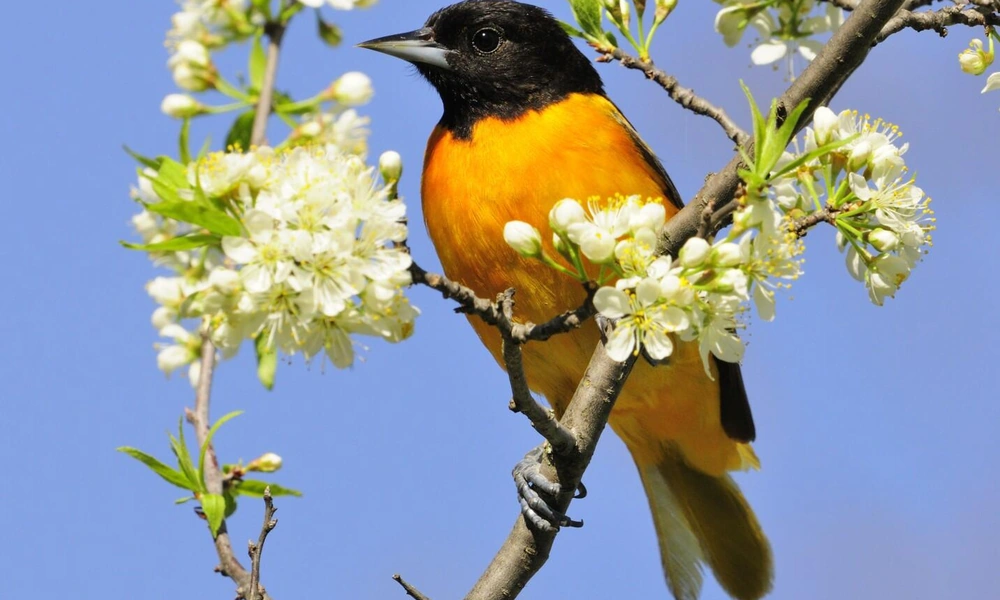
- Scientific Name: Icterus galbula
- Family: Icteridae
- Habitat: Open woodland, parks, and gardens
- Range: Breeds in eastern and central North America; winters in Central America and the Caribbean
- Size and Weight: 17–22 cm long; 30–40 g
- Diet: Insects, fruit, and nectar
- Lifespan: Up to about 11 years
- Conservation Status: Least Concern
- Key Fact: Its colors match those on the coat of arms of Lord Baltimore.
Barbet
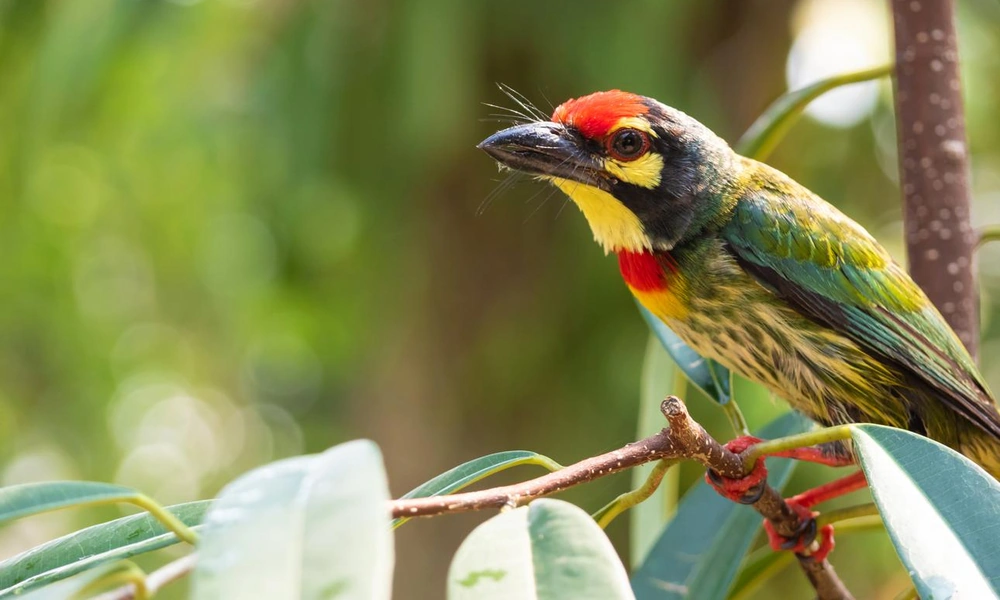
- Scientific Name: Several families in the order Piciformes (for example Lybiidae, Megalaimidae, and Capitonidae)
- Family: Multiple families
- Habitat: Tropical forest and woodland
- Range: Africa, Asia, and Central and South America
- Size and Weight: About 10–30 cm long; roughly 10–250 g
- Diet: Fruit and insects
- Lifespan: Often 10 years or more in captivity
- Conservation Status: Varies by species
- Key Fact: Bristles around the bill give the group its name.
Barn Owl
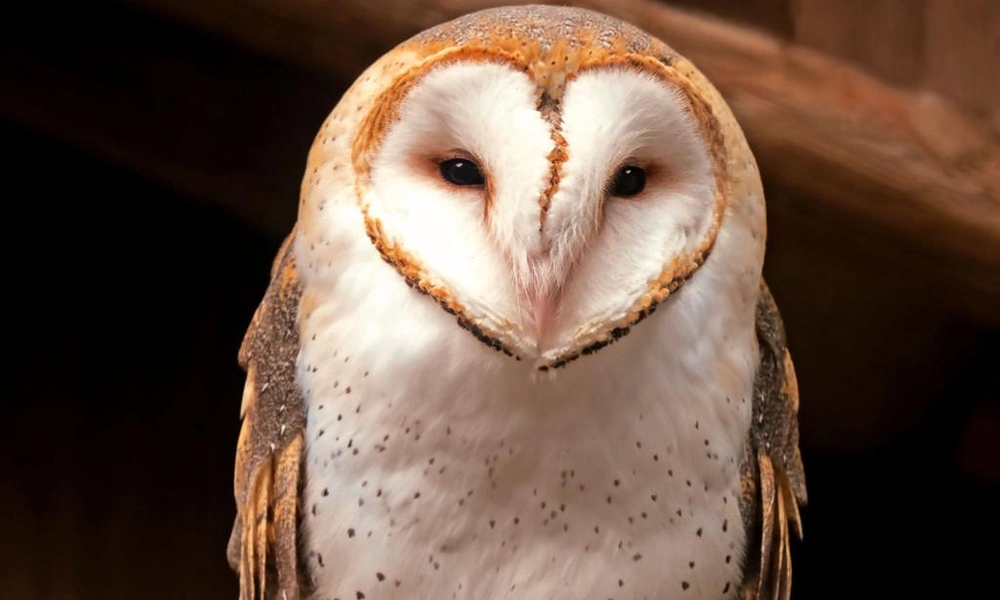
- Scientific Name: Tyto alba
- Family: Tytonidae
- Habitat: Open country, farmland, and barns
- Range: Every continent except Antarctica
- Size and Weight: 33–39 cm long; wingspan 80–95 cm; 300–700 g
- Diet: Mainly small mammals such as voles and mice
- Lifespan: 2–4 years in the wild; sometimes over 10
- Conservation Status: Least Concern
- Key Fact: It can locate prey in complete darkness by sound alone.
Barn Swallow
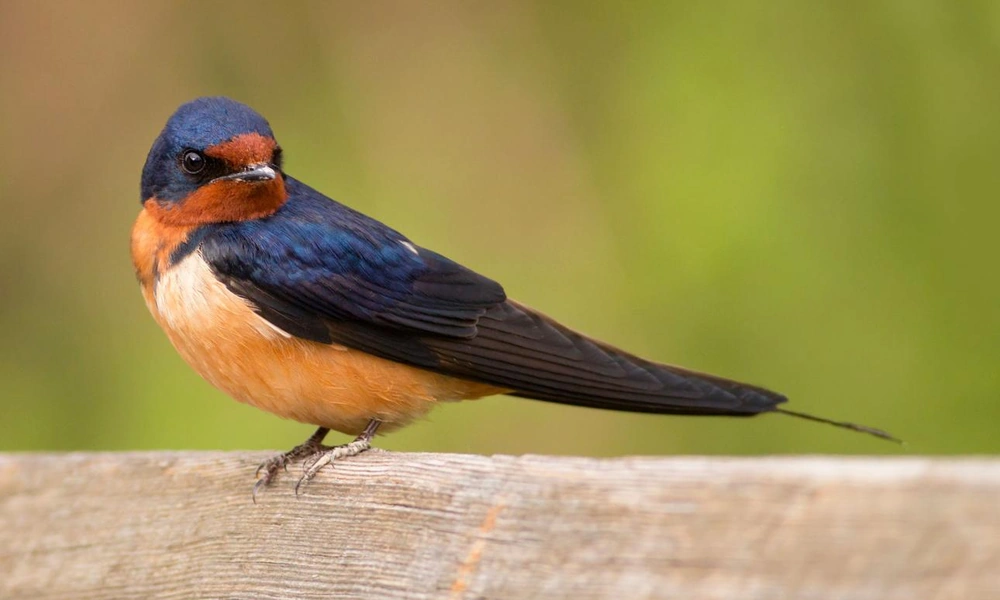
- Scientific Name: Hirundo rustica
- Family: Hirundinidae
- Habitat: Open country, farmland, and wetland
- Range: Breeds across the Northern Hemisphere; winters in Africa, South Asia, and South America
- Size and Weight: 15–19 cm long; 16–22 g
- Diet: Flying insects
- Lifespan: About 4 years on average; up to 8
- Conservation Status: Least Concern
- Key Fact: It builds a cup nest from mud pellets, often inside buildings.
Barred Owl
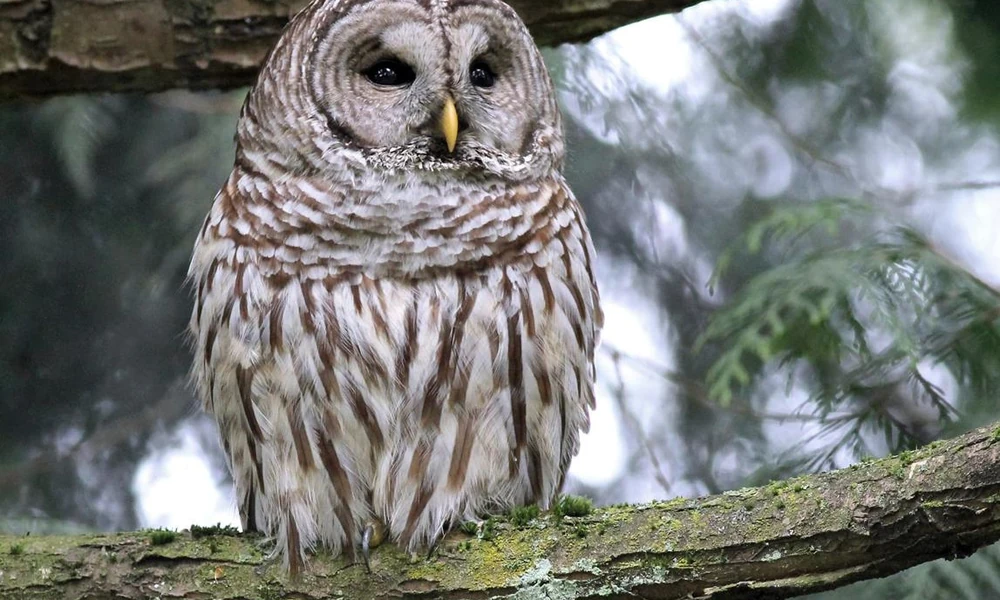
- Scientific Name: Strix varia
- Family: Strigidae
- Habitat: Mature forest and wooded swamp
- Range: Eastern North America, expanding into the Pacific Northwest
- Size and Weight: 40–63 cm long; 470–1,050 g
- Diet: Small mammals, birds, amphibians, and reptiles
- Lifespan: About 10 years in the wild; over 20 in captivity
- Conservation Status: Least Concern
- Key Fact: Its call sounds like “Who cooks for you?”
Bearded Vulture
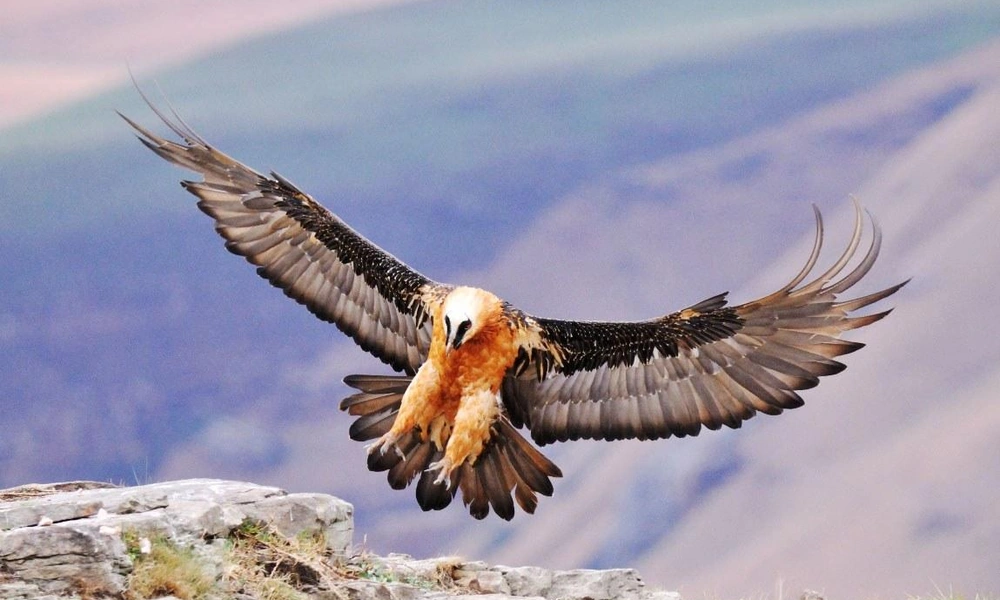
- Scientific Name: Gypaetus barbatus
- Family: Accipitridae
- Habitat: High mountains and cliffs
- Range: Southern Europe, Africa, and Asia
- Size and Weight: 94–125 cm long; wingspan 2.3–2.8 m; 4.5–7.8 kg
- Diet: Mainly bone and bone marrow
- Lifespan: About 20–25 years in the wild
- Conservation Status: Near Threatened
- Key Fact: It drops large bones from the air onto rocks to shatter them.
Bee Hummingbird
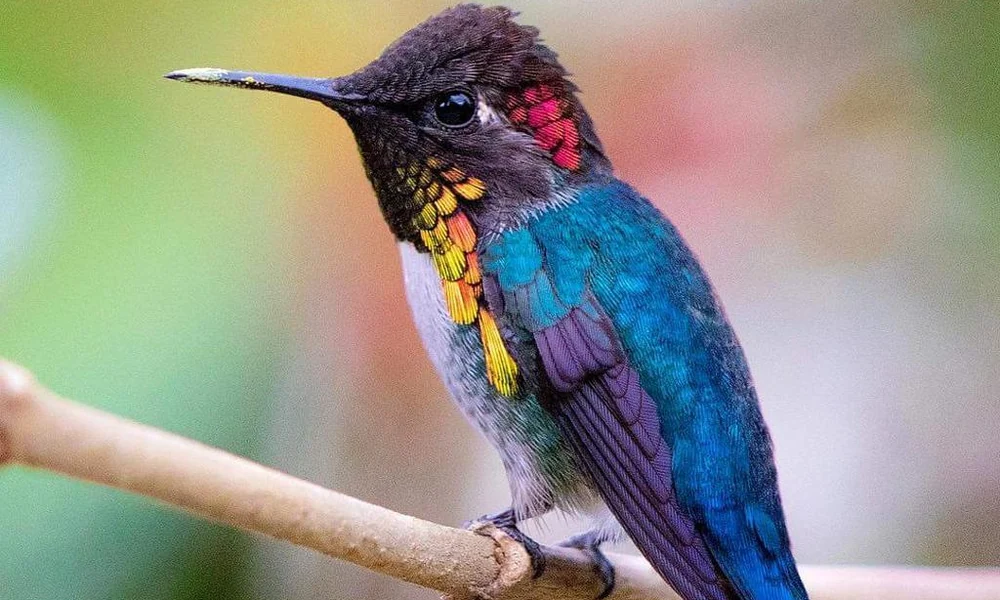
- Scientific Name: Mellisuga helenae
- Family: Trochilidae
- Habitat: Forest, woodland edge, and gardens
- Range: Cuba and the Isla de la Juventud
- Size and Weight: 5–6 cm long; 1.6–2 g
- Diet: Nectar and tiny insects
- Lifespan: Not well known
- Conservation Status: Near Threatened
- Key Fact: It is the smallest bird in the world.
Bee-Eater
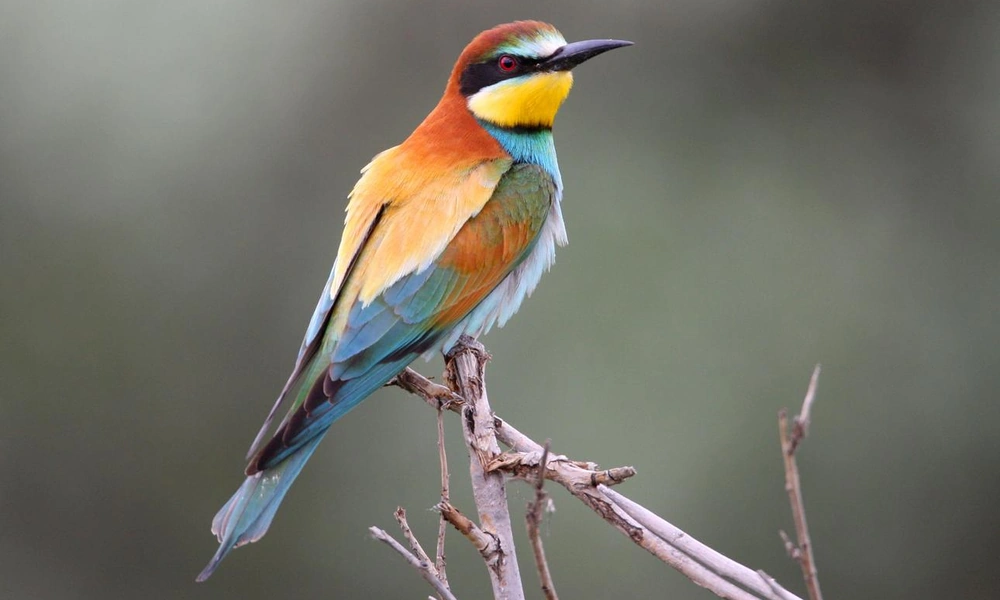
- Scientific Name: Family Meropidae (about 27 species)
- Family: Meropidae
- Habitat: Open woodland, savanna, and riverbanks
- Range: Africa, southern Europe, Asia, and Australasia
- Size and Weight: 15–35 cm long; about 15–90 g
- Diet: Bees, wasps, dragonflies, and other flying insects
- Lifespan: About 5–10 years
- Conservation Status: Mostly Least Concern
- Key Fact: It rubs a bee against a branch to remove the sting before eating it.
Bird of Paradise
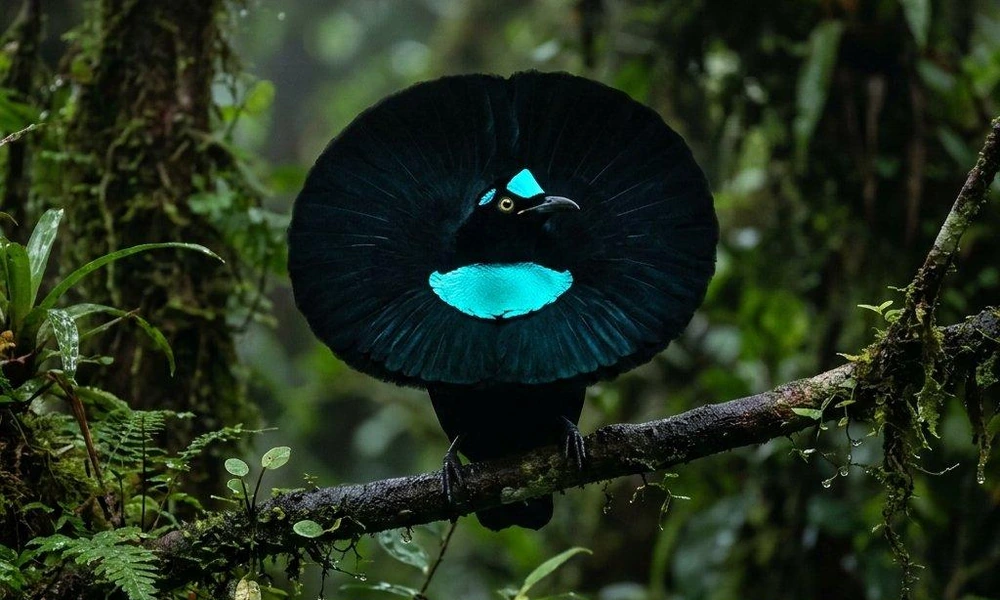
- Scientific Name: Family Paradisaeidae (about 45 species)
- Family: Paradisaeidae
- Habitat: Rainforest and montane forest
- Range: New Guinea, nearby islands, and northeastern Australia
- Size and Weight: About 15–110 cm long including plumes; roughly 50–430 g
- Diet: Fruit and insects
- Lifespan: Up to 20 years or more in captivity
- Conservation Status: Varies; most are Least Concern
- Key Fact: Males perform elaborate dances to attract females.
Bittern
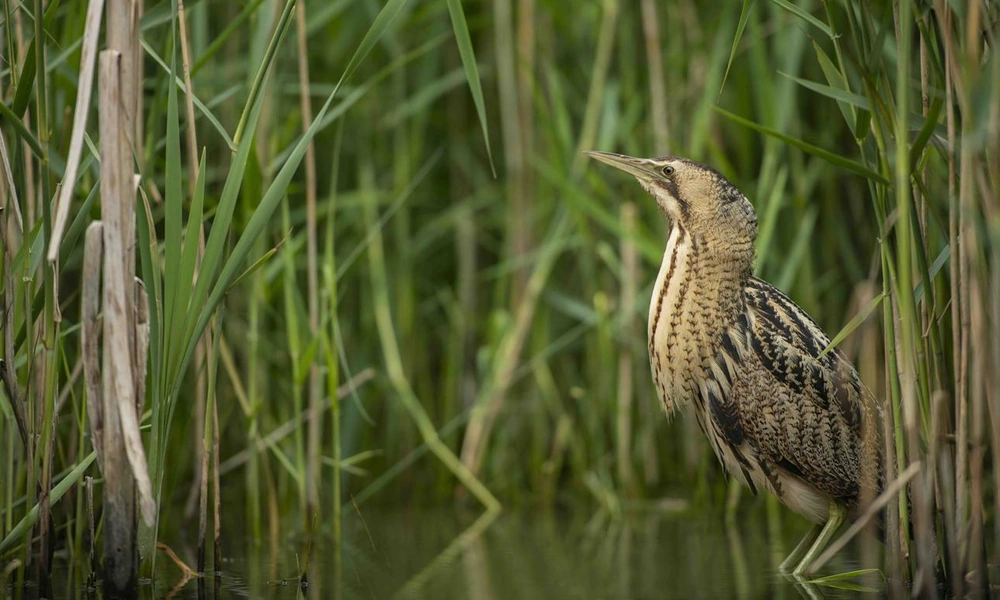
- Scientific Name: Subfamily Botaurinae (for example Botaurus stellaris, the Eurasian bittern)
- Family: Ardeidae
- Habitat: Reed beds, marshes, and swamps
- Range: Europe, Asia, Africa, and the Americas
- Size and Weight: About 70–80 cm long; roughly 0.9–1.9 kg for the Eurasian bittern
- Diet: Fish, frogs, and insects
- Lifespan: About 4–8 years
- Conservation Status: Mostly Least Concern
- Key Fact: It points its bill skyward and sways like reeds to hide.
Black Kite
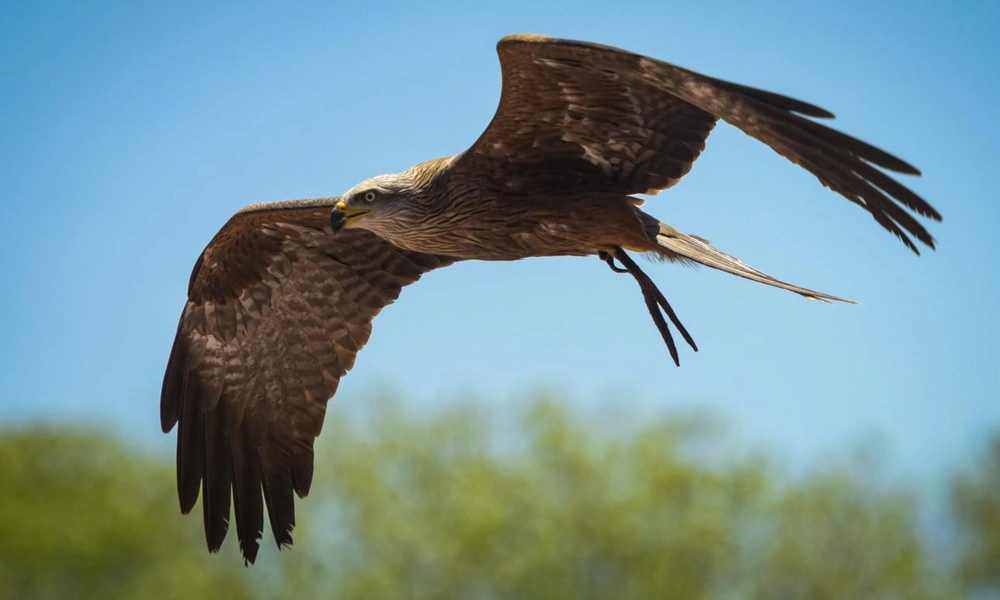
- Scientific Name: Milvus migrans
- Family: Accipitridae
- Habitat: Open country, wetland, towns, and cities
- Range: Europe, Asia, Africa, and Australasia
- Size and Weight: 48–60 cm long; wingspan 1.2–1.5 m; 0.6–1.1 kg
- Diet: Small animals, fish, carrion, and scraps
- Lifespan: About 14 years in the wild
- Conservation Status: Least Concern
- Key Fact: It is one of the most numerous birds of prey, and it often scavenges around human settlements.
Black Swan
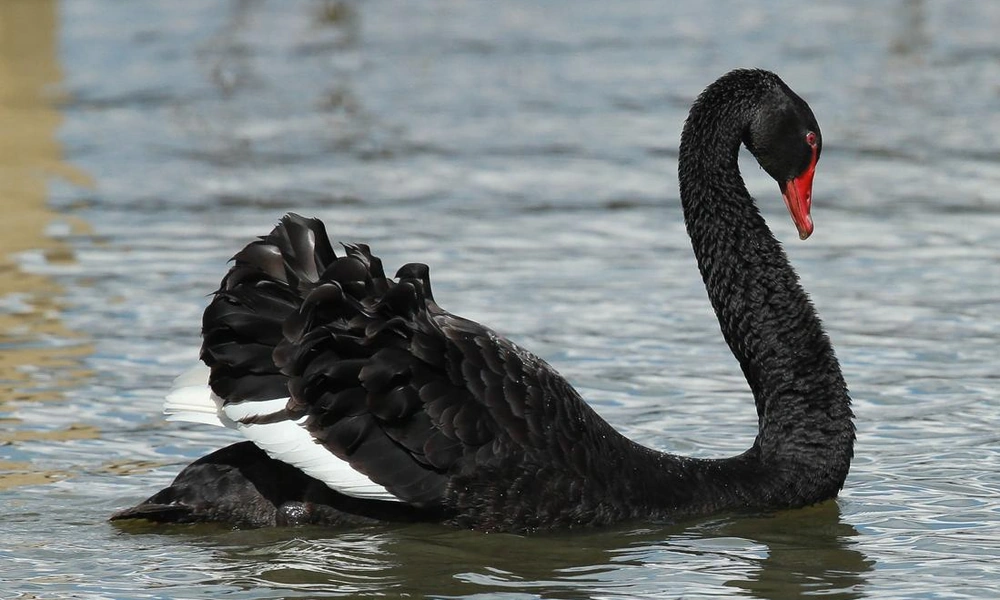
- Scientific Name: Cygnus atratus
- Family: Anatidae
- Habitat: Lakes, wetlands, and estuaries
- Range: Australia; introduced in New Zealand
- Size and Weight: 110–142 cm long; 3.7–9 kg
- Diet: Aquatic plants and algae
- Lifespan: About 10–20 years
- Conservation Status: Least Concern
- Key Fact: Its black plumage has white wingtips that show in flight.
Black Vulture
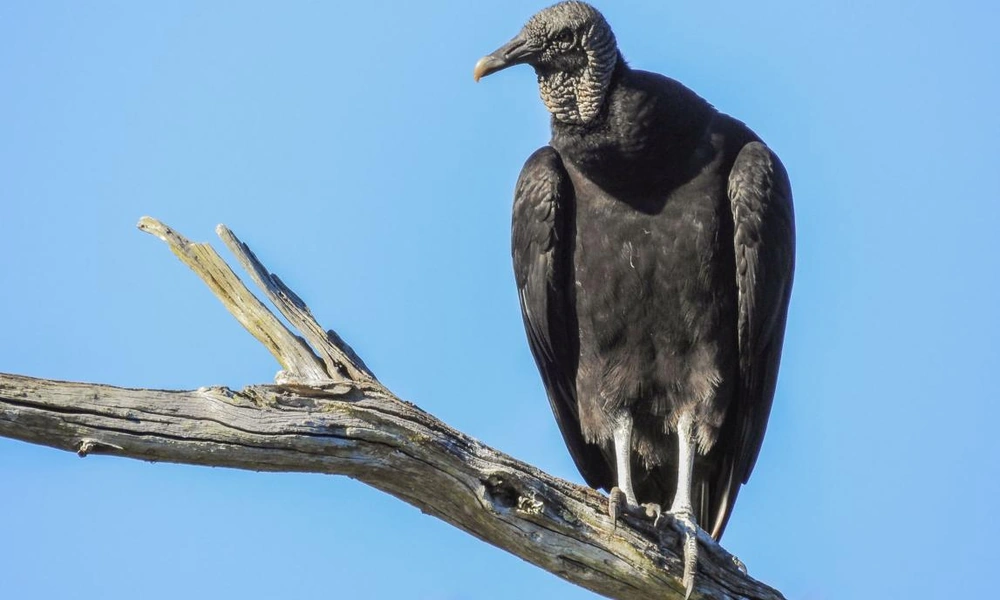
- Scientific Name: Coragyps atratus
- Family: Cathartidae
- Habitat: Open country, forest edge, and cities
- Range: Southeastern United States to southern South America
- Size and Weight: 56–74 cm long; wingspan about 1.4 m; 1.6–2.7 kg
- Diet: Mainly carrion
- Lifespan: About 10 years in the wild; up to 25 in captivity
- Conservation Status: Least Concern
- Key Fact: It often follows turkey vultures, which find carcasses by smell.
Black-Capped Chickadee
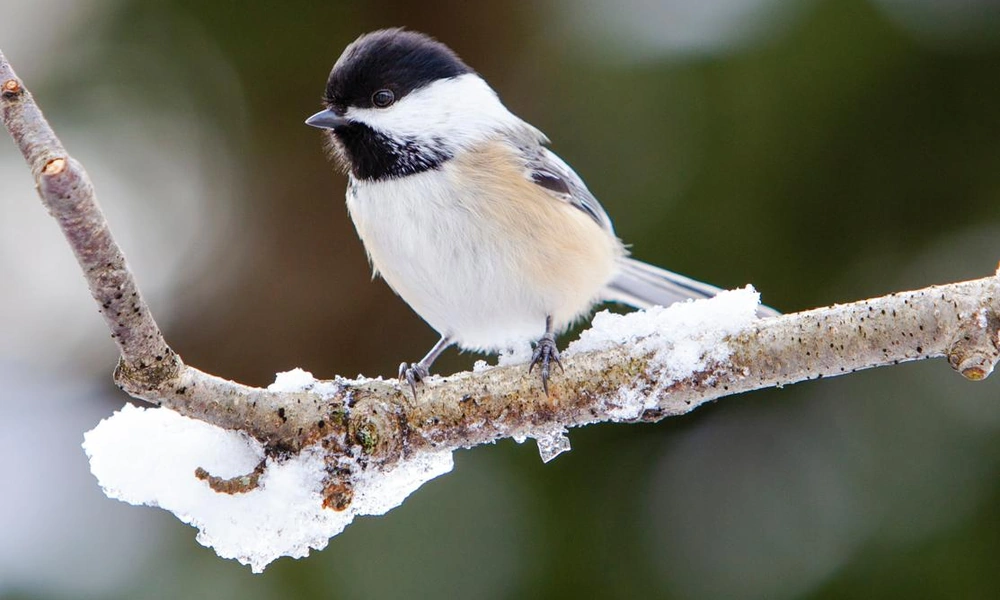
- Scientific Name: Poecile atricapillus
- Family: Paridae
- Habitat: Forest, parks, and gardens
- Range: Northern and central North America
- Size and Weight: 12–15 cm long; 10–14 g
- Diet: Seeds, insects, and berries
- Lifespan: About 2.5 years on average; up to 12
- Conservation Status: Least Concern
- Key Fact: It stores food in hundreds of hiding places and remembers them later.
Blackbird
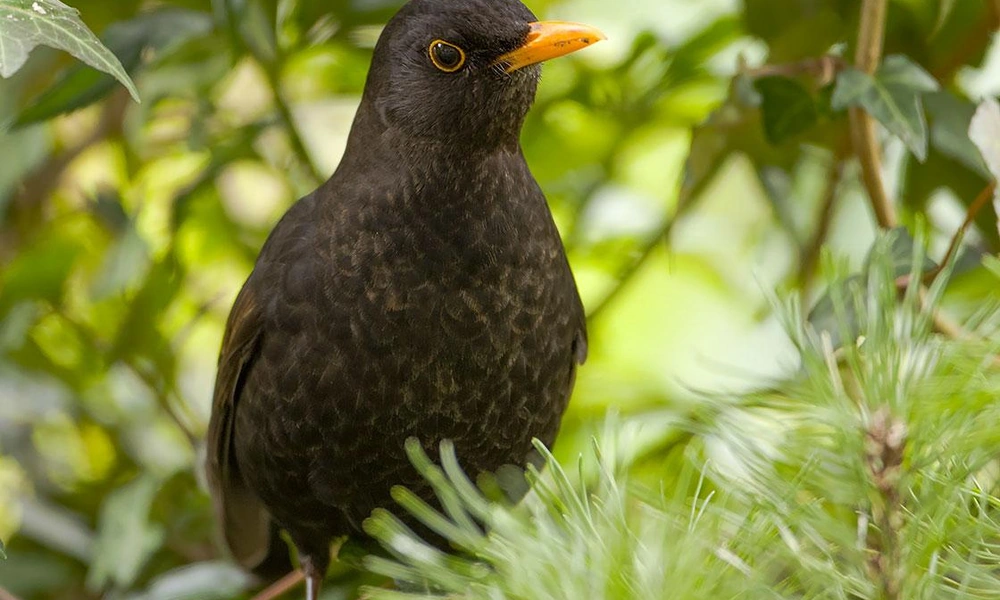
- Scientific Name: Turdus merula
- Family: Turdidae
- Habitat: Woodland, gardens, and farmland
- Range: Europe, North Africa, and Asia; introduced in Australia and New Zealand
- Size and Weight: 23.5–29 cm long; 80–125 g
- Diet: Earthworms, insects, and fruit
- Lifespan: About 3 years on average; the oldest recorded lived over 20
- Conservation Status: Least Concern
- Key Fact: Males are famous for their rich, flute-like song.
Blue Jay
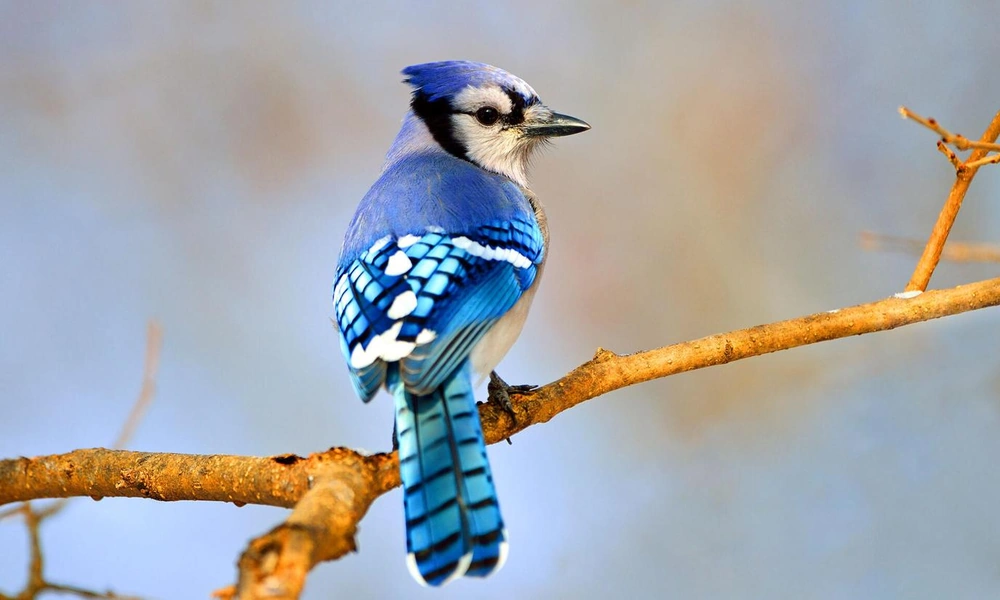
- Scientific Name: Cyanocitta cristata
- Family: Corvidae
- Habitat: Deciduous and mixed forest, parks, and suburbs
- Range: Eastern and central North America
- Size and Weight: 22–30 cm long; 70–100 g
- Diet: Nuts, seeds, insects, and fruit
- Lifespan: About 7 years on average; up to 26
- Conservation Status: Least Concern
- Key Fact: It can mimic the calls of hawks.
Blue-and-Gold Macaw
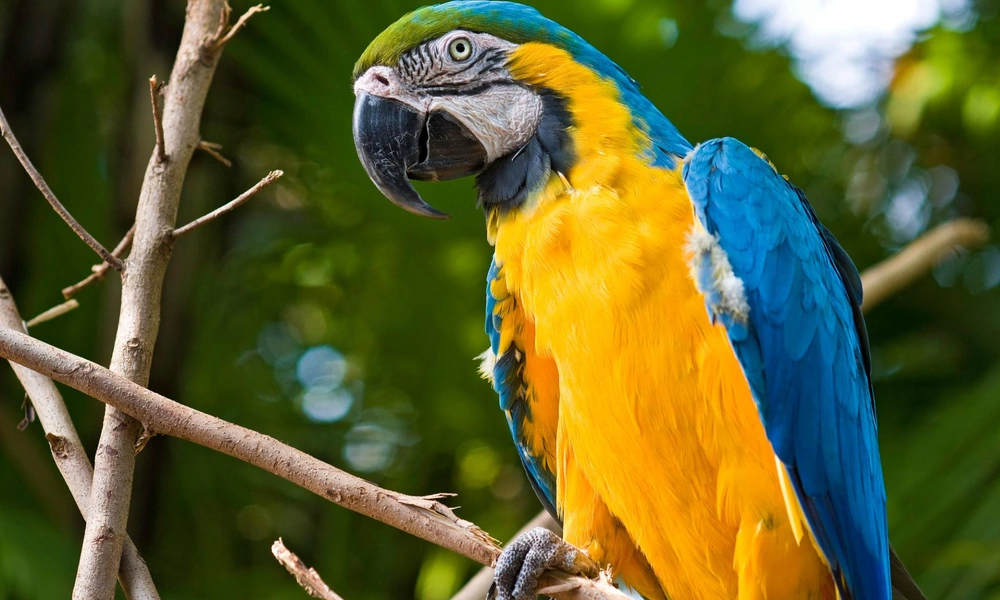
- Scientific Name: Ara ararauna
- Family: Psittacidae
- Habitat: Lowland forest, swamp forest, and savanna
- Range: Panama to Brazil and Paraguay
- Size and Weight: 76–86 cm long; 0.9–1.3 kg
- Diet: Seeds, nuts, and fruit
- Lifespan: 30–35 years in the wild; up to 60 in captivity
- Conservation Status: Least Concern
- Key Fact: Its facial skin flushes pink when it is excited.
Blue-Footed Booby
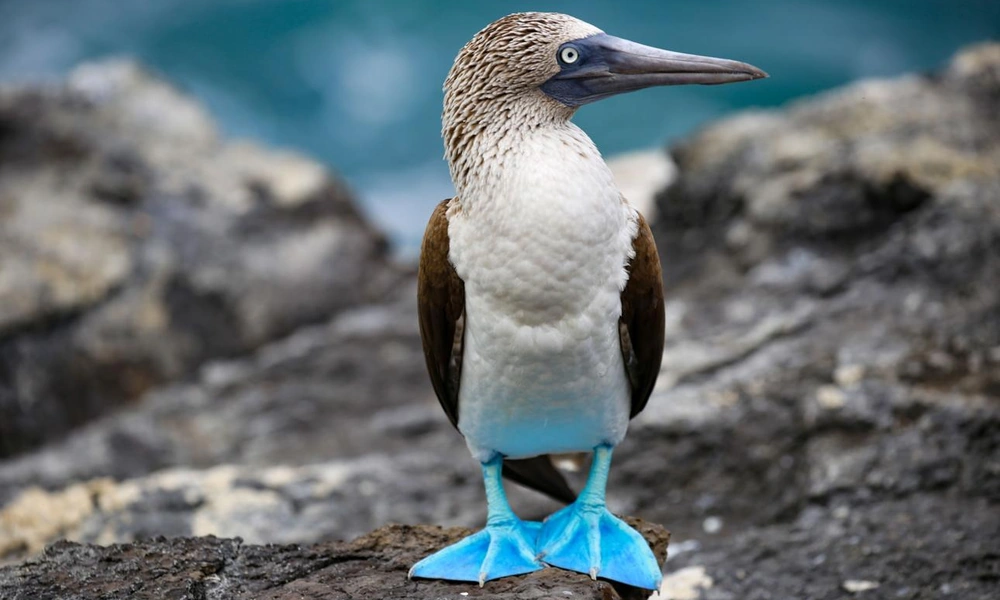
- Scientific Name: Sula nebouxii
- Family: Sulidae
- Habitat: Coastal islands and nearshore ocean
- Range: Eastern Pacific, including the Galápagos Islands
- Size and Weight: About 80 cm long; 1.5–1.6 kg
- Diet: Fish
- Lifespan: About 17 years
- Conservation Status: Least Concern
- Key Fact: Males show off their feet in a high-stepping courtship dance.
Bluebird
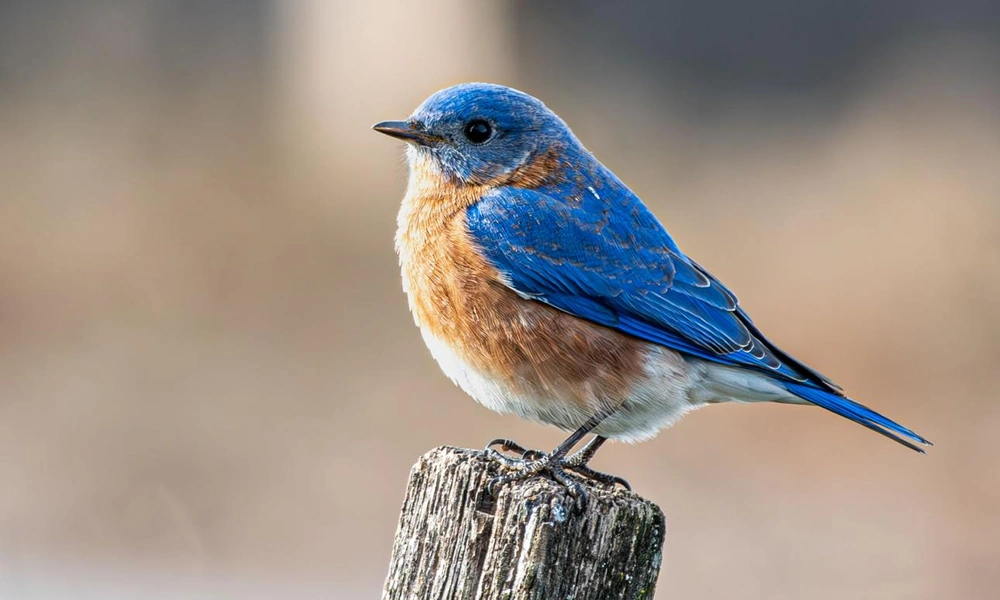
- Scientific Name: Sialia spp. (three species)
- Family: Turdidae
- Habitat: Open woodland, meadows, and farmland
- Range: North and Central America
- Size and Weight: 14–21 cm long; 25–35 g
- Diet: Insects, berries, and fruit
- Lifespan: About 6–10 years
- Conservation Status: Least Concern
- Key Fact: It nests in tree cavities and nest boxes.
Bobolink
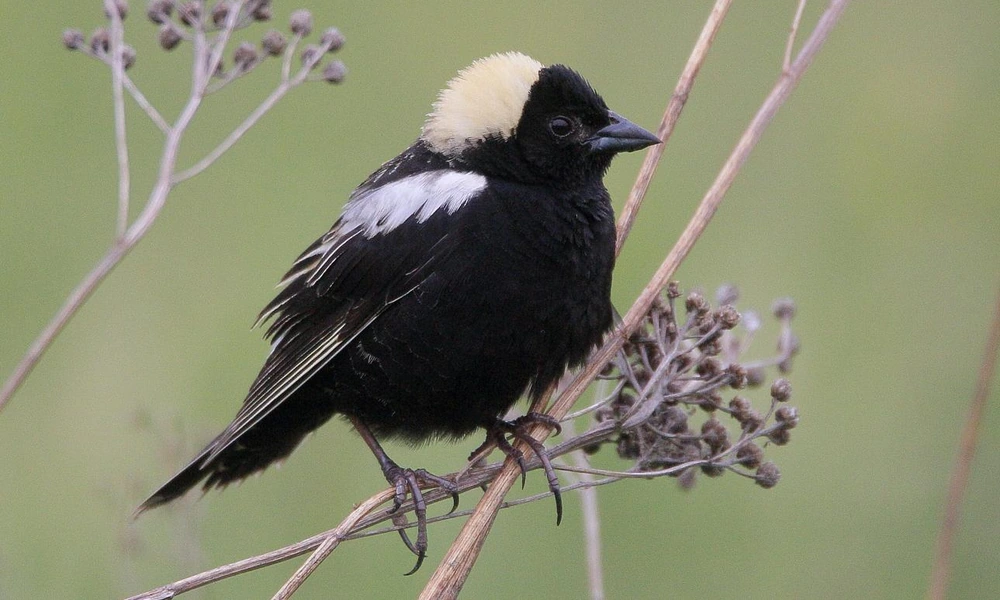
- Scientific Name: Dolichonyx oryzivorus
- Family: Icteridae
- Habitat: Hayfields, meadows, and grassland
- Range: Breeds in northern North America; winters in southern South America
- Size and Weight: 16–18 cm long; 30–50 g
- Diet: Seeds and insects
- Lifespan: About 5 years in the wild
- Conservation Status: Least Concern (populations are declining)
- Key Fact: It migrates up to about 20,000 km each year.
Booby
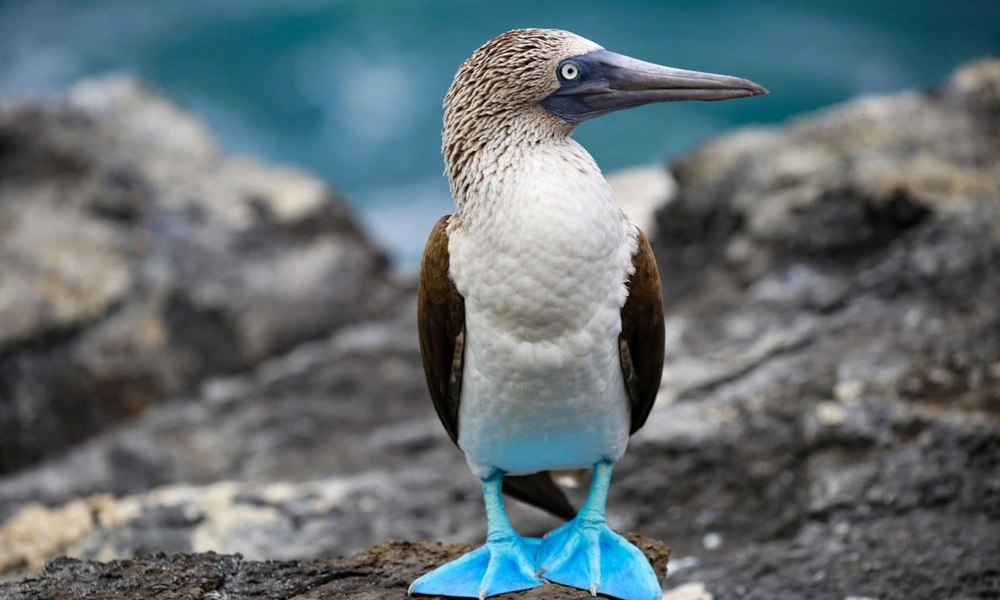
- Scientific Name: Family Sulidae (about 10 species in the genera Sula and Papasula)
- Family: Sulidae
- Habitat: Tropical and subtropical coasts and islands
- Range: Tropical and subtropical oceans worldwide
- Size and Weight: 65–100 cm long; roughly 0.7–1.5 kg
- Diet: Fish and squid
- Lifespan: About 15–25 years
- Conservation Status: Varies; most are Least Concern
- Key Fact: It plunge-dives from heights of up to about 30 m.
Bowerbird
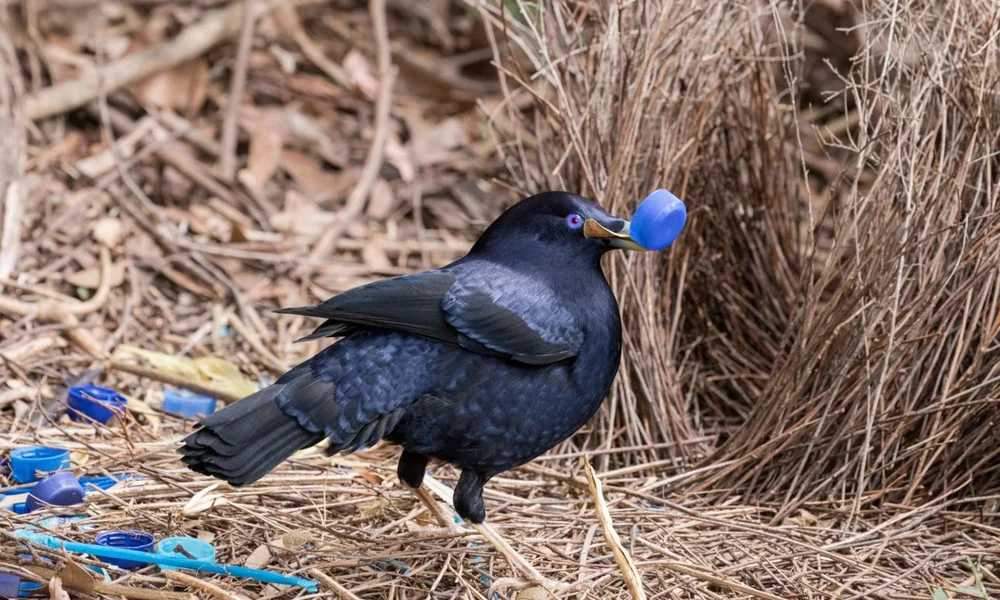
- Scientific Name: Family Ptilonorhynchidae (about 20 species)
- Family: Ptilonorhynchidae
- Habitat: Rainforest, woodland, and scrub
- Range: Australia and New Guinea
- Size and Weight: 20–35 cm long; about 70–250 g
- Diet: Fruit, insects, and nectar
- Lifespan: Up to 20 years or more
- Conservation Status: Varies; most are Least Concern
- Key Fact: Males decorate their bowers with colored objects such as flowers and shells.
Brown Thrasher
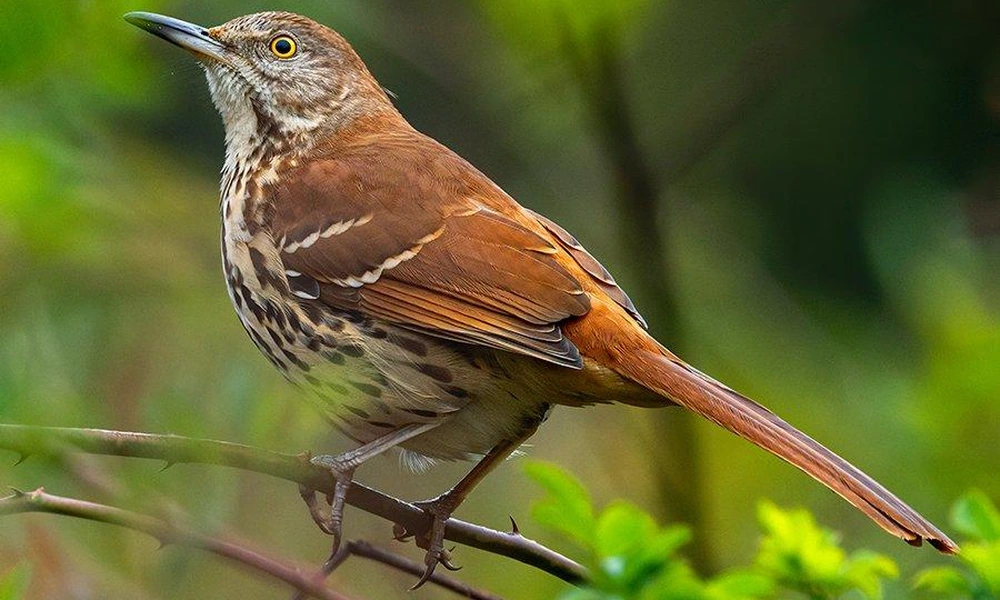
- Scientific Name: Toxostoma rufum
- Family: Mimidae
- Habitat: Thickets, woodland edge, and hedgerows
- Range: Eastern and central North America
- Size and Weight: 23–30 cm long; 61–89 g
- Diet: Insects, berries, and seeds
- Lifespan: About 7 years in the wild
- Conservation Status: Least Concern
- Key Fact: A single male can sing more than 1,000 different song types.
Brown-Headed Cowbird
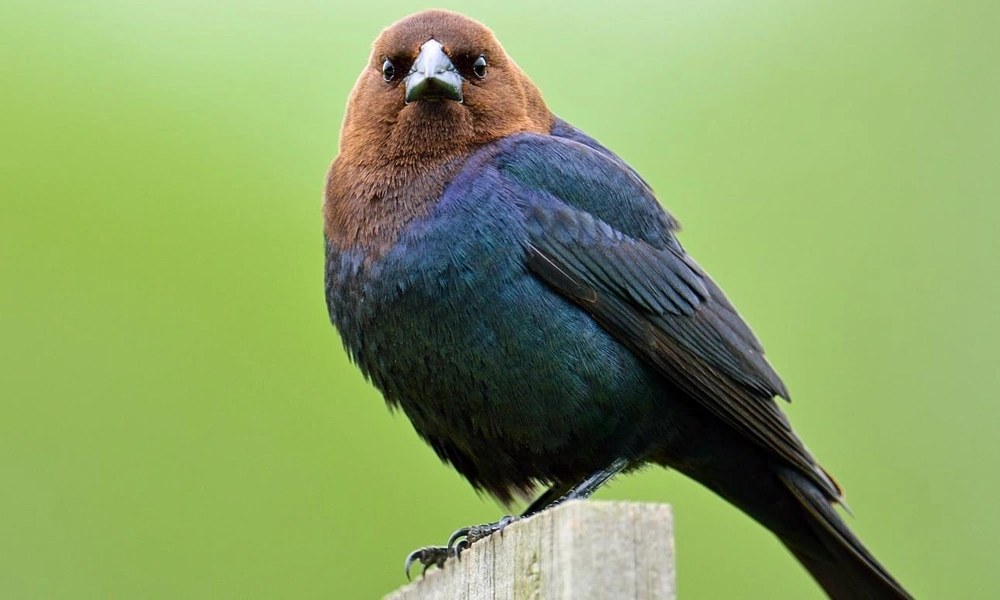
- Scientific Name: Molothrus ater
- Family: Icteridae
- Habitat: Grassland, farmland, and woodland edge
- Range: North America
- Size and Weight: 16–22 cm long; 30–60 g
- Diet: Seeds, grain, and insects
- Lifespan: About 4 years on average
- Conservation Status: Least Concern
- Key Fact: Females lay eggs in the nests of other birds, which raise the chicks.
Budgerigar
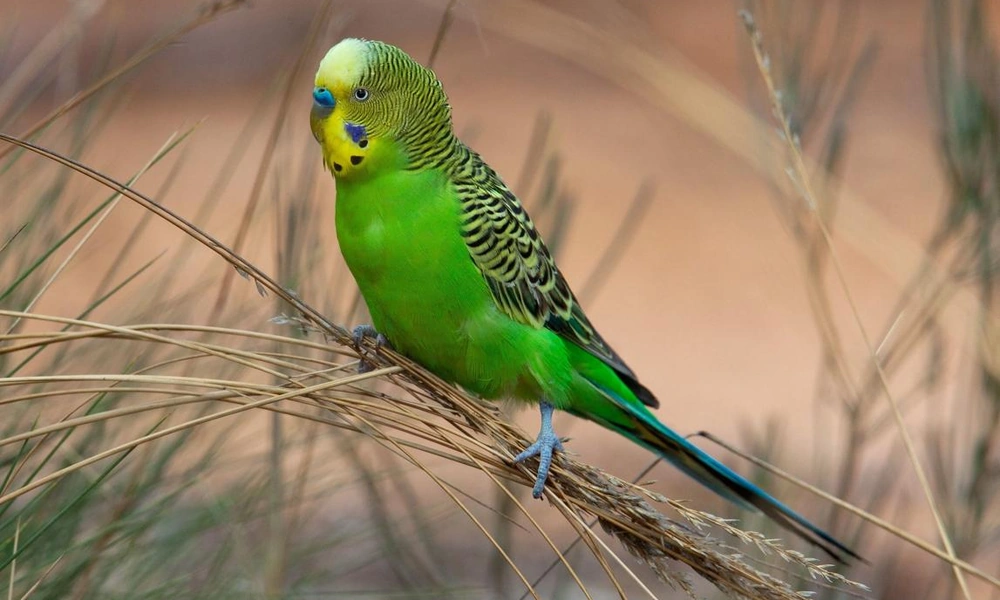
- Scientific Name: Melopsittacus undulatus
- Family: Psittaculidae
- Habitat: Grassland, scrub, and open woodland
- Range: Inland Australia
- Size and Weight: 17–18 cm long; 30–40 g
- Diet: Grass seeds
- Lifespan: 4–5 years in the wild; 5–8 in captivity
- Conservation Status: Least Concern
- Key Fact: Wild budgerigars are green and yellow, and many other colors come from breeding.
Bulbul
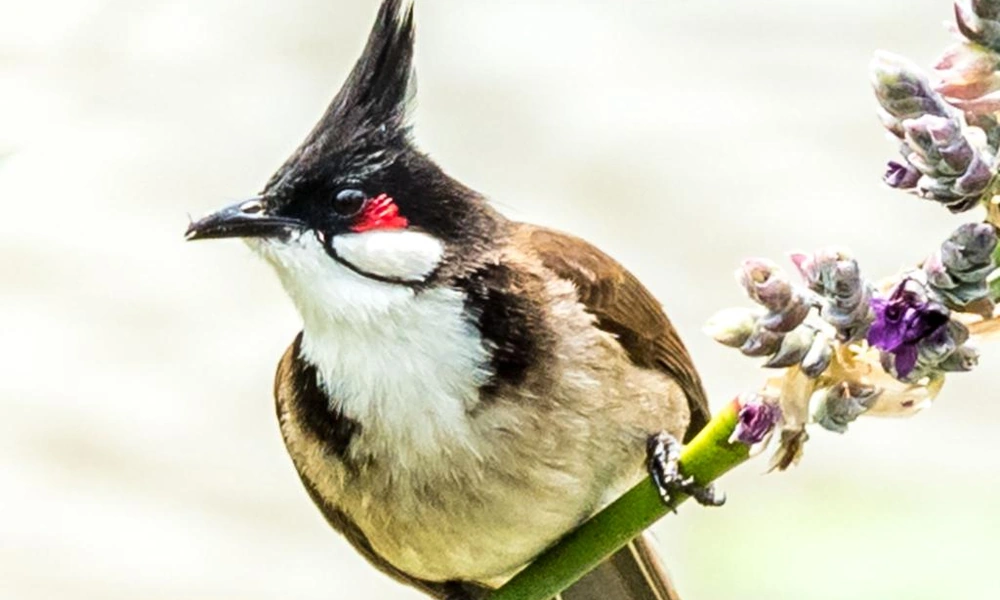
- Scientific Name: Family Pycnonotidae (about 150 species)
- Family: Pycnonotidae
- Habitat: Forest, scrub, gardens, and cities
- Range: Africa, the Middle East, and South and Southeast Asia
- Size and Weight: About 14–29 cm long; roughly 15–150 g
- Diet: Fruit, insects, and nectar
- Lifespan: About 5–11 years
- Conservation Status: Varies; most are Least Concern
- Key Fact: Several species have crests and cheerful, bubbling songs.
Bunting
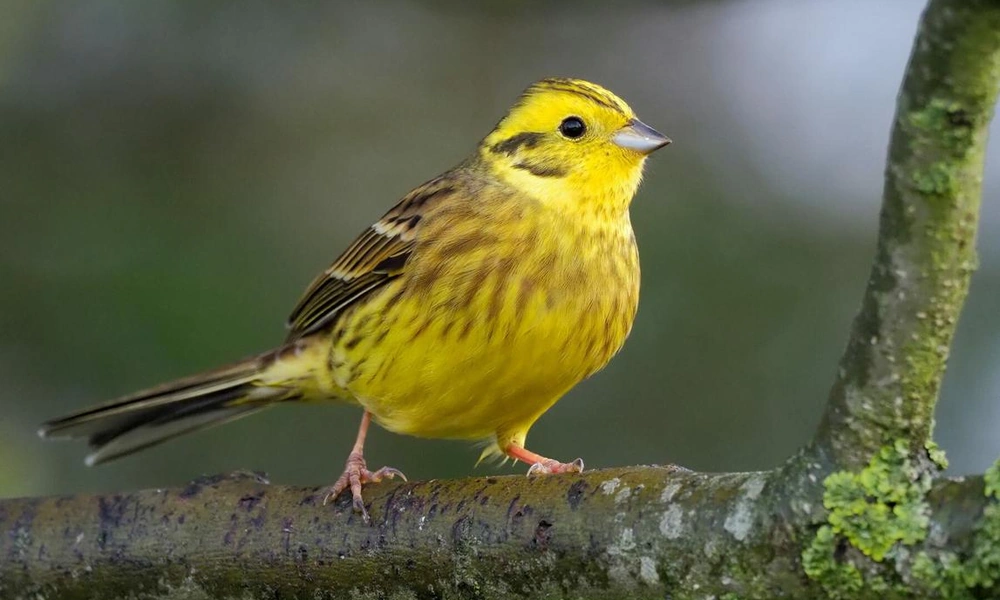
- Scientific Name: Mainly Emberiza (Old World) and related genera
- Family: Emberizidae (Old World buntings); New World buntings belong to other families such as Cardinalidae
- Habitat: Open fields, scrub, farmland, and wetland
- Range: Europe, Asia, Africa, and the Americas
- Size and Weight: About 11–18 cm long; 12–30 g
- Diet: Seeds and insects
- Lifespan: About 5–10 years
- Conservation Status: Varies by species
- Key Fact: “Bunting” is a common name that covers many small, seed-eating birds.
Burrowing Owl
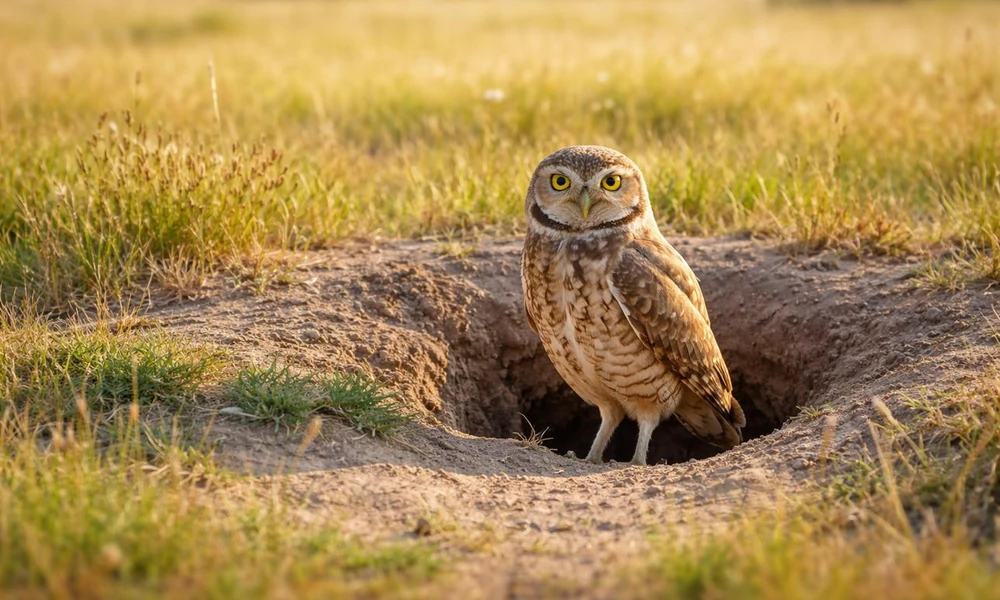
- Scientific Name: Athene cunicularia
- Family: Strigidae
- Habitat: Open grassland, desert, and farmland
- Range: North and South America
- Size and Weight: 19–25 cm long; 140–240 g
- Diet: Insects, rodents, and small reptiles
- Lifespan: 6–9 years in the wild
- Conservation Status: Least Concern
- Key Fact: It nests in burrows dug by prairie dogs and other mammals.
Buzzard
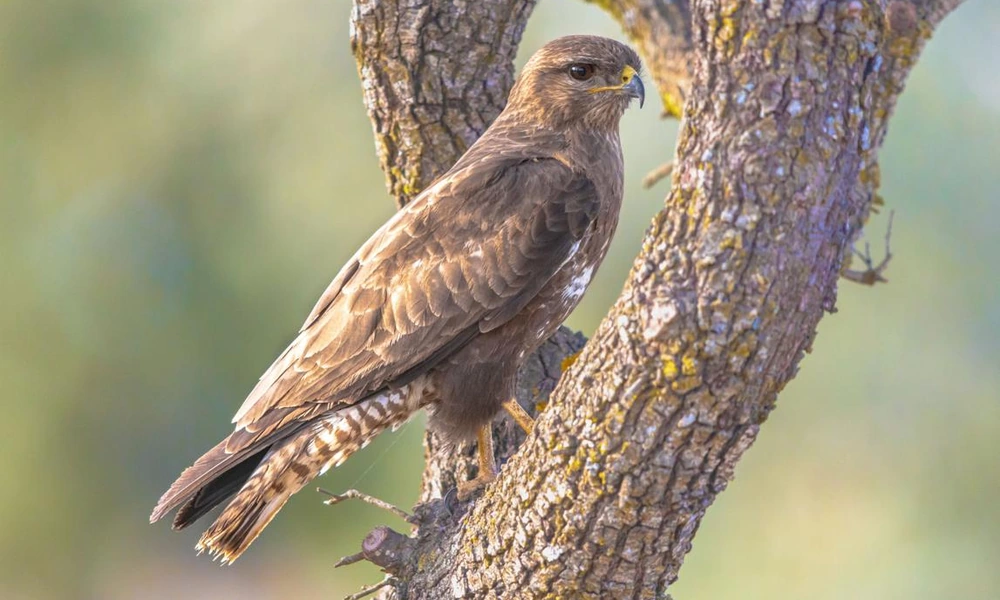
- Scientific Name: Buteo buteo (common buzzard) and other Buteo species
- Family: Accipitridae
- Habitat: Woodland edge, farmland, and open country
- Range: Europe, Asia, and Africa (common buzzard)
- Size and Weight: 40–58 cm long; wingspan 110–130 cm; 0.5–1.4 kg
- Diet: Small mammals, birds, reptiles, and carrion
- Lifespan: About 12 years in the wild
- Conservation Status: Least Concern
- Key Fact: In North America, “buzzard” often refers to vultures instead.
Reptiles That Start With B
Ball Python
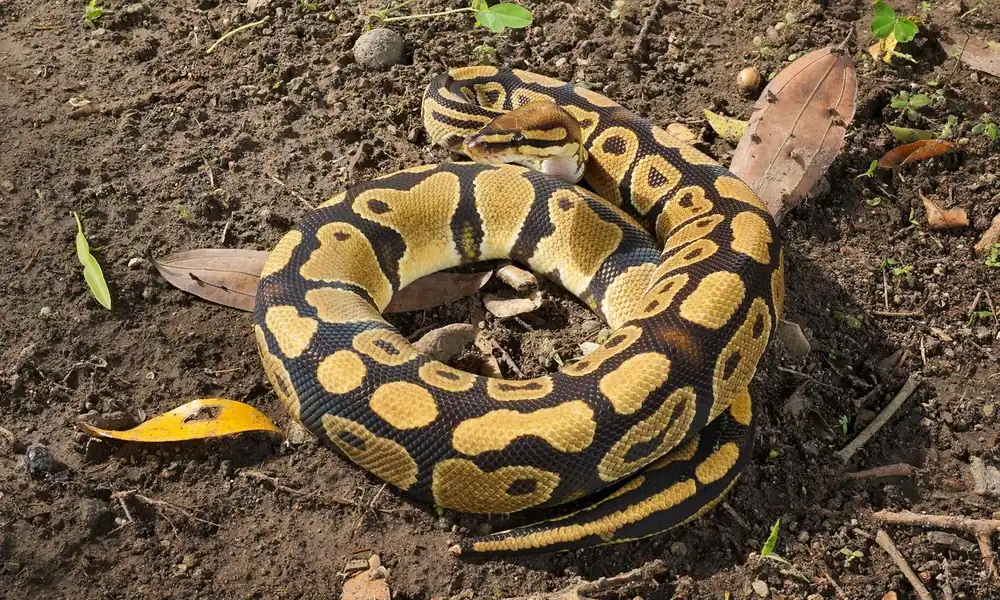
- Scientific Name: Python regius
- Family: Pythonidae
- Habitat: Grassland, savanna, and open woodland
- Range: West and Central Africa
- Size and Weight: 0.9–1.5 m long; 1.5–2 kg
- Diet: Small mammals
- Lifespan: 20–30 years in captivity
- Conservation Status: Near Threatened
- Key Fact: It coils into a tight ball with its head tucked inside when threatened.
Banded Krait
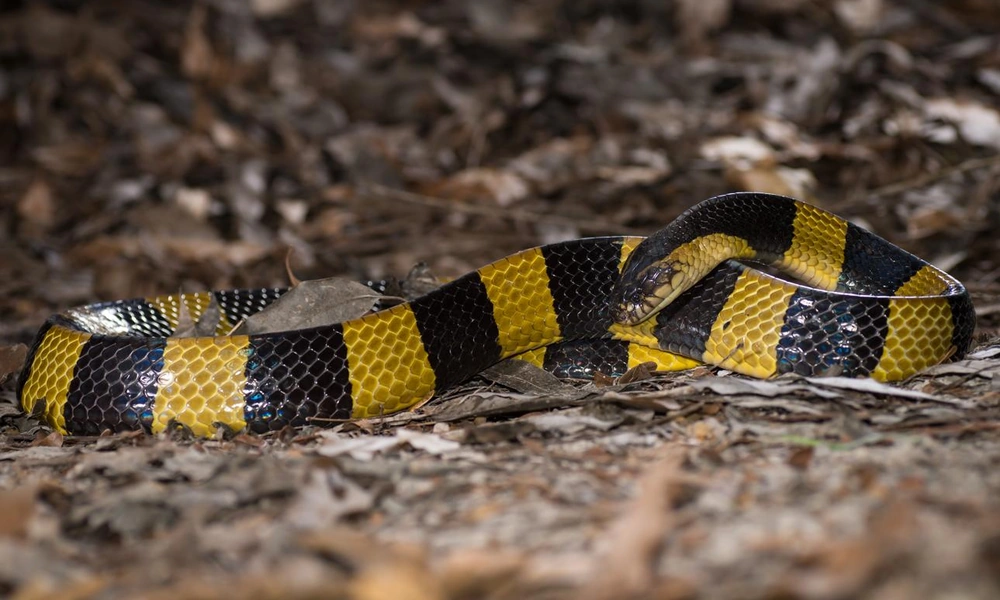
- Scientific Name: Bungarus fasciatus
- Family: Elapidae
- Habitat: Forest, wetland, and farmland
- Range: South and Southeast Asia and southern China
- Size and Weight: About 1.5–2.1 m long; weight rarely reported
- Diet: Mainly other snakes, plus frogs and fish
- Lifespan: About 10–20 years in captivity
- Conservation Status: Least Concern
- Key Fact: It is highly venomous and mostly active at night.
Basilisk Lizard
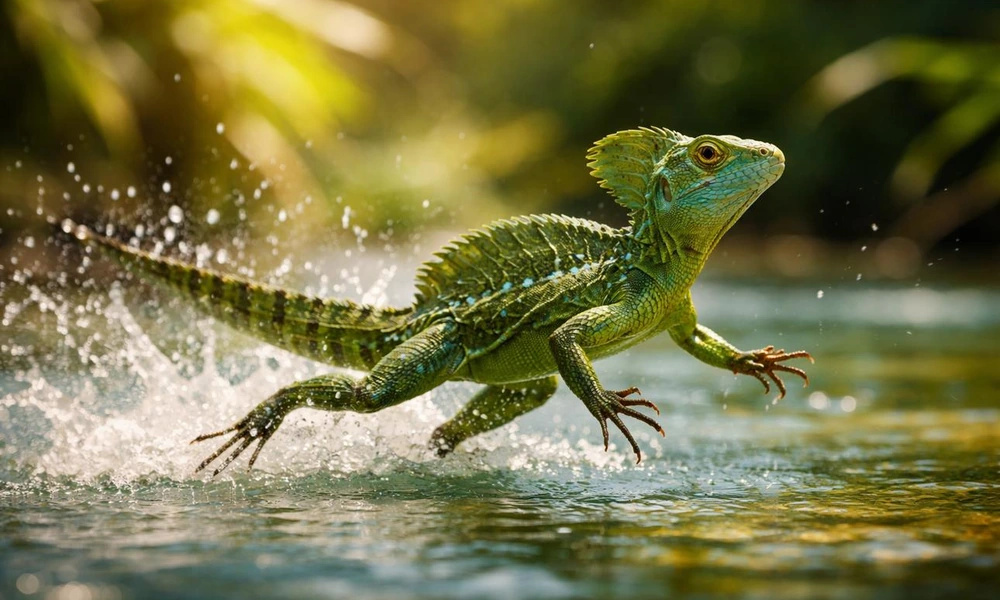
- Scientific Name: Basiliscus spp. (four species)
- Family: Corytophanidae
- Habitat: Tropical forest beside rivers and streams
- Range: Mexico to northern South America
- Size and Weight: 60–80 cm long including the tail; about 200–600 g
- Diet: Insects, fruit, flowers, and small animals
- Lifespan: About 7–10 years
- Conservation Status: Least Concern
- Key Fact: It is nicknamed the “Jesus Christ lizard” for running across water on its hind legs.
Bearded Dragon
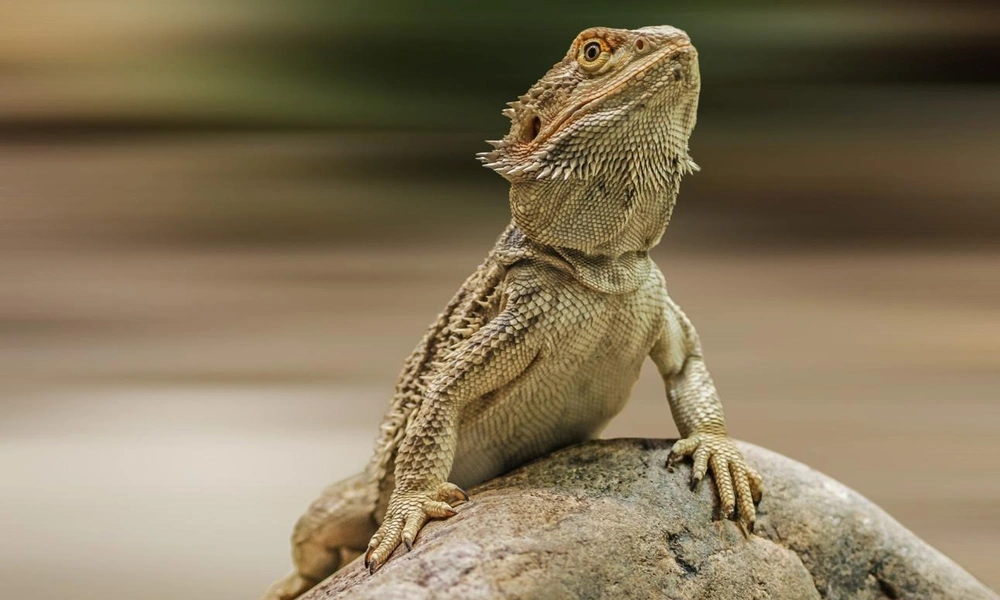
- Scientific Name: Pogona vitticeps (central bearded dragon) and other Pogona species
- Family: Agamidae
- Habitat: Dry woodland, scrub, and desert
- Range: Central and eastern Australia
- Size and Weight: 40–60 cm long; 280–600 g
- Diet: Insects, plants, and flowers
- Lifespan: 8–12 years in captivity
- Conservation Status: Least Concern
- Key Fact: It raises a spiny “beard” of skin under its chin when threatened.
Black Caiman
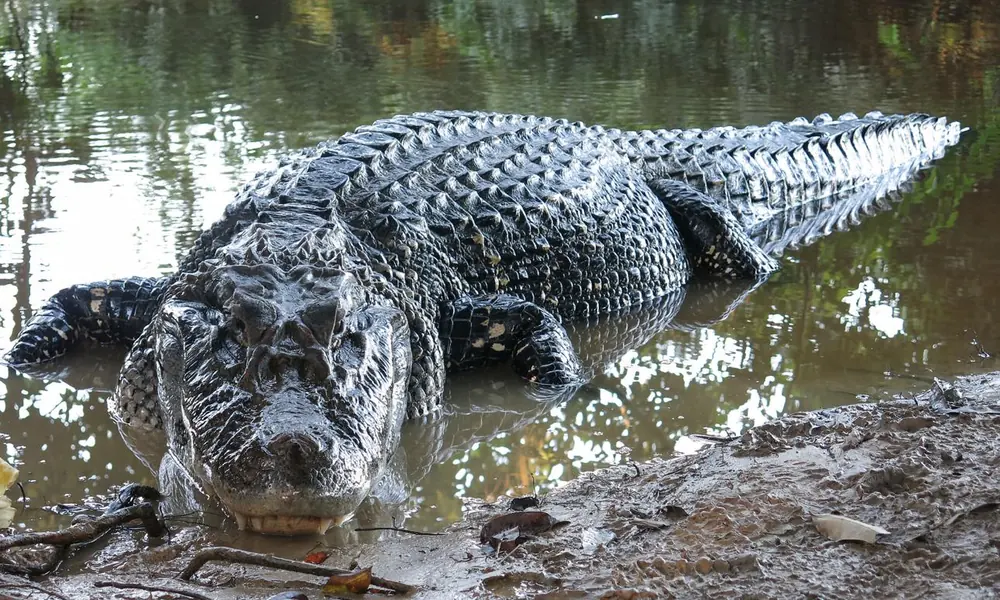
- Scientific Name: Melanosuchus niger
- Family: Alligatoridae
- Habitat: Rivers, oxbow lakes, and flooded forest
- Range: Amazon Basin
- Size and Weight: 4–5 m long, occasionally up to 6 m; 200–500 kg
- Diet: Fish, birds, reptiles, and mammals
- Lifespan: Up to about 50 years
- Conservation Status: Least Concern
- Key Fact: It is the largest predator in the Amazon.
Black Mamba
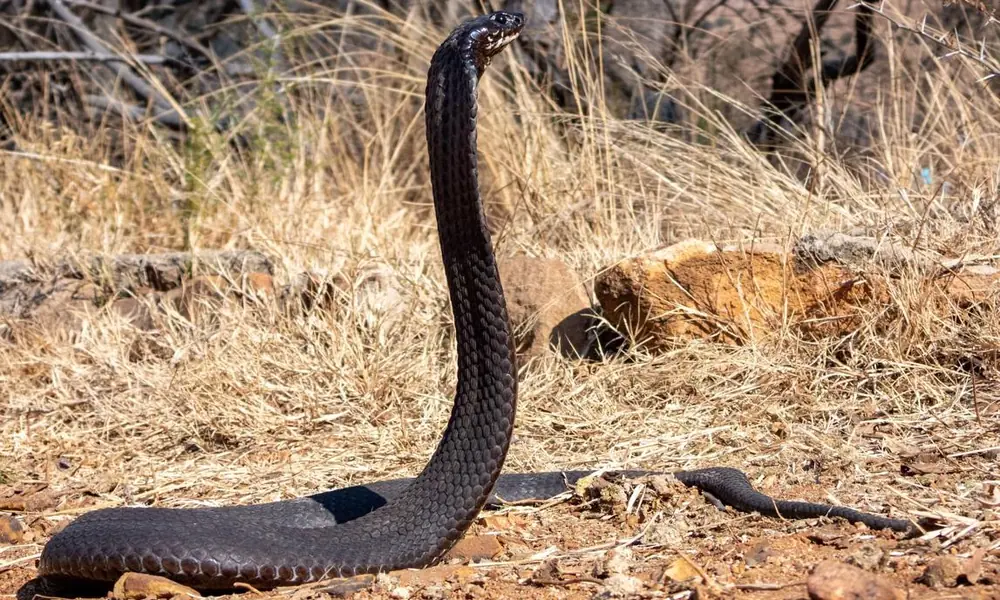
- Scientific Name: Dendroaspis polylepis
- Family: Elapidae
- Habitat: Savanna, rocky hills, and open woodland
- Range: Sub-Saharan Africa
- Size and Weight: 2–3 m long, occasionally up to 4.5 m; about 1.6 kg
- Diet: Small mammals and birds
- Lifespan: About 11 years
- Conservation Status: Least Concern
- Key Fact: It is named for the inky black inside of its mouth and is one of the fastest snakes.
Blanding’s Turtle
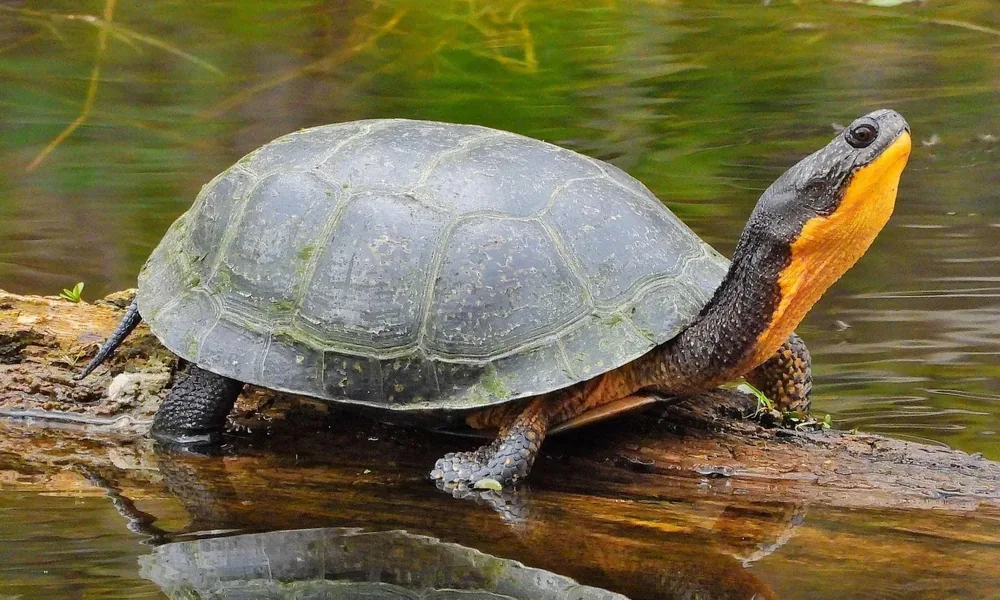
- Scientific Name: Emydoidea blandingii
- Family: Emydidae
- Habitat: Shallow wetlands and marshes
- Range: Great Lakes region and southeastern Canada
- Size and Weight: 15–27 cm shell length; 1–1.5 kg
- Diet: Crayfish, insects, and plants
- Lifespan: 70 years or more
- Conservation Status: Endangered
- Key Fact: Its bright yellow throat and chin look like a permanent smile.
Blue-Tongued Skink
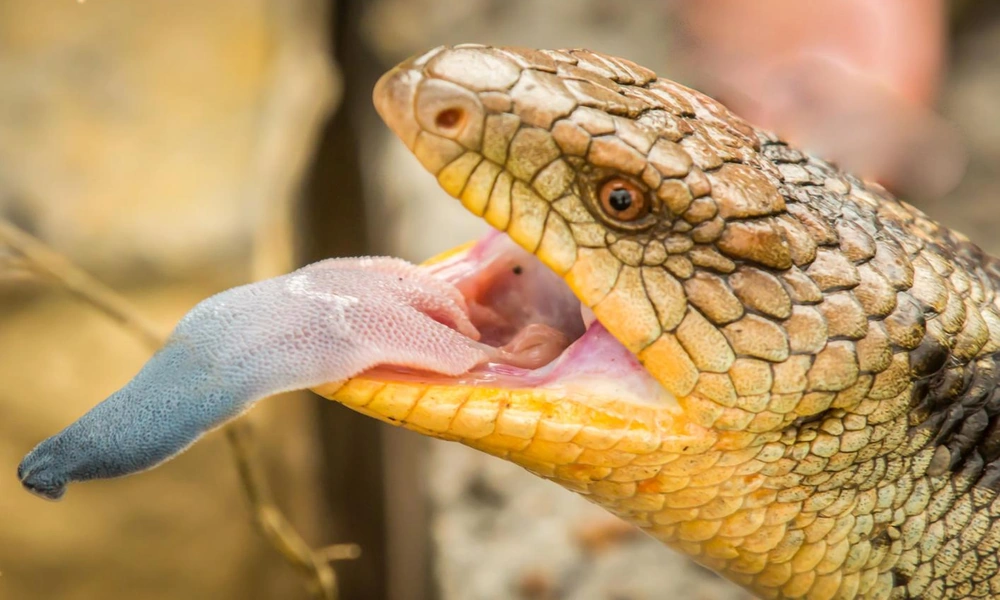
- Scientific Name: Tiliqua spp. (about eight species)
- Family: Scincidae
- Habitat: Woodland, grassland, scrub, and gardens
- Range: Australia, New Guinea, and parts of Indonesia
- Size and Weight: Blue-Tongued Skink is 30–60 cm long; about 0.4–1 kg
- Diet: Insects, snails, fruit, and flowers
- Lifespan: 15–20 years in captivity
- Conservation Status: Least Concern
- Key Fact: It sticks out its bright blue tongue and hisses to startle predators.
Boa
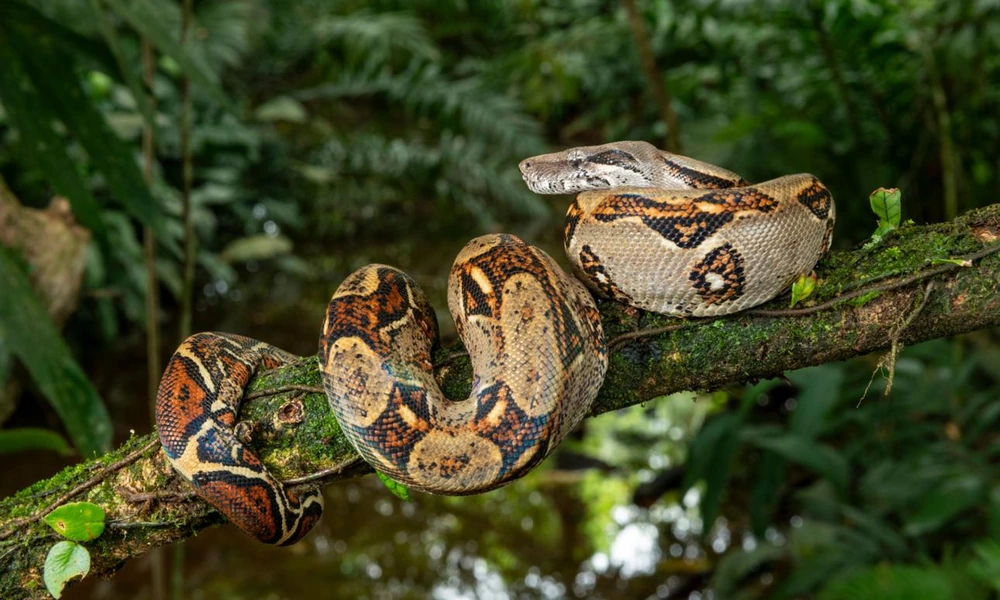
- Scientific Name: Family Boidae (about 40 species)
- Family: Boidae
- Habitat: Rainforest, savanna, and desert
- Range: The Americas, Madagascar, and Pacific islands
- Size and Weight: About 0.5–4 m long depending on species
- Diet: Birds, mammals, and reptiles
- Lifespan: About 20–30 years
- Conservation Status: Varies by species
- Key Fact: Boas kill by constriction and give birth to live young.
Boa Constrictor
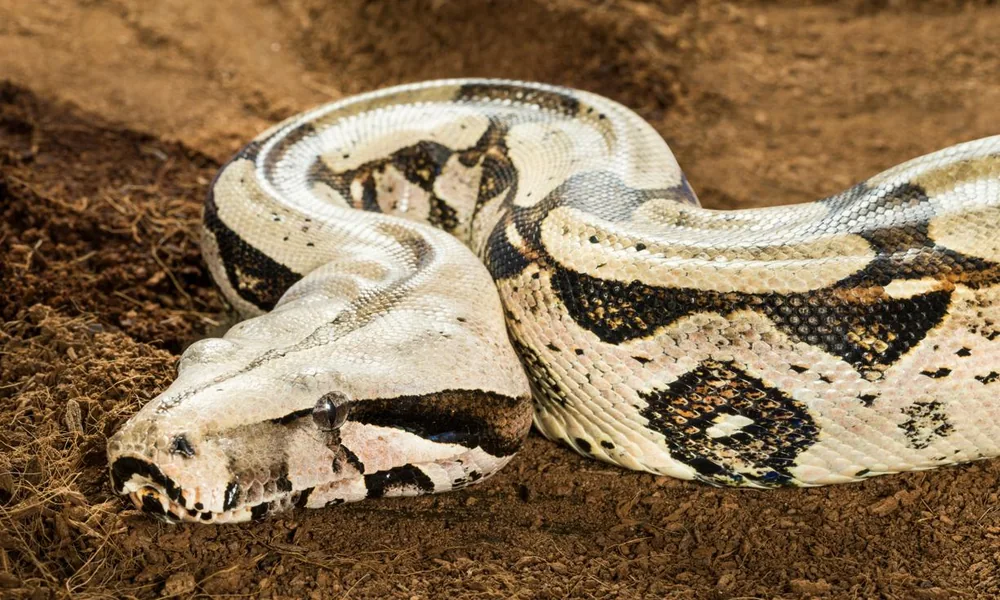
- Scientific Name: Boa constrictor
- Family: Boidae
- Habitat: Rainforest, savanna, and farmland
- Range: Mexico to Argentina
- Size and Weight: 2–3 m long, occasionally up to 4 m; 10–30 kg
- Diet: Birds and mammals
- Lifespan: 20–30 years
- Conservation Status: Least Concern
- Key Fact: It seizes prey with its teeth and then wraps its coils around it.
Bog Turtle

- Scientific Name: Glyptemys muhlenbergii
- Family: Emydidae
- Habitat: Spring-fed bogs, fens, and wet meadows
- Range: Eastern United States
- Size and Weight: 8–11.5 cm shell length; 100–140 g
- Diet: Insects, snails, worms, and seeds
- Lifespan: 40 years or more
- Conservation Status: Critically Endangered
- Key Fact: It has a bright orange or yellow blotch on each side of its head.
Boomslang
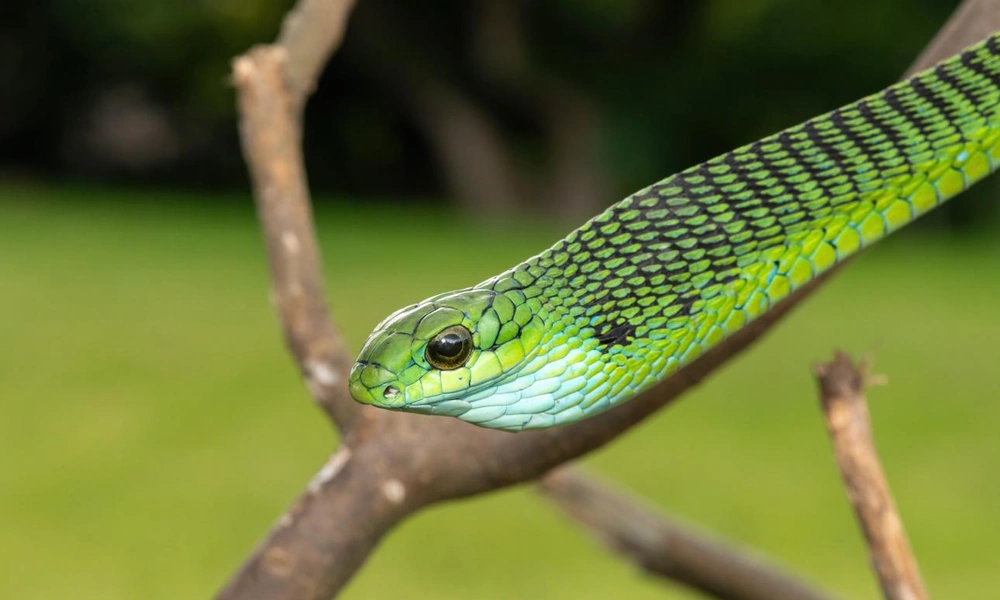
- Scientific Name: Dispholidus typus
- Family: Colubridae
- Habitat: Savanna, woodland, and forest edge
- Range: Sub-Saharan Africa
- Size and Weight: 1–1.6 m long; about 100–500 g
- Diet: Chameleons, birds, eggs, and frogs
- Lifespan: About 8–10 years
- Conservation Status: Least Concern
- Key Fact: It can open its jaws to nearly 170 degrees to bite.
Box Turtle
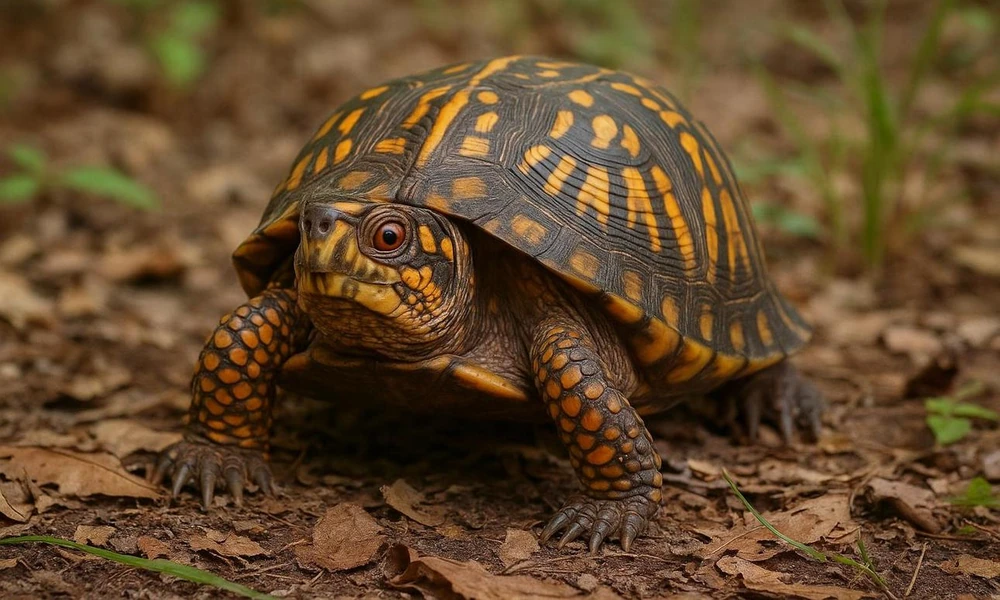
- Scientific Name: Terrapene spp. (four species)
- Family: Emydidae
- Habitat: Forest, grassland, and wetland edges
- Range: Eastern and central United States and Mexico
- Size and Weight: 11–20 cm shell length; about 0.3–0.5 kg
- Diet: Insects, worms, fungi, fruit, and plants
- Lifespan: 30–40 years, sometimes much longer
- Conservation Status: Varies; the eastern box turtle is Vulnerable
- Key Fact: A hinge on its lower shell lets it seal itself inside.
Brahminy Blind Snake
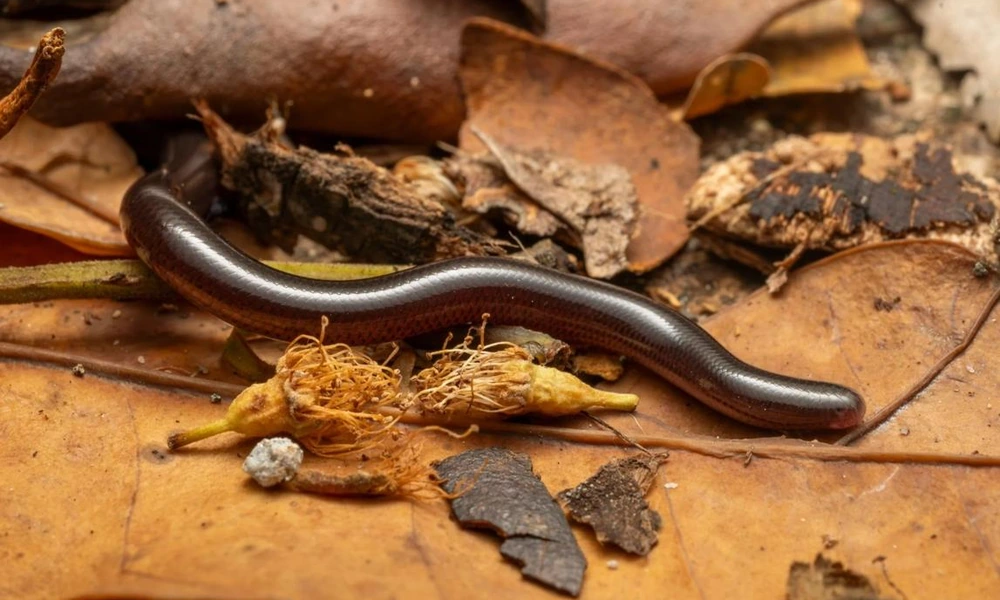
- Scientific Name: Indotyphlops braminus
- Family: Typhlopidae
- Habitat: Soil, leaf litter, and flowerpots
- Range: Native to South Asia; introduced worldwide in warm regions
- Size and Weight: 10–17 cm long, rarely up to 20 cm; about 1–2 g
- Diet: Ants, termites, and their larvae
- Lifespan: Not well known
- Conservation Status: Least Concern
- Key Fact: All individuals are female and reproduce without mating.
Brown Tree Snake
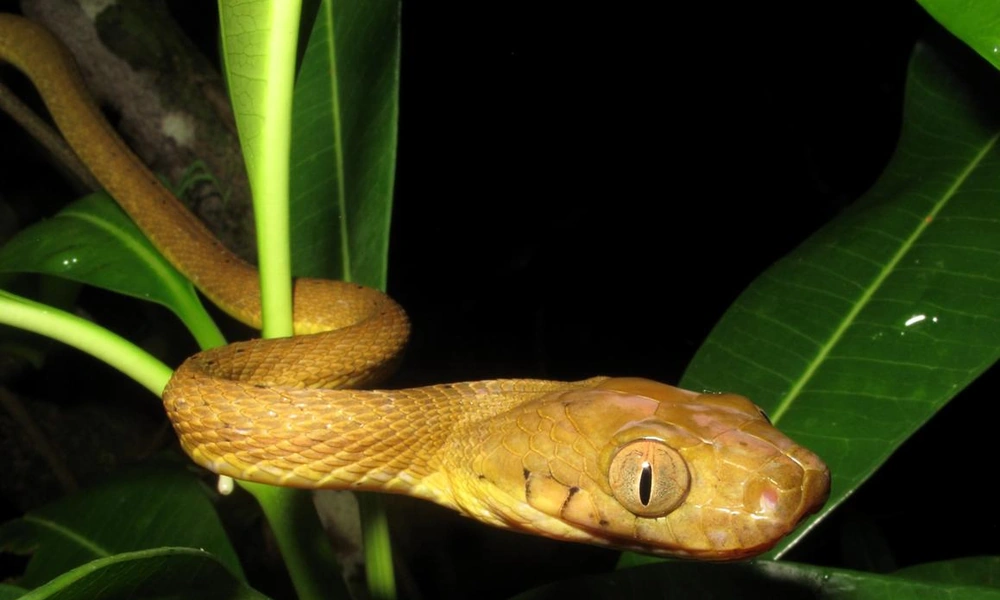
- Scientific Name: Boiga irregularis
- Family: Colubridae
- Habitat: Forest, woodland, and human-altered areas
- Range: Native to northern and eastern Australia, New Guinea, and the Solomon Islands; invasive on Guam
- Size and Weight: 1–2 m long; usually under 1 kg
- Diet: Birds, eggs, lizards, and small mammals
- Lifespan: About 10 years in captivity
- Conservation Status: Least Concern
- Key Fact: It wiped out most of Guam’s native forest birds after arriving there.
Bull Snake
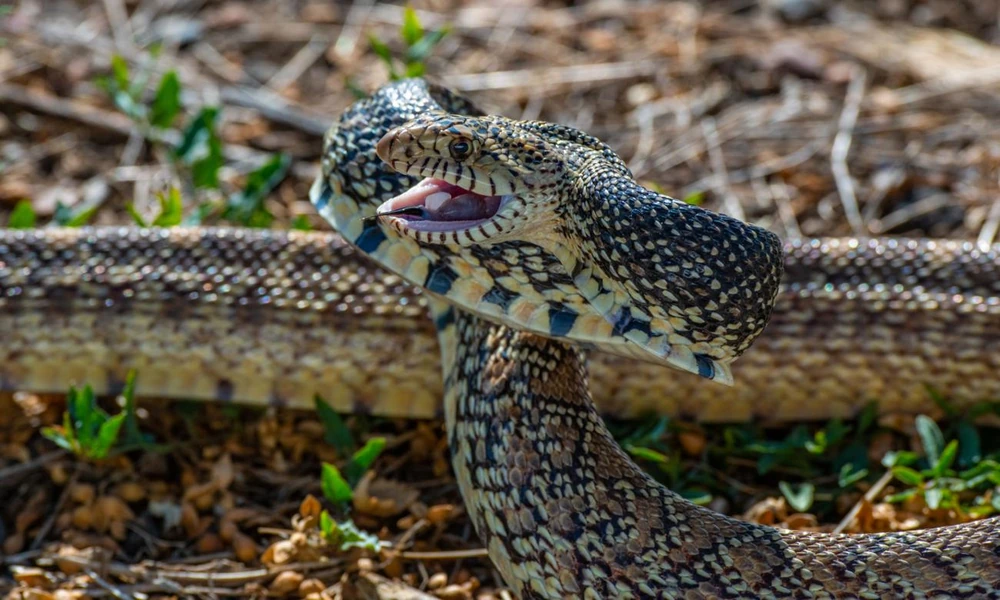
- Scientific Name: Pituophis catenifer sayi
- Family: Colubridae
- Habitat: Grassland, farmland, and open woodland
- Range: Central United States and parts of southern Canada and northern Mexico
- Size and Weight: 1.2–2.4 m long; about 0.5–1.5 kg
- Diet: Rodents, birds, and eggs
- Lifespan: 12–20 years
- Conservation Status: Least Concern (for the species Pituophis catenifer)
- Key Fact: It hisses loudly and shakes its tail to imitate a rattlesnake.
Burmese Python
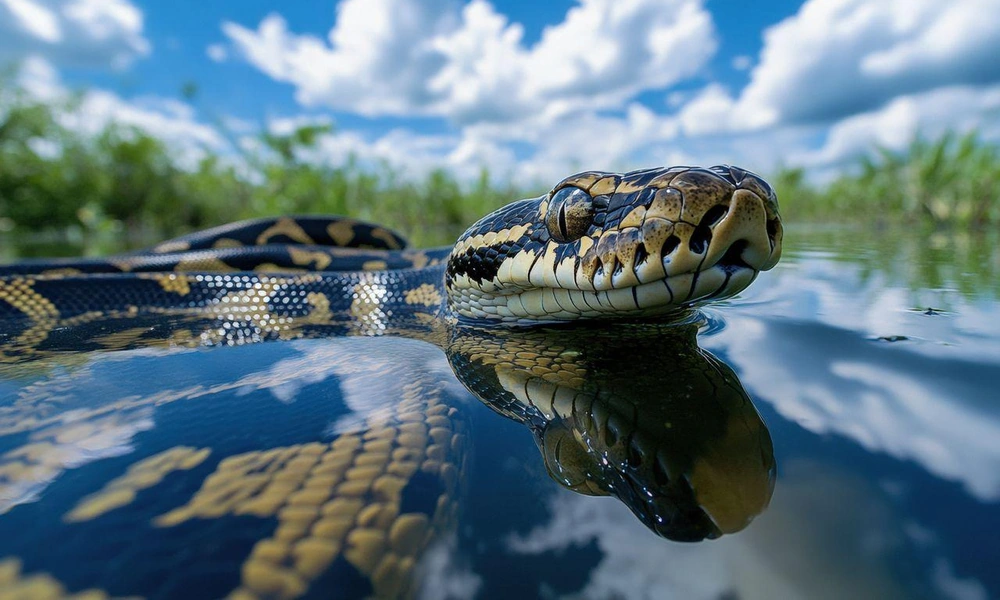
- Scientific Name: Python bivittatus
- Family: Pythonidae
- Habitat: Forest, grassland, and wetland
- Range: South and Southeast Asia; invasive in Florida
- Size and Weight: 3–5 m long; 20–90 kg
- Diet: Birds, mammals, and reptiles
- Lifespan: 20–25 years in captivity
- Conservation Status: Vulnerable
- Key Fact: It is one of the largest snakes in the world.
Bushmaster
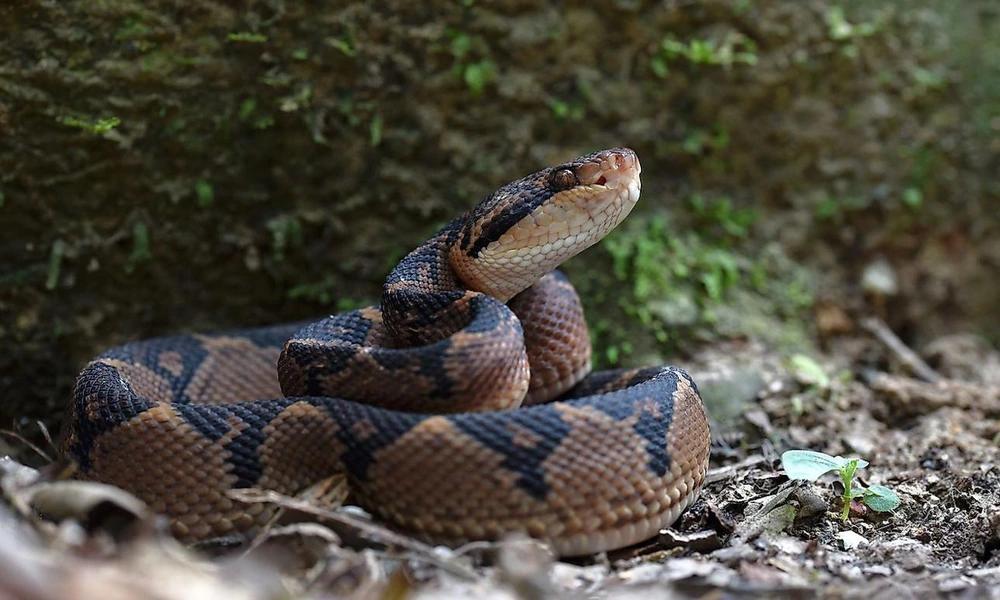
- Scientific Name: Lachesis spp. (four species)
- Family: Viperidae
- Habitat: Lowland and montane rainforest
- Range: Central and South America
- Size and Weight: 2–3 m long, up to about 3.6 m; 3–5 kg
- Diet: Small mammals
- Lifespan: About 18–20 years in captivity
- Conservation Status: Varies by species
- Key Fact: It is the longest viper in the Americas and the only one in the region that lays eggs.
Amphibians That Start With B
Barred Tiger Salamander
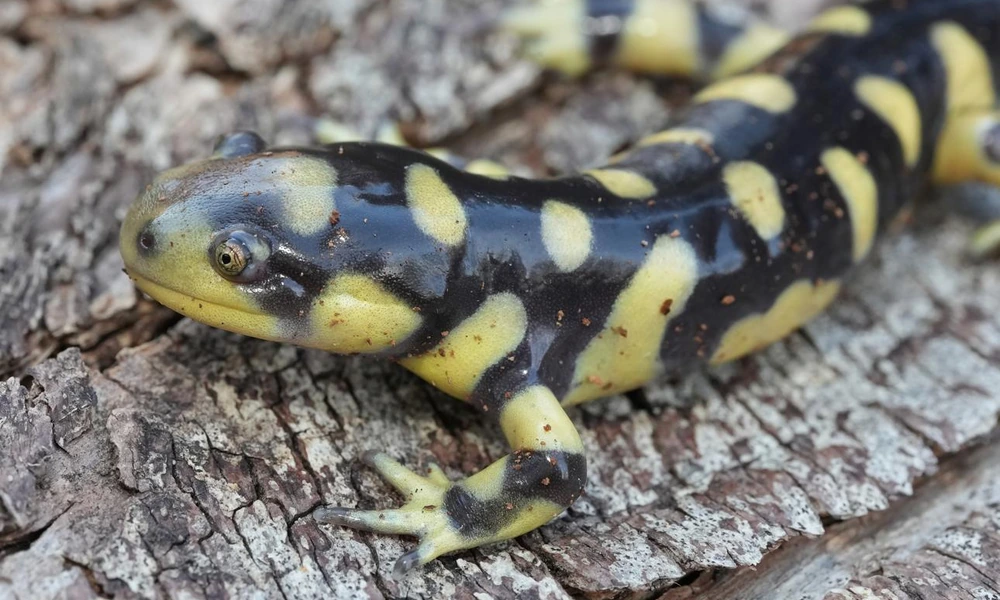
- Scientific Name: Ambystoma mavortium
- Family: Ambystomatidae
- Habitat: Grassland, forest, and wetland edges, living in burrows
- Range: Central and western United States and northern Mexico
- Size and Weight: 15–30 cm long; roughly 100–200 g
- Diet: Insects, worms, and small amphibians
- Lifespan: 12–15 years
- Conservation Status: Least Concern
- Key Fact: It spends most of its life underground and emerges to breed in temporary pools.
Blue Poison Dart Frog
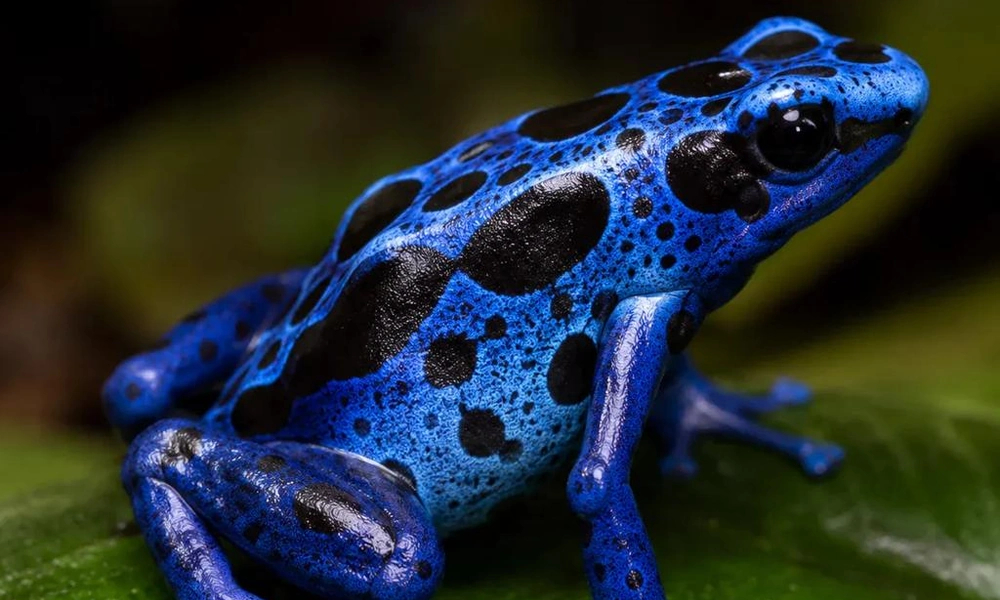
- Scientific Name: Dendrobates tinctorius “azureus” (a blue color form of the dyeing poison dart frog)
- Family: Dendrobatidae
- Habitat: Tropical rainforest and forest-edge savanna
- Range: Southern Suriname
- Size and Weight: 3–4.5 cm long; about 3–6 g
- Diet: Ants, termites, and small insects
- Lifespan: About 5–6 years in the wild; 10 years or more in captivity
- Conservation Status: Dyeing poison dart frog is Least Concern; the blue form has a very small range
- Key Fact: Its toxins come from its diet, so captive frogs are not poisonous.
Boreal Toad
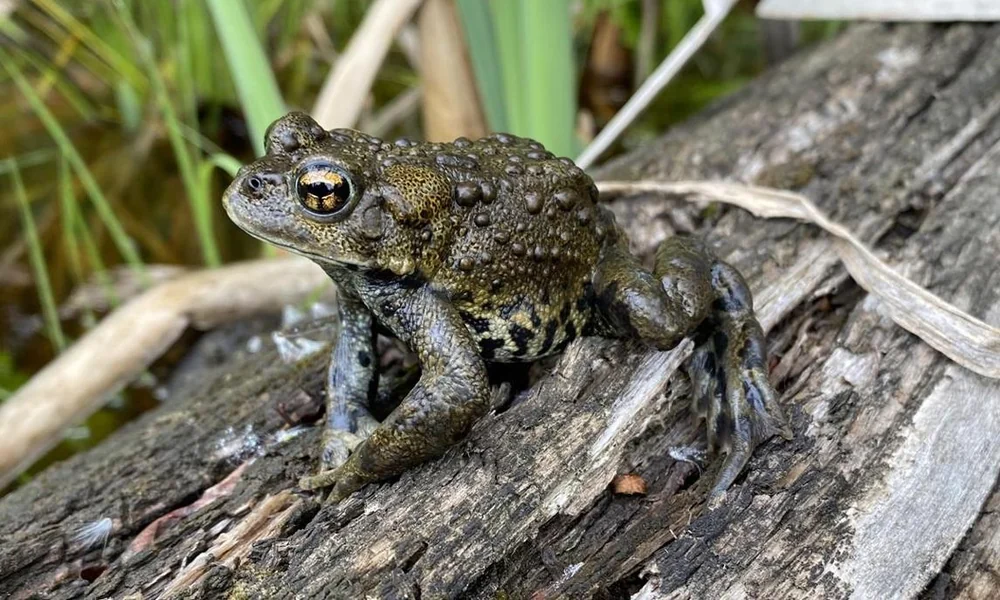
- Scientific Name: Anaxyrus boreas boreas
- Family: Bufonidae
- Habitat: Mountain meadows, forest, and wetlands
- Range: Western North America, from Alaska south to the Rocky Mountains
- Size and Weight: 5.5–12.5 cm long; about 30–100 g
- Diet: Insects, spiders, and other invertebrates
- Lifespan: Up to about 10 years
- Conservation Status: The western toad (Anaxyrus boreas) is Near Threatened; the southern Rocky Mountain population is much more at risk
- Key Fact: It walks rather than hops.
Budgett’s Frog
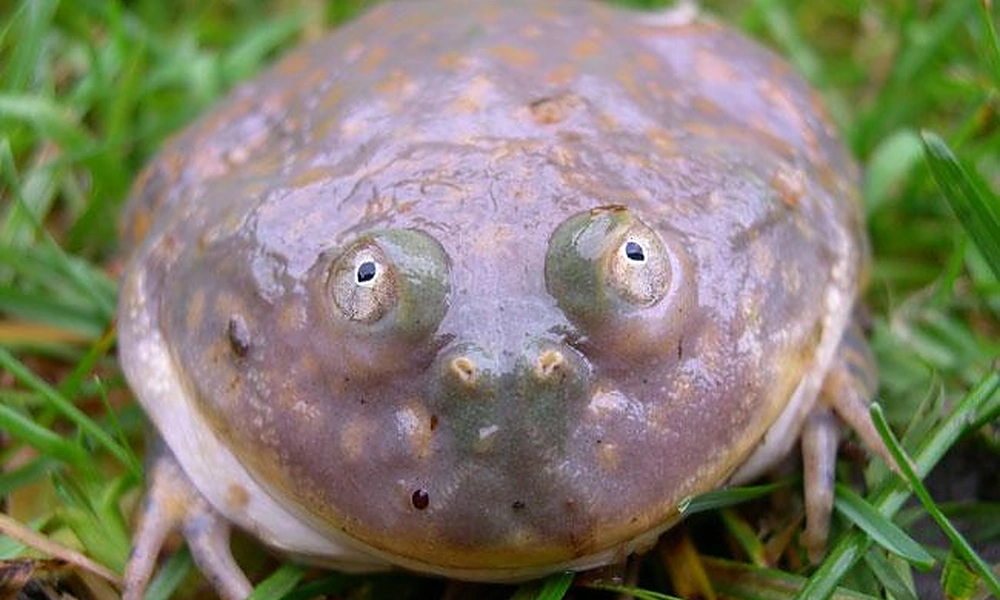
- Scientific Name: Lepidobatrachus laevis
- Family: Ceratophryidae
- Habitat: Temporary pools in dry scrub
- Range: Gran Chaco of Argentina, Paraguay, and Bolivia
- Size and Weight: 10–12 cm long; roughly 100–200 g
- Diet: Insects, fish, frogs, and small animals
- Lifespan: About 10 years or more in captivity
- Conservation Status: Least Concern
- Key Fact: It buries itself during drought and screams when threatened.
Bullfrog
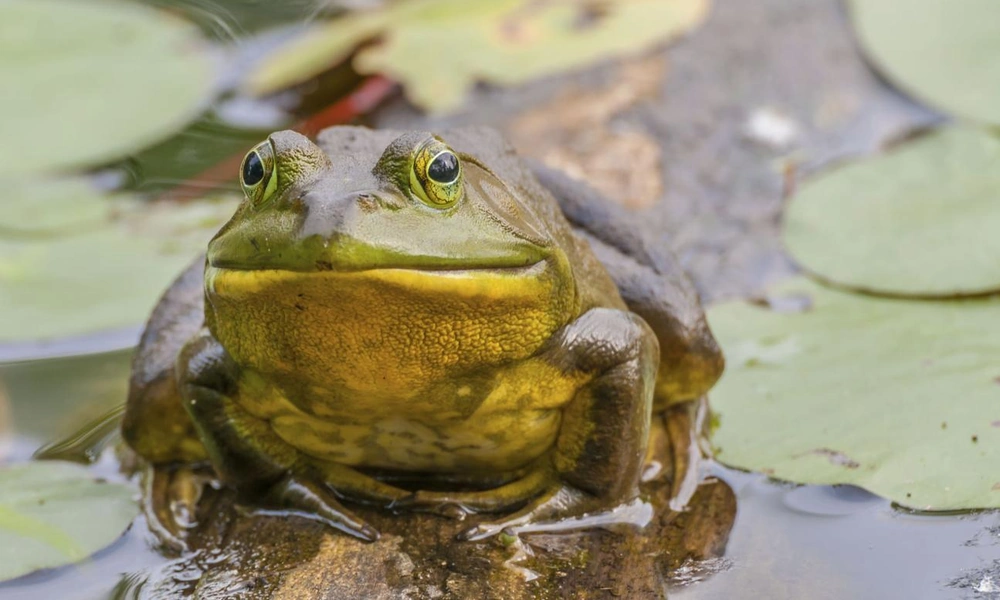
- Scientific Name: Lithobates catesbeianus (also written Aquarana catesbeiana)
- Family: Ranidae
- Habitat: Ponds, lakes, and marshes
- Range: Eastern North America; introduced in the western United States, Europe, and Asia
- Size and Weight: 9–15 cm long; 0.2–0.5 kg
- Diet: Insects, fish, frogs, and small mammals
- Lifespan: 7–9 years in the wild; up to 16 in captivity
- Conservation Status: Least Concern
- Key Fact: Its deep call sounds like a low “jug-o-rum.”
Fish That Start With B
Barb
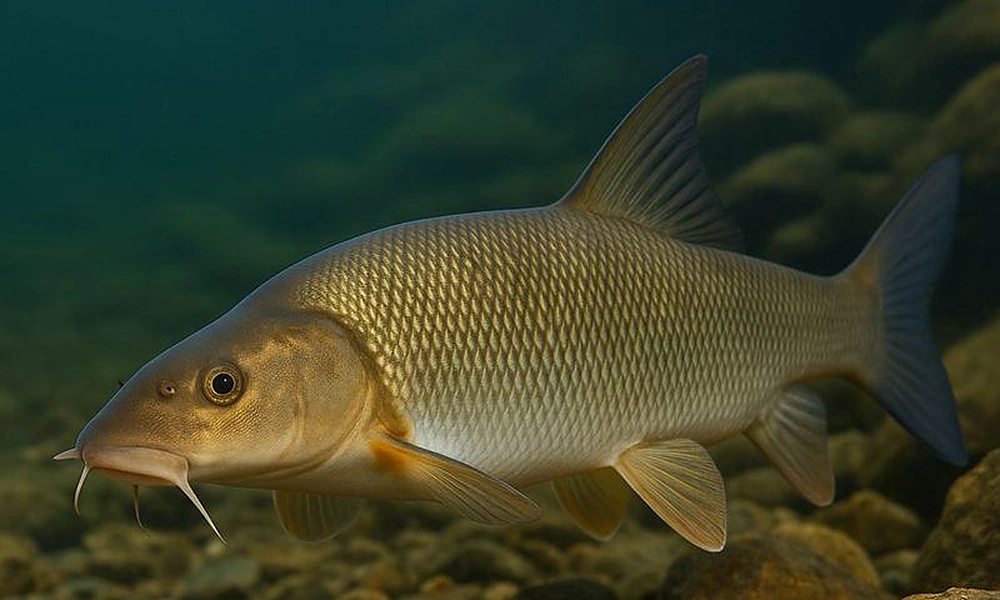
- Scientific Name: Barbus and related genera
- Family: Cyprinidae
- Habitat: Rivers, streams, and lakes
- Range: Africa, Europe, and Asia
- Size and Weight: From about 3 cm to over 1 m (large mahseer)
- Diet: Insects, plants, algae, and small animals
- Lifespan: About 3–10 years depending on species
- Conservation Status: Varies by species
- Key Fact: Many have whisker-like barbels near the mouth, and several are popular aquarium fish.
Barracuda
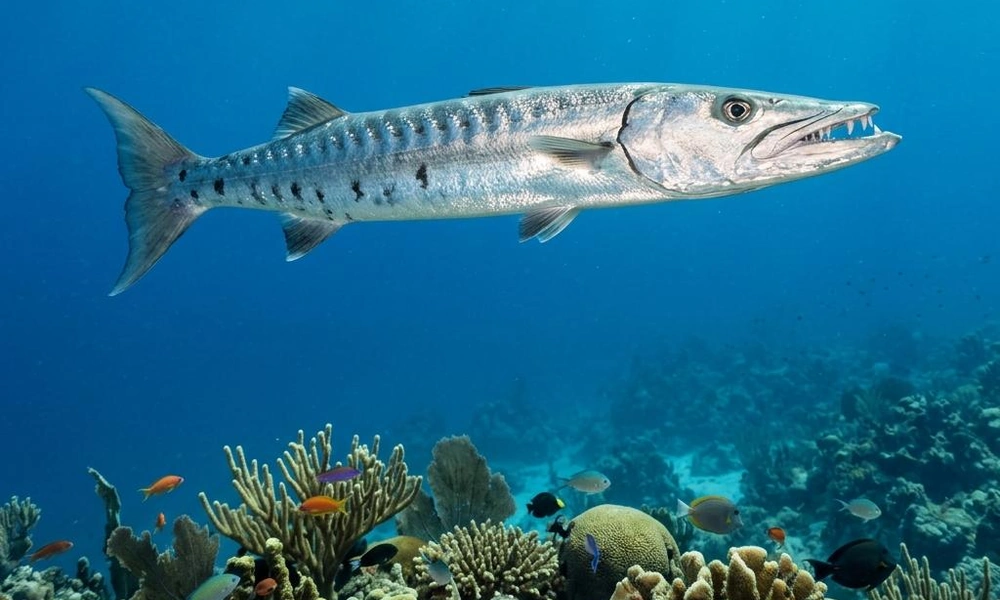
- Scientific Name: Sphyraena spp. (about 29 species); the great barracuda is Sphyraena barracuda
- Family: Sphyraenidae
- Habitat: Coral reefs, seagrass beds, and open water
- Range: Tropical and subtropical oceans
- Size and Weight: Great barracuda up to about 1.7 m; typically 5–10 kg, up to about 50 kg
- Diet: Fish and squid
- Lifespan: About 14 years
- Conservation Status: Great barracuda is Least Concern
- Key Fact: It can strike at speeds of around 40 km/h.
Barramundi
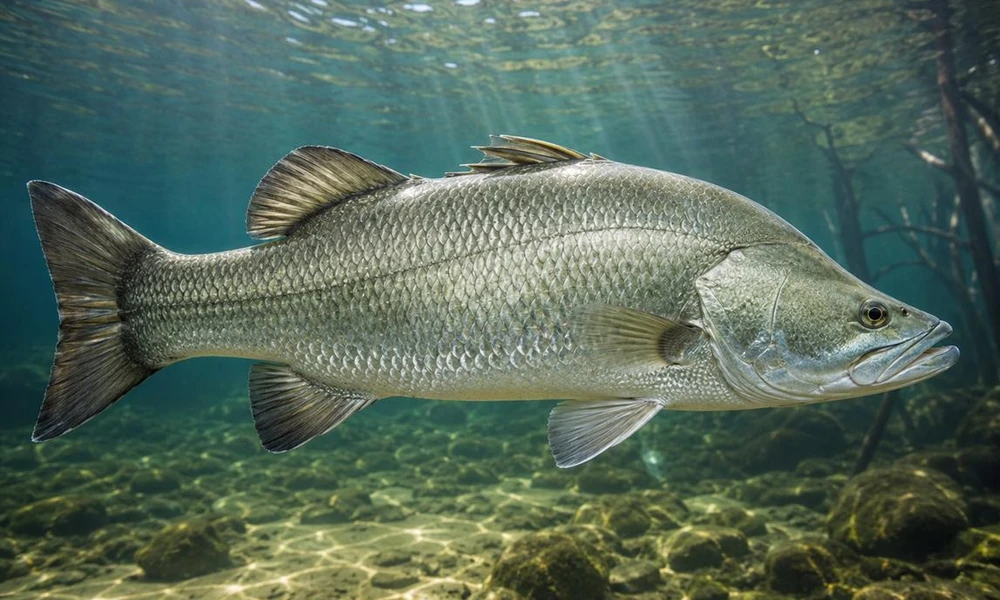
- Scientific Name: Lates calcarifer
- Family: Latidae
- Habitat: Estuaries, rivers, mangroves, and coastal waters
- Range: Indo-West Pacific, from the Persian Gulf to northern Australia
- Size and Weight: 0.6–1.2 m long, up to about 1.8 m; typically 4–20 kg, up to about 60 kg
- Diet: Fish, crustaceans, and mollusks
- Lifespan: Up to about 20 years
- Conservation Status: Least Concern
- Key Fact: It starts life as a male and many individuals later become female.
Barreleye
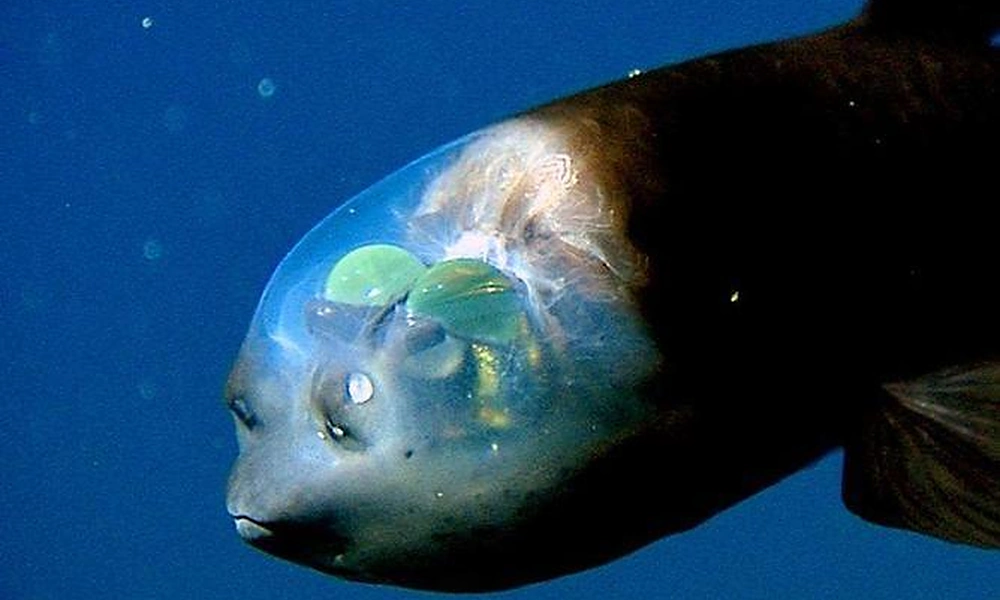
- Scientific Name: Macropinna microstoma (Pacific barreleye) and other Opisthoproctidae
- Family: Opisthoproctidae
- Habitat: Deep ocean, usually 600–800 m down
- Range: North Pacific (Macropinna); the family occurs in all oceans
- Size and Weight: About 15 cm long; very light
- Diet: Small drifting prey, including zooplankton and jellyfish
- Lifespan: Not known
- Conservation Status: Least Concern
- Key Fact: Its tubular eyes can swivel upward inside a transparent, fluid-filled dome on its head.
Bass
- Scientific Name: Varies (for example Micropterus salmoides, the largemouth bass, and Morone saxatilis, the striped bass)
- Family: Several, including Centrarchidae and Moronidae
- Habitat: Lakes, rivers, estuaries, and coastal waters
- Range: Worldwide, depending on species
- Size and Weight: Largemouth bass up to about 97 cm and 10 kg
- Diet: Fish, insects, and crustaceans
- Lifespan: Largemouth bass up to about 16 years
- Conservation Status: Varies by species
- Key Fact: “Bass” is applied to many unrelated fish.
Beluga Sturgeon
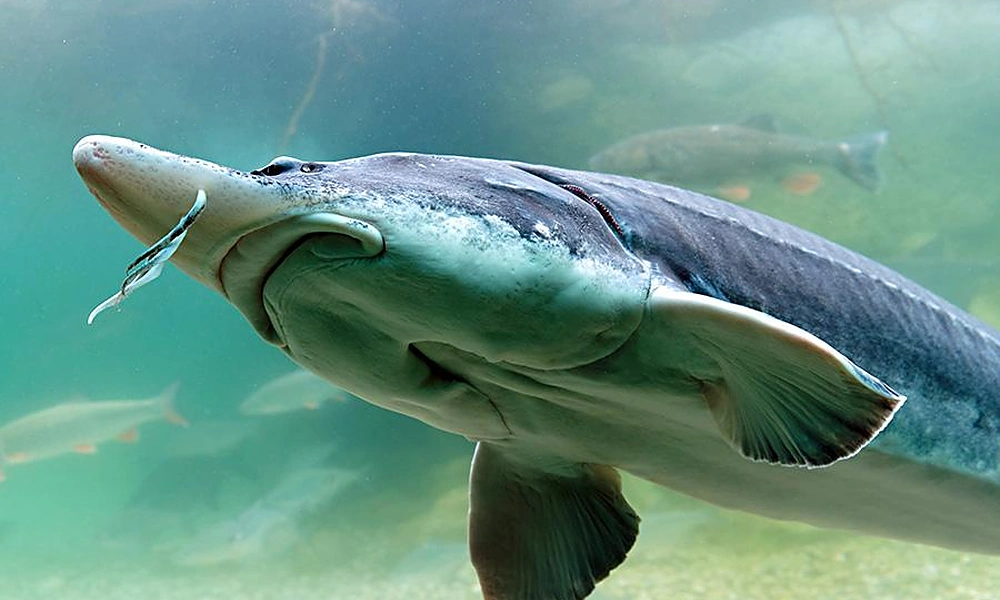
- Scientific Name: Huso huso
- Family: Acipenseridae
- Habitat: Large rivers, seas, and estuaries
- Range: Caspian, Black, and Azov Sea basins
- Size and Weight: 2–4 m long, with reports up to over 7 m; 100–1,000 kg
- Diet: Fish and crustaceans
- Lifespan: Often 60–100 years
- Conservation Status: Critically Endangered
- Key Fact: It is one of the largest freshwater fish and is prized for beluga caviar.
Betta
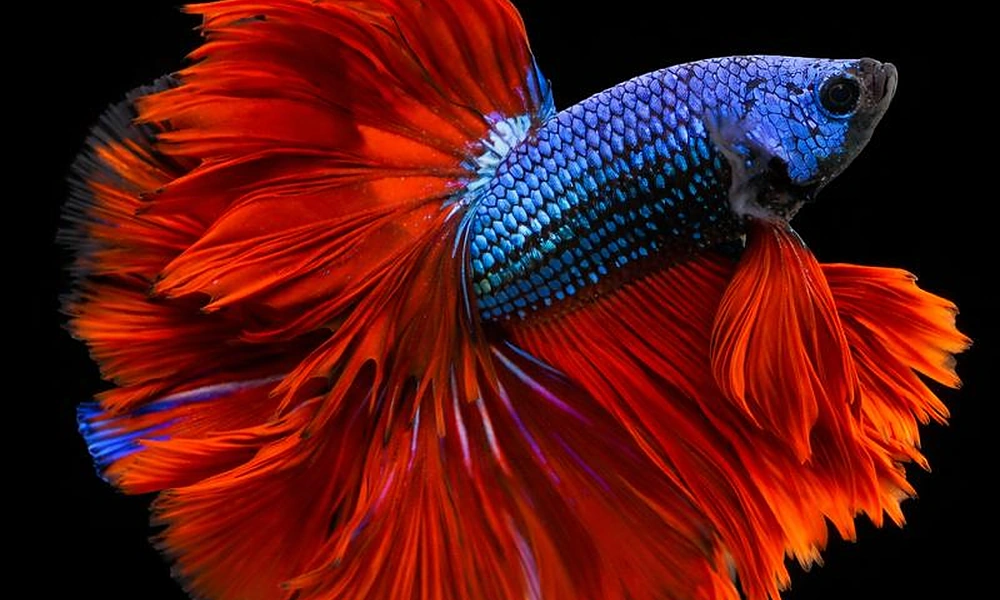
- Scientific Name: Betta splendens
- Family: Osphronemidae
- Habitat: Rice paddies, ponds, and slow streams
- Range: Thailand, Cambodia, Laos, and Vietnam
- Size and Weight: 6–7 cm long; about 2–3 g
- Diet: Insects, larvae, and small crustaceans
- Lifespan: 2–4 years in the wild; up to 5 in captivity
- Conservation Status: Vulnerable
- Key Fact: It breathes air at the surface using a special organ called the labyrinth.
Bitterling
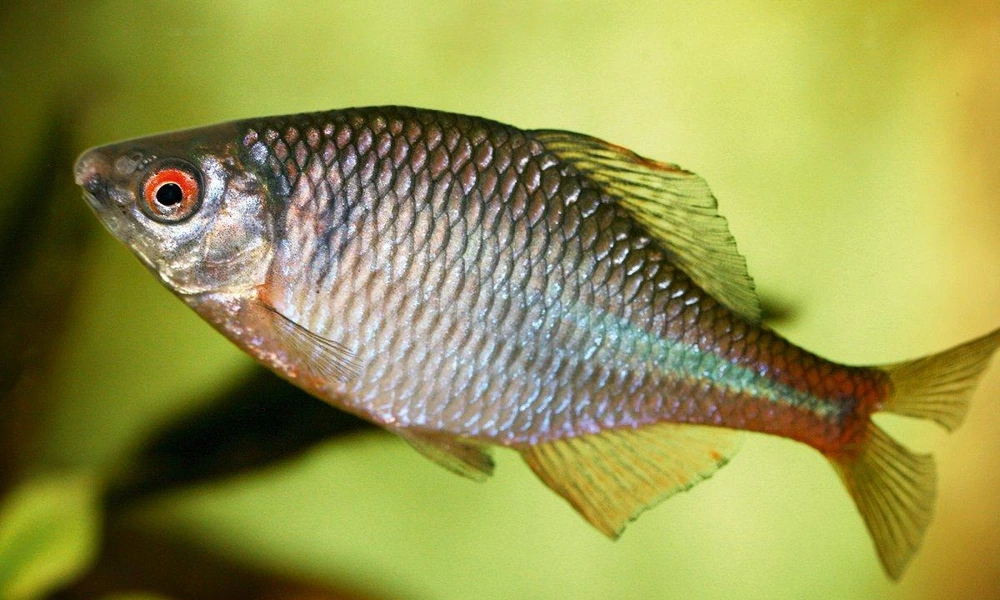
- Scientific Name: Rhodeus spp. (for example Rhodeus amarus, the European bitterling)
- Family: Acheilognathidae
- Habitat: Slow rivers, ponds, and lakes with freshwater mussels
- Range: Europe and Asia
- Size and Weight: 5–9 cm long; 5–10 g
- Diet: Algae, plants, and small invertebrates
- Lifespan: About 4–5 years
- Conservation Status: European bitterling is Least Concern
- Key Fact: Females lay eggs inside living freshwater mussels.
Blobfish
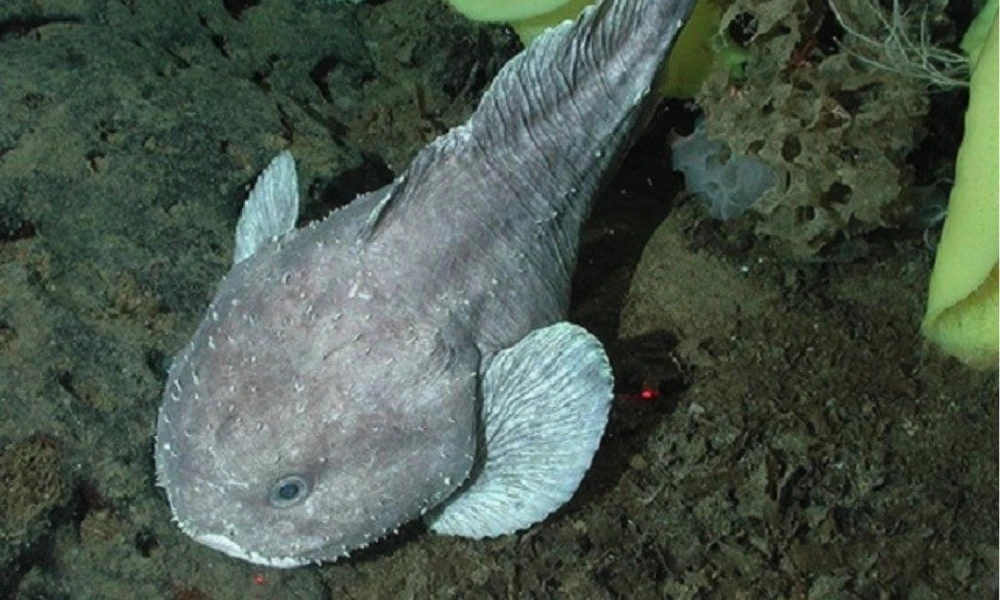
- Scientific Name: Psychrolutes marcidus
- Family: Psychrolutidae
- Habitat: Deep seafloor, about 600–1,200 m
- Range: Waters off southeastern Australia, Tasmania, and New Zealand
- Size and Weight: Up to about 30 cm long; around 2 kg
- Diet: Crustaceans and mollusks
- Lifespan: Not well known
- Conservation Status: Not formally assessed
- Key Fact: It looks like a drooping blob at the surface because its body is built for deep-sea pressure.
Blue Marlin
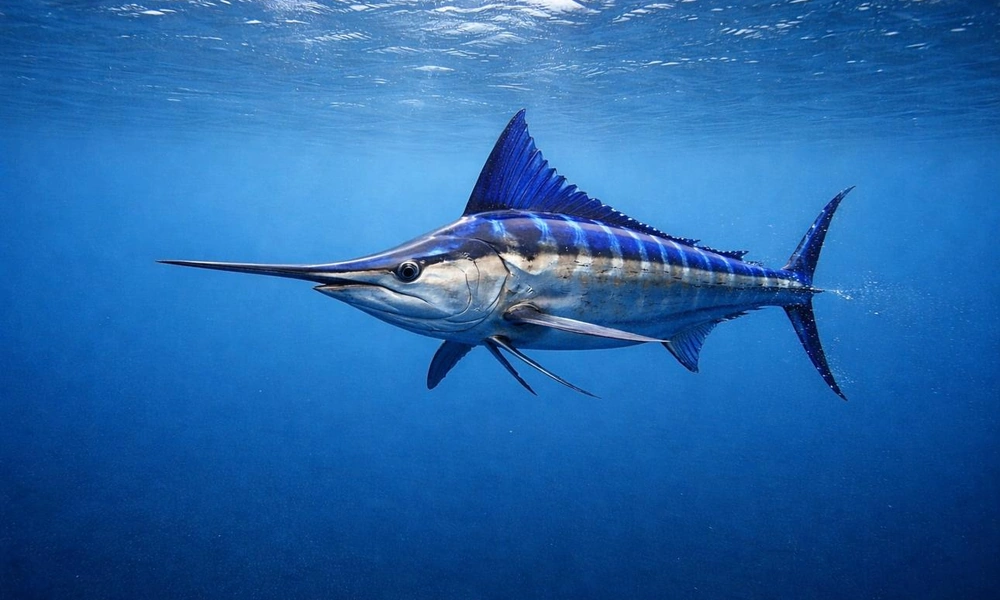
- Scientific Name: Makaira nigricans
- Family: Istiophoridae
- Habitat: Open ocean
- Range: Atlantic Ocean (a related species lives in the Indo-Pacific)
- Size and Weight: 2–4.3 m long; females up to over 800 kg
- Diet: Fish and squid
- Lifespan: About 20–27 years
- Conservation Status: Vulnerable
- Key Fact: It can swim at speeds approaching 80 km/h.
Bluefish
- Scientific Name: Pomatomus saltatrix
- Family: Pomatomidae
- Habitat: Open coastal and offshore waters
- Range: Temperate and subtropical oceans, except the eastern Pacific
- Size and Weight: 30–100 cm long; typically 1–7 kg, up to about 14 kg
- Diet: Fish and squid
- Lifespan: About 9–12 years
- Conservation Status: Vulnerable
- Key Fact: It sometimes hunts in schools so aggressively that the water seems to boil.
Bluegill
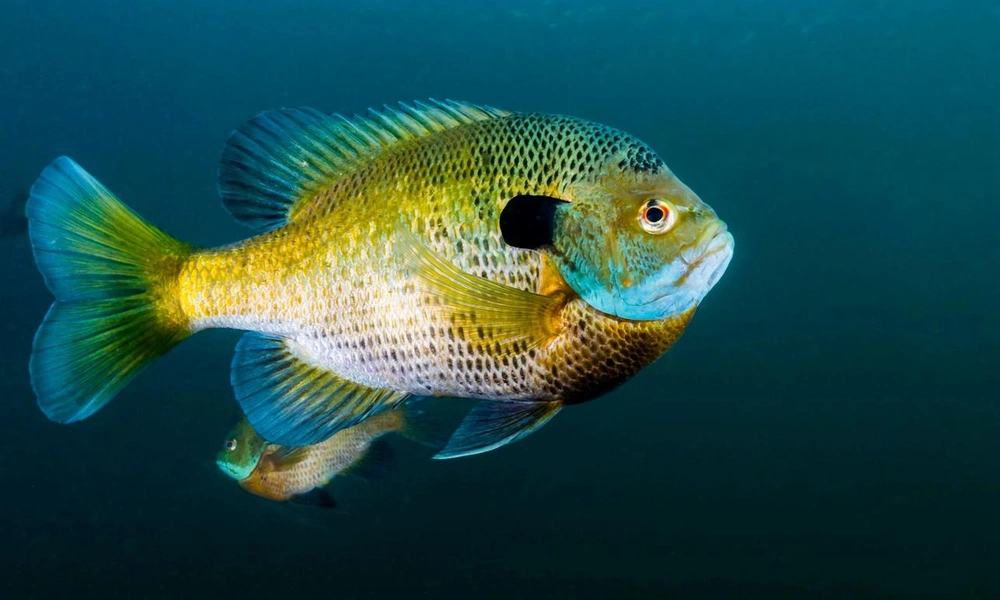
- Scientific Name: Lepomis macrochirus
- Family: Centrarchidae
- Habitat: Lakes, ponds, and slow rivers
- Range: Eastern and central North America; introduced elsewhere
- Size and Weight: 15–25 cm long; typically 100–400 g, up to about 2 kg
- Diet: Insects, small crustaceans, and plants
- Lifespan: 4–8 years, occasionally up to 11
- Conservation Status: Least Concern
- Key Fact: Males guard shallow nest hollows and fan the eggs.
Bonefish
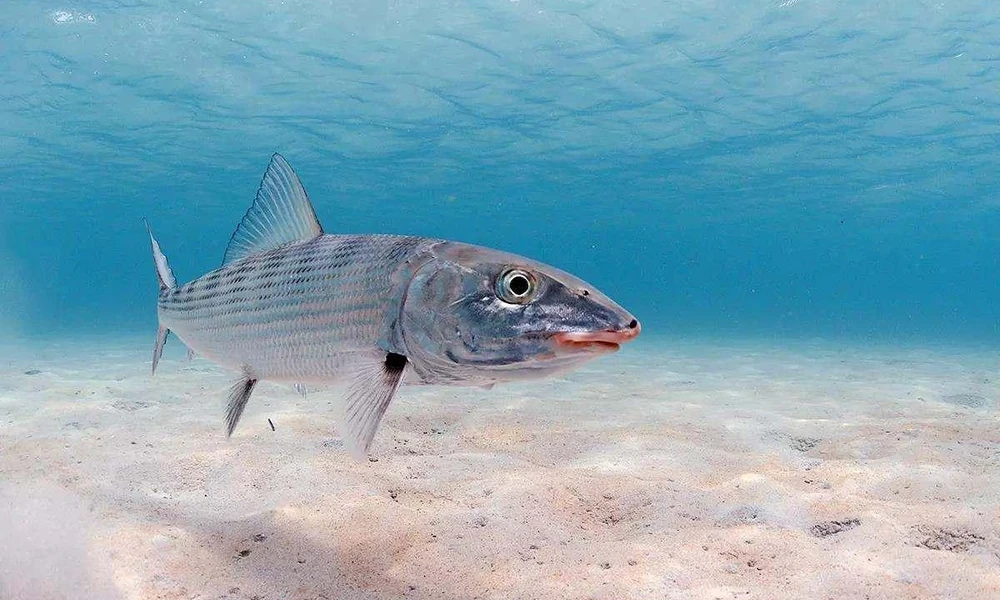
- Scientific Name: Albula vulpes
- Family: Albulidae
- Habitat: Shallow sand and mud flats and mangroves
- Range: Tropical and subtropical Atlantic and Caribbean waters
- Size and Weight: 40–70 cm long, up to about 1 m; 2–5 kg
- Diet: Crabs, shrimp, and worms
- Lifespan: About 19 years
- Conservation Status: Near Threatened
- Key Fact: It is a favorite target of fly anglers because of its speed.
Bowfin
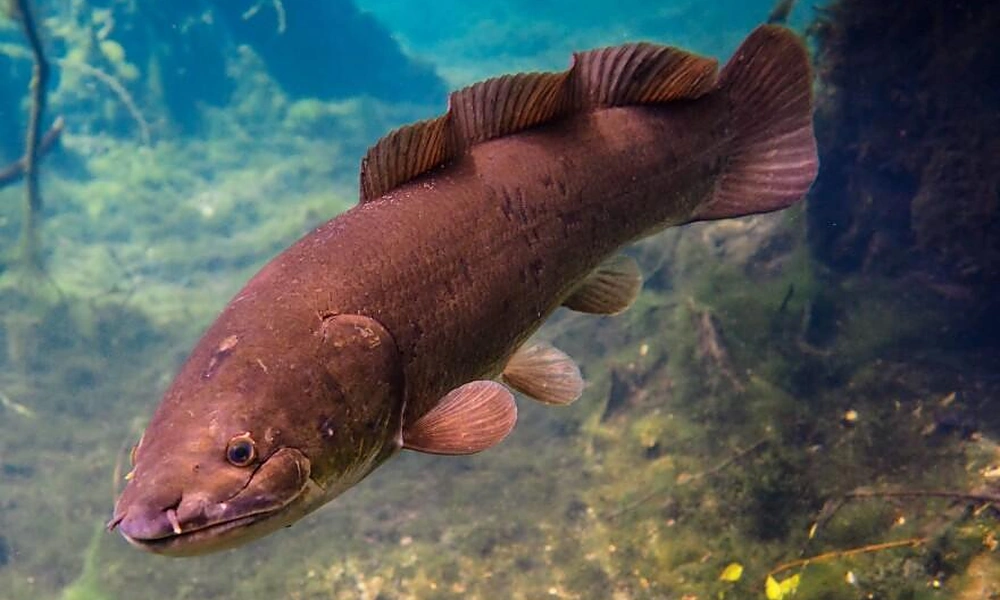
- Scientific Name: Amia calva
- Family: Amiidae
- Habitat: Swamps, backwaters, and slow rivers
- Range: Eastern and central North America
- Size and Weight: 40–70 cm long; 1.5–4 kg
- Diet: Fish, crayfish, and insects
- Lifespan: About 10–12 years in the wild; up to about 30 in captivity
- Conservation Status: Least Concern
- Key Fact: Its lineage dates back well over 100 million years.
Bream
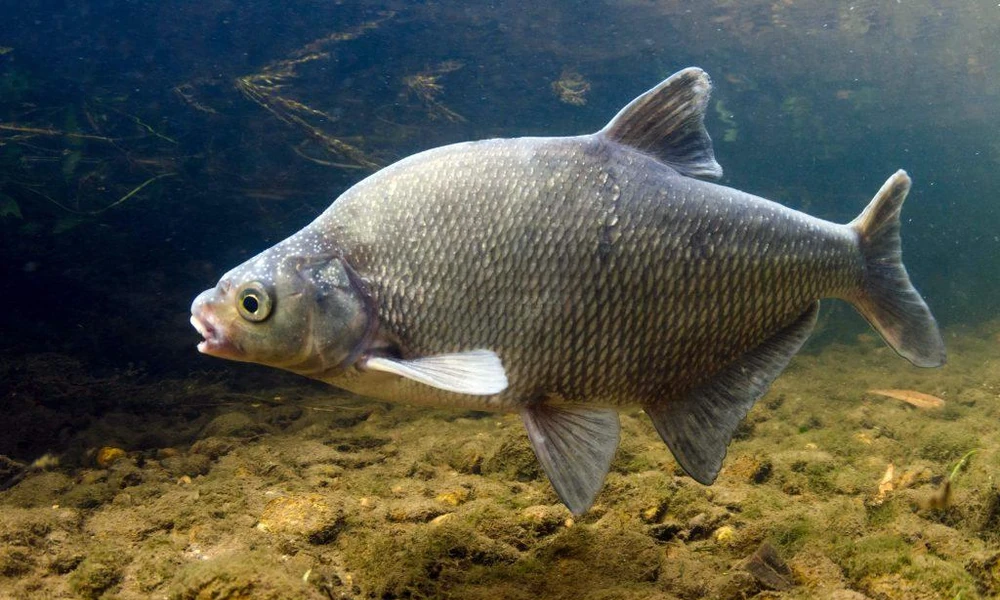
- Scientific Name: Abramis brama (common bream) and other species
- Family: Cyprinidae (common bream); sea breams belong to Sparidae
- Habitat: Lakes, slow rivers, and coastal waters
- Range: Europe (common bream); sea breams occur worldwide
- Size and Weight: Common bream usually 30–50 cm, up to about 80 cm; 1–4 kg
- Diet: Insects, worms, mollusks, and plants
- Lifespan: Up to about 23 years
- Conservation Status: Common bream is Least Concern
- Key Fact: “Bream” is used for several unrelated fish groups.
Brook Trout
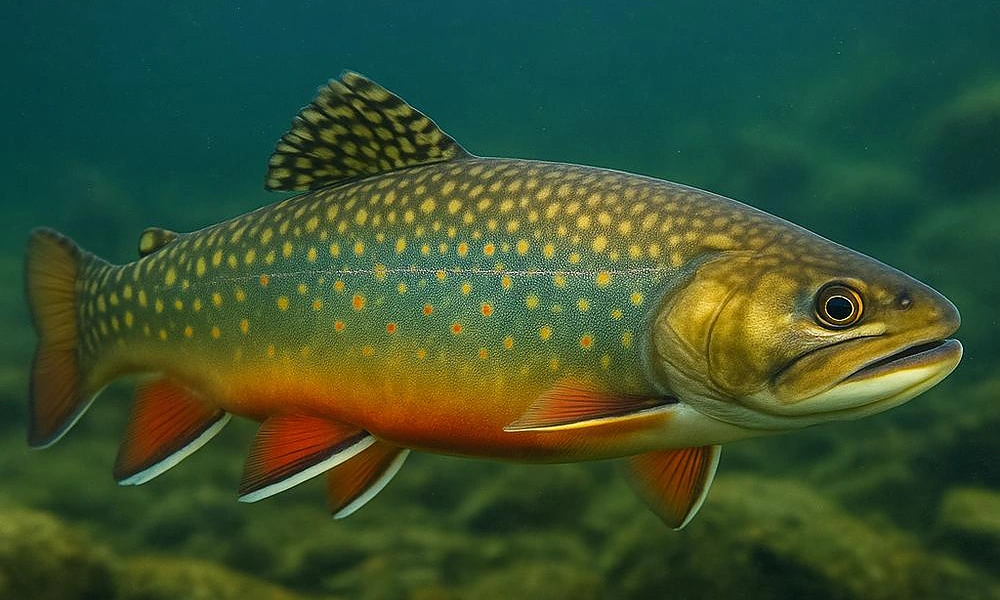
- Scientific Name: Salvelinus fontinalis
- Family: Salmonidae
- Habitat: Cold, clear streams, lakes, and ponds
- Range: Eastern North America; introduced elsewhere
- Size and Weight: 25–65 cm long; 0.5–3 kg
- Diet: Insects, crustaceans, and small fish
- Lifespan: About 5–6 years
- Conservation Status: Least Concern
- Key Fact: It is a char rather than a true trout.
Brown Trout
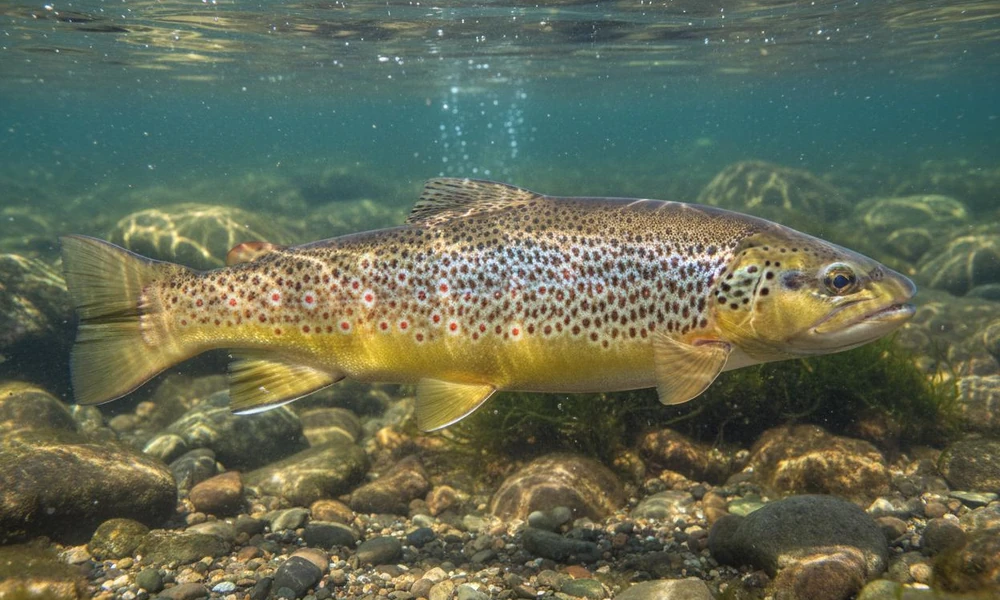
- Scientific Name: Salmo trutta
- Family: Salmonidae
- Habitat: Cold rivers, streams, and lakes
- Range: Europe, North Africa, and western Asia; introduced worldwide
- Size and Weight: 20–80 cm long; 0.3–5 kg, occasionally larger
- Diet: Insects, crustaceans, and fish
- Lifespan: 5–10 years, up to 20
- Conservation Status: Least Concern
- Key Fact: Some populations migrate to the sea and return to rivers to spawn.
Bullhead
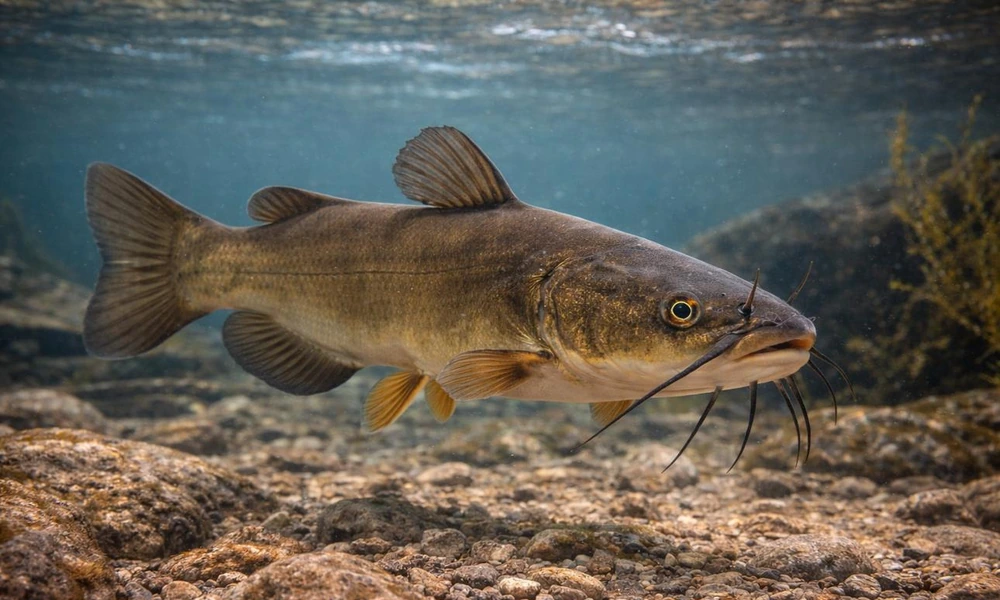
- Scientific Name: Ameiurus spp. (for example Ameiurus nebulosus, the brown bullhead)
- Family: Ictaluridae
- Habitat: Ponds, lakes, and slow streams with muddy bottoms
- Range: Eastern and central North America; introduced elsewhere
- Size and Weight: 20–40 cm long; about 0.3–1.5 kg
- Diet: Insects, snails, plants, and small fish
- Lifespan: About 6–8 years
- Conservation Status: Least Concern
- Key Fact: It uses barbels, which work like whiskers, to find food in murky water.
Burbot
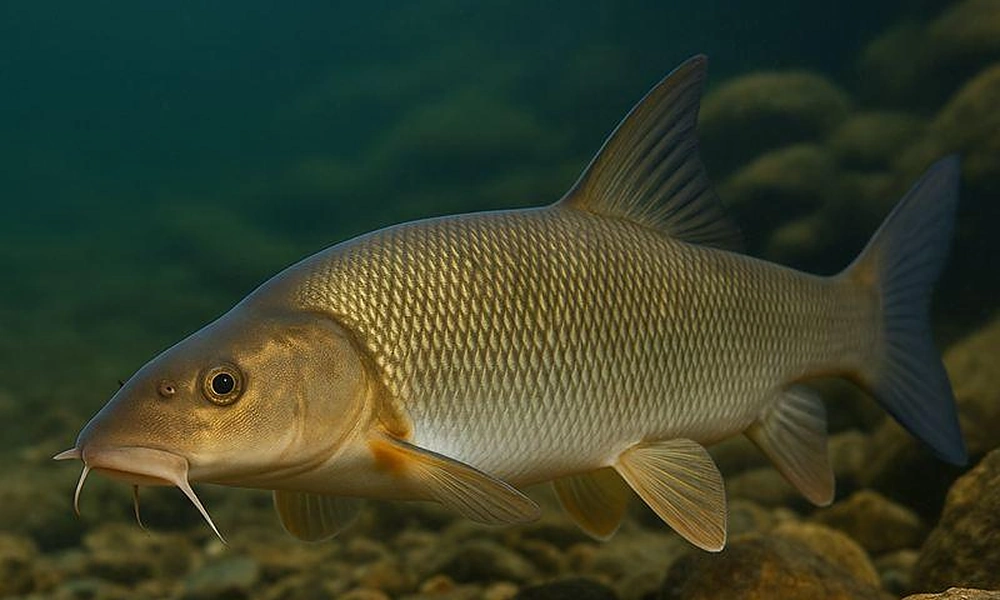
- Scientific Name: Lota lota
- Family: Lotidae
- Habitat: Cold lakes and rivers
- Range: Northern Europe, Asia, and North America
- Size and Weight: 30–100 cm long, up to about 1.5 m; 1–7 kg
- Diet: Fish, crustaceans, and insects
- Lifespan: Up to about 15 years or more
- Conservation Status: Least Concern
- Key Fact: It is the only freshwater member of the cod order.
Butterflyfish
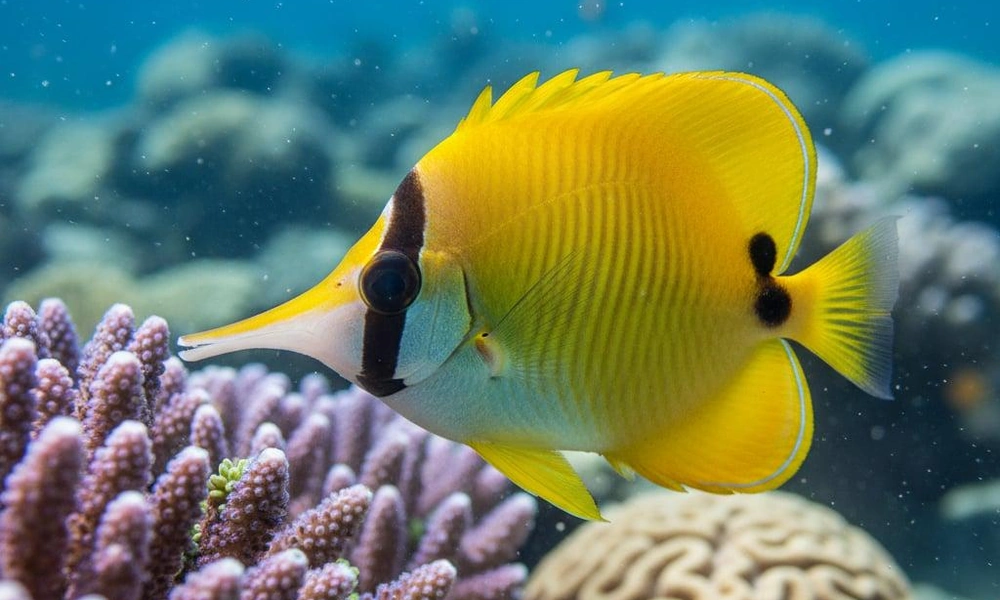
- Scientific Name: Family Chaetodontidae (about 129 species)
- Family: Chaetodontidae
- Habitat: Coral reefs and rocky coasts
- Range: Tropical Indo-Pacific and Atlantic oceans
- Size and Weight: About 12–22 cm long; typically under 200 g
- Diet: Coral polyps, algae, and small invertebrates
- Lifespan: Several years; some species up to about 10
- Conservation Status: Mostly Least Concern; a few are threatened
- Key Fact: Many species form long-term pairs and stay together on the reef.
Sharks and Rays That Start With B
Bamboo Shark
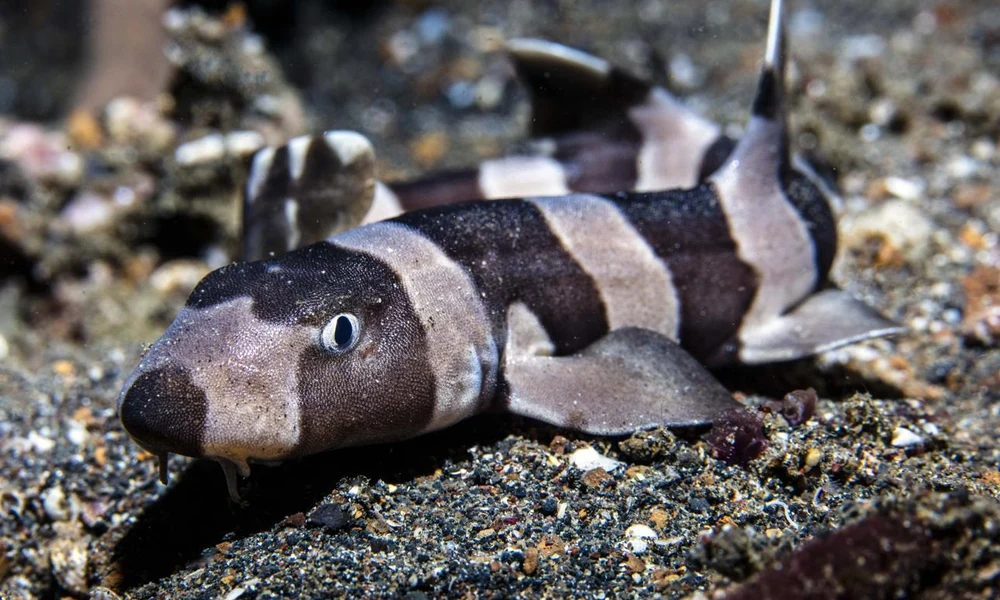
- Scientific Name: Family Hemiscylliidae (about 17 species)
- Family: Hemiscylliidae
- Habitat: Shallow coral reefs and tidal pools
- Range: Indo-West Pacific
- Size and Weight: About 50–120 cm long; roughly 1–5 kg
- Diet: Small fish, crustaceans, and worms
- Lifespan: About 20–25 years in captivity
- Conservation Status: Varies by species
- Key Fact: It can survive out of water for several hours at low tide.
Basking Shark
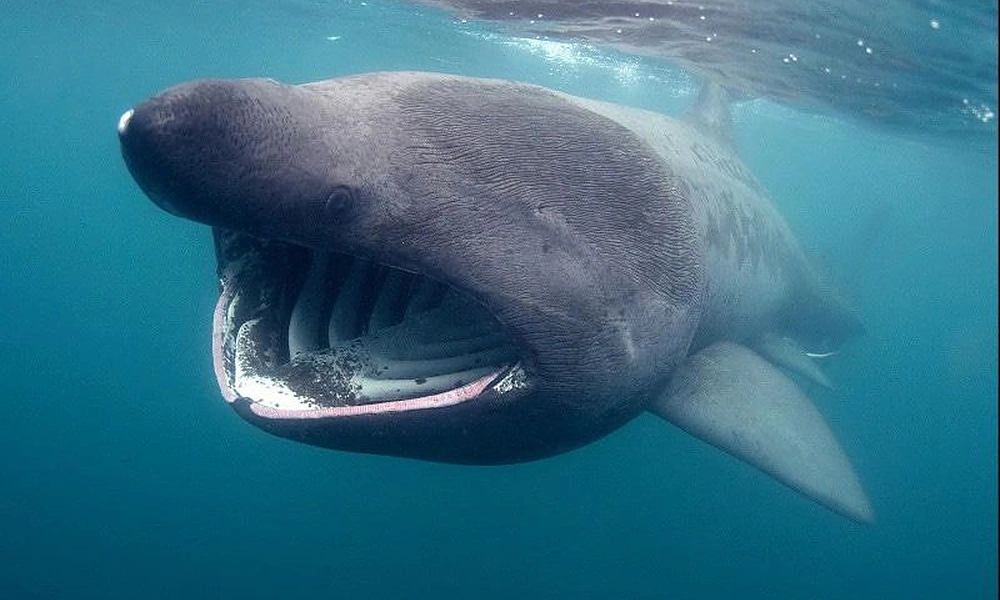
- Scientific Name: Cetorhinus maximus
- Family: Cetorhinidae
- Habitat: Temperate coastal and offshore waters
- Range: Worldwide in temperate seas
- Size and Weight: 6–8 m long, up to about 12 m; roughly 4–5 tonnes
- Diet: Zooplankton filtered from the water
- Lifespan: About 50 years
- Conservation Status: Endangered
- Key Fact: It swims with its huge mouth open and filters thousands of cubic meters of water an hour.
Bat Ray
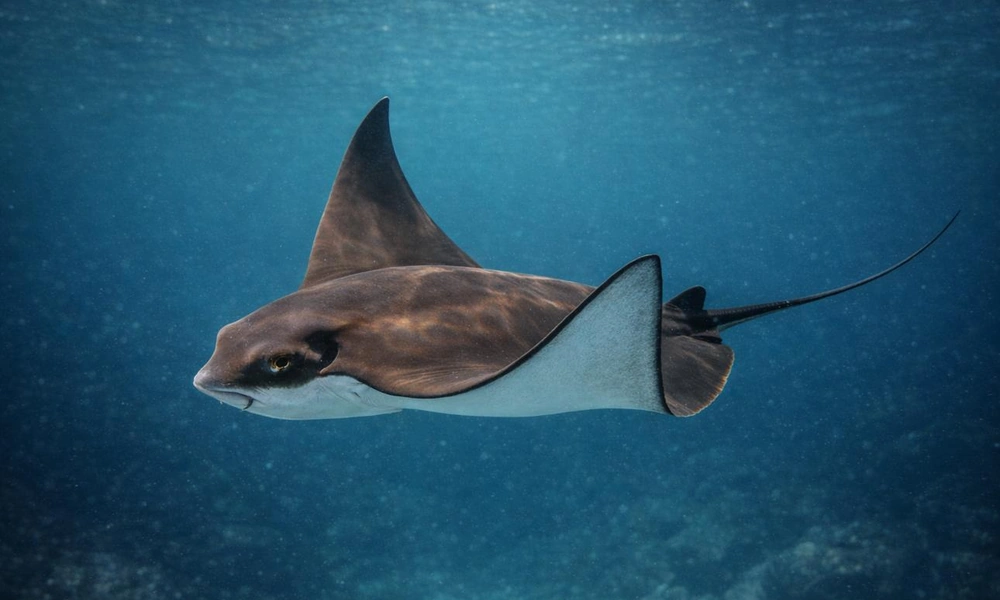
- Scientific Name: Myliobatis californica
- Family: Myliobatidae
- Habitat: Sandy and muddy bays, kelp forests, and estuaries
- Range: Eastern Pacific, from Oregon to the Gulf of California
- Size and Weight: Disc width up to about 1.8 m; up to about 90 kg
- Diet: Clams, worms, and crustaceans
- Lifespan: About 23–24 years
- Conservation Status: Least Concern
- Key Fact: It flaps its wing-like fins to uncover prey buried in sediment.
Blacktip Reef Shark
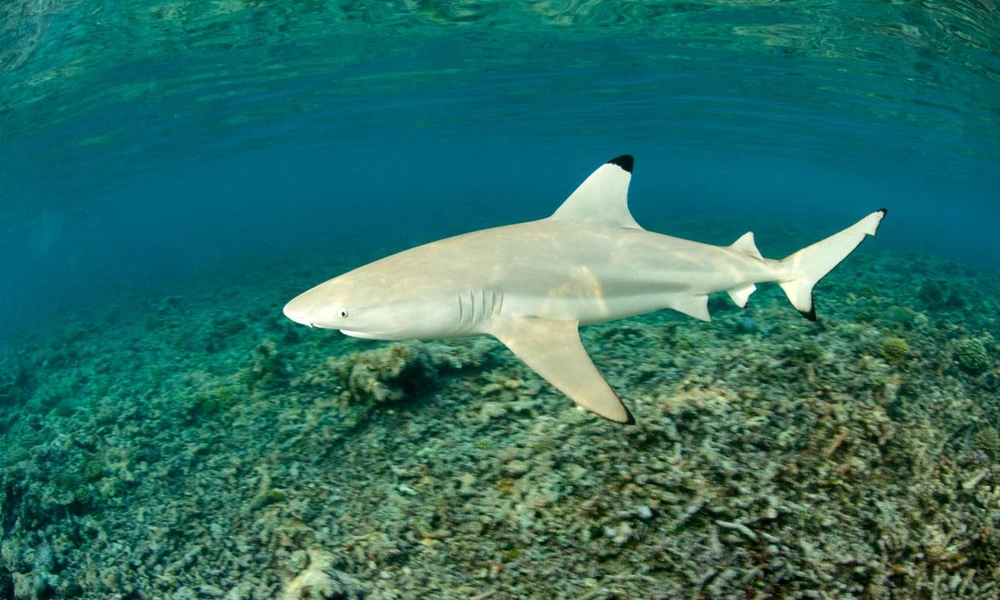
- Scientific Name: Carcharhinus melanopterus
- Family: Carcharhinidae
- Habitat: Shallow reef flats and lagoons
- Range: Indo-Pacific
- Size and Weight: 1.6–1.8 m long; about 13–18 kg
- Diet: Fish, squid, and crustaceans
- Lifespan: About 10–25 years
- Conservation Status: Near Threatened
- Key Fact: It is a common reef shark that is shy and rarely harms people.
Blue Shark
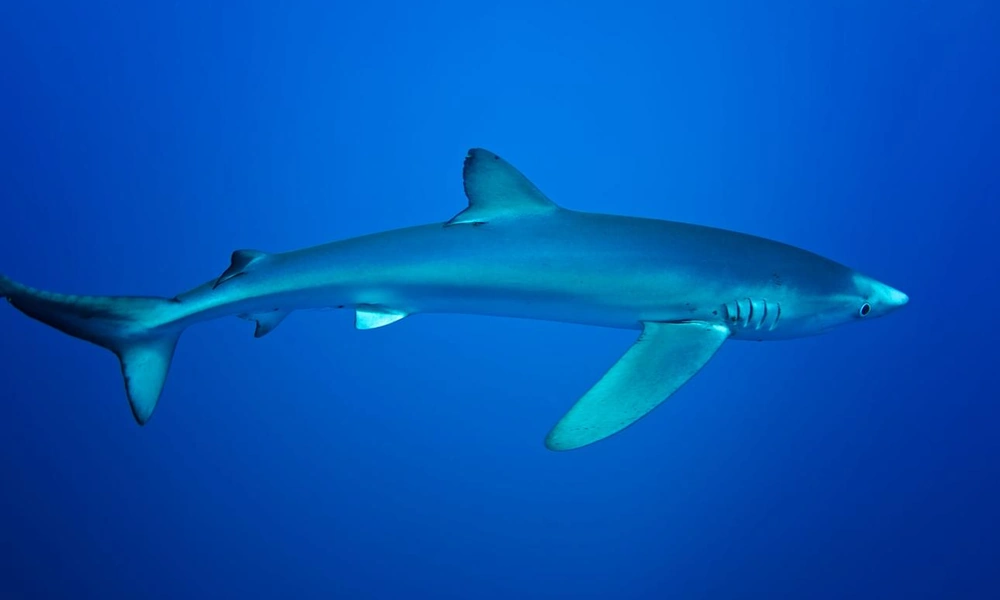
- Scientific Name: Prionace glauca
- Family: Carcharhinidae
- Habitat: Open ocean
- Range: Temperate and tropical oceans worldwide
- Size and Weight: 2–3.8 m long; about 30–200 kg
- Diet: Fish and squid
- Lifespan: About 20 years
- Conservation Status: Near Threatened
- Key Fact: It undertakes long migrations across entire ocean basins.
Bluntnose Sixgill Shark
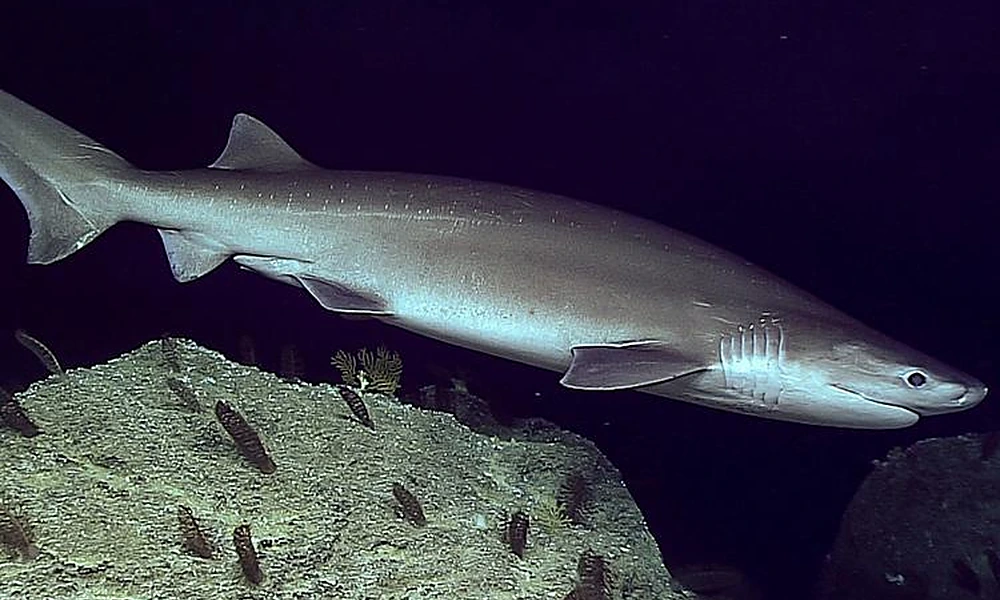
- Scientific Name: Hexanchus griseus
- Family: Hexanchidae
- Habitat: Deep water on continental slopes
- Range: Temperate and tropical oceans worldwide
- Size and Weight: 3–4.8 m long; up to about 590 kg
- Diet: Fish, rays, squid, and crustaceans
- Lifespan: Estimated 50 years or more
- Conservation Status: Least Concern
- Key Fact: It rises toward the surface at night and descends again by day.
Bonnethead Shark
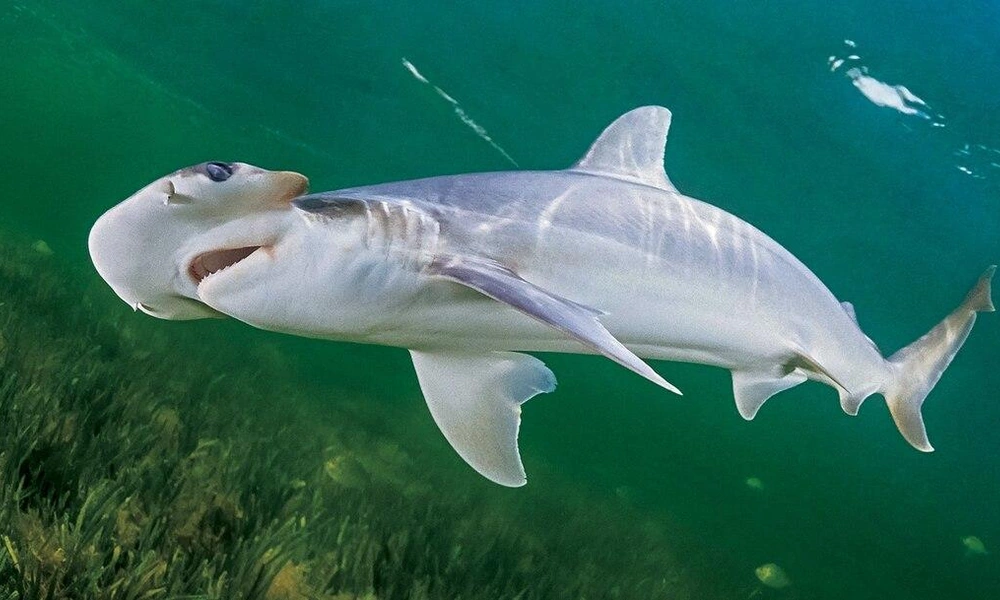
- Scientific Name: Sphyrna tiburo
- Family: Sphyrnidae
- Habitat: Shallow bays, estuaries, and seagrass beds
- Range: Western Atlantic and eastern Pacific
- Size and Weight: 0.9–1.5 m long; about 4–10 kg
- Diet: Crabs, shrimp, and seagrass
- Lifespan: About 12–16 years
- Conservation Status: Least Concern
- Key Fact: It is the only shark known to digest plant material as a regular part of its diet.
Bull Shark
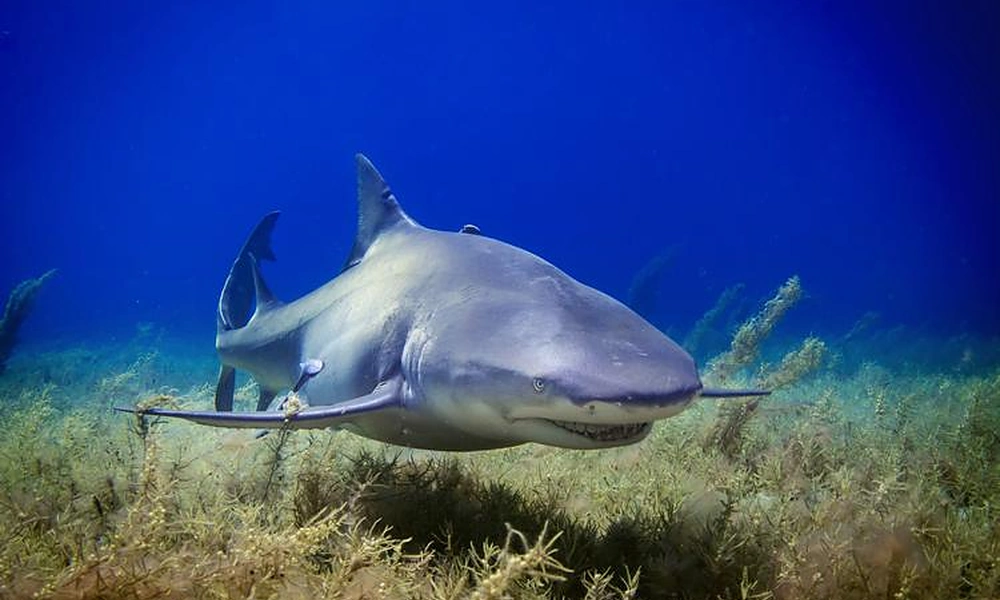
- Scientific Name: Carcharhinus leucas
- Family: Carcharhinidae
- Habitat: Coastal waters, estuaries, and rivers
- Range: Tropical and subtropical waters worldwide
- Size and Weight: 2.1–3.4 m long; about 90–230 kg
- Diet: Fish, rays, turtles, birds, and dolphins
- Lifespan: About 16 years in the wild; up to 25 or more
- Conservation Status: Vulnerable
- Key Fact: It can live in both salt water and fresh water and has been found far up rivers.
Marine Invertebrates That Start With B
Barnacle
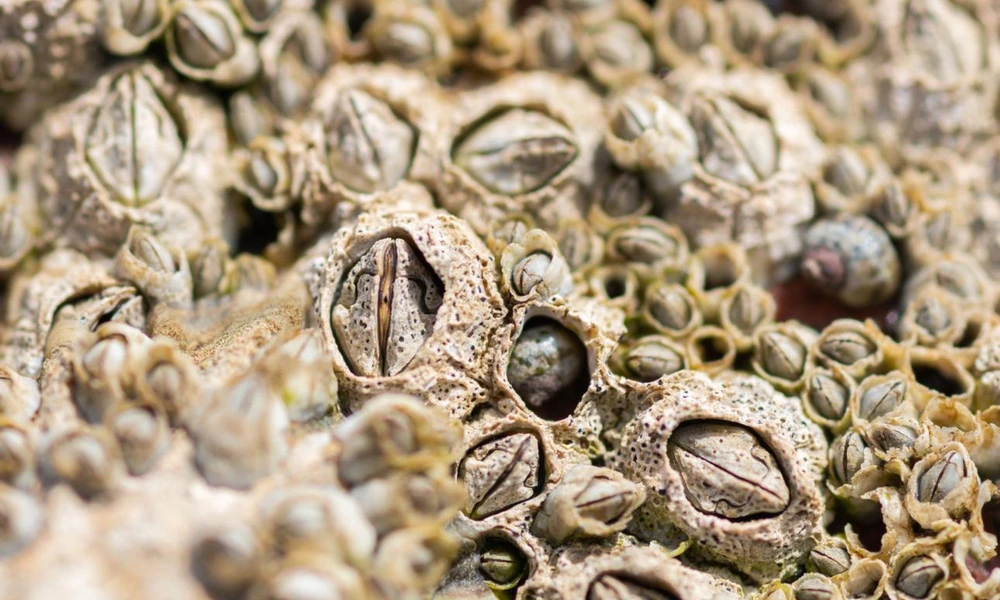
- Scientific Name: Subclass Cirripedia (about 1,200 species)
- Family: Several, including Balanidae (acorn barnacles)
- Habitat: Rocky shores, piers, boat hulls, and animals such as whales
- Range: All oceans
- Size and Weight: Typically 1–5 cm; very light
- Diet: Plankton filtered with feathery legs
- Lifespan: About 5–10 years; some up to 20
- Conservation Status: Not assessed as a group
- Key Fact: It is a crustacean related to crabs, and it cements itself head-first to a surface.
Barrel Sponge
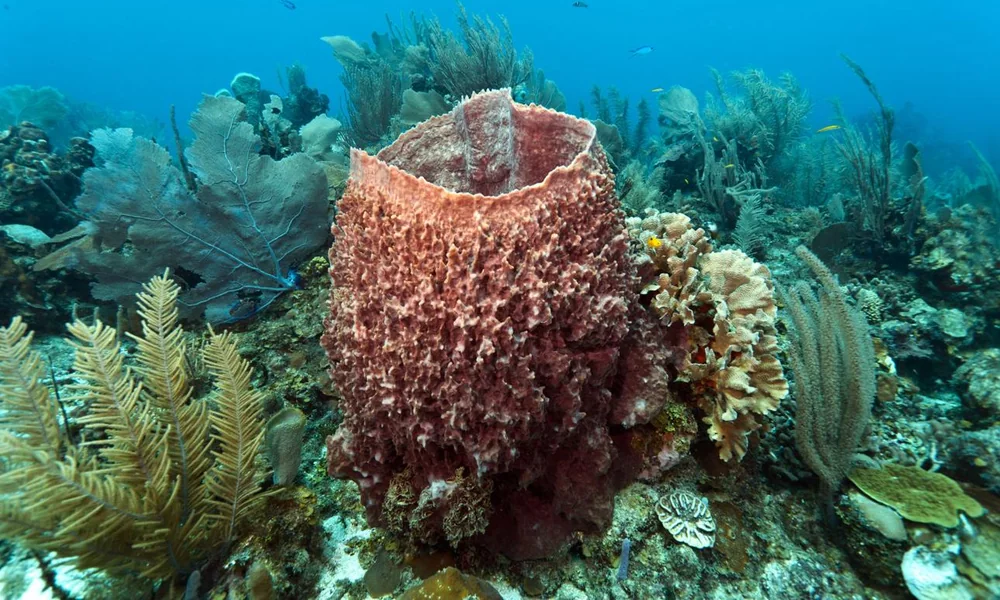
- Scientific Name: Xestospongia muta (Caribbean) and Xestospongia testudinaria (Indo-Pacific)
- Family: Petrosiidae
- Habitat: Coral reefs
- Range: Caribbean and Indo-Pacific
- Size and Weight: Up to about 1.8 m tall
- Diet: Bacteria and plankton filtered from water
- Lifespan: Possibly over 2,000 years for the largest individuals
- Conservation Status: Not assessed
- Key Fact: It pumps large volumes of water through its body each day.
Basket Star
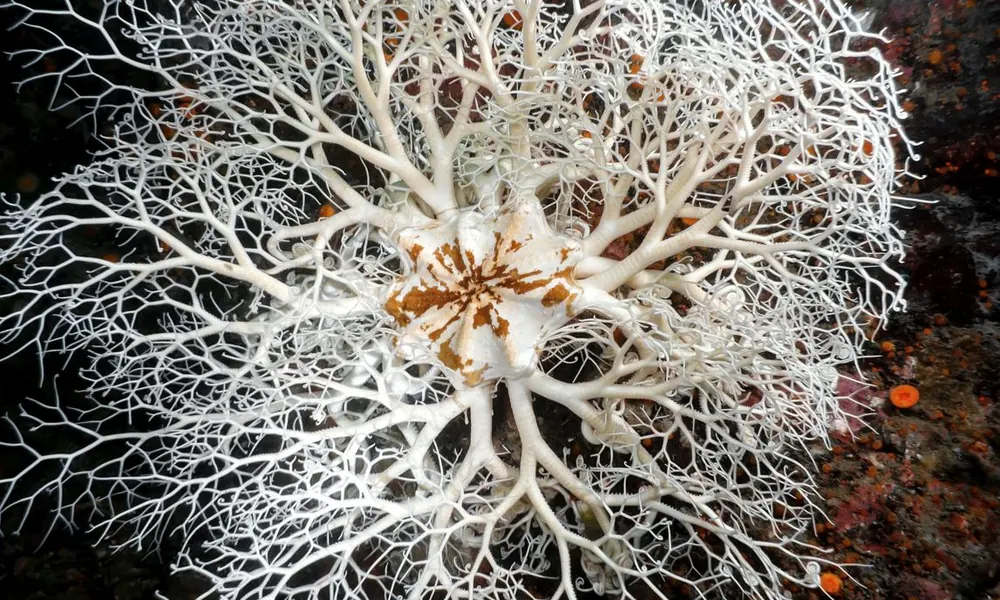
- Scientific Name: Order Euryalida (for example Gorgonocephalus spp.)
- Family: Gorgonocephalidae and related families
- Habitat: Rocky reefs, deep seafloor, and cold seas
- Range: All oceans
- Size and Weight: Arm span up to about 70 cm
- Diet: Plankton and small animals
- Lifespan: Up to several decades
- Conservation Status: Not assessed
- Key Fact: It climbs onto high perches at night and spreads its branching arms like a net.
Bay Scallop
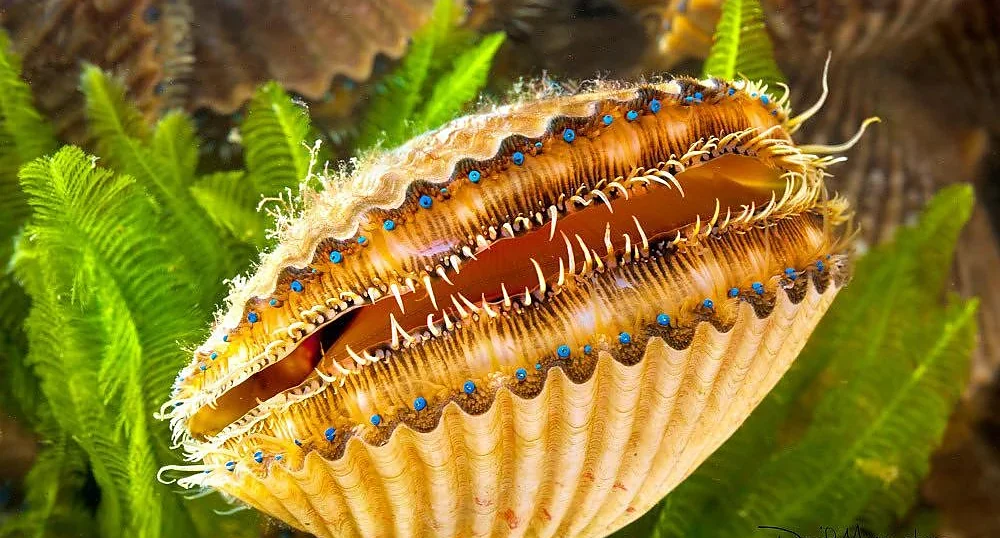
- Scientific Name: Argopecten irradians
- Family: Pectinidae
- Habitat: Shallow bays and seagrass beds
- Range: Atlantic coast of North America, from Cape Cod to the Gulf of Mexico
- Size and Weight: Shell about 5–8 cm wide
- Diet: Plankton
- Lifespan: 1–2 years
- Conservation Status: Not assessed
- Key Fact: It has up to about 100 tiny blue eyes along the edge of its mantle.
Blue Crab
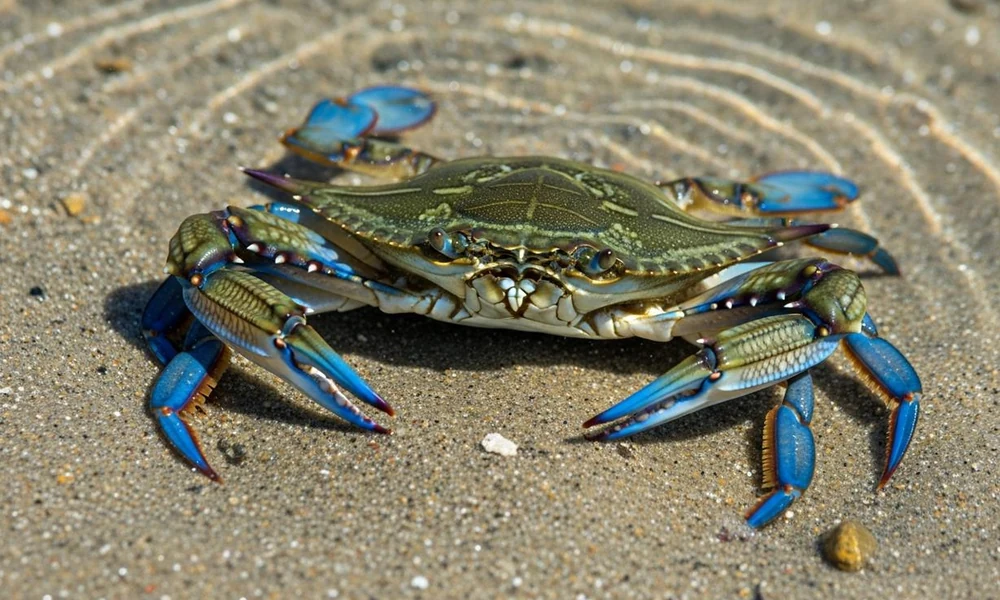
- Scientific Name: Callinectes sapidus
- Family: Portunidae
- Habitat: Estuaries, bays, and salt marshes
- Range: Western Atlantic; introduced in parts of Europe and the Mediterranean
- Size and Weight: Shell width 15–23 cm; roughly 0.3–0.5 kg
- Diet: Fish, mollusks, plants, and carrion
- Lifespan: 1–3 years
- Conservation Status: Not listed as threatened
- Key Fact: Its scientific name means “beautiful swimmer” and refers to its paddle-shaped back legs.
Blue Dragon
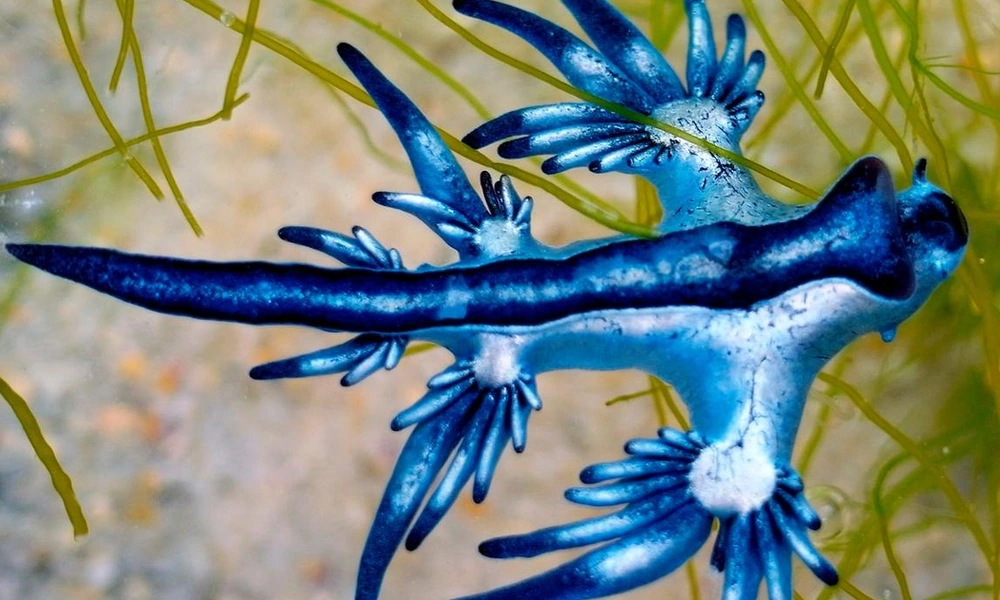
- Scientific Name: Glaucus atlanticus
- Family: Glaucidae
- Habitat: Open ocean surface
- Range: Temperate and tropical oceans worldwide
- Size and Weight: Up to about 3 cm long; very light
- Diet: Portuguese man o’ war and other floating cnidarians
- Lifespan: About 1 year
- Conservation Status: Not assessed
- Key Fact: It floats upside down by holding a bubble of air in its stomach.
Blue Mussel
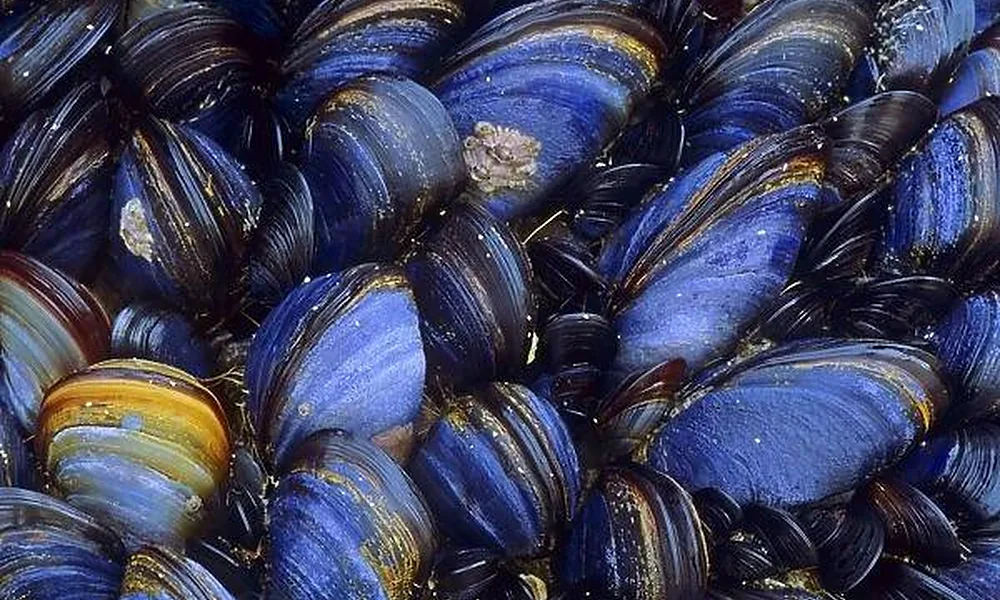
- Scientific Name: Mytilus edulis
- Family: Mytilidae
- Habitat: Rocky shores and estuaries
- Range: North Atlantic and cold coastal waters
- Size and Weight: Shell about 5–10 cm long
- Diet: Plankton filtered from water
- Lifespan: Up to about 20 years
- Conservation Status: Not assessed
- Key Fact: A single mussel can filter several liters of water per hour.
Blue-Ringed Octopus
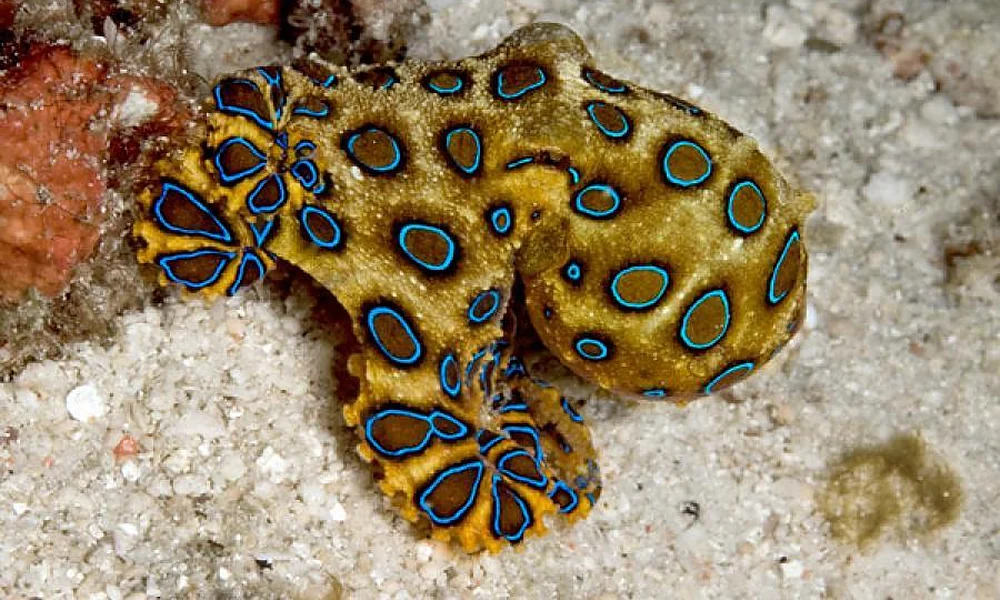
- Scientific Name: Hapalochlaena spp. (four species)
- Family: Octopodidae
- Habitat: Tide pools, reefs, and sandy seabeds
- Range: Indo-Pacific, from Japan to Australia
- Size and Weight: 12–20 cm long; about 10–100 g
- Diet: Crabs, shrimp, and small fish
- Lifespan: About 2 years
- Conservation Status: Varies; some species are Least Concern
- Key Fact: Its venom contains tetrodotoxin, which can be fatal to people.
Bobbit Worm
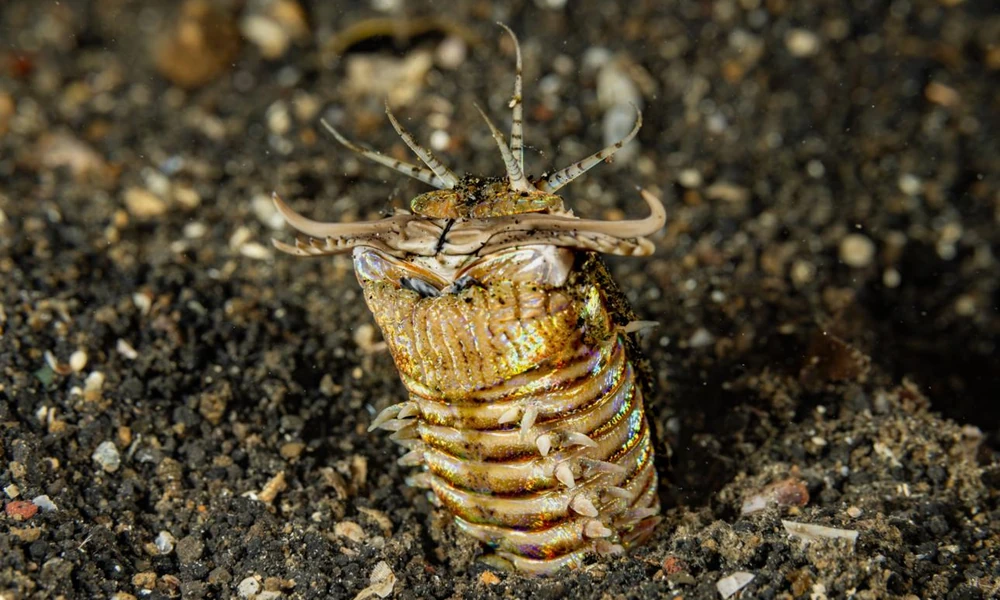
- Scientific Name: Eunice aphroditois
- Family: Eunicidae
- Habitat: Burrows in sand and mud, from shallow to deep water
- Range: Tropical and subtropical oceans
- Size and Weight: Usually 10 cm to 1 m; the longest reported is about 3 m
- Diet: Fish and other animals
- Lifespan: Not well known
- Conservation Status: Not assessed
- Key Fact: It strikes from its burrow so fast that it can cut prey in two.
Box Jellyfish
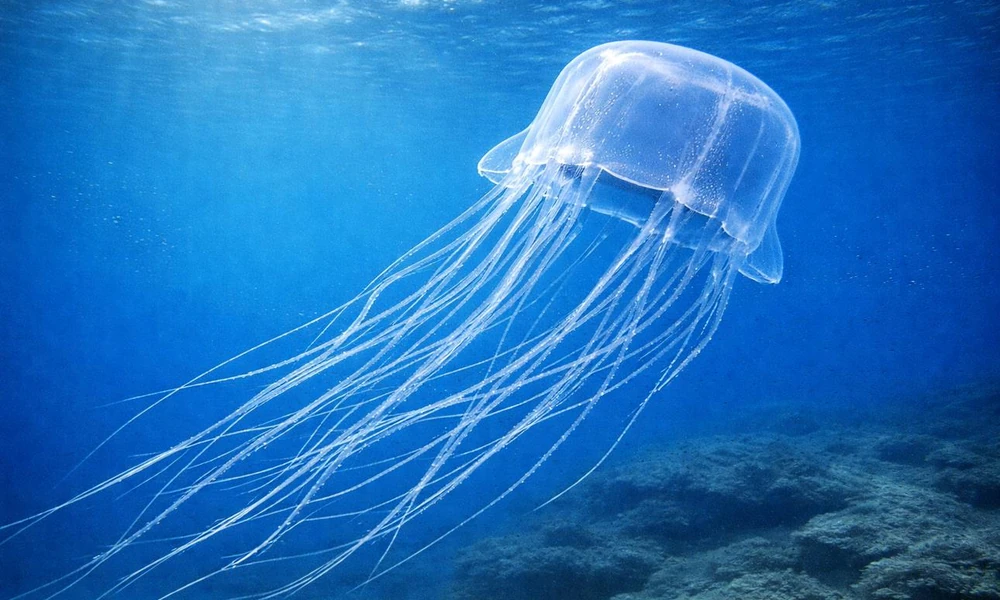
- Scientific Name: Class Cubozoa (about 50 species)
- Family: Several, including Chirodropidae and Carybdeidae
- Habitat: Coastal waters, mangroves, and estuaries
- Range: Tropical and subtropical oceans, mainly the Indo-Pacific
- Size and Weight: Bell 2–30 cm across; tentacles up to about 3 m in the largest species
- Diet: Fish and shrimp
- Lifespan: About 1 year for many species
- Conservation Status: Not assessed for most species
- Key Fact: It has 24 eyes, including some with lenses and retinas.
Brain Coral
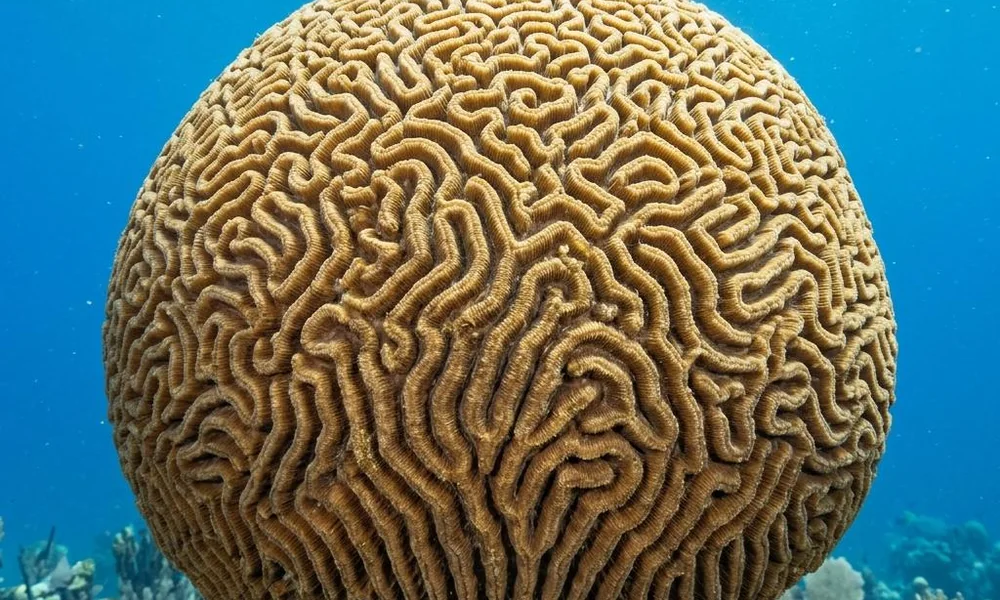
- Scientific Name: Several genera, including Diploria, Colpophyllia, and Platygyra
- Family: Mussidae, Merulinidae, and others
- Habitat: Shallow coral reefs
- Range: Caribbean and Indo-Pacific
- Size and Weight: Colonies about 0.3–2 m across
- Diet: Zooxanthellae algae and captured plankton
- Lifespan: Colonies can live for centuries
- Conservation Status: Varies; many reef-building corals are threatened
- Key Fact: Its grooved surface looks like a human brain.
Brittle Star
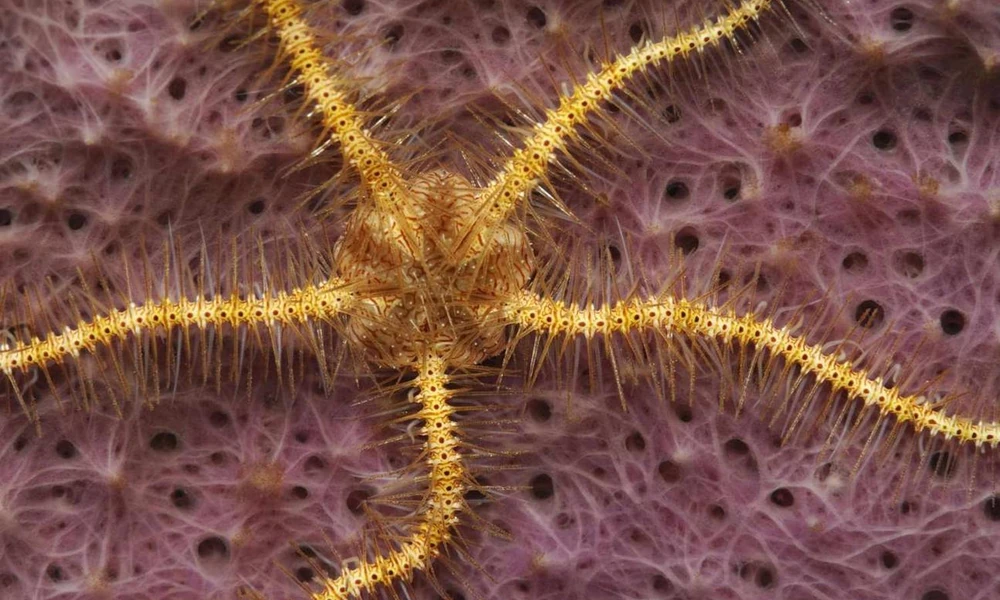
- Scientific Name: Class Ophiuroidea (over 2,000 species)
- Family: Several
- Habitat: Reefs, rocky shores, and deep seafloor
- Range: All oceans
- Size and Weight: Central disc about 1 mm to 10 cm; arms up to about 60 cm
- Diet: Detritus, plankton, and small animals
- Lifespan: A few years to possibly decades, depending on species
- Conservation Status: Not assessed as a group
- Key Fact: It can shed an arm to escape a predator and regrow it.
Insects and Arachnids That Start With B
Backswimmer
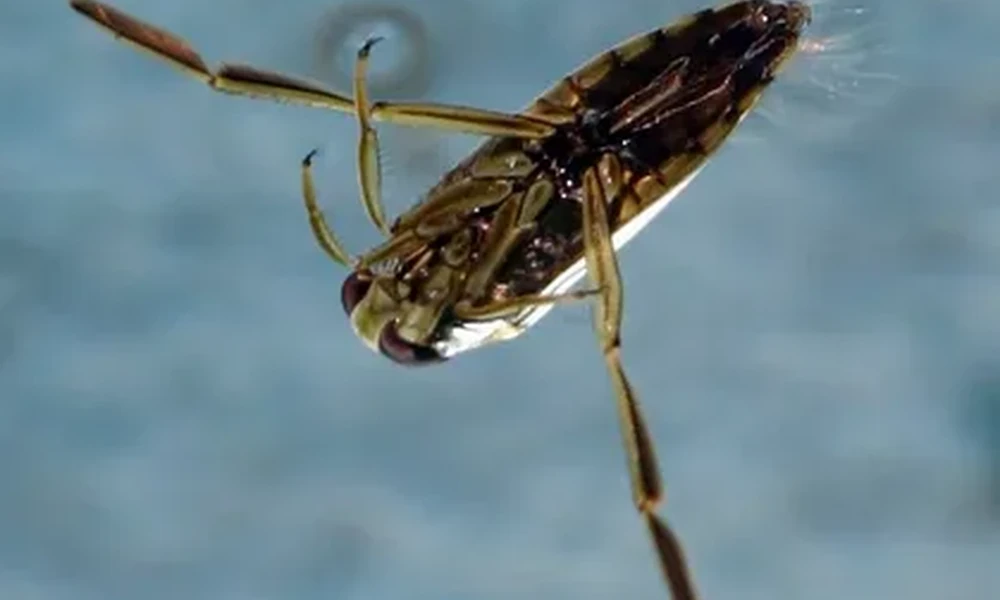
- Scientific Name: Family Notonectidae (about 400 species)
- Family: Notonectidae
- Habitat: Ponds, lakes, and slow streams
- Range: Worldwide
- Size and Weight: 5–16 mm long; under 0.1 g
- Diet: Small insects, tadpoles, and small fish
- Lifespan: About 1 year
- Conservation Status: Not assessed
- Key Fact: It rows through water with long hind legs and can give a painful bite.
Bagworm Moth
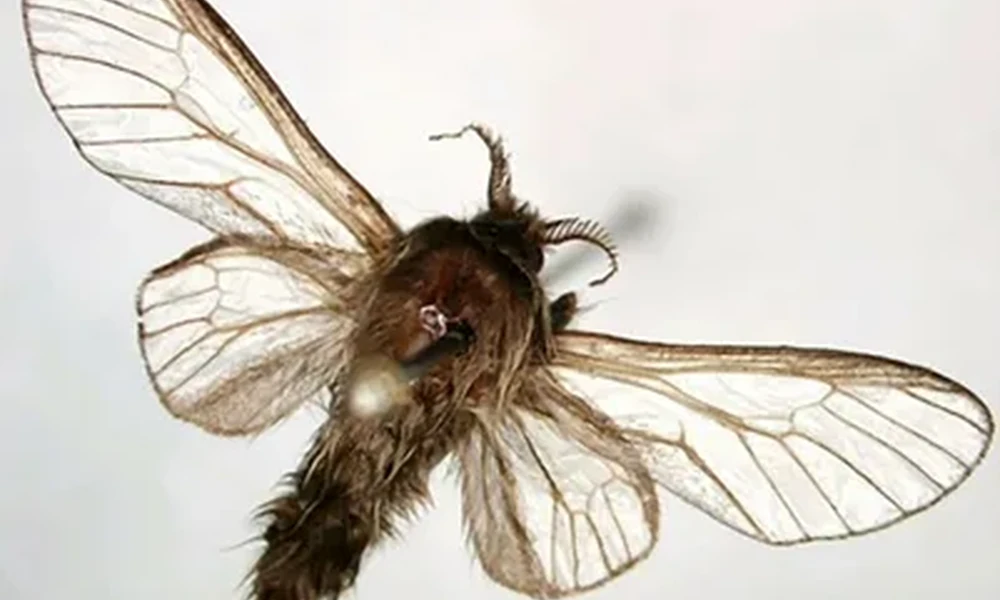
- Scientific Name: Family Psychidae (about 1,350 species)
- Family: Psychidae
- Habitat: Trees, shrubs, and gardens
- Range: Worldwide except Antarctica
- Size and Weight: Cases of about 1–15 cm; adult males have wings
- Diet: Leaves (caterpillars)
- Lifespan: About 1 year
- Conservation Status: Not assessed
- Key Fact: Adult females of many species never leave their case.
Bark Beetle
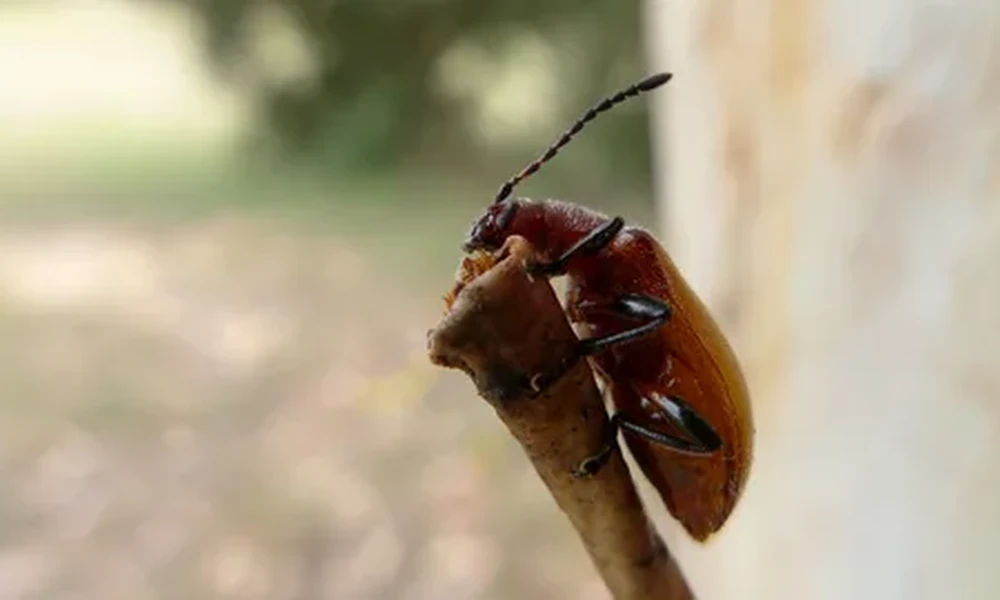
- Scientific Name: Subfamily Scolytinae (about 6,000 species)
- Family: Curculionidae
- Habitat: Forests, under tree bark
- Range: Worldwide
- Size and Weight: 1–10 mm long; extremely light
- Diet: Wood, inner bark, and fungi
- Lifespan: About 1 year
- Conservation Status: Not assessed
- Key Fact: Outbreaks can kill vast areas of forest.
Bed Bug
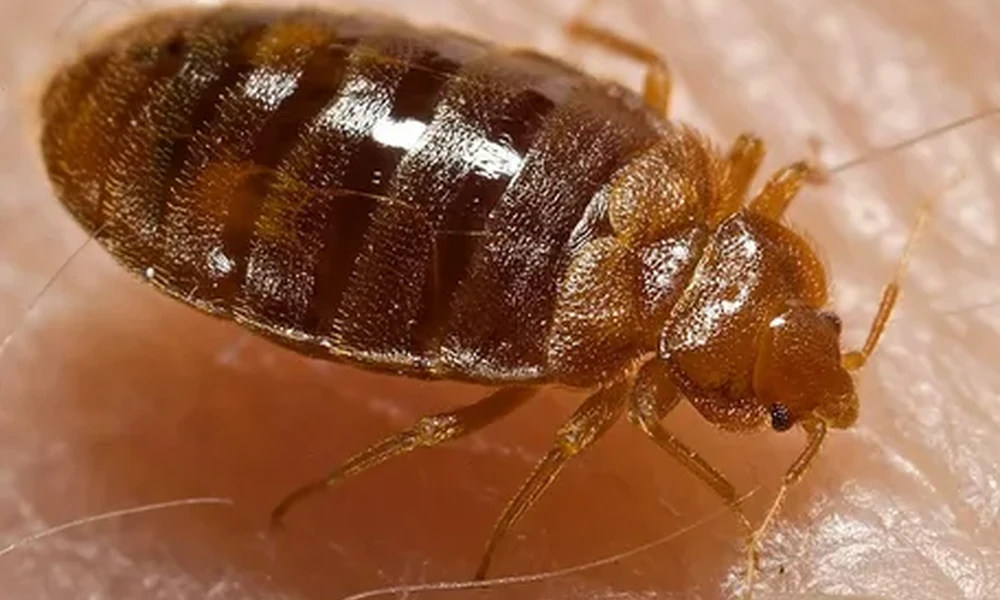
- Scientific Name: Cimex lectularius
- Family: Cimicidae
- Habitat: Beds, furniture, and cracks in human dwellings
- Range: Worldwide
- Size and Weight: 4–5 mm long; about 2 mg
- Diet: Blood
- Lifespan: About 4–12 months
- Conservation Status: Not assessed; a common pest
- Key Fact: It can survive for months without a meal.
Bee
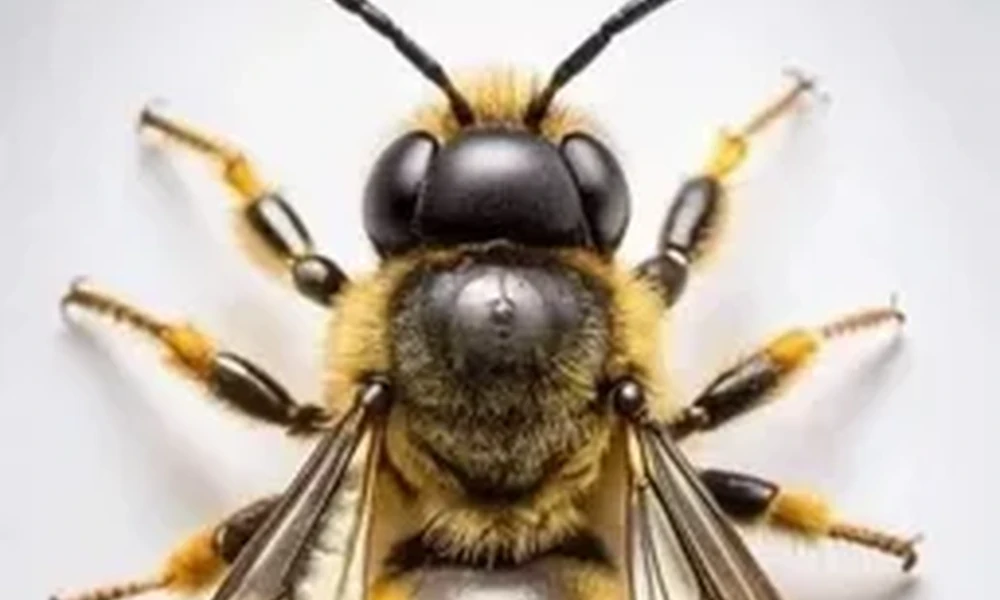
- Scientific Name: Superfamily Apoidea (about 20,000 species of bees)
- Family: Several, including Apidae and Halictidae
- Habitat: Gardens, grassland, forest, and desert
- Range: Every continent except Antarctica
- Size and Weight: About 2 mm to 39 mm long
- Diet: Nectar and pollen
- Lifespan: Weeks for workers; up to several years for honey bee queens
- Conservation Status: Varies; many species are declining
- Key Fact: Most bee species are solitary and do not live in hives.
Beetle
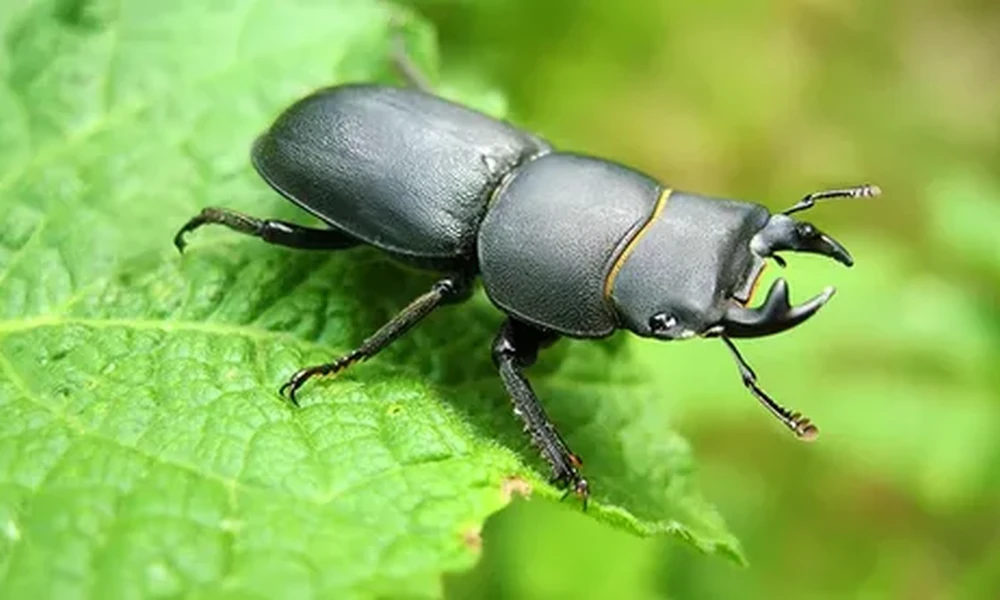
- Scientific Name: Order Coleoptera (about 400,000 species)
- Family: About 180 families
- Habitat: Almost every land and freshwater habitat
- Range: Worldwide except the open ocean and polar ice
- Size and Weight: From under 1 mm to about 17 cm; from a few milligrams to about 100 g
- Diet: Varies by species
- Lifespan: Weeks to several years
- Conservation Status: Varies by species
- Key Fact: It is the largest order of animals, and roughly one in four known animal species is a beetle.
Black Widow Spider
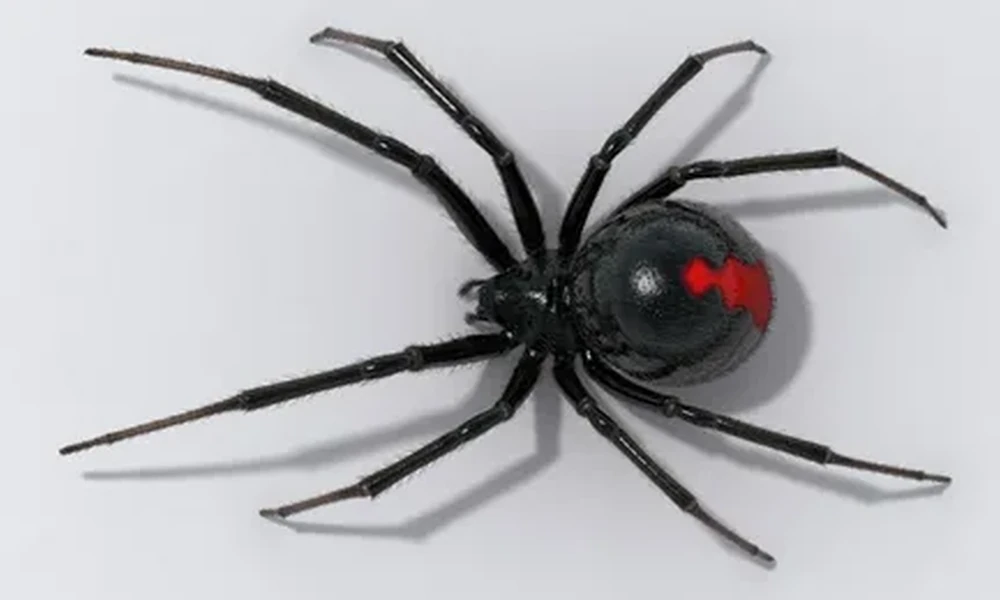
- Scientific Name: Latrodectus spp. (about 30 species)
- Family: Theridiidae
- Habitat: Woodpiles, sheds, and sheltered, dry spots
- Range: Temperate and tropical regions worldwide
- Size and Weight: Female body about 1.3–1.6 cm; about 1 g
- Diet: Insects and other spiders
- Lifespan: Females 1–3 years; males shorter
- Conservation Status: Mostly not assessed
- Key Fact: Its venom is powerful, though bites rarely kill healthy adults.
Blowfly
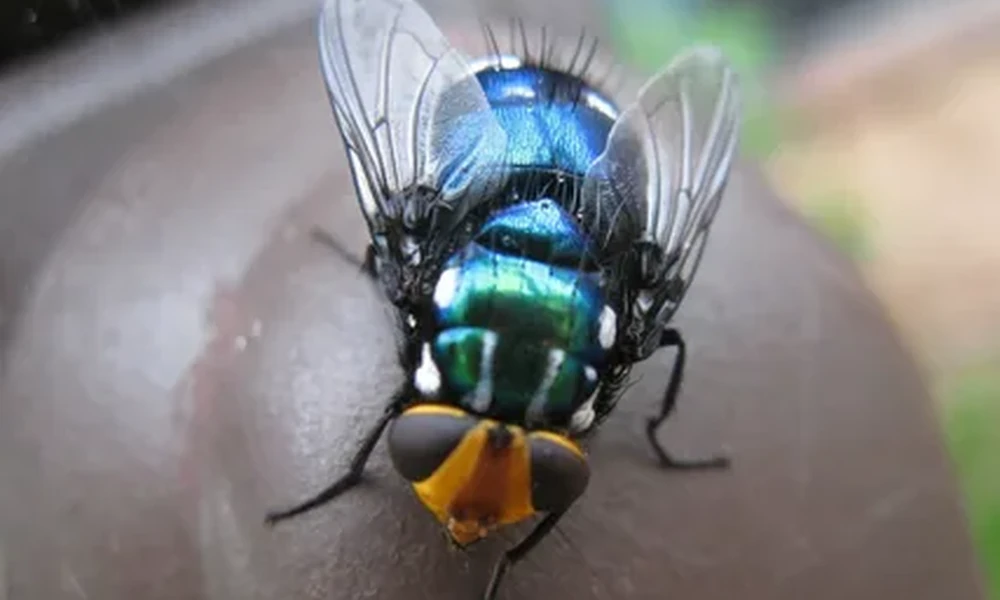
- Scientific Name: Family Calliphoridae (over 1,000 species)
- Family: Calliphoridae
- Habitat: Carrion, garbage, and wounds
- Range: Worldwide
- Size and Weight: 6–14 mm long; a few milligrams
- Diet: Adults: nectar and fluids; larvae: decaying flesh
- Lifespan: About 2 weeks to 2 months
- Conservation Status: Not assessed
- Key Fact: Forensic scientists use blowfly larvae to estimate time of death.
Boll Weevil
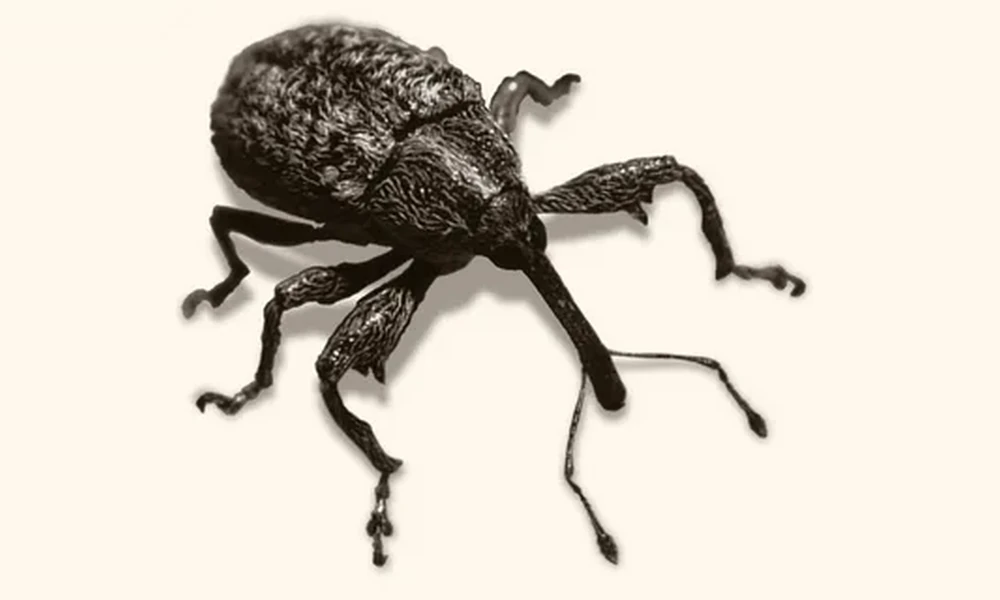
- Scientific Name: Anthonomus grandis
- Family: Curculionidae
- Habitat: Cotton fields
- Range: Native to Mexico and Central America; spread into the United States and South America
- Size and Weight: 4–8 mm long; a few milligrams
- Diet: Cotton buds and bolls
- Lifespan: About 2–3 months as an adult
- Conservation Status: Not assessed; an agricultural pest
- Key Fact: It devastated cotton farming in the southern United States in the early 1900s.
Bombardier Beetle
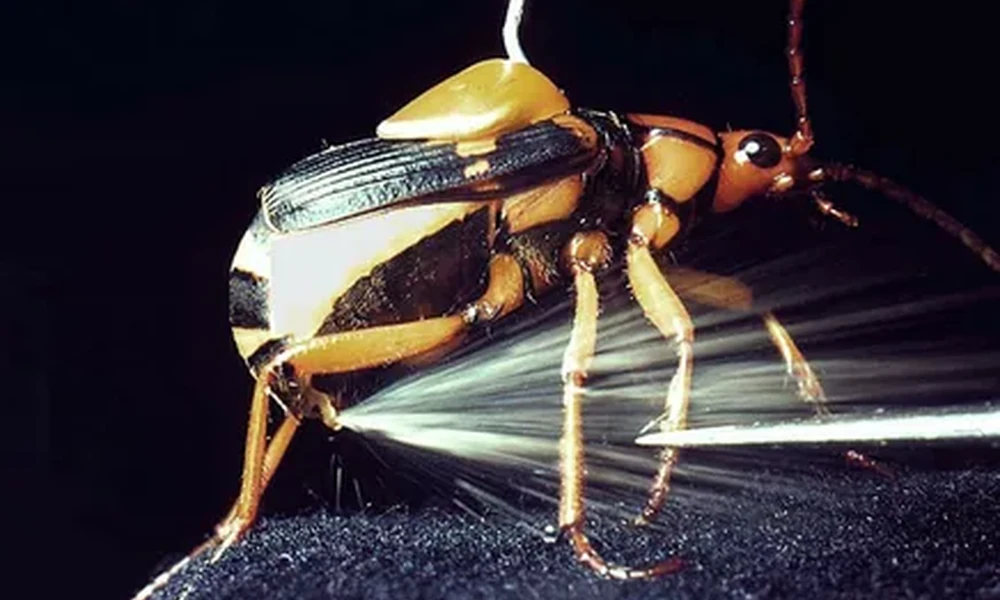
- Scientific Name: Several genera in the family Carabidae (for example Brachinus)
- Family: Carabidae
- Habitat: Under stones and logs, in grassland and forest
- Range: Every continent except Antarctica
- Size and Weight: 5–15 mm long
- Diet: Small insects and larvae
- Lifespan: About 1 year
- Conservation Status: Not assessed
- Key Fact: Its spray reaches about 100 °C and is released in rapid pulses.
Brazilian Wandering Spider
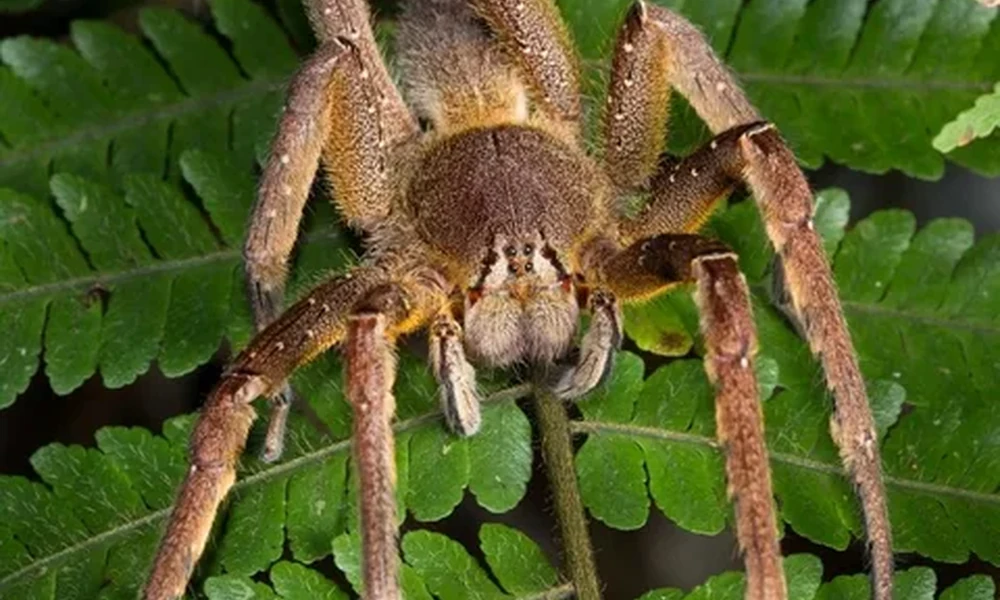
- Scientific Name: Phoneutria spp. (eight species)
- Family: Ctenidae
- Habitat: Rainforest floor, banana plantations, and buildings
- Range: Central and South America
- Size and Weight: Body up to about 5 cm; leg span up to about 15 cm
- Diet: Insects, other spiders, and small vertebrates
- Lifespan: About 1–2 years
- Conservation Status: Not assessed
- Key Fact: It is considered one of the most medically significant spiders in the world.
Brown Recluse Spider
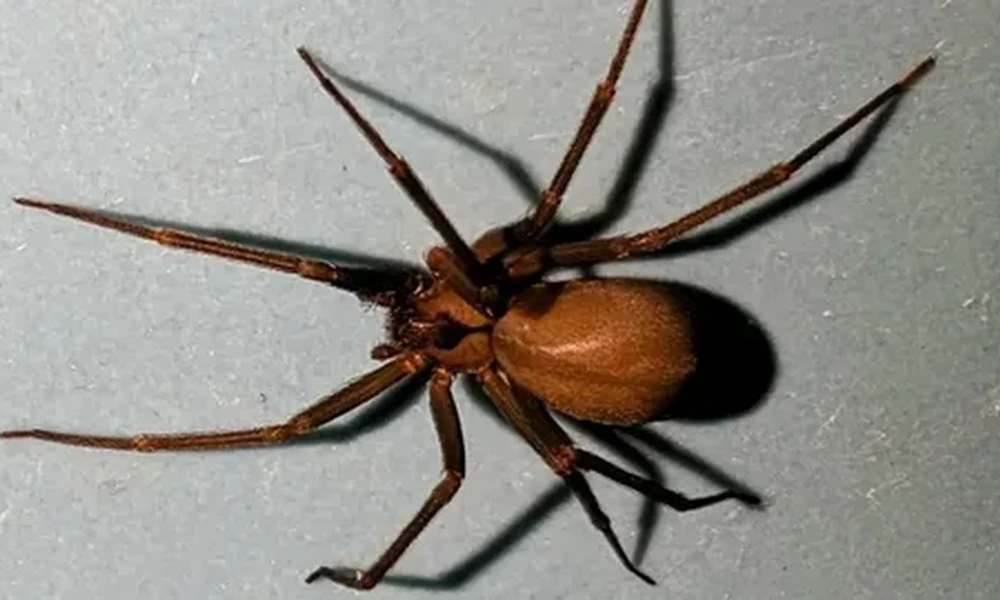
- Scientific Name: Loxosceles reclusa
- Family: Sicariidae
- Habitat: Dry, sheltered spaces such as basements and woodpiles
- Range: Central and southern United States
- Size and Weight: Body 6–20 mm; under 1 g
- Diet: Insects and other small arthropods
- Lifespan: About 2–4 years
- Conservation Status: Not assessed
- Key Fact: A violin-shaped mark sits on its head region.
Bullet Ant

- Scientific Name: Paraponera clavata
- Family: Formicidae
- Habitat: Lowland rainforest, nesting at the base of trees
- Range: Nicaragua south to the Amazon Basin
- Size and Weight: 18–30 mm long
- Diet: Nectar, plant sap, and small arthropods
- Lifespan: Workers a few months; queens several years
- Conservation Status: Not assessed
- Key Fact: It ranks at the top of the Schmidt sting pain index.
Bumblebee
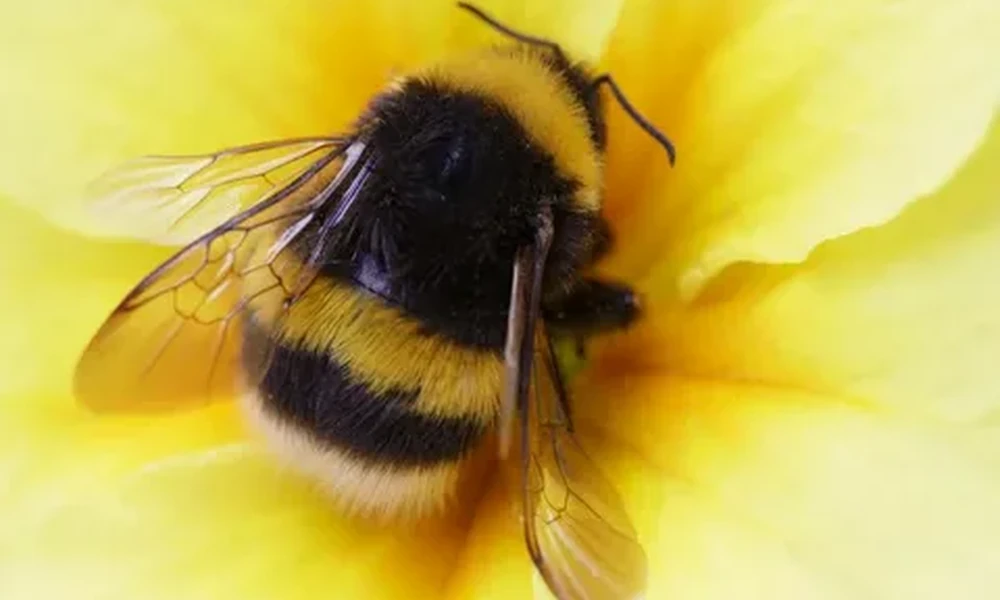
- Scientific Name: Genus Bombus (about 250 species)
- Family: Apidae
- Habitat: Meadows, gardens, and mountains
- Range: Mainly the Northern Hemisphere and South America
- Size and Weight: 8–28 mm long; about 0.1–1 g
- Diet: Nectar and pollen
- Lifespan: Workers weeks to months; queens about 1 year
- Conservation Status: Varies; several species are threatened
- Key Fact: It can warm its flight muscles to fly in cool weather.
Burying Beetle
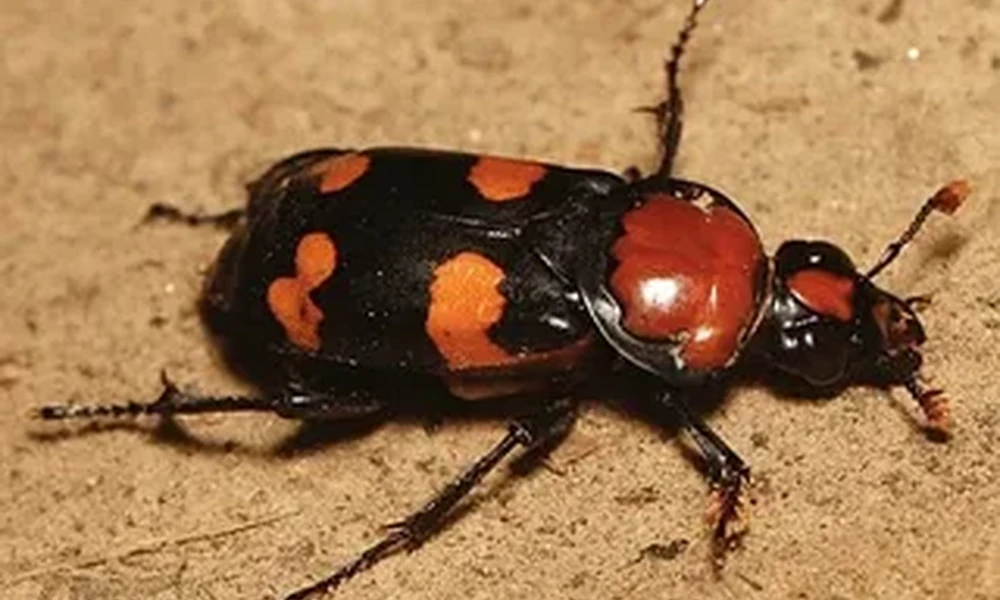
- Scientific Name: Genus Nicrophorus (about 70 species)
- Family: Silphidae
- Habitat: Forest and grassland
- Range: Northern Hemisphere and parts of the tropics
- Size and Weight: 12–35 mm long
- Diet: Carrion
- Lifespan: About 1 year
- Conservation Status: Varies; the American burying beetle is Critically Endangered
- Key Fact: Both parents care for their young, which is unusual among insects.
Butterfly
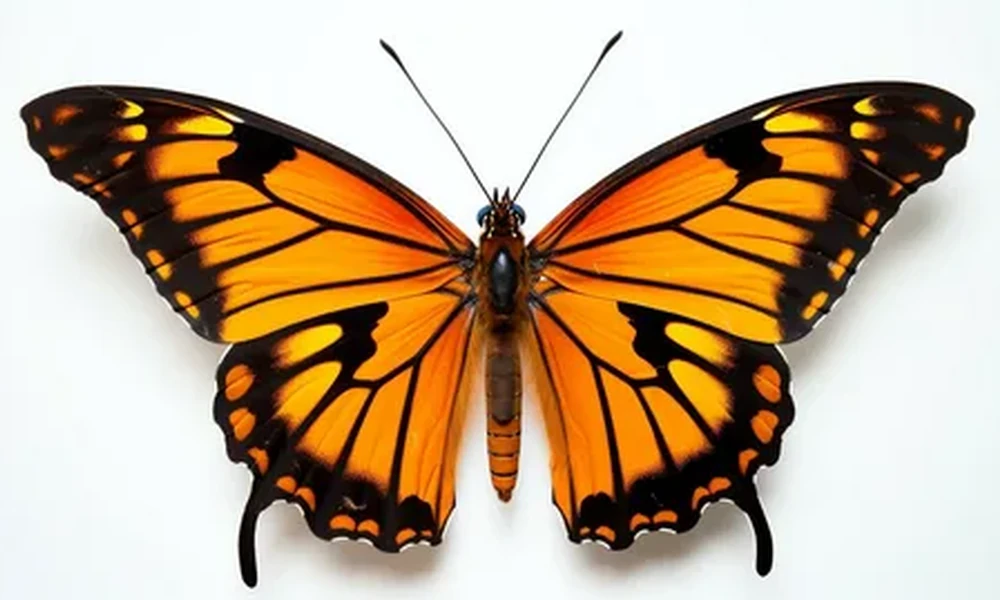
- Scientific Name: Superfamily Papilionoidea (about 18,500 species)
- Family: Several, including Nymphalidae and Papilionidae
- Habitat: Meadows, forest, wetland, and gardens
- Range: Every continent except Antarctica
- Size and Weight: Wingspan about 1.5–31 cm
- Diet: Adults: nectar; caterpillars: leaves
- Lifespan: Days to about 11 months, depending on species
- Conservation Status: Varies by species
- Key Fact: It tastes with sensors on its feet.
Prehistoric Animals That Start With B
Baryonyx
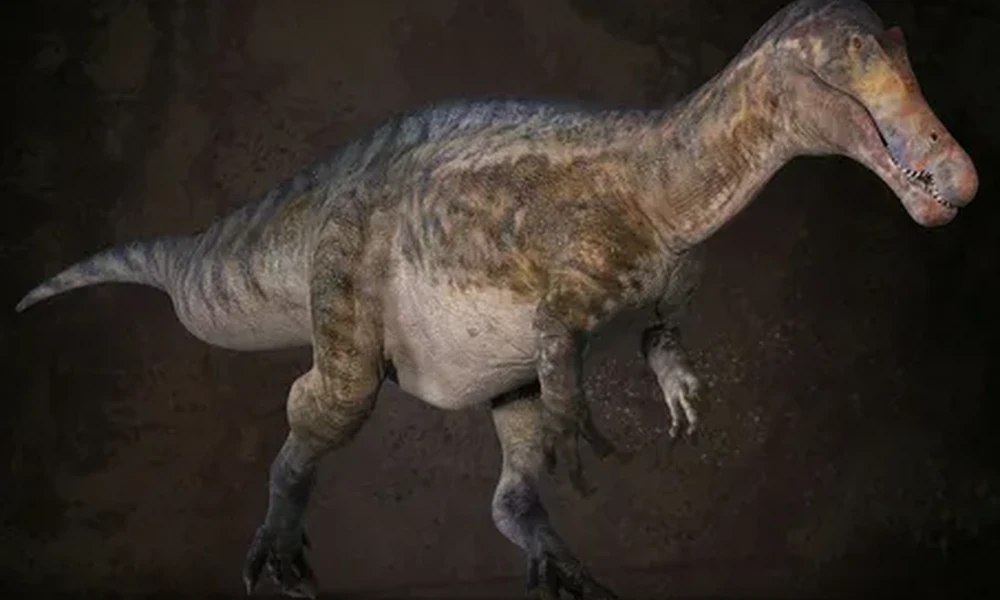
- Scientific Name: Baryonyx walkeri
- Family: Spinosauridae
- Habitat: Floodplains and wetlands
- Range: England (fossils also reported from Iberia)
- Size and Weight: About 7.5–10 m long; roughly 1.2–1.7 tonnes
- Diet: Fish and small dinosaurs
- Lifespan: Not known
- Conservation Status: Extinct (Early Cretaceous, about 130–125 million years ago)
- Key Fact: It had a huge thumb claw, about 30 cm long, on each hand.
Basilosaurus
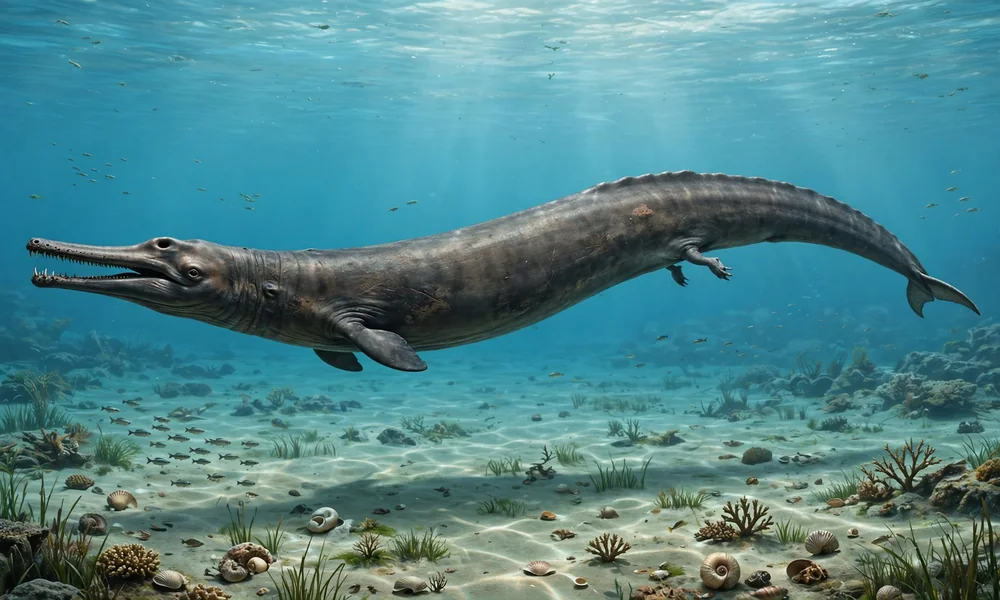
- Scientific Name: Basilosaurus spp.
- Family: Basilosauridae
- Habitat: Warm shallow seas
- Range: Fossils from Africa, North America, and other regions
- Size and Weight: 15–20 m long; roughly 5–6 tonnes
- Diet: Fish, sharks, and smaller whales
- Lifespan: Not known
- Conservation Status: Extinct (Late Eocene, about 41–34 million years ago)
- Key Fact: Its name means “king lizard,” but it was an early whale.
Brachiosaurus
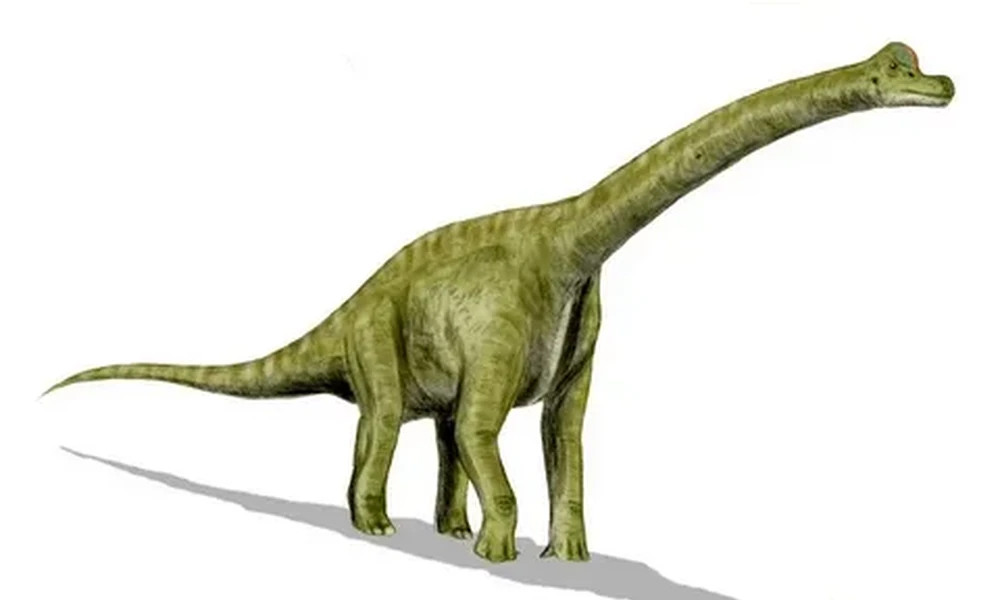
- Scientific Name: Brachiosaurus altithorax
- Family: Brachiosauridae
- Habitat: Forest and floodplain
- Range: Western United States
- Size and Weight: About 18–22 m long; roughly 28–58 tonnes depending on the estimate
- Diet: Leaves from tall trees
- Lifespan: Not known
- Conservation Status: Extinct (Late Jurassic, about 154–150 million years ago)
- Key Fact: Its front legs were longer than its hind legs, so its back sloped upward toward the shoulders.
Brontosaurus

- Scientific Name: Brontosaurus spp.
- Family: Diplodocidae
- Habitat: Floodplain and open woodland
- Range: Western United States
- Size and Weight: About 22 m long; roughly 15 tonnes
- Diet: Plants
- Lifespan: Not known
- Conservation Status: Extinct (Late Jurassic, about 156–146 million years ago)
- Key Fact: Its name means “thunder lizard.”
Mythical Animals That Start With B
Mythical creatures do not have accepted biological scientific names. They are part of folklore, mythology, and traditional storytelling rather than recognized living species. Size, lifespan, and conservation status do not apply.
Basilisk
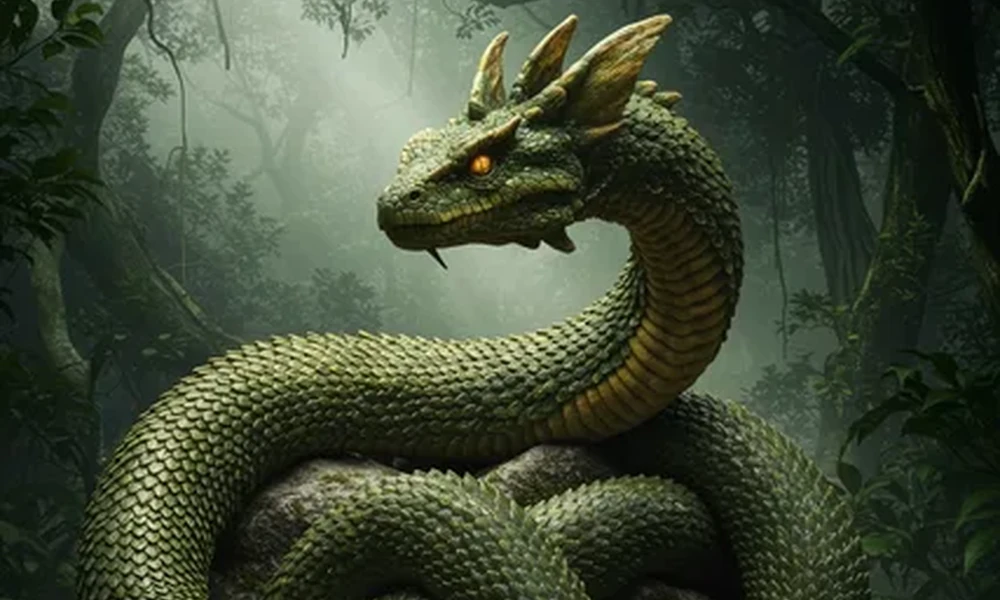
- Scientific Name: None; mythical creature
- Origin: European folklore and medieval bestiaries
- Type: Mythical reptilian creature
- Habitat: Deserts and caves in most accounts
- Diet: Varies by tradition
- Key Fact: Medieval stories said its gaze or breath could kill.
Behemoth
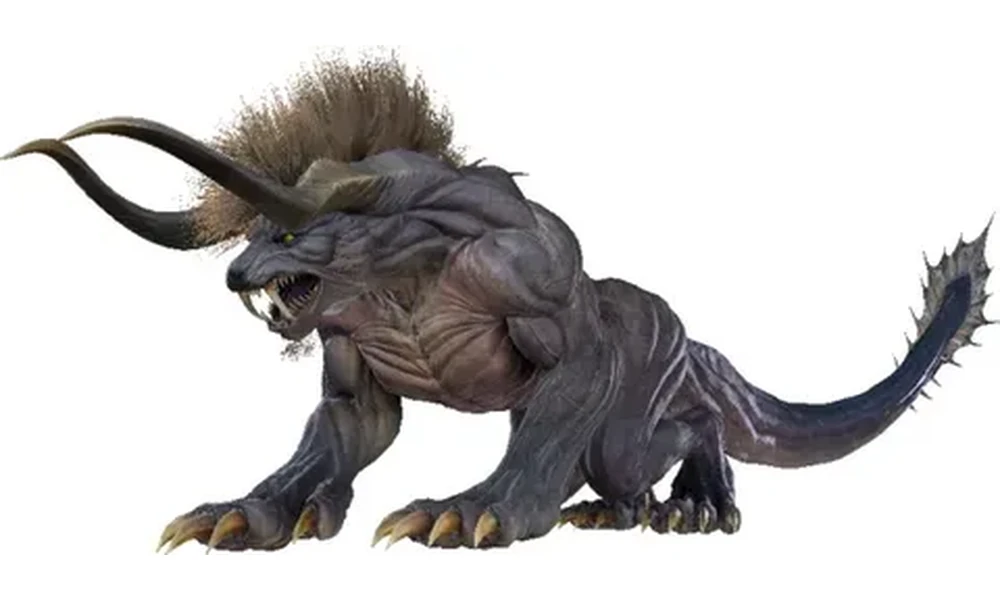
- Scientific Name: None; legendary creature
- Origin: Ancient Hebrew literature, including the Book of Job
- Type: Mythical beast
- Habitat: Enormous wilderness or watery places, depending on interpretation
- Diet: Varies by tradition
- Key Fact: It is described as an enormous and powerful creature.
Bennu
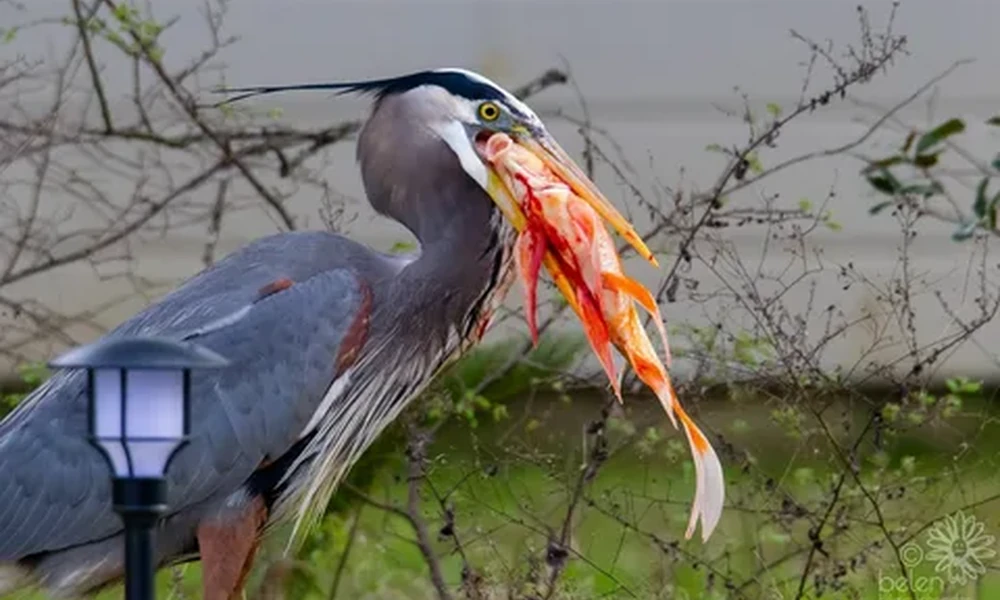
- Scientific Name: None; mythological creature
- Origin: Ancient Egyptian mythology
- Type: Mythical bird
- Habitat: Sacred sites such as Heliopolis
- Diet: Not biologically defined
- Key Fact: It was a sacred bird tied to creation, renewal, and the rising sun.
Bunyip
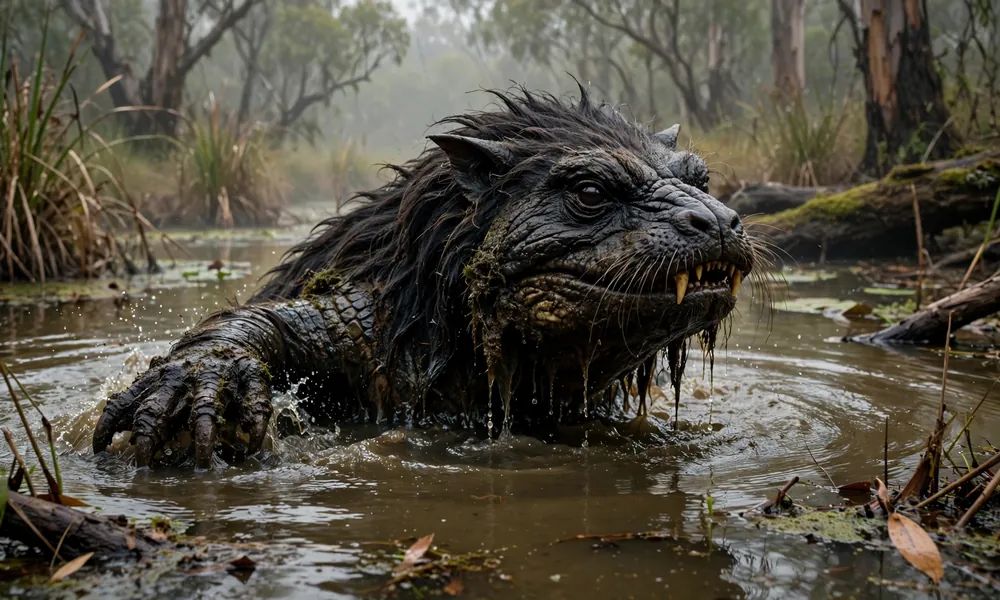
- Scientific Name: None; legendary creature
- Origin: Aboriginal Australian stories
- Type: Mythical water creature
- Habitat: Waterways, swamps, and billabongs
- Diet: Varies among traditions
- Key Fact: Bunyip stories are part of the oral traditions of Aboriginal peoples of Australia.
Frequently Asked Questions
What is the biggest animal that starts with B?
The blue whale (Balaenoptera musculus) is the largest animal on Earth and the largest known animal in Earth’s history. It is a marine mammal that feeds mainly on tiny krill.
Which B animal can walk on water?
The basilisk lizard is famous for its ability to run across the surface of water for short distances. It uses rapid movements of its hind legs and feet to stay above the water temporarily.
Which animal that start with the letter B has the strongest venom?
Several animals beginning with B have medically important venom, including the black mamba, boomslang, bushmaster, blue-ringed octopus, box jellyfish, and Brazilian wandering spider. Comparing their venom directly is difficult because venom potency, quantity, delivery method, and effects differ between species.
Which B animal is known for an unusual defense involving chemicals?
The bombardier beetle has one of the most remarkable chemical defenses. It can eject a hot chemical mixture toward predators when threatened.
Which B animal has a blue tongue?
The blue-tongued skink is famous for its bright blue tongue. The tongue can be displayed suddenly when the lizard feels threatened.
Which B animal is known for building dams?
The beaver builds dams from branches, mud, and other materials. These structures can slow water, create ponds, and transform local habitats.
Which B animal is a marsupial?
Several B animals are marsupials, including bandicoots, bilbies, bettongs, brushtail possums, and bush rats. Marsupials are mammals whose young develop for part of their early life outside the uterus, often in a pouch.
Which B animal is a freshwater dolphin?
The baiji, Lipotes vexillifer, was a freshwater dolphin that lived in China’s Yangtze River. It is now considered functionally extinct or possibly extinct.
Which B animal is the only mammal capable of true powered flight?
The bat is the only mammal capable of sustained powered flight. Other mammals may glide, but gliding is different from powered flight.
Which B animal is sometimes called a “living fossil”?
Some B animals are sometimes described informally as having ancient-looking lineages, but “living fossil” is not a precise scientific classification. Animals such as the bowfin and burbot are sometimes discussed in this context because of distinctive evolutionary histories.
Which B animals live in the Arctic?
Examples include the beluga whale, bowhead whale, and some populations of brown bears. These animals have different adaptations for surviving cold environments.
Which B animals live in deserts?
Examples include the Bactrian camel, black-footed cat, blackbuck, bilby, bearded dragon, and some bighorn sheep populations. Their adaptations include efficient water use, nocturnal activity, specialized diets, and tolerance of extreme temperatures.
Which B animals are important pollinators?
Bees, bumblebees, butterflies, and some birds such as bee-eaters indirectly interact with pollinator communities, although bees and butterflies are among the most important pollinating animals represented on this list.
Why are there so many different scientific names for “bass,” “bream,” “barb,” and “buzzard”?
Common names are not always standardized scientific categories. A single common name can be used for several unrelated species, and the same species may have different common names in different regions. Scientific names help researchers identify the exact organism being discussed.
Why do some B animals have such unusual adaptations?
Animals evolve traits that help them survive in particular environments. For example, bats use echolocation, beavers build dams, basilisk lizards can run across water, blue whales filter tiny prey from the ocean, and bombardier beetles use chemical defenses. These adaptations reflect different solutions to the basic challenges of finding food, avoiding predators, reproducing, and surviving environmental conditions.