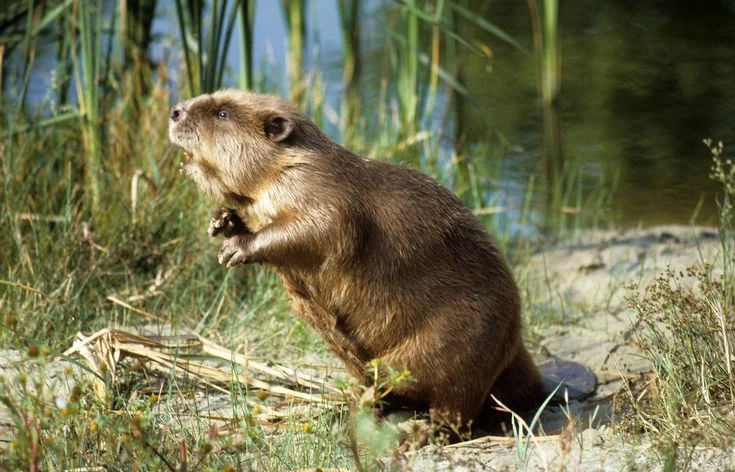
Beaver facts become much more interesting when you stop thinking of the beaver as simply a large rodent chewing on trees. Beavers are natural engineers. They reshape streams, create ponds, change water movement, and build habitats that can support many other species. Their work can look destructive in one place and extremely helpful in another, which is exactly why beavers are such fascinating animals to study.
For Viltnemnda, understanding beavers means looking beyond their famous dams. Their diet, family life, building behavior, and relationship with wetlands all help explain why these animals have such a strong influence on freshwater environments.
Key Takeaways
Beavers are herbivorous, semi-aquatic rodents that depend heavily on freshwater habitats and nearby vegetation. Their dams slow water and create ponds that can become important habitats for many other species.
Their ecological role is complicated but valuable. Beaver activity can improve habitat diversity, retain water, trap sediment, and support wetland ecosystems, while poorly placed dams can also create flooding or water-quality problems.
The best way to understand beavers is to see them as active landscape builders. Their teeth, tails, diets, dams, and lodges all work together to support a lifestyle centered on water.
What Is a Beaver?
A beaver is a semi-aquatic rodent belonging to the genus Castor. There are two living species: the North American beaver, Castor canadensis, and the Eurasian beaver, Castor fiber. The North American species is the largest rodent in North America and is especially well known for changing waterways through dam building.
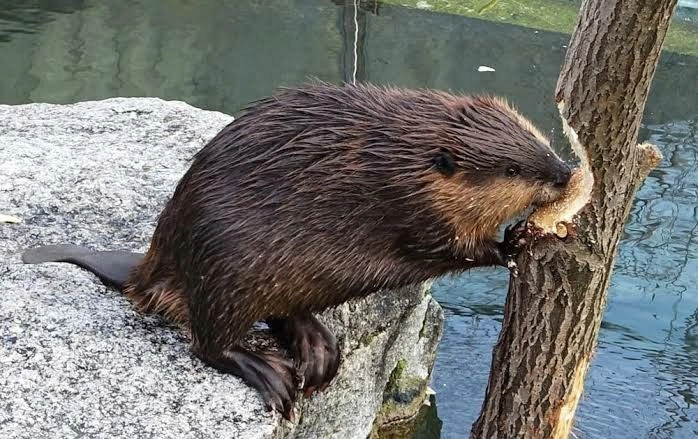
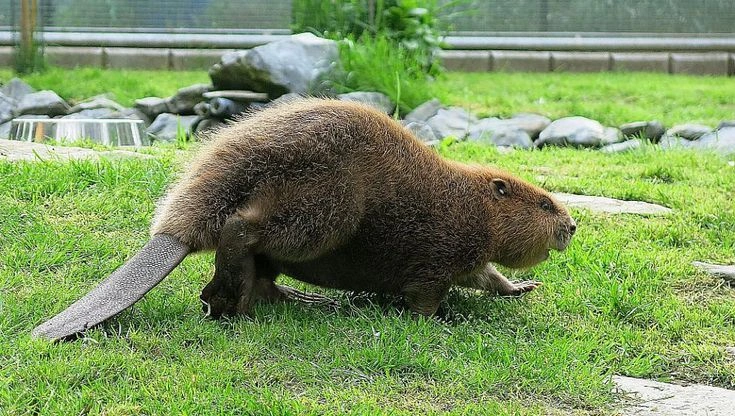
Beavers have compact bodies, thick fur, webbed hind feet, and a broad, flat tail. Their front teeth are one of their most recognizable features. These incisors continue growing throughout life, while an iron-rich enamel coating gives them their orange color. Regular chewing keeps the teeth from becoming excessively long.
Beaver Habitat: Where Do Beavers Live?
Beavers are strongly associated with freshwater habitats. They commonly live around rivers, streams, ponds, lakes, marshes, and wetland areas where there is enough water and suitable vegetation.
Water is especially important because a beaver’s lifestyle revolves around it. Deep water can provide safer movement, underwater entrances to a lodge, and access to food. In colder regions, maintaining water depth can also help keep lodge entrances and stored food from becoming inaccessible when temperatures fall.
A suitable habitat usually offers two things beavers need most: dependable water and nearby woody vegetation. Aspen, willow, birch, poplar, and maple can provide both food and construction material.
What Do Beavers Eat?
Beavers are herbivores, so their diet is made up of plant material. They eat leaves, aquatic plants, woody stems, bark, and the softer tissue beneath tree bark known as cambium.
One common misunderstanding is that beavers simply eat large amounts of solid wood. They chew through trees mainly to reach preferred plant tissues and to obtain construction material. The wood itself is not necessarily the main part of the meal.
Their favorite foods can vary with location and season. In winter, beavers in cold areas may rely heavily on branches they collected and stored underwater. This food cache allows the family to feed without spending as much time outside the lodge when conditions are harsh.
Their strong incisors make this lifestyle possible. Because the teeth grow continuously, frequent chewing helps keep them at a usable length.
Why Do Beavers Build Dams?
Dam building is probably the most famous beaver behavior, but the goal is not simply to create a giant wall. Beavers build dams to control water levels and create conditions that make their habitat safer and more useful.
A dam can slow moving water and create a pond behind it. This deeper water can make it easier for beavers to travel, store food, and reach their lodge through underwater entrances. The pond also creates a protected environment where the family can spend more time in the water.
Beavers commonly use branches, sticks, reeds, mud, stones, and other available materials. They continually inspect and repair structures when water finds a weak point. In that sense, a beaver dam is not a one-time construction project. It is an ongoing family-maintenance job.
Beaver Lodges and Family Life
Dams are only part of the beaver’s construction work. Beavers also build lodges, which provide a protected place for resting, raising young, and escaping predators.
Many lodges have underwater entrances, making it difficult for predators to enter directly. Inside, the living area stays above the waterline, while the surrounding structure provides insulation and protection.
Beavers generally live in family groups. Young beavers, called kits, remain with their parents and older siblings for a period of time before eventually leaving to establish territories of their own. Family members can cooperate in maintaining dams, gathering food, and caring for younger animals.
Communication is also important. A beaver may slap its tail against the water when it detects danger, creating a sudden sound that can warn nearby family members.
Their relationship with water also explains why beaver territories can look different from one season to another. A maintained pond may remain open and useful for years, while an abandoned pond can slowly fill with sediment and vegetation. Over time, that former pond can become a wet meadow, showing how beaver activity can leave effects that continue even after the animals move away.
Beavers also make careful use of the landscape around their homes. They may create paths and channels that connect feeding areas with deeper water. These routes make movement easier and can help the family transport branches back to the lodge or dam. Their construction behavior is practical rather than random, with water depth, food availability, and safety all influencing where they work.
How Beaver Dams Change Ecosystems
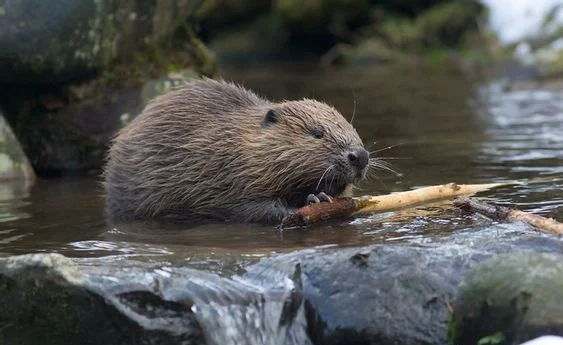
The biggest reason beaver facts matter to ecology is that beavers do not simply use habitats; they actively create and modify them. This makes them a classic example of an ecosystem engineer.
When a dam slows a stream, water can spread into areas that were previously much drier. A flowing channel may become a pond, wetland, or network of shallow water habitats. These changes can provide new places for aquatic plants, insects, amphibians, birds, and other wildlife.
Beaver wetlands can also trap sediment and organic material. By changing how water moves through a landscape, beavers can influence erosion, water storage, vegetation, and nutrient movement.
That does not mean every beaver dam automatically improves water quality. The effects depend on the stream, vegetation, climate, pond depth, and other local conditions. Recent USGS research found that beaver ponds can change water temperature and dissolved oxygen, with some effects being beneficial for habitat and others potentially creating water-quality concerns.
Why Are Beavers Called a Keystone Species?
Beavers are often described as keystone species because their activities can have effects far beyond their own population. A single family may change the structure of a waterway, while a series of dams can transform a much larger wetland system.
Their ponds can provide habitat for frogs, salamanders, fish, waterfowl, insects, and mammals. The surrounding vegetation can also change as wet areas expand or old ponds gradually fill with sediment.
This creates a chain reaction. Beavers change the water, changed water affects plants, plants influence insects and other small animals, and those changes can affect larger wildlife.
Their importance is therefore not based on how many animals are present. It comes from how much influence their behavior can have on the environment around them.
This is why studying beavers can reveal much about wetlands, streams, and the connections between animals and their surroundings in a changing landscape over time and across seasons in nature.
Are Beaver Dams Always Helpful?
No. This is one of the most important points when learning about beaver ecology. Beaver dams can create valuable wetlands, reduce some forms of erosion, and store water, but they can also cause problems in particular locations.
A dam may flood roads, agricultural land, timber areas, or infrastructure. It can also alter fish movement in some waterways. In certain streams, ponding can increase water temperatures or reduce dissolved oxygen under specific conditions.
Beaver Facts That Stand Out
One of the most surprising beaver facts is that their teeth never stop growing. Their orange incisors are continuously worn down through chewing, creating a natural balance between growth and use.
Another interesting fact is that beavers do not use their tails like mud trowels when building dams. Their front paws are used to handle and pack materials, while the tail serves other important purposes such as swimming, balance, and alarm signaling.
Beavers are also excellent examples of how one animal can influence an entire landscape. Instead of merely adapting to a wetland, they can help create one.
E-E-A-T Note
The information in this article is based on established wildlife and ecological sources, including the Smithsonian’s National Zoo and Conservation Biology Institute, the U.S. National Park Service, and the U.S. Geological Survey. These sources provide information on beaver biology, habitat, diet, dam behavior, and documented ecosystem effects. Because the impact of a beaver dam can vary by location, ecological claims should be understood in their local context.
Frequently Asked Questions About Beaver Facts
Are beavers herbivores?
Yes. Beavers are herbivores. Their diet includes leaves, aquatic plants, woody stems, bark, and cambium. Their food choices can change with season and habitat.
Why do beavers build dams?
Beavers build dams mainly to control water levels and create deeper, safer aquatic habitat. The resulting pond can help them travel, store food, and access their lodge through underwater entrances.
Do beavers eat trees?
Yes, but they do not simply eat the entire tree as solid wood. They commonly feed on bark, cambium, leaves, and woody plant material while also using branches and trunks as construction materials.
How do beaver dams help wildlife?
Beaver dams can create ponds and wetlands that provide food, shelter, and breeding habitat for many organisms. These areas may support amphibians, insects, birds, fish, and mammals.
Can beaver dams cause problems?
Yes. Depending on the location, dams can flood roads, farmland, timber, or other infrastructure. They can also change water temperature, dissolved oxygen, and fish movement, so their effects need to be assessed locally.
Are beavers important to ecosystems?
Yes. Beavers can strongly influence freshwater ecosystems by changing water flow and creating wetlands. Their engineering activities can affect many species beyond the beavers themselves.
