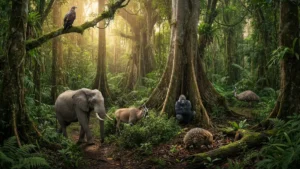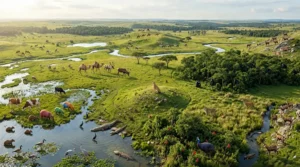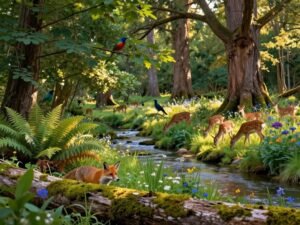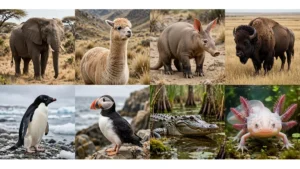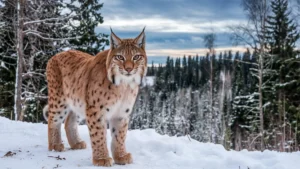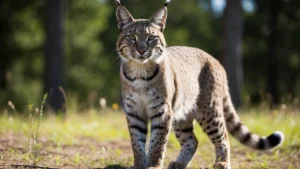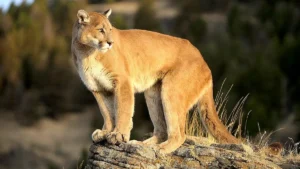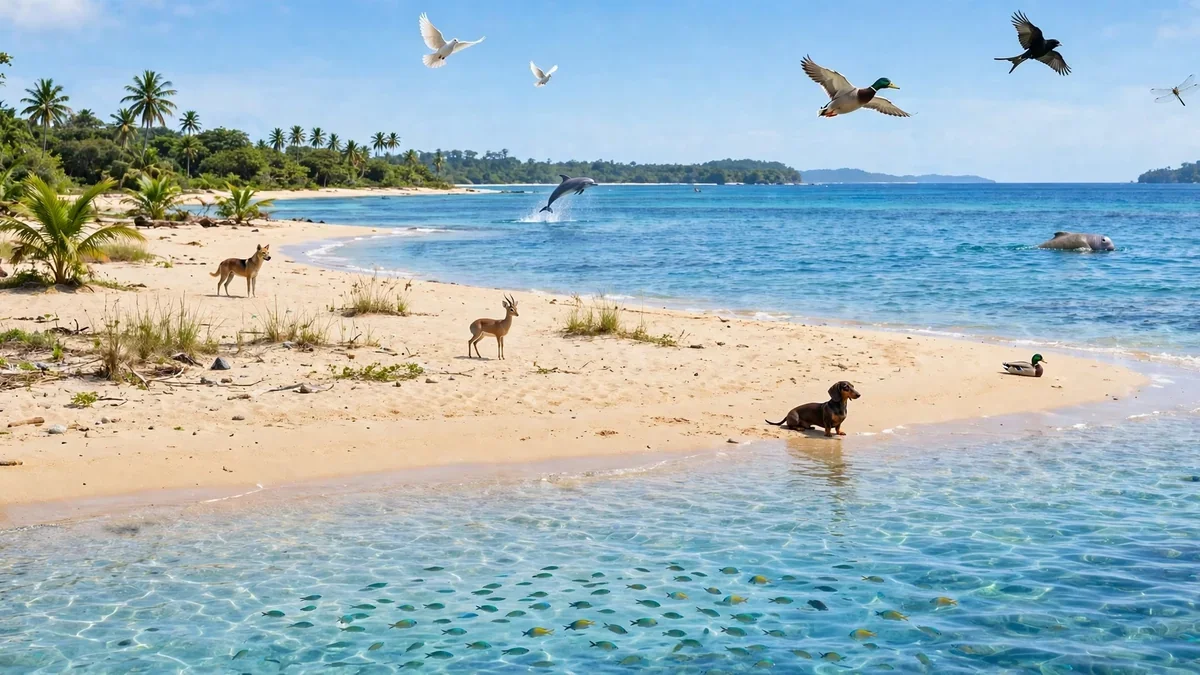
Animals that start with the letter D include a fascinating variety of species, from colorful fish and tiny insects to powerful prehistoric creatures and mythical beings. Each has unique characteristics, habitats, diets, and survival adaptations that make it interesting to explore.
Some, such as dragonflies and damselfish, live in ecosystems we can observe today, while others, including Diplodocus and Dimetrodon, are known from prehistoric history. This guide explores animals that start with D, covering their scientific names, families, habitats, ranges, sizes, diets, lifespans, conservation statuses, and key facts to help you learn more about each one.
Mammals that start with D
Darwin’s Fox
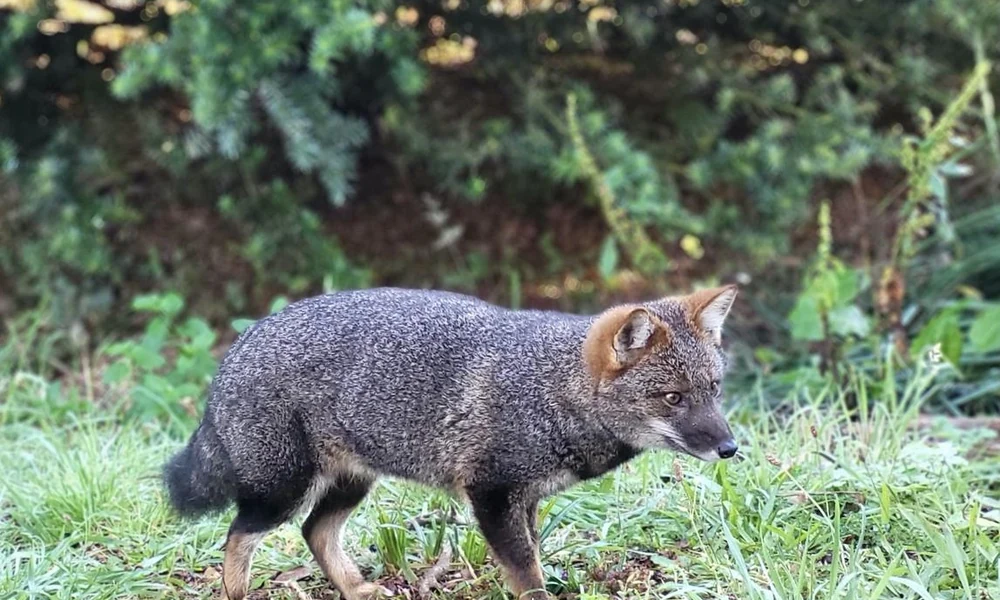
- Scientific Name: Lycalopex fulvipes
- Family: Canidae
- Habitat: Temperate rainforest and dense coastal forest
- Range: Southern Chile, including Chiloé Island and a small area of the mainland
- Size and Weight: About 48–59 cm long; roughly 2–4 kg
- Diet: Small mammals, insects, reptiles, amphibians, birds and fruit
- Lifespan: Not well documented in the wild
- Conservation Status: Endangered
- Key Fact: Darwin’s fox is one of the smallest foxes in South America and is named after Charles Darwin, who collected a specimen on Chiloé Island in 1834.
Deer
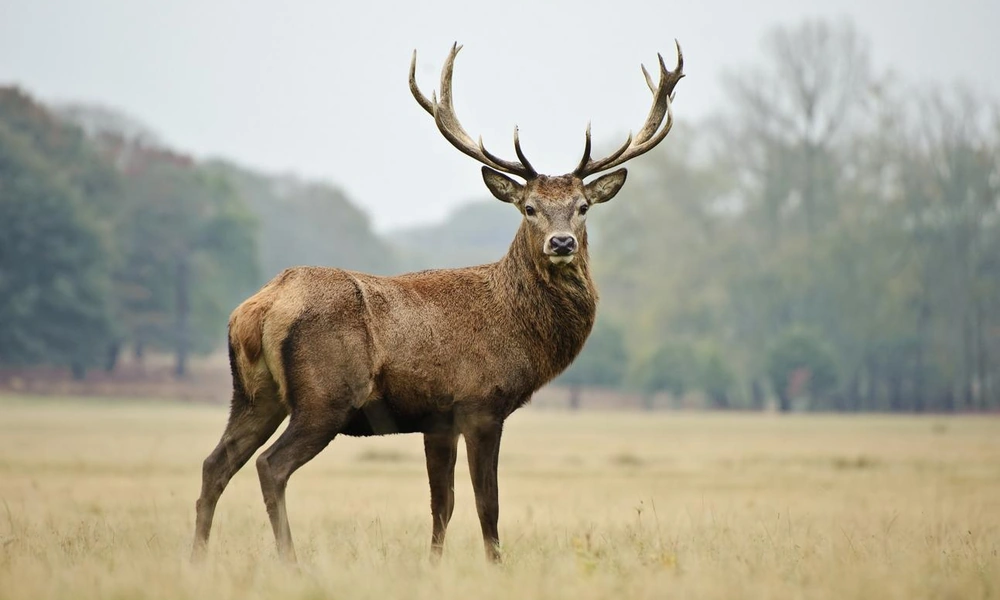
- Scientific Name: Cervidae (family)
- Family: Cervidae
- Habitat: Forests, grasslands, tundra, wetlands and mountains
- Range: The Americas, Europe, Asia and parts of North Africa, with introduced populations elsewhere
- Size and Weight: Varies greatly by species; from the pudu at about 6–9 kg to the moose at more than 500 kg
- Diet: Grasses, leaves, shoots, bark, fruit and lichens
- Lifespan: About 10–20 years depending on species
- Conservation Status: Varies by species
- Key Fact: Males of most deer species grow antlers and shed them each year, and caribou are unusual because females grow antlers too.
Dhole
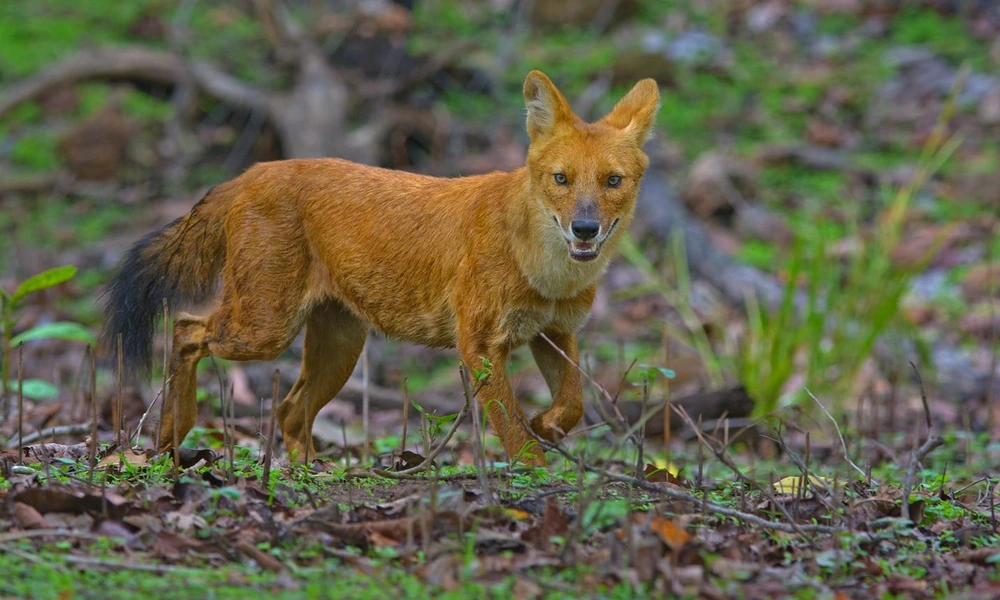
A dhole, or Asian wild dog, in its natural forest habitat.
- Scientific Name: Cuon alpinus
- Family: Canidae
- Habitat: Dense forests, scrubland, grasslands and mountain steppe
- Range: South, Southeast and East Asia
- Size and Weight: About 80–113 cm long; roughly 10–21 kg
- Diet: Deer, wild pigs, hares, rodents and other small to medium animals
- Lifespan: About 10 years in the wild
- Conservation Status: Endangered
- Key Fact: Dholes hunt in cooperative packs and communicate with whistles as well as growls and squeaks.
Dibbler
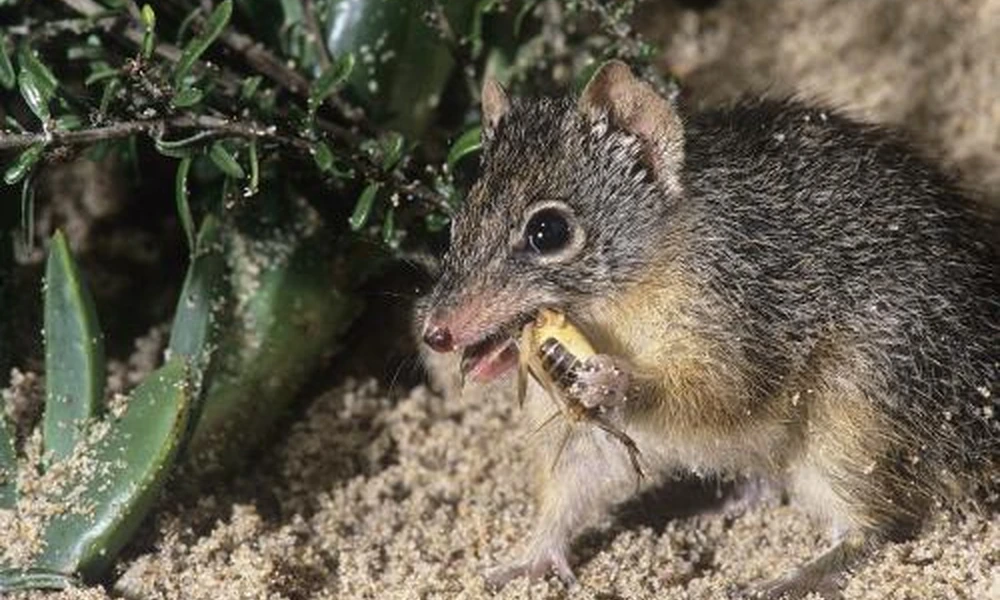
- Scientific Name: Parantechinus apicalis
- Family: Dasyuridae
- Habitat: Coastal heath, scrub and island vegetation
- Range: Southwestern Western Australia and a few offshore islands
- Size and Weight: About 10–14 cm long; roughly 40–125 g
- Diet: Insects, small lizards and nectar
- Lifespan: Short; most live only a few years
- Conservation Status: Endangered
- Key Fact: The dibbler was thought to be extinct for about 80 years before it was rediscovered in 1967.
Dik-Dik
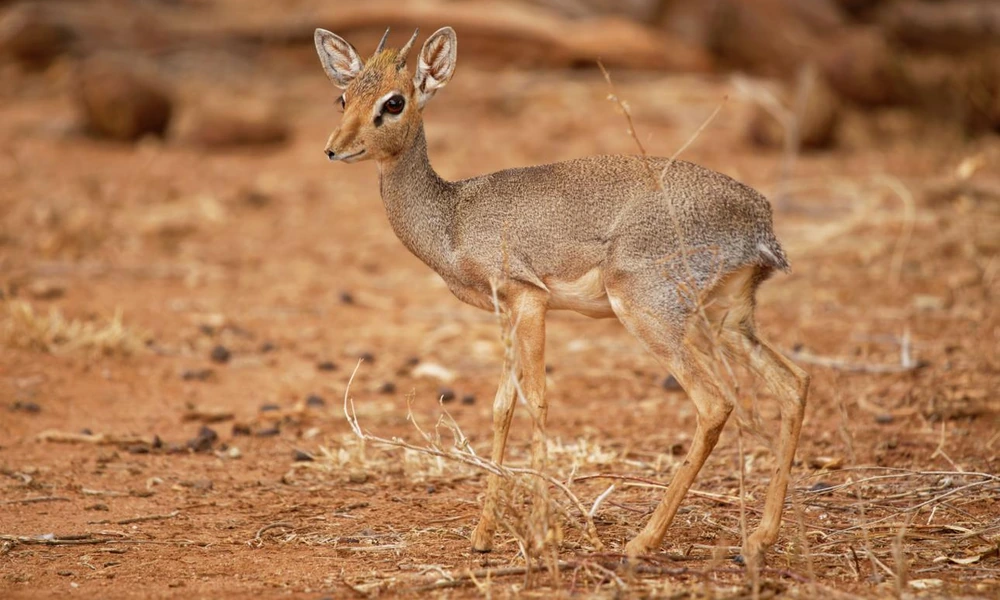
- Scientific Name: Madoqua spp.
- Family: Bovidae
- Habitat: Dry scrub, bushland and open savanna
- Range: Eastern and southern Africa
- Size and Weight: About 30–40 cm tall at the shoulder; roughly 3–7 kg
- Diet: Leaves, shoots, flowers, fruit and berries
- Lifespan: About 3–10 years
- Conservation Status: Least Concern for most species
- Key Fact: The name imitates the alarm call of the female, and dik-dik pairs usually stay together for life.
Dingiso
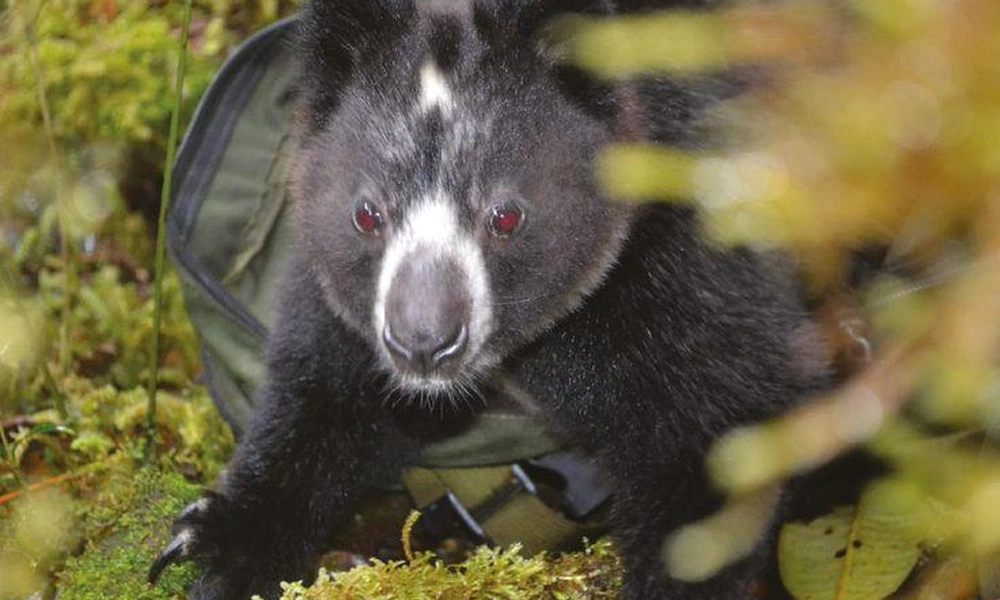
- Scientific Name: Dendrolagus mbaiso
- Family: Macropodidae
- Habitat: Montane forest and alpine grassland
- Range: Western New Guinea (Indonesia)
- Size and Weight: Roughly 10–15 kg
- Diet: Leaves, ferns, fruit and grasses
- Lifespan: Not well documented
- Conservation Status: Endangered
- Key Fact: The dingiso is a tree kangaroo that the local Moni people consider sacred, though hunting and habitat loss still threaten it.
Dingo
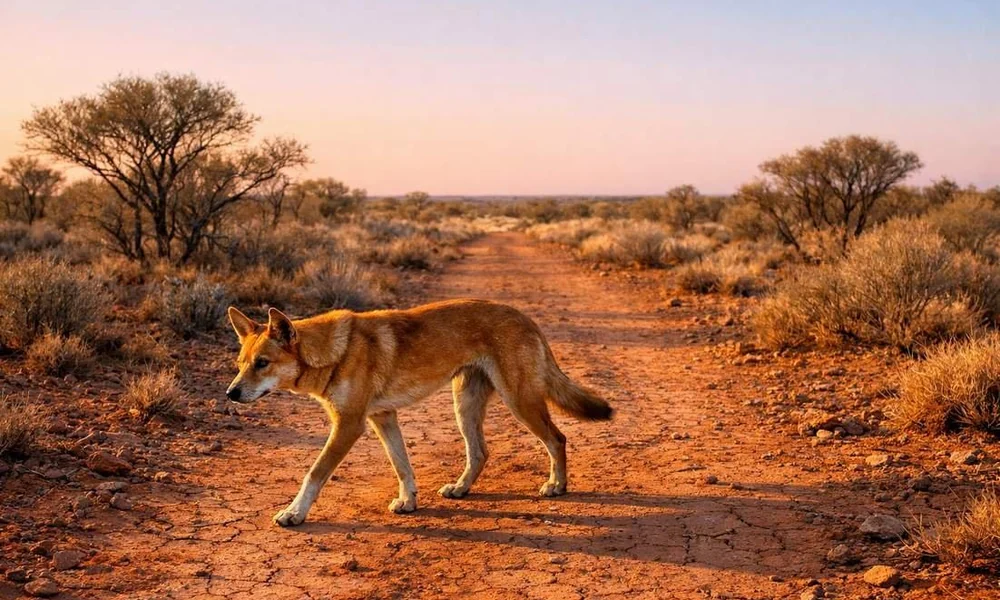
- Scientific Name: Canis lupus dingo
- Family: Canidae
- Habitat: Deserts, grasslands, woodland and forest edges
- Range: Australia and parts of Southeast Asia
- Size and Weight: About 86–122 cm long; roughly 10–20 kg
- Diet: Kangaroos, wallabies, rabbits, rodents, birds, reptiles and carrion
- Lifespan: About 5–10 years in the wild; up to 20 years in captivity
- Conservation Status: Vulnerable
- Key Fact: Dingoes reached Australia thousands of years ago and are Australia’s largest land predator.
Dog
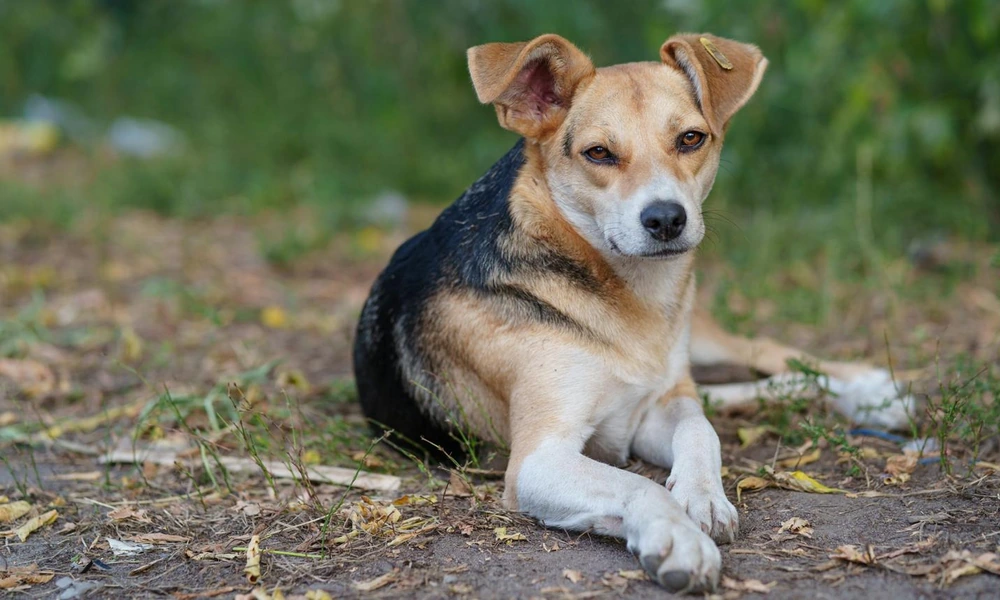
- Scientific Name: Canis lupus familiaris
- Family: Canidae
- Habitat: Human homes, farms, cities and many other environments
- Range: Worldwide
- Size and Weight: Varies greatly by breed; from about 1 kg to more than 90 kg
- Diet: Omnivorous; meat, grains, vegetables and commercial dog food
- Lifespan: About 10–13 years on average; smaller breeds often live longer
- Conservation Status: Domesticated; not assessed as a wild species
- Key Fact: Dogs descend from wolves and were the first animals people domesticated, at least 15,000 years ago.
Dolphin
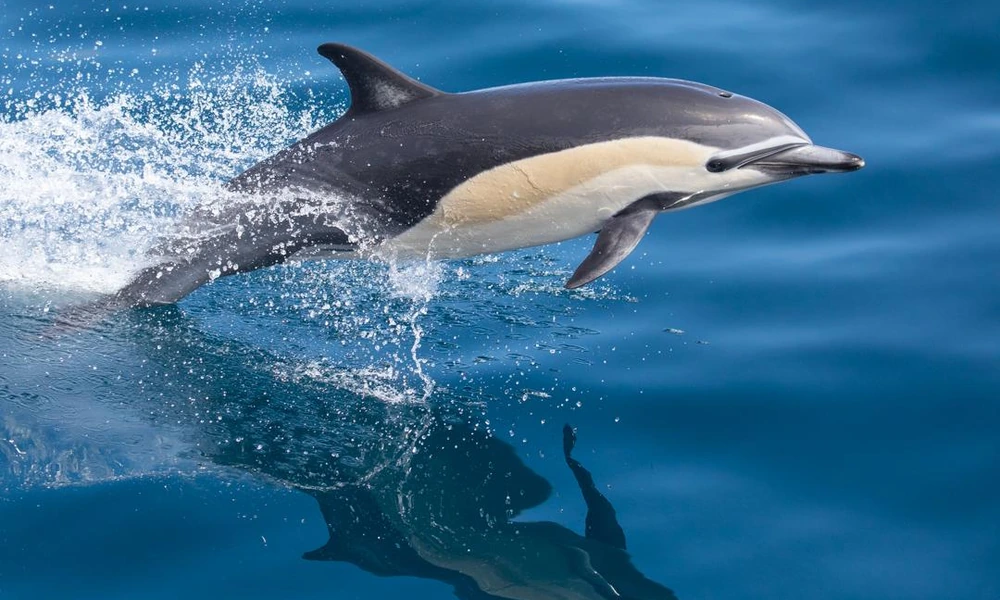
- Scientific Name: Delphinidae (oceanic dolphin family)
- Family: Delphinidae
- Habitat: Open oceans, coastal waters, estuaries and some rivers
- Range: Oceans and seas worldwide
- Size and Weight: Varies greatly by species; roughly 1.5–9 m long
- Diet: Fish, squid and crustaceans
- Lifespan: About 20–50 years depending on species
- Conservation Status: Varies by species
- Key Fact: Dolphins find food and navigate with echolocation, sending out clicks and reading the echoes that bounce back.
Donkey
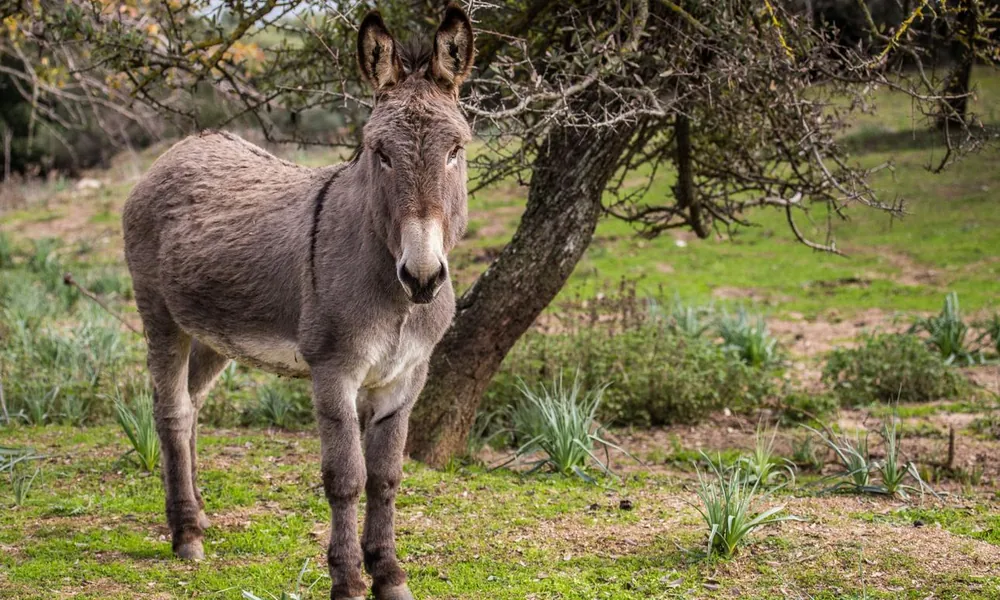
- Scientific Name: Equus asinus
- Family: Equidae
- Habitat: Dry grasslands, deserts, farmland and rural areas
- Range: Worldwide as a domesticated animal
- Size and Weight: About 90–145 cm tall at the shoulder; roughly 180–400 kg
- Diet: Grasses, hay, straw and shrubs
- Lifespan: About 30–50 years
- Conservation Status: Domesticated; its wild ancestor, the African wild ass, is Critically Endangered
- Key Fact: Donkeys were domesticated at least 5,000 years ago and are tough working animals in dry climates.
Dormouse
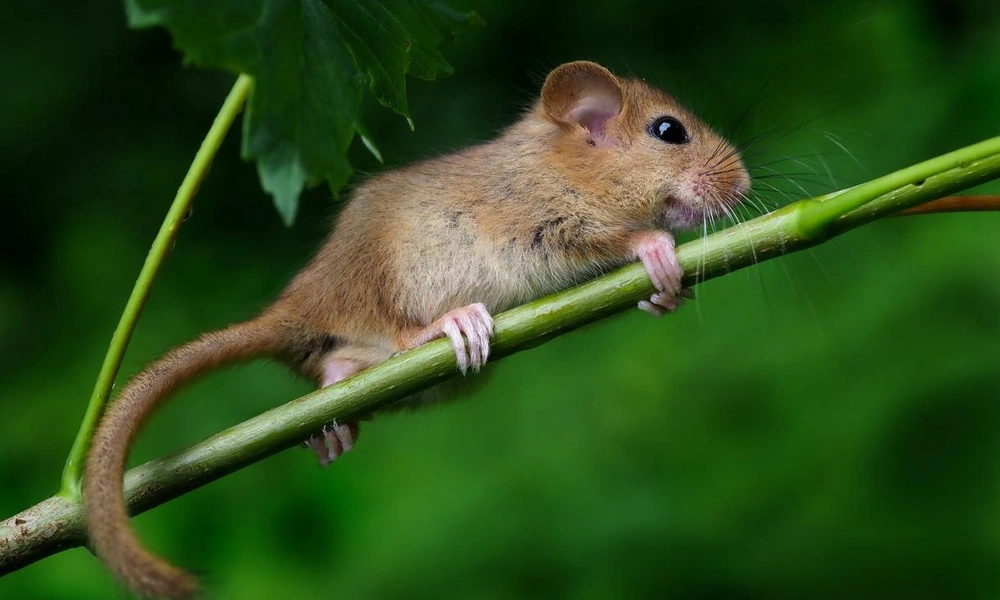
- Scientific Name: Gliridae (family); hazel dormouse is Muscardinus avellanarius
- Family: Gliridae
- Habitat: Woodland, hedgerows, scrub and rocky areas
- Range: Europe and parts of Africa and Asia
- Size and Weight: Hazel dormouse about 6–9 cm long; 15–40 g
- Diet: Nuts, seeds, fruit, flowers and insects
- Lifespan: About 4–6 years
- Conservation Status: Varies by species
- Key Fact: Dormice hibernate for 6 months or more, and the name is often linked to the French word for “sleep.”
Dugong
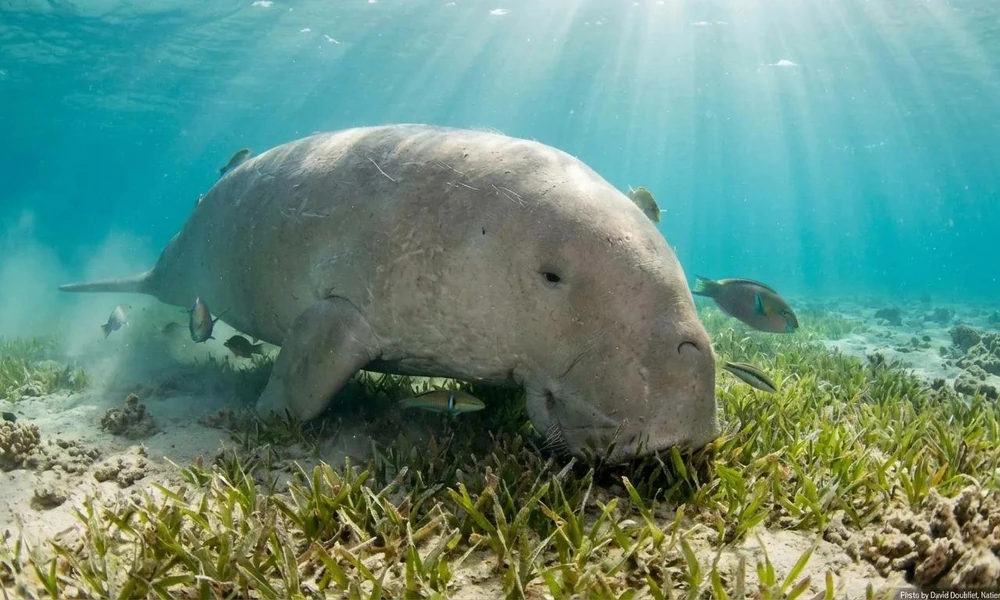
- Scientific Name: Dugong dugon
- Family: Dugongidae
- Habitat: Shallow coastal waters and seagrass beds
- Range: Warm coastal waters of the Indian and western Pacific oceans
- Size and Weight: About 2.5–3 m long; roughly 230–400 kg
- Diet: Seagrass
- Lifespan: Up to about 70 years
- Conservation Status: Vulnerable
- Key Fact: The dugong is the only living member of its family, and its grazing keeps seagrass beds healthy.
Dwarf Hamster
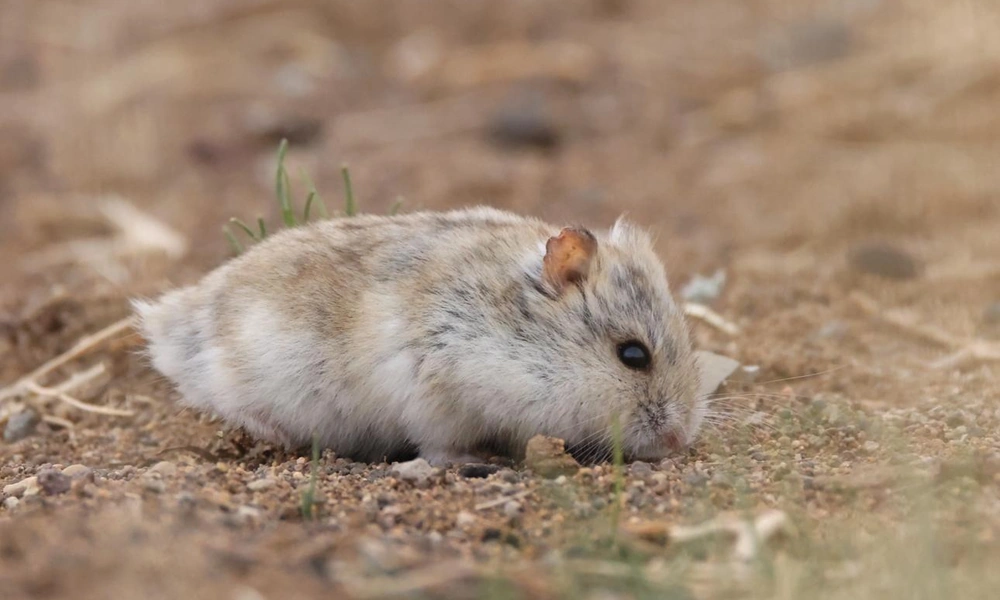
- Scientific Name: Phodopus spp.
- Family: Cricetidae
- Habitat: Steppe, semi-desert and dry grassland
- Range: Central Asia, Siberia, Mongolia and northern China
- Size and Weight: About 5–10 cm long; roughly 20–50 g
- Diet: Seeds, grains, insects and some plant material
- Lifespan: About 1.5–3 years
- Conservation Status: Least Concern for the best-known species
- Key Fact: Siberian dwarf hamsters can grow a white winter coat, and several species are popular small pets.
Birds that start with D
Dark-Eyed Junco
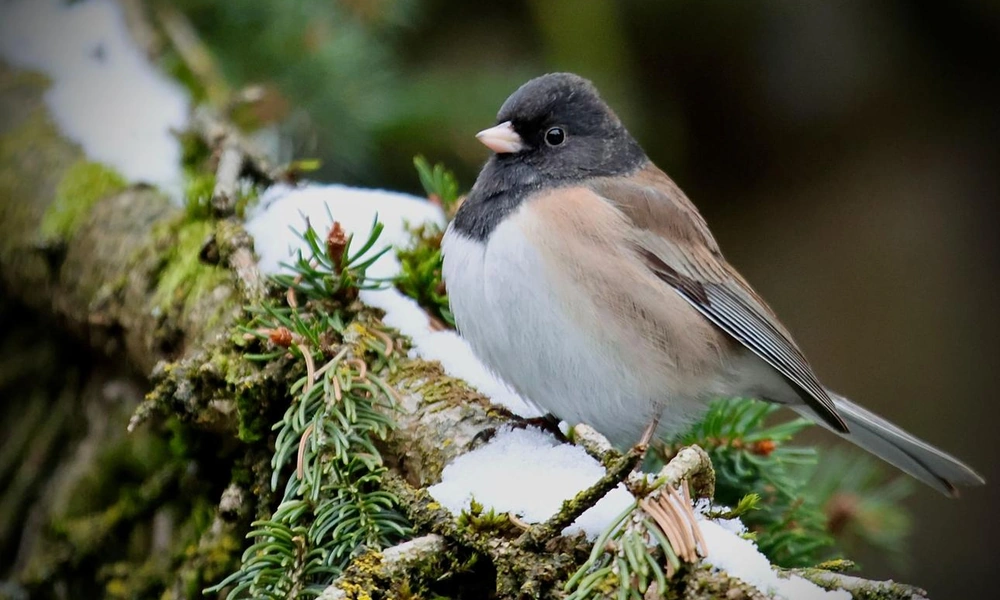
- Scientific Name: Junco hyemalis
- Family: Passerellidae
- Habitat: Coniferous and mixed forests, forest edges and backyards in winter
- Range: North America; breeds across Canada, Alaska and the northern and mountain United States
- Size and Weight: About 13–16 cm long; roughly 18–30 g
- Diet: Seeds in winter; insects and seeds in summer
- Lifespan: About 3 years on average in the wild
- Conservation Status: Least Concern
- Key Fact: Many juncos show up at bird feeders as winter arrives, which earned them the nickname “snowbird.”
Dodo
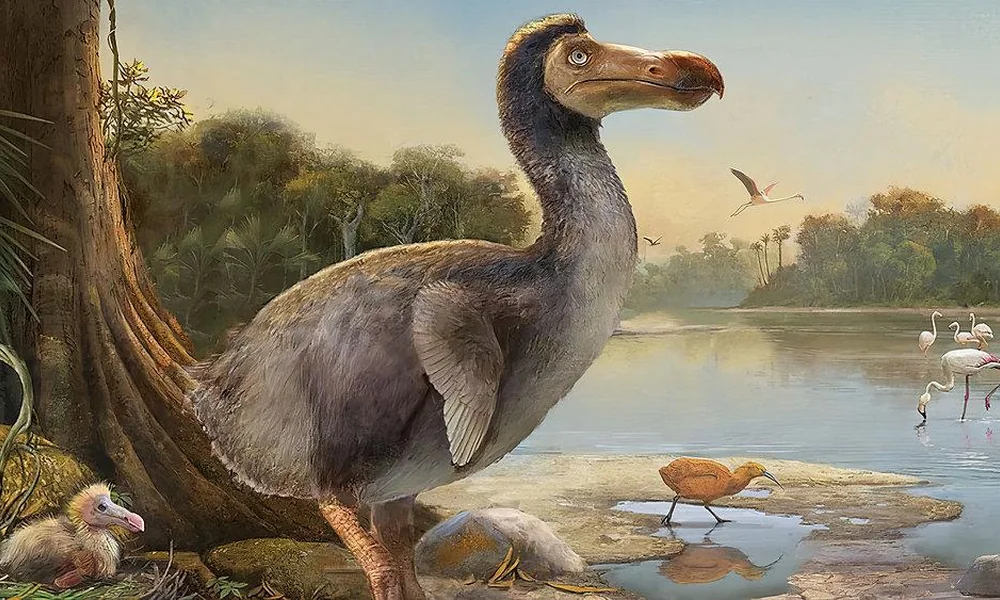
- Scientific Name: Raphus cucullatus
- Family: Columbidae
- Habitat: Coastal and inland woodland
- Range: Mauritius, an island in the Indian Ocean
- Size and Weight: About 1 m tall; roughly 10–20 kg
- Diet: Fruit, seeds and nuts
- Lifespan: Unknown
- Conservation Status: Extinct
- Key Fact: The dodo was a flightless relative of pigeons, and it died out by the late 1600s, less than a century after Dutch sailors reached Mauritius in 1598.
Dove
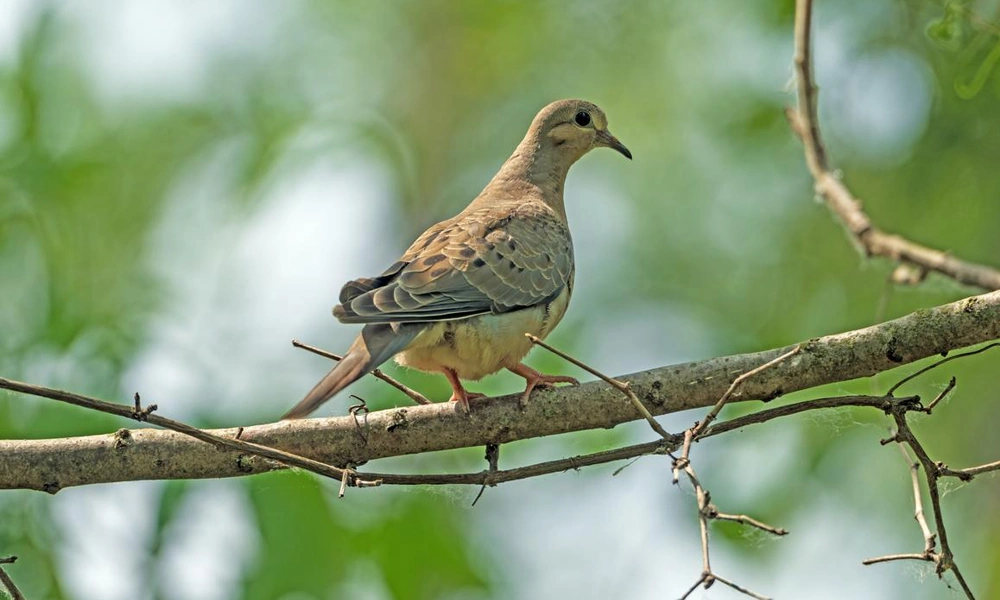
- Scientific Name: Columbidae (family, shared with pigeons)
- Family: Columbidae
- Habitat: Woodland, farmland, deserts, grasslands and cities
- Range: Worldwide except Antarctica and the polar regions
- Size and Weight: Varies by species; about 20–35 cm long; roughly 30–300 g
- Diet: Seeds, grains and fruit
- Lifespan: About 3–5 years in the wild; longer in captivity
- Conservation Status: Varies by species
- Key Fact: Doves feed their chicks “crop milk,” a nutritious fluid that both parents produce in their throats.
Downy Woodpecker
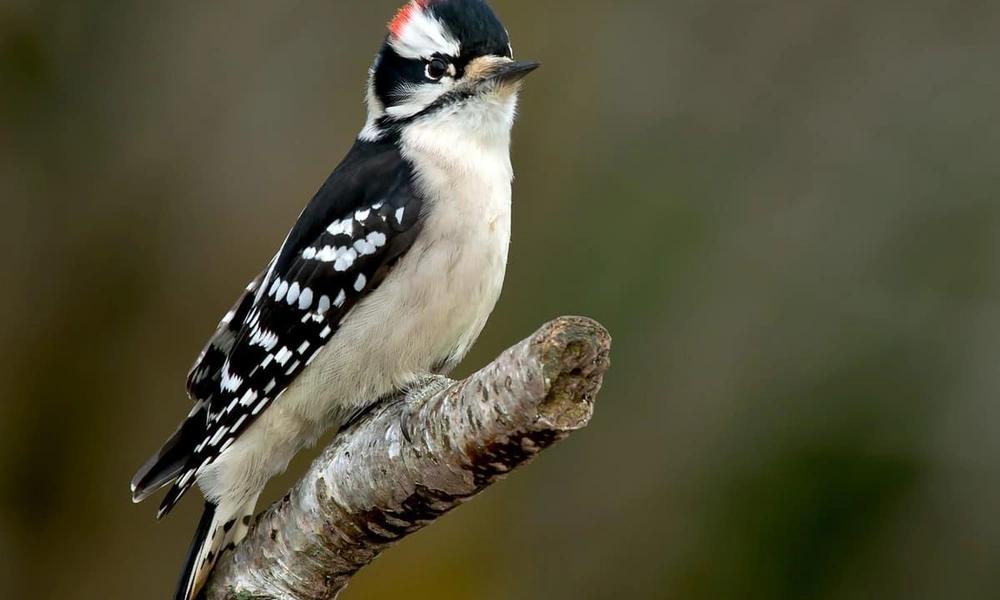
- Scientific Name: Dryobates pubescens
- Family: Picidae
- Habitat: Deciduous forests, woodland edges, orchards and parks
- Range: Most of North America
- Size and Weight: About 14–17 cm long; roughly 21–28 g
- Diet: Insects, larvae, seeds, berries and suet
- Lifespan: Usually 3–5 years in the wild
- Conservation Status: Least Concern
- Key Fact: The downy woodpecker is the smallest woodpecker in North America.
Drongo
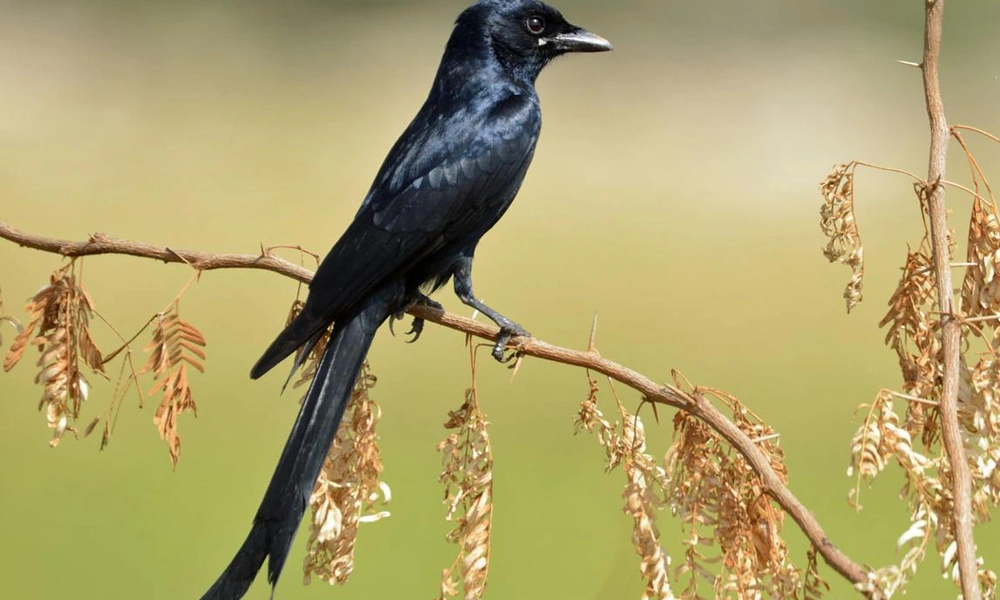
- Scientific Name: Dicrurus spp.
- Family: Dicruridae
- Habitat: Forests, woodland, savanna and farmland
- Range: Africa, South Asia, Southeast Asia and Australasia
- Size and Weight: Varies by species; about 20–40 cm long for most; roughly 40–150 g
- Diet: Mainly insects, plus nectar and occasionally small vertebrates
- Lifespan: Varies by species
- Conservation Status: Varies by species
- Key Fact: The fork-tailed drongo mimics the alarm calls of other animals to scare them off and steal their food.
Duck
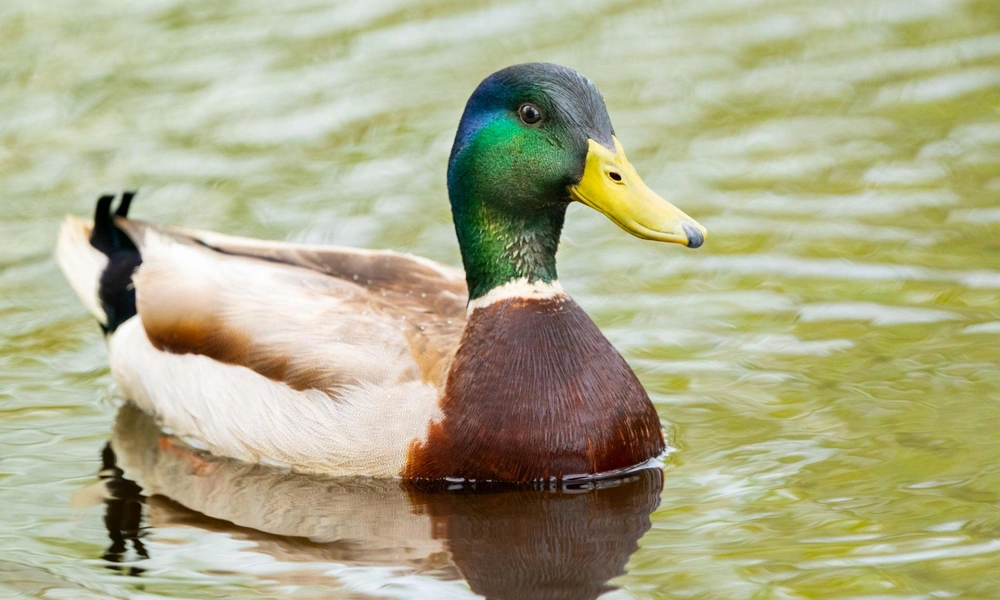
- Scientific Name: Anas platyrhynchos (mallard example)
- Family: Anatidae
- Habitat: Ponds, lakes, rivers, marshes and coasts
- Range: Worldwide except Antarctica
- Size and Weight: Mallard about 50–65 cm long; roughly 0.9–1.4 kg
- Diet: Aquatic plants, seeds, insects, snails and small fish
- Lifespan: About 5–10 years in the wild
- Conservation Status: Varies by species; the mallard is Least Concern
- Key Fact: Ducks spread oil from a gland near the tail over their feathers, which keeps them waterproof.
Dunnock
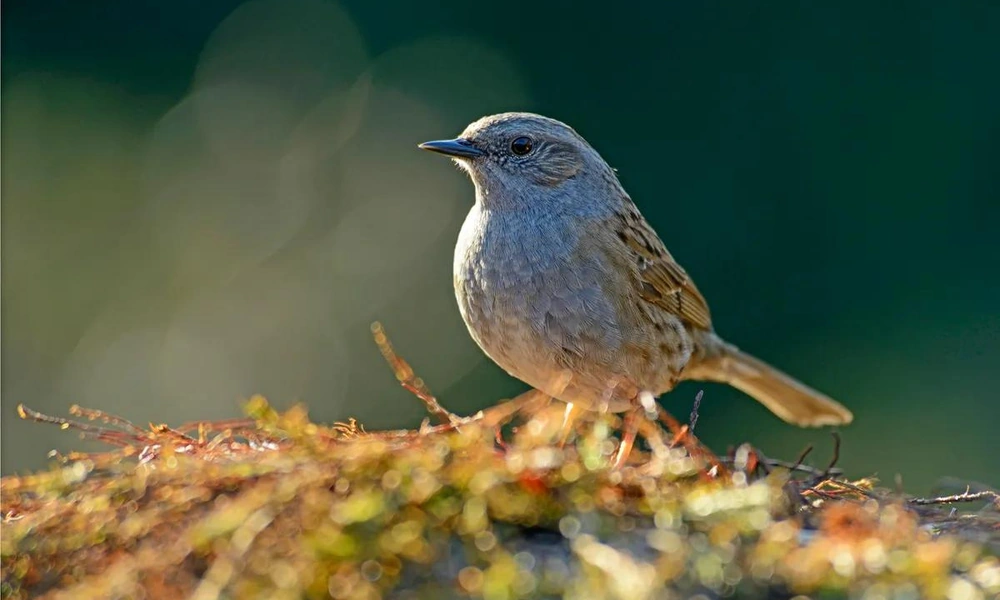
- Scientific Name: Prunella modularis
- Family: Prunellidae
- Habitat: Woodland edges, hedgerows, gardens and scrub
- Range: Europe and parts of western Asia
- Size and Weight: About 13–15 cm long; roughly 19–24 g
- Diet: Insects, spiders and seeds
- Lifespan: A few years on average
- Conservation Status: Least Concern
- Key Fact: People sometimes call the dunnock the hedge sparrow, but it belongs to the accentor family and has a mating system where several males and females can share one territory.
Dusky Lory
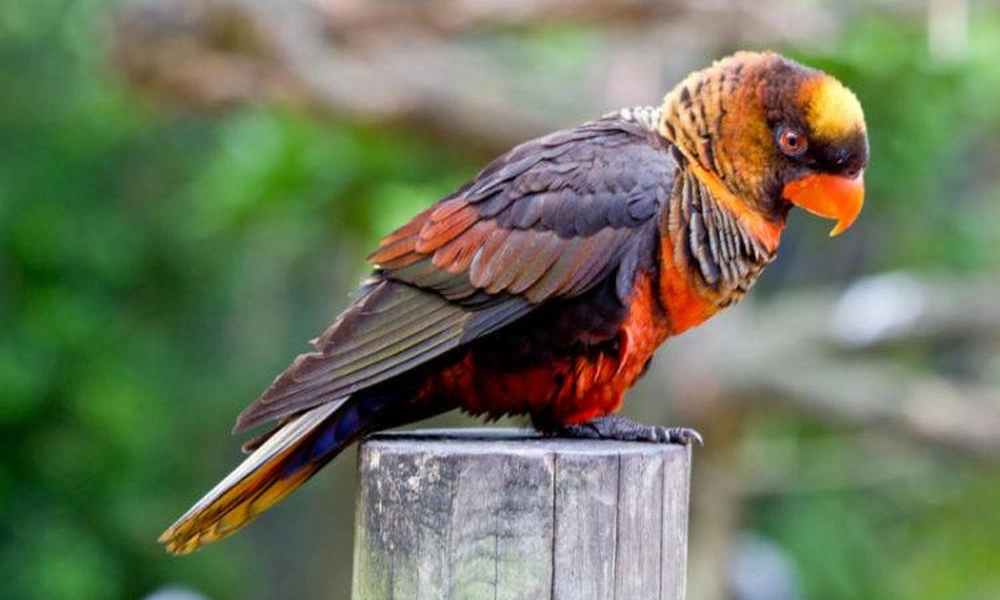
- Scientific Name: Pseudeos fuscata
- Family: Psittaculidae
- Habitat: Lowland and hill forests, forest edges and plantations
- Range: New Guinea and nearby islands such as Batanta, Salawati and Yapen
- Size and Weight: About 25 cm long; roughly 130–200 g
- Diet: Nectar, pollen, flowers and fruit
- Lifespan: Not well documented in the wild
- Conservation Status: Least Concern
- Key Fact: The dusky lory has a brush-tipped tongue that works like a tiny mop for collecting nectar and pollen.
Reptiles that start with D
Death Adder
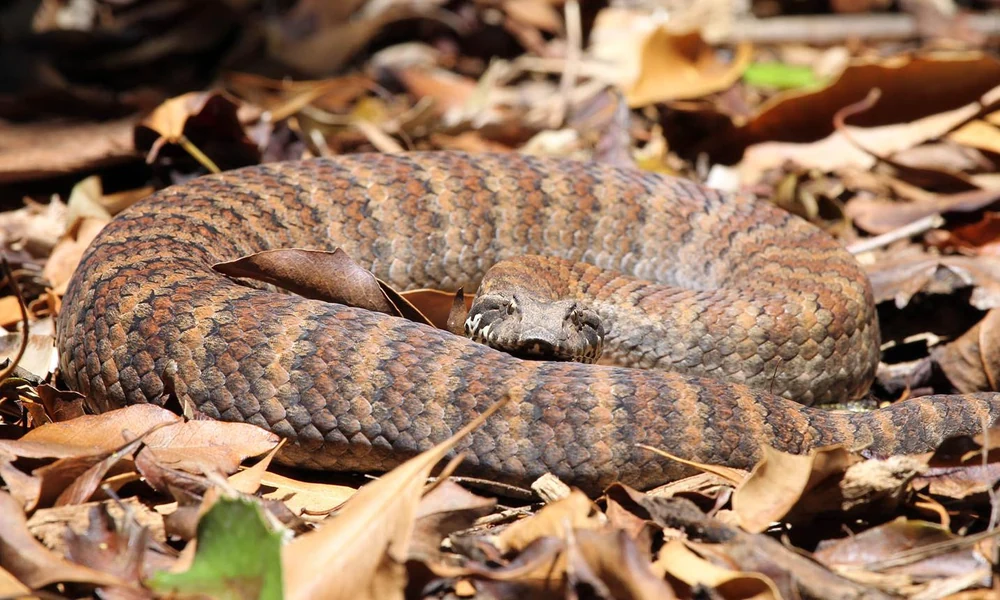
- Scientific Name: Acanthophis antarcticus (common death adder example)
- Family: Elapidae
- Habitat: Woodland, forest, heath, grassland and rocky areas
- Range: Eastern and coastal Australia; other species occur in New Guinea
- Size and Weight: About 50–100 cm long; roughly 0.3–1 kg
- Diet: Small mammals, birds, lizards and frogs
- Lifespan: Around 10 years or more
- Conservation Status: Varies by species; the common death adder is Least Concern
- Key Fact: Death adders lie hidden in leaf litter and wiggle the tip of the tail like a worm to lure prey within reach.
Desert Iguana
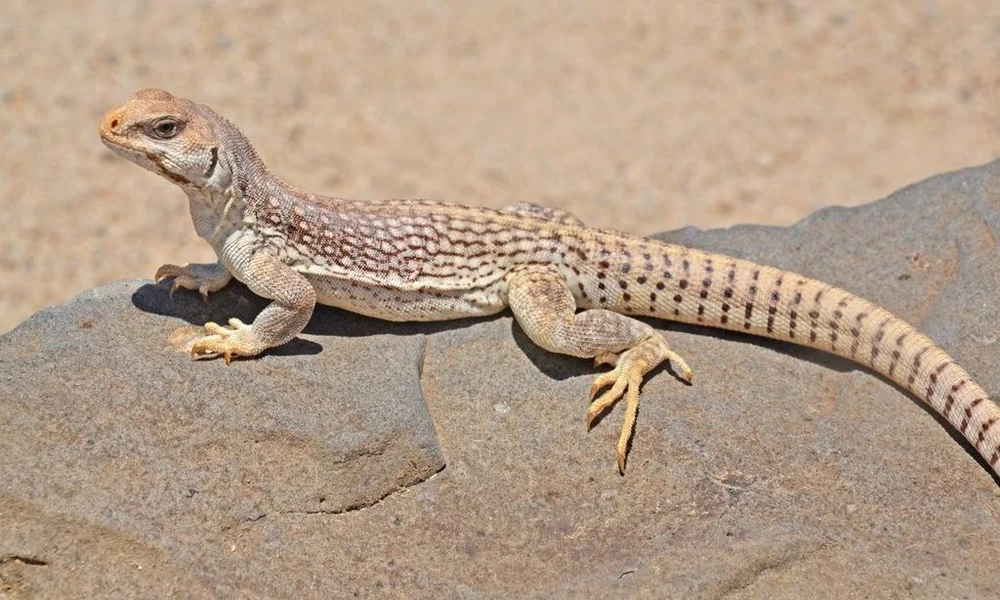
- Scientific Name: Dipsosaurus dorsalis
- Family: Iguanidae
- Habitat: Creosote scrub and sandy desert flats
- Range: Southwestern United States and northwestern Mexico
- Size and Weight: About 30–40 cm long; light, usually under about 100 g
- Diet: Creosote flowers, buds and leaves, plus fruit and occasional insects
- Lifespan: Up to about 15 years
- Conservation Status: Least Concern
- Key Fact: Desert iguanas stay active in midday heat that sends most other lizards into the shade.
Desert Kingsnake
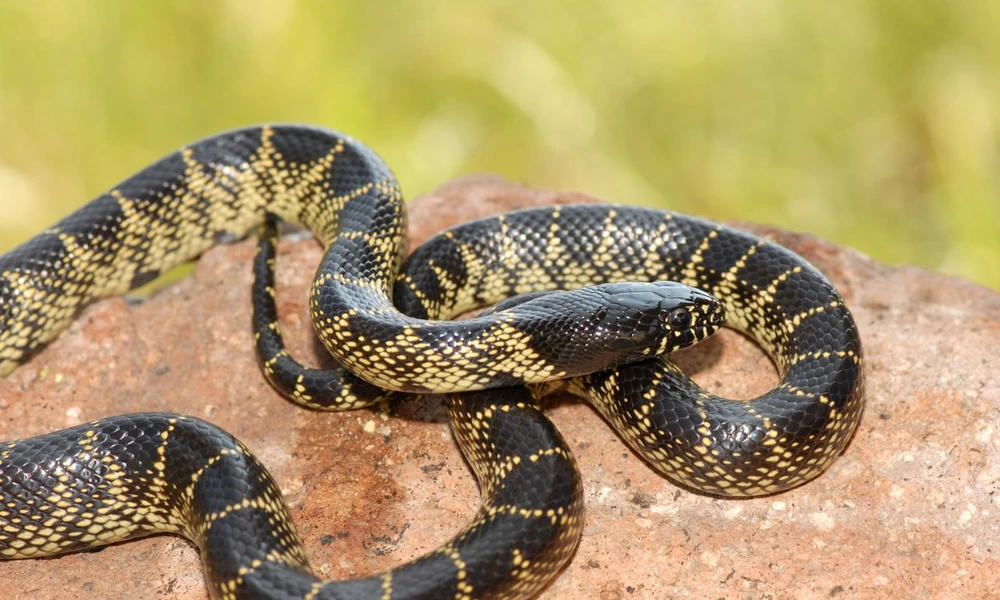
- Scientific Name: Lampropeltis splendida
- Family: Colubridae
- Habitat: Desert scrub, grassland and rocky hillsides
- Range: Southwestern United States and northern Mexico
- Size and Weight: About 90–150 cm long; usually under 1 kg
- Diet: Rodents, lizards, birds, eggs and other snakes
- Lifespan: Often 15–20 years in captivity
- Conservation Status: Least Concern
- Key Fact: Kingsnakes eat other snakes and show strong resistance to the venom of rattlesnakes.
Desert Tortoise
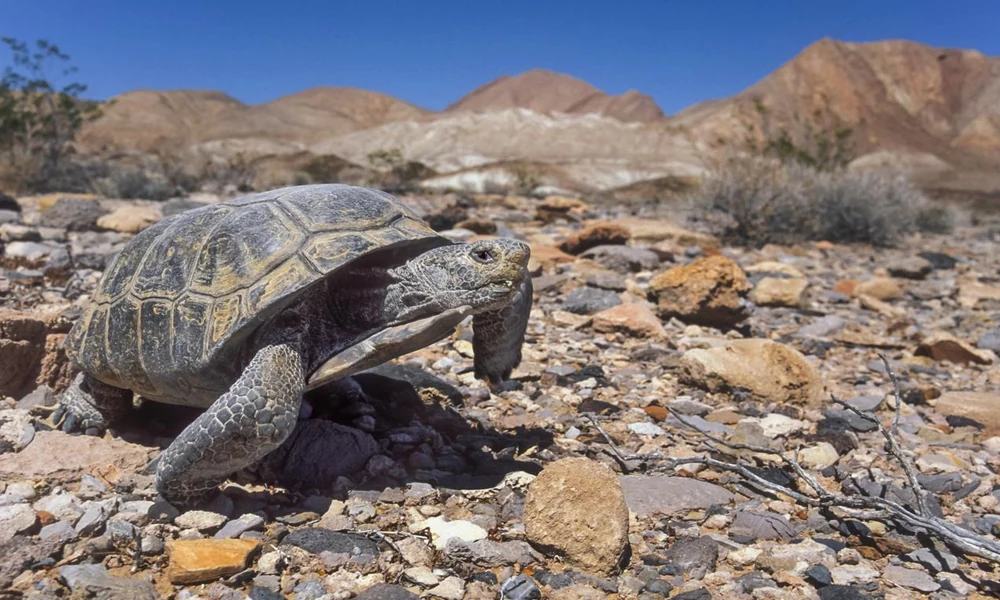
- Scientific Name: Gopherus agassizii
- Family: Testudinidae
- Habitat: Desert scrub, washes and rocky slopes
- Range: Mojave Desert of the southwestern United States
- Size and Weight: Shell about 23–36 cm long; roughly 4–7 kg
- Diet: Grasses, wildflowers and cacti
- Lifespan: About 50–80 years
- Conservation Status: Critically Endangered
- Key Fact: Desert tortoises spend most of their lives in burrows and can go for a year without drinking by storing water in the bladder.
Diamond Python
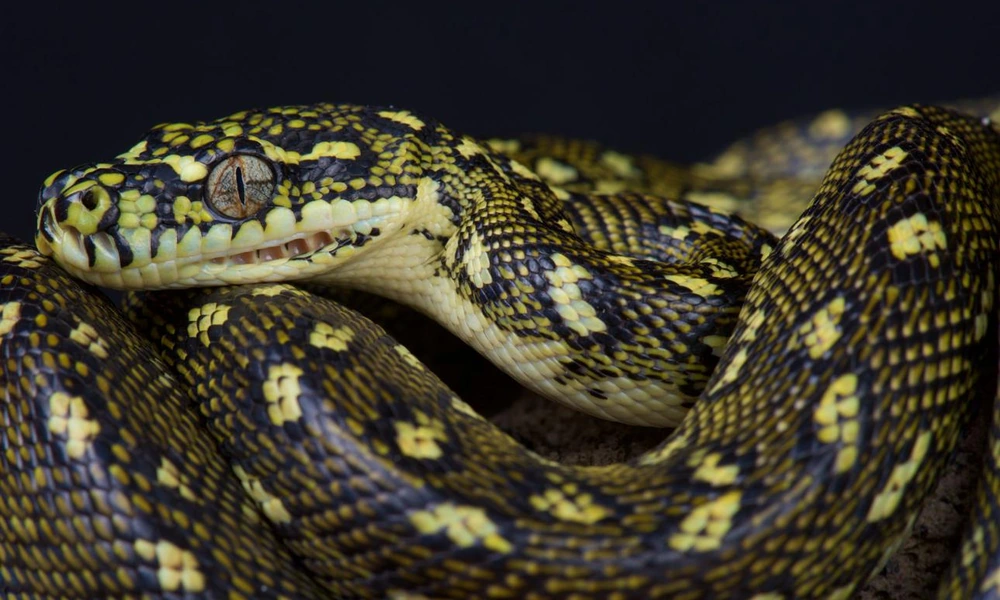
- Scientific Name: Morelia spilota spilota
- Family: Pythonidae
- Habitat: Coastal forests, woodland and rocky outcrops
- Range: Southeastern Australia
- Size and Weight: Usually 2–3 m long; roughly 3–10 kg
- Diet: Rodents, birds, possums and lizards
- Lifespan: About 15–20 years or more
- Conservation Status: Not assessed separately; the carpet python is Least Concern
- Key Fact: The diamond python is the most southerly python in the world.
Diamondback Rattlesnake
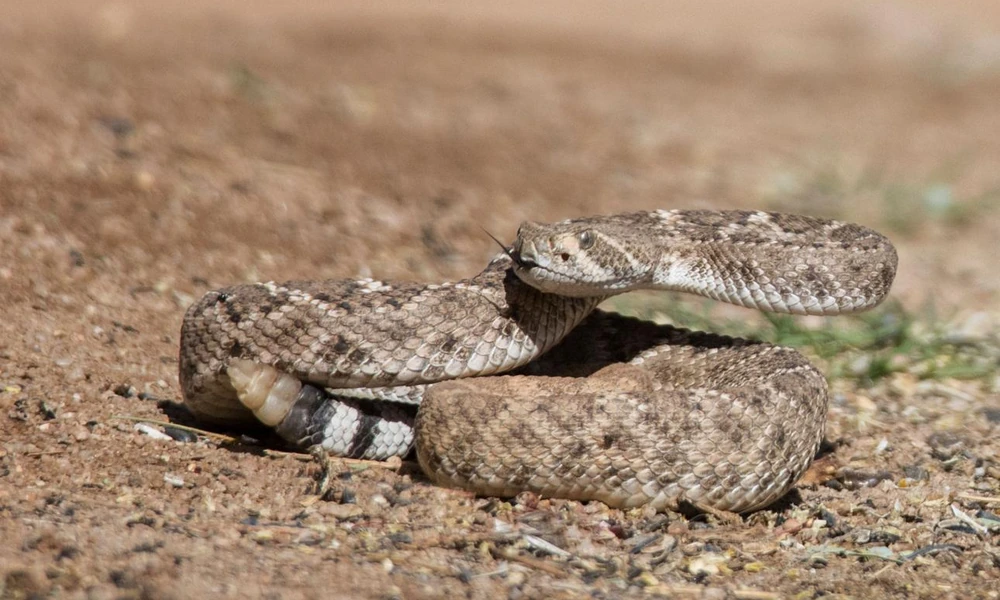
- Scientific Name: Crotalus atrox (western diamondback example)
- Family: Viperidae
- Habitat: Deserts, scrub, rocky hills and grassland
- Range: Southwestern United States and northern Mexico
- Size and Weight: About 90–150 cm long; roughly 1.5–7 kg
- Diet: Rodents, rabbits, birds and lizards
- Lifespan: About 15–20 years
- Conservation Status: Least Concern
- Key Fact: The rattle adds a new segment each time the snake sheds its skin, so you can’t tell its age by counting segments.
Dumeril’s Boa
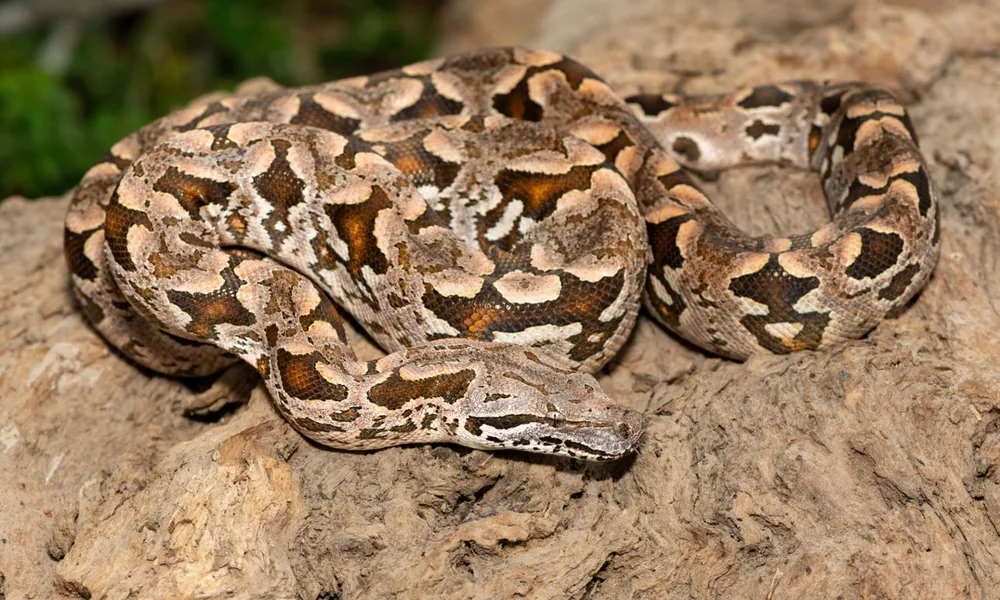
- Scientific Name: Acrantophis dumerili
- Family: Boidae
- Habitat: Dry forest, scrub and grassland
- Range: Southwestern Madagascar
- Size and Weight: About 1.5–2.5 m long; several kilograms
- Diet: Small mammals, birds and reptiles
- Lifespan: About 20–30 years in captivity
- Conservation Status: Vulnerable
- Key Fact: Dumeril’s boa gives birth to live young, which is typical of boas.
Dwarf Crocodile
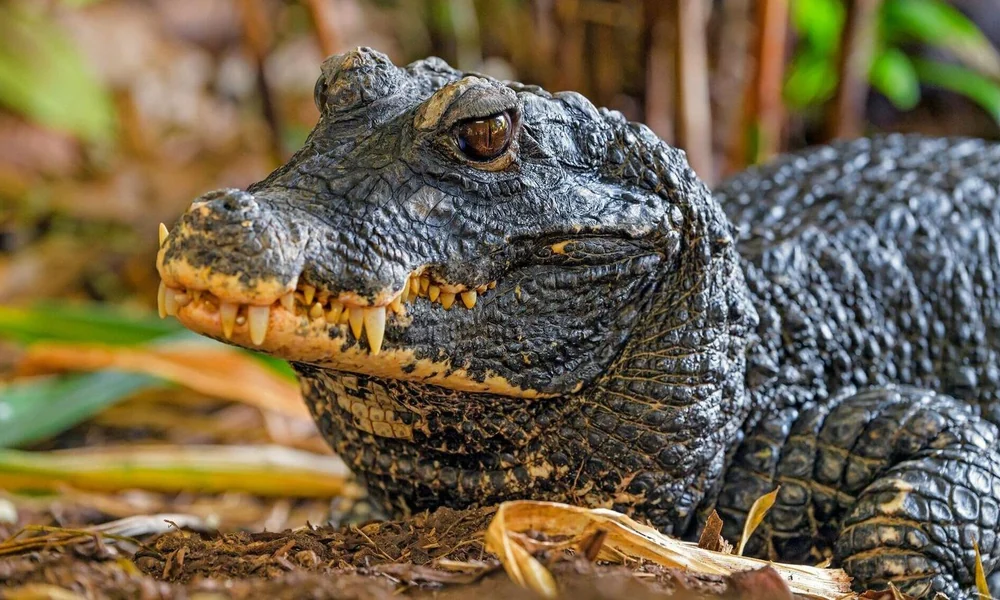
- Scientific Name: Osteolaemus tetraspis
- Family: Crocodylidae
- Habitat: Rainforest swamps, slow streams and forest pools
- Range: West and Central Africa
- Size and Weight: About 1.5–1.9 m long; roughly 18–32 kg
- Diet: Fish, frogs, crustaceans, snails and small mammals
- Lifespan: Likely 50 years or more
- Conservation Status: Vulnerable
- Key Fact: The dwarf crocodile is one of the smallest living crocodile species and has heavy bony armor on its back.
Amphibians that start with D
Darwin’s Frog
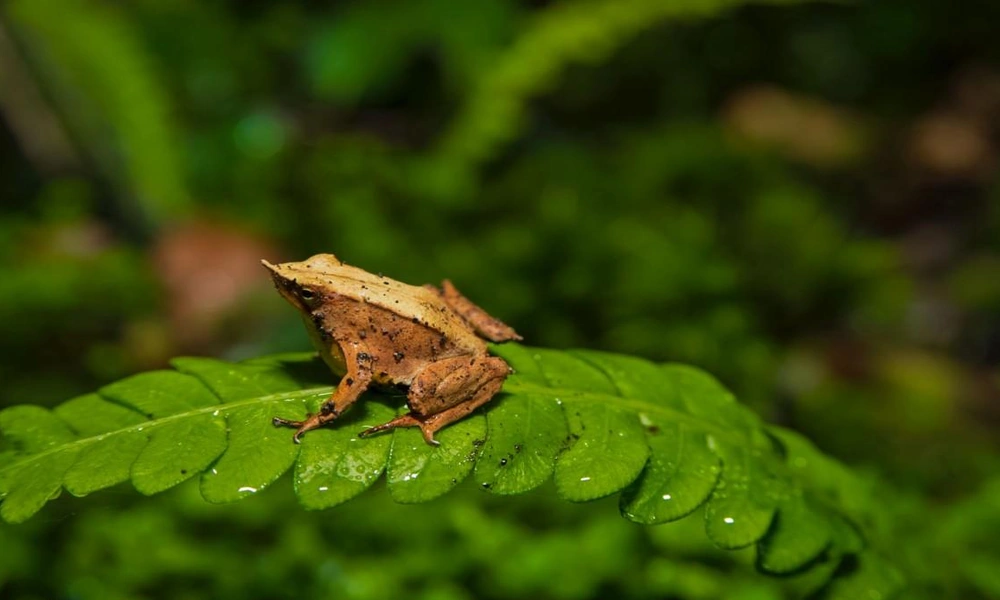
- Scientific Name: Rhinoderma darwinii
- Family: Rhinodermatidae
- Habitat: Temperate forests, streams and damp leaf litter
- Range: Chile and Argentina
- Size and Weight: About 2.5–3.5 cm long; only a few grams
- Diet: Insects and spiders
- Lifespan: Not well documented
- Conservation Status: Endangered
- Key Fact: The male keeps the tadpoles inside his vocal sac until they grow into tiny froglets.
Desert Rain Frog
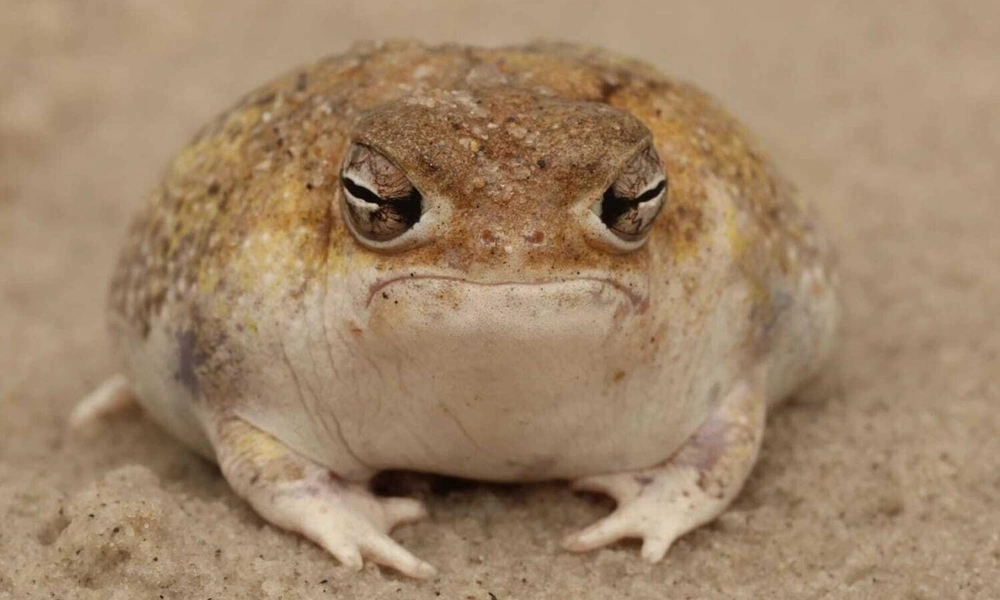
- Scientific Name: Breviceps macrops
- Family: Brevicipitidae
- Habitat: Coastal sand dunes and fog-swept scrub
- Range: Western coast of Namibia and South Africa
- Size and Weight: About 4–6 cm long; light enough to sit in the palm of your hand
- Diet: Small insects and other invertebrates
- Lifespan: Not well documented
- Conservation Status: Vulnerable
- Key Fact: The desert rain frog is famous for a squeaky call and skips the tadpole stage, since its young hatch as tiny frogs.
Dusky Salamander
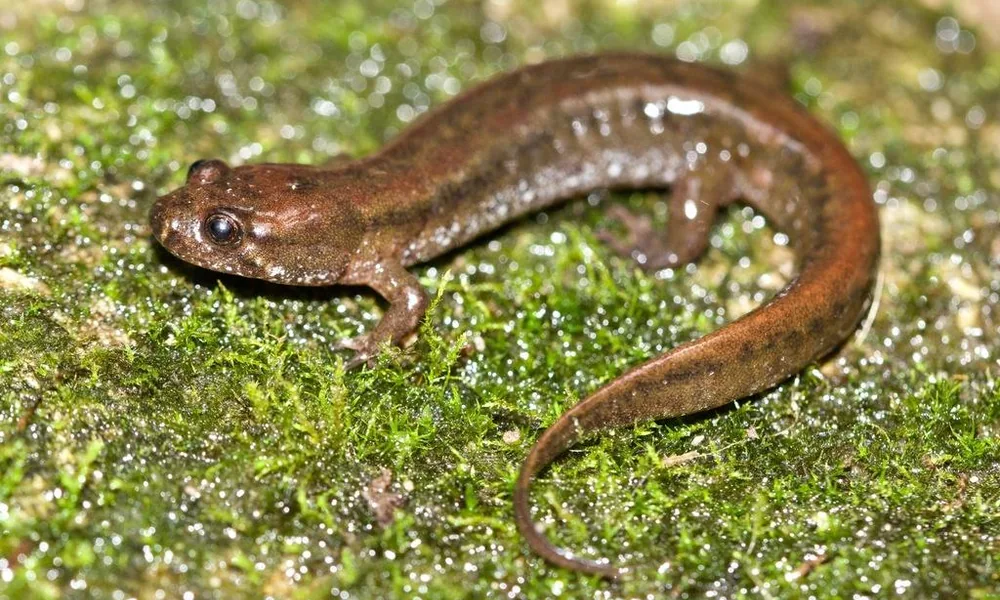
- Scientific Name: Desmognathus fuscus (northern dusky salamander example)
- Family: Plethodontidae
- Habitat: Streams, seeps and moist forest floors
- Range: Eastern North America
- Size and Weight: About 7–14 cm long; a few grams
- Diet: Insects, spiders, worms and other small invertebrates
- Lifespan: Several years
- Conservation Status: Least Concern
- Key Fact: Dusky salamanders have no lungs and breathe through their skin and the lining of the mouth.
Dyeing Dart Frog
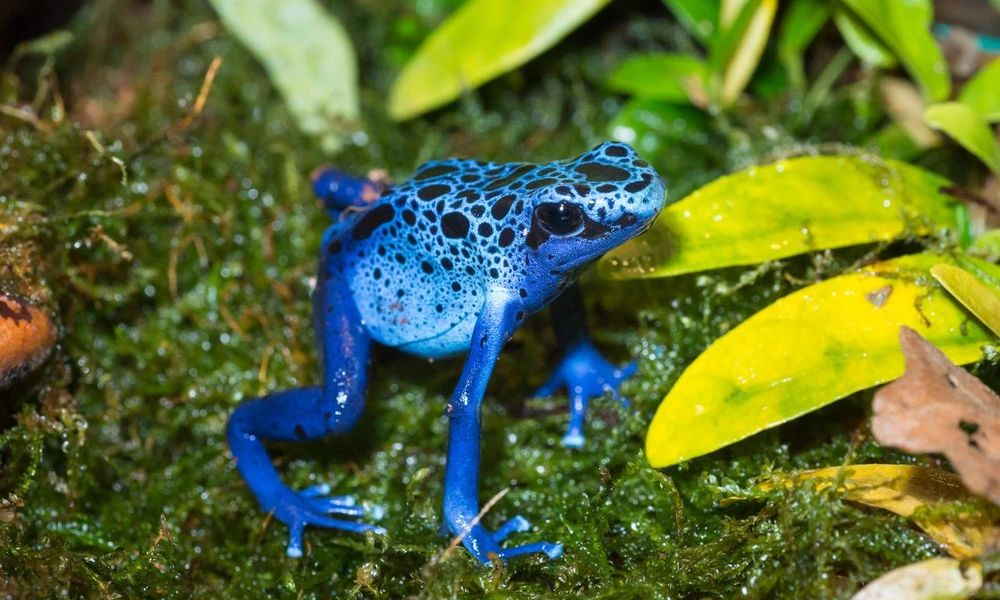
- Scientific Name: Dendrobates tinctorius
- Family: Dendrobatidae
- Habitat: Humid rainforest floor
- Range: Guiana Shield region of northern South America
- Size and Weight: About 3.5–5 cm long; a few grams
- Diet: Ants, termites and other small insects
- Lifespan: About 10 years in captivity
- Conservation Status: Least Concern
- Key Fact: The frog’s skin toxins come from its diet, and bright colors warn predators to stay away.
Fish That Start With D
Damselfish
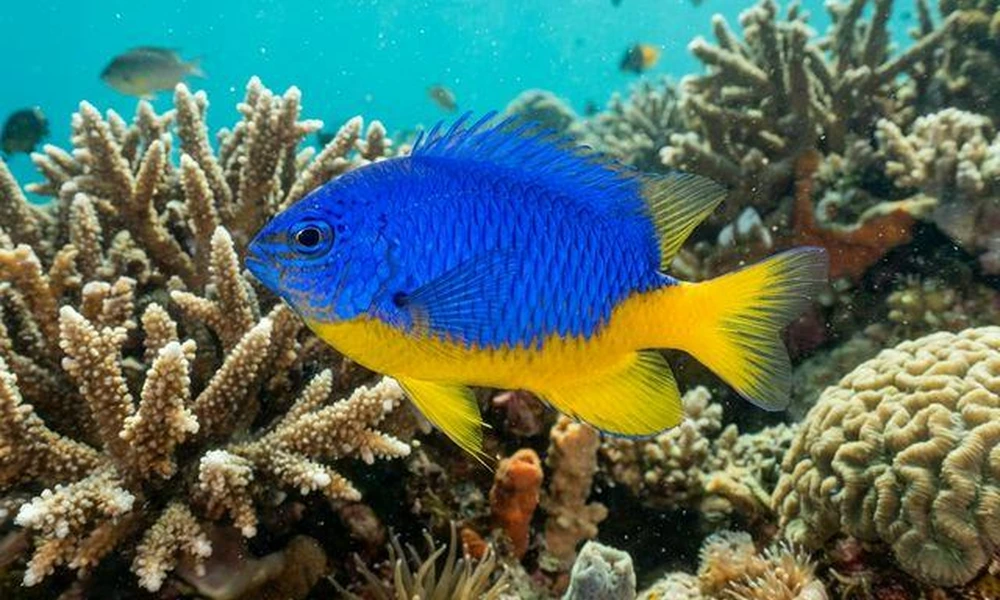
- Scientific Name: Pomacentridae (family; includes many species).
- Family: Pomacentridae.
- Habitat: Tropical coral reefs, lagoons, and rocky coastal waters.
- Range: Tropical and subtropical oceans worldwide, especially the Indo-Pacific.
- Size and Weight: Usually 5–15 cm long; weight varies by species.
- Diet: Algae, plankton, small crustaceans, and other tiny marine organisms.
- Lifespan: Several years, depending on species.
- Conservation Status: Varies by species.
- Key Fact: Many damselfish defend territories around coral or algae patches.
Danio
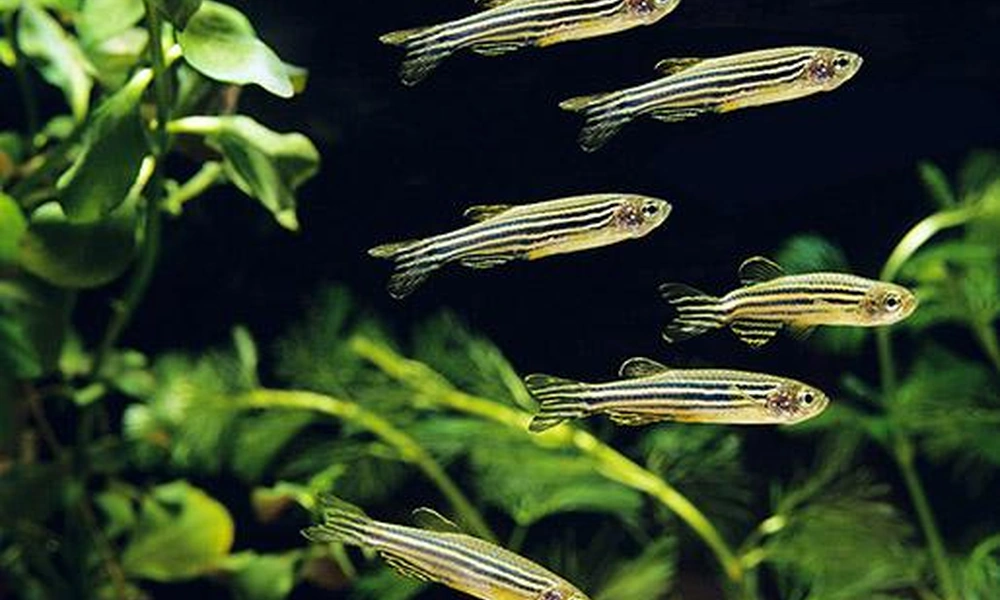
- Scientific Name: Danio (genus).
- Family: Danionidae.
- Habitat: Streams, rivers, ponds, and shallow freshwater habitats.
- Range: Mainly South and Southeast Asia.
- Size and Weight: Commonly 3–10 cm long; weight varies by species.
- Diet: Small insects, insect larvae, zooplankton, and other tiny organisms.
- Lifespan: Commonly 2–5 years in captivity, depending on species.
- Conservation Status: Varies by species.
- Key Fact: Zebrafish (Danio rerio) are widely used in scientific research.
Daggernose Shark
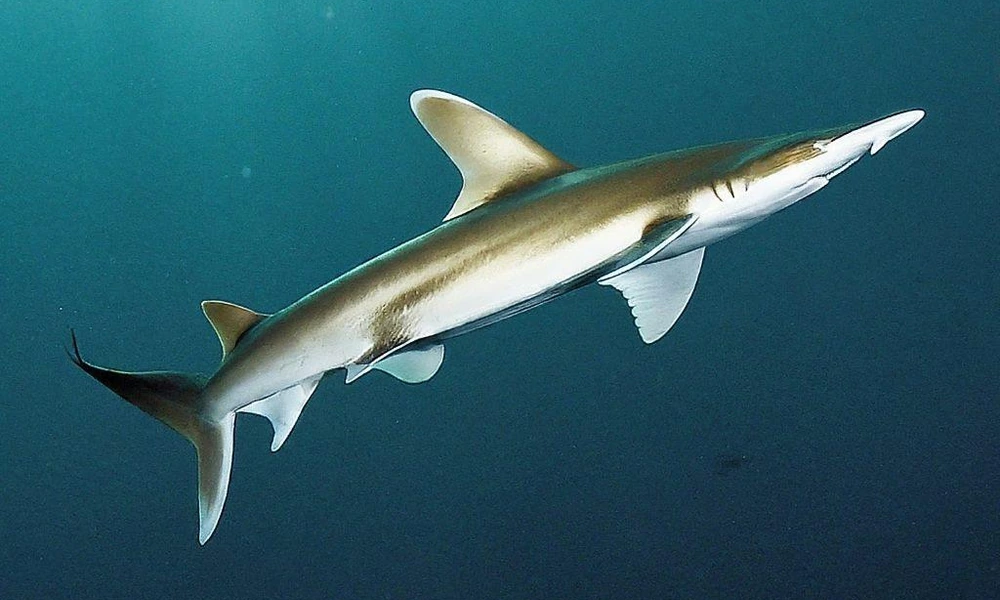
- Scientific Name: Isogomphodon oxyrhynchus.
- Family: Carcharhinidae.
- Habitat: Shallow tropical coastal waters and estuaries.
- Range: Western Atlantic coast of South America, historically from Venezuela to northern Brazil.
- Size and Weight: Up to approximately 1.5 m long; reliable weight data are limited.
- Diet: Small fish and other aquatic prey.
- Lifespan: Reliable estimates are limited.
- Conservation Status: Critically Endangered.
- Key Fact: Its distinctive, flattened, dagger-like snout distinguishes it from many other sharks.
Devils Hole Pupfish
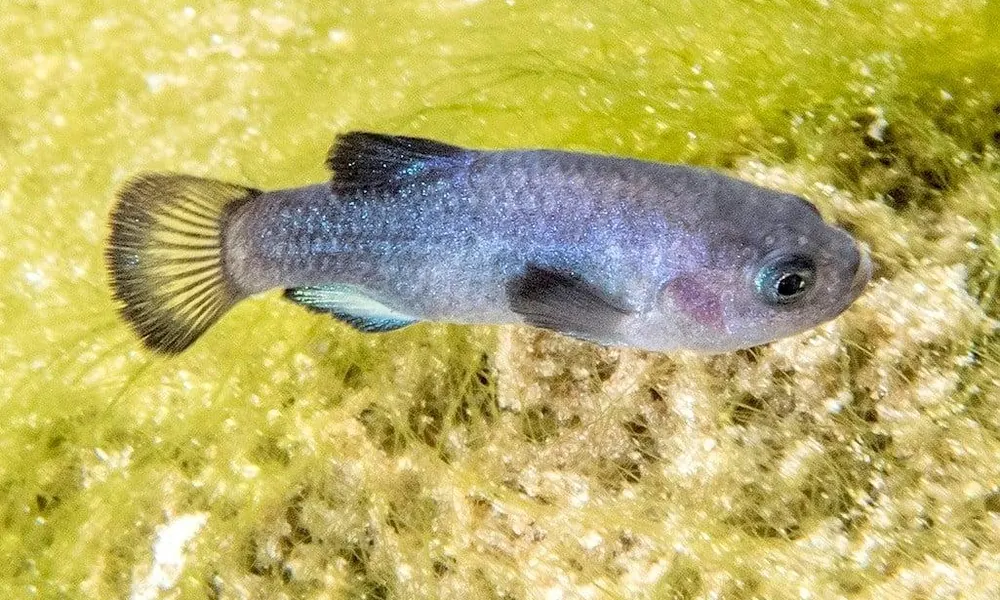
- Scientific Name: Cyprinodon diabolis.
- Family: Cyprinodontidae.
- Habitat: Warm water inside the Devils Hole limestone cavern.
- Range: Restricted naturally to Devils Hole in Nevada, USA.
- Size and Weight: Approximately 2–3.5 cm long; weight is rarely reported.
- Diet: Algae, diatoms, and small invertebrates.
- Lifespan: Approximately 6–14 months.
- Conservation Status: Critically Endangered.
- Key Fact: Its natural population depends on a very small underwater limestone shelf.
Discus
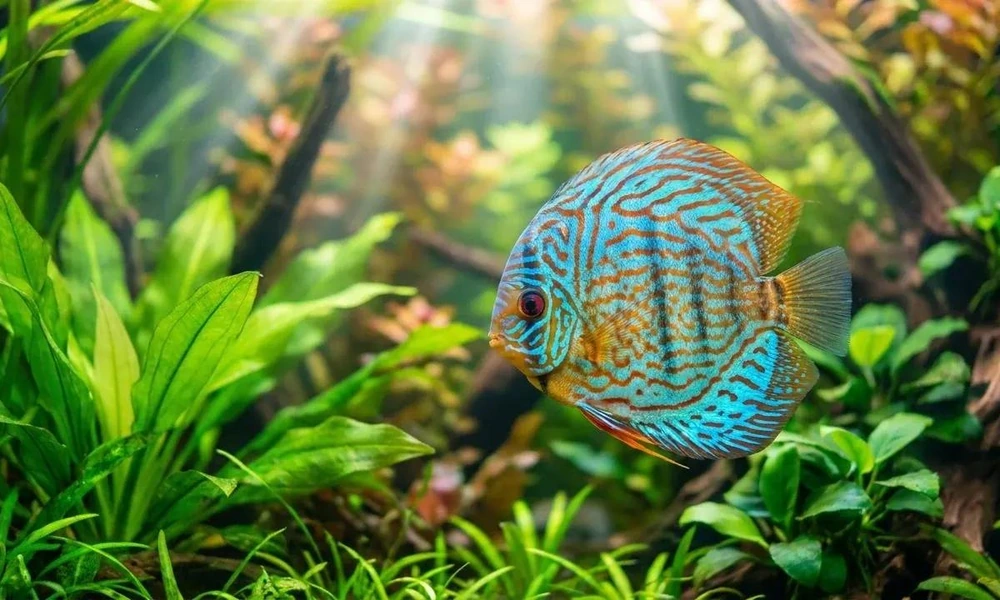
- Scientific Name: Symphysodon (genus).
- Family: Cichlidae.
- Habitat: Slow-moving rivers, flooded forests, and sheltered freshwater habitats.
- Range: Amazon River basin, South America.
- Size and Weight: Usually 15–20 cm long; weight varies by species.
- Diet: Small invertebrates, insect larvae, algae, and organic material.
- Lifespan: Around 10 years in suitable aquarium conditions.
- Conservation Status: Varies by species.
- Key Fact: Discus fish have rounded bodies and provide parental care to their young.
Dragonfish
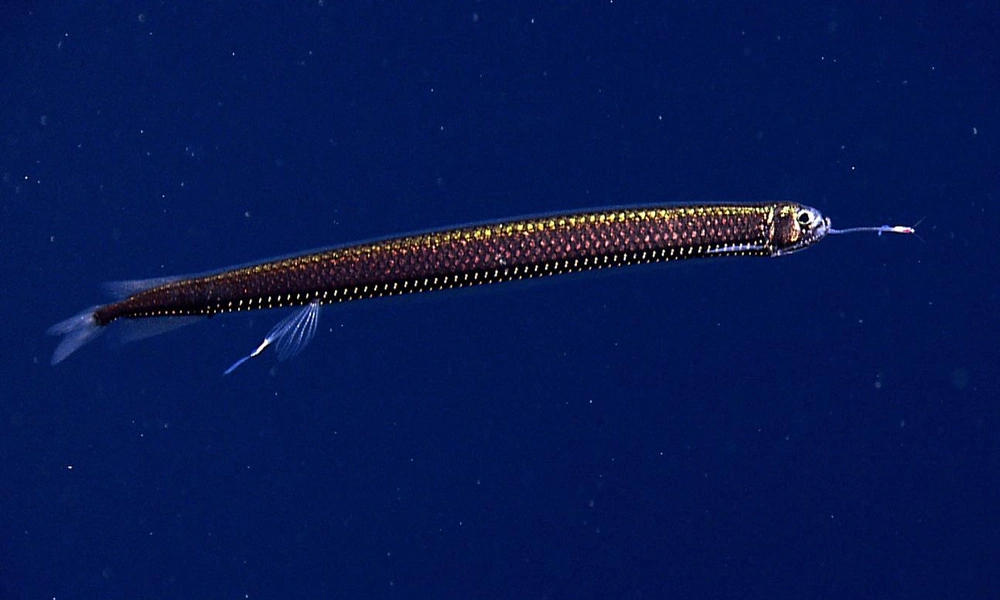
- Scientific Name: Varies by species; deep-sea dragonfish commonly belong to Stomiidae.
- Family: Stomiidae, for many deep-sea dragonfish.
- Habitat: Deep ocean waters.
- Range: Atlantic, Pacific, and Indian oceans, depending on species.
- Size and Weight: Many species measure approximately 10–40 cm long.
- Diet: Fish, crustaceans, and other small marine animals.
- Lifespan: Not reliably established for many species.
- Conservation Status: Varies by species; data are limited for many deep-sea species.
- Key Fact: Many dragonfish produce light through bioluminescence.
Dusky Shark
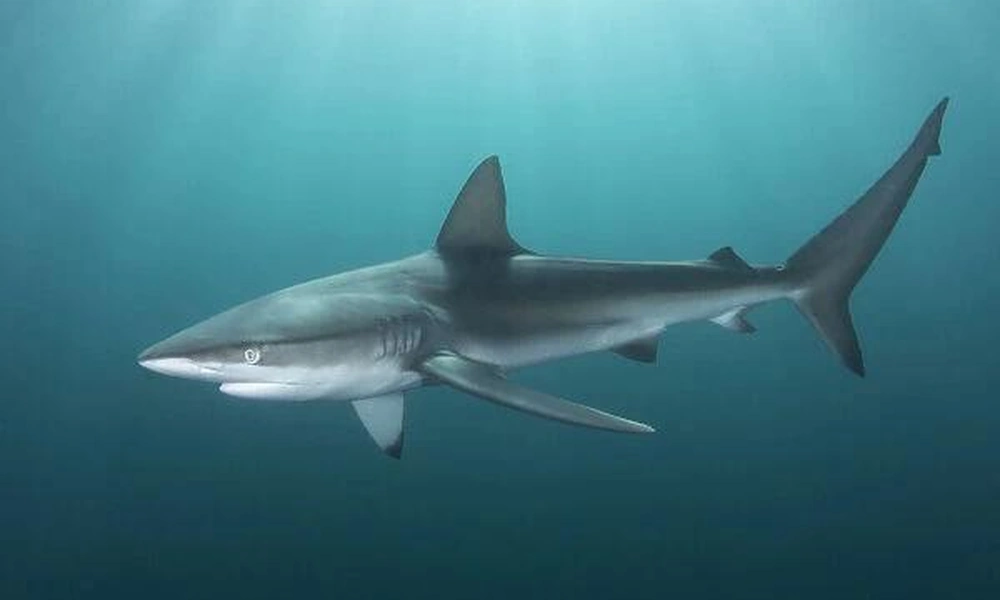
- Scientific Name: Carcharhinus obscurus.
- Family: Carcharhinidae.
- Habitat: Coastal waters, continental shelves, and offshore marine environments.
- Range: Tropical and temperate oceans worldwide.
- Size and Weight: Approximately 3–4 m at maximum reported lengths; weight varies.
- Diet: Fish, sharks, rays, crustaceans, and cephalopods.
- Lifespan: Approximately 40–50 years.
- Conservation Status: Endangered.
- Key Fact: Slow growth and late maturity make dusky sharks vulnerable to overfishing.
Dwarf Gourami
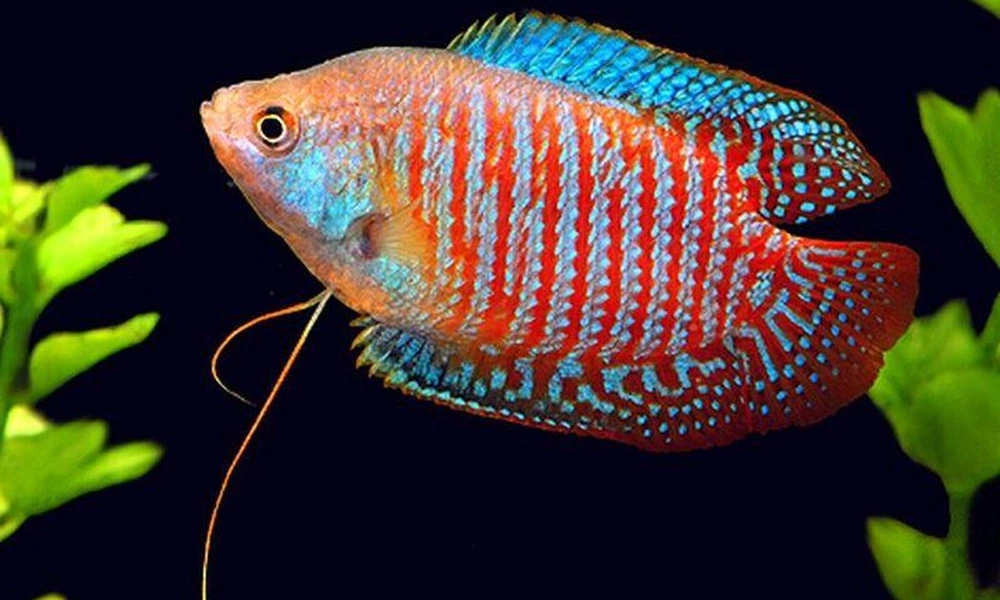
- Scientific Name: Trichogaster lalius.
- Family: Osphronemidae.
- Habitat: Slow-moving streams, ponds, rice fields, and vegetated freshwater.
- Range: Native mainly to South Asia, including India, Bangladesh, and Pakistan.
- Size and Weight: Usually 5–9 cm long; weight is rarely documented.
- Diet: Small insects, larvae, zooplankton, and tiny aquatic organisms.
- Lifespan: Approximately 3–5 years in suitable aquarium conditions.
- Conservation Status: Least Concern.
- Key Fact: Its labyrinth organ allows it to breathe atmospheric air.
Sea and Freshwater Invertebrates That Start With D
Decorator Crab
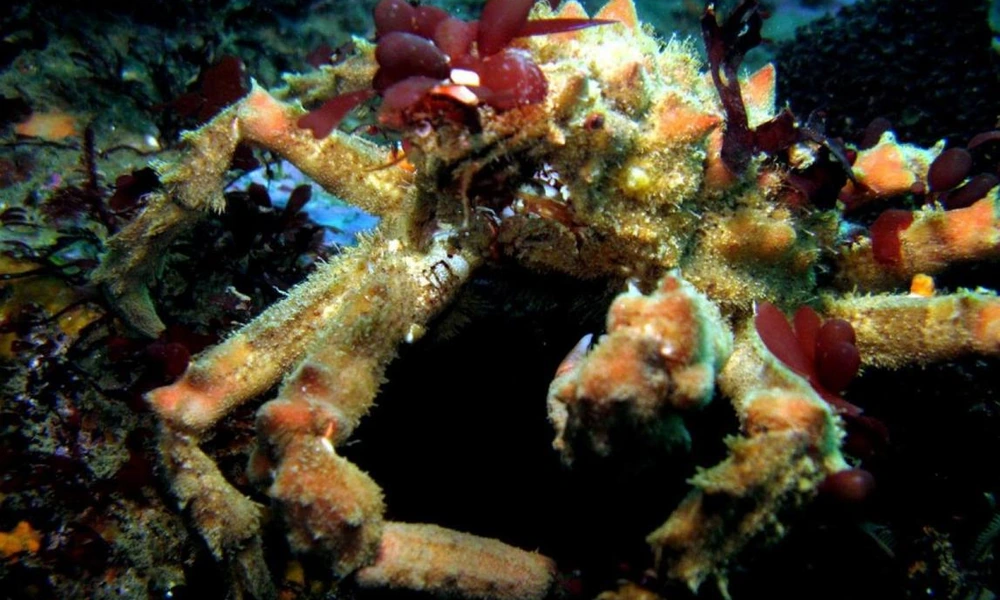
- Scientific Name: Varies by species; one example is Naxia tumida.
- Family: Majidae, for Naxia tumida.
- Habitat: Rocky shores, coral reefs, and other marine environments.
- Range: Varies by species; Naxia tumida occurs in Australian coastal waters.
- Size and Weight: Naxia tumida has a body approximately 4 cm across.
- Diet: Small invertebrates, algae, and other available food.
- Lifespan: Not reliably established for all species.
- Conservation Status: Varies by species.
- Key Fact: It attaches algae and other materials to its body for camouflage.
Disco Clam
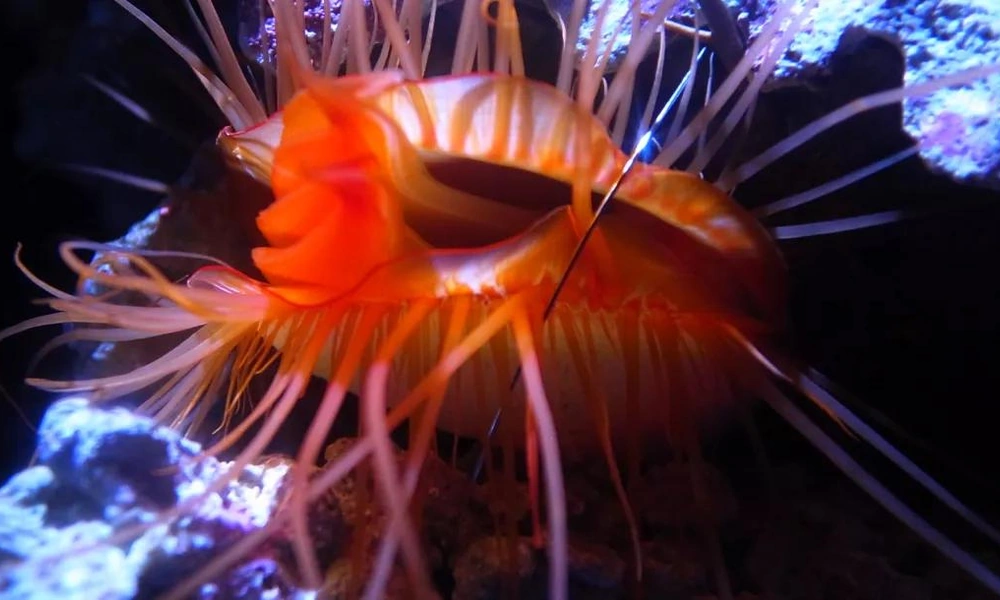
- Scientific Name: Ctenoides ales.
- Family: Limidae.
- Habitat: Tropical coral reefs, rocky crevices, and caves.
- Range: Indo-Pacific coral reef regions.
- Size and Weight: Usually a few centimetres across.
- Diet: Plankton and microscopic food particles filtered from water.
- Lifespan: Reliable species-specific data are limited.
- Conservation Status: Not comprehensively assessed globally.
- Key Fact: Its flashing mantle display results from reflected light rather than bioluminescence.
Dungeness Crab
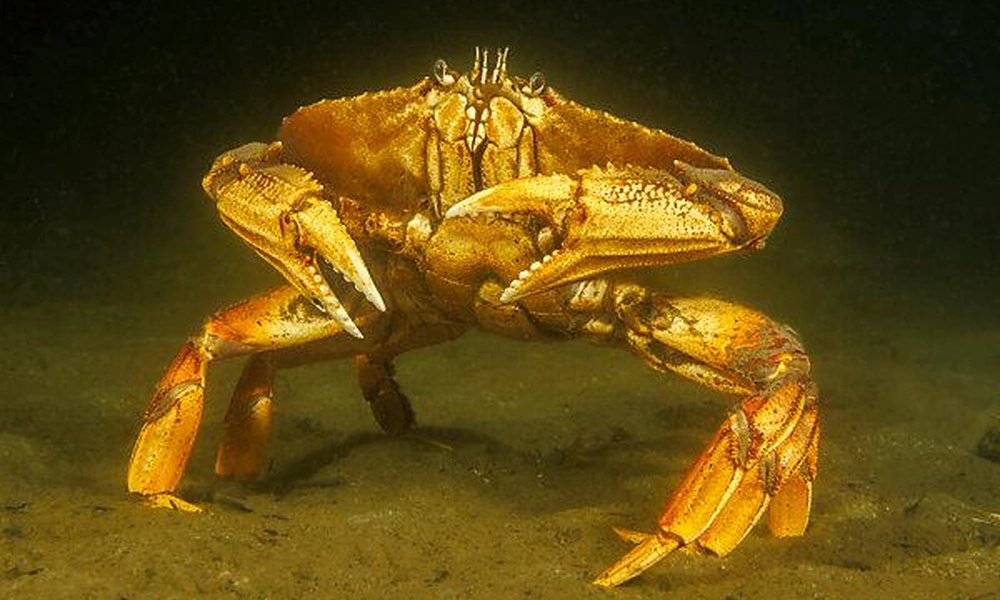
- Scientific Name: Metacarcinus magister, also known as Cancer magister.
- Family: Cancridae.
- Habitat: Sandy and muddy seabeds, estuaries, and coastal marine waters.
- Range: Northeastern Pacific coast, from Alaska to central California.
- Size and Weight: Carapace width can reach approximately 20 cm; large individuals may weigh over 1 kg.
- Diet: Clams, small fish, worms, shrimp, and bottom-dwelling organisms.
- Lifespan: Estimates commonly range from approximately 8–13 years.
- Conservation Status: Regional fisheries management varies.
- Key Fact: Dungeness crabs are commercially important along North America’s Pacific coast.
Insects and Creepy Crawlies That Start With D
Damselfly
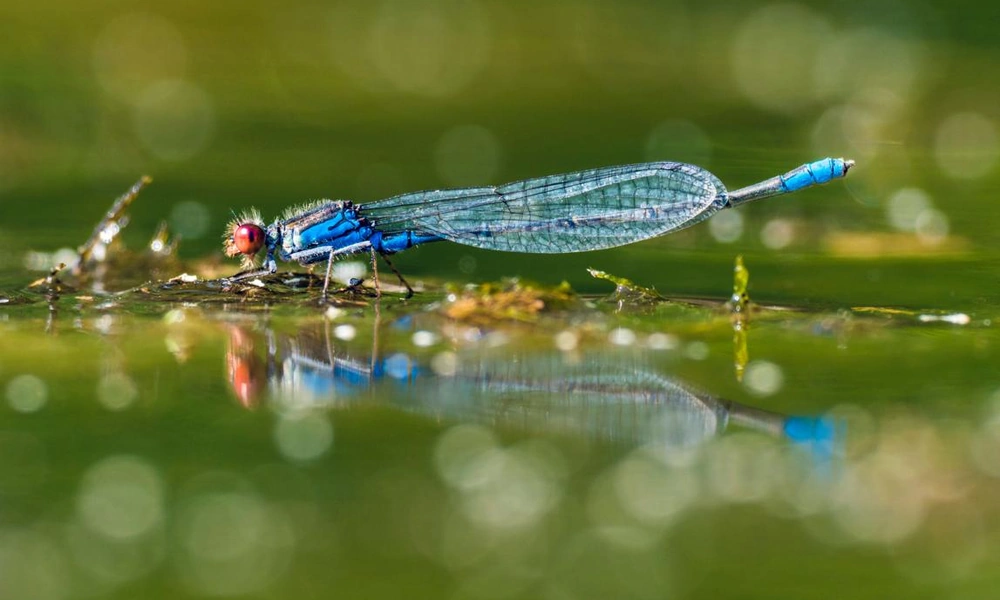
- Scientific Name: Suborder Zygoptera.
- Family: Multiple families within Zygoptera.
- Habitat: Ponds, lakes, wetlands, streams, and freshwater vegetation.
- Range: Worldwide except Antarctica.
- Size and Weight: Usually 2–5 cm long, depending on species.
- Diet: Adults eat small flying insects; nymphs prey on tiny aquatic animals.
- Lifespan: Aquatic nymphs may live months to years; adults often live weeks to months.
- Conservation Status: Varies by species.
- Key Fact: Most damselflies rest with their wings folded along their bodies.
Darkling Beetle
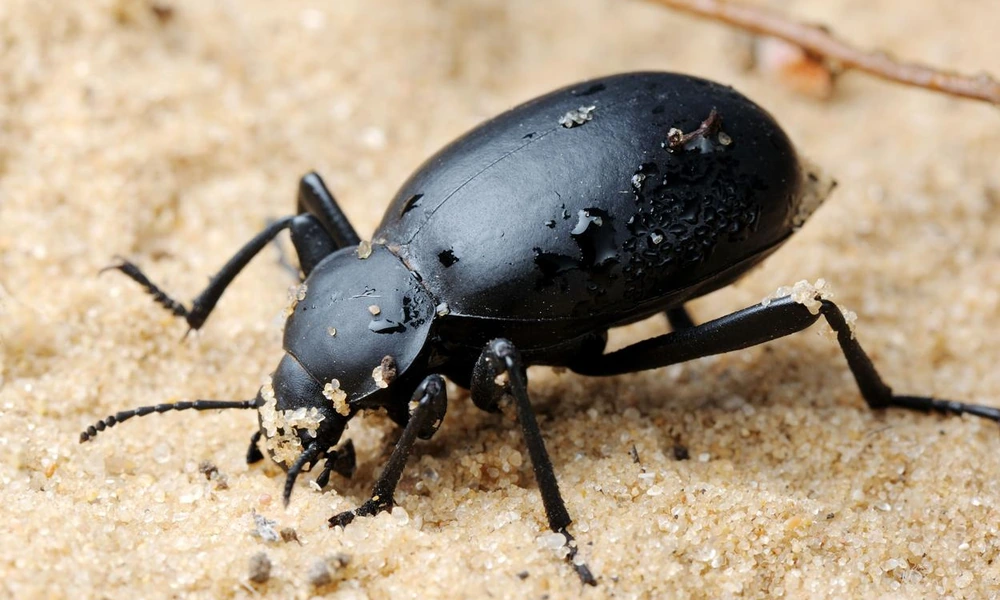
- Scientific Name: Family Tenebrionidae; includes numerous genera and species.
- Family: Tenebrionidae.
- Habitat: Deserts, woodlands, grasslands, gardens, and coastal habitats.
- Range: Worldwide.
- Size and Weight: Many species measure approximately 1–3 cm long.
- Diet: Dead plant material, fungi, seeds, and decaying organic matter.
- Lifespan: Varies from several months to longer periods, depending on species.
- Conservation Status: Varies by species.
- Key Fact: Some desert species have adaptations that help them conserve water in dry environments.
Deathstalker Scorpion
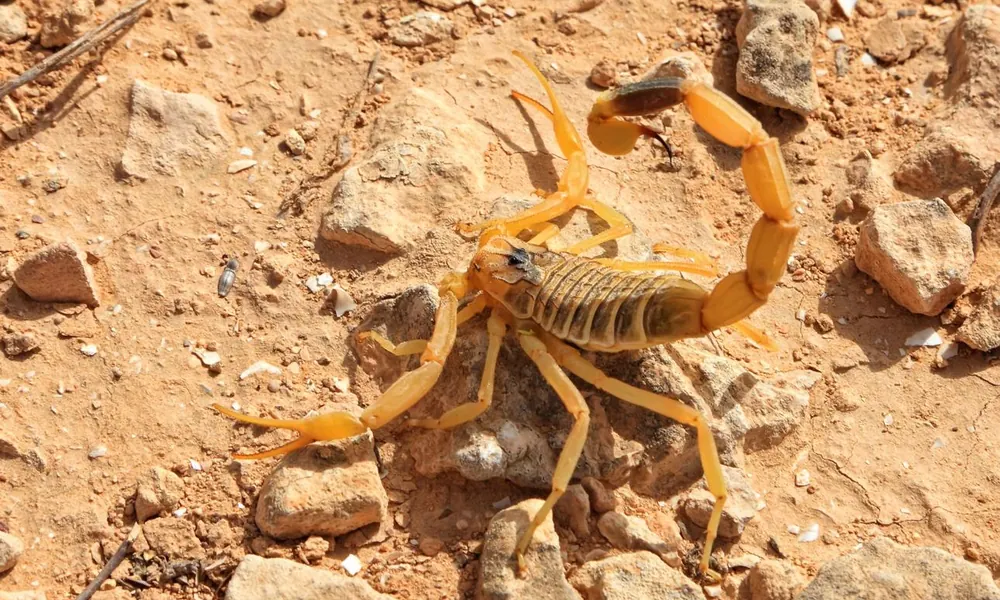
- Scientific Name: Leiurus quinquestriatus.
- Family: Buthidae.
- Habitat: Arid deserts, rocky terrain, and dry scrubland.
- Range: Parts of North Africa and the Middle East.
- Size and Weight: Usually 8–11 cm long; weighs only a few grams.
- Diet: Insects, spiders, and other small arthropods.
- Lifespan: Several years under suitable conditions.
- Conservation Status: Not comprehensively assessed globally.
- Key Fact: Its venom can cause serious medical emergencies.
Deathwatch Beetle
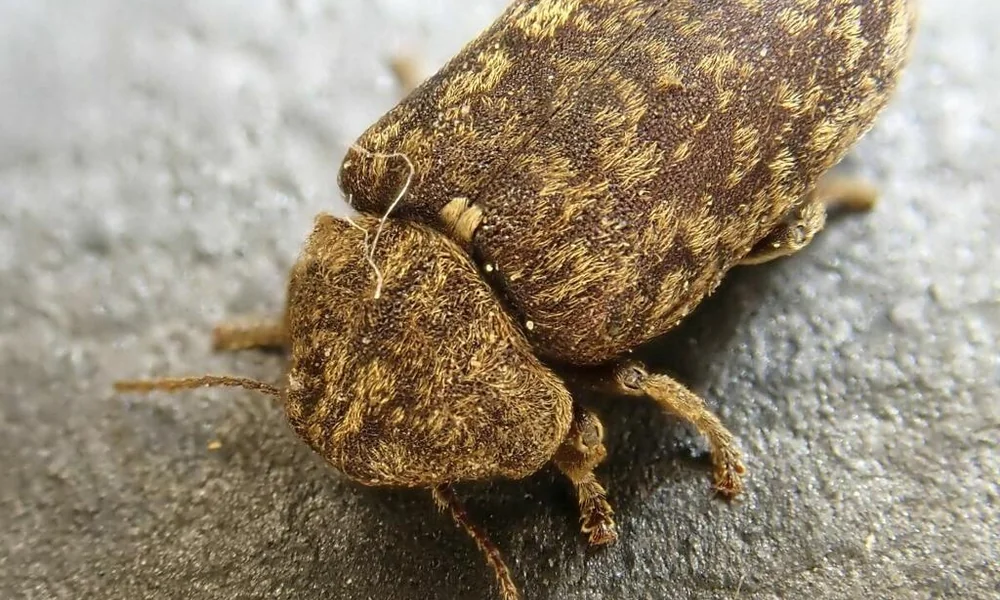
- Scientific Name: Xestobium rufovillosum.
- Family: Ptinidae.
- Habitat: Old trees, dead hardwood, timber, and woodland.
- Range: Parts of Europe and other recorded regions.
- Size and Weight: Adults measure approximately 5–9 mm long.
- Diet: Larvae feed mainly on old or fungus-affected hardwood.
- Lifespan: The larval stage may last several years.
- Conservation Status: Regional abundance varies.
- Key Fact: It taps its head against wood to produce sounds that help attract mates.
Desert Locust
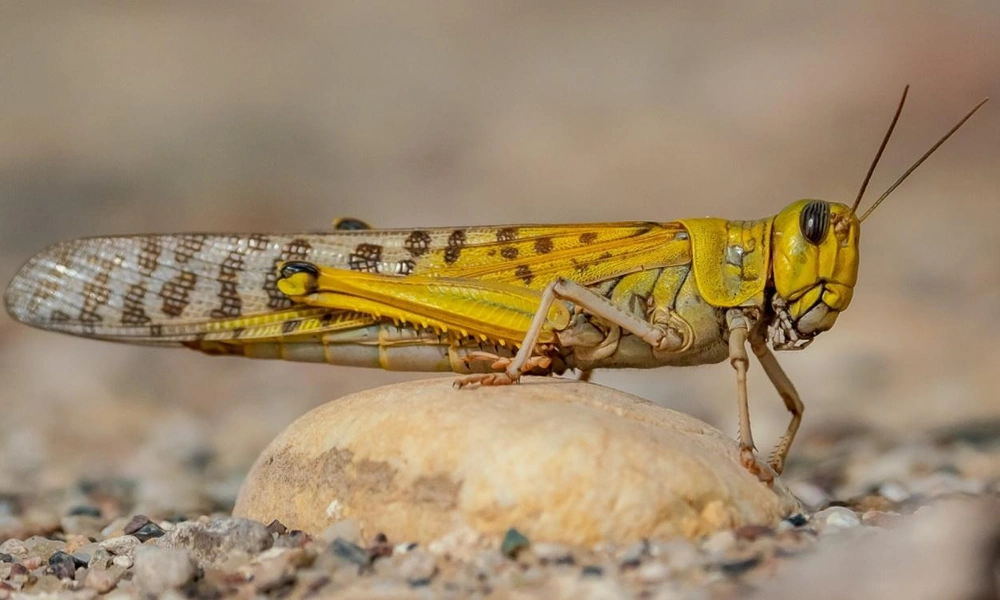
- Scientific Name: Schistocerca gregaria.
- Family: Acrididae.
- Habitat: Arid and semi-arid grasslands, deserts, and areas that become green after rainfall.
- Range: North Africa, the Middle East, and parts of South Asia.
- Size and Weight: Adults are usually 4–8 cm long.
- Diet: Grasses, leaves, crops, and other green vegetation.
- Lifespan: Approximately 3–5 months, depending on conditions.
- Conservation Status: Monitored as a major agricultural pest.
- Key Fact: Large migrating swarms can destroy crops across extensive agricultural areas.
Diving Bell Spider
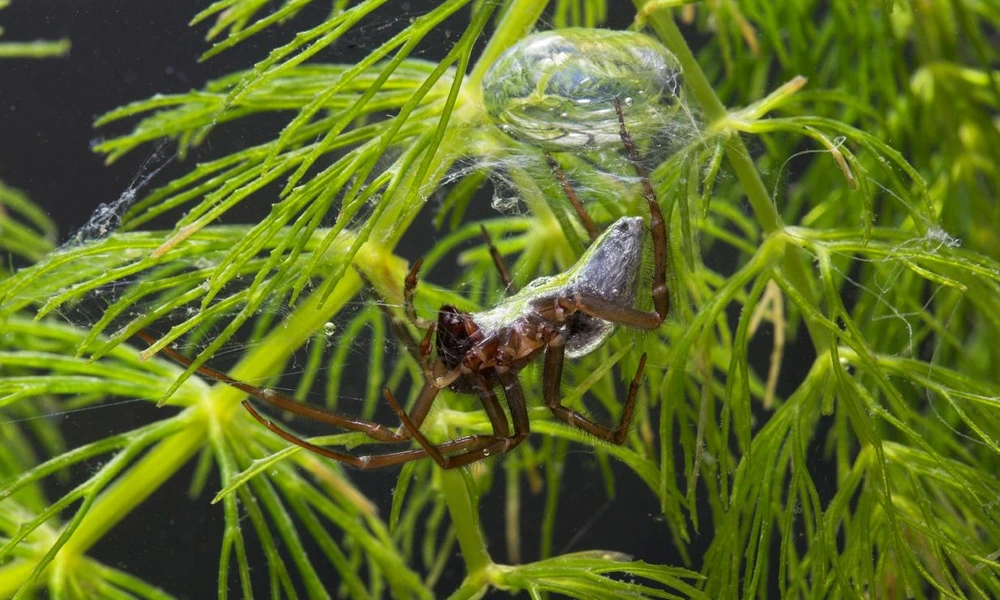
- Scientific Name: Argyroneta aquatica.
- Family: Cybaeidae.
- Habitat: Still or slow-moving freshwater with aquatic vegetation.
- Range: Parts of Europe and northern Asia.
- Size and Weight: Females may reach approximately 10–15 mm in body length.
- Diet: Aquatic insects, larvae, small crustaceans, and other small animals.
- Lifespan: Often around one year, depending on conditions.
- Conservation Status: Not globally assessed in a widely used IUCN category.
- Key Fact: It builds an underwater silk chamber that holds an air supply.
Dobsonfly
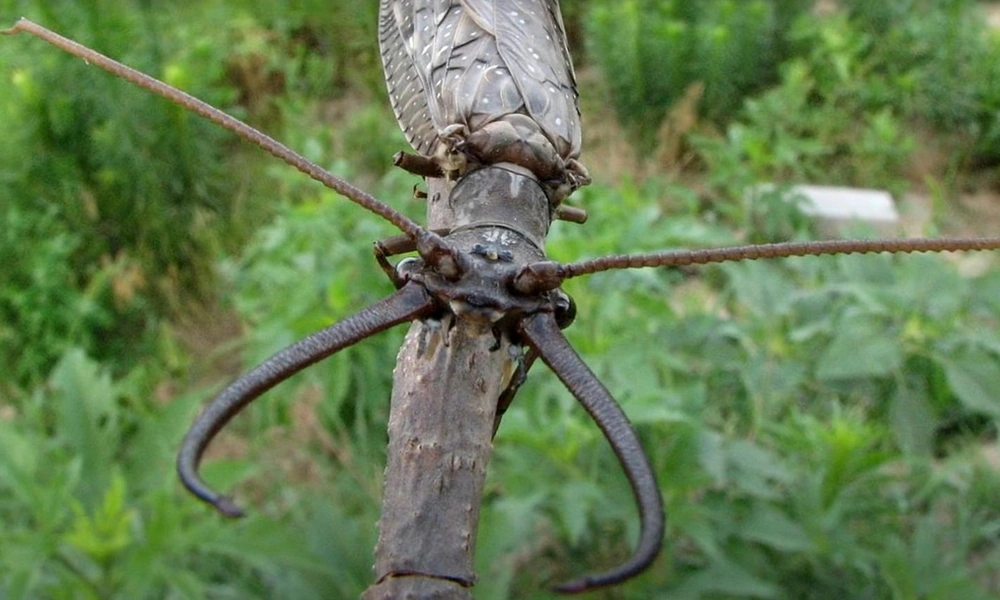
- Scientific Name: Subfamily Corydalinae.
- Family: Corydalidae.
- Habitat: Streams and rivers, particularly oxygen-rich freshwater.
- Range: North and South America and Asia, depending on species.
- Size and Weight: Large adults can reach approximately 5–12 cm in body length.
- Diet: Aquatic larvae prey on small invertebrates; adults may feed little.
- Lifespan: Larvae may live for several years; adults often live days to weeks.
- Conservation Status: Varies by species.
- Key Fact: Male eastern dobsonflies have long mandibles used mainly in competition.
Dragonfly
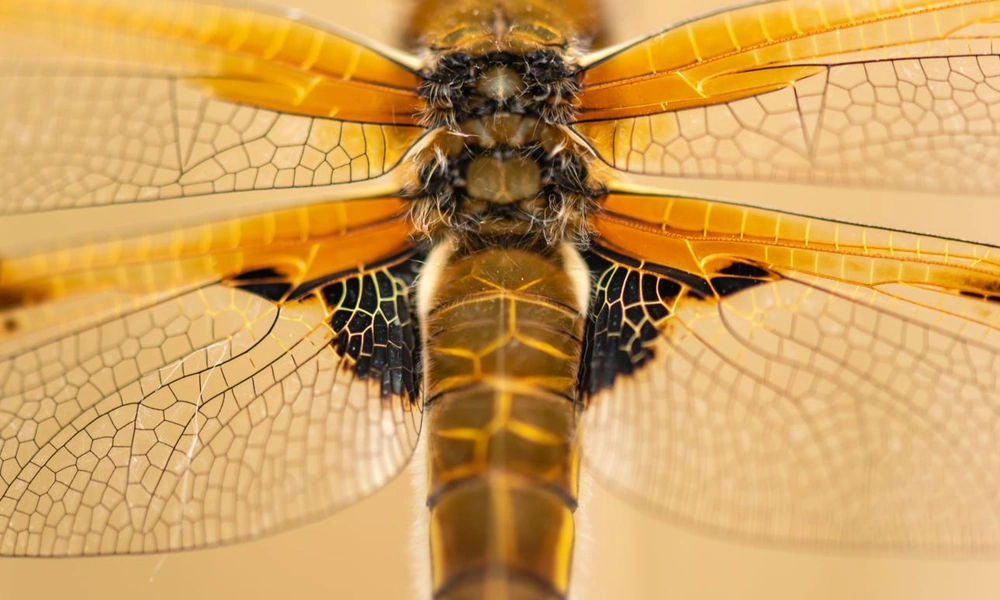
- Scientific Name: Suborder Anisoptera.
- Family: Multiple families within Anisoptera.
- Habitat: Freshwater wetlands, lakes, ponds, rivers, and nearby vegetation.
- Range: Worldwide except Antarctica.
- Size and Weight: Commonly 2–10 cm long; some species have wingspans exceeding 15 cm.
- Diet: Mosquitoes, flies, midges, and other small insects.
- Lifespan: Aquatic nymphs may live months or years; adults often live several weeks.
- Conservation Status: Varies by species.
- Key Fact: Dragonflies have excellent vision and can intercept moving prey with remarkable accuracy.
Dubia Cockroach
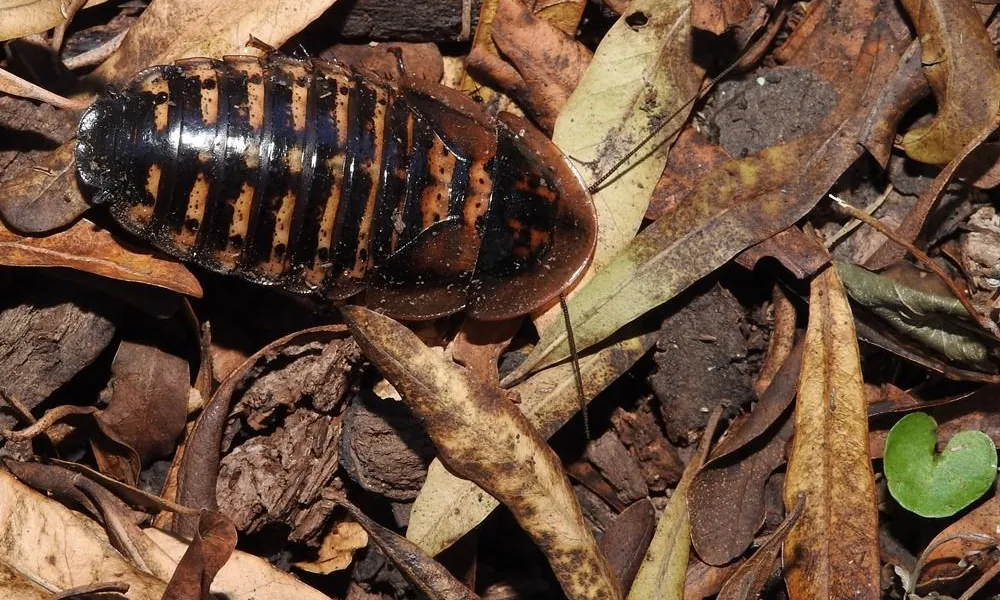
- Scientific Name: Blaptica dubia.
- Family: Blaberidae.
- Habitat: Tropical and subtropical forests, including areas under logs and leaf litter.
- Range: Native to parts of Central and South America.
- Size and Weight: Adults commonly measure 4–5 cm long.
- Diet: Fruit, vegetables, leaves, and decaying plant material.
- Lifespan: Adults may live several months to over a year under suitable conditions.
- Conservation Status: Not comprehensively assessed globally.
- Key Fact: It is commonly bred as food for captive reptiles and other insect-eating animals.
Dung Beetle
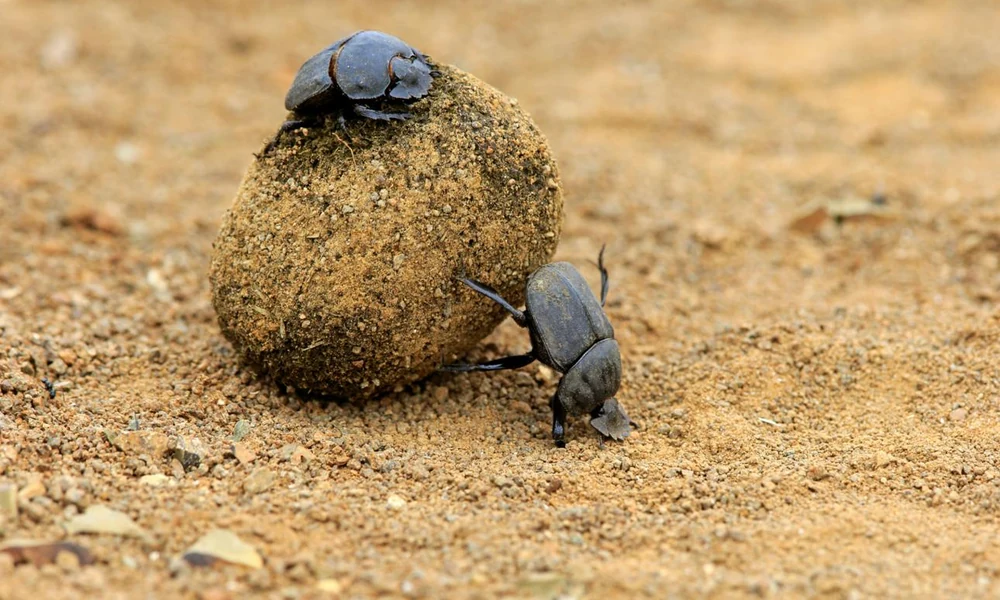
- Scientific Name: Multiple genera and species, including members of Scarabaeinae and Aphodiinae.
- Family: Scarabaeidae.
- Habitat: Grasslands, savannas, forests, farmland, and other habitats containing animal dung.
- Range: Worldwide except Antarctica.
- Size and Weight: Many species measure approximately 0.5–5 cm long.
- Diet: Mainly animal dung; some species also consume decaying organic matter.
- Lifespan: Often several months to around a year, depending on species.
- Conservation Status: Varies by species.
- Key Fact: Dung beetles recycle nutrients, improve soil conditions, and help disperse seeds.
Prehistoric Animals That Start With D
Daeodon
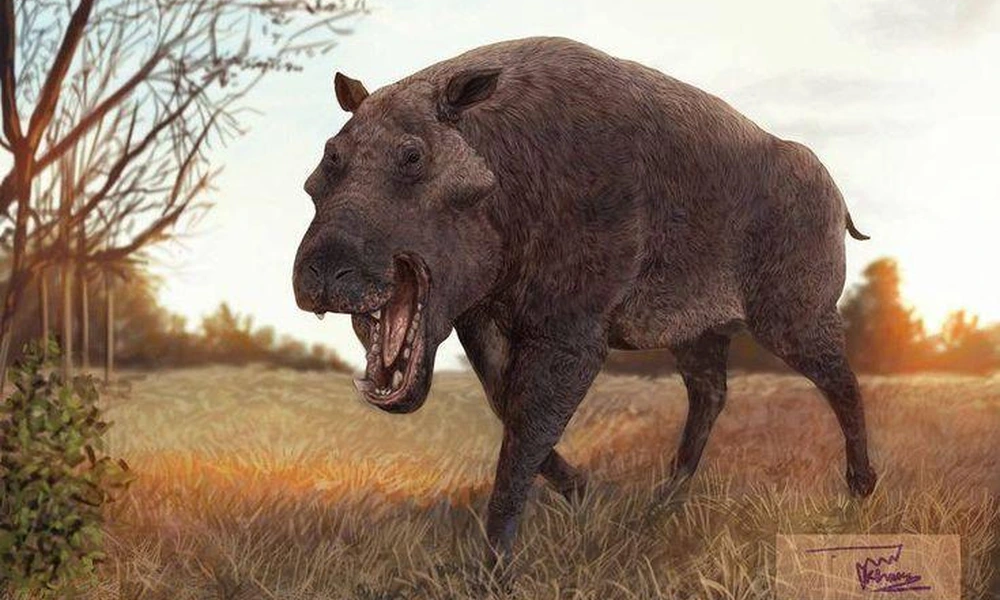
- Scientific Name: Daeodon shoshonensis.
- Family: Entelodontidae.
- Habitat: Ancient woodlands, open plains, and floodplain environments.
- Range: North America.
- Size and Weight: Approximately 3–4 m long; weight estimates vary and may reach several hundred kilograms.
- Diet: Likely omnivorous, including animal prey, carrion, and plant material.
- Lifespan: Unknown.
- Conservation Status: Extinct; lived during the Miocene epoch.
- Key Fact: Daeodon belonged to an extinct group of large mammals nicknamed “hell pigs,” although they were not true pigs.
Deinocheirus
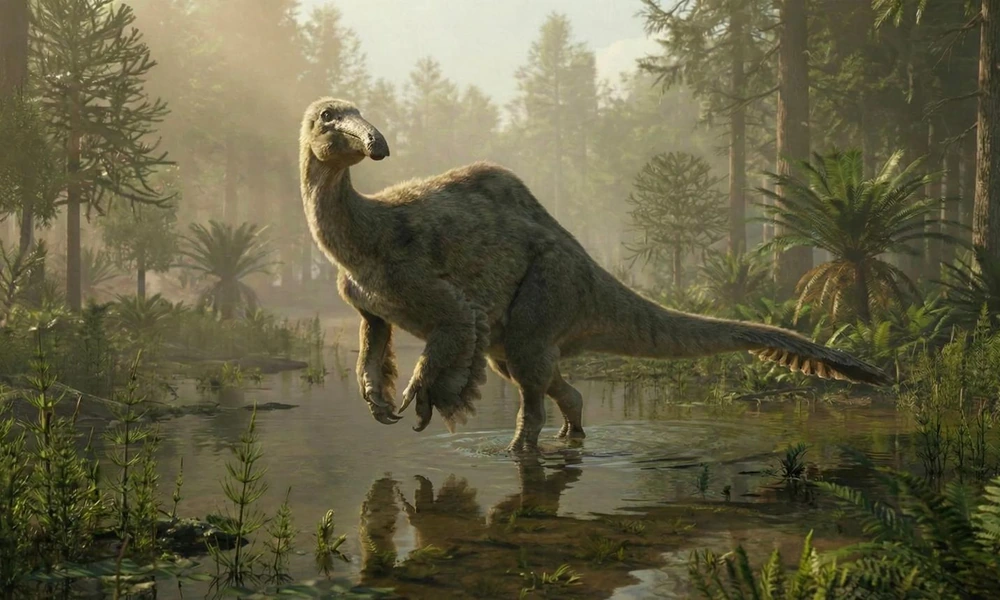
- Scientific Name: Deinocheirus mirificus.
- Family: Deinocheiridae.
- Habitat: Ancient river systems, wetlands, and floodplains.
- Range: Late Cretaceous Mongolia.
- Size and Weight: Approximately 10–11 m long and around 6 tonnes, based on estimates.
- Diet: Probably omnivorous, including plants, small animals, and aquatic food.
- Lifespan: Unknown.
- Conservation Status: Extinct; lived approximately 70 million years ago.
- Key Fact: Its enormous arms were discovered decades before enough fossils were found to reconstruct much of its body.
Deinosuchus
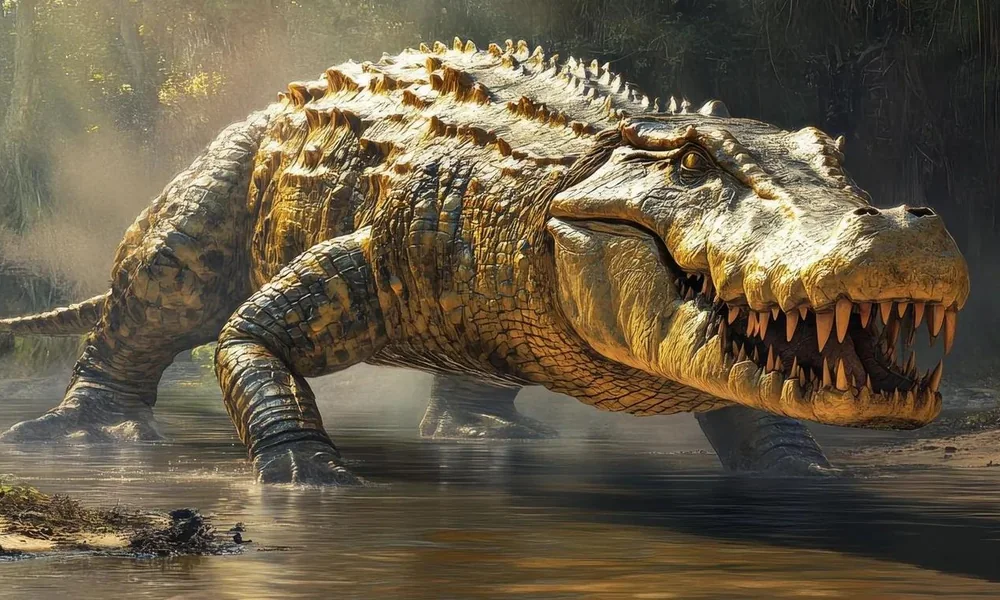
- Scientific Name: Deinosuchus (genus).
- Family: Alligatoroidea.
- Habitat: Coastal environments, estuaries, rivers, and wetlands.
- Range: Prehistoric North America.
- Size and Weight: Large individuals are estimated to have reached approximately 8–10 m long; weight estimates vary.
- Diet: Fish, turtles, and large animals approaching the water.
- Lifespan: Unknown.
- Conservation Status: Extinct; lived during the Late Cretaceous.
- Key Fact: This giant crocodilian relative had powerful jaws capable of crushing substantial prey.
Dilophosaurus
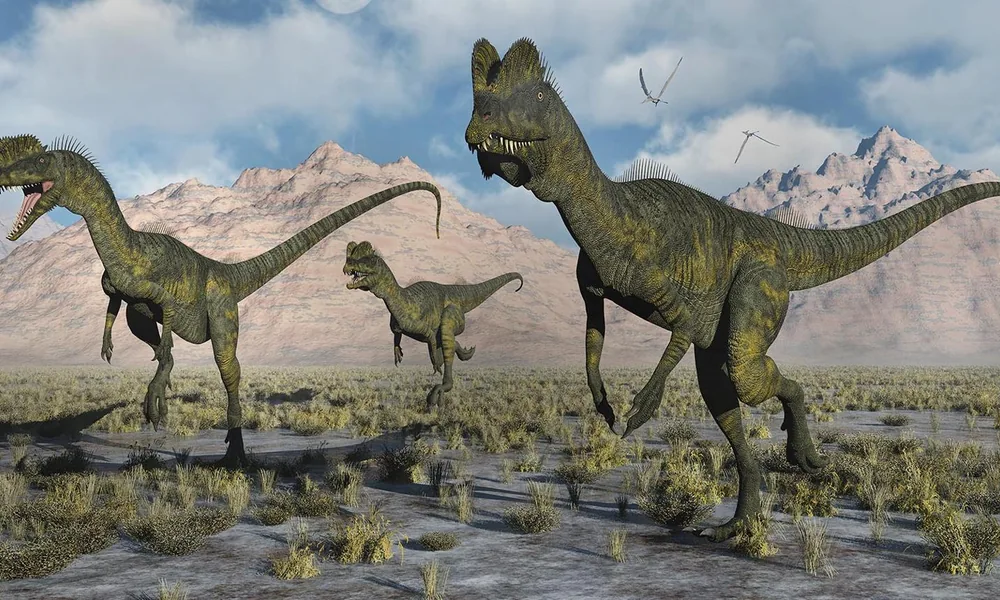
- Scientific Name: Dilophosaurus wetherilli.
- Family: Dilophosauridae.
- Habitat: Ancient floodplains and environments with rivers and seasonal water sources.
- Range: Early Jurassic North America, particularly present-day Arizona.
- Size and Weight: Approximately 6–7 m long and around 300–500 kg.
- Diet: Carnivorous; likely hunted smaller animals and scavenged when opportunities arose.
- Lifespan: Unknown.
- Conservation Status: Extinct; lived approximately 190 million years ago.
- Key Fact: It had two distinctive bony skull crests. The venom-spitting version in Jurassic Park is fictional.
Dimetrodon
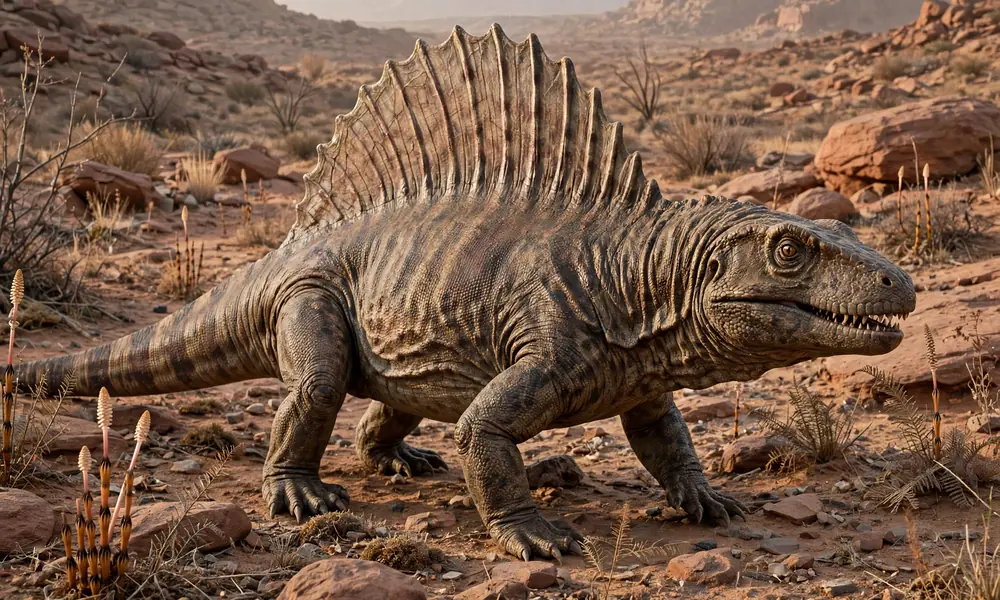
- Scientific Name: Dimetrodon (genus).
- Family: Sphenacodontidae.
- Habitat: Ancient wetlands, floodplains, and lowland environments.
- Range: Fossils are known from North America and Europe, depending on species.
- Size and Weight: Some species reached approximately 3–4.5 m long; weight varied.
- Diet: Carnivorous, feeding on fish and other animals.
- Lifespan: Unknown.
- Conservation Status: Extinct; lived approximately 295–272 million years ago.
- Key Fact: Dimetrodon was a synapsid, not a dinosaur, and had a large sail supported by elongated neural spines.
Dire Wolf
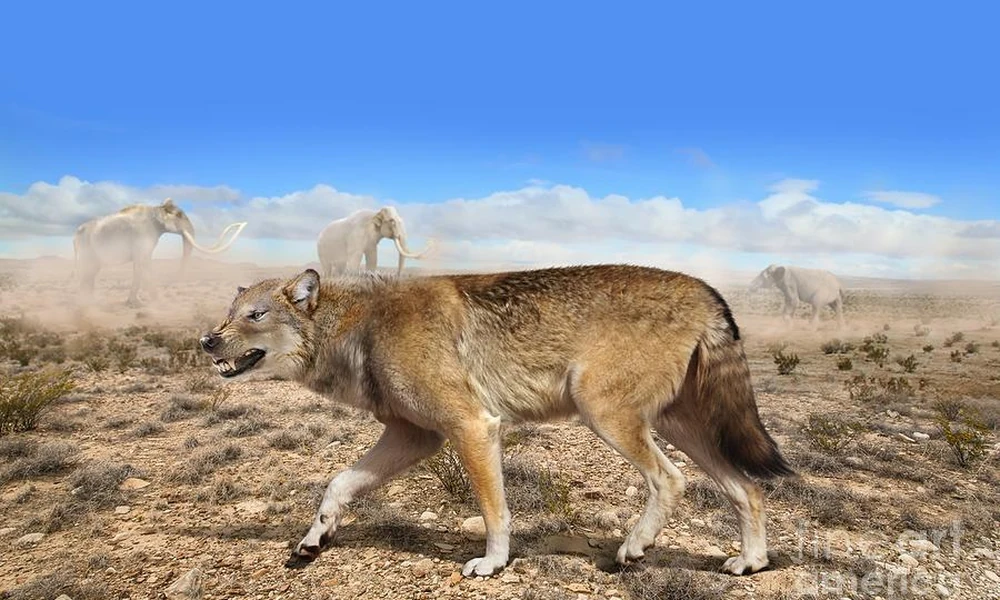
- Scientific Name: Aenocyon dirus, historically known as Canis dirus.
- Family: Canidae.
- Habitat: Grasslands, open woodlands, and other environments supporting large herbivores.
- Range: Pleistocene North America and parts of South America.
- Size and Weight: Approximately 1.5–1.8 m in total body length; commonly estimated at around 50–70 kg.
- Diet: Large herbivorous mammals, including ancient horses and bison.
- Lifespan: Unknown.
- Conservation Status: Extinct; disappeared around the end of the Pleistocene.
- Key Fact: Dire wolves were robust Ice Age predators and belonged to a distinct lineage from modern gray wolves.
Diplodocus
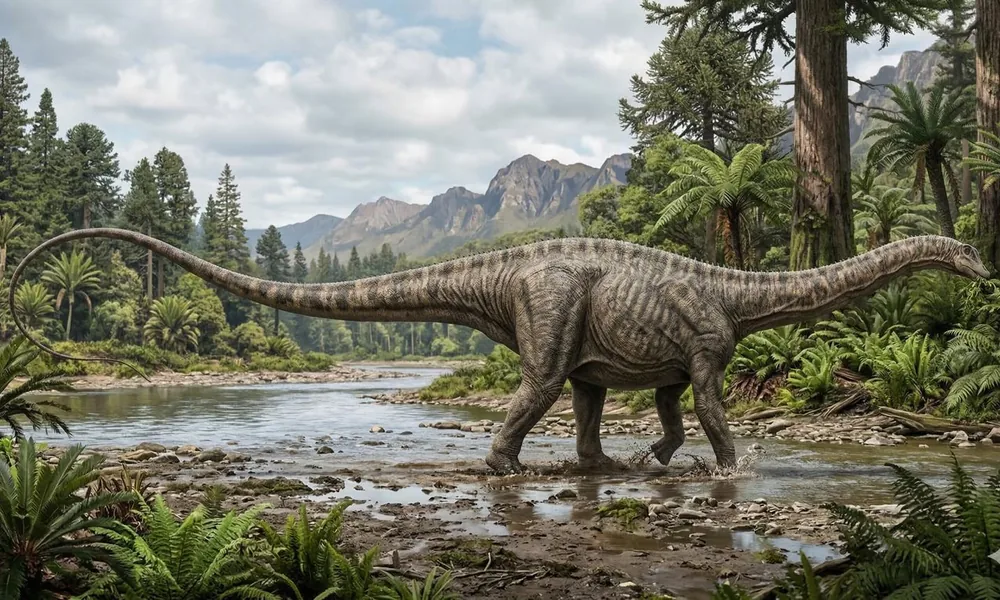
- Scientific Name: Diplodocus (genus).
- Family: Diplodocidae.
- Habitat: Ancient floodplains and open woodland environments.
- Range: Late Jurassic western North America.
- Size and Weight: Some species reached approximately 24–27 m long; weight estimates commonly range from 10–16 tonnes.
- Diet: Herbivorous, feeding on conifer foliage and other vegetation.
- Lifespan: Unknown.
- Conservation Status: Extinct; lived approximately 154–145 million years ago.
- Key Fact: Diplodocus had an exceptionally long tail that may have helped with balance and communication.
Diprotodon
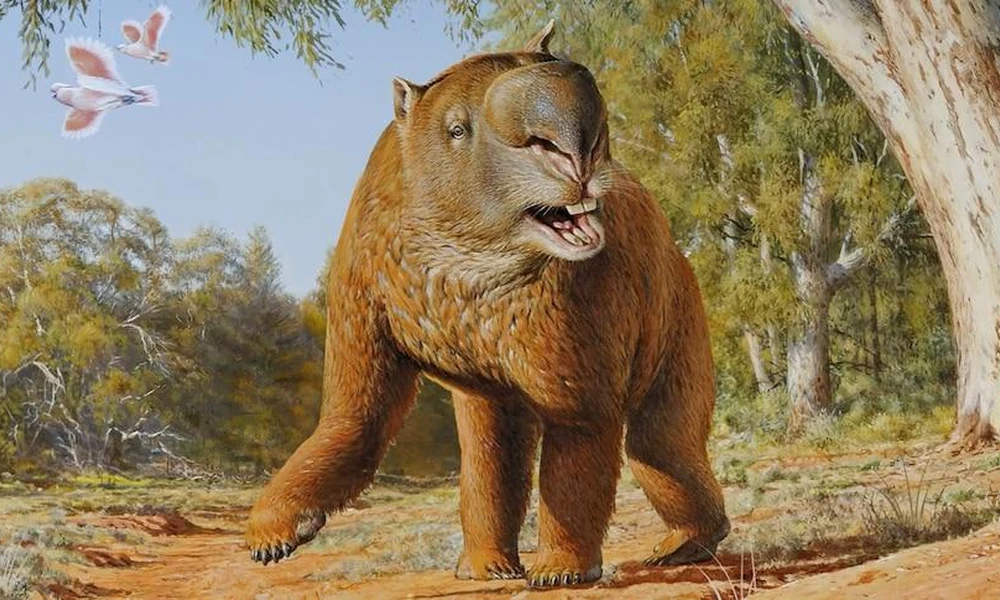
- Scientific Name: Diprotodon optatum.
- Family: Diprotodontidae.
- Habitat: Open woodlands, grasslands, and shrublands.
- Range: Pleistocene Australia.
- Size and Weight: Approximately 3–4 m long and around 2–3 tonnes, depending on estimates.
- Diet: Herbivorous; ate grasses, leaves, shrubs, and other vegetation.
- Lifespan: Unknown.
- Conservation Status: Extinct; disappeared during the late Pleistocene.
- Key Fact: Diprotodon was the largest known marsupial and was related to modern wombats and koalas.
Dreadnoughtus
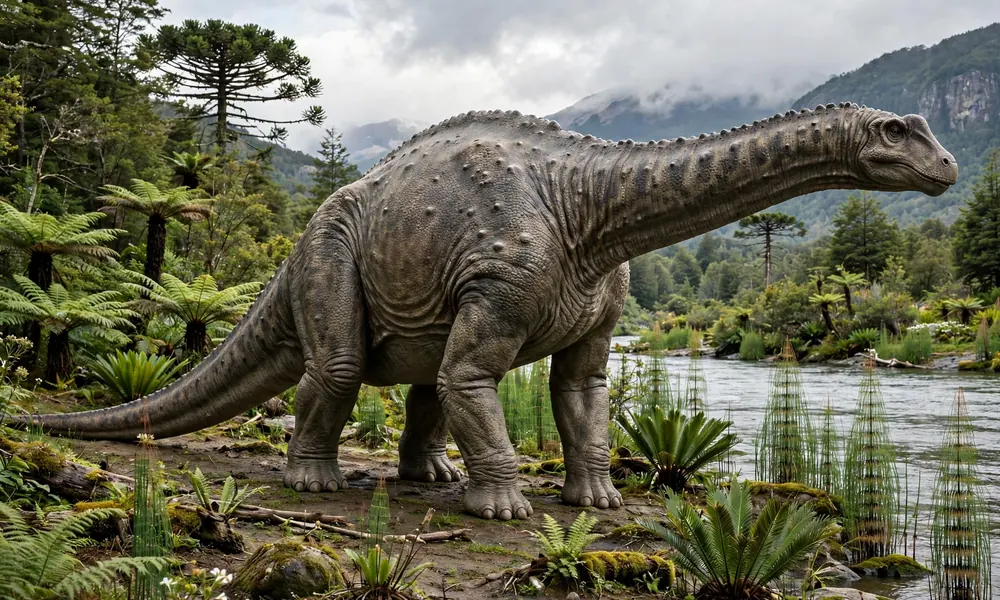
- Scientific Name: Dreadnoughtus schrani.
- Family: Dreadnoughtidae.
- Habitat: Ancient floodplains and river-associated environments.
- Range: Late Cretaceous Patagonia, Argentina.
- Size and Weight: Approximately 26 m long; some published mass estimates reach around 50–60 tonnes.
- Diet: Herbivorous, consuming large quantities of vegetation.
- Lifespan: Unknown.
- Conservation Status: Extinct; lived approximately 77 million years ago.
- Key Fact: Its name means “fears nothing,” reflecting the enormous size of this long-necked sauropod.
Dunkleosteus
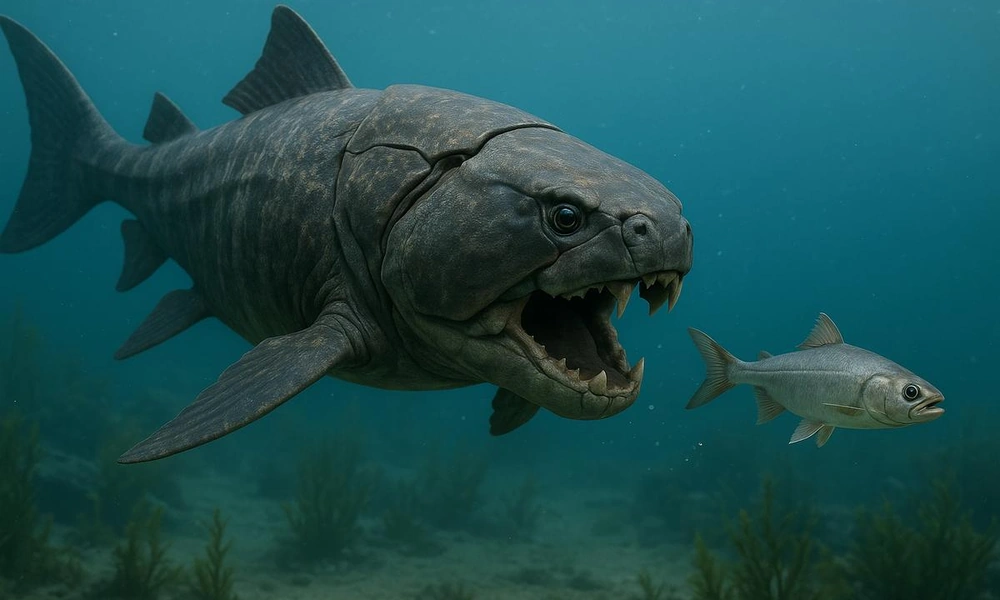
- Scientific Name: Dunkleosteus terrelli.
- Family: Dunkleosteidae.
- Habitat: Ancient marine waters, including coastal and offshore environments.
- Range: Fossils are known from North America and other regions where related species occurred.
- Size and Weight: Traditional estimates reached 8–10 m, but newer research suggests some older estimates were too large.
- Diet: Carnivorous; likely preyed on fish and other marine animals.
- Lifespan: Unknown.
- Conservation Status: Extinct; lived approximately 382–358 million years ago.
- Key Fact: Dunkleosteus was an armoured placoderm fish with powerful jaw plates instead of conventional teeth.
Mythical Animals That Start With D
Dragon
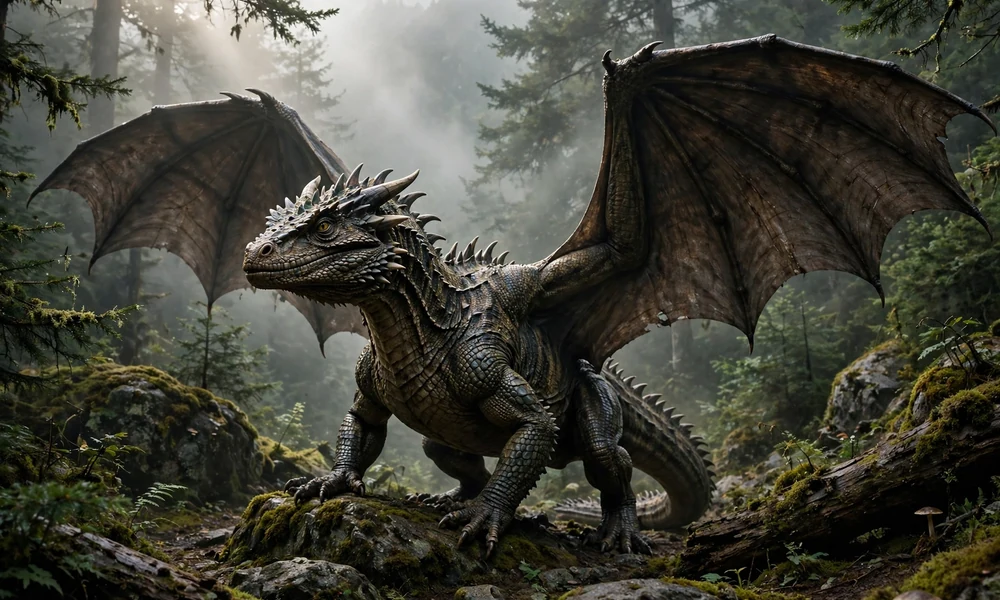
- Scientific Name: None; dragons are mythical creatures.
- Family: None; they have no biological taxonomic family.
- Habitat: Depends on tradition; stories place dragons in caves, mountains, forests, oceans, and skies.
- Range: Folklore and mythology across many cultures, including Europe and East Asia.
- Size and Weight: No verified measurements; fictional depictions range from small creatures to enormous beasts.
- Diet: Varies by legend; dragons may eat livestock, people, fish, or other imagined prey.
- Lifespan: No scientifically established lifespan; some traditions portray dragons as living for centuries.
- Conservation Status: Not applicable; dragons are not verified biological species.
- Key Fact: European traditions often portray dragons as winged, fire-breathing creatures, while many East Asian traditions depict them as serpent-like beings associated with water, rain, and good fortune.
Frequently Asked Questions About Animals That Start With D
Which animals that start with D are hardest to find in the wild?
The dibbler, Darwin’s fox, dingiso, and Devils Hole pupfish are among the less commonly encountered animals in this list. Their restricted ranges, endangered status, or specialized habitats make sightings difficult.
Which animals that start with D can survive in extremely different environments?
The desert locust thrives in arid regions, the diving bell spider lives underwater, and the dugong depends on shallow coastal seagrass beds. These animals demonstrate how different species adapt to very different environmental conditions.
What animals that start with D play an important role in maintaining ecosystems?
Dung beetles recycle nutrients, dolphins influence marine food webs, damselfish help shape reef ecosystems, and dugongs maintain seagrass habitats through grazing. Each contributes to its environment in a different way.
Which animals that start with D have unusual ways of finding or capturing food?
Dragonfish use bioluminescence to help attract prey, dolphins use echolocation to locate food, and death adders lure prey by moving the tip of their tails. These adaptations help them survive in different habitats.
Which animals that start with D are threatened by habitat loss or human activity?
Darwin’s fox, the dhole, the dibbler, the dingiso, the daggernose shark, and the Devils Hole pupfish face significant conservation challenges. Threats differ by species and may include habitat destruction, fishing pressure, and restricted natural ranges.
Are any animals that start with D commonly mistaken for other animal groups?
Yes. Dimetrodon is often mistaken for a dinosaur, although it was a synapsid. The dire wolf is sometimes confused with the modern gray wolf, while the dugong is occasionally mistaken for a dolphin despite being a marine mammal in a different group.
Which animals that start with D have the most unusual reproductive or parenting behaviors?
Doves produce a nutritious substance called crop milk to feed their chicks, male Darwin’s frogs carry developing young inside their vocal sacs, and discus fish provide parental care that includes skin secretions consumed by their young.
How can you tell whether an animal that starts with D is extinct, endangered, or simply rarely seen?
An animal’s conservation category depends on scientific assessments, not how frequently people see it. Extinct species, such as the dodo and Diplodocus, no longer exist, while endangered species still survive but face a high risk of extinction. Some rare-looking animals may not be threatened, so checking a recognized conservation assessment is important.