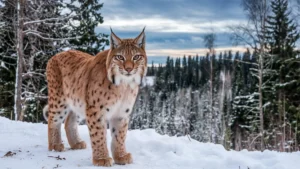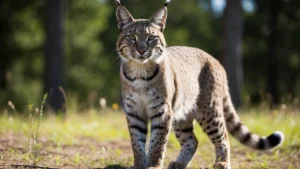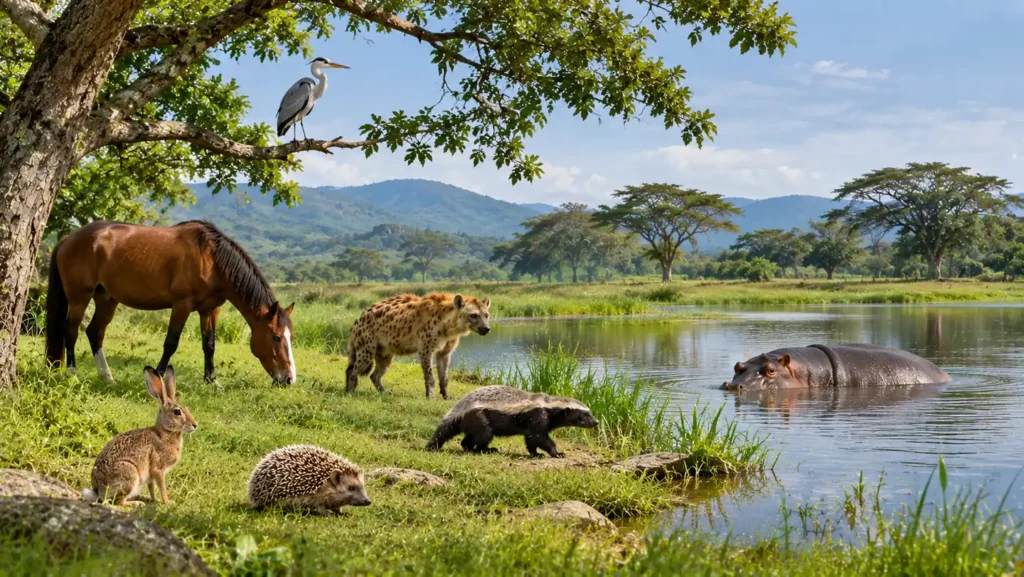
There are many fascinating animals that start with the letter H. Some are large mammals, such as the hippopotamus and humpback whale. Others are small creatures, including hummingbirds, hedgehogs, and honeybees.
This guide explores H animals from different parts of the natural world. It includes mammals, birds, reptiles, amphibians, fish, sharks and rays, marine invertebrates, insects and arachnids, prehistoric animals, and mythical creatures. Each entry includes useful facts about its scientific name, family, habitat, range, size, diet, lifespan, conservation status, and special features where those details are available.
Key Takeaways
- H animals include mammals, birds, reptiles, amphibians, fish, insects, and marine animals.
- The hippopotamus, hyena, honey badger, and humpback whale are among the best-known H mammals.
- Birds that start with H include the harpy eagle, heron, hoopoe, and hornbill.
- Some H animals face serious threats from habitat loss, hunting, fishing, and environmental change.
- Common names can refer to several related or unrelated species, so scientific names help identify animals more accurately.
Animals That Start With H – Mammals
Hamster

Scientific Name: Subfamily Cricetinae (about 20 species)
Family: Cricetidae
Habitat: Dry grasslands, steppes, deserts, and agricultural areas
Range: Europe and parts of Asia and the Middle East
Size and Weight: About 5–35 cm long; size varies by species
Diet: Seeds, grains, plants, insects, and other small food items
Lifespan: Usually 1.5–3 years
Conservation Status: Varies by species; the European hamster is Critically Endangered
Key Fact: Hamsters have expandable cheek pouches that help them carry food back to their burrows.
Hare
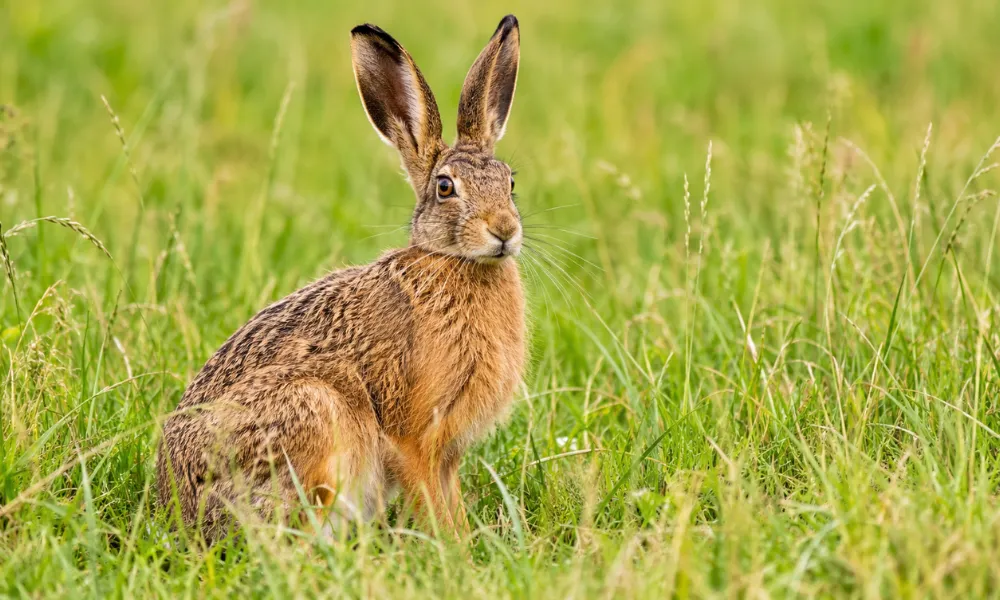
Scientific Name: Lepus spp.
Family: Leporidae
Habitat: Grasslands, fields, deserts, tundra, and open woodland
Range: Europe, Asia, Africa, and North America
Size and Weight: About 40–70 cm long; 1.5–7 kg, depending on species
Diet: Grasses, herbs, leaves, buds, and bark
Lifespan: Around 4–8 years in the wild, depending on species
Conservation Status: Varies; many species are Least Concern, while some have declining populations
Key Fact: Hares are generally born with fur and open eyes, unlike newborn rabbits.
Hartebeest

Scientific Name: Alcelaphus buselaphus
Family: Bovidae
Habitat: Savannas, open grasslands, and lightly wooded areas
Range: Parts of sub-Saharan Africa
Size and Weight: About 1.5–2.5 m long; 100–200 kg
Diet: Mainly grasses
Lifespan: Around 11–20 years
Conservation Status: Least Concern overall, although some populations and subspecies are threatened
Key Fact: Hartebeests have long faces and unusual curved horns that grow in both sexes.
Hedgehog
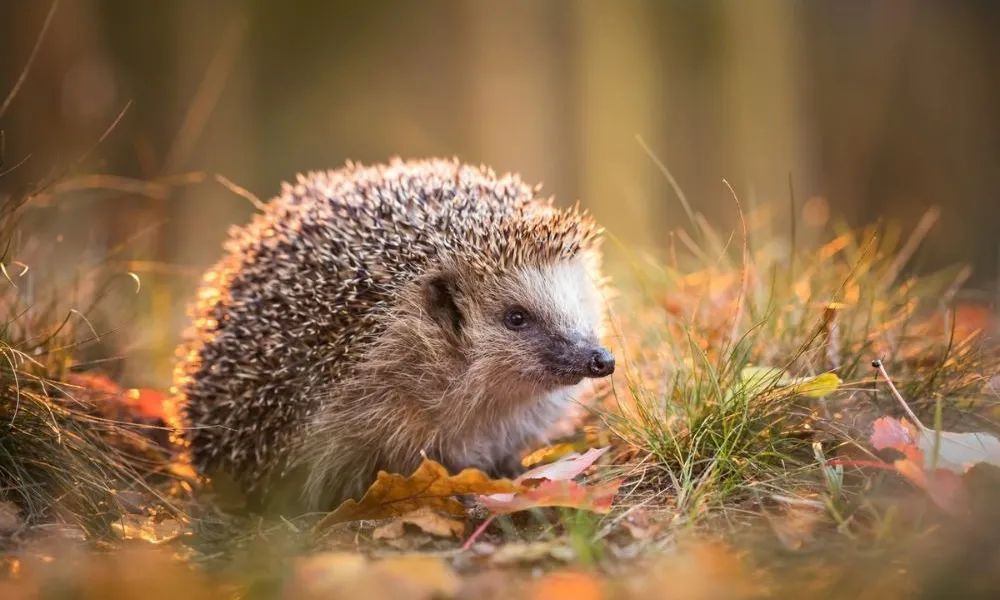
Scientific Name: Family Erinaceidae; several species
Family: Erinaceidae
Habitat: Woodland, grassland, gardens, scrub, and some desert areas
Range: Europe, Asia, and Africa
Size and Weight: About 10–30 cm long; roughly 150–1,500 g, depending on species
Diet: Insects, worms, snails, beetles, and other small animals
Lifespan: About 3–8 years in the wild, depending on species
Conservation Status: Varies by species and region
Key Fact: A hedgehog protects itself by curling into a ball, exposing its sharp spines. It cannot shoot them at predators.
Hippopotamus

Scientific Name: Hippopotamus amphibius
Family: Hippopotamidae
Habitat: Rivers, lakes, wetlands, and nearby grasslands
Range: Sub-Saharan Africa
Size and Weight: About 3.3–5 m long; approximately 1,400–4,500 kg
Diet: Mainly grasses
Lifespan: Around 35–45 years
Conservation Status: Vulnerable
Key Fact: Hippos spend much of the day in water to keep cool. Their eyes, ears, and nostrils sit high on their heads, allowing them to remain mostly submerged.
Honey Badger
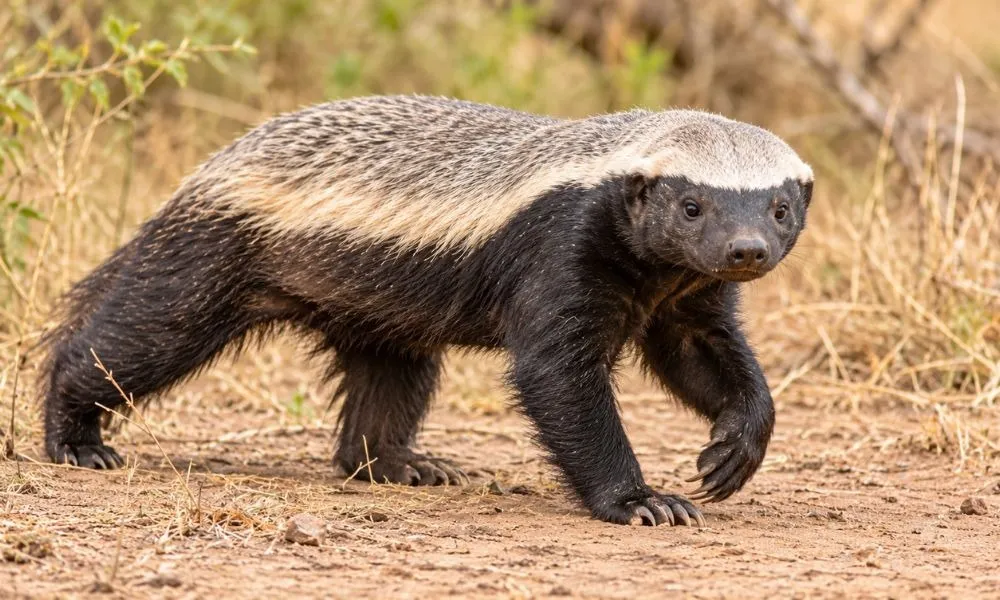
Scientific Name: Mellivora capensis
Family: Mustelidae
Habitat: Savanna, grassland, woodland, and dry areas
Range: Africa and parts of western and southern Asia
Size and Weight: About 55–77 cm long; 5–14 kg
Diet: Insects, rodents, reptiles, birds, eggs, fruit, and carrion
Lifespan: Around 7–10 years in the wild; longer in managed care
Conservation Status: Least Concern
Key Fact: Its thick, loose skin makes it harder for predators to hold on. It also uses long claws to dig for food and shelter.
Howler Monkey
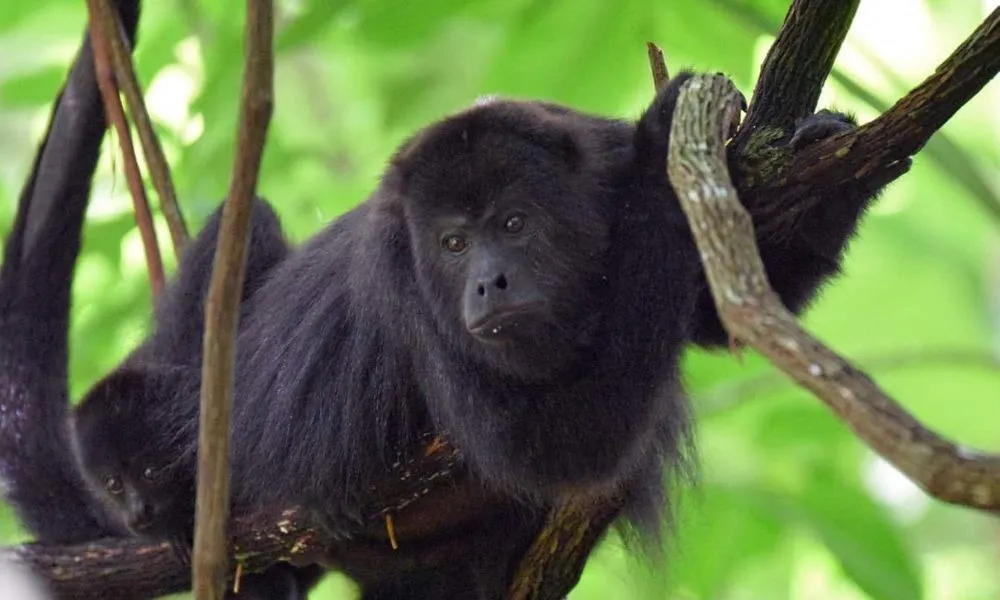
Scientific Name: Genus Alouatta
Family: Atelidae
Habitat: Tropical and subtropical forests
Range: Central and South America
Size and Weight: About 40–70 cm in body length; 4–10 kg, depending on species
Diet: Leaves, fruit, flowers, and buds
Lifespan: Around 15–20 years in the wild
Conservation Status: Varies by species
Key Fact: Howler monkeys make loud calls that can travel through dense forest over long distances.
Humpback Whale
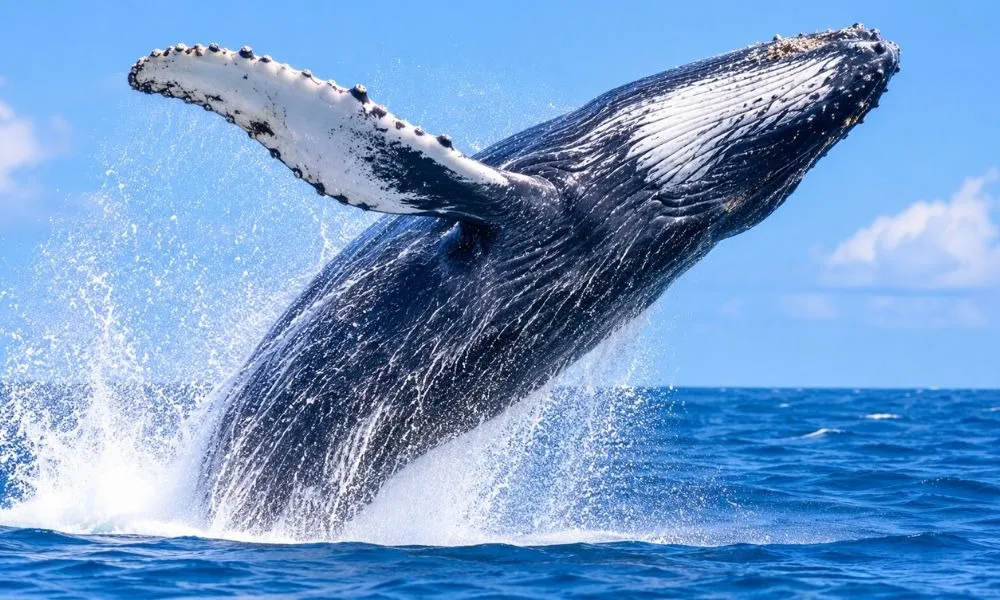
Scientific Name: Megaptera novaeangliae
Family: Balaenopteridae
Habitat: Oceans, coastal waters, and feeding grounds in colder seas
Range: All major oceans
Size and Weight: About 12–16 m long; 25–40 tonnes
Diet: Krill and small schooling fish
Lifespan: Commonly around 40–50 years, with some living longer
Conservation Status: Least Concern globally; some populations face greater risks
Key Fact: Humpback whales are known for their complex songs and long seasonal migrations.
Hyena
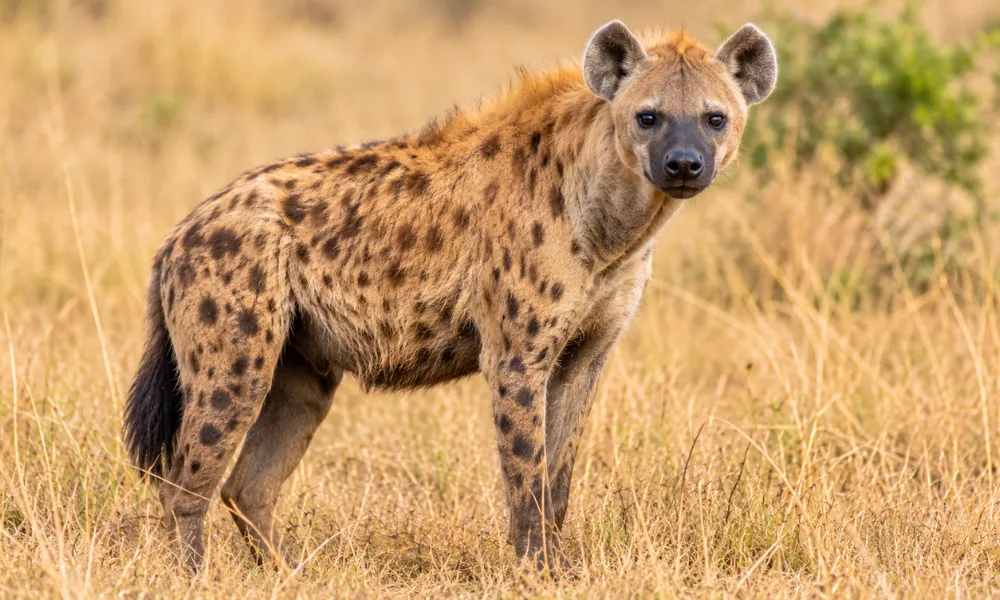
Scientific Name: Family Hyaenidae; four living species
Family: Hyaenidae
Habitat: Savanna, grassland, woodland, and semi-arid regions
Range: Africa and parts of the Middle East and Asia
Size and Weight: About 55–160 cm long; 10–80 kg, depending on species
Diet: Meat, carrion, insects, and other available food
Lifespan: Around 10–20 years, depending on species and conditions
Conservation Status: Varies by species; the aardwolf and spotted hyena are Least Concern, while other hyenas face greater threats
Key Fact: Spotted hyenas are skilled hunters as well as scavengers. Their powerful jaws can break bones.
Highland Cattle

Scientific Name: Bos taurus
Family: Bovidae
Habitat: Farms, pastures, and upland grazing areas
Range: Worldwide; the breed originated in Scotland
Size and Weight: About 1.2–1.4 m at the shoulder; roughly 400–800 kg
Diet: Grass, hay, and other vegetation
Lifespan: Around 15–20 years
Conservation Status: Domestic breed; not assessed by the IUCN
Key Fact: Its long double coat helps it cope with cold, wet, and windy conditions.
Animals That Start With H – Birds
Hamerkop
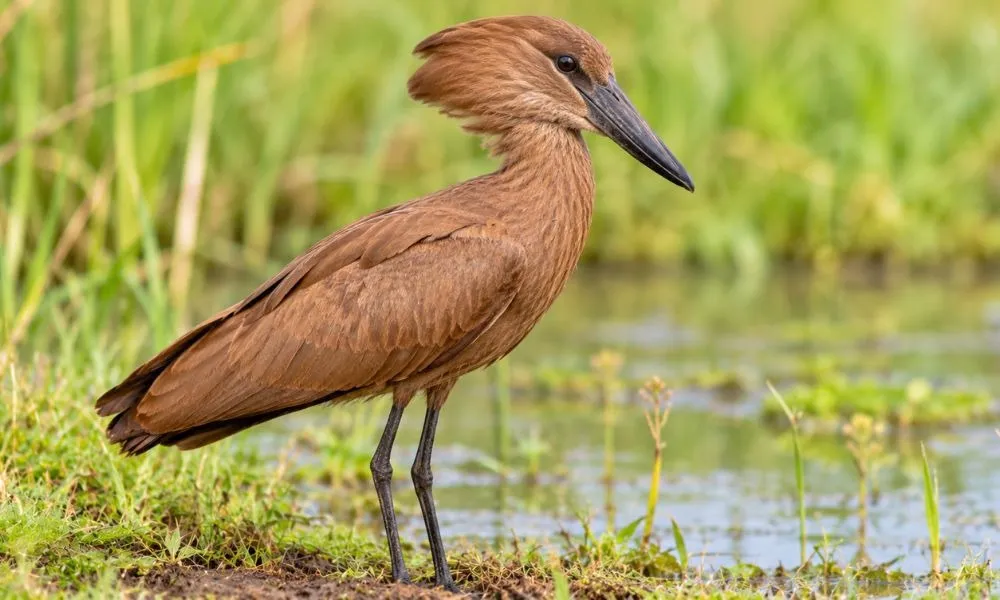
Scientific Name: Scopus umbretta
Family: Scopidae
Habitat: Wetlands, marshes, rivers, and lakes
Range: Sub-Saharan Africa and parts of Madagascar
Size and Weight: About 50–56 cm tall; 400–500 g
Diet: Fish, frogs, insects, and small aquatic animals
Lifespan: Around 20 years in managed care; wild lifespan varies
Conservation Status: Least Concern
Key Fact: The hamerkop builds a large, covered nest from sticks. It may decorate the nest with other materials.
Harpy Eagle

Scientific Name: Harpia harpyja
Family: Accipitridae
Habitat: Tropical lowland rainforest
Range: Central and South America
Size and Weight: About 86–107 cm long; 4–9 kg
Diet: Monkeys, sloths, and other tree-dwelling animals
Lifespan: Around 25–35 years
Conservation Status: Vulnerable
Key Fact: The harpy eagle is the specie of eagle that has exceptionally strong feet and talons that help it catch prey in the forest canopy.
Heron

Scientific Name: Family Ardeidae; many species
Family: Ardeidae
Habitat: Wetlands, rivers, lakes, coastal areas, and marshes
Range: All continents except Antarctica
Size and Weight: About 30–140 cm tall, depending on species
Diet: Fish, frogs, insects, crustaceans, and small mammals
Lifespan: Often 10–20 years, depending on species
Conservation Status: Varies by species; many are Least Concern
Key Fact: Herons often stand still in shallow water before striking quickly at fish or other prey.
Hoopoe
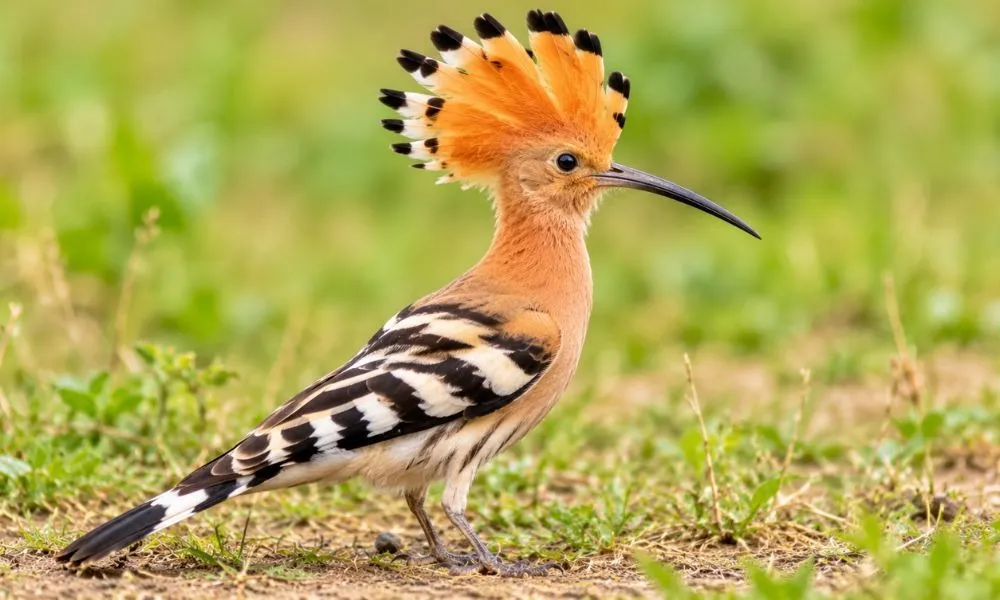
Scientific Name: Upupa epops
Family: Upupidae
Habitat: Open woodland, grassland, farmland, and gardens
Range: Europe, Asia, Africa, and parts of the Middle East
Size and Weight: About 25–32 cm long; 45–90 g
Diet: Insects, larvae, worms, and other small invertebrates
Lifespan: Around 5–10 years in the wild
Conservation Status: Least Concern
Key Fact: Its striking crest can open into a fan, especially when the bird is alert or displaying.
Hornbill

Scientific Name: Family Bucerotidae; many species
Family: Bucerotidae
Habitat: Tropical and subtropical forests, savannas, and woodland
Range: Africa and Asia
Size and Weight: About 30 cm to over 1 m long, depending on species
Diet: Fruit, insects, and small animals
Lifespan: Often 20–40 years, depending on species
Conservation Status: Varies; several species are threatened
Key Fact: Many hornbill species nest in tree cavities. The female seals herself inside during much of the nesting period, leaving a narrow opening through which the male passes food.
Hummingbird
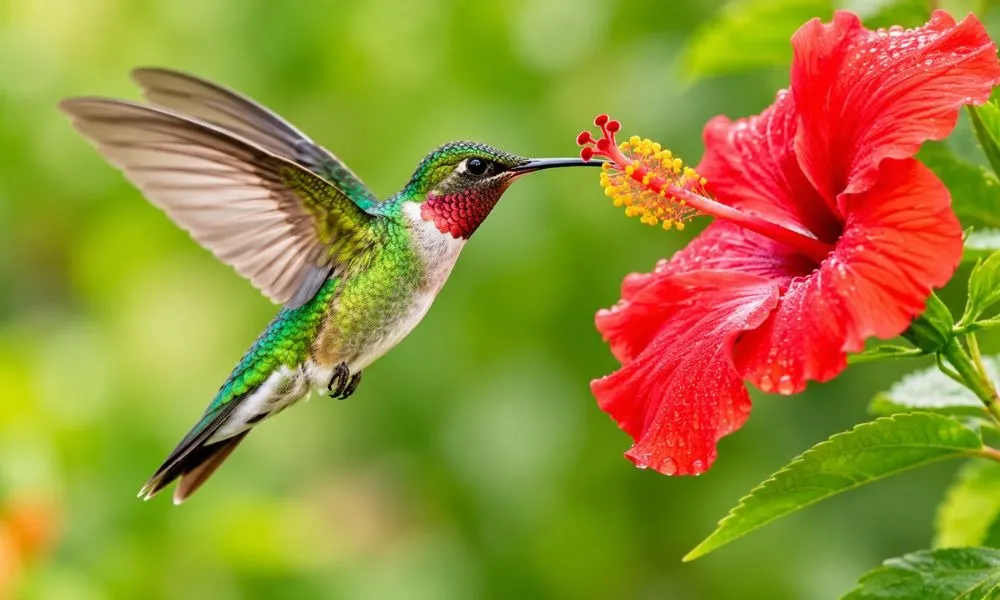
Scientific Name: Family Trochilidae; more than 300 species
Family: Trochilidae
Habitat: Forests, mountains, gardens, and tropical habitats
Range: The Americas, from Alaska to Tierra del Fuego
Size and Weight: About 5–20 cm long; roughly 2–20 g
Diet: Nectar and small insects
Lifespan: Commonly 3–5 years in the wild, although some live longer
Conservation Status: Varies by species
Key Fact: Hummingbirds can hover by rapidly beating their wings. Their wings also allow them to fly backward.
Hawaiian Goose

Scientific Name: Branta sandvicensis
Family: Anatidae
Habitat: Grassland, shrubland, volcanic slopes, and open areas
Range: Hawaiian Islands
Size and Weight: About 53–66 cm long; 1.5–3 kg
Diet: Grasses, leaves, seeds, and berries
Lifespan: Around 15–25 years
Conservation Status: Vulnerable
Key Fact: The nēnē is Hawaii’s state bird and is adapted to life on volcanic islands.
House Sparrow

Scientific Name: Passer domesticus
Family: Passeridae
Habitat: Towns, farms, gardens, and other human-altered areas
Range: Native to Europe, Asia, and North Africa; introduced to many other regions
Size and Weight: About 14–18 cm long; 24–40 g
Diet: Seeds, grains, insects, and food scraps
Lifespan: Often 3–5 years in the wild
Conservation Status: Least Concern globally, although some regional populations have declined
Key Fact: House sparrows have adapted closely to human settlements and often nest in buildings.
Reptiles That Start With H
Habu Snake
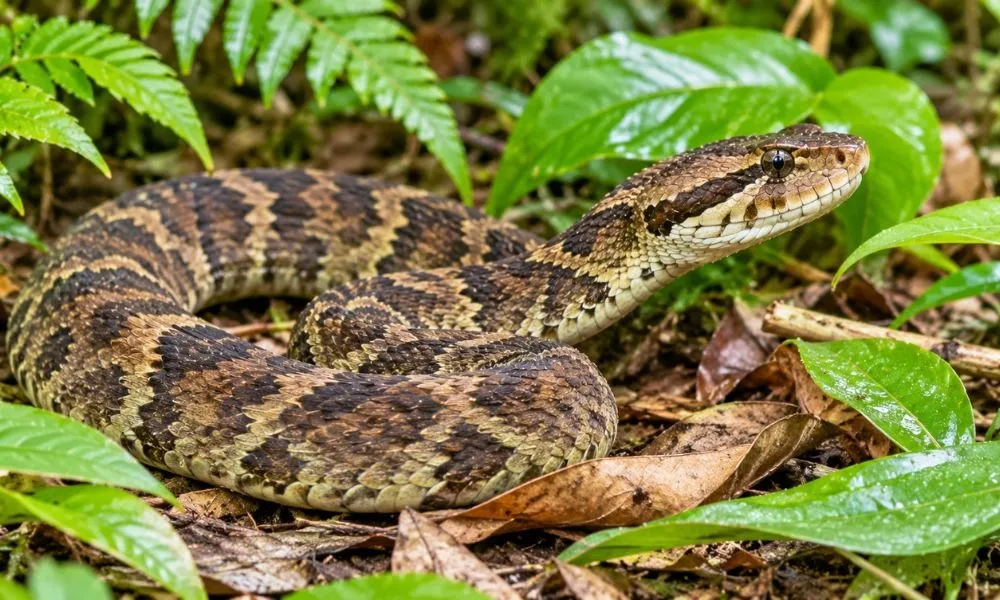
Scientific Name: Protobothrops flavoviridis
Family: Viperidae
Habitat: Forests, fields, rocky areas, and farmland
Range: Ryukyu Islands of Japan
Size and Weight: Usually around 1–1.5 m long
Diet: Rodents, birds, frogs, and other small animals
Lifespan: Not well documented in the wild
Conservation Status: Not assessed globally in a widely used species-level category
Key Fact: The habu is a venomous pit viper. Its heat-sensitive facial pits help it detect warm-blooded prey.
Hawksbill Sea Turtle

Scientific Name: Eretmochelys imbricata
Family: Cheloniidae
Habitat: Tropical coral reefs, coastal waters, and lagoons
Range: Tropical oceans worldwide
Size and Weight: About 60–90 cm shell length; 45–80 kg
Diet: Sponges, sea anemones, and other marine invertebrates
Lifespan: Estimated to exceed 50 years
Conservation Status: Critically Endangered
Key Fact: Its narrow, pointed beak helps it reach food in small spaces around coral reefs.
Horned Lizard
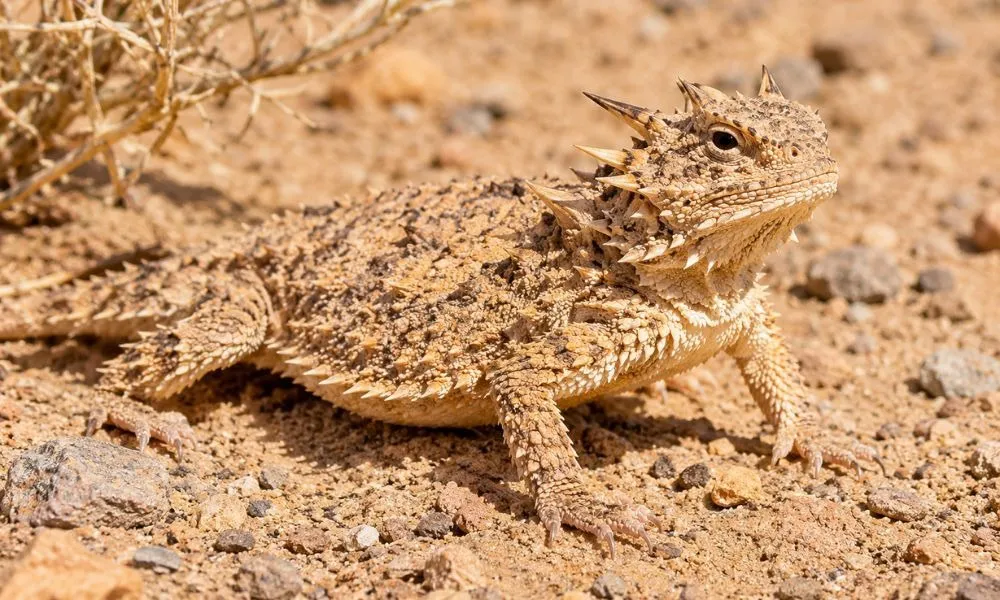
Scientific Name: Genus Phrynosoma
Family: Phrynosomatidae
Habitat: Deserts, dry grasslands, and scrubland
Range: North America, especially the southwestern United States and Mexico
Size and Weight: Usually 5–15 cm long, excluding some tail variation
Diet: Mainly ants and other insects
Lifespan: Around 5–8 years, depending on species
Conservation Status: Varies by species
Key Fact: The flattened body and spiny outline of this specie of lizard help it blend into the ground and discourage predators.
Hognose Snake
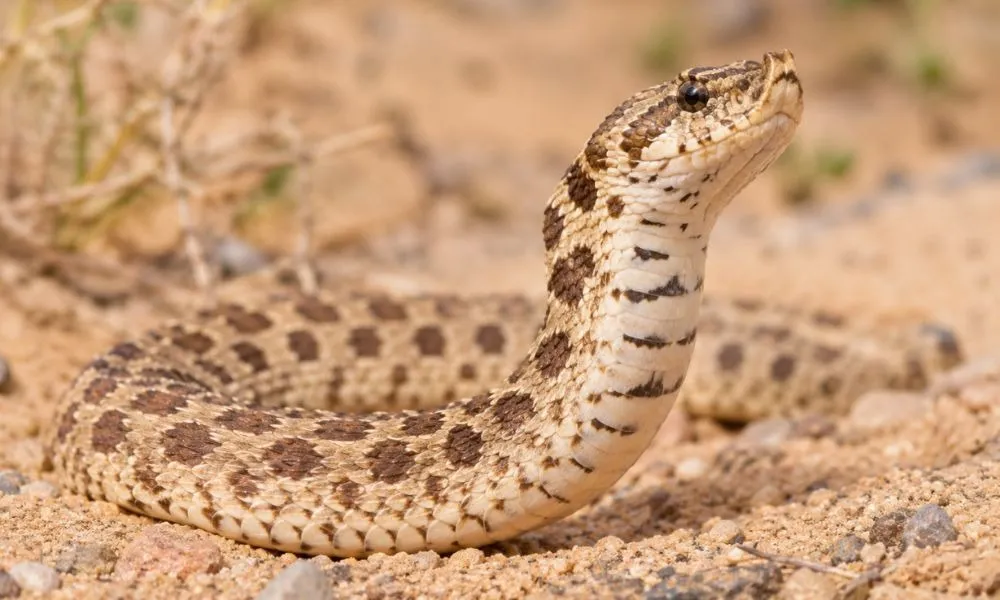
Scientific Name: Genus Heterodon
Family: Colubridae
Habitat: Grassland, sandy woodland, scrub, and open fields
Range: North America
Size and Weight: About 45–90 cm long, depending on species
Diet: Mainly amphibians, especially toads; some species eat other small animals
Lifespan: Around 10–18 years in managed care
Conservation Status: Varies by species and region
Key Fact: When threatened, some hognose snakes flatten their necks, hiss, and may roll over and play dead.
House Gecko

Scientific Name: Hemidactylus spp.
Family: Gekkonidae
Habitat: Buildings, rocky areas, forests, and warm environments
Range: Africa, Asia, and many introduced regions worldwide
Size and Weight: Usually 7–15 cm long, depending on species
Diet: Insects and other small invertebrates
Lifespan: Around 3–8 years, depending on species
Conservation Status: Varies by species
Key Fact: Many house geckos hunt insects around outdoor lights, where flying insects gather.
Hawksbill Terrapin

Scientific Name: Common name used for different regional freshwater turtles; identification depends on the species
Family: Varies by species
Habitat: Freshwater ponds, rivers, marshes, and wetlands
Range: Depends on the species meant by the common name
Size and Weight: Varies considerably
Diet: Aquatic plants, insects, mollusks, and small fish
Lifespan: Varies by species
Conservation Status: Cannot be assigned reliably without a precise species identification
Key Fact: Common names for freshwater turtles are not always standardized. A scientific name is needed to identify the animal accurately.
Amphibians That Start With H
Hellbender

Scientific Name: Cryptobranchus alleganiensis
Family: Cryptobranchidae
Habitat: Clean, fast-flowing streams and rivers with rocky bottoms
Range: Eastern United States
Size and Weight: About 30–74 cm long
Diet: Mainly crayfish and other aquatic invertebrates
Lifespan: Can live for several decades
Conservation Status: Near Threatened globally; some populations are in serious decline
Key Fact: Hellbenders absorb much of the oxygen they need through folds of skin along their bodies.
Harlequin Frog

Scientific Name: Genus Atelopus
Family: Bufonidae
Habitat: Tropical mountain streams and humid forests
Range: Central and South America
Size and Weight: Often 2–6 cm long, depending on species
Diet: Small insects and other invertebrates
Lifespan: Varies by species; detailed wild data are limited
Conservation Status: Many species are Endangered or Critically Endangered
Key Fact: Several harlequin frog species have suffered severe declines linked to disease, habitat change, and other pressures.
Insects and Arachnids That Start With H
Honeybee

Scientific Name: Apis spp.
Family: Apidae
Habitat: Meadows, forests, gardens, farms, and other flowering areas
Range: Native ranges vary by species; honeybees have been introduced widely
Size and Weight: Usually about 1–2 cm long
Diet: Nectar and pollen
Lifespan: Workers live weeks to months; queens may live several years
Conservation Status: Varies by species; the western honeybee is widely managed
Key Fact: Honeybees transfer pollen between flowers while collecting food, helping many plants reproduce.
Hercules Beetle
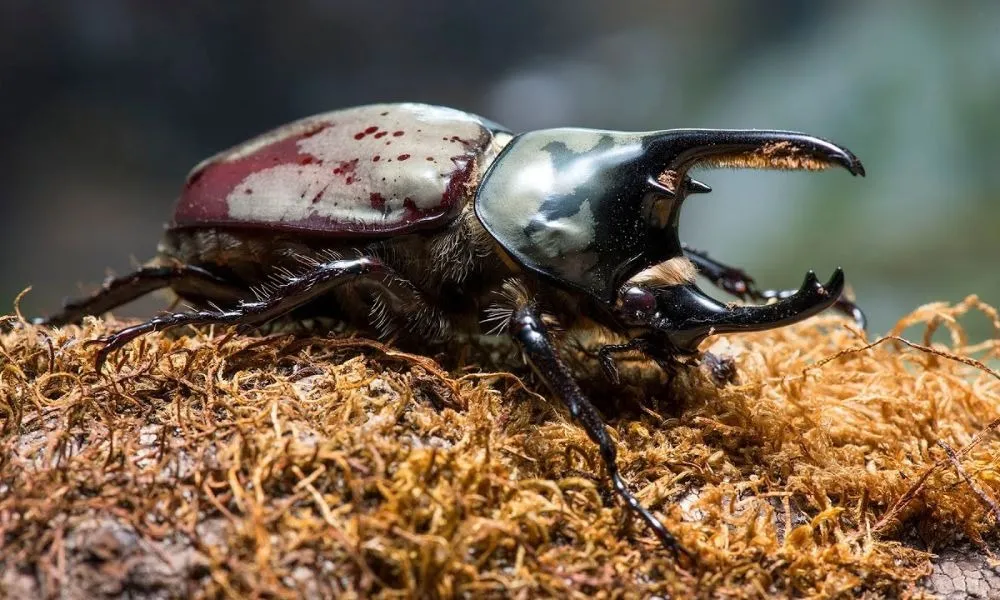
Scientific Name: Dynastes hercules
Family: Scarabaeidae
Habitat: Tropical rainforests
Range: Central America and northern South America
Size and Weight: Males can reach about 17 cm long, including the horn
Diet: Adults feed on fruit and tree sap; larvae feed on decaying wood
Lifespan: Several months as an adult; the full life cycle takes longer
Conservation Status: Not assessed globally in a widely used species-level category
Key Fact: Male Hercules beetles use their large horns when competing with other males.
Housefly
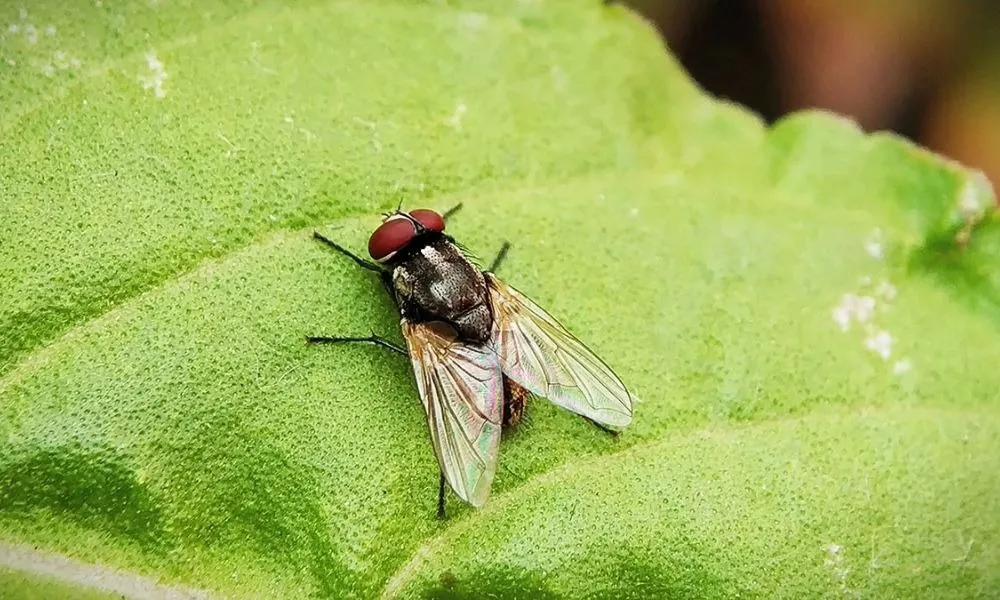
Scientific Name: Musca domestica
Family: Muscidae
Habitat: Homes, farms, animal shelters, and areas with decaying organic matter
Range: Worldwide
Size and Weight: About 6–7 mm long
Diet: Liquid and dissolved food, including sugary and decaying organic matter
Lifespan: Often 2–4 weeks in favorable conditions
Conservation Status: Not assessed
Key Fact: Houseflies taste with sensors on their feet and use sponging mouthparts to take in liquid food.
Huntsman Spider

Scientific Name: Family Sparassidae
Family: Sparassidae
Habitat: Forests, caves, tree bark, and buildings
Range: Worldwide, especially tropical and subtropical regions
Size and Weight: Body length often 1–3 cm; leg span can exceed 10 cm
Diet: Insects and other small arthropods
Lifespan: Around 1–2 years for many species
Conservation Status: Not assessed as a family
Key Fact: Huntsman spiders have long legs that extend sideways, helping them move quickly across surfaces.
Hummingbird Hawk-Moth
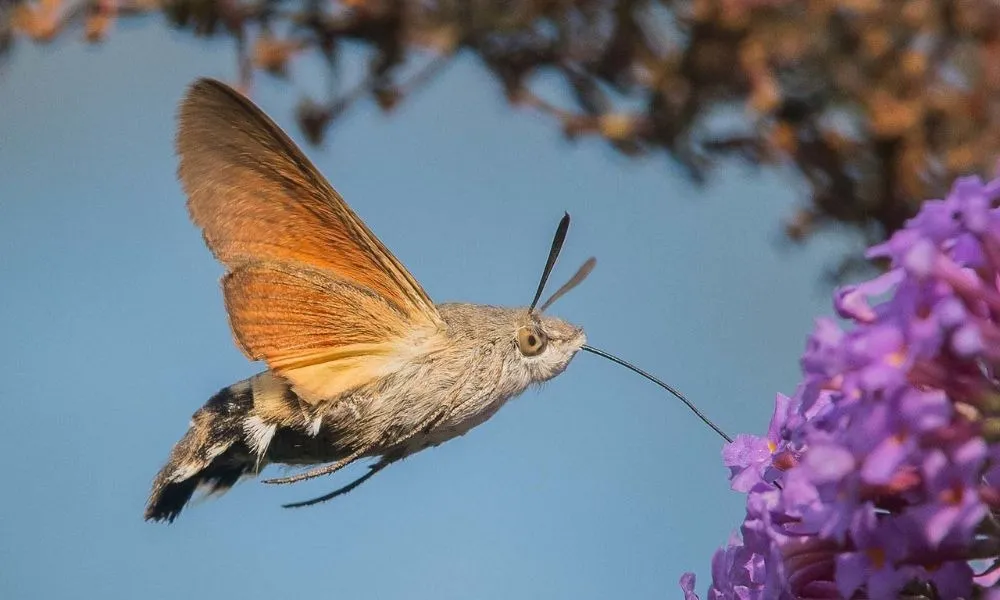
Scientific Name: Macroglossum stellatarum
Family: Sphingidae
Habitat: Gardens, meadows, woodland edges, and open landscapes
Range: Europe, North Africa, and parts of Asia
Size and Weight: Wingspan about 4–5 cm
Diet: Nectar
Lifespan: Adults may live for several weeks
Conservation Status: Not assessed globally
Key Fact: It hovers in front of flowers while feeding, which makes it look like a tiny hummingbird.
How to Identify an Animal That Starts With H
An animal’s common name is a useful starting point, but it does not always tell you exactly which species you are looking at. A few simple details can help you identify it more accurately.
The H Animal Identification Checklist
Use this checklist when researching or identifying an H animal:
- Check the common name: Confirm that the animal’s accepted common name begins with H.
- Find its scientific name: Scientific names help separate similar animals and species with shared common names.
- Identify its animal group: Decide whether it is a mammal, bird, reptile, amphibian, fish, or invertebrate.
- Check its habitat: Look at whether it lives in forests, grasslands, freshwater, oceans, or other environments.
- Compare its physical features: Notice its size, body shape, markings, skin, feathers, scales, or other distinctive features.
- Verify its conservation status: Check the latest species-level assessment rather than assuming that every member of a group has the same status.
This approach makes animal research more accurate and helps avoid confusion between species.
Frequently Asked Questions
What is the largest animal that starts with H?
The humpback whale is one of the largest animals whose common name starts with H. It can reach around 16 meters in length and weigh several dozen tonnes. Other large H animals include the hippopotamus and some hammerhead shark species.
Which H animal is the heaviest?
The hippopotamus is among the heaviest H animals. Adult males can weigh several tonnes, making them one of the largest land mammals.
Which H animal is known for its unusual head shape?
The hammerhead shark is famous for its wide, flattened head. This shape gives it a distinctive appearance and helps it detect prey.
Which H animal has sharp spines on its back?
The hedgehog has thousands of modified hairs called spines or quills on its back. It curls into a ball when threatened, using these spines as protection. It cannot shoot them at predators.
San Diego Zoo Animals & Plants
Which H animal is known for its loud calls?
The howler monkey is famous for its powerful calls. These sounds can travel through tropical forests and help members of a group communicate.
Final Thoughts
Animals that start with H show just how varied the animal kingdom can be. From the enormous hippopotamus and humpback whale to the tiny honeybee and hummingbird, each animal has features that help it survive in its own environment.
However, learning animal names is only the first step. Understanding their habitats, diets, behavior, and conservation needs gives a clearer picture of how they fit into nature. When researching any animal, check its scientific name and current conservation assessment so that the information you use is accurate.