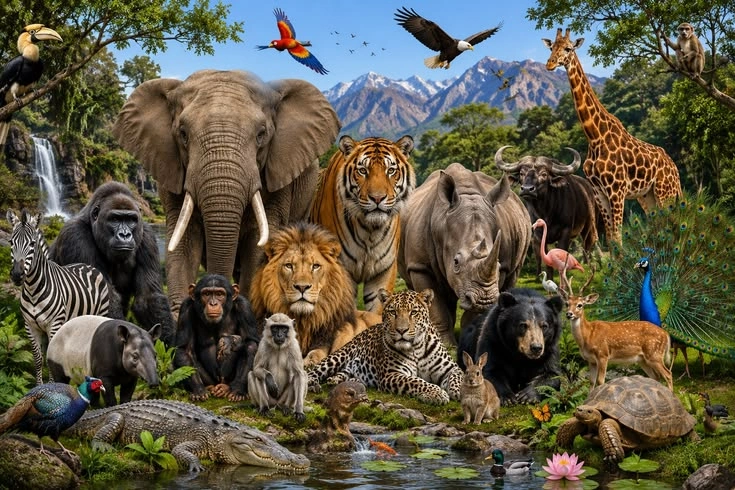
Animals are among the most diverse and fascinating forms of life on Earth. From tiny insects and microscopic organisms to enormous whales and elephants, animals have evolved an incredible range of body structures, behaviors, senses, and survival strategies.
Some animals can survive in extreme temperatures, while others can travel thousands of miles during migration. Birds use specialized feathers for flight, fish have adaptations that allow them to live underwater, and many mammals rely on complex social relationships to survive.
This collection of 100 animal facts explores the animal kingdom through biology, behavior, habitats, adaptation, communication, reproduction, feeding, and conservation.
1. Animals Live Almost Everywhere on Earth
Animals occupy an enormous range of habitats. They can be found in oceans, forests, deserts, grasslands, mountains, rivers, lakes, caves, wetlands, and even environments with extreme temperatures.
2. Animals Are Part of the Animal Kingdom
Scientists classify animals within the biological kingdom Animalia. Animals are generally multicellular organisms that obtain energy by consuming other organisms or organic material.
3. There Are Millions of Animal Species
Scientists have formally described millions of animal species, while many more are believed to remain undiscovered, particularly among insects, marine animals, and microscopic life.
4. Animals Can Be Vertebrates or Invertebrates
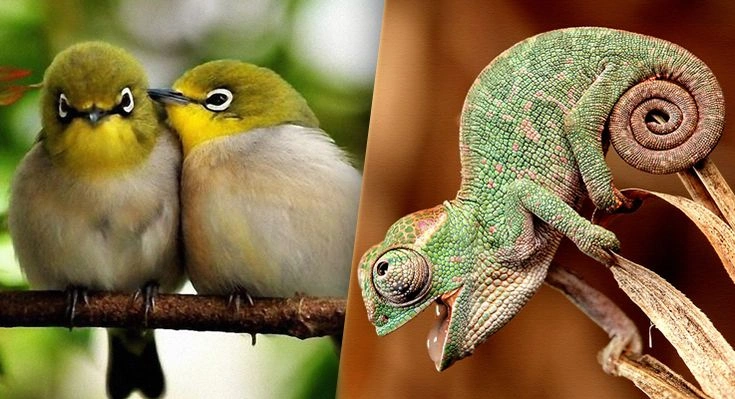
One of the broadest ways to group animals is by whether they have a backbone. Vertebrates include mammals, birds, reptiles, amphibians, and fish. Invertebrates include insects, spiders, mollusks, worms, crustaceans, and many other groups.
5. Insects Are Extremely Diverse
Insects represent one of the most diverse groups of animals on Earth. Beetles, butterflies, ants, bees, grasshoppers, flies, and dragonflies are all insects.
6. Mammals Have Hair or Fur
Mammals are characterized by several features, including hair or fur and the ability of females to produce milk for their young.
Dogs, cats, elephants, whales, bats, and humans are all mammals.
7. Birds Have Feathers
Feathers are a defining characteristic of birds. They help birds with flight, insulation, communication, camouflage, and display.
8. Fish Live in Aquatic Environments
Fish are aquatic vertebrates with adaptations that allow them to live in water. Most fish breathe using gills and use fins to move and stabilize themselves.
9. Some Fish Can Live in Freshwater
Freshwater fish live in environments such as rivers, streams, lakes, and ponds. Their bodies have adaptations that help them maintain the correct balance of water and dissolved salts.
10. Other Fish Live in Saltwater
Marine fish live in oceans and seas. Saltwater environments cover most of Earth’s surface and contain an enormous diversity of animal life.
11. Whales Are Mammals
Although whales spend their entire lives in water, they are mammals rather than fish. They breathe air through lungs and must surface to breathe.
12. Bats Are the Only Mammals Capable of Sustained Flight
Bats have specialized wings formed from elongated fingers and a membrane of skin. Unlike flying squirrels, which glide, bats are capable of powered flight.
13. Elephants Have Remarkable Trunks
An elephant’s trunk is a highly flexible structure used for breathing, smelling, drinking, feeding, touching, and communication.
14. Giraffes Have Extremely Long Necks
A giraffe’s long neck allows it to reach vegetation high above the ground. Despite the neck’s unusual length, giraffes have the same basic number of neck vertebrae as most mammals.
15. Cheetahs Are Built for Speed
Cheetahs have a body adapted for rapid acceleration and high-speed running. Their flexible spine, long legs, specialized muscles, and lightweight build contribute to their speed.
16. Penguins Are Birds
Penguins cannot fly through the air, but their wings have evolved into flipper-like structures that make them effective swimmers.
17. Owls Have Specialized Eyes
Many owl species have large forward-facing eyes that provide excellent depth perception. Their facial structures also help direct sound toward their ears.
18. Some Birds Can Mimic Human Speech
Certain birds, including parrots and mynas, can imitate sounds they hear. Some species are particularly skilled at learning and reproducing complex vocalizations.
19. Parrots Are Highly Social Birds
Many parrots form strong social relationships and use vocalizations and body language to communicate.
20. Hummingbirds Can Hover
Hummingbirds have specialized wings that allow them to generate lift during both parts of the wingbeat. This enables them to hover while feeding.
21. Butterflies Begin Life as Caterpillars
Butterflies undergo complete metamorphosis. Their life cycle includes egg, larva, pupa, and adult stages.
22. Bees Are Important Pollinators
Many bees transfer pollen between flowers while collecting food. This makes them important components of many ecosystems and agricultural systems.
23. Ants Live in Organized Colonies
Many ant species live in colonies containing different groups of individuals with specialized roles. Their colonies can display remarkably complex social organization.
24. Spiders Are Not Insects
Spiders belong to the class Arachnida rather than Insecta. Adult spiders generally have eight legs, while insects have six.
25. Octopuses Have Eight Arms
Octopuses are cephalopods and are known for their flexible arms, sophisticated nervous systems, camouflage abilities, and problem-solving behavior.
26. Some Animals Can Change Color
Animals such as chameleons, cephalopods, and some fish can change their appearance. Color changes may serve purposes including communication, camouflage, warning, or social signaling.
27. Camouflage Helps Animals Avoid Detection
Many animals have body patterns or colors that help them blend into their surroundings.
Learn more about animal camouflage and the different ways animals hide from predators and prey.
28. Arctic Animals Have Special Adaptations
Animals living in polar environments may have thick fur, feathers, fat reserves, specialized circulation, or other adaptations that help them cope with cold conditions.
29. Desert Animals Conserve Water
Animals living in deserts have evolved different strategies for dealing with limited water. Some are nocturnal, while others obtain much of their water from food.
30. Forests Support Huge Numbers of Species
Forests provide food, shelter, nesting locations, and other resources for countless animals.
Forest animals include mammals, birds, reptiles, amphibians, insects, and many other organisms.
31. Animals Have Different Types of Diets
Animals can be herbivores, carnivores, omnivores, or specialized feeders.
32. Herbivores Eat Plants
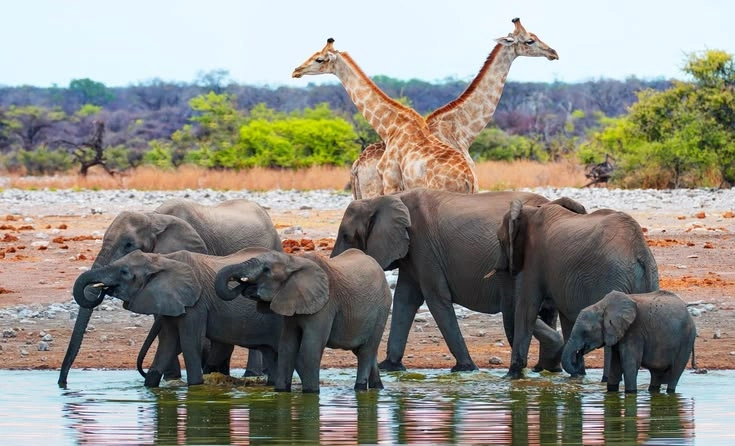
Herbivores primarily consume plants or plant material. Examples include deer, giraffes, rabbits, and many insects.
33. Carnivores Eat Other Animals
Carnivores obtain much of their energy by consuming other animals. Lions, wolves, many sharks, and numerous predatory birds are examples.
34. Omnivores Eat Both Plant and Animal Foods
Omnivorous animals can consume foods from both plant and animal sources. Bears, pigs, and many primates are examples.
35. Predators Help Shape Ecosystems
Predators influence prey populations and can affect how animals behave and where they feed. Their presence can therefore influence entire ecosystems.
36. Prey Animals Have Defensive Adaptations
Prey species may use camouflage, speed, armor, horns, venom, warning colors, group behavior, or other strategies to avoid predators.
37. Animal Teeth Reflect Their Diet
The shape and arrangement of teeth often provide clues about what an animal eats. Carnivores typically have teeth adapted for gripping and cutting, while herbivores often have teeth suited to processing plant material.
38. Birds Have Lightweight Skeletons
Many flying birds have skeletal adaptations that reduce weight while maintaining the strength required for flight.
39. Fish Use Fins for Movement
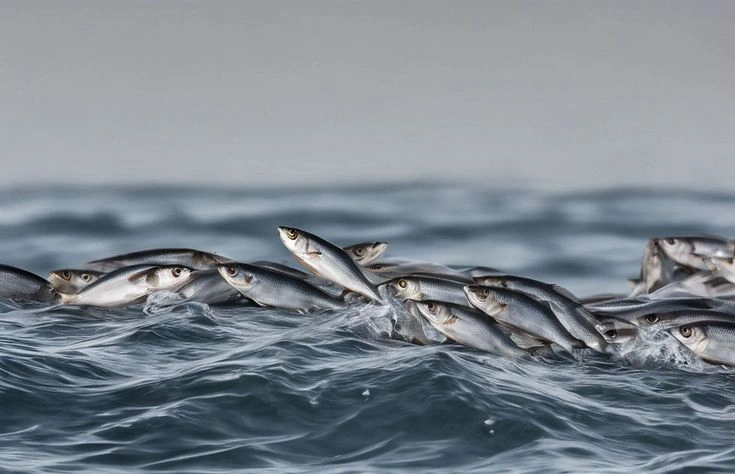
Fish use different fins to generate thrust, steer, stabilize themselves, and control their position in water.
40. Sharks Have Multiple Rows of Teeth
Many shark species continuously replace lost or damaged teeth throughout their lives.
41. Dolphins Use Sound to Communicate
Dolphins produce a variety of clicks, whistles, and other sounds. Some species also use echolocation to detect objects and navigate underwater.
42. Bats Can Use Echolocation
Many bats emit high-frequency sounds and interpret returning echoes to detect objects and locate prey.
43. Elephants Communicate in Multiple Ways
Elephants use vocalizations, body movements, touch, and other signals to communicate with members of their groups.
44. Wolves Are Social Animals
Wolves can live in family-based social groups and use vocalizations, body language, scent marking, and other signals to communicate.
45. Many Primates Use Complex Social Behavior
Primates often live in social groups where individuals interact through grooming, vocalization, facial expressions, gestures, and other behaviors.
46. Animals Can Learn
Many animals can learn from experience. Learning may help animals locate food, avoid danger, navigate environments, and interact with other members of their species.
47. Some Animals Use Tools
Certain animals have been observed using objects as tools. Examples include some primates, birds, and marine mammals.
48. Crows Are Highly Adaptable Birds
Crows are known for their behavioral flexibility and ability to solve certain problems. Their intelligence has made them an important subject of animal-behavior research.
49. Animals Use Scent for Communication
Scent can help animals identify individuals, mark territories, locate mates, and communicate other information.
50. Animal Hearing Varies Greatly
Different species detect different ranges of sound. Some animals can hear frequencies beyond the range detectable by humans.
51. Dogs Have Powerful Sense of Smell
Dogs possess highly developed olfactory systems and can detect odors at concentrations far below what humans can typically perceive.
52. Cats Use Scent Marking
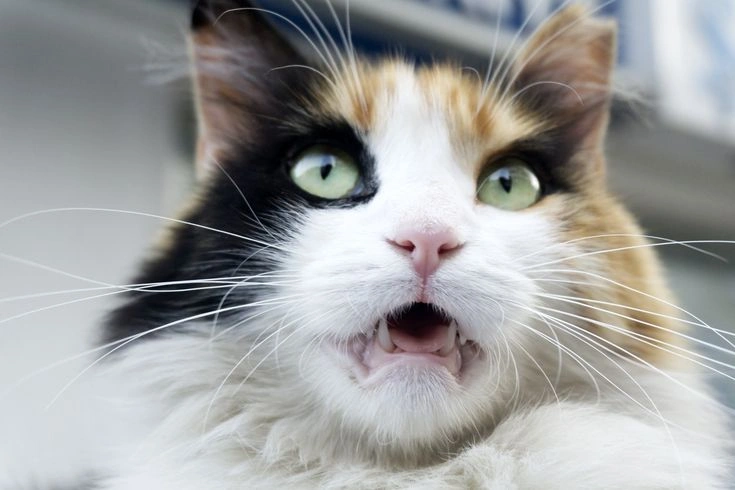
Cats can use scent from glands around their bodies and other behaviors to communicate information about territory and identity.
53. Animals Have Different Ways of Seeing
Some animals have excellent night vision, while others can detect ultraviolet wavelengths or see colors differently from humans.
54. Snakes Detect Their Environment in Several Ways
Snakes use vision, smell, vibration detection, and other sensory systems. Some snake species can also detect infrared radiation associated with warm objects.
55. Reptiles Are Ectothermic
Most reptiles rely heavily on environmental heat to regulate their body temperature. They may bask in sunlight or move between warmer and cooler areas.
56. Amphibians Often Depend on Moist Environments
Many amphibians have permeable skin and life cycles involving water or moist habitats.
57. Frogs Can Absorb Water Through Their Skin
Frogs can absorb water through specialized areas of their skin rather than relying exclusively on drinking through their mouths.
58. Turtles Have Protective Shells
A turtle’s shell is part of its skeleton and provides substantial protection for its body.
59. Crocodilians Are Ancient-Looking Predators
Crocodilians include crocodiles, alligators, caimans, and gharials. Their lineage has existed for millions of years.
60. Some Animals Migrate
Migration occurs when animals move between geographic areas, often according to seasonal patterns.
61. Birds Can Travel Huge Distances
Many migratory birds travel thousands of kilometers between breeding and wintering grounds.
62. Salmon Can Return to Their Birth Rivers
Some salmon species migrate from the ocean back toward freshwater systems associated with their early life.
63. Monarch Butterflies Undertake Long Migrations
Monarch butterflies are famous for seasonal movements across parts of North America.
64. Hibernation Helps Some Animals Survive Winter
Some animals enter periods of greatly reduced activity and metabolism during unfavorable conditions.
65. Bears Can Enter Extended Winter Dormancy
Some bear species experience substantial reductions in activity and metabolism during winter, although the details differ from true hibernation in smaller mammals.
66. Animal Babies Can Look Very Different From Adults
Many species undergo major physical changes during development. Insects that undergo metamorphosis are particularly striking examples.
67. Frogs Undergo Metamorphosis
A typical frog develops from an egg into a tadpole and eventually transforms into an adult frog.
68. Animals Reproduce in Different Ways
Animal reproduction varies considerably. Some species lay eggs, while others give birth to live young.
69. Birds Lay Eggs
All modern birds reproduce by laying eggs. Their eggs contain nutrients that support embryo development.
70. Many Fish Lay Eggs
Numerous fish species release eggs and sperm into the water, although reproductive strategies vary widely between species.
71. Some Animals Care for Their Young
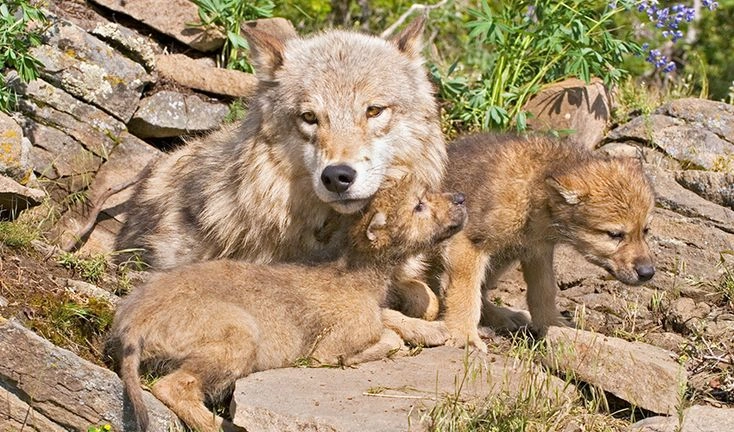
Parental care occurs in many animal groups. Parents may protect, feed, teach, carry, or otherwise support their offspring.
72. Mammals Feed Their Young With Milk
Milk production is one of the defining characteristics of mammals. It provides newborn mammals with energy and nutrients during early development.
73. Animal Groups Have Different Names
Groups of animals can have specific collective names. A group of fish may be called a school, while a group of wolves is commonly called a pack.
74. Some Animals Live Alone
Not every animal is highly social. Many species spend much of their lives alone except during breeding periods or other specific circumstances.
75. Others Depend on Social Groups
Social living can provide advantages such as protection, cooperative hunting, childcare, or improved access to information.
76. Coral Reefs Support Diverse Animal Communities
Coral reef ecosystems provide habitat for enormous numbers of marine organisms, including fish, mollusks, crustaceans, worms, and many other animals.
77. Oceans Contain Extraordinary Biodiversity
The world’s oceans contain animals ranging from microscopic organisms and tiny planktonic animals to enormous whales.
78. Plankton Are Important to Marine Food Webs
Plankton includes organisms that drift with water currents. Phytoplankton and zooplankton form important parts of aquatic food webs.
79. Microorganisms Are Part of Natural Ecosystems
Microscopic organisms can participate in decomposition, nutrient cycling, food webs, and many other ecological processes.
80. Bacteria Are Extremely Diverse
Bacteria are microscopic organisms found in virtually every environment on Earth. They can live in soil, water, animals, plants, and extreme environments.
81. Fungi Play Important Ecological Roles
Fungi are not animals or plants. Many fungi help decompose organic material and recycle nutrients through ecosystems.
82. Decomposers Recycle Nutrients
Decomposers break down dead organic matter and return nutrients to ecosystems. Fungi and many microorganisms play major roles in this process.
83. Animal Populations Can Change Over Time
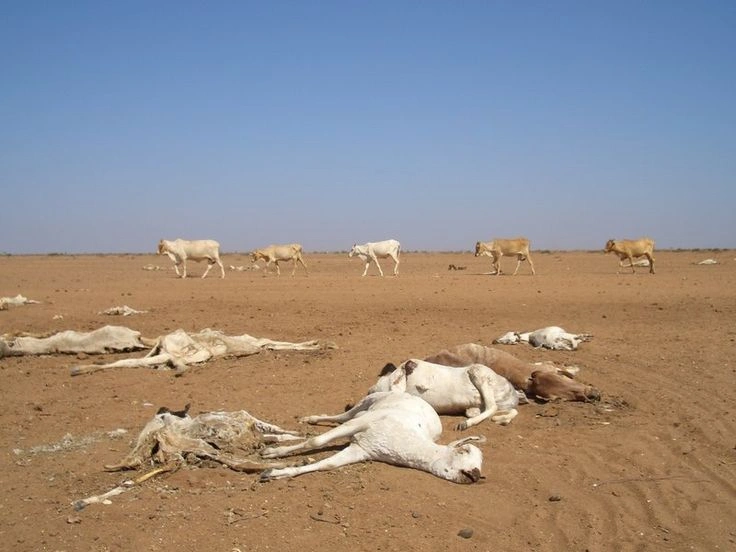
Populations may increase or decrease because of food availability, disease, habitat changes, predation, climate, reproduction, and human activity.
84. Habitat Loss Can Threaten Wildlife
When natural habitats are destroyed, fragmented, or significantly altered, animals can lose food sources, shelter, breeding grounds, and migration routes.
85. Pollution Can Affect Animals
Plastic, chemicals, oil, noise, light, and other forms of pollution can affect animals and their habitats in different ways.
86. Climate Can Influence Animal Distribution
Changes in temperature, rainfall, sea conditions, and seasonal patterns can affect where species can survive.
87. Endangered Species Need Conservation
Species facing a high risk of extinction may require conservation measures such as habitat protection, population monitoring, restoration, and restrictions on harmful activities.
88. Some Animals Have Become Extinct
Extinction occurs when no living individuals of a species remain. Species can disappear because of natural processes, environmental changes, human activities, or combinations of factors.
89. Conservation Can Protect Wildlife
Wildlife conservation includes efforts to protect species, habitats, ecosystems, and the ecological processes that support them.
90. National Parks Can Protect Animal Habitats
Protected areas can provide important habitat for wildlife and help preserve ecosystems.
91. Wildlife Corridors Connect Habitats
Wildlife corridors can connect separated habitat areas and allow animals to move between them.
92. Responsible Pet Ownership Matters
Keeping an animal as a pet involves responsibilities including appropriate food, shelter, enrichment, veterinary care, and protection from preventable dangers.
93. Different Pets Have Different Needs
A dog, cat, rabbit, bird, fish, reptile, or small mammal cannot all be cared for in the same way. Each species has specific environmental and nutritional requirements.
94. Pet Birds Need Species-Appropriate Care
Birds kept as pets require suitable housing, nutrition, enrichment, social interaction, and access to appropriate veterinary care.
95. Aquarium Fish Need Suitable Water Conditions
Keeping fish successfully requires attention to water quality, temperature, filtration, habitat design, feeding, and stocking levels.
96. Animals Depend on Healthy Ecosystems
Individual animals are connected to other organisms and environmental conditions. Changes to one part of an ecosystem can influence many other species.
97. Biodiversity Makes Ecosystems More Complex
Biodiversity includes the variety of living organisms within an area. Animals are one component of broader ecosystems that also include plants, fungi, microorganisms, and physical environmental factors.
98. Every Species Has a Scientific Name
Biologists use scientific naming systems to identify species consistently across languages and regions.
99. Scientists Continue Discovering New Species
New species continue to be described as researchers exploring poorly studied environments and examining organisms using modern scientific techniques.
100. The Animal Kingdom Is Still Full of Mysteries
Despite centuries of scientific research, many questions about animal behavior, communication, evolution, migration, and ecology remain under investigation.
From a tiny insect to a giant whale, every animal represents a unique solution to the challenges of surviving and reproducing in its environment.
Why Learning Animal Facts Matters
Animal facts are more than interesting pieces of trivia. Understanding animals helps us understand ecosystems, biodiversity, evolution, conservation, and the relationships between living organisms.
Learning about wildlife can also make it easier to recognize why habitats need protection and why responsible interactions with animals matter.
At Viltnemnda, our goal is to make information about animals, wildlife, birds, fish, and the natural world easier to explore through practical and educational guides.
Whether you want to learn about a household pet, identify a wild animal, understand a bird species, explore fish biology, or discover the microscopic organisms that support ecosystems, there is always more to learn about life on Earth.
Frequently Asked Questions
What is the animal kingdom?
The animal kingdom, or Animalia, is the biological kingdom containing animals. It includes organisms ranging from microscopic animals to enormous marine mammals.
How many types of animals are there?
There are millions of scientifically described animal species, and researchers believe additional species remain undiscovered or insufficiently studied.
What are the five major groups of vertebrates?
The commonly recognized major vertebrate groups are mammals, birds, reptiles, amphibians, and fish.
What is the difference between vertebrates and invertebrates?
Vertebrates have a backbone, while invertebrates do not. Invertebrates include groups such as insects, spiders, mollusks, worms, and crustaceans.
Why are animals important to ecosystems?
Animals participate in food webs, pollination, seed dispersal, predation, decomposition, nutrient cycling, and many other ecological processes.
What can people do to help wildlife?
People can help wildlife by protecting natural habitats, reducing pollution, respecting wild animals, supporting responsible conservation efforts, and making informed choices that reduce pressure on ecosystems.
