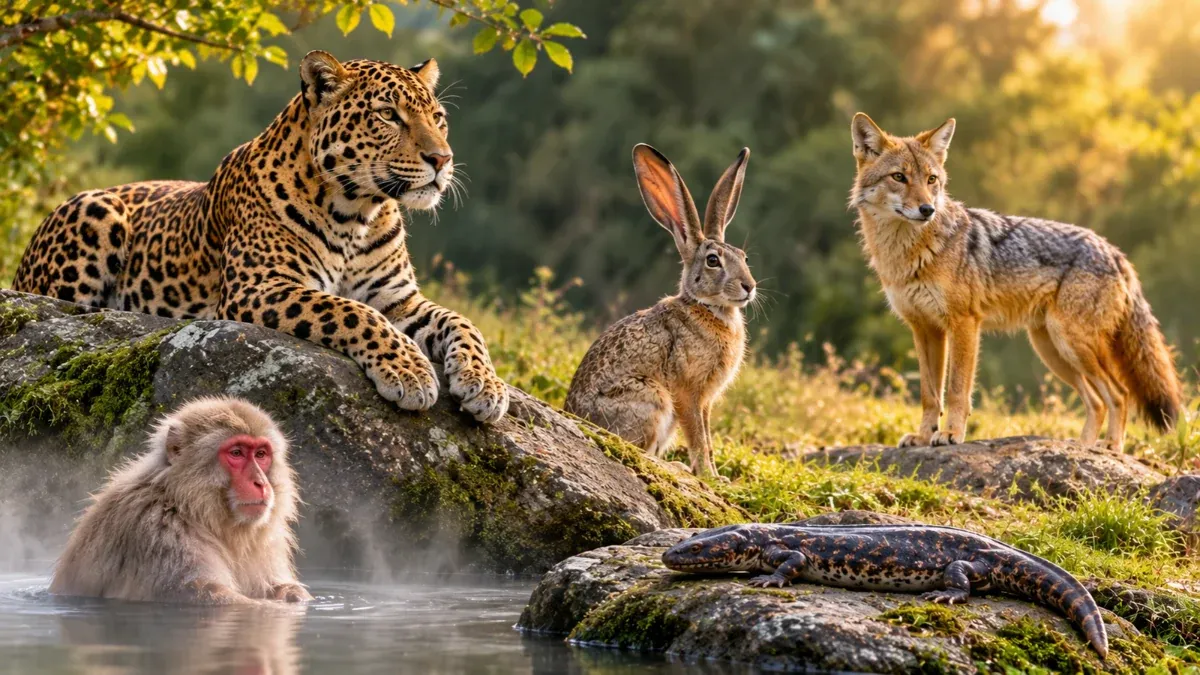
Animals That Start With J include fascinating creatures from around the world, ranging from powerful predators like jaguars to rare species such as the Javan rhinoceros and Japanese giant salamander.
Animals that start with the letter J include some fascinating creatures from different parts of the world. The list features well-known animals like the jaguar, jackal, jaguarundi, and Japanese macaque, along with unusual species such as the Javan rhinoceros, Japanese giant salamander, and Japanese spider crab.
This guide explores 23 interesting animals that begin with J across different animal groups. You can also discover more fascinating animal facts to learn about the diversity and behavior of species around the world. From tropical rainforests and African wetlands to mountain forests and deep oceans, each animal has unique characteristics worth discovering.
Key Takeaways
- The jaguar is the largest wild cat in the Americas and a powerful swimmer.
- The Javan rhinoceros is one of the rarest large mammals in the world.
- Japanese macaques are famous for bathing in natural hot springs during winter.
- The jabiru is a large stork found in Central and South American wetlands.
- The Japanese giant salamander is one of the largest amphibians in the world.
- The Japanese spider crab has an enormous leg span compared with most other crabs.
Mammals That Start With J
Mammals are warm-blooded animals that feed their young with milk. They belong to one of the five major groups of vertebrate animals, which also include birds, reptiles, amphibians, and fish. The letter J includes several remarkable mammals, from powerful big cats and rare rhinoceroses to small forest-dwelling animals. Readers can explore this forest animal list to discover more species that inhabit different woodland environments.
Jaguar
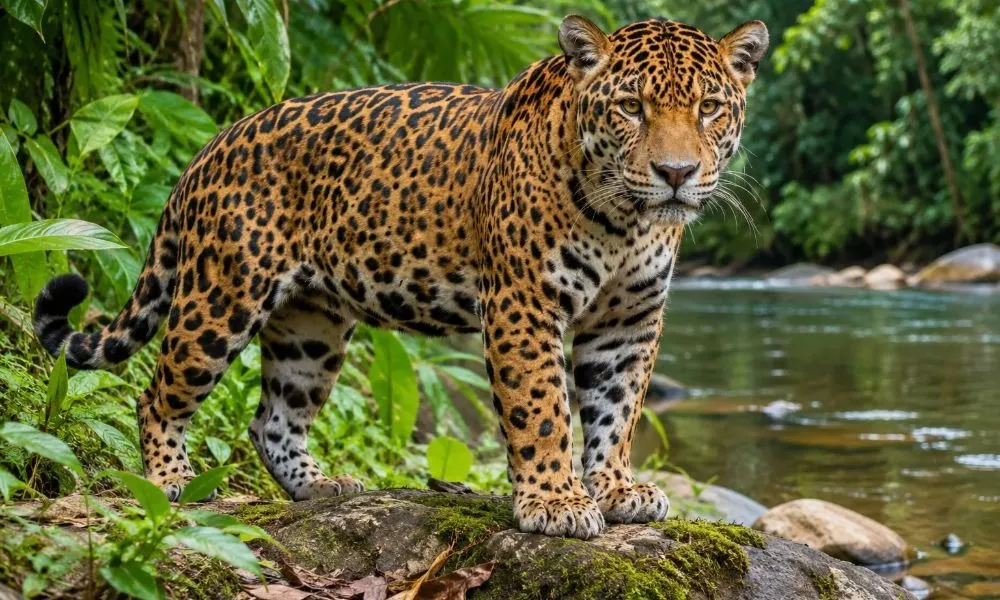
- Scientific Name: Panthera onca
- Family: Felidae
- Habitat: Tropical rainforests, grasslands, wetlands, and woodland areas
- Range: Central and South America
- Size and Weight: About 1.1–1.9 m long, excluding the tail; roughly 45–120 kg
- Diet: Deer, capybaras, peccaries, fish, and other animals
- Lifespan: Around 12–15 years in the wild
- Conservation Status: Near Threatened
Key Fact: The jaguar has one of the strongest bites among big cats relative to its size. Unlike many other cats, it is also an excellent swimmer and often hunts near rivers and wetlands.
Jaguarundi

- Scientific Name: Herpailurus yagouaroundi
- Family: Felidae
- Habitat: Forests, scrublands, grasslands, and woodland edges
- Range: Central and South America
- Size and Weight: About 50–77 cm long, excluding the tail; roughly 3–9 kg
- Diet: Rodents, birds, reptiles, and small mammals
- Lifespan: Around 10–15 years
- Conservation Status: Least Concern
Key Fact: The jaguarundi has a long, slender body, short legs, and small rounded ears. Unlike most wild cats, it has a somewhat otter-like appearance and can be active during the daytime.
Japanese Macaque
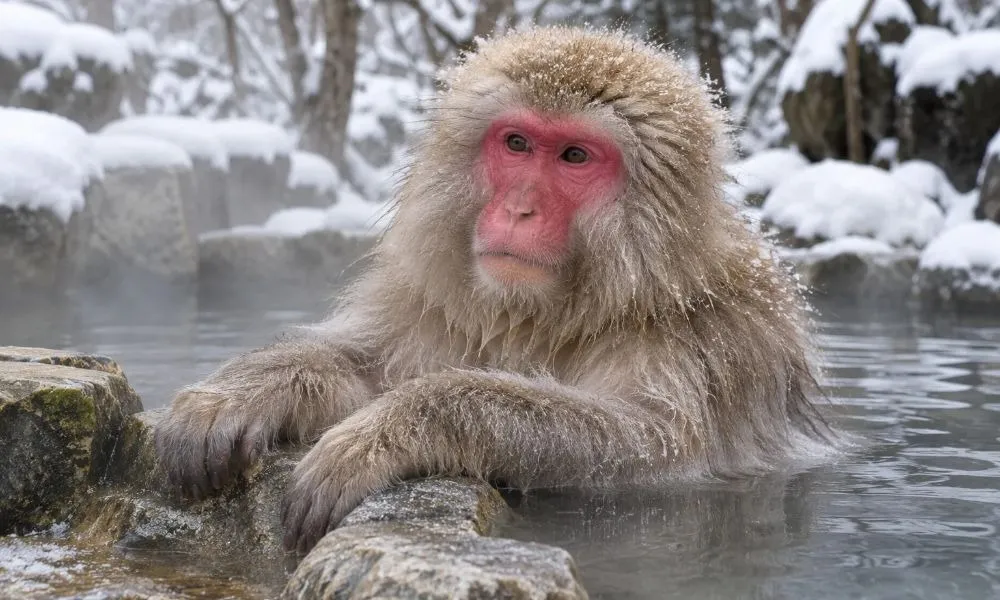
- Scientific Name: Macaca fuscata
- Family: Cercopithecidae
- Habitat: Mountain forests, temperate woodlands, and snowy regions
- Range: Japan
- Size and Weight: About 47–60 cm tall; roughly 8–18 kg
- Diet: Fruits, leaves, seeds, insects, and small animals
- Lifespan: Around 20–30 years
- Conservation Status: Least Concern
Key Fact: Japanese macaques are often called snow monkeys because they live in some of the coldest regions inhabited by nonhuman primates. They are famous for soaking in natural hot springs during winter.
Javan Rhinoceros
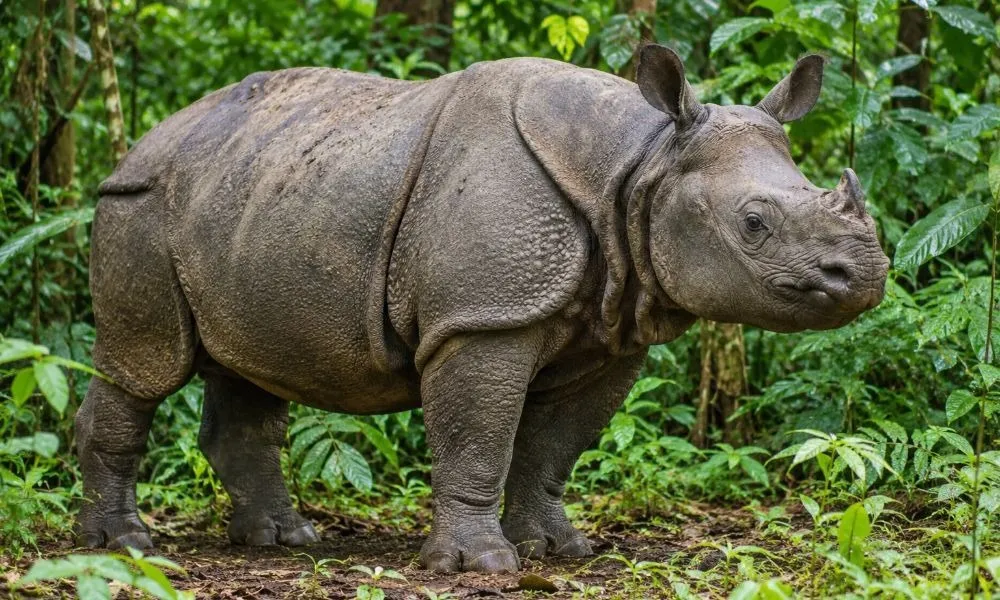
- Scientific Name: Rhinoceros sondaicus
- Family: Rhinocerotidae
- Habitat: Tropical rainforests, lowland forests, and swampy areas
- Range: Ujung Kulon National Park, Java, Indonesia
- Size and Weight: About 3–3.2 m long; roughly 900–2,300 kg
- Diet: Leaves, shoots, twigs, and fallen fruit
- Lifespan: Around 30–40 years
- Conservation Status: Critically Endangered
Key Fact: The Javan rhinoceros is one of the rarest rhinoceros species in the world. Unlike most other rhinos, it usually has only one small horn, which is more noticeable in males.
Javan Leopard

- Scientific Name: Panthera pardus melas
- Family: Felidae
- Habitat: Tropical rainforests, mountain forests, and scrublands
- Range: Java, Indonesia
- Size and Weight: About 1–1.5 m long, excluding the tail; roughly 20–60 kg
- Diet: Deer, monkeys, wild pigs, and small mammals
- Lifespan: Around 12–17 years
- Conservation Status: Critically Endangered
Key Fact: The Javan leopard is a rare leopard subspecies found only on the Indonesian island of Java. Some individuals have dark, almost black coats, while others display the familiar spotted leopard pattern.
Jackal
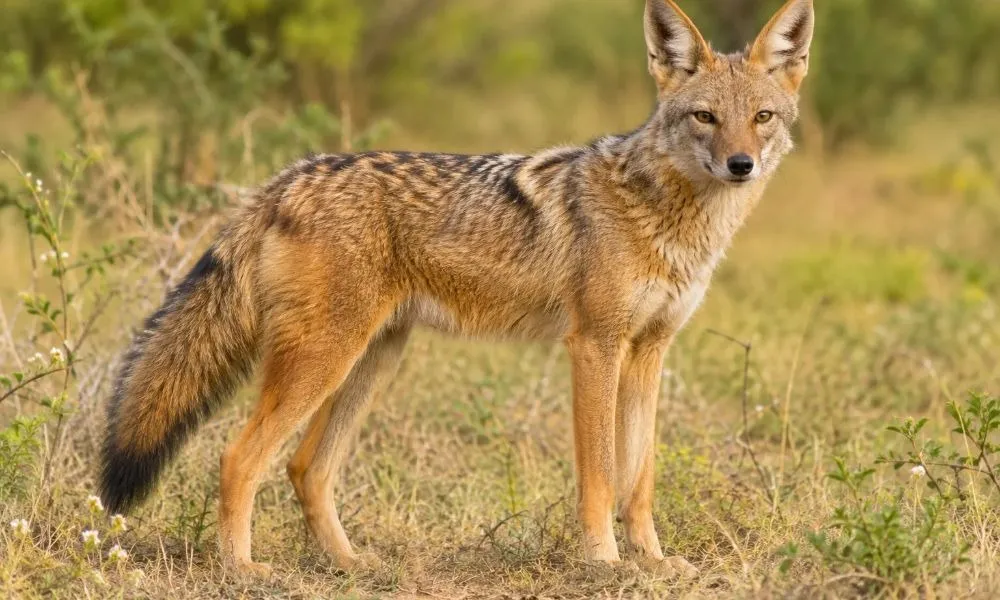
- Scientific Name: Canis aureus (Golden jackal)
- Family: Canidae
- Habitat: Grasslands, savannas, forests, and open woodland
- Range: Parts of Africa, Europe, and Asia
- Size and Weight: About 70–85 cm long, excluding the tail; roughly 6–15 kg
- Diet: Small mammals, birds, insects, fruits, and carrion
- Lifespan: Around 8–12 years in the wild
- Conservation Status: Least Concern
Key Fact: Jackals are intelligent and adaptable animals. They often hunt alone or in pairs and use their excellent hearing and sense of smell to locate food.
Birds That Start With J
Birds have feathers, beaks, and wings, although some species spend much of their time walking or swimming rather than flying. J birds include large wetland storks, colorful forest birds, and small migratory songbirds.
African Jacana
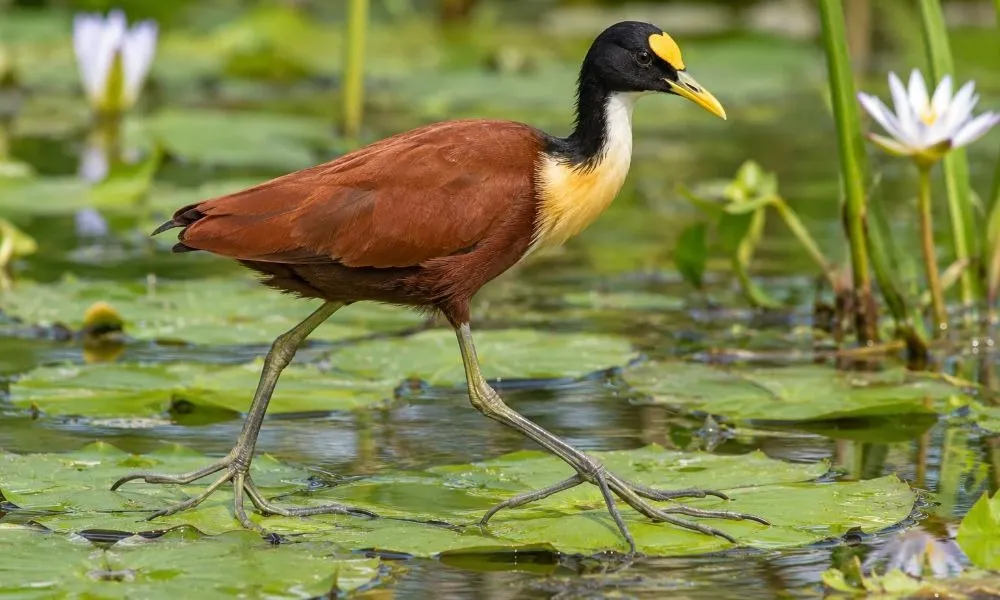
- Scientific Name: Actophilornis africanus
- Family: Jacanidae
- Habitat: Freshwater lakes, ponds, marshes, and wetlands
- Range: Sub-Saharan Africa
- Size and Weight: About 23–31 cm long; roughly 120–260 g
- Diet: Insects, aquatic invertebrates, and small seeds
- Lifespan: Around 5–10 years
- Conservation Status: Least Concern
Key Fact: African jacanas have extremely long toes and claws that help them walk across floating aquatic plants. They are sometimes called lily-trotters because of this unusual ability.
Jackdaw
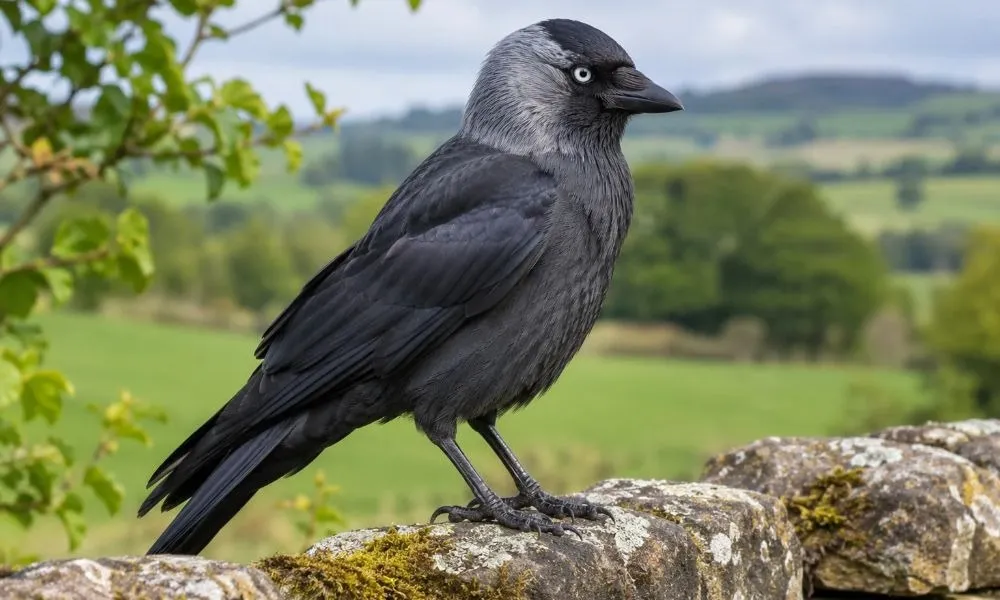
- Scientific Name: Coloeus monedula
- Family: Corvidae
- Habitat: Woodlands, farmland, cliffs, parks, and urban areas
- Range: Europe, western Asia, and parts of North Africa
- Size and Weight: About 30–39 cm long; roughly 200–270 g
- Diet: Insects, seeds, fruits, small animals, and food scraps
- Lifespan: Around 5–10 years in the wild; sometimes longer
- Conservation Status: Least Concern
Key Fact: Jackdaws are highly intelligent members of the crow family. They often live in groups and are known for their social behavior and ability to recognize familiar individuals.
Eurasian Jay
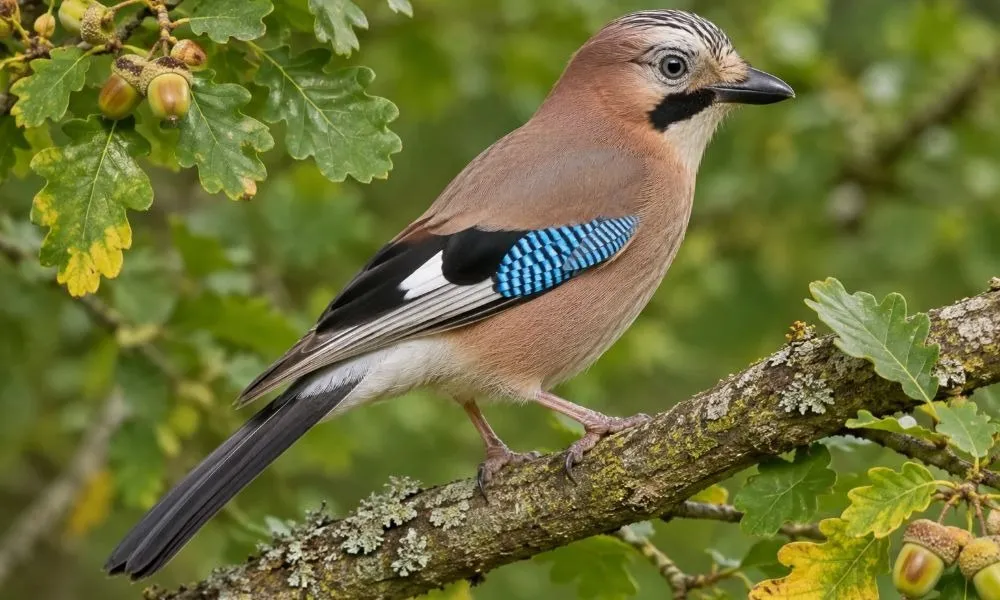
- Scientific Name: Garrulus glandarius
- Family: Corvidae
- Habitat: Deciduous forests, mixed woodlands, and forest edges
- Range: Europe, North Africa, and parts of Asia
- Size and Weight: About 32–35 cm long; roughly 140–190 g
- Diet: Acorns, nuts, seeds, insects, and small animals
- Lifespan: Around 5–10 years in the wild
- Conservation Status: Least Concern
Key Fact: Eurasian jays are known for collecting and hiding acorns. By forgetting some of their hidden food stores, they help spread oak trees and support forest regeneration.
Dark-Eyed Junco
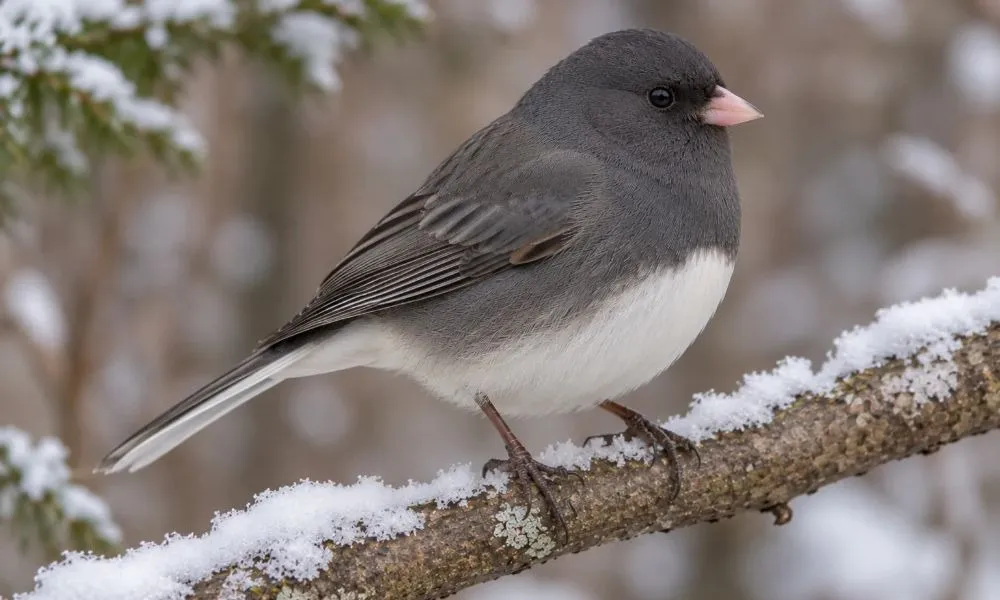
- Scientific Name: Junco hyemalis
- Family: Passerellidae
- Habitat: Coniferous forests, woodland edges, gardens, and mountain areas
- Range: North America
- Size and Weight: About 13–17 cm long; roughly 18–30 g
- Diet: Seeds, insects, and small invertebrates
- Lifespan: Around 3–5 years in the wild
- Conservation Status: Least Concern
Key Fact: Dark-eyed juncos are small songbirds that often visit gardens and feeding stations during winter. Their coloring varies by region, with some having gray bodies and others showing brown or reddish-brown sides.
Red-Crowned Crane

- Scientific Name: Grus japonensis
- Family: Gruidae
- Habitat: Wetlands, marshes, riverbanks, and grasslands
- Range: Japan, northeastern China, and eastern Russia
- Size and Weight: About 1.5–1.6 m tall; roughly 7–10 kg
- Diet: Fish, insects, amphibians, seeds, and small animals
- Lifespan: Around 20–30 years in the wild
- Conservation Status: Vulnerable
Key Fact: The red-crowned crane is one of the largest crane species in the world. It is famous for its elegant courtship dances, which include jumping, bowing, and spreading its wings.
Red Junglefowl

- Scientific Name: Gallus gallus
- Family: Phasianidae
- Habitat: Tropical forests, scrublands, and forest edges
- Range: South and Southeast Asia
- Size and Weight: About 60–75 cm long in males, including the tail; roughly 1–1.5 kg
- Diet: Seeds, fruits, insects, and small invertebrates
- Lifespan: Around 5–10 years in the wild
- Conservation Status: Least Concern
Key Fact: The red junglefowl is the wild ancestor of domestic chickens. Its natural behavior and appearance provide an important link to the history of poultry domestication.
Reptiles That Start With J
Reptiles are cold-blooded animals with scaly skin. They include snakes and lizards that live in a variety of environments, from tropical forests to dry grasslands.
Jackson’s Chameleon
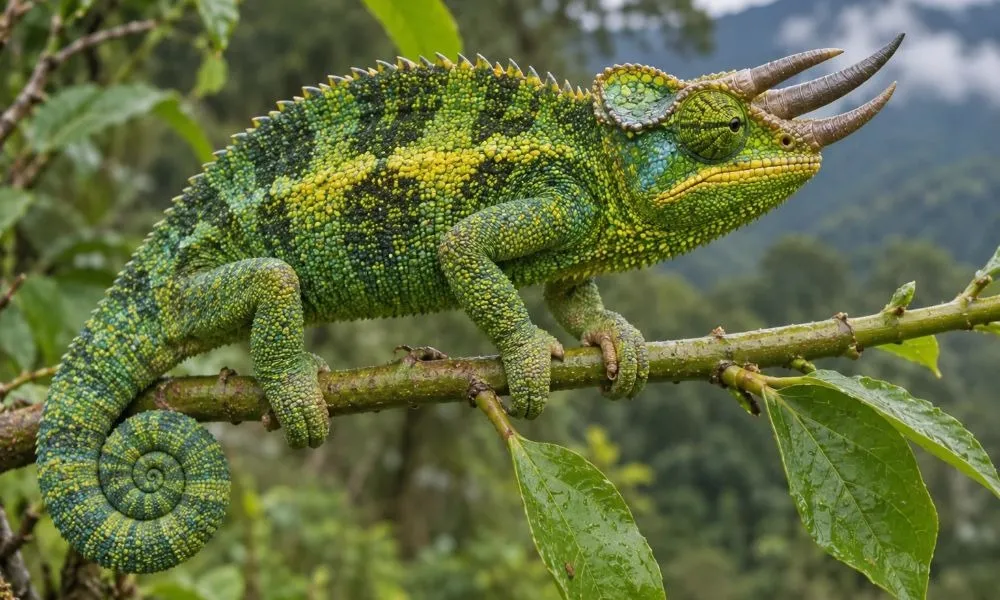
- Scientific Name: Trioceros jacksonii
- Family: Chamaeleonidae
- Habitat: Mountain forests, shrubs, and moist woodlands
- Range: East Africa, especially Kenya and Tanzania; also introduced elsewhere
- Size and Weight: About 20–30 cm long, including the tail
- Diet: Insects and other small invertebrates
- Lifespan: Around 5–10 years
- Conservation Status: Least Concern
Key Fact: Male Jackson’s chameleons usually have three prominent horns on their heads, giving them an unusual appearance. Like other chameleons, they can move their eyes independently and use a long, sticky tongue to catch insects.
Jamaican Boa
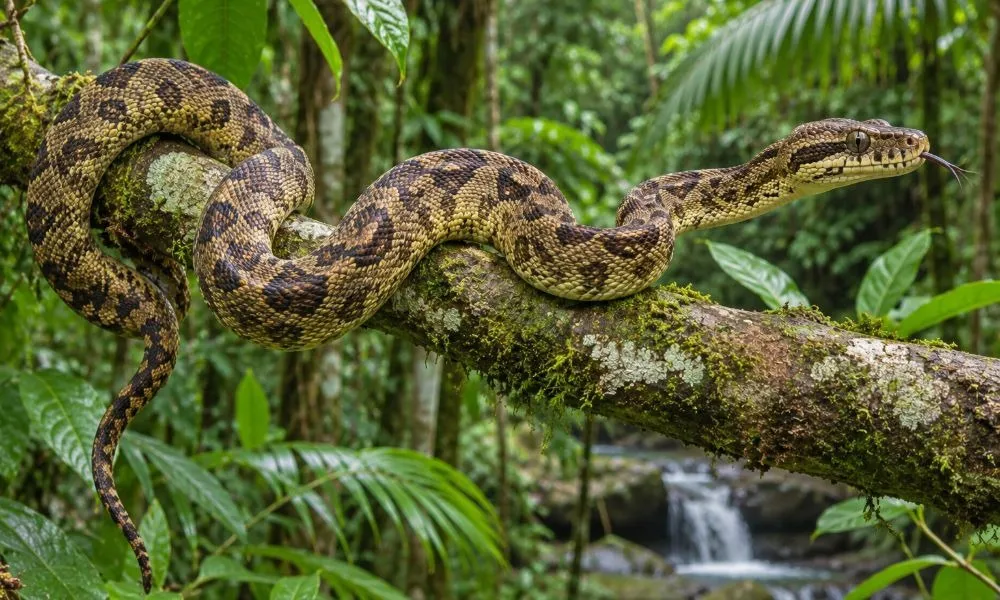
- Scientific Name: Chilabothrus subflavus
- Family: Boidae
- Habitat: Tropical forests, limestone areas, and woodland habitats
- Range: Jamaica
- Size and Weight: About 1.5–2.5 m long
- Diet: Birds, bats, lizards, and small mammals
- Lifespan: Around 15–20 years
- Conservation Status: Vulnerable
Key Fact: The Jamaican boa is a nonvenomous snake that kills its prey through constriction. It is an excellent climber and often searches for food in trees and dense vegetation.
Japanese Rat Snake
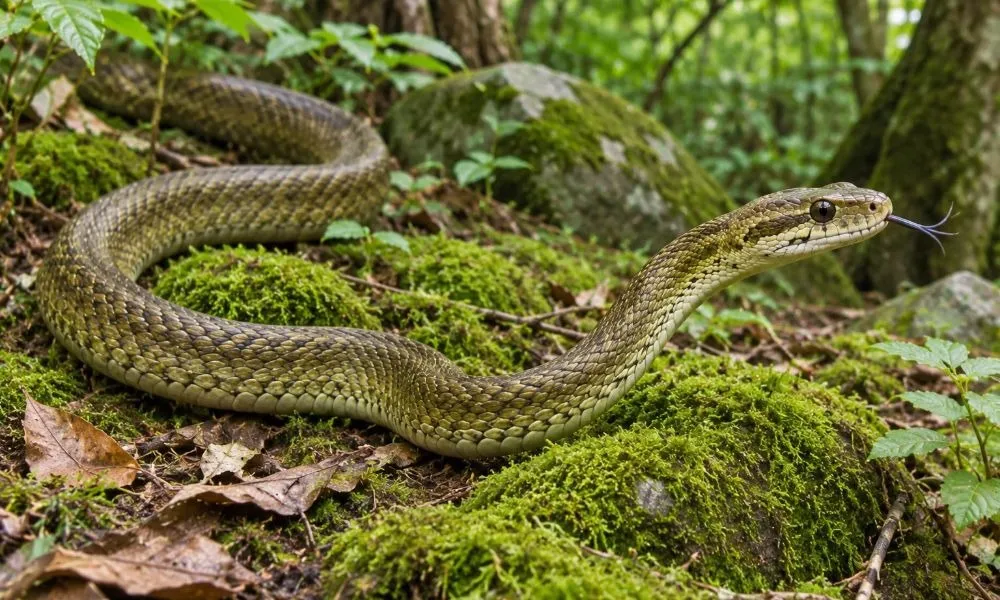
- Scientific Name: Elaphe climacophora
- Family: Colubridae
- Habitat: Forests, grasslands, farmland, and rocky hillsides
- Range: Japan
- Size and Weight: About 1–2 m long
- Diet: Rodents, birds, eggs, and small animals
- Lifespan: Around 10–15 years
- Conservation Status: Least Concern
Jerdon’s Pit Viper

Key Fact: The Japanese rat snake is a nonvenomous snake that helps control rodent populations. It is also known for its climbing ability and can often be found near farms and woodland areas.
- Scientific Name: Protobothrops jerdonii
- Family: Viperidae
- Habitat: Mountain forests, bamboo thickets, and moist woodland
- Range: Parts of China, northeastern India, and neighboring regions
- Size and Weight: About 60–90 cm long
- Diet: Small mammals, frogs, and lizards
- Lifespan: Not well documented
- Conservation Status: Not well established
Key Fact: Jerdon’s pit viper is a venomous snake with heat-sensitive pits between its eyes and nostrils. These specialized organs help it detect warm-blooded prey in low-light conditions.
Amphibians That Start With J
Amphibians usually have moist skin and often depend on freshwater or damp environments during part of their lives. The letter J includes some unusual amphibians, including one of the world’s largest salamanders.
Japanese Giant Salamander

- Scientific Name: Andrias japonicus
- Family: Cryptobranchidae
- Habitat: Clear, cool freshwater streams and rivers
- Range: Western Japan
- Size and Weight: Up to about 1.5 m long; roughly 20–25 kg
- Diet: Fish, frogs, insects, and crustaceans
- Lifespan: Around 50 years or more
- Conservation Status: Near Threatened
Key Fact: The Japanese giant salamander is one of the largest amphibians in the world. It has loose, wrinkled skin that helps it absorb oxygen from the water.
Fish That Start With J
Fish live in freshwater and saltwater environments and breathe through gills. Some fish beginning with J are known for their unusual body shapes, while others are popular in aquariums or important in marine ecosystems.
John Dory
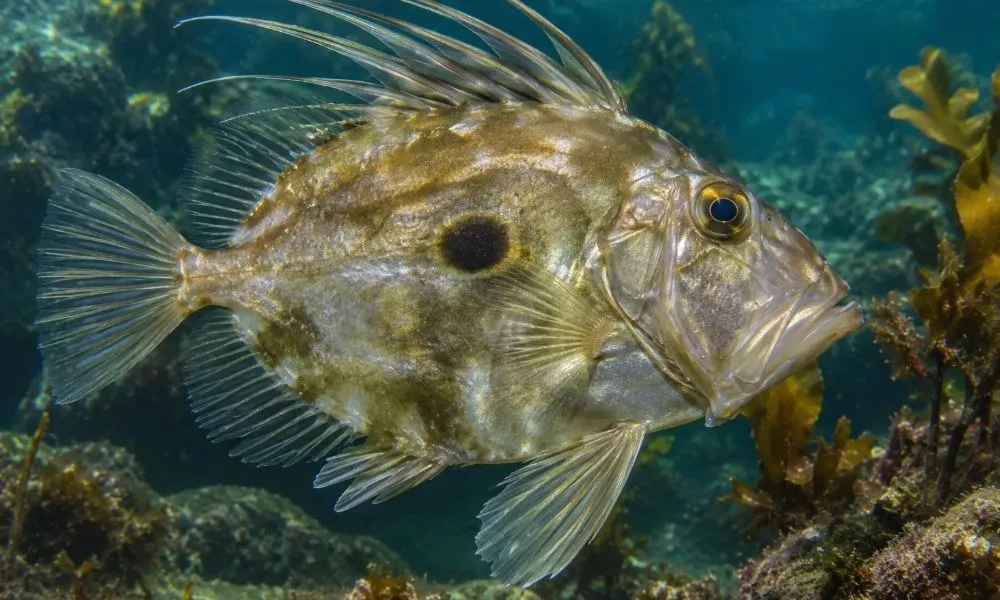
- Scientific Name: Zeus faber
- Family: Zeidae
- Habitat: Coastal waters and continental shelf regions
- Range: Atlantic, Indian, and Pacific oceans
- Size and Weight: About 30–60 cm long; roughly 1–5 kg
- Diet: Small fish, squid, and crustaceans
- Lifespan: Around 5–12 years
- Conservation Status: Least Concern
Key Fact: John Dory has a distinctive dark spot on each side of its flattened body. Its large mouth can extend forward quickly to catch prey.
Japanese Eel
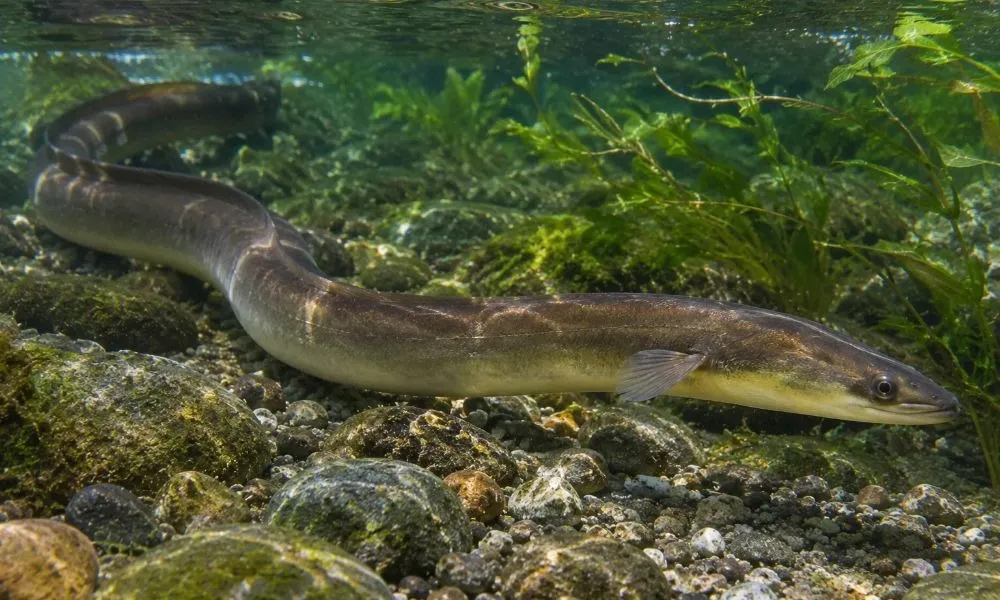
- Scientific Name: Anguilla japonica
- Family: Anguillidae
- Habitat: Rivers, lakes, estuaries, and coastal waters
- Range: East Asia, including Japan, China, Korea, and Taiwan
- Size and Weight: About 40–100 cm long; sometimes longer
- Diet: Small fish, insects, crustaceans, and aquatic invertebrates
- Lifespan: Around 10–20 years
- Conservation Status: Endangered
Key Fact: Japanese eels have a remarkable life cycle. They migrate from freshwater habitats to the ocean to reproduce in deep waters near the Mariana Islands.
Jewel Cichlid
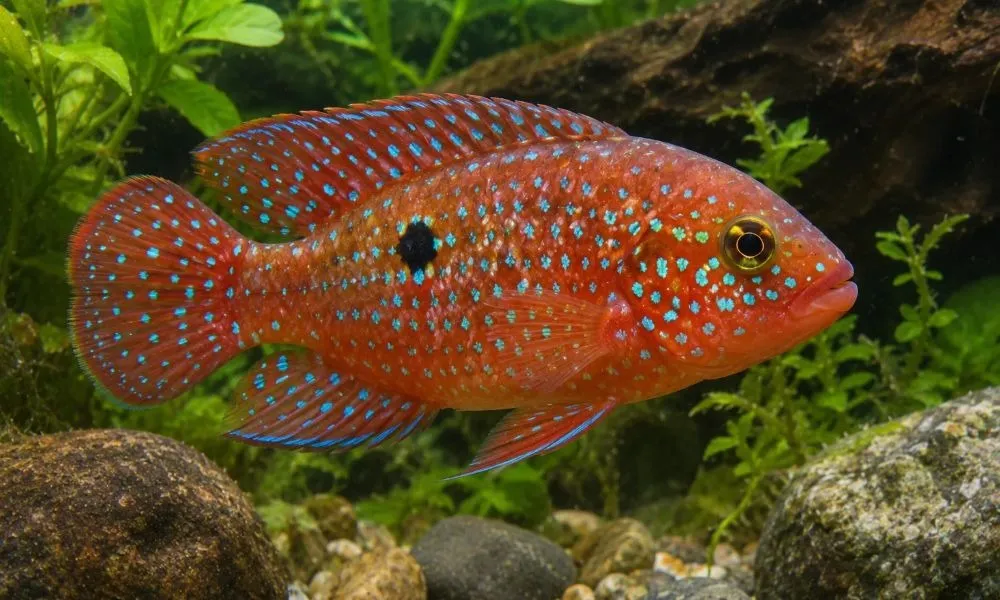
- Scientific Name: Hemichromis bimaculatus
- Family: Cichlidae
- Habitat: Freshwater rivers, streams, and lakes
- Range: West Africa
- Size and Weight: About 10–15 cm long
- Diet: Small fish, insects, crustaceans, and aquatic invertebrates
- Lifespan: Around 5–8 years
- Conservation Status: Not evaluated separately
Key Fact: Jewel cichlids are known for their attractive spotted appearance. Their bodies often display bright red tones with small iridescent blue-green spots.
Invertebrates That Start With J
Invertebrates are animals without backbones. They include spiders, crabs, insects, and many other creatures that play important roles in natural ecosystems.
Japanese Spider Crab
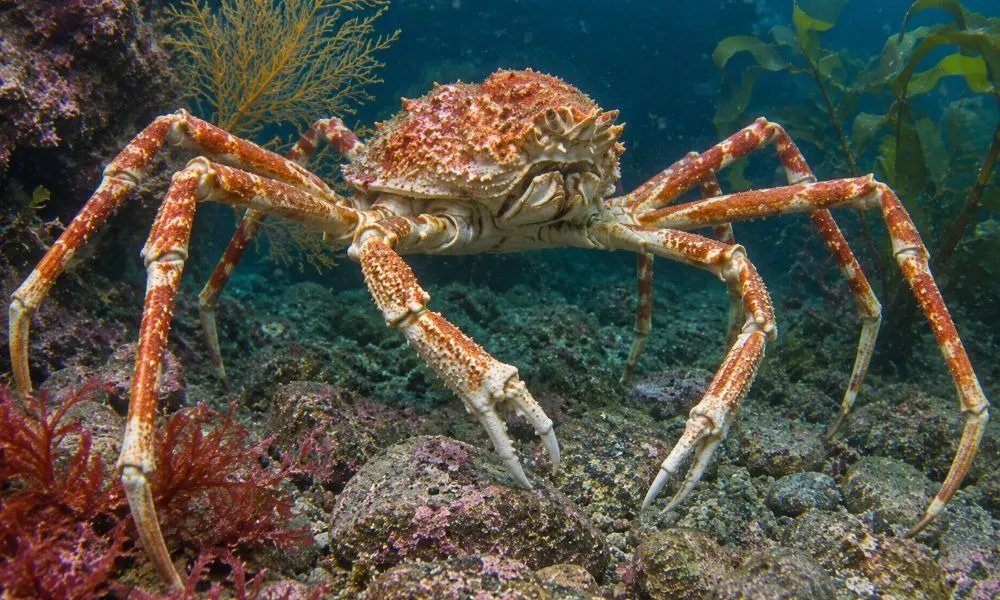
- Scientific Name: Macrocheira kaempferi
- Family: Inachidae
- Habitat: Deep marine waters and rocky ocean floors
- Range: Pacific waters around Japan
- Size and Weight: Leg span can reach about 3.7 m; roughly 15–20 kg
- Diet: Dead animals, shellfish, algae, and other organic matter
- Lifespan: Around 50–100 years, although exact estimates vary
- Conservation Status: Not Evaluated
Key Fact: The Japanese spider crab has the longest leg span of any living crab. Despite its enormous appearance, it generally moves slowly along the ocean floor.
Jumping Spider
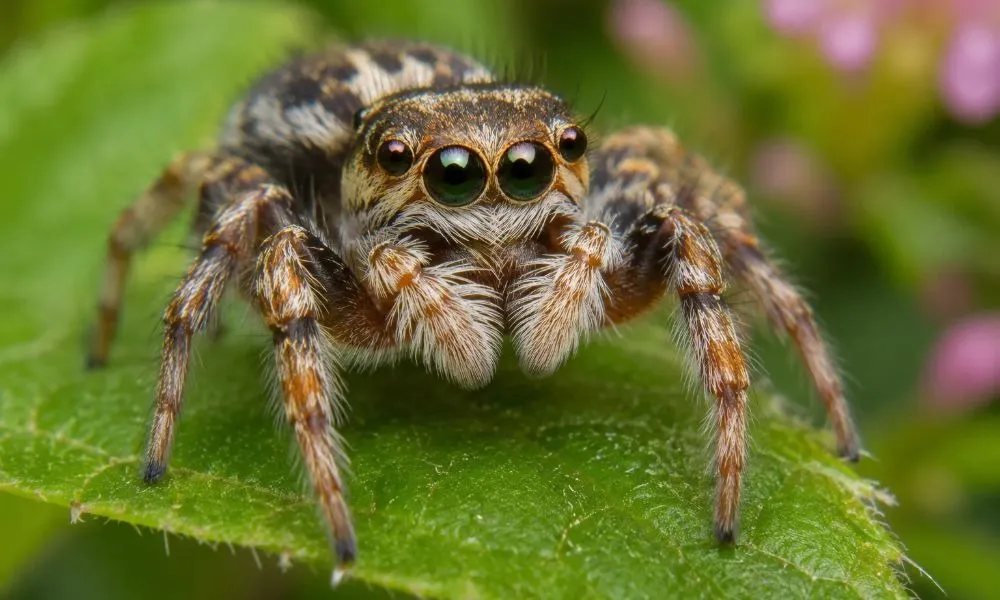
- Scientific Name: Salticidae
- Family: Salticidae
- Habitat: Forests, gardens, grasslands, and buildings
- Range: Worldwide
- Size and Weight: Usually about 1–20 mm long, depending on species
- Diet: Insects and other small arthropods
- Lifespan: Around 1–2 years, depending on species
- Conservation Status: Varies by species
Key Fact: Jumping spiders are famous for their excellent eyesight and impressive jumping ability. Instead of building traditional webs to catch prey, they usually stalk and leap toward their targets.
Jerusalem Cricket

- Scientific Name: Stenopelmatus spp.
- Family: Stenopelmatidae
- Habitat: Underground burrows, grasslands, gardens, and dry woodland areas
- Range: Western North America
- Size and Weight: About 3–5 cm long
- Diet: Roots, decaying plant material, and small insects
- Lifespan: Around 1–2 years, depending on species
- Conservation Status: Varies by species
Key Fact: Despite its name, the Jerusalem cricket is neither a true cricket nor native to Jerusalem. It spends much of its life underground and uses its strong legs to dig through soil.
Frequently Asked Questions
What are the most popular animals that start with J?
Some of the best-known animals beginning with J include the jaguar, jackal, Japanese macaque, jaguarundi, and Japanese spider crab. These animals belong to different groups and live in habitats ranging from tropical forests to deep oceans.
Which animal that starts with J is the rarest?
The Javan rhinoceros is among the rarest animals beginning with J. It is Critically Endangered and survives in a very small protected area on the Indonesian island of Java.
Which J animal is known for its enormous size?
The Japanese spider crab is famous for its enormous leg span, which can reach approximately 3.7 meters. The Japanese giant salamander is also remarkable because it is one of the largest amphibians in the world.
Are there any endangered animals that start with J?
Yes. Several J animals face conservation challenges. The Javan rhinoceros and Javan leopard are Critically Endangered, while the Japanese eel is Endangered and the red-crowned crane is Vulnerable.
Which animal that starts with J is known for living in hot springs?
The Japanese macaque is famous for soaking in natural hot springs during winter. This behavior helps the monkeys stay warm in the cold mountain environments of Japan.
Conclusion
The letter J introduces a fascinating collection of animals, from the powerful jaguar and rare Javan rhinoceros to the unusual Japanese giant salamander and enormous Japanese spider crab. Each animal has special characteristics that make it an interesting part of the natural world.
Some live in tropical forests, while others survive in mountain streams, wetlands, grasslands, and deep oceans. Exploring these animals is a wonderful way to discover more about wildlife and the remarkable adaptations that help different species survive in their environments. You can also explore animals that start with B to discover more fascinating species. You can continue exploring the animal alphabet with our guide to animals that start with E.