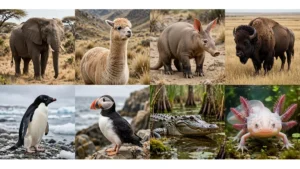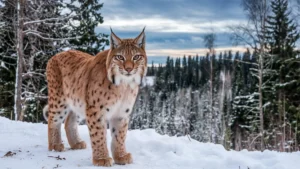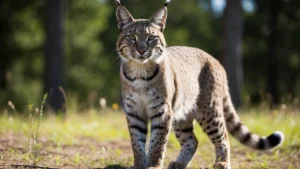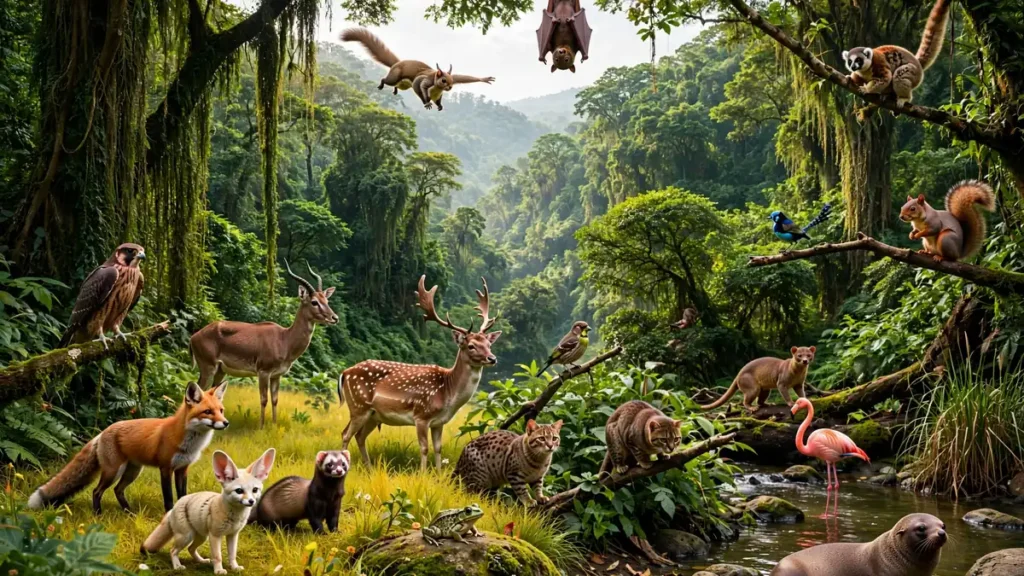
Animals that start with F include some of the most fascinating creatures on Earth: the fox, falcon, flamingo, frog, and fin whale. They also include stranger stars, such as the fossa, the frilled shark, and the firefly squid, which glows in the dark. This guide covers 73 well-known F animals, sorted into mammals, birds, reptiles, amphibians, fish, invertebrates, insects, prehistoric animals, and mythical creatures.
Each entry gives the scientific name, family, habitat, range, size, diet, lifespan, and conservation status. A short key fact follows.
The letter F is a good one for animals with special tricks. You will meet animals that glide, glow, change color, and dive faster than any other creature alive. Many F names also hide clues, such as “flying,” “fire,” and “fishing,” so reading the name often tells you something about the animal.
Mammals That Start With F
Mammals are warm-blooded animals that feed their young milk. The F list ranges from the world’s second-largest whale to one of the smallest foxes, and from tree gliders to deep divers.
Fallow Deer

- Scientific Name: Dama dama
- Family: Cervidae
- Habitat: Open woodlands, parks, and mixed forests
- Range: Native to Turkey and parts of the Mediterranean; introduced widely across Europe and other regions
- Size and Weight: About 1.3–1.7 m long; roughly 30–100 kg
- Diet: Grasses, leaves, bark, fruit, and acorns
- Lifespan: About 12–16 years
- Conservation Status: Least Concern
- Key Fact: Male fallow deer is the type of deer species that have flat, palm-shaped antlers, and many have spotted coats in summer.
False Killer Whale
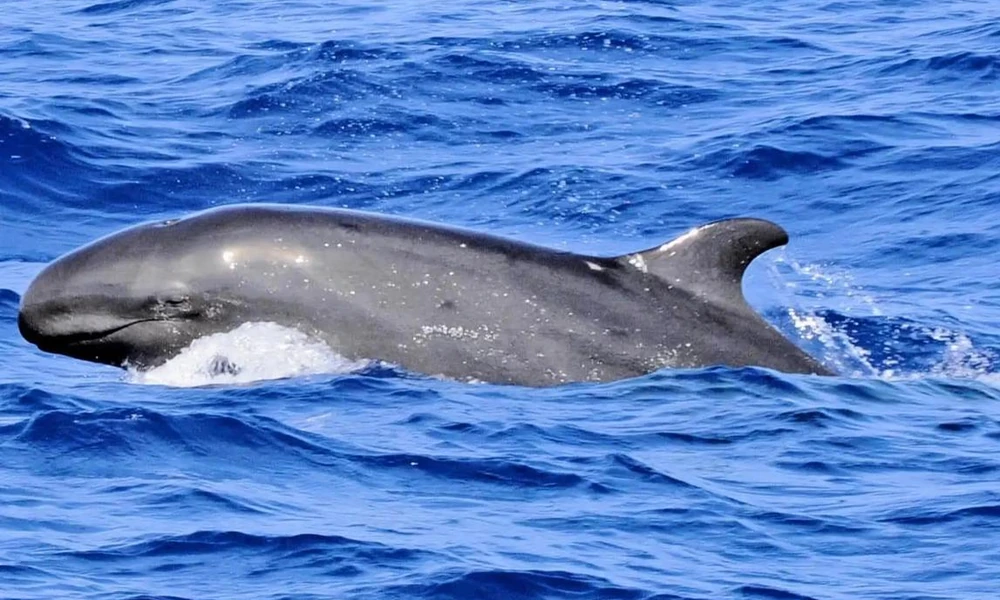
- Scientific Name: Pseudorca crassidens
- Family: Delphinidae
- Habitat: Deep offshore waters
- Range: Oceans worldwide, mainly in tropical and warm temperate regions
- Size and Weight: About 4–6 m long; roughly 1,000–2,000 kg
- Diet: Fish and squid, and occasionally other dolphins
- Lifespan: Up to about 60 years
- Conservation Status: Near Threatened
- Key Fact: Despite its name, the false killer whale is a large oceanic dolphin that forms tight family bonds and hunts in groups.
Fennec Fox
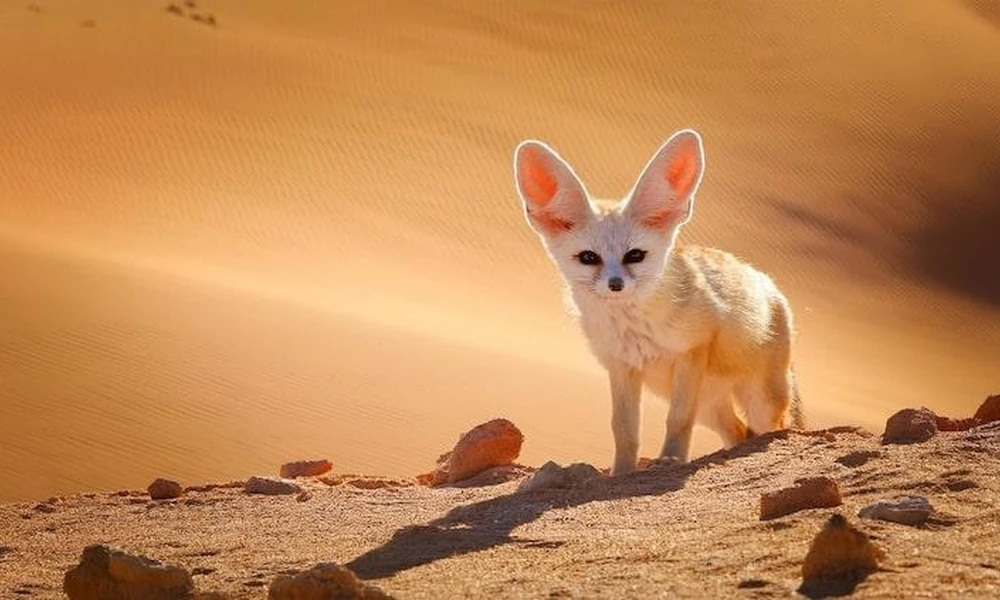
- Scientific Name: Vulpes zerda
- Family: Canidae
- Habitat: Sandy deserts and semi-arid regions
- Range: The Sahara and the deserts of North Africa
- Size and Weight: About 24–41 cm long, plus a tail of 18–31 cm; roughly 0.8–1.5 kg
- Diet: Insects, small rodents, lizards, eggs, and plants
- Lifespan: About 10 years in the wild; up to 14 years in captivity
- Conservation Status: Least Concern
- Key Fact: The fennec fox is the smallest fox species, and its huge ears help it hear prey underground and release body heat.
Ferret
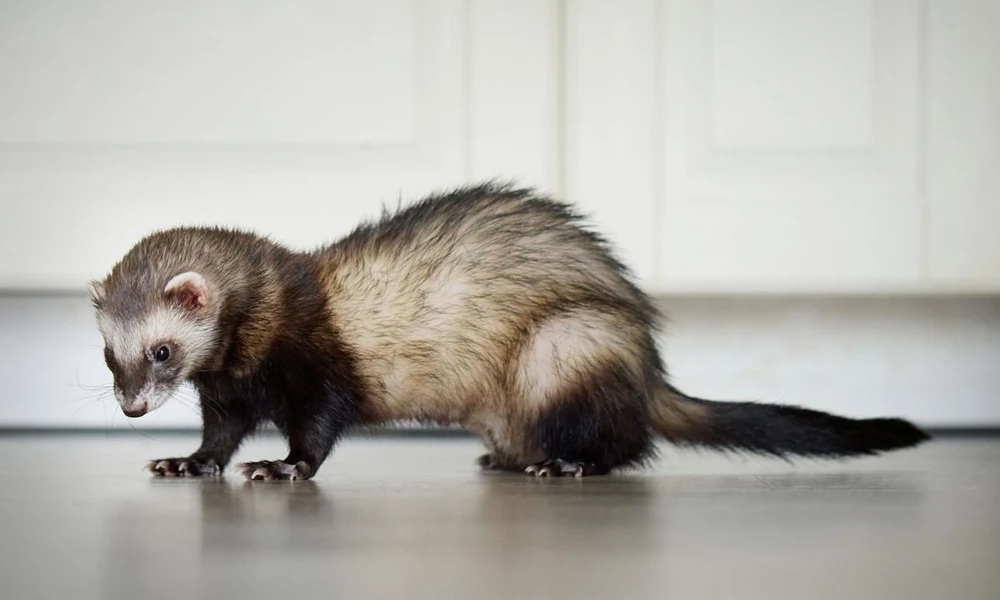
- Scientific Name: Mustela furo
- Family: Mustelidae
- Habitat: Homes, farms, and other human settings
- Range: Worldwide as a domesticated animal
- Size and Weight: About 35–46 cm long; roughly 0.7–2 kg
- Diet: Meat and other animal-based foods
- Lifespan: About 5–9 years
- Conservation Status: Domesticated; not assessed as a wild species
- Key Fact: Ferrets have been kept by people for centuries, and they were traditionally used to hunt rabbits in their burrows.
Fin Whale
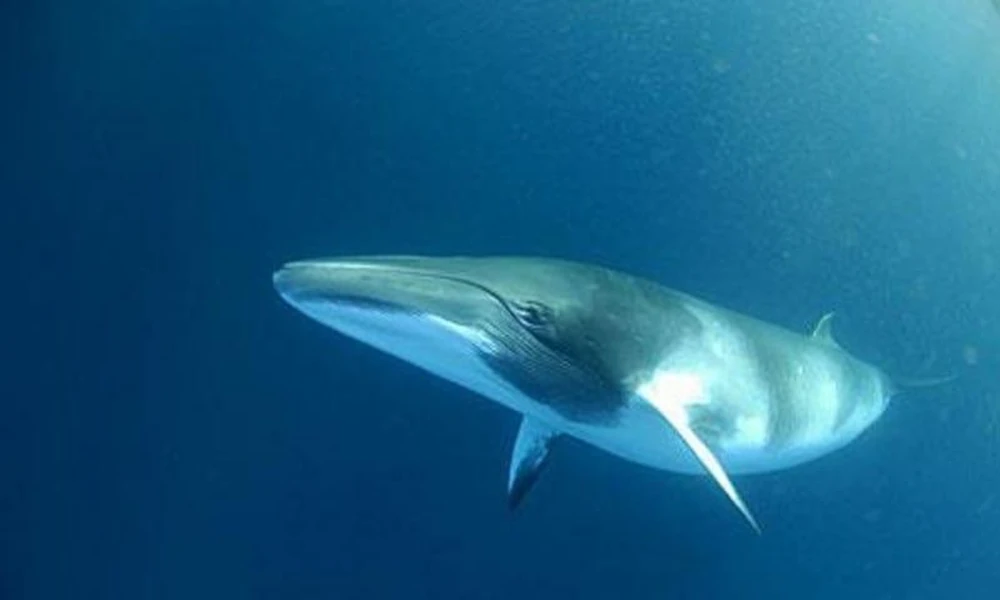
- Scientific Name: Balaenoptera physalus
- Family: Balaenopteridae
- Habitat: Open ocean
- Range: Oceans worldwide
- Size and Weight: About 18–24 m long; roughly 40,000–70,000 kg
- Diet: Krill, small fish, and squid
- Lifespan: About 80–90 years
- Conservation Status: Vulnerable
- Key Fact: The fin whale is the second-longest animal on Earth after the blue whale, and its speed has earned it the nickname “greyhound of the sea.”
Fisher
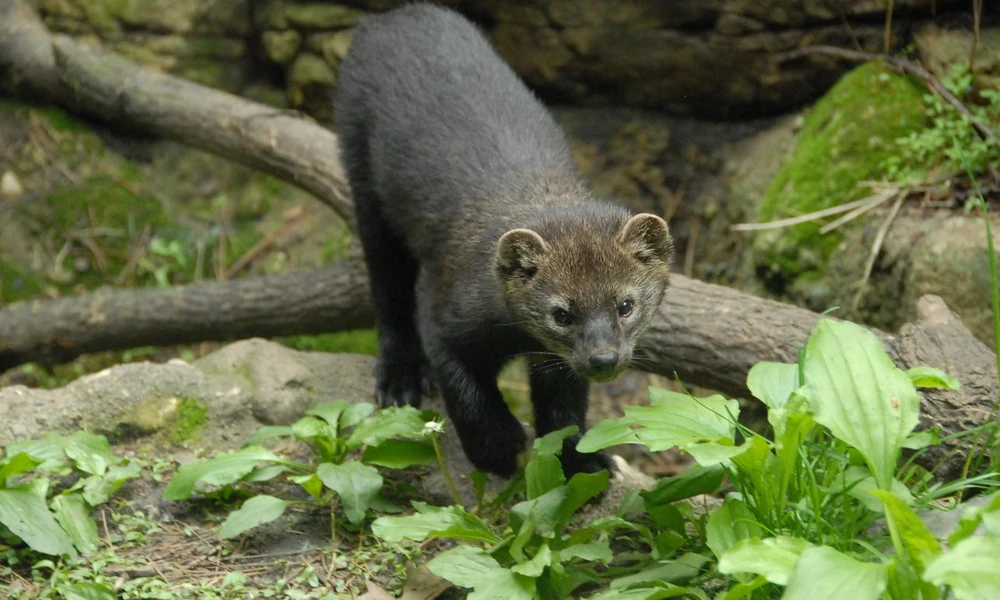
- Scientific Name: Pekania pennanti
- Family: Mustelidae
- Habitat: Dense coniferous and mixed forests
- Range: Canada and the northern United States
- Size and Weight: About 75–120 cm long, including the tail; roughly 2–6 kg
- Diet: Small mammals, birds, porcupines, carrion, and fruit
- Lifespan: Up to about 10 years in the wild
- Conservation Status: Least Concern
- Key Fact: The fisher is sometimes called a “fisher cat,” but it is a member of the weasel family and is one of the few animals that regularly hunts porcupines.
Fishing Cat

- Scientific Name: Prionailurus viverrinus
- Family: Felidae
- Habitat: Wetlands, marshes, mangroves, and riverbanks
- Range: South and Southeast Asia
- Size and Weight: About 57–78 cm long, plus a tail of 20–30 cm; roughly 5–16 kg
- Diet: Fish, frogs, crustaceans, birds, and small mammals
- Lifespan: About 10–12 years
- Conservation Status: Vulnerable
- Key Fact: The fishing cat is a strong swimmer with partly webbed feet, and it will dive into water to catch fish.
Flat-Headed Cat

- Scientific Name: Prionailurus planiceps
- Family: Felidae
- Habitat: Wetlands, swamps, and peat forests near rivers
- Range: The Malay Peninsula, Sumatra, and Borneo
- Size and Weight: About 41–50 cm long, plus a short tail; roughly 1.5–2.5 kg
- Diet: Fish, frogs, and crustaceans
- Lifespan: Not well documented
- Conservation Status: Endangered
- Key Fact: The flat-headed cat is a rare, small wild cat with a flattened skull and sharp teeth suited to catching slippery prey.
Florida Panther
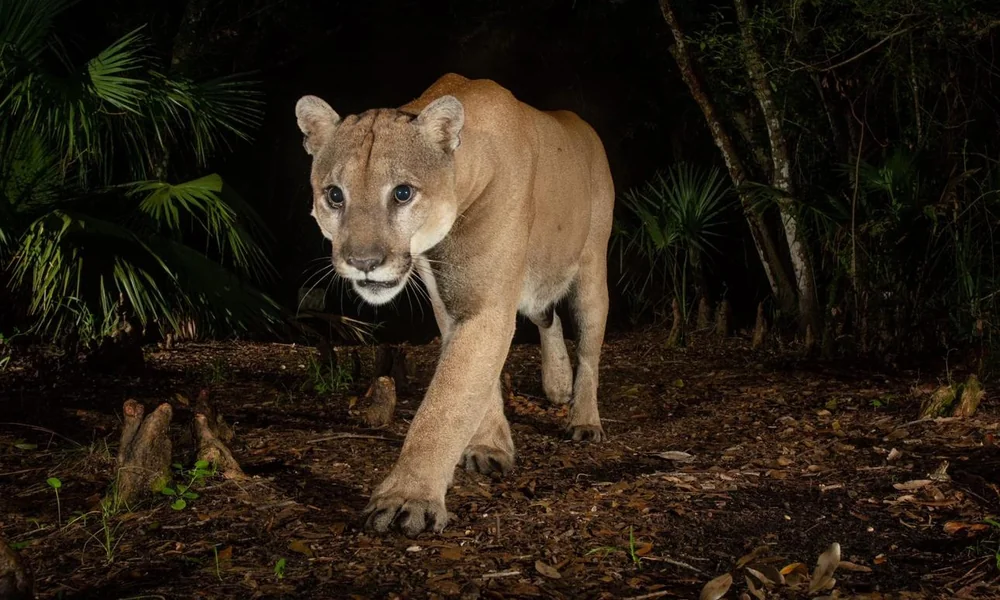
- Scientific Name: Puma concolor coryi
- Family: Felidae
- Habitat: Swamps, hardwood hammocks, and pine flatwoods
- Range: Southern Florida
- Size and Weight: About 1.5–2.2 m long; roughly 30–70 kg
- Diet: Deer, wild hogs, raccoons, and armadillos
- Lifespan: About 12–15 years in the wild
- Conservation Status: Listed as Endangered under the United States Endangered Species Act
- Key Fact: The Florida panther is the only confirmed breeding population of cougars in the eastern United States.
Flying Lemur
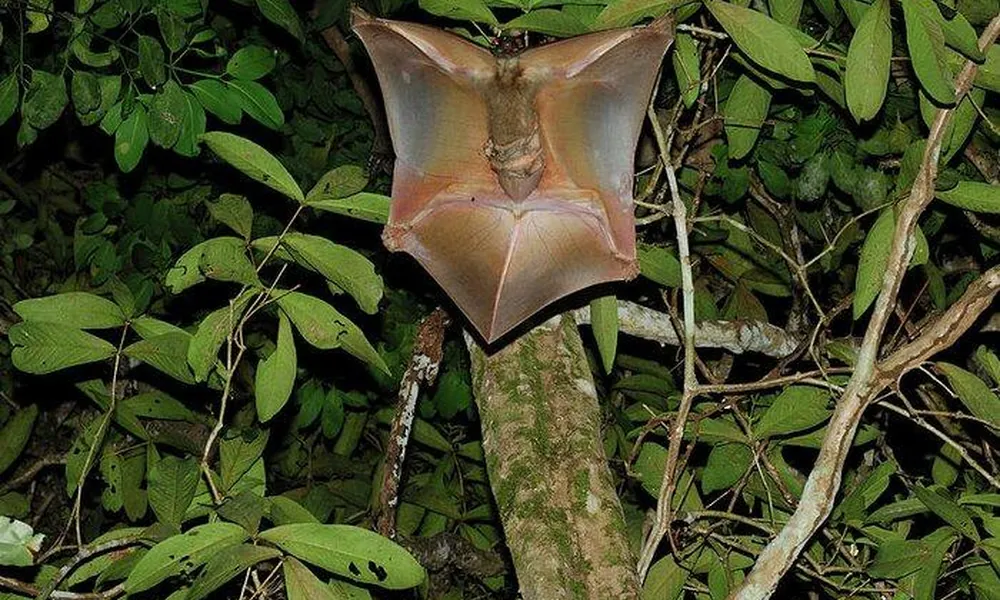
- Scientific Name: Galeopterus variegatus (Sunda flying lemur example)
- Family: Cynocephalidae
- Habitat: Tropical rainforests and plantations
- Range: Southeast Asia
- Size and Weight: About 33–42 cm long; roughly 1–1.75 kg
- Diet: Leaves, flowers, buds, and fruit
- Lifespan: Not well documented
- Conservation Status: Least Concern
- Key Fact: The flying lemur is neither a lemur nor a true flier. It glides long distances between trees using a wide skin membrane, and it is also called a colugo.
Flying Squirrel
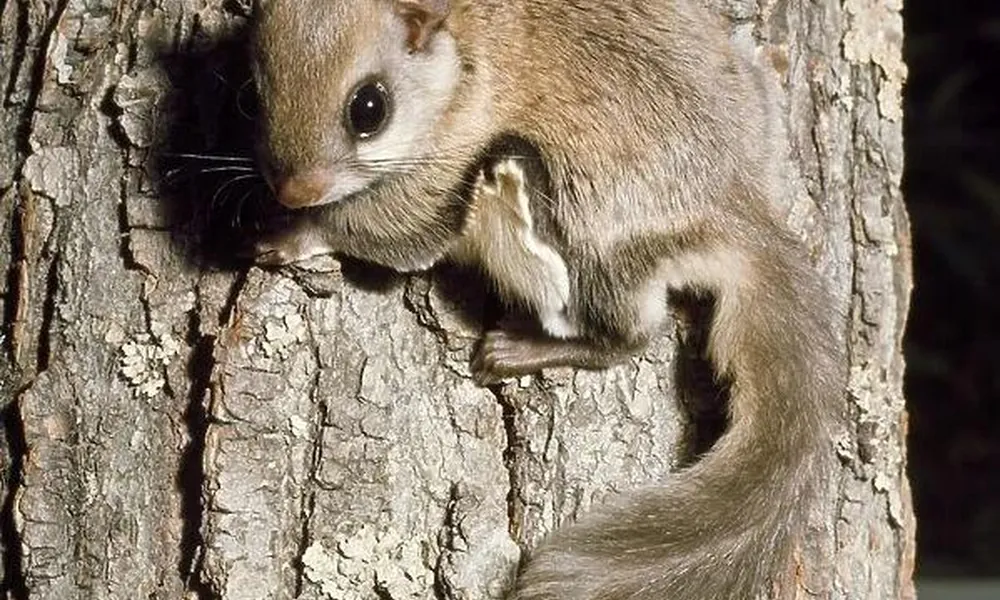
- Scientific Name: Glaucomys volans (southern flying squirrel example)
- Family: Sciuridae
- Habitat: Mature deciduous and mixed forests
- Range: North America
- Size and Weight: About 20–25 cm long, including the tail; roughly 45–85 g
- Diet: Nuts, seeds, fruit, fungi, and insects
- Lifespan: About 5–6 years in the wild; longer in captivity
- Conservation Status: Least Concern
- Key Fact: Flying squirrels do not flap their limbs. They glide by stretching a furry skin flap between their front and back legs.
Fossa
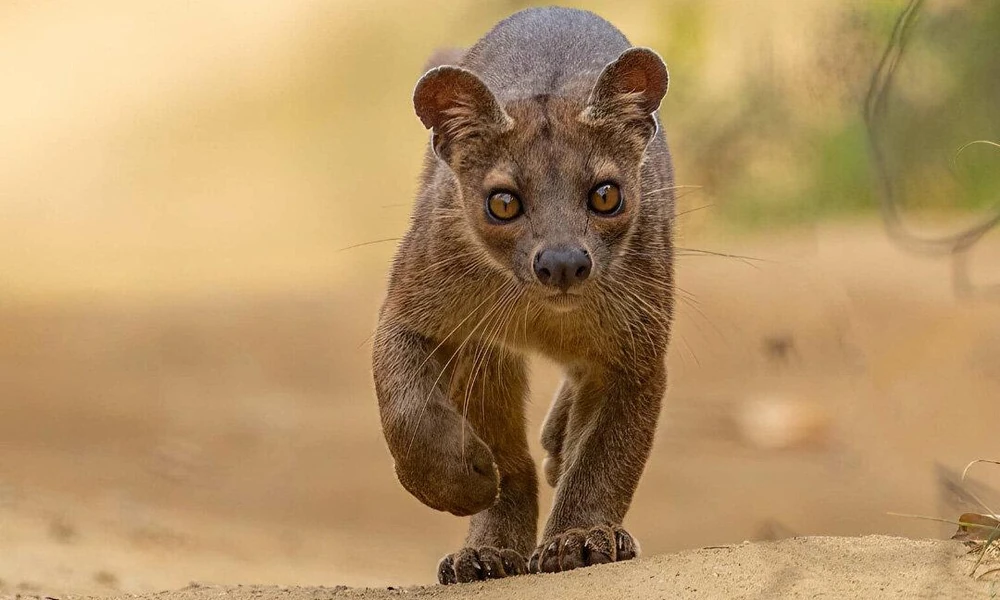
- Scientific Name: Cryptoprocta ferox
- Family: Eupleridae
- Habitat: Forests of all types
- Range: Madagascar
- Size and Weight: About 70–80 cm long, plus a tail of 65–70 cm; roughly 5.5–10 kg
- Diet: Lemurs, rodents, birds, and reptiles
- Lifespan: Up to about 20 years in captivity
- Conservation Status: Vulnerable
- Key Fact: The fossa is the largest carnivore on Madagascar, and it looks like a mix between a cat and a mongoose.
Four-Horned Antelope

- Scientific Name: Tetracerus quadricornis
- Family: Bovidae
- Habitat: Dry deciduous forests and grasslands near water
- Range: India and Nepal
- Size and Weight: About 80–100 cm long; roughly 17–25 kg
- Diet: Grasses, leaves, flowers, and fruit
- Lifespan: About 10 years
- Conservation Status: Vulnerable
- Key Fact: Males of this small antelope usually have four horns, making it unusual among wild bovids, which normally have two.
Four-Toed Hedgehog
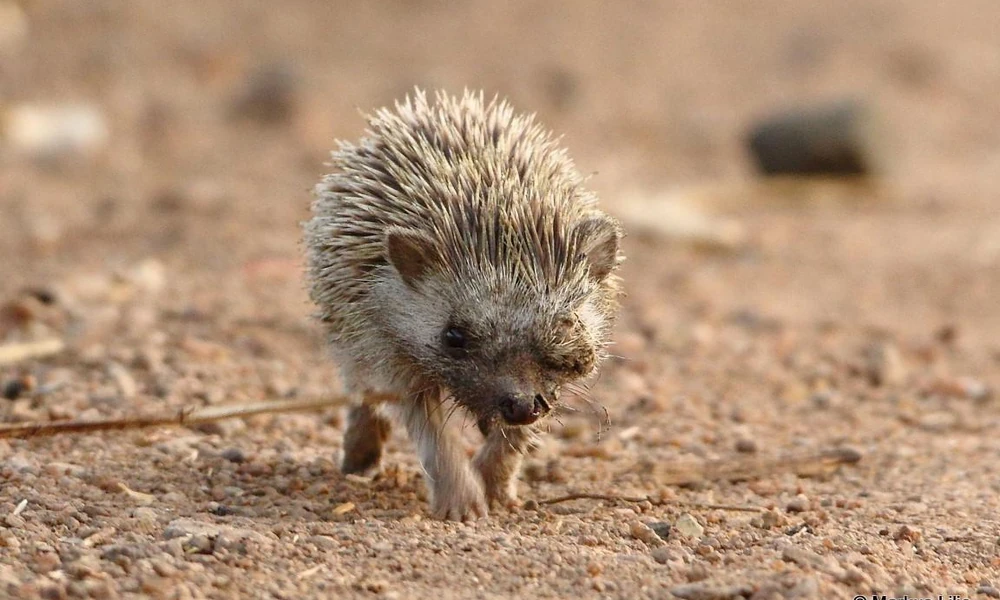
- Scientific Name: Atelerix albiventris
- Family: Erinaceidae
- Habitat: Savannas, grasslands, and scrub
- Range: Central and eastern Africa
- Size and Weight: About 15–25 cm long; roughly 250–600 g
- Diet: Insects, worms, snails, small vertebrates, and fruit
- Lifespan: About 3–5 years in the wild; longer in captivity
- Conservation Status: Least Concern
- Key Fact: The four-toed hedgehog gets its name from the four toes on each hind foot, and it is a popular small pet in many countries.
Fox
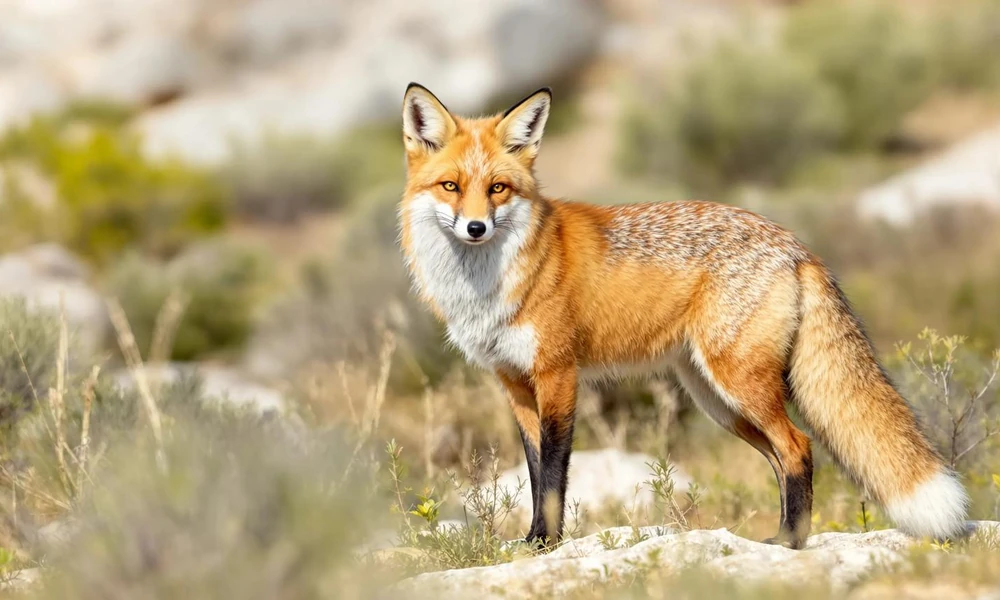
- Scientific Name: Vulpes spp.
- Family: Canidae
- Habitat: Forests, deserts, grasslands, mountains, and cities
- Range: Every continent except Antarctica, depending on species
- Size and Weight: Varies by species; about 45–90 cm long, plus a tail; roughly 1–10 kg
- Diet: Small mammals, birds, insects, fruit, and other foods
- Lifespan: Often 2–5 years in the wild; longer in captivity
- Conservation Status: Varies by species
- Key Fact: Around three dozen species are called foxes, from the tiny fennec fox to the widespread red fox.
Fox Squirrel
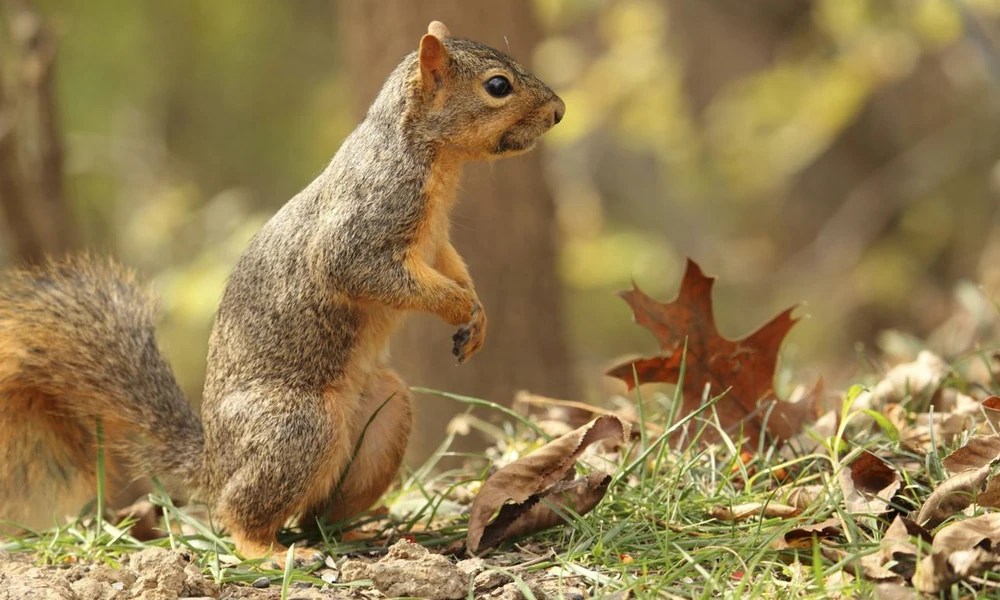
- Scientific Name: Sciurus niger
- Family: Sciuridae
- Habitat: Open pine forests and woodlands
- Range: Eastern and central United States
- Size and Weight: About 45–70 cm long, including the tail; roughly 0.5–1.4 kg
- Diet: Nuts, seeds, fruit, fungi, and buds
- Lifespan: Several years in the wild
- Conservation Status: Least Concern
- Key Fact: The fox squirrel is the largest tree squirrel native to North America.
Fruit Bat

- Scientific Name: Pteropodidae
- Family: Pteropodidae
- Habitat: Tropical and subtropical forests, caves, and trees
- Range: Africa, Asia, Australia, and Pacific islands
- Size and Weight: Varies greatly; from about 15 g to more than 1 kg, with wingspans up to about 1.7 m
- Diet: Fruit, nectar, and pollen
- Lifespan: Often 15–30 years, depending on species
- Conservation Status: Varies by species
- Key Fact: Fruit bats spread seeds and pollinate flowers, which makes them important for many tropical forests.
Fur Seal

- Scientific Name: Arctocephalus spp. and Callorhinus ursinus
- Family: Otariidae
- Habitat: Rocky coasts, beaches, and open ocean
- Range: The Southern Hemisphere and the North Pacific, depending on species
- Size and Weight: About 1.2–2.5 m long; roughly 30–250 kg, depending on species and sex
- Diet: Fish, squid, and krill
- Lifespan: About 15–25 years
- Conservation Status: Varies by species
- Key Fact: Fur seals have a very dense underfur that traps warmth in cold water, and they were once heavily hunted for it.
Birds That Start With F
Birds are feathered animals that lay eggs, and most can fly. The F list includes the fastest animal in a dive, a bird that lost the ability to fly, and one that was thought extinct for over a century.
Fairy-Wren

- Scientific Name: Malurus spp.
- Family: Maluridae
- Habitat: Woodlands, heathlands, grasslands, and gardens
- Range: Australia and New Guinea
- Size and Weight: About 10–20 cm long; roughly 6–15 g
- Diet: Insects and seeds
- Lifespan: Often several years
- Conservation Status: Varies by species; most are Least Concern
- Key Fact: Male fairy-wrens turn bright blue during the breeding season, and many species live in cooperative family groups.
Falcon
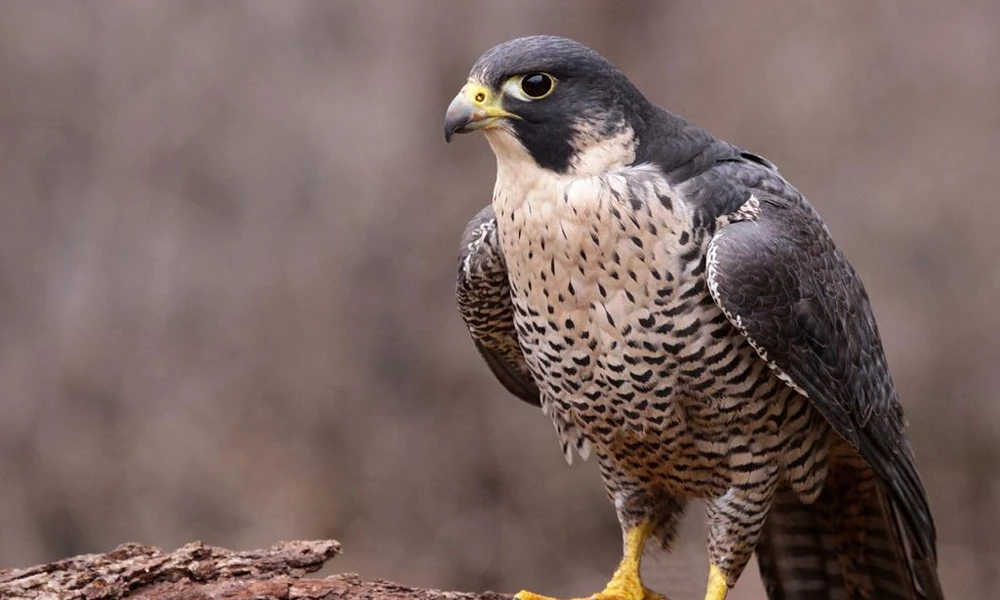
- Scientific Name: Falco spp.
- Family: Falconidae
- Habitat: Open country, cliffs, coasts, and cities
- Range: Every continent except Antarctica
- Size and Weight: Varies by species; about 15–65 cm long; roughly 100 g to 2 kg
- Diet: Birds, small mammals, and insects
- Lifespan: Often 10–15 years or more
- Conservation Status: Varies by species
- Key Fact: The peregrine falcon is the fastest animal on Earth, diving at about 390 km/h (242 mph).
Ferruginous Hawk

- Scientific Name: Buteo regalis
- Family: Accipitridae
- Habitat: Open grasslands, sagebrush, and prairies
- Range: Western North America
- Size and Weight: About 56–69 cm long; wingspan about 1.4–1.5 m; roughly 1–2 kg
- Diet: Ground squirrels, prairie dogs, rabbits, and jackrabbits
- Lifespan: About 10–20 years
- Conservation Status: Least Concern
- Key Fact: The ferruginous hawk is the largest hawk in North America.
Fieldfare

- Scientific Name: Turdus pilaris
- Family: Turdidae
- Habitat: Open woodlands, farmland, and meadows
- Range: Northern Europe and Asia, wintering farther south
- Size and Weight: About 22–27 cm long; roughly 80–140 g
- Diet: Insects, earthworms, and berries
- Lifespan: Several years in the wild
- Conservation Status: Least Concern
- Key Fact: Fieldfares often nest in small colonies and travel in large winter flocks, sometimes alongside redwings.
Finch
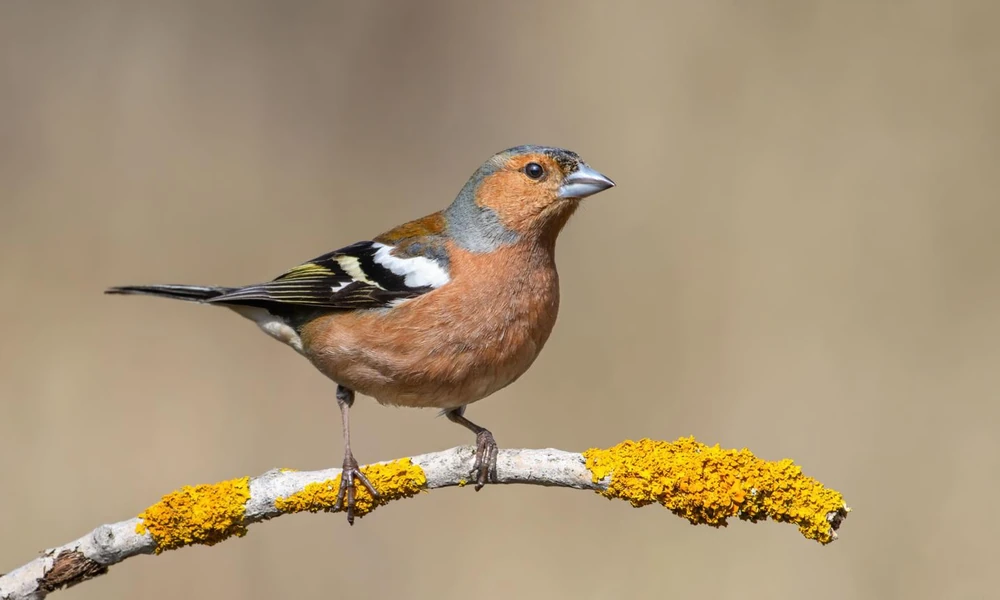
- Scientific Name: Fringillidae and related families
- Family: Fringillidae
- Habitat: Woodlands, gardens, grasslands, and scrub
- Range: Worldwide except Australasia and Antarctica
- Size and Weight: Varies by species; about 9–25 cm long
- Diet: Seeds, buds, and small insects
- Lifespan: Often 3–10 years, depending on species
- Conservation Status: Varies by species
- Key Fact: Finches have strong, cone-shaped beaks that are built for cracking open seeds.
Fiordland Penguin
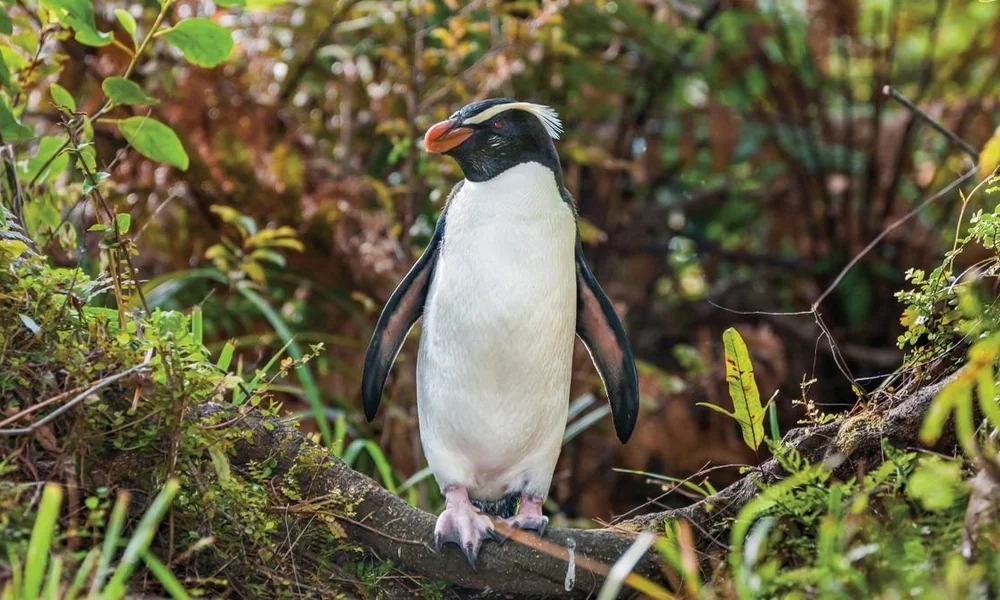
- Scientific Name: Eudyptes pachyrhynchus
- Family: Spheniscidae
- Habitat: Temperate coastal rainforest and rocky shores
- Range: Southwestern New Zealand
- Size and Weight: About 55–60 cm tall; roughly 2.5–4 kg
- Diet: Squid, fish, and krill
- Lifespan: Not well documented
- Conservation Status: Vulnerable
- Key Fact: The Fiordland penguin is a crested penguin known in Māori as tawaki, and it nests in forests rather than on open ice.
Fischer’s Lovebird
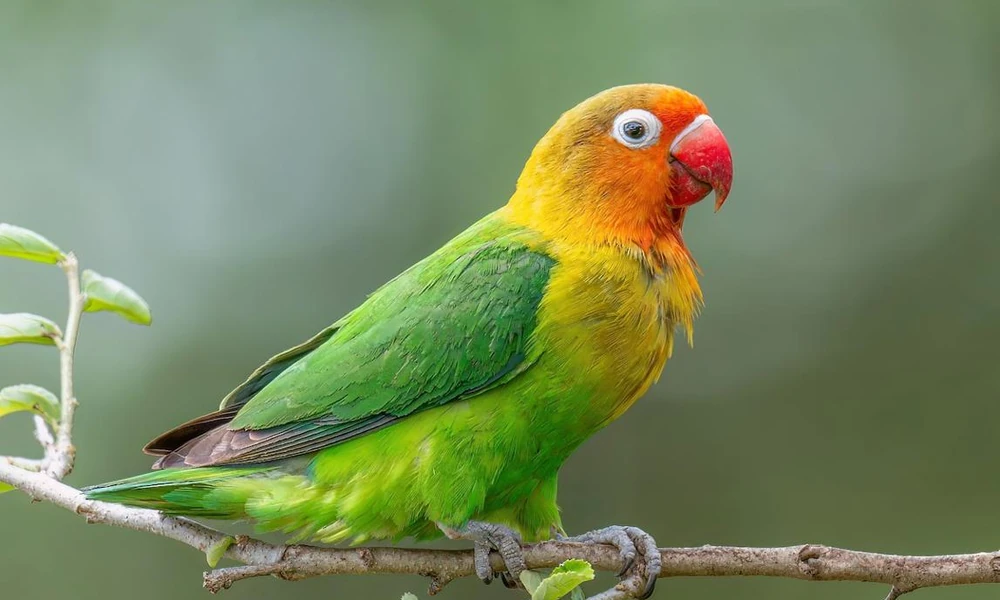
- Scientific Name: Agapornis fischeri
- Family: Psittaculidae
- Habitat: Savanna woodlands and farmland
- Range: Northern Tanzania
- Size and Weight: About 14–15 cm long; roughly 40–60 g
- Diet: Seeds, grains, and fruit
- Lifespan: Up to about 15 years in captivity
- Conservation Status: Near Threatened
- Key Fact: Fischer’s lovebird was named after the German explorer Gustav Fischer, and it is a popular pet bird.
Fish Crow

- Scientific Name: Corvus ossifragus
- Family: Corvidae
- Habitat: Coastal wetlands, rivers, and marshes
- Range: Eastern and southeastern United States
- Size and Weight: About 36–41 cm long; roughly 260–320 g
- Diet: Insects, crustaceans, eggs, carrion, and fruit
- Lifespan: Several years in the wild
- Conservation Status: Least Concern
- Key Fact: The fish crow looks almost identical to the American crow, but its short, nasal call is the easiest way to tell them apart.
Flamingo
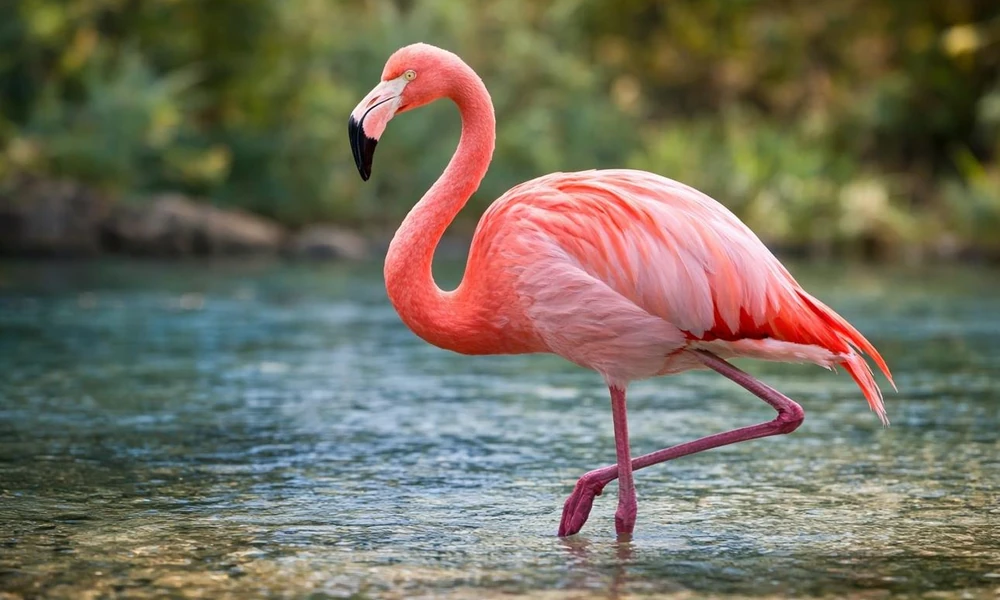
- Scientific Name: Phoenicopteridae
- Family: Phoenicopteridae
- Habitat: Shallow lakes, lagoons, and salt flats
- Range: Africa, Asia, Europe, and the Americas
- Size and Weight: About 0.9–1.5 m tall; roughly 2–4 kg
- Diet: Algae, brine shrimp, small crustaceans, and mollusks
- Lifespan: About 20–30 years in the wild; longer in captivity
- Conservation Status: Varies by species
- Key Fact: Flamingos get their pink color from natural pigments in their food, and they are famous for standing on one leg.
Flightless Cormorant

- Scientific Name: Nannopterum harrisi
- Family: Phalacrocoracidae
- Habitat: Rocky coasts and shallow coastal waters
- Range: The Galápagos Islands, on Fernandina and Isabela
- Size and Weight: About 89–100 cm long; roughly 2.5–5 kg
- Diet: Eels, octopus, and fish
- Lifespan: Not well documented
- Conservation Status: Vulnerable
- Key Fact: It is the only cormorant in the world that cannot fly, and its tiny wings are used for balance while swimming.
Florida Scrub-Jay

- Scientific Name: Aphelocoma coerulescens
- Family: Corvidae
- Habitat: Scrubby oak woodlands on sandy soil
- Range: Florida
- Size and Weight: About 25–30 cm long; roughly 70–90 g
- Diet: Acorns, insects, and small vertebrates
- Lifespan: Up to about 15 years
- Conservation Status: Vulnerable
- Key Fact: The Florida scrub-jay is the only bird species found only in Florida.
Flycatcher
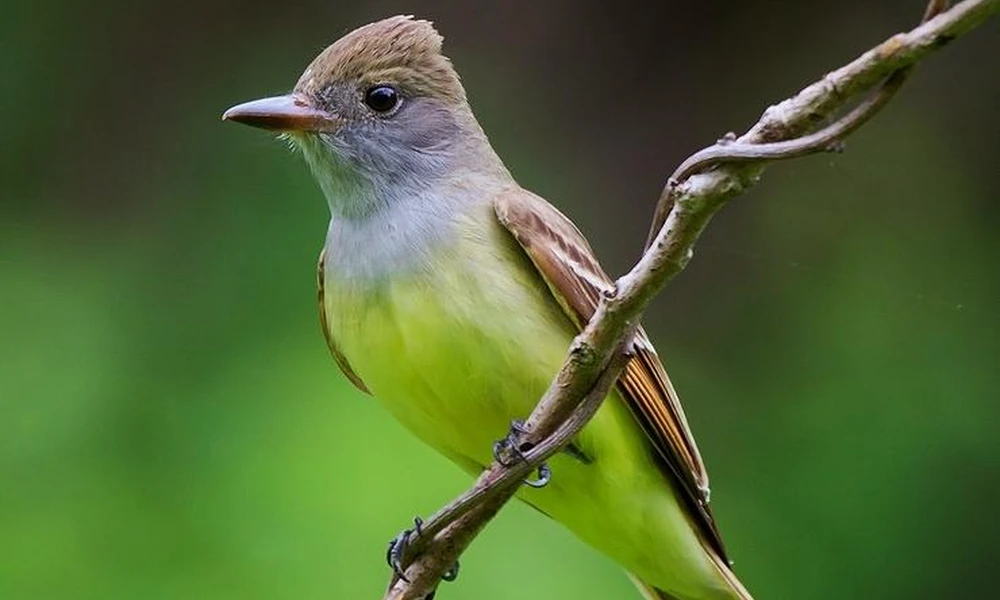
- Scientific Name: Tyrannidae and Muscicapidae
- Family: Tyrannidae and Muscicapidae
- Habitat: Woodlands, forest edges, and open country
- Range: Worldwide, depending on species
- Size and Weight: Varies by species; about 10–40 cm long
- Diet: Flying insects
- Lifespan: Often 2–10 years, depending on species
- Conservation Status: Varies by species
- Key Fact: Flycatchers watch from a perch and dart out to snatch insects from the air.
Forest Owlet
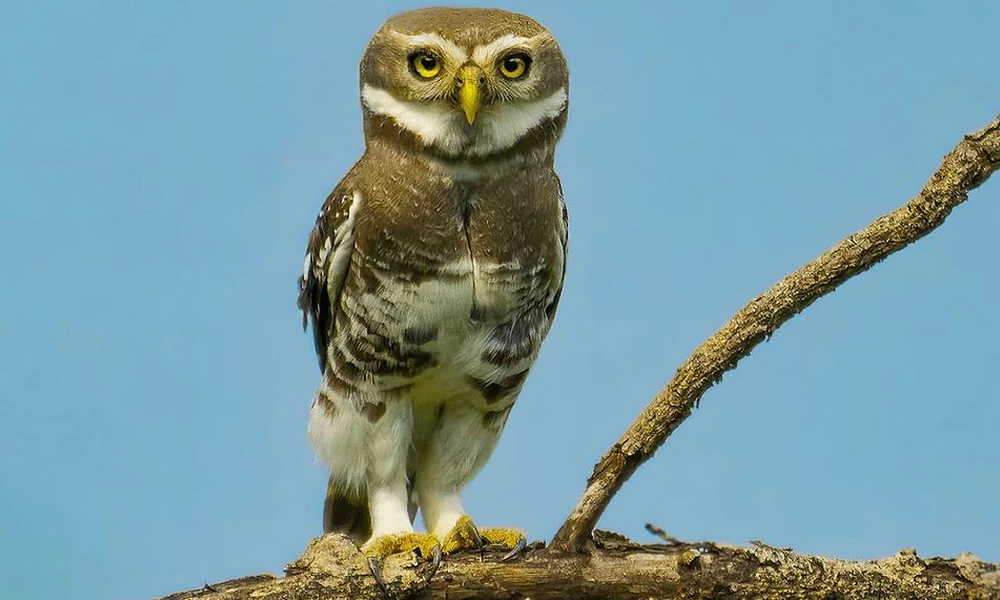
- Scientific Name: Athene blewitti
- Family: Strigidae
- Habitat: Dry deciduous forests
- Range: Central India
- Size and Weight: About 23 cm long; roughly 150–250 g
- Diet: Lizards, rodents, insects, and small birds
- Lifespan: Not well documented
- Conservation Status: Endangered
- Key Fact: The forest owlet was not seen after 1884 and was considered extinct until it was rediscovered in 1997.
Frigatebird

- Scientific Name: Fregatidae
- Family: Fregatidae
- Habitat: Tropical oceans and remote islands
- Range: Tropical and subtropical oceans worldwide
- Size and Weight: About 85–115 cm long; wingspan about 1.8–2.4 m; roughly 0.7–1.6 kg
- Diet: Flying fish, squid, and fish stolen from other seabirds
- Lifespan: Often 20–30 years
- Conservation Status: Varies by species
- Key Fact: Male frigatebirds inflate a bright red throat pouch to attract mates, and they can stay airborne for days at a time.
Fulvous Whistling Duck

- Scientific Name: Dendrocygna bicolor
- Family: Anatidae
- Habitat: Wetlands, marshes, and rice fields
- Range: The Americas, Africa, and South Asia
- Size and Weight: About 45–53 cm long; roughly 600–850 g
- Diet: Seeds, aquatic plants, and rice
- Lifespan: Several years in the wild
- Conservation Status: Least Concern
- Key Fact: This duck is named for its whistling call, and it is also called the fulvous tree duck.
Reptiles That Start With F
Reptiles are cold-blooded animals with scaly skin. Most lay eggs, and they depend on outside heat to warm their bodies. The F list includes some of the most venomous snakes on Earth, a gliding snake, and a lizard with a dramatic neck frill.
Fer-de-Lance

- Scientific Name: Bothrops asper
- Family: Viperidae
- Habitat: Lowland forests, farmland, and humid regions
- Range: Southern Mexico to northern South America
- Size and Weight: About 1.2–2.5 m long; roughly 3–6 kg
- Diet: Rodents, birds, lizards, and frogs
- Lifespan: Not well documented
- Conservation Status: Least Concern
- Key Fact: The fer-de-lance is a highly venomous pit viper and the main cause of fatal snakebites in much of its range.
Fierce Snake

- Scientific Name: Oxyuranus microlepidotus
- Family: Elapidae
- Habitat: Black soil plains and inland deserts
- Range: Central Australia
- Size and Weight: About 1.8–2.5 m long
- Diet: Mostly rodents
- Lifespan: Often 10 years or more
- Conservation Status: Least Concern
- Key Fact: Laboratory tests rank the fierce snake as the most venomous land snake, yet it is shy and rarely meets people.
False Water Cobra
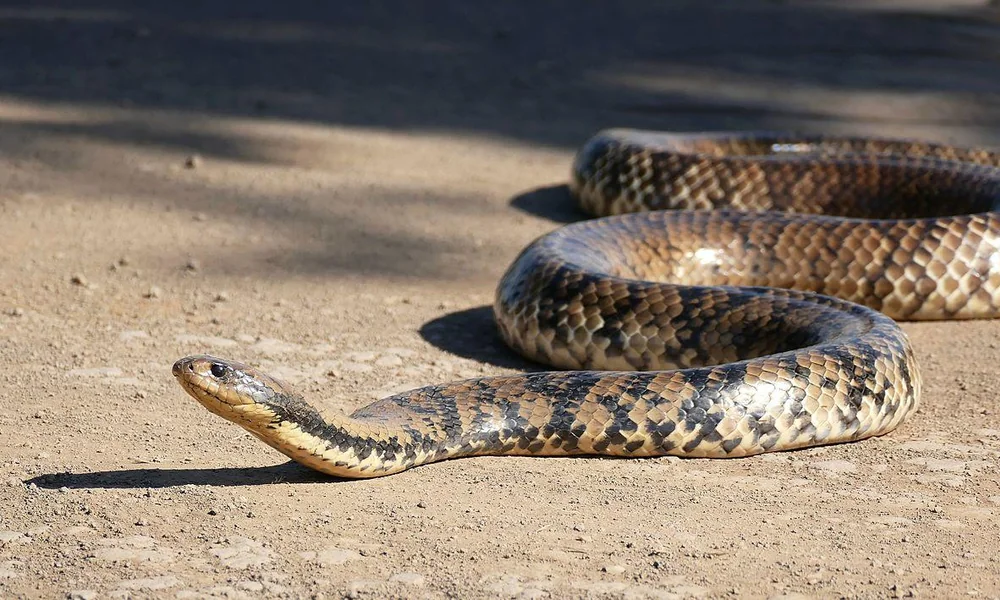
- Scientific Name: Hydrodynastes gigas
- Family: Dipsadidae
- Habitat: Wetlands, marshes, and grasslands
- Range: South America, including Brazil, Paraguay, Bolivia, and Argentina
- Size and Weight: About 1.5–3 m long
- Diet: Fish, frogs, rodents, and birds
- Lifespan: Often 10–15 years or more
- Conservation Status: Least Concern
- Key Fact: When threatened, this snake flattens its neck like a cobra, but it is not a true cobra and has only mild venom.
Flatback Sea Turtle

- Scientific Name: Natator depressus
- Family: Cheloniidae
- Habitat: Shallow coastal waters and seagrass beds
- Range: The northern coast of Australia
- Size and Weight: Shell about 90–100 cm long; roughly 70–90 kg
- Diet: Sea cucumbers, soft corals, jellyfish, and mollusks
- Lifespan: Not well documented
- Conservation Status: Data Deficient
- Key Fact: The flatback sea turtle nests only on the beaches of northern Australia, and its shell is flatter than other sea turtles’.
Flying Snake
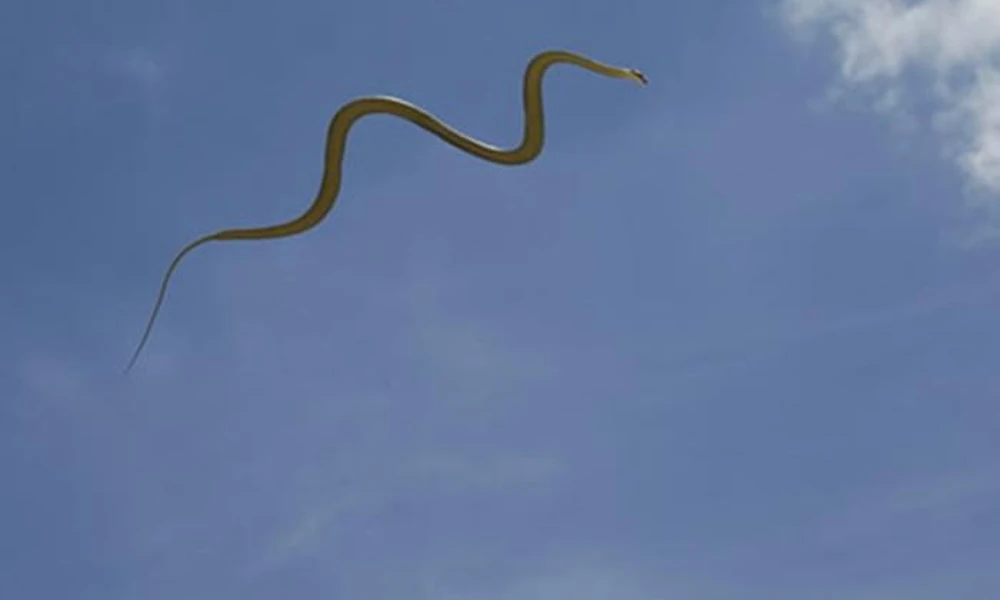
- Scientific Name: Chrysopelea spp.
- Family: Colubridae
- Habitat: Tropical forests and gardens
- Range: South and Southeast Asia
- Size and Weight: About 0.6–1.2 m long
- Diet: Lizards, frogs, bats, birds, and rodents
- Lifespan: Not well documented
- Conservation Status: Least Concern
- Key Fact: Flying snakes flatten their bodies into a wide shape and glide from tree to tree.
Forest Cobra

- Scientific Name: Naja melanoleuca
- Family: Elapidae
- Habitat: Rainforests, wooded savannas, and areas near water
- Range: Central and West Africa
- Size and Weight: About 1.4–2.2 m long; some reach about 3 m
- Diet: Fish, amphibians, rodents, birds, and other snakes
- Lifespan: Often 10–20 years
- Conservation Status: Least Concern
- Key Fact: The forest cobra is the type of snake species is one of the largest cobras in Africa, and it is an excellent climber and swimmer.
Freshwater Crocodile

- Scientific Name: Crocodylus johnsoni
- Family: Crocodylidae
- Habitat: Rivers, billabongs, and freshwater wetlands
- Range: Northern Australia
- Size and Weight: About 2–3 m long; roughly 40–100 kg
- Diet: Fish, insects, crustaceans, frogs, birds, and small mammals
- Lifespan: Estimated at 40–50 years
- Conservation Status: Least Concern
- Key Fact: The freshwater crocodile has a narrow snout and is much smaller and less dangerous to people than the saltwater crocodile.
Frilled Lizard

- Scientific Name: Chlamydosaurus kingii
- Family: Agamidae
- Habitat: Woodlands and savannas
- Range: Northern Australia and southern New Guinea
- Size and Weight: About 80–90 cm long, including the tail
- Diet: Insects, spiders, and small vertebrates
- Lifespan: About 10 years
- Conservation Status: Least Concern
- Key Fact: When threatened, the frilled lizard opens a large neck frill, hisses, and may run away on its hind legs.
Amphibians That Start With F
Amphibians live part of their lives in water and part on land. Their thin, moist skin is why most of them stay close to water. The F list includes two bold warning-color animals and the frog, one of the most widespread amphibians on Earth.
Fire Salamander

- Scientific Name: Salamandra salamandra
- Family: Salamandridae
- Habitat: Damp deciduous forests near streams
- Range: Central and southern Europe
- Size and Weight: About 15–25 cm long; roughly 40–60 g
- Diet: Worms, slugs, insects, and spiders
- Lifespan: Up to about 20 years or more
- Conservation Status: Least Concern
- Key Fact: The fire salamander’s black body with yellow spots warns predators that its skin carries toxins.
Fire-Bellied Toad

- Scientific Name: Bombina spp.
- Family: Bombinatoridae
- Habitat: Ponds, marshes, and slow streams
- Range: Europe and Asia
- Size and Weight: About 4–6 cm long
- Diet: Insects, worms, and snails
- Lifespan: About 10–15 years; up to 20 years in captivity
- Conservation Status: Least Concern
- Key Fact: When threatened, the fire-bellied toad arches its back to show a bright red-orange belly, a warning that it is toxic.
Frog
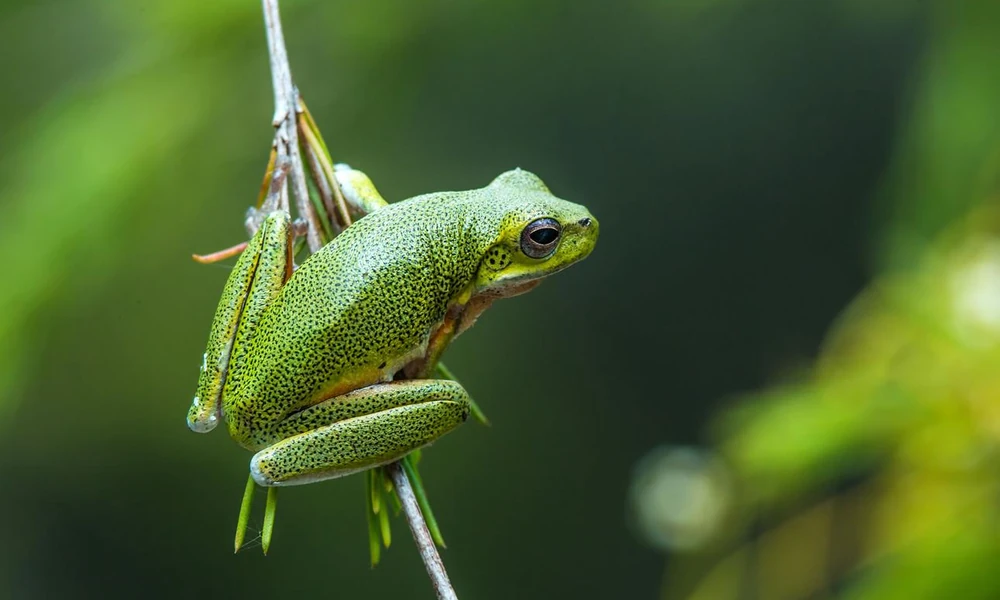
- Scientific Name: Anura
- Family: Varies by species
- Habitat: Wetlands, forests, grasslands, and deserts
- Range: Worldwide except Antarctica
- Size and Weight: Varies greatly by species; from under 1 cm to more than 30 cm long
- Diet: Insects, worms, and other small animals
- Lifespan: Roughly 2–15 years or more, depending on species
- Conservation Status: Varies by species
- Key Fact: There are thousands of frog species, and many breathe partly through their skin.
Fish That Start With F
Fish breathe through gills and live in water for their whole lives. The F list includes deep-sea oddities with huge teeth and glowing lures, plus fish that seem to defy their own name.
Fangtooth

- Scientific Name: Anoplogaster cornuta
- Family: Anoplogastridae
- Habitat: Deep ocean waters, usually 500–5,000 m down
- Range: Tropical and temperate oceans worldwide
- Size and Weight: Up to about 16 cm long
- Diet: Fish, shrimp, and squid
- Lifespan: Not well documented
- Conservation Status: Least Concern
- Key Fact: The fangtooth has some of the largest teeth for its size of any fish, and they are so long that it has pockets in its skull to hold them.
Fire Eel
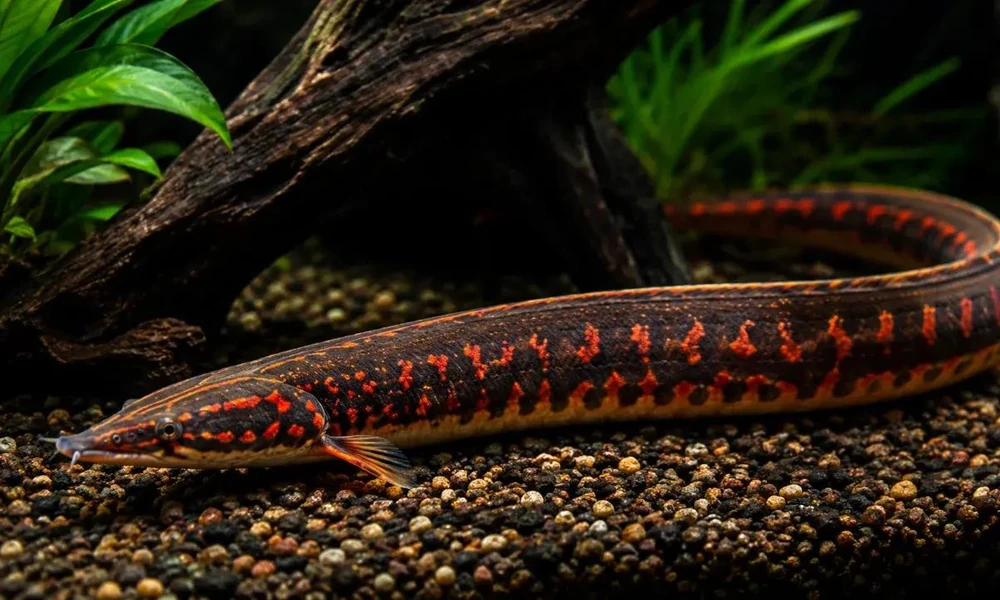
- Scientific Name: Mastacembelus erythrotaenia
- Family: Mastacembelidae
- Habitat: Slow rivers with sandy or muddy bottoms
- Range: Southeast Asia
- Size and Weight: Up to about 100 cm long
- Diet: Worms, insects, and small fish
- Lifespan: Often 10 years or more in aquariums
- Conservation Status: Least Concern
- Key Fact: The fire eel is not a true eel but a spiny eel, and its dark body carries bright red lines.
Florida Gar
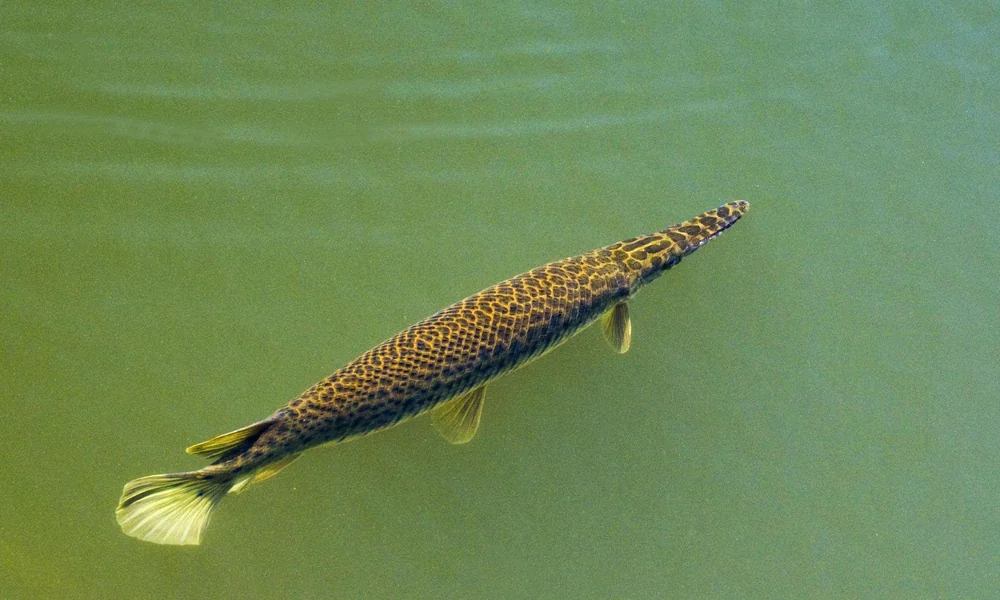
- Scientific Name: Lepisosteus platyrhincus
- Family: Lepisosteidae
- Habitat: Slow rivers, swamps, and lakes
- Range: Florida and southern Georgia
- Size and Weight: About 60–90 cm long
- Diet: Fish, shrimp, crayfish, and insects
- Lifespan: Several years to more than a decade
- Conservation Status: Least Concern
- Key Fact: The Florida gar belongs to an ancient group of fish that dates back to the age of dinosaurs, and it can gulp air at the surface.
Flounder
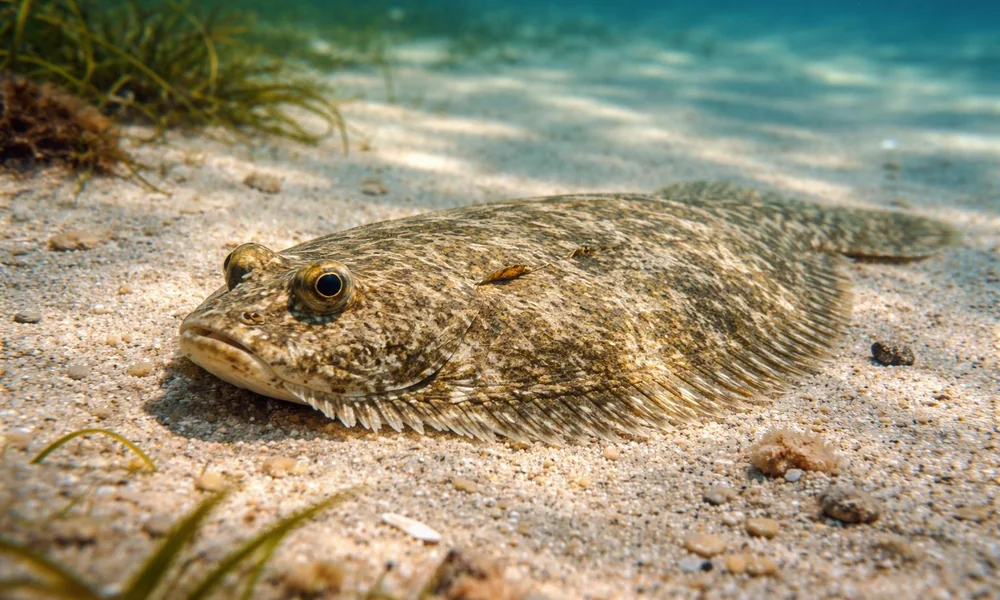
- Scientific Name: Pleuronectiformes
- Family: Varies by species
- Habitat: Sandy and muddy seabeds and estuaries
- Range: Oceans worldwide
- Size and Weight: Varies greatly by species; about 20–100 cm long
- Diet: Crustaceans, worms, and small fish
- Lifespan: Varies by species; often 10–40 years
- Conservation Status: Varies by species
- Key Fact: Flounders start life with an eye on each side of the head, but one eye moves across as they grow, so both end up on the same side.
Flying Fish
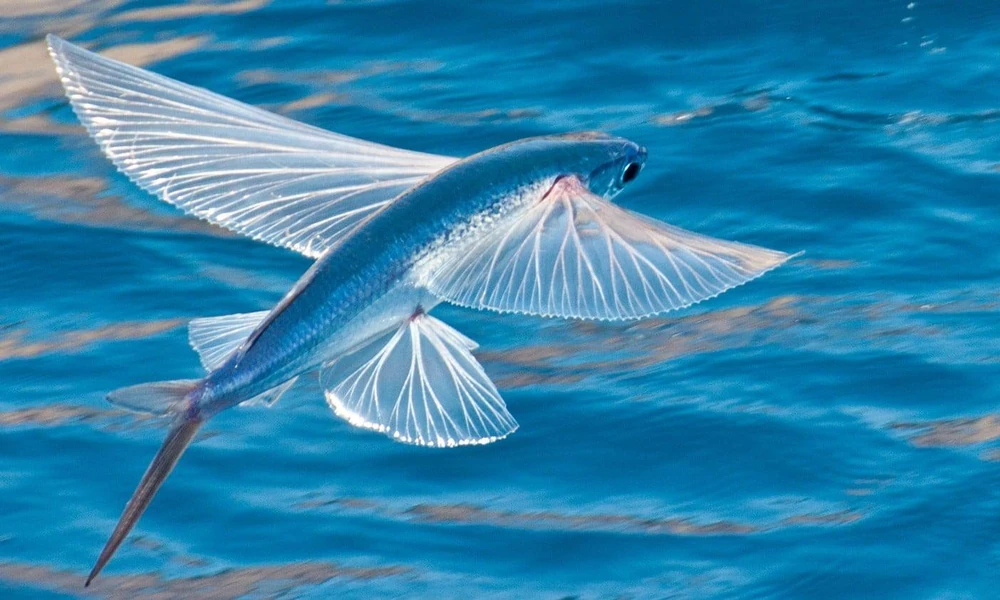
- Scientific Name: Exocoetidae
- Family: Exocoetidae
- Habitat: Open surface waters
- Range: Warm oceans worldwide
- Size and Weight: Typically about 20–30 cm long
- Diet: Plankton and small crustaceans
- Lifespan: Usually a few years
- Conservation Status: Varies by species
- Key Fact: Flying fish leap out of the water and glide on wide fins to escape predators.
Football Fish

- Scientific Name: Himantolophus spp.
- Family: Himantolophidae
- Habitat: Deep ocean waters, hundreds to thousands of meters down
- Range: Deep seas worldwide
- Size and Weight: Females up to about 60 cm long; males are only a few centimeters
- Diet: Fish and crustaceans
- Lifespan: Not well documented
- Conservation Status: Not assessed
- Key Fact: The football fish carries a glowing lure on its head to attract prey in the dark, and the males are far smaller than the females.
Frilled Shark
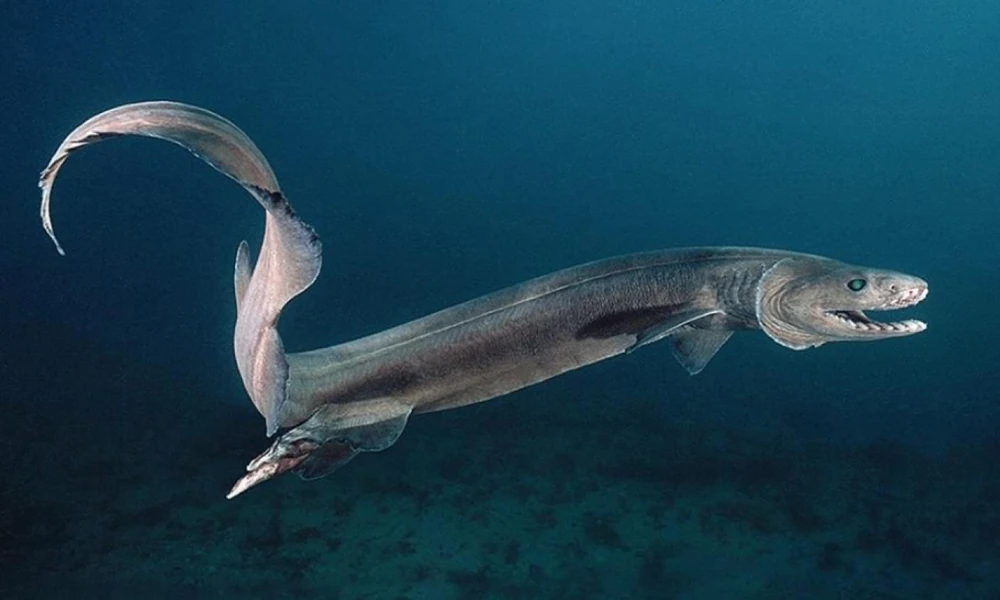
- Scientific Name: Chlamydoselachus anguineus
- Family: Chlamydoselachidae
- Habitat: Continental slopes, usually 50–1,500 m deep
- Range: Atlantic and Pacific oceans
- Size and Weight: Up to about 2 m long
- Diet: Squid, fish, and other sharks
- Lifespan: Not well documented
- Conservation Status: Least Concern
- Key Fact: The frilled shark has an eel-like body and about 300 small, three-pointed teeth arranged in rows.
Frogfish

- Scientific Name: Antennariidae
- Family: Antennariidae
- Habitat: Reefs, rocky bottoms, and seagrass beds
- Range: Tropical and subtropical oceans
- Size and Weight: From about 2.5 cm to more than 30 cm long
- Diet: Fish and crustaceans
- Lifespan: Not well documented
- Conservation Status: Varies by species
- Key Fact: Frogfish are masters of camouflage, and they use a lure on their heads to attract prey before swallowing it in a split second.
Sea and Freshwater Invertebrates That Start With F
Invertebrates are animals without backbones, and they make up most of the animal kingdom. The F list includes a crab that waves, a squid that glows, and a mussel that can outlive most people.
Feather Star
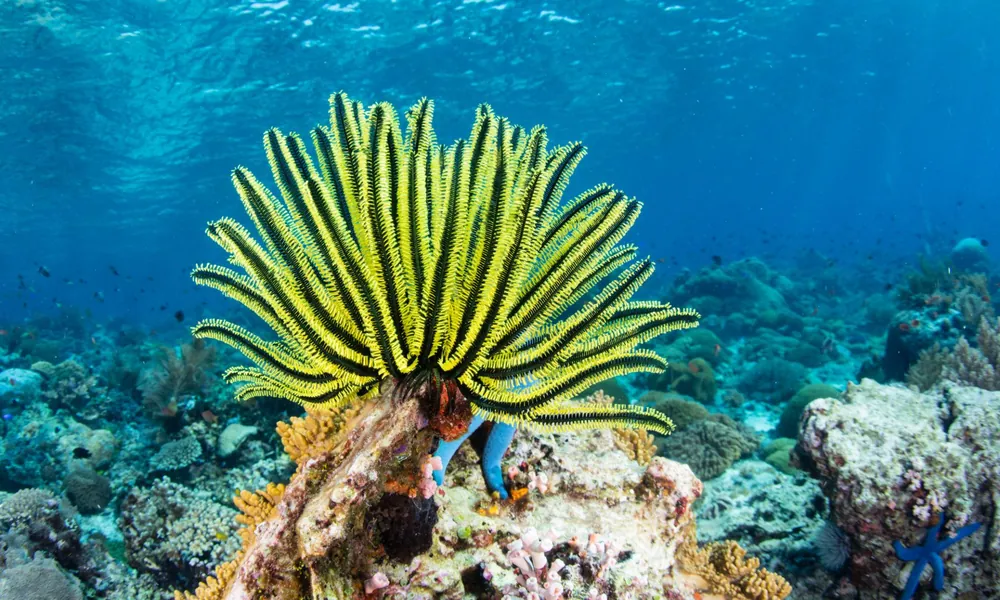
- Scientific Name: Crinoidea (order Comatulida)
- Family: Varies by species
- Habitat: Reefs, rocky seabeds, and the deep sea
- Range: Oceans worldwide
- Size and Weight: Commonly about 5–30 cm across
- Diet: Plankton and tiny particles filtered from the water
- Lifespan: Not well documented
- Conservation Status: Varies by species
- Key Fact: Feather stars are relatives of starfish, and many species can swim by moving their feathery arms.
Fiddler Crab

- Scientific Name: Uca spp.
- Family: Ocypodidae
- Habitat: Mudflats, salt marshes, mangroves, and beaches
- Range: Tropical and temperate coasts worldwide
- Size and Weight: Shell about 1–5 cm wide
- Diet: Algae, tiny organisms, and organic matter in the mud
- Lifespan: About 1–3 years
- Conservation Status: Varies by species
- Key Fact: Male fiddler crabs have one claw much larger than the other, and they wave it to attract mates and warn rivals.
Firefly Squid

- Scientific Name: Watasenia scintillans
- Family: Enoploteuthidae
- Habitat: Deep Pacific waters, rising near the surface in spring
- Range: The western Pacific Ocean, especially off Japan
- Size and Weight: About 7 cm long
- Diet: Small crustaceans and fish
- Lifespan: About 1 year
- Conservation Status: Not assessed
- Key Fact: The firefly squid has light-producing organs that glow blue, creating a sparkling display in the sea.
Flatworm

- Scientific Name: Platyhelminthes
- Family: Varies by species
- Habitat: Freshwater, oceans, damp soil, and inside host animals
- Range: Worldwide
- Size and Weight: From under 1 mm to several meters, depending on species
- Diet: Small animals, organic matter, or the tissues of a host, depending on species
- Lifespan: Varies by species
- Conservation Status: Varies by species
- Key Fact: Some flatworms, such as planarians, can regrow lost body parts.
Freshwater Jellyfish
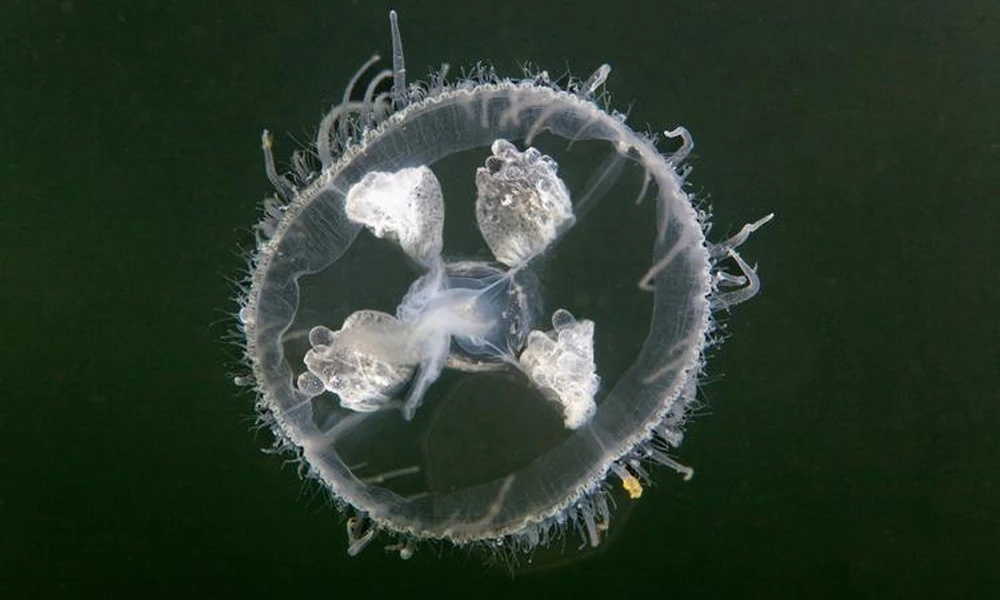
- Scientific Name: Craspedacusta sowerbii
- Family: Olindiidae
- Habitat: Lakes, ponds, and flooded quarries
- Range: Worldwide; native to China
- Size and Weight: Bell about 2 cm wide
- Diet: Tiny floating animals called zooplankton
- Lifespan: The jellyfish stage lasts a few weeks
- Conservation Status: Not assessed
- Key Fact: Freshwater jellyfish can appear suddenly in summer, and they are harmless to people.
Freshwater Pearl Mussel
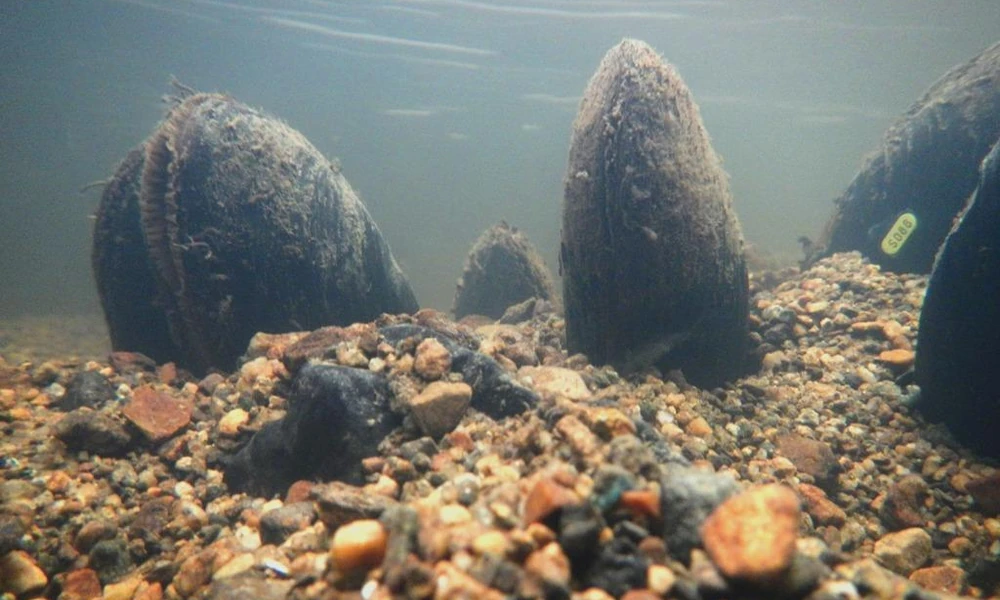
- Scientific Name: Margaritifera margaritifera
- Family: Margaritiferidae
- Habitat: Clean, cool, fast-flowing rivers
- Range: Europe and eastern North America
- Size and Weight: Shell about 10–14 cm long
- Diet: Algae and tiny organic particles filtered from the water
- Lifespan: Often 70 to more than 100 years
- Conservation Status: Endangered
- Key Fact: The freshwater pearl mussel is one of the longest-lived invertebrates, and its young live on the gills of salmon and trout.
Insects and Creepy Crawlies That Start With F
Insects have six legs and three body parts. This group also includes spiders, which are arachnids with eight legs. The F list includes light-makers, jumpers, and a few small animals with big reputations.
Fire Ant

- Scientific Name: Solenopsis invicta (red imported fire ant example)
- Family: Formicidae
- Habitat: Grasslands, lawns, and fields
- Range: Native to South America; invasive in many other regions
- Size and Weight: About 2–6 mm long
- Diet: Seeds, insects, small animals, and honeydew
- Lifespan: Workers live months; queens can live several years
- Conservation Status: Not threatened; considered invasive in many regions
- Key Fact: Fire ants deliver painful stings, and during floods they link their bodies together to form floating rafts.
Firefly

- Scientific Name: Lampyridae
- Family: Lampyridae
- Habitat: Woodlands, meadows, and wetlands
- Range: Every continent except Antarctica
- Size and Weight: About 0.5–2.5 cm long
- Diet: Larvae eat snails, slugs, and worms; adults may sip nectar or not feed at all
- Lifespan: Larvae live 1–2 years; adults live a few weeks
- Conservation Status: Varies by species
- Key Fact: Fireflies are beetles, not flies, and they make light through a chemical reaction called bioluminescence.
Flea

- Scientific Name: Siphonaptera
- Family: Varies by species
- Habitat: On mammals and birds, and in their nests and bedding
- Range: Worldwide
- Size and Weight: About 1.5–3.3 mm long
- Diet: Blood
- Lifespan: Adults live weeks to months
- Conservation Status: Not threatened
- Key Fact: Fleas are wingless, but they can jump many times their own body length.
Fly

- Scientific Name: Diptera
- Family: Varies by species
- Habitat: Nearly every land habitat
- Range: Worldwide
- Size and Weight: From about 0.5 mm to several centimeters long
- Diet: Varies; adults often drink liquids, and larvae often eat decaying matter
- Lifespan: Adults usually live days to weeks
- Conservation Status: Varies by species
- Key Fact: Flies have only one pair of wings, and a pair of tiny balancing organs help them steer in flight.
Fritillary Butterfly
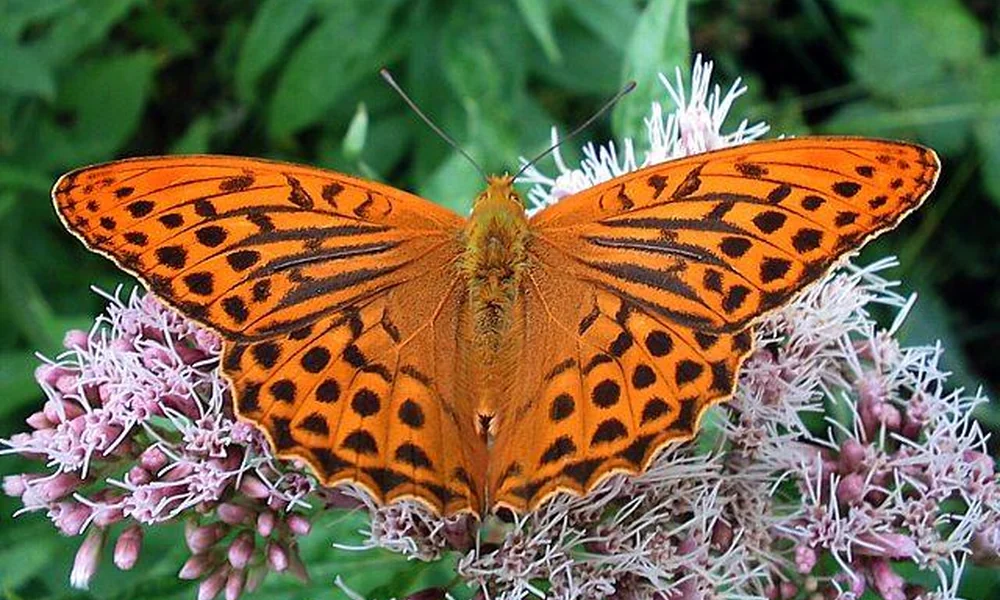
- Scientific Name: Nymphalidae (Argynnis and Speyeria are common genera)
- Family: Nymphalidae
- Habitat: Meadows and woodland clearings
- Range: North America, Europe, and Asia
- Size and Weight: Wingspan about 4–8 cm
- Diet: Adults drink nectar; many caterpillars feed on violet leaves
- Lifespan: Adults live a few weeks
- Conservation Status: Varies by species
- Key Fact: Fritillary butterflies have orange wings with black spots, and many species depend on violets for their caterpillars.
Fruit Fly
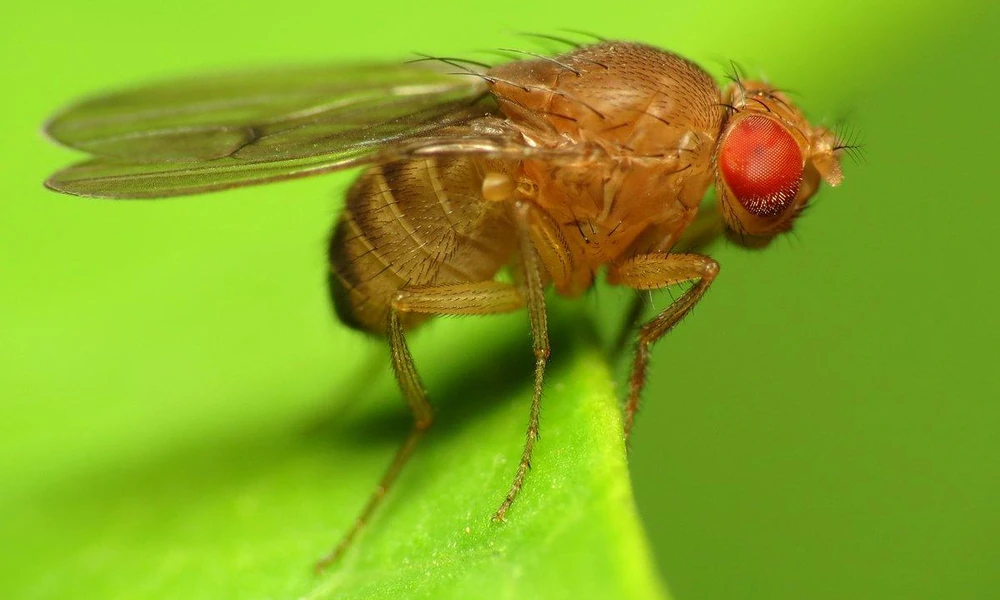
- Scientific Name: Drosophila melanogaster
- Family: Drosophilidae
- Habitat: Orchards, kitchens, and rotting fruit
- Range: Worldwide
- Size and Weight: About 2–3 mm long
- Diet: Yeast and other microbes on fermenting fruit
- Lifespan: About 40–50 days
- Conservation Status: Not threatened
- Key Fact: Scientists have used fruit flies in genetics research for more than a century because they breed quickly.
False Widow Spider
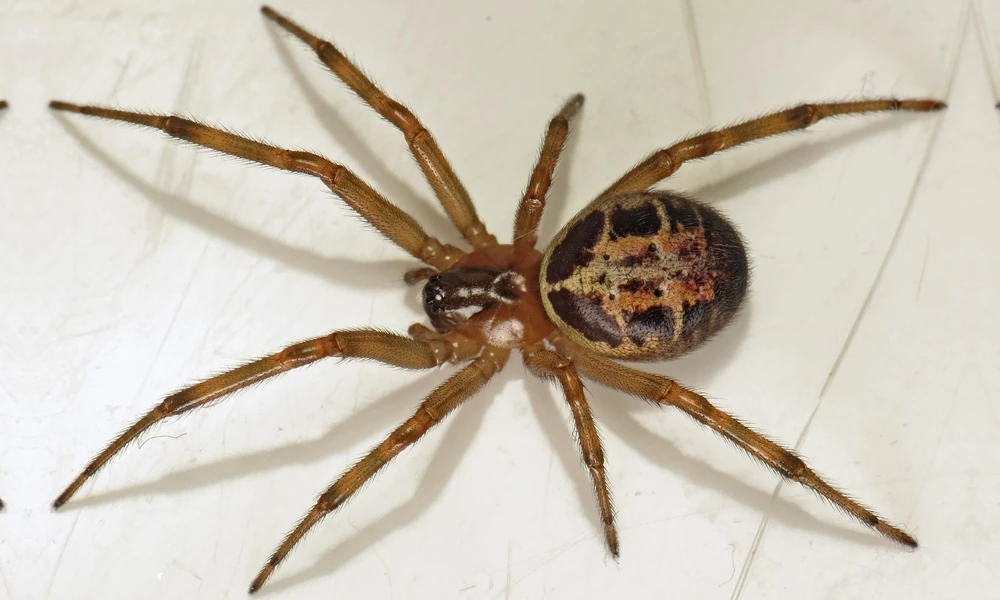
- Scientific Name: Steatoda nobilis
- Family: Theridiidae
- Habitat: Buildings, walls, fences, and gardens
- Range: Native to the Canary Islands and Madeira; now found in Europe and other regions
- Size and Weight: Body about 7–14 mm long
- Diet: Insects and other spiders
- Lifespan: About 1–3 years
- Conservation Status: Not assessed
- Key Fact: The false widow looks like a black widow, but its bite is usually mild, similar to a wasp sting.
Fishing Spider

- Scientific Name: Dolomedes spp.
- Family: Pisauridae
- Habitat: Lakes, ponds, streams, and wetlands
- Range: Worldwide, depending on species
- Size and Weight: Body about 1–3 cm long; leg span up to about 7.5 cm
- Diet: Insects, small fish, and tadpoles
- Lifespan: About 1–2 years
- Conservation Status: Varies by species
- Key Fact: Fishing spiders can walk on the surface of water, and they can also dive below it to hunt.
Prehistoric Animals That Start With F
Prehistoric animals lived long before humans and are known mainly from fossils. These three F dinosaurs show how varied the age of dinosaurs was, from tiny to enormous.
Falcarius
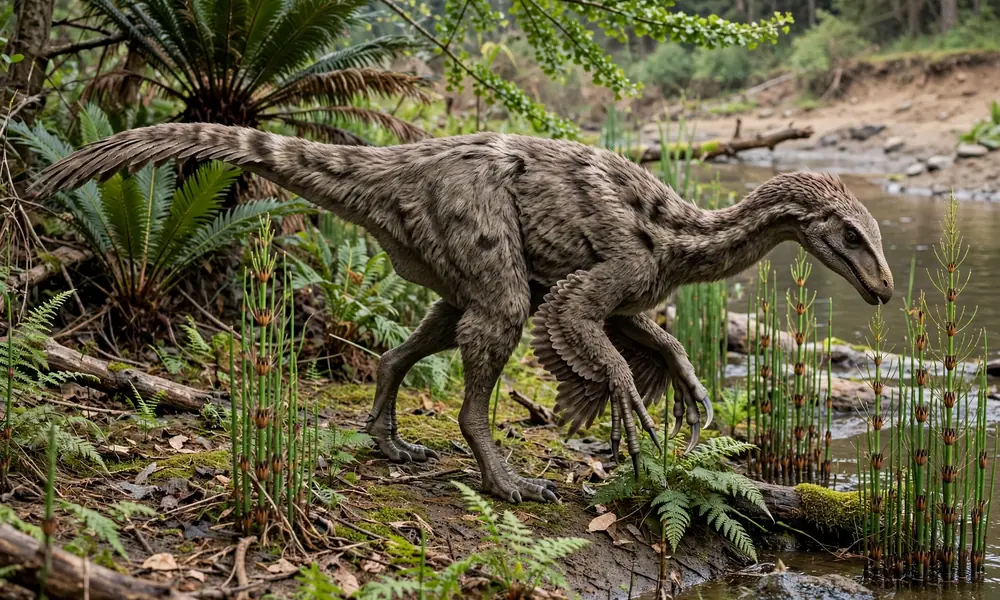
- Scientific Name: Falcarius utahensis
- Family: Therizinosauridae
- Habitat: Early Cretaceous floodplains
- Range: Utah, United States
- Size and Weight: About 4 m long; roughly 100 kg
- Diet: Mainly plants, with possibly some meat
- Lifespan: Unknown
- Conservation Status: Extinct
- Key Fact: Falcarius was an early member of the therizinosaur group, a family of dinosaurs that shifted from eating meat to eating plants.
Fruitadens
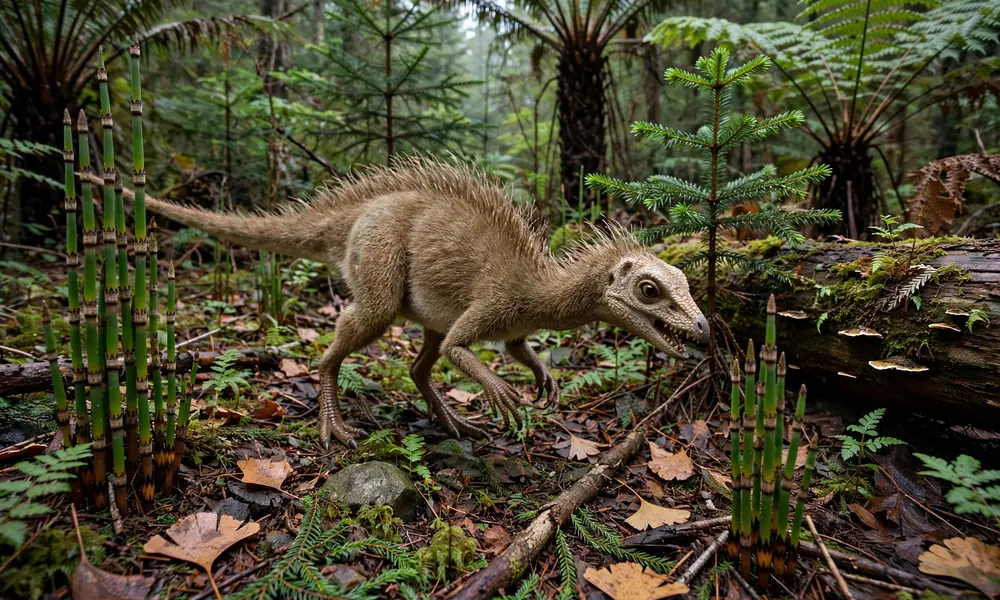
- Scientific Name: Fruitadens haagarorum
- Family: Heterodontosauridae
- Habitat: Late Jurassic floodplains
- Range: Colorado, United States
- Size and Weight: About 65–75 cm long; roughly 0.5–0.75 kg
- Diet: Plants and possibly insects
- Lifespan: Unknown
- Conservation Status: Extinct
- Key Fact: Fruitadens was one of the smallest known dinosaurs in the bird-hipped group, about the size of a house cat.
Futalognkosaurus
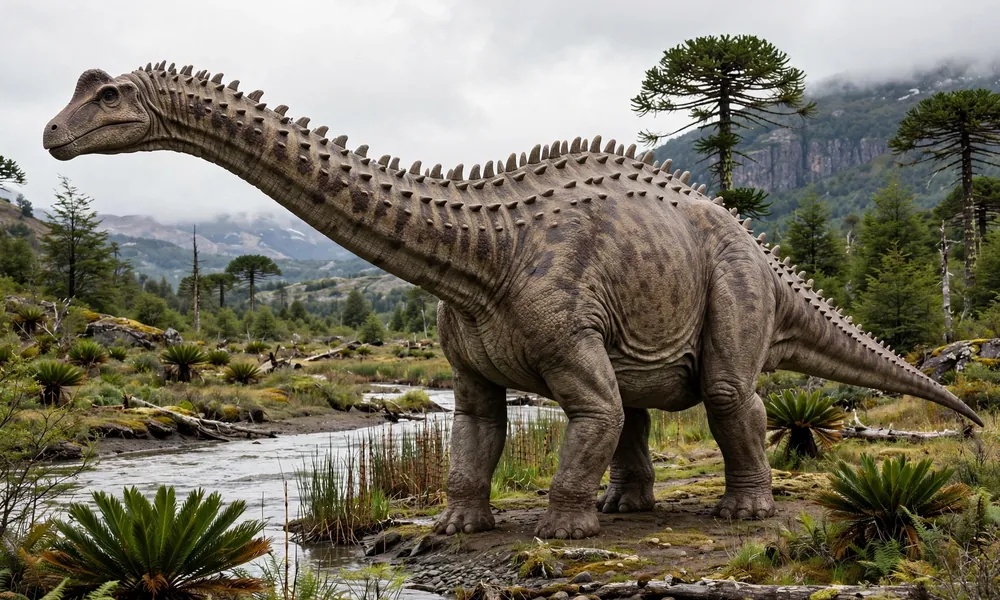
- Scientific Name: Futalognkosaurus dukei
- Family: Titanosauria
- Habitat: Late Cretaceous river plains
- Range: Patagonia, Argentina
- Size and Weight: Roughly 26–34 m long
- Diet: Plants
- Lifespan: Unknown
- Conservation Status: Extinct
- Key Fact: Futalognkosaurus was one of the largest dinosaurs ever found, and its name means “giant chief” in the Mapuche language.
Mythical Animals That Start With F
Mythical creatures come from legends and folklore, not from the living world. People invented them to explain fears, mysteries, and the natural world. None of these animals has ever been proven to exist.
Fenrir

- Scientific Name: None; mythological creature
- Family: None; Norse mythology
- Habitat: Bound in a cave or on an island in Norse myth
- Range: Norse mythology
- Size and Weight: Depicted as a giant wolf
- Diet: Varies by story
- Lifespan: Mythological
- Conservation Status: Mythical; not a real animal
- Key Fact: In Norse myth, the gods bound Fenrir with a magical chain, but he is destined to break free during Ragnarök, the end of the world.
Firebird
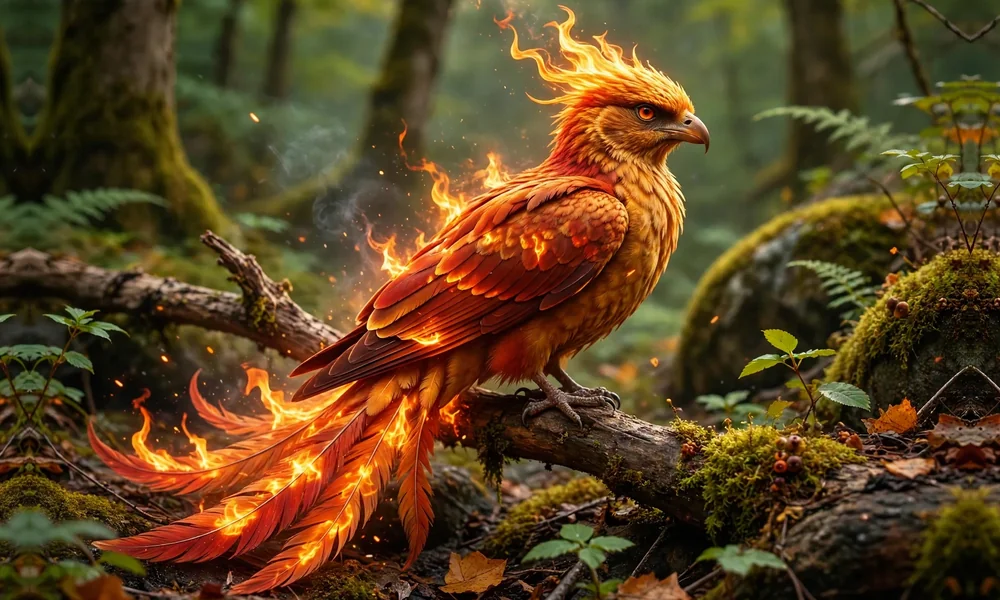
- Scientific Name: None; folklore creature
- Family: None; Slavic folklore
- Habitat: Enchanted gardens and forests in folktales
- Range: Russian and Slavic folklore
- Size and Weight: Varies by depiction
- Diet: Golden apples in many tales
- Lifespan: Mythological
- Conservation Status: Mythical; not a real animal
- Key Fact: The firebird has glowing feathers that light up the night, and heroes in folktales often set out to capture it.
Fafnir

- Scientific Name: None; mythological creature
- Family: None; Norse mythology
- Habitat: A lair guarding treasure
- Range: Norse mythology
- Size and Weight: Depicted as a huge dragon
- Diet: Varies by story
- Lifespan: Mythological
- Conservation Status: Mythical; not a real animal
- Key Fact: In Norse legend, Fafnir was a dwarf who turned into a dragon to guard a hoard of gold until the hero Sigurd slew him.
Fenghuang
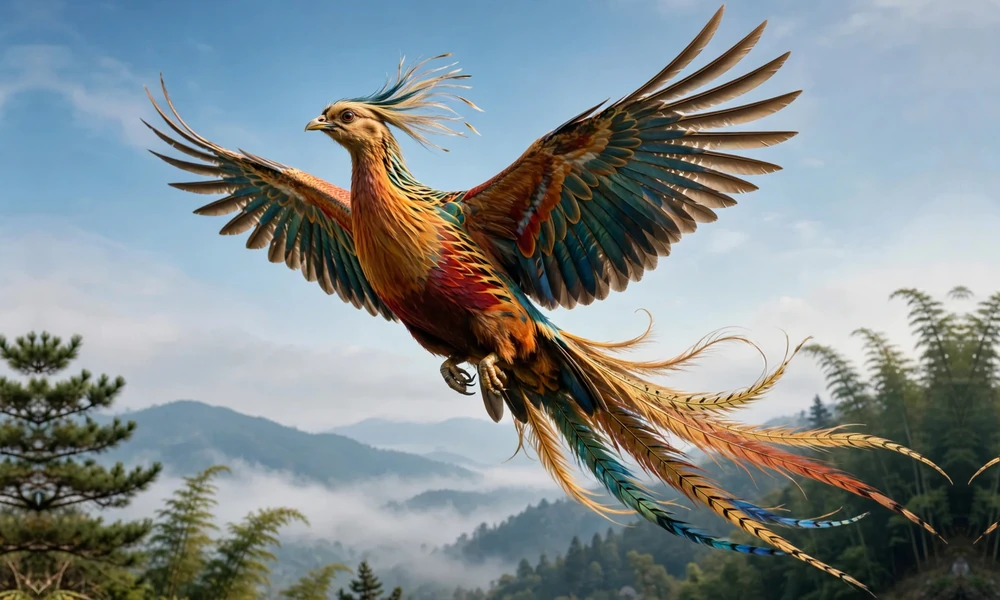
- Scientific Name: None; mythological creature
- Family: None; Chinese mythology
- Habitat: Mythological mountains and the heavens
- Range: Chinese and East Asian mythology
- Size and Weight: Depicted as a large bird
- Diet: Varies by story
- Lifespan: Mythological
- Conservation Status: Mythical; not a real animal
- Key Fact: The fenghuang is often called the Chinese phoenix, but it is a symbol of harmony and good fortune rather than rebirth from fire.
Frequently Asked Questions
Why is the fox missing from some lists of F animals?
“Fox” is a group name, not a full species name. Around three dozen species are called foxes, but only the fennec fox has a full name that starts with F. Falcons and flamingos work the same way, because most species in those groups have names that start with other letters. Lists that count only full species names leave them out, while lists that use everyday names include them.
What is the fastest animal that starts with F?
The peregrine falcon is the fastest animal on Earth. In a hunting dive, it reaches about 390 km/h (242 mph). On land, the fastest F animal is the fox, and in the sea, the fin whale is known for its speed.
Which F animals can glow or produce light?
The firefly makes light through a chemical reaction in its body. The firefly squid has light-making organs that glow blue. The football fish carries a glowing lure on its head to attract prey in the deep sea.
Which F animals can glide without being birds?
Several F animals glide on skin flaps or flattened bodies. The flying squirrel and the flying lemur (colugo) glide between trees using a furry skin membrane. The flying snake flattens its body to glide, and the flying fish leaps out of the water and glides on wide fins. None of these animals truly flies by flapping.
Which F animals have names that mislead?
Several do. A flying lemur is not a lemur and does not truly fly. A fisher is not a cat and rarely eats fish. A false killer whale is actually a large dolphin, and a fire eel is a spiny eel, not a true eel. A firefly is a beetle, not a fly, and a false water cobra is not a true cobra.
Which F animals are endangered?
The Florida panther, flat-headed cat, forest owlet, and freshwater pearl mussel are listed as Endangered. The fishing cat, fossa, fin whale, Fiordland penguin, flightless cormorant, Florida scrub-jay, and four-horned antelope are Vulnerable. The false killer whale and Fischer’s lovebird are Near Threatened.
Which F animals can be dangerous to people?
The fer-de-lance, fierce snake, and forest cobra are venomous snakes. Fire ants deliver painful stings, and fleas and flies can spread germs. False widow spiders can bite and cause mild pain. Most of these animals avoid people when given space, so watching from a safe distance is always best.