Estonia animals range from brown bears in the forests of the north-east to grey seals on the Baltic islands, and the country is one of the wildest corners of Europe. If you are wondering which animals live in Estonia and where to see them, the short answer is this: brown bears, wolves and lynx live in the deep forests, moose, wild boar and beavers fill the wetlands and woods, and the coasts and islands hold seals, sea eagles and flocks of migrating geese and cranes.
This guide covers the species you are most likely to meet, where each one lives, and the best seasons to look for them.
Key takeaways
- Estonia’s most iconic animals are the brown bear, grey wolf, Eurasian lynx, moose, flying squirrel, grey seal and white-tailed sea eagle.
- The forests of the north-east hold some of the best bear-watching country in Europe.
- The flying squirrel is Estonia’s rarest mammal, gliding between the trees of old forests in the east.
- Estonia has almost no true endemic animals, but its large predators survive here in numbers few other European countries can match.
- Spring is the best season for migrating birds, and summer is the best season for seals and bears.
What makes Estonia’s wildlife special
Estonia is a flat, low country of forests, bogs, lakes and islands, and about half of it is covered in woodland. The population is small for the size of the land, and large areas of forest and bog in the east and south are thinly settled, so animals have room to live undisturbed. Estonia also sits on one of Europe’s great migration routes, where birds travelling between the Arctic and the south funnel through its coasts and wetlands.
The country shares a long eastern border with Russia, and its bear, wolf and lynx populations are linked to the much larger forests to the east. That connection is why Estonia holds large predators in numbers that are rare in western Europe. Like other forest animals, most of Estonia’s wildlife depends on old, quiet woodland and undisturbed bogs.
The great mammals of Estonia
The brown bear is Estonia’s largest predator and the animal most visitors hope to see. Bears are most numerous in the forests of the north-east, in the Alutaguse region, where they feed on berries, ants and roots in summer and den for the winter. Bear-watching hides in Alutaguse are the most reliable way to see one, with bears often visiting in the evening. Estonia’s bears are shy, and most sightings come from a hide with a local guide.
Moose, known as elk in Estonia, are the largest deer in the country and are spread across the forests and wetlands of the whole land. Moose are most active at dawn and dusk, often appearing beside roads and in clearings. Red deer live mainly in the west and on the islands, while roe deer are widespread in farmland and forest edges across the country.

Wild boar live in the forests across Estonia, rooting in the soil at night for roots, acorns and insects, and their numbers rise and fall with the food supply. Beavers have returned to many Estonian rivers and wetlands, and their dams now shape ponds that support frogs, dragonflies and water birds. Beavers are most easily seen at dusk on a quiet river.
Among the predators, the Eurasian lynx hunts roe deer and hares in the forests across the country, and it is more widespread here than in most of Europe, though it is shy and rarely seen. Grey wolves live in packs in the forests of the east and south, and their howls are sometimes heard on still nights, though a sighting is a rare prize. Raccoon dogs, which arrived from the east, now live across the country too.
Birds of the forests, bogs and coasts
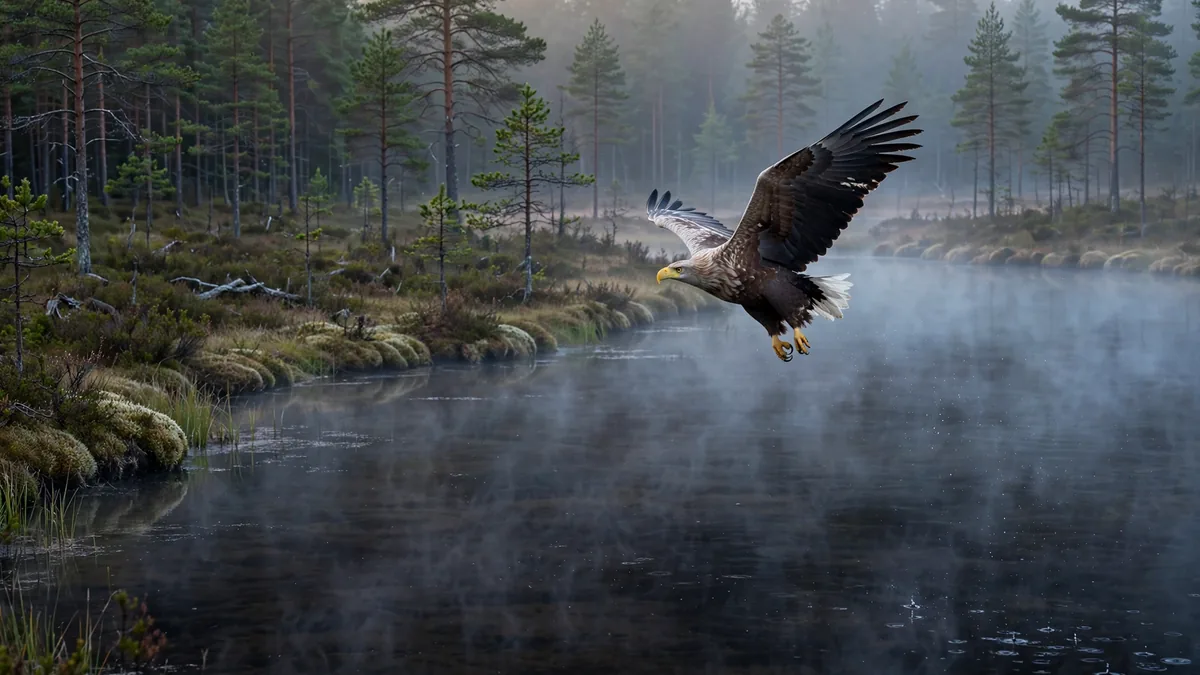
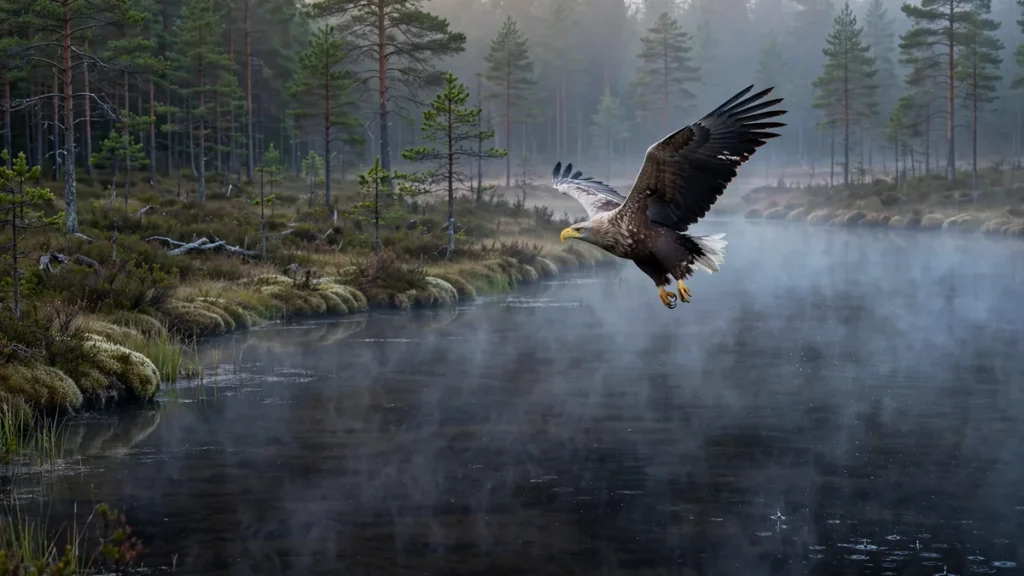
The white-tailed sea eagle is Estonia’s largest bird of prey, and it breeds along the coasts and around the big lakes, often seen from a boat or from a coastal hide. It fishes in the shallow Baltic waters and in the lakes of the interior. Golden eagles hunt over the bogs and forests instead, taking hares and grouse.
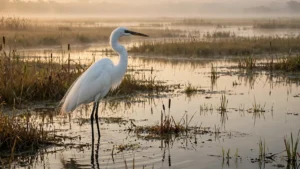
Each spring and autumn, cranes and geese pass through Estonia in vast numbers on their way to breeding grounds in the north, and the fields and wetlands of the west fill with their calls. Matsalu Bay, on the west coast, is one of the most famous birdwatching places in Europe. The black stork, a shy forest bird that nests in old trees far from people, is one of Estonia’s most prized sightings.
In the forests, capercaillie display on spring mornings, black grouse lek on the edges of the bogs, and woodpeckers of several kinds, including the rare white-backed woodpecker, work the dead trees of the old woods. In winter, the coasts fill with sea ducks from the Arctic, including long-tailed ducks and Steller’s eiders.
Seals, otters and life in the Baltic
Estonia’s long coastline and its many islands hold two kinds of seal. Grey seals haul out on rocky islets and skerries around the western islands, including Saaremaa and Hiiumaa, and their colonies are best visited by boat in summer. Ringed seals live in the northern Baltic and around the islands too, and they are shyer, hauling out on ice in winter and on rocks in summer.
The Baltic around Estonia holds herring, perch and pike, which draw the seals and the sea eagles.
Inland, the rivers and lakes hold otters, which are widespread but hard to see, hunting fish at dawn and dusk. Look for their tracks and slides on a muddy bank. Frogs, toads and newts breed in the ponds and bog pools in spring, and their calls fill the wetlands on warm nights.
Smaller animals and the flying squirrel
The Siberian flying squirrel is Estonia’s rarest mammal and one of its most remarkable. It lives in the old forests of the east, gliding between the trees on a flap of skin stretched between its front and back legs, and it is active at night, feeding on leaves, buds and catkins. Flying squirrels need old forests with plenty of tree holes, so they are found in few places, and a sighting takes a local guide and patience.
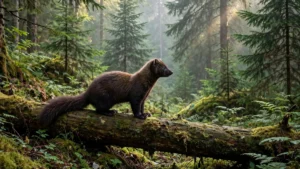
Mountain hares, which turn white in winter, live in the forests and bogs, and red squirrels are common in the woods. Badgers, pine martens and stoats hunt in the forests and fields, and hedgehogs visit gardens in the towns and villages. In the bogs, adders bask on the boardwalks on sunny days; they are the only venomous snake in the country.
Where to see Estonia’s wildlife
Alutaguse, in the north-east, is the best place for bears, and its hides are the most reliable way to see one in the evening. The same forests hold wolves and lynx, though both are far harder to see than bears. Lahemaa National Park, on the north coast, is the oldest and largest national park in the country, with forests, bogs and a wild coastline where moose, beavers and sea eagles live.
Matsalu National Park, on the west coast, is the best place for birds, with its shallow bay, reedbeds and flooded meadows drawing cranes, geese and waders in spring and autumn. Soomaa National Park, in the south-west, is famous for its bogs and its fifth season, when spring floods turn the meadows into a maze of water. For seals, the islands of Saaremaa and Hiiumaa and the islets around them are the best places to take a boat trip in summer.
| Species | Where to look | Best season | How likely is a sighting |
|---|---|---|---|
| Brown bear | Forests of Alutaguse in the north-east | May to September, evening | Good from a hide |
| Eurasian lynx | Forests across the country | Winter and spring | Very low |
| Moose | Forests and wetlands across the country | All year, dawn and dusk | Good |
| Flying squirrel | Old forests of the east | Spring and summer, at night | Very low |
| Grey seal | Islets around Saaremaa and Hiiumaa | May to August, from a boat | Good in summer |
| White-tailed sea eagle | Coasts, islands and large lakes | All year | Good from a boat |
Best seasons for wildlife watching
Spring is the great season for birds. Cranes and geese pass through in their thousands, the capercaillie display in the forests, and the bogs fill with waders and ducks as the ice melts. Keep to paths and give nesting birds plenty of space.
Summer is the easiest season. The days are long, the bears are out in the clearings, the seals are hauled out on the islets and the bogs are open for walking on boardwalks.
Autumn brings the deer rut and the return migration of cranes and geese. Winter is the season for tracks, with fresh snow showing where wolves, lynx, moose and hares have passed in the night.
Staying safe around Estonia’s wildlife
Estonia’s large animals are usually calm, but they deserve respect. Keep your distance from bears, wolves and moose, never approach a moose calf or walk between a cow and her calves, and never try to feed or touch any wild animal. If you meet a bear, back away slowly, speak calmly and never run. Moose on the road are a real danger at dawn and dusk, so slow down on forest roads and watch the verges. Ticks are common in woods and long grass in summer, so check yourself after a walk.
Wildlife watching checklist
- Book a local guide or a bear hide in Alutaguse for bears — they know where the animals are.
- Go out at dawn or dusk for moose and beavers, and plan bird trips for April to May.
- Bring binoculars, warm layers and waterproofs, even in summer — Estonian weather changes fast.
- Keep at least 50 metres from seals, nesting birds and grazing moose, and far more from bears and wolves.
- Never feed wild animals, and never use food or calls to lure them closer for a photograph.
- Leave no trace: take your rubbish home and keep to marked paths and boardwalks in the bogs.
Frequently asked questions
What is the most common large animal in Estonia?
The moose is the most common large mammal, spread across the forests and wetlands of the whole country. Roe deer are also widespread, and wild boar are common in the forests.
Are there bears and wolves in Estonia?
Yes. Brown bears live mainly in the forests of the north-east, and grey wolves live in packs in the forests of the east and south. Both are shy, and bears are best seen from a hide.
What animal lives only in Estonia?
Almost none. Estonia has very few true endemic animals, and its wildlife is shared with the wider forests of northern Europe. The flying squirrel is rare and special here, but it also lives further east.
Where is the best place to see bears in Estonia?
Alutaguse, in the north-east, is the best place. Bear-watching hides there are among the most reliable in Europe, with bears often visiting in the evening from May to September.
When is the best time to see birds in Estonia?
From April to May, when cranes, geese and waders pass through in spring migration, and again in autumn. Matsalu National Park on the west coast is the best place to watch them.
Conclusion
Estonia’s wildlife rewards patience: brown bears in the forests of the north-east, cranes over the wetlands of the west and seals on the island islets are within reach if you plan around the seasons.
The next step is to pick one species and one season — an evening in a bear hide in Alutaguse, a spring bird trip to Matsalu, or a summer boat trip to the seal islets — and plan your visit around it.