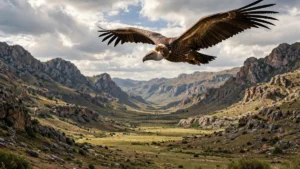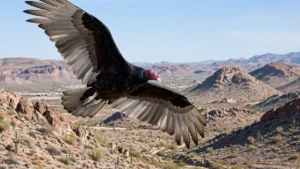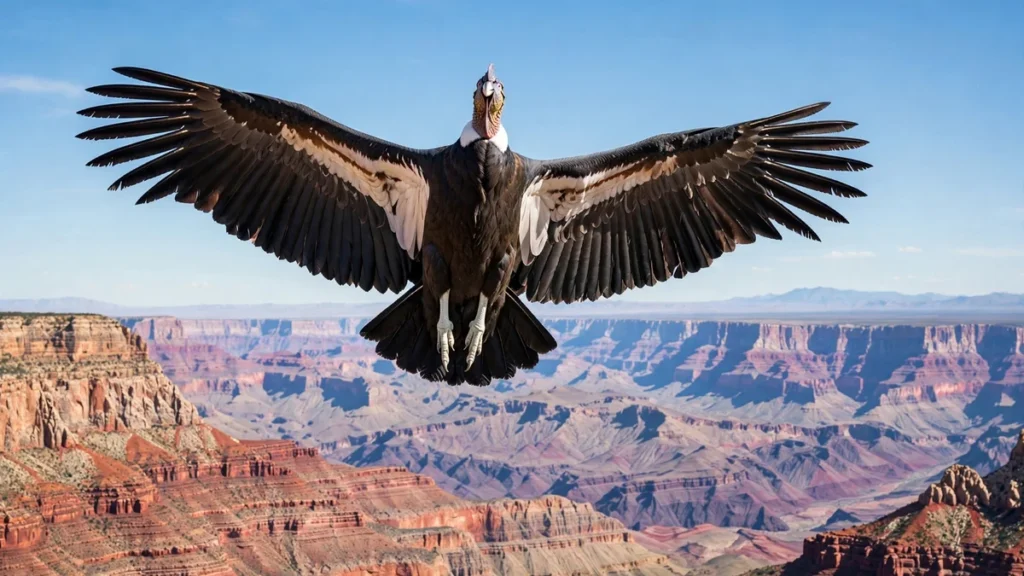
The California condor species is a single species, Gymnogyps californianus, a giant vulture of the mountains of western North America, and the largest flying land bird in North America. If you are asking how many California condor species there are, the answer is one: there is only one California condor species in the world, and every California condor alive today belongs to it.
The California condor belongs to the family Cathartidae, the New World vultures, and it lives in the mountains and canyons of California, Arizona, Utah, Baja California and the Pacific Northwest. Its black plumage, its white wing patches, its bald head and its enormous wings make it one of the most recognisable birds in North America.
Key takeaways
- There is only one California condor species, Gymnogyps californianus, and it is the only living member of its genus.
- California condors have a wingspan of up to 2.9 metres, the largest of any North American land bird.
- California condors were brought back from just 22 birds in 1982, and more than 600 are alive today.
- California condors are scavengers that eat carrion, cleaning the mountains of dead animals and stopping disease from spreading.
- California condors are listed as Critically Endangered, and lead poisoning from hunter-killed carcasses is the main threat.
What makes a California condor a California condor
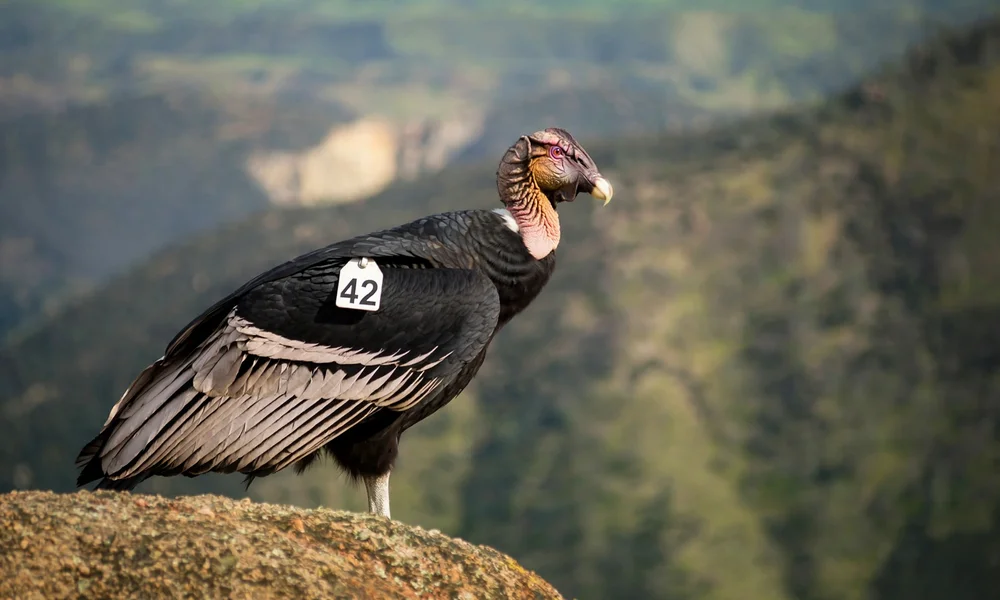
A California condor is a huge vulture with black plumage, white patches under its wings, a bald pinkish-orange head and a wingspan of up to 2.9 metres, and it measures roughly 109 to 140 centimetres long and usually weighs between 7 and 14 kilogrammes. The male and female look alike, and young birds have dark heads and mottled plumage for their first few years.
The wings define the California condor: the largest wings of any North American land bird, which let it soar for hours on mountain thermals without flapping, and travel more than 250 kilometres in a single day. Its head changes colour with its mood, flushing yellow or pink when the bird is excited, and its feet are flat and weak, built for walking rather than gripping, because it never kills its own food. Like other eagles, the California condor has a hooked beak for tearing meat, but it is a scavenger, not a hunter, and it finds food by sight, soaring high above the mountains.
The California condor species and their relatives
There is one California condor species, Gymnogyps californianus, and it is the only living member of its genus. California condors in different parts of the west form separate flocks, in California, Arizona and Utah, Baja California and the Pacific Northwest, but they are all the same species, and the birds move freely between the flocks following the carrion.
The Andean condor is the California condor’s closest relative, a slightly larger vulture of the Andes mountains with a white collar and a wingspan of up to 3.3 metres, while the king vulture is a colourful vulture of the Central and South American rainforest. The turkey vulture is a common vulture of the Americas with a red head, the black vulture is a dark vulture that lives in flocks, and the bearded vulture, or lammergeier, is a mountain vulture that drops bones onto rocks to break them. The griffon vulture is a large vulture of Europe and Africa, and the Egyptian vulture is a small white vulture that uses tools to break eggs.
| Type | Animal | Where it lives | Best-known food | Length or Weight |
|---|---|---|---|---|
| Species | California condor (Gymnogyps californianus) | Mountains of western North America | Carrion of large animals | 109 to 140 cm, 7 to 14 kg |
| Close relative | Andean condor | Andes mountains and Pacific coast | Carrion of large animals | 100 to 130 cm, 11 to 15 kg |
| Close relative | King vulture | Central and South American forests | Carrion | 71 to 81 cm, 3 to 4.5 kg |
| Close relative | Turkey vulture | Americas, from Canada to Argentina | Carrion | 62 to 81 cm, 0.8 to 2 kg |
| Close relative | Black vulture | Americas, from USA to Argentina | Carrion and rubbish | 56 to 68 cm, 1.2 to 2 kg |
| Close relative | Bearded vulture | Mountains of Europe, Africa and Asia | Bones and carrion | 94 to 125 cm, 4.5 to 7.8 kg |
| Close relative | Griffon vulture | Europe, Africa and Asia | Carrion of large animals | 93 to 120 cm, 6.5 to 11 kg |
How California condors live
California condors are creatures of the high mountains and canyons. A California condor lives alone or in a loose flock, soaring over the mountains by day and roosting on cliff ledges by night, and it can travel more than 250 kilometres in a single day without flapping its wings. Like other condors, it follows the seasons, moving up and down the mountains as the weather changes.
Carrion makes up almost the whole diet, along with the occasional sick or newborn animal, and a California condor eats by tearing meat from a carcass with its hooked beak. It finds food by sight, soaring high above the mountains and watching for other vultures, and it can eat up to 1.5 kilogrammes of meat in a single sitting, then go for days without food. It plays an important part in the mountains, cleaning up dead animals and stopping disease from spreading.
Breeding happens every two years, and the pair nests in a cave or a rocky crevice, usually in a cliff face, laying a single white egg on the bare rock. Both parents incubate the egg for about 56 days, and the chick is born grey and downy, fed by both parents for six months before it can fly. The young stay with their parents for a year or more, learning where the carcasses are, and California condors live for more than 50 years in the wild, and up to 60 years or more, among the longest lives of any bird.
Where California condors live
The California condor lives in the mountains and canyons of western North America, in California, Arizona and Utah, Baja California in Mexico, and the Pacific Northwest, and it is most common in the mountains of central and southern California, around Big Sur, Pinnacles National Park and the Grand Canyon. It is seen regularly over the Grand Canyon, where the condors soar on the morning thermals.
High mountains are the key requirement. A California condor needs open country with strong thermals to soar on, and cliffs to nest and roost on, so it follows the mountain chain as the weather changes, and when the mountains are disturbed the condors have nowhere to live. It depends on large animals to die in the open, and it soars over the grasslands, the deserts and the coast, looking for carcasses.
The species is listed as Critically Endangered, but its numbers are rising thanks to one of the great conservation comebacks. In 1982 only 22 California condors were left in the world, and the last wild bird was brought into captivity in 1987. Captive breeding began, the first birds were released back into the wild in 1992, and by the end of 2025 there were 607 condors alive, with 392 flying wild and 215 in captivity. The main threat today is lead poisoning from the fragments of lead bullets left in hunter-killed carcasses, which killed nine wild condors in 2025 alone, along with the microtrash, bottle caps and glass that parents feed to their chicks by mistake.
Best seasons for California condor watching
There is no closed season, because California condors are active all year, but the best time to look for them depends on where you go. In the Grand Canyon the best months are often March to October, when the condors soar on the morning thermals above the South Rim. In Big Sur the best months are often the summer, when the birds are breeding and easy to find near their nests.
Staying safe around California condors
A California condor is a wild bird with a hooked beak and sharp claws, and it can hurt a person, though condors almost never attack people. Keep your distance, never approach a condor nest, and never try to feed a condor, because a frightened bird may abandon its nest and the chick may die. If you see condors soaring, stay on the path and watch with binoculars, because condors that are disturbed may leave their roosting cliffs for good.
California condor watching checklist
A little preparation turns a mountain visit into a real chance of seeing a California condor, so pack for sun, wind and long quiet hours.
- Binoculars with good low-light performance, for picking a huge bird out of the mountain sky.
- A camera with a long lens, because condors should always be watched from a distance.
- Sun cream and a hat, because the best watching is in the bright midday sun.
- Water and snacks for long days, because the best sightings come after hours of waiting.
- A field guide to birds of prey, for telling a California condor from a turkey vulture at a glance.
- A plan to be out in the morning, when the condors soar on the thermals.
- Patience and silence, because condors are shy birds and a noisy group will send them away.
Frequently asked questions
How many California condor species are there?
There is one California condor species, Gymnogyps californianus. It is the only living member of its genus, and its closest relative is the Andean condor of South America. No second California condor species is recognised.
How were California condors saved from extinction?
California condors were saved by captive breeding. In 1982 only 22 birds were left, and the last wild bird was brought into captivity in 1987. Zoos bred the birds, the first were released back into the wild in 1992, and by the end of 2025 there were 607 condors alive, with 392 flying wild.
What do California condors eat?
California condors eat carrion, the dead bodies of large animals such as deer, cattle, elk and seals. They find food by sight, soaring high above the mountains, and they clean up dead animals, which stops disease from spreading across the mountains.
Can you keep a California condor as a pet?
No. A California condor is a wild bird that needs the high mountains, eats carrion by the kilogramme, and is fully protected by law in every place where it lives. Condors in zoos need huge aviaries with cliffs and thermals, and they are not pets.
How is this guide different from the squirrel monkey species guide?
This guide covers the single California condor species, a giant vulture that soars over the mountains of North America on wings 2.9 metres across, while our squirrel monkey species guide covers five squirrel monkey species, tiny monkeys that live in huge troops in the rainforest canopy. The condor weighs up to 14 kilogrammes and eats carrion, and the monkey weighs about one kilogramme and eats fruit and insects.
Are California condors endangered?
California condors are listed as Critically Endangered, the highest threat level before extinction in the wild, but their numbers are rising. More than 600 birds are alive today, up from just 22 in 1982, and lead poisoning is the main threat that remains.
Conclusion
The California condor species shows how much hope one bird can hold: a single species of giant vulture, brought back from 22 birds to more than 600, with wings wider than any other land bird in North America, and a life spent soaring over the highest mountains of the west.
If you go looking for one, go in the summer to the Grand Canyon or Big Sur, go quietly, and go with patience. Watch a California condor soar over the canyon without flapping its wings and you will understand why it has earned its place as the king of the western skies, and why keeping its mountains free of lead matters most.