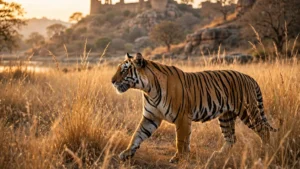
Australia animals are unlike the wildlife of any other continent, because most of them live nowhere else on Earth. If you are wondering which animals live in Australia and where to see them, the short answer is this: red kangaroos bound across the outback, koalas sleep in the gum trees of the east, platypus swim in the rivers of Tasmania and the mainland, and the Great Barrier Reef holds clownfish, turtles and reef sharks.
This guide covers the species you are most likely to meet, where each one lives and the best seasons to see them.
Key takeaways
- Australia’s most iconic land animals are the red kangaroo, koala, wombat, echidna, platypus, Tasmanian devil and dingo.
- The Tasmanian tiger is extinct, so no honest guide should promise a sighting of one.
- The Great Barrier Reef and Ningaloo Reef make Australia one of the best countries in the world for marine wildlife, from whale sharks to sea turtles.
- Emus, kookaburras, cockatoos and the cassowary make Australia one of the finest birdwatching countries in the southern hemisphere.
- Autumn and spring are the best seasons for most wildlife watching, and early morning and late evening are the best times of day for large mammals.
What makes Australia’s wildlife special
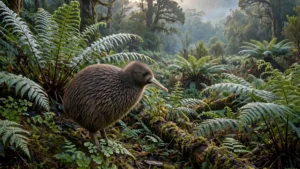
Australia separated from the other continents tens of millions of years ago, and its wildlife evolved in isolation ever since. Marsupials, which raise their young in a pouch, came to dominate the land, while monotremes, mammals that lay eggs, survived here when they vanished almost everywhere else.
Honesty matters here: Australia has one of the highest rates of endemism in the world, with the great majority of its native mammals found nowhere else. It has no large hoofed herds and no big cats; its giants are kangaroos, and its most famous predator is the dingo, a wild dog.
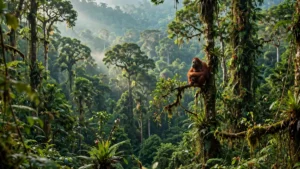
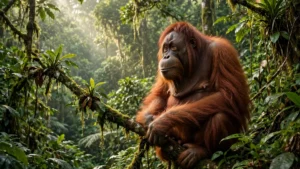
Australia holds red deserts, tropical rainforest, temperate woodland, snowy mountains and two long sea coasts, so animals from many different habitats can live within one country. Like the forest animals of other continents, many Australian species depend on large, quiet woodland, and the eucalyptus forests of the east and the forests of Tasmania are among the wildest corners of the country.
The great mammals of Australia
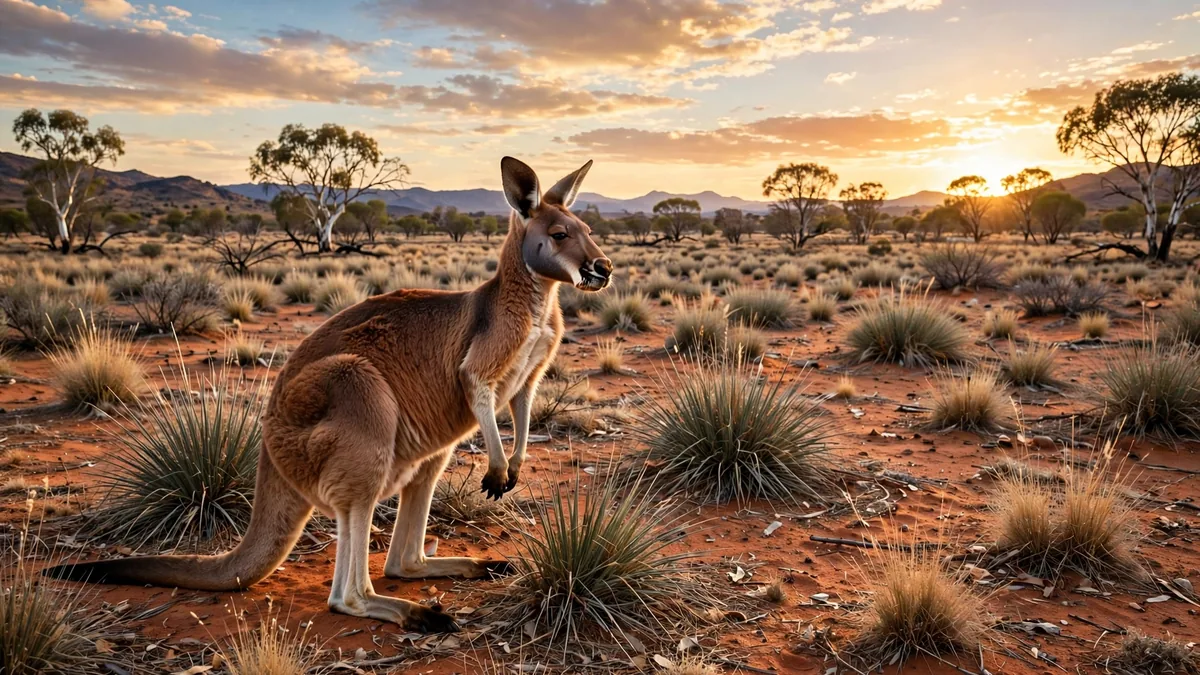
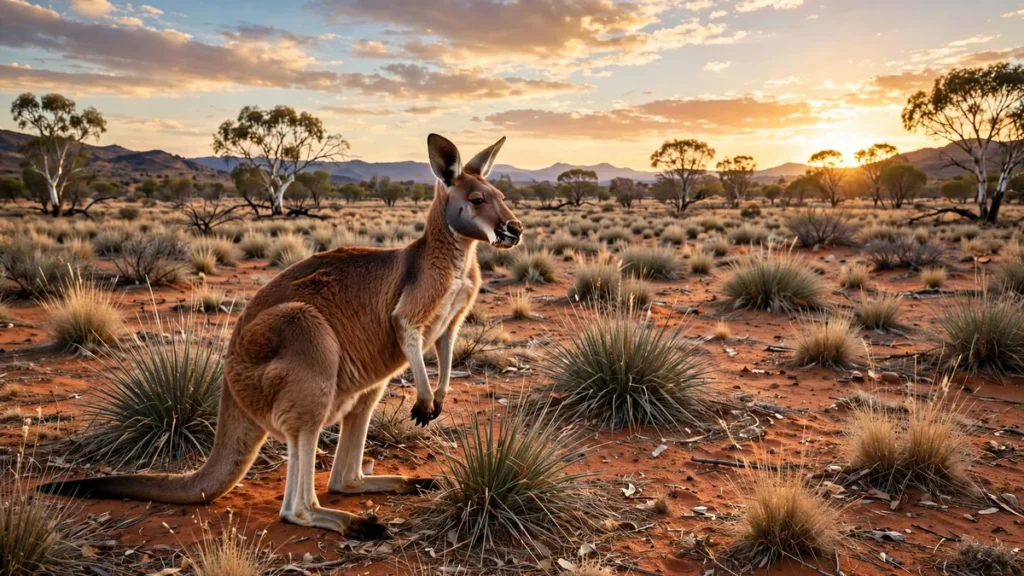
The red kangaroo is Australia’s largest land animal and the largest marsupial in the world, living in the dry country of the interior. Kangaroos are most often seen at dawn and dusk, when they graze in the open, and they are best looked for with a local guide in the outback. The eastern grey kangaroo is commoner and easier to see, grazing on the grasslands of the east coast.
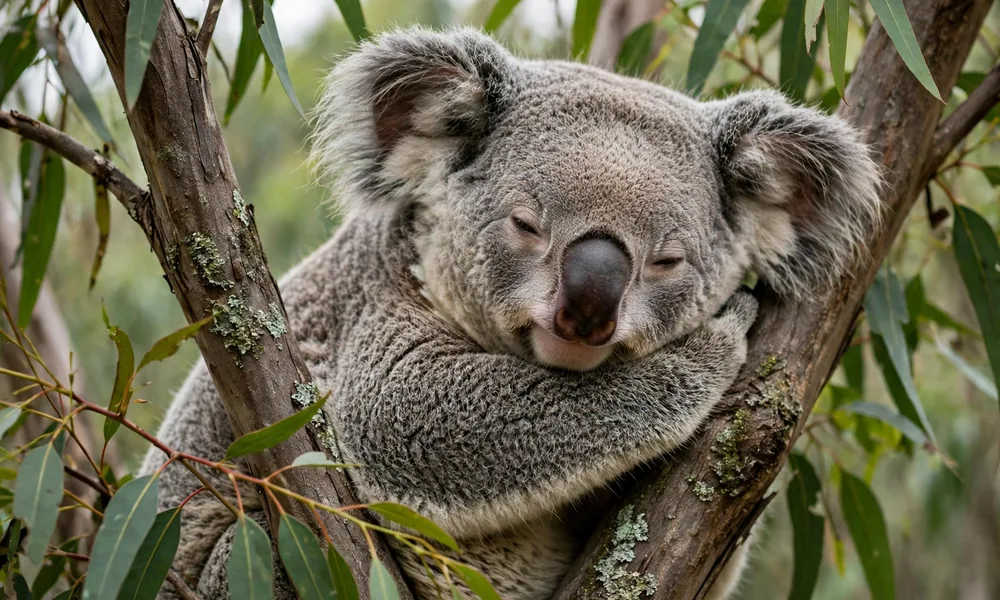
The koala is the animal most visitors want to see, and it lives in the eucalyptus forests of Queensland, New South Wales, Victoria and South Australia. Koalas sleep for most of the day and feed at night, so look up into the forks of gum trees in the early morning. Their numbers have fallen sharply in the eastern states, where they are listed as endangered.
Wombats live in burrows in the forests and grasslands of the south-east and Tasmania, and they are most active at night. The echidna, a spiny egg-laying mammal, is found across the whole country, from the deserts to the suburbs, and it is one of only two monotremes left in the world. The platypus, the other monotreme, swims in the clear rivers of the east and Tasmania, and it is shy and best seen at dawn or dusk from a quiet riverbank.
Among the predators, the dingo hunts kangaroos and wallabies across much of the country, and it is most often seen in the outback and on Fraser Island. The Tasmanian devil lives only in Tasmania, and it is a nocturnal scavenger whose numbers have been reduced by a contagious facial tumour disease. The quokka, a small wallaby, lives on Rottnest Island off Perth, and the numbat, a rare termite-eating marsupial, survives only in small pockets of Western Australia.
One animal should not be on any visitor’s list: the Tasmanian tiger, or thylacine. It was once the great marsupial predator of Tasmania, but the last known animal died in 1936, and the species is extinct. No honest guide can promise a sighting.
Birds of Australia
The emu is one of Australia’s best-known birds, a tall flightless bird that strides across the open country of the interior. It is the second largest bird in the world, and it is most often seen in the outback and on the grasslands of the south-east.
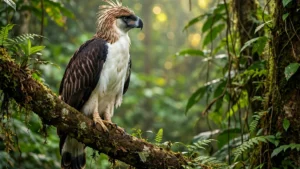
The laughing kookaburra is one of the most familiar sounds of the Australian bush, calling at dawn and dusk from the gum trees. The sulphur-crested cockatoo is loud, white and hard to miss, and rainbow lorikeets flash through the gardens and forests of the east coast in noisy flocks. The cassowary, a tall flightless bird with a bright blue neck and a helmet-like casque, lives in the rainforests of far north Queensland, and it is endangered and best watched from a distance.
Australia is one of the best birdwatching countries in the southern hemisphere. In spring and summer, huge numbers of seabirds gather on the coasts, and the wetlands fill with ducks, swans, pelicans and waders. The little penguins of Phillip Island come ashore each evening at dusk.
Rivers, coasts and smaller wildlife
The rivers of Tasmania are the best place to see the platypus. It feeds on the riverbed at dawn and dusk, and the surrounding woodland holds wombats, wallabies and echidnas. It is one of the most unusual animals in the world, and it is protected wherever it lives.
Along the northern coast, the saltwater crocodile is the great predator of the rivers and estuaries, and it should always be watched from a safe distance. Like the coastal animals of other countries, the sea turtles, dugongs and reef fish of Australia’s warm waters depend on clean, undisturbed seas. The Great Barrier Reef holds clownfish, green turtles, reef sharks and giant clams, and Ningaloo Reef off Western Australia is one of the best places in the world to swim with whale sharks.
Smaller mammals are everywhere in Australia, though they are often overlooked. Wallabies, possums and bandicoots live in the forests and farmland, and the sugar glider glides between the gum trees at night. Like the desert animals of other countries, the red kangaroos, bilbies and thorny devils of the Australian outback depend on a harsh landscape that few other animals can use.
| Species | Where to look | Best season | How likely is a sighting |
|---|---|---|---|
| Red kangaroo | Outback of central Australia | Autumn and spring, dawn and dusk | Good with a guide |
| Koala | Eucalyptus forests of the east coast | Year-round, early morning | Fair with a guide |
| Platypus | Clear rivers of Tasmania and the east | Spring and summer, dawn and dusk | Low, needs patience |
| Tasmanian devil | Tasmania only | Year-round, at night | Low, best on a night tour |
| Quokka | Rottnest Island off Perth | Year-round | Good |
| Whale shark | Ningaloo Reef, Western Australia | March to July | Good on a guided tour |
| Little penguin | Phillip Island, Victoria | Year-round, at dusk | Good |
Best seasons for wildlife watching
Autumn is the finest season. The heat of summer has eased, the days are clear and mild, and kangaroos, wallabies and wombats are active in the open. Southern right whales gather off the southern coast from June to September.
Winter is the easiest season for whale watching and for the outback, when the days are warm and the nights are cool. The whale sharks gather at Ningaloo Reef from March to July, and the sea turtles nest on the beaches of Queensland from November to March.
Spring brings the wildflowers of Western Australia, when the bush is at its most colourful and the birds are at their most active. Summer is the hardest season for watching, but the rainforest birds of the north are at their best.
Staying safe around Australia’s wildlife
Australia’s large animals are usually calm, but they deserve respect. Keep your distance from kangaroos, emus and dingoes, never approach a kangaroo with young, and never try to feed or touch any wild animal. If you meet a kangaroo, back away slowly and never turn and run. Dingoes on the beach are a real danger, especially to children, so keep children close.
On the coast, keep away from crocodiles in the rivers and estuaries of the north, swim only where the signs say it is safe, and watch for box jellyfish in the northern seas from November to May. In the bush, carry water and sun protection in summer, and tell someone where you are going before a long walk.
Australia wildlife watching checklist
- Book a local guide for kangaroos, platypus and Tasmanian devils — they know where the animals are.
- Go out at dawn or dusk for mammals, and plan reef, whale shark and turtle trips for March to July and November to March.
- Bring binoculars, warm layers and waterproofs, even in summer — outback nights are cold and mountain weather changes fast.
- Keep at least 50 metres from nesting birds and cassowaries, and far more from kangaroos, dingoes and crocodiles.
- Never feed wild animals, and never use food or calls to lure them closer for a photograph.
- On turtle beaches, keep away from marked nests and avoid bright lights at night during the nesting season.
- Leave no trace: take your rubbish home and keep to marked paths in sensitive habitats.
Frequently asked questions
What is the most famous animal in Australia?
The red kangaroo is the most famous large mammal, and the koala is the best-loved animal of all. The platypus and the Tasmanian devil are the most famous of Australia’s unusual species.
Are there kangaroos and koalas all over Australia?
Kangaroos live across most of the country, from the outback to the grasslands of the east, but koalas live only in the eucalyptus forests of the eastern states. Both are easiest to see at dawn and dusk.
Can I see a Tasmanian tiger in Australia?
No. The Tasmanian tiger is extinct, and the last known animal died in 1936. No honest guide or tour can promise a sighting. Look for the Tasmanian devil, the quokka and the platypus instead.
When is the best time to see whale sharks at Ningaloo Reef?
March to July is the best time, when the whale sharks gather at Ningaloo Reef off Western Australia. The best way to see them is on a guided boat tour.
Can I see sea turtles on the Great Barrier Reef?
Yes. Green turtles and loggerhead turtles live on the Great Barrier Reef all year, and they nest on the beaches of Queensland from November to March. The best way to see them is on a guided reef trip.
How is this guide different from the Malaysia animals guide?
This guide covers Australia, a large island continent with marsupials, monotremes and reef wildlife found nowhere else, from red kangaroos and koalas to platypus and whale sharks. The Malaysia animals guide covers a tropical country of South-East Asia, with a different mix of species and far more rainforest wildlife.
Conclusion
Australia’s wildlife rewards patience: red kangaroos in the outback at dawn, koalas in the gum trees of the east, platypus in the rivers of Tasmania and whale sharks at Ningaloo Reef are all within reach if you plan around the seasons.
The next step is to pick one species and one season — a spring birding trip to the rainforests of far north Queensland, a winter whale shark tour at Ningaloo Reef, or an autumn visit to the outback for the red kangaroos.