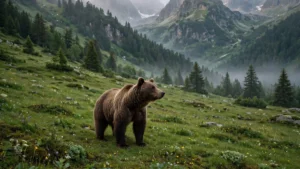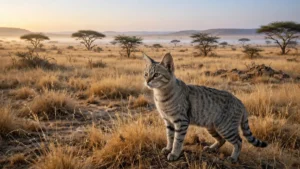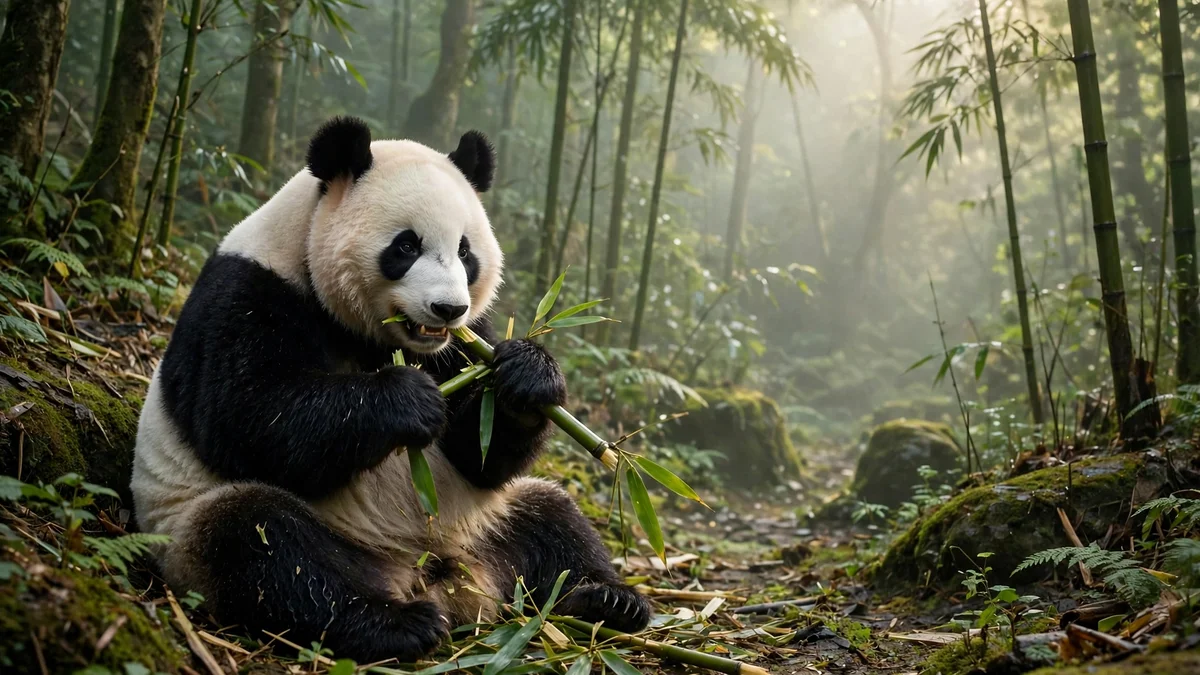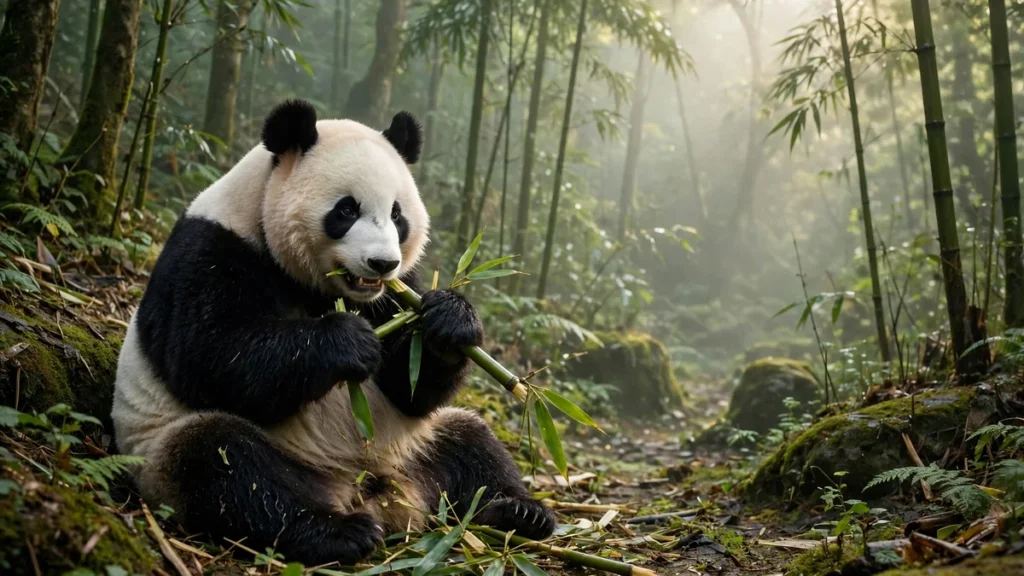
China animals include giant pandas in the bamboo forests of Sichuan, snow leopards on the high plateaus of the west, and crested ibis in the wetlands of Shaanxi. If you are wondering which animals live in China and where to see them, the short answer is this: the giant panda lives in the mountain forests of central China, the snow leopard lives on the high plateaus of Tibet and Xinjiang, and the golden snub-nosed monkey lives in the temperate forests of the central mountains.
China holds some of the finest wildlife watching in Asia, because so much of the country is mountain, forest, wetland and desert. This guide covers the species you are most likely to meet, where each one lives and the best seasons to see them.
Key takeaways
- China’s most iconic animals are the giant panda, snow leopard, golden snub-nosed monkey, crested ibis, red panda and Tibetan antelope.
- Chengdu and the reserves of Sichuan are the best places to see giant pandas, both in the wild and in breeding centres.
- The snow leopard lives on the high plateaus of Tibet, Qinghai and Xinjiang, and it is one of the rarest big cats in the world.
- The crested ibis was once thought extinct, and it now survives in the wetlands of Shaanxi, where it is protected.
- Spring and autumn are the best seasons for most wildlife watching, and the high plateau is best visited in summer.
What makes China’s wildlife special
China stretches from the high plateaus of Tibet in the west to the tropical forests of Yunnan in the south and the cold forests of Manchuria in the north-east. That range covers the highest mountains on Earth, vast deserts, temperate forests, bamboo forests, wetlands and long coastlines, so the country holds species from several habitats at once.
The giant panda is the heart of China’s wildlife. It is the national animal, and it lives only in the mountain forests of central China, feeding almost entirely on bamboo. The snow leopard, the ghost of the mountains, lives on the high plateaus of the west, and the golden snub-nosed monkey, with its bright blue face and golden fur, lives in the temperate forests of the central mountains.
What sets China apart is the combination of rare mammals and rich birdlife. The country holds more than 1,400 bird species, and its wetlands, forests and mountains are among the best birdwatching places in Asia. Few countries hold pandas, snow leopards and crested ibis within a single country, and fewer still hold them alongside such a variety of landscapes.
The great mammals of China
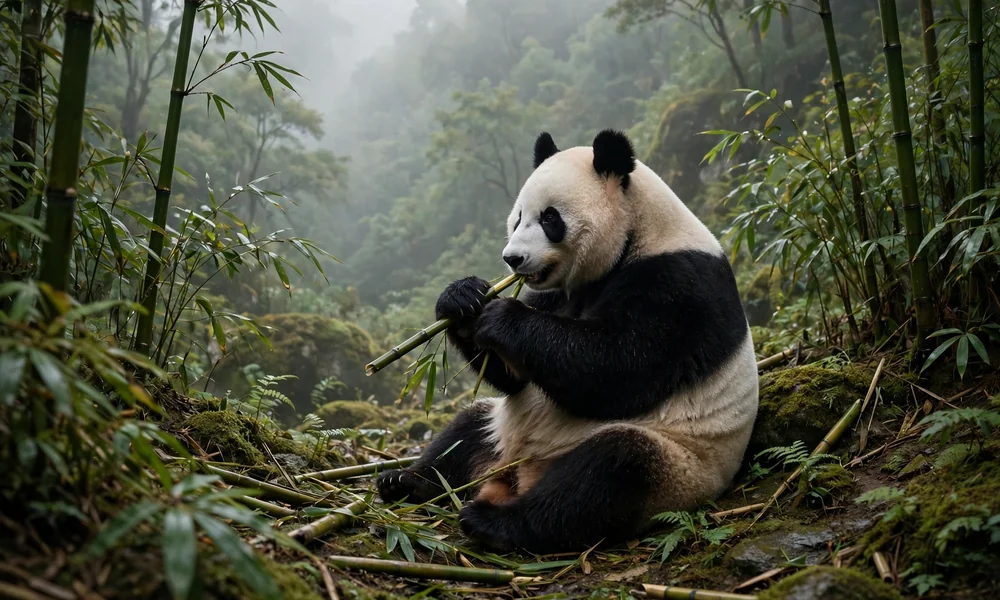
The giant panda is the animal most visitors hope to see, and Sichuan is the best place to find it. Pandas live in the bamboo forests of the Qinling and Min mountains, and they are most often seen in the breeding centres around Chengdu, where they are studied and protected. Wild pandas are shy and hard to find, so a visit to a reserve is the best way to see one.
The snow leopard is the rarest of China’s great mammals, and it lives on the high plateaus of Tibet, Qinghai and Xinjiang. It is a shy, solitary hunter, and it is almost never seen by visitors, so a sighting is a matter of luck and a good guide. The golden snub-nosed monkey lives in the temperate forests of the central mountains, in large troops that move through the trees, and it is one of the most beautiful primates in the world.
The red panda, a small arboreal mammal with reddish fur and a ringed tail, lives in the temperate forests of Yunnan and Sichuan, and it is best seen in the early morning, when it feeds in the trees. The Tibetan antelope, or chiru, lives on the high plateau of Tibet, migrating across the open grassland in large herds.
Smaller mammals live everywhere too: takin, serow and goral in the mountains, Pallas’s cat on the high steppe, and the Chinese pangolin in the forests of the south. Like the forest animals of other countries, many Chinese species depend on large, quiet woodland, and the bamboo forests of Sichuan and the temperate forests of the central mountains are among the wildest corners of the country.
Birds of China
The crested ibis is the most famous bird in China. It was once thought extinct, with only seven birds left in the wild in 1981, and it now survives in the wetlands of Shaanxi, where it is protected and studied. The birds are white with pink faces and long curved bills, and they feed in the shallow wetlands and rice paddies.
The red-crowned crane, the tallest crane in the world, breeds in the wetlands of the north-east and winters in the south, and the black-necked crane breeds on the high plateau of Tibet. The golden pheasant, with its bright yellow crest and red body, lives in the forests of central China, and it is one of the most beautiful birds in the world.
China’s position on the migration routes between Siberia and South-East Asia makes it one of the best birdwatching countries in Asia. In winter, huge numbers of ducks, geese, cranes and shorebirds arrive in the wetlands and coastal lagoons, and the forests hold pheasants, laughingthrushes, sunbirds and woodpeckers.
Rivers, coasts and smaller wildlife
The Yangtze River is the great waterway of China, and it holds its own wildlife. The Yangtze finless porpoise, a small river dolphin, swims in the murky waters of the middle Yangtze, and it is critically endangered. The Chinese alligator, a small alligator found only in the Yangtze valley, lives in the wetlands and ponds of Anhui province.
Along the coasts, the mudflats of the Yellow Sea hold huge numbers of migratory shorebirds, and the reefs off Hainan hold reef fish, turtles and dolphins. The giant salamander, the largest amphibian in the world, lives in the mountain streams of central China, and it is critically endangered.
Smaller animals are everywhere in China, though they are often overlooked. The Chinese pangolin, the clouded leopard and the Asiatic black bear live in the forests of the south, and the frogs and dragonflies of the monsoon are at their busiest after rain. Like the wetland animals of other countries, the wildlife of China’s marshes depends on clean, undisturbed water.
| Species | Where to look | Best season | How likely is a sighting |
|---|---|---|---|
| Giant panda | Chengdu reserves and Sichuan bamboo forests | Spring and autumn | Good at a breeding centre |
| Snow leopard | High plateaus of Tibet, Qinghai and Xinjiang | Winter, at dawn and dusk | Very low |
| Golden snub-nosed monkey | Temperate forests of the central mountains | Spring and autumn | Fair with a guide |
| Crested ibis | Wetlands of Shaanxi | Spring and autumn | Fair with a guide |
| Red panda | Temperate forests of Yunnan and Sichuan | Spring and autumn, early morning | Low |
| Tibetan antelope | High plateau of Tibet | Summer | Fair with a guide |
| Red-crowned crane | Wetlands of the north-east and the south | Winter | Good in season |
Best seasons for wildlife watching
Spring is the finest season. The forests turn green, the birds return from the south, and the pandas are active in the bamboo forests. The high plateau is still cold, but the days are clear and the animals are easy to see.
Autumn is the easiest season for travel, when the weather is cool and clear, the forests turn gold, and the migratory birds pass through the wetlands. The giant pandas are at their most active in the autumn, and the red pandas feed in the trees.
Summer is the best time for the high plateau, when the snow leopards are most active and the Tibetan antelope migrate across the grassland. Winter is the quiet season, but the cranes gather in the wetlands of the south, and the forests are at their most peaceful.
Staying safe around China’s wildlife
China’s large animals are usually calm, but they deserve respect. Keep your distance from pandas, snow leopards, takin and wild pigs, never approach a panda with young, and never try to feed or touch any wild animal. If you meet a wild pig, back away slowly and give it space.
In the mountains, carry warm layers and waterproofs, even in summer, and tell someone where you are going before a long walk. The high plateau is cold and the air is thin, so take time to acclimatise. On the wetlands, keep away from nesting birds and never disturb a crane or an ibis.
China wildlife watching checklist
- Book a local guide for pandas, snow leopards and crested ibis — they know where the animals are.
- Go out at dawn for pandas and red pandas, and plan wetland trips for spring and autumn.
- Bring binoculars, warm layers and waterproofs — the mountains are cold and the weather changes fast.
- Keep at least 50 metres from nesting birds and pandas, and far more from snow leopards and wild pigs.
- Never feed wild animals, and never use food or calls to lure them closer for a photograph.
- On the wetlands, keep away from marked nests and avoid bright lights at night during the nesting season.
- Leave no trace: take your rubbish home and keep to marked paths in sensitive habitats.
Frequently asked questions
What is the most famous animal in China?
The giant panda is the most famous, and China is the only place in the world where it lives in the wild. The snow leopard is the rarest of China’s great mammals, and the crested ibis is the most famous bird.
Where is the best place to see a giant panda in China?
Chengdu and the reserves of Sichuan are the best places, both in the wild and in the breeding centres around the city. The best time is spring and autumn, when the pandas are most active.
Can I see a snow leopard in China?
It is possible, but not likely. The snow leopard is shy, solitary and wide-ranging, and it lives on the high plateaus of Tibet, Qinghai and Xinjiang. A sighting takes luck, patience and a good guide.
When is the best time to see crested ibis in China?
Spring and autumn are the best times, when the ibis feed in the wetlands and rice paddies of Shaanxi. Go with a local guide, and keep a respectful distance.
Can I see red pandas in China?
Yes. Red pandas live in the temperate forests of Yunnan and Sichuan, and the best time to see them is spring and autumn, in the early morning, when they feed in the trees.
How is this guide different from the India animals guide?
This guide covers China, a large country with giant pandas, snow leopards, golden snub-nosed monkeys and crested ibis in mountain forests, high plateaus and wetlands, while the India animals guide covers a tropical country with Bengal tigers, Asiatic lions, Indian elephants and one-horned rhinos. The two countries share the red panda and the snow leopard, but China’s pandas and crested ibis are found in neither India nor Madagascar.
Conclusion
China’s wildlife rewards patience: giant pandas in the bamboo forests of Sichuan, snow leopards on the high plateaus of the west, crested ibis in the wetlands of Shaanxi and red pandas in the temperate forests of Yunnan are all within reach if you plan around the seasons.
The next step is to pick one species and one season — a spring trip to Chengdu for the pandas, a summer visit to the high plateau for the snow leopards, or an autumn birding trip to the wetlands of Shaanxi — and plan your visit around it.