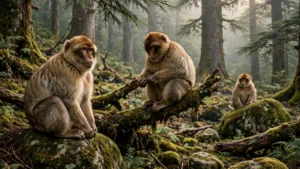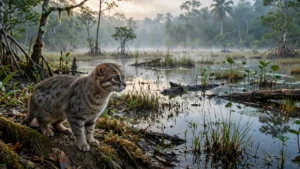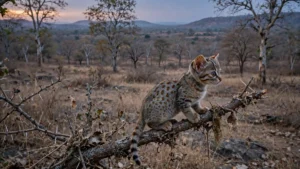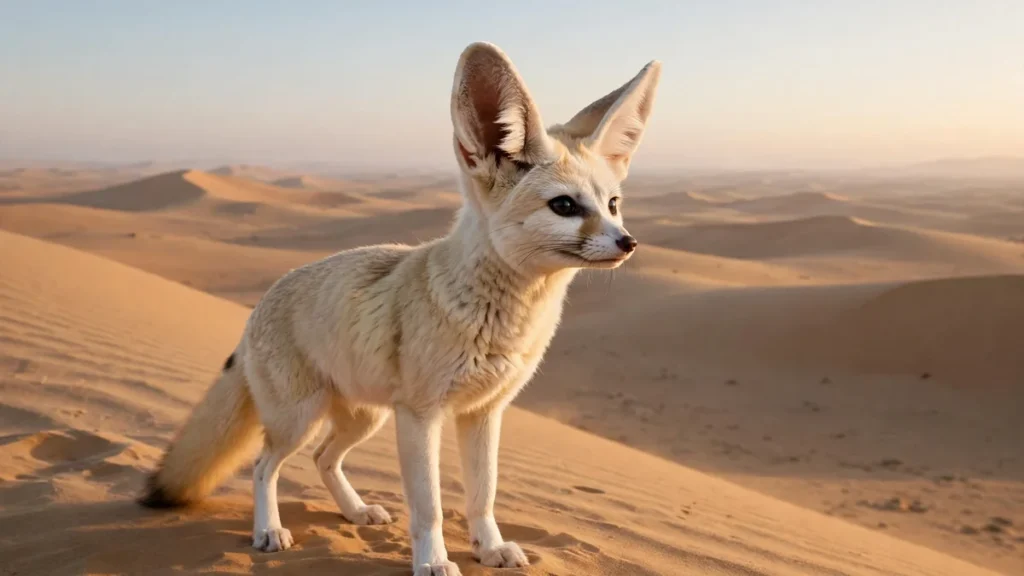
Egypt animals range from fennec foxes and sand cats in the Western Desert to dugongs and sea turtles in the Red Sea, and the country holds far more wildlife than most visitors expect. If you are wondering which animals live in Egypt and where to see them, the short answer is this: desert foxes, gazelles and ibex live in the deserts and mountains, flamingos and herons fill the Nile Delta wetlands, and dugongs, turtles and reef fish live along the Red Sea coast.
Egypt is a country of three worlds meeting in one place: the Nile valley, the great deserts and the Red Sea coast. This guide covers the species you are most likely to meet and where each one lives.
Key takeaways
- Egypt’s iconic land animals are the fennec fox, sand cat, caracal, striped hyena, dorcas gazelle, Nubian ibex and Barbary sheep.
- The Red Sea coast is the best place for marine wildlife: dugongs, green turtles and reef fish.
- The Nile Delta wetlands hold flamingos, herons and ducks, and Egypt sits on a great bird migration route between Europe and Africa.
- Hippos and Nile crocodiles are essentially gone from Egypt; crocodiles survive only at Lake Nasser in the far south.
- Spring and autumn are best for birdwatching, and October to April is the best time for desert wildlife.
What makes Egypt’s wildlife special
Egypt is shaped by three very different landscapes, and its wildlife reflects all three. The Nile runs the length of the country, a green ribbon of river, farmland and wetlands cutting through desert. Vast deserts lie to the east and west, and the Red Sea coast holds coral reefs that rank among the richest in the world.
That meeting of river, desert and sea is what makes Egypt’s wildlife special. One trip can take you from flamingos in the Delta to ibex in Sinai and dugongs off the Red Sea coast.
Honesty matters here, though. Egypt has very few endemic species, animals found nowhere else in the world, and its large wildlife is far less abundant than it once was. Hippos disappeared from Egypt long ago, and Nile crocodiles survive only at Lake Nasser in the far south, behind the Aswan High Dam. What Egypt offers instead is desert specialists, superb birdlife and a world-class marine world.
The great mammals of Egypt
The fennec fox is the desert animal most visitors hope to see, a tiny sand-coloured fox with enormous ears that lose heat and listen for prey moving under the sand. Fennec foxes live in the sandy deserts of the west and south, including the area around Siwa Oasis, and they are most active at night. The red fox is larger and far more widespread, living in the Nile valley, the deserts and even on the edges of towns.

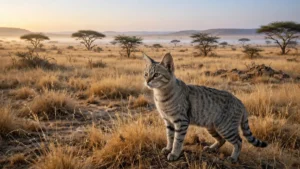
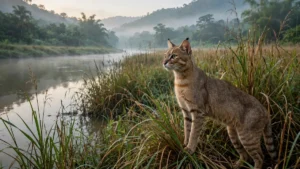
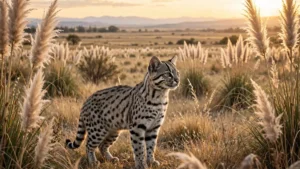
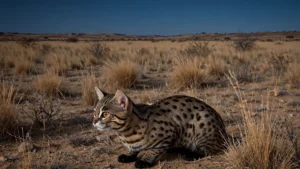
The sand cat is one of the desert’s hardest animals to see, a small, pale wild cat that hunts gerbils and lizards at night and hides in burrows by day. The caracal is larger, a long-legged cat with black ear tufts that hunts birds and small mammals in the deserts and the Sinai mountains. Both are shy and strictly nocturnal, so a sighting needs luck, patience and a good local guide.
The striped hyena is Egypt’s largest land predator, a nocturnal scavenger that still survives in the deserts and the mountains of Sinai, though it is rare and avoids people. Dorcas gazelles live in the open desert, graceful and fast, and they are best looked for at dawn in the Eastern Desert and around the oases. The Nubian ibex climbs the steep rocky slopes of Sinai, and Barbary sheep live in the rocky hills of the Eastern Desert and the south.
Like the predators of other deserts, these animals are built for heat, thirst and long nights. They need little water, hunt or graze in the cool hours, and rest through the heat of the day. Many of them are nocturnal animals, which is why desert wildlife watching works best at dawn, at dusk and after dark.
Birds of Egypt
The Egyptian vulture is one of the country’s most distinctive birds, a small white vulture with a yellow face that soars over the deserts and the Nile valley. It is a long-distance migrant, and Egypt lies on its route between its breeding grounds and its wintering grounds further south.
That crossroads is most obvious in spring and autumn, when the white stork migration passes through Egypt in huge numbers. Storks, cranes, pelicans and birds of prey follow the Nile valley and the Red Sea coast on their way between Europe and Africa, and the bottlenecks at the Gulf of Suez and Sinai are among the great migration spectacles of the world. Flamingos gather in the shallow lagoons of the Nile Delta and along the Red Sea coast, turning the water pink at dawn.
The Nile Delta wetlands are the best birdwatching sites in the country. Herons, egrets, ibis, ducks and waders fill the lakes and reedbeds, and Lake Burullus and Lake Manzala are among the most important wetlands in the whole Mediterranean region. In the desert, sandgrouse, larks and wheatears live in the open sand, and eagles and vultures soar over the mountains of Sinai.
Rivers, coasts and smaller wildlife
The Red Sea is Egypt’s richest wildlife habitat. Dugongs, gentle seagrass-eating mammals, graze in the shallow bays of the south, and the waters around Marsa Alam and Wadi El Gemal are among the best places in the world to see them. Green turtles and hawksbill turtles feed on the reefs, and Ras Mohammed, at the tip of Sinai, holds coral gardens crowded with reef fish, rays and the occasional reef shark.
Back on land, the Nile Delta wetlands hold far more than birds. Frogs, water snakes and the Egyptian mongoose live in the reedbeds and canals, and the lakes are nurseries for fish that feed both wildlife and people. In a dry country, every lake, canal and oasis is a magnet for life.
The deserts hold their own smaller wildlife. The Egyptian spiny-tailed lizard basks on rocks in the Eastern Desert, geckos hunt insects around the oases at night, and horned vipers and sand snakes live in the dunes. Like the wetland animals of the Delta, these desert reptiles are specialists, each fitted to a habitat that would kill most other animals.
| Species | Where to look | Best season | How likely is a sighting |
|---|---|---|---|
| Fennec fox | Western Desert and Siwa Oasis, at night | October to April | Low, needs a guide |
| Nubian ibex | Rocky mountains of Sinai | October to April | Fair with a guide |
| Dorcas gazelle | Eastern Desert, at dawn | October to April, at dawn | Fair |
| Dugong | Seagrass bays near Marsa Alam and Wadi El Gemal | All year, calm seas | Fair from a boat |
| Green turtle | Red Sea reefs and Ras Mohammed | All year | Good while snorkelling |
| Flamingo | Nile Delta lagoons and Red Sea coast | Winter and spring | Good in season |
| Egyptian vulture | Deserts, Nile valley and Sinai | Spring and autumn migration | Fair |
Best seasons for wildlife watching
Spring, from March to May, is the finest season for birds. The white storks and other migrants pass through in large numbers, the Delta wetlands are full of waders and ducks, and the desert is still cool enough for comfortable walking. The Red Sea is also at its calmest and clearest, so snorkelling and diving are at their best.
Summer, from June to August, is the hardest season on land. The desert heat is extreme, and most land animals are active only at night, so desert trips are best kept short and close to water and shade. The Red Sea, by contrast, is at its warmest, and turtles, reef fish and dugongs are all still there to be seen from a boat or from the shore.
Autumn, from September to November, brings the return migration, with storks and raptors passing south again, and the desert cooling enough for longer trips. Winter, from December to February, is the best season for desert mammals and for flamingos in the Delta, with cool days and the clearest light of the year. The cooler months from October to April are, overall, the best time for wildlife watching in Egypt.
Staying safe around Egypt’s wildlife
Egypt’s wildlife is not generally dangerous, but the desert and the sea both demand respect. Keep your distance from hyenas, caracals and any wild animal with young, never try to feed or touch a wild animal, and never walk in the desert without a local guide, water and a plan. On the coast, do not touch coral or chase turtles and dugongs, and keep clear of sea urchins, stonefish and lionfish spines. Snakes and scorpions live in the desert, so wear closed shoes, watch where you put your hands and feet, and shake out shoes and clothes left on the ground overnight.
Egypt wildlife watching checklist
- Plan desert trips for October to April with a local guide who knows where the foxes, gazelles and ibex are.
- Go out at dawn or dusk for mammals, and plan Delta birding for winter and spring.
- Bring binoculars, a hat, sunscreen and far more water than you think you will need.
- Book a boat trip from Marsa Alam for dugongs, and snorkel at Ras Mohammed for turtles and reef fish.
- Keep your distance, never feed wild animals, and never lure them closer for a photograph.
- Wear closed shoes in the desert, shake out shoes left overnight, and watch where you put your hands.
- Leave no trace: take your rubbish home and stay on marked paths.
Frequently asked questions
What is the most famous animal in Egypt?
The fennec fox is the most famous desert animal, and the dugong is the most famous marine animal. The Egyptian vulture, dorcas gazelle and Nubian ibex are the other animals most visitors hope to see.
Are there crocodiles in Egypt?
Almost none. Nile crocodiles are essentially gone from Egypt, surviving only at Lake Nasser in the far south. You will not meet one on a Nile cruise or in the Delta.
Are there hippos in Egypt?
No. Hippos disappeared from Egypt long ago. The hippos of the Nile today live much further south, in Sudan and beyond.
Where is the best place to see a dugong in Egypt?
The seagrass bays near Marsa Alam and Wadi El Gemal are among the best places in the world to see a dugong. Go by boat with a local guide on a calm day, and keep your distance.
When is the best time to see wildlife in Egypt?
October to April is best overall: winter for desert mammals and flamingos, spring and autumn for migrating birds. The Red Sea is good all year.
How is this guide different from the Turkey animals guide?
This guide covers Egypt’s desert, Nile and Red Sea wildlife — fennec foxes, dugongs and flamingos — while the Turkey animals guide covers Anatolian forests, mountains and the Mediterranean coast, from brown bears and wolves to white storks and loggerhead turtles. Both countries sit where continents meet, but Egypt’s wildlife is built around heat, sand and coral reefs, while Turkey’s is built around forests, mountains and rivers.
Conclusion
Egypt’s wildlife rewards patience: fennec foxes in the Western Desert, ibex in Sinai, flamingos in the Nile Delta and dugongs in the Red Sea are all within reach if you pick the right season and go with a local guide.
The next step is to pick one world and one season — a dawn desert trip from Siwa Oasis, a winter birding trip to the Delta, or a spring boat trip from Marsa Alam — and plan your visit around it.