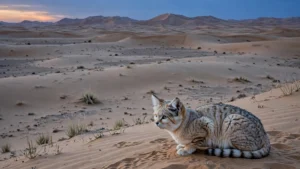
Turkey animals range from brown bears in the forests of the north to striped hyenas in the dry south-east, and the country holds some of the most varied wildlife in Europe and the Middle East. If you are wondering which animals live in Turkey and where to see them, the short answer is this: bears, wolves, lynx, wild boar and deer roam the mountains and forests, white storks and pelicans fill the wetlands, flamingos gather on Lake Tuz, and loggerhead turtles nest on the Mediterranean beaches.
Turkey is one of the best places in the region to watch wildlife, because so much of the country is still mountain, forest, steppe and wetland. This guide covers the species you are most likely to meet, where each one lives and the best seasons to see them.
Key takeaways
- Turkey’s most iconic land animals are the brown bear, grey wolf, Eurasian lynx, wild boar, red deer, roe deer and striped hyena.
- The Anatolian leopard is essentially gone from the wild in Turkey, so no honest guide should promise a sighting.
- White storks, pelicans and flamingos make Turkey one of the best birdwatching countries in the region, especially at Lake Tuz and the Kizilirmak Delta.
- Loggerhead turtles nest on the Mediterranean beaches of the south coast in summer, and the beaches are protected during the season.
- Spring and autumn are the best seasons for most wildlife watching, and early morning and late evening are the best times of day for large mammals.
What makes Turkey’s wildlife special
Turkey sits at the meeting point of Europe, Asia and the Middle East, and its wildlife reflects all three. Species from the temperate forests of Europe, the steppes of Central Asia and the dry lands of the Middle East all meet here, between the Black Sea coast in the north and the Mediterranean in the south.
Honesty matters here: Turkey has very few true endemics, and no large mammal lives only in Turkey. What it has instead is an unusually wide mix of species living side by side, from bears and wolves in the northern mountains to hyenas and caracals in the warmer south-east.
That variety comes from the landscape itself. Turkey holds high mountains, deep forests, wide steppes, great wetlands and two long sea coasts, so animals from many different habitats can live within one country. Like the forest animals of northern Europe, many Turkish species depend on large, quiet woodland, and the Kackar Mountains in the north-east and the Taurus Mountains in the south are among the wildest corners of the country.
The great mammals of Turkey
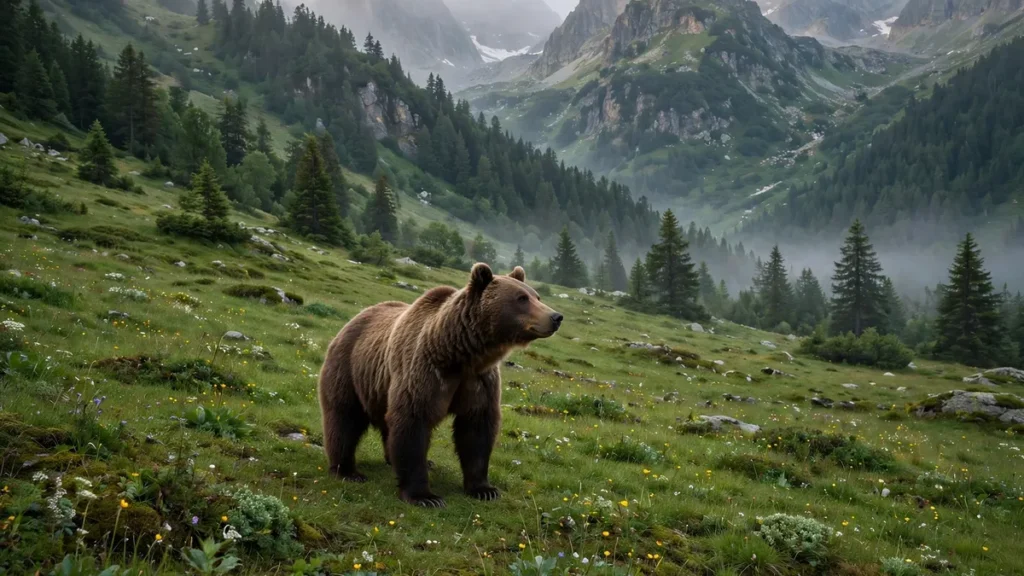
The brown bear is Turkey’s largest land predator, living in the forests of the Kackar Mountains and the Black Sea region, and in the mountains of the east. Bears are most often seen in spring, when they leave their dens and feed in the meadows, and in autumn, when they feed hard on nuts and fruit before the winter. They are shy and avoid people, and they are best looked for with a local guide.
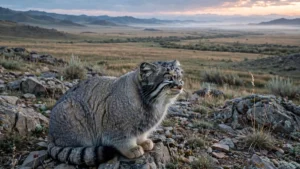
Among the predators, the grey wolf lives in the mountains and forests across much of the country, hunting deer and wild boar in packs. The Eurasian lynx is rarer and shyer, hunting roe deer and hares in the forests of the north and east. Wild boar are widespread and most active at dusk.
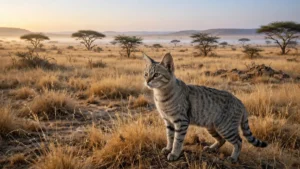
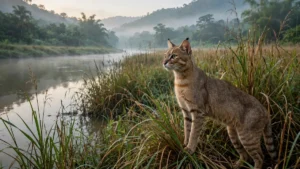
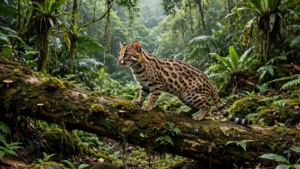
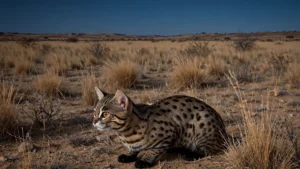
Red deer live in the forests of the north and west, and roe deer are common in woodland and farmland edges across the country. The deer rut in autumn is one of the best times to see red deer stags, when they are at their most visible and vocal. In the dry south-east, the striped hyena still survives in small numbers, and the caracal, a fast wild cat with long ear tufts, hunts in the scrub and rocky country.
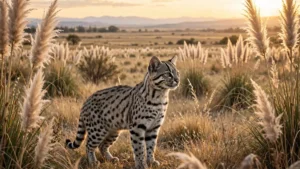
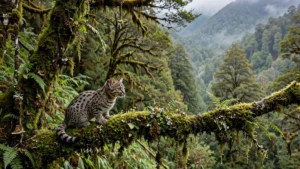
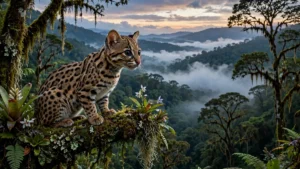
One animal should not be on any visitor’s list: the Anatolian leopard. It was once the great cat of Turkey’s mountains, but it is essentially gone from the wild, with only the rarest unconfirmed reports in recent years. No honest guide can promise a sighting. The leopard’s disappearance is a reminder of how much of Turkey’s wildlife depends on large, undisturbed habitat.
Birds of Turkey
The white stork is one of Turkey’s best-loved birds, nesting on rooftops, chimneys and poles in villages across the country. The storks arrive in spring from Africa, raise their young through the summer, and leave again in autumn. Their return each spring is one of the great moments of the Turkish year.
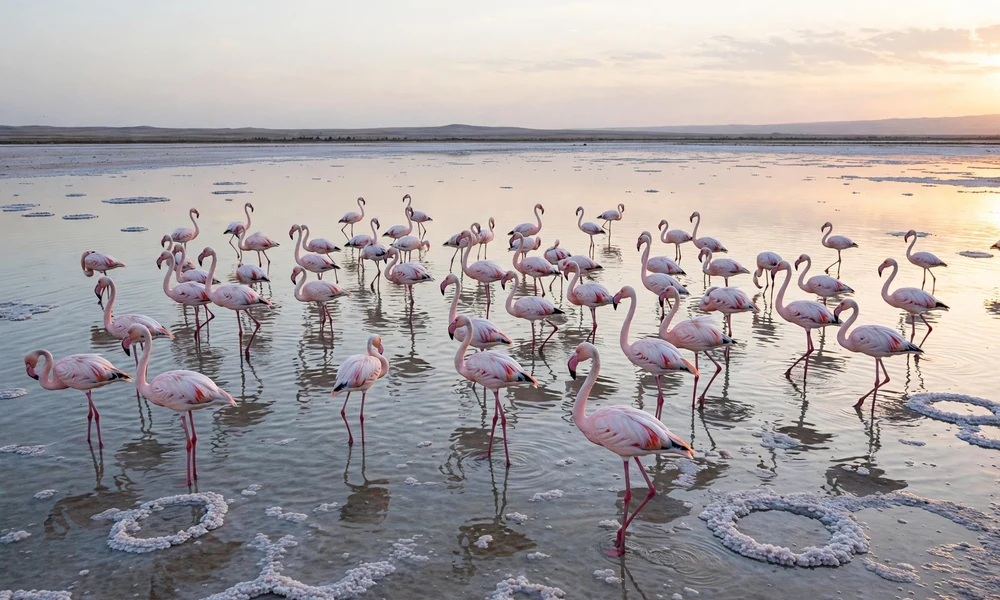
The Dalmatian pelican is one of the largest flying birds in the world, and Turkey’s wetlands are among its most important breeding places. The great white pelican passes through in large numbers too. Flamingos gather in large flocks on Lake Tuz, the great salt lake of central Turkey, turning the shallow water into one of the country’s most striking wildlife sights.
Turkey’s position on the migration routes between Europe and Africa makes it one of the best birdwatching countries in the region. In spring and autumn, huge numbers of birds pass through, from storks and pelicans to eagles, buzzards and cranes. The Kizilirmak Delta on the Black Sea coast is one of the finest birdwatching sites in the country, with waders, ducks, herons and birds of prey.
Rivers, coasts and smaller wildlife
Turkey’s rivers and wetlands hold their own wildlife, and the Kizilirmak Delta is the best place to see it. The delta’s marshes, reed beds and lagoons hold herons, egrets, ducks and waders, and the surrounding woodland holds deer and wild boar. It is one of the largest wetlands in Turkey, and it is protected as a place of great importance for birds.
Along the Mediterranean coast, the loggerhead turtle comes ashore to nest on the sandy beaches in summer. The females lay their eggs at night, and the hatchlings make their way to the sea a few weeks later. The nesting beaches are protected during the season, and visitors are asked to keep away from marked nests and to avoid bright lights at night.
Smaller mammals are everywhere in Turkey, though they are often overlooked. Red foxes, badgers, pine martens and jackals live in the forests and farmland, and the Anatolian ground squirrel is common on the steppes of central Turkey. Like the wetland animals of other countries, the frogs, dragonflies and water birds of Turkey’s marshes depend on clean, undisturbed water.
| Species | Where to look | Best season | How likely is a sighting |
|---|---|---|---|
| Brown bear | Kackar Mountains and Black Sea forests | Spring and autumn | Low, needs a guide |
| Grey wolf | Mountains and forests across the country | Winter, dawn and dusk | Low |
| Eurasian lynx | Forests of the north and east | Winter, dawn and dusk | Very low |
| White stork | Villages and farmland across Turkey | April to August | Good in season |
| Dalmatian pelican | Kizilirmak Delta and large lakes | Spring and autumn | Fair with a guide |
| Flamingo | Lake Tuz | Spring and summer | Good in season |
| Loggerhead turtle | Mediterranean nesting beaches | June to September | Fair on a guided night walk |
Best seasons for wildlife watching
Spring is the finest season. The white storks return to their nests, the flamingos gather on Lake Tuz, the wetlands fill with migrating birds, and the bears leave their dens. It is also the most sensitive season, so keep to paths and give every animal more space than you think it needs.
Summer is the easiest season for turtles and wetland birds. The loggerheads nest on the Mediterranean beaches, the pelicans and herons are busy at the deltas, and the long days give plenty of time for watching. The midday heat drives most mammals into cover, so go out early in the morning or late in the evening.
Autumn brings the deer rut, when red deer stags are at their most visible and vocal, and the great autumn migration, when storks, pelicans and birds of prey pass south through Turkey in large numbers. Winter is the quiet season, and the hardest for watching, but bears and wolves leave clear tracks in the snow, and the wetlands hold wintering ducks, geese and flamingos.
Staying safe around Turkey’s wildlife
Turkey’s large animals are usually calm, but they deserve respect. Keep your distance from bears, wolves and wild boar, never approach a boar with young, and never try to feed or touch any wild animal. If you meet a bear, back away slowly, speak calmly and never run. Wild boar on the road are a real danger at dawn and dusk, so slow down on forest roads and watch the verges.
On the coast, keep away from marked turtle nests, avoid bright lights on nesting beaches at night, and never handle a turtle or a hatchling. In the mountains, carry water and sun protection in summer, and tell someone where you are going before a long walk. The striped hyena and caracal of the south-east are shy and avoid people, but they should always be watched from a distance.
Turkey wildlife watching checklist
- Book a local guide for bears, wolves and lynx — they know where the animals are.
- Go out at dawn or dusk for mammals, and plan stork, pelican and Lake Tuz trips for April to June.
- Bring binoculars, warm layers and waterproofs, even in summer — mountain weather changes fast.
- Keep at least 50 metres from nesting birds and deer, and far more from bears, wolves and wild boar with young.
- Never feed wild animals, and never use food or calls to lure them closer for a photograph.
- On turtle beaches, keep away from marked nests and avoid bright lights at night during the nesting season.
- Leave no trace: take your rubbish home and keep to marked paths in sensitive habitats.
Frequently asked questions
What is the most famous animal in Turkey?
The brown bear is the most famous large mammal, and the white stork is the best-loved bird. The flamingos of Lake Tuz and the loggerhead turtles of the Mediterranean coast are the most famous wildlife sights.
Are there bears and wolves in Turkey?
Yes. Brown bears live in the forests of the Kackar Mountains and the Black Sea region, and grey wolves live in the mountains and forests across much of the country. Both are shy.
Can I see an Anatolian leopard in Turkey?
No, not in any realistic sense. The Anatolian leopard is essentially gone from the wild in Turkey, and no honest guide or tour can promise a sighting. Look for the brown bear, grey wolf and Eurasian lynx instead.
When is the best time to see flamingos at Lake Tuz?
Spring and summer are the best times, when large flocks gather on the shallow salt lake. Go early in the morning or late in the evening for the best light.
Can I see loggerhead turtles in Turkey?
Yes. Loggerhead turtles nest on the sandy beaches of the Mediterranean coast in summer, from June to September. The best way to see them is on a guided night walk.
How is this guide different from the Cyprus animals guide?
This guide covers Turkey, a large mainland country where Europe, Asia and the Middle East meet, with bears, wolves, lynx, hyenas and great wetlands like Lake Tuz and the Kizilirmak Delta. The Cyprus animals guide covers a much smaller island, with a different mix of species and far fewer large mammals.
Conclusion
Turkey’s wildlife rewards patience: brown bears in the forests of the Kackar Mountains, white storks on the rooftops of the villages, flamingos on Lake Tuz and loggerhead turtles on the Mediterranean beaches are all within reach if you plan around the seasons.
The next step is to pick one species and one season — a spring birding trip to the Kizilirmak Delta, a summer turtle walk on the Mediterranean coast, or an autumn visit to the mountains for the deer rut.