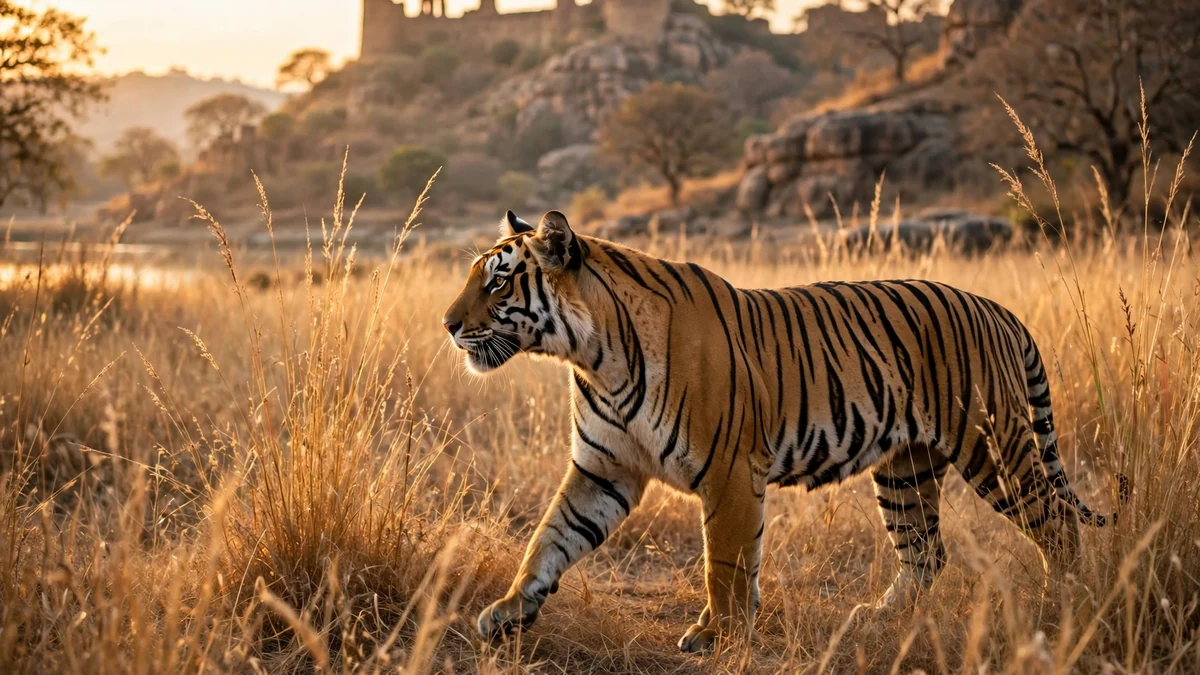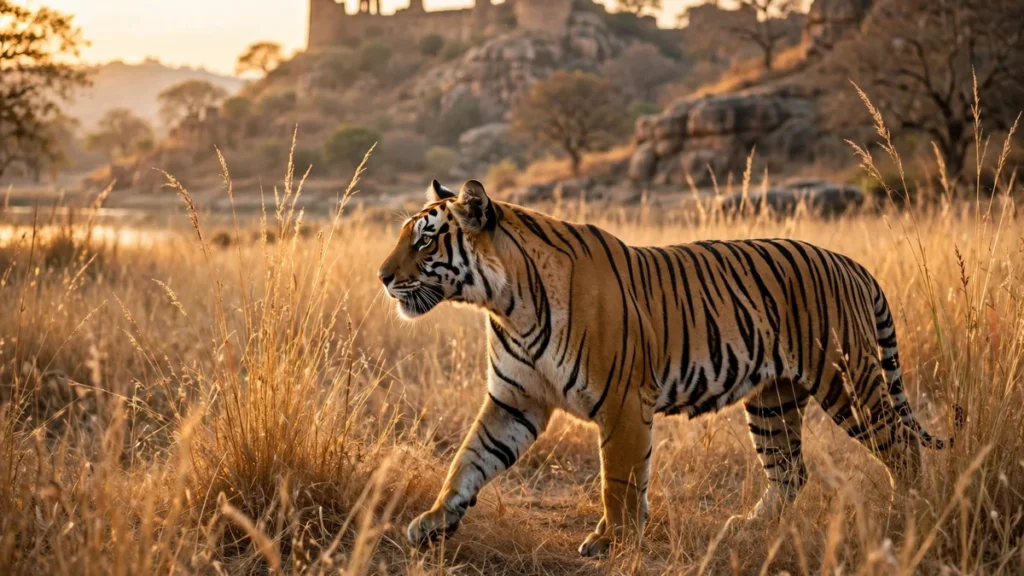
India animals include Bengal tigers in the forests of Madhya Pradesh, Asiatic lions in the dry scrub of Gujarat, Indian elephants in the Western Ghats and one-horned rhinos in the grasslands of Assam. If you are wondering which animals live in India and where to see them, the short answer is this: the great mammals live in the national parks of the central and northern forests, the one-horned rhino lives in the grasslands of Kaziranga, and the birds fill the wetlands of Bharatpur and the Himalayan foothills.
India holds some of the finest wildlife watching in Asia, because so much of the country is national park, tiger reserve and wetland. This guide covers the species you are most likely to meet, where each one lives and the best seasons to see them.
Key takeaways
- India’s most iconic animals are the Bengal tiger, Asiatic lion, Indian elephant, one-horned rhino, leopard, sloth bear and gaur.
- Madhya Pradesh is the best place to see Bengal tigers, and Gir is the only place in the world to see Asiatic lions in the wild.
- Kaziranga holds the largest population of one-horned rhinos in the world, and its grasslands are one of the best places to see them.
- Bharatpur is one of the finest birdwatching sites in Asia, and the Himalayan foothills hold birds and mammals found nowhere else in the country.
- The dry winter months, from November to March, are the best time for most wildlife watching, while the monsoon brings green forests and newborn animals.
What makes India’s wildlife special
India stretches from the Himalayas in the north to the tropical forests of the Western Ghats in the south, and from the Thar Desert in the west to the rainforests of the north-east. That range covers high mountains, dry scrub, dense forest, wide grasslands, wetlands and long coastlines, so the country holds species from several habitats at once.
The Bengal tiger is the heart of India’s wildlife. It is the national animal, and India holds more wild tigers than any other country, most of them in the tiger reserves of Madhya Pradesh, Rajasthan, Karnataka and Uttarakhand. The Asiatic lion, which once ranged across Asia, now survives only in the Gir Forest of Gujarat, and the one-horned rhino, which once lived across the northern plains, now lives mainly in Kaziranga and a few other parks in Assam.
What sets India apart is the combination of large mammals and rich birdlife. The country holds more than 1,300 bird species, and its wetlands, forests and mountains are among the best birdwatching places in Asia. Few countries hold tigers, lions, elephants and rhinos within a single day’s drive of each other, and fewer still hold them alongside such a variety of birds.
The great mammals of India
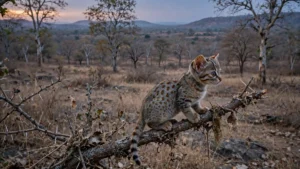
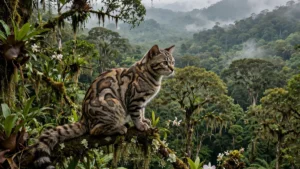
The Bengal tiger is the animal most visitors hope to see, and Madhya Pradesh is the best place to find it. Tigers live in the forests of Bandhavgarh, Kanha, Pench and Ranthambore, and they are most often seen in the dry season, when the grass is short and the animals gather at the waterholes. Leopards are shyer, resting in the branches of trees or on rocky outcrops, while sloth bears dig for termites in the forests of the central plateau.
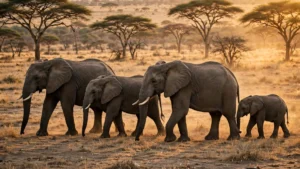
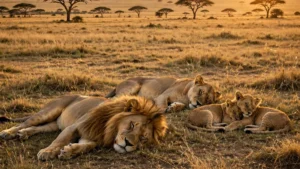
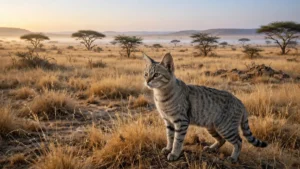
The Asiatic lion is the rarest of India’s great mammals, and Gir is the only place in the world to see it in the wild. The lions of Gir are smaller and less maned than their African cousins, and they live in the dry scrub forest of Gujarat, hunting deer and antelope. The Indian elephant is the country’s largest land animal, and it lives in the forests of the Western Ghats, the north-east and the central plateau, moving in herds through the trees.
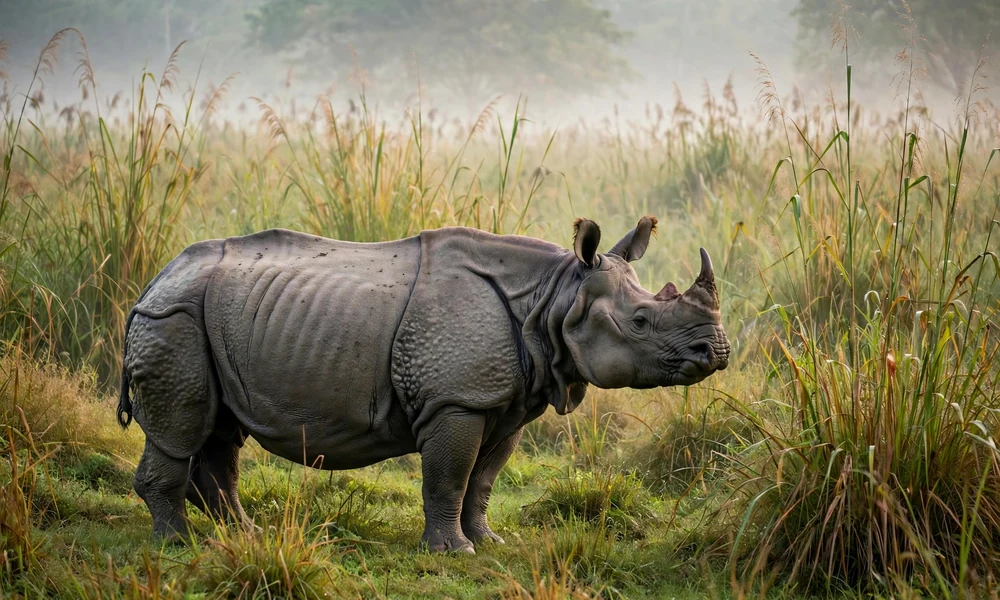
The one-horned rhino is the most famous animal of Assam, and Kaziranga is the best place to see it. The rhinos graze in the tall grasslands of the Brahmaputra floodplain, and the park holds more than two-thirds of the world’s population. Gaur, the huge wild cattle of Asia, graze in the clearings of the Western Ghats and the central forests, and among the predators, the dhole, or Indian wild dog, hunts in packs in the forests of the south.
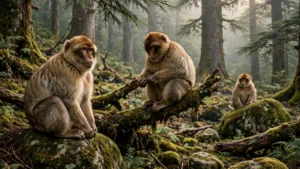
Smaller mammals live everywhere too: langurs and macaques in the forests, nilgai and blackbuck on the open plains, and the Indian grey mongoose in the scrub. Like the forest animals of other countries, many Indian species depend on large, quiet woodland, and the forests of the Western Ghats and the central plateau are among the wildest corners of the country.
Birds of India
Bharatpur is the most famous bird site in India. Its wetlands hold ducks, geese, herons, storks and cranes in the winter months, when migratory birds arrive from Central Asia and Siberia. The sarus crane, the tallest flying bird in the world, lives in the wetlands of northern India, and the Indian peafowl, the national bird, is common in the forests and fields.
The great Indian bustard is one of the rarest birds in the country, living on the open grasslands of Rajasthan and Gujarat, and it is critically endangered. The Himalayan foothills hold birds found nowhere else in the country, including the Himalayan monal, a pheasant with iridescent plumage, and the cheer pheasant, which lives in the oak forests of the north.
India’s position on the migration routes between Central Asia and the south makes it one of the best birdwatching countries in Asia. In winter, huge numbers of ducks, waders and shorebirds arrive in the wetlands and coastal lagoons, and the forests hold hornbills, barbets, sunbirds and woodpeckers.
Rivers, coasts and smaller wildlife
The rivers of northern India hold their own wildlife, and the Ganges is the best place to see it. The gharial, a fish-eating crocodile with a long, narrow snout, lives in the clean stretches of the Chambal River, and the Gangetic dolphin, a blind river dolphin, swims in the murky waters of the Ganges and the Brahmaputra. Both are endangered and protected.
Along the coasts, the mangrove forests of the Sundarbans hold the largest population of Bengal tigers in the world, and the tigers there swim between the islands and hunt in the tidal creeks. The Olive Ridley turtle nests on the beaches of Odisha in large numbers, and the reefs off the Andaman Islands hold reef fish, turtles and rays.
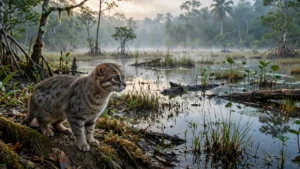
Smaller animals are everywhere in India, though they are often overlooked. The Indian pangolin, the honey badger and the fishing cat live in the forests and wetlands, and the frogs and dragonflies of the monsoon are at their busiest after rain. Like the wetland animals of other countries, the wildlife of India’s marshes depends on clean, undisturbed water.
| Species | Where to look | Best season | How likely is a sighting |
|---|---|---|---|
| Bengal tiger | Bandhavgarh, Kanha and Ranthambore | Dry season, November to March | Good with a guide |
| Asiatic lion | Gir Forest, Gujarat | Dry season, November to March | Good with a guide |
| One-horned rhino | Kaziranga, Assam | Dry season, November to March | Good |
| Indian elephant | Western Ghats and the north-east | Dry season, November to March | Fair with a guide |
| Leopard | Forests across central and southern India | All year | Fair, needs patience |
| Sarus crane | Wetlands of northern India, Bharatpur | Winter, November to February | Good in season |
| Gharial | Chambal River, Madhya Pradesh | Winter, November to February | Fair with a guide |
Best seasons for wildlife watching
The dry winter, from November to March, is the best time for most wildlife watching. The grass is short, the animals gather at the waterholes, and the migratory birds arrive in the wetlands. The mornings are cool and clear, and the parks are at their busiest, so safaris should be booked well ahead.
The hot summer, from April to June, is the best time for tigers, because the animals gather at the few remaining waterholes and the grass is at its shortest. The heat drives most animals into cover by midday, so go out early in the morning or late in the evening.
The monsoon, from July to October, brings heavy rain to much of the country, and many parks close, but the forests turn green, the frogs call at night, and the birds are at their most active. The Himalayan foothills are at their best in spring and autumn, when the weather is clear and the birds are singing.
Staying safe around India’s wildlife
India’s large animals are usually calm, but they deserve respect. Keep your distance from tigers, elephants, rhinos, leopards and sloth bears, never approach an elephant with young, and never try to feed or touch any wild animal. If you meet an elephant, back away slowly and give it space, and never walk between a mother and her calf.
In the forests, travel with a licensed guide, stay inside your vehicle unless your guide says it is safe to get out, and keep your arms and camera inside the vehicle when animals are close. On the rivers, keep away from crocodiles and never swim in water where they live. In the mountains, carry warm layers and tell someone where you are going before a long walk.
India wildlife watching checklist
- Book a licensed local guide or a safari in Bandhavgarh, Kanha, Ranthambore or Gir — they know where the animals are.
- Go out at dawn and dusk for tigers, leopards and elephants, and plan Bharatpur trips for November to February.
- Bring binoculars, warm layers and waterproofs — the mornings are cool and the monsoon is wet.
- Keep at least 50 metres from nesting birds and deer, and far more from tigers, elephants, rhinos and sloth bears.
- Never feed wild animals, and never use food or calls to lure them closer for a photograph.
- On turtle beaches, keep away from marked nests and avoid bright lights at night during the nesting season.
- Leave no trace: take your rubbish home and keep to marked paths in sensitive habitats.
Frequently asked questions
What is the most famous animal in India?
The Bengal tiger is the most famous, and India holds more wild tigers than any other country. The Asiatic lion is the rarest of India’s great mammals, and the one-horned rhino is the most famous animal of Assam.
Where is the best place to see a Bengal tiger in India?
Madhya Pradesh is the best place, and Bandhavgarh, Kanha and Pench are among the best reserves. The dry season, from November to March, is the best time, when the grass is short and the animals gather at the waterholes.
Can I see an Asiatic lion in India?
Yes. Gir Forest in Gujarat is the only place in the world to see Asiatic lions in the wild, and the best time is the dry season, from November to March, with a local guide.
When is the best time to see rhinos in Kaziranga?
The dry season, from November to March, is the best time, when the grass is short and the rhinos graze in the open. The park is closed during the monsoon, when the Brahmaputra floods the grasslands.
Can I see birds in India?
Yes. India holds more than 1,300 bird species, and Bharatpur is one of the finest birdwatching sites in Asia. The wetlands fill with migratory birds in winter, from November to February.
How is this guide different from the Madagascar animals guide?
This guide covers India, a large mainland country with Bengal tigers, Asiatic lions, Indian elephants and one-horned rhinos in forests, grasslands and wetlands, while the Madagascar animals guide covers an island whose wildlife is found nowhere else, from lemurs and fossas to chameleons and baobabs. The two countries share almost no animals, and India’s tigers are the most famous example of mainland Asian wildlife.
Conclusion
India’s wildlife rewards patience: Bengal tigers in the forests of Madhya Pradesh, Asiatic lions in the dry scrub of Gujarat, one-horned rhinos in the grasslands of Assam and sarus cranes in the wetlands of Bharatpur are all within reach if you plan around the seasons.
The next step is to pick one species and one season — a dry-season tiger safari in Bandhavgarh, a winter birding trip to Bharatpur, or a visit to Gir for the Asiatic lions — and plan your visit around it.