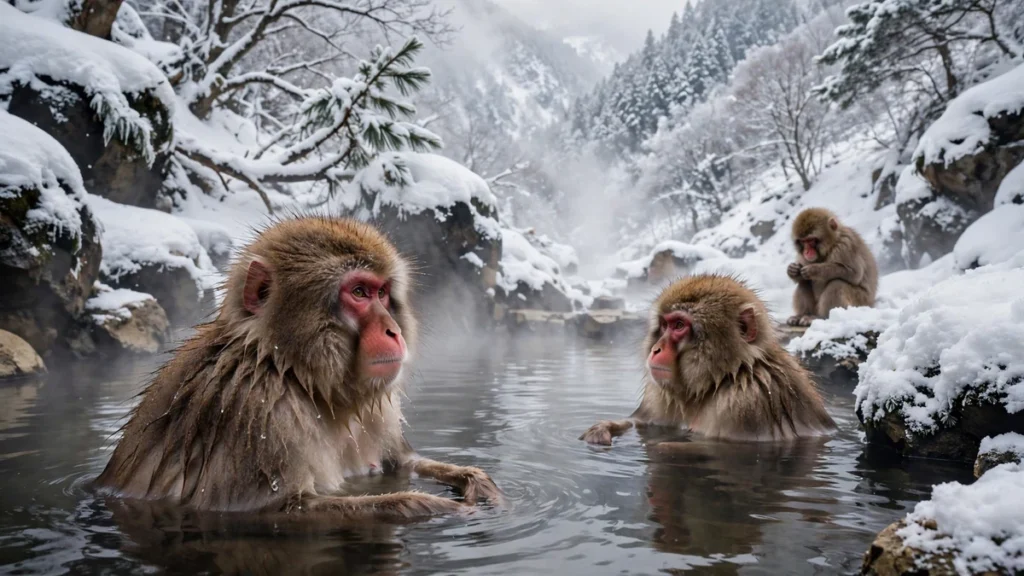
Japan animals include snow monkeys bathing in hot springs, red-crowned cranes dancing in the snow of Hokkaido, and sika deer roaming the parks of Nara. If you are wondering which animals live in Japan and where to see them, the short answer is this: the snow monkey lives in the mountains of central Honshu, the red-crowned crane lives in the wetlands of eastern Hokkaido, and the Japanese serow, the national animal, lives in the forests of the northern mountains.
Japan holds some of the finest wildlife watching in East Asia, because so much of the country is mountain, forest, wetland and coastline. This guide covers the species you are most likely to meet, where each one lives and the best seasons to see them.
Key takeaways
- Japan’s most iconic animals are the Japanese macaque, or snow monkey, the red-crowned crane, the Japanese serow, the sika deer and the Steller’s sea eagle.
- Jigokudani in Nagano is the best place to see snow monkeys bathing in hot springs, and it is one of the most famous wildlife sights in Japan.
- Kushiro in eastern Hokkaido is the best place to see red-crowned cranes, especially in winter, when they dance in the snow.
- Nara Park is the best place to see sika deer, which roam freely among the temples and are protected as messengers of the gods.
- Winter is the best season for cranes, eagles and snow monkeys, while spring and autumn are the best seasons for forest birds and deer.
What makes Japan’s wildlife special
Japan stretches from the subarctic forests of Hokkaido in the north to the subtropical islands of Okinawa in the south, and from the high mountains of the Japanese Alps to the long coastlines of the Pacific and the Sea of Japan. That range covers snow, temperate forest, bamboo groves, wetlands and coral reefs, so the country holds species from several habitats at once.
The Japanese macaque is the heart of Japan’s wildlife. It is the northernmost monkey in the world, and it lives in the mountains of Honshu, bathing in the hot springs of Jigokudani in winter, when the snow lies deep. The red-crowned crane, the tallest crane in the world, lives in the wetlands of eastern Hokkaido, and it is one of the most famous birds in Japan, appearing in art and folklore for centuries.
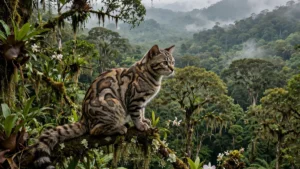
What sets Japan apart is the combination of northern and southern wildlife. The country holds animals from Siberia in the north and from South-East Asia in the south, and its islands have been isolated for so long that many species are found nowhere else. The Japanese serow, the national animal, lives only in Japan, and the Iriomote cat, a small wild cat, lives only on the island of Iriomote in Okinawa.
The great mammals of Japan
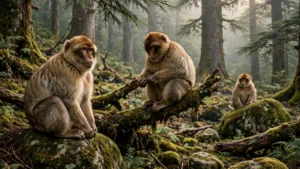
The Japanese macaque, or snow monkey, is the animal most visitors hope to see, and Jigokudani in Nagano is the best place to find it. The monkeys live in the mountains of central Honshu, and in winter they bathe in the hot springs, sitting in the steaming water with snow on their fur. They are most often seen in the morning, when they come down from the forest to the springs.

The Japanese serow is the country’s national animal, a goat-antelope with a shaggy coat and curved horns that lives in the forests of the northern mountains. It is shy and solitary, and it is best seen in the early morning, when it grazes on the forest edge. The sika deer is the most common large mammal, living in the forests and parks across the country, and the deer of Nara Park, which roam freely among the temples, are protected as messengers of the gods.
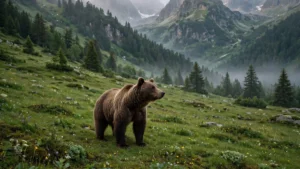
The Hokkaido brown bear is the largest land animal in Japan, living in the forests of Hokkaido, and it is best seen in the summer, when it fishes for salmon in the rivers. The Ezo red fox, with its thick winter coat, lives in the fields and forests of Hokkaido, and the Japanese raccoon dog, or tanuki, lives in the forests and farmland of Honshu.
Smaller mammals live everywhere too: Japanese hares in the mountains, flying squirrels in the forests of Hokkaido, and the Iriomote cat, a small wild cat that lives only on the island of Iriomote in Okinawa. Like the forest animals of other countries, many Japanese species depend on large, quiet woodland, and the beech forests of Shirakami-Sanchi and the mountains of the Japanese Alps are among the wildest corners of the country.
Birds of Japan
The red-crowned crane is the most famous bird in Japan. It lives in the wetlands of eastern Hokkaido, and in winter it gathers in the snow-covered fields of Kushiro, where it dances with outstretched wings. The birds are white with black necks and red crowns, and they are one of the most photographed birds in the world.
The Steller’s sea eagle, one of the largest eagles in the world, winters on the drift ice off the coast of Hokkaido, feeding on fish and carrion. It is best seen from a boat trip out of Rausu, on the Shiretoko Peninsula, in February and March, when the sea ice is at its thickest. The Blakiston’s fish owl, the largest owl in the world, lives in the forests of Hokkaido, and it is one of the rarest birds in Japan.
Japan’s position on the migration routes between Siberia and South-East Asia makes it one of the best birdwatching countries in East Asia. In winter, huge numbers of ducks, geese, cranes and shorebirds arrive in the wetlands and coastal lagoons, and the forests hold woodpeckers, nuthatches, flycatchers and the Japanese white-eye.
Rivers, coasts and smaller wildlife
The rivers of Hokkaido hold their own wildlife, and the salmon runs are the best place to see it. Each autumn, salmon return from the sea to the rivers where they were born, leaping up rapids and filling the shallow streams. The runs feed brown bears, eagles and many other animals, and watching bears fish at the rivers is one of the finest wildlife sights in Japan.
Along the coasts, the drift ice off Hokkaido holds seals, sea eagles and the occasional polar bear, and the coral reefs off Okinawa hold reef fish, turtles and rays. The Japanese giant salamander, the second largest amphibian in the world, lives in the mountain streams of western Honshu, and it is protected.
Smaller animals are everywhere in Japan, though they are often overlooked. The Japanese giant flying squirrel glides between the trees at night, the Ezo pika lives on the rocky slopes of Hokkaido, and the frogs and dragonflies of the rice paddies are at their busiest after rain. Like the wetland animals of other countries, the wildlife of Japan’s marshes depends on clean, undisturbed water.
| Species | Where to look | Best season | How likely is a sighting |
|---|---|---|---|
| Japanese macaque | Jigokudani, Nagano, in the hot springs | Winter, December to March | Good |
| Red-crowned crane | Kushiro wetlands, eastern Hokkaido | Winter, December to March | Good in season |
| Japanese serow | Forests of the northern mountains | Spring and autumn, early morning | Low |
| Sika deer | Nara Park and forests across Japan | All year | Good |
| Steller’s sea eagle | Drift ice off Rausu, Shiretoko Peninsula | February and March | Good on a boat trip |
| Hokkaido brown bear | Forests and rivers of Hokkaido | Summer, June to September | Fair with a guide |
| Iriomote cat | Iriomote Island, Okinawa | All year, at night | Very low |
Best seasons for wildlife watching
Winter is the finest season. The snow monkeys bathe in the hot springs of Jigokudani, the red-crowned cranes dance in the snow of Kushiro, and the Steller’s sea eagles gather on the drift ice off Rausu. The days are short and cold, but the wildlife is at its most spectacular.
Spring brings the cherry blossom and the return of the migratory birds, when the forests fill with song and the deer give birth. Autumn is the easiest season for travel, when the weather is cool and clear, the forests turn red and gold, and the salmon run in the rivers of Hokkaido.
Summer is the best time for the forests and the mountains, when the hiking trails are open and the birds are at their most active. The coral reefs off Okinawa are at their best in summer, when the sea is warm and clear.
Staying safe around Japan’s wildlife
Japan’s large animals are usually calm, but they deserve respect. Keep your distance from brown bears, macaques, deer and wild boar, never approach a deer with young, and never try to feed or touch any wild animal. If you meet a brown bear, back away slowly, speak calmly and never run. Carry bear bells in bear country and know how to use them.
In the mountains, carry warm layers and waterproofs, even in summer, and tell someone where you are going before a long walk. The weather changes fast, and the trails can be steep and slippery. On the coast, keep away from nesting birds and never disturb a crane or an eagle.
Japan wildlife watching checklist
- Book a local guide for snow monkeys, cranes and sea eagles — they know where the animals are.
- Go out at dawn for macaques and serow, and plan crane and eagle trips for December to March.
- Bring binoculars, warm layers and waterproofs — the winters are cold and the mountains are wet.
- Keep at least 50 metres from nesting birds and deer, and far more from brown bears and macaques with young.
- Never feed wild animals, and never use food or calls to lure them closer for a photograph.
- On the wetlands, keep away from marked nests and avoid bright lights at night during the nesting season.
- Leave no trace: take your rubbish home and keep to marked paths in sensitive habitats.
Frequently asked questions
What is the most famous animal in Japan?
The Japanese macaque, or snow monkey, is the most famous, and Jigokudani is the best place in the world to see one bathing in a hot spring. The red-crowned crane is the most famous bird, and the Japanese serow is the national animal.
Where is the best place to see snow monkeys in Japan?
Jigokudani in Nagano is the best place, and the best time is winter, from December to March, when the monkeys bathe in the hot springs with snow on their fur. Go in the morning for the best light and the most activity.
Can I see a red-crowned crane in Japan?
Yes. The red-crowned crane lives in the wetlands of eastern Hokkaido, and the best place to see it is Kushiro, in winter, from December to March, when the cranes dance in the snow.
When is the best time to see Steller’s sea eagles in Japan?
February and March are the best months, when the eagles gather on the drift ice off Rausu, on the Shiretoko Peninsula. The best way to see them is on a boat trip from the harbour.
Can I see sika deer in Japan?
Yes. Sika deer live in the forests and parks across Japan, and Nara Park is the best place to see them. The deer roam freely among the temples and are protected as messengers of the gods.
How is this guide different from the China animals guide?
This guide covers Japan, an island country with snow monkeys, red-crowned cranes, Japanese serow and Steller’s sea eagles in mountains, wetlands and drift ice, while the China animals guide covers a large mainland country with giant pandas, snow leopards and crested ibis. The two countries share the red-crowned crane, but Japan’s snow monkeys and sea eagles are found in neither China nor India.
Conclusion
Japan’s wildlife rewards patience: snow monkeys bathing in hot springs at Jigokudani, red-crowned cranes dancing in the snow of Kushiro, sika deer in the parks of Nara and Steller’s sea eagles on the drift ice off Rausu are all within reach if you plan around the seasons.
The next step is to pick one species and one season — a winter trip to Jigokudani for the snow monkeys, a February boat trip from Rausu for the sea eagles, or a visit to Nara Park for the sika deer — and plan your visit around it.