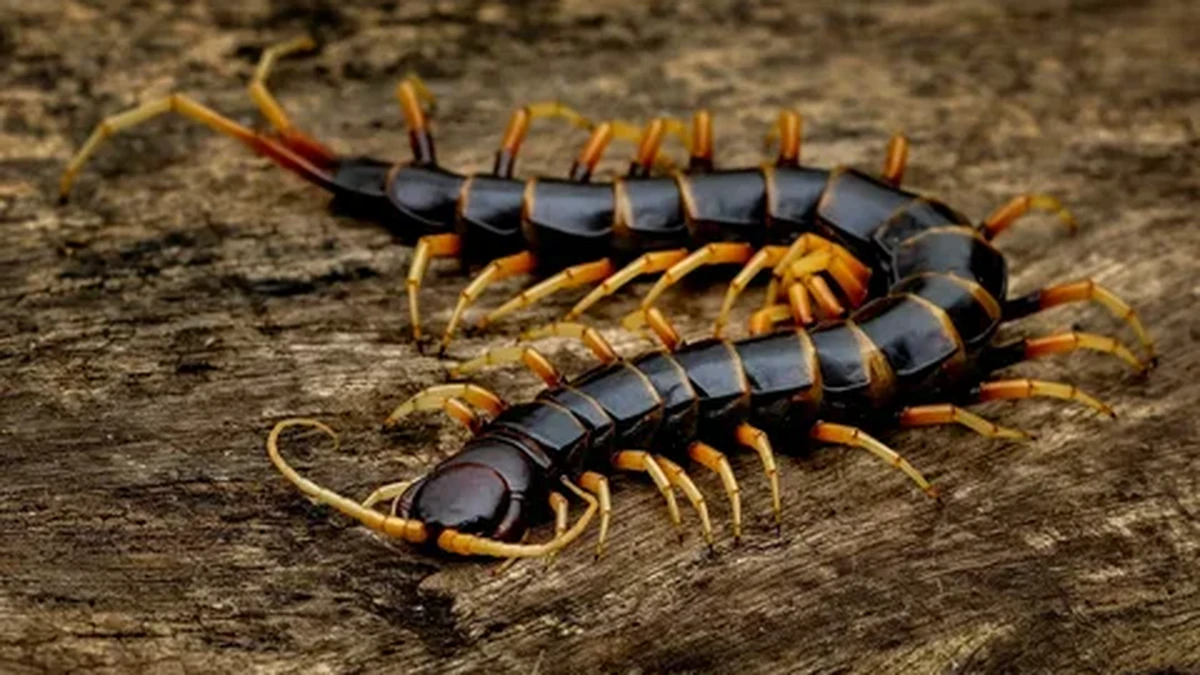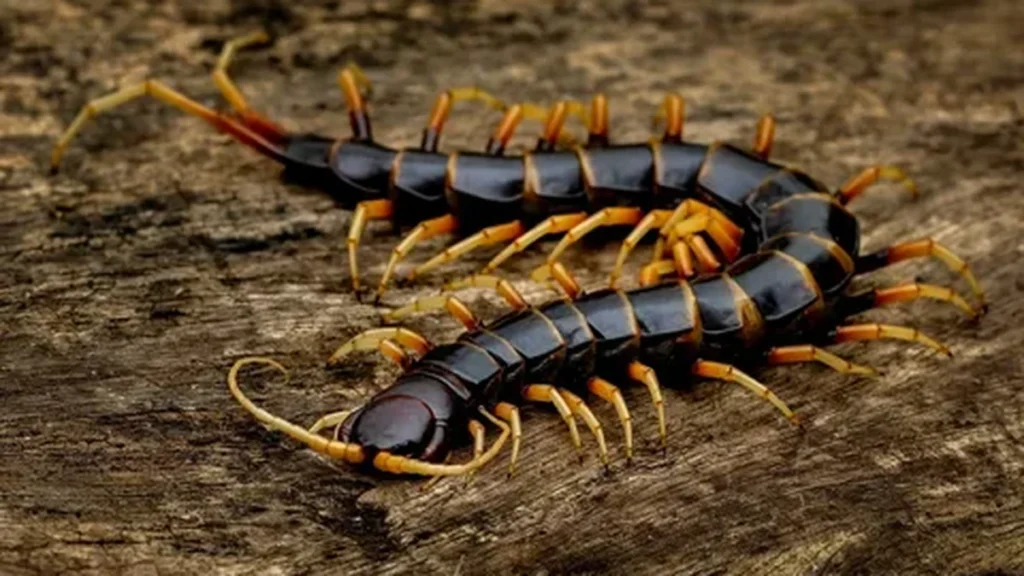
You move a cardboard box in the garage, and something long and many-legged shoots across the floor. Before you can get a proper look, it disappears into a crack near the wall.
A centipede can make an ordinary room feel like the set of a nature horror film. Its flattened body, countless moving legs, and sudden bursts of speed are enough to make almost anyone step back.
But centipedes are more than creepy creatures hiding in dark corners. They are active predators that hunt insects and other small animals, and most species would rather escape a person than confront one.
Centipedes are elongated arthropods with one pair of legs per body segment. Many can bite using venom-delivering front appendages, so you should never handle an unfamiliar centipede with bare hands.
What Is a Centipede?

A centipede is an arthropod belonging to the class Chilopoda. Despite their resemblance to insects, centipedes are not insects. They have elongated, segmented bodies, numerous legs, and specialized front appendages used to capture prey.
They live in environments ranging from damp forests and gardens to deserts and caves. Some species also enter homes, particularly basements, bathrooms, garages, and other sheltered places where small prey may be available.
Centipedes are predators. Unlike millipedes, which mostly feed on decaying plant material, centipedes hunt living animals such as insects, spiders, and other small invertebrates.
Their appearance may be intimidating, but their role in nature is straightforward: they are hunters that help regulate populations of smaller creatures.
How to Identify a Centipede

Centipedes come in many sizes and colors, but several features can help you recognize one.
- Flattened body: Many species have a narrow, flattened shape that helps them move through tight spaces.
- One pair of legs per body segment: This is one of the defining characteristics of centipedes.
- Long antennae: These sensory structures help them explore their surroundings.
- Fast movement: Many species can move quickly when hunting or escaping danger.
- Modified front legs: Their first pair of legs forms venom-delivering structures called forcipules.
- Variable coloring: Depending on the species, centipedes may be yellow, brown, reddish, orange, or dark gray.
Some are only a few millimeters long, while larger species can grow several inches or more. Their appearance depends heavily on the species and the environment where they live.
If you find an unfamiliar centipede, observe it from a distance rather than trying to pick it up for a closer look.
How Many Legs Does a Centipede Have?
Despite their name, centipedes do not necessarily have 100 legs.
The number varies by species, and many have considerably fewer. Others have many more. What distinguishes centipedes is not a fixed leg count but the arrangement of one pair of legs per body segment.
Centipedes also have an odd number of pairs of walking legs, so they do not have exactly 100 walking legs.
Their front pair of appendages is modified into forcipules, which deliver venom to help subdue prey. These structures look somewhat like extra legs near the head, but they are not ordinary walking legs.
The result is an animal built for hunting: a flexible body, numerous legs for rapid movement, and specialized appendages for capturing food.
Are Centipedes Dangerous to Humans?
Centipedes can bite, but the risk depends on the species and its size. Most small centipedes encountered around homes are not considered a serious threat to healthy adults, although a bite can be painful.
Larger species can cause more significant pain and swelling. Reactions may vary, and people can occasionally experience more serious symptoms.
Possible bite symptoms include:
- Localized pain or burning
- Redness and swelling
- Tenderness around the bite
- Occasional numbness or tingling
Avoid handling centipedes, even if they appear small or slow. If you are bitten, wash the area with soap and water and use a cold pack wrapped in cloth for temporary comfort. Seek medical care if pain or swelling is severe, symptoms worsen, or you develop signs of an allergic reaction. Trouble breathing or swelling of the face or throat requires emergency medical attention.
Do not try to catch or crush a centipede with your bare hands. Keeping your distance is the simplest way to avoid an unnecessary bite.
What Do Centipedes Eat?

Centipedes are carnivorous predators. They hunt small animals and use their venom-delivering front appendages to subdue prey.
Their diet may include:
- Flies and other small insects
- Cockroaches and their young
- Spiders
- Crickets and beetles
- Earthworms
- Other centipedes and small invertebrates
Larger centipede species may also prey on small vertebrates, depending on their size and habitat.
Unlike spiders, which often use silk webs or ambush strategies to catch prey, many centipedes actively search for food. Their long antennae help them navigate and detect their surroundings, particularly in dark places.
This hunting behavior makes centipedes useful predators in natural ecosystems. However, frequent centipede sightings indoors can indicate that the environment offers shelter, moisture, or other small animals to eat.
Where Do Centipedes Live?
Centipedes occur across much of the world, from tropical forests to temperate woodlands and dry environments.
Many prefer sheltered places where they can avoid drying out and hide from predators. They are often found beneath rocks, logs, bark, leaf litter, and other debris.
Common habitats include:
- Forest floors and damp leaf litter
- Gardens and compost areas
- Beneath stones and fallen logs
- Under bark and inside rotting wood
- Basements, crawl spaces, and garages
- Bathrooms and other damp areas inside homes
Not every centipede needs a wet environment. Some species have adapted to drier habitats, but many of the species encountered around houses seek cool, sheltered places during the day.
They often become more noticeable at night, when they emerge to hunt.
Why Are Centipedes Appearing in Your House?
A centipede running across the bathroom floor can feel like an unexpected invasion. But a single sighting does not automatically mean your house is infested.
Centipedes may enter buildings through gaps around doors, windows, foundations, or pipes. Some wander indoors while searching for prey or shelter.
Repeated sightings may point to a few conditions:
Excess moisture: Leaking pipes, damp basements, and poor ventilation can create favorable hiding places for certain species.
Available prey: Centipedes hunt insects and other small arthropods. A supply of prey can make a building attractive to them.
Shelter and clutter: Boxes, stored materials, and undisturbed corners provide places to hide.
Easy entry points: Gaps around foundations, doors, and utility lines can allow centipedes indoors.
To reduce encounters, repair leaks, improve ventilation where needed, seal entry gaps, and address other pest activity. Keep storage areas organized and remove unnecessary debris near the foundation.
If sightings continue despite these steps, a pest professional can help identify the species and the conditions attracting it.
Centipede vs. Millipede: How to Tell Them Apart

Centipedes and millipedes are often confused because both have elongated bodies and many legs. But they behave differently and play different roles in the environment.
| Feature | Centipede | Millipede |
| Body shape | Usually flattened | Usually rounded or cylindrical |
| Legs per body segment | One pair | Generally two pairs on most segments |
| Movement | Often fast | Usually slow |
| Diet | Mostly living prey | Mostly decaying plant material |
| Defense | Venom-delivering front appendages | Many species curl up or release defensive chemicals |
| Human risk | Some species can deliver painful bites | Some species release irritating defensive fluids |
A fast, flattened creature that darts away is more likely to be a centipede. A slow, rounded animal that curls into a spiral is more likely to be a millipede.
Neither should be handled casually, especially when the species is unknown.
What Is a House Centipede?
One of the most recognizable indoor species is the house centipede (Scutigera coleoptrata). It has a yellowish-gray body, dark markings, long antennae, and exceptionally long legs.
Adult house centipedes have 15 pairs of legs. Their delicate appearance and rapid movements make them easy to recognize once you know what to look for.
They often appear in bathrooms, basements, and other sheltered areas. Their prey includes flies, silverfish, spiders, and other small arthropods.
House centipedes can bite if handled, but bites are uncommon and generally cause limited symptoms. They are usually not considered dangerous to people.
If one appears indoors, you can leave it alone or carefully relocate it using a container and stiff paper. Avoid handling it directly.
Should You Kill Centipedes?
Usually, you do not need to kill a centipede simply because you see one.
Centipedes are predators that help control other small arthropods. An outdoor centipede is generally best left undisturbed, while an indoor visitor can be carefully removed if you do not want it in the house.
If centipedes appear frequently, focus on the conditions attracting them rather than treating each sighting as an isolated problem.
- Repair leaks and reduce excess moisture.
- Seal gaps around doors, windows, and pipes.
- Remove unnecessary clutter from damp storage areas.
- Address persistent insect problems.
- Avoid reaching blindly beneath rocks, boxes, or stored materials.
If you encounter a large, unfamiliar centipede, do not try to capture or relocate it with your bare hands.
Frequently Asked Questions
Do centipedes bite humans?
Yes. Centipedes can bite defensively, using venom-delivering front appendages. Most small household species cause limited symptoms, but larger species can deliver more painful bites.
Are centipedes poisonous?
Centipedes use venom to subdue prey. They are not generally a major threat to people, but bites can cause pain and swelling.
Why do centipedes run so fast?
Their many legs and flexible bodies help them move rapidly while hunting prey or escaping threats.
Do centipedes mean your house is dirty?
No. Centipedes can enter clean homes. Moisture, shelter, entry gaps, and available prey are more relevant factors.
What should you do if you find a centipede in your bed?
Do not handle it directly. Move away, remove it safely using a suitable container if possible, and check bedding and nearby gaps. If you are bitten, clean the area and seek medical advice if symptoms are severe or worsening.
Are centipedes good for the garden?
Yes, centipedes are predators that feed on insects and other small animals. They are part of the natural food web, although they should not be considered a guaranteed pest-control method.
A Predator That Prefers to Stay Hidden
A centipede can turn an ordinary encounter into a startling moment. One second, the floor is empty; the next, a many-legged hunter is racing toward the nearest hiding place.
But centipedes are not wandering around looking for people to attack. They are predators following their instincts, searching for food and shelter in the spaces available to them.
Give unfamiliar centipedes room, avoid handling them, and focus on reducing the conditions that bring them indoors. Understanding these small hunters makes them a little less mysterious and helps you share your surroundings with them more safely.
Desclaimer: This article is for informational and educational purposes only. It does not provide medical or professional pest-control advice, and we do not advertise or promote any product or service mentioned.