Florida animals range from American alligators basking in the Everglades to manatees gathering in warm springs in winter, and the state holds some of the most varied wildlife in the United States. If you are wondering which animals live in Florida and where to see them, the short answer is this: alligators, crocodiles, panthers and black bears live in the swamps and forests, manatees and sea turtles live in the warm coastal waters, and roseate spoonbills, wood storks and bald eagles fill the wetlands.
Florida is one of the best places in the United States to watch wildlife, because so much of the state is still wetland, swamp, spring and coastline. This guide covers the species you are most likely to meet, where each one lives and the best seasons to see them.
Key takeaways
- Florida’s most iconic land animals are the American alligator, the Florida panther, the Florida black bear and the Key deer.
- The Florida panther is one of the most endangered mammals in the United States, with only around 200 animals left in the wild.
- Florida manatees gather in warm springs in winter, and the best place to see them is Crystal River and Blue Spring State Park.
- Loggerhead turtles nest on Florida’s Atlantic beaches in summer, and Florida holds one of the largest nesting populations in the world.
- Winter is the best season for manatees and wading birds, and early morning is the best time of day for alligators and panthers.
What makes Florida’s wildlife special
Florida is a long peninsula that runs from the temperate forests of the Panhandle to the subtropical Everglades in the south, and its wildlife reflects that whole journey. Species from the temperate forests of the south-eastern United States meet species from the Caribbean here, between the Atlantic Ocean in the east and the Gulf of Mexico in the west.
Honesty matters here: Florida has very few true endemics among its large mammals, and the Florida panther, a small population of puma that lives only in southern Florida, is the best-known exception. What it has instead is an extraordinary mix of temperate and tropical wildlife, from black bears in the northern forests to American crocodiles in the southern mangroves, and some of the best wading-bird watching in North America.
That variety comes from the landscape itself. Florida holds the vast sawgrass prairies of the Everglades, the cypress swamps of the interior, the warm springs of the centre and the mangrove coasts of the south, so animals from many different habitats can live within one state. Like the wetland animals of other southern states, the alligators, spoonbills and wood storks of the Everglades depend on clean, undisturbed water.
The great mammals of Florida
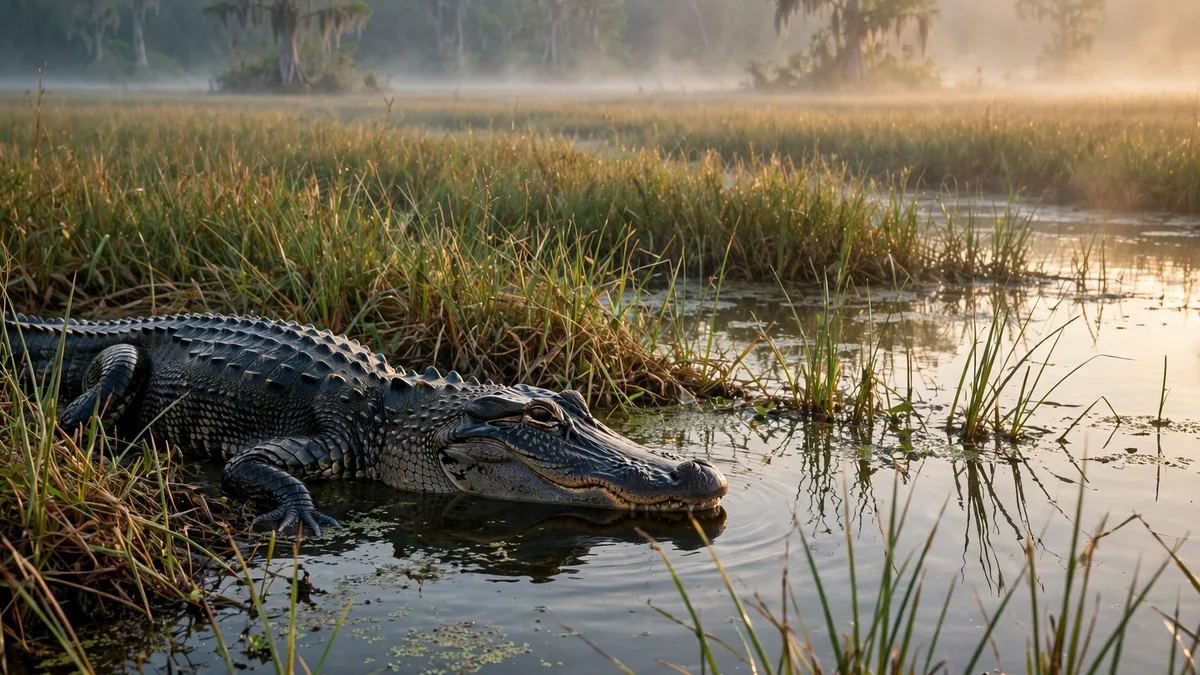
The American alligator is Florida’s most famous animal, and one of the most reliable wildlife sights in the state. Alligators bask on the banks of the Everglades and the slow rivers of central Florida, and they are most often seen in the morning, when they come out to warm up in the sun. The Everglades holds more than a million alligators, and they are most easily seen from a boardwalk or a boat trip at dawn.
The Florida panther is the state’s most famous rare mammal and one of the most endangered mammals in the United States. It lives in the swamps and forests of southern Florida, mainly in the Big Cypress National Preserve and the Florida Panther National Wildlife Refuge, and only around 200 animals remain. Among the predators, the bobcat is more widespread, hunting rabbits and rodents in the forests and swamps across the state, and the Florida black bear lives in the forests of the Panhandle and central Florida.
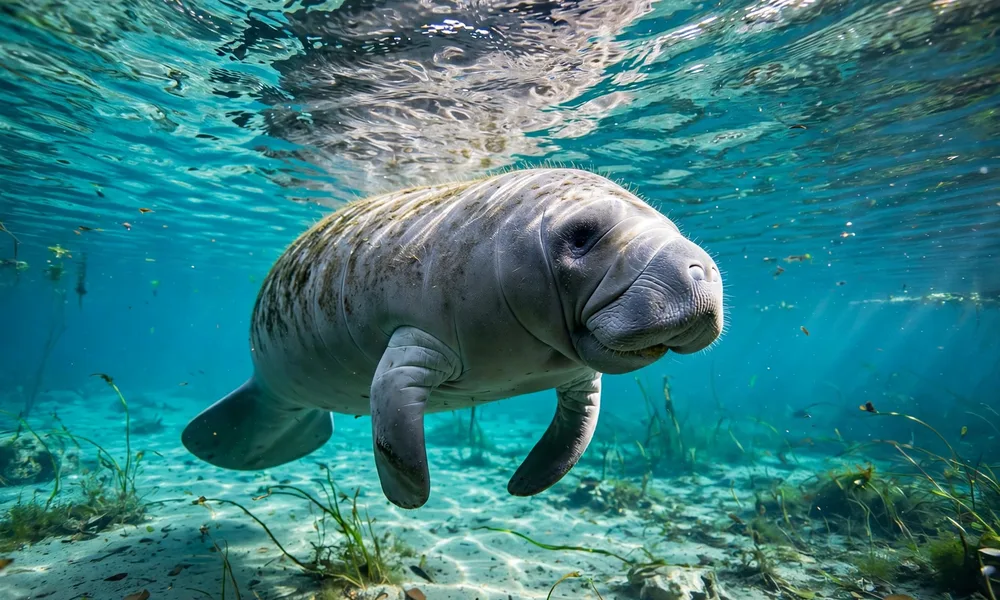
The Florida manatee is the state’s best-loved marine mammal, and it gathers in warm springs in winter, when the sea cools. The manatees are most often seen at Crystal River and Blue Spring State Park, where they float in the clear, warm water, and they are best watched from a kayak or a viewing platform, keeping a respectful distance.
One animal should not be on any visitor’s list as a certainty: the Florida panther. It survives in small numbers in vast swamp and forest, and no honest guide can promise a sighting. The same is true of the Key deer, a tiny deer that lives only on the Florida Keys, which is rarely seen outside Big Pine Key. Both are reminders of how much of Florida’s wildlife depends on large, undisturbed habitat.
Birds of Florida
The roseate spoonbill is Florida’s most striking wading bird, a pink bird with a flat, spoon-shaped bill that sweeps through the shallow water for fish and crustaceans. The spoonbills are most often seen in the Everglades and the mangrove coasts of the south-west, and they are most numerous in the winter months.
The wood stork is the only stork that breeds in the United States, and it nests in the cypress swamps of the Everglades and central Florida. The bald eagle is a common sight along the coasts and rivers, and Florida holds one of the largest breeding populations in the country.
Florida’s position on the migration routes between North America and the Caribbean makes it one of the best birdwatching states in the country. In winter, huge numbers of ducks, waders and shorebirds arrive from the north, filling the wetlands and coastal lagoons. Like the coastal animals of other southern states, Florida’s spoonbills, storks and pelicans depend on healthy wetlands and undisturbed nesting islands.
Rivers, coasts and smaller wildlife
Florida’s Everglades hold their own wildlife, and the slow rivers and sawgrass prairies are the best places to see it. The Everglades hold alligators, crocodiles, manatees and hundreds of bird species, and the slow-moving water, known as the River of Grass, is one of the most unusual wetlands in the world.
Along the Atlantic coast, the loggerhead turtle comes ashore to nest on the sandy beaches in summer. Florida holds one of the largest loggerhead nesting populations in the world, and the beaches of the central Atlantic coast are among the most important nesting sites. The females lay their eggs at night, and the hatchlings make their way to the sea a few weeks later.
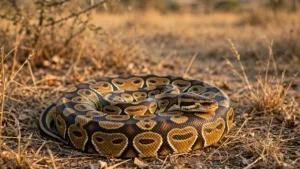
Smaller animals are everywhere in Florida, though they are often overlooked. The Burmese python, an invasive snake from Asia, now lives in the Everglades in large numbers, and it is a serious problem for native wildlife.
| Species | Where to look | Best season | How likely is a sighting |
|---|---|---|---|
| American alligator | Everglades and slow rivers statewide | Year-round, morning | Good |
| Florida manatee | Crystal River and Blue Spring State Park | November to March | Good in season |
| Roseate spoonbill | Everglades and south-west mangroves | November to April | Good in season |
| Wood stork | Everglades and central Florida wetlands | Year-round | Fair with a guide |
| Loggerhead turtle | Atlantic beaches, central coast | May to October | Fair on a guided night walk |
| Florida panther | Big Cypress and the Panther Refuge | Year-round | Very low |
| American crocodile | Everglades and Florida Bay mangroves | Year-round | Low, needs a guide |
Best seasons for wildlife watching
Winter is the finest season. The manatees gather in the warm springs, the wading birds fill the wetlands, and the alligators bask in the sun on cool mornings. It is also the driest season, so the trails are easier to walk and the animals gather at the remaining water.
Spring brings the end of the manatee season and the start of the turtle nesting season, when loggerheads come ashore on the Atlantic beaches. Summer is the easiest season for alligators and wetland birds, with long days and warm water, and the sea turtles nest on the beaches from May to October.
Autumn is the quiet season, but the wading birds are still in the wetlands, and the bald eagles return to their nests. In any season, early morning is the best time for alligators and wading birds, and late afternoon is the best time for manatees in the springs.
Staying safe around Florida’s wildlife
Florida’s large animals are usually calm, but they deserve respect. Keep your distance from alligators, crocodiles and panthers, never approach an alligator with young, and never try to feed or touch any wild animal. Alligators are fast and powerful, and they should always be watched from a safe distance, from a boardwalk or a boat.
On the coast, keep away from marked turtle nests, avoid bright lights on nesting beaches at night, and never handle a manatee or a sea turtle. In the swamps, carry water and insect repellent, wear long sleeves and sturdy shoes, and tell someone where you are going before a long walk. The Burmese pythons of the Everglades are shy and avoid people, but they should always be watched from a distance.
Florida wildlife watching checklist
- Book a boat trip in the Everglades at dawn for alligators, spoonbills and wood storks.
- Visit Crystal River or Blue Spring State Park in winter for manatees, from November to March.
- Bring binoculars, sunscreen and insect repellent, even in winter — Florida weather changes fast.
- Keep at least 15 metres from alligators and crocodiles, and far more from panthers and bears with young.
- Never feed wild animals, and never use food or calls to lure them closer for a photograph.
- On turtle beaches, keep away from marked nests and avoid bright lights at night during the nesting season.
- Leave no trace: take your rubbish home and keep to marked paths in sensitive habitats.
Frequently asked questions
What is the most famous animal in Florida?
The American alligator is the most famous land animal, and the Florida manatee is the best-loved marine mammal. The roseate spoonbill is the most famous bird, and the Florida panther is the most famous rare mammal.
Can I see alligators in Florida?
Yes. American alligators live in the Everglades and the slow rivers across the state, and they are most often seen in the morning, when they bask on the banks. A boat trip at dawn is the best way to find them.
Can I see a Florida panther in Florida?
Not in any realistic sense. The Florida panther is one of the most endangered mammals in the United States, with only around 200 animals left, and no honest guide can promise a sighting. Look for alligators, manatees and spoonbills instead.
When is the best time to see manatees in Florida?
November to March is the best time, when Florida manatees gather in warm springs like Crystal River and Blue Spring State Park. The best way to see them is from a kayak or a viewing platform.
Can I see sea turtles in Florida?
Yes. Loggerhead turtles nest on Florida’s Atlantic beaches from May to October, and Florida holds one of the largest nesting populations in the world. The best way to see them is on a guided night walk.
How is this guide different from the Ecuador animals guide?
This guide covers Florida, a subtropical state of the United States, with alligators, manatees, panthers and roseate spoonbills in the Everglades and warm springs. The Ecuador animals guide covers a South American country with the Galapagos Islands, where giant tortoises, marine iguanas and penguins live in a landscape Florida does not share.
Conclusion
Florida’s wildlife rewards patience: alligators in the Everglades at dawn, manatees in the warm springs of Crystal River in winter, roseate spoonbills in the wetlands and loggerhead turtles on the Atlantic beaches are all within reach if you plan around the seasons.
The next step is to pick one species and one season — a winter manatee trip to Crystal River, a dawn boat trip in the Everglades for alligators, or a summer turtle walk on the Atlantic coast.