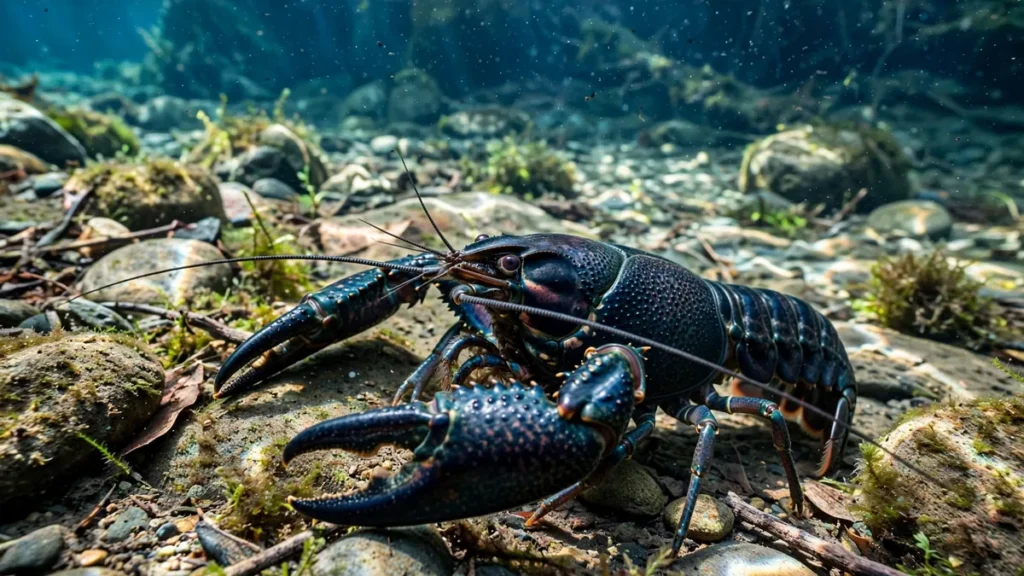
The crayfish species are the freshwater cousins of the lobster, small armoured crustaceans with big front claws that live in rivers, streams, lakes and burrows across much of the world. If you are asking what a crayfish is, the short answer is a freshwater decapod crustacean, a ten-legged animal with a hard shell, a pair of powerful pincers and a muscular tail, that spends its days hidden under rocks and logs and its nights out foraging on the stream bed. More than 640 crayfish species have been described, over half of them in North America, and they turn up almost everywhere there is fresh water, from the bayous of Louisiana to the cool rivers of Tasmania.
What makes crayfish so easy to like is how much character they pack into a small animal. They are builders and diggers, gardeners of the stream bed, turning over leaves and wood as they feed, and they are also fiercely territorial, waving their claws at rivals and flipping away with a snap of the tail when danger comes too close. This guide follows the whole animal: how it looks, where it lives, what it eats, how it behaves, how it breeds, and why the largest crayfish of all is now one of the most protected animals in Australia.
Key takeaways
- The crayfish species covered here are the freshwater decapod crustaceans of the families Astacidae, Cambaridae and Parastacidae, with more than 640 species described and over half of them found in North America.
- Most adult crayfish are about 7.5 centimetres long, while the smallest, Cambarellus diminutus of the south-eastern United States, is only 2.5 centimetres, and the largest, the Tasmanian giant freshwater crayfish, can reach 80 centimetres and weigh up to 6 kilograms.
- The Tasmanian giant freshwater crayfish, Astacopsis gouldi, is the largest freshwater crayfish and the largest freshwater invertebrate in the world, and it is listed as Endangered by the International Union for Conservation of Nature.
- Crayfish are mostly nocturnal omnivores that feed on decaying wood and leaves, snails, insect larvae, worms and tadpoles, and the Tasmanian giant lives mainly on rotting wood and leaf litter and the microbes that grow on them.
- A female Tasmanian giant does not start breeding until she is about 14 years old, and then she breeds only once every two years, which is one reason the species recovers so slowly when its rivers are damaged.
The crayfish species and their relatives
Crayfish belong to the phylum Arthropoda, the great group that also holds the insects, the spiders and the crabs, and within it they sit in the class Malacostraca and the order Decapoda, the ten-legged crustaceans, alongside the lobsters, the crabs and the shrimps. The crayfish of this guide are the freshwater members of that order, split between three families: the Astacidae of Europe and western North America, the Cambaridae of North America and East Asia, and the Parastacidae of the Southern Hemisphere, which holds the Australian and South American species. Within the group, the crayfish of this guide are led by the Tasmanian giant freshwater crayfish, Astacopsis gouldi, the largest of them all, and the genus Astacopsis holds just three species, all of them found only in Tasmania.
The Tasmanian giant freshwater crayfish, Astacopsis gouldi, is the lead species of this guide, and it is the crayfish that defines the whole group in most people’s minds, largely because it is so improbably large for a freshwater animal and so long-lived. It lives only in the rivers of northern Tasmania that drain into Bass Strait, below about 400 metres above sea level, and it grows slowly, living for up to 40 years, with the largest specimens recorded at more than 80 centimetres long and over 6 kilograms in weight, though most large animals found today weigh 2 to 3 kilograms. It is listed as Endangered by the International Union for Conservation of Nature, and catching it has been banned since January 1998. Like the animals in our crab guide, the giant crayfish is a decapod with a hard shell and powerful claws, but the crab lives in the sea and walks sideways, while the crayfish lives in fresh water and walks forwards, and the giant is the largest freshwater invertebrate on Earth, a title no crab holds.
| Type | Animal | Where it lives | Best-known food | Length or Weight |
|---|---|---|---|---|
| Family | Northern crayfish (Astacidae) | Europe and western North America | Plants, snails and insect larvae | Most adults about 7.5 cm long |
| Genus | Giant freshwater crayfish (Astacopsis) | Rivers of northern Tasmania | Decaying wood and leaf litter | Up to 80 cm long and 6 kg |
| Species | Tasmanian giant freshwater crayfish (Astacopsis gouldi) | Rivers of northern Tasmania | Decaying wood and leaf litter | Up to 80 cm long and 6 kg |
| Species | Red swamp crayfish (Procambarus clarkii) | South-eastern United States | Plants, snails and insect larvae | About 10 to 12 cm long |
| Species | Common yabby (Cherax destructor) | Australia, rivers and dams | Plants, detritus and small animals | About 10 to 20 cm long |
| Species | Murray crayfish (Euastacus armatus) | Murray-Darling river system | Plants, detritus and small animals | Up to 2.5 kg in weight |
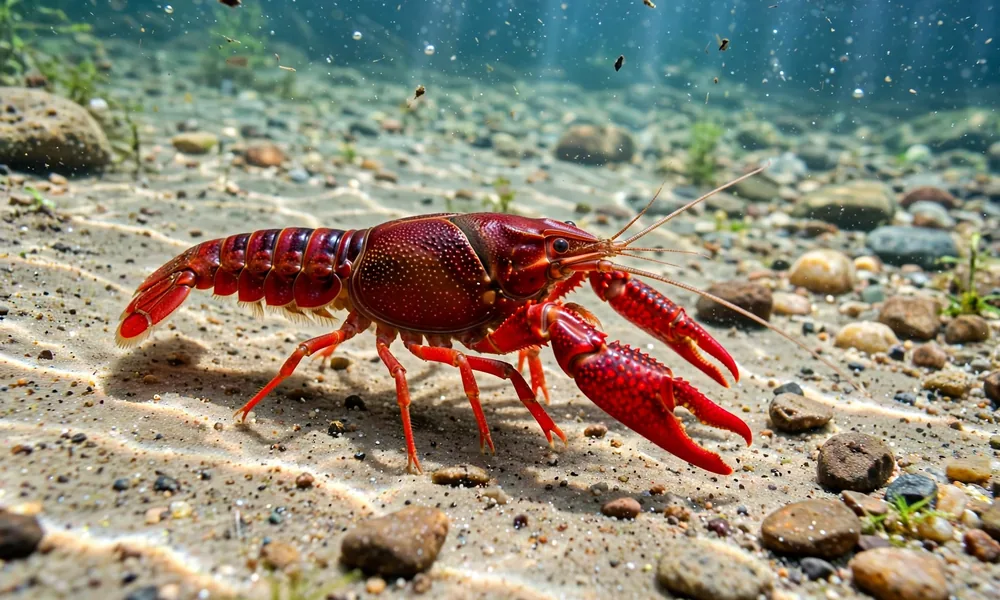
The closest relatives of the Tasmanian giant are the other two crayfish of the genus Astacopsis, the southern Astacopsis tricornis of eastern Tasmania and the small eastern Astacopsis franklinii of western Tasmania, and the giant can be told from them by the raised ridge along the middle of its rostrum, just between the eyes. The red swamp crayfish, Procambarus clarkii, is the crayfish most people have actually met, the bright red animal of the Louisiana crawfish boil, about 10 to 12 centimetres long, and it has been carried around the world by people, so that it now lives in rivers far from its home in the south-eastern United States. The common yabby, Cherax destructor, is the best-known crayfish of mainland Australia, about 10 to 20 centimetres long, at home in rivers, dams and swamps across much of Victoria, western New South Wales, south-western Queensland and eastern South Australia. The Murray crayfish, Euastacus armatus, is the giant of the mainland, a green to green-brown animal with large white spines on its tail and white claws, which can reach 2.5 kilograms in the Murray-Darling river system.
What crayfish look like
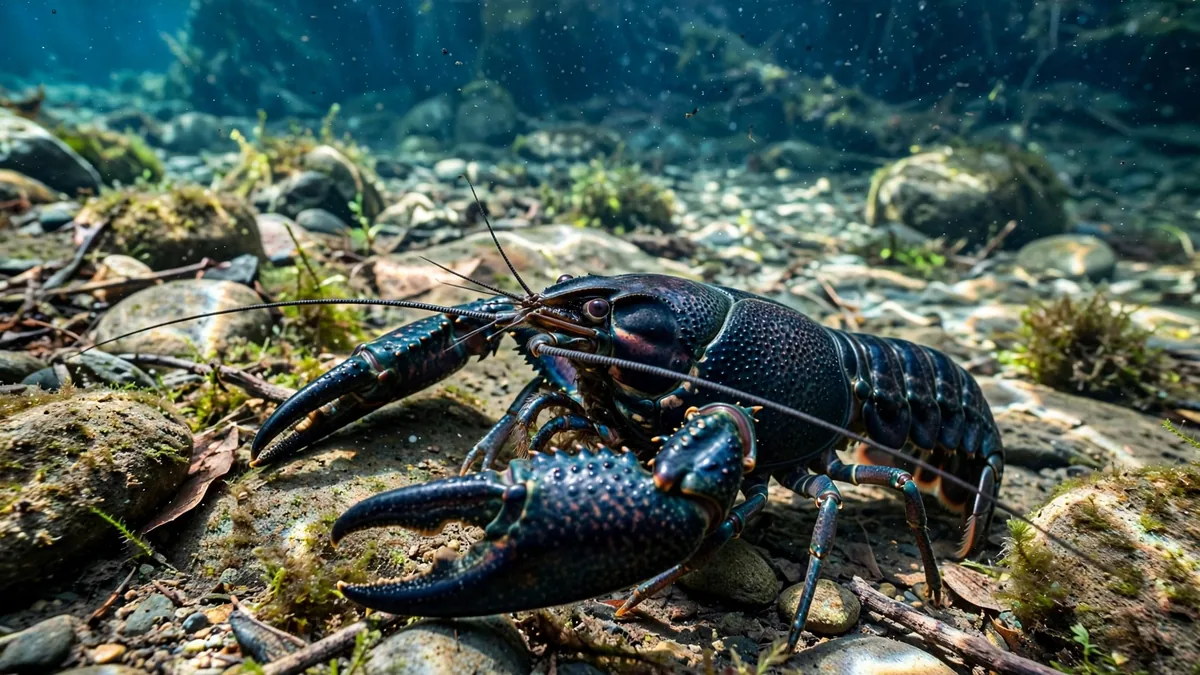
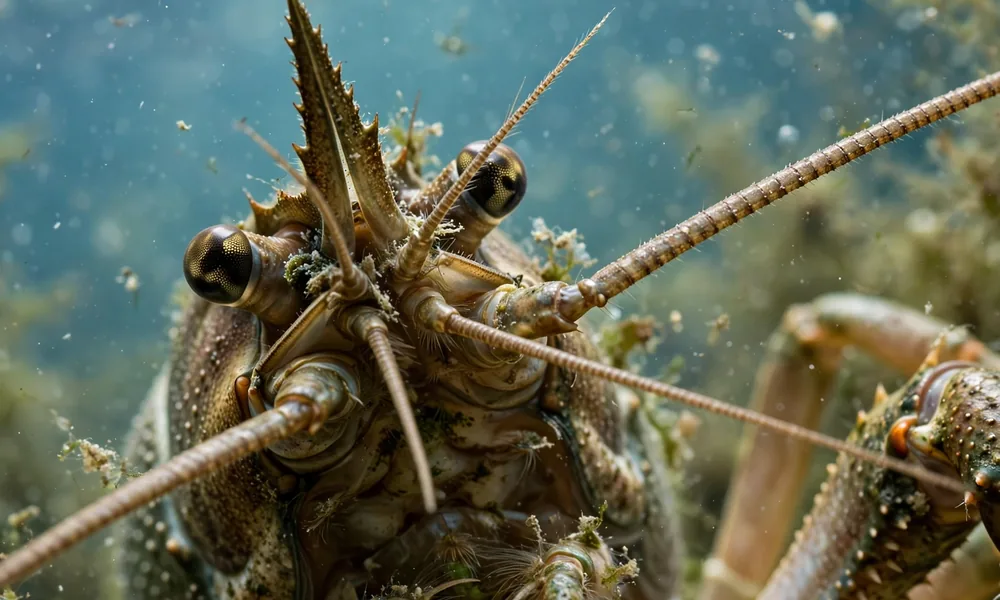
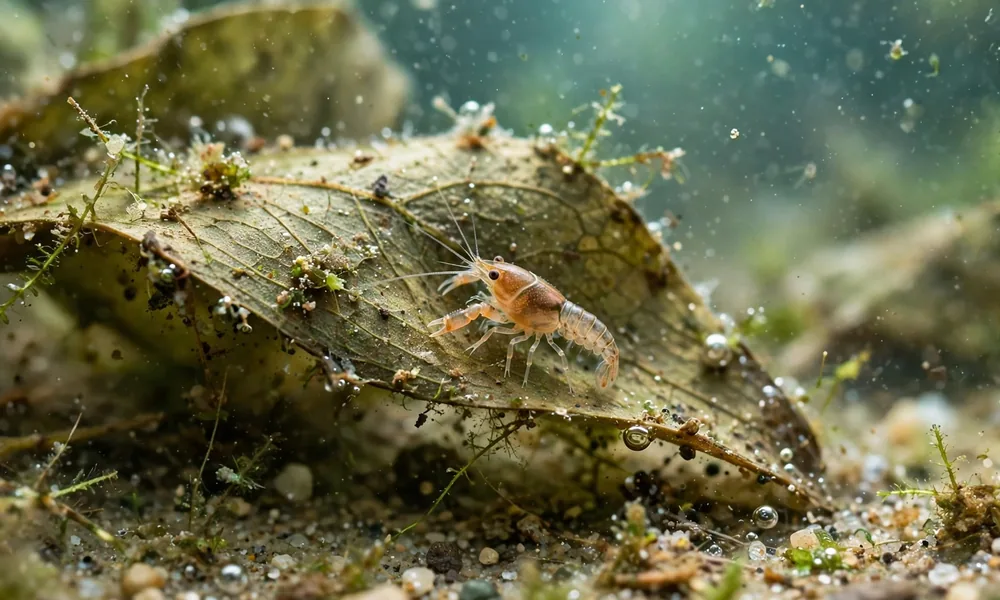
A crayfish looks like a small lobster that never went to sea. The body is divided into three parts, the head, the thorax and the abdomen, or tail, and the head and thorax are joined together under a single hard shield called the carapace, which projects backwards from the head and covers the gills. The head carries a sharp snout, the rostrum, and a pair of compound eyes on movable stalks, so that the animal can look in two directions at once, and two pairs of long antennae that feel and taste the water ahead. The front pair of the five pairs of walking legs carries the large, powerful pincers, the chelae, and the five pairs of smaller appendages under the tail are used for swimming and for circulating water over the gills. The colour is sandy yellow, green, red or dark brown, and it changes with the species and with the river, so that a yabby can be brown, green or pale blue, a red swamp crayfish is bright red, and a Tasmanian giant is dark blue-black to brown with speckles.
The size of a crayfish depends on the species and on the age of the animal, and the difference across the group is enormous. Most adult crayfish are about 7.5 centimetres long, and a large-scale comparison of body sizes across 125 Australian and 230 North American species found that the median maximum body length for both groups was about 74 millimetres, just under 3 inches, so half of all described species top out shorter than that and half grow longer. At the small end sits Cambarellus diminutus of the south-eastern United States, only 2.5 centimetres long, and the smallest Australian crayfish, Tenuibranchiurus glypticus of Queensland, does not exceed 30 millimetres. At the large end sits the Tasmanian giant, which can reach 80 centimetres from claw to tail and weigh up to 6 kilograms. The young look like small copies of the adults, and a newly hatched crayfish is a tiny, soft-shelled version of its mother, clinging to her tail until it is ready to let go.
The claws are the part of a crayfish that people remember, and they are also the part that tells you the most about the animal. A crayfish that loses a claw in a fight is not finished, because it can regrow the limb over successive moults, though the new claw is smaller at first and takes time to catch up. The shell itself is thin but tough, and it does not grow, so a crayfish must moult, shedding the old shell and swelling into a new, larger one while it is still soft, and hiding until the new shell hardens. Young crayfish moult several times a year, and the moults become less frequent as the animal matures, until an old giant may moult only once a year, in December or January.
Where crayfish live
Crayfish live in fresh water, and they are found in rivers, streams, lakes, dams, swamps and paddy fields across the Northern and Southern Hemispheres, though they are most common in Europe, North America, Australia and Asia. Over half of the more than 640 species occur in North America, with more than 400 species there, concentrated above all in the south-eastern United States. Nearly all crayfish live in fresh water, although a few species occur in brackish or salt water, and some species are semi-aquatic, living in burrows in damp ground and coming to the water to breathe. The yabby has the largest range of any Australian crayfish, occurring across most of Victoria, western New South Wales, south-western Queensland and eastern South Australia.
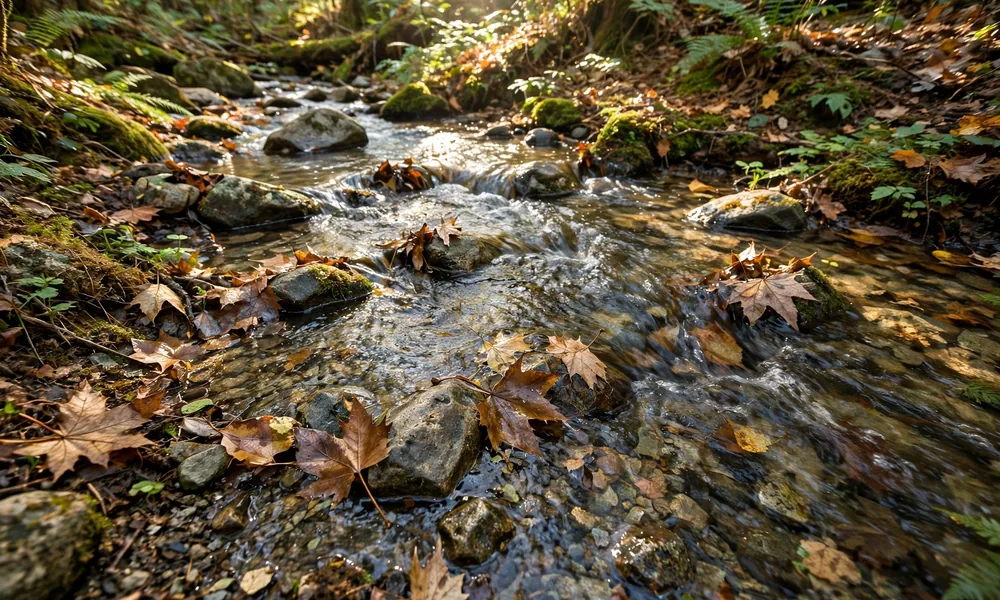
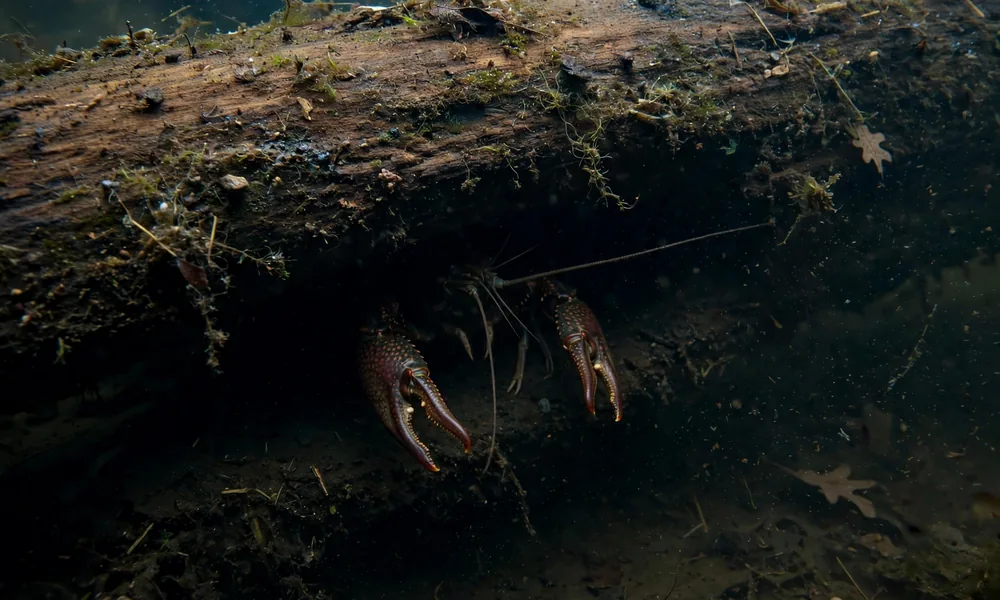
The habitat a crayfish chooses is the sheltered corner of the stream, and it rarely lives anywhere else. A crayfish spends its days hidden under rocks or logs, in a burrow in the bank or in a hollow under a boulder, and it comes out at night to feed, returning to the same shelter when it is done. The water has to be cool, clean and well oxygenated, because a crayfish breathes through feathery gills under its carapace, and some species cannot survive in polluted water at all, which is why crayfish are used as a sign of a healthy river. The Tasmanian giant is the most demanding of all, living only in cool, pristine rivers with plenty of fallen wood, and adults often dig burrows in stream banks and underneath logs and boulders in the streambed.
What crayfish eat
Crayfish are omnivores, and their diet is written in the stream bed they live on. They are mostly vegetarian and most active at night, foraging on the bottom and eating water weeds, the decaying roots and leaves, and the rotting wood, and they also eat snails, insect larvae, worms and amphibian tadpoles, and small fish and carrion when they can find them. The Tasmanian giant lives mainly on decaying wood, leaves and the microbes that grow on them, and it will also eat small fish, insects and rotting animal flesh, and even dead fish and mammals that drift its way. They feed by picking up food with their small mouthparts and their pincers, tearing off pieces and passing them to the mouth, and they will eat almost anything that is soft enough to tear and dead enough not to fight back.

What a crayfish eats changes with its age, and the change happens as it grows. Young crayfish eat more animal food, the small snails and insect larvae that give them the protein they need to grow fast and moult often, while older animals eat more plant matter and detritus, and the giant of Tasmania eats mostly dead leaves and rotting wood for its whole adult life.
How crayfish behave
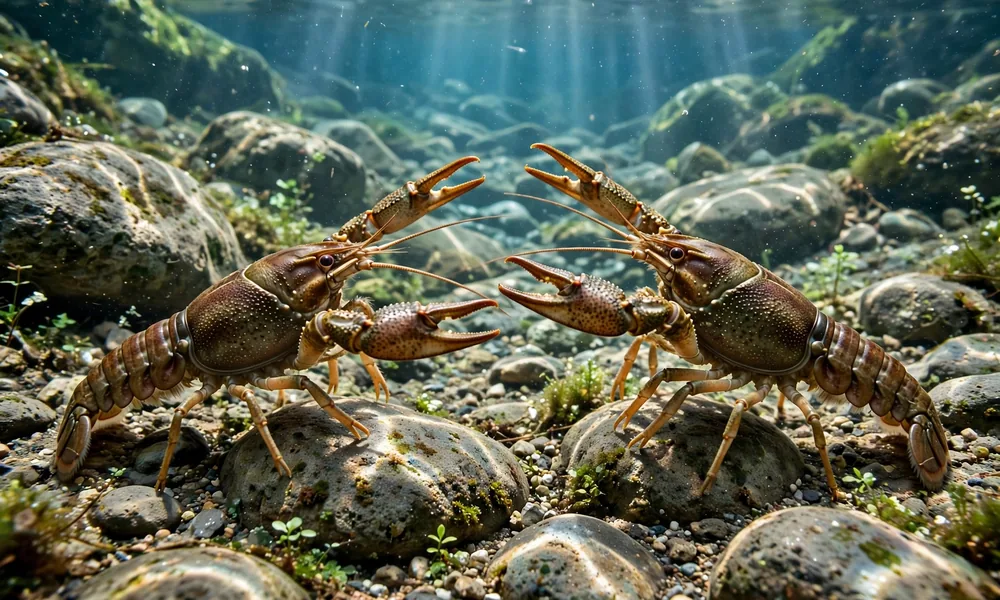
Crayfish are night animals, and their day is split cleanly in two: hidden by day, feeding by night. They spend the daylight hours under rocks or logs or in their burrows, and they come out after dark to forage on the stream bed, feeling their way with their antennae and picking up food with their claws. They are usually very territorial, especially against other members of their own species, and a male will defend a good shelter, a hollow log or a deep pool, against any rival that comes near. When two males meet, they display first, raising the front of the body and spreading the claws wide in what is called a meral spread, and if neither backs down they wrestle, clawing and jabbing at each other until one gives way and flips away with a snap of its tail.
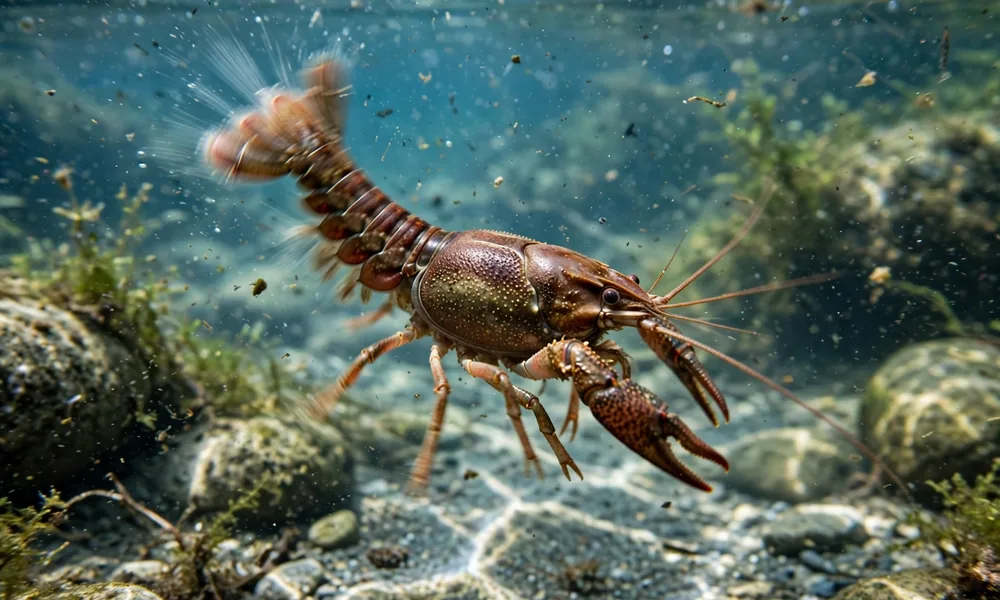
The most useful behaviour in a crayfish is its escape, and it is the reason the tail is so big. When a crayfish is startled, it flicks its powerful tail under its body and shoots backwards through the water, fast enough to vanish into the murk before a fish can turn, and it can repeat the flick again and again until it reaches cover. The Tasmanian giant is a slower animal, and a study in 2004 found that it has periods of relative inactivity lasting from one to ten days, broken by short travels after which it returns to its home site, though one animal was recorded moving over 700 metres in a single night. They are most active in summer and autumn, when the water is warmer, and they are also known to walk over land, crossing damp ground between pools when a river runs low.
The social life of a crayfish is a solitary one, and it is the male giant that shows it most clearly. Male Tasmanian giants are territorial, and a male will secure a secluded area in the river and gather a harem of several females around it, defending the stretch against other males and mating with the females that live there.
Breeding and life cycle
Crayfish breed in the cooler months, when the water is at its coldest and the rivers are running well, and the season follows the cool season of each river rather than a single calendar date. In the Northern Hemisphere they mate in the autumn and lay their eggs in the spring, and the female carries the eggs attached to the swimmerets under her abdomen, where she fans them with fresh water and keeps them clean until they hatch. A female Tasmanian giant mates and spawns once every two years, and she does not start breeding until she is about 14 years old, at a weight of about 550 grams and a carapace length of about 120 millimetres, while males are thought to reach maturity more quickly, at around 9 years, 300 grams and a carapace length of about 76 millimetres. The eggs hatch in five to eight weeks, and the larvae remain on the mother for several weeks.
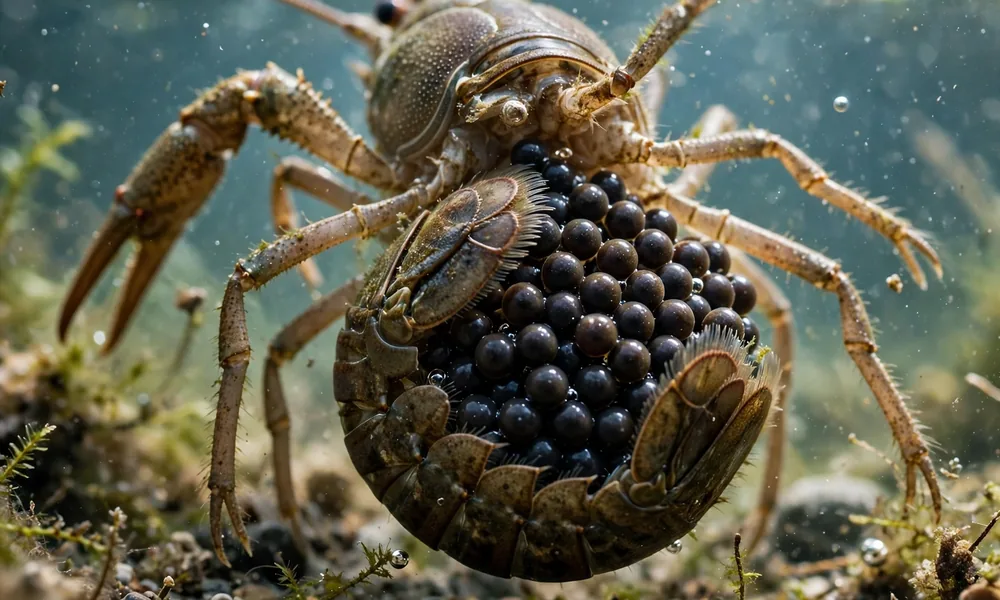
Under normal conditions the young crayfish leave their mother after a few weeks and set out on their own, and they must survive their first weeks in the river, when a fish or a larger crayfish can end them, before they can grow a shell hard enough to protect them. The young are independent from the day they leave, and they feed on the same small snails and insect larvae that the adults eat, and they moult several times in their first year, growing fast while the water is warm and the food is plentiful. Juveniles are suspected to move into seasonal creeks and shallow, faster-flowing waters known as riffle zones, where they are at less risk from predators, including other crayfish, fish, platypus and rakali, the native water rat. Sexual maturity is achieved in a few months to several years, depending on the species, and the life span ranges from about a year to 20 years for most species, while the Tasmanian giant can live for up to 40 years.
A crayfish that survives its first year in the river has a good chance of seeing many seasons, and the largest animals in a river are the oldest animals there, the ones that have outwaited every flood and every dry spell. The Tasmanian giant grows the slowest and lives the longest. The slow life is the reason the species is so vulnerable, because a female that is taken from a river at 13 years old has never bred at all, and the river loses not just one animal but all the young she would have carried in the decades ahead.
Conservation status
The conservation status of crayfish is, on paper, a mixed one. The Tasmanian giant freshwater crayfish is listed as Endangered by the International Union for Conservation of Nature, and it has been a protected species in Tasmania since 1998, when fishing for it was banned outright. The noble crayfish of Europe, Astacus astacus, has been hit hard by crayfish plague, a disease carried by North American crayfish that spread through Europe from the 1860s and still kills European crayfish today. Many other species are doing well, and the red swamp crayfish is so successful that it is a pest in the rivers where people have introduced it, but the giants and the slow breeders are the ones in trouble, and the trouble is almost always the same: a river that has been fished too hard, silted up, or stripped of its fallen wood.
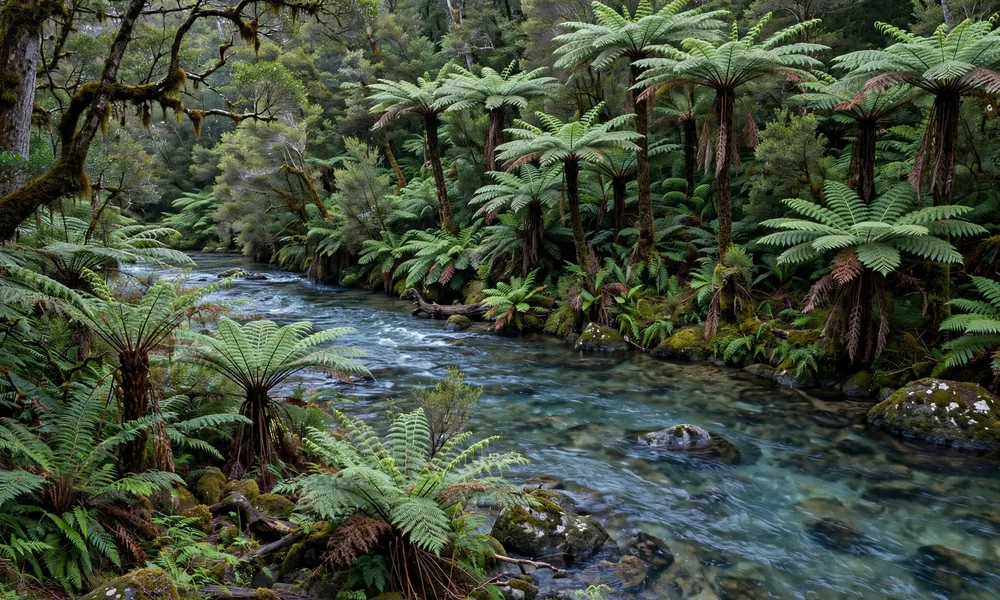
The main pressure is the loss of the river itself to silt, to the clearing of bankside trees, and to the removal of fallen logs from the stream, and a crayfish that loses its shelter and its rotting wood loses both its home and its food. The Tasmanian giant needs clean, well-oxygenated water, and a river that runs brown with silt after rain cannot support it, because the silt smothers the gills and buries the wood it feeds on. The second pressure is poaching, and the giants are still taken illegally, because a large animal is worth money, and because the ban is hard to enforce along hundreds of kilometres of remote river.
The answer is not a single fix, and it is the slow work of cleaner rivers, protected banks and fallen wood left in the stream, and the restoration of the giants in Tasmania, where researchers tag and release animals and watch them grow year after year, is the most hopeful part of the story. The ban on fishing since 1998 has helped, and large individuals are a little less rare than they were before the species received official protection, though animals over 2 kilograms are still rare today. Like the animals in our octopus guide, the crayfish is a creature that can regrow a lost limb and change its shell, but no animal can regrow a river, and the crayfish will only come back when the rivers do.
Best seasons for crayfish watching
The best time to look for crayfish is late spring through to early autumn, when the water is warmest and the animals are most active, though no season will show you a giant from a riverbank. The crayfish are present in the rivers all year round, so there is no wrong season in the strict sense, but the warm months are the time when they feed most and move most, and a visit in summer or early autumn will show you the most animals. A night walk with a torch along a clear stream, in the warm months, is the best way to see a crayfish in the wild, and the light will catch the eyes of an animal out on the stones.

The best hours are the hours after dark, when the crayfish come out of their shelters and the stream bed comes alive, and the animals are at their boldest then, with their antennae out and their claws ready. From about dusk until well into the night, the crayfish are out feeding, and a quiet walker with a torch can see them on the stones and among the leaves. A guided night walk with a local guide, in the warm months, is the best way to see a crayfish in the wild, and the guide will know the pools where the animals feed and the logs they hide under by day.
Staying safe around crayfish
A crayfish is not dangerous to people who leave it alone, and there is no safety warning that belongs to the crayfish itself beyond the obvious one: do not pick it up by the tail, and do not put your fingers near its claws. The pincers of a large crayfish can give a sharp nip, and a giant’s claws are strong enough to break skin, and a nip from a frightened animal can be painful and can become infected if it is not cleaned. A crayfish will not chase or threaten a person, and it will not bite unless it is handled, because it would rather flip away into the dark than fight something as big as a person, but a hand under a log can disturb an animal that has nowhere to go, which is why watchers are taught to look with a torch and leave the logs where they are.
Crayfish watching checklist
A little preparation turns a night by a stream into a real chance of seeing crayfish at their best, out on the stones in the warm months.
- A guided night walk with a local guide in the warm months, when the crayfish are most active and out feeding after dark.
- A torch with a red filter, so you can see the crayfish without dazzling them and driving them back under the logs.
- Sturdy waders and river shoes, so you can stand in the shallows without slipping on the stones.
- A net and a bucket only if you have permission, so you can look at an animal closely and put it back where you found it.
- A field guide to the crayfish of the river, so you can tell a yabby from a red swamp crayfish.
- Warm clothes and insect repellent, so you can stay out by the water until the crayfish come out.
- Respect for the crayfish and the river, keeping the logs where they are, keeping your hands out of the burrows, and leaving the river as you found it.
Frequently asked questions
How big do crayfish get?
Most adult crayfish are about 7.5 centimetres long, and the median maximum body length across 125 Australian and 230 North American species is about 74 millimetres, just under 3 inches. The smallest crayfish, Cambarellus diminutus of the south-eastern United States, is only 2.5 centimetres long, and the smallest Australian crayfish, Tenuibranchiurus glypticus, does not exceed 30 millimetres. The largest is the Tasmanian giant freshwater crayfish, Astacopsis gouldi, which can reach 80 centimetres from claw to tail and weigh up to 6 kilograms, with claws longer than 150 millimetres, though most large animals found today weigh 2 to 3 kilograms.
What do crayfish eat?
A crayfish eats decaying wood and leaves and the microbes that grow on them, and it also eats snails, insect larvae, worms and amphibian tadpoles, and small fish and carrion when it can find them. The Tasmanian giant lives mainly on rotting wood and leaf litter, and it will also eat small fish, insects and rotting animal flesh, and even dead fish and mammals that drift its way. Young crayfish eat more animal food, the small snails and insect larvae that give them the protein they need to grow fast, while older animals eat more plant matter and detritus, and a crayfish that loses its rotting wood loses most of its food.
Are crayfish lobsters?
Crayfish are not lobsters, though they are close relatives, and the two animals are easy to tell apart once you know what to look for. Both are decapod crustaceans with a hard shell, big front claws and a muscular tail, and both belong to the order Decapoda, but lobsters live in the sea and crayfish live in fresh water, and the Tasmanian giant is sometimes called a freshwater lobster because it is so large. A crayfish is a freshwater animal through and through, breathing through gills that need fresh, clean water, and it would not survive in the sea, just as a lobster would not survive in a river.
Where do crayfish live?
Crayfish live in fresh water, in rivers, streams, lakes, dams, swamps and paddy fields across the Northern and Southern Hemispheres, though they are most common in Europe, North America, Australia and Asia. Over half of the more than 640 species occur in North America, with more than 400 species there, concentrated in the south-eastern United States, while Australia holds more than 100 species in nine genera. The Tasmanian giant lives only in the rivers of northern Tasmania below about 400 metres above sea level, and the yabby has the largest range of any Australian crayfish, across most of Victoria, western New South Wales, south-western Queensland and eastern South Australia.
Can you keep crayfish as a pet?
You can, but only a captive-bred animal, and only with the right setup, and most people should think carefully before they try. Crayfish are widely kept in freshwater aquariums, where they need cool, clean, well-oxygenated water, plenty of hiding places, and a tank with a tight lid, because they are escape artists and will climb out of an open tank. They are not a pet for a beginner, because they will eat smaller tank mates and dig up plants, and a crayfish that escapes into the wild must never be released where it does not belong, because it could carry disease or push out the local crayfish.
How is this guide different from the coral guide?
This guide covers crayfish, freshwater crustaceans led here by the Tasmanian giant freshwater crayfish, Astacopsis gouldi, that live in cool rivers and streams, hide under logs by day, feed at night on rotting wood and small animals, and breed so slowly that a female does not start until she is about 14 years old, while our coral guide covers the staghorn coral, Acropora cervicornis, a colony of tiny polyps that lives fixed to one spot on a shallow tropical reef, feeds on sunlight and plankton, and grows by budding new polyps beside the old ones. One is a lone, clawed hunter of the stream bed that walks, digs and flips away from danger; the other is a builder that stays put and lets the sea bring it food.
Conclusion
The crayfish species are a reminder that an animal does not need to be big, or fast, or fierce to be unforgettable. A thumb-sized crustacean with big claws and a bigger attitude, a night feeder that turns dead leaves into a living river, and a giant in Tasmania that can live for 40 years and weigh 6 kilograms have made crayfish the quiet gardeners of the fresh water, at home in the rivers and streams from Louisiana to Tasmania.
If you go looking for one, go on a guided night walk in the warm months, go after dark, and stand quietly at the edge of a clear stream with a torch in your hand. Find the stones and the sunken logs in the clear water, watch for the eyes shining back at you and the claws held out front, and wait for a crayfish to come out and feed, and you will have met the animal that turns a quiet stretch of river into a working stream. Look, and do not disturb the logs.