What Are Predator Animals?
Predator animals are hunters that catch and eat other animals to survive. Predator animals range from wolves and lynx in Norwegian forests to eagles above the mountains and sharks in cold northern seas, and each one plays a part in keeping its habitat in balance. The central question is simple: why does nature need hunters? The answer is that predators control prey numbers, remove weak and sick animals, and stop one species from taking over. Without them, deer, rodents and smaller birds can grow too numerous, eat too much vegetation, and spread disease more easily.
A predator is not the same as a scavenger, although some animals do both. A true predator hunts live prey, using speed, strength, stealth, senses or teamwork, while a scavenger feeds mainly on animals that are already dead. That hunting skill has been shaped by the place they live in, the prey they chase, and the seasons they must survive.
Key Takeaways
– Predator animals hunt live prey and help keep prey numbers, health and habitats in balance.
– Different hunters use different tactics: ambush, pursuit, pack hunting, trapping and diving.
– Norway is home to lynx, wolves, brown bears, wolverines, golden eagles and sea eagles.
– Predators rarely hunt people, and most encounters end safely when people stay calm and keep their distance.
– Healthy predator numbers are a sign of a healthy ecosystem, not a threat to it.
How Predators Hunt
Hunting is a careful mix of senses, timing and energy. A failed hunt costs food and strength, so most predators watch, listen and smell before they move, and often give up if the odds are poor.
Ambush Hunters
Ambush hunters wait, hide and strike at close range. The Eurasian lynx is a clear example, using forest cover, quiet paws and a short, powerful rush to catch roe deer and smaller prey. Leopards, crocodiles and many spiders use the same idea. Patience matters more than speed: they save energy by letting prey come close, then use one fast burst to finish the hunt.
Camouflage helps ambush hunters in two ways: it hides them from prey and from larger predators while they rest. Spotted coats, striped fur and mottled feathers break up the body’s outline against leaves, rock and snow. Stillness matters just as much as colour, and a hunter that moves too soon loses the advantage.
Pursuit Hunters
Pursuit hunters chase prey over open ground or through water. Wolves, cheetahs and wild dogs belong in this group, along with dolphins and many sharks. They rely on stamina, speed and the ability to turn quickly, rather than on surprise alone, and must judge when the prey is tiring.
Pack hunting changes the odds. Wolves hunt together, taking turns to lead a chase and cutting off escape routes, which lets a pack take prey too large for one wolf alone. Lone pursuit hunters, such as the cheetah, depend instead on a short burst of extreme speed and sharp eyesight.
Hunters From Above and Below
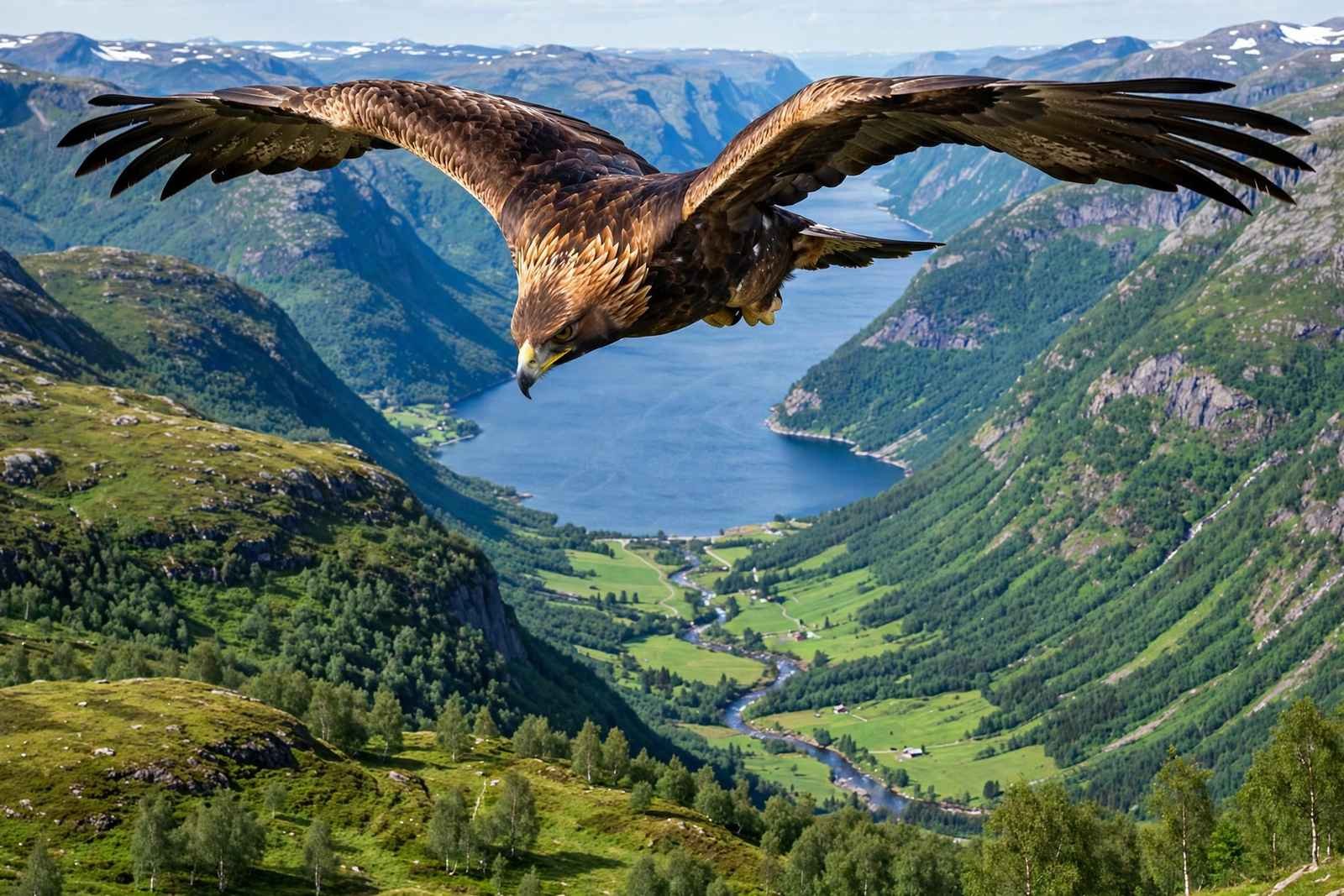
Some predators hunt from the air. Eagles and owls use keen eyesight and silent flight to catch prey on the ground, while falcons dive at great speed to strike birds in flight. Owls hunt mainly at night, using hearing to find small mammals in grass or snow, and their soft wing feathers help them fly quietly.
In water, hunting takes a different form. Sharks use smell, movement and electrical signals to find prey, while orcas hunt in groups and use sound to work together. Each method suits the medium it works in, whether that is air, fresh water or the open sea.
Predator Animals in Norway
Norway has a rich mix of land and sea predators, shaped by forests, mountains, fjords and a long coastline. Many are shy and hard to see, so most people learn about them through tracks, droppings and trail cameras. The animals in Norway include large mammals, birds of prey and marine hunters.
The lynx is the most common large predator in Norwegian forests. It is a solitary cat with tufted ears, a short tail and large paws that work well in snow. It hunts mainly roe deer, along with hares, birds and smaller mammals, and rests in dense cover during the day. The lynx is a quiet hunter, often known only by its tracks.
Wolves live in smaller numbers, mainly in the south-east, close to the Swedish border. They hunt in packs and take mainly moose and roe deer. The moose in Norway are large and strong, so a pack must work together and choose weaker animals, often young, old or injured ones. Wolves are wary of people and usually move away long before they are seen.
Brown bears live in forested areas in the north and east and eat a wide mix of food. Berries, plants, insects, fish and carrion form much of their diet, but they can also hunt larger animals when the chance comes. Wolverines live in mountain areas, are strong for their size, and can travel long distances over snow. Both species are shy, and encounters with people are rare.
Golden eagles hunt hares, grouse and other birds in open mountain and forest edge, while white-tailed sea eagles patrol coasts and fjords for fish, seabirds and carrion. Goshawks hunt fast through trees, catching birds and small mammals in short, sharp flights.
Predator Tactics Compared
No single hunting style works everywhere. A lynx would fail in open grassland, and a cheetah would struggle in dense forest. The table below shows how common tactics fit different hunters, prey and places.
| Hunting style | Typical hunters | Main prey | Key strength |
|---|---|---|---|
| Ambush | Lynx, leopard, crocodile | Deer, hares, fish | Stealth and a short rush |
| Pursuit | Wolf, cheetah, wild dog | Deer, antelope, hares | Speed and stamina |
| Pack hunting | Wolf, orca, lion | Moose, seals, large prey | Teamwork and shared effort |
| Aerial hunting | Golden eagle, falcon, owl | Hares, birds, rodents | Eyesight and silent flight |
| Aquatic hunting | Shark, orca, otter | Fish, seals, squid | Swimming speed and senses |
Table 1: Common predator hunting styles, the animals that use them, and the strengths that make each style work.
Why Predators Matter in Nature
Predators do more than eat prey. They shape where prey animals feed, how they move and how many survive the winter. Deer that sense wolves nearby feed in safer places and stay alert, which gives young trees and plants a chance to grow.
Predators also keep prey healthy. By catching animals that are old, sick or slow, they reduce the spread of disease and leave stronger animals to breed. Over time, prey species become faster, more alert and better at hiding, while predators become better at finding and catching them. This long balance is one of the main forces behind animal adaptations.
Scavengers gain from predators too. A carcass left by a wolf or a lynx feeds ravens, foxes, beetles and many other creatures, so one hunt supports a whole chain of life. Forests and mountains in Norway, with their mix of taiga animals and open moorland, show this chain at work every day.
When predators disappear, prey numbers can rise fast, grazing can damage young forest, and disease can spread more easily. That is why many countries protect large predators and manage them with care, watching numbers and protecting livestock where needed.
Living Safely Near Predators
Most people will never meet a large predator face to face. The risk is low, and simple habits reduce it further. The main rule is to keep distance, stay calm and let the animal move away. Running can trigger a chase response, so walking away slowly while facing the animal is safer.
Food and waste attract animals, so store food in sealed containers, keep rubbish away from sleeping areas, and do not leave pet food outside overnight. Dogs should stay on a lead where large predators live, both for the dog’s safety and to avoid disturbing wildlife.
Checklist: Safe and Respectful Wildlife Watching
– Keep at least 100 metres from large predators, and more if young are nearby.
– Stay quiet, move slowly, and use binoculars instead of walking closer.
– Never feed wild predators or leave food where they can reach it.
– Keep dogs on a lead and children close in forest and mountain areas.
– If you see a predator, stay calm, face it, and back away slowly.
– Report injured or unusually bold animals to local wildlife authorities.
– Learn the signs of the area first: tracks, droppings, calls and warning signs.
– Leave the place as you found it, with no litter and no damage to habitat.
Common Myths About Predator Animals
Many ideas about predators come from stories, films and fear rather than fact. Wolves are often shown as a threat to people, yet attacks are very rare in Europe, and wolves normally avoid human contact. Sharks get similar treatment, even though most species are not a danger to swimmers.
Another myth is that predators kill for fun. Hunting takes energy and carries risk, so most predators hunt only when they need food. A lynx or wolf that has eaten will rest and save strength for the next hunt.
A third myth is that predators are cruel. Nature does not work in human terms of good and bad: a predator that catches prey is feeding itself and its young, just as a deer that eats plants is feeding itself. The 2000 forest animal list shows how many species share one habitat.
Frequently Asked Questions
What is a predator animal?
A predator animal is an animal that hunts and eats other live animals, called prey. It uses senses, speed, strength, stealth or teamwork to catch food, and it plays a key role in keeping prey numbers and habitats in balance.
Which predator animals live in Norway?
Norway is home to lynx, wolves, brown bears, wolverines, golden eagles, white-tailed sea eagles, goshawks and otters, along with marine hunters such as orcas and sharks. Most are shy and avoid people.
Are predator animals dangerous to people?
Most predator animals are not a danger to people when left alone. Attacks are rare, and most animals move away if they hear or see a person first. Keeping distance and not feeding wildlife are the best ways to stay safe.
What is the difference between a predator and a scavenger?
A predator hunts live prey, while a scavenger feeds mainly on animals that are already dead. Many animals do both, but a true predator depends on hunting for most of its food.
Why are predators important for nature?
Predators control prey numbers, remove weak and sick animals, and shape where prey feed and move. This helps plants recover, reduces disease, and supports scavengers and other wildlife.
Do predators hunt in groups?
Some do, and some do not. Wolves, lions and orcas hunt in groups, using teamwork to take larger prey. Lynx, leopards, eagles and most sharks hunt alone, relying on stealth, speed or surprise.
A Hunter’s Place in the Wild
Predator animals are not villains in nature. They are hunters, parents and neighbours in a shared landscape, shaped by the same seasons and the same need for food and shelter as the animals they hunt. Their presence keeps forests, mountains and seas in balance.
The next step is simple: learn to notice them without disturbing them. Read about the wildlife in your area, learn to spot tracks and signs, and visit a national park or nature reserve with care and respect. If you want to go further, explore the guides to national parks wildlife Norway and plan a quiet walk where you can watch, listen and learn. The wild rewards patience, and the best sightings often come to those who wait.