Key Takeaways
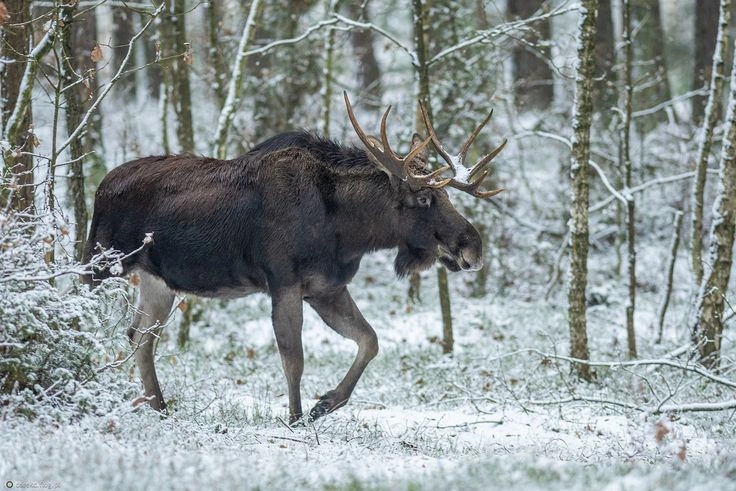
Moose in Norway are among the country’s most impressive wild animals. They live mainly in forests and other landscapes with suitable vegetation, while their behaviour changes with season, food availability and breeding activity.
For the best chance of seeing Moose in Norway, consider Vesterålen, Øyer, Espedalen, Finnskogen, Oppdal or other established safari locations. Guided trips are particularly useful because local guides know where animals are often active.
Most importantly, remember that Moose in Norway are wild animals. Watch quietly, keep your distance and allow the animal to decide how close the encounter becomes.
Quick Answer
Moose in Norway live mainly in forests and landscapes with plenty of shrubs, young trees, wetlands and other vegetation. They are mostly solitary, although females may stay with calves.
The best chances of seeing Moose in Norway are generally around dawn and dusk. Guided safaris can improve your chances, particularly in places where local guides know regular feeding and movement areas.
Vesterålen is one of the best-known destinations for wild moose encounters, while areas around Øyer, Espedalen, Finnskogen, Trøgstad, Oppdal and Lindesnes also offer moose experiences.
Moose in Norway: Basic Facts
| Feature | Information |
|---|---|
| Common Norwegian name | Elg |
| Scientific name | Alces alces |
| Family | Deer family |
| Main habitat | Forests, wetlands and mixed landscapes |
| Diet | Leaves, shoots, bark and other vegetation |
| Social behaviour | Mostly solitary |
| Best viewing times | Dawn, dusk and quiet evening hours |
| Largest males | Can reach around 700 to 800 kg |
| Conservation status in Norway | Least Concern |
Artsdatabanken lists Moose in Norway as Alces alces and classifies the species as Least Concern in mainland Norway. Adult animals can reach around 700 to 800 kg, making the moose one of Europe’s largest land mammals.
Habitat of Moose in Norway
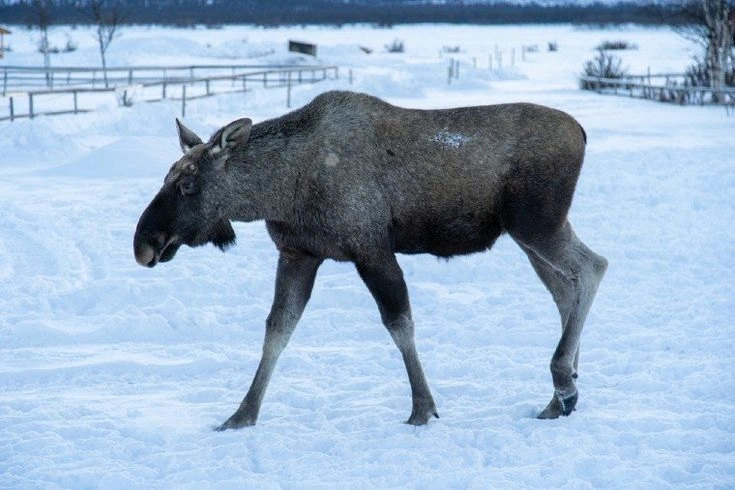
The habitat of Moose in Norway is closely linked to food and shelter. Forests are especially important, but moose are not limited to dense woodland.
They can use young forests, open woodland, wetlands, river valleys, agricultural edges and other areas where vegetation is available. Artsdatabanken identifies forest and several other terrestrial habitat types as suitable environments for the species.
Forests and Young Woodland
Forests provide food, cover and routes between different feeding areas. Young trees and shrubs can be especially useful because they offer shoots and leaves that moose can browse.
This is one reason why a quiet forest edge can sometimes be more productive for wildlife watching than the deepest part of a forest.
Wetlands and Water
Moose in Norway are also comfortable around water. Rivers, lakes, marshes, and wet forest areas can provide vegetation and cooler conditions.
Moose are strong swimmers, and Norwegian wildlife guides have documented them swimming in unusual coastal settings as well.
Rural Landscapes
It is also possible to encounter Moose in Norway near farms, gardens, and roads. Their ability to move through different landscapes means that an encounter is not always limited to remote wilderness.
That said, a moose beside a road creates a safety issue. Drivers should slow down in areas known for moose because animals can suddenly cross the road.
Behaviour of Moose in Norway
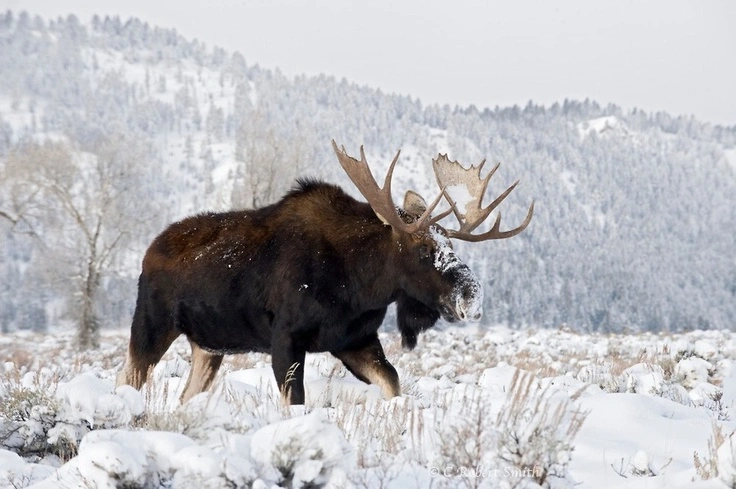
Understanding behaviour makes watching Moose in Norway much easier.
Moose are generally shy and prefer to avoid people. Despite their enormous size, they can disappear surprisingly quickly into vegetation.
Are Moose Solitary?
Most adult moose spend much of their time alone. Females, known as cows, stay with their young, particularly during the early stages of a calf’s life.
During the breeding season, males become more noticeable because they search for females and may compete with other males.
When Are Moose Most Active?
Moose in Norway are commonly more active during quieter periods, especially around dawn and dusk. Evening can therefore be a productive time for wildlife watching.
For example, guided tours in Øyer search for moose during long summer evenings, while other safari operators plan trips around twilight.
What Do Moose Eat?
Moose are herbivores. Their diet includes leaves, shoots, twigs, bark and other plant material.
Because they are browsers rather than animals that depend mainly on grazing short grass, areas with shrubs and trees can be particularly attractive.
The Autumn Rut
Late summer and autumn are especially interesting for observing Moose in Norway because this is the breeding period.
Male moose develop impressive antlers and may become more active. Visit Norway highlights August, September and October as particularly interesting months for moose safaris because of the rut and autumn scenery.
Best Places to See Moose in Norway
Norway is large, so there is no single guaranteed location. However, several destinations stand out for wildlife experiences.
| Destination | Why Visit | Best Experience |
| Vesterålen | Strong reputation for wild moose sightings | Guided safari |
| Øyer | Forest and mountain landscapes | Evening safari |
| Espedalen | Known for moose movement routes | Observation tower |
| Finnskogen | Large forest environment | Walking or guided safari |
| Trøgstad | Moose safari opportunities | Guided wildlife trip |
| Oppdal | Twilight moose tours | Car safari |
| Lindesnes | Southern Norway option | Evening safari |
Vesterålen
Vesterålen in Northern Norway is one of the strongest choices for seeing Moose in Norway in the wild.
Local guides run regular trips around Andøya and other parts of the island district. The area combines forests, open landscapes and dramatic coastal scenery, making a moose encounter especially memorable.
Vesterålen also offers the unusual possibility of combining a moose experience with the midnight sun or northern lights, depending on the season.
Øyer
Øyerfjellet is another useful destination for Moose in Norway. Guided evening trips search for moose in their natural habitat, particularly during the long northern summer evenings.
Espedalen
Espedalen has a particularly interesting connection with moose movement. Visit Norway describes seasonal movement involving areas around Lake Mjøsa and higher areas around Espedalen, Skåbu and Murudalen.
Visitors can also stay at a dedicated moose observation tower in Espedalen, giving wildlife watchers a different way to look for Moose in Norway.
Finnskogen
Finnskogen, often translated as the Finnforest, is another strong option because of its extensive forest landscape.
Guided walking experiences are available, allowing visitors to search for Moose in Norway while learning about the local environment.
Oppdal and Lindesnes
Oppdal offers guided evening moose trips by vehicle, while Lindesnes in southern Norway also has guided moose safaris during the summer season.
These destinations are useful alternatives if your Norway trip does not include Northern Norway or Innlandet.
Wild Moose vs Wildlife Parks
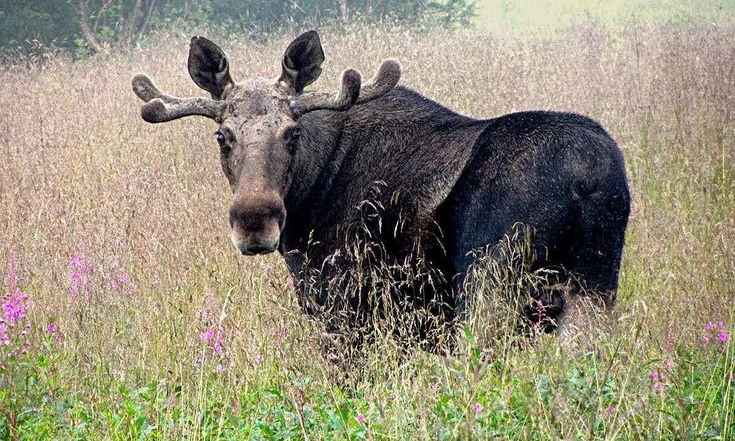
There are two very different ways to experience Moose in Norway.
| Experience | Wild Moose | Wildlife Park |
| Natural behaviour | Yes | Limited |
| Sightings guaranteed | No | Much more predictable |
| Best for photography | Excellent but difficult | Easier |
| Safe close viewing | No | Possible under rules |
| Guides available | Often | Usually |
| Family friendly | Depends on conditions | Usually easier |
If your priority is seeing natural behaviour, choose a guided wildlife safari. If your priority is simply getting a close look at a moose, a wildlife park can be easier.
Places such as Langedrag Nature Park, Bjørneparken, Dyreparken and Polar Park provide opportunities to see moose in managed settings.
Best Time to See Moose in Norway
There is no single perfect month because every season offers something different.
Spring is interesting because calves are born and vegetation begins to return. However, mothers can be highly protective, so visitors should be especially careful.
Summer provides long daylight hours and excellent opportunities for evening safaris. In northern Norway, the midnight sun can extend the viewing period.
August through October is particularly attractive because of the rut, mature antlers and autumn colours.
Winter can also produce memorable encounters, especially when animals move through areas where food remains accessible.
How to Watch Moose Safely
Wildlife watching should always put the animal and people first.
Never approach Moose in Norway, especially if a calf is nearby. A mother can become defensive when she believes her young are threatened.
If you are driving, remain alert in areas where moose are common. A large animal can appear suddenly from vegetation, creating very little reaction time.
For photographers, a telephoto or zoom lens is much better than trying to move closer. Guides can also help you understand the animal’s behaviour and maintain an appropriate distance.
Where Viltnemnda Fits In
The Norwegian term viltnemnd refers to a municipal wildlife committee involved in local wildlife management. Norwegian dictionaries define a viltnemnd as a municipal body responsible for wildlife management.
In practical terms, this is important because Moose in Norway are not simply unmanaged animals. Their populations, hunting and wildlife issues are part of Norway’s broader wildlife management system.
Municipal wildlife management can also deal with situations involving moose and human safety. Current Norwegian wildlife management is supported by national systems and data platforms, including Hjorteviltportalen, which is owned by the Norwegian Environment Agency and operated by NINA.
Moose Management in Norway
Moose are an important part of Norwegian nature and hunting culture. Their management involves balancing healthy populations, habitat, road safety, agriculture and sustainable hunting.
Norway’s official statistics show that 26,609 moose were legally harvested during the 2025–2026 hunting year, from 36,247 animals permitted for harvest. Innlandet recorded the highest number of harvested moose among the counties listed in the statistics.
These figures should not be confused with the total wild population. Hunting statistics measure harvested animals, not every moose living in Norway.
Common Mistakes When Looking for Moose
Expecting to See One Immediately
Wildlife is unpredictable. Even experienced guides cannot guarantee a sighting every day.
Getting Too Close
A moose may look calm while still being capable of moving quickly. Never try to touch or feed a wild animal.
Ignoring the Time of Day
Searching during busy daylight hours may be less productive than quietly watching around dawn or dusk.
Stopping Unsafely on Roads
A moose encounter can be exciting, but road safety comes first. Never create a traffic hazard just to take a photograph.
Following a Moose
If an animal moves away, let it go. Chasing it can cause stress and increase the risk of an unsafe encounter.
Practical Moose Watching Checklist
-
Choose a known moose area
-
Consider booking a local guide
-
Go during early morning or evening
-
Carry binoculars
-
Use a zoom or telephoto lens
-
Wear suitable outdoor clothing
-
Keep a safe distance
-
Never approach calves
-
Drive carefully in moose areas
-
Respect local wildlife rules
-
Be patient because sightings are never guaranteed
FAQs About Moose in Norway
Where is the best place to see moose in Norway?
Vesterålen is one of the best-known areas for Moose in Norway, particularly around Andøya. Other good options include Øyer, Espedalen, Finnskogen, Trøgstad, Oppdal and Lindesnes.
What are moose called in Norway?
Moose are called elg in Norwegian. Their scientific name is Alces alces.
Can you see moose near Oslo?
Yes. Moose live across broad areas of Norway, including regions within reach of Oslo. However, seeing a wild animal is never guaranteed, so a guided safari can be a better option than simply searching randomly.
What month is best for seeing moose?
August, September and October can be especially rewarding because of the breeding season and autumn landscape. However, summer, spring and winter can all provide opportunities.
Are moose dangerous?
Moose normally prefer to avoid people, but they can become dangerous if frightened, surprised or defending young. Keep your distance and never attempt to approach one.
Can you see moose in northern Norway?
Yes. Vesterålen is particularly well known for wild Moose in Norway, and guided tours operate around Andøya and the wider region.
Are moose common in Norway?
Moose are widespread across much of mainland Norway. Artsdatabanken lists the species as Least Concern in Norway, although local populations and management needs can vary.
Conclusion
Moose in Norway offer a genuine taste of Scandinavian wilderness. From the forests of eastern Norway to the open landscapes of Vesterålen, these huge animals can appear in surprisingly varied places.
Although there is never a guarantee of a sighting, choosing the right location, visiting at a good time and using a knowledgeable guide can greatly improve the experience. Furthermore, understanding moose behaviour makes the encounter safer and more rewarding.
Whether you spot one beside a quiet forest road, during an evening safari or from an observation tower in Espedalen, seeing Moose in Norway is an experience worth remembering. Respect the animal, keep your distance and enjoy one of Norway’s most remarkable residents in its natural environment.
