Key Takeaways
- What Is Viltnemnda? It is a municipal wildlife management committee in Norway responsible for supporting local wildlife conservation and sustainable management.
- It helps municipalities manage wildlife responsibly and sustainably.
- Its work includes conservation, habitat management, hunting advice, and addressing human-wildlife conflicts.
- Committee members follow Norwegian laws and municipal procedures.
- Responsibilities may vary between municipalities.
- Local knowledge is essential for effective wildlife management.
- Viltnemnda works alongside other environmental authorities rather than replacing them.
Quick Answer
Viltnemnda is a local wildlife management committee in Norway. It helps municipalities manage wild animal populations, supports sustainable hunting practices, advises local authorities on wildlife issues, and works to balance conservation with community needs. Its responsibilities are guided by Norwegian wildlife and environmental laws.
Understanding Viltnemnda
What Does Viltnemnda Mean?
The word Viltnemnda comes from Norwegian. It combines vilt, meaning wildlife or game animals, with nemnda, meaning committee or board. Together, the term refers to a committee responsible for managing wildlife-related matters at the municipal level.
How Is Viltnemnda Organized?
Rather than operating as a national agency, Viltnemnda functions at the municipal level. Each municipality may have its own wildlife committee or an equivalent body responsible for local wildlife management. This local approach allows decisions to reflect the area’s unique landscapes, wildlife populations, conservation priorities, and environmental challenges.
What Does the Viltnemnda Desk Do?
The Viltnemnda desk serves as the local point for wildlife management matters. Although specific responsibilities can differ between municipalities, the committee generally focuses on several important tasks.
Wildlife Population Management
One of the committee’s main responsibilities is monitoring local wildlife populations. Information about animal numbers helps authorities make informed decisions about conservation and sustainable use.
Hunting Recommendations
Viltnemnda often advises municipalities on hunting seasons, local quotas, and wildlife management measures. These recommendations aim to maintain healthy animal populations while respecting Norwegian regulations.
Human-Wildlife Conflicts
Wild animals sometimes come into contact with farms, roads, or residential areas. The committee may assist local authorities by guiding handling these situations responsibly.
Environmental Conservation
Protecting habitats is another important responsibility. Healthy forests, wetlands, and mountain ecosystems are essential for maintaining biodiversity and supporting wildlife over the long term.
Why Was Viltnemnda Created?
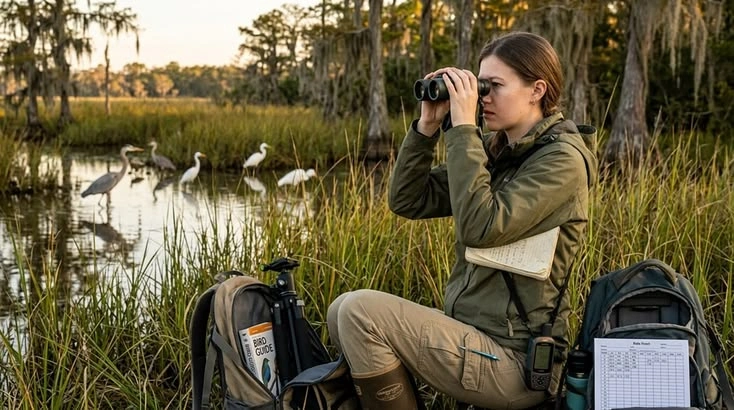
Norway has a long tradition of managing wildlife through local knowledge combined with national laws. As communities grew and land use changed, it became clear that wildlife decisions should involve people who understand local conditions.
Viltnemnda was established to help municipalities take part in wildlife management while following the country’s environmental regulations. Instead of relying only on central authorities, local committees can respond to issues that are unique to their region.
This approach helps create a balance between protecting wildlife, supporting responsible hunting, reducing conflicts, and preserving natural habitats for future generations.
Who Serves on Viltnemnda?
The committee usually consists of members appointed by the municipality. These individuals are expected to represent the public interest rather than any single organization or group.
Depending on the municipality, members may have experience in:
- Wildlife management
- Environmental conservation
- Forestry
- Agriculture
- Local government
- Outdoor recreation
- Land management
Although professional knowledge is valuable, committee members also work closely with municipal staff and follow Norway’s wildlife legislation when making recommendations.
How Does Viltnemnda Make Decisions?
Wildlife management decisions are rarely based on one factor alone. Instead, Viltnemnda considers several sources of information before providing advice or making recommendations.
Some of the factors include:
| Decision Factor | Why It Matters |
|---|---|
| Wildlife population data | Shows whether animal numbers are stable, increasing, or declining. |
| Habitat conditions | Healthy habitats support healthy wildlife populations. |
| Local observations | Residents, hunters, and landowners often provide valuable information. |
| National wildlife laws | Ensures local decisions comply with Norwegian legislation. |
| Environmental impact | Helps protect biodiversity and ecosystem balance. |
This evidence-based approach allows the committee to make practical decisions that consider both conservation goals and community needs.
Why Local Wildlife Committees Matter
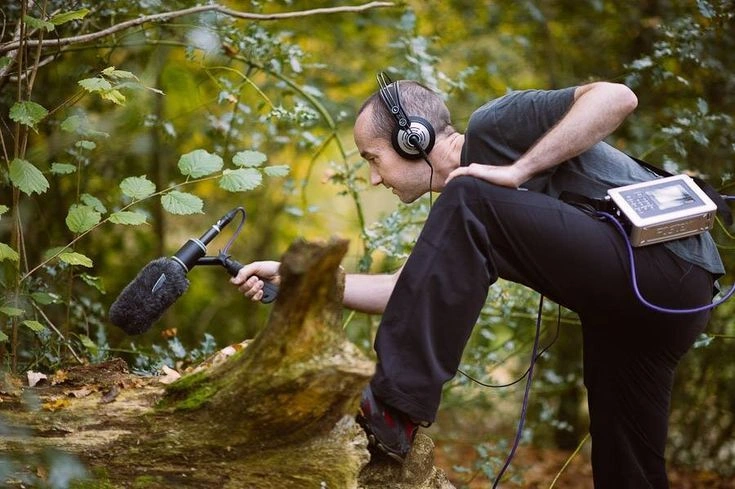
Managing wildlife at the local level offers several important advantages.
Better Understanding of Local Conditions
Every municipality has different forests, mountains, rivers, and wildlife populations. Local committees understand these differences better than a national office alone.
Faster Response to Wildlife Issues
When wildlife enters residential areas or causes damage to farmland, local authorities can often respond more quickly because they already understand the situation.
Sustainable Wildlife Management
Healthy wildlife populations depend on careful planning. By monitoring local conditions throughout the year, Viltnemnda helps support long-term conservation rather than short-term solutions.
Community Participation
Local management encourages cooperation between municipal authorities, landowners, hunters, environmental groups, and residents. This often leads to more balanced and widely accepted decisions.
Viltnemnda Compared With Other Wildlife Authorities
Understanding where Viltnemnda fits within Norway’s wildlife management system can help avoid confusion.
| Organization | Main Role | Geographic Scope |
|---|---|---|
| Viltnemnda | Advises municipalities on local wildlife management and hunting-related matters | Local (Municipality) |
| Municipal Administration | Implements municipal decisions and oversees local services | Municipality |
| County Governor (Statsforvalteren) | Supervises legal compliance and handles certain appeals | County |
| Norwegian Environment Agency | Develops national environmental policies and regulations | National |
While each organization has different responsibilities, they often work together to ensure wildlife is managed responsibly across Norway.
Common Misunderstandings About Viltnemnda
Many people misunderstand the committee’s purpose. Here are some of the most common misconceptions.
| Myth | Reality |
|---|---|
| Viltnemnda is a national government department. | It is a local municipal committee involved in wildlife management. |
| It only deals with hunting permits. | Its responsibilities also include conservation, habitat management, and wildlife-related advice. |
| Committee members make decisions without regulations. | Their work follows Norwegian laws and municipal procedures. |
| Wildlife management focuses only on animals. | It also considers ecosystems, public safety, agriculture, and biodiversity. |
Expert Tips for Understanding Viltnemnda
Learning about Viltnemnda is easier when you understand how Norway manages wildlife at the local level. The following tips can help you better interpret the committee’s role and responsibilities.
Check Your Municipality’s Official Information
Each municipality may organize its wildlife management slightly differently. Visiting your municipality’s official website is the best way to find information about local committee members, meeting records, wildlife plans, and ongoing conservation initiatives.
Learn the Difference Between Local and National Authorities
Viltnemnda focuses on local wildlife matters, while national agencies develop broader environmental policies and legislation. Knowing this distinction helps you understand which authority is responsible for specific wildlife decisions.
Understand That Wildlife Management Is More Than Hunting
Although the committee provides advice on hunting matters, its responsibilities extend far beyond that. Viltnemnda also supports habitat conservation, biodiversity protection, wildlife population monitoring, and reducing conflicts between people and wild animals.
Become Familiar With Norwegian Wildlife Laws
Reading Norway’s Nature Diversity Act and Wildlife Act provides valuable background for understanding how the committee operates. These laws guide wildlife conservation, sustainable resource use, and environmental protection across the country.
Follow Local Wildlife Developments
Municipal announcements, environmental reports, and conservation projects can help you stay informed about changes affecting local wildlife. Following these updates also provides insight into how Viltnemnda responds to new environmental challenges.
Consider Local Conditions
Wildlife management is not the same across Norway. Factors such as geography, climate, animal populations, forests, mountains, and farming activities influence how each municipality approaches wildlife conservation and management.
Common Mistakes When Learning About Viltnemnda
People often misunderstand how Norway’s wildlife management system works. Avoiding these common mistakes can help you better understand the role of Viltnemnda.
Assuming It Is a National Agency
Viltnemnda is generally a municipal wildlife committee, not a nationwide government department. Its work focuses on local wildlife matters within a municipality.
Thinking It Only Manages Hunting
Hunting is only one part of the committee’s responsibilities. It also supports wildlife conservation, habitat management, biodiversity, and advice on human-wildlife conflicts.
Ignoring Local Differences
Every municipality has different landscapes and wildlife populations. As a result, the committee’s priorities may vary depending on local environmental needs.
Expecting Independent Decision Making
Viltnemnda does not operate in isolation. It works within Norwegian laws and cooperates with municipal authorities and other environmental bodies.
Practical Checklist
If you’re researching Viltnemnda or looking for information from your municipality, use this checklist.
| Checklist | Status |
|---|---|
| Understand what Viltnemnda is | ✓ |
| Learn its role in wildlife management | ✓ |
| Know that responsibilities vary locally | ✓ |
| Review your municipality’s information | ✓ |
| Check applicable Norwegian wildlife laws | ✓ |
| Look for recent municipal decisions if relevant | ✓ |
Frequently Asked Questions
What does Viltnemnda mean?
The Norwegian word combines “vilt” (wildlife or game animals) and “nemnda” (committee). Together, it refers to a local wildlife management committee.
Is Viltnemnda responsible for all wildlife decisions?
No. It contributes to local wildlife management, but larger policy decisions and national regulations are handled by other Norwegian authorities.
Does every municipality have a Viltnemnda?
Municipalities organize wildlife management according to Norwegian law. Some have a committee known as Viltnemnda, while others may manage these responsibilities through different municipal structures.
Can the public contact Viltnemnda?
In many municipalities, wildlife-related inquiries are handled through the municipal administration, which works with the committee when needed.
Does Viltnemnda protect wildlife?
Yes. One of its goals is to support sustainable wildlife management by balancing conservation, biodiversity, public interests, and responsible use of natural resources.
Why is local wildlife management important?
Local committees understand regional conditions, making it easier to address wildlife issues while protecting ecosystems and respecting national regulations.
Conclusion
Understanding Viltnemnda makes it easier to see how Norway manages its wildlife at the local level. Rather than acting as a standalone authority, the committee helps municipalities make informed decisions that balance conservation, sustainable hunting, biodiversity, and community interests.
Because wildlife populations and environmental challenges differ from one region to another, local knowledge plays an important role. Through cooperation with municipal officials and by following Norwegian legislation, Viltnemnda supports practical and responsible wildlife management.
If you’re researching Norwegian environmental governance or simply came across the term, knowing the purpose of Viltnemnda provides valuable insight into how local communities help protect the country’s natural heritage. Here at YourWebsiteName, we aim to explain topics like Viltnemnda in a clear, reliable, and easy-to-understand way.

Sam Sami
Sam covers wildlife, hunting, nature management, and local wildlife issues in Norway. He enjoys following what is happening in the field and turning it into clear, useful stories.
@SamSami | sam@brandclickx.com | Instagram