Key Takeaways
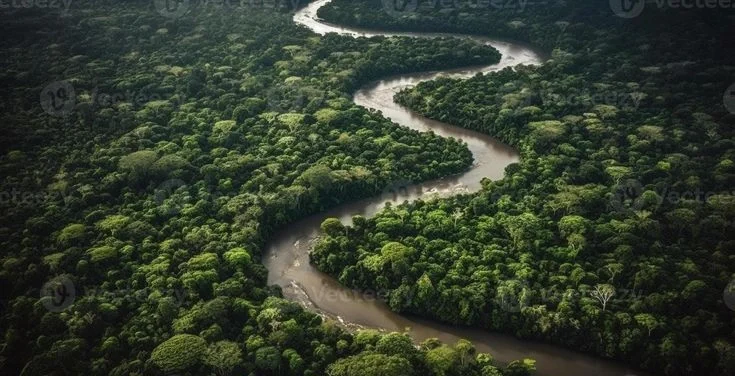
- The Amazon Rainforest is the world’s largest tropical rainforest.
- It spans nine South American countries, with Brazil containing the largest portion.
- The Amazon River supports one of the richest ecosystems on Earth.
- Millions of plant and animal species depend on this rainforest.
- Jaguars, sloths, pink river dolphins, and harpy eagles are among its most famous wildlife.
- Deforestation and climate change remain major conservation challenges.
- Protected areas and Indigenous communities play a vital role in preserving the forest.
- Responsible tourism helps support conservation while allowing visitors to experience the Amazon sustainably.
Quick Answer
The Amazon Rainforest is the world’s largest tropical rainforest, covering about 6.7 million square kilometers across nine South American countries. Most of it lies in Brazil, while the rest extends into Peru, Colombia, Venezuela, Ecuador, Bolivia, Guyana, Suriname, and French Guiana. It is famous for its unmatched biodiversity, thousands of rivers, unique wildlife, and its important role in storing carbon and influencing global weather patterns.
Where Is the Amazon Rainforest?
The Amazon Rainforest is located in northern South America, making it the largest continuous tropical rainforest on the planet. Although many people associate it only with Brazil, the forest actually spreads across nine different territories.
Around 60% of the rainforest lies in Brazil, making it the country with the largest share. The remaining forest stretches across Peru, Colombia, Venezuela, Ecuador, Bolivia, Guyana, Suriname, and French Guiana.
Its location near the Equator gives the region warm temperatures, high humidity, and frequent rainfall throughout the year. These conditions allow countless plants and animals to thrive.
Countries That Share the Amazon Rainforest
| Country | Approximate Share |
|---|---|
| Brazil | About 60% |
| Peru | About 13% |
| Colombia | About 10% |
| Bolivia | Around 6% |
| Venezuela | Smaller portion |
| Ecuador | Smaller portion |
| Guyana | Smaller portion |
| Suriname | Smaller portion |
| French Guiana | Smaller portion |
Because the rainforest crosses several international borders, protecting it requires cooperation between many governments, scientists, Indigenous communities, and environmental organizations.
Amazon Rainforest Map and Countries
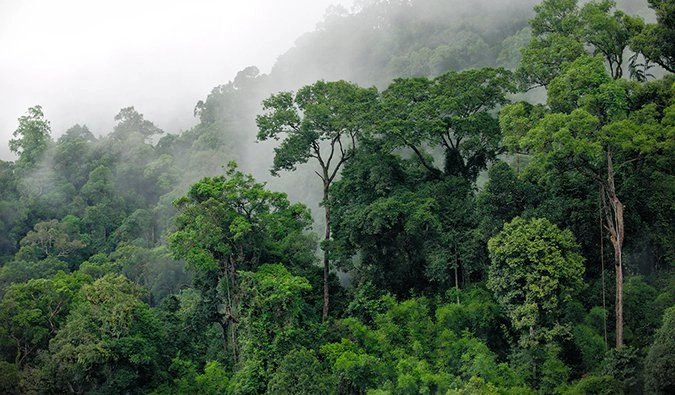
An Amazon Rainforest map shows just how vast this ecosystem really is. Instead of existing within one country, it forms a massive green belt stretching across much of northern South America.
The rainforest surrounds the Amazon River and thousands of smaller rivers that create one of the world’s largest freshwater systems. These waterways connect remote forests, support wildlife, and provide transportation for many local communities.
Quick Facts from the Map
| Feature | Details |
|---|---|
| Continent | South America |
| Largest Country | Brazil |
| Total Area | Around 6.7 million km² |
| Main River | Amazon River |
| Number of Countries | Nine |
| Climate | Tropical rainforest |
Looking at a map also reveals how closely the forest is linked to the Amazon Basin. The basin includes the rivers, wetlands, and forests that work together as one enormous ecosystem.
Why Is the Amazon Rainforest So Important?
The Amazon Rainforest supports life far beyond South America. It helps regulate weather, stores enormous amounts of carbon, produces oxygen through its vast plant life, and provides fresh water that supports agriculture and communities.
Scientists also study the rainforest because many of its plants contain compounds that may contribute to future medical discoveries. At the same time, countless species living here have yet to be fully documented.
Some of the rainforest’s most important roles include:
- Helping regulate regional and global climate
- Storing large amounts of carbon
- Supporting millions of plant and animal species
- Providing freshwater through its rivers
- Protecting Indigenous cultures and traditional knowledge
- Supporting scientific and ecological research
Because these benefits extend well beyond South America, conserving the Amazon is considered a global priority.
Climate and Weather in the Amazon
The Amazon has a tropical climate with consistently warm temperatures and high humidity throughout the year. Instead of four traditional seasons, most areas experience wetter and relatively drier periods.
Average daytime temperatures usually range between 25°C and 30°C (77°F to 86°F). Heavy rainfall is common, with many regions receiving over 2,000 millimeters of rain annually.
This constant warmth and moisture create ideal conditions for dense forests, giant trees, vines, orchids, fungi, insects, birds, mammals, reptiles, and amphibians to flourish.
Climate at a Glance
| Climate Feature | Typical Conditions |
|---|---|
| Average Temperature | 25–30°C |
| Rainfall | High throughout the year |
| Humidity | Very high |
| Seasons | Wet and drier periods |
| Forest Type | Tropical rainforest |
The climate also feeds the Amazon River, which carries more water than any other river on Earth and supports the remarkable biodiversity that makes the rainforest so unique.
The Amazon River and Its Connection to the Rainforest
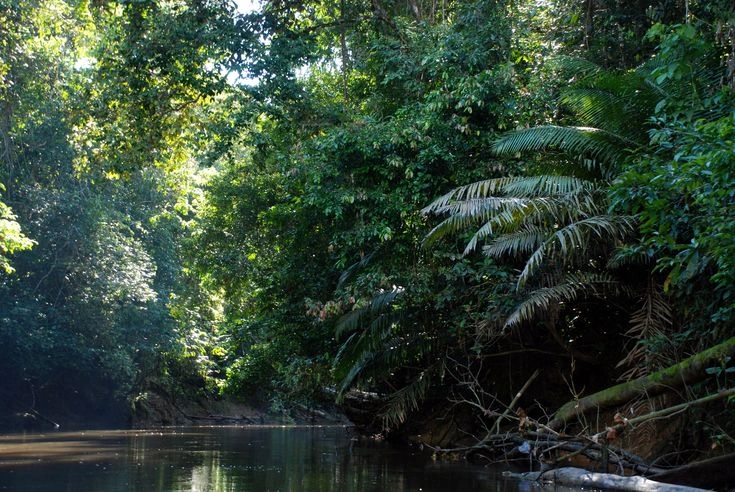
The Amazon River is the lifeline of the Amazon Rainforest. It flows for more than 6,400 kilometers (4,000 miles), making it one of the longest rivers in the world. More importantly, it carries more water than any other river on Earth.
Thousands of smaller rivers and streams feed into the Amazon River. Together, they create an enormous network that supports forests, wetlands, wildlife, and millions of people living throughout the Amazon Basin.
Why the Amazon River Matters
The river does much more than move water. It helps shape the rainforest and keeps its ecosystems healthy.
| Role | Why It Matters |
|---|---|
| Freshwater source | Supports wildlife and local communities |
| Habitat | Home to fish, dolphins, turtles, and reptiles |
| Transportation | Connects remote villages and cities |
| Flood cycles | Enriches soil and supports plant growth |
| Biodiversity | Creates different habitats for thousands of species |
Without the Amazon River, the rainforest would not support the incredible variety of life it is known for today.
Amazon Rainforest Animals
One of the biggest reasons people visit or study the Amazon Rainforest is its amazing wildlife. Scientists estimate that millions of species live here, although many have not yet been identified.
From powerful predators to tiny insects, every animal plays a role in keeping the ecosystem balanced.
Mammals
The rainforest is home to some of the world’s most recognizable mammals.
Jaguar
The jaguar is the largest wild cat in the Americas. It is an excellent swimmer and often hunts near rivers.
Sloth
Sloths spend most of their lives hanging upside down in trees. Their slow movements help them avoid predators.
Amazon Pink River Dolphin
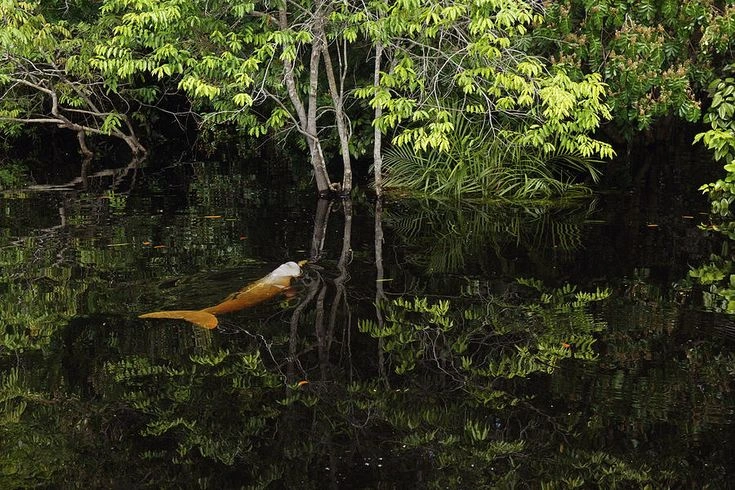
Unlike ocean dolphins, these unique mammals live in freshwater rivers. Their pink color becomes more noticeable as they age.
Capybara
The capybara is the world’s largest rodent. It is highly social and usually lives near water.
Birds
More than a thousand bird species have been recorded in the Amazon.
Some of the most famous include:
- Macaws
- Toucans
- Harpy eagles
- Hoatzins
- Hummingbirds
Bright feathers, powerful beaks, and unique calls make these birds some of the rainforest’s most recognizable residents.
Reptiles and Amphibians
Many reptiles thrive in the Amazon’s warm and humid environment.
Popular examples include:
- Green anaconda
- Black caiman
- Boa constrictor
- Poison dart frogs
- Tree frogs
Although some species are dangerous, most avoid human contact whenever possible.
Fish and Aquatic Life
The Amazon River supports thousands of fish species.
Some well-known examples include:
- Arapaima
- Piranha
- Electric eel
- Freshwater stingray
- Catfish
These species are an important food source for wildlife and local communities alike.
Popular Amazon Rainforest Animals
| Animal | Known For |
|---|---|
| Jaguar | Powerful predator |
| Sloth | Slow tree climber |
| Pink River Dolphin | Freshwater dolphin |
| Harpy Eagle | One of the largest eagles |
| Green Anaconda | Massive snake |
| Capybara | World’s largest rodent |
| Toucan | Large colorful beak |
| Poison Dart Frog | Bright warning colors |
Unique Plants Found in the Amazon
The Amazon Rainforest contains around 40,000 plant species, making it one of the richest plant ecosystems on Earth.
Many plants help regulate the climate, provide food for wildlife, and support scientific research.
Some famous plants include:
- Rubber tree
- Brazil nut tree
- Giant water lily
- Kapok tree
- Cacao tree
- Orchids
- Heliconia flowers
Many Indigenous communities have used rainforest plants for food, shelter, and traditional medicine for centuries.
Layers of the Rainforest
Plants grow at different heights depending on how much sunlight they receive.
| Layer | Description |
|---|---|
| Emergent Layer | Tallest trees reaching above the canopy |
| Canopy | Dense layer where most animals live |
| Understory | Smaller trees and shrubs |
| Forest Floor | Dark, moist ground rich in nutrients |
Each layer supports different plants and animals, creating a complex and interconnected ecosystem.
How the Amazon Ecosystem Stays Balanced
Every living thing in the Amazon depends on something else. Plants produce food through sunlight, herbivores eat plants, predators control animal populations, and decomposers recycle nutrients back into the soil.
Even insects, fungi, and microorganisms have important roles. If one part of this natural system is damaged, the effects can spread throughout the entire rainforest.
Simple Amazon Food Chain
| Producer | Primary Consumer | Secondary Consumer | Top Predator |
|---|---|---|---|
| Forest plants | Insects | Frogs | Snakes |
| Fruit trees | Monkeys | Jaguars | — |
| Aquatic plants | Fish | Caimans | Jaguars |
This natural balance has developed over millions of years and is one of the reasons the Amazon remains one of the most diverse ecosystems on Earth.
Indigenous Communities of the Amazon
The Amazon Rainforest is home to hundreds of Indigenous communities, many of whom have lived in the region for generations.
Their knowledge of the forest has helped protect wildlife, manage natural resources, and preserve cultural traditions. Many communities rely on fishing, sustainable farming, and forest products while maintaining a close connection with nature.
Today, Indigenous peoples continue to play an important role in conservation by protecting large areas of the rainforest from illegal activities.
Threats Facing the Amazon Rainforest
The Amazon Rainforest faces several challenges that threaten its wildlife, forests, and local communities. While many areas remain protected, others continue to experience pressure from human activities and changing environmental conditions.
Understanding these threats is the first step toward protecting one of the world’s most valuable ecosystems.
Deforestation
Deforestation is the removal of trees to make space for agriculture, cattle ranching, roads, mining, and development. As forests disappear, animals lose their habitats and the ecosystem becomes less stable.
Large areas of cleared land can also affect local rainfall and increase carbon emissions.
Climate Change
Climate change is influencing weather patterns across the Amazon. Longer dry seasons, rising temperatures, and more frequent droughts can stress trees and increase the risk of wildfires.
Healthy rainforests help store carbon, but damaged forests become less effective at performing this important role.
Illegal Activities
Illegal logging, wildlife trafficking, and unregulated mining continue to affect parts of the rainforest. These activities not only damage forests but can also pollute rivers and threaten Indigenous communities.
Main Threats at a Glance
| Threat | Impact |
|---|---|
| Deforestation | Habitat loss and reduced biodiversity |
| Climate change | Droughts, changing rainfall, higher temperatures |
| Illegal logging | Loss of old-growth forests |
| Mining | River pollution and land degradation |
| Wildfires | Damage to forests and wildlife |
Conservation Efforts
Although the Amazon faces serious challenges, many organizations, governments, researchers, and Indigenous communities are working together to protect it.
Conservation programs focus on restoring forests, improving law enforcement, supporting sustainable livelihoods, and expanding protected areas.
Some important conservation efforts include:
- Creating national parks and protected reserves
- Supporting Indigenous land rights
- Monitoring forests with satellite technology
- Promoting sustainable farming practices
- Restoring degraded forest areas
- Encouraging responsible tourism
These efforts help preserve biodiversity while supporting the people who depend on the rainforest.
Can You Visit the Amazon Rainforest?
Yes. Many parts of the Amazon Rainforest are open to visitors through guided tours and eco-friendly lodges. Popular entry points are found in Brazil, Peru, Colombia, and Ecuador.
Traveling with experienced local guides allows visitors to explore the rainforest safely while learning about its plants, animals, and cultures.
What You Can Experience
Visitors often enjoy activities such as:
- Wildlife watching
- Canoe trips
- Jungle walks
- Bird watching
- Night safaris
- Visiting Indigenous communities where tourism is welcomed
- River cruises
Every season offers a different experience, making the Amazon an exciting destination throughout the year.
Tips for Visiting the Amazon
Planning makes your trip safer and more enjoyable.
Travel Checklist
| Item | Why You Need It |
|---|---|
| Lightweight clothing | Comfortable in hot weather |
| Rain jacket | Frequent tropical rain |
| Hiking shoes | Wet and uneven trails |
| Insect repellent | Protection from mosquitoes |
| Sunscreen | Strong tropical sunlight |
| Reusable water bottle | Stay hydrated |
| Waterproof bag | Protect electronics and documents |
| Binoculars | Better wildlife viewing |
Respect wildlife by observing animals from a safe distance and never feeding them. Choosing eco-certified tour operators also helps protect the rainforest.
Common Mistakes People Make
Many visitors have misconceptions about the Amazon. Knowing the facts helps you better appreciate this remarkable ecosystem.
- Thinking the rainforest is only in Brazil.
- Assuming every animal is dangerous.
- Expecting to see wildlife immediately.
- Leaving marked trails without a guide.
- Feeding wild animals.
- Removing plants or natural objects as souvenirs.
- Visiting without preparing for tropical weather.
Avoiding these mistakes helps protect both visitors and the environment.
Expert Tips
If you’re planning to learn more about the Amazon or visit it in person, these simple tips can make a big difference.
- Visit during the season that matches your interests, whether you prefer river travel or hiking.
- Carry a camera with extra batteries, as charging options can be limited in remote areas.
- Learn a few local customs before meeting Indigenous communities.
- Wear neutral-colored clothing to reduce disturbance to wildlife.
- Be patient while observing animals, as many species stay hidden until conditions are quiet.
Frequently Asked Questions
Where is the Amazon Rainforest located?
The Amazon Rainforest is located in northern South America and stretches across nine countries, with Brazil containing the largest share.
What animals live in the Amazon Rainforest?
The rainforest is home to jaguars, sloths, pink river dolphins, macaws, toucans, harpy eagles, green anacondas, capybaras, poison dart frogs, and thousands of other species.
Why is the Amazon Rainforest important?
It supports incredible biodiversity, stores large amounts of carbon, regulates regional weather, protects freshwater resources, and provides a home for many Indigenous communities.
Can tourists visit the Amazon Rainforest?
Yes. Guided tours are available in several countries, including Brazil, Peru, Colombia, and Ecuador.
What is the biggest threat to the Amazon Rainforest?
Deforestation remains one of the most significant threats, followed by climate change, illegal logging, mining, and wildfires.
Conclusion
The Amazon Rainforest is far more than a vast collection of trees. It is a living ecosystem that supports extraordinary wildlife, powerful river systems, diverse plant life, and communities whose traditions have shaped the region for generations.
Learning where the Amazon Rainforest is, understanding the Amazon Rainforest map, and discovering its remarkable animals helps us appreciate why this natural wonder deserves long-term protection. Every responsible decision, whether supporting conservation efforts or choosing sustainable travel, contributes to preserving its future.
At Viltnemnda, we believe that understanding nature is the first step toward protecting it. The Amazon continues to inspire scientists, travelers, and wildlife enthusiasts alike, reminding us that safeguarding this extraordinary rainforest benefits the entire planet.
