Norway’s national parks are not simply big pieces of land where nature is left alone. They are protected areas with specific rules and management plans designed to protect landscapes ecosystems plants animals and other natural values.
In 2026 national parks wildlife Norway is managed through legal protection monitoring practical conservation and rules about human activity. The exact rules can differ from one park to another because each protected area has its own conservation purpose and regulations.
For readers following wildlife issues through Viltnemnda the key point is simple: protection does not always mean doing nothing. Management can mean limiting disturbance restoring habitat or allowing natural processes to continue.
Key Takeaways
- National parks protect ecosystems landscapes species and natural processes.
- Norway’s Nature Diversity Act provides the main legal framework.
- Individual national parks can have different rules based on their conservation needs.
- Wildlife management can include protection monitoring restoration and limits on disturbance.
- Habitat fragmentation matters because wildlife needs connected habitats.
- Red List status shows extinction risk in Norway and does not describe an entire population by itself.
- Visitors should check local regulations especially for drones seasonal restrictions and motorised activity.
What does national park wildlife management mean?
National park wildlife management is the way authorities protect animals habitats and ecological processes inside protected areas while also managing human use.
Norway’s Nature Diversity Act or naturmangfoldloven provides the legal framework. The law says protected areas should help conserve ecosystems landscapes species genetic diversity threatened nature and ecological connections.
A national park can protect a large natural area with distinctive or representative ecosystems or landscapes and without major technical development. Its rules are meant to prevent activities that could damage the purpose of the park.
Wildlife does not follow administrative borders. Reindeer birds and predators can move beyond park boundaries. So management often has to consider what happens outside the protected area too.
Why does the legal framework matter?
The conservation rules are not identical everywhere. Each protected area has regulations describing what the protection is meant to achieve and which activities are restricted or allowed.
People can normally walk in protected areas under Norway’s right of access. But some areas can have special restrictions when needed to protect wildlife plants cultural heritage or geological features.
That is why visitors should not assume one national park has the same rules as another.
How are national parks managed in Norway?
Large protected areas and national parks are generally managed through national park or protected-area boards. These boards work within the Nature Diversity Act the specific protection regulations and the management plan for the area.
National park managers support the boards and handle practical administrative work. A management plan turns conservation goals into practical actions. It can cover habitats visitor pressure monitoring and restoration.
What happens when wildlife needs special protection?
Sometimes a species needs more than a general protection rule.
If birds are breeding in a sensitive area authorities may restrict access during part of the breeding season. In some protected areas seasonal restrictions are used to reduce disturbance to birds or other wildlife.
The Norwegian Environment Agency says unnecessary disturbance can be prohibited in many protected areas. Following animals or getting too close to breeding birds can be a problem even when general access is allowed.
What rules can visitors face inside national parks?
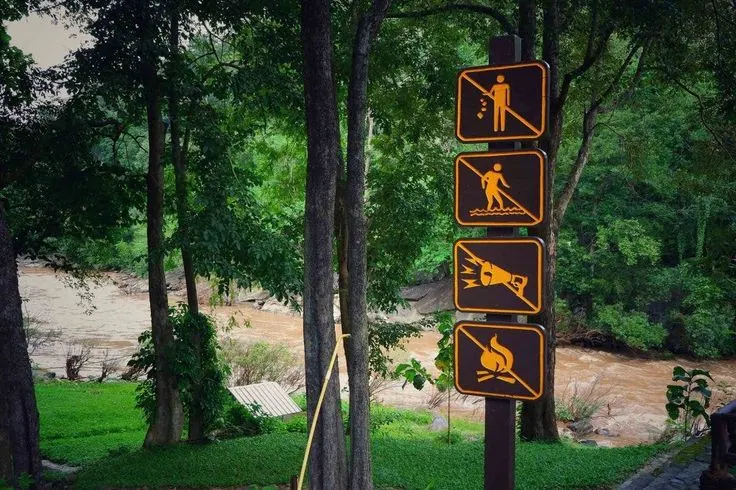
Visitors can usually enjoy outdoor recreation but protected areas can have additional rules.
Common issues include:
- Seasonal restrictions in sensitive areas
- Restrictions on motorised traffic
- Special rules for boats in some waters
- Restrictions on drones
- Rules protecting nesting or breeding sites
- Limits on activities that can damage vegetation or wildlife
The Norwegian Environment Agency says drones are generally prohibited in national parks and large landscape protection areas because of concerns about wildlife disturbance and outdoor recreation. Visitors should check the specific protection regulation before flying.
Motorised travel is also commonly restricted. The reason is not only wildlife. Vehicles can damage terrain and reduce the quiet natural experience that protected areas are intended to maintain.
Does every national park have the same rules?
No. This is one of the easiest things to misunderstand.
The national park category gives a broad legal framework but individual parks have their own protection regulations. Some areas may need stronger seasonal controls because of breeding birds. Other places may have rules linked to reindeer habitat or sensitive vegetation.
The safest approach is to check the rules for the exact park before travelling.
How does habitat protection help wildlife?
Protecting animals is often really about protecting the places they need.
A species may need old forest for nesting. Another may depend on wetlands for feeding. Mountain species can need large connected areas so they can move between seasonal habitats.
This is where wildlife corridors and habitat fragmentation become important. It happens when connected habitat becomes divided into smaller pieces by roads buildings infrastructure or other land use.
Protected areas can keep important habitats intact and help connect natural areas across protected Norwegian landscapes today.
Why are ecological connections important?
Imagine a wildlife population living on two sides of a road network. If animals cannot safely move between the areas their populations can become isolated.
That can reduce access to food breeding areas and seasonal ranges. Over time isolation can make wildlife populations more vulnerable.
The Nature Diversity Act includes ecological and landscape connections among the goals of protected areas. National parks are therefore not only about protecting what is inside a line on a map.
What about Red List species?
The Norwegian Red List identifies species that face a risk of disappearing from Norway. The current published list is the 2021 edition and work on the next Red List has started.
The 2021 assessment covered 23,405 species. It placed 4,957 species on the Red List and classified 2,752 as threatened.
These figures need context. A Red List entry does not mean a species is rare everywhere. The list measures extinction risk in Norway and uses categories including Critically Endangered Endangered Vulnerable Near Threatened and Data Deficient.
Why does this matter inside national parks?
National parks can provide important habitat for species that need large relatively natural areas. But protected status does not automatically remove every threat.
Artsdatabanken says land-use change is the most prominent threat for threatened species in Norway. Other pressures include pollution climate change harvesting and alien species.
A protected area can therefore still need monitoring and management. A species may be protected from development inside a park while facing pressures elsewhere in its range.
What is changing for national parks wildlife Norway in 2026?
In 2026 protected-area management remains closely connected with biodiversity monitoring and new knowledge.
Norway is working toward a new Red List while the 2021 edition remains current. Management also has to deal with visitor pressure climate change invasive species and changes in surrounding land use.
The challenge is not simply drawing lines on a map. It is making protection work on the ground.
What should visitors know before entering a national park?
The basic rule is simple: check the regulations for the specific protected area. Visitors should watch for seasonal restrictions, keep distance from wildlife, avoid unnecessary disturbance, check drone rules, and follow local rules for camping, fires, dogs and motorised transport.
These choices matter in sensitive areas. A quiet approach is usually better than trying to get closer to wildlife for a photograph.
Source Note
This article uses Norwegian public authorities and Artsdatabanken as primary sources. Legal points come from the Nature Diversity Act. Red List information comes from Artsdatabanken. Always check current rules for the exact protected area.
FAQs
Are animals fully protected in Norwegian national parks?
National parks give strong protection to natural values but exact rules depend on each park’s regulations and conservation purpose. Wildlife protection can include restrictions on disturbance and activities that could damage habitats.
Can you walk freely in a Norwegian national park?
Walking is generally allowed under Norway’s right of access but some protected areas can have special restrictions. Seasonal limits may apply in sensitive wildlife areas.
Why are national parks important for wildlife?
They can protect large natural areas and important habitats from damaging development. They can also help maintain ecological connections between natural areas.
Are Red List species automatically protected inside national parks?
Not simply because they appear on the Red List. Red List status describes extinction risk. Legal protection can come from other rules or specific conservation measures.
Can you use a drone in a Norwegian national park?
Drones are generally prohibited in national parks and large landscape protection areas but the exact rules should always be checked for the specific protected area.
Disclaimer
This article is for general information. Wildlife conditions and protection rules can change. Check current information from recognized Norwegian authorities before visiting.
