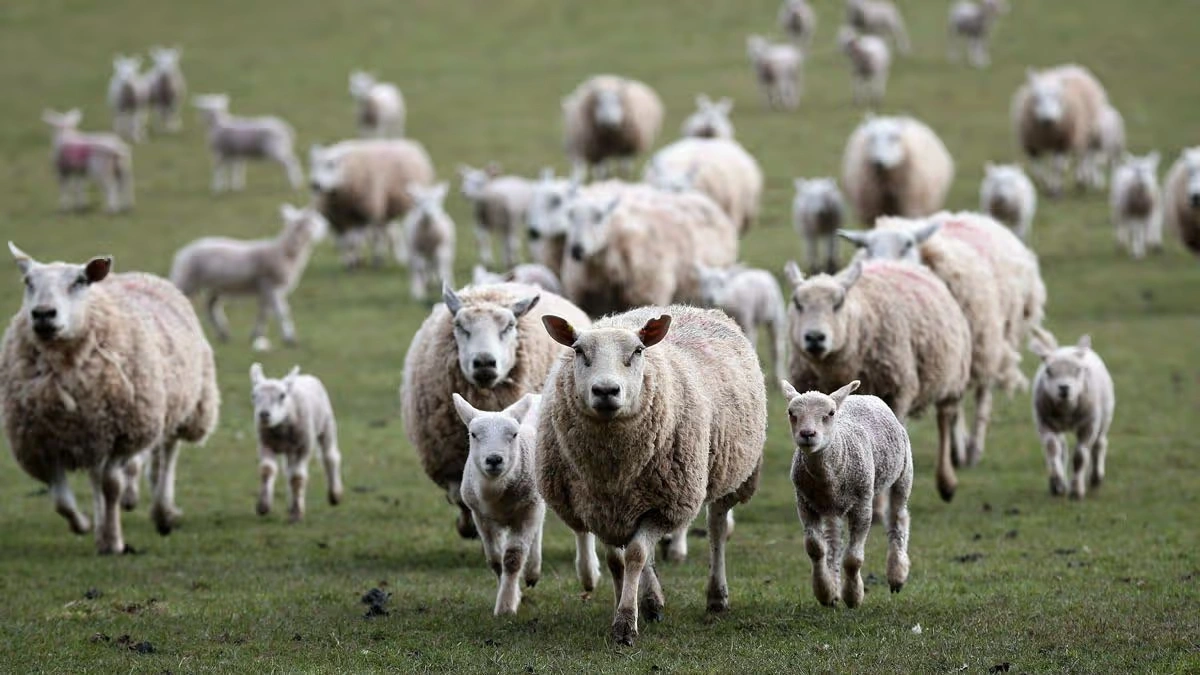
Each year across Norway, around 1.8 to 2 million sheep and lambs are turned out to graze on unimproved mountain and forest terrain. By late autumn, when livestock are gathered back to farmsteads, roughly 100,000 animals are unaccounted for. Public debate, policy hearings, and rural media coverage focus overwhelmingly on large carnivores wolverines, lynx, wolves, and bears as the primary drivers of these losses. Yet national agricultural statistics and long-term veterinary tracking tell a very different story: carnivores account for an estimated 15% to 25% of all grazing losses nationwide. The remaining 75% to 85% stem from non-predatory mortality, including neonatal failure, tick-borne infections, toxic plant ingestion, terrain accidents, and weather exposure.
Understanding the full landscape of sheep losses outfield requires analyzing non-carnivore causes with the same detail and rigor applied to large carnivore attacks.
What the Total Loss Figure Actually Contains
To understand total sheep mortality during the summer outfield grazing season (tap på utmarksbeite), one must first break down how livestock losses are registered in Norwegian agricultural databases. The overall loss figure of roughly 100,000 animals encompasses several distinct categories of mortality and documentation clarity:
-
Normal baseline loss: Every extensive grazing system carries an expected background mortality rate, typically estimated at 1.5% to 3.0% of the flock. This covers inherent biological risks present in free-ranging environments even in the total absence of large predators.
-
Documented loss: Carcasses located, inspected, and verified by the State Nature Inspectorate (Statens naturoppsyn or SNO) or registered by veterinarians. These represent a small fraction of total losses due to rapid carcass decomposition and vast terrain.
-
Probable/Inferred loss: Animals that go missing in areas with confirmed carnivore presence or known localized disease outbreaks, where loss causes are inferred based on regional trends and circumstantial evidence.
-
Unresolved loss: The vast majority of missing livestock—often exceeding 70% of total reported losses—consist of sheep and lambs that are simply never found during autumn gathering (sankefase).
Because thousands of carcasses dissolve into the wilderness undetected, the formal record relies heavily on statistical modeling and post-season flock counts. When tracking overall sheep losses outfield,understanding these fallvilt registration categories is essential. For a detailed breakdown of how these mortalities are tallied and how compensation claims are processed, see our dedicated guide on outfield grazing systems and loss accounting.
The Causes, in Order
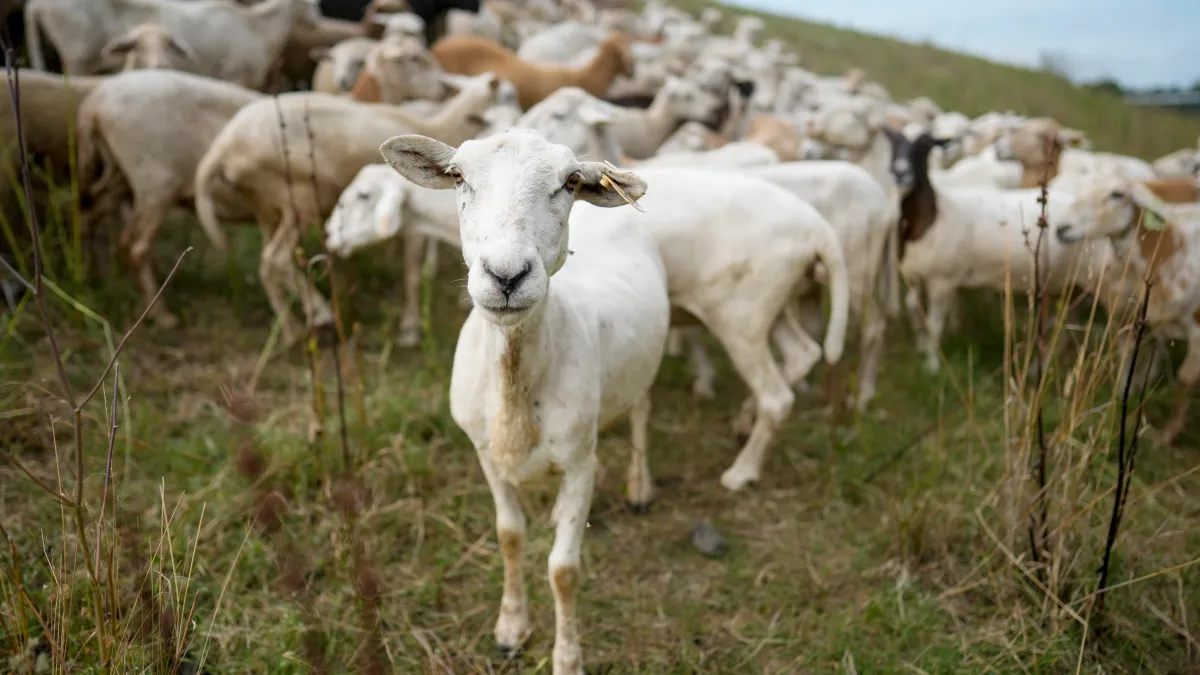
When synthesizing field necropsies, telemetry studies, and regional agricultural tracking, non-predatory livestock loss causes dominate total summer mortality across Norway. While exact percentages shift significantly depending on terrain, county, and climate variations, national aggregated data reveals a consistent hierarchy of causes. When evaluating overall sheep losses outfield, these mortality drivers rank in clear order of magnitude.
| Loss Category | Estimated Share of Total Losses | Primary Factors & Drivers | Confidence & Documentation Level |
| Lamb Mortality & Failure to Thrive | 35% – 45% | Low birth weight, maternal rejection, early infections, failure to keep pace on rough terrain | High confidence from farm birth registries paired with autumn gather counts |
| Disease & Parasites | 20% – 30% | Tick-borne fever (Anaplasma phagocytophilum), internal parasites, bacterial infections | High localized confidence via veterinary diagnostic testing and necropsies |
| Carnivores (Predators) | 15% – 25% | Wolverine, lynx, golden eagle, bear, and wolf attacks | Variable; highly documented in verified attack zones, inferred elsewhere |
| Accidents & Terrain | 10% – 15% | Falling from cliffs, bog entanglements, drowning in swollen mountain rivers | Moderate; verified by physical carcass recovery in steep topography |
| Poisonous Plants | 5% – 10% | Liver damage from Bog Asphodel (Narthecium ossifragum), leading to severe photosensitization (Alveld) | High in coastal and southwestern regions where the plant dominates pastures |
| Weather & Exposure | 3% – 7% | Hypothermia from sudden unseasonal summer snowstorms or heavy cold rain | High temporal correlation during documented extreme weather events |
Lamb Mortality: The Largest and Least Discussed Factor
The single largest driver of sheep losses outfield occurs among young lambs during their first six weeks on open pasture. While adult ewes rarely succumb to general weakness, lambs face severe physical demands when transitioning from sheltered lowland pastures to rugged alpine environments.
Early lamb vulnerability follows a tight seasonal timeline:
-
May (Indoor Lambing): Weak lambs are born with low brown fat reserves or insufficient colostrum intake.
-
Late May / Early June: Flocks are turned out to outfield pasture (utmarksbeite).
-
First 2–3 Weeks Outfield: This represents the peak mortality window due to exhaustion, mother-lamb separation, and hypothermia.
-
Late Summer Gathering: Unlocated carcasses are ultimately registered as missing or unresolved at the autumn roundup.
Several hidden mechanisms drive early lamb mortality before predators or infectious diseases ever intervene:
-
Inadequate Energy Reserves: Lambs born as triplets or born to young ewes often possess lower birth weights and thinner brown fat stores, leaving them prone to exhaustion on steep inclines.
-
Mother-Lamb Separation: In dense fog, scrub forest, or broken terrain, young lambs can easily lose visual and acoustic contact with the ewe. A separated lamb rapidly starves or succumbs to exposure within 24 to 48 hours.
-
Mild Sepsis and Navel Ill: Minor bacterial infections contracted in lambing pens often manifest weeks later under the physical stress of constant movement, causing sudden collapse.
Because scavengers such as ravens, red foxes, and eagles quickly consume small lamb carcasses, these early deaths leave almost no physical trace. Consequently, farmers frequently register them simply as missing at the autumn roundup, forming a substantial portion of unverified sheep losses outfield.
Disease, Parasites, and Poisonous Plants
Infectious conditions and toxic vegetation represent major, highly localized hazards on Norwegian outfield pastures, particularly in coastal, southern, and western grazing districts where non-predatory sheep losses outfield reach their highest rates.
Tick-Borne Fever (Sjodogg)
Transmitted by the castor bean tick (Ixodes ricinus), tick-borne fever is caused by the bacterium Anaplasma phagocytophilum. It poses a severe threat in coastal pastures:
-
Physiological Impact: The bacterium attacks white blood cells, causing high fever and destroying the lamb’s immune response.
-
Secondary Complications: Immunosuppression allows secondary bacterial infections—such as tick pyemia (Staphylococcus aureus) or spinal abscesses—to take hold, leaving lambs paralyzed or chronically debilitated.
Alveld and Toxic Pasture Plants
Alveld (literally “elf fire”) is a severe liver-disease complex affecting lambs primarily in western and south-central Norway:
-
The Toxic Mechanism: Lambs graze on Bog Asphodel (Narthecium ossifragum, Norwegian: kvitveis or beiting), which contains saponins that damage the liver’s ability to process chlorophyll byproducts (phylloerythrin).
-
Photosensitization: Accumulating in the bloodstream, these compounds react with sunlight, causing extreme facial swelling, sloughing skin, liver failure, and blindness. Affected lambs seek shade, stop grazing, and die of dehydration or secondary organ failure.
Why Public Attention Centers on Carnivores
Given that non-predatory causes account for three-quarters of all sheep losses outfield, why does public debate focus almost exclusively on large carnivores? The answer lies in the design of Norway’s compensation system and the agricultural conflict surrounding wildlife management.
Key factors shaping this disparity in attention include:
-
Targeted Compensation Schemes: The Norwegian state provides full financial compensation for livestock lost to protected large carnivores through formal depredation claims. In contrast, losses from disease, accidents, or toxic plants receive no state compensation and must be absorbed by the farmer or private insurance.
-
Documentation Burden: Proving a carnivore kill triggers official field inspections by SNO, generating formal records, news coverage, and political debate. A lamb dying of Alveld or tick-borne fever carries no compensation incentive, meaning it rarely enters public policy discussions.
-
Farmer Conflict and Stress: Carnivore attacks are acute, unpredictable, and concentrated in specific carnivore management zones (rovviltsoner), creating severe psychological stress for livestock owners. Disease and terrain losses, while larger in overall volume, are perceived as inherent operational risks of farming.
Reducing Non-Predatory Outfield Losses
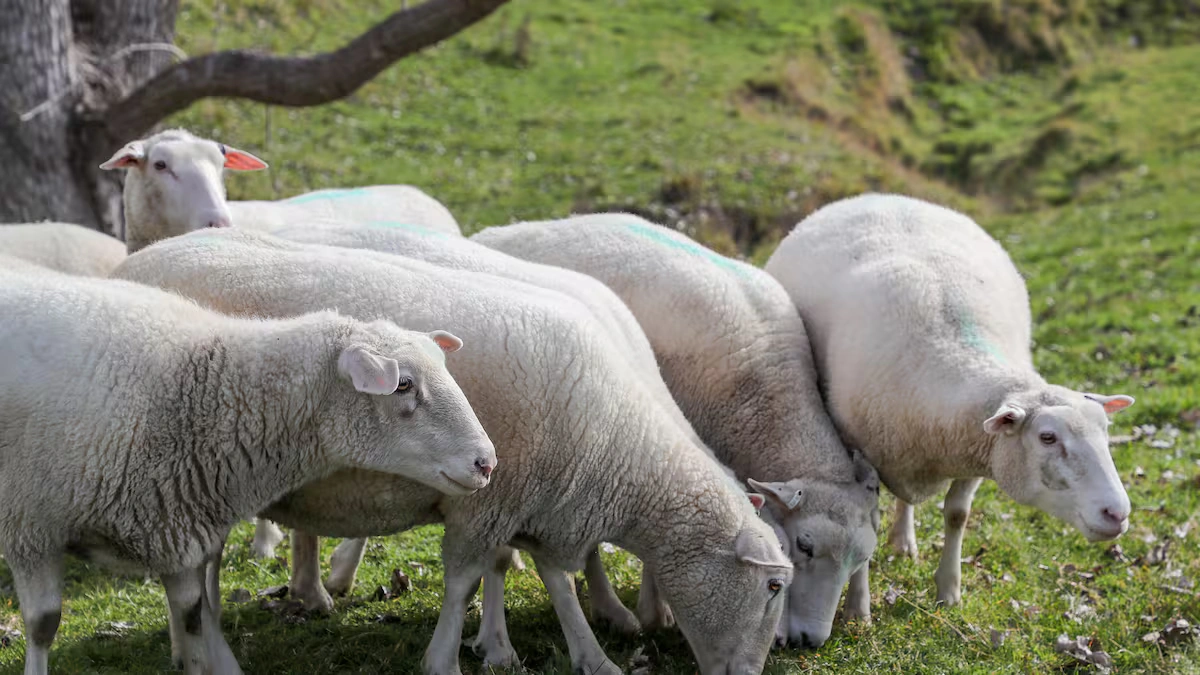
Mitigating non-carnivore mortality requires targeted preventive management, health monitoring, and pasture selection prior to turning livestock out in spring. Addressing these factors is the most direct way to reduce total sheep losses outfield year after year.
-
Health and Parasite Management: Drenching lambs with antiparasitics and treating flocks with acaricide dips prior to turnout significantly reduces tick loads and Sjodogg transmission in coastal grazing areas.
-
Pasture Rotation and Timing: Delaying turnout until lambs reach a minimum weight threshold (typically above 12–15 kg) dramatically increases survival rates on rugged terrain. Avoiding pastures known for heavy Bog Asphodel growth during peak summer sunlight reduces Alveld outbreaks.
-
Supervision and Cooperative Grazing: Enhanced field oversight provides early detection of injured or sick animals. Joining a local grazing cooperative (beitelag) allows farmers to pool resources, hire dedicated herders, and deploy digital tracking collars.
-
Targeted Preventive Measures: Installing physical fencing around dangerous peat bogs, mountain crevices, and steep drop-offs eliminates high-risk hazard zones. These efforts complement formal guarding and mitigation measures implemented for predator defense.
Rebalancing the Loss Management Strategy
Policy focus and funding allocations remain disproportionately skewed toward carnivore conflict, leaving major non-predatory mortality factors underfunded. Rebalancing this strategy does not mean ignoring carnivore impacts; rather, it means recognizing that improving lamb health, tick control, pasture safety, and tracking technology offers the single greatest opportunity to improve animal welfare and reduce overall sheep losses outfield across Norway’s pasture lands.
For individual farm managers and grazing cooperatives reviewing seasonal records, one metric provides immediate clarity: the gap between spring turnout counts and autumn gather totals compared to verified regional disease rates. If a flock loses 8% of its lambs on pastures with low carnivore density, focusing search efforts on early tick-borne fever treatments and lamb turnout weight will save far more animals than any single predator mitigation tool, directly lowering regional sheep losses outfield over time.
Frequently Asked Questions
What kills most sheep on outfield pasture in Norway?
The largest single cause of mortality is early lamb failure to thrive and neonatal mortality, accounting for 35% to 45% of total losses. Combined with disease, parasites, accidents, and toxic plants, non-predatory causes make up 75% to 85% of all sheep losses outfield across Norway.
What share of losses are caused by carnivores?
Nationwide, large carnivores (wolverines, lynx, golden eagles, bears, and wolves) account for an estimated 15% to 25% of total sheep losses outfield. However, this proportion varies sharply by geography, rising significantly inside designated carnivore management zones (rovviltsoner).
Why do so many lambs die on the outfield?
Lambs face intense physical demands transitioning to rugged terrain. Key drivers include low birth weight, mother-lamb separation in heavy fog or dense scrub, exhaustion, hypothermia from unseasonal weather, and latent bacterial infections contracted in lambing pens that manifest under physical stress.
What is normal loss on outfield pasture?
Normal baseline loss refers to the expected background mortality present in any extensive grazing system, typically estimated at 1.5% to 3.0% of the total flock. It accounts for routine terrain hazards, natural health complications, and early lamb weakness independent of predator activity.
