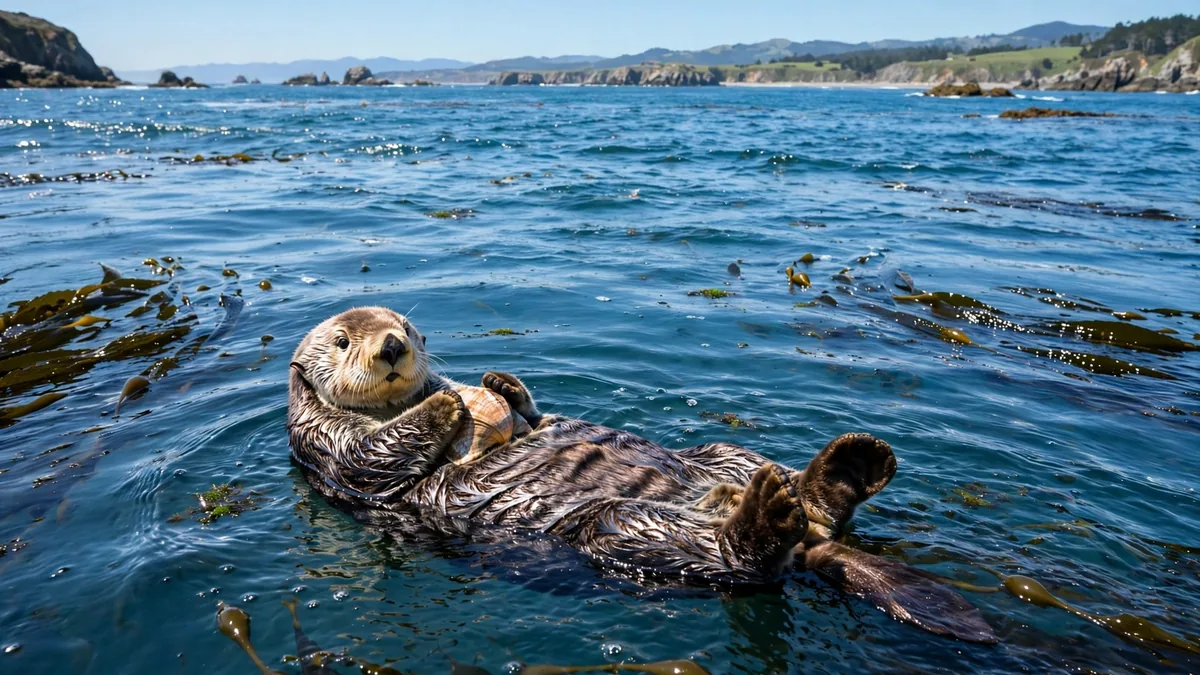
Otter species are the most playful members of the weasel family, and there are 13 living otter species in the world, from the sea otter floating in the kelp forests of the North Pacific to the giant otter of the Amazon and the river otters of Europe, Asia and the Americas. If you are wondering which otter species exist, the short answer is this: otters are sleek, web-footed hunters with the densest fur of any animal, spending their lives swimming, hunting and playing in rivers and seas.
Key takeaways
- There are 13 living otter species, grouped into river otters, sea otters and clawless otters.
- Otters have the densest fur of any animal, with up to a million hairs per square inch, keeping them warm in cold water.
- The sea otter is the only otter that lives entirely at sea, and it uses stones as tools to crack open shellfish.
- The giant otter of the Amazon is the largest otter species, reaching up to 1.8 metres long.
- River otters are best seen at dawn and dusk on quiet rivers, and sea otters floating in kelp forests along the Pacific coast.
What makes an otter an otter
All 13 otter species belong to the subfamily Lutrinae, part of the weasel family, which also includes badgers, martens and wolverines. Otters are built for the water in a way no other weasel is: long, streamlined bodies, short legs with webbed feet, powerful tails that work as rudders, and ears and nostrils that close when they dive.
The otter’s fur is its greatest asset. A sea otter has up to a million hairs per square inch, the densest fur of any animal on Earth, and river otters are not far behind. The fur traps a layer of air against the skin, keeping the otter warm in cold water without the thick blubber that seals and whales rely on. Otters spend hours each day grooming, blowing air into their fur and rolling to keep it clean and waterproof.
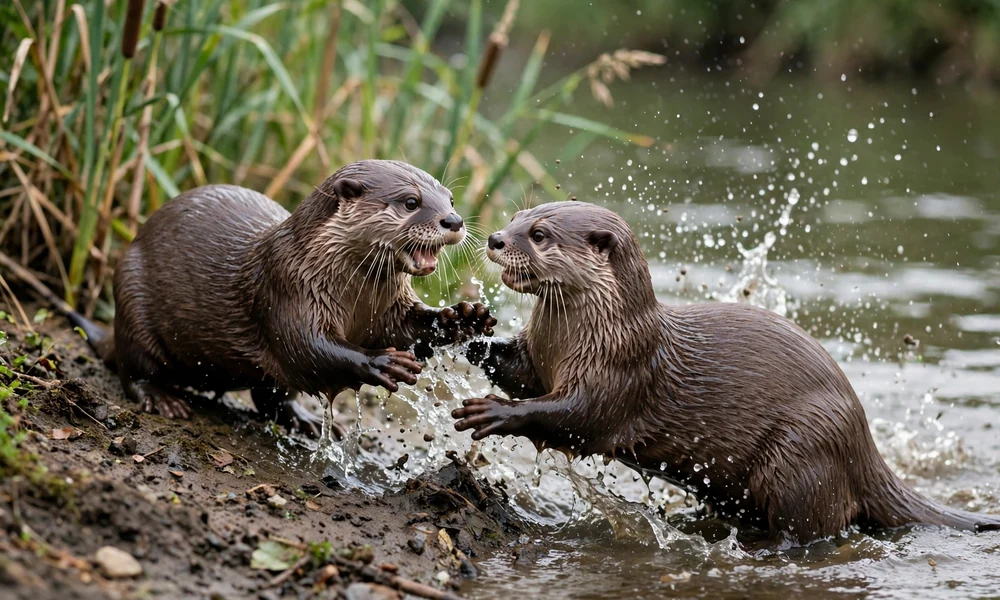
Otters are famously playful. River otters slide down muddy banks and snowy slopes, chase each other through the water and juggle stones. Scientists believe the play helps young otters learn to swim, hunt and handle prey, and strengthens the bonds within a family group.
Most otters live alone or in small family groups, and they are most active at dawn and dusk, when fish are easiest to catch. They mark their territories with scent and with piles of droppings called spraints.
The otters of the world
The sea otter is the best-known otter species, and the only one that lives its whole life at sea. Sea otters float on their backs in the kelp forests of the North Pacific, from Alaska and California to Russia and Japan, eating sea urchins, crabs, clams and snails. They are famous for using stones as tools, placing a rock on their chest and smashing shellfish against it.
The North American river otter lives in rivers, lakes and marshes across Canada and the United States, and the Eurasian otter lives in rivers and coasts across Europe and Asia, from Ireland to Japan. Both are sleek, brown, playful animals that hunt fish, frogs, crayfish and water birds, and both are often seen sliding down a muddy bank or porpoising through the water at dusk.
The giant otter is the largest otter species, and one of the most social. It lives in family groups of up to a dozen animals in the rivers and lakes of the Amazon, hunting fish together in noisy, chattering packs. Giant otters can reach 1.8 metres long and weigh up to 32 kilograms, and each one has a unique pattern of white markings on its throat.
The Asian small-clawed otter is the smallest otter species, barely half a metre long, living in the rivers and mangroves of South and South-East Asia. It hunts crabs and shellfish with its nimble front paws, feeling for prey in the mud rather than catching it with its teeth. The smooth-coated otter lives in the same region, hunting fish in rivers and rice paddies, and the hairy-nosed otter is one of the rarest otters in the world.
Africa has three otter species: the African clawless otter, the Congo clawless otter and the spotted-necked otter. The clawless otters have no claws on their front feet, and use their sensitive fingers to feel for crabs and frogs in the mud. The spotted-necked otter is named for the pale spots on its neck and chest, and hunts fish in the lakes and rivers of sub-Saharan Africa.
South America has two more otter species besides the giant otter: the neotropical otter, which lives in rivers from Mexico to Argentina, and the southern river otter, which lives in the cold rivers and lakes of Chile and Argentina. The marine otter lives along the rocky Pacific coast of South America, and is the smallest marine mammal in the world.
How otters hunt and eat
Otters are skilled hunters, and each species has its own style. River otters chase fish in short, fast bursts, sensing movement with their whiskers in murky water and turning sharply with their webbed feet. Sea otters dive to the seabed, sometimes 30 metres down, and gather shellfish in a pouch of skin under each foreleg, bringing their catch to the surface to eat while floating on their backs.
An otter’s diet is mostly fish, but varies with the habitat. Sea otters eat sea urchins, crabs, clams and abalone, and by eating urchins they protect the kelp forests, because urchins eat kelp. River otters eat fish, frogs, crayfish, crabs and water birds, and giant otters hunt in packs, driving schools of fish into shallow water.
The sea otter’s use of tools is one of the most famous behaviours in the animal world. It carries a favourite stone in the pouch under its foreleg, and uses it as an anvil to smash open shellfish, or as a hammer to knock abalone off the rocks. Young sea otters learn the skill from their mothers, and some populations have tool traditions that pass down through generations.
Where otters live
Otters live on every continent except Australia and Antarctica, in rivers, lakes, marshes, coasts and kelp forests. River otters need clean water and plenty of fish, and live along quiet stretches of river with overhanging trees and bankside holes, called holts, where they rest and raise their young. Sea otters need kelp forests and rocky shores, where they find shellfish and shelter from the waves.
The coastal animals of rocky shores and kelp forests include the sea otter, and the river animals of quiet streams and lakes include the river otter as one of their most playful hunters. The ocean animals of the North Pacific include the sea otter too, floating in the kelp where the cold current meets the shore.
Otters and people
People have hunted otters for their fur for centuries, and the sea otter was driven to the edge of extinction by the fur trade in the 1700s and 1800s. By 1911, when hunting was banned by international agreement, fewer than 2,000 sea otters remained. Protection allowed them to recover, and there are now more than 100,000 in the North Pacific, though some populations are still fragile.
| Species | Where it lives | Best-known food | Length |
|---|---|---|---|
| Sea otter | North Pacific coasts | Sea urchins, crabs, clams | 1.4 metres |
| North American river otter | Rivers and lakes of Canada and the US | Fish, frogs, crayfish | 1.3 metres |
| Eurasian otter | Rivers and coasts of Europe and Asia | Fish, frogs, crabs | 1.3 metres |
| Giant otter | Rivers and lakes of the Amazon | Fish, caught in packs | 1.8 metres |
| Asian small-clawed otter | Rivers and mangroves of South-East Asia | Crabs, shellfish | 0.9 metres |
| Smooth-coated otter | Rivers of South-East Asia | Fish, crabs | 1.3 metres |
| African clawless otter | Rivers and lakes of sub-Saharan Africa | Crabs, frogs, fish | 1.3 metres |
| Spotted-necked otter | Lakes and rivers of sub-Saharan Africa | Fish, frogs | 1.2 metres |
Best seasons for otter watching
Spring and autumn are the finest seasons for otter watching. In spring, river otters are feeding young and hunting hard, and the year’s cubs begin to appear at the water’s edge. In autumn, otters are at their most active, building up fat for the winter and hunting in the long, low light of morning and evening.
Summer is the best season for sea otters, when the kelp forests are at their thickest and the otters float in rafts in calm water. Winter can also reward river otter watchers, when otters are easier to spot against bare banks and their tracks show clearly in snow and mud.
Staying safe around otters
Otters are wild animals, and they deserve respect. Never approach an otter, never try to touch one, and never leave food or rubbish where wild animals can reach it. Watch with binoculars or from a hide rather than walking closer: a disturbed otter may abandon its holt or its young, so the best view is always the distant one. Keep dogs on a lead near otter rivers, and stay on marked paths.
Otter watching checklist
- Look for spraints, the otter’s scent-marking droppings, on rocks and logs.
- Watch quiet stretches of river at dawn and dusk, when otters hunt.
- Look for slides, smooth muddy chutes where otters slip into the water.
- Scan kelp forests and rocky bays for sea otters floating on their backs.
- Never approach an otter, never feed one, and keep dogs on a lead.
- Leave no trace: take your rubbish home and keep to marked paths.
Frequently asked questions
How many otter species are there?
There are 13 living otter species in the world. The table above shows eight of the best-known: the sea otter, the North American river otter, the Eurasian otter, the giant otter, the Asian small-clawed otter, the smooth-coated otter, the African clawless otter and the spotted-necked otter. The other five are the neotropical, southern river, marine, Congo clawless and hairy-nosed otters.
How is this guide different from the coastal animals guide?
This guide covers only the 13 otter species, from sea otter tool use to giant otter family life. The coastal animals guide covers the whole community of animals that live on coasts and shores, from seals and seabirds to crabs and starfish.
Do otters use tools?
Yes, sea otters use stones as tools. A sea otter carries a favourite stone in a pouch under its foreleg, places shellfish on its chest, and smashes them open against the stone. Young otters learn the skill from their mothers, and some populations have tool traditions that last for generations.
What is the largest otter species?
The giant otter of the Amazon is the largest otter species, reaching up to 1.8 metres long and weighing up to 32 kilograms. It lives in noisy family groups of up to a dozen animals, and hunts fish together in packs, which no other otter species does.
Do sea otters hold hands?
Sea otters sometimes hold paws while they rest in groups called rafts, which stops them drifting apart in the current. They also wrap themselves in kelp to anchor themselves while they sleep, floating on their backs.
Where is the best place to see a sea otter?
Sea otters are best in the kelp forests of the North Pacific, along the coasts of California, Alaska and Russia. Look for them floating on their backs in calm bays at dawn, feeding on shellfish and grooming their dense fur.
Conclusion
Otter species, all 13 of them, are the swimmers and players of the mammal world: sea otters cracking shellfish on stones in the kelp, river otters sliding down muddy banks at dusk, and giant otters hunting fish together in the Amazon.
The next step is to find an otter river near you — a quiet stretch at dawn, a spraint on a rock, a slide in the mud — and watch until the hunter itself appears.