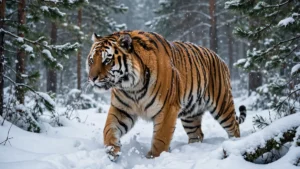
North America animals range from grizzly bears fishing for salmon in Alaska to grey wolves hunting in the forests of Yellowstone, and the continent holds some of the best large-mammal watching in the world. If you are wondering which animals live in North America and where to see them, the short answer is this: grizzly bears, wolves, bison and moose roam the forests and mountains, bald eagles and California condors fill the skies, and alligators, manatees and beavers live in the wetlands and rivers of the south.
North America is one of the best continents in the world for wildlife watching, because so much of it is still forest, mountain, prairie and wetland. This guide covers the species you are most likely to meet, where each one lives and the best seasons to see them.
Key takeaways
- North America’s most iconic land animals are the grizzly bear, grey wolf, American bison, moose and mountain lion.
- Yellowstone is the best place in the world to see wolves, bison and grizzly bears in one visit, and spring and autumn are the best seasons.
- The bald eagle is North America’s national bird, and it is now common along rivers, lakes and coasts across the continent.
- The California condor is one of the rarest birds in North America, saved from extinction by a captive breeding programme.
- Spring and autumn are the best seasons for most wildlife watching, and early morning and late evening are the best times of day for large mammals.
What makes North America’s wildlife special
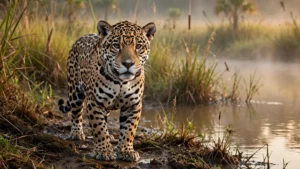
North America stretches from the Arctic tundra of Alaska to the tropical forests of Mexico, and its wildlife reflects that whole journey, from polar bears on the sea ice to jaguars in the deserts of the south-west and manatees in the warm springs of Florida.
Honesty matters here: North America has very few true endemics among its large mammals, and the pronghorn, the fastest land animal in the Americas, is the best-known exception. What it has instead is huge, connected wild places where big animals still live in the wild, after centuries of hunting and habitat loss. Yellowstone, Denali and the great northern forests are among the wildest corners of the continent.
That variety comes from the landscape itself. North America holds the boreal forests of Canada, the Rocky Mountains, the Great Plains, the deserts of the south-west and the long Atlantic and Pacific coasts, so animals from many different habitats can live within one continent. Like the forest animals of other continents, many North American species depend on large, quiet woodland.
The great mammals of North America
The grizzly bear is North America’s most famous mammal and the animal most visitors hope to see. Grizzlies live in the mountains and forests of Alaska, Canada and the north-western United States, and they are most often seen in spring, when they leave their dens, and in autumn, when they feed on salmon and berries.
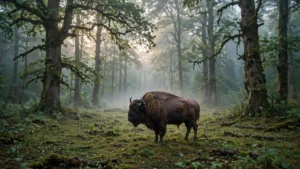
The grey wolf returned to Yellowstone in 1995, after an absence of seventy years, and the wolves of the Lamar Valley are now among the most watched in the world. Wolves hunt elk and bison in packs, and they are most often seen at dawn and dusk in winter. The American bison, the largest land mammal in North America, grazes the plains of Yellowstone and the Dakotas in herds that can number in the hundreds.
Among the predators, the mountain lion, also called the cougar or puma, ranges from Canada to Patagonia, hunting deer in the mountains and forests. It is shy and seldom seen, and most visitors never glimpse one. Moose, the largest deer in North America, live in the forests and marshes of Alaska and Canada, and they are most active at dawn and dusk.
One animal should not be on any visitor’s list as a certainty: the wolverine. It lives in the high mountains and northern forests, but it is rare, wide-ranging and almost never seen. The same is true of the Canada lynx, which hunts snowshoe hares in the boreal forest. Both are reminders of how much of North America’s wildlife depends on large, undisturbed habitat.
Birds of North America
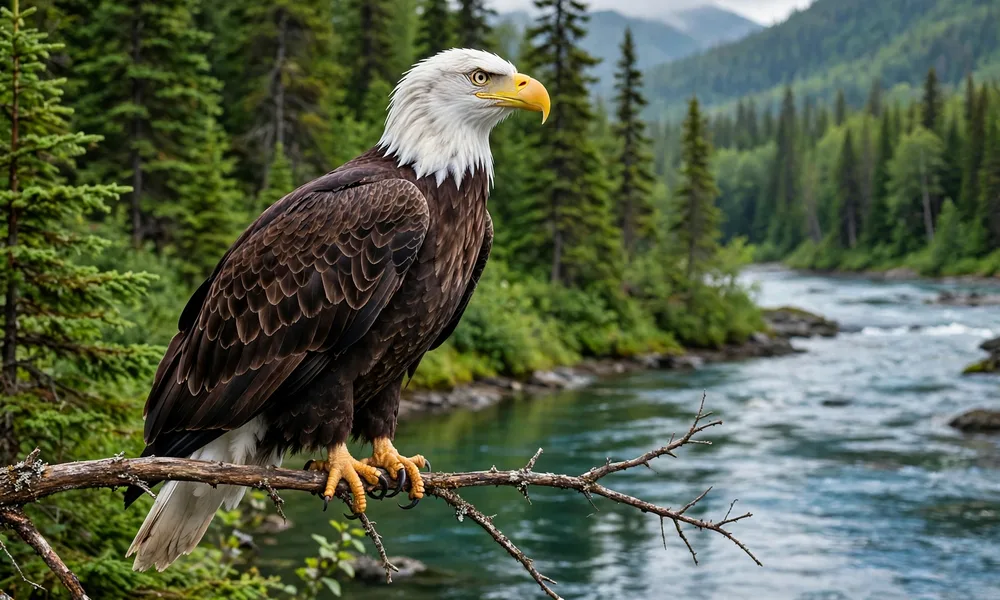
The bald eagle is North America’s national bird, and one of the great conservation recoveries of the continent. It was close to extinction in the 1960s, but it now breeds along the rivers, lakes and coasts of Alaska, Canada and the United States, and it is often seen from a boat or a lakeside hide. In winter, hundreds gather at salmon rivers in Alaska and British Columbia.
The California condor is one of the rarest birds in North America, and it was saved from extinction by a captive breeding programme that began when only 27 birds remained. Condors now soar over the Grand Canyon and the mountains of California, on wings more than two and a half metres across, and they are most often seen around midday, when the mountain thermals lift them high.
North America’s position on the migration routes between the Arctic and the tropics makes it one of the best birdwatching continents in the world. In spring and autumn, huge numbers of birds pass through, from sandhill cranes and snow geese to warblers and shorebirds.
Rivers, coasts and smaller wildlife
North America’s rivers hold their own wildlife, and the beaver is the most visible of all. Beavers have returned to many rivers and lakes across the continent, and their dams now shape wetlands for frogs, dragonflies and water birds. River otters hunt along the same rivers, and they are most often seen at dawn and dusk in the north-west.
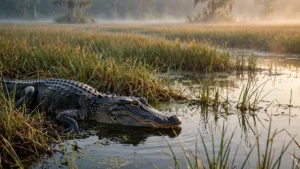
Along the Gulf Coast, American alligators bask on the banks of the Everglades and the bayous of Louisiana, and Florida manatees gather in warm springs in winter, where the water stays warm all year. The manatees are best seen from a boat or a viewing platform in winter, and the coasts of Florida are among the best places to look for them.
Smaller mammals are everywhere in North America, though they are often overlooked. Red squirrels, chipmunks and porcupines live in the forests. Like the grassland animals of other continents, the bison, pronghorn and prairie dogs of the Great Plains depend on wide, open country.
| Species | Where to look | Best season | How likely is a sighting |
|---|---|---|---|
| Grizzly bear | Yellowstone valleys and Alaskan salmon streams | May to October | Good with a guide |
| Grey wolf | Lamar Valley in Yellowstone | Winter, dawn and dusk | Fair in winter |
| American bison | Yellowstone and the Dakotas | All year | Very good |
| Bald eagle | Rivers, lakes and coasts of Alaska and Canada | All year, winter gatherings | Good |
| California condor | Grand Canyon and California mountains | All year, midday | Low |
| Moose | Forests and marshes of Alaska and Canada | Spring and autumn, dawn and dusk | Fair |
| Florida manatee | Warm springs of Florida | Winter | Good in winter |
Best seasons for wildlife watching
Spring is the finest season. The bears leave their dens, the bison calves are born on the plains, the birds return from the south, and the rivers fill with migrating waterfowl. It is also the most sensitive season, so keep to paths and give every animal more space than you think it needs.
Summer is the easiest season for bears at salmon streams, and the days are long, with animals out in the clearings at dawn and dusk. Autumn brings the elk rut, when bull elk bugle in the valleys of Yellowstone, and bears feed hard on berries and nuts before they den for the winter.
In any season, early morning is the best time for large mammals, and late afternoon is the best time for eagles hunting over the water. The manatees of Florida are best in winter, when they gather in the warm springs.
Staying safe around North America’s wildlife
North America’s large animals are usually calm, but they deserve respect. Keep your distance from grizzly bears, wolves, moose and bison, never approach a moose calf or walk between a cow and her calves, and never try to feed or touch any wild animal. If you meet a grizzly bear, back away slowly, speak calmly and never run. Carry bear spray in bear country and know how to use it.
On the coast, keep away from marked seal haul-outs, avoid bright lights on turtle nesting beaches at night, and never handle a turtle or a hatchling. In the deserts, carry water and sun protection in summer, and tell someone where you are going before a long walk. The mountain lions of the forests are shy and avoid people, but they should always be watched from a distance.
North America wildlife watching checklist
- Book a local guide for wolves, grizzly bears and California condors — they know where the animals are.
- Go out at dawn or dusk for mammals, and plan Yellowstone trips for spring or autumn, when the animals are most active.
- Bring binoculars, warm layers and waterproofs, even in summer — mountain weather changes fast.
- Keep at least 50 metres from nesting birds and grazing deer, and far more from grizzly bears, wolves, moose with calves and bison.
- Never feed wild animals, and never use food or calls to lure them closer for a photograph.
- On turtle beaches, keep away from marked nests and avoid bright lights at night during the nesting season.
- Leave no trace: take your rubbish home and keep to marked paths in sensitive habitats.
Frequently asked questions
What is the most famous animal in North America?
The grizzly bear is the most famous, and Yellowstone is the best place in the world to see one in the wild. The bald eagle is the most famous bird, and the American bison is the largest land mammal on the continent.
Are there bears and wolves in North America?
Yes. Grizzly bears live in Alaska, Canada and the north-western United States, and grey wolves live in the forests and mountains of the north, including Yellowstone. Both are shy and avoid people.
Can I see a bald eagle in North America?
Yes. Bald eagles breed along the rivers, lakes and coasts of Alaska, Canada and the United States, and they are often seen from a boat or a lakeside hide. In winter, hundreds gather at salmon rivers in Alaska and British Columbia.
When is the best time to see wolves in North America?
Winter is the best time, when the wolves of Yellowstone’s Lamar Valley are easiest to find. Go at dawn or dusk, bring a spotting scope, and join a guided wolf watch for the best chance.
Can I see a California condor in North America?
Yes, but it takes luck. California condors soar over the Grand Canyon and the mountains of California, and they are most often seen around midday, when the mountain thermals lift them high. No honest guide can promise a sighting.
How is this guide different from the South America animals guide?
This guide covers North America, a continent of boreal forest, mountain, prairie and desert, with grizzly bears, grey wolves, bison and bald eagles. The South America animals guide covers a tropical continent of rainforest, wetland and high mountain, with jaguars, pink river dolphins, giant anteaters and Andean condors.
Conclusion
North America’s wildlife rewards patience: grizzly bears at salmon streams in Alaska, wolves in the Lamar Valley of Yellowstone, bald eagles over the northern rivers and manatees in the warm springs of Florida are all within reach if you plan around the seasons and keep your distance.
The next step is to pick one species and one season — a spring wolf watch in Yellowstone, a summer bear trip in Alaska, or a winter manatee visit in Florida — and plan your visit around it.