Antarctica animals range from emperor penguins huddling through the polar winter to leopard seals patrolling the ice edge, and the frozen continent holds some of the most extraordinary wildlife on Earth. If you are wondering which animals live in Antarctica and where to see them, the short answer is this: penguins, seals and whales thrive in the cold Southern Ocean, while the continent itself has no native land mammals at all.
Antarctica is one of the best places in the world for wildlife watching, because so much of it is still untouched ice, ocean and coastline. This guide covers the species you are most likely to meet, where each one lives and the best seasons to see them.
Key takeaways
- Antarctica’s most iconic animals are the emperor penguin, Adélie penguin, Weddell seal, leopard seal and orca.
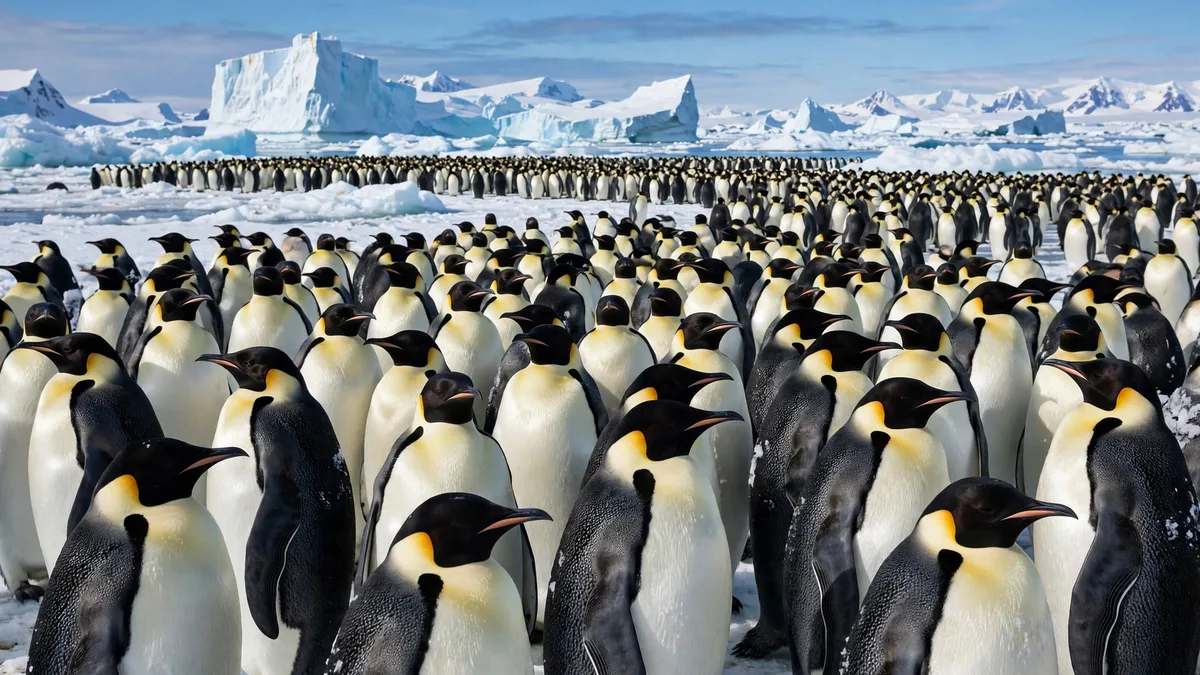
- Emperor penguins are the only penguins that breed through the Antarctic winter, huddling together in temperatures below minus 50 degrees.
- Antarctica has no native land mammals, no trees and almost no land plants — all of its large wildlife depends on the Southern Ocean.
- The Antarctic summer, from November to March, is the only season when visitors can reach the continent, and it is also the breeding season.
- Early summer is best for penguin courtship and seal pups, while late summer is best for whales feeding in the open water.
What makes Antarctica’s wildlife special
Antarctica stretches across the South Pole, a continent of ice nearly twice the size of Australia, surrounded by the Southern Ocean. Its wildlife is shaped by the cold, nutrient-rich waters that surround it.
Honesty matters here: Antarctica has no native land mammals, no reptiles and no trees. What it has instead is something no other continent can match — the richest ocean wildlife on Earth, gathered where the cold, nutrient-rich waters of the Southern Ocean meet the ice. Krill, the tiny shrimp-like animals that swarm in the billions, feed almost everything else, from penguins and seals to the largest whales ever to live.
That variety comes from the ocean itself. Antarctica holds the sea ice, the open Southern Ocean, the sub-Antarctic islands and the long, mountainous Antarctic Peninsula, so animals from many different habitats can live within one region. Like the ocean animals of warmer seas, most Antarctic species depend on the sea, and the penguins, seals and whales of the Southern Ocean are among the most specialised animals on Earth.
The great mammals of Antarctica
The Weddell seal is Antarctica’s most common seal and the animal most visitors hope to see. Weddell seals live around the coasts of the continent all year, hauling out on the sea ice to rest and to raise their pups, and they dive deeper than any other seal, reaching depths of more than 600 metres to hunt fish and squid under the ice.
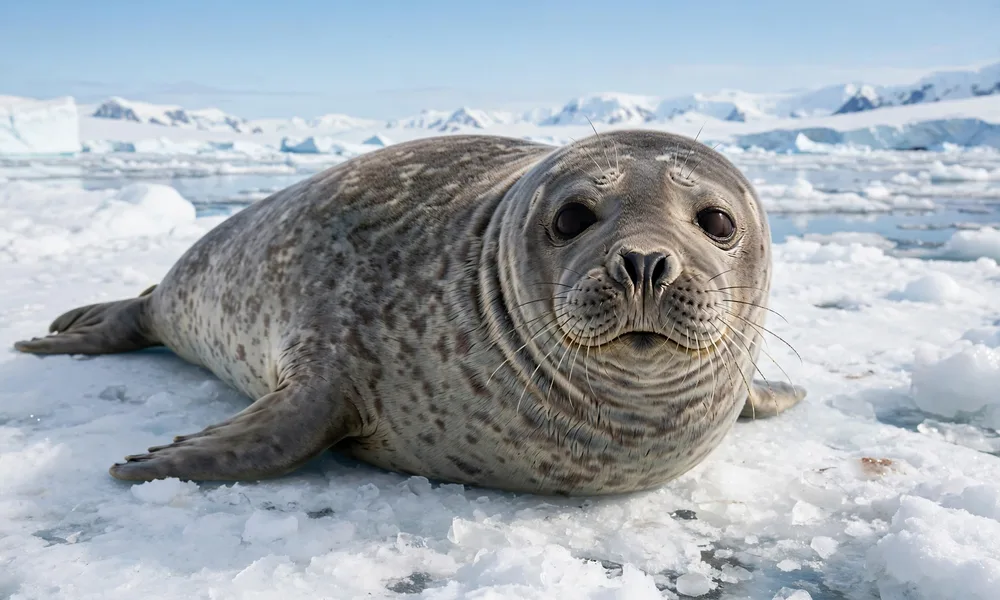
Among the predators, the leopard seal is the top hunter of the Antarctic, a powerful seal with a huge mouth and long teeth that hunts penguins and other seals along the ice edge. Orcas, the largest dolphins in the world, hunt in family pods around the Antarctic Peninsula, and they are most often seen from a ship in the open water of the summer.
Elephant seals, the largest seals on Earth, breed on the sub-Antarctic islands, where the huge males fight for harems on the beaches. Humpback whales and minke whales feed in the Southern Ocean in summer, and they are most often seen from a ship in February and March.
One animal should not be on any visitor’s list as a certainty: the blue whale. It is the largest animal ever to live, and it feeds in the Southern Ocean in summer, but it is rare and wide-ranging, and no honest guide can promise a sighting. The same is true of the Ross seal, which lives deep in the pack ice and is seldom seen at all. Both are reminders of how much of Antarctica’s wildlife depends on vast, undisturbed ocean.
Birds of Antarctica
The emperor penguin is Antarctica’s most famous bird, and the only penguin that breeds through the polar winter. Emperors gather in huge colonies on the sea ice, where the males hold a single egg on their feet through the dark months, huddling together for warmth in temperatures below minus 50 degrees. The chicks hatch in spring and grow through the summer.
The Adélie penguin is the most common penguin of the Antarctic coast, nesting in large colonies on rocky headlands around the Peninsula and the Ross Sea. Adélies are smaller than emperors, with a white ring around each eye, and they are most often seen in summer, when they come ashore to raise their chicks. Gentoo and chinstrap penguins nest further north, on the islands and the Peninsula.
Antarctica’s position on the edge of the Southern Ocean makes it one of the best birdwatching places in the world. Albatrosses, with wingspans of more than three metres, follow ships across the Drake Passage, and Antarctic petrels, snow petrels and skuas nest on the cliffs and rocky outcrops.
Krill, fish and the life of the Southern Ocean
Antarctica’s ocean holds its own wildlife, and krill is the most important of all. Antarctic krill swarm in the billions in the cold waters around the continent, and they feed almost everything else, from penguins and seals to blue whales. A single blue whale can eat several tonnes of krill in a day, and the krill swarms turn the sea red in summer.
Under the sea ice, Antarctic fish live in water colder than freezing, kept liquid by the salt in the sea. They are the base of the food web that makes the penguin colonies possible.
Smaller animals are everywhere in Antarctica, though they are often overlooked. Tiny mites and springtails live in the mosses and lichens of the few ice-free valleys, and the Antarctic midge, a wingless fly, is the largest land animal on the continent, measuring only a few millimetres. Like the tundra animals of the far north, these small creatures survive the cold by slowing down.
| Species | Where to look | Best season | How likely is a sighting |
|---|---|---|---|
| Emperor penguin | Sea ice colonies of the Ross Sea and Weddell Sea | October to December | Low, needs an expedition |
| Adélie penguin | Rocky headlands of the Peninsula | November to February | Very good |
| Weddell seal | Sea ice around the coasts | November to March | Good |
| Leopard seal | Ice edge around the Peninsula | December to March | Fair from a ship |
| Orca | Open water around the Peninsula | January to March | Fair from a ship |
| Humpback whale | Southern Ocean feeding grounds | February to March | Good from a ship |
| Wandering albatross | Drake Passage and sub-Antarctic islands | November to March | Good from a ship |
Best seasons for wildlife watching
The Antarctic summer, from November to March, is the only season when visitors can reach the continent, and it is also the breeding season. In November the penguins come ashore to court and nest, the seal pups are born on the ice, and the sea ice begins to break up. It is the best time for penguin colonies and for the first whales of the season.
December and January bring long days and the warmest weather, with penguin chicks hatching and growing in the colonies. February and March are the best months for whales, when the humpbacks and minkes feed in the open water and the penguin chicks fledge and take to the sea. The trade-off is colder weather and shorter days as the season ends.
In any part of the season, the best wildlife watching is from a ship, and the best hours are the long daylight of the southern summer.
Staying safe around Antarctica’s wildlife
Antarctica’s animals are usually calm, but they deserve respect. Keep at least five metres from penguins, seals and nesting birds, and far more from leopard seals and elephant seals, and never try to feed or touch any wild animal. If a seal approaches you on the ice, back away slowly and give it room. Leopard seals are powerful hunters, and they should always be watched from a ship or a safe distance.
On land, keep to marked paths and landing sites, avoid walking on moss and lichen beds, and never enter a penguin colony. In the cold, wear warm layers and waterproofs, protect your face from the wind, and tell your expedition leader where you are going before a walk.
Antarctica wildlife watching checklist
- Book an expedition cruise with a naturalist guide — they know where the colonies and the whales are.
- Go in November for penguin courtship and seal pups, or in February and March for the best whale watching.
- Bring binoculars, warm layers, waterproofs and sun protection — the Antarctic sun is strong on the ice.
- Keep at least five metres from penguins, seals and nesting birds, and far more from leopard seals and elephant seals.
- Never feed wild animals, and never use food or calls to lure them closer for a photograph.
- Stay on marked landing sites and keep off moss and lichen beds, which take decades to recover from a footprint.
- Leave no trace: take all rubbish back to the ship and keep to the paths in sensitive colonies.
Frequently asked questions
What is the most famous animal in Antarctica?
The emperor penguin is the most famous, and it is the only penguin that breeds through the polar winter. The leopard seal is the most famous predator, and the blue whale is the largest animal ever to live.
Are there polar bears in Antarctica?
No. Polar bears live only in the Arctic, around the North Pole. Antarctica has no native land mammals at all — its large wildlife is made up of penguins, seals and whales that depend on the Southern Ocean.
Can I see an emperor penguin in Antarctica?
Yes, but it takes a specialist expedition. Emperor penguins breed on the sea ice of the Ross Sea and the Weddell Sea, and the colonies are best reached in October and November, before the sea ice breaks up. Adélie and gentoo penguins are much easier to see on a standard Peninsula cruise.
When is the best time to see whales in Antarctica?
February and March are the best months, when humpback and minke whales feed in the open water of the Southern Ocean. Go on an expedition cruise and watch from the ship, especially in the late afternoon when the whales are most active.
Can I see a leopard seal in Antarctica?
Yes. Leopard seals patrol the ice edge around the Antarctic Peninsula, and they are most often seen from a ship between December and March. Keep a safe distance — they are powerful hunters and should never be approached on the ice.
How is this guide different from the North America animals guide?
This guide covers Antarctica, a frozen continent with no native land mammals, where penguins, seals and whales depend on the Southern Ocean. The North America animals guide covers a continent of boreal forest, mountain, prairie and desert, with grizzly bears, grey wolves, bison and bald eagles.
Conclusion
Antarctica’s wildlife rewards patience: emperor penguins huddling through the polar winter, Weddell seals resting on the sea ice, leopard seals patrolling the ice edge and humpback whales feeding in the Southern Ocean are all within reach if you plan around the short summer season and keep your distance.
The next step is to pick one species and one season — a November expedition for penguin colonies, a February cruise for whales, or a specialist trip to an emperor penguin rookery — and plan your visit around it.