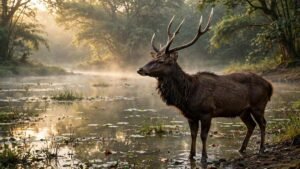
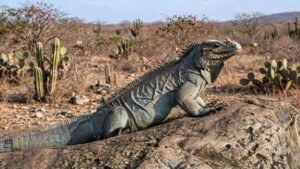
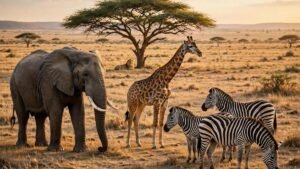
Herbivore animals are animals that eat plants, and little else. Herbivore animals include everything from moose and deer in Norwegian forests to elephants on the savanna and caterpillars on a single leaf, and the central question is how they survive on food that is so hard to digest. The answer is that they have evolved specialist teeth, stomachs and gut microbes that break down tough plant fibre, turning leaves, grass, bark and seeds into energy.
A herbivore is not simply an animal that sometimes eats plants. Many animals eat both plants and animals, and those are omnivores. A true herbivore depends on plant food for nearly all of its nutrition, and its whole body is built around that diet: flat grinding teeth, a long gut, and behaviour organised around finding enough plant food every day.
Key takeaways
- Herbivore animals eat plants and little else, from grass and leaves to bark, buds and seeds.
- Their flat grinding teeth and long guts are built to break down tough plant fibre.
- Ruminants such as deer and moose ferment food in a four-chambered stomach; other herbivores ferment it further along the gut.
- Herbivores shape the landscape, spreading seeds and keeping plant growth in check.
- Norway is home to moose, roe deer, red deer, reindeer, hares and many smaller plant-eaters.
What Is a Herbivore Animal?
A herbivore is an animal whose diet is made up almost entirely of plant material. That definition covers a huge range of species, from the largest land mammal to the smallest insect. What unites them is not size or habitat, but the way their bodies handle plant food.
Plants are a difficult food. Their cell walls contain cellulose, a tough fibre that no animal can digest on its own. Herbivores solve this problem by hosting microbes — bacteria and other tiny organisms — in their guts. These microbes ferment the fibre and release nutrients the animal can absorb. Without them, a herbivore would starve on a full stomach.
Herbivores also need to eat a lot. Plant food is low in energy compared with meat, so most herbivores spend a large part of the day feeding.
Types of Herbivore
Herbivores can be grouped by what part of the plant they eat, and each group has its own feeding style.
Grazers eat mainly grass. Cattle, sheep, horses, zebras and many antelope are grazers, and they crop grass close to the ground with wide mouths and strong lips. Browsers eat leaves, twigs, buds and shoots from trees and shrubs. Deer, moose, giraffes and goats are browsers, and they pick food carefully rather than sweeping it up in bulk.
Some herbivores specialise further. Frugivores eat mainly fruit, such as many monkeys and fruit bats. Granivores eat seeds and grain, including many birds and rodents. Folivores eat leaves, including koalas and sloths. Most herbivores are not strict specialists, and many shift between grass, leaves and fruit as the seasons change.
In Norway, the largest herbivores are browsers. Moose feed on birch, willow and pine shoots, roe deer pick buds and herbs at the forest edge, and reindeer eat lichen in winter when little else is available. Hares and lemmings feed on grasses, herbs and bark, and beavers cut branches and strip bark from trees. The animals in Norway include a wide range of these plant-eaters, each filling a different feeding niche.
Teeth, Stomachs and Digestion
A herbivore’s teeth tell the story of its diet. The front teeth are used for biting and cropping, while the back teeth are broad and flat, with ridged surfaces that grind plant material into a pulp. Many herbivores have no canine teeth at all, and instead have a gap, called a diastema, between the front teeth and the grinding teeth.
The most famous herbivore stomach belongs to the ruminants: deer, moose, cattle, sheep and goats. A ruminant has a stomach with four chambers. Food is swallowed quickly into the first chamber, the rumen, where microbes begin to ferment it. The animal later brings the partly digested food back up to the mouth, chews it again as cud, and swallows it a second time.
Not all herbivores are ruminants. Horses, rabbits, elephants and rhinos ferment food in a large chamber further along the gut, in the caecum or colon, rather than in the stomach. This is called hindgut fermentation. These animals can eat larger amounts of lower-quality food quickly, but they extract less energy from each mouthful than a ruminant does. Rabbits take this further: they produce soft pellets that they eat a second time, giving the food another pass through the gut.
How Herbivores Avoid Being Eaten
Eating plants comes with a cost: a herbivore spends long hours with its head down, feeding, and that makes it easy prey. Herbivores have evolved a range of defences to balance that risk.
Many herbivores rely on senses and speed. Deer, antelope and hares have eyes set on the sides of their heads, giving a wide field of view, and large ears that swivel to catch sound. When danger comes, they run, and many are fast enough to outpace a hunter over open ground.
Other herbivores rely on size, strength or armour. Elephants and rhinos are too large for most hunters to tackle. Porcupines carry sharp quills, armadillos wear a bony shell, and hedgehogs roll into a ball of spines. Some herbivores hide instead: caterpillars and leaf insects mimic leaves and twigs, and many small mammals feed at night when fewer hunters are about.
Herbivores Compared
Different herbivores solve the same problem — eating plants — in different ways. The table below compares four well-known groups.
| Herbivore | Main food | Digestion | Key feature |
|---|---|---|---|
| Moose | Leaves, twigs, buds | Ruminant, four-chambered stomach | Long legs and a flexible lip for browsing |
| Horse | Grass | Hindgut fermentation | Strong grinding teeth and a large caecum |
| Rabbit | Grass, herbs, bark | Hindgut fermentation, re-ingests pellets | Eats soft pellets a second time |
| Elephant | Leaves, grass, bark, fruit | Hindgut fermentation | Trunk for stripping leaves and pulling branches |
The moose is the largest browser in northern Europe, and its long legs let it reach high branches and wade into lakes to eat water plants. The horse is a grazer that moves constantly across open ground, cropping grass with its front teeth. The rabbit is small but efficient, using its second pass through the gut to squeeze more from its food. The elephant eats the widest range of plant parts, using its trunk like a hand to strip leaves and break branches.
Why Herbivores Matter in Nature
Herbivores do far more than eat plants. They shape the places they live in, and many other species depend on them.
By grazing and browsing, herbivores keep plant growth in check. Without them, fast-growing plants can crowd out slower ones, and open meadows can turn into scrub. Their feeding creates patchy habitats where different plants, insects and birds can thrive. In northern forests, moose browsing shapes which young trees survive, and that in turn shapes the forest itself.
Herbivores also spread plants. Seeds pass through their guts and are dropped far from the parent plant, ready to grow in new ground. Pollinators among herbivores, such as bees, carry pollen from flower to flower as they feed, and many plants depend on them entirely.
Herbivores are also food. They form the base of the food chain for predator animals, and their numbers decide how many hunters a habitat can support. When herbivore numbers fall, predators suffer; when they rise too far, they can damage the plants they depend on. This balance is why wildlife managers watch herbivore numbers closely, and why animal migration often follows the seasons of plant growth.
Herbivore Animals in Norway

Norway’s herbivores are shaped by long winters and short summers. The moose is the best-known, a large browser that feeds on birch, willow, rowan and pine, and wades into lakes for water plants in summer. Roe deer live at forest edges and in farmland, feeding on buds, herbs and young shoots. Red deer live mainly in the west, grazing grass and browsing shrubs, while reindeer live in the high mountains and the far north, feeding on lichen in winter and on grasses and herbs in summer.
Smaller herbivores matter too. Mountain hares change colour with the seasons, brown in summer and white in winter, and feed on grasses, herbs and bark. Lemmings are small rodents that feed on mosses and grasses in the mountains, and their numbers rise and fall in cycles that affect owls, foxes and other hunters. Beavers cut trees and build dams, creating wetlands that many other species use. The forest animals guide covers many of these species in more detail.
Checklist: Watching Herbivores in the Wild
- Watch at dawn or dusk, when herbivores are most active and feeding.
- Keep at least 50 metres away, and much further from a moose with a calf.
- Stay downwind and quiet, and use binoculars rather than walking closer.
- Never feed wild herbivores or leave food where they can reach it.
- Keep dogs on a lead so they do not chase deer or hares.
- Learn the signs: tracks, droppings, bark stripped from trees, and browsed shoots.
- Leave the place as you found it, with no litter and no damage to plants.
Frequently Asked Questions
What is a herbivore animal?
A herbivore animal is an animal that eats plants and little else. Its teeth are built for grinding, its gut is long, and it relies on microbes in its digestive system to break down tough plant fibre.
What do herbivore animals eat?
They eat leaves, grass, twigs, buds, bark, seeds, fruit and roots, depending on the species. Moose browse leaves and shoots, horses graze grass, and rabbits eat grasses, herbs and bark.
Why do herbivores chew the cud?
Ruminants such as deer, moose and cattle bring partly digested food back to the mouth and chew it again. This breaks the fibre down further and lets gut microbes work more effectively, so the animal gets more energy from each mouthful.
Are herbivore animals dangerous?
Most are shy and will run away, but large herbivores can be dangerous when startled or cornered, especially a moose with a calf. Keep your distance, stay calm, and never approach a wild herbivore.
Do herbivores ever eat meat?
True herbivores eat almost no meat, but some will eat insects or small animals now and then, often by accident while grazing. Deer have been seen eating birds’ eggs or carrion on rare occasions, but plants remain their main food.
Which herbivores live in Norway?
Norway is home to moose, roe deer, red deer, reindeer, mountain hares, lemmings, beavers and many smaller plant-eaters, including voles, squirrels and a wide range of plant-eating insects.
Conclusion
Herbivore animals are the quiet engineers of the natural world. They turn tough, low-energy plant food into bodies that feed predators, spread seeds, shape forests and keep meadows open. Their teeth, stomachs and gut microbes are among the most remarkable adaptations in nature, and they allow a moose, a rabbit and a caterpillar to make a living from the same green world.
The next step is to notice them. Learn the signs of browsing on a forest walk, watch for deer at the field edge at dusk, and read about the herbivores in your area. Start with our guide to animals in Norway and the 2000 forest animal list to see how many plant-eaters share one landscape. The more you look, the more you will see.