Animals that start with W range from the walrus on Arctic sea ice to the wombat in Australian grassland, and this list brings 25 of them together in one place. The best-known animals that start with W are walrus, wolf, wombat, wolverine, weasel, wallaby, warthog, whale, white-tailed deer, wild boar, woodpecker, wren, wasp, water buffalo, wildebeest, woodchuck, white rhino, wolf spider, wahoo, wrasse, worm, wapiti, water vole and white-tailed eagle. Each entry below gives one clear fact, so you can use the list for school, a quiz, a word game or simple curiosity.
Key takeaways
- 25 real animals are listed below, grouped by type so the list is easy to scan.
- Mammals dominate the W list, but birds, fish, insects and other groups are represented too.
- Several W animals are easy to confuse, especially wolverine and wolf, and wallaby and kangaroo.
- Habitat is the fastest clue when you are trying to identify an animal from a photo or a description.
- Use the checklist near the end to narrow any W animal down by size, habitat and diet.
How this list works
This is a practical list, not a scientific catalogue. Common names are used throughout, because that is how most people search for and remember animals. Where a common name covers more than one animal, such as whale, the best-known examples are named separately.
The list is grouped into mammals, birds, sea animals, and smaller land animals. If you enjoy letter lists, try our list of animals that start with F (https://viltnemnda.com/animals-that-start-with-f/) and our list of animals that start with the letter B (https://viltnemnda.com/animals-that-start-with-the-letter-b/).
Mammals that start with W
Mammals make up the largest group on this list. They range from the blue whale, the largest animal known to have lived on Earth, to the water vole, a small rodent that weighs less than a paperback book.
Walrus
The walrus is a large Arctic marine mammal with long tusks, a whiskered muzzle and thick blubber, and it feeds mainly on shellfish from the seabed.
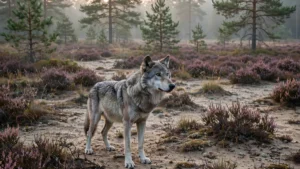
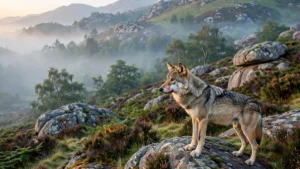
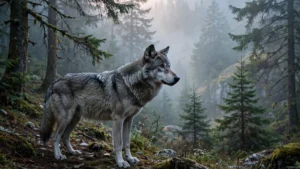
Wolf
The grey wolf is a social predator that lives and hunts in family groups called packs, and it helps keep deer and other prey populations in balance.
Wombat
The wombat is a burrowing marsupial from Australia with a sturdy body and short legs, and its pouch faces backwards so soil stays out while it digs.
Wolverine
The wolverine is a stocky member of the weasel family, known for its strength and thick fur in northern forests and tundra, and it is not closely related to wolves.
Weasel
The weasel is a small, slender predator with a long body and short legs, and it can follow mice and voles into burrows and tight spaces.
Wallaby
The wallaby is a smaller relative of the kangaroo, found in Australia and nearby islands, and it hops on strong hind legs and grazes on grasses and leaves.
Warthog
The warthog is an African wild pig with a warty face, curved tusks and a bristly mane, and it often runs with its thin tail held upright.
Blue whale
The blue whale is the largest animal known to have lived on Earth, longer than three buses placed end to end, yet it feeds almost entirely on tiny krill.
Humpback whale
The humpback whale is known for its long pectoral fins, knobbly head and spectacular leaps from the water, and it migrates thousands of kilometres each year.
White-tailed deer
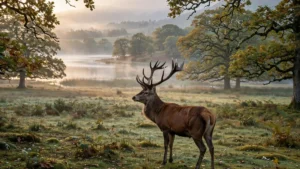
The white-tailed deer is a North American deer named for the white underside of its tail, which it raises like a flag when alarmed.
Wild boar
The wild boar is a sturdy, bristly pig that lives in forests across Europe and Asia, and it roots in soil to find roots, bulbs, insects and fallen fruit. Read more in our guide to the wild boar (https://viltnemnda.com/wild-boar/).
Water buffalo
The water buffalo is a large, horned bovine that lives in wet grassland and marshes in Asia, and it wallows in mud and shallow water to stay cool.
Wildebeest
The wildebeest, also called the gnu, is a large African antelope with curved horns and a shaggy mane, and huge herds migrate across the savanna for fresh grass and water.
Woodchuck
The woodchuck, also known as the groundhog, is a large North American marmot that lives in burrows in fields and woodland edges and hibernates through winter.
White rhino
The white rhino, also called the white rhinoceros, is the largest land rhino and the second-largest land mammal after the elephant, and it grazes on short grass.
Wapiti
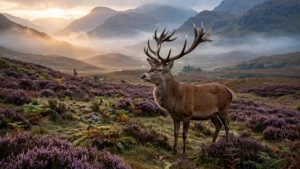
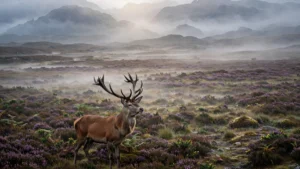
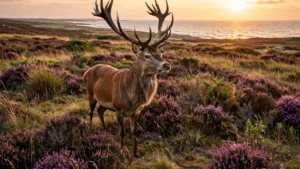
The wapiti, better known as the elk, is a large deer of North America and parts of Asia, and males grow broad antlers and bugle loudly in autumn.
Water vole
The water vole is a small, blunt-faced rodent that lives along slow rivers, streams and ponds in Europe and parts of Asia, and it is a strong swimmer.
Birds that start with W
Birds beginning with W include a familiar woodland bird and one of the most powerful eagles in Europe.
Woodpecker
The woodpecker is a climbing bird with a strong, chisel-like bill and stiff tail feathers, and it drills into tree trunks to find insects and excavate nest holes.
Wren
The wren is a tiny, round, brown bird with a short upright tail and a surprisingly loud, rich song for its size, and it hunts insects in dense undergrowth.
White-tailed eagle
The white-tailed eagle is a large sea eagle with broad wings and a short wedge-shaped white tail, and it hunts fish, waterbirds and carrion along coasts and lakes.
Sea animals that start with W
The sea adds two very different W animals: a fast, open-ocean game fish and a colourful reef fish.
Wahoo
The wahoo is a fast, streamlined ocean fish with a long body, sharp teeth and blue-green stripes, and it is one of the fastest fish in tropical seas.
Wrasse
The wrasse is a family of colourful reef fish, and many species change colour as they grow and pick small animals from coral and rock.
Smaller land animals that start with W
The smallest animals on this list are easy to overlook, but they are among the most widespread.
Wasp
The wasp is a flying insect with a narrow waist and yellow and black markings, and many wasps are useful predators that hunt caterpillars to feed their young.
Wolf spider
The wolf spider is a fast, ground-hunting spider that chases down prey instead of building a web, and females carry their egg sac attached to their spinnerets. Learn more in our guide to the wolf spider (https://viltnemnda.com/wolf-spider/).
Worm
The earthworm is a soft-bodied, segmented animal that lives in soil and feeds on dead leaves and organic matter, and as it burrows it mixes and aerates the soil.
W animals at a glance
The table below brings the main groups together. Use it to compare habitat and diet at a glance, then return to the full list above for detail.

| Animal | Group | Main habitat | Main diet |
|---|---|---|---|
| Walrus | Mammal | Arctic sea ice and coasts | Shellfish and seabed animals |
| Wolf | Mammal | Forests, tundra and mountains | Deer and other mammals |
| Wombat | Mammal | Australian grassland and scrub | Grasses, roots and bark |
| Blue whale | Mammal | Open ocean | Krill |
| White-tailed eagle | Bird | Coasts, lakes and rivers | Fish and waterbirds |
| Woodpecker | Bird | Woodland and forest | Insects in trees |
| Wahoo | Fish | Tropical open ocean | Smaller fish |
| Wasp | Insect | Gardens, fields and woodland | Insects and nectar |
| Wolf spider | Arachnid | Grassland, gardens and woodland | Insects and small spiders |
Table: A quick comparison of nine animals that start with W, by group, habitat and diet.
Where W animals live
W animals live on every continent except Antarctica, although no single species covers that whole range. The walrus belongs to the far north, the wombat and wallaby to Australia, the wildebeest and warthog to Africa, and the white-tailed deer and woodchuck to North America. Others, such as the wasp, the earthworm and the wolf spider, are far more widespread and turn up in gardens, fields and woodland in many countries.
Habitat shapes almost everything about these animals. The water buffalo needs wet ground, the white-tailed eagle needs open water with fish, and the woodpecker needs mature trees. Our 2000 forest animal list (https://viltnemnda.com/2000-forest-animal-list/) gives a wider view of woodland wildlife, and our guide to taiga animals (https://viltnemnda.com/taiga-animals/) covers the cold northern forests where wolves, wolverines and woodpeckers all live.
W animals often confused with each other
A quick check of size, habitat and shape usually sorts out the confusing pairs. The wolverine is not a wolf, despite the similar name, and it is much smaller, stockier and more solitary. The wallaby is a close relative of the kangaroo, but it is generally smaller and lives in denser cover. The woodchuck is the same animal as the groundhog. The white rhino is not white in colour, despite its name, and the name probably comes from a mishearing of the Dutch word for wide, describing its wide mouth. The wapiti and the elk are also the same animal.
Checklist: identify any animal that starts with W
Use this checklist when you think an animal begins with W. Work through the questions in order.
- What broad group is it? Mammal, bird, fish, insect or spider rules out most of the list at once.
- Where did you see it? Arctic ice points to walrus, Australian scrub to wombat or wallaby, African savanna to wildebeest or warthog, and open ocean to whale or wahoo.
- How big is it? A blue whale and a water vole are both mammals, but size separates them instantly.
- What is it eating? Grazing points to wildebeest or white rhino, while hunting fish points to white-tailed eagle or wahoo.
- Does it have a distinctive feature? Tusks suggest walrus or warthog, a white tail suggests white-tailed deer or white-tailed eagle, and a chisel bill suggests woodpecker.
- Is it active by day or night? Weasels and wasps are mainly active by day, while many wolf spiders hunt at dusk and night.
- Check the name twice. Wapiti means elk, woodchuck means groundhog, and wolverine is not a wolf.
Frequently asked questions
What is the most famous animal that starts with W?
The wolf is probably the most famous, thanks to its place in stories, documentaries and conservation debates.
What is the largest animal that starts with W?
The blue whale is the largest, and it is the largest animal known to have lived on Earth. It can grow longer than three buses placed end to end, yet it feeds on tiny krill.
What is the smallest animal that starts with W?
The smallest are insects and small spiders, such as the wasp and the wolf spider, along with the water vole among mammals.
Are there any W animals in Norway?
Yes. Wolves, wolverines, white-tailed eagles, woodpeckers, wrens, wasps, water voles and weasels all live in Norway, along with whales off the coast. Our guide to animals in Norway (https://viltnemnda.com/animals-in-norway/) covers the wider wildlife of the country.
What animal that starts with W is a good pet?
None of the wild animals on this list makes a good pet, and most are protected by law in their home countries.
How many animals start with W?
There is no single exact total, because new species are still being described and common names vary by region. This list gives 25 well-known examples.
Conclusion
Animals that start with W cover an unusually wide range, from the blue whale in the open ocean to the earthworm in garden soil. Pick the animal that interested you most, learn where it lives and what it eats, and use the checklist above to test yourself on the next W animal you meet.