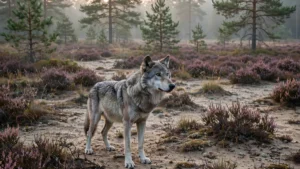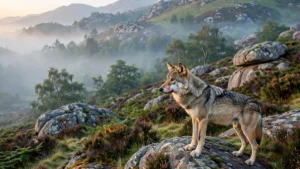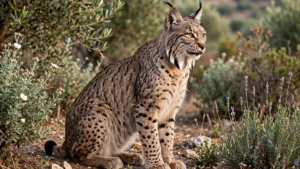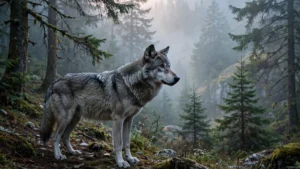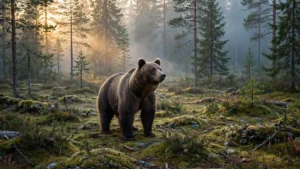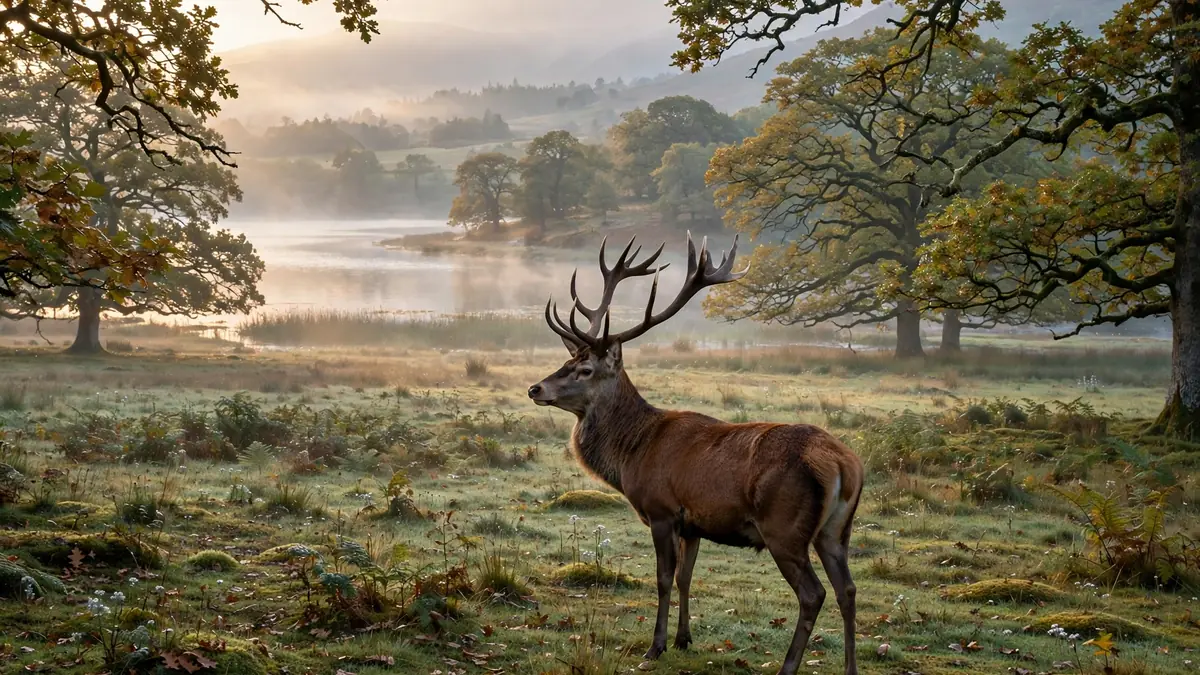
Ireland animals include red deer in Killarney, pine martens in the woodlands, otters along the rivers and coasts, puffins on the offshore islands and basking sharks off the west coast. If you are wondering which animals live in Ireland and where to see them, the short answer is this: red deer, foxes, badgers, hares, pine martens, otters and seals live on land and along the shore, puffins, gannets and choughs live on the cliffs and islands, and whales, dolphins and basking sharks live in the Atlantic waters off the west and south coasts.
Ireland is an island with a smaller range of land mammals than Britain or mainland Europe, because the sea cut it off before many species could arrive. What it lacks in variety it makes up for in seabirds, seals and marine life.
Key takeaways
- Ireland’s best-known land animals are the red deer, red fox, badger, Irish hare, pine marten, otter, red squirrel and Irish stoat.
- Ireland has no wild snakes, and the Irish hare is a distinct subspecies found only in Ireland.
- Skellig Michael and the Saltee Islands are among the best places in Europe to see puffins, while the west coast is best for basking sharks, dolphins and whales.
- White-tailed sea eagles and golden eagles have been brought back to Ireland after dying out, and now breed again in the west and north-west.
- Early morning and late evening are the best times to spot land mammals, and summer is the best season for puffins and basking sharks.
What makes Ireland’s wildlife special
Ireland separated from Britain and mainland Europe after the last Ice Age, so only a limited number of land mammals reached the island. There are no wild snakes, no moles and no weasels in Ireland, and the mammal list is short compared with the rest of Europe.
The great mammals of Ireland
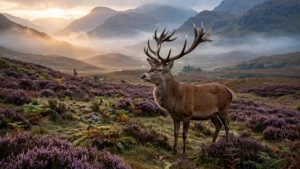
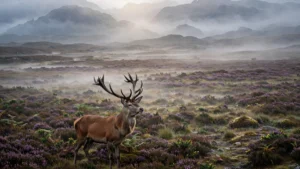
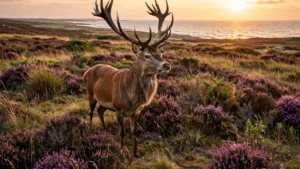
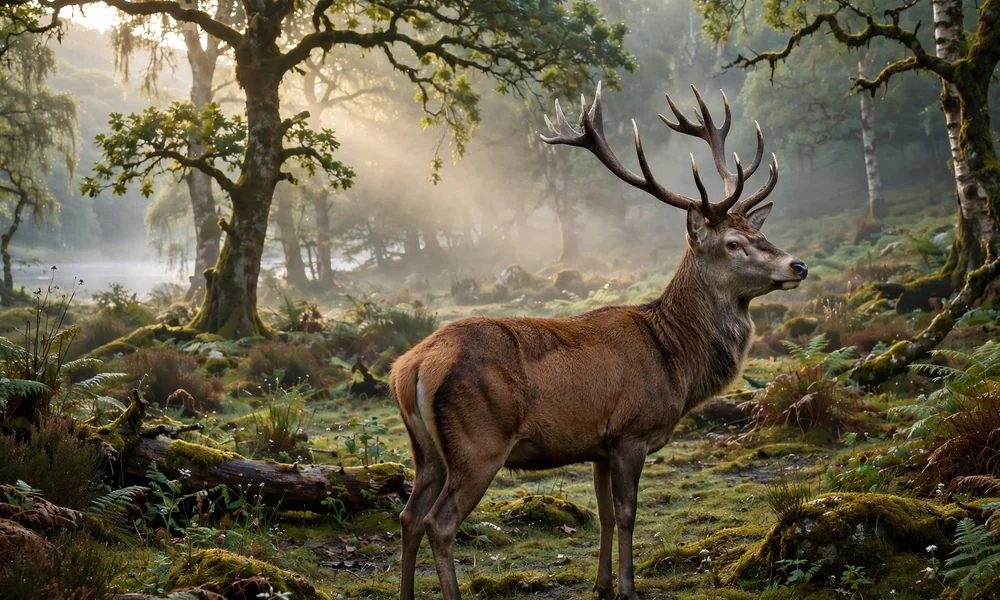
The red deer is Ireland’s largest land mammal. The herd in Killarney National Park in County Kerry is the best known, and it is the only wild herd in the country with an unbroken line back to ancient times.
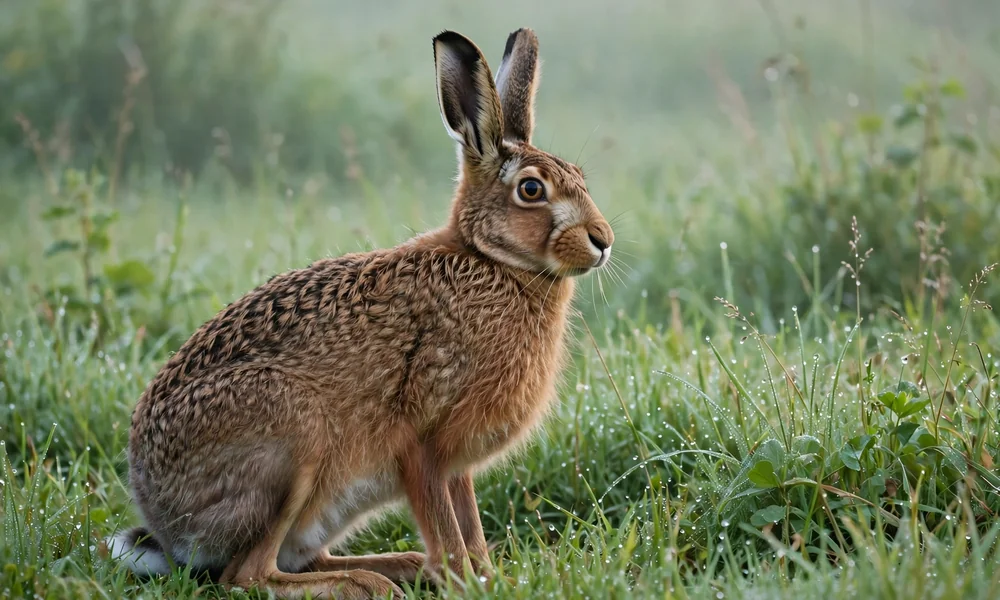
The Irish hare is a distinct subspecies of the mountain hare, found only in Ireland. It lives on farmland, moorland and bog across the whole island, and unlike its mountain cousins it does not turn white in winter, because Irish winters are mild.
Red foxes are common across Ireland, in farmland, woodland and towns, and they are most often seen at dawn and dusk. Badgers live in setts in hedgerows and woodland edges, and they are mainly nocturnal.
Pine martens, otters and red squirrels
The pine marten is one of Ireland’s most attractive mammals, a tree-climbing hunter with dark brown fur and a pale yellow throat patch. It was once scarce, but it has spread widely again, and it now lives in woodlands across much of the country. Like other forest animals, it depends on mature trees and thick cover.
Otters are widespread in Ireland, living along rivers, lakes and the coast. They are most often seen at dawn, slipping through the water or crossing a road near a river.
Red squirrels live in the conifer and broadleaf woodlands of Ireland, and they are one of the animals visitors most hope to see. Grey squirrels, introduced from North America, have spread across much of the east and midlands, and red squirrels have retreated to the west and to woodlands where the grey squirrel is scarce.

Birds of the cliffs, islands and wetlands
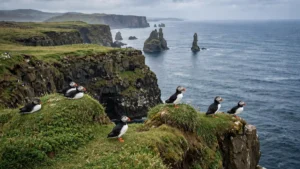
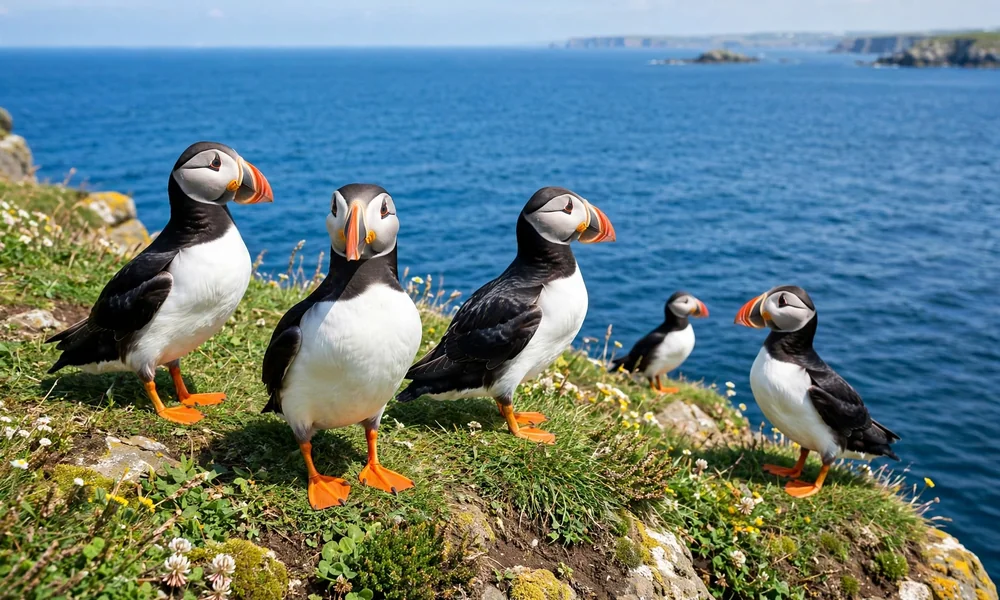
Ireland’s cliffs and offshore islands hold some of Europe’s finest seabird colonies. Puffins breed on Skellig Michael off the Kerry coast, on the Saltee Islands off Wexford and on Rathlin Island off Antrim, arriving in spring and leaving by late summer.
The chough is a crow with a red bill and red legs, and it lives on the sea cliffs of the west and south-west, feeding on insects in the short coastal grass. It is often seen tumbling and calling over the cliffs at Loop Head and the Dingle Peninsula.
White-tailed sea eagles were brought back to Ireland after dying out, and they now breed again in the west, around Killarney and the Shannon estuary. Golden eagles were also brought back, and they breed in Donegal in the north-west.
Seals, dolphins, whales and basking sharks
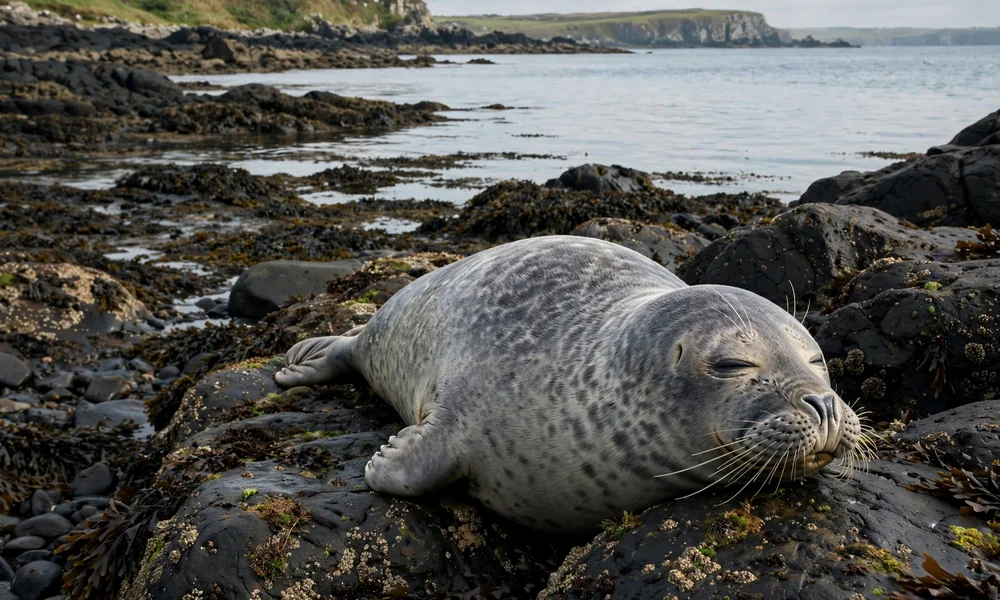
Grey seals and common seals haul out on rocks and sandbanks around the Irish coast. Grey seals are larger, with long faces, and they breed on offshore islands in autumn.
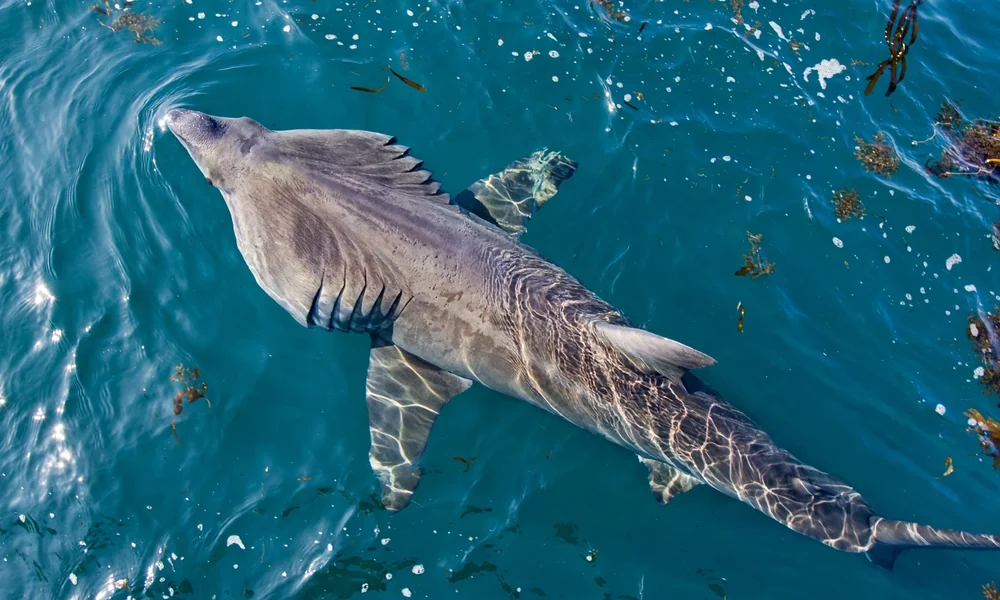
The waters off the west and south coasts are among the best in Europe for whales and dolphins. Common dolphins, bottlenose dolphins and harbour porpoises are seen regularly, and minke whales, fin whales and humpback whales pass along the coast in summer and autumn. The basking shark, the second largest fish in the world, visits Irish waters in spring and summer, feeding on plankton near the surface. Like other animal migration stories, the shark’s arrival follows the seasonal plankton.
Smaller animals and the animals Ireland does not have
Not all of Ireland’s wildlife is large. The pygmy shrew is Ireland’s smallest mammal, a tiny hunter that lives in grassland and hedgerows across the island.
Ireland’s missing animals are almost as famous as the ones that live here. There are no wild snakes in Ireland, a fact tied to the island’s separation from the mainland after the Ice Age, and to the legend of St Patrick, who is said to have driven them out.
Where to see Ireland’s wildlife
The best place depends on the species. Red deer are easiest in Killarney National Park, where the herd grazes the open parkland and the oak woods around the lakes.
For seabirds, Skellig Michael off Kerry and the Saltee Islands off Wexford are the classic destinations, while Rathlin Island off Antrim is best in the north. For seals, the Blasket Islands and the bays of the south-west coast are best visited by boat in summer.
| Species | Where to look | Best season | How likely is a sighting |
|---|---|---|---|
| Red deer | Killarney National Park | Autumn rut, dawn and dusk | Good |
| Pine marten | Woodlands of the west and midlands | Evenings, all year | Low |
| Otter | Rivers and bays of the west and south-west | Dawn, all year | Fair |
| Puffin | Skellig Michael and the Saltee Islands | May to July | Good in season |
| Grey seal | Blasket Islands and south-west bays | Summer | Good from a boat |
| Basking shark | West coast waters | Spring to summer | Fair on a boat trip |
Best seasons for wildlife watching
Summer is the easiest season. The days are long, the puffins are at their colonies, the seals are hauled out on the rocks and the basking sharks are in the western waters.
Autumn brings the red deer rut in Killarney, when the stags roar and the park is at its most dramatic. It is also the season when grey seals breed on the offshore islands, and when whales pass along the south coast.
Staying safe around Ireland’s wildlife
Ireland’s wild animals are generally shy, but they deserve respect. Keep your distance from red deer, especially stags in the autumn rut, and never walk between a deer and its young.
Wildlife watching checklist
- Book a boat trip for puffins, seals, basking sharks and whales — the best colonies and feeding grounds are offshore.
- Go out at dawn or dusk for red deer, otters and pine martens, and plan puffin trips for May to July.
- Bring binoculars, warm layers and waterproofs, even in summer — Irish coastal weather changes fast.
- Keep at least 50 metres from seals, nesting seabirds and grazing deer, and far more from stags in the rut.
- Never feed wild animals, and never use food or calls to lure them closer for a photograph.
- Leave no trace: take your rubbish home and keep to marked paths in sensitive habitats.
Frequently asked questions
What animals live in Ireland?
Red deer, foxes, badgers, Irish hares, pine martens, otters, red squirrels and Irish stoats live on land, and puffins, gannets, choughs and sea eagles live on the cliffs and islands. Seals, dolphins, whales and basking sharks live in the waters around the coast.
Are there snakes in Ireland?
No. There are no wild snakes in Ireland, and there are no moles, no weasels and no wild boar either.
Where can I see puffins in Ireland?
Skellig Michael off Kerry and the Saltee Islands off Wexford are the best-known puffin colonies, and Rathlin Island off Antrim is best in the north. The season runs from spring to late summer, with May to July the most reliable months.
Where is the best place to see red deer in Ireland?
Killarney National Park in County Kerry holds Ireland’s best-known wild red deer herd, and it is the only herd with an unbroken line back to ancient times. Dawn and dusk are the best times, and autumn is the rutting season.
Can I see basking sharks in Ireland?
Yes, in spring and summer, in the waters off the west coast. Boat trips from Kerry, Clare and Donegal offer the best chance, because the sharks feed on plankton near the surface and are easiest to spot from a boat.
Do I need a guide to see wildlife in Ireland?
Not for common species such as red deer, hares and seabirds. For otters, pine martens, basking sharks and whales, a local guide or a boat trip greatly improves your chances and keeps you safe. Like other small animals in Ireland, the pygmy shrew and the bats are best found with patience and a quiet evening walk.
Conclusion
Ireland’s wildlife rewards patience: red deer in Killarney, puffins on Skellig Michael and basking sharks off the west coast are all within reach if you plan around the seasons and keep your distance.
The next step is to pick one species and one season — a summer puffin trip, an autumn visit to Killarney for the deer rut, or a spring boat trip for basking sharks — and plan your visit around it.