Finland animals range from brown bears in the eastern border forests to reindeer on the fells of Lapland, and the country holds some of Europe’s best bear-watching country. If you are wondering which animals live in Finland and where to see them, the short answer is this: brown bears, wolves, lynx and wolverines survive in the forests and fells, moose, reindeer and deer roam the whole country, and the lakes and coasts host whooper swans, white-tailed sea eagles and the Saimaa ringed seal, a seal found nowhere else on Earth.
Finland is one of the best places in Europe to watch large mammals and birds, because so much of the country is forest, lake and fell, thinly settled across a long land. This guide covers the species you are most likely to meet, where each one lives and the best seasons to see them.
Key takeaways
- Finland’s most iconic land animals are the brown bear, grey wolf, Eurasian lynx, wolverine, moose, reindeer, red deer and roe deer.
- The brown bear is Finland’s largest predator, and the eastern border forests are among the best places in Europe to watch bears from a hide.
- The Saimaa ringed seal lives only in Lake Saimaa, making it Finland’s best-known endemic animal.
- Lapland is the land of reindeer, golden eagles and wolverines, while the south holds deer and rich birdlife.
- Early morning and late evening are the best times to spot large mammals, and spring is the best season for whooper swans.
What makes Finland’s wildlife special
Finland stretches from the Baltic coast and the farmland of the south to the Arctic fells of Lapland in the north. That range covers temperate forest, boreal forest, high fells, wetlands and thousands of lakes, so the country holds species from several climate zones at once.
The population is small for the size of the land, and most of Finland is covered in forest. That space is why large predators still survive here, even if their numbers are low and they are hard to see. Finland also shares a long eastern border with Russia, and animals cross it freely, linking the bear, wolf and lynx populations to much larger forests to the east.
The great mammals of Finland
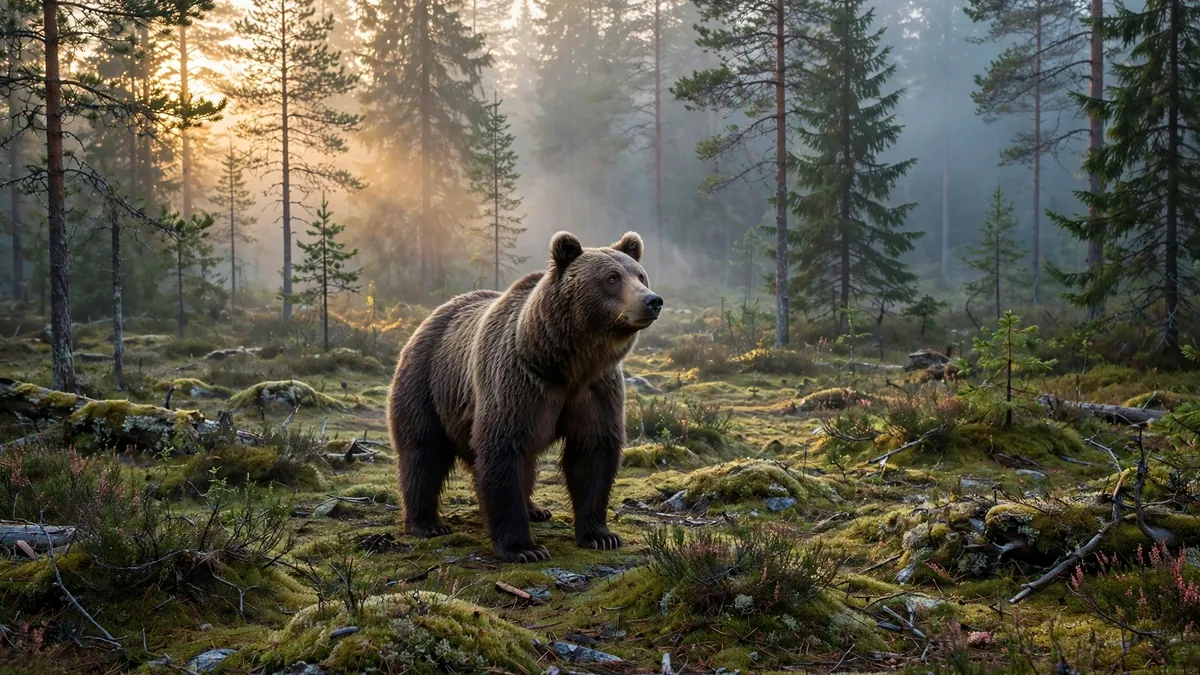
The brown bear is Finland’s largest predator and the animal most visitors hope to see. Bears are most numerous in the forests of the east, along the border in Kainuu and North Karelia, where they feed on berries, ants and roots before denning for the winter. Bear-watching hides in the east are the most reliable way to see one.

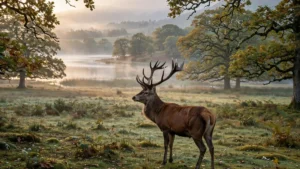
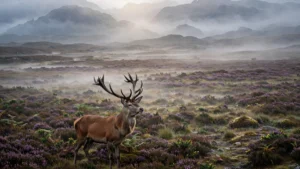
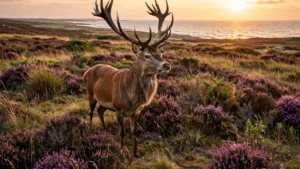
Moose, known as elk in Finland, are the largest deer in the country and are spread across the whole land, from the southern forests to Lapland. Moose are most active at dawn and dusk, often appearing beside roads and in clearings. Red deer live mainly in the south-west, while roe deer are widespread in farmland and forest edges across the south and centre.
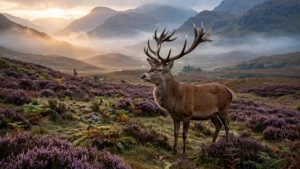
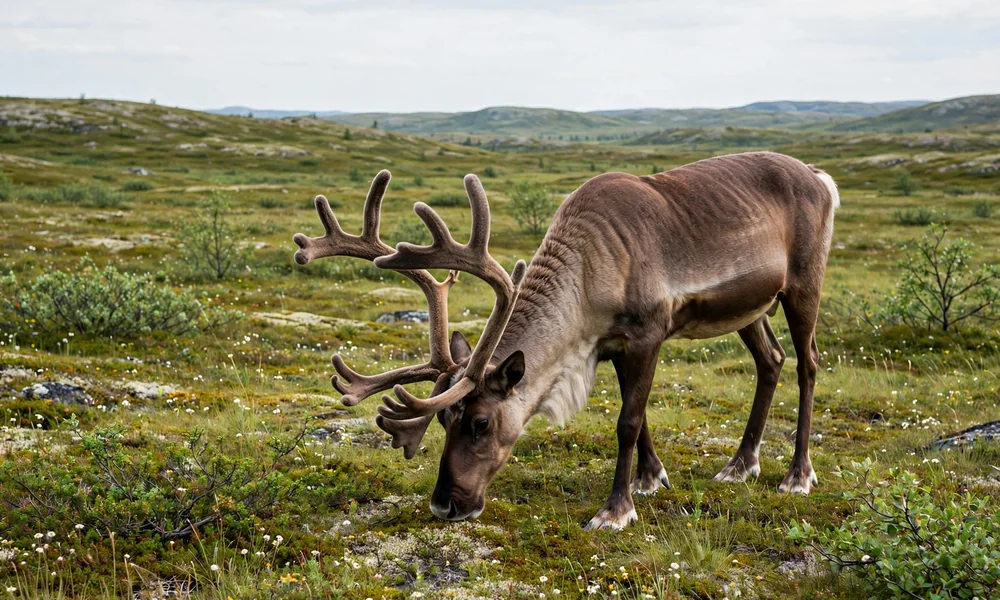
Reindeer are the other great deer of the north. Semi-domesticated herds are kept by Sami herders across Lapland, and wild forest reindeer live in the forests of the east. Like other tundra animals, reindeer are built for cold and open ground, with broad hooves that work like snowshoes.
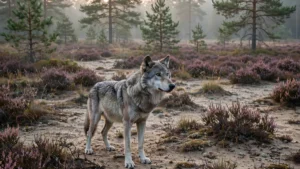
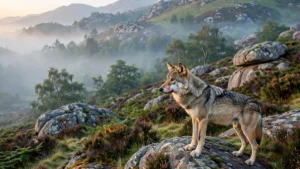
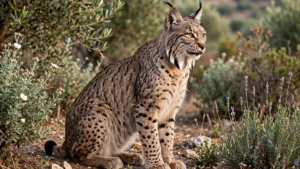
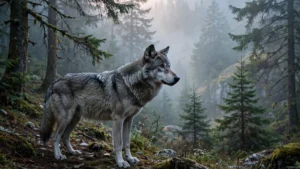
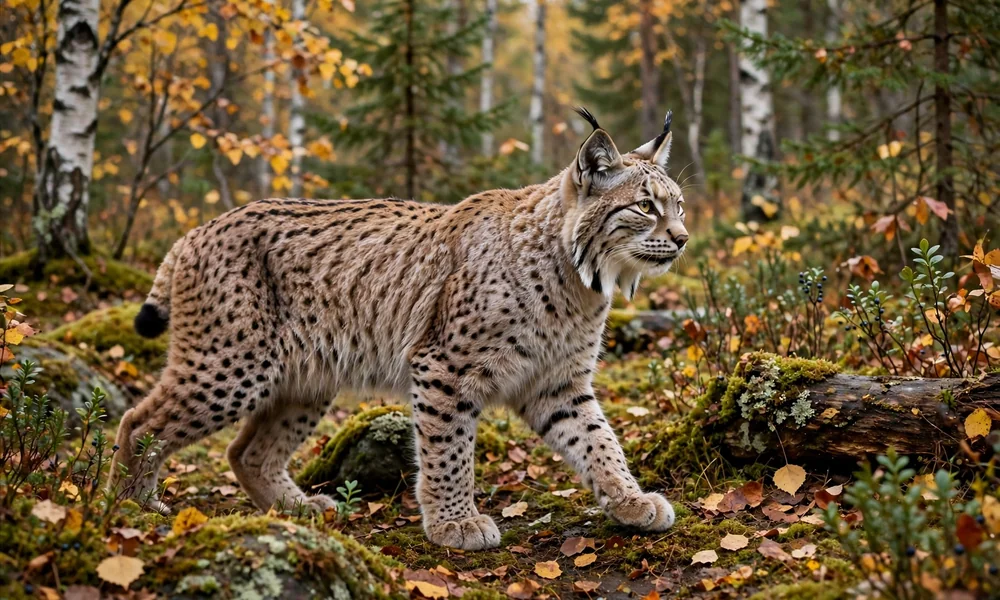
Among the predators, the Eurasian lynx is the most widespread, hunting roe deer and hares in the forests of the south and centre. Grey wolves live in small numbers, mainly in the east and south, and they are rarely seen. Wolverines live in the fells of the north and in the forests of the east, and a sighting is a rare prize.
Birds of the Finnish forests, lakes and fells
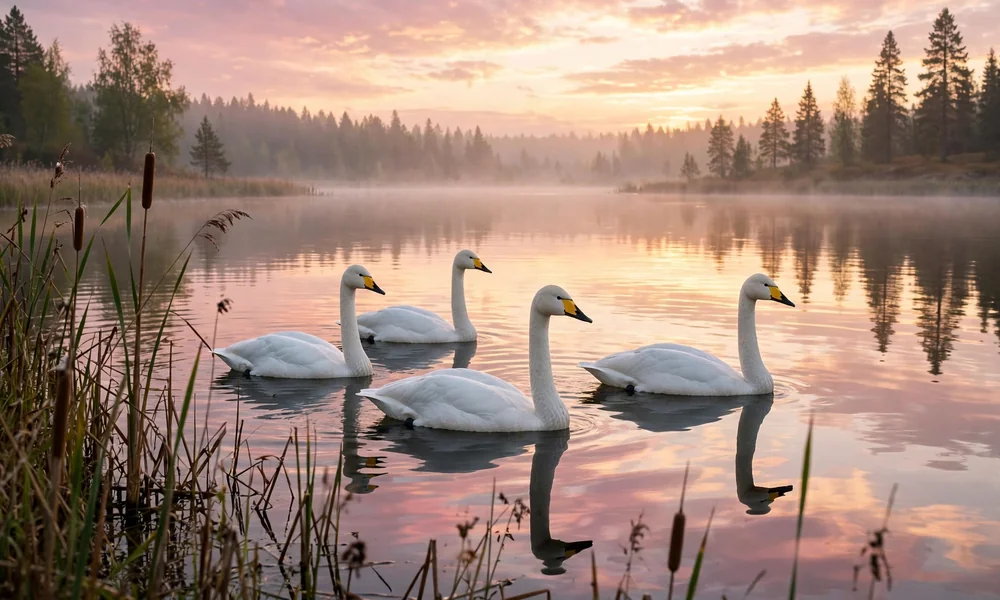
The whooper swan is Finland’s national bird, and its return each spring is one of the great moments of the Finnish year. Whooper swans breed on lakes across the country, from the south to Lapland, and their loud, bugling calls carry far across the water.
The white-tailed sea eagle is Finland’s largest bird of prey, with a wingspan of well over two metres. It breeds along the coasts and around the big lakes, and the south-west archipelago is among the best places to see it, often from a boat. Golden eagles hunt over the fells of the north instead, taking hares and grouse.
Each spring and autumn, cranes pass through Finland on their way to breeding grounds in the north, and geese gather in large flocks on the fields of the south in spring.
Seals, otters and life in the lakes
Finland’s thousands of lakes hold their own wildlife, and the most famous of all is the Saimaa ringed seal. This seal lives only in Lake Saimaa, in the south-east, and nowhere else in the world. It is a subspecies of the ringed seal that was cut off from the sea thousands of years ago as the land rose after the ice age. The seals are protected, so the best way to see one is from a boat with a local guide, keeping a good distance.

Along the Baltic coast, grey seals haul out on rocky islets and skerries, and ringed seals live in the northern Baltic. Their colonies are best visited by boat in summer. The harbour porpoise, a small, shy relative of the dolphins, is a rare visitor to Finnish waters.
Inland, the lakes and rivers hold otters and beavers. Beavers have returned to many Finnish rivers and lakes, and their dams now shape wetlands for frogs, dragonflies and water birds.
Smaller animals and the Arctic fox
Not all of Finland’s wildlife is large. The Arctic fox is one of the country’s most precious species, small, tough and now very rare in Finland. It lives in the fells of northern Lapland, changing from white in winter to brown-grey in summer. Its numbers fell sharply in the last century because of hunting and the decline of lemmings, its main prey.
Lemmings themselves are a key species. In good lemming years, predators raise more young, and in poor years they struggle. Badgers, pine martens and mountain hares are common in the forests, and the mountain hare turns white in winter.
Where to see Finland’s wildlife
Brown bears are easiest in the eastern border forests, around Kuhmo and Lieksa, where hides are set up for evening watching. Wolves and lynx live in the same forests, though both are far harder to see than bears. Wolverines are best looked for in the fells of the north and the forests of the east.
Reindeer are best in Lapland, moose in the forests and wetlands of the centre and east, and whooper swans on the lakes of the south and east. White-tailed sea eagles are best in the south-west archipelago. For the Saimaa ringed seal, Lake Saimaa is the only place in the world, and a guided boat trip in summer is the way to look for one.

| Species | Where to look | Best season | How likely is a sighting |
|---|---|---|---|
| Brown bear | Eastern border forests around Kuhmo and Lieksa | May to September, evening | Good from a hide |
| Reindeer | Fells and forests of Lapland | Summer | Good in the north |
| Saimaa ringed seal | Lake Saimaa in the south-east | May to August, from a boat | Low |
| Whooper swan | Lakes across the country | April to May and autumn | Good in season |
| White-tailed sea eagle | South-west archipelago and large eastern lakes | All year | Good from a boat |
| Wolverine | Fells of Lapland and forests of the east | Winter and spring | Low |
Best seasons for wildlife watching
Summer is the easiest season. The days are long, the birds are at their lakes, the bears are out in the clearings and the fells are open for walking. The midnight sun in the north means you can watch wildlife late into the evening.
Autumn brings the deer rut, when moose bulls are at their most visible, and bears feed hard on berries before they den for the winter.
Spring is the season of return. Whooper swans arrive on the lakes as the ice melts, cranes pass through on their way north, and the bears leave their dens. It is also the most sensitive season, so keep to paths, keep dogs on a lead and give every animal more space than you think it needs.
Staying safe around Finland’s wildlife
Finland’s large animals are usually calm, but they deserve respect. Keep your distance from bears, wolves and moose, never approach a moose calf or walk between a cow and her calves, and never try to feed or touch any wild animal. If you meet a bear, back away slowly, speak calmly and never run. Moose on the road are a real danger at dawn and dusk, so slow down on forest roads and watch the verges.
Wildlife watching checklist
- Book a local guide or a bear hide for large predators and the Saimaa ringed seal — they know where the animals are.
- Go out at dawn or dusk for mammals, and plan swan trips for April to May, when the ice is melting.
- Bring binoculars, warm layers and waterproofs, even in summer — Finnish weather changes fast.
- Keep at least 50 metres from seals, nesting birds and grazing deer, and far more from bears, moose with calves and wolves.
- Never feed wild animals, and never use food or calls to lure them closer for a photograph.
- Leave no trace: take your rubbish home and keep to marked paths in sensitive habitats.
Frequently asked questions
What is the most common large animal in Finland?
The moose is the most common large mammal, spread across the forests of the whole country, from the south to Lapland. Roe deer are also widespread, and reindeer are numerous in the north.
Are there bears and wolves in Finland?
Yes. Brown bears live mainly in the forests of the east, and grey wolves in small numbers in the east and south. Both are shy and avoid people.
What animal lives only in Finland?
The Saimaa ringed seal lives only in Lake Saimaa, in the south-east, and nowhere else in the world. It is protected.
When is the best time to see whooper swans in Finland?
From April to May, when the whooper swans return to the lakes as the ice melts, and again in autumn, when they gather before flying south.
Is it safe to see bears in Finland?
Bears are usually shy and avoid people. The safest way to see one is from a hide with a local guide in the eastern forests.
Can I see reindeer in Finland?
Yes. Semi-domesticated herds are kept by Sami herders across Lapland, and wild forest reindeer live in the forests of the east.
Conclusion
Finland’s wildlife rewards patience: brown bears in the eastern forests, whooper swans on the spring lakes and reindeer on the fells of Lapland are all within reach if you plan around the seasons and keep your distance.
The next step is to pick one species and one season — an evening in a bear hide in Kuhmo, a spring swan trip, or a summer visit to Lapland — and plan your visit around it.