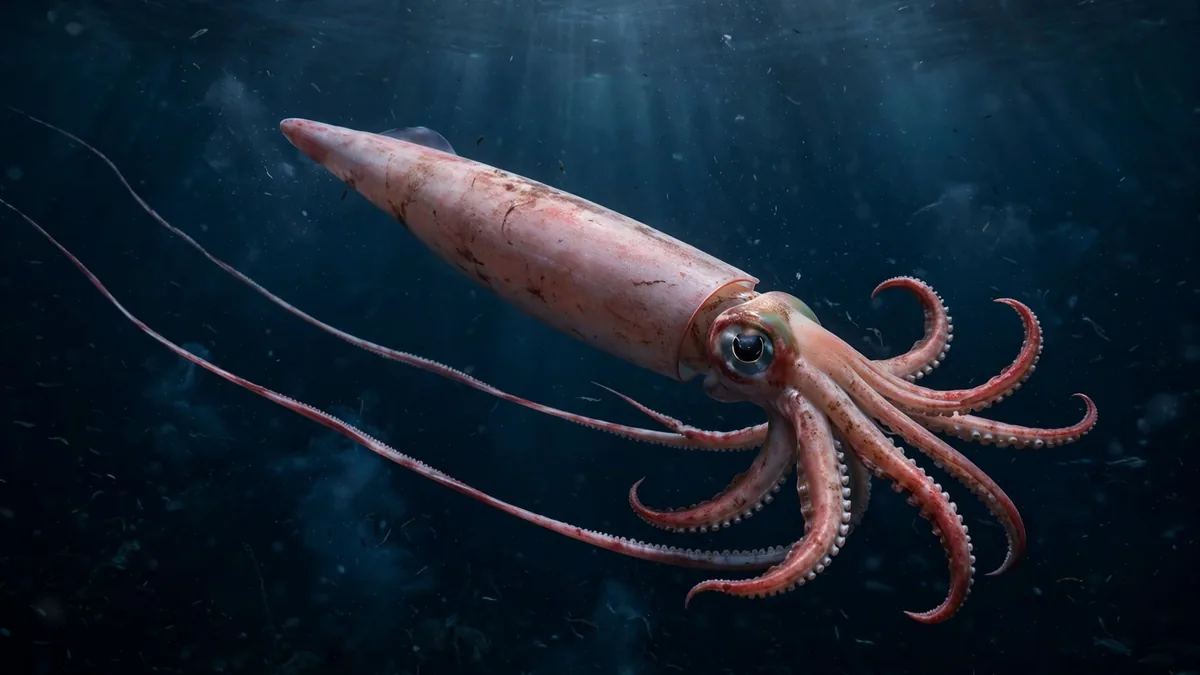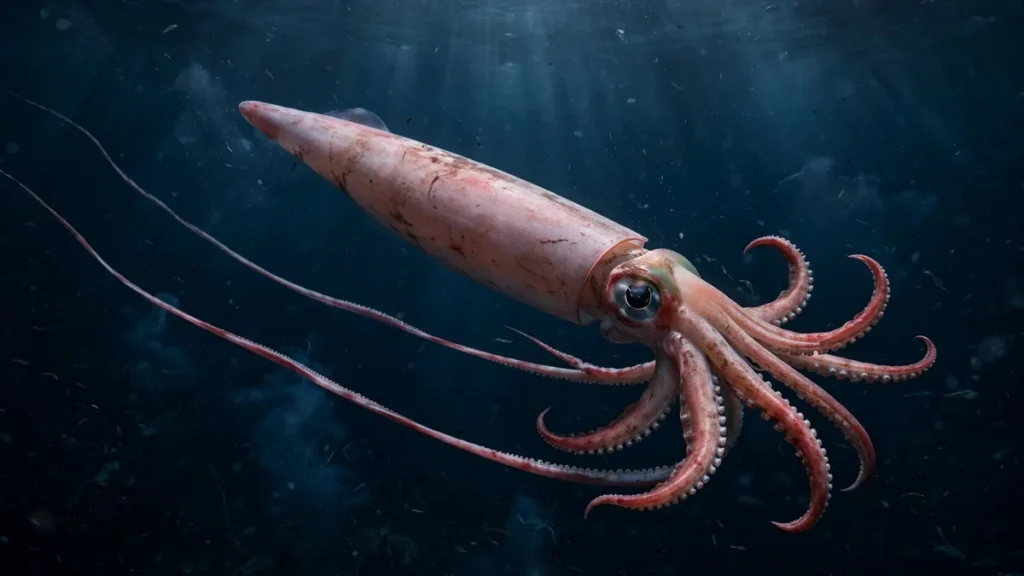
The giant squid species is the largest squid in the open ocean, a deep-sea animal whose mantle can reach 2.25 metres, whose total length can reach 13 metres, and whose eyes are 27 centimetres across, the largest eyes of any living animal. If you are asking what a giant squid is, the short answer is a single species, Architeuthis dux, that lives in the cold, dark water 300 to 1,000 metres down in oceans around the world, hunts fish and other squid with two long feeding tentacles, and is itself hunted by the sperm whale. It was not filmed alive in its own habitat until 2012.
What makes the giant squid so remarkable is how little we know about it, even now. For centuries it was known only from dead animals washed up on beaches, from beaks pulled out of sperm whale stomachs, and from the round scars its suckers leave on the skin of whales. It inspired the Kraken of Nordic legend, yet the real animal is shy, solitary, and almost never seen.
Key takeaways
- The giant squid species is Architeuthis dux, the only giant squid species recognised today, with a mantle up to 2.25 metres long and a total length of up to 13 metres in females and 10 metres in males.
- The largest females weigh up to 275 kilogrammes, and the body and head without the tentacles very rarely exceed 5 metres, since most of the total length is in the two long feeding tentacles.
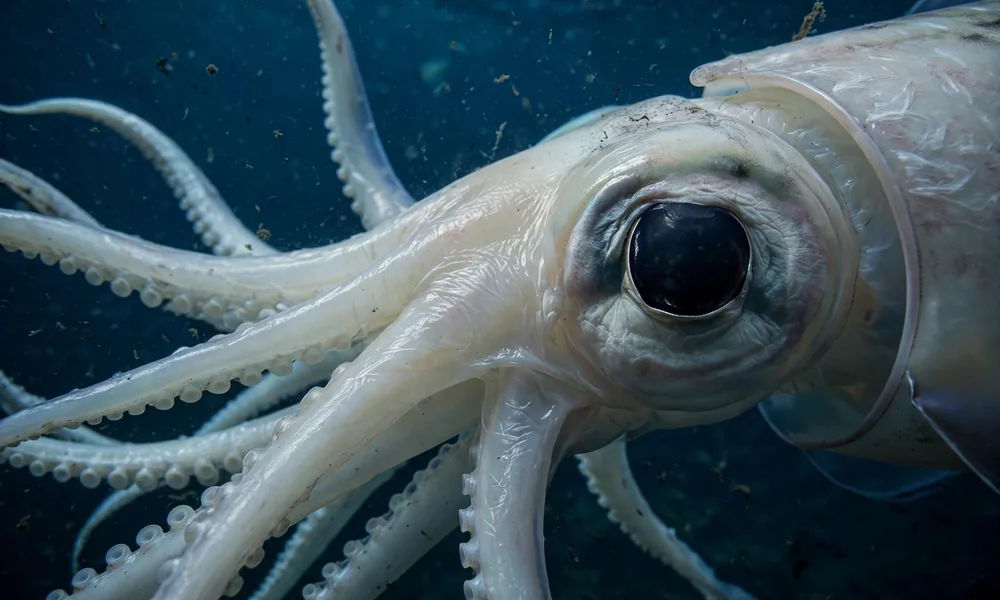
- Giant squids have eyes up to 27 centimetres across, among the largest eyes of any living animal, built to spot a sperm whale in water where no sunlight reaches.
- They live in deep oceans worldwide, mostly at depths of 300 to 1,000 metres, and they were first filmed alive in their own habitat in July 2012, off the Ogasawara Islands of Japan.
- Architeuthis dux is listed as Least Concern, though its population trend is unknown, and the assessment was made in 2010 and is now flagged as needing an update.
The giant squid species and their relatives
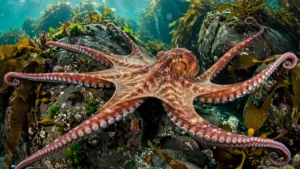
Giant squids belong to the phylum Mollusca, and within it they sit in the class Cephalopoda, alongside the octopus, the cuttlefish and the nautilus. They are true squids of the order Oegopsida, the open-ocean squids, and they belong to the family Architeuthidae, the giant squids, a family that holds a single genus, Architeuthis. The genus was described in 1857 by the Danish zoologist Japetus Steenstrup, who used stranded specimens, beaks and old reports to show that the sea monster of sailors was a real animal. Like the animals in our octopus guide, giant squids have eight arms, a beak and a soft body with no shell, but they have taken that plan in a different direction, growing long and fast for the open water rather than broad and clever for the reef.
The lead species of this guide is Architeuthis dux, and the name means chief commander in Greek and Latin, which suits an animal that was once thought to rule the deep sea. For more than a century, scientists described new giant squid species whenever a specimen looked a little different, and at one point as many as 19 or 20 names were in use. Genetic research has since shown that the differences were caused by damage after death and by stretching of the soft tentacles, and today only one species is recognised, Architeuthis dux, found in deep oceans around the world.
| Type | Animal | Where it lives | Best-known food | Length or Weight |
|---|---|---|---|---|
| Family | Giant squids (Architeuthidae) | Deep oceans worldwide | Fish, shrimp and other squid | Mantle up to 2.25 m |
| Genus | Giant squids (Architeuthis) | Deep oceans worldwide | Fish and other squid | Total length up to 13 m |
| Species | Giant squid (Architeuthis dux) | Deep oceans worldwide | Fish, shrimp and other squid | Mantle up to 2.25 m, total up to 13 m |
| Species | Colossal squid (Mesonychoteuthis hamiltoni) | Southern Ocean | Fish and squid | Mantle up to 2.5 m, weight up to 495 kg |
| Species | Humboldt squid (Dosidicus gigas) | Eastern Pacific | Fish and squid | Mantle up to about 1.5 m |
The closest relative of Architeuthis dux is the colossal squid, Mesonychoteuthis hamiltoni, and the two are often confused, though they belong to different families. The colossal squid lives in the cold waters of the Southern Ocean around Antarctica, and it is the heavier of the two, with a mantle of up to 2.5 metres and a weight of up to 495 kilogrammes, though its tentacles are shorter. The Humboldt squid, Dosidicus gigas, is a smaller cousin that lives in the eastern Pacific and hunts in schools. The giant squid stands apart from both of them, because it is the longest of the three, the most widespread, and the least seen.
What giant squids look like
A giant squid looks like an ordinary squid that has been stretched to the size of a bus. The body is long and torpedo-shaped, with a cylindrical mantle that holds the organs, a large head with two huge eyes, eight arms for holding prey, and two much longer feeding tentacles that shoot out to grab food and bring it to the beak. Two small fins sit at the far end of the mantle, and they look far too small for the size of the animal, like the wings on a heavy aircraft. The skin is usually reddish-brown or pinkish, though animals filmed alive have looked silvery in the lights of a submersible, and the skin can change colour and pattern, though not as dramatically as the skin of an octopus.
The size of a giant squid depends on how it is measured, and the measure matters more here than for almost any other animal. The mantle, the main body, is about 2 metres long in most large animals and is not known to exceed 2.25 metres. The body and head together, without the two long tentacles, very rarely exceed 5 metres. The total length, from the fins to the tips of the tentacles, is up to 13 metres in females and 10 metres in males, and most of that length is tentacle, which is soft, elastic and easily stretched after death. The largest specimen ever found, a female that washed ashore at Lyall Bay near Wellington in New Zealand in the winter of 1887, was measured at 16.8 metres, but its tentacles had stretched like rubber bands, and its mantle was only 1.8 metres. The largest females weigh up to 275 kilogrammes, and the largest males weigh up to 150 kilogrammes, which are hundreds of kilogrammes, not tonnes.
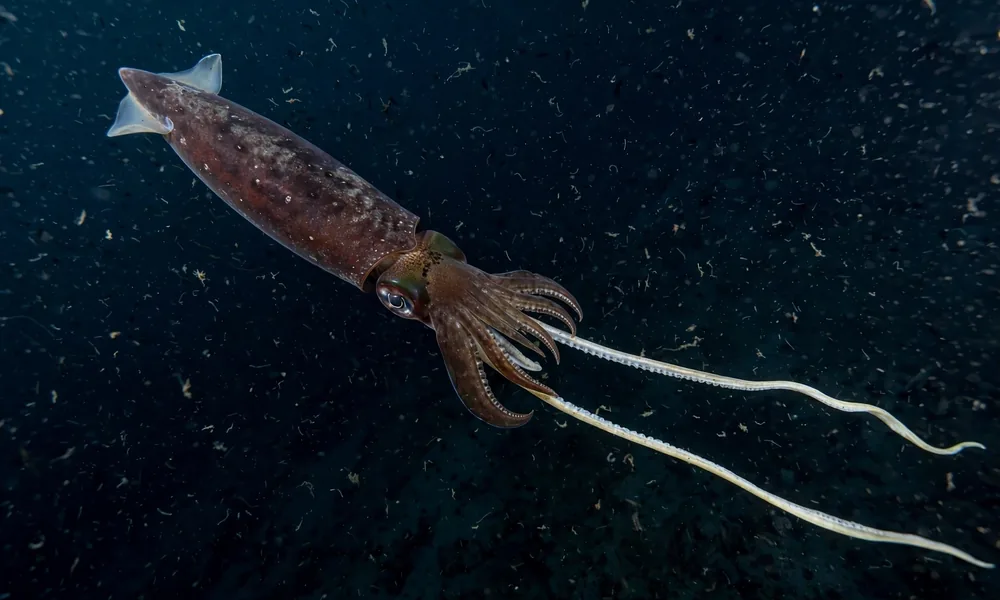
The details of the arms and tentacles are what make the giant squid such a formidable hunter. The eight arms are lined with suckers, and the two feeding tentacles end in clubs covered with suckers that carry sharp, serrated rings, which grip prey and leave round scars on anything they touch. The beak sits at the centre of the arms, where they meet the head, and it is a sharp, dark structure that can slice through fish and squid with ease. The funnel, a tube under the head, draws water into the mantle and forces it out again, which is how the animal swims, and the fins steer rather than drive it. The eyes are the most famous feature of all, and they are up to 27 centimetres across, about the size of a dinner plate, and they are built to see in water where there is almost no light at all.
It is easy to see why the giant squid has become the most famous squid in the world, and the fame is not just about size. The eyes are so large that scientists once thought they must be for spotting prey, but a study in 2012 showed that they are larger than any prey-hunting eye needs to be, and they are sized instead to spot the trail of glowing plankton stirred up by a diving sperm whale. National Geographic notes that the eyes of the giant squid measure about 10 inches across, the largest eyes in the animal kingdom. The charm is real, but it hides a wary animal, one that lives in darkness and watches for the whale that hunts it.
Where giant squids live
Giant squids live in the deep, open ocean, and their range is set by depth and temperature rather than by coastline. They are found in deep water in all of the world oceans, from the North Atlantic to the South Pacific, though they are met most often in the waters off Japan, Australia and New Zealand, where the currents bring dead animals ashore and where fishermen work the deep slopes. They do not live on reefs, and they do not live on the seafloor, and they live in the open water of the mesopelagic and bathypelagic zones, the twilight and midnight layers of the sea, where the light fades and then vanishes altogether.
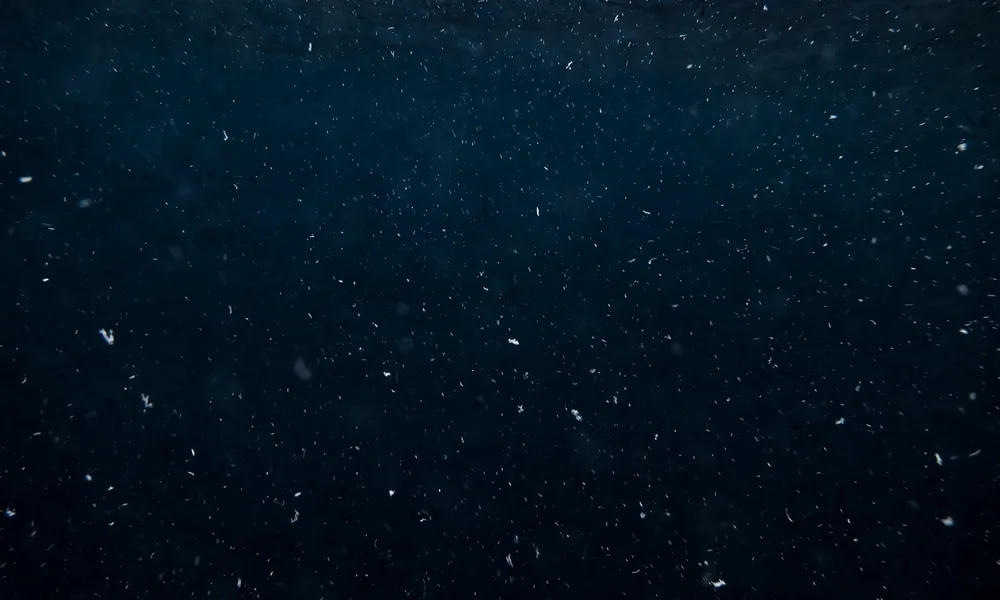
The habitat they choose is the water column itself, mostly at depths of 300 to 1,000 metres, where the temperature is cold, the pressure is enormous, and sunlight is effectively absent below about 200 metres. At those depths, the only light comes from the animals themselves, from the glowing plankton, the lanternfish and the squid that flash and shimmer in the dark. Giant squids are thought to rise towards shallower water at night to feed, following the deep scattering layer of small fish and squid that migrates up after dark, and to sink again by day. They are solitary animals, and they are so thinly spread through the deep sea that two of them may never meet except to mate.

The range of the species is so wide that scientists still cannot draw it on a map with confidence, and the records we have come from strandings and bycatch rather than from surveys. Carcasses have been found on beaches in New Zealand, Norway, Spain, Japan and the eastern United States, and beaks have been pulled from the stomachs of sperm whales caught in every ocean. The deep sea is the largest habitat on Earth and the least explored, so the true range of the giant squid is almost certainly wider than the records show.
What giant squids eat
Giant squids are carnivores, and their diet is written in the fish and squid of the deep sea. They eat deep-sea fish, including lanternfish and other small, glowing fish of the mesopelagic zone, and they eat shrimp and other squid, including smaller members of their own kind. Some writers have suggested that they might attack and eat small whales, but there is no evidence for that, and the suggestion says more about the legend of the giant squid than about the animal itself. The diet is humble for so large an animal, but it is reliable, because the deep sea is full of small fish and squid that rise and fall with the light each day.
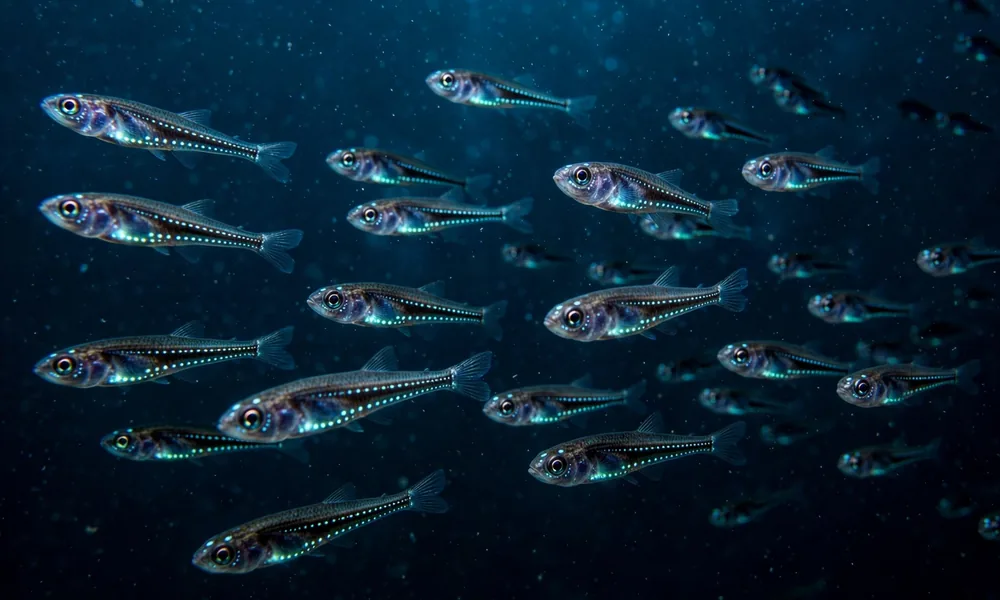
How a giant squid eats is as strange as what it eats. It does not chase its prey over long distances, and it does not tear its food apart with its arms, because its arms are for holding rather than for striking. Instead it shoots out its two long feeding tentacles, which can extend in a fraction of a second, and the clubs at the ends of them grip the prey with suckers and serrated rings, reeling it back to the eight arms, which pass it to the beak. The beak slices the prey into pieces small enough to swallow, and the squid eats it whole in chunks, with no chewing at all. It is a quiet, sudden way of feeding, and it fits an animal that hunts in darkness, where a prey animal is seen only for a moment before it is gone.
How giant squids behave
Giant squids are solitary, shy animals, and their behaviour is the behaviour of an animal that has almost never been watched. They move by jet propulsion, drawing water into the mantle and forcing it out through the funnel, and they steer with their small fins, which look far too small for the size of the animal yet are enough to turn a long, torpedo-shaped body in the water. They are not fast swimmers over long distances, and they do not need to be, because they hunt by waiting and striking rather than by chasing. They do not form schools, and they do not defend a territory, and each animal lives alone in the deep water, meeting another giant squid only when it is time to mate.
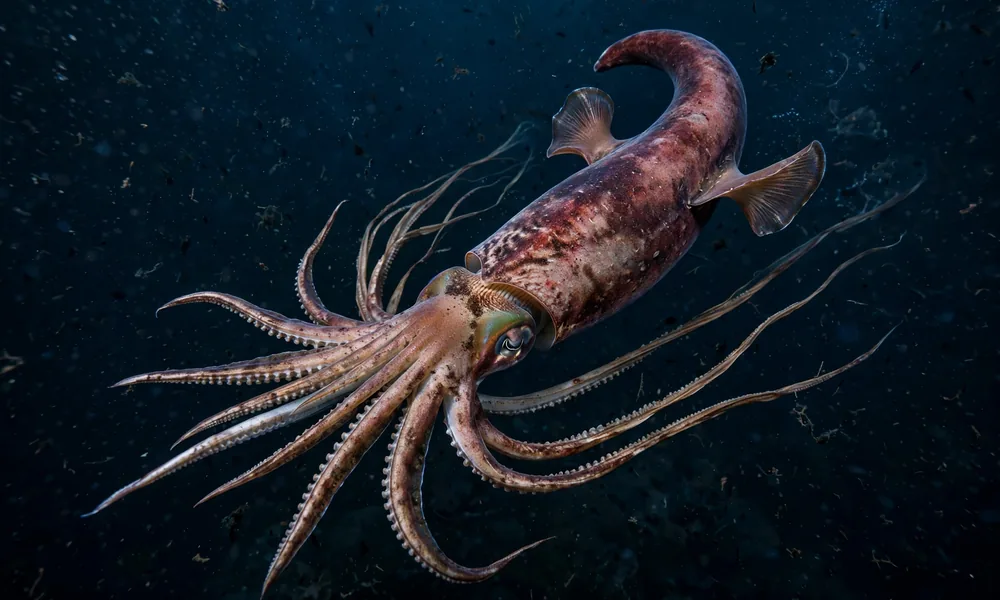
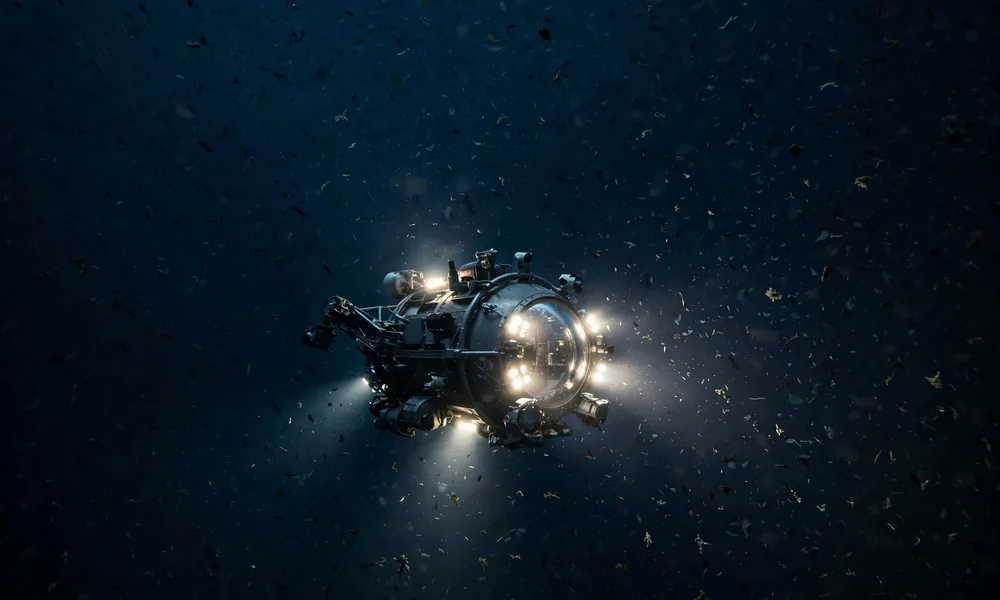
The most remarkable behaviour in a giant squid is how alert it is, and the evidence for it comes from the first video ever taken of one alive in its own habitat. In July 2012, a team from the National Science Museum of Japan, working with the broadcaster NHK and the Discovery Channel, filmed a giant squid at a depth of 630 metres near the Ogasawara Islands, after about 100 missions and 400 hours in a small submersible. The animal was about 3 metres long, and it had lost its two longest tentacles, so it would have been about 8 metres if it had been whole. It held a bait squid in its arms and swam against the current, and the team followed it down to 900 metres.
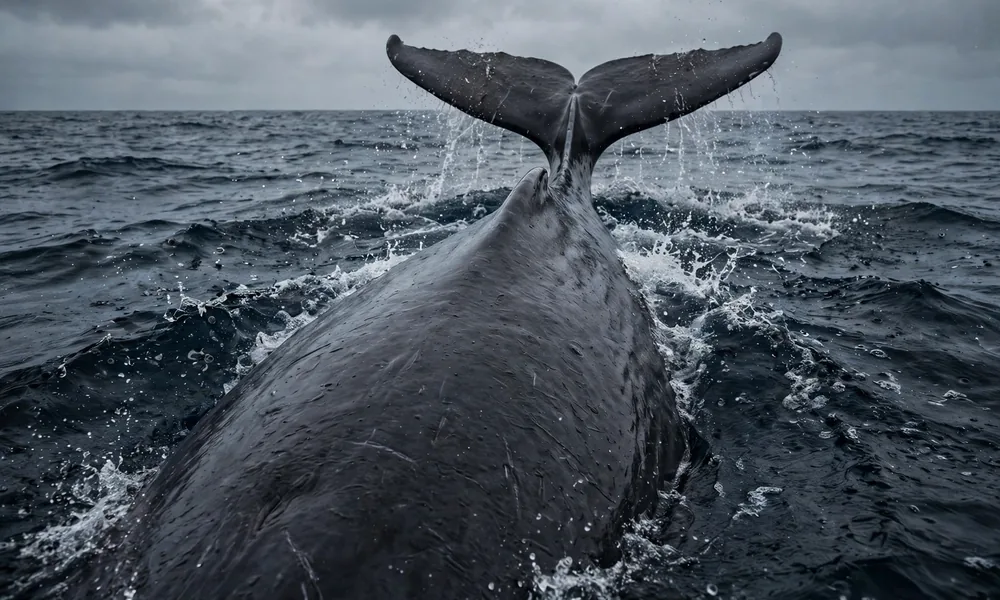
Predators are the other half of the giant squid story, and the sperm whale is the main one. Sperm whales dive to the depths where giant squids live, and they eat them in large numbers, and giant squid beaks are regularly found in whale stomachs. The whales carry the marks of the fight, because the serrated sucker rings of a giant squid leave round scars on the skin around a whale mouth and head, and the scars are often the only evidence that a battle took place a kilometre below the surface. The squid defends itself with its beak, with its tentacles, and with ink, but against a sperm whale it is usually the prey rather than the fighter.
Breeding and life cycle
Giant squids breed in the deep sea, and almost nothing about their breeding has ever been seen. A male passes a packet of sperm to the female with a specialised arm, and the female produces eggs in enormous numbers, with a single female carrying more than 5 kilogrammes of eggs, each one only 0.5 to 1.4 millimetres long. The eggs are thought to be laid in large, floating masses of jelly, though no such mass has ever been found, and the young that hatch from them are tiny, transparent animals that drift in the plankton before they grow into the deep-sea hunters of their parents. Very few young giant squids have ever been seen, and almost nothing is known about how fast they grow or how many of them survive their first year.
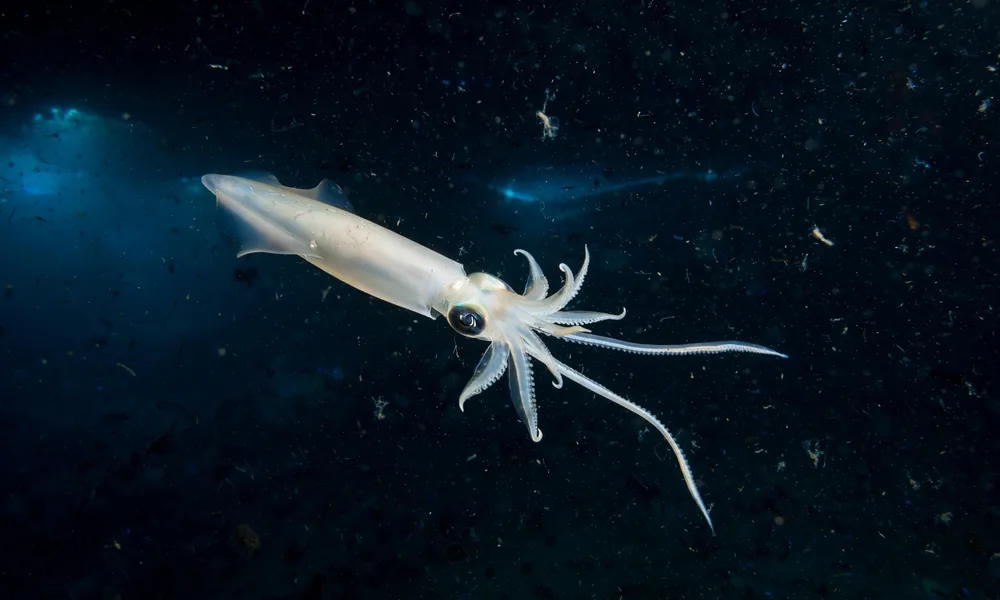
The young that hatch from those eggs must fend for themselves from the day they hatch, and there is no parent to feed or protect them. They settle into the deep water and begin the same life as their parents, feeding on the smallest fish and squid they can catch. In 2019, a juvenile giant squid was filmed by the National Oceanic and Atmospheric Administration at a depth of 759 metres in the Gulf of Mexico, and it was one of the few young animals ever seen alive. How long a giant squid lives is unknown, though related open-ocean squids live for only a few years, and the giant squid is thought to be similar.
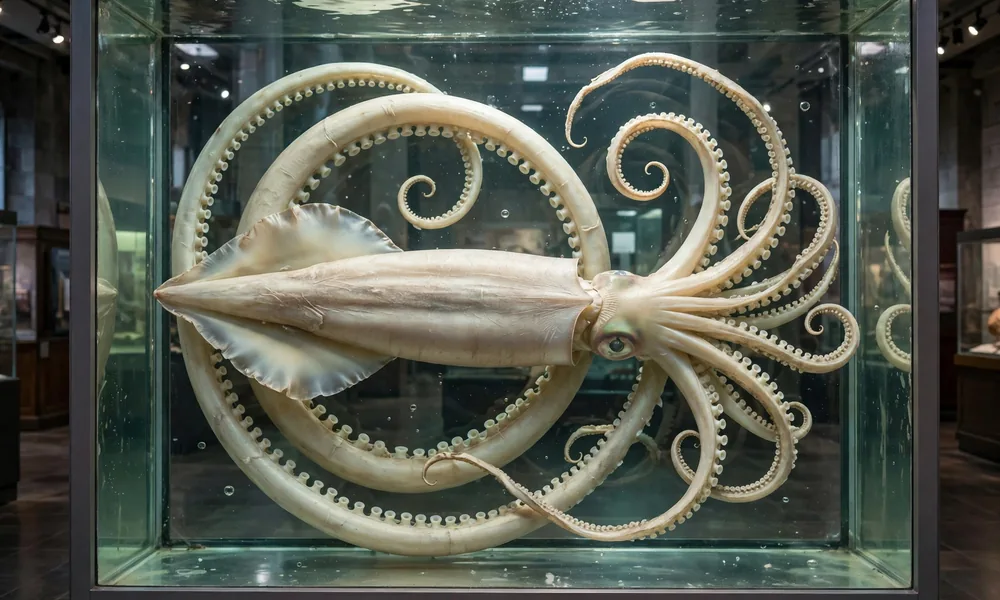
A giant squid that survives its youth spends its life in a world that humans can barely visit. The first images of a live giant squid in its own habitat were taken in 2004, when a Japanese team photographed one attacking a bait line at a depth of about 900 metres in the North Pacific, and the first video followed in 2012. Before that, everything scientists knew came from dead animals, and the animal was a mystery built from strandings, beaks and scars.
Conservation status
The conservation status of the giant squid is, on paper, a reassuring one. The International Union for Conservation of Nature lists Architeuthis dux as Least Concern, and the assessment was made in 2010 and published in 2014, though it is now flagged as needing an update, because so little is known about the animal that the judgment rests on its wide range rather than on counted numbers. The population trend is unknown, because nobody can count giant squids in the deep sea, and the animals are so rarely seen that nobody can say whether their numbers are rising, falling or holding steady. That is not the same as saying they are safe, and it is not the same as saying they are in danger, and it is simply an honest statement of how little we know about an animal that lives beyond the reach of almost every survey.
The main pressure on the giant squid is not hunting, because nobody fishes for giant squids, and the animals are too deep and too scattered for any fishery to target them. The pressure is the slow damage being done to the deep sea itself. Deep-sea trawling drags heavy nets through the water, and giant squids are taken as bycatch, hauled up dead in nets meant for fish. The warming of the oceans may also change the deep water where they live, and the food they depend on is itself the target of new fisheries.
The answer is not a single fix, and it is the slow work of protecting the deep sea before it is damaged, rather than trying to repair it afterwards. Limits on deep-sea trawling, protection for the deep scattering layer that feeds the twilight zone, and a pause on new deep-sea fisheries until their effects are understood would all help the giant squid, and they would help the thousands of other species that share its home. Research matters too, and every submersible dive that films a giant squid adds to a record that is still almost empty. The giant squid does not need a rescue, and it needs something quieter: to be left alone in a deep sea that is left alone too.
Best seasons for giant squid watching
There is no season for watching a giant squid, because there are no seasons in the deep sea and almost nobody ever sees one alive. The animals are present in the deep ocean all year round, and they do not migrate to one place at one time of year, and they do not come to the surface, so a watcher cannot plan a trip around them the way a birdwatcher plans around a migration. The only people who see giant squids alive are the scientists and pilots of research submersibles, and their dives happen all year round, whenever a research ship is at sea and the weather allows a launch.
For everyone else, the best way to see a giant squid is on film, and the footage is getting better every year. The 2012 video from the Ogasawara Islands is the most famous, and the clips released by the National Oceanic and Atmospheric Administration, including the juvenile filmed in the Gulf of Mexico in 2019, show the animals in a way that no photograph can match. Museums are a second option, and the Museum of New Zealand Te Papa Tongarewa in Wellington holds giant squid specimens that can be seen up close. The best hours are the hours when a research ship is streaming its dive live, and the best place is a screen, because a giant squid lives deeper than any diver can go.
Staying safe around giant squids
A giant squid is not dangerous to people, and there is no confirmed attack on a person in the whole history of the species. It has a sharp beak, it has suckers with serrated rings, and it is far too large to be harmless in theory, but it lives at depths of 300 to 1,000 metres, it avoids humans, and it has never been seen to approach a person in the water. The stories of giant squids attacking ships belong to legend, not to history. The danger in the giant squid world belongs to the people who visit it, not to the animal, and it is the danger of the deep sea itself: crushing pressure, freezing water, and total darkness. The real safety rule is the one that protects the animal: do not disturb it, and do not try to bring it to the surface.
Giant squid watching checklist
A little preparation turns a search for footage of the deep sea into a real chance of seeing a giant squid at its best, tentacles trailing in the dark water.
- Watch the 2012 Ogasawara Islands footage first, because it is the first video of a live giant squid in its own habitat and still the best introduction to the animal.
- Look for footage from the Gulf of Mexico, where the National Oceanic and Atmospheric Administration filmed a juvenile giant squid at 759 metres in 2019.
- Learn the shape before you watch, so you can tell a giant squid from a colossal squid by its longer tentacles and its smaller, lighter body.
- Watch the live streams of research submersible dives, which are the only way most people will ever see a giant squid alive.
- Visit the Museum of New Zealand Te Papa Tongarewa in Wellington, where preserved giant squid specimens can be seen up close.
- Remember the depth, and that a giant squid lives deeper than any diver can go, so a screen is the right place to look.
- Respect the deep sea, and support the protection of deep-sea habitats, because the animal you are watching has nowhere else to live.
Frequently asked questions
How big do giant squids get?
Most giant squids are far smaller than the legends suggest, and the mantle, the main body, is about 2 metres long and is not known to exceed 2.25 metres. The total length, from the fins to the tips of the two long feeding tentacles, is up to 13 metres in females and 10 metres in males, and most of that length is tentacle. The largest females weigh up to 275 kilogrammes, and the largest males weigh up to 150 kilogrammes. Stories of animals 20 metres long and weighing a tonne have never been confirmed, and the largest specimen ever found, a female from Lyall Bay in New Zealand in 1887, measured 16.8 metres only because its tentacles had stretched after death.
How deep do giant squids live?
Giant squids live in the deep, open ocean, mostly at depths of 300 to 1,000 metres, in the twilight and midnight layers of the sea where sunlight is effectively absent below about 200 metres. They are thought to rise towards shallower water at night to feed, following the small fish and squid that migrate up after dark, and to sink again by day. The first live photographs were taken at about 900 metres, and the first video was filmed at 630 metres, which shows how deep a watcher must go to meet one.
What do giant squids eat?
A giant squid eats deep-sea fish, including lanternfish and other small, glowing fish of the twilight zone, and it eats shrimp and other squid, including smaller members of its own kind. It hunts by shooting out its two long feeding tentacles, which grip the prey with suckers and serrated rings, and the eight arms pass the prey to the beak, which slices it into pieces small enough to swallow. Some writers have suggested that giant squids might attack small whales, but there is no evidence for that, and the suggestion belongs to the legend rather than to the animal.
Why do giant squids have such big eyes?
Giant squids have eyes up to 27 centimetres across, among the largest eyes of any living animal, and the eyes are that large for a reason that has nothing to do with hunting. A study in 2012 showed that the eyes are larger than any prey-hunting eye needs to be, and they are sized instead to spot the largest, dimmest moving object in the deep sea, which is the trail of glowing plankton stirred up by a diving sperm whale. Eyes this large can pick out that glow at a distance of about 120 metres, which gives the squid enough warning to respond before the whale arrives.
Have giant squids ever attacked people or ships?
No, and there is no confirmed attack on a person or a ship in the whole history of the species. Giant squids live at depths of 300 to 1,000 metres, they avoid humans, and they have never been seen to approach a person in the water. The Kraken of Nordic legend, the monster that was said to drag ships down, was a story told by sailors who had seen dead squids washed ashore and imagined what a live one could do. The real giant squid is a shy, solitary hunter of fish and squid, and the only animal it regularly fights is the sperm whale.
How is this guide different from the giant Pacific octopus guide?
This guide covers the giant squid, a long, fast hunter of the open deep sea, Architeuthis dux, with a mantle up to 2.25 metres, a total length of up to 13 metres, a weight of up to 275 kilogrammes, and eyes 27 centimetres across, that lives at depths of 300 to 1,000 metres in oceans worldwide and is hunted by the sperm whale, while our giant Pacific octopus guide covers a broad, reef-dwelling octopus, Enteroctopus dofleini, with typical adults of about 15 kilogrammes, a verified record of 71 kilogrammes, and an arm span of up to 4.3 metres, that lives on rocky reefs of the cold North Pacific from the intertidal zone down to 2,000 metres, hunts crabs and clams at night, and lives for only three to five years. One is a deep-water squid you meet only on film, hundreds of metres down in the open ocean; the other is a shallow-water octopus you can meet by torchlight on a reef or in an aquarium, and the two could hardly be further apart in habitat, in movement, or in the way they find their food.
Conclusion
The giant squid species is a reminder that an animal does not need to be seen to be unforgettable. A squid as long as a bus, with eyes the size of dinner plates, has made its home in the coldest, darkest place on Earth, and it survives there not by fighting the deep sea, but by watching it and waiting in it.
If you go looking for one, go to the footage, go to the live streams of the research submersibles, and watch for the pale shape moving through the dark with its tentacles trailing behind it. Find the animal that lives deeper than any diver can go, that was a legend for centuries before it was a specimen, and you will have met the giant squid, the longest squid in the open ocean, and one of the most quietly remarkable animals in the sea. Look, and leave the deep alone.